国家暴力
State Terror, State Violence


★国民を守るはずの国家がなぜ国民に対して危険な存在になるのか?——そのような疑問を持つ人は「社会契約論」ということを曲がりなりにも理解していることが、その出発点になる。
"State terrorism refers to acts of terrorism which a state conducts against (1) another state or against (2) its own citizens"- State terrorism. There is neither an academic nor an international legal consensus regarding the proper definition of the word "terrorism".[5][6] Some scholars believe the actions of governments can be labelled "terrorism".[7] Using the term 'terrorism' to mean violent action used with the predominant intention of causing terror, Paul James and Jonathan Friedman distinguish between state terrorism against non-combatants and state terrorism against combatants, including 'shock and awe' tactics:"Shock and Awe" as a subcategory of "rapid dominance" is the name given to massive intervention designed to strike terror into the minds of the enemy. It is a form of state-terrorism. The concept was however developed long before the Second Gulf War by Harlan Ullman as chair of a forum of retired military personnel.[8→James, Paul; Friedman, Jonathan (2006). Globalization and Violence, Vol. 3: Globalizing War and Intervention. London: Sage Publications.]"
++++++++++++++++++++++
国家テロリズム[State terrorism] とは、国家が自国民または他国の国民に対して行うテロリズムのことである。[1][2][3][4] これは、国家の支援を受けた非国家主体が、国家の後援の下でテロ行為を行う「国家支援テロリズム」とは対照的である。 国家テロリズムを行っていると非難される政府は、その行為を、国内の反体制勢力の排除、反乱の鎮圧、あるいは国家安全保障の維持に向けた取り組みとして正 当化することがあり、しばしばその行為を対テロ活動や対反乱活動の文脈に位置づける。国家テロリズムと非難される行為は、通常、人権および国際法に対する 重大な侵害としても批判される。 歴史的に見て、政府は様々な状況下で国家テロリズムを行使していると非難されてきた。国家テロリズムの正確な定義と範囲については依然として議論が分かれ ている。一部の学者や政府は、テロリズムは非国家主体のみが使用する手段であると主張する一方で、他方では、民間人を恐怖に陥れることを意図した国家主導 の暴力もテロリズムに分類されるべきだと主張しているからである。[5][6] - 国家テロリズム(State terrorism)
1. Aust, Anthony (2010). Handbook of
International Law (2nd ed.). Cambridge University Press. p. 265. ISBN
978-0-521-13349-4.
2. "Terrorism". Encyclopædia Britannica.
3. Selden & So, 2003: p. 4. Archived 2024-03-29 at the
Wayback Machine
4. Martin 2006, p. 111. Martin, Gus (2006). Understanding terrorism:
challenges, perspectives, and issues. SAGE.
5. Chenoweth, Erica; English, Richard; Gofas, Andrew; Kalyvas, Stathis
(2019). The Oxford Handbook of Terrorism (First ed.). Oxford, United
Kingdom: Oxford University Press. p. 153. ISBN 9780198732914.
6. Williamson, Myra (2009). Terrorism, war and international law: the
legality of the use of force against Afghanistan in 2001. Ashgate. p.
40. ISBN 978-0-7546-7403-0.
++++++++++++++++++++
道徳哲学や政治哲学において、社会契約[social
contract, contrat social]とは、常にではないが、通常、個
人に対する国家の権威の正統性に関わる思想、理論、モデルのことである[1]。啓蒙主義時代に概念化されたもので、立憲主義の中核をなす概念であるが、必
ずしも召集され、立憲議会や憲法に書き記されているわけではない。
社会契約論は一般的に、個人が残りの権利の保護や社会秩序の維持と引き換えに、明示的または黙示的に、一部の自由を放棄し、権威(支配者、または多数派の
決定)に服従することに同意したというものである。この用語は、この概念を論じた1762年のジャン=ジャック・ルソーの著書『社会契約』(フランス語:
Du contrat social ou Principes du droit
politique)に由来する。社会契約論の前身は古代、ギリシャ哲学、ストア哲学、ローマ法、カノン法に見られるが、社会契約論の最盛期は17世紀半
ばから19世紀初頭で、政治的正当性の主要な学説として台頭した。
ほとんどの社会契約論の出発点は、政治的秩序が存在しない人間の状態(トマス・ホッブズは「自然状態」と呼んだ)[4]を考察することである。この状態で
は、個人の行動は個人の力と良心によってのみ拘束される。この共通の出発点から、社会契約論者は、理性的な個人が政治的秩序の利益を得るために自発的に自
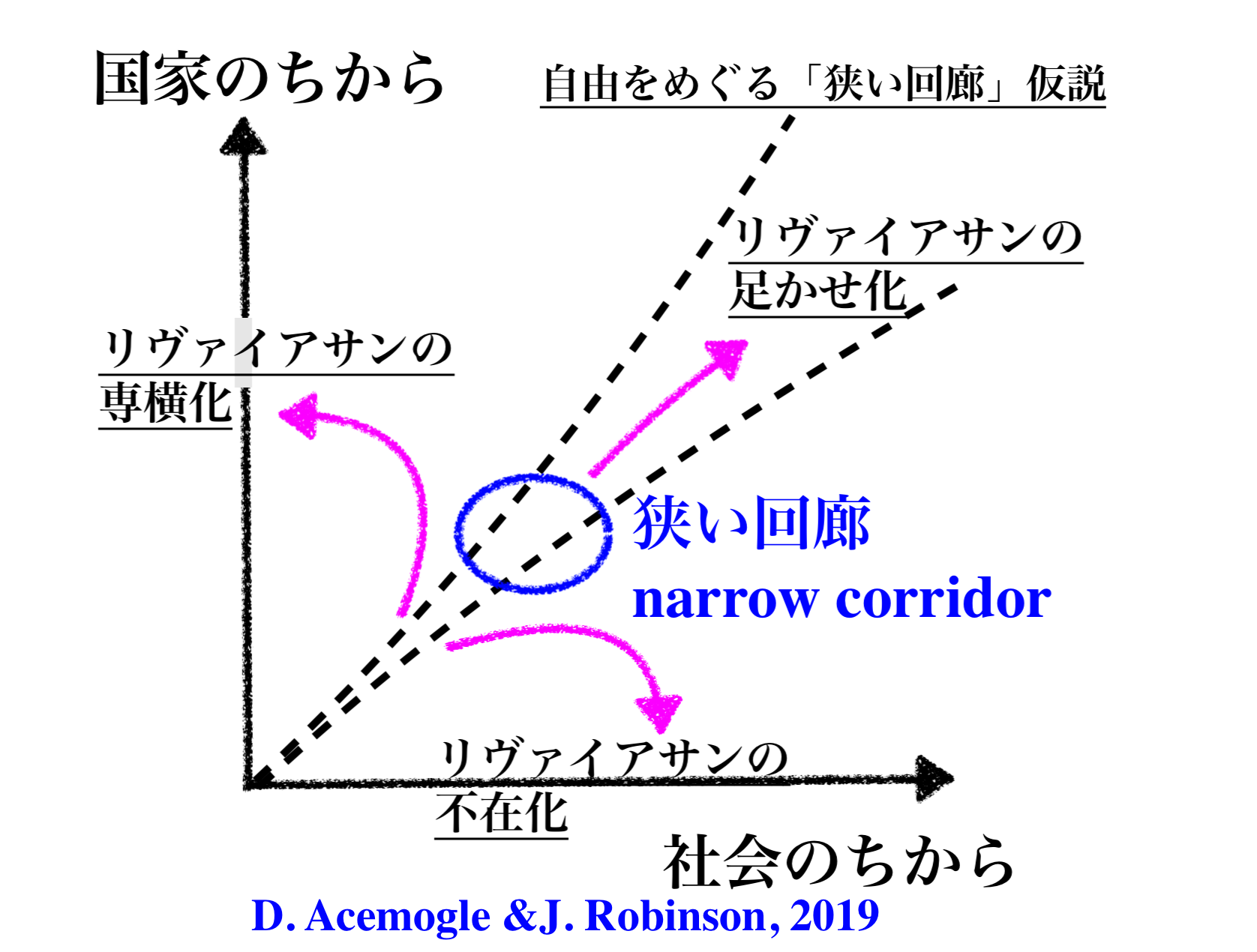
然の自由を放棄することに同意する理由を実証しようとする(→「社会契約論」「リヴァイアサン・テーゼ」)。
++++++++++++++++++++
★権力と暴力の関係について、近代国家の側からの説明(出典:→「アーレント暴力論:まとめ」)
近代国家や平和学における「暴力」に対立 する概念は「非暴力」である。そして、非暴力のコノテーションこそが「平和」ないしは「平和的状態」で ある。従って、これをグレマスの意味の四角形に議論に落とし込む と、暴力の矛盾項は「平和」であり、暴力が存在する平和な状態は存在しない、という我々 が日常で抱く常識的な概念のマッチングができあがる。ここから導かれるのが権力(パワー)であり、それは権威が管理する暴力装置、例えば警察や(治安出動 を目的とする)軍隊とコノテートすることで、暴力装置に正当性が与えられる。これが我々の考える、暴力——権力による暴力装置——非暴力——平和という4 つの項目の関係性である。(→応用問題としてガルトゥングの「構造的暴力」 を考えてみよ!)
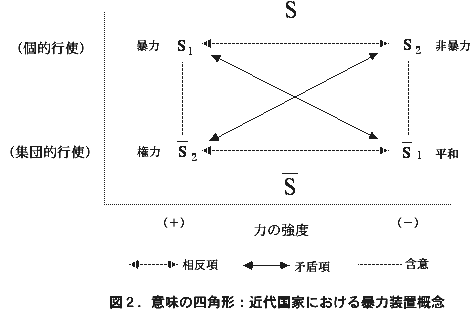
★暴力と権力を対極のものとするアーレントの「特異的な」政治的暴力概念
上記の暴力と平和の「意味の四角形」とい う我々の常識に疑問符を付すのがハンナ・アーレントの暴力論である。アーレントにとって、暴力の反対概 念は、権威である。つまり、彼女によると、権威のあるところに暴力は存在しない。この権威は、グラムシのいうヘゲモニー概念にある種近いものかもしれない。権威とコノテートするのが権力である。 この点は、我々と承服するところだろう。というか、権威と権力の合致こそがヘゲモニーの確立を意味するからだ。このような意味の導出は、暴力と権力を矛盾 項の関係として定義する。権力はしばしば、抑圧的権力を権力そのものであると感じる人はまさに暴力の権化のようだ。しかし、権威が確立しているところに権 力は機能しているという(我々が具有する)スタティックな社会観を経由すると、それは確かに、権力は(暴力を独占しているがゆえに、暴力の自由な発露(= 「万人の万人に対する闘争」)を禁止する。したがって、彼女の指摘は、異様なものではなく、近代啓蒙主義の始祖の一人にも数えられるホッブス(→さまざまな国家論)の権力行使論と齟齬をきたさない。そして、さらに隠された第四項には、 革命が存在する。これによると革命と暴力はコノテーション関係であり、これも歴史的事実としては理解可能である。そして革命は権力と相反するわけだから、 革命[Revolution]は、既存の権力を否定する意味で相反なものであり、革命後には権威による支配が確立するが、革命という現在進行形の状態は権力掌握を通して権威を希求 するものであり、権威と革命は矛盾項の関係にある(革命は既存の権威構造を物理的かつ象徴的に破壊するからである)。


暴力について考える 暴力と権力を対極のものとするアーレントの理念(→ 政治的暴力の概念)とは裏腹 に、現実の近代国家の暴力装置はその行使を常態的に逸脱してきたことは歴史的に明白である。それを国家によるテラーの行使と位置づけたワルターは、その先 駆的な研究『恐怖と抵抗(Terror and Resistance)』において、国家が濫用する暴力の特長をつぎの三点にまとめている[WALTER 1969]。
(I)まず、国家テロは、文化によってさまざまな形 態がみられる一方で、通文化的共通点もみられること。[→テロリズム]
(II)次に、通常の国家がテロ行為を行うことは、 それほど珍しい現象ではないし、現実にすべての国家においてそれを準備できる能力をもっ ている。
(III)そして最後に、テラーの行使はいつも「最 後の手段(ultima ratio)」と思われているが、実際には「優先手段(prima ratio protestatis)」として使われている。
 つまり、近代国家を生きる我々にとって、テラーとは
日常生活からかけ離れた非日常な出来事ではない。むしろテラーとは、我々の生活空間と壁一枚
隔てたところで進行している事態であり、それらは局所的な特殊事象でありながら同時にかつグローバルな一般的事象である。したがって政治的暴力の意味を社
会的現実に押し戻して人類学的に考えることの意義がここで浮上する。
つまり、近代国家を生きる我々にとって、テラーとは
日常生活からかけ離れた非日常な出来事ではない。むしろテラーとは、我々の生活空間と壁一枚
隔てたところで進行している事態であり、それらは局所的な特殊事象でありながら同時にかつグローバルな一般的事象である。したがって政治的暴力の意味を社
会的現実に押し戻して人類学的に考えることの意義がここで浮上する。
<what is the state apparatus?> 国家装置とはなにか?
"It is impossible because civilized society is split into antagonistic, and, moreover, irreconcilably antagonistic classes, whose "self-acting" arming would lead to an armed struggle between them. A state arises, a special power is created, special bodies of armed men, and every revolution, by destroying the state apparatus, shows us the naked class struggle, clearly shows us how the ruling class strives to restore the special bodies of armed men which serve it, and how the oppressed class strives to create a new organization of this kind, capable of serving the exploited instead of the exploiters." - Lenin, The state and Revolution.
「それは不可能である。なぜなら、文明社会は対立す る、しかも和解不可能なほどに対立する階級に分裂しており、それらの『自発的な』武装化は、両者間の武力闘争へとつながるからである。国家が生まれ、特別 な権力が創出され、武装した特殊な組織が形成される。そしてあらゆる革命は、国家機構を破壊することで、ありのままの階級闘争を我々に示し、支配階級がい かにして自らに奉仕する武装した特殊な組織を復活させようと努めるか、また被抑圧階級がいかにして搾取者ではなく搾取される者のために奉仕しうる、この種 の新たな組織を創出しようと努めるかを、はっきりと示している。」 - レーニン『国家と革命』
★
- 暴力について考える▶︎暴力について考える▶︎︎残 虐行為論▶
- 政治的暴力とくに国家テロについての人類学的分析︎▶︎︎政治的暴力の概念▶︎構造的暴力▶
- 国民国家の没落と人権の終焉について考える︎︎▶︎テロリズム▶︎︎▶︎▶︎
国家暴力(State violence)
| State violence is
the use of force, intimidation, or oppression by a government against
its citizens. State violence can happen through law enforcement or
military force, as well as through other branches of government and
bureaucracy.[1][2] State violence is often justified by regimes under
the pretext of maintaining law and order.[3] 1. Torres, M. Gabriela (2018), Treviño, A. Javier (ed.), "State Violence", The Cambridge Handbook of Social Problems, vol. 2, Cambridge: Cambridge University Press, pp. 381–398, doi:10.1017/9781108550710.023, 2. Renzetti, Claire; Edleson, Jeffrey (2008). "State Violence". Encyclopedia of Interpersonal Violence. SAGE Publications, Inc. pp. 689–690. 3. Torres, M. Gabriela (2018). "State Violence". The Cambridge Handbook of Social Problems. pp. 381–398. doi:10.1017/9781108550710.023. ISBN 978-1-108-55071-0. |
State violence is the use of
force, intimidation, or oppression by a government against its
citizens. State violence can happen through law enforcement or military
force, as well as through other branches of government and
bureaucracy.[1][2] State violence is often justified by regimes under
the pretext of maintaining law and order.[3] 1. トーレス, M. ガブリエラ (2018), トレヴィーニョ, A. ハビエル (編), 「国家による暴力」, 『ケンブリッジ社会問題ハンドブック』第2巻, ケンブリッジ: ケンブリッジ大学出版局, pp. 381–398, doi:10.1017/9781108550710.023, 2. レンゼッティ, クレア; エドレソン, ジェフリー (2008). 「国家による暴力」. 『対人暴力百科事典』. SAGE Publications, Inc. pp. 689–690. 3. トーレス, M. ガブリエラ (2018). 「国家による暴力」. 『社会問題のケンブリッジ・ハンドブック』. pp. 381–398. doi:10.1017/9781108550710.023. ISBN 978-1-108-55071-0. |
| Forms | 形態 |
| State sponsored genocide Main article: Genocide Genocide generally involves the direct mass killing of members of a national, ethnical, racial or religious group. Perpetrators of genocide are most often state actors. |
国家によるジェノサイド 本記事:ジェノサイド(Genocide) ジェノサイドとは、一般的に、国民的、民族的、人種的、あるいは宗教的集団の構成員に対する直接的な大量殺戮を指す。ジェノサイドの加害者は、ほとんどの 場合、国家主体である。 |
| State surveillance Main article: State surveillance Government surveillance is a tool used by government agencies to protect citizens from potential attacks from terrorists, extremists, or dissidents. Surveillance methods can include monitoring phone calls, video surveillance, or tracking internet usage. Although surveillance was designed to protect national security, it has the potential to perpetuate state violence.[4] The use of surveilling technology can be used to encroach upon citizens' civil liberties and right to privacy.[5] |
国家による監視 本記事:国家による監視 政府による監視とは、政府機関がテロリスト、過激派、あるいは反体制派による潜在的な攻撃から市民を守るために用いる手段である。監視手法には、電話の盗 聴、映像監視、あるいはインターネット利用状況の追跡などが含まれる。監視は国家安全保障を守るために設計されたものだが、国家による暴力を永続させる可 能性を秘めている。[4] 監視技術の利用は、市民の市民的自由やプライバシーの権利を侵害するために用いられる可能性がある。[5] |
| Examples Myanmar After attacks on police and army posts in Myanmar by Rohingya militias,[6] state security forces carried out a string of mass killings of Rohingya civilians that killed thousands of people and led more than 700,000 to flee the country.[7][8][9] Myanmar has officially rejected the U.N's claim that their army participated in the 2017 Rohingya Genocide, despite evidence released by the U.N. Human Rights Council.[10][11] United States After the terrorist attacks on September 11, 2001, President George W. Bush signed the Patriot Act; this Act allowed for an expansion of surveillance by the government and law enforcement. In 2008, U.S. Congress passed the FISA Amendment Act that gave government agencies, such as the NSA, unfettered access to private communications of foreigners.[12] Section 702 of the FISA Amendment Act allows for government agencies to collect information from private companies like AT&T, Google, and Facebook to target non- U.S. citizens. In some instances, this permission includes communications between a non-citizen and a U.S. citizen.[13] The FBI has been known to use these databases to search for information on U.S. citizens in a process called “backdoor searches”.[14] |
事例 ミャンマー ロヒンギャの民兵によるミャンマー国内の警察や軍施設への攻撃を受け[6]、国家治安部隊はロヒンギャの民間人に対する一連の大量殺戮を行い、数千人が死 亡し、70万人以上が国外へ逃れた。[7][8][9] ミャンマーは、国連人権理事会が証拠を公表したにもかかわらず、自国軍が2017年のロヒンギャ・ジェノサイドに関与したという国連の主張を公式に否定し ている。[10] [11] アメリカ合衆国 2001年9月11日のテロ攻撃後、ジョージ・W・ブッシュ大統領は愛国者法に署名した。この法律により、政府および法執行機関による監視活動の拡大が認 められた。2008年、米国議会はFISA改正法を可決し、NSAなどの政府機関に対し、外国人の私的通信への無制限なアクセスを認めた。[12] FISA改正法の第702条は、政府機関がAT&T、Google、Facebookなどの民間企業から情報を収集し、米国市民以外の者を対象と することを認めている。場合によっては、この許可には非市民と米国市民との間の通信も含まれる。[13] FBIは、「バックドア検索」と呼ばれるプロセスにおいて、これらのデータベースを使用して米国市民に関する情報を検索していることが知られている。 [14] |
| State terrorism State-sponsored terrorism Political violence Monopoly on violence State crime |
国家テロリズム 国家が支援するテロリズム 政治的暴力 暴力の独占 国家犯罪 |
| References 01. Torres, M. Gabriela (2018), Treviño, A. Javier (ed.), "State Violence", The Cambridge Handbook of Social Problems, vol. 2, Cambridge: Cambridge University Press, pp. 381–398, doi:10.1017/9781108550710.023, ISBN 978-1-108-42617-6, retrieved 2024-02-18 Renzetti, Claire; Edleson, Jeffrey (2008). "State Violence". Encyclopedia of Interpersonal Violence. SAGE Publications, Inc. pp. 689–690. Torres, M. Gabriela (2018). "State Violence". The Cambridge Handbook of Social Problems. pp. 381–398. doi:10.1017/9781108550710.023. ISBN 978-1-108-55071-0. Richards, Neil M. (2013). "The Dangers of Surveillance". Harvard Law Review. 126 (7): 1934–1965. ISSN 0017-811X. JSTOR 23415062. 05. "The New Face of Tyranny". 6 May 2019. "Myanmar Ministry of Foreign Affairs Statement". "Rohingya Crisis Timeline & Summary of Events | Doctors Without Borders". www.doctorswithoutborders.org. Retrieved 2025-05-27. "'Genocidal intent': UN demands prosecutions in Myanmar". Al Jazeera. Retrieved 2025-05-27. "Widespread and Systematic: Violence against the Rohingya in Myanmar". PHR. Retrieved 2025-05-27. 10. Griffiths, James (2018-09-18). "UN calls for genocide tribunal over Rohingya crisis". CNN. Retrieved 2025-05-27. Myanmar, UN Human Rights Council Independent International Fact-Finding Mission on Human Rights in (2018-09-17). "Report of the detailed findings of the Independent International Fact-Finding Mission on Myanmar". {{cite journal}}: Cite journal requires |journal= (help) "NSA Surveillance". American Civil Liberties Union. Retrieved 2024-03-16. "H.R.6304 - 110th Congress FISA Amendment". 10 July 2008. 14. Taitz, Sarah (2023-04-11). "Five Things to Know About NSA Mass Surveillance and the Coming Fight in Congress | ACLU". American Civil Liberties Union. Retrieved 2024-03-16. |
参考文献 01. Torres, M. Gabriela (2018), Treviño, A. Javier (編), 「国家による暴力」, 『ケンブリッジ社会問題ハンドブック』第2巻, ケンブリッジ: ケンブリッジ大学出版局, pp. 381–398, doi:10.1017/9781108550710.023, ISBN 978-1-108-42617-6、2024年2月18日閲覧 レンゼッティ、クレア;エドレソン、ジェフリー(2008)。「国家による暴力」。『対人暴力百科事典』。SAGE Publications, Inc. pp. 689–690。 トーレス, M. ガブリエラ (2018). 「国家による暴力」. 『社会問題のケンブリッジ・ハンドブック』. pp. 381–398. doi:10.1017/9781108550710.023. ISBN 978-1-108-55071-0. リチャーズ, ニール・M. (2013). 「監視の危険性」. 『ハーバード・ロー・レビュー』. 126 (7): 1934–1965. ISSN 0017-811X. JSTOR 23415062. 05. 「専制政治の新たな顔」。2019年5月6日。 「ミャンマー外務省の声明」。 「ロヒンギャ危機の年表と出来事の概要 | 国境なき医師団」。www.doctorswithoutborders.org。2025年5月27日閲覧。 「『ジェノサイドの意図』:国連、ミャンマーでの起訴を要求」。アルジャジーラ。2025年5月27日閲覧。 「広範かつ組織的:ミャンマーにおけるロヒンギャへの暴力」。PHR。2025年5月27日閲覧。 10. グリフィス、ジェームズ(2018年9月18日)。「国連、ロヒンギャ危機をめぐりジェノサイド裁判所の設置を要請」。CNN。2025年5月27日閲 覧。 ミャンマー、国連人権理事会ミャンマー人権状況に関する独立国際事実調査団(2018年9月17日)。「ミャンマーに関する独立国際事実調査団の詳細な調 査結果報告書」。{{cite journal}}: Cite journalには|journal=が必要である(ヘルプ) 「NSAの監視」。アメリカ自由人権協会。2024年3月16日閲覧。 「H.R.6304 - 第110回議会 FISA改正案」。2008年7月10日。 14. タイツ、サラ(2023年4月11日)。「NSAの大量監視と議会での今後の闘いについて知っておくべき5つのこと | ACLU」。アメリカ自由人権協会。2024年3月16日閲覧。 |
| https://en.wikipedia.org/wiki/State_violence |
リンク
- ︎さまざまな国家論▶︎国家は我々自身を形づくる、あるいは リヴァイアサン入門▶池田光穂『暴力の政治民族誌』を256倍より
深く《読む》方法︎︎▶︎▶︎︎▶︎▶︎︎▶︎▶︎︎▶︎▶︎
文献
その他の情報