資本主義とプロテスタンティズムとヴェーバー
資本主義とプロテスタンティズムとヴェーバー
The Protestant Ethic and the Spirit of Capitalism


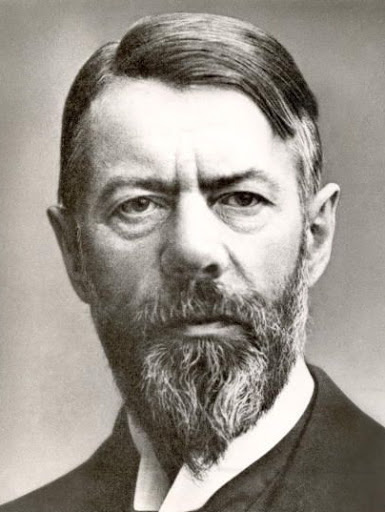
池田光穂
ウェーバー(マックス・ヴェーバー , Max Weber 1864-1920)の資本主義の定義は、組織的におこな われ る金もうけで、暴力をともなわない経済的な営みをすべて資 本主義とみなしていた。
さて、プロテスタンティズムが資本主義を生んだとい うのは、マックス・ウェーバーの「プロ倫」(『プロテスタンティズムの倫理と資 本主義の精神』1904年)の典型的な誤読であり、生前の今村仁司 先生(1942-2007)は、酒席にお いて僕に次のように解説していた。
ウェーバーは、プロテスタンティズムそれも禁欲的で 質素なカルビニスト派の勢力がつよいところで初期の資本主義が発生したことに疑問をもった。僕たちが、資本主義に感じる、しばしば強欲(=マルクス主義か らはブルジョアは生産手段の独占を通して「プロレタリアートに分け前を寄越さない」つまり搾取)なほどの、利潤の追求の精神と、このカルビニストの神の召 命(=お前は神からその職(=天職、ベルーフ)を与えられたのだからその仕事を真っ当に勤めあげることで神に召される)とは両立しない。マルクス由来の労 働観と資本主義の誕生と成長の説明(=資本論)に批判的だったウェーバーは、カルビニストの労働観をエートス(倫理)と捉えて、それがキリスト教の精神と 合致し、資本蓄積を可能にする労働観への「節合」したのではないかと考えた。さて、ではより「後発」の初期資本主義が発達した、米国ではどうであろうか? 資本家としての取引相手と「誠実」であることを旨としたベンジャミン・フランクリ ン(Benjamin Franklin, 1706-1790)の職業倫理を、次にウェーバーは比較する。しかし、そこには、プロテ スタンティズムの精神というものは全く見受けられず、現在の我々の資本主義社会における人間関係の道徳が説かれているにすぎない。つまり、カルビニストの プロテスタンティズムの倫理は私たちに〈遠い経験〉であり、ベンジャミン・フランクリンの職業倫理は私たちに〈近い経験〉なのである(→「病いの語り」)。では、資本主義の発生と揺籃の時空間はどこか?カル ビニスト派の地域なのか、北米大陸なのか? 今村先生に言えば、どちらでもない。カルビニスト地域で発生した「召命」的な労働観生まれたところに、確かに 資本主義が発生したが、それはすぐに宗教抜きの資本主義の精神として独立して歩みはじめたということだ。したがって、カルビニズムと資本主義の邂逅は、歴 史になかでは「ほんの一瞬」にすぎないということだ。それゆえに、地域のエートスとは無関係に資本主義が作働することを可能した。ベンジャミン・フランク リンの職業倫理は資本主義が生んだエートスなのだ。このように、資本主義の発生に、何らかの精神性を認めることがウェーバーにとって重要なことで、離陸/ 離床した(前者はロストウ後者はポランニーか)資本主義には宗教的エートスなど必要ない。資本主義そのものがエートス=宗教なのだから。ウェーバーのこの ようなアイディアが『経済と社会』における「世界宗教の経済倫理」(1910/1911〜1916年)へと向かわしめたのだ、と。
羽入辰郎(はにゅう・たつろう)氏の『マックス・ ヴェーバーの犯罪:『倫理』論文における資料操作の詐術と『知的誠実性』の 崩壊』ミネルヴァ書房、2002年、はウェーバーにおけるドイツ語聖書の引用ベルーフ(Beruf)の概念がルターのそれからの引用ではなく、英語の訳語 のcalling がOEDの用例からとられたという指摘がおこなわれ、ウェーバーの学術的証明は破綻しているというのがその趣旨である。「おのおの主から分け与えれた分に 応じ、それぞれ神に召されたときの身分のままで歩みなさい。これは、すべての教会でわたしが命じていることです。……おのおの召されたときの身分にとど まっていなさい」(第1コリント 7:17,20)。羽入辰郎氏の著作はたしかに面白い。これに対して、ウェーバー訓詁学者の折原浩とその一派(眷族)た ちは、羽入に対してさまざまな反論を加えてきた。これを眷族たちの用語法で「羽入—折原論争」という。外野から火事の現場をみる野次馬の視点からみれば正 確な原点解釈を金科玉条とする訓詁学の伝統というコップ(=「ウェーバー産業」というコップ)の中の嵐のようにも思える。
それよりも、上の今村氏のプロ倫の読み方から判断す ると、ウェーバーはきちんとした学術的論証を通して資本主義のエートス起源(これは 明らかにマルクス主義の下部構造決定論に抗するものだろう)を「論証」 することに興味がなく、相互に無関係に思われる歴史的資料の並列とその比較から得られる、現実の人間行動と思念の(単純なマルクス主義的図式よりもはるか に洗練された)弁証法的な関係についての、純学術的な議論に没入していたのだと思われる。折原氏が、まことに学術的乞食だと思われるのは、 自分の思考を ウェーバーと重ねるような学術的修練を行わずウェーバーのテキストを聖書のように扱う一種の(疑似科学としての)神学的抗弁をおこなっているように思われ る点である。それに比べると羽入氏は、最初からウェーバーを疑ってかかる、便所の読書マニアの氏の「女房」からのアドバイスを真に受けて、本当にウェー バーの詐術を見抜いてしまった人のように思える。ただし、羽入氏にそれを可能にしたのは、彼自身が推理小説の探偵のようにウェーバーの手口をウェーバーに 同一化して解明したからにほかならない。それ以上でもそれ以下でもない。ただし、僕(池田)にとっては、ウェーバーは詐術というよりは、まさに書名のとお り、プロテスタンティズムの倫理と資本主義の精神の歴史上における1点の交錯の歴史を描きたかったという意味で、自分の学術的夢(=フィクションとしての 理論)を論証風に語った(羽入流にいうと「騙った」)のではないかと思われる。
羽入氏の業績は、ウェーバー研究の業界の中では、大 い なる嵐であっただろうが、門外漢の僕たちにとっては、単なるコップの中の嵐のエピソードにすぎない。それよりも、プロ倫は、重要なテキストとして歴史の中 に名を遺していることの 意味を考えるほうが、多少なりとも学者のライフとはなにかという意味で示唆的である。
メアリー・ダグラスとバロン・イシャウッドの著作に
よる、ウェーバーの解釈では、プロテスタンティズムはカソリシズムとより明確に意識して対比させなければならない(1984:33)
| 説明のレベル |
初期カトリック |
後期プロテスタント |
| 社会—経済のレベル |
私的蓄積を非難する。個人の利益計算を阻害した | 私的蓄積を容認する。個人の利益計算を推奨した |
| 教義のレベル |
善行の報いとしてのら来世での祝福をめざす |
現世での恵みを行いが正当かされている印とみなす |
| 道徳=エートスのレベル |
宗教と聖職が専門化され、俗世間で生計を立てるよりも高級な営みとして
隔離される(→修道院) |
聖職と俗世での生計の区分はなく、どんなふうにしてでも、暮らしを立て
ていくこと、それ自体が宗教的召命とされた |
● プロテスタン ティズムの倫 理と資本主義の精神(訳語は、中山元による)

1.問題提起
2.禁欲的プロテスタンティズムの職業倫理
+++++
1.問題提起(I. Das Problem)
1.1 信仰と社会的な層の分化 RELIGIOUS AFFILIATION AND SOCIAL STRATIFICATION
1.2 資本主義の「精神」 THE SPIRIT OF CAPITALISM
1.3 ルターの天職の概念——研究の課題
LUTHER'S CONCEPTION OF THE CALLING
2.禁欲的プロテスタンティズムの職業倫理(II. Die Berufsethik des asketischen Protestantismus)
2.1 世俗内的な禁欲の宗教的な基礎 THE RELIGIOUS FOUNDATIONS OF WORLDLY ASCETICISM
2.2 禁欲と資本主義の精神
ASCETICISM AND THE SPIRIT OF CAPITALISM
| The Protestant Ethic
and the Spirit of Capitalism (German: Die protestantische Ethik und der
Geist des Kapitalismus) is a book written by Max Weber, a German
sociologist, economist, and politician. First written as a series of
essays, the original German text was composed in 1904 and 1905, and was
translated into English for the first time by American sociologist
Talcott Parsons in 1930.[1] It is considered a founding text in
economic sociology and a milestone contribution to sociological thought
in general. In the book, Weber wrote that capitalism in Northern Europe evolved when the Protestant (particularly Calvinist) ethic influenced large numbers of people to engage in work in the secular world, developing their own enterprises and engaging in trade and the accumulation of wealth for investment. In other words, the Protestant work ethic was an important influence on the emergence of modern capitalism.[2][3] In his book, apart from Calvinists, Weber also discusses Lutherans (especially Pietists, but also notes differences between traditional Lutherans and Calvinists), Methodists, Baptists, Quakers, and Moravians (specifically referring to the Herrnhut-based community under Count von Zinzendorf's spiritual lead). In 1998, the International Sociological Association listed this work as the fourth most important sociological book of the 20th century, after Weber's Economy and Society, C. Wright Mills' The Sociological Imagination, and Robert K. Merton's Social Theory and Social Structure.[4] It is the eighth most cited book in the social sciences published before 1950.[5] |
『プロテスタンティズムの倫理と資本主義の精神』(ドイツ語原題:
Die protestantische Ethik und der Geist des
Kapitalismus)は、ドイツの社会学者、経済学者、政治家であるマックス・ウェーバーによって著された著作である。当初は一連の論文として執筆
され、ドイツ語の原著は1904年から1905年にかけて執筆された。1930年にアメリカの社会学者タルコット・パーソンズによって初めて英語に翻訳さ
れた。[1] 本書は経済社会学の基礎となるテキストであり、社会学思想全般における画期的な貢献とみなされている。 本書の中でウェーバーは、北ヨーロッパにおける資本主義は、プロテスタント(特にカルヴァン派)の倫理が、多くの人々に世俗の世界で労働に従事し、自らの 企業を発展させ、貿易や投資のための富の蓄積に取り組むよう影響を与えたことで発展したと記している。言い換えれば、プロテスタントの労働倫理は、近代資 本主義の出現に重要な影響を与えたのである。[2][3] ウェバーは本書において、カルヴァン派に加え、ルター派(特にピエティストについて論じつつ、伝統的なルター派とカルヴァン派の違いにも言及している)、 メソジスト、バプテスト、クエーカー、モラヴィア派(具体的には、ツィンツェンドルフ伯爵の精神的指導下にあったヘルンフート(Herrnhut)を拠点 とする共同体)についても論じている。 1998年、国際社会学会は、この著作を、ウェーバーの『経済と社会』、C・ライト・ミルズの『社会学的想像力』、ロバート・K・マートンの『社会理論と 社会構造』に次ぐ、20世紀で4番目に重要な社会学書として挙げた。[4] また、1950年以前に出版された社会科学分野の書籍の中で、引用数が8番目に多い書物である。[5] |
| Summary Basic concepts Although not a detailed study of Protestantism but rather an introduction to Weber's later studies of interaction between various religious ideas and economics (The Religion of China: Confucianism and Taoism 1915, The Religion of India: The Sociology of Hinduism and Buddhism 1916, and Ancient Judaism 1917), The Protestant Ethic and the Spirit of Capitalism argues that Puritan ethics and ideas influenced the development of capitalism. The 'spirit of capitalism' does not refer to the spirit in the metaphysical sense but rather a set of values, the spirit of hard work and progress.[6] Religious devotion, Weber argues, is usually accompanied by a rejection of worldly affairs, including the pursuit of wealth and possessions. To illustrate his theory, Weber quotes the ethical writings of Benjamin Franklin: Remember, that time is money. He that can earn ten shillings a day by his labor, and goes abroad, or sits idle, one half of that day, though he spends but sixpence during his diversion or idleness, ought not to reckon that the only expense; he has really spent, or rather thrown away, five shillings besides. [...] Remember, that money is the prolific, generating nature. Money can beget money, and its offspring can beget more, and so on. Five shillings turned is six, turned again is seven and threepence, and so on, till it becomes a hundred pounds. The more there is of it, the more it produces every turning, so that the profits rise quicker and quicker. He that kills a breeding-sow, destroys all her offspring to the thousandth generation. He that murders a crown, destroys all that it might have produced, even scores of pounds. Weber notes that this is not a philosophy of mere greed, but a statement laden with moral language. Indeed, Franklin claims that God revealed the usefulness of virtue to him.[7]: 9–12 The Reformation profoundly affected the view of work, dignifying even the most mundane professions as adding to the common good and thus blessed by God, as much as any "sacred" calling (German: Ruf). A common illustration is that of a cobbler, hunched over his work, who devotes his entire effort to the praise of God. To emphasize the work ethic in Protestantism relative to Catholics, he notes a common problem that industrialists face when employing precapitalist laborers: Agricultural entrepreneurs will try to encourage time spent harvesting by offering a higher wage, with the expectation that laborers will see time spent working as more valuable and so engage it longer. However, in precapitalist societies this often results in laborers spending less time harvesting. Laborers judge that they can earn the same, while spending less time working and having more leisure. He also notes that societies having more Protestants are those that have a more developed capitalist economy.[7]: 15–16 It is particularly advantageous in technical occupations for workers to be extremely devoted to their craft. To view the craft as an end in itself, or as a "calling" would serve this need well. This attitude is well-noted in certain classes which have endured religious education, especially of a Pietist background.[7]: 17 He defines the spirit of capitalism as the ideas and esprit that favour the rational pursuit of economic gain: "We shall nevertheless provisionally use the expression 'spirit of capitalism' for that attitude which, in the pursuit of a calling [berufsmäßig], strives systematically for profit for its own sake in the manner exemplified by Benjamin Franklin."[7]: 19 Weber points out that such a spirit is not limited to Western culture if one considers it as the attitude of individuals, but that such individuals – heroic entrepreneurs, as he calls them – could not by themselves establish a new economic order (capitalism).[8]: 54–55 He further noted that the spirit of capitalism could be divorced from religion, and that those passionate capitalists of his era were either passionate against the Church or at least indifferent to it.[7]: 23 Desire for profit with minimum effort and seeing work as a burden to be avoided, and doing no more than what was enough for modest life, were common attitudes.[8]: 55 As he wrote in his essays: In order that a manner of life well adapted to the peculiarities of the capitalism… could come to dominate others, it had to originate somewhere, and not in isolated individuals alone, but as a way of life common to the whole groups of man. After defining the "spirit of capitalism," Weber argues that there are many reasons to find its origins in the religious ideas of the Reformation. Many others like William Petty, Montesquieu, Henry Thomas Buckle, John Keats have noted the affinity between Protestantism and the development of commercialism.[9] Weber shows that certain branches of Protestantism had supported worldly activities dedicated to economic gain, seeing them as endowed with moral and spiritual significance. This recognition was not a goal in itself; rather they were a byproduct of other doctrines of faith that encouraged planning, hard work and self-denial in the pursuit of worldly riches.[8]: 57 |
概要 基本概念 本書はプロテスタント主義に関する詳細な研究というよりは、様々な宗教思想と経済学の相互作用に関するウェーバーの後の研究(『中国の宗教:儒教と道教』 (1915年)、『インドの宗教:ヒンドゥー教と仏教の社会学』(1916年)、『古代ユダヤ教』(1917年))への導入として位置づけられるが、『プ ロテスタントの倫理と資本主義の精神』は、ピューリタンの倫理観や思想が資本主義の発展に影響を与えたと論じている。「資本主義の精神」とは、形而上学的 な意味での精神を指すのではなく、勤勉と進歩の精神という一連の価値観を指すものである。[6] ウェーバーは、宗教的献身には通常、富や所有物の追求を含む世俗的な事柄への拒絶が伴うと論じている。この理論を例証するために、ウェーバーはベンジャミ ン・フランクリンの倫理に関する著作を引用している: 「時は金なり」と肝に銘じよ。労働によって一日に10シリングを稼ぐことができる者が、その日の半分を外出したり怠けて過ごしたりした場合、たとえその気 晴らしや怠惰の間に6ペンスしか使わなかったとしても、その6ペンスだけを費用として計算すべきではない。彼は実際には、それとは別に5シリングを費やし た、いや、むしろ無駄にしたのである。[...] 覚えておけ、金とは豊穣で、生み出す性質を持つものだ。金は金を生み出し、その子孫はさらに金を生み出し、その繰り返しとなる。5シリングを運用すれば6 シリングになり、再び運用すれば7シリング3ペンスになり、その繰り返しで100ポンドになる。金が多ければ多いほど、運用するたびに生み出すものは増 え、利益はますます速く増大していく。繁殖用の雌豚を殺す者は、その子孫を千代にわたって滅ぼすことになる。1クラウンを浪費する者は、それが生み出した であろうもの、すなわち数十ポンドもの富をすべて破壊してしまうのだ。 ウェーバーは、これは単なる貪欲の哲学ではなく、道徳的な言葉に満ちた主張であると指摘している。実際、フランクリンは、神が彼に徳の有用性を啓示したと 主張している。[7]: 9–12 宗教改革は労働観に深い影響を与え、最も平凡な職業でさえも、いかなる「神聖な」召命(ドイツ語:Ruf)と同様に、公共の利益に寄与するものであり、そ れゆえ神に祝福されたものであるとして尊厳を与えた。よく引き合いに出される例が、仕事に身を屈め、全力を尽くして神を賛美する靴職人の姿である。 カトリックと比較してプロテスタントにおける労働倫理を強調するため、彼は、資本主義以前の労働者を雇用する際に実業家が直面する一般的な問題について言 及している。農業経営者は、労働者が労働時間をより価値あるものと見なし、より長く従事するよう期待して、収穫に費やす時間を増やすよう、より高い賃金を 提示して奨励しようとする。しかし、資本主義以前の社会では、これによって労働者が収穫に費やす時間が逆に短くなることが多い。労働者たちは、働く時間を 減らし余暇を増やしても、同じだけの収入を得られると判断するのだ。また彼は、プロテスタントの割合が高い社会ほど、資本主義経済がより発達しているとも 指摘している。[7]: 15–16 技術職においては、労働者がその職に極めて献身的であることが特に有利である。その職をそれ自体を目的とするもの、あるいは「天職」と見なすことは、この 必要性を十分に満たすだろう。この態度は、宗教教育、特にピエティズムの背景を持つ教育を受けてきた特定の階層においてよく見られる。[7]: 17 彼は資本主義の精神を、経済的利益の合理的な追求を後押しする思想や精神として定義している。「とはいえ、我々は暫定的に、『資本主義の精神』という表現 を、ベンジャミン・フランクリンが体現したような様式で、天職(berufsmäßig)の追求において、利益そのものを目的として体系的に追求する態度 を指すために用いることにする。」[7]: 19 ウェーバーは、そのような精神を個人の態度として捉えるならば、それは西洋文化に限定されるものではないと指摘する一方で、そのような個人――彼が「英雄 的起業家」と呼ぶ者たち――だけでは、新たな経済秩序(資本主義)を確立することはできなかったと述べている。[8]: 54–55 彼はさらに、資本主義の精神は宗教から切り離し得るものであり、当時の情熱的な資本家たちは、教会に対して激しい反感を抱いているか、少なくとも無関心で あったと指摘した。[7]: 23 最小限の労力で利益を得ようとする欲求、労働を避けるべき重荷と見なすこと、そして質素な生活に十分な範囲でのみ働くこと――これらが一般的な態度であっ た。[8]: 55 彼がエッセイに記したように: 資本主義の特異性に適応した生活様式が……他の様式を支配するようになるためには、それがどこかで生じなければならず、それは孤立した個人の中だけでな く、人間集団全体に共通する生活様式として生じなければならなかった。 「資本主義の精神」を定義した後、ウェーバーは、その起源を宗教改革の思想に見出すべき多くの理由があると論じている。ウィリアム・ペティ、モンテス キュー、ヘンリー・トーマス・バックル、ジョン・キーツなど、他にも多くの人が、プロテスタント主義と商業主義の発展との親和性に言及している。[9] ウェーバーは、プロテスタントの一部の宗派が、経済的利益を目的とした世俗的な活動を支持し、それらに道徳的・精神的な意義を見出していたことを示してい る。この認識はそれ自体が目的ではなく、むしろ世俗的な富の追求において計画性、勤勉、自己犠牲を奨励する他の信仰教義の副産物であった。[8]: 57 |
| Origins of the Protestant work
ethic Weber traced the origins of the Protestant ethic to the Reformation, though he acknowledged some respect for secular everyday labor as early as the Middle Ages.[7]: 28 The Roman Catholic Church assured salvation to individuals who accepted the church's sacraments and submitted to the clerical authority. However, the Reformation had effectively removed such assurances. From a psychological viewpoint, the average person had difficulty adjusting to this new worldview, and only the most devout believers or "religious geniuses" within Protestantism, such as Martin Luther, were able to make this adjustment, according to Weber. In the absence of such assurances from religious authority, Weber argued that Protestants began to look for other "signs" that they were saved. Calvin and his followers taught a doctrine of double predestination, in which from the beginning God chose some people for salvation and others for damnation. The inability to influence one's own salvation presented a very difficult problem for Calvin's followers, who, in Weber's view, considered it an absolute duty to believe that one was chosen for salvation and to dispel any doubt about that: lack of self-confidence was evidence of insufficient faith and a sign of damnation. So, self-confidence took the place of priestly assurance of God's grace. Worldly success became one measure of that self-confidence. Luther made an early endorsement of Europe's emerging divisions. Weber identifies the applicability of Luther's conclusions, noting that a "vocation" from God was no longer limited to the clergy or church, but applied to any occupation or trade. Weber had always detested Lutheranism for the servility it inspired toward the bureaucratic state. When he discussed it in the Protestant Ethic, he used Lutheranism as the chief example of the unio mystica that contrasted sharply with the ascetic posture. Later he would associate "Luther, the symbolic exponent of bureaucratic despotism, with the ascetic hostility to Eros — an example of Weber's sporadic tendency to link together bureaucratic and ascetic modes of life and to oppose both from mystical and aristocratic perspectives."[10] However, Weber saw the fulfillment of the Protestant ethic not in Lutheranism, which was too concerned with the reception of divine spirit in the soul, but in Calvinistic forms of Christianity.[7]: 32–33 The trend was carried further still in Pietism.[7]: 90 The Baptists diluted the concept of the calling relative to Calvinists, but other aspects made its congregants fertile soil for the development of capitalism—namely, a lack of paralyzing ascetism, the refusal to accept state office and thereby develop unpolitically, and the doctrine of control by conscience which caused rigorous honesty.[7]: 102–104 What Weber argued, in simple terms: According to the new Protestant religions, an individual was religiously compelled to follow a secular vocation (German: Beruf) with as much zeal as possible. A person living according to this world view was more likely to accumulate money. The new religions (in particular, Calvinism and other more austere Protestant sects) effectively forbade wastefully using hard earned money and identified the purchase of luxuries as a sin. Donations to an individual's church or congregation were limited due to the rejection by certain Protestant sects of icons. Finally, donation of money to the poor or to charity was generally frowned on as it was seen as furthering beggary. This social condition was perceived as laziness, burdening their fellow man, and an affront to God; by not working, one failed to glorify God. The manner in which this dilemma was resolved, Weber argued, was the investment of this money, which gave an extreme boost to nascent capitalism. |
プロテスタントの労働倫理の起源 ウェーバーは、プロテスタントの労働倫理の起源を宗教改革に求めたが、中世の早い時期から世俗的な日常労働に対してある程度の敬意が払われていたことを認 めていた。[7]: 28 ローマ・カトリック教会は、教会の秘跡を受け入れ、聖職者の権威に従う個人に対して救いを保証していた。しかし、宗教改革によって、そのような保証は事実 上取り除かれてしまった。心理学的観点から言えば、一般の人々はこの新しい世界観に適応するのに苦労したが、ウェーバーによれば、プロテスタント内部にお いて、マルティン・ルターのような最も敬虔な信者、あるいは「宗教的天才」のみが、この適応を成し遂げることができたという。 宗教的権威によるそのような保証がなくなったため、ウェーバーは、プロテスタントが救われているという他の「兆候」を探し始めたと論じた。カルヴァンとそ の追随者たちは、二重予定説を説いた。それによれば、神は初めから、ある人々を救いに、またある人々を破滅へと選び定めていたのである。自らの救いに影響 を及ぼすことができないという事実は、カルヴァンの追随者たちにとって極めて困難な問題となった。ウェーバーの見解によれば、彼らは、自分が救いに選ばれ たと信じ、そのことに対するあらゆる疑念を払拭することを絶対的な義務と考えていた。自信の欠如は、信仰が不十分であることの証拠であり、破滅の兆候で あったからである。こうして、自信が、神の恩寵に関する司祭による保証に取って代わった。 世俗的な成功は、その自信の尺度の一つとなった。ルターは、ヨーロッパで台頭しつつあった分断を早期に是認した。ウェーバーは、神からの「召命」がもはや 聖職者や教会に限定されず、あらゆる職業や商売に適用されるようになったと指摘し、ルターの結論の適用可能性を明らかにしている。ウェーバーは、官僚国家 に対する隷属的な態度を助長する点で、常にルター派を嫌悪していた。『プロテスタンティズムの倫理』においてこの問題を取り上げた際、ウェーバーは、禁欲 的な姿勢とは対照的な「神秘的な合一(unio mystica)」の主要な例としてルター派を挙げた。後に彼は、「官僚的専制主義の象徴的な代表者であるルターを、エロスに対する禁欲的な敵意と結びつ けた。これは、官僚的および禁欲的な生活様式を結びつけ、神秘主義的かつ貴族的な視点から両者に反対するという、ウェーバーの散見される傾向の一例であ る」[10] しかし、ウェーバーはプロテスタント倫理の成就を、魂における神の霊の受容に過度に傾倒していたルター派ではなく、カルヴァン主義的なキリスト教の形態に 見出した。[7]: 32–33 この傾向は、ピエティズムにおいてさらに推し進められた。[7]: 90 バプテスト派は、カルヴァン派に比べて「召命」の概念を希薄化させたが、他の側面——すなわち、行動を麻痺させるような禁欲主義の欠如、公職への就任を拒 絶しそれによって非政治的に発展すること、そして厳格な誠実さを生み出す良心による統制の教義——が、その信徒たちを資本主義の発展にとって肥沃な土壌と した。[7]: 102–104 ウェーバーが主張したことを簡単に言えば: 新しいプロテスタントの宗教によれば、個人は宗教的な義務として、世俗的な職業(ドイツ語:Beruf)に可能な限り熱心に従事しなければならなかった。 この世界観に従って生きる人は、富を蓄積する可能性が高かった。 新しい宗教(特にカルヴァン主義やその他のより厳格なプロテスタントの宗派)は、苦労して稼いだ金を無駄遣いすることを事実上禁じ、贅沢品の購入を罪と見 なした。特定のプロテスタント宗派が聖像を拒絶していたため、個人の教会や会衆への寄付は限定的であった。最後に、貧しい人々や慈善団体への金銭の寄付 は、物乞いを助長するものとして、一般的に好ましくないと見なされていた。このような社会的状況は、怠惰であり、他者に負担を強いるものであり、神に対す る冒涜であると見なされていた。働かないことは、神を賛美することに失敗することだったからである。 ウェーバーは、このジレンマが解決された方法は、この資金の投資であり、それが萌芽期の資本主義を飛躍的に後押ししたと論じた。 |
| Protestant work ethic in Weber's
time By the time Weber wrote his essay, he believed that the religious underpinnings of the Protestant ethic had largely gone from society. He cited the writings of Benjamin Franklin, which emphasized frugality, hard work and thrift, but were mostly free of spiritual content. Weber also attributed the success of mass production partly to the Protestant ethic. Only after expensive luxuries were disdained could individuals accept the uniform products, such as clothes and furniture, that industrialization offered. In his conclusion to the book, Weber lamented that the loss of religious underpinning to capitalism's spirit has led to a kind of involuntary servitude to mechanized industry. The Puritan wanted to work in calling; we are forced to do so. For when asceticism was carried out of monastic cells into everyday life, and began to dominate worldly morality, it did its part in building the tremendous cosmos of the modern economic order. This order is now bound to the technical and economic conditions of machine production which today determine the lives of all the individuals who are born into this mechanism, not only those directly concerned with economic acquisition, with irresistible force. Perhaps it will so determine them until the last ton of fossilized coal is burnt. In Baxter's view the care for external goods should only lie on the shoulders of the 'saint like a light cloak, which can be thrown aside at any moment.' But fate decreed that the cloak should become an iron cage. (Page 181, 1953 Scribner's edition.) Weber maintained that while Puritan religious ideas had significantly impacted the development of economic systems in Europe and United States, there were other factors in play, as well. They included a closer relationship between mathematics and observation, the enhanced value of scholarship, rational systematization of government administration, and an increase in entrepreneurship ventures. In the end, the study of Protestant ethic, according to Weber, investigated a part of the detachment from magic, that disenchantment of the world that could be seen as a unique characteristic of Western culture.[8]: 60 |
ウェーバーの時代におけるプロテスタントの労働倫理 ウェーバーがこの論文を執筆した頃、彼はプロテスタントの労働倫理の宗教的基盤が社会からほぼ失われてしまったと考えていた。彼はベンジャミン・フランク リンの著作を引用したが、そこには倹約、勤勉、節約が強調されていたものの、精神的な内容はほとんど含まれていなかった。ウェーバーはまた、大量生産の成 功の一因をプロテスタントの倫理に帰した。高価な贅沢品が軽蔑されるようになって初めて、個人は工業化がもたらす衣服や家具といった画一的な製品を受け入 れることができたのである。 本書の結論において、ウェーバーは、資本主義の精神における宗教的基盤の喪失が、機械化された産業に対する一種の不本意な隷属へとつながったことを嘆い た。 ピューリタンは天職として働きたかったが、我々はそうせざるを得ない。なぜなら、禁欲主義が修道院の独房から日常生活へと持ち出され、世俗の道徳を支配し 始めたとき、それは近代経済秩序という巨大な宇宙を構築する一翼を担ったからである。この秩序は今や、機械生産の技術的・経済的条件に縛られており、今 日、この機構の中に生まれ落ちたすべての個人の生活を、経済的獲得に直接関わる者だけでなく、抗いがたい力で決定づけている。おそらく、化石炭の最後の1 トンが燃え尽きるまで、この秩序は彼らを支配し続けるだろう。バクスターの見解によれば、外的な財への配慮は、「聖人にとって、いつでも投げ捨てることが できる軽い外套のように」肩にかかっているに過ぎないはずだった。しかし、運命は、その外套が鉄の檻となることを定めたのである。(181ページ、 1953年スクリブナー版) ウェーバーは、ピューリタンの宗教思想が欧米の経済システムの発展に多大な影響を与えた一方で、他にも作用した要因があったと主張した。それには、数学と 観察の密接な関係、学問の価値の高まり、政府行政の合理的な体系化、そして起業家精神に基づく事業の増加などが含まれていた。結局のところ、ウェーバーに よれば、プロテスタントの倫理に関する研究は、魔法からの脱却、すなわち西洋文化の独特な特徴と見なすことができる世界の脱魔術化の一端を究明するもので あった。[8]: 60 |
| Conclusions In the final endnotes Weber states that he abandoned research into Protestantism because his colleague Ernst Troeltsch, a professional theologian, had begun work on The Social Teachings of the Christian Churches and Sects. Another reason for Weber's decision was that Troeltsch's work already achieved what he desired in that area, which is laying groundwork for comparative analysis of religion and society. Weber moved beyond Protestantism with his research but would continue research into sociology of religion within his later works (the study of Judaism and the religions of China and India).[8]: 49 This book is also Weber's first brush with the concept of rationalization. His idea of modern capitalism as growing out of the religious pursuit of wealth meant a change to a rational means of existence, wealth. That is to say, at some point the Calvinist rationale informing the "spirit" of capitalism became unreliant on the underlying religious movement behind it, leaving only rational capitalism. In essence then, Weber's "Spirit of Capitalism" is effectively and more broadly a Spirit of Rationalization. |
結論 ウェバーは巻末の注記の中で、同僚であり専門の神学者であるエルンスト・トロエルツシュが『キリスト教諸教会および諸教派の社会教説』の執筆に着手したた め、プロテスタントに関する研究を断念したと述べている。ウェバーがそう決断したもう一つの理由は、トロエルツシュの著作が、宗教と社会の比較分析の基礎 を築くという、彼がその分野で望んでいたことをすでに成し遂げていたからである。ウェーバーは研究の対象をプロテスタントを超えて広げたが、後の著作(ユ ダヤ教、中国およびインドの宗教に関する研究)において、宗教社会学の研究を継続することになる。[8]: 49 本書は、ウェーバーが合理化という概念に初めて触れた著作でもある。富の追求という宗教的活動から現代資本主義が発展したという彼の考えは、富という合理 的な生存手段への転換を意味していた。つまり、ある時点で、資本主義の「精神」を形作っていたカルヴァン主義的理屈は、その背後にある宗教的運動に依存し なくなり、合理的な資本主義のみが残されたのである。したがって本質的に、ウェーバーの『資本主義の精神』は、実質的かつより広義には「合理化の精神」で あると言える。 |
| Reception The essay can also be interpreted as one of Weber's criticism of Karl Marx and his theories. While Marx's historical materialism held that all human institutions – including religion – were based on economic foundations, many have seen The Protestant Ethic as turning this theory on its head by implying that a religious movement fostered capitalism, not the other way around.[citation needed] Other scholars have taken a more nuanced view of Weber's argument. Weber states in the closing of this essay, "it is, of course, not my aim to substitute for a one-sided materialistic an equally one-sided spiritualistic causal interpretation of culture and history. Each is equally possible, but each if it does not serve as the preparation, but as the conclusion of an investigation, accomplishes equally little in the interest of historical truth." Weber's argument can be understood as an attempt to deepen the understanding of the cultural origins of capitalism, which does not exclude the historical materialist origins described by Marx: modern capitalism emerged from an elective affinity of 'material' and 'ideal' factors.[3] |
受容 この論文は、カール・マルクスとその理論に対するウェーバーの批判の一つとしても解釈できる。マルクスの歴史的唯物論は、宗教を含むあらゆる人間制度が経 済的基盤に基づいていると主張していたが、多くの研究者は『プロテスタンティズムの倫理』が、資本主義が宗教を生み出したのではなく、宗教的運動が資本主 義を育んだと示唆することで、この理論を根本から覆すものであると見なしてきた。[出典必要] 他の学者たちは、ウェーバーの主張に対してより微妙な見解を示している。ウェーバーはこのエッセイの結語で、「もちろん、私の目的は、文化や歴史に対する 一面的で唯物論的な因果解釈を、同様に一面的で精神論的な因果解釈に置き換えることではない。「どちらの可能性も等しくあり得るが、調査の準備段階として ではなく結論として用いられるならば、歴史的真実の探求において、どちらも同様にほとんど成果を上げない。」ウェーバーの議論は、資本主義の文化的起源に 対する理解を深めようとする試みとして理解することができ、それはマルクスが述べた歴史的唯物論的起源を排除するものではない。すなわち、近代資本主義は 『物質的』要因と『理想的』要因の選択的親和性から生まれたのである。[3] |
| Table of contents Table of contents from the 1958 Scribner's edition, with section titles added by Talcott Parsons: Part 1. The Problem I. Religious Affiliation and Social Stratification II. The Spirit of Capitalism III. Luther's Conception of the Calling. Task of the Investigation. Part 2. The Practical Ethics of the Ascetic Branches of Protestantism. IV. The Religious Foundations of Worldly Asceticism A. Calvinism Predestination; Elimination of Magic; Rationalization of the World; Certainty of Salvation; Lutheranism vs. Calvinism; Catholicism vs. Calvinism; Monasticism vs. Puritanism; Methodical Ethic; Idea of Proof. B. Pietism Emotionalism; Spener; Francke; Zinzendorf; German Pietism. C. Methodism D. The Baptism Sects Baptist and Quaker; Sect Principle; Inner Worldly Asceticism; Transformation of the World. V. Asceticism and the Spirit of Capitalism Richard Baxter; Meaning of Work; Justification of Profit; Jewish vs. Puritan Capitalism; Puritanism and Culture; Saving and Capital; Paradox of Asceticism and Rich; Serving Both Worlds; Citizenry Capitalistic Ethic; Iron Cage of Capitalism. |
目次 1958年スクリブナー社版からの目次(タルコット・パーソンズによる章タイトルを追加): 第1部 問題 I. 宗教的帰属と社会階層 II. 資本主義の精神 III. ルターの「召命」観。本論の課題。 第2部 プロテスタントの禁欲的派閥の実践倫理 IV. 世俗的禁欲主義の宗教的基礎 A. カルヴァン主義 予定説;魔術の排除;世界の合理化;救いの確実性;ルター派対カルヴァン派;カトリック対カルヴァン派;修道主義対ピューリタニズム;方法論的倫理;証明 の概念。 B. ピエティズム 感情主義;スペーナー;フランケ;ツィンツェンドルフ;ドイツ・ピエティズム。 C. メソジズム D. 洗礼派諸教団 バプテストとクエーカー;教団原理;内面的世俗的禁欲主義;世界の変容。 V. 禁欲主義と資本主義の精神 リチャード・バクスター;労働の意味;利益の正当化;ユダヤ的資本主義対ピューリタン的資本主義;ピューリタニズムと文化;貯蓄と資本;禁欲主義と富のパ ラドックス;両世界への奉仕;市民的資本主義倫理;資本主義の鉄の檻。 |
| Criticism Methodology Weber's causal claim that the Protestant ethic led to capitalism has been criticized for endogeneity problems and case selection problems.[11][12] Rather than Protestantism leading to capitalism, it may be the case that individuals and communities who were more prone to capitalism were also more likely to adopt Protestantism.[12] Economic criticism The economist and historian Henryk Grossman criticises Weber's analysis on two fronts. Firstly, Grossman refers to Karl Marx's work to show that the stringent legal measures that were taken against poverty and vagabondage were a reaction to the massive population shifts caused by the enclosure of the commons, which evicted many peasants from the common land on which they had lived. Secondly, Grossman's own work shows how this "bloody legislation" against evicted peasants was implemented across Europe, especially in France. Grossman asserts that this legislation physically forced people from serfdom into wage-labor. This history is unrelated to Protestantism. Thus, capitalism came about largely by force, and not by any vocational training regarding an inner-worldliness of Protestantism.[13] It remains possible that the "Protestant work ethic" socially legitimized or otherwise reinforced the legal measures that Grossman details, within a larger cultural context. In a 2015 study, Davide Cantoni tested Weber's Protestant hypothesis on German cities over the period 1300–1900, finding no effects of Protestantism on economic growth.[14] Historian Laurence R. Iannaccone has written that "Ironically, the most noteworthy feature of the Protestant Ethic thesis is its absence of empirical support", citing the work of Swedish economic historian Kurt Samuelsson[15] that "economic progress was uncorrelated with religion, or was temporally incompatible with Weber's thesis, or actually reversed the pattern claimed by Weber."[16] Other recent scholarship has found some valid Protestant ethic effects both in historical and contemporary development patterns. Dudley and Blum, using city growth as a proxy for wages growth, write: Evidence of falling wages in Catholic cities and rising wages in Protestant cities between 1500 and 1750, during the spread of literacy in the vernacular, is inconsistent with most theoretical models of economic growth. In The Protestant Ethic, Weber suggested an alternative explanation based on culture. Here, a theoretical model confirms that a small change in the subjective cost of cooperating with strangers can generate a profound transformation in trading networks. … A re-examination of Weber’s Protestant Ethic indicates that what was important for long-term economic growth was not a greater propensity to save and work of individual Protestants but rather the manner in which a group of Protestants interacted compared with a group of Catholics.[17] — Ulrich Blum & Leonard Dudley, ‘Religion and Economic Growth: Was Weber Right?’, Journal of Evolutionary Economics, vol. 11, no. 2 (Feb. 2001): 207–30 Daron Acemoglu and James A. Robinson in their book Why Nations Fail reject the relationship between economic progress and Protestantism writing: What about Max Weber’s Protestant ethic? Though it may be true that predominantly Protestant countries, such as the Netherlands and England, were the first economic successes of the modern era, there is little relationship between religion and economic success. France, a predominantly Catholic country, quickly mimicked the economic performance of the Dutch and English in the nineteenth century, and Italy is as prosperous as any of these nations today. Looking farther east, you’ll see that none of the economic successes of East Asia have anything to do with any form of Christian religion, so there is not much support for a special relationship between Protestantism and economic success there, either.[18] Revisionist criticism Hector Menteith Robertson, in his book Aspects of Economic Individualism (1933), argued against the historical and religious claims of Weber. Robertson pointed out that capitalism began to flourish not in Britain, but in 14th-century Italy, so the rise of capitalism cannot be attributed to Adam Smith, the Protestant Reformation, etc. Robertson goes further, and states that what happened in Britain was rather a retrogression from what was achieved in Italy centuries earlier.[citation needed] Robertson shows that Adam Smith and David Ricardo did not found economic science de novo. In fact, liberal economic theory was developed by French and Italian Catholics, who were influenced by the Scholastics. According to other critics, British economic thought was rather a step backwards since it espoused the labor theory of value, which had been critiqued by the School of Salamanca.[19] Other criticism It has recently been suggested that Protestantism has indeed influenced positively the capitalist development of respective social systems not so much through the "Protestant ethics" but rather through the promotion of literacy.[20] Sascha Becker and Ludger Wossmann of LMU Munich[21] showed that literacy levels differing in religious areas can sufficiently explain the economic gaps cited by Weber. The results were supported even under a concentric diffusion model of Protestantism using distance from Wittenberg as a model.[21] Weber's conclusion has also been criticized for ignoring the ethnic dimensions. Weber focused on religion, but ignored the fact that Germany contained a large Polish minority (due to the partitions of Poland); and Poles were primarily Catholic and Germans, Protestant. As such, scholars have suggested that what Weber observed was in fact "anti-Polish discrimination" visible in the different levels of income, savings and literacy between Germans and Poles.[22] The noted French historian Fernand Braudel, considered one of the greatest of the modern historians, vigorously criticized Weber's theory, noting its lack of foundation and veracity, stating: All historians have opposed this tenuous theory, although they have not managed to be rid of it once and for all. Yet it is clearly false. The northern countries took over the place that earlier had so long and so brilliantly been occupied by the old capitalist centers of the Mediterranean. They invented nothing, either in technology or in business management. Amsterdam copied Venice, as London would subsequently copy Amsterdam, and as New York would one day copy London.[23] |
批判 方法論 プロテスタントの倫理が資本主義をもたらしたというウェーバーの因果関係の主張は、内生性の問題や事例選択の問題を理由に批判されてきた。[11] [12] プロテスタント主義が資本主義をもたらしたのではなく、むしろ資本主義を受け入れやすい個人や共同体が、プロテスタント主義を採用する傾向が強かったとい う可能性もある。[12] 経済学的批判 経済学者であり歴史家でもあるヘンリク・グロスマンは、ウェーバーの分析を2つの側面から批判している。第一に、グロスマンはカール・マルクスの研究を引 用し、貧困や浮浪者に対する厳格な法的措置は、共有地の囲い込みによって多くの農民が居住していた共有地から追放され、その結果生じた大規模な人口移動へ の反応であったことを示している。第二に、グロスマン自身の研究は、追放された農民に対するこの「血なまぐさい立法」が、ヨーロッパ全域、特にフランスで どのように実施されたかを明らかにしている。グロスマンは、この立法が人々を農奴制から賃金労働へと物理的に強制したと主張する。この歴史はプロテスタン ト主義とは無関係である。したがって、資本主義は主に強制によって生じたものであり、プロテスタント主義の内面性に関する職業的訓練によるものではない。 [13] より広範な文化的文脈において、「プロテスタントの勤労倫理」が、グロスマンが詳述する法的措置を社会的に正当化したり、あるいは強化したりした可能性は 依然として残されている。 2015年の研究において、ダヴィデ・カントーニは1300年から1900年までの期間におけるドイツの都市を対象にウェーバーのプロテスタント仮説を検 証し、プロテスタント主義が経済成長に与える影響は見られなかったと結論付けた。[14] 歴史家のローレンス・R・イアンナコネは、「皮肉なことに、『プロテスタントの労働倫理』論の最も注目すべき特徴は、実証的な裏付けがないことである」と 記しており、スウェーデンの経済史家クルト・サミュエルソンの研究[15]を引用して、「経済的進歩は宗教と相関関係になかったか、あるいは時間的に ウェーバーの説と矛盾していたか、あるいは実際にウェーバーが主張したパターンとは逆の傾向を示していた」としている。[16] その他の近年の研究では、歴史的および現代の発展パターンにおいて、プロテスタント倫理による有効な影響がいくつか見出されている。ダドリーとブルーム は、賃金上昇の代用指標として都市の成長を用い、次のように記している: 1500年から1750年にかけて、現地語による識字率が広まる中で、カトリック都市では賃金が低下し、プロテスタント都市では賃金が上昇したという証拠 は、経済成長に関するほとんどの理論モデルと矛盾している。『プロテスタントの倫理』において、ウェーバーは文化に基づく代替的な説明を提示した。ここ で、ある理論モデルは、見知らぬ人との協力に伴う主観的コストのわずかな変化が、交易ネットワークに深遠な変容をもたらし得ることを裏付けている。…… ウェーバーの『プロテスタントの倫理』を再検討すると、長期的な経済成長にとって重要だったのは、個々のプロテスタントの貯蓄や労働への傾向が強かったこ とではなく、むしろカトリック教徒の集団と比較した際のプロテスタントの集団の相互作用のあり方であったことが示唆される。[17] — ウルリッヒ・ブルム & レナード・ダドリー、「宗教と経済成長:ウェーバーは正しかったのか?」、『Journal of Evolutionary Economics』第11巻第2号(2001年2月):207–30 ダロン・アセモグルとジェームズ・A・ロビンソンは著書『国家はなぜ失敗するのか』において、経済的進歩とプロテスタント主義との関連性を否定し、次のよ うに記している: マックス・ウェーバーの「プロテスタントの倫理」についてはどうだろうか。オランダやイングランドのようなプロテスタントが主流の国々が、近代における最 初の経済的成功例であったことは事実かもしれないが、宗教と経済的成功との間にはほとんど関係がない。カトリックが主流の国であるフランスは、19世紀に オランダやイングランドの経済的成果を急速に追随し、今日のイタリアもこれらの国々と同様に繁栄している。さらに東に目を向けると、東アジアの経済的成功 はいずれもキリスト教のいかなる形態とも無関係であることがわかる。したがって、東アジアにおいても、プロテスタントと経済的成功の間に特別な関係がある という説を裏付ける根拠はほとんどない。[18] 修正主義的批判 ヘクター・メンテイス・ロバートソンは、著書『経済的個人主義の諸相』(1933年)において、ウェーバーの歴史的・宗教的主張に反論した。ロバートソン は、資本主義が英国ではなく14世紀のイタリアで繁栄し始めたことを指摘し、したがって資本主義の台頭をアダム・スミスやプロテスタント宗教改革などに帰 することはできないと論じた。ロバートソンはさらに踏み込み、英国で起きたことは、むしろ数世紀前にイタリアで達成されたものからの後退であったと述べて いる。[出典必要] ロバートソンは、アダム・スミスやデビッド・リカードが経済学をゼロから創設したわけではないことを示している。実際、自由主義経済理論は、スコラ学の影 響を受けたフランスやイタリアのカトリック教徒たちによって発展させられたものである。他の批評家によれば、英国の経済思想は、サラマンカ学派によって批 判されていた労働価値説を支持していたため、むしろ後退であったという。[19] その他の批判 近年、プロテスタント主義が各社会システムの資本主義的発展に肯定的な影響を与えたのは、「プロテスタントの倫理」というよりも、むしろ識字率の向上を通 じてであったという指摘がなされている。[20] ミュンヘン大学(LMU)のサシャ・ベッカーとルドガー・ヴォスマン[21]は、宗教圏ごとに異なる識字率の水準が、ウェーバーが指摘した経済格差を十分 に説明し得ることを示した。この結果は、ヴィッテンベルクからの距離をモデルとしたプロテスタントの同心円状拡散モデルにおいても支持された。[21] ウェーバーの結論は、民族的側面を無視している点でも批判されてきた。ウェーバーは宗教に焦点を当てたが、ドイツには(ポーランド分割の結果として)大規 模なポーランド系少数民族が存在していたという事実を無視していた。また、ポーランド人は主にカトリック教徒であり、ドイツ人はプロテスタントであった。 そのため、学者たちは、ウェーバーが観察したのは、実際にはドイツ人とポーランド人の間の所得、貯蓄、識字率の格差に見られる「反ポーランド的差別」で あったと示唆している。[22] 現代史家の中でも最高峰の一人とされる著名なフランス人歴史家フェルナン・ブローデルは、ウェーバーの理論に対し、その根拠と真実性の欠如を指摘し、次の ように述べて激しく批判した: 「すべての歴史家がこの薄弱な理論に反対してきたが、それを完全に払拭することはできていない。しかし、それが明らかに誤りであることは確かだ。北方の諸 国は、かつて地中海の古い資本主義の中心地が長く、そして輝かしく占めていた地位を引き継いだに過ぎない。彼らは技術においても経営管理においても、何も 発明しなかった。アムステルダムはヴェネツィアを模倣し、その後ロンドンはアムステルダムを模倣し、そしてニューヨークはいつかロンドンを模倣することに なるだろう。」[23] |
| Support In 1958, American sociologist Gerhard Lenski conducted an empirical inquiry into "religion's impact on politics, economics, and family life" in the Detroit, Mich., area. It revealed, among other insights, that there were significant differences between Catholics on the one hand and (white) Protestants and Jews on the other hand with respect to economics and the sciences. Lenski's data supported basic hypotheses of Weber's work The Protestant Ethic and the Spirit of Capitalism. According to Lenski, "the contribution of Protestantism to material progress have been largely unintended by-products of certain distinctive Protestant traits. This was a central point in Weber's theory." Lenski noted that more than a hundred years prior to Weber, John Wesley, one of the founders of the Methodist church, had observed that "diligence and frugality" made Methodists wealthy. "In an early era, Protestant asceticism and dedication to work, as noted both by Wesley and Weber, seem to have been important patterns of action contributing to economic progress. Both facilitated the accumulation of capital, so critically important to the economic growth and development of nations."[24] German theologian Friedrich Wilhelm Graf notes: "Sociologists of religion like Peter L. Berger and David Martin have interpreted the Protestant revolution in Latin America as implicit support of basic elements of Weber's thesis. [...] At any rate, many pious persons there interpret their transition from the Roman Catholic church to Protestant Pentecostal congregations in terms of a moral idea that promises long-term economic gains through strong innerworldly asceticism. The strict ascetic self-discipline that has been successfully institutionalized in the Pentecostal congregations, the readiness to work more and with greater effort and to take less leisurely attitudes lead many Pentecostal Christians to believe that their new faith in God is supported by their economic successes."[25] In a journal article published in 2019, scholar of religion Benjamin Kirby critiques Peter L. Berger's analysis for its over-emphasis on the influence of Holiness-oriented Pentecostal churches, neglecting the growing influence of neo-Pentecostal churches across the globe. Kirby argues that it is difficult to draw parallels between contemporary neo-Pentecostals and Weber's ascetic Protestants, specifically because the former group of practitioners, many of whom espouse Prosperity theologies, often do not exhibit the same commitment to "sober economic virtue" and "rational bourgeois economic life" as Weber's Calvinistic Puritans. Nevertheless, Kirby stresses that Weber's text remains important for understanding enduring affinities between Christianity and capitalism. Kirby posits a "new elective affinity" between contemporary Pentecostalism and neoliberal capitalism, suggesting that neo-Pentecostal churches may act as vehicles for embedding neoliberal economic processes, for instance by encouraging practitioners to become entrepreneurial, responsibilised citizens.[26]  Changes in the Distribution of Protestants |
参考文献 1958年、アメリカの社会学者ゲルハルト・レンスキーは、ミシガン州デトロイト地域において、「宗教が政治、経済、家庭生活に与える影響」に関する実証 的研究を行った。その結果、とりわけ経済や科学の分野において、カトリック教徒と、(白人の)プロテスタントおよびユダヤ教徒との間に著しい違いがあるこ とが明らかになった。レンスキーのデータは、ウェーバーの著作『プロテスタンティズムの倫理と資本主義の精神』における基本的な仮説を裏付けるものであっ た。レンスキーによれば、「プロテスタント主義が物質的進歩にもたらした貢献は、主に特定のプロテスタント特有の特性から生じた意図せぬ副産物であった。 これがウェーバーの理論における核心的な点であった」という。レンスキーは、ウェーバーより100年以上も前に、メソジスト教会の創設者の一人であるジョ ン・ウェスレーが、「勤勉と倹約」がメソジストを裕福にしたと指摘していたことに言及した。「初期の時代において、ウェスレーとウェーバーの両者が指摘し たように、プロテスタントの禁欲主義と労働への献身は、経済的進歩に寄与する重要な行動様式であったようだ。これらはいずれも、国家の経済成長と発展に とって極めて重要な資本の蓄積を促進した。」 [24] ドイツの神学者フリードリヒ・ヴィルヘルム・グラフは次のように述べている。「ピーター・L・バーガーやデビッド・マーティンのような宗教社会学者たち は、ラテンアメリカにおけるプロテスタント革命を、ウェーバーの論旨の基本的な要素に対する暗黙の支持として解釈してきた。[...] いずれにせよ、現地の多くの敬虔な人々は、ローマ・カトリック教会からプロテスタントのペンテコステ派教会への移行を、この世における強い禁欲主義を通じ て長期的な経済的利益を約束する道徳的観念の観点から解釈している。」 ペンテコステ派の教会において制度化に成功した厳格な禁欲的自己規律、より多く、より懸命に働く意欲、そして余暇を控える姿勢は、多くのペンテコステ派の キリスト教徒に、自分たちの神への新たな信仰が経済的成功によって裏付けられていると信じさせる。」[25] 2019年に発表された学術論文の中で、宗教学者ベンジャミン・カービーは、ピーター・L・バーガーの分析が「聖潔」志向のペンテコステ派教会の影響を過 度に強調し、世界中で勢力を拡大しているネオ・ペンテコステ派教会の影響を軽視している点について批判している。カービーは、現代のネオ・ペンテコステ派 とウェーバーの禁欲的なプロテスタントとの間に類似点を引き出すことは困難であると論じている。具体的には、前者の信徒の多くは「繁栄神学」を掲げてお り、ウェーバーのカルヴァン主義的ピューリタンが示したような「節度ある経済的徳」や「合理的なブルジョワ的経済生活」への献身を、必ずしも示していない からである。それにもかかわらず、カービーは、キリスト教と資本主義の間に存在する永続的な親和性を理解する上で、ウェーバーの著作が依然として重要であ ることを強調している。カービーは、現代のペンテコステ派と新自由主義的資本主義の間に「新たな選択的親和性」が存在すると提唱し、例えば、信徒に対し起 業家精神にあふれ、責任ある市民となるよう奨励することなどを通じて、ネオ・ペンテコステ派教会が新自由主義的な経済プロセスを定着させるための媒介とし て機能し得ることを示唆している。[26] プロテスタント分布の変化 |
| Anglo-Saxon economy Disenchantment Iron cage Merton thesis Prosperity theology Protestant work ethic Rationalization Social evolutionism |
アングロサクソン経済 脱魔術化 鉄の檻 マートン・テーゼ 繁栄神学 プロテスタントの労働倫理 合理化 社会進化論 |
| References 01. Max Weber; Peter R. Baehr; Gordon C. Wells (2002). The Protestant ethic and the "spirit" of capitalism and other writings. Penguin. ISBN 978-0-14-043921-2. Retrieved 21 August 2011. Swedberg, Richard; Agevall, Ola (2016). The Max Weber Dictionary: Key Words and Central Concepts (Second ed.). Stanford University Press. p. 271. doi:10.1515/9781503600225. ISBN 978-1-5036-0022-5. OCLC 956984918. McKinnon, AM (2010). "Elective affinities of the Protestant ethic: Weber and the chemistry of capitalism" (PDF). Sociological Theory. 28 (1): 108–126. doi:10.1111/j.1467-9558.2009.01367.x. hdl:2164/3035. S2CID 144579790. "ISA – International Sociological Association: Books of the Century". International Sociological Association. 1998. Retrieved 25 July 2012. Green, Elliott (12 May 2016). "What are the most-cited publications in the social sciences (according to Google Scholar)?". LSE Impact Blog. London School of Economics. Michael Shea (6 October 2015). "The Protestant Ethic and the Language of Austerity". Discover Society. Discover Society. Weber, Max "The Protestant Ethic and The Spirit of Capitalism" (Penguin Books, 2002) translated by Peter Baehr and Gordon C. Wells Reinhard Bendix, Max Weber: an intellectual portrait, University of California Press, 1977 Bendix. Max Weber. p. 54. 10. Arthur Mitzman (1970). The Iron Cage: An Historical Interpretation of Max Weber. Transaction Publishers. p. 218. ISBN 978-1-4128-3745-3. Retrieved 15 September 2013. George, Alexander L.; Bennett, Andrew (2005). Case Studies and Theory Development in the Social Sciences. MIT Press. p. 291. ISBN 978-0-262-30307-1. OCLC 944521872. King, Gary; Keohane, Robert O.; Verba, Sidney (1994). Designing Social Inquiry. Princeton: Princeton University Press. pp. 186–187. doi:10.1515/9781400821211. ISBN 978-1-4008-2121-1. Grossman, Henryk (2006) 'The Beginnings of Capitalism and the New Mass Morality' Journal of Classical Sociology 6 (2): July Cantoni, Davide (2015). "The Economic Effects of the Protestant Reformation: Testing the Weber Hypothesis in the German Lands". Journal of the European Economic Association. 13 (4): 561–598. doi:10.1111/jeea.12117. hdl:10230/11729. ISSN 1542-4766. JSTOR 24539263. S2CID 7528944. Samuelsson, Kurt; French, E. Geoffrey (1993). Religion and Economic Action: The Protestant Ethic, the Rise of Capitalism and the Abuses of Scholarship. University of Toronto Press. ISBN 978-0-8020-7733-2. JSTOR 10.3138/j.ctvfrxmzt. Iannaccone, Laurence R. (1998). "Introduction to the Economics of Religion". Journal of Economic Literature. 36 (3): 1465–1495. ISSN 0022-0515. JSTOR 2564806. Blum, Ulrich; Dudley, Leonard (February 2001), "Religion and Economic Growth: Was Weber Right?" (PDF), Journal of Evolutionary Economics, 11 (2): 207–230, doi:10.1007/PL00003862, S2CID 13889938, archived from the original (PDF) on 7 August 2003 Daron Acemoglu & James A. Robinson (2012). Why Nations Fail (PDF). Crown Business. p. 75. ISBN 978-0307719218. Retrieved 11 August 2022. Rothbard, Murray N. (February 1957), Catholicism, Protestantism, and Capitalism, Ludwig von Mises Institute, archived from the original on 13 March 2014 20. Korotayev A., Malkov A., Khaltourina D. (2006), Introduction to Social Macrodynamics, Moscow: URSS, ISBN 5-484-00414-4 [1] (Chapter 6: Reconsidering Weber: Literacy and "the Spirit of Capitalism"). pp. 87–91. Becker, Sascha O. and Wossmann, Ludger. "Was Weber Wrong? A Human Capital Theory of Protestant Economics History." Munich Discussion Paper No. 2007-7, 22 January 2007. http://epub.ub.uni-muenchen.de/1366/1/weberLMU.pdf. Felix Kersting, Humboldt-Universität zu Berlin; Iris Wohnsiedler, Humboldt-Universität zu Berlin; Nikolaus Wolf, Humboldt-Universität zu Berlin (26 May 2020). "Weber Revisited: The Protestant Ethic and the Spirit of Nationalism". ICPSR – Interuniversity Consortium for Political and Social Research. doi:10.3886/E119604V1. {{cite journal}}: Cite journal requires |journal= (help) Braudel, Fernand (1979). Afterthoughts on Material Civilization and Capitalism. London: Johns Hopkins University Press. ISBN 0-8018-1901-6. Gerhard Lenski (1963), The Religious Factor: A Sociological Study of Religion's Impact on Politics, Economics. and Family Life, Revised Edition, Garden City, N.Y., pp. 350–352 Friedrich Wilhelm Graf (2010), Der Protestantismus. Geschichte und Gegenwart, Second, Revised Edition, Munich (Germany), pp. 116–117 26. Kirby, Benjamin (2019). "Pentecostalism, economics, capitalism: Putting the Protestant Ethic to work". Religion. 49 (4): 571–591. doi:10.1080/0048721X.2019.1573767. S2CID 182190916. |
参考文献 01. マックス・ウェーバー、ピーター・R・ベア、ゴードン・C・ウェルズ(2002年)。『プロテスタンティズムの倫理と資本主義の「精神」およびその他の著作』。ペンギン社。ISBN 978-0-14-043921-2。2011年8月21日閲覧。 スウェドバーグ、リチャード;アゲヴァル、オラ(2016年)。『マックス・ウェーバー事典:キーワードと中心概念』(第2版)。スタン フォード大学出版局。p. 271. doi:10.1515/9781503600225. ISBN 978-1-5036-0022-5. OCLC 956984918. マッキノン、A.M. (2010). 「プロテスタンティズムの倫理の選択的親和性:ウェーバーと資本主義の化学」 (PDF). Sociological Theory. 28 (1): 108–126. doi:10.1111/j.1467-9558.2009.01367.x. hdl:2164/3035. S2CID 144579790. 「ISA – 国際社会学会:世紀の書籍」。国際社会学会。1998年。2012年7月25日閲覧。 グリーン、エリオット(2016年5月12日)。「(Google Scholarによると)社会科学分野で最も引用されている出版物とは?」。LSE Impact Blog。ロンドン・スクール・オブ・エコノミクス。 マイケル・シェイ(2015年10月6日)。「プロテスタントの倫理と緊縮財政の言語」。ディスカバー・ソサエティ。ディスカバー・ソサエティ。 ウェーバー、マックス『プロテスタントの倫理と資本主義の精神』(ペンギン・ブックス、2002年)ピーター・ベアーおよびゴードン・C・ウェルズ訳 ラインハルト・ベンディックス『マックス・ウェーバー:知的な肖像』、カリフォルニア大学出版局、1977年 ベンディックス. 『マックス・ウェーバー』. p. 54. 10. アーサー・ミッツマン (1970). 『鉄の檻:マックス・ウェーバーの歴史的解釈』. トランザクション・パブリッシャーズ. p. 218. ISBN 978-1-4128-3745-3. 2013年9月15日閲覧。 ジョージ、アレクサンダー・L.;ベネット、アンドルー(2005年)。『社会科学における事例研究と理論展開』。MITプレス。p. 291。ISBN 978-0-262-30307-1。OCLC 944521872。 キング, ゲイリー; キーオハネ, ロバート・O.; バーバ, シドニー (1994). 『社会調査の設計』. プリンストン: プリンストン大学出版局. pp. 186–187. doi:10.1515/9781400821211. ISBN 978-1-4008-2121-1. グロスマン、ヘンリク(2006)『資本主義の始まりと新しい大衆道徳』Journal of Classical Sociology 6 (2): 7月 カントーニ、ダヴィデ(2015)。「プロテスタント宗教改革の経済的影響:ドイツ諸邦におけるウェーバー仮説の検証」。Journal of the European Economic Association. 13 (4): 561–598. doi:10.1111/jeea.12117. hdl:10230/11729. ISSN 1542-4766. JSTOR 24539263. S2CID 7528944. サミュエルソン, カート; フレンチ, E. ジェフリー (1993). 『宗教と経済行動:プロテスタントの倫理、資本主義の台頭、そして学問の濫用』. トロント大学出版局. ISBN 978-0-8020-7733-2. JSTOR 10.3138/j.ctvfrxmzt. イアンナコネ, ローレンス・R. (1998). 「宗教経済学入門」. 『Journal of Economic Literature』. 36 (3): 1465–1495. ISSN 0022-0515. JSTOR 2564806. ブルム, ウルリッヒ; ダドリー, レナード (2001年2月), 「宗教と経済成長:ウェーバーは正しかったのか?」 (PDF), 『Journal of Evolutionary Economics』, 11 (2): 207–230, doi:10.1007/PL00003862, S2CID 13889938, 2003年8月7日にオリジナル (PDF) からアーカイブ ダロン・アセモグル & ジェームズ・A・ロビンソン (2012). 『国家はなぜ失敗するのか』(PDF)。クラウン・ビジネス。75頁。ISBN 978-0307719218。2022年8月11日閲覧。 ロスバード、マレー・N.(1957年2月)、『カトリック、プロテスタント、そして資本主義』、ルートヴィヒ・フォン・ミーゼス研究所、2014年3月13日にオリジナルからアーカイブ 20. コロタエフ A.、マルコフ A.、ハルトゥリーナ D. (2006), 『社会マクロダイナミクス入門』, モスクワ: URSS, ISBN 5-484-00414-4 [1] (第6章: ウェーバーの再考:識字率と「資本主義の精神」). pp. 87–91. ベッカー, サシャ・O. および ヴォスマン, ルドガー。「ウェーバーは間違っていたのか? プロテスタント経済史に関する人的資本理論」。ミュンヘン・ディスカッション・ペーパー No. 2007-7、2007年1月22日。http://epub.ub.uni-muenchen.de/1366/1/weberLMU.pdf。 フェリックス・ケルスティング、ベルリン・フンボルト大学;アイリス・ヴォーンジードラー、ベルリン・フンボルト大学;ニコラウス・ヴォルフ、ベルリン・ フンボルト大学(2020年5月26日)。「ウェーバー再考:プロテスタントの倫理とナショナリズムの精神」。ICPSR – 政治社会研究大学間コンソーシアム。doi:10.3886/E119604V1. {{cite journal}}: Cite journal requires |journal= (help) フェルナン・ブローデル (1979). 『物質文明と資本主義に関する再考』. ロンドン: ジョンズ・ホプキンス大学出版局. ISBN 0-8018-1901-6. ゲルハルト・レンスキー (1963), 『宗教的要因:政治、経済、家庭生活に対する宗教の影響に関する社会学的研究』, 改訂版, ガーデンシティ(ニューヨーク州), pp. 350–352 フリードリヒ・ヴィルヘルム・グラフ (2010), 『プロテスタント主義:歴史と現在』, 第2版・改訂版, ミュンヘン(ドイツ), pp. 116–117 26. カービー、ベンジャミン(2019)。「ペンテコステ派、経済学、資本主義:プロテスタントの倫理を実践に活かす」。『Religion』49 (4): 571–591。doi:10.1080/0048721X.2019.1573767. S2CID 182190916. |
| Further reading Mill, John Stuart. On Liberty: A Translation into Modern English. ISR Publications, 2013. "Editorial foreword: Christianity and liberty". [2] Albrow, Martin. (1990). Max Weber's Construction of Social Theory. London: MacMillan McKinnon, AM (2010). "Elective affinities of the Protestant ethic: Weber and the chemistry of capitalism" (PDF). Sociological Theory. 28 (1): 108–126. doi:10.1111/j.1467-9558.2009.01367.x. hdl:2164/3035. S2CID 144579790. O'Toole, Roger. (1984). Religion: Classical Sociological Approaches. Toronto: McGraw Hill. Parkin, Frank. (1983). Max Weber. London and New York: Routledge Poggi, Gianfranco. (1983). Calvinism and the Capitalist Spirit: Max Weber's Protestant Ethic. Amherst: University of Massachusetts Press Shea, Michael (2015)"The Protestant Ethic and the Language of Austerity". Discover Society. Discover Society. 6 October 2015. Tawney, Richard Henry (1922) Religion and the Rise of Capitalism: A Historical Study, London: John Murray |
参考文献 ミル、ジョン・スチュアート。『自由論:現代英語訳』。ISR Publications、2013年。「編集者による序文:キリスト教と自由」。[2] アルブロー、マーティン。(1990年)。『マックス・ウェーバーの社会理論の構築』。ロンドン:マクミラン マッキノン、A.M.(2010年)。「プロテスタント倫理の選択的親和性:ウェーバーと資本主義の化学」 (PDF). Sociological Theory. 28 (1): 108–126. doi:10.1111/j.1467-9558.2009.01367.x. hdl:2164/3035. S2CID 144579790. オトゥール、ロジャー。(1984)。『宗教:古典的社会学的アプローチ』。トロント:マグロウ・ヒル。 パーキン、フランク。(1983)。『マックス・ウェーバー』。ロンドンおよびニューヨーク:ラウトリッジ ポッジ、ジャンフランコ。(1983)。『カルヴァン主義と資本主義の精神:マックス・ウェーバーの「プロテスタントの倫理」』. アムハースト:マサチューセッツ大学出版局 Shea, Michael (2015)「プロテスタントの倫理と緊縮財政の言語」. Discover Society. Discover Society. 2015年10月6日. Tawney, Richard Henry (1922) 『宗教と資本主義の台頭:歴史的研究』, ロンドン:ジョン・マレー |
| https://en.wikipedia.org/wiki/The_Protestant_Ethic_and_the_Spirit_of_Capitalism |
★では、資本主義の用語はだれが最初に使い始めたか?
資本主義(capitalism)という用語は誰が
使い始めたのか? カール・マルクス(Karl Marx,
1818-1883)か?どうも、マルクスやその盟友フリードリヒ・エンゲルス(Friedrich Engels,
1820-1895)ではないようだ。『資本論(Das
Capital)』も第1巻は1867年にマルクスの生前に発刊されたが、この書物のもともとのタイトルは『経済学批判(1857-1858;
1858-1859)』であり、その表題は副題として残っている。第2巻は、マルクスの死後2年後の1885年に、第3巻はエンゲルスがなくなる1年前の
1894年に刊行された。実質的に2巻以降は、マルクスとエンゲルスの共著であるといってもよい。第4巻は資本論のタイトルがなく、それをまとめたカー
ル・カウツキーらにより『剰余価値学説史』(1905-1910)となって20世紀になってようやく完成をみた。マルクスらが依拠したり、また批判して論
敵とした、 ルイ・ブラン(Louis Blanc, 1811-1882)が資本主義を
「ある者が他者を締め出す事による、資本の占有」の状態を1850年にその
ように呼んだようだ。フランス語では資本主義は1753年には商品を所有する人の意味ですでに使われていたそうだ。ピエール・ジョゼフ・プルードン
(Pierre Joseph Proudhon,
1809-1865)は、フェルナン・ブローデルの説によると資本主義の体制のもとでは労働する者は資本を持たないと説明している。『資本論』の中では、
資本家のシステムないしは、本家の生産様式などと表現されていて、彼らが批判してやまない制度を資本主義とは呼ばなかったようだ。『資本論』第2巻では、
資本主義はわずか1度だけしかでてこない(ドイツ語のウィキペディアKapitalismusよ
り)。日本語のウィキペディアも、資本主義とマルクスらの関係については曖昧なままの説明に終わっている。20世紀になると、ヴェルナー・ゾンバルトが
Der moderne Kapitalismus (1902) を、マックス・ウェーバーがDie protestantische Ethik
und der Geist des Kapitalismus
(1904).を書名のタイトルに採用してから、資本主義は人口に膾炙するようになるとみてもよいので資本論からはほぼ30年ちかくの歳月がかかっている
ことになる。
☆クレジット:旧名クレジット:資本主義とキリスト教
→現行名:「資本主義とプロテスタンティズムとヴェーバー 」
リンク
文献


Copyleft,
CC, Mitzub'ixi Quq Chi'j, 1996-2099
