Der Begriff der Kunstkritik in der deutschen Romantik, 1919.
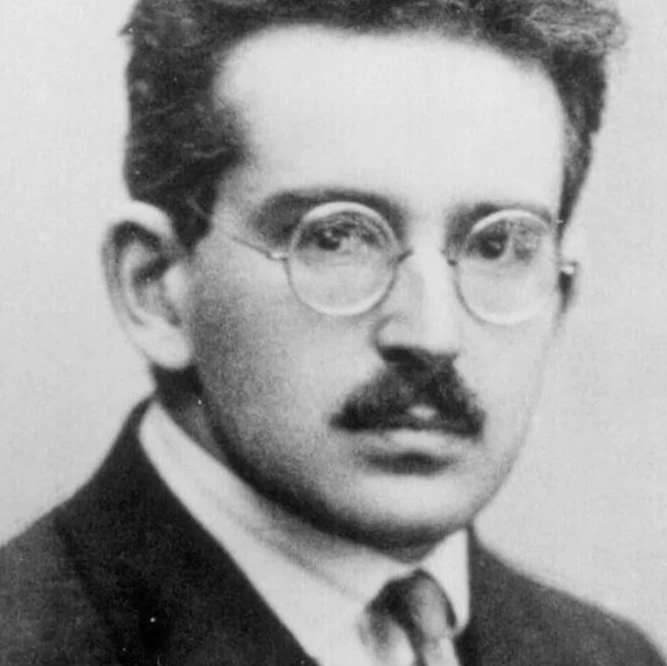
★ベ ンヤミン著作集4.『ドイツ・ロマン主義』晶文社,1970年, ※大峯顕による解説、Pp.160-173,
「ア カデミック界の慣行で、ベルン大学でも博士論文の本文原稿といっしょに思考過程の「要約」もベンヤミンは提出しなければなりませんでした。この博士論文が 1920年に「哲学および哲学史に関するベルン大学論文」の第五巻として出版されたとき、その思考過程を述べたベンヤミン自身の要約が実際に「自著紹介」 となって出ました(ヴァルター・ベンヤミン全集第1巻第2冊、707-708ページ、フランクフルト・アム・マイン、1974年)。テキストはこんなふう にはじまります。……
「研 究対象はロマン派の芸術批評概念で、超歴史的(メタヒストーリッ シュ)に、すなわち絶対的に措定した問題に光を当てて論述してある。その問題とは、一つに芸術の理念という概念が、またもう一つに芸術の理 想という概念が芸術理論に対しいかなる認識価値をもつのか、というものである。この脈絡において理念とは、方法論のア・プリオリのことをいい、その場合、 配分された内容のア・プリオリとしての理想が理念に相応する。当問題自体は、本研究で実際には論じることができず、むしろ最終章ではじめて姿を現わす。 ゲーテの理想(ないしは原現象)という概念をロマン派の理念という概念と比較しながら、最終章はこの超歴史的に措定した問題と哲学史の流れとのもっとも純 粋な意味関連の説明を試みる」」(マイヤー 1994:30-31)。
よ り後年になり、マルクス主義や弁証法的方法論に傾倒するようになるとこの「超歴史的」というアプローチは後退すると、ハンス・マイヤー(1994)は言 う。
「ドイツ・ロマン主義における芸術批評の概念」章立て
___________________
1.序論
2.反省
3.芸術批評
4.初期ロマン主義の芸術理論とゲーテ
___________________
Vor allem ... sollte der Analytiker untersuchen, oder vielmehr sein
Augenmerk dahin richten, ob er denn wirklich mit einer geheimnisvollen
Synthese zu tun habe, oder ob das, womit er sich beschäftigt, nur eine
Aggregation sei, ein Nebeneinander, ... oder wie das alles modifiziert
werden könnte.
Goethe, WA II. Abt. II. Bd., 72.
「まずなによりも……分析家は、かれが本当にひとつの霊妙な綜合にたずさわっているのか、それともかれが従事していることがただの寄せ集めや寄せ並べにす
ぎないの、あるいはこれらいっさいはどのようにすれば変容されうるだろうか——この点を研究すべきであろう、というよりむしろ、この点に注目すべきであろ
う」——ゲーテ
——「初期ロマン主義の芸術批評の本質は、それが作品についての判定でなく、作品そのものの完成であるというところにある。そして作品の完成とはあくまで
も作品が自己自身を完成すること、作品がそれ自身へと反省し、自己自身に目ざめ、真実に作品自身になるということである」(大峯 1970:169)。
【表 1.ロマン主義と近代批評】

・「芸術作品の批評とは何か?」を明らかにする。
・焦点のあてられる作品:フリードリヒ・シュレーゲル『アテネーウム』(〜1800年ごろ)、『断章』、『ヴィンディシュマン講義』(1804)——そこ では「哲学上の問題」とされる。
・兄のA.W.シュレーゲルは、いまだ、批評=文学史上の圏内にいる。
■批評の問題(ベンヤミンにおけるF・シュレーゲルの位置づけ)
1. 批評とはなにか?
2. 批評の自己反省と自己認識
・ 批評実践と理論の統一:『ヴィルヘルム・マイスター(の修業時代)』:ゲーテの作品
・「フリードリヒ・フォン・シュレーゲルは、近代の三大所産として「フランス革命、フィヒテの知識学、ヴィルヘルム・マイスター」を挙げている。また教養 小説(ビルドゥングスロマン)という形式も含めて、この小説は若い作家たちに小説の規範として受け取られた。ヴィルヘルム・マイスターを意識して書かれた 小説には、ノヴァーリスの『青い花』などがある」ウィキペディア「ヴィルヘルム・マイスターの修業時代」https://goo.gl/c5ZytV
・ロマン主義における芸術批評:批評={批評と結びついた認識}(=純粋認識)
・批評=批評と結びついた認識=純粋認識
・ロマン主義〈対〉近代批評
《作
図参照》
■実験と観察
・ 実験 Experiment
・観察 Beobachtung
の ロマン主義における特異な解釈・理解
・ 芸術のロマン主義批評の認識論的前提を明らかにするWBのやり方
・F・シュレーゲルの著作の分析、プラス、ノヴァーリスの作品分析(初期「断章」、後期「ヴィンディッシュマン講義」)
・実験 Experimentと観察 Beobachtung、は反省(Reflexion)という「ロマン主義・認識論の根本概念」につながる。
■反省とは?
・ 反省とは「思惟の内部構造のこと」である。
・思惟はつねに、同時に「思惟自身を思惟する」
《比 較》フィヒテのドイツ観念論
・ 『知識学』(1794)=絶対的自我の観念論
・「生産的構想力」「知的直観」よりも「反省」の概念を重視する、ロマン主義、そこから得られた結論。
・WBは、ロマン主義に肩入れするのか?「生産的構想力」や「知的直観」を議論から締め出している。
・また、「生産的構想力」や「知的直観」はフィヒテ的宇宙と呼ばれる。
1) 反省は直観ではない。
2)反省は体系的思惟(Begreifen)である
-----------------------------------
【凡
例】
※大峯顕による解説、Pp.160-173——この文章は33のパラグラフ(段落)に分かれる。
以下の文章の冒頭の数字は、このパラグラフ番号で、適宜、ページ数指示、をおこなう
【各論】
1.ベンヤミンの学位論文等の書誌上の解説
2. ロマン主義と(その精髄である)フリードリヒ・シュレーゲルの芸術論を検討する
3. 批評=認識論、というロマン主義のテーゼを確認せよ(→作図)
4. ロマン主義の芸術批評を理解するためには、ロマン主義の認識論が明らかにされる必要がある。これは、ロマン主義者の芸術家(例えば、詩人)が認識して いたか、否かの問題ではない。ベンヤミンの野心は、当事者の意識や意図とは関係なく、その認識論を抽出できるかであり、それ「自体」で説明できるかにあ る。『断片』『ヴィンディシュマン講義』における思想が重要であり、それが素材にされる——反省の概念。反省はロマン主義の認識の根本概念。
5. ロマン主義認識論=「反省」
6. (p.162):参照点としてのフィヒテ『知識学の概念』(1794年)が重要。シュレーゲルとノヴァーリスは、ともにフィヒテの思想から産まれて、 そして、そこから飛翔(=離脱)した。ベンヤミンは、フィヒテの従来の評価とは異なり、フィヒテの根本思想を「反省」としてとらえ、ロマン主義がそれをさ らに推進させたと考える。ロマン主義の反省は、直感ではなく、思惟(それも体系化された!)である。ロマン主義の反省は(また)概念的把握 (Begreifen)である。
7. なぜ、シュレーゲルやノヴァーリスが「反省」を重視したか?→認識の直接性や認識の無限性の「2つの契機が保証されていると考えたからである」 (p.162)。
《認 識の直接性》
8. 反省=直接的な認識、という議論は、フィヒテ『知識学の概念』(1794年)が嚆矢。
《根 本的な神秘形式主義》
「一体、知識学という学問は、外部の客体にかかわる対象認識の立場ではなく、このような対象的な知の世界を成り立たせているところの知の形式そのものを知 る立場、つまり知の知(=自覚)の立場である。この立場では、知が知自身へ還るから、知のこの自己反省において知は知自身に直接している。すなわち、
「反省は認識の直接性の真の根拠である」。——反省という意識の自己内屈折の構造のうちに、直接的な認識というものを発見したフィヒテをベンヤミンは高く 評価し、これを「根本的な神秘的形式主義」とよぶ」(大峯 1970:162)。
・ ロマン主義は、フィヒテから、この形式主義を芸術理論に基礎をおく。
・ 他方、フィヒテは1797年に「知的直観」という概念を導入し、「認識の直接性を認識の直観的本性というもの基礎づける立場」へと展開。ここで、ロマン 主義とフィヒテは袂を分かつ。ベンヤミンにいわせると、フィヒテは、思想を自我意識の中に留まる。(だから、対象を《芸術》という外部に向けたロマン主義 を高く買うわけだ!)
9.
同様に「無限性」の概念。——反省概念は、無限に反省をつづけるという作業を求める。反省の反復(=「体系的進行」)が、自我の発展に他ならない。た
だし、フィヒテには、これはただ単なる「理想」として捉えられていたにすぎない。「ロマン派においては無限性とは現実的認識の内容である」
(p.163)。
《「反省の無限性」の称揚から「多様な連関性」の強調へ!》
10. フィヒテの知的直観の概念の批判——「絶対自我のうちで反省の無限性は止揚されている」(ベンヤミン)引用は大峯(1970:163)——ただし、 これはベンヤミンにとっては解決でも何でもなく「反省の無限性の破壊」である。
11. フィヒテ:思惟の思惟、ロマン主義:思惟の思惟の思惟の……。ベンヤミンは、ここで何を言おうとしたのか? それは進行の無限性を称揚したのではな く、「あらゆるものが無限に多様な仕方で直接につながっているような充実した体系」を示そうとした(p.164)。
12. フィヒテの「対象的思惟」=客体についての知は、シュレーゲルでは「感覚」。フィヒテの「思惟の思惟」=知の知は、シュレーゲルでは「理性」。
「と
ころがシュレーゲルの思惟の特色は、理性の立場が感覚の立場に根源をもつと見る点にある。理性とは高次の感覚であり、感覚の自己認識である。「自己自
身を見る感覚は精神になる」。これは感性のうちにすら理性的なものを目撃しようとするフィヒテの観念論と反対に、理性を感性の変貌もしくは展開とみる立場
である。それゆえ、ロマン派のいう「思惟の思惟」は、たんに形式の側からだけでなく質料の側からも、あらゆる段階の認識を自己のもとに包括するひとつの発
出論的な認識の原理である。ロマン主義的反省は世界の内容的生産者にほかならぬ(これはある意味でヘーゲルに近い立場である)」(大峯
1970:164)。
【表2.ロマン派シュレーゲルと知識学のフィヒテの位相】

13. 反省の反省(思惟の思惟)=第2次の反省段階から、第3次の反省段階(=「思惟の思惟の思惟」)における、後者の根本的変化。
「思 惟の思惟の思惟」の2重の意味:「思惟の思惟の【思惟】」という客体化された思惟の存在と、「【思惟】の思惟の思惟」という【思惟】する主体の存在で ある。
「このことは、反省の原始形式としての「思惟の思惟」そのものが或る固有な二重性のうちへ投げ込まれ、震動させられることを意味する。しかもこの二重性は 第三次以上の反省段階において無限に多くの反響を展開してゆく。それが無限なる反省の立場なのである」(大峯 1970:165)。
14. この事態は、反省の形式そのものが無くなる、という。つまり「絶対者へむかつての本来的な反省形式の解消」——私(池田)は、このあたりには論理の 飛躍があり、なかなか分かりづらい。
「反省形式そのものの立場(絶対反省〉における思惟にとっては、形式はあっても無いのと同じである。形相なき思惟において絶対者は直接に自己をあらわにす る。それゆえ絶対反省とは、絶対者の自己反省、自己把捉なのである」(大峯 1970:165)。
15. 反省が存在の上に解放される、というのである。一切が自己(ゼルブスト)であるという。ここでは、ロマン主義に〈反省〉の概念の特異性について押さ えておくこと。
「知の「形式そのものを内容とするような形式」の立場、すなわちフィヒテの純粋自我の立場が、いっさいのもののうちにおいて不断に成り立つ、というのがロ マン主義的世界観だからである。自我だけが太陽ではない。世界は無数の太陽系からできているのである。それゆえ、ロマン派においてはじめて、反省が方法に なっている、とベンヤミンは言う。フィヒテ哲学の方法は、自我の弁証法的な定立作用であって、反省作用ではない」(大峯 1970:165)。
16. シュレーゲルの(フィヒテとは異なる)ラディカルな方法:「充実した反省=直観」と呼ばない。それは概念的思惟の立場である。知的直観を認識を有限 な範囲に閉じこめる。それに対して、ロマン派の概念的思惟=「それじしんの直接的な認識」。「思惟=直接認識」と理解するカント思想との決別。直接的な思 惟や媒介された直接性。これがロマン派の「反省」の概念。
17. 反省の対象は、絶対者、あるいは反自我(Gegen-Ich)ないしは汝(Du)、原自我(Ur-Ich)——ベンヤミンは、それに対してこのよう な絶対者を「反省媒質(レフレクシオンス・メディウム)」と呼ぶ。「反省は絶対者を構成する。しかもそれをひとつの媒質として構成するのである」——ベン ヤミンからの引用だが(大峯 1970:166)。
18.
絶対者の本質は、媒介性(メディアリテート)にある(p.166)。——シュレーゲルの場合は、メディアリテートは、「ロマン化」や「潜在力浮揚
(ポテンツィーレン)」と呼び、ノヴァーリスは「光」と呼ぶ。ノヴァーリスが光の隠喩を使うのは、自我が思惟を内側から照らすからである。
「あらゆる思惟において、ひとは自我(自己〉を発見する。思惟はいつでもどこでも自己思惟である。絶対者のこのような構造が「反省媒質」といわれるのであ
る。反省というはたらきは、絶対者の媒質の内部において遂行されるのであるから絶対者は反省の客体であると同時に、反省それ自身の基盤である。そうして反
省が絶対者を構成するとは、絶対者のこの媒介的構造そのものを照明し、明瞭化することである。すなわち、「媒質における媒介者」を目撃することにほかなら
ないのである。もちろんその場合でも、絶対者が反省にさきだって存在するのではない」(大峯 1970:166-167)。
19.初期シュレーゲル:絶対者=「芸術(Kunst)」と呼ぶ。芸術の立場は、自我を絶対者とせず、自我意識の枠の外へでた立場。これは、自我絶対者と
する立場ではなく、自我の立場からの解放だということだ。自我が、創造的/想像的無から構成される——「反省は第一(最初のダス・エルステ)のものであ
る」(→18.で指摘)。自我からの自由な反省=芸術という絶対者のうちなる反省
《体系は包括的概念である》
20. 絶対者=ひとつの体系、というのがロマン主義の到達した重要なポイントであり、ベンヤミンはそれを高く評価する。ただし、シュレーゲルの体系は「ふ つうの」体系ではない。絶対者が体系を把握するのではなく、絶対的な体系の把握であり、体系は一個の個体であること(p.167)。ベンヤミンは、ここに シュレーゲルの神秘思想(神秘主義)をみる。そして、その神秘主義には、直観が排除されて、言葉が要求される。
21.これがシュレーゲルの「神秘的用語法(ミスティッシェ・テルミノロギー)」であり、《論理的思惟》と《知的直観》のそれぞれの対象ではなく、それれ らの立場の媒介であること。「体系をとらえる一般的言語はないが、そうかといって体系はたんに言語表現を絶したものではない。かえって体系は、神秘的な個 別概念、神秘的用語のうちに、自己をあらわすのである。むしろ、そのような概念が根源的な体系そのものである」(p.168)。
・神秘的用語法の例:機知(ヴィツツ)、イロニー、超越論的ポエジー、魔術的観念論、断章など…
22.「批評」「批評的」——批判、批判的と同義か?(池田)——は、初期ロマン主義の主要概念、秘教的概念。
23. カントの批評概念への対抗。では、カントの批評概念とはなにか? それは「独断的合理論」と「懐疑論」の綜合した自分(カント)の立場を「批判主 義」と呼ぶ。それ(=批判主義)は熟慮から派生する客観的・生産的・創造的な立場をいう。他方、ロマン主義では、批評は「精神の洞察的な高揚」。そして批 判という仕事には、完結というものがありえない。永遠に続くもの。(カントとは異なり)自分たちの努力の必然的な未熟さを批評の名のもとに暗示——これは 今日における文化人類学的「批評」にも通底するものがある(池田)。
24. このロマン主義が芸術論に導入された時、芸術判定家から芸術批評という表現が確立された。これにより、(α)芸術作品より外部から判定・判断(=裁 判の隠喩を用いる)できるという考え方〈=独断論〉と、(β)あらゆる判定・判断(=裁判)はできないという考え方〈=懐疑論〉、という2つの立場から克 服された。これはカントが、独断論と懐疑論のジレンマを批判主義を通して克服したのと同じやり方である。
・α派=芸術は判定できる:レッシング、ヴィンケルマン、ゴットシェッド(=独断論)
・β派=芸術は判定できぬ:シュトゥルム・ウント・ドラング
25. 芸術批評の本質=作品の完成とみる、初期ロマン主義。作品の完成は、作品が自己自身を完成させること。作品がそれ自身に反省し、自己自身にめざめ、 真実に作品になることである。これはベンヤミンがいうところの「内在批評」。これを可能にするには、批評するものが、作品の内にはいることが要求される。 この考え方(=視座や考察の構え)、今日における近代批評が前提とする、〈認識するもの〉と〈認識されるもの〉の対立にもとづくものとまったく違った批評 の立場である。
※ 池田コメント:民族誌を読むことに、ベンヤミンの「内在批評」を多くの人類学者がおこなっていることは明々白々なのだが、今日の文化人類学者の問題は、 その当の人類学者である自分が、そのような文化的実践をおこなっていることを「忘却」していることにほかならない。
《ロ マン主義批判の独自性について》
26. ロマン主義批評の対象は、「自然」と「芸術作品」である。繰り返すが《批評はひとつの認識である》というテーゼを前提にした対象化である。
・いっさいの「現実的なもの」は、反省媒質のうちに存在するので、対象もまた《反省する存在者》である。「それゆえ、ロマン主義の対象認識の理論は、反省 の概念の対象的展開にほかならない」(大峯 1970:169)。
27. ロマン主義「あらゆる客体の認識は、客体の自己認識によって制約されている」〈対〉フィヒテ「客体的認識を主体の自己認識というものに基礎づける」 /ロマン主義「一切が自己性をもつ。(自我は、自己性がとりうる無数の形式のひとつ)」〈対〉フィヒテ的「フィヒテ的な自我のみ」/ロマン主義「死んだ対 象そのものが我々をみることすらあるうる」〈対〉フィヒテ「非我=死せる自然など存在しない」。
・「「われわれがそれにおいて化石を見るところの一切の述語において、化石がわれわれを見る」。人間が自然を認識することと、自然が人間を認識することと が、ここではひとつの自己認識である。客体の自己認識という立場は、認識における主体—客体—関係の図式そのものを破った立場である」(大峯 1970:170)。
28. 《作図参照》
【表 3.ロマン主義とフィヒテの立場の相違】

・ ノヴァーリス『断章』から:「ひとつの存在者が他の存在者によって認識されるということは、認識されるものの自己認識、認識するものの自己認識、そしてさ らに、認識するものが、かれが認識するところの存在者によって認識されるということ、——これらのことと同時に起こる」(大峯 1970:170)。
28. 観察(Beobachtung)と実験(Experiment)という、ロマン主義独自の考え方の導出(p.170)
《事 物が自己認識にいたる過程?》
「事物がいかに自己認識にいたるかは、事物自身の事柄であって、研究者の事柄ではない。それゆえここでは一種の観察と実験とがおこなわれる。ベンヤミンは
言う。「実験は観察されるもののうちに自己意識と自己認識とを召喚することを本質とする。ある事柄を観察するとは、それを自己認識へと動かすという意味に
すぎない」(大峯 1970:171)。
《実存的観察》
「実 験という概念は近代の科学以外には、中世の神秘家たちの神体験、自己の内面を実験台としての神の「実験的認識」cogito experimentalis という立場に見られる。ニーチェが自らの歴史的実存の認識を「実験哲学」Experimental-Philosophie とよんだのもこれに似たような立場である」(大峯 1970:171)。
《魔 術的観察ならびに魔術的支配》——作図参照
【表4.ロマン主義的宇宙とフィヒテ的世界の相違】

「存
在は行為を意味し、知識も行為を意味する」——スピノザ
31. ——作図参照
【表 5.さまざまな学の位相における「実験」と「観察」概念の多様性】

32. 《大峯先生によるまとめ》=批評は芸術の完成
「ロ マン主義にとって芸術とは反省の媒質であり、そういう芸術を批評するということは、芸術という反省媒質のうちにおいて対象を認識するということを意味 する。批評とはそれゆえ、芸術作品について外からなされる判定ではなく、批評する者と作品とが一つになったところでの実験と観察なのである。この観察にお いて、芸術作品はそれ自身のうちへ反省し、自己意識と自己認識とへもたらされる。それは作品自身のうちに本来かくれていた萌芽の自己展開を通じて、作品が 作品自身として完成することにほかならない。批評なくして芸術作品は完結しない。芸術は芸術の批評をそれ自身のうちにふくむのである」(大峯 1970:172)。
33.
批評そのものが対象となる芸術になると共に、それ自体が芸術作品となる。(このレトリックを敷延すると)「詩はただ詩によってのみ真実に批評される
うる」(大峯 1970:173)。——詩的批評の地平=ロマン主義批評の立場
★ドイツ文学におけるロマン主義
Germany Title page of Volume III of Des Knaben Wunderhorn, 1808 An early German influence came from Johann Wolfgang von Goethe, whose 1774 novel The Sorrows of Young Werther had young men throughout Europe emulating its protagonist, a young artist with a very sensitive and passionate temperament. At that time Germany was a multitude of small separate states, and Goethe's works would have a seminal influence in developing a unifying sense of nationalism.[citation needed] Another philosophical influence came from the German idealism of Johann Gottlieb Fichte and Friedrich Schelling, making Jena (where Fichte lived, as well as Schelling, Hegel, Schiller and the brothers Schlegel) a centre for early German Romanticism (also known as Jena Romanticism). Important writers were Ludwig Tieck, Novalis, Heinrich von Kleist, Friedrich Hölderlin and Heinrich Heine. Heidelberg later became a centre of German Romanticism, where writers and poets such as Clemens Brentano, Achim von Arnim and Joseph Freiherr von Eichendorff (Aus dem Leben eines Taugenichts) met regularly in literary circles.[citation needed] Important motifs in German Romanticism are travelling, nature, for example the German Forest, and Germanic myths. The later German Romanticism of, for example E. T. A. Hoffmann's Der Sandmann (The Sandman), 1817, and Joseph Freiherr von Eichendorff's Das Marmorbild (The Marble Statue), 1819, was darker in its motifs and has gothic elements. The significance to Romanticism of childhood innocence, the importance of imagination, and racial theories all combined to give an unprecedented importance to folk literature, non-classical mythology and children's literature, above all in Germany.[citation needed] Brentano and von Arnim were significant literary figures who together published Des Knaben Wunderhorn ("The Boy's Magic Horn" or cornucopia), a collection of versified folk tales, in 1806–1808. The first collection of Grimms' Fairy Tales by the Brothers Grimm was published in 1812.[49] Unlike the much later work of Hans Christian Andersen, who was publishing his invented tales in Danish from 1835, these German works were at least mainly based on collected folk tales, and the Grimms remained true to the style of the telling in their early editions, though later rewriting some parts. One of the brothers, Jacob, published in 1835 Deutsche Mythologie, a long academic work on Germanic mythology.[50] Another strain is exemplified by Schiller's highly emotional language and the depiction of physical violence in his play The Robbers of 1781. |
ドイツ デス・クナーベン・ヴンダーホルン』第3巻のタイトルページ、1808年 ゲーテの1774年の小説『若きウェルテルの悩み』は、ヨーロッパ中の若者を、非常に繊細で情熱的な気質を持つ若い芸術家である主人公に憧れさせた。当時 のドイツはマルチチュード国家であり、ゲーテの作品は統一的なナショナリズムの形成に大きな影響を与えた。重要な作家はルートヴィヒ・ティーク、ノヴァー リス、ハインリヒ・フォン・クライスト、フリードリヒ・ヘルダーリン、ハインリヒ・ハイネである。ハイデルベルクは後にドイツ・ロマン主義の中心地とな り、クレメンス・ブレンターノ、アヒム・フォン・アルニム、ヨーゼフ・フライヘル・フォン・アイヘンドルフ(『Aus dem Leben eines Taugenichts』)などの作家や詩人が定期的に文壇に集った[要出典]。 ドイツ・ロマン主義における重要なモチーフは、旅行、自然、例えばドイツの森、ゲルマン神話である。1817年のE・T・A・ホフマンの『サンドマン』 (Der Sandmann)や1819年のヨーゼフ・フライヘル・フォン・アイヒェンドルフの『大理石の彫像』(Das Marmorbild)などは、後期のドイツ・ロマン主義で、そのモチーフはより暗く、ゴシック的な要素を持っている。ロマン主義における幼年期の無邪気 さの重要性、想像力の重要性、人種論のすべてが相まって、とりわけドイツでは、民俗文学、非古典的な神話、児童文学がかつてないほど重視されるようになっ た[citation needed] ブレンターノとフォン・アルニムは重要な文学者であり、1806年から1808年にかけて、民話を詩化した『少年の呪術的角笛』(Des Knaben Wunderhorn)を共に出版した。グリム兄弟による最初のグリム童話集は1812年に出版された[49]。1835年からデンマーク語で創作童話を 出版していたハンス・クリスチャン・アンデルセンのずっと後の作品とは異なり、これらのドイツの作品は、少なくとも主に収集された民話に基づいており、グ リム兄弟は、後にいくつかの部分を書き直したものの、初期の版では民話の語り方に忠実であった。兄弟の一人であるヤコブは、1835年にゲルマン神話に関 する長大な学術書『Deutsche Mythologie』を出版している[50]。もう一つの系統は、シラーが1781年に発表した戯曲『強盗たち』における非常に感情的な言葉遣いと身体 的暴力の描写に代表される。 |
| https://en.wikipedia.org/wiki/Romanticism |
★The Origin of German Tragic Drama, Ursprung des deutschen Trauerspiels, 『ドイツ悲哀劇の根源』(講談社)
『ドイツ悲劇[→日本語版邦訳者の岡部によると悲劇[Tragödie]ではなく悲哀劇[Trauerspiels] だと主張]の起源』(ドイツ語:Ursprung des deutschen Trauerspiels)は、1925年にヴァルター・ベンヤミンがフランクフルト大学に提出した、博士号取得後の主要な学術論文(ハビリタツィオン) である。[1] この著書はバロック時代のドイツ演劇に関する研究であり、ベンヤミンが大学講師となるために必要な資格を取得することを目的としていた。しかし、この論文 が確実に却下されるだろうと警告されたため、ベンヤミンは審査から取り下げた。[2] 「彼はまだ、『知性はハビリテーションできない』ということを知らなかった。これは、ある同僚が彼について放った、悪意に満ちた無礼な発言を引用したもの である。」[3] この名言――「知性はハビリテーションできない」――は、ベンヤミンの死後の名声を受けて、その世紀の後半には、人文科学における専門職のパラドックスに 関する格言となった。 この著書は20世紀後半に再発見され、批判理論史、歴史哲学、そして広義のヨーロッパ思想において、パラダイムシフトをもたらした作品と見なされるように なった。[4] 『起源』そのものが多くの分野の学者によって広く再考されるようになる以前から、本書は『全体主義の起源』、『啓蒙の弁証法』、『ユダヤ神秘主義の主要潮 流』など(これらに限定されないが)、広く重要視されるようになった多くの著作に深い影響を与えた。 歴史哲学における全体主義への抵抗の象徴である「起源の恐怖」[5]は、アドルノ、ホルクハイマー、アレント、ショレムといった初期の読者の小規模で閉鎖 的なサークルから花開く以前から、本書の全編にその根源を見出すことができる。[6]

| The Origin of German
Tragic Drama (German: Ursprung des deutschen Trauerspiels) was the
postdoctoral major academic work (habilitation) submitted by Walter
Benjamin to the University of Frankfurt in 1925.[1] The book is a study
of German drama during the baroque period and was meant to earn
Benjamin the qualification required to become a university instructor.
Warned of the certainty of the work's rejection, Benjamin withdrew it
from consideration.[2] “He did not know as yet that ‘intellect cannot
be habilitated,‘ to quote [a colleague's] wickedly insolent statement
about him.”[3] This bon mot—‘Intellect cannot be habilitated’—went on to become a maxim about the paradoxes of professionalism in the academic humanities later on in the century, in the wake of Benjamin’s posthumous fame. The book was rediscovered in the second half of the 20th century and has come to be considered a paradigm shifting work in the history of critical theory, the philosophy of history, and in European thought writ large.[4] It had a deep influence on many works that became widely important before the Ursprung itself was recalled for general consideration by scholars in many fields including (but not limited to): The Origins of Totalitarianism, Dialectic of the Enlightenment and Major Trends in Jewish Mysticism. The “Horror of origins”[5] as a hallmark of resistance to totalitarianism in the philosophy of history, finds its root running through this book before it flowers from the small and hermetic circle of his early readers: Adorno, Horkheimer, Arendt, and Scholem.[6] |
『ドイツ悲劇の起源』[Origin of German
Tragic Drama](ドイツ語:Ursprung des
deutschen
Trauerspiels)は、1925年にヴァルター・ベンヤミンがフランクフルト大学に提出した、博士号取得後の主要な学術論文(ハビリタツィオン)
である。[1]
この著書はバロック時代のドイツ演劇に関する研究であり、ベンヤミンが大学講師となるために必要な資格を取得することを目的としていた。しかし、この論文
が確実に却下されるだろうと警告されたため、ベンヤミンは審査から取り下げた。[2]
「彼はまだ、『知性はハビリテーションできない』ということを知らなかった。これは、ある同僚が彼について放った、悪意に満ちた無礼な発言を引用したもの
である。」[3] この名言――「知性はハビリテートできない[Intellect cannot be habilitated]」――は、ベンヤミンの死後の名声を受けて、その世紀の後半には、人文科学における専門職のパラドックスに 関する格言となった。 この著書は20世紀後半に再発見され、批判理論史、歴史哲学、そして広義のヨーロッパ思想において、パラダイムシフトをもたらした作品と見なされるように なった。[4] 『起源』そのものが多くの分野の学者によって広く再考されるようになる以前から、本書は『全体主義の起源』、『啓蒙の弁証法』、『ユダヤ神秘主義の主要潮 流』など(これらに限定されないが)、広く重要視されるようになった多くの著作に深い影響を与えた。 歴史哲学における全体主義への抵抗の象徴である「起源の恐怖」[5]は、アドルノ、ホルクハイマー、アレント、ショレムといった初期の読者の小規模で閉鎖 的なサークルから花開く以前から、本書の全編にその根源を見出すことができる。[6] |
| History Benjamin compiled the source material for the work that would become The Origin of German Tragic Drama, some 600 quotations from German baroque dramas, in the Berlin State Library in 1923. In the spring of 1924, as the Beer Hall Putsch trial prosecuting Hitler and his co-conspirators proceeded in the headlines, Benjamin fled Germany in the wake of an excruciatingly bad review of his translation of Baudelaire.[7][8] The eviscerating critique of this debut effort by an early-career Benjamin, appearing on the front-page of several newspapers, had been served up by his Viennese doppelgänger whose major continental celebrity presented an inverse image of Benjamin's own career trajectory: Stefan Zweig (the globally best-selling author, playwright, librettist and acclaimed editorial journalist who was himself a recent translator of Baudelaire).[9][8] After the review was syndicated and appeared on page one of his own home turf at the Frankfurter Zeitung (where he worked as a stringer), sliding by under the radar of his sympathetic boss Siegfried Kracauer at the editor's desk of the paper's arts page, Benjamin decided that he would have to split town to polish off the book he had been working on.[8] Absconding to Capri with his voluminously annotated extracts and early drafts, he began to compile and compose these fragments into a unified book on the theme of Trauerspiel for what he hoped would be his habilitation—the qualification that would allow him to become a university lecturer in Germany.[10]: 72 While on the island of Capri he made the acquaintance of Asja Lācis and Bertolt Brecht.[11] These meetings—especially his introduction to Lācis—informed his sudden conversion from casual dilettante in Marxist theory to committed dilettante in the same field, right in the middle of his project on the German Baroque.[11] This shift in Benjamin's theoretical disposition accounts for several of the Ursprung's formal oddities.[11] He finished and submitted the work for approval to the Philosophical Faculty at the University of Frankfurt in 1925.[10]: 76 The faculty, which included established academics like Max Horkheimer,[12] found the work impenetrable and urged Benjamin to withdraw it from consideration.[13] By 1931, it was being taught as a recurring seminar by a young all-star Privatdozent named Adorno, who quickly received promotion and tenure in the process of teaching the book at the same university where it was rejected as Benjamin's habilitation.[14] The seminar may in this sense be considered the inaugural seminar of the Institute for Social Research, since the circle that gathered around Adorno during this time eventually branched off into its own academy.[15] Benjamin indicates in a letter to Gershom Scholem, sent in January 1933, that Adorno “continues to teach the course” on German tragedy, “though it is no longer listed in the course catalog.”[1] Later that month, Adolf Hitler was appointed chancellor of Germany. |
歴史 ベンヤミンは1923年、ベルリン州立図書館にて、『ドイツ悲劇の起源』となる著作の資料――ドイツ・バロック演劇からの引用約600件――を収集した。 1924年の春、ヒトラーとその共謀者たちを裁く「ビールホール事件」の裁判が新聞の見出しを賑わす中、ベンヤミンは自身のボードレール訳書に対する痛烈な酷評を受けてドイツを脱出した。[7][8] キャリア初期のベンヤミンによるこのデビュー作に対する容赦ない批判は、いくつかの新聞の一面を飾ったが、それを書き立てたのは、大陸で著名なウィーン出 身の「分身」であり、そのキャリアの軌跡はベンヤミン自身のそれと正反対のものだった。その人物とは、ステファン・ツヴァイク(世界的なベストセラー作 家、劇作家、台本作家、そして高名な論説記者であり、彼自身も最近ボードレールの翻訳を手掛けていた人物)である。[9] [8] その書評が配信され、ベンヤミンがフリーランサーとして勤務していた地元紙『フランクフルター・ツァイトゥング』の1面に掲載された際、同紙の芸術面編集 デスクで彼に好意的な上司ジークフリート・クラカウアーの目をすり抜けて掲載されたことを受け、ベンヤミンは、執筆中の本を仕上げるために街を離れる必要 があると判断した。[8] 膨大な注釈が書き込まれた抜粋や初期草稿を携えてカプリ島へ逃れるように向かった彼は、ドイツで大学講師となる資格であるハビリタツィオン取得を目指し、 これらの断片を「悲劇(Trauerspiel)」をテーマとする一冊の本として編纂し、執筆し始めた。[10]: 72 カプリ島滞在中、彼はアシア・ラシスとベルトルト・ブレヒトと知り合った。[11] これらの出会い――とりわけラシスとの邂逅――は、ドイツ・バロックに関する研究の真っ最中であった彼を、マルクス主義理論における気ままな愛好家から、 同分野における献身的な愛好家へと急激に転向させる契機となった。[11] ベンヤミンの理論的姿勢におけるこの転換こそが、『起源』に見られるいくつかの形式上の特異性を説明している。[11] 彼は1925年にこの著作を完成させ、フランクフルト大学哲学部に承認を求めて提出した。[10]: 76 マックス・ホルクハイマー[12]のような著名な学者を含む同部は、この著作を難解すぎると判断し、ベンヤミンに対し審査からの撤回を強く勧めた。[13] 1931年までには、アドルノという名の若きスター級私講師によって、この著作を題材とした定期的なセミナーが開講されるようになっていた。彼は、ベンヤ ミンのハビリタツィオン論文として却下されたのと同じ大学で、この本を教える過程において、急速に昇進し終身在職権を獲得したのである。[14] この意味において、このセミナーは社会研究所の創設セミナーと見なすことができる。というのも、この時期にアドルノの周りに集まった人々が、やがて独自の 学派へと分岐していったからである。[15] ベンヤミンは1933年1月にゲルショム・ショレムに送った手紙の中で、アドルノがドイツ悲劇に関する「講義を続けている」と述べている。「ただし、それはもはや講義目録には掲載されていない」と。[1] その月の後半、アドルフ・ヒトラーがドイツの首相に任命された。 |
| Style & scope Historical references The title of the book suggests either a polemical challenge or a further development of technique and insight in relation to Nietzsche's debut Birth of Tragedy. The Ursprung, as it turns out, offers both a challenge and a development of several of that earlier work's themes having to do with theater as a vestigial (or otherwise, further evolved) aftermath and transformed remainder of cultic rites. In the Birth of Tragedy, the ritual performance of the drama both unites the polity in a shared civic order, and enacts the breakdown or failure of that order in intoxication, madness, murder, suicide, familial violence and the general chaos of war according to the exorcismic principle of catharsis etc. This riffs on Aristotle's dramatic theory but Nietzsche's intent is to destroy the rationalizing Aristotelian orthodoxy in a breakthrough to the origin, facilitating a return to the embrace of more primal and violently realized forms of ritualism.[16] Nietzsche's book on the subject was completed after he returned from the Siege of Metz where the German army commanded by Moltke the Elder made its breakthrough in 1871 (only a few months into Franco-Prussian War), after which the French Army was rapidly dismantled and the encirclement of Paris quickly brought France to its knees. This was in the spring of the same year that Germany became a modern nation state in and by means of the process of this invasion, which unified splintered elements and remainders of the Holy Roman Empire in the territory which today is called Germany. The Birth of Tragedy was partly intended as promotional material for the Richard Wagner's Bayreuth Festival.[17] Nietzsche was not a normative public relations person, although Wagner was an important patron and father figure to him at the time that he wrote the Birth of Tragedy.[18][16][17] The work's intended audience was not so much the standard Opera-going public of the day (although he may have assumed they would be interested). Instead it speaks toward the surging eternity of return composed of future generations who would rise up in the now-dawning (re: in the 1870s) advent of nihilism to slake themselves in a pseudo-Darwinian struggle of bloody self-assertion, as Nietzsche was later interpreted (quite plausibly) to have expressed in his Nachlass in his late reflections on this early work[19] Several of Nietzsche's other early works expand or supplement his theses in the first book.[20] Knowledge of this description of tragedy as a sublimated form of ritual sacrifice in Nietzsche is generally assumed by Benjamin, rather than explicitly cited in each case of glancing reference to the earlier hybrid of Nietzsche's dramaturgy and theurgy in the revision proposed by the Ursprung. Some basic familiarity with the history of Germany's foundation and the subsequent period leading up to and including the First World War, not to mention the Thirty Years' War, will tend to make reading the Ursprung a more rewarding and less arduous undertaking since Benjamin assumes that his readers will possess basic historical knowledge of these events. |
様式と範囲 歴史的参照 本書のタイトルは、ニーチェの処女作『悲劇の誕生』に対する論争的な挑戦、あるいはその技法と洞察のさらなる発展のいずれかを示唆している。実際、『起 源』は、宗教儀礼の痕跡(あるいは、それとは異なる形でさらに進化した)としての後遺症、そして変容した残滓としての演劇に関わる、前作のいくつかのテー マに対して、挑戦と発展の両方を提示している。 『悲劇の誕生』において、劇の儀式的上演は、共同体を共有された市民的秩序の下で結集させる一方で、カタルシスといった祓いの原理に従い、陶酔、狂気、殺 人、自殺、家族内暴力、そして戦争の一般的な混沌といった形で、その秩序の崩壊や破綻を演じ出すのである。これはアリストテレスの演劇理論を基にしている が、ニーチェの意図は、起源への突破口を開くことで合理化されたアリストテレス的正統性を破壊し、より原始的で暴力的に実現された儀礼主義の形態への回帰 を促進することにある。[16] この主題に関するニーチェの著書は、1871年(普仏戦争開始からわずか数ヶ月後)、モルトケ(父)指揮下のドイツ軍がメッツ包囲戦で突破口を開いた後、 彼が帰還して完成した。その後、フランス軍は急速に解体され、パリ包囲によりフランスは瞬く間に屈服させられた。これは、ドイツが現代的な国民国家となっ たのと同じ年の春のことであった。この侵攻の過程を通じて、神聖ローマ帝国の分裂した諸要素や残滓が、今日ドイツと呼ばれる領土に統合されたのである。 『悲劇の誕生』は、リヒャルト・ワーグナーのバイロイト音楽祭の宣伝資料としても意図されていた。[17] ニーチェは規範的な広報担当者ではなかったが、『悲劇の誕生』を執筆した当時、ワーグナーは彼にとって重要なパトロンであり、父のような存在であった。 [18][16][17] この著作の想定読者は、当時の一般的なオペラ愛好家たちではなかった(彼らが興味を持つだろうと想定していた可能性はあるものの)。むしろ、この著作は、 今まさに夜明けを迎えつつある(すなわち1870年代の)ニヒリズムの到来の中で立ち上がり、疑似ダーウィニズム的な血なまぐさい自己主張の闘争に身を投 じるであろう未来の世代によって構成される、渦巻く「永遠回帰」に向けて語りかけている。ニーチェは後年、この初期の著作に関する晩年の考察において、遺 稿の中で(極めて説得力のある形で)そうした意図を表明していたと解釈されている [19] ニーチェの他の初期著作のいくつかは、第一巻における彼の論旨を拡張または補足している。[20] ニーチェにおける悲劇を「儀式的犠牲の昇華された形態」として描写したこの見解について、ベンヤミンは一般にそれを前提としており、『起源』で提案された 改訂版において、ニーチェのドラマトゥルギーとテウルギーの初期の融合に言及する際、その都度明示的に引用しているわけではない。 三十年戦争は言うまでもなく、ドイツ建国史および第一次世界大戦に至るまでのその後の時代について、ある程度の基本的な知識があれば、『起源』の読解はよ り実りある、そしてそれほど困難ではないものとなるだろう。なぜなら、ベンヤミンは読者がこれらの出来事に関する基本的な歴史的知識を有していると想定し ているからである。 |
| The Cambridge Ritualists As Benjamin embarked upon his work, the Cambridge Ritualists (a movement that also arose in response to the Birth of Tragedy) were enjoying the pinnacle of their influence in Britain.[21] The scholarship of these Ritualists informed and substantively inspired several now-classic works of literary modernism (by T.S. Eliot, Virginia Woolf, H.D. and James Joyce) who were either being celebrated as a new visionary art-form or otherwise anathematized as forms of sacrilege and tried in court as obscenities.[22] We have no evidence that Benjamin was aware of the Cambridge Ritualists, but a comparison of their scholarly project to Benjamin's experiment in the Ursprung may be the most efficient possible description of the thrust of his argument about the Trauerspiel (the German form of tragedy that arose during the Baroque period in the midst of the Thirty Years' War and its aftermath). Briefly: The Cambridge Ritualists devoted themselves to reverse engineering the ritual forms and rites of the ancient Greeks, returning to the primal origin of the art in the eldritch ceremonies that preceded it by working backwards from the plays as they analyzed older archaeological evidence and inventoried or authenticated Ancient Greek art as experts, dating the work as they went along. The Ritualists also considered that Greek tragedy was a precursor to the modes of thought observed in Greek philosophy, and concerned themselves with illustrating this notion. They preferred tragedy to philosophy: they always preferred the original form to its successor.[21] Benjamin's Ursprung moves in a diametrically opposite direction, contra the Cambridge Ritualists. He explored the fixations of Baroque drama (e.g. the Dark Sovereign who reinstates the order of nature by assuming dictatorial control of the state, dissolving parliament and inaugurating an orgy of slaughter, etc.) in the Trauerspiel as a precursor or primordial form of German political institutions and conventions, as well as a primeval dream-state or archaic remainder of juvenilia against whose chaos and morbid incoherence German idealism was derived as a psychic, stabilizing defense. Benjamin was looking for the way that these plays dissolve into later political instincts and legal institutions, not attempting to enter their origin. The origin destroys itself in the process of creation, he tells us.[4]: 45 He assumed the origin of the Trauerspiel to be—effectively—the sustained anarchy of intractable and apparently permanent violence in the Thirty Years' War.[4]: 53, 254 The origin is inarticulate and inexpressible as Benjamin understood it.[4]: 45 Drama itself is the attempt at articulation (or an important aspect of that articulation), and the political history of Germany is partly composed by the expressed application of these early attempts to describe and accomplish collective character formation in the midst of the origin's brutality. American, British and French readers will be able to appreciate that the Thirty Years' War has a status in German history similar to monumentalizing tendencies directed at the American Revolution, the English Civil War (and the Restoration of the British crown), or the French Revolution but with an important difference. Namely: the Thirty Years' War was a continental war or (in medieval terms) almost a world war that took place in the Holy Roman Empire (i.e. the imperial precursor to the mapping of later nation states that included Germany, Austria, Bohemia and parts of various other now distinct European nations etc.). It was much more das Ende (‘the End’) of something than a moment of genesis. Further, those familiar with Greek history will be in a position to appreciate that the War between the Persians and the Greeks (which the histories of Herodotus mark as the beginning of history), likewise, constituted the Attic polity out of which (in the annual festival of the Theater Dionysia in Athens) Greek tragedy first arose. The Greco-Persian wars ended well for Athens; the Thirty Years War, for the Holy Roman Empire—not so much. Thus the distinction between tragedy and trauerspiel as Benjamin describes the ritualism of these forms. |
ケンブリッジ・リチュアリスト ベンヤミンが執筆に着手した頃、ケンブリッジ・リチュアリスト(『悲劇の誕生』への反応として生まれた運動でもある)は、英国においてその影響力の絶頂期 を迎えていた。[21] これらのリチュアリストたちの学問的業績は、当時、新たな先見的な芸術形式として称賛されるか、あるいは冒涜の形態として非難され、猥褻物として法廷で裁 かれていた、T・S・エリオット、ヴァージニア・ウルフ、H・D、ジェイムズ・ジョイスらによる、今や古典と見なされる文学的モダニズムのいくつかの作品 に、知的な示唆を与え、実質的なインスピレーションを吹き込んだ。[22] ベンヤミンがケンブリッジの儀式主義者たちの存在を知っていたという証拠はないが、彼らの学術的プロジェクトとベンヤミンの『起源』における試みを比較す ることは、トラウアシュピール(三十年戦争とその余波の最中、バロック期に生まれたドイツの悲劇形式)に関する彼の主張の核心を、最も効率的に説明する方 法かもしれない。 簡単に言えば、ケンブリッジの儀式主義者たちは、古代ギリシャの儀式的形式や儀式をリバースエンジニアリングすることに専心し、より古い考古学的証拠を分 析し、専門家として古代ギリシャ美術を目録化・鑑定し、その過程で作品の年代測定を行うことで、演劇から逆算して、それを先立つ不気味な儀式における芸術 の原初的な起源へと立ち返ろうとしたのである。また、儀式主義者たちは、ギリシャ悲劇がギリシャ哲学に見られる思考様式の先駆けであると考え、この概念を 立証することに尽力した。彼らは哲学よりも悲劇を好んだ。つまり、彼らは常に、後継者よりも原初的な形態を好んだのである。[21] ベンヤミンの『起源』は、ケンブリッジの儀式論者たちとは正反対の方向へと進む。 彼は、トラウアースピール(悲哀劇)におけるバロック演劇の執着(例:国家の独裁的支配を掌握し、議会を解散させ、虐殺の乱痴気騒ぎを開始することで自然 の秩序を回復させる「闇の君主」、 など)における固着を、ドイツの政治制度や慣習の先駆的あるいは原初的な形態として、また、その混沌と病的な不整合に対して、精神的かつ安定化をもたらす 防衛としてドイツ観念論が派生した、原初的な夢の状態あるいは若年期の遺物として探求した。 ベンヤミンは、これらの劇が後の政治的本能や法的制度へと溶け込んでいく道筋を探求しており、その起源に踏み込もうとしていたわけではない。起源は創造の 過程において自らを破壊する、と彼は述べている。[4]: 45 彼は、トラウアシュピール(悲劇)の起源を、実質的には、三十年戦争における、手に負えず一見恒久的な暴力の持続する無政府状態であると見なしていた。 [4]: 53, 254 ベンヤミンが理解したように、起源は言語化不能であり、表現し得ないものである。[4]: 45 演劇そのものが言語化の試み(あるいはその言語化の重要な側面)であり、ドイツの政治史は、起源の残虐性の只中で集団的性格形成を描写し達成しようとする これらの初期の試みが、表現された形で適用されたことによって部分的に構成されている。 アメリカ、イギリス、フランスの読者は、三十年戦争がドイツ史において、アメリカ独立革命、イングランド内戦(および英国王政復古)、あるいはフランス革 命に向けられた記念碑化の傾向と類似した地位を占めていることを理解できるだろう。ただし、重要な違いがある。すなわち、三十年戦争は大陸戦争、あるいは (中世の用語で言えば)ほぼ世界大戦であり、神聖ローマ帝国(すなわち、ドイツ、オーストリア、ボヘミア、および現在では別々の国家となっているその他の ヨーロッパ諸国の一部などを含む、後の国民国家の形成の先駆けとなった帝国)で起こったものである。それは、何かの「創世」の瞬間というよりは、はるかに 「終焉(das Ende)」であった。さらに、ギリシャ史に詳しい人なら、ペルシアとギリシャの戦争(ヘロドトスの歴史書が「歴史の始まり」と位置づけるもの)が、同様 にアッティカの政体を形成し、そこから(アテネのディオニュシア演劇祭において)ギリシャ悲劇が初めて生まれたことを理解できるだろう。 ギリシャ・ペルシア戦争はアテネにとって好結果をもたらしたが、三十年戦争は神聖ローマ帝国にとってそうではなかった。こうして、ベンヤミンがこれらの形 式の儀礼性を論じる際に示す、悲劇(Tragedy)とトラウアースピール(Trauerspiel)との区別が成立する。 |
| Structure of argument The above-remarks in the section on historical subtexts and assumed reference, sketch a long arc of Benjamin's argument regarding the Trauerspiel. He presents the Trauerspiel as distinct genre from tragedy, in part because its action does not derive from or refer to the gods. Trauerspiel represent a godless universe. In the world of the Trauerspiel, gods have been replaced by political forms, and the action of the gods have been replaced by the necessity of political intrigue for advancement in the power structure. However much this argument may render the Ursprung legible, it is not representative of what is contained by the book itself. Proving his point about Trauerspiel (which he does manage to do, here and there) may be important to the work and if Benjamin had focused on the clarification, elaboration and conclusion of this argument perhaps his odds of receiving a habilitation may have improved. But the Ursprung has no cleanly linear structure in this sense—to describe it as a progressive argument resolving into a discrete synthesis or conclusion at all would be misleading. The completed work is the death mask of its intention, according to Benjamin. Its progression is manifold and without absolute center, in the same way that the vacuum of authority and not the dictator is the real organizing force and overarcing conceit in Trauerspiel as Benjamin reads the genre. The dictator does not succeed in reestablishing control. He tries and fails—his failure is what is mourned (a literal translation of Trauerspiel would be ‘mourning play’ not tragedy). The name of the genre implies the disaster has already happened before the action or the play itself even commences. The disaster is preordained. Its consequences still loom, even after the terminus of the action. The climax happens somewhere offstage: Likewise Benjamin's treatment. If the dictator fails by design, neither does Benjamin succeed in sticking to the development of any central argument in his treatment of that genre so especially concerned with the abortive apotheosis of the Dictator. The Ursprung detours into metaphysics, careening into elaborate discussion of special typefaces or fonts while elaborating on their phenomenological effects. He sideswipes into speculations about the theory of categories and the relation of this area in medieval monastic theology to divine structures hidden in our time perception since the dawn of humanity. He introduces demonologies of the concept as a theological entity in exponentially involuting footnotes whose demotion to the margins he neglects to perform. He speaks of allegories as mechanisms of profane revelation and infernally doomed attempts to achieve an impossible stasis of meaning, undertaken out of a deeply sadomasochistic instinct. The book is littered with impulsive sidelines on sigils, hieroglyphics, involved meditations on the graphic prints of Albrecht Dürer, inventories of heraldic insignia, emblem books, contemplative cascades on the gnostic qualities of evil, revisions in periodic definition and dating of the end of the Dark Ages, frank appraisals of the necrophiliac tendencies of German chauvinism and patriotism, etc. |
論旨の構成 「歴史的サブテキストと想定される参照」の節における上記の考察は、トラウアシュピールに関するベンヤミンの論旨の長い流れを概説している。彼は、トラウ アシュピールを悲劇とは異なるジャンルとして提示しているが、その理由の一つは、その物語が神々から派生したものでも、神々を参照したものでもない点にあ る。トラウアシュピールは、神なき世界を体現している。トラウアシュピール(悲哀劇)の世界では、神々は政治的形態に取って代わられ、神々の作用は、権力 構造における出世のための政治的陰謀の必要性に置き換えられている。 この論証がいかに『起源』を読み解きやすくしようとも、それは本書そのものが内包する内容を代表するものではない。トラウアシュピールに関する彼の主張を 立証すること(彼は所々でそれを成し遂げている)は、この著作にとって重要かもしれないし、もしベンヤミンがこの論証の明確化、展開、結論に焦点を当てて いたならば、ハビリタツィオン(教授資格)を取得できる可能性は高まったかもしれない。 しかし、『ウルスプルング』には、この意味での明確な直線的な構造は存在しない。この著作を、明確な統合や結論へと収束する漸進的な論証として描写するこ とは、誤解を招くことになるだろう。ベンヤミンによれば、完成した著作は、その意図の死面である。その展開は多面的であり、絶対的な中心を持たない。それ は、ベンヤミンがこのジャンルを解釈する際に、『トラウアシュピール』において真の組織力であり、全体を貫く概念となっているのが独裁者ではなく、権威の 欠如であるのと同様である。 独裁者は支配の再確立に成功しない。彼は試みて失敗する――その失敗こそが悼まれる対象である(『トラウアシュピール』の直訳は「悲嘆の劇」であり、悲劇 ではない)。このジャンルの名称は、物語や劇そのものが始まる前から、すでに災難が起きていたことを示唆している。災難はあらかじめ定められている。その 余波は、物語の終結後もなお、重くのしかかっている。クライマックスは舞台裏のどこかで起こる。ベンヤミンの論考も同様である。もし独裁者が意図的に失敗 するならば、独裁者の未遂に終わった神格化に特に焦点を当てたこのジャンルを論じるにあたり、ベンヤミンもまた、いかなる中心的な論旨の展開に固執するこ とに成功していない。 『ウルスプルング』は形而上学へと脱線し、特殊な書体やフォントの現象学的効果を詳述する中で、それらに関する精巧な議論へと暴走する。彼は、範疇論に関 する思索へと横滑りし、中世の修道院神学におけるこの領域が、人類の黎明期以来、我々の時間認識の中に隠された神聖な構造とどう関係しているかについて論 じる。彼は、神学的実体としての概念の悪魔論を、指数関数的に複雑化する脚注の中で導入するが、それらを余白へと追いやるという作業を怠っている。彼は、 アレゴリーを世俗的啓示のメカニズムであり、深くサドマゾヒスティックな本能から生じた、不可能な意味の静止状態を達成しようとする地獄的に破滅する試み であると語る。本書は、印章や象形文字に関する衝動的な余談、アルブレヒト・デューラーの版画への複雑な考察、紋章の目録、エンブレム集、悪のグノーシス 的性質に関する思索の連鎖、暗黒時代の終焉に関する定義や年代設定の見直し、ドイツの排外主義や愛国主義における死愛的傾向への率直な評価など、あらゆる 要素で散りばめられている。 |
| Resemblance to experimental art forms His submission of this text, considered in retrospect, expects the same sort of allowances given to literary modernists or Dadaists by their audiences to be granted to him by his readers. In reality, Benjamin overestimated his committee's range and subtlety of thought or underestimated the overload inherent in the process actually trying to understand his prose in this particular text. It is without question the most difficult piece of prose that he produced in a long career of transforming invisible into the visceral, and attempting to work the arcane up into the palatable. |
実験的な芸術形式との類似性 このテキストの提出は、振り返ってみれば、文学的モダニストやダダイストが聴衆から与えられたのと同じような寛容さを、自身の読者からも与えられることを 期待していたと言える。実のところ、ベンヤミンは審査委員会の思考の幅と繊細さを過大評価していたか、あるいはこの特定のテキストにおける彼の散文を理解 しようとするプロセスに内在する過負荷を過小評価していたのである。これは、目に見えないものを直感的なものへと変容させ、難解なものを理解しやすいもの へと昇華させようとした彼の長いキャリアの中で、間違いなく最も難解な散文作品である。 |
| Resemblance to Nietzsche's reception The Birth of Tragedy was Nietzsche's first book-length contribution, and the Ursprung seems to have been intended to operate in the same way for Benjamin. This resemblance (upon careful reading undertaken with the—perhaps prematurely expected—assumption of Benjamin's dignity as a major thinker on the part of the reader) is enhanced in the process of reading the work to the point where the Ursprung suggests itself as a ritual offering made at the beginning of a German philosopher's (or philologist's) career. Incidentally the Birth of Tragedy itself was also not at all well received by the German academy, and led to a lasting demotion of his reputation amongst his colleagues in philology departments across Europe when his academics colleagues in the field expressed their disappointment in savagely contemptuous and belittling reviews. Thereafter the Doktors of Philology who had but recently proclaimed Nietzsche a rising star, displayed a marked reluctance to follow or attend to his progress as he continued in his still-early career, leading to his professional isolation in the university system in all German-speaking nations.[23] This dimension of the work, Benjamin seems unlikely to have considered with a view to his own academic success when embarking on the Ursprung. Benjamin assumed that the exceedingly subtle likenesses and gestures rendered in verbal texture—as with the eccentric inclination of his title—would be self-evident and well-understood by his readers, perhaps especially by the committee examining his postdoctoral thesis. Here he seems to have assumed much too much for the most part. If anyone ever understood these dimensions of Benjamin's reference, it was likely Adorno who later taught several seminars on the text. Unfortunately Adorno's course materials, for the most part, do not survive. These tendencies of thought and style mark Benjamin's Ursprung as an exquisitely or otherwise intolerably esoteric work. What is hidden in the text is often just as important as what is explicitly said in the body of its argument. |
ニーチェの受容との類似性 『悲劇の誕生』はニーチェにとって初の単行本としての著作であり、『起源』はベンヤミンにとって同様の役割を果たすことを意図していたようだ。この類似性 は(読者がベンヤミンを主要な思想家として尊重するという――おそらく時期尚早な――前提に立って注意深く読解を行うと)、作品を読む過程でさらに強ま り、最終的には『起源』が、あるドイツ人哲学者(あるいは文献学者)のキャリアの始まりに捧げられた儀式的な供物であるかのように思えてくるほどである。 ちなみに、『悲劇の誕生』自体もドイツの学界ではまったく好評を博さず、同分野の学界の同僚たちが、残酷なほど軽蔑的かつ貶めるような書評で失望を表明し たため、ヨーロッパ中の文献学部の同僚たちの間で、彼の評判は長きにわたって低下することとなった。その後、つい最近までニーチェを新星と称えていた文献 学の博士たちは、彼がまだ初期のキャリアを歩み続ける中で、その進展を追ったり注目したりすることに著しい消極性を示し、その結果、ドイツ語圏のすべての 国において、大学制度内での彼の専門的な孤立を招くこととなった。[23] 『起源』に着手した際、ベンヤミンが自身の学問的成功を見据えて、この著作の側面を考慮していたとは考えにくい。 ベンヤミンは、言葉の織り成す文脈の中に表現された極めて繊細な類似性や仕草――その奇抜なタイトルの傾向と同様に――が、読者、とりわけ彼の博士後論文 を審査する委員会によって自明であり、十分に理解されるものだと想定していた。この点において、彼は概してあまりにも多くのことを前提としていたようだ。 もしベンヤミンの言及のこうした側面を理解した人物がいるとすれば、それは後にこのテキストについて数回のセミナーを開講したアドルノであろう。残念ながら、アドルノの講義資料の大部分は現存していない。 こうした思考と文体の傾向は、ベンヤミンの『起源』を、極めて精妙であると同時に、あるいは耐え難いほど難解な作品として特徴づけている。テキストに隠されていることは、論旨の中で明示されていることと同じくらい重要な場合が多い。 |
| Problem & summary Esoteric context The problem of a tendency in democracies to self-annihilate their own enfranchisement and constitutional principles of legal equality by electing dictators in times of anomie and cultural uncertainty looms in the background of Benjamin's considerations in the Ursprung from before the major period of his intensive literature review of Baroque drama in 1923 until long after the book's tardy publication in 1928. Benjamin is ultimately agnostic on the question of democracy, displaying a mostly unstated and (one might almost say) a collegial or even ‘historically Jewish’ (according to the Nazi-jurist and legal theorist Carl Schmitt, towards whom the book was directed as a counter-hex)[24] theological inclination toward democratic discernment. Regardless, Benjamin strongly leaned towards socialism and even communism from a date that falls in the middle of his composition of the Ursprung, when he met Asja Lācis in Capri. Discussions which begin in the book are still being hashed out and troubled over in Adorno's secret seminar in 1933 when Hitler comes to power. This theme is as present (and only slightly less elusive or occluded) in Benjamin's Theses on the Philosophy of History, written in his final hours, as it is in the Ursprung. Given that the Frankfurt School and ultimately the New School grows up from Adorno's circle of students and colleagues, and that their heirs in academic lineage have continued working on this problem into the present, one might say the problem becomes foundational to an institution whose continuing research focuses on trying to understand why democratic subjects tend to choose fascism over rationalizing solutions such as social democracy, and (as we find occasionally discussed in the literature) what to do about it. There is an indication in a letter that Benjamin sent as early as March 1923, that the Ursprung represents a second salvo continuing Benjamin's esoteric dialogue with the work of Carl Schmitt on the subject of the state of exception: the tragic flaw in the structure of democracy described above.[24] Benjamin first addressed this issue in his Critique of Violence, which examines—among other things—the paradox of living in Social Democracy where the constitution is suspended and martial law is declared so frequently that it constitutes an increasingly normative aspect of the functioning of the state. Carl Schmitt wrote his Political Theology, in part, as a response to the provocation of this essay and the questions it raised.[25] Schmitt is cited in the text of the Ursprung, and producing an answer to his challenge seems to have preoccupied Benjamin in the construction of the major sections of the book. Benjamin sent the Ursprung to Carl Schmitt as we know from his correspondence. Schmitt responded (insofar as he responded) to this second gauntlet thrown down by Benjamin several years later by legally formalizing the Gleichschaltung, an institutional drive towards the Nazification of all German institutions and social forms (including family, church and schools in addition to every other institutional form like commerce etc.). Who won the argument is a question left open to readers of history,[26] which is long (longer than the twelve years that the Third Reich lasted). |
問題と概要 専門的な背景 1923年のバロック演劇に関する集中的な文献調査という主要な時期以前から、1928年の同書の遅れた出版のずっと後まで、『起源』におけるベンヤミン の考察の背景には、アノミーや文化的不安の時代に独裁者を選出することで、民主主義が自らの参政権や法的平等の憲法原則を自ら破壊してしまうという傾向の 問題が横たわっている。 ベンヤミンは、民主主義の問題に関しては最終的には不可知論的であり、民主主義的見識に対する、ほとんど明言されない、(ある意味で)同僚的、あるいは (本書が対抗呪文として向けられたナチスの法学者・法理論家カール・シュミットによれば)「歴史的にユダヤ的」とも言える神学的傾向を示している。それに もかかわらず、ベンヤミンは『起源』の執筆期間の半ばにあたる時期、カプリでアシア・ラシスと出会った頃から、社会主義、さらには共産主義へと強く傾倒し ていった。 本書で始まった議論は、ヒトラーが権力を掌握した1933年のアドルノの秘密セミナーにおいても、依然として議論され、悩まされ続けていた。このテーマ は、『起源』と同様に、ベンヤミンが最期の瞬間に執筆した『歴史哲学に関するテーゼ』においても(わずかに捉えにくさや隠蔽性が薄れているに過ぎないが) 存在している。フランクフルト学派、ひいてはニュー・スクールがアドルノの学生や同僚の輪から発展し、その学術的系譜を継ぐ者たちが現在に至るまでこの問 題に取り組んできたことを踏まえると、この問題は、民主主義的主体がなぜ社会民主主義のような合理的な解決策よりもファシズムを選択しがちなのか、そして (文献で時折論じられているように)それに対してどう対処すべきかを理解することに焦点を当てた継続的な研究を行う機関にとって、基礎的なものとなってい ると言えるだろう。 ベンヤミンが早ければ1923年3月に送った一通の手紙には、『ウルスプルング』が、上述した民主主義の構造における悲劇的な欠陥、すなわち「例外状態」 という主題に関して、カール・シュミットの著作とのベンヤミン独自の対話を継続する第二の攻撃であることを示唆する兆候が見られる。[24] ベンヤミンが初めてこの問題に言及したのは『暴力の批判』においてであり、そこでは――とりわけ――、憲法が停止され、戒厳令が頻繁に布告される社会民主 主義社会に生きるというパラドックスが検証されている。そこでは、戒厳令の布告が国家の機能においてますます規範的な側面を構成するようになっているので ある。 カール・シュミットは、『政治神学』を、部分的にはこのエッセイの挑発と、そこで提起された問いへの応答として執筆した。[25] 『ウルスプルング』の本文中にはシュミットが引用されており、彼の挑戦に対する回答を提示することが、本書の主要な章の構成においてベンヤミンを強く占め ていたようだ。 ベンヤミンが『起源』をカール・シュミットに送ったことは、彼の書簡からわかっている。シュミットは、数年後にベンヤミンが投げかけたこの二度目の挑戦状 に対し(応答した限りにおいて)、ゲリッヒシャルトゥングを法的に制度化することで応えた。これは、あらゆるドイツの制度や社会形態(商業など他のあらゆ る制度形態に加え、家族、教会、学校を含む)をナチ化しようとする制度的推進であった。どちらが論争に勝ったのかは、歴史の読者に委ねられた問いである [26]。その歴史は長い(第三帝国が存続した12年よりも長い)。 |
| Post-metaphysical foreword As with the subtly feinted diagonal to Nietzsche's Birth of Tragedy in the title of the whole book (as above in the #Style & scope section), Benjamin's Epistemo-Critical Prologue, likewise contains a lyrical or sonic reference[27] to Lenin's book on theoretical methodology under the heading Materialism and Empirio-criticism. |
ポスト形而上学的序文 本書のタイトル全体に見られる、ニーチェの『悲劇の誕生』への微妙な言及(前述の「様式と範囲」の項参照)と同様に、ベンヤミンの「認識論的批判的序文」 もまた、レーニンの理論的方法論に関する著作『唯物論と経験批判論』への、詩的あるいは音韻的な言及[27]を含んでいる。 |
| Kracauer's summary of the Prologue Kracauer gives the most concise summary of the prologue,[28] which appears in a book review of the Ursprung shortly after it came out in print: The difference between traditional abstract thinking and Benjamin's manner of thinking is as follows: whereas the former drains the artifacts of their concrete plenitude, the latter burrows into the material thicket in order to unfold the dynamism at their core. [This method] accepts no generalities whatsoever, pursuing instead the unfolding manifestation of ideas in specific and really or presently perceived situations throughout history [where they ceaselessly evolve and never stabilize]. But since, for Benjamin, every idea is a monad, the whole world seems to him to proffer itself in [the holographic microcosm of][29] every presentation of such an idea. ‘The being that enters into it—the ideal with its previous and subsequent history—brings an abbreviated and darkened diagram of the rest of the world of ideas riding upon the artifact and concealed in its own figure,’ as Benjamin explains.[28] Siegfried Kracauer was a dear friend and colleague (frequently also Benjamin's editor at the Frankfurter Zeitung) and thus had the advantage of being able to directly ask the author what he was trying to do in the book, possibly returning to the question on several occasions before doing his write-up.[30][28] This may go some way towards explaining the degree by which Kracauer's grasp of the material exceeded the depth of understanding that a panel of PhDs working in the terrain of Benjamin's chosen subject were able to muster in the process of the Ursprung's review, despite the fact that they belonged to what was—at the time—the most advanced and sophisticated university system in the world at its peak: this, notwithstanding the fact that at least one of the faculty members called up for the review is still considered to be amongst the most important thinkers of that period.[30] |
クラカウアーによる序文の要約 クラカウアーは、出版直後に『起源』の書評の中で、この序文について最も簡潔な要約を提示している[28]: 伝統的な抽象的思考とベンヤミンの思考様式との違いは、次のように要約できる。前者が人工物からその具体的な豊かさを搾り取るのに対し、後者は物質の密林 に潜り込み、その核心にあるダイナミズムを展開しようとする。[この方法]は、いかなる一般論も一切受け入れず、その代わりに、歴史を通じて(そこで絶え ず進化し、決して安定することのない)具体的かつ現実的、あるいは現在的に知覚される状況における、思想の展開する現れを追及する。しかし、ベンヤミンに とってあらゆる観念はモナドであるため、彼には、そのような観念のあらゆる提示が[ホログラフィックな小宇宙として][29]、世界全体を自ら差し出して いるように映る。「そこに介入する存在――その前史と後史を伴う観念――は、人工物に乗せられ、その形態の中に隠された、観念世界の残りの部分の、省略さ れ、暗くされた図式をもたらす」とベンヤミンは説明する。[28] ジークフリート・クラカウアーは親しい友人であり同僚(しばしば『フランクフルター・ツァイトゥング』紙におけるベンヤミンの編集者でもあった)であった ため、著者にこの本で何をしようとしているのかを直接尋ねるという利点があり、おそらくは書評を執筆する前に、その問いを何度か繰り返していたのだろう。 [30] [28] これは、クラカウアーによる資料の把握が、『起源』の査読過程において、ベンヤミンが選んだ主題の領域で活動する博士号取得者たちからなる審査委員会が示 し得た理解の深さをどれほど上回っていたかを、ある程度説明する一助となるかもしれない。彼らは当時、世界最高峰の先進的かつ洗練された大学システムに属 していたにもかかわらず、 これは、査読のために招集された教員のうち少なくとも一人が、今なおその時代の最も重要な思想家の一人と見なされているという事実にもかかわらずである。 [30] |
| Early promotion Siegfried Kracauer's later protégé Theodor Adorno at the Frankfurter Zeitung's art-desk went on to become the Ursprung's greatest disciple, teaching the book as a seminar course at Frankfurt University on several occasions. For those who understand—all at once—terms like ‘Hegelian synthesis’, ‘German Idealism’ in relation to the World Spirit or zeitgeist, Molitor's conceptions of the linguistic mysticism in the Kabbalah, and what we might call the ur-Marxist style dialectical materialism: Benjamin is attempting a reconciliation of all these hermeneutic strategies in one fell swoop in the space of a single monograph whose subject—Trauerspiel—was already, in itself, quite obscure.[30] Given that readers familiar with even one of these discourses are likely to be unfamiliar with the other three strains of methodology actively transforming themselves as they intersect in the Ursprung, it is readily understandable that almost no one knew what to make of the book over the half-century prior to its rediscovery. This came in the wake of Benjamin's sudden rise to global fame in certain academic and artistic circles in the late 1960s.[30][28] Especially called to Benjamin were all-stars of the counter-culture who had academic chops but worked independently in the new journalism outside of the academy. For example: Susan Sontag, John Berger, Marshall McLuhan etc. For the most part these three (who were major voices in the zeitgeist) owe the concepts and theories that made them famous to Benjamin. To explain Benjamin's appeal to this later generation it may be well to remark that one of his final articles for the Frankfurter Zeitung was a meditation on the mystical dimensions that opened to him on a visit to Marseilles when he performed one of his several experiments in smoking a high-dose of hashish to observe the way in which it would alter his perceptions.[31] Benjamin was early on the train of cannabinoids, mescaline and more generally “winning youth to the revolution by chemical sacraments”[32] as he was on a great many other trends in thought and experimentation that would find massively scaled popular traction only later on in the century.[28][32] |
初期の普及 ジークフリート・クラカウアーの後年の弟子であるテオドール・アドルノは、『フランクフルター・ツァイトゥング』紙の美術担当として働き、後に『ウルスプルング』の最も偉大な信奉者となり、フランクフルト大学で同書をセミナー科目として何度か講義した。 「ヘーゲル的総合」や「世界精神(ツァイトガイスト)」に関連する「ドイツ観念論」、カバラにおける言語的神秘主義に関するモリトールの概念、そして我々 が「原マルクス主義的」と呼ぶべき弁証法的唯物論といった用語を——すべてを一挙に——理解する者にとっては: ベンヤミンは、その主題である『悲劇』自体がすでに極めて難解であったにもかかわらず、たった一冊の単行本の枠内で、これらすべての解釈学的戦略を一挙に 調和させようとしているのである。[30] これらの言説のうち一つに精通している読者であっても、他の三つの方法論的潮流については馴染みが薄いだろう。それらは『起源』において交錯しながら、自 らを積極的に変容させている。したがって、本書が再発見されるまでの半世紀の間、ほとんど誰もこの本をどう解釈すべきか分からなかったことは容易に理解で きる。再発見は、1960年代後半に特定の学術界や芸術界においてベンヤミンが突如として世界的な名声を得たことを受けて起こった。[30][28] とりわけベンヤミンに惹きつけられたのは、学術的な素養を持ちながらも、学界の外でニュー・ジャーナリズムの分野において独立して活動していたカウンター カルチャーのオールスターたちであった。例えば、スーザン・ソンタグ、ジョン・バーガー、マーシャル・マクルーハンなどである。概して、これら3人(当時 の時代精神における主要な声であった)は、彼らを有名にした概念や理論をベンヤミンに負っている。 ベンヤミンが後の世代に与えた魅力を説明するには、彼が『フランクフルター・ツァイトゥング』紙に寄稿した最後の記事の一つが、マルセイユ訪問時に体験し た神秘的な次元についての考察であったことに言及するのが適切だろう。当時、彼は知覚の変化を観察するために、高濃度のハシシを吸うという数ある実験の一 つを行っていた。[31] ベンヤミンは、カンナビノイドやメスカリン、そしてより一般的には「化学的秘儀によって若者を革命へと引き込む」[32]という潮流に早くから乗り出して いた。それは、世紀の後半になって初めて大規模な大衆的支持を得るようになった、他の多くの思想や実験の潮流と同様にである。[28][32] |
| Epistemo-Critical Prologue vs Materialism and Empirio-criticism vs Being and Time Lenin's book on methodology, Materialism and Empirio-criticism, recommends rationalist pragmatism, subordinate to Marxist revolutionary theory, in the reading of history and world events. Benjamin's Epistemo-Critical Prologue moves in the opposite direction: contemplating the limitations of scientific representation, and its contingency in relation to metaphysically ethereal yet, nevertheless, determining forces. The terrain of awareness Benjamin tears open here anticipates Gödel's incompleteness theorems, the uncertainty principle and challenges proposed to our theory of knowledge presented in the Theory of relativity.[33] Benjamin's thoughts on these subjects anticipate Werner Heisenberg and Kurt Gödel. But he resorts to Goethe rather than calculus. Benjamin's critique of the hard sciences is couched in the jargon of aesthetics and metaphysics. Rather than presenting itself as a mathematical or logical proof, it suggests itself here as a sensibility. Predating proofs by Heisenberg and Gödel, also predating the Theory of Relativity, it is no wonder that none of Benjamin's examiners knew what to make of this text. The main drive is that absolute statement is impossible in human language or any other system of human representation including the numerical. Thus by extrapolation, he suggests in the first few pages that science is devoted to an impossible object or objective if it commits itself to the discovery of a unified field theory of static principles, given that the wild transformation of words and ideas over time will ravage these notions as the years go by; furthermore, their eternal and temporally essential transformation in real time makes it impossible to establish such principles in the first place. From there the argument scales, iterates, qualifies and quickly recapitulates the development and relations of these dynamics throughout the history of western philosophy with particular emphasis on how they express themselves in the final, blood-drenched climax of the Reformation, specially referred to as the Baroque, for the next forty pages or so. In terms of its epistemological and metaphysical claim (and not the specific historical substance his method addresses itself to), Benjamin's prologue later finds provisionally inferred support in Albert Einstein's introduction to Bertrand Russell's book on Theory of Knowledge which awkwardly and agreeably logs an objection to the main arguments of the book that this essay by Einstein introduces. It is very unlikely that Einstein read Benjamin in order to inform his judgment on this question.[34] Russell is a positivist. Benjamin and Einstein are not positivists, in terms of their theory of knowledge. Benjamin occasionally toys with the term nihilism, but this word has many connotations that do not apply to him especially in his own time. The introduction to the Origins of German Tragedy—the "Epistemo-Critical Foreword"—is so difficult as a philosophical and theological exercise and, retrospectively, so substantively important in the discourse of metaphysics and fundamental ontology in German and European thought (especially in the aftermath of Friedrich Nietzsche) that in many respects the Ursprung's foreword dwarfs the main body of the book that follows it. The work attempts to constitute an alternative (or at least a skeptical refusal) to the embrace of the will to power and a warning against this trend. Beginning with the first chapter of Benjamin's study of baroque drama, he presents the reader with many challenging mental exercises as the text proceeds but it has been noted that the book may likely be less read and understood than it otherwise might have been due to the fact that almost no one proceeding on the assumption that the book is a study of Baroque drama the way that authors like Samuel Johnson or Harold Bloom have written studies of William Shakespeare ever makes it past the foreword.[30] It is conjectured that the foreword to this book so disarmed and confused his committee at the academy that it disqualified the substance of the book from fair consideration.[30] In several of its conceptions it resembles, precedes and takes exception to the same terrain of fundamental ontology later explicated (without attribution or immediate awareness of the relation on the part of the later author) in Martin Heidegger's Being and Time.[35] Except in Benjamin's case these arguments are advanced as a provisional preparatory note to a marginal study of dramaturgy informing the memory of an extinct, archaic and little read genre of late-medieval, post-apocalyptic plays. Putatively written to outline Benjamin's methodology for the study of Baroque tragedy, the foreword may be read as no less than a manifesto of a new mysticism of word and concept proposed in the void of religious feeling following upon the loss of the Bible's status as a transcendental authority in the late 19th century sometimes referred to as the Death of God. This is a terminology that Benjamin and Scholem rigorously avoid. On the contrary, they see something resembling (for them in the early phase of their careers and in a transformed sense later on) the basic insight of monotheism, encrypted in Biblical myth or otherwise revealed in the script (where “the medium is the message” as Marshall McLuhan later summarized Benjamin). It is not the original insight of monotheism that they see in what militant German nihilists[36] refer to as the Death of God. These people, Benjamin and Scholem, are not originalists or fundamentalists. Benjamin, in the Unsprung chases after the revelation in jetzeit or in the now-time, which is the only place where insights have ever happened—at the foot of Mount Sinai in what are now ancient centuries that remain to us only in their artifacts, or in the present of the 1920s while he is working on the Ursprung or right now as we read it. What the mysticism outlined in the Ursprung looks like in terms of its practice or application is never directly discussed, or systematically outlined. It is not even called a mysticism until much later. It is only suggested by the shape of the work and its method. Nevertheless, the grounding for its conception as an after-theology or post-theology is remarkably accomplished in the course of its presentation. |
『認識論的批判的序説』対『唯物論と経験批判論』対『存在と時間』 レーニンの方法論に関する著書『唯物論と経験批判論』は、歴史や世界情勢を読み解くにあたり、マルクス主義の革命理論に従属する合理主義的実用主義を提唱している。 ベンヤミンの『認識論的批判的序説』は、これとは逆の方向へと進む。すなわち、科学的表象の限界、そして形而上学的に幽玄でありながら、それにもかかわらず決定的な力との関係におけるその偶発性を考察するものである。 ここでベンヤミンが切り開く認識の領域は、ゲーデルの不完全性定理や不確定性原理、そして相対性理論で提示された我々の認識論に対する挑戦を先取りしてい る。[33] これらの主題に関するベンヤミンの思考は、ヴェルナー・ハイゼンベルクやクルト・ゲーデルを先取りしている。 しかし、彼は微積分ではなくゲーテに依拠する。ベンヤミンの自然科学に対する批判は、美学や形而上学の専門用語で表現されている。数学的あるいは論理的な証明として提示されるのではなく、ここでは一種の感性として示唆されている。 ハイゼンベルクやゲーデルの証明よりも、また相対性理論よりも先行しているのだから、ベンヤミンの審査官の誰もこのテキストをどう解釈すべきか分からなかったのも不思議ではない。 その主たる論点は、人間の言語や、数値を含むいかなる人間の表象体系においても、絶対的な命題は不可能であるということである。したがって、推論によっ て、彼は冒頭の数ページで、科学が静的な原理の統一場理論の発見に専念するならば、それは不可能な対象、あるいは不可能な目的を追求することになると示唆 している。なぜなら、言葉や思想が時間とともに激しく変容していくことで、こうした概念は年月を経るにつれて荒廃していくからである。さらに、それらがリ アルタイムで永遠に、かつ時間的に本質的に変容し続けるため、そもそもそのような原理を確立すること自体が不可能なのである。 そこから議論は規模を広げ、反復し、限定を加え、西洋哲学史におけるこれらの力学の発展と関係を迅速に総括していく。特に、バロックと特別に呼ばれる、宗 教改革の血に染まった最終的なクライマックスにおいて、それらがどのように表現されているかに重点を置いて、その後40ページほどにわたって論じられる。 その認識論的・形而上学的主張という点において(彼の方法が対象とする具体的な歴史的実体ではなく)、ベンヤミンの序文は、後にアルバート・アインシュタ インによるバートランド・ラッセルの『認識論』への序文において、暫定的に推論された支持を見出すことになる。このアインシュタインによるエッセイが紹介 する同書の主要な論点に対する異議を、その序文はぎこちなくも好意的に記録している。アインシュタインがこの問題に関する自身の判断を裏付けるためにベン ヤミンを読んだとは、極めて考えにくい[34]。ラッセルは実証主義者である。知識論の観点から言えば、ベンヤミンとアインシュタインは実証主義者ではな い。ベンヤミンは時折「ニヒリズム」という用語を弄ぶが、この言葉には多くの含意があり、特に彼自身の時代においては、彼には当てはまらない。 『ドイツ悲劇の起源』の序文――「認識論的批判的序文」――は、哲学的・神学的な試みとして極めて難解であり、また振り返ってみれば、ドイツおよびヨー ロッパ思想における形而上学と根本存在論の議論(特にフリードリヒ・ニーチェの余波において)において実質的に極めて重要であるため、多くの点で『起源』 の序文は、それに続く本編を凌駕している。 この著作は、「力への意志」の受容に対する代替案(あるいは少なくとも懐疑的な拒絶)を提示し、この傾向に対する警告を試みている。 ベンヤミンのバロック演劇研究の第1章から始まり、本文が進むにつれて読者に多くの挑戦的な知的演習を提示しているが、サミュエル・ジョンソンやハロル ド・ブルームといった著者がウィリアム・シェイクスピアについて論じたのと同じように、本書がバロック演劇の研究であると想定して読み進める読者は、序文 を過ぎることはほとんどないという事実により、本書は本来あり得たはずのほどには読まれず、理解されていない可能性が高いと指摘されている。[30] この本の序文は、アカデミーの審査委員たちをあまりにも当惑させ、混乱させたため、本の内容が公正な検討の対象から外されてしまったのではないかと推測される。[30] その概念のいくつかは、後にマルティン・ハイデガーの『存在と時間』で詳述された(後者の著者がその関係に言及したり、直ちに認識したりすることなく)根 本的な存在論の領域に類似し、先行し、かつ異議を唱えている。[35] ただしベンヤミンの場合、これらの議論は、中世後期における終末論的戯曲という、すでに消滅し、古風でほとんど読まれていないジャンルの記憶を喚起する、 劇作論に関する周辺的研究への暫定的な準備的注記として提示されている。 バロック悲劇の研究に向けたベンヤミンの方法論を概説するために書かれたとされるこの序文は、19世紀後半に聖書が超越的権威としての地位を失ったこと (時に「神の死」と呼ばれる)に続く、宗教的感情の欠如の中で提唱された、言葉と概念に関する新たな神秘主義の宣言書として読み解くこともできる。 これは、ベンヤミンとショレムが厳格に回避している用語である。それどころか、彼らは(キャリアの初期段階においては、そして後には変容した意味におい て)、聖書の神話に暗号化されていたり、あるいは脚本の中に(マーシャル・マクルーハンが後にベンヤミンを要約して述べたように「メディアがメッセージで ある」という形で)明らかにされていたりした、一神教の基本的な洞察に似た何かを見出している。彼らが、過激なドイツのニヒリストたち[36]が「神の 死」と呼ぶものの中に認めているのは、一神教の本来の洞察ではない。ベンヤミンとショレムは、原典主義者でも原理主義者でもない。ベンヤミンは『起源』に おいて、ジェットツァイト(jetzeit)あるいは「今」という時間における啓示を追いかけている。洞察がこれまで生じてきた唯一の場所は、今や古代の 世紀となり、その遺物としてのみ我々に残されているシナイ山の麓、あるいは彼が『起源』に取り組んでいた1920年代の「現在」、あるいは我々がこれを読 んでいる「今」である。 『ウルスプルング』で概説された神秘主義が、その実践や応用においてどのような姿をとるかについては、直接的に論じられたり、体系的に概説されたりするこ とは決してない。それが「神秘主義」と呼ばれるようになるのは、ずっと後のことである。それは、著作の形態とその方法によって示唆されるに過ぎない。それ にもかかわらず、その概念を「神学のその後」あるいは「ポスト神学」として位置づけるための基礎は、その提示の過程において驚くほど見事に確立されてい る。 |
| Exoteric content Instead of focusing on the more famous examples of baroque drama from around the world, such as Pedro Calderón de la Barca and William Shakespeare, Benjamin chose to write about the minor German dramatists of the 16th and 17th century: Martin Opitz, Andreas Gryphius, Johann Christian Hallmann, Daniel Caspar von Lohenstein, and August Adolf von Haugwitz. For him, these playwrights – who were seen as too crude, dogmatic, and violent by earlier critics to be considered true artists – best reflected the unique cultural and historical climate of their time. Benjamin singles out the theme of "sovereign violence" as the most important unifying feature of the German "trauerspiel" or "mourning play". In their obsessive focus on courtly intrigue and princely bloodlust, these playwrights break with the mythic tradition of classical tragedy and create a new aesthetic based on the tense interplay between Christian eschatology and human history. Foreshadowing his later interest in the concept of history, Benjamin concludes that, in these plays, history "loses the eschatological certainty of its redemptive conclusion, and becomes secularized into a mere natural setting for the profane struggle over political power."[37] |
一般向けの内容 ペドロ・カルデロン・デ・ラ・バルカやウィリアム・シェイクスピアといった、世界的に有名なバロック演劇の例に焦点を当てるのではなく、ベンヤミンは16 世紀から17世紀のドイツのマイナーな劇作家たち――マルティン・オピッツ、アンドレアス・グリフィウス、ヨハン・クリスティアン・ハルマン、ダニエル・ カスパー・フォン・ローエンシュタイン、アウグスト・アドルフ・フォン・ハウグヴィッツ――について論じることを選んだ。彼にとって、以前の批評家たちか らは、真の芸術家とは見なされないほど粗野で、独断的、そして暴力的であると見なされていたこれらの劇作家たちこそが、当時の独特な文化的・歴史的風土を 最もよく反映していた。ベンヤミンは、ドイツの「トラウアシュピール(悲劇)」の最も重要な共通点として、「主権的暴力」というテーマを挙げている。宮廷 の陰謀や王侯貴族の殺戮欲に執拗に焦点を当てることで、これらの劇作家たちは古典悲劇の神話的伝統から決別し、キリスト教の終末論と人間史との間の緊張に 満ちた相互作用に基づいた新しい美学を創り出した。ベンヤミンは、後の歴史概念への関心を予見するかのように、これらの劇において歴史は「その救済的な結 末という終末論的な確実性を失い、政治権力をめぐる世俗的な争いの単なる自然な舞台へと世俗化される」と結論づけている。[37] |
| Hermeneutic antidote to Nietzsche In relation to the Third Reich In 1930, after the first major coup at the polls by the Nazi party in an election, Thomas Mann gave an epoch-marking speech (published shortly thereafter in the Berliner Tageblatt)[38] that strongly indicates Nietzsche's Birth of Tragedy as a philosophical and (anti-) theological foundation of Nazism, indicting Nietzsche's heirs, such as Carl Schmitt and Martin Heidegger by clear and unmistakable description of their work.[39] He depicts their teachings as the intellectual ferment in which Hitler could gain power over the minds and collective will of the German masses in a situation of despair over the failure of long tradition to produce answers in the crisis following the First World War, marked by hyperinflation, and economic depression amidst other horrors of a more spiritual character which are harder to name. Yet, Mann is at pains in this speech to describe these and to denounce them.[39] Benjamin enters a vague pact with his lifelong correspondent, co-conspirator, and intelligence source in Israel, the Kabbalist Gershom Scholem very early in their friendship: They chose Heidegger—and thus, in the long-run, Nietzsche[40]— as their nemesis as early as 1915.[41] (Scholem expresses solidarity with Benjamin in this stance in 1917).[42] Benjamin and Heidegger both attended the seminar on time's emptiness and fulfillment in Heinrich Rickert's class in the summer semester of 1913, which set them both on the paths of their research.[43] Their careers and the particular questions or concerns they follow remain entangled by opposing descriptions and antithetical interpretations of the same terrain of metaphysics after its evacuation by transcendent authority ever after that intersection.[43] In his Ursprung, we find Benjamin present at the primal scene well ahead of Thomas Mann (re: Style & Scope). That Benjamin was called to address the Trauerspiel partly as a polemic response to Carl Schmitt's[25] Nietzschean interpretation of German Baroque politics and drama (re: Problem & Summary) supports Thomas Mann's identification of Nietzsche as a symptomatic figure close to the root of the ideological crisis (Schmitt, as the Nazi party's lawyer throughout the 1920s, and as their anti-constitutional legal theorist at the outset of the Third Reich, is not a trivial figure but one of Hitler's most influential supporters, and the Nietzschean inspiration of Schmitt's nihilism is not ambiguous). |
ニーチェに対する解釈学的解毒剤 第三帝国に関して 1930年、ナチ党が選挙で初めて大きな勝利を収めた後、トーマス・マンは画期的な演説を行った (その直後に『ベルリナー・ターゲブラット』紙に掲載された)[38]。この演説は、ニーチェの『悲劇の誕生』がナチズムの哲学的かつ(反)神学的基盤で あることを強く示唆しており、カール・シュミットやマルティン・ハイデガーといったニーチェの継承者たちを、彼らの著作に対する明確かつ紛れもない描写に よって告発している。[39] マンは、第一次世界大戦後の危機において、長きにわたる伝統が答えを生み出せなかったことへの絶望、ハイパーインフレーションや経済恐慌、そして言葉に表 すことさえ困難な、より精神的な性質を持つその他の恐怖に特徴づけられた状況下で、ヒトラーがドイツ大衆の精神と集団的意志を掌握し得たのは、まさに彼ら の教えという知的発酵によるものだと描いている。しかし、マンはこの演説において、これらを記述し、糾弾することに苦心している。[39] ベンヤミンは、イスラエル在住の生涯の文通相手であり、同志であり、情報源でもあったカバラ学者ゲルショム・ショレムと、交友関係の初期の段階で漠然とし た協定を結んでいる。彼らは早くも1915年には、ハイデガー――ひいては長期的にはニーチェ[40]――を宿敵として選んだのである。[41](ショレ ムは1917年、この姿勢においてベンヤミンへの連帯を表明している)。[42] ベンヤミンとハイデガーは、1913年の夏学期にハインリヒ・リッカート(Heinrich Rickert)の講義で「時間の空虚と充足」に関するセミナーに共に参加し、それが両者の研究の道筋を決定づけた。[43] その交差点以降、超越的な権威によって形而上学の領域が空虚化された後、彼らのキャリアと、彼らが追及する特定の問いや関心は、同じ形而上学の領域に対す る対立する記述や対極的な解釈によって、常に絡み合い続けている。[43] 『起源』において、我々はトーマス・マン(『様式と範囲』参照)よりはるかに先んじて、ベンヤミンが原初的場面に立ち会っていることを確認できる。ベンヤ ミンが『悲劇』に取り組むよう求められたのは、カール・シュミット[25]によるドイツ・バロック期の政治と演劇に対するニーチェ的解釈(『問題と要約』 参照)への論争的応答としてであったという事実こそが、イデオロギー的危機の根源に近い象徴的人物としてニーチェを特定したトーマス・マンの見解を裏付け ている (1920年代を通じてナチ党の弁護士を務め、第三帝国の黎明期には反憲法的法理論家として活動したシュミットは、些細な人物ではなく、ヒトラーの最も影 響力のある支持者の一人であり、シュミットのニヒリズムにおけるニーチェ的インスピレーションは曖昧なものではない)。 |
| Antithesis to the 'will to power' Benjamin speaks of intentionless states as essential to deep reading—his relationship to text and the hermeneutic approach he recommends in the Ursprung are adjacent to a ritual form of mindfulness. Benjamin, contra Nietzschean affirmation, anticipates a negative dialectical approach to this whole terrain and in its precedent text, Towards the Critique of Violence. He maintains dread, tension and resistance to the desire for a Dictator, underlining the folly and atrocities that follow the affirmation of the will to violence and illuminates the inherent tragedy of the will to power. He offers an antidote to the will to power: careful reading without compulsion, or necessary incentive. He will have ample opportunity to read without incentive after his thesis is rejected. We find the prescription more incisively laid out at the climax of his Critique of Violence than in the Ursprung where it is modeled at macrocosmic scale rather than being proved or boiled down to a bullet-point.[44] It echoes allusively and persistently in the larger work that followed his first proposal without resorting to formulaic summary. The concept is modeled and implied cyclically and suggestively in the mysticism of ‘the concept-as-demon’ presented in the Ursprung's foreword and is demonstrated throughout the text that follows. The will to read freely counters the will to power, in Benjamin's Ursprung. However utopian and even impotent this tactic may seem in comparison to Nietzsche's (it is literally anti-potent or against the violence of militant power as such) it may be well to recall that Hitler's thousand year Reich lasted for only twelve years and that the year 1963 celebrated the publication of the book-length anthology of Eichmann in Jerusalem (a reading of Adolf Eichmann's trial by Benjamin's student, colleague and literary co-executrix, Hannah Arendt written as a series court-side at the trial in 1961) in a period of steadily expanding liberal democracy—not the thirtieth anniversary of Hitler's ascent to dictatorship in Germany, in a world prostrate beneath the swastika after the (counter-historical, null) victory of Nazism. The history of 20th century in relation to the Third Reich and its aftermath unfolded as Benjamin foresaw in a cryptic fragment of his paralipomena, bridging the gap in his commentary between his Critique of Violence and the Ursprung, composing an afterword and preparatory note that connects to both: In the revelation of the divine, the world-the theater of history—is subjected to a great process of decomposition, while time—the life of him who represents it—is subjected to a great process of fulfillment… In this world, divine power is higher than divine powerlessness; in the world to come, divine powerlessness is higher than divine power.[45] |
「力への意志」に対する対立概念(アンチテーゼ) ベンヤミンは、深い読解には「意図のない状態」が不可欠であると述べている。彼がテキストと築く関係や、『起源』で提唱する解釈学的アプローチは、儀式的なマインドフルネスの形態に近いものである。 ベンヤミンは、ニーチェ的な肯定論に反して、この領域全体に対して、またその先行テキスト『暴力の批判に向けて』において、否定的な弁証法的アプローチを 予見している。彼は、独裁者への欲望に対する畏怖、緊張、そして抵抗を堅持し、暴力への意志の肯定に続く愚行と残虐行為を強調するとともに、権力への意志 に内在する悲劇を浮き彫りにする。彼は「力への意志」に対する解毒剤を提示する。それは、強制や必然的な動機付けを伴わない、慎重な読解である。博士論文 が却下された後、彼には動機付けなしに読むための十分な機会が与えられることになる。この処方箋は、『暴力の批判』のクライマックスにおいて、『起源』よ りも鋭く提示されている。『起源』では、それが証明されたり要点に凝縮されたりしているのではなく、大宇宙的なスケールでモデル化されているに過ぎないか らだ。[44] それは、定型的な要約に頼ることなく、彼の最初の提案に続くより大規模な著作の中で、暗示的かつ執拗に反響している。この概念は、『起源』の序文で提示さ れた「悪魔としての概念」という神秘主義において、循環的かつ示唆的にモデル化され、暗示されており、続く本文全体を通じて実証されている。ベンヤミンの 『起源』において、自由に読む意志は、権力への意志に対抗するものである。 この戦術がニーチェのそれと比較してどれほどユートピア的であり、さらには無力にさえ見えるとしても(それは文字通り「反力」的であり、すなわち戦闘的な 権力そのものの暴力に反対するものである)、リベラル・デモクラシーが着実に拡大していた時代に、ヒトラーの「千年の帝国」がわずか12年しか続かなかっ たこと、そして1963年に『エルサレムのアイヒマン』(ベンヤミンの教え子であり、 同僚であり、文学的共同遺言執行者であるハンナ・アーレントが、1961年の裁判で法廷傍聴席から連載形式で執筆したものである)の刊行を祝った年であっ た。それは、リベラル・デモクラシーが着実に拡大していた時期であり、ナチズムの(反歴史的かつ無効な)勝利の後、世界が卍の旗の下にひれ伏していた時 代、ヒトラーがドイツで独裁者となった30周年の記念日ではなかった。 第三帝国とその余波に関する20世紀の歴史は、ベンヤミンが『パラリポメナ』の謎めいた断片で予見した通りに展開した。それは彼の評論において、『暴力の批判』と『起源』との間の隔たりを埋め、両者に繋がるあとがきおよび準備的注釈を構成するものである: 神の顕現において、世界――歴史の劇場――は巨大な分解の過程にさらされ、一方、時間――それを体現する者の生命――は巨大な成就の過程にさらされる……この世界において、神の力は神の無力よりも高い。来たるべき世界において、神の無力は神の力よりも高い。[45] |
| Marxist hermeneutics The method of Marxist hermeneutics has been developed by the work of, primarily, Walter Benjamin and Fredric Jameson. Benjamin outlines his theory of the allegory in his study Ursprung des deutschen Trauerspiels[35] ("Trauerspiel" literally means "mourning play" but is often translated as "tragic drama").[50] Fredric Jameson draws on Biblical hermeneutics, Ernst Bloch,[51] and the work of Northrop Frye, to advance his theory of Marxist hermeneutics in his influential The Political Unconscious. Jameson's Marxist hermeneutics is outlined in the first chapter of the book, titled "On Interpretation"[52] Jameson re-interprets (and secularizes) the fourfold system (or four levels) of Biblical exegesis (literal; moral; allegorical; anagogical) to relate interpretation to the mode of production, and eventually, history.[53] 35. Erasmus: Speculum Scientarium, 25, p. 162: "the different versions of Marxist hermeneutics by the examples of Walter Benjamin's Origins of the German Tragedy [sic], ... and also by Ernst Bloch's Hope the Principle [sic]." 50. Benjamin, Walter (2009). Origin of the German Tragic Drama. Verso. 51. David Kaufmann, "Thanks for the Memory: Bloch, Benjamin and the Philosophy of History," in Not Yet: Reconsidering Ernst Bloch, ed. Jamie Owen Daniel and Tom Moylan (London and New York: Verson, 1997), p. 33. 52. Jameson, Fredric (1982). The Political Unconscious: Narrative as a Socially Symbolic Act. Cornell University Press. pp. 17–102 53. Dowling, William C (1984). Jameson, Althusser, Marx: Introduction to the Political Unconscious. Cornell University Press. |
マルクス主義的解釈学(「解釈学」内のタグジャンプ) マルクス主義解釈学の手法は、主にヴァルター・ベンヤミンとフレデリッ ク・ジェイムソンの研究によって発展してきた。ベンヤミンは、その研究『ドイツ悲劇の起源』[35](「Trauerspiel」は文字通り「哀悼の劇」 を意味するが、しばしば「悲劇」と訳される)において、自身の寓話論の概要を提示している。[50] フレデリック・ジェイムソンは、聖書解釈学、エルンスト・ブロッホ[51]、そしてノースロップ・フライの研究を援用し、その影響力ある著作『政治的無意 識』において、マルクス主義解釈学の理論を展開している。ジェイムソンのマルクス主義的解釈学は、同書の第1章「解釈について」[52]で概説されてい る。ジェイムソンは、聖書解釈の四重の体系(あるいは四つのレベル:文字的、道徳的、寓意的、霊的)を再解釈(かつ世俗化)し、解釈を生産様式、ひいては 歴史と関連づけている。[53] 35. エラスムス:『Speculum Scientarium』第25巻、162ページ:「ヴァルター・ベンヤミンの『ドイツ悲劇の起源』[原文ママ]……およびエルンスト・ブロッホの『希望 の原理』[原文ママ]の例を通じて、マルクス主義解釈学のさまざまな形態について。」 50. ベンヤミン、ヴァルター(2009)。『ドイツ悲劇の起源』。ヴェルソ。 51. デヴィッド・カウフマン、「記憶への感謝:ブロッホ、ベンヤミン、そして歴史哲学」、『Not Yet: Reconsidering Ernst Bloch』(ジェイミー・オーウェン・ダニエル、トム・モイラン編、ロンドンおよびニューヨーク:ヴェルソ、1997年)、33頁。 52. ジェイムソン、フレデリック(1982)。『政治的無意識:社会的象徴行為としてのナラティブ』。コーネル大学出版局。pp. 17–102 53. ダウリング、ウィリアム・C(1984)。『ジェイムソン、アルチュセール、マルクス:政治的無意識への序説』。コーネル大学出版局。 |
| Reference 01. Introducing Walter Benjamin, Howard Cargill, Alex Coles, Andrey Klimowski, 1998, p. 112 Jane O. Newman, Benjamin's Library: Modernity, Nation, and the Baroque, Cornell University Press, 2011, p. 28: "... university officials in Frankfurt recommended that Benjamin withdraw the work from consideration as his Habilitation." Scholem, Gershom Gerhard (1981). Walter Benjamin : the story of a friendship (in English and German). Internet Archive. Philadelphia: Jewish Publication Society of America. p. 119. ISBN 978-0-8276-0197-0. Benjamin, Walter (2003). The origin of German tragic drama. Translated by Osborne, John. London and New York: Verso. ISBN 978-1-85984-413-7. Retrieved 20 August 2011. …which suspects any human thinker or politician claiming special possession of a primum mobile, or first principle over which they hold the monopoly of interpretation. RE: Calasso’s Forty Nine Steps esp. the chapter on Adorno w/ ref. to chapters on Benjamin, Krauss, Judge Schreber & Jung (the chapter on Heidegger as an optional elective) Calasso, Roberto (2001). The forty-nine steps. Internet Archive. Minneapolis: University of Minnesota Press. p. 241. ISBN 978-0-8166-3098-1. “The Task of the Translator” collected in the Benjamin anthology Illuminations, appeared as the introduction to this work and was nearly as long as the text of the poems themselves by word count. Benjamin, Walter (2016). "Introduction by Michael Jennings". One-way street. Cambridge, Massachusetts: Belknap Press of Harvard University Press. ISBN 978-0-674-05229-1. Richard Harper. Displacement: Zweig, Roth and Benjamin. Three Eminent Writers Hunted to Death by Fascism. Arrowhead Press, 2025. 10. Witte, Bernd (September 1997). Walter Benjamin: An Intellectual Biography. Wayne State University Press. ISBN 978-0-8143-2018-1. Erdmut Wislawa. Walter Benjamin and Bertolucci Brecht: The Story of a Friendship. Yale University Press, 2009. RE: also the introduction to Benjamin's Moscow Diaries, Briefweschel with Scholem, the introduction to the English translation of The Origin of German Tragic Drama by George Steiner et. al Benjamin's acquaintance with comrade Brecht does not develop into their historically memorable friendship but Benjamin falls head-over-heels in love with Asja Lācis immediately during this stay in Capri. He will follow her all the way to Moscow in a failed attempt to woo her before the Ursprung is published. Horkheimer later became Benjamin's patron and—roughly speaking—his grant supervisor as an emissary of funding at the Institute for Social Research sometimes known as the Frankfurt School. Esther Leslie (2007). Walter Benjamin. Reaktion Books. ISBN 978-1-86189-343-7. Müller-Doohm, Stefan (2009). Adorno: a biography (Pbk. ed.). Cambridge, UK: Polity Press. ISBN 978-0-7456-3109-7. Müller-Doohm, Stefan; Livingstone, Rodney; Müller-Doohm, Stefan (2009). "A Privatdozent in the Shadow of Walter Benjamin". Adorno: a biography. Cambridge: Polity. ISBN 978-0-7456-3109-7. RE: Sue Prideaux. I am Dynamite: A Life of Friedrich Nietzsche. Or just read the text of Nietzsche's Birth of Tragedy and scan the introduction, these aspects will be mentioned in all editions after 1945. Wagner, Cosima; Gregor-Dellin, Martin; Mack, Dietrich; Skelton, Geoffrey (1978). Cosima Wagner's Diaries. Internet Archive. New York: Harcourt. ISBN 978-0-15-122635-1. “Fatal Attractions” by Roberto Calasso in Forty Seven Steps. Pimlico, 2000. Martin Heidegger. Nietzsche Seminar. Vols I-IV. 20. See for example Nietzsche's studies of War in Homer, and his monograph on pre-socratics under the heading Early Greek Philosophy. Beard, Mary (2002). The invention of Jane Harrison. Revealing antiquity (3. print ed.). Cambridge, Mass.: Harvard Univ. Press. ISBN 978-0-674-00807-6. Anderson, Margaret C. "'Ulysses' in Court." The Little Review Jan-Mar. 1921: 22-25. Web Prideaux, Sue (2018). I am dynamite! a life of Nietzsche. New York: Tim Duggan Books. ISBN 978-1-5247-6083-0. Gesammelte Briefe, band II. “Letter 356” from Benjamin to Richard Weissbach, 23 March 1923. p. 327 Agamben, Giorgio (2005). State of Exception. [1] The resonance is syllabically actually more pronounced in English but the reference still there in the German, even as Benjamin's Theologico-Political Fragment (this title is an Adorno coinage applied as the heading of an untitled text) reference Spinoza's Theological Political Treatise. Adorno's title of this 1921 work by Benjamin (which he misdates as 1928 in Illuminations) also makes reference to the tilted reference to the Lenin text in the earlier Epistemo-Critical Foreword. Kracauer, Siegfried; Levin, Thomas Y. (1995). The mass ornament: Weimar essays. Cambridge, Mass: Harvard University Press. ISBN 978-0-674-55162-6. *nota bene: the holographic priciole and its antecedent in the term ‘microcosm’ appear in the subtext of the word monad for the informed and educated reader of the day. 30. By George Steiner in his introduction to the English translation. “Hashish in Marseilles” is collected in Benjamin's popular anthology Reflections, p. 137-148. Also in the Selected Works, volume 3, the Hashish monograph and elsewhere. This essay contains the full protocols of one of Benjamin's early Hashish experiments with Ernst Joel (Ernst Bloch was also present as was Ernst Scholem, Benjamin's radio producer, which may likely have generated some confusion on the occasion in question although this aspect of the evening is not noted in the protocols). These protocols were only excerpted in his article under the same heading in the Frankfurter Zeitung, in December of 1932. Kracauer seems to have intended the full protocols (possibly including notes from other experiments) to be serialized, but as Germany entered a new phase of disturbance under which a putsch by the military was at first expected only to be ‘resolved’ by Hitler's assumption of power in the days that followed in January of 1933 the thread of this intention seems to have gotten lost somewhere. Benjamin, Walter (2006). "RE: Introductions by Howard Eiland & Marshall Boon". On hashish. Cambridge, Mass.: Belknap Press of Harvard Univ. Press. ISBN 978-0-674-02221-8. Re: Harlan Scheldrup's article on “Relativity & The Theory of Knowledge” in Nature, 1923. Relativity and the Theory of Knowledge THE Scandinavian Sciententific Review — a new * quarterly m. English published in Norway — contains in its first number an original and important piece of philosophical research in an article entitled "The Theory of Relativity and its Bearing upon Epistemology "by Prof Harald K Schjelderup the recently appointed professor of philosophy in the University of Christiana. The author is already distinguished in his own country although he is probably the youngest occupant of a chair of philosophy having been born m 1895. The article begins with a lucid exposition of the principle of relativity which calls for no special remark but it proceeds to examine the consequence of its acceptance in physics for theory of knowledge. It is obvious that it must make a clean sweep of all naively realistic theories materialistic or spiritualistic which assume the physical reality of the universe to be presented objectively to the mind of the observer for his discernment by means of sense discrimination. But does it accord with idealism? Does it deny that there is any objective universe to which knowledge can attain? Does it require us to be content with the subjective spacetime universe of individual observers? Prof. Schjelderup answers emphatically,"No." Relativity gives us not a relative but an absolute universe, a universe the scientific reality of which however is completely different in its nature from anything which men of science have hitherto imagined or thought it necessary to assume. The Minkowski four dimensional spacetime universe is absolute in precisely the same sense in which Newton's three dimensional space and independent variable time were absolute and the world Iines of the Minkowski universe with their intersecting points determined by Gaussian coordinates are real in the objective sense but the reality is not sense presented it IS unimaginable and imperceptible. It consists like the reality of Pythagoras of numbers. The point of special interest in the argument is the way in which the author brings out the deciding influence in physical theory which the epistemological weakness of the older mechanics has had. It was Galileo the founder of modern physics who in his discrimination between what might be called the accidental and the essential attributes of things, first suggested the distinction between secondary and primary qualities which has played a determining part in later theories of knowledge. Galileo found his interpreter in Descartes who reduced physical reality to extension and movement. The principle of relativity has eliminated even the primary qualities from the subject matter of physics. Similarly in the relation of Kant to Newton we see the directive force of the epistemological weakness of a physical theory--the subjectivity of time and space in the Kantian theory meant their transcendental ideality. Abstracted from the subjective conditions of sensory observation they are invalid. But relativity goes further it eliminates time and space not only from an unknowable thing in itself but even from the subject matter of physics. To us today the principle of relativity is not a return to older philosophical concepts but a forward movement looking for a new philosopher to interpret a new epistemology. Scheldrup, Nature (September–October 1923)Public Domain This article incorporates text from this source, which is in the public domain. Re: “Theory of Knowledge” in Einstein's Thoughts & Opinions or other anthologies. Re: Sparks Will Fly: Benjamin & Heidegger. Ed. Andrew Benjamin. SUNY Press, 2014. [2] Osborne, Peter & Charles, Matthew. "Walter Benjamin". Stanford Encyclopedia of Philosophy. The Metaphysics Research Lab Center for the Study of Language and Information, Stanford University. Retrieved 21 August 2011. Mann, Thomas (1994). The Weimar Republic Sourcebook. Berkeley; London: California University Press. pp. 150–159. ISBN 978-0-520-06774-5. ibid. Weimar Sourcebook p. 153 40. RE: Heidegger's Nietzsche Seminars delivered under the Third Reich and thematically focused on the Will to Power, or his summation of these in his lecture The Word of Nietzsche: God is Dead (1943) and esp. in his (refusal to engage w/Denazification) “Facts & Thoughts”(1945) for a sense of Heidegger totalizing and distinctly Nazism-affirming sense of encompassing self-identification w/ Nietzsche. His teachings, he implies on every page, are the inheritance of Nietzsche manifest or incarnate in the Third Reich. An excellent secondary treatment on this question is given by Roberto Calasso in a pairing of essays “On the Fundamentals of the Coca Cola Bottle”(p. 86-90) and “Fatal Monologue”(3-35) in Forty Seven Steps. (English Translation of essays published on various dates in Italian is from Pimlico, 2002). Consisting introductions to Nietzsche, Heidegger, Benjamin, Adorno, Karl Kraus and others for Adelphi Publishing in Italy, the preponderance of material in the entire book bears on this question and particularly on “the horror of origin” as a stance substantively innovated by Benjamin in the Ursprung. Intended for readership as inclusive as possible by the publisher (a non-academic standard for-profit press devoted to fine literature and occasionally productive best-sellers like Carlo Rovelli) Forty Seven Steps offers an approachable and intimate style that summarizes many hundreds of arcane academic treatments in this terrain. Benjamin, Walter (2012). Scholem, Gershom (ed.). The correspondence of Walter Benjamin: 1910 - 1940. Chicago, Ill London: Univ. of Chicago Press. pp. 82, 168, 172, 359–60, 365, 372, 571. RE: All mentions of Heidegger and discussions of time, mathematics and Einstein's theory of invariance (as Scholem refers to the Theory of Relativity) in Gershom Scholem's Lamentations of Youth. Re: Peter Fenves in Sparks Will Fly: Benjamin and Heidegger. SUNY Press, 2014. “Critique of Violence” is collected in Benjamin's Reflections anthology as well as the first volume of his selected works, also appearing critical standalone editions in both German and English. 45. Benjamin, Walter (1996). "World and Time". Selected writings. Internet Archive. Cambridge, Mass.: Belknap Press. p. 227. ISBN 978-0-674-94585-2. |
文献 01. 『ウォルター・ベンヤミン入門』、ハワード・カーギル、アレックス・コールズ、アンドレイ・クリモフスキー、1998年、112ページ ジェーン・O・ニューマン、『ベンヤミンの書庫:モダニティ、国民、そしてバロック』、コーネル大学出版局、2011年、28ページ:「…… フランクフルトの大学当局は、ベンヤミンに対し、この著作をハビリタツィオン(教授資格取得論文)としての審査対象から取り下げるよう勧告した。」 ショレム、ゲルショム・ゲルハルト(1981)。『ヴァルター・ベンヤミン:ある友情の物語』(英語・ドイツ語併記)。インターネット・アーカイブ。フィラデルフィア:ユダヤ出版協会。p. 119。ISBN 978-0-8276-0197-0。 ベンヤミン、ヴァルター(2003年)。『ドイツ悲劇の起源』。ジョン・オズボーン訳。ロンドンおよびニューヨーク:ヴェルソ。ISBN 978-1-85984-413-7。2011年8月20日閲覧。 …これは、いかなる人間の思想家や政治家であれ、プリムム・モービレ(第一原理)を特別に所有していると主張し、その解釈の独占権を握っていると主張する 者を疑うものである。RE: カラッソの『49の階段』、特にアドルノに関する章(ベンヤミン、クラウス、シュレーバー判事、ユングに関する章への言及を含む)(ハイデガーに関する章 は任意の選択科目として) カラッソ、ロベルト(2001年)。『49の階段』。インターネット・アーカイブ。ミネアポリス:ミネソタ大学出版局。p. 241。ISBN 978-0-8166-3098-1。 ベンヤミンのアンソロジー『イルミネーションズ』に収録された「翻訳者の課題」は、本書の序文として掲載され、単語数では詩の本文とほぼ同等の長さであった。 ベンヤミン、ヴァルター(2016年)。「マイケル・ジェニングスによる序文」。『一方通行』。マサチューセッツ州ケンブリッジ:ハーバード大学出版局ベルナップ・プレス。ISBN 978-0-674-05229-1。 リチャード・ハーパー。『追放:ツヴァイク、ロート、そしてベンヤミン。ファシズムによって死へと追いやられた三人の傑出した作家』。アローヘッド・プレス、2025年。 10. ヴィッテ、ベルント(1997年9月)。『ヴァルター・ベンヤミン:知的な伝記』。ウェイン州立大学出版局。ISBN 978-0-8143-2018-1。 エルムート・ヴィスラヴァ。 『ヴァルター・ベンヤミンとベルトルッチ・ブレヒト:友情の物語』。イェール大学出版局、2009年。参考:ベンヤミンの『モスクワ日記』への序文、ショ レムとの書簡集、ジョージ・シュタイナーらによる『ドイツ悲劇の起源』英訳版への序文も参照。ベンヤミンと同志ブレヒトとの知己関係は、歴史的に記憶に残 る友情へと発展することはなかったが、ベンヤミンはカプリ島滞在中にアシア・ラシスに一目惚れした。彼は『ドイツ悲劇の起源』が出版される前に、彼女を口 説こうとして失敗に終わるものの、モスクワまで彼女を追いかけることになる。 ホルクハイマーは後にベンヤミンの後援者となり、大まかに言えば、フランクフルト学派としても知られる社会研究所の資金提供の使者として、彼の研究助成の監督者となった。 エスター・レスリー(2007)。『ウォルター・ベンヤミン』。リアクション・ブックス。ISBN 978-1-86189-343-7。 ミュラー=ドゥーム、シュテファン(2009)。『アドルノ:伝記』(ペーパーバック版)。英国ケンブリッジ:ポリティ・プレス。ISBN 978-0-7456-3109-7。 ミュラー=ドゥーム、シュテファン;リビングストン、ロドニー;ミュラー=ドゥーム、シュテファン(2009)。「ヴァルター・ベンヤミンの影に立つ私講師」。『アドルノ:伝記』。ケンブリッジ:ポリティ。ISBN 978-0-7456-3109-7。 RE: スー・プライドー。『私はダイナマイト:フリードリヒ・ニーチェの生涯』。あるいは単にニーチェの『悲劇の誕生』の本文を読み、序文をざっと目を通せばよい。これらの側面は1945年以降のすべての版で言及されている。 ワーグナー、コジマ;グレゴール=デリン、マルティン;マック、ディートリヒ;スケルトン、ジェフリー(1978)。『コジマ・ワーグナーの日記』。インターネット・アーカイブ。ニューヨーク:ハーコート。ISBN 978-0-15-122635-1。 ロベルト・カラッソ著『フォーティ・セブン・ステップス』所収の「ファタル・アトラクションズ」。ピムリコ、2000年。 マルティン・ハイデガー。『ニーチェ・セミナー』第I~IV巻。 20. 例えば、ニーチェによるホメロスの戦争に関する研究、および『初期ギリシャ哲学』という見出しの下にあるソクラテス以前の哲学者に関する単行書を参照のこと。 ビアード、メアリー(2002)。『ジェーン・ハリソンの発明』。Revealing antiquity(第3刷)。マサチューセッツ州ケンブリッジ:ハーバード大学出版局。ISBN 978-0-674-00807-6. アンダーソン、マーガレット・C. 「法廷における『ユリシーズ』」『リトル・レビュー』1921年1月~3月号:22-25頁。Web プライドー、スー(2018年)。『私はダイナマイトだ!ニーチェの生涯』。ニューヨーク:ティム・ダガン・ブックス。ISBN 978-1-5247-6083-0. 『書簡集』第2巻。ベンヤミンからリヒャルト・ヴァイスバッハへの「手紙356」、1923年3月23日。p. 327 アガンベン、ジョルジョ(2005)。『例外状態』。 [1] 音節的な響きは実際には英語の方がより顕著だが、ベンヤミンの『神学的・政治的断片』(このタイトルはアドルノが未題のテキストの見出しとし て用いた造語である)がスピノザの『神学的・政治的論考』を参照しているのと同様に、ドイツ語版にもその参照は依然として存在する。アドルノがベンヤミン のこの1921年の著作に付けたタイトル(『イルミネーションズ』では誤って1928年と記されている)は、それ以前の『認識論的序文』におけるレーニン 著作への傾斜した言及にも言及している。 クラカウアー、ジークフリート;レヴィン、トーマス・Y.(1995)。『大衆の装飾:ワイマール・エッセイ』。マサチューセッツ州ケンブリッジ:ハーバード大学出版局。ISBN 978-0-674-55162-6. *注:ホログラフィックなプリシオレ(priciole)およびその前身である「ミクロコスモス」という用語は、当時の知識人・教養ある読者にとって、「モナド」という言葉のサブテキストとして現れている。 30. ジョージ・シュタイナーによる英訳版序文より。 「マルセイユのハシシ」は、ベンヤミンの人気アンソロジー『省察』に収録されており、137-148ページに掲載されている。また、『選集』 第3巻、ハシシに関するモノグラフ、およびその他の場所にも収録されている。本論考には、エルンスト・ヨエル(エルンスト・ブロッホも同席しており、ベン ヤミンのラジオ番組プロデューサーであるエルンスト・ショレムもいた。この点は当該の夜に関する記録には記されていないが、おそらくその場では多少の混乱 を招いたであろう)との共同による、ベンヤミンの初期のハシシ実験の一つに関する完全な実験記録が含まれている。これらの記録は、1932年12月に『フ ランクフルター・ツァイトゥング』紙に掲載された同題名の記事では抜粋のみが掲載されていた。クラカウアーは、完全な実験記録(おそらく他の実験のメモも 含む)を連載するつもりだったようだが、ドイツが新たな動乱の局面に入り、当初は軍によるクーデターが予想されていたものの、1933年1月の数日後にヒ トラーが権力を掌握することで事態が「解決」したため、この計画の糸口はどこかで行方不明になってしまったようだ。 ベンヤミン、ヴァルター(2006)。「RE: ハワード・アイランド&マーシャル・ブーンによる序文」。『ハシシについて』。マサチューセッツ州ケンブリッジ:ハーバード大学出版局ベルナップ・プレス。ISBN 978-0-674-02221-8。 Re: 1923年『ネイチャー』誌に掲載されたハーラン・シェルドラップの論文「相対性理論と認識論」について。相対性理論と認識論 『スカンジナビア科学レビュー』——ノルウェーで発行される新しい*英語季刊誌——の創刊号には、クリスチャニア大学に最近着任した哲学教授、ハラルド・ K・シェルデルップ氏による「相対性理論とその認識論への影響」と題された論文が掲載されており、これは独創的かつ重要な哲学的研究である。著者は 1895年生まれであり、おそらく哲学教授職に就いた最年少の人物ではあるが、すでに自国において著名な人物である。本論文は、相対性原理の明快な解説か ら始まっており、これについては特に言及するまでもないが、その後、物理学におけるその受容が認識論に及ぼす帰結について考察を進めている。相対性原理 は、宇宙の物理的実在が、観察者の知覚によって客観的に提示され、感覚的識別を通じて認識されるという前提に立つ、唯物論的あるいは精神論的なあらゆる素 朴実在論的理論を一掃しなければならないことは明らかである。しかし、それは観念論と調和するのだろうか? 知識が到達し得る客観的な宇宙の存在を否定す るのだろうか?それは、個々の観察者の主観的な時空宇宙に満足することを私たちに強いるのだろうか?シェルデループ教授は断固として「いいえ」と答える。 相対性理論が私たちに与えるのは、相対的な宇宙ではなく絶対的な宇宙であり、その科学的実在性は、科学者たちがこれまで想像してきたもの、あるいは仮定す る必要があると考えてきたものとは、その性質において全く異なるものである。ミンコフスキーの4次元時空宇宙は、ニュートンの3次元空間と独立変数として の時間が絶対的であったのと全く同じ意味で絶対的であり、ガウス座標によって交点が決定されるミンコフスキー宇宙の世界線は客観的な意味で実在するが、そ の実在は感覚によって提示されるものではなく、想像もできず、知覚もできないものである。それは、ピタゴラスの数論における実在のように構成されている。 この議論において特に興味深い点は、著者が、旧来の力学が抱えていた認識論的な弱点が、物理理論に与えた決定的な影響をどのように浮き彫りにしているかで ある。物事の、いわば偶発的属性と本質的属性との区別において、後の認識論において決定的な役割を果たすことになる「二次的性質」と「一次的性質」の区別 を最初に提唱したのは、現代物理学の創始者であるガリレオであった。ガリレオの思想はデカルトによって継承され、デカルトは物理的実在を「広がり」と「運 動」に還元した。相対性原理は、物理学の対象から一次的性質さえも排除してしまった。同様に、カントとニュートンの関係においても、物理理論における認識 論的弱点が持つ主導的な力が見て取れる――カントの理論における時間と空間の主観性は、それらが超越論的な観念であることを意味していた。感覚的観察の主 観的条件から切り離されれば、それらは無効となる。しかし相対性理論はさらに進んで、時間と空間を、知ることのできない「物自体」からだけでなく、物理学 の対象そのものからも排除してしまう。今日の私たちにとって、相対性原理は古い哲学的概念への回帰ではなく、新たな認識論を解釈する新たな哲学者を求める 前進である。シェルドルプ、『ネイチャー』(1923年9月~10月号)パブリックドメイン 本記事には、パブリックドメインにあるこの出典からのテキストが含まれている。 Re: 『アインシュタインの思想と意見』またはその他のアンソロジーにおける「認識論」。 Re: 『火花が散る:ベンヤミンとハイデガー』。編:アンドルー・ベンヤミン。SUNYプレス、2014年。 [2] オズボーン、ピーター & チャールズ、マシュー。「ウォルター・ベンヤミン」。『スタンフォード哲学百科事典』。スタンフォード大学形而上学研究ラボ・言語情報研究センター。2011年8月21日取得。 マン、トーマス(1994)。『ワイマール共和国資料集』。バークレー;ロンドン:カリフォルニア大学出版局。pp. 150–159。ISBN 978-0-520-06774-5。 同上。『ワイマール共和国資料集』p. 153 40. 参照:第三帝国下で実施され、「力への意志」をテーマとしたハイデガーのニーチェ・セミナー、あるいは講演『ニーチェの言葉:神は死んだ』(1943年) におけるそれらの総括、特に(脱ナチ化への関与を拒否した) 『事実と思考』(1945年)における(脱ナチ化への関与を拒む)姿勢を通じて、ハイデガーがニーチェとの自己同一化を包括的に捉え、明確にナチズムを肯 定する姿勢を把握できる。彼はあらゆるページで、自身の教えこそが第三帝国において顕現し、具現化されたニーチェの遺産であると示唆している。この問題に 関する優れた二次的考察は、ロベルト・カラッソが『47の階段』に収録したエッセイ「コカ・コーラの瓶の基礎について」(86-90頁)と「致命的な独 白」(3-35頁)の対比において提示されている。(イタリア語で様々な時期に出版されたエッセイの英訳は、2002年にピムリコ社から刊行された)。イ タリアのアデルフィ社から出版されたニーチェ、ハイデガー、ベンヤミン、アドルノ、カール・クラウスらに関する概説集である本書の全編にわたる資料の大部 分は、この問題、とりわけベンヤミンが『起源』において実質的に革新した立場としての「起源の恐怖」に焦点を当てている。出版社(優れた文学作品に専念 し、カルロ・ロヴェッリのようなベストセラーを時折生み出す、非学術的な営利出版社)によって可能な限り幅広い読者層を対象として意図された『47の階 段』は、この分野における数百もの難解な学術的論考を要約した、親しみやすく親密なスタイルを提供している。 ベンヤミン、ヴァルター(2012)。ショレム、ゲルショム(編)。『ヴァルター・ベンヤミンの書簡集:1910–1940』。イリノイ州シカゴ/ロンドン:シカゴ大学出版局。pp. 82, 168, 172, 359–60, 365, 372, 571。 RE: ゲルショム・ショレムの『青春の嘆き』におけるハイデガーに関するすべての言及、および時間、数学、アインシュタインの不変性理論(ショレムが相対性理論を指して用いる表現)に関する議論。 Re: ピーター・フェンヴェス著『火花は散る:ベンヤミンとハイデガー』(SUNY Press, 2014年)。 「暴力の批判」は、ベンヤミンのアンソロジー『省察』および選集第1巻に収録されており、ドイツ語版と英語版の両方で単行本として出版されている。 45. ベンヤミン、ヴァルター(1996)。「世界と時間」。『選集』。インターネット・アーカイブ。マサチューセッツ州ケンブリッジ:ベルナップ・プレス。227頁。ISBN 978-0-674-94585-2。 |
| https://en.wikipedia.org/wiki/The_Origin_of_German_Tragic_Drama |
文 献
- Das älteste
Systemprogramm des deutschen Idealismus, by Hegel, ca.1796
- 解説:ohmine_on Romanticism_WB_1970.pdf(パスワード付き)
- 日本語:ドイツ・ロマン主義 / ヴァルター・ベンヤミン著 ; 大峯顕, 高木久雄編集解説,東京 : 晶文社 , 1970.9. - (ヴァルター・ベンヤミン著作集 ; 4)
- 日本語:ドイツ・ロマン主義における芸術批評の概念 / ヴァルター・ベンヤミン著 ; 浅井健二郎訳,東京 : 筑摩書房 , 2001.10. - (ちくま学芸文庫)
- マイヤー、ハンス『同時代人ベンヤミン』岡部仁訳、法政大学出版局、1994年
- ドイツ悲哀劇の根源 / ベンヤミン[著] ; 岡部仁訳, 講談社 , 2001 . - (講談社文芸文庫)/ Ursprung des deutschen Trauerspiels.
- ドイツ悲劇の根源 / ヴァルター・ベンヤミン [著] ; 川村二郎, 三城満禧訳, 東京 : 法政大学出版局 , 1975.4. - (叢書・ウニベルシタス ; 62)
- ドイツ悲劇の根源 / ヴァルター・ベンヤミン著 ; 浅井健二郎訳, 上,下. - 東京 : 筑摩書房 , 1999.6. - (ちくま学芸文庫)
- Ursprung des deutschen Trauerspiels / Walter Benjamin ; herausgegeben von Rolf Tiedemann, 2. Aufl. - Frankfurt am Main : Suhrkamp , 1982. - (Suhrkamp Taschenbuch Wissenschaft ; 225)
- The origin of German tragic drama / [by] Walter Benjamin ; translated [from the German] by John Osborne, London : NLB , 1977
- 近年出版された注釈本:Der Begriff der Kunstkritik
in der deutschen Romantik / Walter Benjamin ; herausgegeben von Uwe
Steiner
Frankfurt am Main : Suhrkamp , 2008. - (Walter Benjamin : Werke und Nachlaß : Kritische Gesamtausgabe / im Auftrag der Hamburger Stiftung zur Förderung von Wissenschaft und Kultur ; herausgegeben von Christoph Gödde und Henri Lonitz in Zusammenarbeit mit dem Walter Benjamin Archiv ; Bd. 3) - ドイツ語の印刷テキスト:Der Begriff der Kunstkritik in der deutschen Romantik / Walter Benjamin ; hrsg. von Hermann Schweppenhäuser, [Frankfurt am Main] : Suhrkamp , [1973]. - (Suhrkamp Taschenbuch Wissenschaft ; 4)
- フランス語訳:Le concept de critique esthétique dans le romantisme allemand / Walter Benjamin ; traduit de l'allemand par Philippe Lacoue-Labarthe et Anne-Marie Lang,[Paris] : Flammarion , c1986. - (La Philosophie en effet)
- インターネット版(ドイツ語):Der Begriff der Kunstkritik in der deutschen Romantik, 1919.
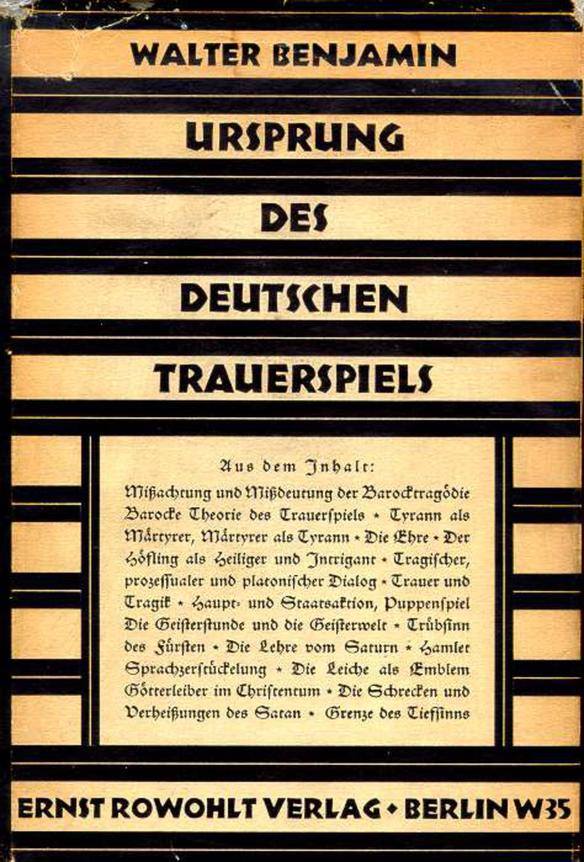


 ☆
☆
