sobre ultima batalla de los ateos variables

無神論者たちの最後のバトル
sobre ultima batalla de los ateos variables
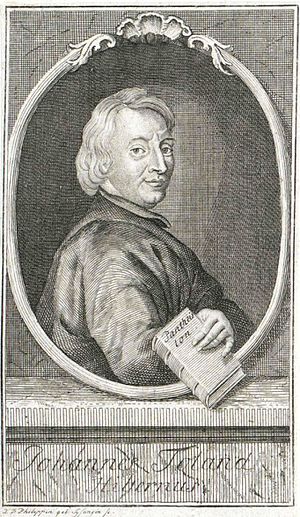
ジョン・トーランド(John Toland, 1670-1722)の『セリーナへの手紙』(三井礼子訳、法政大学出版局、2016)の第四書簡は、スピノザ批判になっている。トーランドは『秘教なき キリスト教』の作者で、また、彼(=スピノザ)の一連の書物も禁書リストにあがる ほどの、異端者であった。つまり、これらの著作は、時の教会権力(キリスト教もユダヤ教 も)から、無神論の烙印をおされているのである。
ジョン・トーランドの 「Christianity not Mysterious では、思弁的無神論と正統神学者とは異なると注意深く論じている。ジョン・ロックの認識論的合理主義の厳密な解釈を公式化してからは、聖書にはいかなる事 実も教条もないし、聖書は明瞭でも合理的でもなく、啓示とは人間の啓示であり、理解されえないものはわけのわからないものとして拒絶されるべきだと論じ た。/"Letters to Serena"もトーランドによる哲学への貢献である。人間の理性が偏見から完全には自由になれないという迷信について歴史的に考察する。また、一元論的 実体論への批判から形而上学的唯物論を展開した。/Pantheisticon, sive formula celebrandae sodalitatis socraticae (Pantheisticon, or the Form of Celebrating the Socratic Society)ではイングランド教会の祈祷書を真似て、異端神学を用いて批判した。1704 Letters to Serena ではパンテイズム(pantheism、汎神論)という表現を使い、真理へ到達する方法や、なぜ人々は間違った意識を持ってしまうのかを注意深く分析し た。pantheismはトーランドがスピノザの哲学を論じるなかで使用した。/パンテイズム(pantheism、汎神論)については、ジョセフ・ラフ ソン(Joseph Raphson)による1697年の著作 De Spatio Reali seu Ente Infinitoでスピノザを論じるなかで"pantheismus"を使用したのが最初とされる[9][10]。これを英語で"pantheism"と したのがトーランドとされる。/ソッツィーニ派について書かれた Socinianism Truly Stated, by a pantheist (1705)でトーランドは汎神論者だとした。」
[汎神論]
[ユダヤ人論]
「"Primitive
Constitution of the Christian Church"(1705)と Nazarenus
ではユダヤ人キリスト教徒のエビオン派の正当性を論じて、教会を批判した。/自由な市民において完全な平等が必要だとする彼の信念は、ユダヤ人共同体にま
で拡張されていき、1714年の『ユダヤ人帰化論、および全ての偏見に対してのユダヤ人の擁護』においてユダヤ人を擁護し、ヨーロッパ大陸からユダヤ人を
受け入れるよう主張した[4]
[11]。これはユダヤ人の完全な市民権と平等権を主張した最初の著作である。/また1718年にトーランドは、「ユダヤ教徒が奉じる真のキリスト教」は
ローマ帝国の異教徒たちによって圧殺され、また教皇制度はキリスト教を歪める一方で、ユダヤ教の儀式を非難してきたが、こうしたことの根拠は聖書には書か
れていないと論じた[4][12]。トーランドは、これまでのキリスト教世界を批判する一方で、ユダヤ人を擁護した[4]。/トーランドの政治パンフレッ
トのなかには煽動者の要素もあった。彼のジャコバイトへの攻撃には、当時の反カトリック主義的な感情に基づくものを超えたものでもなかった。
/Treatise of the Three
Impostorsではキリスト教、ユダヤ教、イスラム教の3つとも詐欺であると非難している。この書は中世から流布している写本であるとの噂がたった。
トーランドはこの写本 の私的なコピーをフランスのジャン・ルーセ(Jean
Rousset)で受け取ったと主張したが、こうした写本は現在まで発見されていない。噂では、フランス語に翻訳されたともされたが、皮肉な返事をした
ヴォルテールが訳したのでもなかった[13]。」ジョン・トーランド)
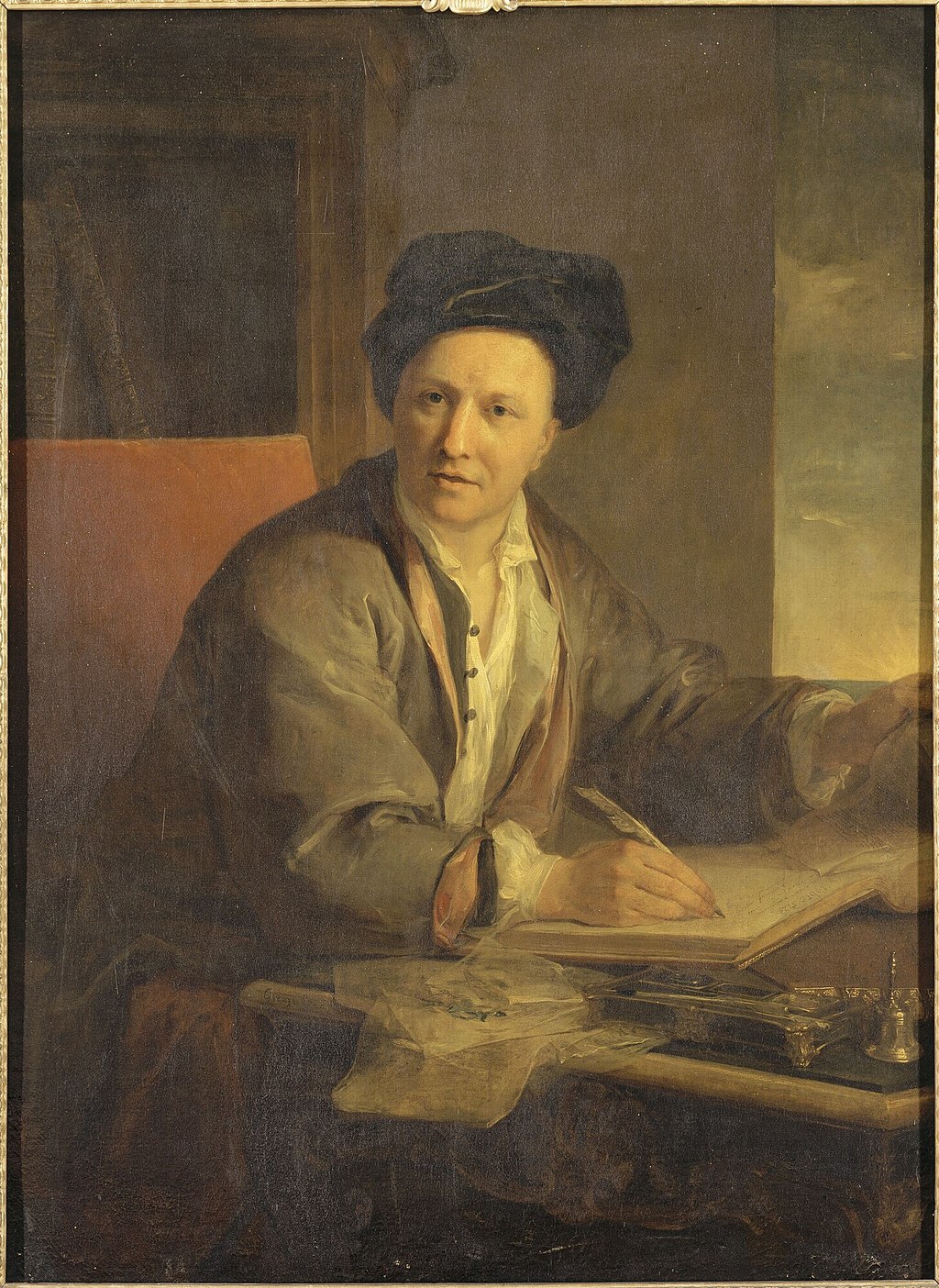
これに先立つ無神論の系譜にあたる著述者としてはベルナール・フォントネル(Bernard Le Bovier de Fontenelle, 1657-1757)がいるが、彼の著述の名前は『世界の複数性についての対話(Entretiens sur la pluralité des mondes)』(1686)でる。
スピノザを無神論の代表とすると、しかしながら、トーランドやフォントネルがスピノザとなぜ 対立するのかが分かりにくくなる。その対比の端的に指摘すると、スピノザが宇宙の原理を、単一の原理から成り立つとしたのに、フォントネルたちは、宇宙の 複数性や多元性を説いていたのではないかと思い浮かぶことになる。
■引用から……
「どうもすみません。あなたのせいで、へんてこな考
えに取りつかれましてね。そしてつい想像
が走ってしまって」。
「へんてこな考えって、一体何ですの?」。
「ああ、こんなことをあなたに白状しなきゃならないのは辛いのですが、実は、星のひとつひとつが、ひとつの世界かも知れないと思っているのですよ。それが
本当だとは誓って申しませんが、私としては本当だと思っています。そう信じると楽しくなりますのでね。このアイディアは私には気に入っています。実に楽し
く思い付きましたのでね。私は思うのですが、真理でも何でも、魅力的でないといけませんからね」。
——ベルナール・ル・ボヴィエ・ド・フォントネル 『世界の複数性についての対話』 赤木昭三訳、Pp.22-23、工作舎、1992年
「想像力がそれを思い描こうたって、できっこないで すよ」と私は答えた。「想像力というもの は、目よりも遠くへは進めないものなのです。自然がこれらすべての世界のあいだに打ち立てた多様性を見て取れるのは、一種の普遍的な目しかありません。す べての人間の顔は一般的に言って、同じひとつのモデルにもとづいて作られているといえますが、しかしひとつの大きな民族の顔、たとえばヨーロッパ人の顔と アフリカ人かタタール人の顔は、二つの特殊なモデルにもとづいて作られたように見えますし、なおその上に、それぞれの家族の顔のモデルを見付けなければな らないでしょう。自然は、人間の顔のような単純なものでも、これほど多様に変化させる秘訣を知っていたのですが、それは一体どんな秘訣なのでしょうね。そ して私たち地球の人間は、宇宙の中では、ひとつの小さい家族みたいなもので、その顔はみんな似ていますが、別の惑星はまた別の家族で、その顔は、私たちと はまた違った様子をしているのですよ」。
——ベルナール・ル・ボヴィエ・ド・フォントネル
『世界の複数性についての対話』
赤木昭三訳、Pp.96-97、工作舎、1992年
■無神論から汎神論へ
◎汎神論論争 (Pantheismusstreit; Pantheism controversy)
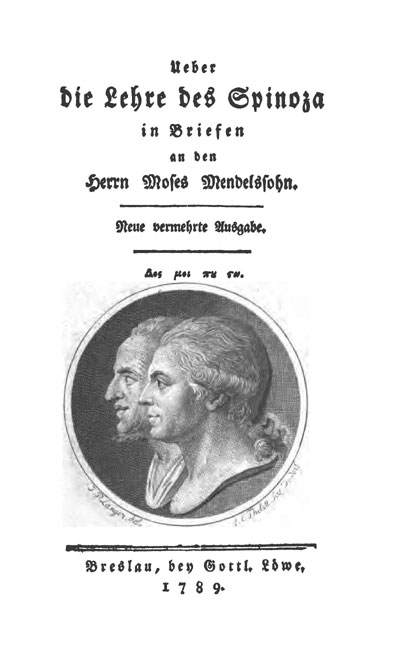
「スピノザの「神即自然」(deus sive natura)という思想は、当時のキリスト教から無神論のレッテルを貼られ、主著『エチカ』(Ethica)は、長い間人々の目に触れることはなかっ た。そして、長らく「スピノザ的」という表現をした場合、それは無神論であり、一種 のタブーとされてきた。 これらにより、長らくスピノザの哲学は忘れられていた。したがって、当時のドイツにおいてのスピノザ研究の水準はかなり低く、ほとんど知られていない。ま た、研究するにしても無神論と危険視されていたため、「果敢」に取り組む必要があった(なかでも、ゲーテやカントは「果敢」に挑もうとした人物である)。
/そのような中で、ドイツの劇作家レッシングが、彼の作品である『賢者ナータン』や 著『人類の教育』において、個々の宗教の教義を超越し、普遍の地平に到達すべきである、というこの論争の火種になるような考えを示し、また晩年には「自分 はスピノザ主義者かもしれない」と述べたことに、この論争は端を発する(厳密に言えば、ゲーテの「プロメテウス」の詩をヤコービとの対談の中で、「これは 私の立場と同じです」と述べたことである)。/レッシングは1781年に死去したが、2年後の1783年に、ヤコービは、レッシングの親友 であり哲学者のメンデルスゾーンがレッシングについての著述をする事を知る。そしてメンデルスゾーンに、「レッシングが晩年スピノザ主義であったことを 知っているか」という質問を、知人であるエリーゼ・ライマールスを介して書簡において質問する。メンデルスゾーンは、レッシングとはしばらく音信不通で あったので、この事は知らなかった。逆に、メンデルスゾーンがヤコービに、なぜレッ シングはこのような見解に至ったのかと問い合わせをして来たのである。
/メンデルスゾーンは、当時の一般のスピノザの哲学に対する考え方とは異なり、スピノザの『エチカ』に対し、さほど非合理なものでもなく、優れている部分 もあると考えていた。また、レッシングだけひとりスピノザ主義者と呼ぶことにも疑問を持っていた。これらに答えるべく、ヤコービはメンデルスゾーンに対して書簡を送り、スピノザ主義に対する見解やレッシングとの対 話の内容を明らかにした。 これを明らかにしたことにより、ヤコービとメンデルスゾーンとの間でスピノザ哲学のあり方について論争(主に書簡でのやり取り。このころの書簡は、現在の ようなメディアが発達していない情勢の中のものなので、その内容は公開されることも多かったし、著作や大学での講義と同等の影響力を持っていた)となるの であった。
/その翌年(1784年)、メンデルスゾーンはヤコービのスピノザ主義に 対しての批判として"Erinnerungen"(回想録)というタイトルの論文を送った。そこには、スピノザ主義に対する批判、およびヤコービのスピノ ザに対する理解の批判が記されてあった。だがヤコービによれば、メン デルスゾーンはこの論文において、スピノザへの理解が原典を通じてではない間接的なものであり(当時の研究事情からすれば、それは仕方がないことでもあ る)、また、レッシングとの対話の内容も理解できておらず、誤解だらけであったとしている。 メンデルスゾーンがスピノザ主義の何たるかを十分理解できていない以上、水掛け論になるとして、かつてヤコービがハーグ在住の親友、ヘンムスターホイス宛 てに送った論文(フランス語)をメンデルスゾーンにも送った。
/1785年になり、メンデルスゾーンはヤコービに対して、先の『回想録』の返答を得られて いないと手紙で言う。ヤコービは、その返答としてヘンムスターホイス宛ての論文を見 てもらうことが、現段階でのメンデルスゾーンのスピノザ理解を考慮すれば最善と思っていた。そこで改めて、「私にとってはただ傍観する回想録」という名前 の手紙をメンデルスゾーンに送った。そこで、ヤコービとメンデルスゾーンのスピノザ主義に対する理解が一致しないのは、メンデルスゾーンの理解不足が原因 だと主張した。/しかし、その後しばらくメンデルスゾーンから連絡はなかった。何ヶ月か経って書簡が届き、何ヶ月も回答をしなかった非礼 と、最近まで無関係な論文を執筆していた旨を語る。しかし、ヤコービにその論文を読むことを期待していないし、送ってもこなかった(ただし、ヤコービは友 人のハーマンを通じてすでにその論文の存在は知っていた)。さらに、かつての自身の「回想録」を紛失してしまったので、悪いがヤコービがまだ持っているな らそれを私に送ってくれまいか、という申し入れもしてきた。加えて、ここでメンデル スゾーンは、ヤコービのスピノザに対する論文ですら理解できなかった、と吐露している。次の機会にはヤコービの評価を得られるような著作を するから、今回の件はその時期から始めようとさえ言ってきた。
/このような身勝手な 振る舞いはヤコービの怒りを買い、ヤコービはメンデルスゾーンの許可なくして往復書簡を公開するに至った。 これには「スピノザの教説について」というタイトルが付された。1785年1月28日であった。この公開を機に、カントやハーマン、ヘルダーやゲーテが目 をつけ、一大論争となった。メンデルスゾーンはさらに反論として「レッシングの友人たちへ」という内容の著作を書き、ヤコービも「メンデルスゾーンの告発 に抗して」と互いに反論しあったが、メンデルスゾーンの『レッシングの友人たちへ』 という内容の著の公刊を前に、メンデルスゾーンが死去したため、この論争は終わる形となった。」
「汎神論論争の帰結は、それまで無神論としてタブー
視されてきたスピノザ哲学が一気に花開いたこと、つまりスピノザの哲学が、無神論で
はなく汎神論的であったとして、一つの哲学として認められたことであろう。そしてこれは、自然を生命に充ちた統一として崇めるドイツロマン主義の成立を促した。ドイツロマン主義の哲学者、シェリングやヘーゲル(彼らはドイツ観念論の代表でもあったが)と
いった人物にも大きな影響を及ぼしたのである。/なお、この論争の14年後にフィヒテのイェナ追放をめぐる無神論論争が勃発するが、これも
フィヒテの汎神論的な発想に端を発しており、汎神論論争と同様、スピノザ的汎神論の考えが伏線にあるものといわれている。」汎神論論争)
●ジーザス・クライスト・スーパースター(ウィキペディア日本語)
『ジーザス・クライスト・スーパースター』 (Jesus Christ Superstar) は、聖書を題材にイエス・キリストの最後の7日間を描いた、台詞のない音楽と歌曲のみで物語が進行するロック・オペラ。アンドリュー・ロイド・ウェバーが 作曲、ティム・ライスが作詞をそれぞれ担当した。福音書の受難に関する記述、ジーザス・クライストおよび他の登場人物の心理の描写、ジーザスの弟子たちに 対する教えに不満を持つユダの物語を大まかに基にしている。ロック・オペラの歌詞に現代的な意識、感覚、スラングが取り込まれ、政治的描写には現代社会へ の皮肉が込められている。そのため舞台や映画での描かれ方にはアナクロニズムが存在する。
当初、舞台化は困難とされていたが、コンセプト・ア ルバム『ジーザス・クライスト・スーパースター (アルバム)(英語版)』のヒットにより、1971年にブロードウェイで初演された。1980年までに世界中で興行収入2億3,700万ドル以上をあげた [1]。1972年から1980年の8年間、ロンドンで上演され、1989年に『キャッツ』に破られるまでウェスト・エンド・ミュージカルのロングランの 記録を持っていた[2]。
ひとりの人間として神や民衆の狭間で苦悩する「ジー ザス・クライスト」と、その使徒の一人でありながら「裏切り者」の名を浴びて歴史にその名を刻むことになるイスカリオテのユダのふたりに、現代的な視点か ら「教団主導者には必須なはずの計画性に欠け、早すぎた聖者としての名声の上にあぐらをかいて、新しい方策を見いだすことができないジーザス」と「ジーザ スに対する期待があまりにも大きすぎたゆえに、やがてそれは大きな失望となり、ジーザスの存在はローマ支配下にあるユダヤ人社会を危険にさらすものになり かねない、という危惧を抱くようになるユダ」という新しい解釈を加え、その愛憎に満ちた両者の関係に、マグダラのマリアとの愛情に満ちたもうひとつの関係 を絡めて、鮮やかに描き出した作品である。
全編で語りの台詞はなく、音楽と歌曲のみで物語が進 行するオペラ型式のロックミュージカルである。斬新な演出と芸術性が高く評価され、興行面でも大成功を収めた。ロイド・ウェバーを大ミュージカル作家に押 し上げた出世作で、彼のブロードウェイにおけるデビュー作となった。
| 第1幕 12人の使徒の1人であるユダは、ジーザス・クライストの信者たちが制御がきかずローマ帝国から脅威とされ弾圧されることを危惧している("Heaven on Their Minds")。 他の使徒たちはジーザスと共にエルサレムへ行くことを望んでおり、ジーザスにそのことを尋ねると未来のことを心配するなと返される("What's the Buzz")。マリアはジーザスがくつろげるよう世話をする。ユダはジーザスに、教えと矛盾しているとされて不利益を被る可能性から、娼婦であったマリア と関わるべきではないと語る("Strange Thing Mystifying")。ジーザスはユダに、自分自身に何の罪もない者でなければ他人を裁くべきではないと語る。ジーザスは使徒たちを𠮟責し、誰も自 分の教えに忠実な者はいないのかと嘆く。マリアはジーザスに聖油を塗りながらなだめる("Everything's Alright")。ユダは、油に支払う費用は貧民を助けるのに使うべきだと怒る。ジーザスは貧困をなくす方法はなく、今そこにある幸せを喜ぶべきだと応 える。 一方、大祭司のカイアファはファリサイ派と司祭たちを召集する。ユダと同様、彼らはジーザスの信者たちがローマ帝国から脅威とされ、その結果として多くの ユダヤ人が困難に陥る可能性について恐れている。カイアファは大義のためにジーザスを殺害すべきと結論づける("This Jesus Must Die")。ジーザスと信者たちがエルサレムへの到着を喜んでいると、カイアファがジーザスに群衆の解散を要求する。しかしジーザスは歓喜に沸く群衆に挨 拶をする("Hosanna")。使徒の1人であるシモンはジーザスに、群衆を率いてローマ帝国に抗い、絶対的権力を持つことを提案する。ジーザスはこれ を拒否し、信者たちの中に真の力を理解している者は誰もいないと語る("Simon Zealotes/Poor Jerusalem")。 ユダヤ属州総督ピラトは1人のガリラヤ人が群衆の手による暴力で亡くなり、非難される夢を見る("Pilate's Dream")。ジーザスは聖堂が市場として使用されていることを知り、怒って皆を追い出す("The Temple")。ハンセン病の人々がジーザスに治癒を願う。人数が増えていき、圧倒されたジーザスは彼らを拒絶する。マリアはジーザスを寝かしつける ("Everything's Alright (Reprise)")。ジーザスが眠っている間、マリアはジーザスを愛していることを認識し畏れる("I Don't Know How to Love Him")。 対するユダは自分の言うことを聞いてくれないジーザスに自分を認めさせようと、ファリサイ派の人々を探し出し、ジーザスを捕まえるのを手助けすると提案す る。代わりにユダは銀貨30枚を提示される。最初は断るが、カイアファにこれで貧民を助けることができると提案されて受け入れる("Damned for All Time/Blood Money")。 第2幕 最後の晩餐において、使徒たちは酔っ払い、ジーザスのことをあまり気にしていない。ジーザスは皆が飲んでいるワインはジーザスの血、パンはジーザスの体か もしれないと語る。ジーザスは使徒たちに自分のことを覚えておいてほしいと語るが、理解に乏しく落胆し、ペトロがのちに3度否認し、他の誰かも自分を裏切 ると予見する。ユダはそれは自分だと認め、ジーザスが物事をより良くしようとしないことを理解できないと語り出て行く("The Last Supper")。 残された使徒たちは眠りにつき、ジーザスは祈りのためにゲッセマネの庭園に向かう("Gethsemane (I Only Want to Say)")。ジーザスは神に、自分の使命は成功したものがあるのか、待ち受ける自身の恐ろしい死をなぜ苦しみ待ち続けなければならないのかを怒りを交え て問う。応えはなく、神の意思に逆らうことはできないと悟り、神に委ねる。 ユダがローマ兵士たちと共に到着し、ユダはジーザスの頬にキスをしてローマ兵士たちにジーザスの存在を知らせた("The Arrest")。ジーザスがサンヘドリンの裁判にかけられ、カイアファはジーザスに自身を「神の子」だというのかと質問し、ジーザスは「その通りだ」と 応える。アンナスはこれが充分な証拠となると語り、カイアファはジーザスをピラトのもとに送る。一方ペトロはジーザスを知っていることを3人の人々に否定 される("Peter's Denial")。マリアはジーザスがこれを予言していたことに気付く。 ピラトはジーザスにユダヤ王なのか尋ねる。ジーザスは再び「その通りだ」と応える。ジーザスがガリラヤから来たことから、ピラトは管轄外としてジーザスを ヘロデ王のもとに送る("Pilate and Christ")。派手なヘロデ王はジーザスに奇跡を起こして自分が神であることを証明させようとする("King Herod's Song")。しかしジーザスはこれを無視し、ヘロデ王は怒りジーザスをピラトのもとに戻す。マリア、ペトロ、使徒たちはジーザスの信者となった時のこと を思い出し、平穏が戻ることを願う("Could We Start Again, Please?")。 ユダはジーザスの辛辣な扱いを恐れる。ユダは永久に裏切者として語り継がれることを危惧し、ファリサイ派の人々に後悔を口にする。カイアファとアンナスは 正しいことをしたのだとユダに確信させる。ユダは受け取っていた硬貨を投げ捨て出て行く。ユダは自分を操る神を呪い、自殺をはかる("Judas's Death")。 ジーザスの裁判にて、ピラトはジーザスを尋問しようとするが、ジーザスのはりつけを要求する殺気立った群衆により中断する[注釈 1]。ピラトはジーザスは無罪であり死に値しないが、群衆を満足させるためジーザスをむち打ちにかける("Trial Before Pilate")。ピラトはジーザスに自己弁護の機会を与えるが、ジーザスは弱弱しく全ては神の導きであると語る。群衆はジーザスの死を要求し続け、つい にピラトはジーザスのはりつけに仕方なく同意する。 ジーザスのはりつけの前にユダの魂が戻り、なぜジーザスはこの時この機会に来ることを選んだのか、これも神の導きなのかと尋ねる ("Superstar")。ジーザスは十字架にはりつけにされ、最後の言葉を発し息絶える("The Crucifixion")。ジーザスの遺体が十字架から下ろされ埋葬される("John Nineteen: Forty-One")。 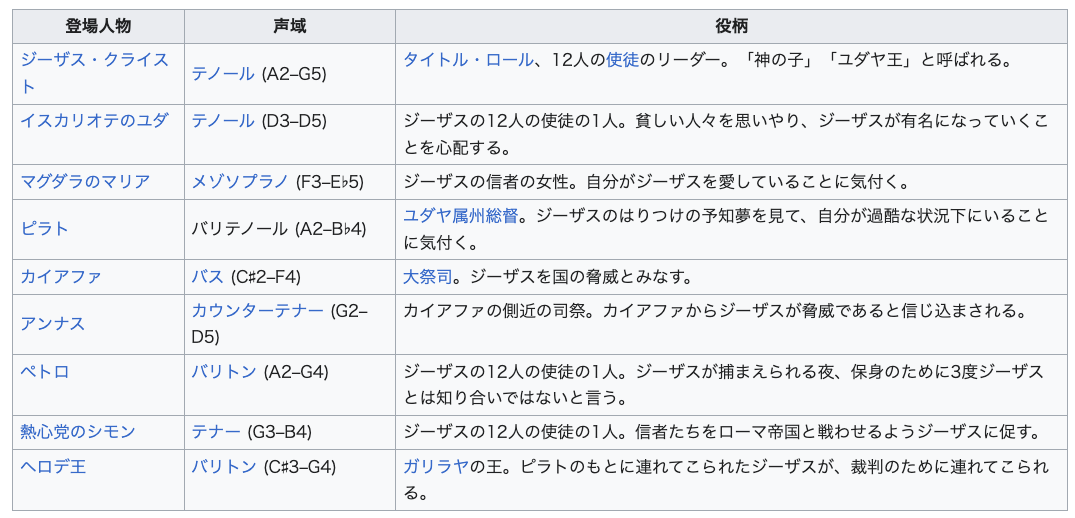 |
☆イスカリオテのユダ[Judas Iscariot]
| Judas Iscariot
(Biblical Greek: Ἰούδας Ἰσκαριώτης, romanized: Ioúdas Iskariṓtēs; c. 3
AD – c. 30 to 33 AD) was, according to Christianity's four canonical
gospels, one of the original Twelve Apostles of Jesus Christ. Judas
betrayed Jesus to the Sanhedrin in the Garden of Gethsemane in exchange
for thirty pieces of silver, by kissing him on the cheek and addressing
him as "master" to reveal his identity to the crowd who had come to
arrest him.[1] In modern times, his name is often used synonymously
with betrayal or treason. Jesus is described predicting Judas' betrayal at the Last Supper in all four canonical gospels. The Gospel of Mark 14:11 and the Gospel of Matthew 26:15 state that Judas committed the betrayal in exchange for payment, with Matthew specifying the thirty pieces of silver. The Gospel of Luke 22:3 and the Gospel of John 13:2 and 13:27 suggest that he was possessed by Satan. According to Matthew 27:1–10, after learning that Jesus was to be crucified, Judas attempted to return the money he had been paid for his betrayal to the chief priests and hanged himself.[2] The priests used the money to buy a field to bury strangers in, which was called the "Field of Blood" because it had been bought with blood money. Acts of the Apostles 1:18 quotes Peter as saying that Judas used the money to buy the field himself, and he "[fell] headlong ... burst asunder in the midst, and all his bowels gushed out." His place among the Twelve Apostles was later filled by Matthias. The Gnostic Gospel of Judas portrays Judas's actions as done in obedience to instructions given to him by Jesus, and that Judas understood the Old Testament God (the Demiurge) as distinguishable from the true, unknowable God of the New Testament, the Monad or the One. Jesus transcends the domain of the demiurge, revealing deeper truths to Judas. This opens both Jesus and Judas to disclose a broader understanding of the Pleroma, which has inspired artists, writers, and thinkers. The Gospel was denounced as heresy in 180 AD by Irenaeus. Due to his notorious role in all the gospel narratives, Judas remains a controversial figure in Christian history. His betrayal is seen as setting in motion the events that led to Jesus's crucifixion and resurrection, which, according to traditional Christian theology brought salvation to humanity. Since the Middle Ages, Judas has sometimes been portrayed as a personification of the Jewish people and the Pharisees, and his betrayal has been used to justify Christian antisemitism.[3] |
ユダ・イスカリオテ[Judas Iscariot]
(聖書ギリシャ語:Ἰούδας Ἰσκαριώτης、ローマ字表記:Ioúdas Iskariṓtēs;紀元3年頃 –
紀元30年から33年頃)は、キリスト教の正典である四福音書によれば、イエス・キリストの最初の十二使徒の一人であった。ユダはゲツセマネの園で、イエ
スをサンヘドリンに裏切った。その見返りとして銀貨30枚を受け取り、イエスの頬に口づけをし、「師よ」と呼びかけて、イエスを逮捕しに来た群衆にその正
体を明かした[1]。現代では、彼の名前は裏切りや反逆の代名詞としてよく使われる。 四つの正典福音書すべてにおいて、イエスは最後の晩餐の席でユダの裏切りを予言したと記述されている。マルコによる福音書14章11節とマタイによる福音 書26章15節は、ユダが報酬と引き換えに裏切りを犯したと述べており、マタイによる福音書ではその報酬が銀貨30枚であると具体的に記されている。ルカ による福音書22章3節およびヨハネによる福音書13章2節と13章27節は、彼がサタンに取り憑かれていたことを示唆している。マタイによる福音書27 章1~10節によると、イエスが十字架にかけられることを知った後、ユダは裏切りの対価として受け取った金を大祭司たちに返そうとし、その後首を吊って自 殺した[2]。祭司たちはその金を使って、よそ者を埋葬するための畑を購入したが、その畑は血の代金で買われたことから「血の畑」と呼ばれた。『使徒言行 録』1章18節では、ペテロが、ユダがその金を使って自らその畑を購入し、「真っ逆さまに転落し……腹が裂けて、内臓がすべて流れ出た」と語ったと記され ている。十二使徒のうちの彼の席は、後にマティアスが引き継いだ。 グノーシス派の『ユダ福音書』は、ユダの行動をイエスから与えられた指示に従ったものとして描き、ユダが旧約聖書の神(デミウルゴス)を、新約聖書の真 の、知ることのできない神、すなわちモナドあるいは「唯一者」とは区別できる存在として理解していたと述べている。イエスはデミウルゴスの領域を超越し、 ユダにより深い真理を明かす。これにより、イエスとユダの両者がプレロマに関するより広範な理解を明らかにすることとなり、それは芸術家、作家、思想家た ちにインスピレーションを与えてきた。この福音書は西暦180年にイレネウスによって異端として非難された。 すべての福音書の物語において悪名高い役割を果たしたため、ユダはキリスト教史において依然として物議を醸す人物である。彼の裏切りは、イエスの磔刑と復 活につながる一連の出来事を引き起こしたものと見なされており、伝統的なキリスト教神学によれば、それによって人類に救いをもたらした。中世以来、ユダは ユダヤ民族やパリサイ人の擬人化として描かれることもあり、彼の裏切りはキリスト教の反ユダヤ主義を正当化するために利用されてきた。[3] |
| Historicity Although Judas Iscariot's historical existence is generally widely accepted among secular historians,[4][5][6][7] this relative consensus has not gone entirely unchallenged.[5] The earliest possible allusion to Judas comes from the First Epistle to the Corinthians 11:23–24, in which Paul the Apostle does not mention Judas by name[8][9] but uses the passive voice of the Greek word paradídōmi (παραδίδωμι), which most Bible translations render as "was betrayed":[8][9] "... the Lord Jesus on the night when he was betrayed took a loaf of bread ..."[8] Nonetheless, some biblical scholars argue that the word paradídōmi should be translated as "was handed over".[8][9] This translation could still refer to Judas,[8][9] but it could also instead refer to God metaphorically "handing Jesus over" to the Romans.[8] In his book Antisemitism and Modernity (2006), the Jewish scholar Hyam Maccoby suggests that, in the New Testament, the name "Judas" was constructed as an attack on the Judaeans or on the Judaean religious establishment held responsible for executing Jesus.[10][11] In his book The Sins of Scripture (2009), John Shelby Spong concurs with this argument,[12][13] insisting, "The whole story of Judas has the feeling of being contrived ... The act of betrayal by a member of the twelve disciples is not found in the earliest Christian writings. Judas is first placed into the Christian story by the Gospel of Mark (3:19), who wrote in the early 70s AD."[12] Most scholars reject these arguments for non-historicity.[6][14][15][16] These scholars note that there is nothing in the gospels to associate Judas with Judeans except his name, which was an extremely common one for Jewish men during the first century.[14][17][9] Scholars also note that numerous other figures named "Judas" are mentioned throughout the New Testament and that none are portrayed negatively.[14][17][9] Positive figures named Judas mentioned in the New Testament include the prophet Judas Barsabbas (Acts 15:22–33), Jesus's brother Jude (Mark 6:3; Matt 13:55; Jude 1), and the apostle Judas the son of James (Luke 6:14–16; Acts 1:13; John 14:22).[14] |
歴史性 イスカリオテのユダが実在したことは、世俗の歴史家の間では概ね広く認められているが[4][5][6][7]、この比較的合意された見解に対しても、完 全に異論がないわけではない。[5] ユダに関する最も古い言及は、『コリントの信徒への第一の手紙』11章23~24節に見られる。そこでは使徒パウロはユダの名を直接挙げてはいない[8] [9]が、ギリシャ語の「パラディドミ(παραδίδωμι)」という動詞の受動態を用いている。これはほとんどの聖書翻訳で「裏切られた」と訳されて いる[8][9]:「…… 主イエスは、裏切られたその夜、パンを一つ取り……[8]」とはいえ、一部の聖書学者は、この「パラディドミ」という語を「引き渡された」と訳すべきだと 主張している。[8][9] この訳でもユダを指している可能性はあるが[8][9]、代わりに、神が隠喩的に「イエスをローマ人に引き渡した」ことを指している可能性もある。[8] ユダヤ人学者ハイアム・マッコビーは著書『反ユダヤ主義と近代性』(2006年)において、新約聖書における「ユダ」という名は、イエスの処刑の責任を負 わされたユダヤ人、あるいはユダヤの宗教的権威に対する攻撃として作り出されたものであると示唆している。[10][11] ジョン・シェルビー・スポングは著書『聖書の罪』(2009年)の中でこの主張に同意し、 [12][13]、「ユダに関する物語全体には、でっち上げられたような印象がある……十二使徒の一人による裏切りという行為は、最も初期のキリスト教文 献には見られない。ユダが初めてキリスト教の物語に登場するのは、西暦70年代初頭に書かれた『マルコによる福音書』(3:19)である」と主張してい る。[12] ほとんどの学者は、こうした非歴史性を主張する議論を退けている。[6][14][15][16] これらの学者は、福音書には、ユダをユダヤ人と結びつける要素が、その名前以外には何もないと指摘している。この名前は、1世紀のユダヤ人男性の間では極 めて一般的なものだったからだ。[14][17][9] また、新約聖書全体を通じて「ユダ」という名の他の人物が数多く言及されているが、そのいずれもが否定的に描かれていないことも指摘されている。[14] [17][9] 新約聖書に登場する「ユダ」という名の肯定的な人物には、預言者ユダ・バルサバ(使徒行伝 15:22–33)、イエスの兄弟ユダ(マルコ 6:3;マタイ 13:55;ユダ 1)、そして使徒ヤコブの子ユダ(ルカ 6:14–16; 使徒行伝1:13;ヨハネ14:22)などが挙げられる。[14] |
| Life Name and background  Judas Iscariot (between 1886 and 1894) by James Tissot The name "Judas" (Ὶούδας) is a Greek rendering of the Hebrew name Judah (יהודה, Yehûdâh, Hebrew for "praise" or "praised"), which was an extremely common name for Jewish men during the first century AD, due to the renowned hero Judas Maccabeus.[17][9] Consequently, numerous other figures with this name are mentioned throughout the New Testament.[14][17][9] In the Gospel of Mark 3:13–19, which was written in the mid-60s or early 70s AD, Judas Iscariot is the only apostle named "Judas".[9] Matthew 10:2–4 shares this portrayal.[9] The Gospel of Luke 6:12–19, however, replaces the apostle whom Mark and Matthew call "Thaddeus" with "Judas son of James".[9] Peter Stanford suggests that this renaming may represent an effort by the author of the Gospel of Luke to create a "good Judas" in contrast to the betrayer Judas Iscariot.[9] Judas's epithet "Iscariot" (Ὶσκάριωθ or Ὶσκαριώτης), which distinguishes him from the other people named "Judas" in the gospels, is usually thought to be a Greek rendering of the Hebrew phrase איש־קריות, (Κ-Qrîyôt), meaning "the man from Kerioth".[17][9][18][19] This interpretation is supported by the statement in the Gospel of John 6:71 that Judas was "the son of Simon Iscariot".[9] Nonetheless, this interpretation of the name is not fully accepted by all scholars.[17][9] One of the most popular alternative explanations holds that "Iscariot" (ܣܟܪܝܘܛܐ, 'Skaryota' in Syriac Aramaic, per the Peshitta text) may be a corruption of the Latin word sicarius, meaning "dagger man",[17][9][20][21] which referred to a member of the Sicarii (סיקריים in Aramaic), a group of Jewish rebels who were known for assassinating people in crowds using long knives hidden under their cloaks.[17][9] This interpretation is problematic, however, because there is nothing in the gospels to associate Judas with the Sicarii,[9] and there is no evidence that the Sicarii existed during the 30s AD, when Judas was alive.[22][9] A possibility advanced by Ernst Wilhelm Hengstenberg is that "Iscariot" means "the liar" or "the false one", from the Hebrew איש-שקרים. C. C. Torrey suggests instead the Aramaic form שְׁקַרְיָא or אִשְׁקַרְיָא, with the same meaning.[23][24] Stanford rejects this, arguing that the gospel writers follow Judas's name with the statement that he betrayed Jesus, so it would be redundant for them to call him "the false one" before immediately stating that he was a traitor.[9] Some have proposed that the word derives from an Aramaic word meaning "red color", from the root סקר.[25] Another hypothesis holds that the word derives from one of the Aramaic roots סכר or סגר. This would mean "to deliver", based on the Septuagint rendering of Isaiah 19:4 (a theory advanced by J. Alfred Morin).[24] The epithet could also be associated with the manner of Judas's death, hanging. This would mean Iscariot derives from a kind of Greek-Aramaic hybrid: אִסְכַּרְיוּתָא, Iskarioutha, meaning "chokiness" or "constriction". This might indicate that the epithet was applied posthumously by the remaining disciples, but Joan E. Taylor has argued that it was a descriptive name given to Judas by Jesus, since other disciples such as Simon Peter/Cephas (Kephas "rock") were also given such names.[24] |
生涯 名前と経歴 『イスカリオテのユダ』(1886年から1894年の間) ジェームズ・ティソ作 「ユダ」(Ὶούδας)という名は、ヘブライ語の「ユダ」(יהודה、Yehûdâh、ヘブライ語で「賛美」または「称賛された」の意)をギリシャ語 で表記したものであり、著名な英雄ユダ・マカベウスにちなんで、西暦1世紀のユダヤ人男性の間で極めて一般的な名前であった。[17][9] その結果、新約聖書全体を通じて、この名前を持つ他の人物が数多く言及されている。[14][17][9] 紀元60年代半ばから70年代初頭に書かれたマルコによる福音書3:13–19において、イスカリオテのユダは「ユダ」という名を持つ唯一の使徒である。 [9] マタイによる福音書10:2–4も同様の描写をしている。[9] しかし、ルカによる福音書6章12~19節では、マルコやマタイが「タデオ」と呼ぶ使徒が、「ヤコブの息子ユダ」に置き換えられている。[9] ピーター・スタンフォードは、この改名が、裏切り者であるイスカリオテのユダとは対照的な「善良なユダ」を創り出そうとした、ルカによる福音書の著者の意 図を表しているのではないかと示唆している。[9] ユダの名前に付く「イスカリオテ」(Ὶσκάριωθ または Ὶσκαριώτης)という呼称は、福音書に登場する他の「ユダ」という名の人物と区別するためのものであり、通常、ヘブライ語の 「איש־קריות」(Κ-Qrîyôt)をギリシャ語に訳したものとされている。これは「ケリオテ出身の男」を意味する。[17][9][18] [19] この解釈は、ヨハネによる福音書6章71節にある「ユダはシモン・イスカリオテの子であった」という記述によって裏付けられている。[9] とはいえ、この名前の解釈はすべての学者によって完全に受け入れられているわけではない。[17][9] 最も有力な別の説の一つによると、「イスカリオテ」(ܣܟܪܝܘܛܐ、ペシッタ訳に基づくシリア・アラム語で「スカリョータ」)は、ラテン語の 「sicarius」(「短剣使い」を意味する)[17] [9][20][21]。これは、マントの下に長いナイフを隠し持ち、群衆の中で人を暗殺することで知られていたユダヤ人反乱集団「シカリ派」(アラム語 でסיקריים)の構成員を指す言葉であった。[17][9] しかし、この解釈には問題がある。なぜなら、福音書にはユダをシカリ派と結びつける記述が一切ない[9]上、ユダが生きていた西暦30年代にシカリ派が存 在したという証拠もないからである[22]。[9] エルンスト・ヴィルヘルム・ヘングステンベルクが提唱した説では、「イスカリオテ」はヘブライ語の איש-שקרים に由来し、「嘘つき」または「偽者」を意味するという。一方、C. C. トーリーは、同じ意味を持つアラム語の形 שְׁקַרְיָא または אִשְׁקַרְיָא を代わりに提案している。 |
Role as an apostle Calling of the Apostles (1481) by Domenico Ghirlandaio Although the canonical gospels frequently disagree on the names of some of the minor apostles,[26] all four of them list Judas Iscariot as one of them.[26][9] The Synoptic Gospels state that Jesus sent out "the twelve" (including Judas) with power over unclean spirits and with a ministry of preaching and healing: Judas clearly played an active part in this apostolic ministry alongside the other eleven.[27] However, in the Gospel of John, Judas's outlook was differentiated – many of Jesus's disciples abandoned him because of the difficulty of accepting his teachings, and Jesus asked the twelve if they would also leave him. Simon Peter spoke for the twelve: "Lord, to whom shall we go? You have the words of eternal life," but Jesus observed then that although he himself had chosen the twelve, one of them (unnamed by Jesus, but identified by the narrator) was "a devil" who would betray him.[28] One of the best-attested and most reliable statements made by Jesus in the gospels comes from the Gospel of Matthew 19:28, in which Jesus tells his apostles: "in the new world, when the Son of Man shall sit on his glorious throne, you will also sit on twelve thrones, judging the Twelve Tribes of Israel."[26] New Testament scholar Bart D. Ehrman concludes, "This is not a tradition that was likely to have been made up by a Christian later, after Jesus's death – since one of these twelve had abandoned his cause and betrayed him. No one thought that Judas Iscariot would be seated on a glorious throne in the Kingdom of God. That saying, therefore appears to go back to Jesus, and indicates, then, that he had twelve close disciples, whom he predicted would reign in the coming Kingdom."[26]  A sixteenth-century fresco depicting Judas being paid Matthew directly states that Judas betrayed Jesus for a bribe of "thirty pieces of silver"[29][30] by identifying him with a kiss ("the kiss of Judas") to arresting soldiers of the High Priest Caiaphas, who then turned Jesus over to Pontius Pilate's soldiers. Mark's Gospel states that the chief priests were looking for a way to arrest Jesus. They decided not to do so during the feast [of the Passover], since they were afraid that people would riot;[31] instead, they chose the night before the feast to arrest him. According to Luke's account, Satan entered Judas at this time.[32] According to the account in the Gospel of John, Judas carried the disciples' money bag or box (γλωσσόκομον, glōssokomon),[33] but the Gospel of John makes no mention of the thirty pieces of silver as a fee for betrayal. The evangelist comments in John 12:5–6 that Judas spoke fine words about giving money to the poor, but the reality was "not that he cared for the poor, but [that] he was a thief, and had the money box; and he used to take what was put in it." However, in John 13:27–30, when Judas left the gathering of Jesus and his disciples with betrayal in mind,[34] some [of the disciples] thought that Judas might have been leaving to buy supplies or on a charitable errand.  The Kiss of Judas by Giotto di Bondone (between 1304 and 1306) depicts Judas's identifying kiss in the Garden of Gethsemane Ehrman argues that Judas's betrayal "is about as historically certain as anything else in the tradition",[4][17] pointing out that the betrayal is independently attested in the Gospel of Mark, in the Gospel of John, and in the Book of Acts.[4][17] Ehrman also contends that it is highly unlikely that early Christians would have made up the story of Judas's betrayal, since it reflects poorly on Jesus's judgment in choosing him as an apostle.[4][35] Nonetheless, Ehrman argues that what Judas actually told the authorities was not Jesus's location, but rather Jesus's secret teaching that he was the Messiah.[4] This, he holds, explains why the authorities did not try to arrest Jesus prior to Judas's betrayal.[4] John P. Meier sums up the historical consensus, stating, "We only know two basic facts about [Judas]: (1) Jesus chose him as one of the Twelve, and (2) he handed over Jesus to the Jerusalem authorities, thus precipitating Jesus's execution."[36] |
使徒としての役割 ドメニコ・ギルランダイ作『使徒たちの召命』(1481年) 正典の福音書では、一部のマイナーな使徒たちの名前についてしばしば意見が分かれているが[26]、4つすべての福音書がイスカリオテのユダを使徒の一人 として挙げている[26][9]。共観福音書によれば、イエスは(ユダを含む)「十二人」を、汚れた霊に対する権能と、説教および癒しの務めを帯びて遣わ した。ユダは他の11人と並んで、この使徒的務めにおいて明らかに積極的な役割を果たしていた。[27] しかし、ヨハネによる福音書では、ユダに対する見方が異なっていた――イエスの教えを受け入れるのが困難だったため、多くの弟子がイエスを見捨てたが、イ エスは十二使徒に対し、彼らもまた自分を見捨てるつもりなのかと尋ねた。シモン・ペテロが十二使徒を代表してこう答えた。「主よ、私たちは誰のところへ行 きましょうか。あなたには永遠のいのちの言葉がある」と答えた。しかし、イエスはその時、自分自身が十二使徒を選んだにもかかわらず、そのうちのひとり (イエスは名前を挙げなかったが、語り手によって特定されている)が、自分を裏切る「悪魔」であると指摘した。[28] 福音書の中で、イエスによる最も確証があり、最も信頼性の高い発言の一つは、マタイによる福音書19章28節にある。そこでは、イエスが使徒たちにこう告 げている。「新しい世において、人の子がその栄光の玉座に着くとき、あなたがたも十二の玉座に着き、イスラエルの十二部族を裁くことになる。」 [26] 新約聖書学者のバート・D・エアマンは次のように結論づけている。「この十二人のうちの一人がイエスの大義を見捨て、彼を裏切ったことを考えれば、これは イエスの死後に後世のキリスト教徒が作り上げた伝承である可能性は低い。」 ユダ・イスカリオテが神の王国で栄光の玉座に着くなどとは、誰も考えていなかった。したがって、この言葉はイエス自身に由来するものであり、イエスには 12人の親しい弟子がおり、彼らが来るべき王国で統治すると予言していたことを示している。」[26] ユダが金を受け取る様子を描いた16世紀のフレスコ画 マタイは、ユダが「銀貨三十枚」という賄賂を受け取ってイエスを裏切った[29][30]と直接述べている。ユダは、大祭司カイアファの兵士たちにイエス を引き渡すため、キス(「ユダの接吻」)でイエスを指し示したのだ。その後、カイアファはイエスをポンティウス・ピラトの兵士たちに引き渡した。マルコに よる福音書によれば、祭司長たちはイエスを逮捕する方法を模索していた。彼らは、民衆が暴動を起こすことを恐れたため、[過越の]祭りの期間中は逮捕を見 送ることにした[31]。その代わりに、祭りの前夜にイエスを逮捕することにした。ルカによる福音書の記述によれば、この時、サタンがユダに取り憑いた。 [32] ヨハネによる福音書の記述によれば、ユダは弟子たちの金袋または箱(γλωσσόκομον、glōssokomon)を預かっていた[33]が、ヨハネ による福音書では、裏切りの対価としての三十枚の銀貨については言及されていない。福音書記者ヨハネはヨハネによる福音書12章5~6節で、ユダが貧しい 人々に金を与えることについて立派な言葉を口にしていたが、実のところ「彼が貧しい人々を気にかけていたわけではなく、[彼は]泥棒であり、金箱を預かっ ていた。そして、そこに納められたものを横取りしていた」と述べている。しかし、ヨハネによる福音書13章27~30節において、ユダが裏切りを企ててイ エスと弟子たちの集まりを去ったとき[34]、弟子たちの中には、ユダが物資を買いに行くか、慈善活動のために出かけたのではないかと考えた者もいた。 ジョット・ディ・ボンドーネ作『ユダの接吻』(1304年から1306年の間)は、ゲツセマネの園でユダがイエスを特定するために交わした接吻を描いている エアーマンは、ユダの裏切りについて「この伝承の中の他のどの出来事と同様に、歴史的にほぼ確実である」[4][17]と主張し、その裏切りがマルコによ る福音書、ヨハネによる福音書、そして使徒言行録において独立して証言されていることを指摘している。[4][17] エアマンはまた、ユダの裏切りという物語が初期のキリスト教徒によってでっち上げられた可能性は極めて低いと主張している。というのも、この物語は、ユダ を使徒として選んだイエスの判断を悪く見せてしまうからである。[4][35] とはいえ、エアマンは、ユダが実際に当局に告げたのはイエスの居場所ではなく、イエスがメシアであるという秘密の教えであったと論じている。[4] これが、ユダの裏切り以前に当局がイエスを逮捕しようとしなかった理由を説明していると彼は主張する。[4] ジョン・P・マイヤーは、歴史的なコンセンサスを次のように要約している。「[ユダ]について我々が知っている基本的な事実は二つだけである。(1)イエ スが彼を十二使徒の一人として選んだこと、そして(2)彼がイエスをエルサレムの当局に引き渡し、それによってイエスの処刑を招いたことである。」 [36] |
Death A sixteenth-century fresco from Tarzhishte Monastery, Strupets, Bulgaria, showing Judas hanging himself as described in Matthew 27:1–10 Many different accounts of Judas's death have survived from antiquity, both within and outside the New Testament.[37][38] Matthew 27:1–10 states that after learning that Jesus was to be crucified, Judas was overcome by remorse and attempted to return the 30 pieces of silver to the priests, but they would not accept them because they were blood money, so he threw them on the ground and left. Afterwards, he committed suicide by hanging himself[39] in accordance with Mosaic law (Deuteronomy 21:22–23).[40] The priests then used the money to buy a potter's field, which became known as Akeldama (חקל דמא – Ḥakel dama, the Field of Blood) because it had been bought with blood money.[39] Acts 1:18 states that Judas used the money to buy a field,[39][41] and "[fell] headlong ... burst asunder in the midst, and all his bowels gushed out."[39] In this account, Judas's death is apparently by accident,[39] and he shows no signs of remorse.[39] The early Church Father Papias of Hierapolis records in his Expositions of the Sayings of the Lord (which was probably written around 100 AD) that Judas was afflicted by God's wrath;[42][43] his body became so enormously bloated that he could not pass through a street with buildings on either side.[42][43] His face became so swollen that a doctor could not even identify the location of his eyes using an optical instrument.[42] Judas's genitals became enormously swollen and oozed with pus and worms.[42] Finally, he killed himself on his own land by pouring out his innards onto the ground,[42][43] which stank so horribly that, even in Papias's own time a century later, people still could not pass the site without holding their noses.[42][43] This story was well known among Christians in antiquity[43] and was often told in competition with the two conflicting stories from the New Testament.[43] According to the apocryphal Gospel of Nicodemus, which was probably written in the fourth century AD, Judas was overcome with remorse[44] and went home to tell his wife, who was roasting a chicken on a spit over a charcoal fire, that he was going to kill himself, because he knew Jesus would rise from the dead and, when he did, he would punish him.[44] Judas's wife laughed and told him that Jesus could no more rise from the dead than he could resurrect the chicken she was cooking.[37] Immediately, the chicken was restored to life and began to crow.[42] Judas then ran away and hanged himself.[42] In the apocryphal Gospel of Judas, Judas has a vision of the disciples stoning and persecuting him.[45] The discrepancy between the two different accounts of Judas's death in Matthew 27:1–10 and Acts 1:18 has proven to be a serious challenge to those who support the idea of Biblical inerrancy.[44][43] This problem was one of the points leading C. S. Lewis, for example, to reject the view "that every statement in Scripture must be historical truth".[46] Nonetheless, various attempts at harmonization have been suggested.[43] Generally they have followed literal interpretations such as that of Augustine of Hippo, which suggest that these simply describe different aspects of the same event: that Judas hanged himself in the field, and the rope eventually snapped and the fall burst his body open,[47][48] or that the accounts of Acts and Matthew refer to two different transactions.[49] Some have taken the descriptions as figurative: that the "falling prostrate" was Judas in anguish,[a] and the "bursting out of the bowels" is pouring out emotion.[b] Modern scholars reject these approaches; ancient historical works could display differences when reporting events, with variations between Tacitus, Suetonius, and Plutarch on Otho's death being similar to those in the gospels.[50][51][52][53] Arie W. Zwiep argues that neither story was meant to be read in light of the other and against harmonizations,[43][43] though other scholars argue Luke-Acts used Matthew or vice versa.[54][55] David A. Reed argues that the Matthew account is a midrashic exposition that allows the author to present the event as a fulfillment of prophetic passages from the Old Testament. They argue that the author adds imaginative details such as the thirty pieces of silver, and the fact that Judas hangs himself, to an earlier tradition about Judas's death.[56] Matthew's description of the death as fulfilment of a prophecy "spoken through Jeremiah the prophet" has caused difficulties, since it does not clearly correspond to any known version of the Book of Jeremiah but does appear to refer to a story from the Book of Zechariah[57] which describes the return of a payment of thirty pieces of silver.[58] Even writers such as Jerome and John Calvin conclude that this was obviously an error.[c] Evangelical theologian James R. White has suggested the misattribution arises from a supposed Jewish practice of using the name of a major prophet to refer to the whole content of the scroll group, including books written by minor prophets placed in the same grouping.[59] Some scholars have suggested that the writer may also have had a passage from Jeremiah in mind,[60] such as chapters 18:1–4 and 19:1–13 which refer to a potter's jar and a burial place, and chapter 32:6–15 which refers to a burial place and an earthenware jar.[61] Raymond Brown suggests "the most plausible [explanation] is that Matthew 27:9–10 is presenting a mixed citation with words taken both from Zechariah and Jeremiah, and ... he refers to that combination by one name. Jeremiah 18–9 concerns a potter (18:2–; 19:1), a purchase (19:1), the Valley of Hinnom (where the Field of Blood is traditionally located, 19:2), 'innocent blood' (19:4), and the renaming of a place for burial (19:6, 11); and Jer 32:6–5 tells of the purchase of a field with silver."[62] Classicist Glenn W. Most suggests that Judas's death in Acts can be interpreted figuratively, writing that πρηνὴς γενόμενος should be translated as saying his body went prone, rather than falling headlong, and the spilling of the entrails is meant to invoke the imagery of dead snakes and their burst-open bellies. Hence Luke was stating that Judas took the body posture of a snake and died like one.[63] However, the Catholic biblical scholar John L. McKenzie states "This passage probably echoes the fate of the wicked in ..." the Deuterocanonical book Wisdom of Solomon 4:19:[64] "... [the Lord] will dash them speechless to the ground, and shake them from the foundations; they will be left utterly dry and barren, and they will suffer anguish, and the memory of them will perish."[65] |
死 ブルガリア、ストルペツのタルジシュテ修道院にある16世紀のフレスコ画。マタイによる福音書27章1~10節に記されている通り、ユダが首を吊る様子が描かれている ユダの死については、新約聖書の内外を問わず、古代から多くの異なる記述が伝わっている。[37][38] マタイによる福音書27章1~10節によれば、イエスが十字架にかけられることを知った後、ユダは後悔の念に駆られ、30枚の銀貨を祭司たちに返そうとし たが、彼らはそれが「血の代金」であるとして受け取らなかったため、ユダは銀貨を地面に投げ捨ててその場を去った。その後、彼はモーセの律法(申命記21 章22~23節)に従い[39]、首を吊って自殺した[40]。その後、祭司たちはその金を使って陶工の畑を購入したが、その畑は血の代金で買われたこと から、アケルダマ(חקל דמא – Ḥakel dama、血の畑)として知られるようになった。[39] 使徒行伝1:18には、ユダがその金で畑を買ったと記されており[39][41]、「頭から真っ逆さまに落ち……腹が裂けて、内臓がすべて流れ出た」とあ る[39]。この記述では、ユダの死は明らかに事故によるものであり[39]、彼は後悔の兆候を一切示していない。[39] 初期教父の一人であるヒエラポリスのパピアスは、著書『主の御言葉の解説』(おそらく西暦100年頃に執筆された)の中で、ユダが神の怒りに見舞われたと 記している[42][43]。彼の体は甚だしく膨れ上がり、両側に建物が立ち並ぶ通りを通り抜けられなくなった。[42][43] 顔はひどく腫れ上がり、医師でさえ光学器具を使っても目の位置を特定できなかった。[42] ユダの下腹部は著しく腫れ上がり、膿や虫が滲み出ていた。[42] ついに彼は自分の土地で、内臓を地面に吐き出して自殺した[42][43]。その悪臭は凄まじく、1世紀後のパピアスの時代でさえ、人々は鼻をつままずに はその場所を通り過ぎることができなかった[42][43]。この話は古代のキリスト教徒の間で広く知られており[43]、新約聖書の二つの相反する物語 と競うようにして語られることが多かった。[43] おそらく西暦4世紀に書かれたとされる外典『ニコデモの福音書』によると、ユダは後悔の念に打ちひしがれ[44]、炭火の上で串に刺した鶏を焼いていた妻 のもとへ帰り、イエスが死からよみがえり、その際に自分を罰することを知っていたため、自殺すると告げた。[44] ユダの妻は笑いながら、イエスが死からよみがえることなど、彼女が調理している鶏を蘇らせることと同じくらい不可能なことだと告げた。[37] するとすぐに、その鶏は生き返り、鳴き始めた。[42] ユダはその後逃げ出し、首を吊って自殺した。[42] 外典『ユダ福音書』では、ユダは弟子たちが自分を石打ちにし、迫害する幻を見る。[45] マタイによる福音書27章1~10節と使徒言行録1章18節における、ユダの死に関する二つの異なる記述の相違は、聖書の無誤性を支持する者たちにとって 深刻な課題となっている。[44][43] この問題は、例えばC・S・ルイスが「聖書のあらゆる記述は歴史的真実でなければならない」という見解を拒否するに至った要因の一つであった。 [46] それにもかかわらず、両者の調和を図るための様々な試みが提案されてきた。[43] 概してそれらは、ヒッポのアウグスティヌスの解釈のような文字通りの解釈に従っており、これらは単に同じ出来事の異なる側面を描写しているに過ぎないと示 唆している。すなわち、ユダが野原で首を吊り、やがて縄が切れて落下した際に体が引き裂かれたという説[47][48]、あるいは使徒行伝とマタイの記述 がそれぞれ異なる出来事を指しているという説である。[49] 一部の学者は、これらの記述を比喩的なものと捉えている。「地面に倒れ伏した」とは苦悩に苛まれるユダのこと[a]であり、「内臓が飛び出した」とは感情 が溢れ出る様子を指す[b]という解釈だ。 現代の学者たちはこうした解釈を退けている。古代の歴史書は出来事を記述する際に異なる点を示すことがあり、オットーの死に関するタキトゥス、スエトニウ ス、プルタルコスの記述は、福音書におけるそれと同様である[50][51][52][53]。アリー・W・ズウィープは、どちらの物語も互いを参照して 読まれることを意図しておらず、調和説に反対していると論じている[43] [43] ただし、他の学者たちは、『ルカによる福音書』と『使徒言行録』が『マタイによる福音書』を参照した、あるいはその逆であったと主張している。[54] [55] デビッド・A・リードは、『マタイによる福音書』の記述はミドラシュ的な解釈であり、著者がその出来事を旧約聖書の預言箇所の成就として提示することを可 能にするものであると論じている。彼らは、著者がユダの死に関する初期の伝承に、銀貨三十枚や、ユダが首を吊ったという事実といった想像的な詳細を加えた と主張している。[56] マタイによる記述では、この死が「預言者エレミヤを通して語られた」預言の成就であるとされているが、これは既知の『エレミヤ書』のどの版本とも明確には 一致せず、むしろ『ゼカリヤ書』[57]の物語――そこでは30枚の銀貨の支払いが返還される様子が描かれている――を指しているように見えるため、解釈 上の困難を引き起こしている。[58] ジェロームやジョン・カルヴァンといった著述家でさえ、これは明らかに誤りであると結論づけている。[c] 福音派の神学者ジェームズ・R・ホワイトは、この誤った帰属は、主要な預言者の名前を用いて、同じグループに置かれた小預言者たちが書いた書物を含む巻物 群の内容全体を指すという、ユダヤ人の慣習に起因すると示唆している。[59] 一部の学者は、著者がエレミヤ書の箇所も念頭に置いていた可能性を指摘している[60]。例えば、陶工の壺や埋葬地について言及している18章1~4節お よび19章1~13節、あるいは埋葬地と土器の壺について言及している32章6~15節などである。[61] レイモンド・ブラウンは、「最も妥当な[説明]は、マタイによる福音書27:9–10がゼカリヤ書とエレミヤ書の両方から言葉を引用した混合引用を提示し ており、……著者はその組み合わせをひとつの名称で指しているということだ」と示唆している。エレミヤ書18章~9章は、陶工(18:2–; 19:1)、購入(19:1)、ヒンノムの谷(伝統的に「血の野」が位置するとされる場所、19:2)、「無実の血」(19:4)、そして埋葬地の改名 (19:6, 11)について述べている; また、エレミヤ書32:6–5では、銀で畑が購入されたことが語られている。」[62] 古典学者グレン・W・モストは、『使徒行伝』におけるユダの死を比喩的に解釈できると示唆し、πρηνὴς γενόμενος は「頭から真っ逆さまに倒れた」のではなく「体がうつ伏せになった」と訳すべきであり、内臓が飛び出した描写は、死んだ蛇とその破裂した腹を連想させる意 図があると記している。したがって、ルカはユダが蛇のような体の姿勢を取り、蛇のように死んだと述べているのである。[63] しかし、カトリックの聖書学者ジョン・L・マッケンジーは、「この箇所はおそらく……『ソロモンの知恵』4:19に描かれた悪人の運命を反映している」と 述べている。[64] 「…… [主は]彼らを言葉も出せないまま地面に叩きつけ、その土台から揺さぶる。彼らは完全に乾ききって不毛となり、苦悩に苛まれ、その記憶は消え去るだろ う。」[65] |
Betrayal of Jesus The Betrayal: Peter raises his sword as the soldiers seize Jesus. Illumination from a western manuscript, c. 1504.  The Kiss of Judas Iscariot, a fifteenth-century engraving There are several explanations as to why Judas betrayed Jesus.[66] In the earliest account, in the Gospel of Mark, when he goes to the chief priests to betray Jesus, he is offered money as a reward, but it is not clear that money is his motivation.[67] In the Gospel of Matthew account, on the other hand, he asks what they will pay him for handing Jesus over.[68] In the Gospel of Luke[69] and the Gospel of John,[70] the devil enters into Judas, causing him to offer to betray Jesus. The Gospel of John account has Judas complaining that money has been spent on expensive perfumes to anoint Jesus which could have been spent on the poor, but adds that he was the keeper of the apostles' purse and used to steal from it.[71] According to some[who?], Judas thought he could get the money for betraying Jesus without Jesus being killed as he would escape as he had done many times before.[72][73][74][75] One suggestion has been that Judas expected Jesus to overthrow Roman rule of Judea. In this view, Judas is a disillusioned disciple betraying Jesus not so much because he loved money, but because he loved his country and thought Jesus had failed it.[66] Another is that Jesus was causing unrest likely to increase tensions with the Roman authorities and they thought he should be restrained until after the Passover, when everyone had gone back home and the commotion had died down.[76][verification needed] The gospels suggest that Jesus foresaw (John 6:64, Matthew 26:25) and allowed Judas's betrayal (John 13:27–28).[77] One explanation is that Jesus allowed the betrayal because it would allow God's plan to be fulfilled. Another is that regardless of the betrayal, Jesus was ultimately destined for crucifixion.[78] In April 2006, a Coptic papyrus manuscript titled the Gospel of Judas from 200 AD was translated, suggesting that Jesus told Judas to betray him,[79] although some scholars question the translation.[80][81] However, there is a consensus amongst scholars that this text contains no historical information.[82][41] Judas is the subject of philosophical writings. Origen of Alexandria, in his Commentary on John's Gospel, reflects on Judas's interactions with the other apostles and Jesus's confidence in him prior to his betrayal.[83] Other philosophical reflections on Judas include The Problem of Natural Evil by Bertrand Russell and "Three Versions of Judas", a short story by Jorge Luis Borges. They allege various problematic ideological contradictions with the discrepancy between Judas's actions and his eternal punishment. Bruce Reichenbach argues that if Jesus foresees Judas's betrayal, then the betrayal is not an act of free will[84] and therefore should not be punishable. Conversely, it is argued that just because the betrayal was foretold, it does not prevent Judas from exercising his own free will in this matter.[85] Other scholars argue that Judas acted in obedience to God's will.[86] The gospels suggest that Judas is apparently bound up with the fulfillment of God's purposes (John 13:18, John 17:12, Matthew 26:23–25, Luke 22:21–22, Matt 27:9–10, Acts 1:16, Acts 1:20),[77] yet "woe is upon him", and he would "have been better unborn" (Matthew 26:23–25). The difficulty inherent in the saying is its paradox: if Judas had not been born, the Son of Man would apparently no longer do "as it is written of him." The consequence of this apologetic approach is that Judas's actions come to be seen as necessary and unavoidable, yet leading to condemnation.[87] Another explanation is that Judas's birth and betrayal did not necessitate the only way the Son of Man could have suffered and been crucified. The earliest churches believed "as it is written of him" to be prophetic, fulfilling Scriptures such as that of the suffering servant in Isaiah 52–53 and the righteous one in Psalm 22, which do not require betrayal (at least by Judas) as the means to the suffering. Regardless of any necessity, Judas is held responsible for his act (Mark 14:21; Luke 22:22; Matt 26:24).[88] In his 1965 book The Passover Plot, British New Testament scholar Hugh J. Schonfield suggests that the crucifixion of Christ was a conscious re-enactment of Biblical prophecy and that Judas acted with the full knowledge and consent of Jesus in "betraying" him to the authorities. The book has been variously described as "factually groundless",[89] based on "little data" and "wild suppositions",[90] "disturbing", and "tawdry".[91] |
イエスの裏切り 裏切り:兵士たちがイエスを捕らえる中、ペテロが剣を振りかざす。西欧の写本に描かれた挿絵、1504年頃。 イスカリオテのユダによる接吻、15世紀の版画 ユダがなぜイエスを裏切ったのかについては、いくつかの説がある。[66] 最も初期の記述であるマルコによる福音書では、ユダがイエスを裏切るために大祭司たちのところへ行った際、報酬として金銭を提示されるが、金銭が彼の動機 であったかどうかは明らかではない。[67] 一方、マタイによる福音書の記述では、彼はイエスを引き渡す見返りにいくら支払われるのかと尋ねている。[68] ルカによる福音書[69]とヨハネによる福音書[70]では、悪魔がユダに取り付き、イエスを裏切るよう仕向けたとされている。ヨハネによる福音書の記述 では、ユダが、イエスに塗るために高価な香油が使われたことを「貧しい人々のために使うべきだった」と不満を漏らしているが、さらに彼は使徒たちの財布の 管理人であり、そこから金を盗んでいたと付け加えられている。[71] ある説[誰?]によれば、ユダは、イエスが以前何度もそうしてきたように逃げ切るだろうから、イエスが殺されることなく、裏切りによって金を得られると考 えていたという。[72][73][74][75] ある説では、ユダはイエスがユダヤにおけるローマの支配を打倒すると期待していたとされる。この見方によれば、ユダは幻滅した弟子であり、金銭を愛したか らというよりも、祖国を愛し、イエスが祖国を裏切ったと考えたためにイエスを裏切ったのである。[66] 別の説としては、イエスが動乱を引き起こしており、それがローマ当局との緊張を高める恐れがあったため、人々が皆故郷へ帰り、騒ぎが収まる過越祭が終わる まで、イエスを拘束すべきだと考えられたというものがある。[76][検証が必要] 福音書によれば、イエスはユダの裏切りを予見し(ヨハネ6:64、マタイ26:25)、それを許容していた(ヨハネ13:27–28)。[77] 一つの説明として、裏切りによって神の計画が成就するため、イエスはそれを許容したという説がある。もう一つの説は、裏切りがあったとしても、イエスは最 終的に十字架にかけられる運命にあったというものだ。[78] 2006年4月、西暦200年頃のコプト語パピルス写本『ユダによる福音書』が翻訳され、イエスがユダに自分を裏切るよう命じたと示唆された[79]が、 一部の学者はその翻訳に疑問を呈している[80][81]。しかし、このテキストには歴史的な情報は含まれていないという点で、学者の間では合意が得られ ている[82]。[41] ユダは哲学的著作の主題となっている。アレクサンドリアのオリゲネスは、『ヨハネによる福音書注解』の中で、裏切り以前のユダと他の使徒たちとの関わり、 およびイエスがユダに抱いていた信頼について考察している。[83] ユダに関するその他の哲学的考察としては、バートランド・ラッセルの『自然悪の問題』や、ホルヘ・ルイス・ボルヘスの短編小説「ユダの三つの姿」などが挙 げられる。彼らは、ユダの実行した行為と彼の永遠の罰との間に矛盾があるとして、様々な問題のあるイデオロギー的矛盾を指摘している。ブルース・ライヘン バッハは、もしイエスがユダの裏切りを予見していたのであれば、その裏切りは自由意志による行為ではない[84]ため、罰せられるべきではないと論じてい る。逆に、裏切りが予言されていたからといって、ユダがこの件において自身の自由意志を行使することを妨げるものではない、とも論じられている。[85] 他の学者たちは、ユダが神の意志に従って行動したと論じている。[86] 福音書によれば、ユダは明らかに神の御計画の成就と深く結びついている(ヨハネ13:18、ヨハネ17:12、マタイ26:23–25、 ルカ22:21–22、マタイ27:9–10、使徒1:16、使徒1:20)[77]と示唆しているが、それでも「彼には災いが降りかかる」 とされ、彼は「生まれなかったほうがましだった」(マタイ26:23–25)とされる。この言葉に内在する難点は、その逆説にある。もしユダが生まれてい なければ、人の子は明らかに「彼について書かれているとおり」には行動しなかっただろう。この弁証的なアプローチの結果、ユダの行動は必要かつ避けられな いものと見なされるようになるが、それは結局、非難へとつながるのだ。[87] 別の説明としては、ユダが生まれ、裏切りを行ったからといって、それが「人の子」が苦悩を受け、十字架にかけられる唯一の道であったわけではないというも のがある。初期の教会は、「彼について書かれているとおり」という言葉を預言的なものと見なし、イザヤ書52~53章の「苦しむしもべ」や詩篇22篇の 「義人」といった聖書の箇所が成就したものと信じていた。これらの箇所は、苦悩を受ける手段として(少なくともユダによる)裏切りを必要としていない。必 然性の有無にかかわらず、ユダはその行為に対して責任を問われている(マルコ14:21、ルカ22:22、マタイ26:24)。[88] 1965年の著書『過越の陰謀(The Passover Plot)』において、英国の新約聖書学者ヒュー・J・シェーンフィールドは、キリストの磔刑が聖書の預言を意図的に再現したものであり、ユダがイエスを 当局に「裏切った」のは、イエスの完全な承知と同意のもとで行われたものであると示唆している。この著書は、「事実的根拠がない」[89]、「わずかな資 料」と「荒唐無稽な推測」[90]に基づいている、「不快な」ものであり、「低俗」である[91]など、様々な評価を受けている。 |
| Judas's eternal destination The nature of Judas's eternal destination has been a matter of debate within Christian theology. Some have argued that Judas was damned due to the despair which caused him to subsequently commit suicide.[92] An example of this view is from Cornelius à Lapide, "Judas then added to his former sin the further sin of despair. It was not a more heinous sin, but one more fatal to himself, as thrusting him down to the very depths of hell. He might, on his repentance, have asked (and surely have obtained) pardon of God. But, like Cain, he despaired of forgiveness."[93] Theophylact presents a different view, stating that Judas "hanged himself thinking to precede Jesus into hades and there to plead for his own salvation."[72] According to the book of Matthew 27:5, Judas did commit suicide by hanging himself.[94] However, according to the book of Acts 1:18, it says that Judas died by falling off a cliff with his intestines spilling out.[95] These two accounts are usually considered complementary of one another, suggesting Judas hanged himself and, after either bodily decomposition or a breaking of the noose, fell and burst open.[96] Protestant theologians The Catholic theologian Erasmus believed that Judas was free to change his intention, but Martin Luther argued in rebuttal that Judas' will was immutable. John Calvin in Institutes of the Christian Religion 1, 18:4, quoted by David Lyle Jeffrey states that Judas was predestined to damnation but writes on the question of Judas' guilt: "surely in Judas' betrayal, it will be no more right, because God himself willed that his son be delivered up and delivered him up to death, to ascribe the guilt of the crime to God than to transfer the credit for redemption to Judas."[97] Karl Daub, in his book Judas Ischariot, writes that Judas should be considered "an incarnation of the devil" for whom "mercy and blessedness are alike impossible."[98] The Geneva Bible contains several additional notes concerning Judas Iscariot within its commentaries. In the Gospel of Matthew, after the Sanhedrin condemns Jesus Christ to death, are added the comments concerning Judas: "... late repentance brings desperation" (cf. Mat. 27:3), and "Although he abhor his sins, yet is he not displeased there with, but despairs in God's mercies, and seeks his own destruction" (cf. Mat. 27:4). Furthermore, within Acts of the Apostles is the comment, "Perpetual infamy is the reward of all such as by unlawfully gotten goods buy anything" when Judas purchased the "Field of Blood" with the 30 pieces of silver (cf Acts 1:18).[99] Catholic doctrine The Catholic Church took no specific view concerning the damnation of Judas during Vatican II; speaking in generalities, that Council stated, "[We] must be constantly vigilant so that ... we may not be ordered to go into the eternal fire (cf. Mk. 25, 41) like wicked and slothful servants (cf. Mk. 25, 26), into the exterior darkness where 'there will be the weeping and the gnashing of teeth' (Mt. 22, 13 and 25, 30)."[100] The Vatican proclaims individuals' Eternal Salvation only through the Canon of Saints. There is no 'Canon of the Damned.' Thus, there is a school of thought within the Catholic Church that it is unknown whether Judas Iscariot is in Hell; for example, David Endres, writing in The Catholic Telegraph, cites Catechism of the Catholic Church §597 for the inability to make any determination whether Judas is in Hell.[101] However, while that section of the catechism does instruct Catholics that the personal sin of Judas is unknown but to God, that statement is within the context that the Jewish people have no collective responsibility for Jesus's death: "... the Jews should not be spoken of as rejected or accursed as if this followed from holy Scripture."[102] This seems to be defining a different doctrinal point (i.e., the relationship of Catholics with Jewish people), rather than making any sort of decision concerning Judas's particular judgment.[original research?] Ludwig Ott's reference book Fundamentals of Catholic Dogma identifies Judas Iscariot as an example of a person receiving punishment as a particular judgment.[103] The Catechism of the Council of Trent, which mentions Judas Iscariot several times, wrote that he possessed "motive unworthy" when he entered the priesthood and was thus sentenced to "eternal perdition".[104] Furthermore, Judas is given as an example of a sinner that will "despair of mercy" because he looked "... on God as an avenger of crime and not, also, as a God of clemency and mercy."[105] The Catechism of the Council of Trent continued the tradition of the early Church fathers, such as Pope Leo I ("... had [Judas] not thus denied His omnipotence, he would have obtained His mercy ..."),[106] and Pope Gregory I ("The godless betrayer, shutting his mind to all these things, turned upon himself, not with a mind to repent, but in a madness of self-destruction ... even in the act of dying sinned unto the increase of his own eternal punishment.")[107] Also, the Decree of Justification, promulgated during Session VI of the Council of Trent, states in Canon 6, "If anyone shall say that it is not in the power of man to make his ways evil, but that God produces evil as well as the good works, not only by permission, but also properly and of Himself, so that the betrayal of Judas is not less His own proper work than the vocation of Paul; let him be anathema."[108] Here, the Council is making it clear that Judas exercised his own free will to commit the betrayal of Jesus Christ, rather than being predestined by God. Liturgical institutions are part of the expressions of Sacred Tradition of the Catholic Church.[109] Within the 1962 Roman Missal for the Tridentine Latin Mass, the Collect for Holy Thursday states: "O God, from whom Judas received the punishment of his guilt, and the thief the reward of his confession ... our Lord Jesus Christ gave to each a different recompense according to his merits ..."[110] In his commentary on the Liturgical Year, Abbot Gueranger, O.S.B. states that the Collect reminds Catholics that both Judas and the good thief are guilty, "... and yet, the one is condemned, the other pardoned."[111] Thus, the Tridentine Latin Mass, as currently celebrated, continues to foster the tradition within the Catholic Church that Judas was punished. Other In the Divine Comedy of Dante Alighieri, Judas is punished for all eternity in the ninth circle of Hell: in it, he is devoured by Lucifer, alongside Marcus Junius Brutus and Gaius Cassius Longinus (leaders of the group of senators that assassinated Julius Caesar). The innermost region of the ninth circle is reserved for traitors of masters and benefactors and is named Judecca, after Judas. In his 1969 book Theologie der Drei Tage (English translation: Mysterium Paschale), Hans Urs von Balthasar emphasizes that Jesus was not betrayed but surrendered and delivered up by himself, since the meaning of the Greek word used by the New Testament, paradidonai (παραδιδόναι, Latin: tradere), is unequivocally "handing over of self".[112][113] In the "Preface to the Second Edition", Balthasar takes a cue from Revelation 13:8[citation needed] (Vulgate: agni qui occisus est ab origine mundi, NIV: "the Lamb who was slain from the creation of the world") to extrapolate the idea that God as "immanent Trinity" can endure and conquer godlessness, abandonment, and death in an "eternal super-kenosis".[114][115] A Catholic priest, Richard Neuhaus, an admitted student of Balthasar, argues that it is unknown if Judas is in Hell, and it is also possible that Hell could be empty.[116] However, French monsignor Léon Cristiani considers that Balthasar and Neuhaus are merely recycling the error of Origenism which includes denying the eternity of Hell "... by a general rehabilitation of the damned, including, apparently, Satan."[117] This error, while not considered a formal heresy, was condemned at a synod in 548 AD, which was subsequently confirmed by Pope Vigilius.[118] |
ユダの永遠の行方 ユダの永遠の行方の本質については、キリスト教神学の分野で議論が交わされてきた。ある人々は、ユダが絶望のあまり後に自殺に至ったことから、彼は地獄に 堕ちたと主張している。[92] この見解の一例として、コルネリウス・ア・ラピデの次の言葉が挙げられる。「ユダは、以前の罪に、さらに絶望という罪を加えた。それはより凶悪な罪ではな かったが、彼自身にとってはより致命的な罪であり、彼を地獄の最深部へと突き落とした。もし彼が悔い改めれば、神に赦しを請い(そして確かに得られたはず だ)。しかし、カインのように、彼は赦しを絶望したのだ。」[93] テオフィラクトは異なる見解を示し、ユダは「イエスに先立ってハデスに入り、そこで自身の救いを嘆願しようとして、自ら首を吊った」と述べている。 [72] マタイによる福音書27章5節によれば、ユダは確かに首を吊って自殺した。[94] しかし、使徒言行録1章18節によれば、ユダは崖から転落し、内臓が飛び出した状態で死んだと記されている。[95] これら二つの記述は通常、互いに補完し合うものと見なされており、ユダが首を吊った後、遺体の腐敗か縄の切れたかのいずれかにより、落下して腹部が破裂し たことを示唆している。[96] プロテスタントの神学者 カトリックの神学者エラスムスは、ユダには意図を変える自由があったと信じていたが、マルティン・ルターは反論として、ユダの意志は不変であると主張し た。デビッド・ライル・ジェフリーが引用するジョン・カルヴァンの『キリスト教綱要』第1巻18章4節では、ユダは破滅へと予定されていたと述べられてい るが、ユダの罪の責任に関する問題については次のように記されている: 「確かに、ユダの裏切りにおいて、神ご自身が御子を引き渡すことを望まれ、死へと引き渡されたのだから、その罪の責任を神に帰することは、贖いの功績をユ ダに帰することと同様に、正しいことではない。」 [97] カール・ダウブは著書『イスカリオテのユダ』の中で、ユダは「悪魔の化身」と見なされるべきであり、彼にとって「慈悲も至福も同様に不可能である」と記し ている。[98] ジュネーブ聖書の注解には、イスカリオテのユダに関する追加の注記がいくつか含まれている。マタイによる福音書では、サンヘドリンがイエス・キリストに死 刑を宣告した後、ユダに関する以下の注釈が追加されている。「……遅きに失した悔い改めは絶望をもたらす」(マタイ27:3参照)、そして「彼は自分の罪 を憎悪しているものの、それに対して不快感を抱いているわけではなく、神の慈悲を絶望し、自らの破滅を求めている」(マタイ27:4参照)。さらに、『使 徒言行録』には、ユダが30枚の銀貨で「血の畑」を購入した際(使徒言行録1:18参照)、「不法に得た財で何かを買う者すべてには、永遠の汚名が報いと なる」という注釈がある。[99] カトリックの教義 カトリック教会は、第二バチカン公会議において、ユダの永遠の破滅について具体的な見解を示さなかった。概して言えば、同公会議は次のように述べている。 「[我々は]常に警戒を怠ってはならない。そうして…… 邪悪で怠惰な僕たち(マルコ25:26参照)のように、永遠の火(マルコ25:41参照)へ、あるいは『そこで泣き叫び、歯ぎしりする』(マタイ22: 13および25:30)という外なる暗闇へと追いやられることのないよう、常に警戒しなければならない」と述べている。[100] バチカンは、聖人名録を通じてのみ個人の永遠の救いを宣言している。「呪われた者たちの名録」など存在しない。 したがって、カトリック教会内には、イスカリオテのユダが地獄にいるかどうかは不明であるとする学説が存在する。例えば、『ザ・カトリック・テレグラフ』 に寄稿したデビッド・エンドレスは、『カトリック教会のカテキズム』第597項を引用し、ユダが地獄にいるかどうかを断定することはできないとしている。 [101] しかし、カテキズムのその節は、ユダ個人的な罪については神以外に知る者はないとカトリック教徒に教えているものの、その記述は、ユダヤ民族がイエスの死 に対して集団的な責任を負わないという文脈の中でなされている。「……ユダヤ人について、あたかもそれが聖書に由来するかのように、拒絶された者や呪われ た者として語るべきではない。」 [102] これは、ユダに対する個別審判に関する何らかの決定を下すというよりは、異なる教義上の点(すなわち、カトリック教徒とユダヤ民族との関係)を定義してい るように見える。[独自研究か?] ルートヴィヒ・オットの参考書『カトリック教義の基礎』は、イスカリオテのユダを、個別審判として罰を受ける人物の例として挙げている。[103] イスカリオテのユダについて数回言及している『トレント公会議の教理問答』は、彼が司祭職に就いた際「不適格な動機」を持っていたため、「永遠の滅び」の 判決を受けたと記している。[104] さらに、ユダは「慈悲を絶望する」罪人の例として挙げられている。それは彼が「……神を罪の報復者としてのみ見なし、寛容と慈悲の神としても見なさなかっ た」からである。[105] 『トレント公会議の教理問答』は、教皇レオ1世(「…… もし[ユダ]がこのように神の全能性を否定していなければ、神の慈悲を得ることができただろう……」)、[106] 教皇グレゴリウス1世(「不敬虔な裏切り者は、これらすべての事柄に心を閉ざし、悔い改める心ではなく、自己破壊の狂気をもって自らを滅ぼした……死の瞬 間でさえ、自らの永遠の罰を増大させるような罪を犯した。」) [107] また、トレント公会議の第6会期で公布された『義認に関する教令』の第6カノンには、次のように記されている。「もし、人が『人間の力によってその道を悪 にすることはできない。むしろ、神は善行と同様に悪行をも、単に許容するだけでなく、本来的に、かつご自身によって生み出される。したがって、ユダの裏切 りは、パウロの召命と同様に、神ご自身の本来の御業である』と主張するならば、その者は破門とされる。」 [108] ここで公会議は、ユダがイエス・キリストを裏切ったのは、神によってあらかじめ定められていたからではなく、自らの自由意志を行使した結果であることを明確にしている。 典礼上の制度は、カトリック教会の聖伝の表現の一部である。[109] トリエント式ラテン語ミサのための1962年版ローマミサ典礼書において、聖木曜日のコレクトは次のように述べている。「おお神よ、ユダにはその罪の罰 を、また盗人にはその告白の報いを与えられた方よ……我らの主イエス・キリストは、それぞれの功績に応じて異なる報いを与えられた……」[110] 『典礼年』に関する解説の中で、ゲランジェ修道院長(O.S.B.)は、このコレクトがカトリック信徒に対し、ユダと善き盗人の双方が罪を犯していること を想起させると述べている。「……それにもかかわらず、一方は裁かれ、もう一方は赦された。」[111] このように、現在執り行われているトリエント式ラテン語ミサは、ユダが罰せられたというカトリック教会内の伝統を引き続き育んでいる。 その他 ダンテ・アリギエーリの『神曲』において、ユダは地獄の第9圏で永遠に罰を受けている。そこでは、マルクス・ユニウス・ブルトゥスやガイウス・カッシウ ス・ロンギヌス(ジュリアス・カエサルを暗殺した元老院議員グループの指導者たち)と共に、ルシファーに食い尽くされている。第9圏の最深部は、主や恩人 への裏切り者のために用意されており、ユダにちなんで「ジュデッカ」と名付けられている。 ハンス・ウルス・フォン・バルタザールは1969年の著書『三日の神学』(英訳:『Mysterium Paschale』)において、新約聖書で使用されているギリシャ語「パラディドナイ」(παραδιδόναι、ラテン語:tradere)の意味は紛 れもなく「自らを差し出すこと」であるため、イエスは裏切られたのではなく、自ら身を委ねて引き渡されたのだと強調している。[112] [113] 「第2版への序文」において、バルタザールは『ヨハネの黙示録』13章8節 [出典必要](ウルガタ訳:agni qui occisus est ab origine mundi、NIV訳:「世界の創造の初めから屠られた小羊」)にヒントを得て、「内在的三位一体」としての神が、「永遠の超ケノーシス」において、神の 不在、見捨てられ、そして死に耐え、それらを克服し得るという考えを展開している。[114][115] カトリックの司祭であり、バルタザールの弟子であることを公言しているリチャード・ノイハウスは、ユダが地獄にいるかどうかは不明であり、地獄が空である 可能性もあると主張している。[116] しかし、フランスのレオン・クリスティアーニ司教は、バルタザールとノイハウスは、地獄の永遠性を否定し、「…サタンを含む、呪われた者たちの全面的な救 済」を主張するオリゲニズムの誤りを単に再利用しているに過ぎないと見なしている。[117] この誤りは、正式な異端とは見なされていないものの、西暦548年の教会会議で非難され、その後、教皇ヴィギリウスによって確認された。[118] |
| Role in apocrypha Judas has been a figure of great interest to esoteric groups, such as many Gnostic sects. Irenaeus records the beliefs of one Gnostic sect, the Cainites, who held that Judas was an instrument of Sophia, or Divine Wisdom, thus earning the hatred of the Demiurge. His betrayal of Jesus, therefore, was seen as a victory over the material world. The Cainites later split into two groups, differing in their views on the ultimate significance of Jesus in their cosmology. Syriac Infancy Gospel The Syriac Infancy Gospel[119] borrows from some of the different versions of the Infancy Gospel of Thomas.[120] However, it adds many of its own tales, probably from local legends, including one of Judas. This pseudepigraphic work tells how Judas, as a boy, was possessed by Satan, who caused him to bite himself or anyone else present. In one of these attacks, Judas bit the young Jesus in the side; and, by touching Him, Satan was exorcised. It further states that the side which Judas supposedly bit was the same side that was pierced by the Holy Lance at the Crucifixion.[121] Gospel of Judas Main article: Gospel of Judas  First page of the Gospel of Judas (Page 33 of Codex Tchacos) During the 1970s, a Coptic papyrus codex (book) was discovered near Beni Masah, Egypt. It appeared to be a third- or fourth-century copy of a second-century original,[122][123] relating a series of conversations in which Jesus and Judas interact and discuss the nature of the universe from a Gnostic viewpoint. The discovery was given dramatic international exposure in April 2006 when the US National Geographic magazine published a feature article entitled "The Gospel of Judas" with images of the fragile codex and analytical commentary by relevant experts and interested observers (but not a comprehensive translation). The article's introduction stated: "An ancient text lost for 1,700 years says Christ's betrayer was his truest disciple."[124] The article points to some evidence that the original document was extant in the second century: "Around A.D. 180, Irenaeus, Bishop of Lyon, in what was then Roman Gaul, wrote a massive treatise called Against Heresies [in which he attacked] a 'fictitious history,' which 'they style the Gospel of Judas.'"[125] Before the magazine's edition was circulated, other news media gave exposure to the story, abridging and selectively reporting it.[79] In December 2007, April DeConick asserted that the National Geographic's translation is badly flawed: "For example, in one instance the National Geographic transcription refers to Judas as a 'daimon,' which the society's experts have translated as 'spirit.' However, the universally accepted word for 'spirit' is 'pneuma' – in Gnostic literature "daimon" is always taken to mean 'demon.'"[126] The National Geographic Society responded that "Virtually all issues April D. DeConick raises about translation choices are addressed in footnotes in both the popular and critical editions."[127] In a later review of the issues and relevant publications, critic Joan Acocella questioned whether ulterior intentions had not begun to supersede historical analysis, e.g., whether publication of The Gospel of Judas could be an attempt to roll back ancient anti-semitic imputations. She concluded that the ongoing clash between scriptural fundamentalism and attempts at revision were childish because of the unreliability of the sources. Therefore, she argued, "People interpret, and cheat. The answer is not to fix the Bible but to fix ourselves."[128] Other scholars have questioned the initial translation and interpretation of the Gospel of Judas by the National Geographic team of experts.[80] Gospel of Barnabas According to the Gospel of Barnabas, a late medieval pseudepigraphical gospel, it was Judas, not Jesus, who was crucified on the cross. This work states that when Judas led the Roman soldiers to arrest Jesus in an effort to betray him, angels appeared to take Jesus out a window and up to the heavens. As Judas entered the room, his appearance was transformed to that of Jesus, and the Romans arrested him and brought him to be crucified. The narrative states this transformation of appearance not only fooled the Romans, but the Pharisees, the High Priest, the followers of Christ, and his mother Mary. The Gospel of Barnabas then mentions that after three days since burial, Judas's body was stolen from his grave with rumors spreading of Jesus being risen from the dead. In following with Islamic lore, when Jesus was informed in the third heaven about what happened he prayed to God to be sent back to the earth, and later descended and gathered his mother, disciples, and followers and told them the truth of what happened. He then ascended back to the heavens, with the narrative continuing Islamic legend mirroring Christian doctrine of returning at the end of times as a just king. The Gospel of Barnabas was not written by Barnabas (fl. first century CE).[129][130] Many of its teachings are synchronous with those in the Quran and oppose the Bible, especially the New Testament. The earliest known mention of the Gospel of Barnabas has been discovered in a 1634 manuscript by a Morisco which was found in Madrid, and the earliest published reference to it was in the 1715 book Menagiana by the French poet Bernard de la Monnoye. An unrelated "Gospel according to Barnabas" was first mentioned in the sixth-century Gelasian Decree, and was condemned as apocryphal.[131]: 25 Another mention of a gospel using his name is in the seventh-century List of the Sixty Books,[132]: xxiv or the Catalogue of the Sixty Canonical Books.[133]: 533 Historians are uncertain whether these refer to this Gospel of Barnabas, since no quotes have been preserved for confirmation.[131]: 25 Jomier believes a forger could have taken the title after the publishing of the Gelasian Decree by printing press.[134] The Gospel of Barnabas is criticized by Muslim scholars,[135]: 298 who reject it partially[136]: 101 or completely.[137] According to American scholar Amina Inloes, the many differences between the gospel and the Quran dilute its importance.[138] In the January 1977 issue of the Islamic World League journal, Syrian writer Yahya al-Hashimi called it a polemic by a Jew to generate hostility between Christians and Muslims.[131]: 115 [139] Al-Hashimi said that there was no need to use apocryphal gospels to prove that Muhammad was a prophet, because he believed Muhammad had been foretold by Jesus as the Paraclete in the Gospel of John.[139] Egyptian literary critic Abbas Mahmoud al-Aqqad cited several reasons to reject the gospel, including the use of Andalusi Arabic phrases and teachings which conflict with the Quran.[140]: 34 [139] |
外典における役割 ユダは、多くのグノーシス派などの秘教的集団にとって、大きな関心を集める存在であった。イレネウスは、あるグノーシス派であるカイナイト派の信仰を記録 している。彼らは、ユダがソフィア、すなわち「神の知恵」の道具であり、それゆえデミウルゴスの憎悪を買ったと主張していた。したがって、イエスに対する 彼の裏切りは、物質世界に対する勝利と見なされていた。カイン派は後に、彼らの宇宙論におけるイエスの究極的な意義に関する見解の異なる点から、二つのグ ループに分裂した。 シリア語版『幼年福音書』 シリア語版『幼年福音書』[119]は、『トマス幼年福音書』の異なる異本から借用している[120]。しかし、おそらく地元の伝説に由来する独自の物語 を多く加えており、その中にはユダに関する話も含まれている。この偽典は、少年時代のユダがサタンに取り憑かれ、その影響で自分自身や周囲の人々を噛んで しまった様子を描いている。こうした攻撃の一つで、ユダは幼きイエスの脇腹を噛んだ。そして、イエスに触れたことで、サタンは祓い出された。さらに、ユダ が噛んだとされるその脇腹は、十字架刑の際に聖槍によって貫かれたのと同じ側であったと記されている[121]。 『ユダ福音書』 本記事:『ユダ福音書』 『ユダ福音書』の最初のページ (チャコス写本 33ページ) 1970年代、エジプトのベニ・マサ近郊で、コプト語のパピルス写本が発見された。これは2世紀の原本を3世紀または4世紀に写したものとみられ [122][123]、イエスとユダが対話しながら、グノーシス主義の観点から宇宙の本質について論じる一連の会話が記されている。2006年4月、米国 の『ナショナル・ジオグラフィック』誌が「ユダによる福音書」と題した特集記事を掲載し、この傷みやすい写本の画像や、関連する専門家や関心を持つ観察者 による分析的な解説(ただし包括的な翻訳は含まれていない)を掲載したことで、この発見は国際的に劇的な注目を集めた。記事の冒頭では、「1,700年間 失われていた古代の文書によると、キリストを裏切った者は、実は彼の最も真の弟子であったという」と述べられていた。[124] この記事は、原本が2世紀に現存していたことを示すいくつかの証拠を指摘している。「西暦180年頃、当時のローマ属ガリアであったリヨンの司教イレネウ スは、『異端反駁』という膨大な論考を著し、その中で『彼らが「ユダによる福音書」と呼ぶ「虚構の歴史」』を批判した。」[125] 同誌の号が発行される前に、他の報道機関がこの話を報じ、内容を要約し、選択的に伝えた。[79] 2007年12月、エイプリル・デコニックは、ナショナル・ジオグラフィックの翻訳には重大な欠陥があると主張した。「例えば、ある箇所でナショナル・ジ オグラフィックの転写文はユダを『ダイモン』と呼んでいるが、同協会の専門家たちはこれを『霊』と翻訳している。しかし、『霊』を表す普遍的に受け入れら れている言葉は『プネウマ』であり、グノーシス派の文献において『ダイモン』は常に『悪魔』を意味すると解釈される。」[126] ナショナル・ジオグラフィック協会は、「エイプリル・D・デコニックが翻訳の選択に関して提起した問題のほぼすべては、一般向け版および学術版の双方の脚 注で言及されている」と反論した。[127] その後、これらの問題や関連出版物を検証した批評家ジョアン・アコセラは、歴史的分析よりも隠れた意図主義が優先され始めていないか――例えば、『ユダ福 音書』の出版が、古代の反ユダヤ主義的な非難を覆そうとする試みではないかと――疑問を呈した。彼女は、資料の信頼性が低いことから、聖書原理主義と再解 釈の試みとの間の継続的な対立は幼稚であると結論付けた。したがって、彼女は次のように論じた。「人々は解釈し、ごまかす。答えは聖書を修正することでは なく、私たち自身を正すことにある」と論じた。[128] 他の学者たちは、ナショナル・ジオグラフィックの専門家チームによる『ユダ福音書』の初期の翻訳と解釈に疑問を呈している。[80] バルナバ福音書 中世後期の偽典である『バルナバ福音書』によれば、十字架にかけられたのはイエスではなく、ユダであった。この書物によれば、ユダがイエスを裏切るために ローマ兵を率いてイエスを逮捕しに来た際、天使たちが現れてイエスを窓から連れ出し、天へと昇らせたという。ユダが部屋に入ると、その姿はイエスの姿へと 変わり、ローマ兵たちは彼を逮捕して十字架にかけるために連行した。この物語では、この姿の変化がローマ兵だけでなく、パリサイ人、大祭司、キリストの信 者たち、そして母マリアまでも欺いたと述べられている。『バルナバの福音書』はさらに、埋葬から3日後、ユダの遺体が墓から盗まれ、イエスが死からよみが えったという噂が広まったと述べている。イスラムの伝承に従い、第三の天でこの出来事を知らされたイエスは、神に地上へ戻されるよう祈り、その後、地上に 降りて母や弟子たち、信者たちを集め、何が起きたのかという真実を伝えた。その後、彼は天へと昇天したが、物語はイスラム教の伝説に沿って続き、終末に正 義の王として再臨するというキリスト教の教義を反映している。 『バルナバの福音書』は、バルナバ(活動時期:紀元1世紀)によって書かれたものではない。[129][130] その教えの多くは『コーラン』の教えと一致しており、聖書、特に新約聖書とは対立している。『バルナバの福音書』に関する最古の言及は、マドリードで発見 された1634年のモリスコによる写本に見られ、これに関する最古の出版物での言及は、1715年に出版されたフランス人詩人ベルナール・ド・ラ・モノワ の著書『メナギアナ』にある。 これとは無関係の「バルナバによる福音書」は、6世紀の『ゲラシウス勅令』で初めて言及され、外典として非難された。[131]: 25 彼の名前を冠した福音書に関する別の言及は、7世紀の『六十書目録』[132]: xxiv 、あるいは『正典六十書目録』[133]: 533 に見ら れる。確認のための引用文が保存されていないため、歴史家たちはこれらがこの『バルナバによる福音書』を指しているかどうか確信が持てない。[131]: 25 ジョミエは、ゲラシウス勅令の公布後、印刷機を用いて偽造者がこのタイトルを流用した可能性があると見ている。[134] 『バルナバの福音書』はイスラム教の学者たちから批判されており[135]: 298 、彼らはこれを部分的に[136]: 101 あるいは完全に否定 している。[137] 米国の学者アミナ・インロエスによれば、この福音書とコーランとの間に多くの異なる点があることから、その重要性は薄れているという。[138] 1977年1月号のイスラム世界連盟の機関誌において、シリアの作家ヤヒヤ・アル=ハシミは、これをキリスト教徒とイスラム教徒の間に敵意を煽るための、 あるユダヤ人による論争的な著作であると指摘した。[131]: 115 [139] アル=ハシミは、ムハンマドが預言者であることを証明するために外典の福音書を用いる必要はないと述べた。なぜなら、彼はムハンマドが『ヨハネによる福音 書』において、イエスによって「パラクレートス」として予告されていたと信じていたからである。[139] エジプトの文学評論家アッバス・マフムード・アル=アッカドは、この福音書を否定するいくつかの理由を挙げた。その中には、アンダルス・アラビア語の表現 が用いられていることや、クルアーンと矛盾する教えが含まれていることなどが挙げられた。[140]: 34 [139] |
Representations A red-haired Judas betrays Jesus with a kiss in a Spanish paso figure. Although the sanctification of the instruments of the Passion of Jesus (the so-called Arma Christi), that slowly accrued over the course of the Middle Ages in Christian symbolism and art, also included the head and lips of Judas,[141] the term Judas has entered many languages as a synonym for betrayer, and Judas has become the archetype of the traitor in Western art and literature. Judas is given some role in virtually all literature telling the Passion story and appears in numerous modern novels and movies. In the Eastern Orthodox hymns of Holy Wednesday (the Wednesday before Pascha), Judas is contrasted with the woman who anointed Jesus with expensive perfume and washed his feet with her tears. The hymns of Holy Wednesday contrast these two figures, encouraging believers to avoid the example of the fallen disciple and instead to imitate Mary's example of repentance. Also, Wednesday is observed as a day of fasting from meat, dairy products, and olive oil throughout the year in memory of the betrayal of Judas. The prayers of preparation for receiving the Eucharist also make mention of Judas's betrayal: "I will not reveal your mysteries to your enemies, neither like Judas will I betray you with a kiss, but like the thief on the cross I will confess you." Judas Iscariot is often shown with red hair in Spanish culture[142][143][144] and by William Shakespeare.[144][145] The practice is comparable to the Renaissance portrayal of Jews with red hair, which was then regarded as a negative trait and which may have been used to correlate Judas Iscariot with contemporary Jews.[146]  In the Church of St. John the Baptist, Yeovil, one stained glass window depicts Judas with a black halo. In paintings depicting the Last Supper, Judas is occasionally depicted with a dark-colored halo (contrasting with the lighter halos of the other apostles) to signify his former status as an apostle. More commonly, however, he is the only one at the table without one. Some church stained-glass windows show him with a dark halo such as in one of the windows of the Church of St John the Baptist, Yeovil. |
表現 スペインのパソ像では、赤髪のユダがキスをしてイエスを裏切っている。 中世を通じてキリスト教の象徴や芸術において徐々に定着していった、イエスの受難の道具(いわゆる「アルマ・クリスティ」)の聖化には、ユダの頭部や唇も 含まれていた[141]が、「ユダ」という言葉は多くの言語で「裏切り者」の同義語として定着し、ユダは西洋の芸術や文学において裏切り者の原型となって いる。受難物語を語るほぼすべての文学作品において、ユダには何らかの役割が与えられており、数多くの現代小説や映画にも登場する。 東方正教会の聖水曜日(パスカ前の水曜日)の賛美歌では、ユダは、高価な香油をイエスに注ぎ、涙でその足を洗った女性と対比されている。聖水曜日の賛美歌 はこれら二人の人物を対比させ、信者たちに堕ちた弟子の例を避け、代わりにマリアの悔い改めの模範に倣うよう促している。また、水曜日はユダの裏切りを記 念して、年間を通じて肉、乳製品、オリーブオイルを断つ断食の日とされている。聖体拝領に備える祈りにおいても、ユダの裏切りが言及されている。「私はあ なたの神秘を敵に明かすことはせず、ユダのように口づけであなたを裏切ることもない。むしろ、十字架上の盗人のように、あなたを告白する。」 スペイン文化[142][143][144]やウィリアム・シェイクスピア[144]の作品では、イスカリオテのユダはしばしば赤髪で描かれている。 [145] この慣習は、ルネサンス期にユダヤ人を赤髪で描写した慣行に類似している。当時、赤髪は否定的な特徴と見なされており、イスカリオテのユダを当時のユダヤ 人と結びつけるために用いられた可能性がある。[146] ヨーヴィルの聖ヨハネ洗礼者教会にあるステンドグラスの一つには、黒い光輪をまとったユダが描かれている。 「最後の晩餐」を描いた絵画において、ユダは(他の使徒たちの明るい光輪とは対照的に)暗い色の光輪をまとって描かれることがあり、これは彼がかつて使徒 であったことを示すためである。しかし、より一般的なのは、食卓に着く者の中で彼だけが光輪を帯びていないという描写だ。一部の教会のステンドグラスで は、ヨービルの聖ヨハネ洗礼者教会の窓の一つに見られるように、彼が暗い光輪をまとって描かれている。 |
Art and literature Cathédrale Saint-Lazare, Autun. Judas hangs himself Judas is the subject of one of the oldest surviving English ballads, which dates from the thirteenth century. In the ballad Judas, the blame for the betrayal of Christ is placed on Judas's sister.[147] One of the most famous depictions of Judas Iscariot and his kiss of betrayal of Jesus is The Taking of Christ by Italian Baroque artist Caravaggio, painted in 1602.[148] Edward Elgar's oratorio, The Apostles, depicts Judas as wanting to force Jesus to declare his divinity and establish the kingdom on earth.[149] In Trial of Christ in Seven Stages (1909) by John Brayshaw Kaye, the author did not accept the idea that Judas intended to betray Christ, and the poem is a defence of Judas, in which he adds his own vision to the biblical account of the story of the trial before the Sanhedrin and Caiaphas.[150] Walter Ferris and Basil Rathbone co-authored the play Judas which was staged on Broadway in 1929 at the Longacre Theatre.[151] In Mikhail Bulgakov's novel The Master and Margarita, Judas is paid by the high priest to testify against Jesus, who had been inciting trouble among the people of Jerusalem. After authorizing the crucifixion, Pilate suffers an agony of regret and turns his anger on Judas, ordering him assassinated. "Tres versiones de Judas" (English title: "Three Versions of Judas") is a short story by Argentine writer and poet Jorge Luis Borges; it was included in Borges's anthology Ficciones, published in 1944, and revolves around the main character's doubts about the canonical story of Judas who instead creates three alternative versions.[152] The rock opera Jesus Christ Superstar, initially released as a 1970 concept album by Tim Rice and Andrew Lloyd Webber, is loosely based on the Gospel Accounts of the Passion with much of the plot centred on Judas, who is dissatisfied with how Jesus steers his disciples. In The Last Days of Judas Iscariot (2005), a critically acclaimed play by Stephen Adly Guirgis, Judas is given a trial in Purgatory.[153] The Book of Longings by Sue Monk Kidd features Judas as the adopted brother of the fictional protagonist, Ana. Judas is reimagined as a Zealot extremist who only betrays Jesus in the belief that he will resist the authorities and trigger a Judean revolution against Rome.[154] The upcoming animated short film Judas Iscariot, directed by Charles Kugler, depicts Judas as an anthropomorphic rabbit, and follows his perspective of the story of Christ, leading up to his betrayal and the crucifixion. The project is slated for a release in 2026.[155] |
芸術と文学 オートン、サン=ラザール大聖堂。ユダが首を吊る場面 ユダは、13世紀にさかのぼる現存する最古の英国民謡の一つで題材となっている。民謡『ユダ』では、キリストを裏切った責任はユダの姉に帰せられている。[147] イスカリオテのユダと、イエスへの裏切りの口づけを描いた最も有名な作品の一つは、イタリアのバロック画家カラヴァッジョが1602年に描いた『キリストの逮捕』である。[148] エドワード・エルガーのオラトリオ『使徒たち』では、ユダはイエスに自らの神性を宣言させ、地上に王国を築かせようとした人物として描かれている。[149] ジョン・ブレイショー・ケイの『七つの段階におけるキリストの裁判』(1909年)において、著者はユダがキリストを裏切る意図を持っていたという見解を 受け入れず、この詩はユダを擁護するものであり、サンヘドリンとカイアファの前で行われた裁判の物語について、聖書の記述に独自の解釈を加えている。 [150] ウォルター・フェリスとバジル・ラスボーンは共同で戯曲『ユダ』を執筆し、1929年にブロードウェイのロングエーカー・シアターで上演された。[151] ミハイル・ブルガーコフの小説『師とマルガリータ』において、ユダは大祭司から報酬を受け取り、エルサレムの民衆の間で騒動を煽っていたイエスに対して不利な証言を行う。十字架刑を許可した後、ピラトは激しい苦悩に苛まれ、その怒りをユダに向け、彼を暗殺するよう命じる。 「トレ・ベルシオネス・デ・ユダ」(英語題:『Three Versions of Judas』)は、アルゼンチンの作家兼詩人ホルヘ・ルイス・ボルヘスによる短編小説である。1944年に出版されたボルヘスの短編集『フィクシオンズ』 に収録されており、主人公がユダに関する正統的な物語に疑問を抱き、代わりに3つの代替バージョンを創作するという内容だ。[152] ロック・オペラ『ジーザス・クライスト・スーパースター』は、当初1970年にティム・ライスとアンドルー・ロイド・ウェバーによってコンセプト・アルバ ムとしてリリースされたもので、福音書に記された受難の物語を大まかに基にしている。その筋書きの多くは、イエスが弟子たちを導くやり方に不満を抱くユダ を中心に展開している。 スティーブン・アドリー・ギルギスによる批評家から高い評価を受けた戯曲『イスカリオテのユダ、その最期』(2005年)では、ユダは煉獄で裁きを受ける。[153] スー・モンク・キッドの『The Book of Longings』では、架空の主人公アナの養兄弟としてユダが登場する。ユダは、イエスが権力に抵抗し、ローマに対するユダヤの革命を引き起こすと信じ て、イエスを裏切るだけの過激なゼロットとして再解釈されている。[154] チャールズ・クグラー監督による近々公開予定の短編アニメーション映画『ユダ・イスカリオット』では、ユダが擬人化されたウサギとして描かれ、裏切りと磔刑に至るまでのキリストの物語を、ユダの視点から追っている。本作は2026年の公開が予定されている。[155] |
| Burning of Judas Judas's Ear mushroom (Auricularia auricula-judae) Judas goat Judas tree List of unsolved deaths Valerius Gratus – Roman governor of Judea who appointed Joseph ben Caiaphas to become Jewish High Priest. |
ユダの焼却 ユダの耳キノコ(Auricularia auricula-judae) ユダの山羊 ユダの木 未解決の死の一覧 ヴァレリウス・グラトゥス ― ユダヤのローマ総督。ヨセフ・ベン・カイアファをユダヤ教の大祭司に任命した人物。 |
| Explanatory notes a. The Monthly Christian Spectator 1851–1859 p. 459 "while some writers regard the account of Judas's death as simply figurative ... seized with preternatural anguish for his crime and its consequences his bowels gushed out." b. Clarence Jordan The Substance of Faith: and Other Cotton Patch Sermons p. 148 "Greeks thought of the bowels as being the seat of the emotions, the home of the soul. It's like saying that all of Judas's motions burst out, burst asunder." c. Frederick Dale Bruner, Matthew: A Commentary (Eerdmans, 2004), p. 710; Jerome, Epistolae 57.7: "This passage is not found in Jeremiah but in Zechariah, in quite different words and a different order" "NPNF2-06. Jerome: The Principal Works of St. Jerome – Christian Classics Ethereal Library". Archived from the original on 8 October 2008. Retrieved 5 September 2008.; John Calvin, Commentary on a Harmony of the Evangelists, Matthew, Mark and Luke, 3:177: "The passage itself plainly shows that the name of Jeremiah has been put down by mistake, instead of Zechariah, for in Jeremiah we find nothing of this sort, nor any thing that even approaches to it." "Commentary on Matthew, Mark, Luke – Volume 3 – Christian Classics Ethereal Library". Archived from the original on 25 November 2009. Retrieved 15 March 2010.. |
注釈 a. 『ザ・マンスリー・クリスチャン・スペクテイター』1851–1859年、459ページ「一部の著者は、ユダの死に関する記述を単なる比喩と見なしているが……彼は自らの罪とその結果に対して超自然的な苦悩に襲われ、内臓が飛び出した。」 b. クラレンス・ジョーダン『信仰の本質:およびその他のコットン・パッチ説教』148ページ「ギリシャ人は、内臓を感情の座、魂の住処と考えていた。それは、ユダのあらゆる感情が溢れ出し、引き裂かれたと言うようなものだ。」 c. フレデリック・デール・ブルーナー『マタイによる福音書:注解』(Eerdmans、2004年)、710頁;ヒエロニムス、『書簡集』57.7:「この 箇所はエレミヤ書には見られず、ゼカリヤ書に、まったく異なる言葉と順序で記されている」『NPNF2-06. ヒエロニムス:聖ヒエロニムスの主要著作 – クリスチャン・クラシックス・エテリアル・ライブラリー』。2008年10月8日にオリジナルからアーカイブされた。2008年9月5日に閲覧。;ジョ ン・カルヴァン、『福音書調和注解:マタイ、マルコ、ルカ』、3:177:「この箇所自体が、ゼカリヤの代わりにエレミヤという名が誤って記されているこ とをはっきりと示している。なぜなら、エレミヤ書にはこの種の記述は一切見当たらず、それに近いものさえ何もないからだ。」 「マタイ、マルコ、ルカによる福音書の調和に関する注解 – 第3巻 – クリスチャン・クラシックス・エテリアル・ライブラリー」。2009年11月25日にオリジナルからアーカイブされた。2010年3月15日に閲覧。 |
| Citations 01. Matthew 26:14, Matthew 26:47, Mark 14:10, Mark 14:42, Luke 22:1, Luke 22:47, John 13:18, John 18:1 "Matthew", The King James Bible, retrieved 15 June 2023 Gibson, David (9 April 2006). "Anti-Semitism's Muse; Without Judas, History Might Have Hijacked Another Villain". The New York Times. Archived from the original on 20 October 2023. Retrieved 5 April 2020. Ehrman 1999, pp. 216–17. Gubar 2009, pp. 31–33. Stein, Robert H. (2009). "Criteria for the Gospels' Authenticity". In Paul Copan; William Lane Craig (eds.). Contending with Christianity's Critics: Answering New Atheists & Other Objectors. Nashville, Tennessee: B&H Publishing Group. p. 93. ISBN 978-0805449365. Meier, John P. (2005). "Criteria: How Do We Decide What Comes from Jesus?". In Dunn, James D.G.; McKnight, Scot (eds.). The Historical Jesus in Recent Research. Warsaw, Indiana: Eisenbrauns. pp. 127–28. ISBN 978-1575061009. Gubar 2009, p. 29. Stanford 2015. Maccoby, Hyam (2006). Antisemitism and Modernity. London, England: Routledge. p. 14. ISBN 978-0415553889. Gubar 2009, p. 27. Spong, John Shelby (2009). The Sins of Scripture. New York City: HarperCollins. ISBN 978-0060778408. Gubar 2009, pp. 27–28. Oropeza, B.J. (2010). "Judas's Death and Final Destiny in the Gospels and Earliest Christian Writings". Neotestamentica. 44 (2): 342–61. Oropeza, B.J. (2011). In the Footsteps of Judas and Other Defectors: Apostasy in the New Testament Communities Volume 1:The Gospels, Acts, and Johannine Letters. Eugene, Oregon: Cascade/Wipf & Stock. pp. 149–50, 230. Gubar 2009, p. 28. Gubar 2009, p. 31. Bauckham, Richard (2006). Jesus and the Eyewitnesses: The Gospels as Eyewitness Testimony. Grand Rapids, Michigan: William B. Eerdmans Publishing Company. p. 106. ISBN 978-0802874313. "JUDAS ISCARIOT – JewishEncyclopedia.com". www.jewishencyclopedia.com. Archived from the original on 11 December 2024. Retrieved 29 November 2024. van Iersel, Bastiaan (1998). Mark: A Reader-Response Commentary. Danbury, Connecticut: Continuum International. p. 167. ISBN 978-1850758297. Roth bar Raphael, Andrew Gabriel-Yizkhak. Aramaic English New Testament (5 ed.). Netzari Press. ISBN 978-1934916421.; Sedro-Woolley, Wash.: Netzari Press, 2012), 278fn177. Brown, Raymond E. (1994). The Death of the Messiah: From Gethsemane to the Grave: A Commentary on the Passion Narratives in the Four Gospels v.1 pp. 688–92. New York: Doubleday/The Anchor Bible Reference Library. ISBN 0-385-49448-3; Meier, John P. A Marginal Jew: Rethinking the Historical Jesus (2001). v. 3, p. 210. New York: Doubleday/The Anchor Bible Reference Library. ISBN 0-385-46993-4. Torrey, Charles C. (1943). "The Name "Iscariot"". The Harvard Theological Review. 36 (1): 51–62. doi:10.1017/S0017816000029084. ISSN 0017-8160. JSTOR 1507970. S2CID 162707224. Taylor, Joan E. (2010). "The name 'Iskarioth' (Iscariot)". Journal of Biblical Literature. 129 (2): 367–83. doi:10.2307/27821024. JSTOR 27821024. Edwards, Katie (23 March 2016). "Why Judas was actually more of a saint, than a sinner". The Conversation. Melbourne, Australia: The Conversation Trust. Retrieved 28 July 2018. Gubar 2009, p. 30. See Mark 6:6; Matthew 10:5–10; and Luke 9:1 John 6:67–71 These "pieces of silver" were most likely intended to be understood as silver Tyrian shekels. Matthew 26:14 Mark 14:1–2 "BibleGateway.com – Passage Lookup: Luke 22:3". BibleGateway. Archived from the original on 15 January 2009. Retrieved 21 June 2008. John 12:6andJohn 13:29 John 13:2, Jerusalem Bible translation Gubar 2009, pp. 31–32. Gubar 2009, p. 33. Ehrman 2016, pp. 28–29. Zwiep 2004, pp. 16–17. Zwiep 2004, p. 16. Smith, Barry D. (2010). The Meaning of Jesus's Death: Reviewing the New Testament's Interpretations. T&T Clark. p. 93. ISBN 978-0567670694. Ehrman, Bart D. (2008). The Lost Gospel of Judas Iscariot: A New Look at Betrayer and Betrayed. Oxfordshire, England: Oxford University Press. p. 147. ISBN 978-0-19-534351-9. Ehrman 2016, p. 29. Zwiep 2004, p. 17. Ehrman 2016, p. 28. "Gospel of Judas 44–45" (PDF). National Geographic Society. Archived from the original (PDF) on 11 September 2011. Letter to Clyde S. Kilby, 7 May 1959, quoted in Michael J. Christensen, C. S. Lewis on Scripture, Abingdon, 1979, Appendix A. Zwiep 2004, p. 109 "Easton's Bible Dictionary: Judas". christnotes.org. Archived from the original on 27 September 2007. Retrieved 26 June 2007. "The purchase of "the potter's field," Appendix 161 of the Companion Bible". Archived from the original on 29 April 2008. Retrieved 15 February 2008. Raymond E. Brown, An Introduction to the New Testament, p. 114. Charles Talbert, Reading Acts: A Literary and Theological Commentary, Smyth & Helwys (2005) p. 15. Frederick Dale Bruner, Matthew: A Commentary, Eerdmans (2004), p. 703. Licona, Mike (2016). Why are there Differences in the Gospels? What we can Learn from Ancient Biography. Oxford University Press. p. 2. ISBN 978-0190264260. Runesson, Anders (2021). Jesus, New Testament, Christian Origins. Eerdmans. ISBN 9780802868923. The Synoptic Problem 2022: Proceedings of the Loyola University Conference. Peeters Pub and Booksellers. 2023. ISBN 9789042950344. Reed, David A. (2005). "'Saving Judas': A Social Scientific Approach to Judas's Suicide in Matthew 27:3–10" (PDF). Biblical Theology Bulletin. 35 (2): 51–59. doi:10.1177/01461079050350020301. S2CID 144391749. Archived from the original (PDF) on 29 June 2007. Retrieved 26 June 2007. Zechariah 11:12–13 Vincent P. Branick, Understanding the New Testament and Its Message, (Paulist Press, 1998), pp. 126–28. James R. White, The King James Only Controversy, Bethany House Publishers (2009) pp. 213–15, 316. Donald Senior, The Passion of Jesus in the Gospel of Matthew (Liturgical Press, 1985), pp. 107–08; Anthony Cane, The Place of Judas Iscariot in Christology (Ashgate Publishing, 2005), p. 50. Menken, Maarten JJ (2002). "The Old Testament Quotation in Matthew 27:9–10". Biblica (83): 9–10. Archived from the original on 20 December 2008. Brown, Raymond (1998). The Death of the Messiah, From Gethsemane to the Grave, Volume 1: A Commentary on the Passion Narratives in the Four Gospels. New Haven, Connecticut: Yale University Press. p. 912. ISBN 978-0300140095. Most, Glenn W. (2008). "The Judas of the Gospels and the Gospel of Judas". In Scopello, Madeleine (ed.). The Gospel of Judas in Context: Proceedings of the First International Conference on the Gospel of Judas. Brill. pp. 75–77. ISBN 978-9004167216. McKenzie, John (1966). Dictionary of the Bible. Macmillan Publishing Co. p. 463. The Apochrypha of the Old Testament. Oxford University Press. 1977. p. 106. Green, Joel B.; McKnight, Scot; Marshall, I. Howard (1992). Dictionary of Jesus and the Gospels. Downers Grove, Illinois: InterVarsity Press. pp. 406–07. ISBN 978-0-8308-1777-1. (Mark 14:10–11) (Matthew 26:14–16) Luke 22:3–6 John 13:27 John 12:1–6 Theophylact on Matthew, Chapter 27[permanent dead link], 3-5. Luke 4:25–30 John 7:28–30 John 10:30–39 Dimont, Max I. (1962). Jews, God & History (2 ed.). New York City: New American Library. p. 135. ISBN 978-0451146946. Zwiep 2004. Did Judas betray Jesus Ontario Consultants on Religious Tolerance, April 2006 "Ancient Manuscript Suggests Jesus Asked Judas to Betray Him". Fox News. New York City: News Corp. Associated Press. 6 April 2006. Archived from the original on 21 May 2013. Gagné, André (June 2007). "A Critical Note on the Meaning of APOPHASIS in Gospel of Judas 33:1". Laval Théologique et Philosophique. 63 (2): 377–83. doi:10.7202/016791ar. Deconick, April D. (1 December 2007). "Gospel Truth". The New York Times. New York City. Archived from the original on 22 October 2012. Retrieved 1 December 2012. Pitre, Brant (2 February 2016). The Case for Jesus: The Biblical and Historical Evidence for Christ. Crown Publishing Group. ISBN 978-0-7704-3549-3. Laeuchli, Samuel (1953). "Origen's Interpretation of Judas Iscariot". Church History. 22 (4): 253–68. doi:10.2307/3161779. JSTOR 3161779. S2CID 162157799. Feinberg, John S.; Basinger, David (2001). Predestination & free will: four views of divine sovereignty & human freedom. Grand Rapids, Michigan: Kregel Publications. p. 91. ISBN 978-0-8254-3489-1. Phillips, John (1986). Exploring the gospel of John: an expository commentary. Downers Grove, Illinois: InterVarsity Press. p. 254. ISBN 978-0-87784-567-6. Chilton, Bruce; Evans, Craig A. (2002). Authenticating the activities of Jesus. Leiden, Netherlands: Brill Publishers. ISBN 978-0391041646. Archived from the original on 13 March 2017. Retrieved 8 February 2011. Cane, Anthony (2005). The place of Judas Iscariot in Christology. Farnham, England: Ashgate Publishing. ISBN 978-0754652847. Archived from the original on 13 March 2017. Retrieved 8 February 2011. Oropeza, B.J. (2011). In the Footsteps of Judas and Other Defectors: The Gospels, Acts, and Johannine Letters. Vol. 1. Eugene, Oregon: Wipf & Stock. pp. 145–50. ISBN 978-1610972895. Robinson, John A.T.; Habermas, Gary R. (1996). "Can We Trust the New Testament?". The Historical Jesus: Ancient Evidence for the Life of Christ. Joplin, Missouri: College Press. p. 71. ISBN 978-0899007328. Spong, John Shelby (2010). The Easter Moment. New York City: HarperCollins. p. 150. ISBN 978-0899007328. Susan Gubar, Judas: A Biography (W. W. Norton & Company, 2009) pp. 298–99 (referring to several books, including this one). David L. Jeffrey (1992). A Dictionary of biblical tradition in English literature. W.B. Eerdmans. ISBN 978-0802836342. Archived from the original on 13 March 2017. Retrieved 8 February 2011. Cornelius Cornelii a Lapide; Thomas Wimberly Mossman The great commentary of Cornelius à Lapide, Matthew 27 Archived 11 December 2024 at the Wayback Machine, London: J. Hodges, 1889–1896. "Bible Gateway passage: Matthew 27:5 – Revised Standard Version". Bible Gateway. Archived from the original on 16 July 2025. Retrieved 9 June 2025. "Bible Gateway passage: Acts 1:18 – Revised Standard Version". Bible Gateway. Retrieved 9 June 2025. "Matthew 27 – Jesus' Trial, Death, and Burial". Enduring World. 9 December 2015. Retrieved 31 July 2025.[unreliable source?] David L. Jeffrey (1992). A Dictionary of biblical tradition in English literature. W.B. Eerdmans. p. 419. ISBN 978-0802836342. Archived from the original on 13 March 2017. Retrieved 8 February 2011. The Encyclopaedia Britannica (11th ed.). Vol. 15: The Encyclopaedia Britannica Co. 1911. p. 536. The 1560 Geneva Bible (1st ed.). The Bible Museum. 2006. Teachings of the Second Vatican Council. Newman Press. 1966. p. 146. Endres, David (October 2021). "Who's In Hell?". The Catholic Telegraph. 190 (10): 7. Catechism of the Catholic Church (2nd ed.). Libreria Editrice Vaticana. 1997. pp. 153–154. Ott, Ludwig (1954). Fundamentals of Catholic Dogma (2nd ed.). Mercier Press. p. 476. Catechism of the Council of Trent. Translated by Donovan, Rev. J. Lucas Brothers. 1829. p. 213. Catechism of the Council of Trent. Translated by Donovan, Rev. J. Lucas Brothers. 1829. p. 365. Aquinas, Thomas (2009). Catena Aurea, vol. II. Preserving Christian Publications. p. 932. Toal, M.F., ed. (1958). Sunday Sermons of the Great Fathers. Vol.2. Henry Regnery Co. p. 183. Denzinger, Henry (1957). The Sources of Catholic Dogma (30th ed.). B. Herder Book Co. p. 258. Malloy, Christopher (2021). False Mercy: Recent Heresies Distorting Catholic Truth. Sophia Institute Press. p. 41. "extraordinaryform.org/propers/Lent6thThursday-HolyD20.pdf". Extraordinary Form.org. Retrieved 28 December 2022. Gueranger, O.S.B., Prosper (2021). The Liturgical Year. Vol.6: Passiontide and Holy Week. Preserving Christian Publications. p. 375. Hans Urs von Balthasar (2000) [1990]. Mysterium Paschale. The Mystery of Easter. Translated by Aidan Nichols (2nd ed.). San Francisco: Ignatius Press. p. 77. ISBN 1-68149348-9. 1990 Edition. Power, Dermot (1998). Spiritual Theology of the Priesthood. The Mystery Of Christ And The Mission Of The Priesthood. London: A & C Black. p. 42. ISBN 0-56708595-3. Hans Urs von Balthasar (2000) [1990] Preface to the Second Edition. Hans Urs von Balthasar (1988). Theo-Drama. Theological Dramatic Theory, Vol. 5: The Last Act. Translated by Graham Harrison. San Francisco: Ignatius Press. p. 123. ISBN 0-89870185-6. it must be said that this "kenosis of obedience" ... must be based on the eternal kenosis of the Divine Persons one to another. Neuhaus, Richard (2000). Death on a Friday Afternoon. Basic Books. p. 69. Cristiani, Msgr. Leon (1959). Heresies and Heretics. Hawthorn Books. p. 50. Cristiani, Msgr. Leon (1959). Heresies and Heretics. Hawthorn Books. p. 51. "CHURCH FATHERS: The Arabic Gospel of the Infancy of the Saviour". Ante-Nicene Fathers, Vol. 8. Translated by Walker, Alexander. Archived from the original on 29 October 2018. Retrieved 26 October 2018 – via New Advent. Williams, Joshua, ed. (1995) [1901]. "The First Gospel of the Infancy of Jesus Christ". The Apocraphal Books of the New Testament. The Wesley Center Online. Archived from the original on 30 August 2017. Retrieved 23 October 2018. "oremus Bible Browser : John 19:31–37". bible.oremus.org. Timeline of early Christianity Archived 8 April 2006 at the Wayback Machine at National Geographic "Judas 'helped Jesus save mankind' Archived 26 September 2025 at the Wayback Machine " BBC News, 7 May 2006 (following National Geographic publication) Cockburn A "The Gospel of Judas Archived 2013-08-10 at the Wayback Machine" National Geographic (USA) May 2006 Cockburn A at p. 3 Archived 18 December 2009 at the Wayback Machine Deconick A D "Gospel Truth Archived 2017-07-01 at the Wayback Machine" The New York Times 1 December 2007 "National Geographic – National Geographic". Archived from the original on 16 February 2012. Acocella J. "Betrayal: Should we hate Judas Iscariot? Archived 2009-08-31 at the Wayback Machine" The New Yorker 3 August 2009 Campbell, William F. (1989). Gospel of Barnabas: Its True Value. Christian Study Centre. ISBN 1-881085-02-3. Kollmann, Bernd (2004). Joseph Barnabas: His Life and Legacy. Liturgical Press. ISBN 978-08-14651-70-4. Sox, David (1984). The Gospel of Barnabas. Allen & Unwin. ISBN 0-04-200044-0. Elliott, J. K. (2005). The Apocryphal New Testament: A Collection of Apocryphal Christian Literature in an English Translation. Oxford University Press. ISBN 978-01-91068-53-9. Nickel, Gordon L. (2009). "Barnabas, Gospel of". In Furey, Constance M.; Matz, Brian; McKenzie, Steven L.; Römer, Thomas; Schröter, Jens; Walfish, Barry Dov; Ziolkowski, Eric (eds.). The Encyclopedia of the Bible and its Reception. De Gruyter. ISBN 978-31-10183-55-9. Geisler, Norman L. & Abdul Saleeb "Answering Islam: The Crescent in Light of the Cross" Baker Books, 2002, p. 304. Geisler, Norman; Saleeb, Abdul (1993). Answering Islam: The Crescent in Light of the Cross. Baker Books. ISBN 0-8010-3859-6. O'Brien, Jack (2020). The Qur'an and the Cross – A Study of Al-Nisa (4):157: 'and They Did Not Kill Him and Did Not Crucify Him, But It Was Made to Appear So to Them'. LIT Verlag. ISBN 978-36-43910-82-0. Reed, Annette Yoshiko (22 May 2014). "'Muslim Gospel' Revealing the 'Christian Truth' Excites The Da Vinci Code Set". Religion Dispatches. Archived from the original on 31 October 2020. Retrieved 27 May 2022. Inloes, Amina (2016). "The Gospel of Barnabas: A Muslim Forgery?". Islamic Writings: The Student Journal of the Islamic College. 6 (1): 49–65. Archived from the original on 23 May 2022. Retrieved 23 May 2022. Slomp, Jan. "The 'Gospel of Barnabas' in recent research". Christlich-Islamische Gesellschaft [de]. Archived from the original on 7 April 2022. Retrieved 22 May 2022. Campbell, William F. (1989). Gospel of Barnabas: Its True Value. Christian Study Centre. ISBN 1-881085-02-3. John Parker (2018) [2007]. The Aesthetics of Antichrist. From Christian Drama to Christopher Marlowe (2nd ed.). Ithaca, New York: Cornell University Press. p. 110. ISBN 978-0-80146354-9. pelo de Judas Archived 5 December 2010 at the Wayback Machine ("Judas hair") in the Diccionario de la Real Academia Española. Page 314 Archived 13 March 2017 at the Wayback Machine of article Red Hair from Bentley's Miscellany, July 1851. The eclectic magazine of foreign literature, science, and art, Volumen 2; Volumen 23, Leavitt, Trow, & Co., 1851. p. 256 White, Joseph Blanco. Letters from Spain. H. Colburn. ISBN 9781508427162. Archived from the original on 13 March 2017. Retrieved 19 July 2016. of Letters from Spain, Joseph Blanco White, H. Colburn, 1825. Judas colour Archived 13 March 2017 at the Wayback Machine in p. 473 of A glossary: or, Collection of words, phrases, names, and allusions to customs, proverbs, etc., which have been thought to require illustration, in the words of English authors, particularly Shakespeare, and his contemporaries, Volumen 1. Robert Nares, James Orchard Halliwell-Phillipps, Thomas Wright. J. R. Smith, 1859 Judas's Red Hair and The Jews, Journal of Jewish Art (9), 1982, Melinnkoff R.M Baum, Paull Franklin (1916). "The English Ballad of Judas Iscariot". PMLA. 31 (2): 181–89. doi:10.2307/456954. JSTOR 456954. "Caravaggio's The Taking of Christ". NGA. Archived from the original on 14 January 2015. Adams, Byron, ed. (2007), Edward Elgar and His World, Princeton University Press, pp. 140–41, ISBN 978-0-691-13446-8, archived from the original on 26 September 2025, retrieved 25 March 2025 The Magazine of poetry, Volume 2, Issues 1–4 (1890) Charles Wells Moulton, Buffalo, New York "The Magazine of Poetry". 1890. Archived from the original on 13 March 2017. Retrieved 19 July 2016. "Longacre: Judas". Billboard. Vol. 41, no. 36. 7 September 1929. p. 82. "Equinox Publishing Home". Equinox Publishing. Archived from the original on 15 May 2012. Ben Brantley (3 March 2005). "THEATER REVIEW; Judas Gets His Day in Court, but Satan Is on the Witness List". The New York Times. Retrieved 6 November 2013. Scharper, Diane. "Sue Monk Kidd's new novel imagines Jesus's life and fictional marriage" Archived 27 August 2024 at the Wayback Machine, National Catholic Reporter, 12 June 2021. Retrieved 26 August 2024. 155. Victoria Davis (21 May 2025). "Reframing the Passion: Charles Kugler's 'Judas Iscariot' Reimagines a Story of Faith". Animation World Network. Archived from the original on 26 May 2026. |
引用 01. マタイによる福音書 26:14、マタイによる福音書 26:47、マルコによる福音書 14:10、マルコによる福音書 14:42、ルカによる福音書 22:1、ルカによる福音書 22:47、ヨハネによる福音書 13:18、ヨハネによる福音書 18:1 「マタイによる福音書」、『欽定訳聖書』、2023年6月15日閲覧 ギブソン、デビッド(2006年4月9日)。「反ユダヤ主義のミューズ;ユダがいなければ、歴史は別の悪役を悪役に仕立て上げていたかもしれない」。『ニューヨーク・タイムズ』。2023年10月20日にオリジナルからアーカイブされた。2020年4月5日に閲覧。 エアーマン 1999、216–17頁。 グバー 2009、 pp. 31–33. スタイン、ロバート・H.(2009年)。「福音書の真正性を判断する基準」。ポール・コパン、ウィリアム・レーン・クレイグ(編)『キリス ト教の批判者たちとの論争:新無神論者およびその他の異議申し立て者への回答』。テネシー州ナッシュビル:B&H Publishing Group。p. 93。ISBN 978-0805449365。 マイヤー、ジョン・P.(2005)。「基準:何がイエスに由来するものか、いかにして判断するか?」。ダン、ジェームズ・D.G.、マックナイト、ス コット(編)『近年の研究における歴史的イエス』。インディアナ州ワルシャワ:アイゼンブラウンズ。127–28頁。ISBN 978-1575061009。 グバー 2009, 29頁。 スタンフォード 2015。 マッコビー、ハイアム(2006)。『反ユダヤ主義と近代性』。イングランド、ロンドン:ラウトリッジ。14頁。ISBN 978-0415553889。 グバー 2009、p. 27。 スポング、ジョン・シェルビー(2009)。『聖書の罪』。ニューヨーク市:ハーパーコリンズ。ISBN 978-0060778408。 グバー 2009、pp. 27–28。 オロペザ、B.J.(2010年)。「福音書および初期キリスト教文献におけるユダの死と最終的な運命」。『Neotestamentica』44巻2号:342–61頁。 オロペザ、B.J.(2011年)。『ユダとその他の離反者たちの足跡:新約聖書共同体における背教 第1巻:福音書、使徒言行録、ヨハネの手紙』. オレゴン州ユージーン:カスケード/ウィプフ&ストック. pp. 149–50, 230. グバー 2009, p. 28. グバー 2009, p. 31. バウカム、リチャード(2006)。『イエスと目撃者たち:目撃証言としての福音書』。ミシガン州グランドラピッズ:ウィリアム・B・アードマンズ出版。p. 106。ISBN 978-0802874313。 「ユダ・イスカリオテ – JewishEncyclopedia.com」。www.jewishencyclopedia.com。2024年12月11日にオリジナルからアーカイブされた。2024年11月29日に閲覧。 ファン・イエルセル、バスティアーン(1998)。『マルコ:読者反応型注解』。コネチカット州ダンベリー:コンティニュアム・インターナショナル。p. 167。ISBN 978-1850758297。 ロス・バー・ラファエル、アンドルー・ガブリエル=イズハク。『アラム語・英語新約聖書』(第5版)。ネツァリ・プレス。ISBN 978-1934916421。(ワシントン州セドロ・ウーリー:ネツァリ・プレス、2012年)、278fn177。 ブラウン、レイモンド・E.(1994)。『メシアの死:ゲツセマネから墓まで:四福音書の受難物語に関する注解』第1巻、688–92頁。 ニューヨーク:ダブルデイ/アンカー・バイブル・リファレンス・ライブラリー。ISBN 0-385-49448-3;マイヤー、ジョン・P. 『周縁のユダヤ人:歴史的イエスを再考する』(2001年)。第3巻、210頁。ニューヨーク:ダブルデイ/アンカー・バイブル・リファレンス・ライブラ リー。ISBN 0-385-46993-4。 トーリー、チャールズ・C. (1943)。「『イスカリオテ』という名」。『ハーバード神学レビュー』。36 (1): 51–62。doi:10.1017/S0017816000029084。ISSN 0017-8160。JSTOR 1507970。S2CID 162707224。 テイラー、ジョアン・E. (2010). 「『イスカリオテ』という名前(Iscariot)」。『聖書文学ジャーナル』. 129 (2): 367–83. doi:10.2307/27821024. JSTOR 27821024. エドワーズ、ケイティ (2016年3月23日). 「なぜユダは実際には罪人というより聖人に近かったのか」。『ザ・コンバージェーション』。オーストラリア、メルボルン:ザ・コンバージェーション・トラスト。2018年7月28日閲覧。 グバー 2009, p. 30. マルコ 6:6、マタイ 10:5–10、およびルカ 9:1を参照 ヨハネ 6:67–71 これらの「銀貨」は、おそらくティルスのシェケル銀貨として理解されることを意図していた。 マタイによる福音書 26:14 マルコによる福音書 14:1–2 「BibleGateway.com – 聖句検索:ルカによる福音書 22:3」。BibleGateway。2009年1月15日にオリジナルからアーカイブされた。2008年6月21日閲覧。 ヨハネ 12:6およびヨハネ 13:29 ヨハネ 13:2、『エルサレム聖書』訳 グバー 2009, pp. 31–32. グバー 2009, p. 33. Ehrman 2016, pp. 28–29. Zwiep 2004, pp. 16–17. Zwiep 2004, p. 16. Smith, Barry D. (2010). 『イエスの死の意味:新約聖書の解釈を再考する』. T&T Clark. p. 93. ISBN 978-0567670694. エアマン、バート・D. (2008). 『失われたイスカリオテのユダによる福音書:裏切り者と裏切られた者への新たな視点』. イングランド、オックスフォードシャー:オックスフォード大学出版局. p. 147. ISBN 978-0-19-534351-9. エアーマン 2016, p. 29. ズウィープ 2004, p. 17. エアーマン 2016, p. 28. 「ユダ福音書 44–45」 (PDF). ナショナル・ジオグラフィック協会. 2011年9月11日にオリジナル (PDF) からアーカイブされた。 クライド・S・キルビー宛ての手紙、1959年5月7日、マイケル・J・クリステンセン著『C. S. ルイスと聖書』(アビンドン、1979年)付録Aより引用。 ズウィープ 2004, p. 109 「イーストンの聖書辞典:ユダ」。christnotes.org。2007年9月27日にオリジナルからアーカイブされた。2007年6月26日に閲覧。 「『陶工の畑』の購入、『コンパニオン・バイブル』付録161」。2008年4月29日にオリジナルからアーカイブされた。2008年2月15日に閲覧。 レイモンド・E・ブラウン、『新約聖書入門』、p. 114。 チャールズ・タルバート、『使徒行伝を読む:文学的・神学的注解』、Smyth & Helwys(2005年)、15頁。 フレデリック・デール・ブルーナー、『マタイによる福音書:注解』、Eerdmans(2004年)、703頁。 リコナ、マイク(2016年)。『なぜ福音書には異なる点があるのか? 古代の伝記から学べること』。オックスフォード大学出版局。p. 2。ISBN 978-0190264260。 ルネソン、アンダース(2021年)。『イエス、新約聖書、キリスト教の起源』。アードマンズ。ISBN 9780802868923。 『共観福音書問題 2022:ロヨラ大学会議論文集』。ピーテルス・パブ・アンド・ブックスセラーズ。2023年。ISBN 9789042950344。 リード、デビッド・A.(2005年)。「『ユダを救う』:マタイによる福音書27章3–10節におけるユダの自殺に対する社会科学的なアプ ローチ」(PDF)。『Biblical Theology Bulletin』. 35 (2): 51–59. doi:10.1177/01461079050350020301. S2CID 144391749. 2007年6月29日にオリジナル(PDF)からアーカイブされた。2007年6月26日に閲覧。 ゼカリヤ書 11:12–13 ヴィンセント・P・ブラニック、『新約聖書とそのメッセージの理解』(Paulist Press、1998年)、126–28頁。 ジェームズ・R・ホワイト、『欽定訳のみ論争』(Bethany House Publishers、2009年)、213–15頁、316頁。 ドナルド・シニア、『マタイによる福音書におけるイエスの受難』(リチュアル・プレス、1985年)、107–08頁;アンソニー・ケイン、『キリスト論におけるイスカリオテのユダの位置づけ』(アッシュゲート・パブリッシング、2005年)、50頁。 メンケン、マーテン・J・J(2002年)。「マタイによる福音書27:9–10における旧約聖書の引用」。『Biblica』(83):9–10。2008年12月20日にオリジナルからアーカイブされた。 ブラウン、レイモンド(1998)。『メシアの死――ゲツセマネから墓まで』第1巻:四福音書の受難物語に関する注解。コネチカット州ニューヘイブン:イェール大学出版局。p. 912。ISBN 978-0300140095。 モスト、グレン・W.(2008)。「福音書におけるユダと『ユダの福音書』」。スコペロ、マドレーヌ(編)『文脈におけるユダの福音書:第1回ユダの福音書国際会議論文集』。ブリル。75–77頁。ISBN 978-9004167216。 マッケンジー、ジョン(1966年)。『聖書辞典』。マクミラン・パブリッシング社。p. 463。 『旧約聖書の外典』。オックスフォード大学出版局。1977年。p. 106. グリーン、ジョエル・B.;マックナイト、スコット;マーシャル、I・ハワード(1992)。『イエスと福音書辞典』。イリノイ州ダウナーズ・グローブ:インターヴァーシティ・プレス。pp. 406–07。ISBN 978-0-8308-1777-1。 (マルコ 14:10–11) (マタイ 26:14–16) ルカ 22:3–6 ヨハネ 13:27 ヨハネ 12:1–6 テオフィラクトによる『マタイ福音書』第27章[リンク切れ]、3-5。 ルカ 4:25–30 ヨハネ 7:28–30 ヨハネ 10:30–39 ディモント、マックス・I. (1962). 『ユダヤ人、神、そして歴史』(第2版)。ニューヨーク市:ニュー・アメリカン・ライブラリー。p. 135。ISBN 978-0451146946。 ズウィープ 2004。 ユダはイエスを裏切ったのか オンタリオ宗教寛容コンサルタント、2006年4月 「古代写本が示唆する、イエスがユダに自分を裏切るよう求めたという説」。フォックス・ニュース。ニューヨーク市:ニューズ・コーポレーション。AP通信。2006年4月6日。2013年5月21日にオリジナルからアーカイブされた。 ガニエ、アンドレ(2007年6月)。「『ユダ福音書』33:1における『アポファシス』の意味に関する批判的考察」。『ラヴァル神学・哲学誌』。63 (2): 377–83. doi:10.7202/016791ar. デコニック、エイプリル・D.(2007年12月1日)。「福音の真実」。『ニューヨーク・タイムズ』。ニューヨーク市。2012年10月22日にオリジナルからアーカイブされた。2012年12月1日に閲覧。 ピトレ、ブラント(2016年2月2日)。『イエスの実像:キリストに関する聖書的・歴史的証拠』。クラウン・パブリッシング・グループ。ISBN 978-0-7704-3549-3。 ラウクリ、サミュエル(1953年)。「オリゲネスによるイスカリオテのユダに関する解釈」。『Church History』22 (4): 253–68. doi:10.2307/3161779. JSTOR 3161779. S2CID 162157799. ファインバーグ、ジョン・S.;ベイシンガー、デビッド (2001). 『予定説と自由意志:神の主権と人間の自由に関する四つの見解』. ミシガン州グランドラピッズ:クレゲル・パブリケーションズ. p. 91. ISBN 978-0-8254-3489-1. フィリップス、ジョン (1986). 『ヨハネの福音書を探求する:解説的注解』. イリノイ州ダウナーズ・グローブ:インターヴァーシティ・プレス. p. 254. ISBN 978-0-87784-567-6. チルトン、ブルース;エヴァンス、クレイグ・A. (2002). 『イエスの活動の検証』. オランダ、ライデン:ブリル出版社. ISBN 978-0391041646。2017年3月13日にオリジナルからアーカイブされた。2011年2月8日に閲覧。 ケイン、アンソニー(2005)。『キリスト論におけるイスカリオテのユダの位置づけ』。イングランド、ファーンハム:アッシュゲート・パブ リッシング。ISBN 978-0754652847。2017年3月13日にオリジナルからアーカイブされた。2011年2月8日に閲覧。 オロペサ、B.J.(2011)。『ユダとその他の離反者たちの足跡:福音書、使徒行伝、ヨハネの手紙』。第1巻。オレゴン州ユージーン:ウィプフ・アンド・ストック。145–50頁。ISBN 978-1610972895. ロビンソン, ジョン・A・T.; ハーバーマス, ゲイリー・R. (1996). 「新約聖書を信頼できるか?」。『歴史的イエス:キリストの生涯に関する古代の証拠』。ミズーリ州ジョプリン:カレッジ・プレス。p. 71。ISBN 978-0899007328。 スポング、ジョン・シェルビー(2010年)。『イースターの瞬間』。ニューヨーク市:ハーパーコリンズ。150頁。ISBN 978-0899007328。 スーザン・グバー、『ユダ:伝記』(W. W. ノートン・アンド・カンパニー、2009年)298–99頁(本書を含むいくつかの書籍を参照している)。 デビッド・L・ジェフリー(1992)。『英文学における聖書的伝統辞典』。W.B. アーダムス社。ISBN 978-0802836342。2017年3月13日にオリジナルからアーカイブされた。2011年2月8日に閲覧。 コルネリウス・コルネリイ・ア・ラピデ;トーマス・ウィンバリー・モスマン『コルネリウス・ア・ラピデの偉大なる注解、マタイによる福音書 27章』2024年12月11日にウェイバックマシンでアーカイブ済み、ロンドン:J. ホッジズ、1889–1896年。 「Bible Gatewayの聖句:マタイによる福音書27:5 – 改訂標準訳」。Bible Gateway。2025年7月16日にオリジナルからアーカイブされた。2025年6月9日閲覧。 「Bible Gatewayの聖句:使徒行伝1:18 – 改訂標準訳」。Bible Gateway。2025年6月9日閲覧。 「マタイによる福音書27章 – イエスの裁判、死、そして埋葬」。Enduring World。2015年12月9日。2025年7月31日に閲覧。[信頼性の低い出典?] デビッド・L・ジェフリー (1992). 『英文学における聖書的伝統辞典』. W.B. Eerdmans. p. 419. ISBN 978-0802836342. 2017年3月13日にオリジナルからアーカイブされた。2011年2月8日閲覧。 『ブリタニカ百科事典』(第11版)。第15巻:ブリタニカ百科事典社。1911年。536頁。 『1560年版ジュネーブ聖書』(第1版)。バイブル・ミュージアム。2006年。 『第2バチカン公会議の教義』。ニューマン・プレス。1966年。146頁。 エンドレス、デビッド(2021年10月)。「地獄には誰がいるのか?」。『ザ・カトリック・テレグラフ』。190 (10): 7。 『カトリック教会のカテキズム』(第2版)。リブレリア・エディトリチェ・ヴァティカーナ。1997年。153–154頁。 オット、ルートヴィヒ(1954年)。『カトリック教義の基礎』(第2版)。メルシエ・プレス。476頁。 『トレント公会議の教理問答』。ドノヴァン、J・ルカーチ・ブラザーズ神父訳。1829年。213頁。 『トレント公会議の教理問答』。ドノヴァン、J・ルカーチ・ブラザーズ神父訳。1829年。p. 365。 アクィナス、トマス(2009)。『カテナ・アウレア』第II巻。プリザービング・クリスチャン・パブリケーションズ。p. 932。 トアル、M.F. 編(1958)。『教父たちの日曜説教』。第2巻。ヘンリー・レグナリー社。183頁。 デンツィンガー、ヘンリー(1957)。『カトリック教義の源泉』(第30版)。B. ヘルダー・ブック社。258頁。 マロイ、クリストファー(2021)。『偽りの慈悲:カトリックの真理を歪める近年の異端』。ソフィア・インスティテュート・プレス。41頁。 「extraordinaryform.org/propers/Lent6thThursday-HolyD20.pdf」。Extraordinary Form.org。2022年12月28日閲覧。 ゲランジェ、O.S.B.、プロスペル(2021)。『典礼年』。第6巻:受難期と聖週間。プレザービング・クリスチャン・パブリケーションズ。375頁。 ハンス・ウルス・フォン・バルタザール(2000年)[1990年]. 『ミステリウム・パスカレ――復活の神秘』. エイダン・ニコルズ訳(第2版). サンフランシスコ:イグナティウス・プレス. 77頁. ISBN 1-68149348-9. 1990年版. パワー、ダーモット(1998)。『司祭職の霊的神学――キリストの神秘と司祭職の使命』。ロンドン:A & C Black。42頁。ISBN 0-56708595-3。 ハンス・ウルス・フォン・バルタザール(2000)[1990] 第2版への序文。 ハンス・ウルス・フォン・バルタザール(1988)。『テオ・ドラマ。神学的演劇理論』第5巻:『最終幕』。グラハム・ハリソン訳。サンフラ ンシスコ:イグナティウス・プレス。123頁。ISBN 0-89870185-6。この「従順のケノーシス」は……神の御位同士の永遠のケノーシスに基づいていなければならないと述べなければならない。 ノイハウス、リチャード(2000年)。『金曜日の午後の死』。ベーシック・ブックス。69頁。 クリスティアーニ、レオン司教(1959)。『異端と異端者』。ホーソーン・ブックス。50頁。 クリスティアーニ、レオン司教(1959年)。『異端と異端者』。ホーソーン・ブックス。51頁。 「教父たち:アラビア語版『救い主の幼少期に関する福音書』」。『ニカイア公会議以前の教父たち』第8巻。アレクサンダー・ウォーカー訳。2018年10月29日にオリジナルからアーカイブされた。2018年10月26日閲覧 – New Advent経由。 ウィリアムズ、ジョシュア編(1995年)[1901年]。「イエス・キリストの幼少期に関する第一福音書」。『新約聖書の外典』。ウェスレー・センター・オンライン。2017年8月30日にオリジナルからアーカイブされた。2018年10月23日に閲覧。 「oremus Bible Browser : ヨハネ 19:31–37」。bible.oremus.org。 初期キリスト教の年表 2006年4月8日にウェイバックマシンでアーカイブ済み(ナショナルジオグラフィック) 「ユダは『イエスが人類を救うのを助けた』 2025年9月26日にウェイバックマシンでアーカイブ済み」 BBCニュース、2006年5月7日 (ナショナル・ジオグラフィックの記事に基づく) コックバーン A 「ユダによる福音書 2013年8月10日ウェイバックマシンにアーカイブ」 ナショナル・ジオグラフィック(米国) 2006年5月 コックバーン A、3ページ 2009年12月18日ウェイバックマシンにアーカイブ デコニック A. D. 「福音の真実 2017年7月1日ウェイバックマシンにアーカイブ」 『ニューヨーク・タイムズ』 2007年12月1日 「ナショナル・ジオグラフィック – ナショナル・ジオグラフィック」。2012年2月16日にオリジナルからアーカイブされた。 アコセラ J. 「裏切り:イスカリオテのユダを憎むべきか? 2009年8月31日ウェイバックマシンにアーカイブ」『ニューヨーカー』2009年8月3日 キャンベル、ウィリアム・F. (1989). 『バルナバの福音書:その真の価値』. クリスチャン・スタディ・センター. ISBN 1-881085-02-3. コルマン、ベルント(2004)。『ヨセフ・バルナバ:その生涯と遺産』。リチュアル・プレス。ISBN 978-08-14651-70-4。 ソックス、デビッド(1984)。『バルナバの福音書』。アレン&アンウィン。ISBN 0-04-200044-0。 エリオット、J. K.(2005) . 『外典新約聖書:英語訳によるキリスト教外典文学集』. オックスフォード大学出版局. ISBN 978-01-91068-53-9. ニッケル、ゴードン・L. (2009). 「バルナバの福音書」. フューリー、コンスタンス・M.、マッツ、ブライアン、マッケンジー、スティーブン・L.、レーマー、トーマス編; シュレーター、イェンス;ウォルフィッシュ、バリー・ドヴ;ジオルコウスキー、エリック(編)。『聖書とその受容の百科事典』。デ・グルイター。ISBN 978-31-10183-55-9。 ガイスラー、ノーマン・L. & アブドゥル・サリーブ『イスラムへの回答:十字架の光に照らされた三日月』ベイカー・ブックス、2002年、p. 304。 ガイスラー、ノーマン;サリーブ、アブドゥル(1993年)。『イスラムへの反論:十字架の光に照らされた三日月』。ベイカー・ブックス。ISBN 0-8010-3859-6。 オブライエン、ジャック(2020年)。『クルアーンと十字架――アル=ニサー(4):157の考察:「彼らは彼を殺さず、また彼を十字架につけもしな かった。ただ、彼らにはそう見えただけである」』。LIT Verlag。ISBN 978-36-43910-82-0。 リード、アネット・ヨシコ(2014年5月22日)。「『キリスト教の真実』を明らかにする『イスラムの福音書』が、『ダ・ヴィンチ・コード』ファンを興 奮させる」。『Religion Dispatches』。2020年10月31日にオリジナルからアーカイブされた。2022年5月27日閲覧。 インロエス、アミナ (2016年)。「バルナバの福音書:イスラム教徒による偽書か?」。『Islamic Writings: The Student Journal of the Islamic College』. 6 (1): 49–65. 2022年5月23日にオリジナルからアーカイブされた。2022年5月23日に閲覧。 スロンプ、ヤン。「最近の研究における『バルナバの福音書』」。キリスト教・イスラム協会 [de]。2022年4月7日にオリジナルからアーカイブされた。2022年5月22日に閲覧。 キャンベル、ウィリアム・F. (1989). 『バルナバの福音書:その真の価値』。クリスチャン・スタディ・センター。ISBN 1-881085-02-3。 ジョン・パーカー (2018) [2007]. 『反キリストの美学――キリスト教演劇からクリストファー・マーロウまで』(第2版)。ニューヨーク州イサカ:コーネル大学出版局。p. 110。ISBN 978-0-80146354-9。 「ペロ・デ・ユダ」2010年12月5日ウェイバックマシンにアーカイブ済み(「ユダの髪」)『スペイン王立アカデミー辞典』より。 314ページ 2017年3月13日ウェイバックマシンにアーカイブ済み、『ベントレー・ミスカレニー』1851年7月号掲載の「赤毛」という記事より。『外国文学・科学・芸術の折衷雑誌』第2巻;第23巻、リーヴィット・トロウ社、1851年。 p. 256 ホワイト、ジョセフ・ブランコ。『スペインからの手紙』。H. コルバーン社。ISBN 9781508427162。2017年3月13日にオリジナルからアーカイブされた。『スペインからの手紙』、ジョセフ・ブランコ・ホワイト著、H. コルバーン社、1825年。 『ユダの赤毛』 2017年3月13日にウェイバックマシンにアーカイブされた、『用語集:あるいは、説明が必要とされると思われる習慣、ことわざなどに関する単語、フ レーズ、名称、および言及の集大成――英国の作家、特にシェイクスピアとその同時代人の言葉による――第1巻』p. 473。ロバート・ネアーズ、ジェームズ・オーチャード・ハリウェル=フィリップス、トーマス・ライト。J. R. スミス、1859年 『ユダスの赤髪とユダヤ人』、『Journal of Jewish Art』(9)、1982年、R.M. メリンコフ バウム、ポール・フランクリン(1916年)。「イスカリオテのユダに関する英国のバラッド」。『PMLA』。31 (2): 181–89。doi:10.2307/456954. JSTOR 456954. 「カラヴァッジョの『キリストの逮捕』」。NGA。2015年1月14日にオリジナルからアーカイブされた。 アダムズ、バイロン編(2007年)、『エドワード・エルガーとその世界』、プリンストン大学出版局、pp. 140–41、 ISBN 978-0-691-13446-8、2025年9月26日にオリジナルからアーカイブされ、2025年3月25日に閲覧 『The Magazine of Poetry』、第2巻、第1~4号(1890年) チャールズ・ウェルズ・モールトン、ニューヨーク州バッファロー 『The Magazine of Poetry』。1890年。2017年3月13日にオリジナルからアーカイブされた。2016年7月19日に閲覧。 「ロングエーカー:『ユダ』」。『ビルボード』。第41巻、第36号。1929年9月7日。82頁。 「エクイノックス・パブリッシング・ホーム」。エクイノックス・パブリッシング。2012年5月15日にオリジナルからアーカイブされた。 ベン・ブラントリー(2005年3月3日)。「演劇レビュー:ユダは法廷で裁かれるが、証人リストにはサタンが名を連ねている」。『ニューヨーク・タイムズ』。2013年11月6日に閲覧。 シャーパー、ダイアン。「スー・モンク・キッドの新作小説は、イエスの生涯と架空の結婚を描いている」 2024年8月27日にウェイバックマシンにアーカイブ済み、『ナショナル・カトリック・レポーター』、2021年6月12日。2024年8月26日閲覧。 155. ビクトリア・デイヴィス(2025年5月21日)。「受難の再構築:チャールズ・クグラーの『ユダ・イスカリオット』が信仰の物語を再構築する」。『アニメーション・ワールド・ネットワーク』。2026年5月26日にオリジナルからアーカイブされた。 |
| General and cited references Ehrman, Bart D. (1999). Jesus: Apocalyptic Prophet of the New Millennium. Oxford, England: Oxford University Press. ISBN 978-0195124743. Ehrman, Bart D. (2016). Jesus Before the Gospels: How the Earliest Christians Remembered, Changed, and Invented their Stories of the Savior. New York City: HarperOne. ISBN 978-0-06-228520-1. Gubar, Susan (2009). Judas: A Biography. New York City and London, England: W. W. Norton & Company. ISBN 978-0-393-06483-4. Kent, William Henry (1910). "Judas Iscariot" . In Herbermann, Charles (ed.). Catholic Encyclopedia. Vol. 8. New York: Robert Appleton Company. Oropeza, B. J. (2012). In the Footsteps of Judas and Other Defectors: Apostasy in the New Testament Communities, Vol. 1: Gospels, Acts, and Johannine Letters. Eugene: Cascade. ISBN 9781610972895. Stanford, Peter (2015). Judas: The Most Hated Name in History. Berkeley, California: Counterpoint. ISBN 978-1-61902-750-3.[permanent dead link] Zwiep, Arie W. (2004). Judas and the Choice of Matthias: A Study on Context and Concern of Acts 1:15–26. Wissenschaftliche Untersuchungen zum Neuen Testament 2. Reihe. Vol. 187. Tübingen, Germany: Mohr Siebeck. ISBN 978-3-16-148452-0. |
一般的な参考文献および引用文献 エアーマン、バート・D.(1999)。『イエス:新千年紀の終末論的預言者』。イギリス・オックスフォード:オックスフォード大学出版局。ISBN 978-0195124743。 エアーマン、バート・D.(2016)。『福音書以前のイエス:初期のキリスト教徒たちが救い主の物語をどのように記憶し、変容させ、創作したか』。ニューヨーク市:ハーパーワン。ISBN 978-0-06-228520-1。 グバー、スーザン(2009)。『ユダ:伝記』。ニューヨーク市およびロンドン(イングランド):W. W. ノートン・アンド・カンパニー。ISBN 978-0-393-06483-4。 ケント、ウィリアム・ヘンリー(1910)。「イスカリオテのユダ」.ハーバーマン、チャールズ(編)『カトリック百科事典』第8巻.ニューヨーク:ロバート・アップルトン社. オロペサ、B. J.(2012).『ユダとその他の離反者たちの足跡:新約聖書共同体における背教』第1巻:福音書、使徒言行録、ヨハネの手紙.ユージーン:カスケード.ISBN 9781610972895. スタンフォード、ピーター(2015年)。『ユダ:歴史上最も憎まれた名』。カリフォルニア州バークレー:カウンターポイント。ISBN 978-1-61902-750-3。[リンク切れ] ツヴィープ、アリー・W.(2004)。『ユダとマティアスの選出:使徒行伝1:15–26の文脈と問題点に関する研究』。 Wissenschaftliche Untersuchungen zum Neuen Testament 2. Reihe. 第187巻。ドイツ、テュービンゲン:モール・ジーベック。ISBN 978-3-16-148452-0。 |
| https://en.wikipedia.org/wiki/Judas_Iscariot |
★
リンク
文献
-----------
For all undergraduate
students!!!, you do not paste but [re]think my message.
Remind Wittgenstein's phrase,
"I should not like my writing to spare other people the trouble of thinking. But, if possible, to stimulate someone to thoughts of his own," - Ludwig Wittgenstein
Copyleft, CC, Mitzub'ixi Quq Chi'j, 1996-2099
---
天球の惑星を配した図、これは1824年版:赤木訳
の1742年版では、この惑星の配置がタペストリーの刺繍として表現されている。

出典: ベルナール・ル・ボヴィエ・ド・フォントネル『世界の複数性についての対話』赤木昭三訳、工作舎、1992年による(Pp.224-225)
その他の情報
Copyleft,
CC, Mitzub'ixi Quq Chi'j, 1996-2099
