[出典]
La Farge, Oliver., Etonologia Maya: Secuencia de las culturas.
Guatemala: Universidad de San Carlos de Guatemala.1975. (original title)"Maya ethnology: the sequence of cultures" in "The Maya
and their neighbors", New York:D.Appleton Century.1940.
・同じ頃(ca.1877)、ルフィノ・バリオス大統領は、マンダミエントmandamientoを発して、先住民を一定の期間労働に従事することを定め
る。このマンダミエントは、1894年には、ハビリタシオンhabilitacionあるいは賦役労働(peonaje de
deuda)の形をとって継続し、1934年に廃止されるまで続いた(p.5)。
・19世紀末になって、クチュマタン高原の村村(aldea y caceri'a)にラディーノが住みつくようになる。
・クチュマタン高原では、19世紀末のこの頃に、先の賦役労働に対する不満から反逆行動が散発し、サンファン・イシュコイ(San Juan
Ixcoy)では流血をみた(→Recinos 1913:207, Saper 1898)。
・このような状況の中で、低地のサンタ・アナ・ウィスタ(Santa Ana
Huista)のような町ではラディーノ進出によって、マヤの伝統的な衣装や文化が次第に放棄され、ラディーノと区別がつかないようになっていった
(p.6)。
・19世紀後半にはカトリック司祭が高地にも配されるようになったが、異教的信仰は根強く残っていた。ヌーネス・デ・ラ・ベガ(Nuñez de
la
Vega)やガージ(Gage)によると、迷信や異教的信仰に対して常に廃絶を試みる動きはあったが、政府の強力な後押しがないために、その試みは消失し
た(p.8)。
++++++++++++++++
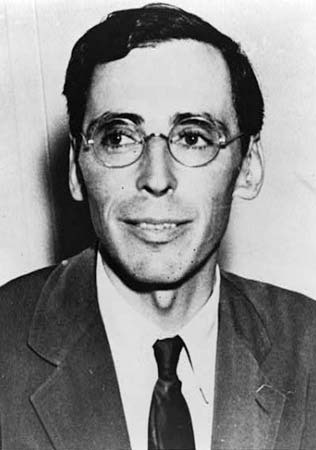
"Oliver Hazard Perry La Farge II (December 19, 1901 – August 2, 1963)
was an American writer and anthropologist. In 1925 he explored early
Olmec sites in Mexico, and later studied additional sites in Central
America and the American Southwest. In addition to more than 15
scholarly works, mostly on Native Americans, he wrote several novels,
including the Pulitzer Prize-winning, Laughing Boy (1929). In addition,
La Farge's short stories were published in The New Yorker and Esquire
magazines. His more notable works, both fiction and non-fiction, focus
on Native American culture. He spent much of his adult life championing
American Indian rights. He was president of the Association on American
Indian Affairs for several years[citation needed]." - Oliver
La Farge II, 1901-1963