
大麻入門
Introduction to Cannabis
☆
カンナビス[Cannabis]
(/ˈkænəbɪs/)
[3]は、一般にマリファナ(/ˌmærəˈwɑːnə/)[4]、ウィード、ポット、メアリー・ジェーン、ガンジャなどの名称で知られ、カンナビス属の
植物から得られる、化学的組成が一定ではない向精神薬である。中央アジアまたは南アジア原産の大麻は、何世紀にもわたり、娯楽やエンセオジェニック(精神
変容)目的の薬物として、また様々な伝統医学において使用されてきた。テトラヒドロカンナビノール(THC)は大麻の主要な精神活性成分であり、カンナビ
ジオール(CBD)など少なくとも65種類の他のカンナビノイドを含む、この植物に含まれる483種類の既知の化合物の1つである。大麻は、喫煙、気化、
食品への添加、または抽出物として使用することができる。
大麻には様々な精神的・身体的影響があり、多幸感、精神状態や時間感覚の変化、集中力の低下、短期記憶障害、身体運動機能(平衡感覚や微細な精神運動制
御)の障害、リラックス効果、食欲増進などが含まれる。喫煙した場合、効果は数分以内に現れますが、経口摂取の場合は(経口摂取された薬物は消化・吸収さ
れる必要があるため)最大90分かかることがあります。効果は使用量に応じて2~6時間持続します。高用量では、精神的な影響として不安、妄想(参照妄想
を含む)、幻覚、パニック、被害妄想、精神病などが現れることがあります。大麻の使用と精神病のリスクとの間には強い関連性があるが、因果関係の方向性に
ついては議論がある。[5][6]
身体的影響には、心拍数の増加、呼吸困難、吐き気、および妊娠中に母親が大麻を使用した子供における行動上の問題が含まれる。短期的な副作用には、口渇や
目の充血も含まれる。長期的な有害作用には、依存症、思春期に定期的な使用を開始した人における知能の低下[7]、心臓病、慢性的な咳、呼吸器感染症への
感受性、およびカンナビノイド過嘔吐症候群などが含まれる。[8]
大麻は主に娯楽目的や医薬品として使用されるが、精神的な目的で使用されることもある。カンナビノイドの承認された用途はごくわずかであり、不眠症や疼痛
に対する有効性など、ほとんどの医療上の主張には十分な証拠が欠けている[9]。2013年には、1億2800万人から2億3200万人が大麻を使用して
いた(15歳から65歳の世界人口の2.7%から4.9%)。大麻は世界で最も広く使用されている違法薬物であり、ザンビア、米国、カナダ、ナイジェリア
の成人における使用率が最も高い。1970年代以降、違法大麻の効力は増しており、THC(テトラヒドロカンナビノール)の含有量は上昇し、CBD(カン
ナビジオール)の含有量は低下している。
大麻の栽培は少なくとも紀元前3千年紀から行われており、紀元前500年頃には中央アジアのパミール高原で、その精神作用を得るために喫煙されていたとい
う証拠がある。14世紀以降、大麻は法的規制の対象となってきた。20世紀以降、ほとんどの国で大麻の所持、使用、栽培は違法とされている。2013年、
ウルグアイは娯楽目的の大麻使用を合法化した最初の国となった。これに続く国としては、カナダ、ジョージア、ドイツ、ルクセンブルク、マルタ、南アフリ
カ、タイがある。米国では、24の州、3つの準州、およびコロンビア特別区において娯楽目的の大麻使用が合法化されているが、連邦法上では依然として違法
である。オーストラリアでは、オーストラリア首都特別地域でのみ合法化されている。
| Cannabis
(/ˈkænəbɪs/),[3] commonly known as marijuana (/ˌmærəˈwɑːnə/),[4] weed,
pot, Mary Jane, and ganja, among other names, is a non-chemically
uniform psychoactive drug from the Cannabis plant. Native to Central or
South Asia, cannabis has been used as a drug for both recreational and
entheogenic purposes and in various traditional medicines for
centuries. Tetrahydrocannabinol (THC) is the main psychoactive
component of cannabis, which is one of the 483 known compounds in the
plant, including at least 65 other cannabinoids, such as cannabidiol
(CBD). Cannabis can be used by smoking, vaporizing, within food, or as
an extract. Cannabis has various mental and physical effects, which include euphoria, altered states of mind and sense of time, difficulty concentrating, impaired short-term memory, impaired body movement (balance and fine psychomotor control), relaxation, and an increase in appetite. Onset of effects is felt within minutes when smoked, but may take up to 90 minutes when eaten (as orally consumed drugs must be digested and absorbed). The effects last for two to six hours, depending on the amount used. At high doses, mental effects can include anxiety, delusions (including ideas of reference), hallucinations, panic, paranoia, and psychosis. There is a strong relation between cannabis use and the risk of psychosis, though the direction of causality is debated.[5][6] Physical effects include increased heart rate, difficulty breathing, nausea, and behavioral problems in children whose mothers used cannabis during pregnancy; short-term side effects may also include dry mouth and red eyes. Long-term adverse effects may include addiction, decreased mental ability in those who started regular use as adolescents,[7] heart disease, chronic coughing, susceptibility to respiratory infections, and cannabinoid hyperemesis syndrome.[8] Cannabis is mostly used recreationally or as a medicinal drug, although it may also be used for spiritual purposes. Evidence supports only a few approved uses of cannabinoids and most medical claims, such as efficacy for insomnia or pain, lack sufficient evidence.[9] In 2013, between 128 and 232 million people used cannabis (2.7% to 4.9% of the global population between the ages of 15 and 65). It is the most commonly used largely-illegal drug in the world, with the highest use among adults in Zambia, the United States, Canada, and Nigeria. Since the 1970s, the potency of illicit cannabis has increased, with THC levels rising and CBD levels dropping. Cannabis plants have been grown since at least the 3rd millennium BCE and there is evidence of it being smoked for its psychoactive effects around 500 BCE in the Pamir Mountains, Central Asia. Since the 14th century, cannabis has been subject to legal restrictions. The possession, use, and cultivation of cannabis has been illegal in most countries since the 20th century. In 2013, Uruguay became the first country to legalize recreational use of cannabis. Other countries to do so are Canada, Georgia, Germany, Luxembourg, Malta, South Africa, and Thailand. In the U.S., the recreational use of cannabis is legalized in 24 states, 3 territories, and the District of Columbia, though the drug remains federally illegal. In Australia, it is legalized only in the Australian Capital Territory. |
カンナビス[Cannabis]
(/ˈkænəbɪs/)[3]は、一般にマリファナ
(/ˌmærəˈwɑːnə/)[4]、ウィード、ポット、メアリー・ジェーン、ガンジャなどの名称で知られ、カンナビス属の植物から得られる、化学的組
成が一定ではない向精神薬である。中央アジアまたは南アジア原産の大麻は、何世紀にもわたり、娯楽やエンセオジェニック(精神変容)目的の薬物として、ま
た様々な伝統医学において使用されてきた。テトラヒドロカンナビノール(THC)は大麻の主要な精神活性成分であり、カンナビジオール(CBD)など少な
くとも65種類の他のカンナビノイドを含む、この植物に含まれる483種類の既知の化合物の1つである。大麻は、喫煙、気化、食品への添加、または抽出物
として使用することができる。 大麻には様々な精神的・身体的影響があり、多幸感、精神状態や時間感覚の変化、集中力の低下、短期記憶障害、身体運動機能(平衡感覚や微細な精神運動制 御)の障害、リラックス効果、食欲増進などが含まれる。喫煙した場合、効果は数分以内に現れますが、経口摂取の場合は(経口摂取された薬物は消化・吸収さ れる必要があるため)最大90分かかることがあります。効果は使用量に応じて2~6時間持続します。高用量では、精神的な影響として不安、妄想(参照妄想 を含む)、幻覚、パニック、被害妄想、精神病などが現れることがあります。大麻の使用と精神病のリスクとの間には強い関連性があるが、因果関係の方向性に ついては議論がある。[5][6] 身体的影響には、心拍数の増加、呼吸困難、吐き気、および妊娠中に母親が大麻を使用した子供における行動上の問題が含まれる。短期的な副作用には、口渇や 目の充血も含まれる。長期的な有害作用には、依存症、思春期に定期的な使用を開始した人における知能の低下[7]、心臓病、慢性的な咳、呼吸器感染症への 感受性、およびカンナビノイド過嘔吐症候群などが含まれる。[8] 大麻は主に娯楽目的や医薬品として使用されるが、精神的な目的で使用されることもある。カンナビノイドの承認された用途はごくわずかであり、不眠症や疼痛 に対する有効性など、ほとんどの医療上の主張には十分な証拠が欠けている[9]。2013年には、1億2800万人から2億3200万人が大麻を使用して いた(15歳から65歳の世界人口の2.7%から4.9%)。大麻は世界で最も広く使用されている違法薬物であり、ザンビア、米国、カナダ、ナイジェリア の成人における使用率が最も高い。1970年代以降、違法大麻の効力は増しており、THC(テトラヒドロカンナビノール)の含有量は上昇し、CBD(カン ナビジオール)の含有量は低下している。 大麻の栽培は少なくとも紀元前3千年紀から行われており、紀元前500年頃には中央アジアのパミール高原で、その精神作用を得るために喫煙されていたとい う証拠がある。14世紀以降、大麻は法的規制の対象となってきた。20世紀以降、ほとんどの国で大麻の所持、使用、栽培は違法とされている。2013年、 ウルグアイは娯楽目的の大麻使用を合法化した最初の国となった。これに続く国としては、カナダ、ジョージア、ドイツ、ルクセンブルク、マルタ、南アフリ カ、タイがある。米国では、24の州、3つの準州、およびコロンビア特別区において娯楽目的の大麻使用が合法化されているが、連邦法上では依然として違法 である。オーストラリアでは、オーストラリア首都特別地域でのみ合法化されている。 |
| Etymology Main article: Etymology of cannabis The origins of Cannabis are linked to a Scythian word.[10][11][12] The ancient Greeks may have learned of the use of cannabis, which they called κάνναβις, by observing Scythian funerals, during which cannabis was consumed.[11] In Akkadian, cannabis was known as qunubu (𐎯𐎫𐎠𐎭𐏂).[11] The word was adopted in to the Hebrew as qaneh bosem (קָנֶה בֹּשׂם).[11] The Latin term cannabis derived from Greek evolved into Proto-Germanic *xan(a)paz, yielding various Germanic forms (Old Norse hampr, Old English hænep, Old Saxon hanup, Old High German hanaf) and ultimately modern British English "hemp."[13] |
語源 主な記事:大麻の語源 大麻の語源はスキタイ語に由来するとされている。[10][11][12] 古代ギリシャ人は、大麻が消費されるスキタイ人の葬儀を観察することで、彼らが「κάνναβις」と呼んだ大麻の使用法を知った可能性がある。[11] アッカド語では、大麻はクヌブ(𐎯𐎫𐎠𐎭𐏂)として知られていた。[11] この言葉はヘブライ語にカネ・ボセム(קָנֶה בֹּשׂם)として取り入れられた。[11] ギリシャ語に由来するラテン語の「cannabis」は、プロト・ゲルマン語の *xan(a)paz へと変化し、そこから様々なゲルマン語の形態(古ノルド語の hampr、古英語の hænep、古ザクセン語の hanup、古高ドイツ語の hanaf)が生まれ、最終的には現代のイギリス英語の「hemp」となった。[13] |
| Uses Medical Main article: Medical cannabis  Example of a container and the recreational cannabis purchase in Canada Medical cannabis, or medical marijuana, refers to the use of herbal cannabis or its preparations to treat disease or improve symptoms. There is no single agreed-upon definition (e.g., cannabinoids derived from cannabis and synthetic cannabinoid analogs are also used).[14][15][16] The rigorous scientific study of cannabis as a medicine has been hampered by production restrictions and by the fact that it is classified as an illegal drug by many governments.[17] Evidence supports only a few approved uses of cannabinoids and most medical claims, such as efficacy for insomnia or pain, lack sufficient evidence; benefits, risks, and harm-reduction strategies should be evaluated before clinical recommendations of cannabis or cannabinoids.[9] There is some evidence suggesting cannabis can be used to reduce nausea and vomiting during chemotherapy, to improve appetite in people with HIV/AIDS, or to treat chronic pain and muscle spasms. Evidence for its use for other medical applications is insufficient for drawing conclusions about safety or efficacy.[18][19][20] There is evidence supporting the use of cannabis or its derivatives in the treatment of chemotherapy-induced nausea and vomiting, neuropathic pain, and multiple sclerosis. Lower levels of evidence support its use for AIDS wasting syndrome, epilepsy, rheumatoid arthritis, and glaucoma.[21] The medical use of cannabis is legal only in a limited number of territories, including Belgium, Australia, the Netherlands, New Zealand,[22][23] Spain, and many U.S. states. This usage generally requires a prescription, and distribution is usually done within a framework defined by local laws.[21] |
用途 医療 主な記事:医療用大麻 カナダにおける容器の例と娯楽用大麻の購入 医療用大麻、あるいは医療用マリファナとは、病気の治療や症状の改善を目的として、大麻草またはその製剤を使用することを指す。これについて統一された定 義は存在しない(例えば、大麻由来のカンナビノイドや合成カンナビノイド類似体も使用される)。[14][15] [16] 医療用大麻に関する厳密な科学的研究は、生産制限や、多くの政府によって違法薬物として分類されているという事実によって妨げられてきた。[17] カンナビノイドの承認された用途を裏付ける証拠はごくわずかであり、不眠症や疼痛に対する有効性など、ほとんどの医療上の主張には十分な証拠が欠けてい る。大麻やカンナビノイドの臨床的推奨を行う前に、その利点、リスク、およびハームリダクション(害の軽減)戦略を評価すべきである。[9] 化学療法中の吐き気や嘔吐の軽減、HIV/AIDS患者の食欲増進、あるいは慢性疼痛や筋痙攣の治療に大麻が使用できることを示唆する証拠がいくつか存在 する。その他の医療用途に関する証拠は、安全性や有効性について結論を下すには不十分である。[18][19][20] 化学療法による吐き気や嘔吐、神経因性疼痛、多発性硬化症の治療における大麻またはその誘導体の使用を支持する証拠がある。エイズ消耗症候群、てんかん、 関節リウマチ、および緑内障への使用については、証拠のレベルが低い。[21] 大麻の医療使用は、ベルギー、オーストラリア、オランダ、ニュージーランド[22][23]、スペイン、および米国の多くの州を含む、限られた地域でのみ 合法である。この使用には一般的に処方箋が必要であり、流通は通常、現地の法律で定められた枠組み内で行われる。[21] |
| Recreational Being under the effects of cannabis is usually referred to as being "high".[24] Cannabis consumption has both psychoactive and physiological effects.[25] The "high" experience can vary widely, based (among other things) on the user's prior experience with cannabis, and the type of cannabis consumed.[26]: p647 When smoking cannabis, a euphoriant effect can occur within minutes of smoking.[27]: p104 Aside from a subjective change in perception and mood, the most common short-term physical and neurological effects include increased heart rate, increased appetite, impairment of short-term and working memory, and impairment of psychomotor coordination.[28][29] Additional desired effects from consuming cannabis include relaxation, a general alteration of conscious perception, increased awareness of sensation, increased libido[30] and distortions in the perception of time and space. In some cases, cannabis can lead to dissociative states such as depersonalization[31][32] and derealization.[33] Cannabis at high doses can produce strong hallucinogenic effects in some people.[34][35] Spiritual Main article: Entheogenic use of cannabis Cannabis has held sacred status in several religions and has served as an entheogen – a chemical substance used in religious, shamanic, or spiritual contexts[36] – in the Indian subcontinent since the Vedic period. The earliest known reports regarding the sacred status of cannabis in the Indian subcontinent come from the Atharva Veda, estimated to have been composed sometime around 1400 BCE.[37] The Hindu god Shiva is described as a cannabis user, known as the "Lord of bhang".[38]: p19 In modern culture, the spiritual use of cannabis has been spread by the disciples of the Rastafari movement who use cannabis as a sacrament and as an aid to meditation.[37] |
娯楽目的 大麻の影響下にある状態は、通常「ハイ」と呼ばれる。[24] 大麻の摂取には、精神作用と生理作用の両方が伴う。[25] 「ハイ」となる体験は、(とりわけ)使用者の大麻に関する過去の経験や、摂取した大麻の種類などによって大きく異なる。[26]: p647 大麻を喫煙 した場合、喫煙後数分以内に陶酔感が生じることがある。[27]: p104 知覚や気分の主観的な変化とは別に、最も一般的な短期的な身体的および神経 学的影響には、心拍数の増加、食欲増進、短期記憶および作業記憶の障害、ならびに精神運動協調性の障害が含まれる。[28][29] 大麻摂取によるその他の望ましい効果には、リラックス、意識的知覚の全般的な変化、感覚の鋭敏化、性欲の増進[30]、および時間と空間の知覚の歪みなど が含まれる。場合によっては、大麻は解離性状態、例えば自己離脱[31][32]や現実感喪失[33]を引き起こすことがある。高用量の大麻は、一部の人 々に強い幻覚作用をもたらすことがある。[34] [35] 精神的な側面 本記事:大麻のエンセオジェニックな使用 大麻はいくつかの宗教において神聖な地位を占めており、ヴェーダ時代以来、インド亜大陸ではエンセオジェン(宗教的、シャーマニズム的、あるいは精神的な 文脈で使用される化学物質[36])として用いられてきた。インド亜大陸における大麻の神聖な地位に関する最古の記録は、紀元前1400年頃に編纂された と推定される『アタルヴァ・ヴェーダ』に見られる。[37] ヒンドゥー教の神シヴァは、「バングの主」として知られる大麻使用者であると記述されている。[38]: p19 現代文化においては、大麻を聖餐として、また瞑想の助けとして用いるラスタファリ運動の信者たちによって、大麻の精神的利用が広められている。[37] |
| Consumption Main article: Cannabis consumption Modes of consumption 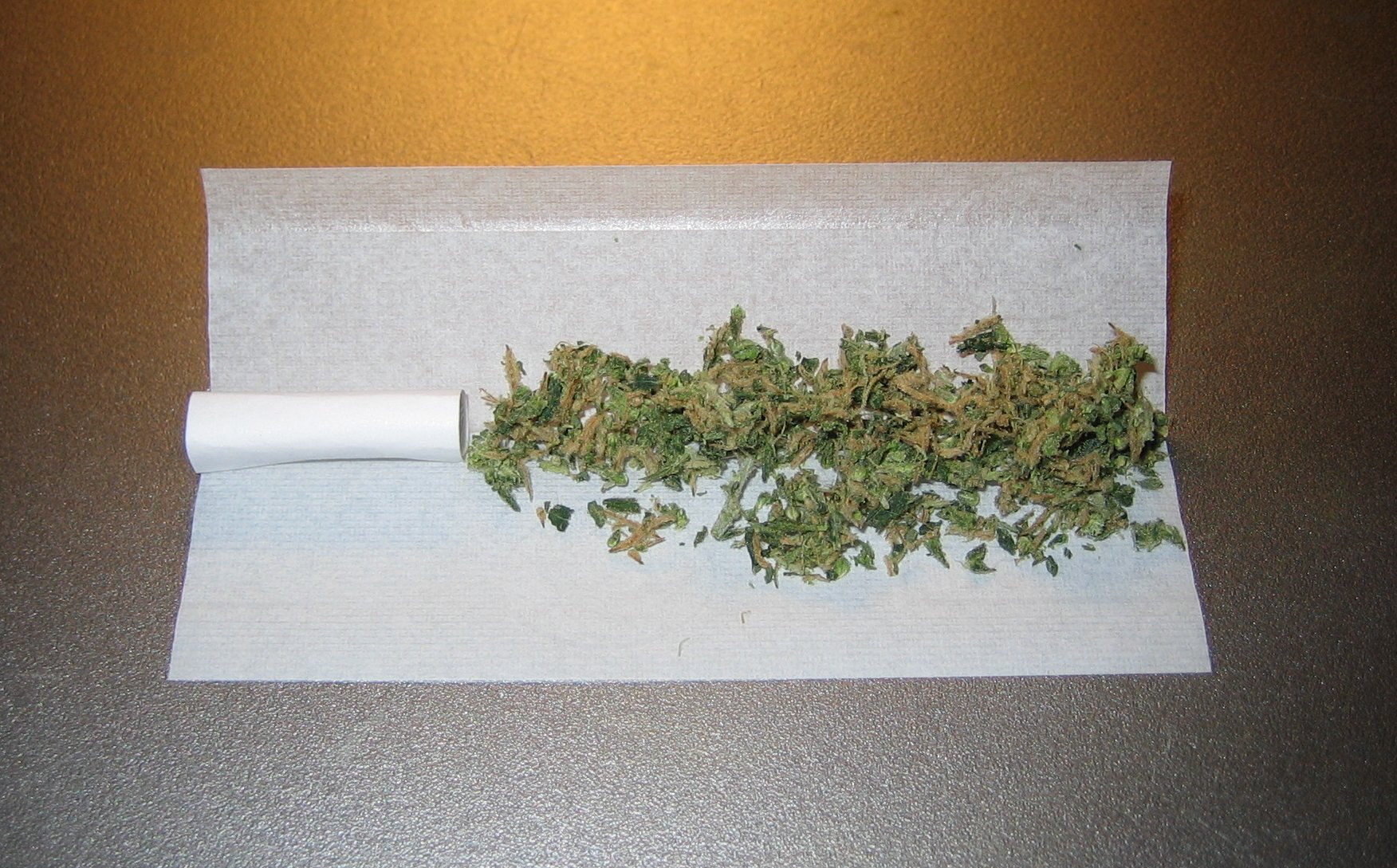 A joint prior to rolling, with a paper handmade filter on the left Wikibooks logo Wikibooks Cookbook has a recipe/module on Cannabis Many different ways to consume cannabis involve heat to decarboxylate THCA into THC;[39][40] common modes include: Smoking, involves burning and inhaling cannabinoids ("smoke") from small pipes, bongs (portable versions of hookahs with a water chamber), paper-wrapped joints, tobacco-leaf-wrapped blunts, or the like.[41] Vaporizing, heating various forms of cannabis to 165–190 °C (329–374 °F),[42] causing the active ingredients to form vapor without combustion of the plant material (the boiling point of THC is 157 °C (315 °F) at atmospheric pressure).[43] Edibles, adding cannabis as an ingredient to a wide variety of foods, including butter and baked goods. In India it is commonly consumed as the beverage bhang. Cannabis tea, prepared with attention to the lipophilic quality of THC, which is only slightly water-soluble (2.8 mg per liter),[44] often involving cannabis in a saturated fat.[45] Tincture of cannabis, sometimes known as green dragon, is an alcoholic cannabis concentrate. Capsules, typically containing cannabis oil, and other dietary supplement products, for which some 220 were approved in Canada in 2018.[46]  Global estimates of drug users in 2016 (in millions of users)[47] |
摂取 本記事:大麻の摂取 摂取方法 巻く前のジョイント。左側に手作りのペーパーフィルターが写っている ウィキブックス・ロゴ ウィキブックス・クックブックには、以下のレシピ/モジュールがあります 大麻 大麻の摂取方法の多くは、熱を利用してTHCAをTHCに脱炭酸させることを伴う[39][40]。一般的な摂取方法には以下が含まれる: 喫煙:小さなパイプ、ボン(水タンク付きの携帯型水タバコ)、紙で巻いたジョイント、タバコの葉で巻いたブラントなどを用いて、カンナビノイド(「煙」) を燃焼させ、吸入する方法。[41] 気化法:大麻の様々な形態を165~190 °C(329~374 °F)に加熱し[42]、植物素材を燃焼させることなく有効成分を気化させる方法(THCの沸点は常圧下で157 °C(315 °F)である)。[43] エディブル(食用製品)。バターや焼き菓子など、多種多様な食品に大麻を原料として加えたものである。インドでは、飲料「バング」として一般的に消費され ている。 大麻茶。水溶性が極めて低い(1リットルあたり2.8mg)[44] THCの親油性に配慮して調製され、多くの場合、飽和脂肪酸に大麻を溶かして作られる。[45] 「グリーンドラゴン」とも呼ばれる大麻チンキは、アルコールベースの大麻濃縮液である。 カプセル(通常は大麻オイルを含む)やその他の栄養補助食品については、2018年にカナダで約220品目が承認された。[46] 2016年の世界の薬物使用者数の推計(単位:百万人)[47] |
| Consumption by country Main article: Annual cannabis use by country In 2013, between 128 and 232 million people used cannabis (2.7% to 4.9% of the global population between the ages of 15 and 65).[48] Cannabis is by far the most widely used illicit substance,[49] with the highest use among adults (as of 2018) in Zambia, the United States, Canada, and Nigeria.[50] United States Between 1973 and 1978, eleven states decriminalized marijuana.[51] In 2001, Nevada reduced marijuana possession to a misdemeanor and since 2012, several other states have decriminalized and even legalized marijuana.[51] In 2018, surveys indicated that almost half of the people in the United States had tried marijuana, 16% had used it in the past year, and 11% had used it in the past month.[52] In 2014, surveys said daily marijuana use amongst US college students had reached its highest level since records began in 1980, rising from 3.5% in 2007 to 5.9% in 2014 and had surpassed daily cigarette use.[53] In the US, men are over twice as likely to use marijuana as women, and 18–29-year-olds are six times more likely to use as over-65-year-olds.[54] In 2015, a record 44% of the US population has tried marijuana in their lifetime, an increase from 38% in 2013 and 33% in 1985.[54] Marijuana use in the United States is three times above the global average, but in line with other Western democracies. Forty-four percent of American 12th graders have tried the drug at least once, and the typical age of first-use is 16, similar to the typical age of first-use for alcohol but lower than the first-use age for other illicit drugs.[49] A 2022 Gallup poll concluded Americans are smoking more marijuana than cigarettes for the first time.[55] |
国別の消費状況 本記事:国別の年間大麻使用状況 2013年には、1億2800万人から2億3200万人が大麻を使用していた(15歳から65歳までの世界人口の2.7%から4.9%に相当)。[48] 大麻は、断トツで最も広く使用されている違法薬物であり[49]、成人における使用率が最も高い(2018年時点)のは、ザンビア、アメリカ合衆国、カナ ダ、ナイジェリアである。[50] アメリカ合衆国 1973年から1978年の間に、11の州がマリファナの非犯罪化を行った。[51] 2001年、ネバダ州はマリファナ所持を軽犯罪に格下げし、2012年以降、他のいくつかの州でもマリファナの非犯罪化、さらには合法化が進んでいる。 [51] 2018年の調査によると、米国のほぼ半数の人がマリファナを試したことがあり、16%が過去1年間に、11%が過去1ヶ月間に使用していた。[52] 2014年の調査によると、米国の大学生における大麻の日常的な使用率は、1980年の統計開始以来最高水準に達し、2007年の3.5%から2014年 には5.9%に上昇し、タバコの日常的な使用率を上回った。[53] 米国では、男性がマリファナを使用する確率は女性の2倍以上であり、18~29歳の若年層は65歳以上の高齢者に比べて6倍も使用率が高い。[54] 2015年には、生涯でマリファナを試したことがある米国人口の割合が過去最高の44%に達し、2013年の38%、1985年の33%から増加した。 [54] 米国におけるマリファナの使用率は世界平均の3倍であるが、他の西側民主主義諸国と同水準である。米国の高校3年生の44%が少なくとも一度はマリファナ を試したことがあり、初使用の典型的な年齢は16歳である。これはアルコールの初使用年齢と類似しているが、他の違法薬物の初使用年齢よりは低い。 [49] 2022年のギャラップの世論調査によると、アメリカ人のマリファナ喫煙量がタバコを初めて上回ったことが明らかになった。[55] |
| Adverse effects Further information: Effects of cannabis Short-term Main short-term physical effects of cannabis Acute negative effects may include anxiety and panic, impaired attention and memory, an increased risk of psychotic symptoms,[b] the inability to think clearly, and an increased risk of accidents.[58][59][60] Cannabis impairs a person's driving ability, and THC was the illicit drug most frequently found in the blood of drivers who have been involved in vehicle crashes. Those with THC in their system are from three to seven times more likely to be the cause of vehicle crash than those who had not used either cannabis or alcohol.[61][62][c] Some immediate undesired side effects include a decrease in short-term memory, dry mouth, impaired motor skills, reddening of the eyes,[65] dizziness, feeling tired and vomiting.[19] Some users may experience an episode of acute psychosis, which usually abates after six hours, but in rare instances, heavy users may find the symptoms continuing for many days.[66] Legalization has increased the rates at which children are exposed to cannabis, particularly from edibles. While the toxicity and lethality of THC in children is not known, they are at risk for encephalopathy, hypotension, respiratory depression severe enough to require ventilation, somnolence and coma.[67][68] |
有害作用 詳細情報:大麻の影響 短期的 大麻の主な短期的な身体的影響 急性期の有害作用には、不安やパニック、注意力や記憶力の低下、精神病症状の発現リスクの増加[b]、思考の混乱、および事故リスクの増加などが含まれ る。[58][59][60] 大麻は運転能力を低下させ、交通事故に巻き込まれた運転者の血液から最も頻繁に検出される違法薬物はTHCであった。体内にTHCが残っている人は、大麻 もアルコールも摂取していない人に比べて、交通事故の原因となる確率が3倍から7倍高くなる。[61][62][c] 直ちに現れる望ましくない副作用には、短期記憶の低下、口渇、運動機能の低下、目の充血[65]、めまい、倦怠感、嘔吐などがある。[19] 一部の使用者には急性精神病の発作が見られることがあり、通常は6時間後に治まるが、まれに、多量使用者の場合、症状が数日間続くことがある。[66] 合法化により、特に食用製品を通じて、子どもが大麻にさらされる割合が増加している。子どもにおけるTHCの毒性や致死性は明らかではないが、脳症、低血 圧、人工呼吸を必要とするほどの重度の呼吸抑制、眠気、昏睡のリスクがある。[67][68] |
| Fatality A systematic meta analysis showed that cannabis users double the chance of dying from heart disease. Cannabis users had a 29% higher risk of heart attack and a 20% higher risk of stroke than non-users.[69][70][71] There is an association between cannabis use and suicide, particularly in younger users.[72] A 16-month survey of Oregon and Alaska emergency departments found a report of the death of an adult who had been admitted for acute cannabis toxicity.[73] A recent study in 2025 suggests that individuals diagnosed with cannabis use disorder—characterized by an inability to stop using cannabis despite its negative effects—face a nearly threefold increase in mortality rates compared to those without the condition over a five-year period.[74] The research indicates that people with this disorder are ten times more likely to die by suicide than the general population.[75] Additionally, they have a higher risk of death from trauma, drug poisoning, and lung cancer. In a separate study researchers found an increase in schizophrenia and psychosis cases in Canada linked to cannabis use disorder following the drug's legalization.[76] |
死亡 系統的メタ分析によると、大麻使用者は心臓疾患による死亡リスクが2倍になることが示された。大麻使用者は、非使用者と比較して、心臓発作のリスクが 29%高く、脳卒中のリスクが20%高かった。[69][70][71] 大麻使用と自殺との間には関連性があり、特に若年層の使用者において顕著である。[72] オレゴン州とアラスカ州の救急部門を対象とした16ヶ月間の調査では、急性大麻中毒で搬送された成人の死亡例が1件報告された。[73] 2025年の最近の研究によると、大麻使用障害(その悪影響にもかかわらず大麻の使用を止められないことを特徴とする)と診断された個人は、5年間にわた り、この障害のない人々と比較して死亡率が3倍近く高くなる可能性がある。[74] この研究によると、この障害を持つ人々は、一般人口に比べて自殺による死亡リスクが10倍高いことが示されている。[75] さらに、外傷、薬物中毒、および肺がんによる死亡リスクも高い。別の研究では、カナダにおいて大麻の合法化後に、大麻使用障害に関連した統合失調症および 精神病の症例が増加していることが研究者らによって確認された。[76] |
| Long-term Main article: Long-term effects of cannabis  Addiction experts in psychiatry, chemistry, pharmacology, forensic science, epidemiology, and the police and legal services engaged in delphic analysis regarding 20 popular recreational drugs. Cannabis was ranked 11th in dependence, 17th in physical harm, and 10th in social harm.[77] Psychological effects A 2015 meta-analysis found that, although a longer period of abstinence was associated with smaller magnitudes of impairment, both retrospective and prospective memory were impaired in cannabis users. The authors concluded that some, but not all, of the deficits associated with cannabis use were reversible.[78] A 2012 meta-analysis found that deficits in most domains of cognition persisted beyond the acute period of intoxication, but was not evident in studies where subjects were abstinent for more than 25 days.[79] Few high quality studies have been performed on the long-term effects of cannabis on cognition, and the results were generally inconsistent.[80] Furthermore, effect sizes of significant findings were generally small.[79] One review concluded that, although most cognitive faculties were unimpaired by cannabis use, residual deficits occurred in executive functions.[81] Impairments in executive functioning are most consistently found in older populations, which may reflect heavier cannabis exposure, or developmental effects associated with adolescent cannabis use.[82] One review found three prospective cohort studies that examined the relationship between self-reported cannabis use and intelligence quotient (IQ). The study following the largest number of heavy cannabis users reported that IQ declined between ages 7–13 and age 38. Poorer school performance and increased incidence of leaving school early were both associated with cannabis use, although a causal relationship was not established.[83] Cannabis users demonstrated increased activity in task-related brain regions, consistent with reduced processing efficiency.[84] A reduced quality of life is associated with heavy cannabis use, although the relationship is inconsistent and weaker than for tobacco and other substances.[85] The direction of cause and effect, however, is unclear.[85] The long-term effects of cannabis are not clear.[19] There are concerns surrounding memory and cognition problems, risk of addiction, and the risk of schizophrenia in young people.[18] |
長期的影響 本記事:大麻の長期的影響 精神医学、化学、薬理学、法医学、疫学の各分野の依存症専門家、および警察・司法関係者が、20種類の一般的な嗜好薬物についてデルフィ法を用いた分析を 行った。その結果、大麻は依存性の面で11位、身体的害の面で17位、社会的害の面で10位にランク付けされた。[77] 心理的影響 2015年のメタ分析によると、禁断期間が長いほど機能障害の程度は軽度であったものの、大麻使用者においては遡及的記憶と前向的記憶の両方に障害が認め られた。著者らは、大麻使用に伴う機能障害の一部は可逆的であるが、すべてがそうであるわけではないと結論付けた。[78] 2012年のメタ分析では、認知機能のほとんどの領域における障害は急性中毒期を超えて持続したが、被験者が25日以上禁断状態にあった研究では明らかで はなかった。[79] 大麻の認知機能への長期的な影響について行われた質の高い研究はほとんどなく、その結果は概して一貫性を欠いていた。[80] さらに、有意な知見の効果サイズは概して小さかった。[79] ある総説では、大麻使用によってほとんどの認知機能に障害は生じないものの、実行機能には残存する障害が生じると結論づけられた。[81] 実行機能の障害は高齢層で最も一貫して認められるが、これは大麻への曝露量が多いこと、あるいは思春期の大麻使用に伴う発達への影響を反映している可能性 がある。[82] ある総説では、自己申告による大麻使用と知能指数(IQ)との関連性を検討した3つの前向きコホート研究が報告された。最も多くの重度の大麻使用者を追跡 した研究では、7~13歳から38歳にかけてIQが低下したと報告された。学業成績の低下と早期退学の増加はいずれも大麻使用と関連していたが、因果関係 は確立されなかった。[83] 大麻使用者は、課題に関連する脳領域での活動増加を示しており、これは処理効率の低下と一致している。[84] 生活の質の低下は多量の大麻使用と関連しているが、その関係は一貫しておらず、タバコやその他の物質との関連性よりも弱い。[85] しかし、因果関係の方向性は不明である。[85] 大麻の長期的な影響は明らかではない。[19] 記憶や認知の問題、依存症のリスク、および若年層における統合失調症のリスクに関する懸念がある。[18] |
| Neuroimaging Although global abnormalities in white matter and grey matter are not consistently associated with cannabis use,[86] reduced hippocampal volume is consistently found.[87] Amygdala abnormalities are sometimes reported, although findings are inconsistent.[88][89][90] There is evidence that amygdala volume is smaller in cannabis users.[91] Cannabis use is associated with increased recruitment of task-related areas, such as the dorsolateral prefrontal cortex, which is thought to reflect compensatory activity due to reduced processing efficiency.[90][89][92] Cannabis use is also associated with downregulation of CB1 receptors. The magnitude of down regulation is associated with cumulative cannabis exposure, and is reversed after one month of abstinence.[83][93][94] There is limited evidence that chronic cannabis use can reduce levels of glutamate metabolites in the human brain.[95] |
神経画像診断 白質および灰白質における全体的な異常は、大麻使用と一貫して関連しているわけではないが[86]、海馬体積の減少は一貫して認められている[87]。扁 桃体の異常も報告されることがあるが、その所見は一貫していない[88][89][90]。大麻使用者では扁桃体の体積が小さいという証拠がある。 [91] 大麻使用は、背外側前頭前野などの課題関連領域の動員増加と関連しており、これは処理効率の低下による代償的活動を反映していると考えられている。 [90][89][92] また、大麻使用はCB1受容体のダウンレギュレーションとも関連している。このダウンレギュレーションの程度は、大麻への累積曝露量と関連しており、1ヶ 月間の禁断後には元に戻る。[83][93][94] 慢性的な大麻使用がヒトの脳内のグルタミン酸代謝物のレベルを低下させる可能性があるという証拠は限定的である。[95] |
| Cannabis dependence Main article: Cannabis dependence About 9% of those who experiment with marijuana eventually become dependent according to DSM-IV (1994) criteria.[21] A 2013 review estimates daily use is associated with a 10–20% rate of dependence.[18] The highest risk of cannabis dependence is found in those with a history of poor academic achievement, deviant behavior in childhood and adolescence, rebelliousness, poor parental relationships, or a parental history of drug and alcohol problems.[96] Of daily users, about 50% experience withdrawal upon cessation of use (i.e. are dependent), characterized by sleep problems, irritability, dysphoria, and craving.[83] Cannabis withdrawal is less severe than withdrawal from alcohol.[97] According to DSM-5 criteria, 9% of those who are exposed to cannabis develop cannabis use disorder, compared to 20% for cocaine, 23% for alcohol and 68% for nicotine. Cannabis use disorder in the DSM-5 involves a combination of DSM-IV criteria for cannabis abuse and dependence, plus the addition of craving, without the criterion related to legal troubles.[83] Psychiatric See also: Long-term effects of cannabis § Mental health From a clinical perspective, two significant school of thought exists for psychiatric conditions associated with cannabis (or cannabinoids) use: transient, non-persistent psychotic reactions, and longer-lasting, persistent disorders that resemble schizophrenia. The former is formally known as acute cannabis-associated psychotic symptoms (CAPS).[98] At an epidemiological level, a dose–response relationship exists between cannabis use and increased risk of psychosis and earlier onset of psychosis.[99][6][100][101][102] Although the epidemiological association is robust, evidence to prove a causal relationship is lacking.[103] Cannabis may also increase the risk of depression, but insufficient research has been performed to draw a conclusion.[100] A 2014 meta-analysis of longitudinal studies found that cannabis use was associated with a modestly increased risk of developing depressive disorders, particularly among heavy users, although the causal relationship remains uncertain and further research is needed.[104] Cannabis use is associated with increased risk of anxiety disorders, although causality has not been established.[105] A 2025 systematic review and meta-analysis involving more than half a million participants aged 15–30 reported that cannabis use was associated with higher odds of depression (51% higher), anxiety (58%), suicidal ideation (65%), and suicide attempt (87%).[106] A review in 2019 found that research was insufficient to determine the safety and efficacy of using cannabis to treat schizophrenia, psychosis, or other mental disorders.[107][108] Another found that cannabis during adolescence was associated with an increased risk of developing depression and suicidal behavior later in life, while finding no effect on anxiety.[109] |
大麻依存症 本記事:大麻依存症 DSM-IV(1994年)の基準によると、マリファナを試した人の約9%が最終的に依存症になるという。[21] 2013年の総説では、毎日の使用は10~20%の依存率と関連していると推定されている。[18] 大麻依存のリスクが最も高いのは、学業成績の不振、小児期および青年期の逸脱行動、反抗性、親との関係の悪化、あるいは親の薬物・アルコール問題の既往歴 がある人々である。[96] 毎日使用している人のうち、約50%は使用を中止した際に離脱症状を経験する(すなわち依存している)が、その特徴は睡眠障害、過敏性、不快感、渇望であ る。[83] 大麻の離脱症状は、アルコールの離脱症状よりも軽度である。[97] DSM-5の基準によると、大麻に曝露された人のうち9%が大麻使用障害を発症するが、コカインでは20%、アルコールでは23%、ニコチンでは68%で ある。DSM-5における大麻使用障害は、DSM-IVの大麻乱用および依存の基準に加え、渇望が追加されたものであり、法的トラブルに関連する基準は含 まれていない。[83] 精神医学 関連項目:大麻の長期的な影響 § メンタルヘルス 臨床的観点からは、大麻(またはカンナビノイド)使用に関連する精神疾患について、2つの主要な学説が存在する。すなわち、一過性で持続しない精神病性反 応と、統合失調症に類似した、より長期にわたり持続する障害である。前者は正式には急性大麻関連精神病症状(CAPS)として知られている。[98] 疫学的なレベルでは、大麻使用と精神病のリスク増加および精神病の早期発症との間に用量反応関係が存在する。[99][6][100][101] [102] 疫学的な関連性は強固であるが、因果関係を証明する証拠は不足している。[103] 大麻はうつ病のリスクを高める可能性もあるが、結論を導き出すには研究が不十分である。[100] 2014年の縦断研究のメタ分析では、大麻使用は、特に多量使用者において、うつ病性障害を発症するリスクをわずかに高めることと関連していることが示さ れたが、因果関係は依然として不確実であり、さらなる研究が必要である。[104] 大麻使用は不安障害のリスク増加と関連しているが、因果関係は確立されていない。[105] 15~30歳の参加者50万人以上を対象とした2025年の系統的レビューおよびメタ分析では、大麻の使用は、うつ病(51%高い)、不安(58%)、自 殺念慮(65%)、自殺企図(87%)の発生確率の上昇と関連していることが報告された。[106] 2019年のレビューでは、統合失調症、精神病、またはその他の精神障害の治療における大麻使用の安全性と有効性を判断するには、研究が不十分であること が判明した。[107][108] 別の研究では、思春期における大麻使用は、後年のうつ病や自殺行動の発症リスク上昇と関連していることが示された一方、不安への影響は認められなかった。 [109] |
| Physical Heavy, long-term exposure to marijuana may have physical, mental, behavioral and social health consequences. It may be "associated with diseases of the liver (particularly with co-existing hepatitis C), lungs, heart, and vasculature".[110] A 2014 review found that while cannabis use may be less harmful than alcohol use, the recommendation to substitute it for problematic drinking was premature without further study.[111] Various surveys conducted between 2015 and 2019 found that many users of cannabis substitute it for prescription drugs (including opioids), alcohol, and tobacco; most of those who used it in place of alcohol or tobacco either reduced or stopped their intake of the latter substances.[112] Cannabinoid hyperemesis syndrome (CHS) is a severe condition seen in some chronic cannabis users where they have repeated bouts of uncontrollable vomiting for 24–48 hours. Four cases of death have been reported as a result of CHS.[113][114] A limited number of studies have examined the effects of cannabis smoking on the respiratory system.[115] Chronic heavy marijuana smoking is associated with respiratory infections,[116] coughing, production of sputum, wheezing, and other symptoms of chronic bronchitis.[58] The available evidence does not support a causal relationship between cannabis use and chronic obstructive pulmonary disease.[117] Short-term use of cannabis is associated with bronchodilation.[118] Other side effects of cannabis use include cannabinoid hyperemesis syndrome (CHS), a condition which involves recurrent nausea, cramping abdominal pain, and vomiting.[119] A 2025 systematic review and meta-analysis of eight observational studies, including more than 160,000 participants, found that cannabis users had significantly greater odds of having asthma compared with non-users (pooled odds ratio = 1.31; 95% confidence interval 1.19–1.44). Subgroup analyses showed similar associations across both cross-sectional and cohort studies, and a dose-dependent trend was noted in several datasets. The authors concluded that cannabis use, particularly by inhalation, may increase the risk of asthma and recommended monitoring respiratory health among cannabis users.[120] Cannabis smoke contains thousands of organic and inorganic chemical compounds. This tar is chemically similar to that found in tobacco smoke,[121] and over fifty known carcinogens have been identified in cannabis smoke,[122] including; nitrosamines, reactive aldehydes, and polycyclic aromatic hydrocarbons, including benz[a]pyrene.[123] Cannabis smoke is also inhaled more deeply than tobacco smoke.[124] As of 2015, there is no consensus regarding whether cannabis smoking is associated with an increased risk of cancer.[125] Light and moderate use of cannabis is not believed to increase risk of lung or upper airway cancer. Evidence for causing these cancers is mixed concerning heavy, long-term use. In general there are far lower risks of pulmonary complications for regular cannabis smokers when compared with those of tobacco.[126] A 2015 review found an association between cannabis use and the development of testicular germ cell tumors (TGCTs), particularly non-seminoma TGCTs.[127] Another 2015 meta-analysis found no association between lifetime cannabis use and risk of head or neck cancer.[128] Combustion products are not present when using a vaporizer, consuming THC in pill form, or consuming cannabis foods.[129] There is concern that cannabis may contribute to cardiovascular disease,[130] but as of 2018, evidence of this relationship was unclear.[131] Research in these events is complicated because cannabis is often used in conjunction with tobacco, and drugs such as alcohol and cocaine that are known to have cardiovascular risk factors.[132] Smoking cannabis has also been shown to increase the risk of myocardial infarction by 4.8 times for the 60 minutes after consumption.[133] There is preliminary evidence that cannabis interferes with the anticoagulant properties of prescription drugs used for treating blood clots.[134] As of 2019, the mechanisms for the anti-inflammatory and possible pain relieving effects of cannabis were not defined, and there were no governmental regulatory approvals or clinical practices for use of cannabis as a drug.[108] |
身体的影響 マリファナへの重度かつ長期的な曝露は、身体的、精神的、行動的、および社会的な健康への影響をもたらす可能性がある。それは「肝臓(特にC型肝炎を併発 している場合)、肺、心臓、および血管系の疾患と関連している」可能性がある。[110] 2014年の総説では、大麻の使用はアルコールの使用よりも害が少ない可能性があるものの、問題のある飲酒の代替として推奨するには、さらなる研究が必要 であり時期尚早であると結論づけられた。[111] 2015年から2019年にかけて実施された様々な調査によると、多くの大麻使用者は、処方薬(オピオイドを含む)、アルコール、タバコに代わるものとし て大麻を使用しており、アルコールやタバコの代わりに大麻を使用した人の大半は、これらの物質の摂取量を減らすか、あるいは中止していた。[112] カンナビノイド過嘔吐症候群(CHS)は、一部の慢性大麻使用者に見られる重篤な症状であり、24~48時間にわたり制御不能な嘔吐が繰り返し起こる。 CHSを原因とする死亡例が4件報告されている。[113] [114] 大麻喫煙が呼吸器系に及ぼす影響を調べた研究は限られている。[115] 慢性的な大量の大麻喫煙は、呼吸器感染症[116]、咳、喀痰、喘鳴、およびその他の慢性気管支炎の症状と関連している。[58] 現時点の証拠では、大麻使用と慢性閉塞性肺疾患(COPD)との間に因果関係があるとは支持されていない。[117] 大麻の短期使用は気管支拡張と関連している。[118] 大麻使用のその他の副作用には、反復性の悪心、痙攣性の腹痛、および嘔吐を伴う状態であるカンナビノイド過嘔吐症候群(CHS)が含まれる。[119] 2025年に実施された、16万人以上の参加者を対象とした8つの観察研究の系統的レビューおよびメタ分析では、大麻使用者は非使用者と比較して、喘息を 発症するオッズが有意に高いことが判明した(統合オッズ比 = 1.31;95%信頼区間 1.19–1.44)。サブグループ解析では、横断研究とコホート研究の両方で同様の関連性が示され、いくつかのデータセットでは用量依存的な傾向が認め られた。著者らは、大麻の使用、特に吸引による使用が喘息のリスクを高める可能性があると結論付け、大麻使用者の呼吸器系の健康状態をモニタリングするこ とを推奨した。[120] 大麻の煙には、数千種類の有機および無機化合物が含まれている。このタールはタバコ煙に含まれるものと化学的に類似しており[121]、大麻の煙からは 50種類以上の既知の発がん性物質が同定されている[122]。これには、ニトロソアミン、反応性アルデヒド、およびベンゾ[a]ピレンを含む多環芳香族 炭化水素などが含まれる[123]。また、大麻の煙はタバコ煙よりも深く吸入される。[124] 2015年現在、大麻喫煙ががんのリスク増加と関連しているかどうかについては、コンセンサスが得られていない。[125] 軽度から中度の大麻使用は、肺がんや上気道がんのリスクを高めるとは考えられていない。重度かつ長期的な使用がこれらのがんを引き起こすという証拠につい ては、意見が分かれている。一般的に、定期的な大麻喫煙者における肺合併症のリスクは、タバコ喫煙者と比較してはるかに低い。[126] 2015年のレビューでは、大麻使用と精巣胚細胞腫瘍(TGCT)、特に非セミノーマ性TGCTの発症との間に関連性が認められた。[127] また、別の2015年のメタ分析では、生涯にわたる大麻使用と頭頸部がんのリスクとの間に関連性は認められなかった。[128] ベポライザーの使用、錠剤形態でのTHC摂取、または大麻食品の摂取においては、燃焼生成物は存在しない。[129] 大麻が心血管疾患の一因となる可能性が懸念されている[130]が、2018年時点では、この関連性を裏付ける証拠は不明確であった。[131] これらの事象に関する研究は、大麻がしばしばタバコや、心血管リスク因子を持つことが知られているアルコールやコカインなどの薬物と併用されるため、複雑 である。[132] また、大麻を喫煙すると、摂取後60分間の心筋梗塞リスクが4.8倍に増加することが示されている。[133] 大麻が血栓治療に用いられる処方薬の抗凝固作用を阻害するという予備的な証拠がある。[134] 2019年時点で、大麻の抗炎症作用および鎮痛作用の可能性に関するメカニズムは解明されておらず、医薬品としての大麻使用に関する政府の規制承認や臨床 的実践は存在しなかった。[108] |
| Emergency department visits Emergency room (ER) admissions associated with cannabis use rose significantly from 2012 to 2016; adolescents from age 12–17 had the highest risk.[135] At one Colorado medical center following legalization, approximately two percent of ER admissions were classified as cannabis users. The symptoms of one quarter of these users were partially attributed to cannabis (a total of 2567 out of 449,031 patients); other drugs were sometimes involved. Of these cannabis admissions, one quarter were for acute psychiatric effects, primarily suicidal ideation, depression, and anxiety. An additional third of the cases were for gastrointestinal issues including cannabinoid hyperemesis syndrome.[136] According to the United States Department of Health and Human Services, there were 455,000 emergency room visits associated with cannabis use in 2011. These statistics include visits in which the patient was treated for a condition induced by or related to recent cannabis use. The drug use must be "implicated" in the emergency department visit, but does not need to be the direct cause of the visit. Most of the illicit drug emergency room visits involved multiple drugs.[137] In 129,000 cases, cannabis was the only implicated drug.[137][21] Reproductive health This section is an excerpt from Cannabis in pregnancy.[edit] Cannabis consumption in pregnancy is an important public health issue. Research has found possible or likely associations between cannabis use and a risk of adverse outcomes in respect of cognitive development, mental health, physical health, and lactation.[138] Secondhand cannabis smoke A 2022 study found that smoking cannabis using a bong can greatly increase background levels of fine particulate matter, a carcinogen, in an enclosed space such as a living room. After 15 minutes, mean levels of particulate matter were more than twice the Environmental Protection Agency hazardous air quality threshold, and after 140 minutes, the concentrations were four times greater than those generated by smoking tobacco using a cigarette or hookah. This suggests secondhand cannabis smoke from bongs may present a health risk to non-smokers.[139] |
救急外来受診 大麻使用に関連する救急外来(ER)への搬送件数は、2012年から2016年にかけて大幅に増加し、12~17歳の青少年が最も高いリスクにさらされて いた。[135] 合法化後のコロラド州のある医療センターでは、救急外来搬送患者の約2%が大麻使用者として分類された。これらの利用者の4分の1の症状は、一部が大麻に 起因するとされた(患者総数449,031人のうち2,567人)。他の薬物が関与している場合もあった。これらの大麻関連の救急受診のうち、4分の1は 急性精神症状(主に自殺念慮、うつ病、不安)によるものであった。さらに3分の1の症例は、カンナビノイド過嘔吐症候群を含む胃腸障害によるものであっ た。[136] 米国保健社会福祉省によると、2011年には大麻使用に関連する救急外来受診が45万5,000件あった。この統計には、最近の大麻使用によって誘発され た、またはそれに関連する症状の治療を受けた患者の受診が含まれている。薬物使用は救急外来受診に「関与」している必要があるが、受診の直接的な原因であ る必要はない。違法薬物に関連する救急外来受診の大部分は、複数の薬物が関与していた。[137] 12万9,000件の症例では、大麻が関与した唯一の薬物であった。[137][21] 生殖の健康 このセクションは「妊娠中の大麻」からの抜粋である。[編集] 妊娠中の大麻摂取は、重要な公衆衛生上の問題である。研究により、大麻使用と、認知発達、精神衛生、身体的健康、および授乳に関する有害な結果のリスクと の間に、関連性がある可能性または高い可能性が示されている。[138] 大麻の受動喫煙 2022年の研究によると、ボンゴを使用して大麻を喫煙すると、居間などの密閉空間における発がん性物質である微小粒子状物質の背景濃度が大幅に上昇する ことが判明した。15分後には、微粒子物質の平均濃度は米国環境保護庁(EPA)の有害大気質閾値の2倍以上となり、140分後には、紙巻きタバコや水タ バコによる喫煙で発生する濃度の4倍に達した。これは、ボンによる大麻の受動喫煙が非喫煙者にとって健康リスクとなり得ることを示唆している。[139] |
| Pharmacology Mechanism of action See also: Effects of cannabis § Biochemical mechanisms in the brain THC is a weak partial agonist at CB1 receptors, while CBD is a CB1 receptor antagonist.[140][141] The CB1 receptor is found primarily in the brain as well as in some peripheral tissues, and the CB2 receptor is found primarily in peripheral tissues, but is also expressed in neuroglial cells.[142] THC appears to alter mood and cognition through its agonist actions on the CB1 receptors, which inhibit a secondary messenger system (adenylate cyclase) in a dose-dependent manner. Via CB1 receptor activation, THC indirectly increases dopamine release and produces psychotropic effects.[143] CBD also acts as an allosteric modulator of the μ- and δ-opioid receptors.[144] THC also potentiates the effects of the glycine receptors.[145] It is unknown if or how these actions contribute to the effects of cannabis.[146] Pharmacokinetics The high lipid-solubility of cannabinoids results in their persisting in the body for long periods of time.[147] Even after a single administration of THC, detectable levels of THC can be found in the body for weeks or longer (depending on the amount administered and the sensitivity of the assessment method).[147] Investigators have suggested that this is an important factor in marijuana's effects, perhaps because cannabinoids may accumulate in the body, particularly in the lipid membranes of neurons.[148] |
薬理学 作用機序 関連項目:大麻の影響 § 脳における生化学的メカニズム THCはCB1受容体に対する弱い部分作動薬であるのに対し、CBDはCB1受容体拮抗薬である。[140][141] CB1受容体は主に脳および一部の末梢組織に存在し、CB2受容体は主に末梢組織に存在するが、神経膠細胞にも発現している。[142] THCは、CB1受容体に対するアゴニスト作用を通じて気分や認知機能を変化させるようであり、この作用は用量依存的にセカンダリーメッセンジャー系(ア デニル酸シクラーゼ)を阻害する。 CB1受容体の活性化を介して、THCは間接的にドーパミンの放出を増加させ、精神作用を引き起こす。[143] CBDはまた、μオピオイド受容体およびδオピオイド受容体のアロステリックモジュレーターとしても作用する。[144] THCはまた、グリシン受容体の作用を増強する。[145] これらの作用が大麻の効果に寄与しているかどうか、またどのように寄与しているかは不明である。[146] 薬物動態 カンナビノイドの高い脂溶性により、体内での滞留時間が長くなる。[147] THCを単回投与した後でも、投与量や測定法の感度にもよるが、数週間以上、体内で検出可能なレベルのTHCが確認されることがある。[147] 研究者らは、カンナビノイドが体内に、特にニューロンの脂質膜に蓄積する可能性があるため、これがマリファナの効果における重要な要因であると示唆してい る。[148] |
| Chemistry Chemical composition See also: Difference between C. indica and C. sativa The main psychoactive component of cannabis is tetrahydrocannabinol (THC), which is formed via decarboxylation of tetrahydrocannabinolic acid (THCA) from the application of heat. Raw leaf is not psychoactive because the cannabinoids are in the form of carboxylic acids.[citation needed] THC is one of the 483 known compounds in the plant,[149] including at least 65 other cannabinoids,[150] such as cannabidiol (CBD).[60] Detection in body fluids Main article: Cannabis drug testing THC and its major (inactive) metabolite, THC-COOH, can be measured in blood, urine, hair, oral fluid or sweat using chromatographic techniques as part of a drug use testing program or a forensic investigation of a traffic or other criminal offense.[66] The concentrations obtained from such analyses can often be helpful in distinguishing active use from passive exposure, elapsed time since use, and extent or duration of use. These tests cannot, however, distinguish authorized cannabis smoking for medical purposes from unauthorized recreational smoking.[151] Commercial cannabinoid immunoassays, often employed as the initial screening method when testing physiological specimens for marijuana presence, have different degrees of cross-reactivity with THC and its metabolites.[152] Urine contains predominantly THC-COOH, while hair, oral fluid and sweat contain primarily THC.[66] Blood may contain both substances, with the relative amounts dependent on the recency and extent of usage.[66] The Duquenois–Levine test is commonly used as a screening test in the field, but it cannot definitively confirm the presence of cannabis, as a large range of substances have been shown to give false positives.[153] Researchers at John Jay College of Criminal Justice reported that dietary zinc supplements can mask the presence of THC and other drugs in urine.[154] However, a 2013 study conducted by researchers at the University of Utah School of Medicine refute the possibility of self-administered zinc producing false-negative urine drug tests.[155] |
化学 化学組成 関連項目:C. indica と C. sativa の違い 大麻の主な精神活性成分はテトラヒドロカンナビノール(THC)であり、これは熱を加えることでテトラヒドロカンナビノール酸(THCA)が脱炭酸反応を 起こして生成される。生の葉にはカンナビノイドがカルボン酸の形態で存在するため、精神作用はない。[要出典] THCは、カンナビジオール(CBD)[60]など少なくとも65種類の他のカンナビノイド[150]を含め、この植物に含まれる483種類の既知の化合 物の1つである。[149] 体液中の検出 本記事: 大麻薬物検査 THCおよびその主要な(不活性な)代謝物であるTHC-COOHは、薬物使用検査プログラムや、交通違反やその他の犯罪に関する法医学的調査の一環とし て、クロマトグラフィー技術を用いて血液、尿、毛髪、口腔液、または汗から測定することができる。[66] こうした分析から得られる濃度は、能動的な使用と受動的な曝露の区別、使用からの経過時間、および使用の程度や期間を判断する上で役立つことが多い。しか し、これらの検査では、医療目的での許可された大麻喫煙と、許可されていない娯楽目的の喫煙を区別することはできない。[151] 生理学的検体におけるマリファナの存在を検査する際の初期スクリーニング法としてしばしば用いられる市販のカンナビノイド免疫測定法は、THCおよびその 代謝物との交差反応性が程度によって異なる。[152] 尿には主にTHC-COOHが含まれる一方、毛髪、口腔液、汗には主にTHCが含まれる。[66] 血液には両方の物質が含まれる可能性があり、その相対的な量は使用の時期や程度に依存する。[66] デュケノワ・レバイン法は現場でのスクリーニング検査として一般的に用いられているが、幅広い物質が偽陽性を示すことが判明しているため、大麻の存在を決 定的に確認することはできない。[153] ジョン・ジェイ刑事司法大学の研究者らは、食事による亜鉛サプリメントの摂取が、尿中のTHCやその他の薬物の存在を隠蔽し得ると報告した。[154] しかし、ユタ大学医学部の研究者らが2013年に実施した研究では、自己投与による亜鉛が尿中薬物検査で偽陰性を引き起こす可能性を否定している。 [155] |
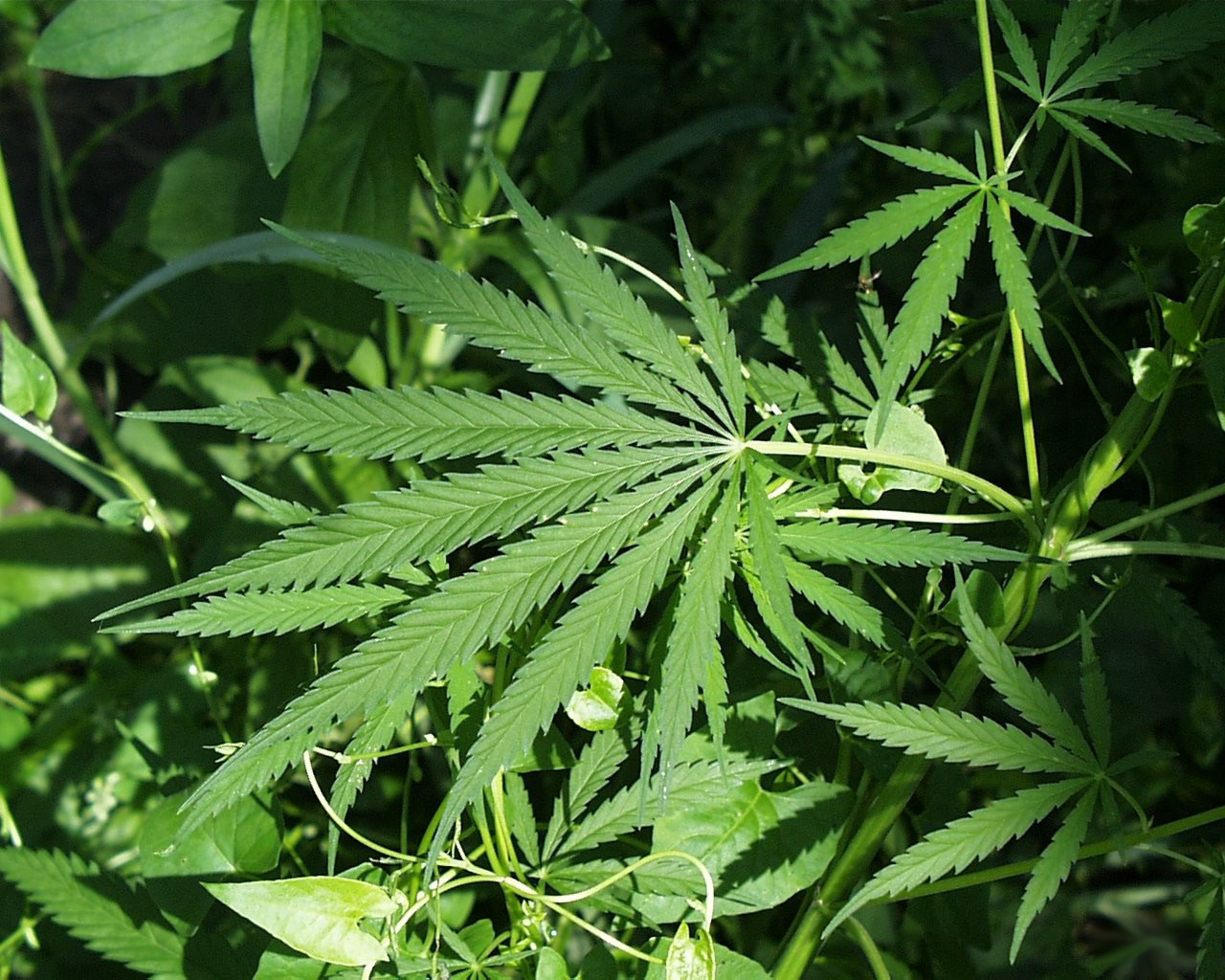
Varieties and strains Types of cannabis  A macro cannabis bud CBD is a 5-HT1A receptor agonist, which is under laboratory research to determine if it has an anxiolytic effect.[156] It is often claimed that sativa strains provide a more stimulating psychoactive high while indica strains are more sedating with a body high.[157] However, this is disputed by researchers.[158] A 2015 review found that the use of high CBD-to-THC strains of cannabis showed significantly fewer positive symptoms, such as delusions and hallucinations, better cognitive function and both lower risk for developing psychosis, as well as a later age of onset of the illness, compared to cannabis with low CBD-to-THC ratios.[159] Psychoactive ingredients According to the United Nations Office on Drugs and Crime (UNODC), "the amount of THC present in a cannabis sample is generally used as a measure of cannabis potency."[160] The three main forms of cannabis products are the flower/fruit, resin (hashish), and oil (hash oil). The UNODC states that cannabis often contains 5% THC content, resin "can contain up to 20% THC content", and that "Cannabis oil may contain more than 60% THC content."[160] Studies have found that the potency of illicit cannabis has greatly increased since the 1970s, with THC levels rising and CBD levels dropping.[161][162][163] It is unclear, however, whether the increase in THC content has caused people to consume more THC or if users adjust based on the potency of the cannabis. It is likely that the higher THC content allows people to ingest less tar. At the same time, CBD levels in seized samples have lowered, in part because of the desire to produce higher THC levels and because more illegal growers cultivate indoors using artificial lights. This helps avoid detection but reduces the CBD production of the plant.[164] Australia's National Cannabis Prevention and Information Centre (NCPIC) states that the buds (infructescences) of the female Cannabis plant contain the highest concentration of THC, followed by the leaves. The stalks and seeds have "much lower THC levels".[165] The UN states that the leaves can contain ten times less THC than the buds, and the stalks 100 times less THC.[160] After revisions to cannabis scheduling in the UK, the government moved cannabis back from a class C to a class B drug. A purported reason was the appearance of high potency cannabis. They believe skunk accounts for between 70% and 80% of samples seized by police[166] (despite the fact that skunk can sometimes be incorrectly mistaken for all types of herbal cannabis).[167][168] Extracts such as hashish and hash oil typically contain more THC than high potency cannabis infructescences.[169] Laced cannabis and synthetic cannabinoids See also: Synthetic cannabinoids § Hemp (or low potent cannabis) buds Hemp buds (or low-potency cannabis buds) laced with synthetic cannabinoids started to be sold as cannabis street drug in 2020.[170][171][172][173] The short-term effects of cannabis can be altered if it has been laced with opioid drugs such as heroin or fentanyl.[174] The added drugs are meant to enhance the psychoactive properties, add to its weight, and increase profitability, despite the increased danger of overdose.[175][d] |
品種と系統 大麻の種類 大麻のつぼみの拡大写真 CBDは5-HT1A受容体アゴニストであり、抗不安作用があるかどうかを明らかにするため、現在実験室での研究が進められている。[156] サティバ系統はより刺激的な精神作用をもたらす一方、インディカ系統は鎮静作用が強く、身体的な高揚感をもたらすとよく言われる。[157] しかし、この点については研究者間で議論がある。[158] 2015年の総説によると、CBD対THC比の高い大麻株を使用した場合、CBD対THC比の低い大麻と比較して、妄想や幻覚などの陽性症状が有意に少な く、認知機能が良好であり、精神病を発症するリスクが低く、発症年齢も遅いことが示された。[159] 精神活性成分 国連薬物犯罪事務所(UNODC)によると、「大麻サンプルに含まれるTHCの量は、一般的に大麻の効力の尺度として用いられる」[160]。大麻製品の 主な形態は、花/果実、樹脂(ハシシ)、オイル(ハッシュオイル)の3つである。UNODCは、大麻には通常5%のTHCが含まれており、樹脂には「最大 20%のTHCが含まれる可能性があり」、また「大麻オイルには60%を超えるTHCが含まれる場合がある」と述べている。[160] 研究によると、1970年代以降、違法大麻の効力は大幅に高まっており、THC濃度は上昇し、CBD濃度は低下していることが判明している。[161] [162][163] しかし、THC含有量の増加によって人々がより多くのTHCを摂取するようになったのか、それとも使用者が大麻の効力に応じて摂取量を調整しているのかは 不明である。THC含有量が高まることで、人々が摂取するタールの量が減少している可能性が高い。同時に、押収されたサンプル中のCBD濃度は低下してい る。これは、より高いTHC濃度を求める傾向があること、およびより多くの違法栽培者が人工照明を用いた屋内栽培を行っていることが一因である。これによ り摘発を回避できる反面、植物のCBD生成量は減少する。[164] オーストラリアの国立大麻予防・情報センター(NCPIC)は、雌株の大麻のつぼみ(果穂)が最も高い濃度のTHCを含み、次いで葉が続くと述べている。 茎や種子には「はるかに低いTHC含有量」がある。[165] 国連は、葉には花穂の10分の1、茎には100分の1のTHCしか含まれないとしている。[160] 英国における大麻の指定見直し後、政府は大麻をクラスCからクラスBの薬物へと再分類した。その理由として挙げられたのは、高濃度大麻の出現であった。当 局は、警察が押収したサンプルの70%から80%をスカンクが占めていると見ている[166](スカンクが、あらゆる種類のハーブ大麻と誤認されることが あるという事実にもかかわらず)。[167][168] ハシシやハッシュオイルなどの抽出物は、通常、高濃度の大麻果穂よりも多くのTHCを含んでいる。[169] 混入された大麻および合成カンナビノイド 関連項目:合成カンナビノイド § ヘンプ(または低効力大麻)の芽 合成カンナビノイドが混入されたヘンプの芽(または低効力大麻の芽)は、2020年にストリートドラッグとして販売され始めた。[170][171] [172] [173] 大麻にヘロインやフェンタニルなどのオピオイド系薬物が混入されている場合、その短期的な作用は変化する可能性がある。[174] これらの薬物が添加される目的は、過剰摂取の危険性が高まるにもかかわらず、精神作用を強め、重量を増やし、収益性を高めることにある。[175][d] |
Preparations Mature cannabis flower buds  Dried flower buds (marijuana)  A gram of kief 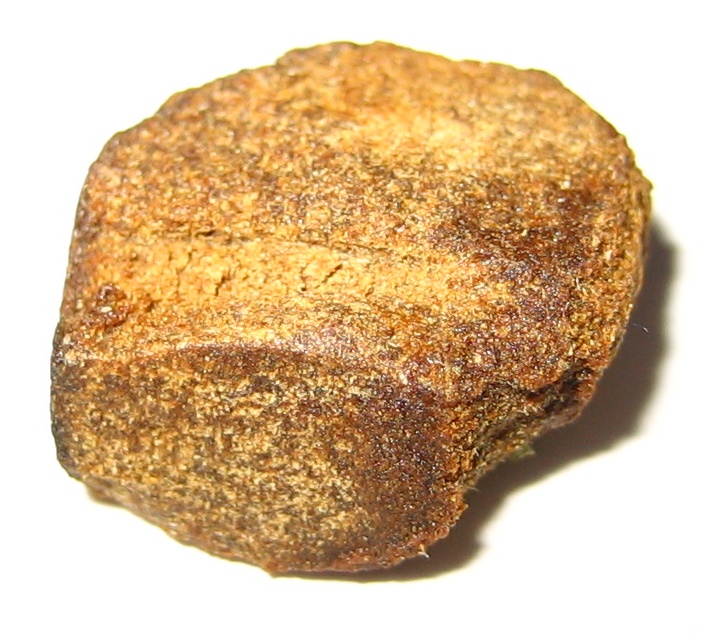 Hashish  Hash oil  Infusion (dairy butter) |
材料 成熟した大麻の花穂 乾燥した花穂(マリファナ) キーフ 1グラム ハシシ ハッシュオイル インフュージョン(バター) |
| Marijuana Further information: Marijuana (word) Marijuana or marihuana (herbal cannabis)[177] consists of the dried flowers and fruits and subtending leaves and stems of the female cannabis plant.[178][179][180][181] This is the most widely consumed form,[181] containing 3% to 20% THC,[182] with reports of up to 33% THC.[183] This is the stock material from which all other preparations are derived. Although herbal cannabis and industrial hemp derive from the same species and contain the psychoactive component (THC), they are distinct strains with unique biochemical compositions and uses. Hemp has lower concentrations of THC and higher concentrations of CBD, which gives lesser psychoactive effects.[184][185] Kief Main article: Kief Kief is a powder, rich in trichomes,[186] that can be sifted from the leaves, flowers and fruits of cannabis plants and either consumed in powder form or compressed to produce cakes of hashish.[187] The term derives from colloquial Arabic كيف kēf/kīf, meaning pleasure.[188] |
マリファナ 詳細情報:マリファナ (用語) マリファナまたはマリフア(ハーブカンナビス)[177]は、雌のカンナビス植物の乾燥した花、果実、およびそれらに付着する葉や茎から構成される。 [178][179][180][181]これは最も広く消費されている形態であり[181]、THCを3%から20%含有し[182]、最大33%の THCを含むとの報告もある。[183] これは、他のすべての製剤の原料となる素材である。ハーブ用大麻と産業用ヘンプは同じ種に由来し、精神活性成分(THC)を含んでいるが、これらは独自の 生化学的組成と用途を持つ異なる品種である。ヘンプはTHCの濃度が低く、CBDの濃度が高いため、精神活性作用は弱い。[184] [185] キーフ 本記事:キーフ キーフは、トリコームを豊富に含む粉末であり[186]、カンナビス植物の葉、花、果実からふるい分けられ、粉末のまま摂取されるか、圧縮されてハシシの 塊に加工される[187]。この用語は、アラビア語の口語表現「كيف(kēf/kīf)」に由来し、「喜び」を意味する[188]。 |
| Hashish Main article: Hashish  Legal hashish shop in Kathmandu, Nepal in 1973 Legal hashish shop in Kathmandu, Nepal in 1973 Hashish (also spelled hasheesh, hashisha, or simply hash) is a concentrated resin cake or ball produced from pressed kief, the detached trichomes and fine material that falls off cannabis fruits, flowers and leaves,[189] or from scraping the resin from the surface of the plants and rolling it into balls. It varies in color from black to golden brown depending upon the purity and variety of cultivar it was obtained from.[190] It can be consumed orally or smoked, and is also vaporized, or 'vaped'.[191] The term "rosin hash" refers to a high-quality, solventless product obtained through heat and pressure.[192] Tincture Main article: Tincture of cannabis Cannabinoids can be extracted from cannabis plant matter using high-proof spirits (often grain alcohol) to create a tincture, often called "green dragon".[38]: p17 Nabiximols is a branded product name from a tincture manufacturing pharmaceutical company.[193] Hash oil Main article: Hash oil Hash oil is a resinous matrix of cannabinoids obtained from the cannabis plant by solvent extraction,[194] formed into a hardened or viscous mass.[195] It can be the most potent of the main cannabis products because of its high level of psychoactive compound per volume, which can vary depending on the plant's mix of essential oils and psychoactive compounds.[196] Butane and supercritical carbon dioxide hash oil have become popular in recent years.[197] Infusions There are many varieties of cannabis infusions owing to the variety of non-volatile solvents used.[198] The plant material is mixed with the solvent and then pressed and filtered to express the oils of the plant into the solvent. Examples of solvents used in this process are cocoa butter, dairy butter, cooking oil, glycerine, and skin moisturizers. Depending on the solvent, these may be used in cannabis foods or applied topically.[199] Marihuana prensada Main article: Marihuana prensada Marihuana prensada ('pressed marijuana') is a cannabis-derived product widespread among the lower classes of South America,[200] especially in the 1990s. Locally it is known as "paraguayo" or "paragua", since its main producer is Paraguay.[201] Marijuana is dried and mixed with binding agents that make it toxic and highly harmful to health.[202] It is cut into the shape of bricks (ladrillos) and sold cheaply in Argentina, Brazil, Chile, Peru, Venezuela, and the United States.[203] |
ハシシ 本記事:ハシシ 1973年、ネパールのカトマンズにある合法的なハシシ販売店 1973年、ネパールのカトマンズにあった合法ハシシ店 ハシシ(ハシーシュ、ハシシャ、あるいは単にハッシュとも表記される)は、大麻の果実、花、葉から剥がれ落ちたトリコームや微細な物質であるキーフを圧縮 して作られた濃縮樹脂の塊や球体[189]、あるいは植物の表面から樹脂を削り取って丸めたものである。その色は、純度や原料となった品種の違いによっ て、黒から黄金色まで様々である[190]。経口摂取や喫煙による摂取が可能であり、また気化(「ベイプ」)して摂取されることもある[191]。「ロジ ン・ハッシュ」という用語は、熱と圧力を用いて得られる、溶剤を使用しない高品質な製品を指す。[192] チンキ 本記事:大麻チンキ カンナビノイドは、高アルコール度数のスピリッツ(多くの場合、穀物アルコール)を用いて大麻の植物材料から抽出され、チンキ(しばしば「グリーンドラゴ ン」と呼ばれる)が作られる。[38]: p17 ナビキシモールは、チンキを製造する製薬会社のブランド名である。[193] ハッシュオイル 本記事:ハッシュオイル ハッシュオイルは、溶媒抽出によって大麻植物から得られるカンナビノイドの樹脂状マトリックスであり[194]、硬化または粘性のある塊を形成している。 [195] 単位体積あたりの精神活性化合物の含有量が高いため、主要な大麻製品の中で最も強力なものとなり得る。その含有量は、植物に含まれる精油と精神活性化合物 の組成によって異なる。[196] 近年では、ブタンや超臨界二酸化炭素を用いたハッシュオイルが人気を集めている。[197] インフュージョン 使用される不揮発性溶媒の多様性により、大麻のインフュージョンには多くの種類が存在する。[198] 植物原料を溶媒と混合し、圧搾・濾過を行うことで、植物の油分を溶媒に抽出する。この工程で使用される溶媒の例としては、カカオバター、乳バター、食用 油、グリセリン、スキンモイスチャライザーなどが挙げられる。溶媒の種類によっては、これらを大麻食品として摂取したり、局所的に塗布したりすることがで きる。[199] マリファナ・プレンサダ 本記事:マリファナ・プレンサダ マリファナ・プレンサダ(「プレスされたマリファナ」)は、南米の低所得層の間で広く普及している大麻由来の製品であり[200]、特に1990年代に流 行した。主な生産国がパラグアイであることから、現地では「パラグアヨ」または「パラグア」として知られている。[201] 大麻を乾燥させ、結合剤を混ぜ合わせることで、有毒かつ健康に極めて有害な物質となる。[202] レンガ(ラドリジョス)の形に切り分けられ、アルゼンチン、ブラジル、チリ、ペルー、ベネズエラ、および米国で安価に販売されている。[203] |
| History Main articles: History of cannabis, Timeline of cannabis law, Religion and drugs, and Centenary of Cannabis prohibition Ancient history  Present-day map of the Jirzankal Cemetery, site of the earliest evidence of cannabis smoking Cannabis is indigenous to Central or South Asia[204] and its uses for fabric and rope dates back to the Neolithic age in China and Japan.[205][206] It is unclear when cannabis first became known for its psychoactive properties. The oldest archeological evidence for the burning of cannabis was found in Romanian kurgans dated 3,500 BC, and scholars suggest that the drug was first used in ritual ceremonies by Proto-Indo-European tribes living in the Pontic-Caspian steppe during the Chalcolithic period, a custom they eventually spread throughout Western Eurasia during the Indo-European migrations.[207][208] Some research suggests that the ancient Indo-Iranian drug soma, mentioned in the Vedas, sometimes contained cannabis. This is based on the discovery of a basin containing cannabis in a shrine of the second millennium BC in Turkmenistan.[209] Cannabis was known to the ancient Assyrians, who discovered its psychoactive properties through the Iranians.[210] Using it in some religious ceremonies, they called it qunubu (meaning "way to produce smoke"), a probable origin of the modern word cannabis.[211] The Iranians also introduced cannabis to the Scythians, Thracians and Dacians, whose shamans (the kapnobatai – "those who walk on smoke/clouds") burned cannabis infructescence to induce trance.[212] The plant was used in China before 2800 BC, and found therapeutic use in India by 1000 BC, where it was used in food and drink, including bhang.[213][214]  Cannabis sativa from Vienna Dioscurides, c. 512 CE Cannabis has an ancient history of ritual use and has been used by religions around the world. It has been used as a drug for both recreational and entheogenic purposes and in various traditional medicines for centuries.[215][216][177] The earliest evidence of cannabis smoking has been found in the 2,500-year-old tombs of Jirzankal Cemetery in the Pamir Mountains in Western China, where cannabis residue were found in burners with charred pebbles possibly used during funeral rituals.[217][218] Hemp seeds discovered by archaeologists at Pazyryk suggest early ceremonial practices like eating by the Scythians occurred during the 5th to 2nd century BC, confirming previous historical reports by Herodotus.[219] It was used by Muslims in various Sufi orders as early as the Mamluk period, for example by the Qalandars.[220] Smoking pipes uncovered in Ethiopia and carbon-dated to around c. AD 1320 were found to have traces of cannabis.[221] |
歴史 主な記事:大麻の歴史、大麻法の年表、宗教と薬物、大麻禁止100周年 古代史 大麻喫煙の最古の証拠が発見されたジルザンカル墓地の現在の地図 大麻は中央アジアまたは南アジア原産であり[204]、布やロープとしての利用は、中国や日本における新石器時代にまで遡る[205][206]。大麻の 向精神作用がいつから知られるようになったかは定かではない。大麻を燃やした最古の考古学的証拠は、紀元前3500年のルーマニアのクルガン(古墳)から 発見されており、学者たちは、この薬物が銅石器時代にポンティス・カスピ海ステップ地帯に住んでいたプロト・インド・ヨーロッパ系部族によって儀式で最初 に使用され、インド・ヨーロッパ人の大移動に伴い、その習慣が最終的に西ユーラシア全域に広まったと推測している。[207][208] 一部の研究では、ヴェーダに言及されている古代インド・イランの薬物「ソーマ」に、大麻が含まれていた場合があったと示唆されている。これは、トルクメニ スタンにある紀元前2千年紀の聖域から、大麻が入った盆が発見されたことに基づいている。[209] 大麻は古代アッシリア人にも知られており、彼らはイラン人を通じてその精神作用を発見した。[210] 彼らは一部の宗教儀式で大麻を使用し、それを「クヌブ」(「煙を生み出す方法」を意味する)と呼んでいたが、これが現代語の「カンナビス」の語源である可 能性が高い。[211] また、イラン人はスキタイ人、トラキア人、ダキア人にも大麻を紹介した。これらの民族のシャーマン(カプノバタイ――「煙や雲の上を歩く者たち」)は、ト ランス状態を誘発するために大麻の果穂を燃やしていた。[212] この植物は紀元前2800年以前に中国で使用され、紀元前1000年頃にはインドで治療薬として用いられ、バングを含む飲食物にも使用されていた。 [213][214] ウィーンのディオスコリデスによるカンナビス・サティバ、紀元512年頃 大麻には儀式的な使用の長い歴史があり、世界中の宗教で用いられてきた。数世紀にわたり、娯楽目的やエンセオジェニック(精神変容)目的の薬物として、ま た様々な伝統医療において使用されてきた。[215][216][177] 大麻喫煙の最も古い証拠は、中国西部のパミール山脈にあるジルザンカル墓地(Jirzankal Cemetery)の2,500年前の墓から発見されており、葬儀の儀式中に使用された可能性のある、焦げた小石が入った香炉から大麻の残留物が発見され た。[217][218] パズィリクで考古学者によって発見された麻の種子は、紀元前5世紀から2世紀にかけてスキタイ人による摂取などの初期の儀式的慣習が行われていたことを示 唆しており、ヘロドトスによる以前の歴史的記述を裏付けている。[219] マムルーク朝時代には、カランダール派など、様々なスーフィ派のイスラム教徒によって大麻が使用されていた。[220] エチオピアで出土し、炭素年代測定の結果西暦1320年頃と推定される喫煙パイプから、大麻の痕跡が検出された。[221] |
| Modern history Cannabis was introduced to the New World by the Spaniards in 1530–1545.[222][223][224] Following an 1836–1840 travel in North Africa and the Middle East, French physician Jacques-Joseph Moreau wrote on the psychological effects of cannabis use; he founded the Paris' Club des Hashischins in 1844.[225] In 1842, Irish physician William Brooke O'Shaughnessy, who had studied the drug while working as a medical officer in Bengal with the East India Company, brought a quantity of cannabis with him on his return to Britain, provoking renewed interest in the West.[226] Examples of classic literature of the period featuring cannabis include Les paradis artificiels (1860) by Charles Baudelaire and The Hasheesh Eater (1857) by Fitz Hugh Ludlow.  Anti-cannabis propaganda from 1935 Cannabis was criminalized in some countries beginning in the 14th century and was illegal in most countries by the middle of the 20th century. The colonial government of Mauritius banned cannabis in 1840 over concerns on its effect on Indian indentured workers;[227] the same occurred in Singapore in 1870.[228] In the United States, the first restrictions on sale of cannabis came in 1906 (in the District of Columbia).[229] Canada criminalized cannabis in The Opium and Narcotic Drug Act, 1923,[230] before any reports of the use of the drug in Canada, but eventually legalized its consumption for recreational and medicinal purposes in 2018.[46] In 1925, a compromise was made at an international conference in Geneva about the Second International Opium Convention that banned exportation of "Indian hemp" to countries that had prohibited its use, and requiring importing countries to issue certificates approving the importation and stating that the shipment was required "exclusively for medical or scientific purposes". It also required parties to "exercise an effective control of such a nature as to prevent the illicit international traffic in Indian hemp and especially in the resin".[231][232] In the United States in 1937, the Marihuana Tax Act was passed,[233] and prohibited the production of hemp in addition to cannabis.  Cannabis indica fluid extract, American Druggists Syndicate (pre-1937) In 1972, the Dutch government divided drugs into more- and less-dangerous categories, with cannabis being in the lesser category. Accordingly, possession of 30 grams (1.1 oz) or less was made a misdemeanor.[234] Cannabis has been available for recreational use in coffee shops since 1976.[235] Cannabis products are only sold openly in certain local "coffeeshops" and possession of up to 5 grams (0.18 oz) for personal use is decriminalized, however: the police may still confiscate it, which often happens in car checks near the border. Other types of sales and transportation are not permitted, although the general approach toward cannabis was lenient even before official decriminalization.[236][237][238] In Uruguay, President Jose Mujica signed legislation to legalize recreational cannabis in December 2013, making Uruguay the first country in the modern era to legalize cannabis. In August 2014, Uruguay legalized growing up to six plants at home, as well as the formation of growing clubs (Cannabis social club), and a state-controlled marijuana dispensary regime. As of 17 October 2018, when recreational use of cannabis was legalized in Canada, dietary supplements for human use and veterinary health products containing not more than 10 parts per million of THC extract were approved for marketing; Nabiximols (as Sativex) is used as a prescription drug in Canada.[46] The United Nations' World Drug Report stated that cannabis "was the world's most widely produced, trafficked, and consumed drug in the world in 2010", and estimated between 128 million and 238 million users globally in 2015.[239][240] |
近代史 大麻は1530年から1545年にかけて、スペイン人によって新大陸に持ち込まれた。[222][223][224] 1836年から1840年にかけて北アフリカと中東を旅したフランスの医師ジャック=ジョゼフ・モローは、大麻使用による心理的影響について著述し、 1844年にパリの「ハシシクラブ(Club des Hashischins)」を設立した。[225] 1842年、東インド会社所属の軍医としてベンガルで勤務中に大麻を研究していたアイルランド人医師ウィリアム・ブルック・オショーネシーは、英国へ帰国 する際に一定量の大麻を持ち帰り、西洋における大麻への関心を再び呼び起こした。[226] この時代の大麻を題材とした古典文学の例としては、シャルル・ボードレールの『人工楽園』(1860年)や、フィッツ・ヒュー・ラドローの『ハシシ嗜好 者』(1857年)などが挙げられる。 1935年の大麻反対プロパガンダ 大麻は14世紀から一部の国で犯罪化され始め、20世紀半ばまでにはほとんどの国で違法となっていた。モーリシャスの植民地政府は、インド人契約労働者へ の影響を懸念して1840年に大麻を禁止した[227]。シンガポールでも1870年に同様の措置が取られた。[228] 米国では、大麻の販売に対する最初の規制が1906年(コロンビア特別区)に導入された。[229] カナダは、国内での大麻使用に関する報告が一切ないうちに、1923年の『アヘン及び麻薬法』[230]により大麻を犯罪化したが、2018年に娯楽目的 および医療目的での使用を合法化した。[46] 1925年、ジュネーブで開催された国際会議において、第2次国際アヘン条約に関する妥協案が成立した。これには、「インド産大麻」の使用を禁止している 国への輸出を禁止すること、および輸入国に対し、輸入を承認し、その貨物が「もっぱら医療または科学的目的のため」であることを明記した証明書を発行する ことを義務付ける内容が含まれていた。また、締約国に対し、「インド産麻、特にその樹脂の違法な国際取引を防止するような実効性のある管理措置を講じる」 ことを求めた。[231][232] 1937年、米国では『マリファナ税法』が可決され[233]、大麻に加え、麻の生産も禁止された。 カンナビス・インディカ液状抽出物、アメリカン・ドラギスト・シンジケート(1937年以前) 1972年、オランダ政府は薬物を「危険度の高い」カテゴリーと「危険度の低い」カテゴリーに分類し、大麻は後者に位置づけられた。これに伴い、30グラ ム(1.1オンス)以下の所持は軽犯罪とされた。[234] 1976年以降、コーヒーショップでは娯楽目的での大麻利用が可能となっている。[235] 大麻製品は特定の地元の「コーヒーショップ」でのみ公然と販売されており、個人使用目的での5グラム(0.18オンス)までの所持は非犯罪化されている。 ただし、警察が没収する可能性は依然としてあり、国境付近での車両検査で没収されるケースが頻繁に見られる。その他の形態の販売や輸送は許可されていない が、公式な非犯罪化以前からも、大麻に対する一般的な対応は寛容であった。[236][237][238] ウルグアイでは、2013年12月にホセ・ムヒカ大統領が娯楽用大麻を合法化する法案に署名し、ウルグアイは現代において大麻を合法化した最初の国となっ た。2014年8月、ウルグアイは家庭での最大6株までの栽培、栽培クラブ(カンナビス・ソーシャル・クラブ)の結成、および国が管理するマリファナ販売 制度を合法化した。 2018年10月17日、カナダで大麻の娯楽目的使用が合法化された際、THC抽出物を10ppm以下含むヒト用栄養補助食品および動物用医薬品の販売が 承認された。ナビキシモール(商品名サティベックス)は、カナダにおいて処方薬として使用されている。[46] 国連の『世界薬物報告書』は、大麻について「2010年時点で世界で最も広く生産、密輸、消費された薬物であった」と述べ、2015年の世界的な使用者数 を1億2800万人から2億3800万人と推定している。[239][240] |
| Culture, legality and economics Culture Main article: Cannabis culture See also: Drug culture and 420 (cannabis culture)  Process of making bhang in a village in Punjab, India. On the Indian festival of colors, Holi, it is a customary addition to some intoxicating drinks.[241] Cannabis has been one of the most used psychoactive drugs in the world since the late 20th century, following only tobacco and alcohol in popularity.[242] According to Vera Rubin, the use of cannabis has been encompassed by two major cultural complexes over time: a continuous, traditional folk stream, and a more circumscribed, contemporary configuration.[243] The former involves both sacred and secular use, and is usually based on small-scale cultivation: the use of the plant for cordage, clothing, medicine, food, and a "general use as an euphoriant and symbol of fellowship."[243][244] The second stream of expansion of cannabis use encompasses "the use of hemp for commercial manufacturers utilizing large-scale cultivation primarily as a fiber for mercantile purposes"; but it is also linked to the search for psychedelic experiences (which can be traced back to the formation of the Parisian Club des Hashischins).[244] |
文化、合法性、経済 文化 本記事:大麻文化 関連項目:ドラッグ文化、420(大麻文化) インド・パンジャブ州の村でのバングの製造工程。インドの「色の祭り」ホリでは、一部の酔わせる飲み物にバングを加えるのが慣習となっている。[241] 20世紀後半以降、大麻は世界で最も使用されている向精神薬の一つであり、その人気はタバコやアルコールに次ぐものである。[242]ヴェラ・ルービンに よれば、大麻の使用は、歴史的に見て二つの主要な文化的複合体によって包含されてきた。すなわち、継続的な伝統的な民俗的流れと、より限定的な現代的な形 態である。[243] 前者は神聖な用途と世俗的な用途の両方を含み、通常は小規模な栽培に基づいている。すなわち、縄、衣類、薬、食料としての利用、そして「陶酔剤および親睦 の象徴としての一般的な利用」である。[243] [244] 大麻使用の拡大における第二の潮流は、「主に商業目的の繊維として大規模栽培を利用する商業メーカーによる麻の使用」を包含しているが、それはまた、サイ ケデリックな体験の探求とも結びついている(これはパリの「ハシシクラブ(Club des Hashischins)」の結成にまで遡ることができる)。[244] |
| Legality Main article: Legality of cannabis See also: Centenary of Cannabis prohibition, Prohibition of drugs, and Drug liberalization  Map of world cannabis laws Legal status of cannabis possession for non-medical use Legal Illegal but decriminalized Illegal but often unenforced Illegal See also countries that have legalized medical use of cannabis. Since the beginning of the 20th century, most countries have enacted laws against the cultivation, possession or transfer of cannabis.[245] These laws have had an adverse effect on cannabis cultivation for non-recreational purposes, but there are many regions where handling of cannabis is legal or licensed. Many jurisdictions have lessened the penalties for possession of small quantities of cannabis so that it is punished by confiscation and sometimes a fine, rather than imprisonment, focusing more on those who traffic the drug on the black market. In some areas where cannabis use had been historically tolerated, new restrictions were instituted, such as the closing of cannabis coffee shops near the borders of the Netherlands,[246] and closing of coffee shops near secondary schools in the Netherlands.[247] In Copenhagen, Denmark, in 2014, Mayor Frank Jensen discussed possibilities for the city to legalize cannabis production and commerce.[248] Some jurisdictions use free voluntary or mandatory treatment programs for frequent known users. Simple possession can carry long prison terms in some countries, particularly in East Asia, where the sale of cannabis may lead to a sentence of life in prison or even execution. Political parties, non-profit organizations, and causes based on the legalization of medical cannabis or legalizing the plant entirely (with some restrictions) have emerged in such countries as China and Thailand.[249][250] In December 2012, the U.S. state of Washington became the first state to officially legalize cannabis in a state law (Washington Initiative 502) (but still illegal by federal law),[251] with the state of Colorado following close behind (Colorado Amendment 64).[252] On 1 January 2013, the first cannabis "club" for private marijuana smoking (no buying or selling, however) was allowed for the first time in Colorado.[253] The California Supreme Court decided in May 2013 that local governments can ban medical cannabis dispensaries despite a state law in California that permits the use of cannabis for medical purposes. At least 180 cities across California have enacted bans in recent years.[254] President Biden discussess rescheduling of cannabis.[President Biden Discusses Taking the Next Step to Reclassify Marijuana] On 30 April 2024, the United States Department of Justice announced it would move to reclassify cannabis from a Schedule I to a Schedule III controlled substance.[255][256] On 18 December 2025, an executive order was signed to reclassify cannabis as a Schedule III drug.[257] In December 2013, Uruguay became the first country to legalize growing, sale and use of cannabis.[258] After a long delay in implementing the retail component of the law, in 2017 sixteen pharmacies were authorized to sell cannabis commercially.[259] On 19 June 2018, the Canadian Senate passed a bill and the Prime Minister announced the effective legalization date as 17 October 2018.[46][260] Canada is the second country to legalize the drug.[261] In November 2015, Uttarakhand became the first state of India to legalize the cultivation of hemp for industrial purposes.[262] Usage within the Hindu and Buddhist cultures of the Indian subcontinent is common, with many street vendors in India openly selling products infused with cannabis, and traditional medical practitioners in Sri Lanka selling products infused with cannabis for recreational purposes and well as for religious celebrations.[263] Indian laws criminalizing cannabis date back to the colonial period. India and Sri Lanka have allowed cannabis to be taken in the context of traditional culture for recreational/celebratory purposes and also for medicinal purposes.[263] On 17 October 2015, Australian health minister Sussan Ley presented a new law that will allow the cultivation of cannabis for scientific research and medical trials on patients.[264] On 17 October 2018, Canada legalized cannabis for recreational adult use[265] making it the second country in the world to do so after Uruguay and the first G7 nation.[266] This legalization comes with regulation similar to that of alcohol in Canada, age restrictions, limiting home production, distribution, consumption areas and sale times.[267] Laws around use vary from province to province including age limits, retail structure, and growing at home.[265] The Canadian Licensed Producer system aims to become the Gold Standard in the world for safe and secure cannabis production,[268] including provisions for a robust craft cannabis industry where many expect opportunities for experimenting with different strains.[269] As the drug has increasingly been seen as a health issue instead of criminal behavior, cannabis has also been legalized or decriminalized in: Czech Republic,[270] Colombia,[271][272] Ecuador,[273][274][275] Portugal,[276] South Africa[277] and Canada.[46] Medical marijuana was legalized in Mexico in mid-2017 and legalized for recreational use in June 2021.[278][279][280] Germany legalized cannabis for recreational use in April 2024.[281] Legal status by country As of 2022, Uruguay and Canada are the only countries that have fully legalized the cultivation, consumption and bartering of recreational cannabis nationwide.[282][283] In the United States, 24 states, 3 territories, and the District of Columbia have legalized the recreational use of cannabis – though the drug remains illegal at the federal level.[284] Laws vary from state to state when it comes to the commercial sale. Court rulings in Georgia and South Africa have led to the legalization of cannabis consumption, but not legal sales. A policy of limited enforcement has also been adopted in many countries, in particular Spain and the Netherlands where the sale of cannabis is tolerated at licensed establishments.[285][286] Contrary to popular belief, cannabis is not legal in the Netherlands,[287] but it has been decriminalized since the 1970s. In 2021, Malta was the first European Union member to legalize the use of cannabis for recreational purposes.[288] In Estonia, it is only legal to sell cannabis products with a THC content of less than 0.2%, although products may contain more cannabidiol.[289] Lebanon has recently become the first Arab country to legalize the plantation of cannabis for medical use.[290] Penalties for illegal recreational use ranges from confiscation or small fines to jail time and even death.[291] In some countries, citizens can be punished if they have used the drug in another country, including Singapore and South Korea.[292][293] |
合法性 主な記事:大麻の合法性 関連項目:大麻禁止100周年、薬物禁止、薬物規制緩和 世界の大麻法マップ 非医療目的での大麻所持の法的地位 合法 違法だが非犯罪化 違法だが、しばしば取り締まりが行われない 違法 大麻の医療使用を合法化した国も参照。 20世紀初頭以来、ほとんどの国が大麻の栽培、所持、または譲渡を禁止する法律を制定してきた。[245] これらの法律は、娯楽目的以外の大麻栽培に悪影響を及ぼしてきたが、大麻の取り扱いが合法または許可されている地域も数多く存在する。多くの法域では、少 量のカンナビス所持に対する罰則を緩和し、懲役刑ではなく没収や場合によっては罰金による処罰とすることで、闇市場での薬物取引を行う者への取り締まりに 重点を置いている。 歴史的に大麻の使用が容認されてきた一部の地域では、オランダ国境付近の大麻コーヒーショップの閉鎖[246]や、オランダ国内の高等学校付近のコーヒー ショップの閉鎖[247]など、新たな規制が導入された。2014年、デンマークのコペンハーゲンでは、フランク・イェンセン市長が、同市における大麻の 生産と取引の合法化の可能性について議論した[248]。 一部の管轄区域では、常習的な使用者に対して、任意または強制的な治療プログラムを実施している。単純所持であっても長期の懲役刑が科される国もあり、特 に東アジアでは、大麻の販売が終身刑や死刑につながる場合もある。中国やタイなどの国々では、医療用大麻の合法化や(一定の制限付きでの)大麻の全面合法 化を掲げる政党、非営利団体、運動が台頭している。[249] [250] 2012年12月、米国ワシントン州は州法(ワシントン州イニシアチブ502)により大麻を公式に合法化した最初の州となった(ただし連邦法上は依然とし て違法である)[251]。これに続いてコロラド州も(コロラド州修正条項64)[252]。2013年1月1日、コロラド州において、個人によるマリ ファナ喫煙(ただし売買は不可)を目的とした初の大麻「クラブ」が初めて許可された。[253] カリフォルニア州最高裁判所は2013年5月、医療目的での大麻使用を認める州法があるにもかかわらず、地方自治体が医療用大麻販売所を禁止できるとの判 決を下した。近年、カリフォルニア州内の少なくとも180の都市が禁止条例を制定している。[254] バイデン大統領が大麻の規制分類見直しについて言及。[President Biden Discusses Taking the Next Step to Reclassify Marijuana] 2024年4月30日、米国司法省は、大麻をスケジュールIからスケジュールIIIの規制薬物へと再分類する方針を発表した。[255][256] 2025年12月18日、大麻をスケジュールIIIの薬物として再分類する大統領令が署名された。[257] 2013年12月、ウルグアイは大麻の栽培、販売、使用を合法化した世界初の国となった。[258] 法律の小売部門の実施が大幅に遅れた後、2017年に16の薬局が大麻の商業販売を認可された。[259] 2018年6月19日、カナダ上院は法案を可決し、首相は2018年10月17日を合法化の施行日として発表した。[46][260] カナダは、この薬物を合法化した2番目の国である。[261] 2015年11月、ウッタラーカンド州は、産業目的でのヘンプ栽培を合法化したインド初の州となった。[262] インド亜大陸のヒンドゥー教および仏教文化圏における使用は一般的であり、インドでは多くの露天商が大麻を配合した製品を公然と販売しており、スリランカ では伝統医療従事者が娯楽目的や宗教的祝祭のために大麻を配合した製品を販売している。[263] 大麻を犯罪とするインドの法律は植民地時代に遡る。インドとスリランカでは、伝統文化の文脈において、娯楽・祝祭目的および医療目的で大麻の使用が認めら れている。[263] 2015年10月17日、オーストラリアのスーザン・レイ保健相は、科学研究および患者を対象とした臨床試験のための大麻栽培を許可する新法案を提出し た。[264] 2018年10月17日、カナダは成人の娯楽目的での大麻使用を合法化した[265]。これにより、カナダはウルグアイに次いで世界で2番目、G7諸国で は初の合法化国となった[266]。この合法化には、カナダにおけるアルコールと同様の規制、年齢制限、自家栽培の制限、流通、消費場所、販売時間の制限 が伴う。[267] 使用に関する法律は、年齢制限、小売体制、家庭での栽培などを含め、州ごとに異なる。[265] カナダの「認可生産者(Licensed Producer)」制度は、安全かつ確実な大麻生産における世界的な「ゴールドスタンダード」となることを目指しており、[268] 多くの人が様々な品種の実験の機会を期待する、堅固なクラフト大麻産業のための規定も含まれている。[269] この薬物が犯罪行為ではなく健康問題として捉えられるようになるにつれ、以下の国々でも大麻は合法化または非犯罪化された:チェコ共和国[270]、コロ ンビア[271][272]、エクアドル[273][274][275]、ポルトガル[276]、南アフリカ[277]、そしてカナダ。[46] メキシコでは2017年半ばに医療用マリファナが合法化され、2021年6月には嗜好用も合法化された。[278][279][280] ドイツは2024年4月に嗜好用大麻を合法化した。[281] 国別の法的地位 2022年現在、娯楽用大麻の栽培、消費、および物々交換を全国的に完全に合法化しているのは、ウルグアイとカナダのみである。[282][283] 米国では、24の州、3つの準州、およびコロンビア特別区が大麻の娯楽目的での使用を合法化しているが、連邦レベルでは依然として違法である。[284] 商業販売に関しては、州ごとに法律が異なる。ジョージア州および南アフリカでの裁判所の判決により、大麻の消費は合法化されたが、合法的な販売は認められ ていない。また、多くの国では限定的な取締り方針が採用されており、特にスペインやオランダでは、認可された施設での大麻販売が黙認されている。 [285][286] 一般的な認識とは異なり、オランダでは大麻は合法ではないが[287]、1970年代から非犯罪化されている。2021年、マルタは欧州連合(EU)加盟 国として初めて、娯楽目的での大麻使用を合法化した。[288] エストニアでは、THC含有量が0.2%未満の大麻製品のみ販売が合法であるが、製品にはそれ以上のカンナビジオールが含まれている場合がある。 [289] レバノンは最近、医療用大麻の栽培を合法化した最初のアラブ諸国となった。[290] 違法な娯楽目的での使用に対する罰則は、没収や軽微な罰金から懲役、さらには死刑に至るまで多岐にわたる。[291] シンガポールや韓国など一部の国では、国外で大麻を使用した市民に対しても処罰が科されることがある。[292][293] |
| conomics Production Main articles: Cannabis cultivation, Cannabis industry, and Cannabis product testing  Woman selling cannabis and bhang in Guwahati, Assam, India Sinsemilla (Spanish for "without seed") is the dried, seedless (i.e. parthenocarpic) infructescences of female cannabis plants. Because THC production drops off once pollination occurs, the male plants (which produce little THC themselves) are eliminated before they shed pollen to prevent pollination, thus inducing the development of parthenocarpic fruits gathered in dense infructescences. Advanced cultivation techniques such as hydroponics, cloning, high-intensity artificial lighting, and the sea of green method are frequently employed as a response (in part) to prohibition enforcement efforts that make outdoor cultivation more risky. "Skunk" refers to several named strains of potent cannabis, grown through selective breeding and sometimes hydroponics. It is a cross-breed of Cannabis sativa and C. indica (although other strains of this mix exist in abundance). Skunk cannabis potency ranges usually from 6% to 15% and rarely as high as 20%. The average THC level in coffee shops in the Netherlands is about 18–19%.[294] The average levels of THC in cannabis sold in the United States rose dramatically between the 1970s and 2000.[295] This is disputed for various reasons, and there is little consensus as to whether this is a fact or an artifact of poor testing methodologies.[295] According to Daniel Forbes writing for slate.com, the relative strength of modern strains are likely skewed because undue weight is given to much more expensive and potent, but less prevalent, samples.[296] Some suggest that results are skewed by older testing methods that included low-THC-content plant material such as leaves in the samples, which are excluded in contemporary tests. Others believe that modern strains actually are significantly more potent than older ones.[295] The main producing countries of cannabis are Afghanistan,[297] Canada,[298] China, Colombia,[299] India,[297] Jamaica,[297] Lebanon,[300] Mexico,[301] Morocco,[297] the Netherlands, Pakistan, Paraguay,[301] Spain,[297] Thailand, Turkey, the United Kingdom,[302] and the United States.[297] Price The price or street value of cannabis varies widely depending on geographic area and potency.[303] Prices and overall markets have also varied considerably over time. In 1997, cannabis was estimated to be overall the number four value crop in the US, and number one or two in many states, including California, New York, and Florida. This estimate is based on a value to growers of ~60% of retail value, or $3,000 per pound ($6,600/kg).[304] In 2006, cannabis was estimated to have been a $36 billion market.[305] This estimate has been challenged as exaggerated.[49] The UN World Drug Report (2008) estimated that 2006 street prices in the US and Canada ranged from about US$8.8 to $25 per gram (approximately $250 to $700 per ounce), depending on quality.[306] Typical U.S. retail prices were $10–15 per gram (approximately $280–420 per ounce). In 2017, the U.S. was estimated to constitute 90% of the worldwide $9.5 billion legal trade in cannabis.[307] After some U.S. states legalized cannabis, street prices began to drop. In Colorado, the price of smokable buds (infructescences) dropped 40 percent between 2014 and 2019, from $200 per ounce to $120 per ounce ($7 per gram to $4.19 per gram).[308] The European Monitoring Centre for Drugs and Drug Addiction reports that typical retail prices in Europe for cannabis varied from €2 to €20 per gram in 2008, with a majority of European countries reporting prices in the range €4–10.[309] |
経済 生産 主な記事:大麻栽培、大麻産業、大麻製品の検査 インド・アッサム州グワハティで大麻とバンを販売する女性 シンセミラ(スペイン語で「種なし」の意)とは、雌株の大麻植物から採取した、乾燥させた種のない(すなわち単為結実した)果序のことである。受粉が起き るとTHCの生成量が減少するため、受粉を防ぐために(それ自体ではTHCをほとんど生成しない)雄株は花粉を散布する前に除去され、その結果、密集した 果穂に集まった単為結果果の形成が誘導される。屋外栽培のリスクを高める取締りへの対応(の一部)として、水耕栽培、クローン栽培、高輝度人工照明、 シー・オブ・グリーン法といった高度な栽培技術が頻繁に採用されている。 「スカンク」とは、選抜育種や時には水耕栽培によって育てられた、強力な大麻のいくつかの特定品種を指す。これはカンナビス・サティバとカンナビス・イン ディカの交雑種である(ただし、この組み合わせの他の品種も数多く存在する)。スカンク大麻のTHC含有量は通常6%から15%の範囲であり、20%に達 することは稀である。オランダのコーヒーショップにおける平均THC含有量は約18~19%である。[294] 米国で販売される大麻の平均THC含有量は、1970年代から2000年にかけて劇的に上昇した。[295] これには様々な理由から異論があり、これが事実なのか、あるいは不適切な検査方法による人為的な結果なのかについては、ほとんど合意が得られていない。 [295] slate.comに寄稿したダニエル・フォーブスによれば、現代の品種の実質的な効力は、はるかに高価で強力だが流通量が少ないサンプルに過大な比重が 置かれているために、歪められている可能性が高い。[296] 一部の意見では、葉などのTHC含有量の低い植物材料をサンプルに含んでいた旧式の検査方法(現代の検査では除外されている)によって結果が歪められてい ると指摘されている。一方で、現代の品種は実際に古い品種よりも著しく強力であるとする見方もある。[295] 大麻の主な生産国は、アフガニスタン[297]、カナダ[298]、中国、コロンビア[299]、インド[297]、ジャマイカ[297]、レバノン [300]、メキシコ[301]、モロッコ[297]、オランダ、パキスタン、パラグアイ[301]、スペイン、 [297] タイ、トルコ、イギリス[302]、およびアメリカ合衆国[297]である。 価格 大麻の価格またはストリート価格は、地域や効力によって大きく異なる[303]。価格や市場全体も、時代とともにかなり変動してきた。 1997年、大麻は米国全体で価値のある作物として第4位、カリフォルニア州、ニューヨーク州、フロリダ州を含む多くの州では第1位または第2位と推定さ れた。この推定は、小売価格の約60%に相当する生産者価格、すなわち1ポンドあたり3,000ドル(1キログラムあたり6,600ドル)に基づいてい る。[304] 2006年、大麻市場は360億ドル規模と推定された。[305] この推定値は誇張されているとして異議が唱えられている。[49] 国連世界薬物報告(2008年)によると、2006年の米国およびカナダにおける街頭価格は、品質に応じて1グラムあたり約8.8ドルから25ドル(1オ ンスあたり約250ドルから700ドル)の範囲であったと推定されている。[306] 米国の一般的な小売価格は1グラムあたり10~15ドル(1オンスあたり約280~420ドル)であった。 2017年、世界全体で95億ドル規模の合法大麻取引のうち、米国が90%を占めると推定された。[307] 米国のいくつかの州で大麻が合法化された後、街頭価格は下落し始めた。コロラド州では、喫煙用バッド(花序)の価格が2014年から2019年の間に 40%下落し、1オンスあたり200ドルから120ドル(1グラムあたり7ドルから4.19ドル)となった。[308] 欧州薬物・薬物依存監視センター(EMCDDA)の報告によると、2008年の欧州における大麻の一般的な小売価格は1グラムあたり2ユーロから20ユー ロの範囲で変動しており、欧州諸国の大半では4~10ユーロの範囲の価格が報告されている |
| Cannabis as a gateway drug See also: Gateway drug effect The gateway hypothesis states that cannabis use increases the probability of trying "harder" drugs. The hypothesis has been hotly debated as it is regarded by some as the primary rationale for the United States prohibition on cannabis use.[310][311] A Pew Research Center poll found that political opposition to marijuana use was significantly associated with concerns about the health effects and whether legalization would increase cannabis use by children.[312] Some studies state that while there is no proof for the gateway hypothesis,[313] young cannabis users should still be considered as a risk group for intervention programs.[314] Other findings indicate that hard drug users are likely to be poly-drug users, and that interventions must address the use of multiple drugs instead of a single hard drug.[315] Almost two-thirds of the poly drug users in the 2009–2010 Scottish Crime and Justice Survey used cannabis.[316] The gateway effect may appear due to social factors involved in using any illegal drug. Because of the illegal status of cannabis, its consumers are likely to find themselves in situations allowing them to acquaint with individuals using or selling other illegal drugs.[317][318] Studies have shown that alcohol and tobacco may additionally be regarded as gateway drugs;[319] however, a more parsimonious explanation could be that cannabis is simply more readily available (and at an earlier age) than illegal hard drugs.[citation needed] In turn, alcohol and tobacco are typically easier to obtain at an earlier age than is cannabis (though the reverse may be true in some areas), thus leading to the "gateway sequence" in those individuals, since they are most likely to experiment with any drug offered.[310] A related alternative to the gateway hypothesis is the common liability to addiction (CLA) theory. It states that some individuals are, for various reasons, willing to try multiple recreational substances. The "gateway" drugs are merely those that are (usually) available at an earlier age than the harder drugs. Researchers have noted in an extensive review that it is dangerous to present the sequence of events described in gateway "theory" in causative terms as this hinders both research and intervention.[320] In 2020, the National Institute on Drug Abuse released a study backing allegations that marijuana is a gateway to harder drugs, though not for the majority of marijuana users.[321] The National Institute on Drug Abuse determined that marijuana use is "likely to precede use of other licit and illicit substances" and that "adults who reported marijuana use during the first wave of the survey were more likely than adults who did not use marijuana to develop an alcohol use disorder within 3 years; people who used marijuana and already had an alcohol use disorder at the outset were at greater risk of their alcohol use disorder worsening. Marijuana use is also linked to other substance use disorders including nicotine addiction."[321] It also reported that "These findings are consistent with the idea of marijuana as a "gateway drug". However, the majority of people who use marijuana do not go on to use other, "harder" substances. Also, cross-sensitization is not unique to marijuana. Alcohol and nicotine also prime the brain for a heightened response to other drugs and are, like marijuana, also typically used before a person progresses to other, more harmful substances."[321] |
ゲートウェイドラッグとしての大麻 関連項目:ゲートウェイドラッグ効果 ゲートウェイ仮説は、大麻の使用が「より強力な」薬物を試す可能性を高めるとするものである。この仮説は、米国における大麻使用禁止の主な根拠と見なされ ていることから、激しい議論の的となっている。[310] [311] ピュー・リサーチ・センターの世論調査によると、マリファナ使用に対する政治的反対意見は、健康への影響への懸念や、合法化によって子供のカンナビス使用 が増加するかどうかという懸念と有意に関連していた。[312] 一部の研究では、ゲートウェイ仮説を裏付ける証拠はないものの[313]、若年のカンナビス使用者は依然として介入プログラムの対象となるリスクグループ と見なすべきであると述べている。[314] 他の調査結果によると、ハードドラッグ使用者は多剤併用者である可能性が高く、介入は単一のハードドラッグではなく、複数の薬物の使用に対処しなければな らないことが示されている。[315] 2009年から2010年にかけて実施された「スコットランド犯罪・司法調査」において、多剤併用者のほぼ3分の2が大麻を使用していた。[316] ゲートウェイ効果は、あらゆる違法薬物の使用に伴う社会的要因によって生じている可能性がある。大麻が違法であるため、その消費者は、他の違法薬物を使用 または販売する個人と知り合うような状況に身を置く可能性が高くなる。[317][318] 研究によれば、アルコールやタバコもゲートウェイドラッグと見なされる可能性があることが示されている。[319] しかし、より簡潔な説明としては、大麻が違法なハードドラッグよりも(より早い年齢で)入手しやすいというだけの可能性もある。[出典必要] 逆に、アルコールやタバコは通常、大麻よりも早い年齢で入手しやすい(一部の地域では逆の場合もあるが)ため、そうした個人においては、提供された薬物な ら何でも試す可能性が最も高くなることから、「ゲートウェイ・シーケンス」が生じることになる。[310] ゲートウェイ仮説に関連する別の説として、共通の依存傾向(CLA)理論がある。これは、様々な理由から、一部の個人が複数の嗜好性物質を試す傾向にある と主張するものである。「ゲートウェイ」ドラッグとは、単に(通常)ハードドラッグよりも早い年齢で入手可能な物質に過ぎない。研究者らは包括的なレ ビューの中で、ゲートウェイ「理論」で説明される一連の出来事を因果関係として提示することは、研究と介入の両方を妨げるため危険であると指摘している。 [320] 2020年、米国国立薬物乱用研究所(NIDA)は、大麻がより強力な薬物へのゲートウェイであるという主張を裏付ける研究を発表した。ただし、これは大 麻使用者の大多数には当てはまらない。[321] 米国立薬物乱用研究所は、大麻の使用が「他の合法・違法薬物の使用に先行する可能性が高い」こと、また「調査の第1回調査時点で大麻使用を報告した成人 は、大麻を使用しなかった成人に比べて、3年以内にアルコール使用障害を発症する可能性が高かった。大麻を使用し、かつ当初からすでにアルコール使用障害 を抱えていた人々は、そのアルコール使用障害が悪化するリスクが高かった。また、大麻の使用はニコチン依存症を含む他の物質使用障害とも関連している。」 [321] 同報告書はさらに、「これらの知見は、大麻が『ゲートウェイドラッグ』であるという考えと一致している。しかし、大麻を使用する人々の大多数は、他の『よ り強力な』物質の使用には進まない。また、交差感作はマリファナに特有のものではない。アルコールやニコチンも、他の薬物に対する反応を高めるよう脳を準 備させ、マリファナと同様に、通常、人が他のより有害な物質に移行する前に使用されるものである。」[321] |
| Research See also: Medical cannabis research Research on cannabis is challenging since the plant is illegal in most countries.[322][323][324][325][326] Research-grade samples of the drug are difficult to obtain for research purposes, unless granted under authority of national regulatory agencies, such as the US Food and Drug Administration.[327] There are also other difficulties in researching the effects of cannabis. Many people who smoke cannabis also smoke tobacco.[328] This causes confounding factors, where questions arise as to whether the tobacco, the cannabis, or both that have caused a cancer. Another difficulty researchers have is in recruiting people who smoke cannabis into studies. Because cannabis is an illegal drug in many countries, people may be reluctant to take part in research, and if they do agree to take part, they may not say how much cannabis they actually smoke.[329] |
研究 関連項目:医療用大麻の研究 大麻は多くの国で違法であるため、その研究は困難を伴う。[322][323][324][325][326] 米国食品医薬品局(FDA)などの国家規制当局の許可がない限り、研究目的で研究用グレードのサンプルを入手することは難しい。[327] 大麻の影響を研究する上では、他にも困難が伴う。大麻を吸う人の多くは、タバコも吸っている。[328] これにより交絡因子が生じ、がんの原因が大麻なのか、タバコなのか、あるいはその両方なのかという疑問が生じる。研究者が直面するもう一つの困難は、大麻 を吸う人々を研究に参加させることである。多くの国で大麻は違法薬物であるため、人々は研究への参加を躊躇する可能性がある。また、参加に同意したとして も、実際にどれだけの量の大麻を吸っているかを正直に話さない場合がある。[329] |
| Cannabis rights Cannabis culture Glossary of cannabis terms List of books about cannabis List of celebrities who own cannabis businesses Igbo (slang) |
大麻の権利 大麻文化 大麻用語集 大麻に関する書籍一覧 大麻関連ビジネスを経営する著名人の一覧 イボ語(スラング) |
| References Footnotes a. Pure varieties of C. ruderalis are rarely used for recreational purposes due to their negligible amounts of THC.[1] b. Psychotic episodes are well-documented and typically resolve within minutes or hours, while symptoms may last longer.[56] The use of a single joint can temporarily induce some psychiatric symptoms.[57] c. A 2016 review also found a statistically significant increase in crash risk associated with marijuana use, but noted that this risk was "of low to medium magnitude."[63] The increase in risk of motor vehicle crash for cannabis use is between 2 and 3 times relative to baseline, whereas that for comparable doses of alcohol is between 6 and 15 times.[64] d. Advocates of legalizing marijuana for recreational use, such as former Illinois state Senator Heather Steans, say that legalizing it would help reduce such hazardous added drugs: "Over 95 percent are buying it on the black market. You don't know what you're buying. It's not a safe product. We've seen it laced with rat poison, fentanyl, all sorts of things. It's funding the cartels and other criminal activity."[176] |
参考文献 脚注 a. C. ruderalis の純系品種は、THCの含有量がごくわずかであるため、娯楽目的で使用されることはほとんどない。[1] b. 精神病性エピソードは多くの報告があり、通常は数分~数時間以内に解消するが、症状はそれ以上続く場合がある。[56] ジョイント1本を使用するだけで、一時的に何らかの精神症状が現れることがある。[57] c. 2016年の総説でも、マリファナ使用に伴う交通事故リスクの統計的に有意な増加が認められたが、このリスクは「低から中程度の大きさ」であると指摘され ている。[63] 大麻使用による自動車事故リスクの増加はベースラインと比較して2~3倍であるのに対し、同等の用量のアルコールによる増加は6~15倍である。[64] d. イリノイ州の元上院議員ヘザー・スティーンズ氏など、娯楽目的でのマリファナ合法化を支持する人々は、合法化によってこうした危険な混入薬物の削減につな がると主張している。「95%以上の人が闇市場で購入している。何を買っているのか分からない。安全な製品ではない。ネズミ駆除剤やフェンタニルなど、あ らゆる種類の物質が混入されている事例が見受けられます。これはカルテルやその他の犯罪活動を資金面で支えているのです。」[176] |
| Citations 01. Cervantes, Jorge (2006). Marijuana Horticulture: The Indoor/Outdoor Medical Grower's Bible (5th ed.). Van Patten Publishing. pp. 12. ISBN 978-1-878823-23-6. Richer, Alanna Durkin; Johnson, Gene (23 April 2026). "Trump reclassifies state-licensed medical marijuana as a less-dangerous drug in a historic shift". AP News. Retrieved 23 April 2026. "cannabis noun – Definition, pictures, pronunciation and usage notes | Oxford Advanced Learner's Dictionary at OxfordLearnersDictionaries.com". www.oxfordlearnersdictionaries.com. Retrieved 10 November 2022. "marijuana noun – Definition, pictures, pronunciation and usage notes | Oxford Advanced Learner's Dictionary at OxfordLearnersDictionaries.com". www.oxfordlearnersdictionaries.com. Retrieved 18 April 2019. Myran, Daniel T.; Pugliese, Michael; Harrison, Lyndsay D.; Solmi, Marco; Anderson, Kelly K.; Fiedorowicz, Jess G.; Finkelstein, Yaron; Manuel, Doug; Taljaard, Monica; Webber, Colleen; Tanuseputro, Peter (3 February 2025). "Changes in Incident Schizophrenia Diagnoses Associated With Cannabis Use Disorder After Cannabis Legalization". JAMA Network Open. 8 (2): e2457868. doi:10.1001/jamanetworkopen.2024.57868. ISSN 2574-3805. PMC 11795325. PMID 39903464. Marconi A, Di Forti M, Lewis CM, Murray RM, Vassos E (September 2016). "Meta-analysis of the Association Between the Level of Cannabis Use and Risk of Psychosis". Schizophrenia Bulletin. 42 (5): 1262–69. doi:10.1093/schbul/sbw003. PMC 4988731. PMID 26884547. Shrivastava, Amresh; Johnston, Megan; Tsuang, Ming (2011). "Cannabis use and cognitive dysfunction". Indian Journal of Psychiatry. 53 (3): 187–191. doi:10.4103/0019-5545.86796. ISSN 0019-5545. PMC 3221171. PMID 22135433. Gregory, Andrew (17 June 2025). "Cannabis use could double risk of heart deaths, study suggests". The Guardian. Hsu, Michael; Shah, Arya; Jordan, Ayana; Gold, Mark S.; Hill, Kevin P. (27 January 2026). "Therapeutic Use of Cannabis and Cannabinoids". JAMA. 335 (4): 345. doi:10.1001/jama.2025.19433. ISSN 0098-7484. Archived from the original on 26 March 2026. Gray, Stephen (9 December 2016). Cannabis and Spirituality: An Explorer's Guide to an Ancient Plant Spirit Ally. Simon and Schuster. p. 69. ISBN 978-1-62055-584-2. Cannabis is called kaneh bosem in Hebrew, which is now recognized as the Scythian word that Herodotus wrote as kánnabis (or cannabis). Riegel, A.; Ellens, J.H. (2014). Seeking the Sacred with Psychoactive Substances: Chemical Paths to Spirituality and to God [2 volumes]. Psychology, Religion, and Spirituality. Bloomsbury Publishing. p. 80. ISBN 979-8-216-14310-9. Retrieved 3 June 2024. Duncan, Perry M. (17 September 2020). Substance Use Disorders: A Biopsychosocial Perspective. Cambridge University Press. p. 441. ISBN 978-0-521-87777-0. Cannabis is a Scythian word (Benet 1975). Orel, Vladimir (2003). A Handbook of Germanic Etymology. Leiden: Brill. p. 159. Murnion B (December 2015). "Medicinal cannabis". Australian Prescriber. 38 (6): 212–15. doi:10.18773/austprescr.2015.072. ISSN 0312-8008. PMC 4674028. PMID 26843715. "What is medical marijuana?". National Institute of Drug Abuse. July 2015. Retrieved 19 April 2016. The term medical marijuana refers to using the whole unprocessed marijuana plant or its basic extracts to treat a disease or symptom. Backes M (2014). Cannabis Pharmacy: The Practical Guide to Medical Marijuana. Hachette Books. p. 46. ISBN 978-1-60376-334-9. "Release the strains". Nature Medicine. 21 (9): 963. September 2015. doi:10.1038/nm.3946. PMID 26340110. Borgelt LM, Franson KL, Nussbaum AM, Wang GS (February 2013). "The pharmacologic and clinical effects of medical cannabis". Pharmacotherapy. 33 (2): 195–209. CiteSeerX 10.1.1.1017.1935. doi:10.1002/phar.1187. PMID 23386598. S2CID 8503107. Whiting PF, Wolff RF, Deshpande S, Di Nisio M, Duffy S, Hernandez AV, Keurentjes JC, Lang S, Misso K, Ryder S, Schmidlkofer S, Westwood M, Kleijnen J (23 June 2015). "Cannabinoids for Medical Use: A Systematic Review and Meta-analysis". JAMA. 313 (24): 2456–73. doi:10.1001/jama.2015.6358. hdl:10757/558499. PMID 26103030. Jensen B, Chen J, Furnish T, Wallace M (October 2015). "Medical Marijuana and Chronic Pain: a Review of Basic Science and Clinical Evidence". Current Pain and Headache Reports. 19 (10) 50. doi:10.1007/s11916-015-0524-x. PMID 26325482. S2CID 9110606. Volkow ND, Baler RD, Compton WM, Weiss SR (June 2014). "Adverse health effects of marijuana use". The New England Journal of Medicine. 370 (23): 2219–27. doi:10.1056/NEJMra1402309. PMC 4827335. PMID 24897085. Ainge Roy, Eleanor (11 December 2018). "New Zealand passes laws to make medical marijuana widely available". The Guardian. Retrieved 20 January 2019. Schulz, Chris (30 June 2022). "You can get actual weed from the doctor now". The Spinoff. Ernest Small (2016). Cannabis: A Complete Guide. CRC Press. ISBN 978-1-315-35059-2. Onaivi ES, Sugiura T, Di Marzo V (2005). Endocannabinoids: The Brain and Body's Marijuana and Beyond. Taylor & Francis. p. 58. ISBN 978-0-415-30008-7. Curran, H. Valerie; Morgan, Celia J.A. (2014). "Desired and Undesired Effects of Cannabis on the Human Mind and Psychological Well-Being". In Pertwee, Roger G. (ed.). Handbook of Cannabis. Oxford University Press. Ashton, C.Heather (2001). "Pharmacology and Effects of Cannabis: A Brief Review". British Journal of Psychiatry. 178 (2): 101–06. doi:10.1192/bjp.178.2.101. PMID 11157422. S2CID 15918781. Mathre ML, ed. (1997). Cannabis in Medical Practice: A Legal, Historical, and Pharmacological Overview of the Therapeutic Use of Marijuana. University of Virginia Medical Center. pp. 144–. ISBN 978-0-7864-8390-7. Riedel G, Davies SN (2005). "Cannabinoid function in learning, memory and plasticity". Cannabinoids. Handbook of Experimental Pharmacology. Vol. 168. pp. 445–77. doi:10.1007/3-540-26573-2_15. ISBN 978-3-540-22565-2. PMID 16596784. Osborne GB, Fogel C (2008). "Understanding the motivations for recreational marijuana use among adult Canadians" (PDF). Substance Use & Misuse. 43 (3–4): 539–72, discussion 573–79, 585–87. doi:10.1080/10826080701884911. PMID 18365950. S2CID 31053594. "Medication-Associated Depersonalization Symptoms". Medscape. Shufman E, Lerner A, Witztum E (April 2005). "[Depersonalization after withdrawal from cannabis usage]" (PDF). Harefuah (in Hebrew). 144 (4): 249–51, 303. PMID 15889607. Archived from the original (PDF) on 30 April 2005. Johnson BA (February 1990). "Psychopharmacological effects of cannabis". British Journal of Hospital Medicine. 43 (2): 114–16, 118–20, 122. PMID 2178712. Wolinsky D, Barrett FS, Vandrey R (January 2024). "The psychedelic effects of cannabis: A review of the literature". J Psychopharmacol. 38 (1): 49–55. doi:10.1177/02698811231209194. PMID 37947321. Barrett FS, Schlienz NJ, Lembeck N, Waqas M, Vandrey R (2018). ""Hallucinations" Following Acute Cannabis Dosing: A Case Report and Comparison to Other Hallucinogenic Drugs". Cannabis Cannabinoid Res. 3 (1): 85–93. doi:10.1089/can.2017.0052. PMC 5908416. PMID 29682608. Souza RS, Albuquerque UP, Monteiro JM, de Amorim EL (2008). "Brazilian Archives of Biology and Technology – Jurema-Preta (Mimosa tenuiflora [Willd.] Poir.): a review of its traditional use, phytochemistry and pharmacology". Brazilian Archives of Biology and Technology. 51 (5): 937–47. doi:10.1590/S1516-89132008000500010. Courtwright D (2001). Forces of Habit: Drugs and the Making of the Modern World. Harvard University Press. ISBN 978-0-674-00458-0. Iversen LL (2000). The Science of Marijuana. Oxford University Press. ISBN 978-0-19-515110-7. Golub A (2012). The Cultural/Subcultural Contexts of Marijuana Use at the Turn of the Twenty-First Century. Routledge. p. 82. ISBN 978-1-136-44627-6. "Why Does Cannabis Have to be Heated?". patriotcare.org. Archived from the original on 14 February 2022. Retrieved 30 May 2020. Tasman A, Kay J, Lieberman JA, First MB, Maj M (2011). Psychiatry. John Wiley & Sons. p. 9. ISBN 978-1-119-96540-4. Rosenthal E (2002). Ask Ed: Marijuana Gold: Trash to Stash. Perseus Books Group. p. 15. ISBN 978-1-936807-02-4. "Cannabis and Cannabis Extracts: Greater Than the Sum of Their Parts?" (PDF). Cannabis-med.org. Archived from the original (PDF) on 22 June 2017. Retrieved 7 April 2014. Dronabinol from PubChem Gieringer D, Rosenthal E (2008). Marijuana medical handbook: practical guide to therapeutic uses of marijuana. QUICK AMER Publishing Company. p. 182. ISBN 978-0-932551-86-3. "Health products containing cannabis or for use with cannabis: Guidance for the Cannabis Act, the Food and Drugs Act, and related regulations". Government of Canada. 11 July 2018. Retrieved 19 October 2018. "Annual prevalence of use of drugs, by region and globally, 2016". World Drug Report 2018. United Nations Office on Drugs and Crime. 2018. Retrieved 7 July 2018. "Status and Trend Analysis of Illict [sic] Drug Markets" (PDF). World Drug Report 2015. p. 23. Retrieved 26 June 2015. Caulkins JP, Hawken A, Kilmer B, Kleiman MA (2012). Marijuana Legalization: What Everyone Needs to Know. Oxford University Press. p. 16. ISBN 978-0-19-991373-2. "UNODC Statistics Online". data.unodc.org. Retrieved 9 September 2018. Joshua CD (2015). "The business of getting high: head shops, countercultural capitalism, and the marijuana legalization movement". The Sixties. 8: 27–49. doi:10.1080/17541328.2015.1058480. hdl:11603/7422. S2CID 142795620. "6 facts about marijuana". 22 November 2018. Retrieved 24 September 2020. "Daily marijuana use among college students highest since 1980". The University Record. McCarthy, Justin (22 July 2015). "More Than Four in 10 Americans Say They Have Tried Marijuana". Gallup. "For the first time, Americans are smoking more marijuana than cigarettes, poll finds". cbsnews.com. "Sativex Oral Mucosal Spray Public Assessment Report. Decentralized Procedure" (PDF). United Kingdom Medicines and Healthcare Products Regulatory Agency. p. 93. Retrieved 7 May 2015. There is clear evidence that recreational cannabis can produce a transient toxic psychosis in larger doses or in susceptible individuals, which is said to characteristically resolve within a week or so of absence (Johns 2001). Transient psychotic episodes as a component of acute intoxication are well-documented (Hall et al 1994) Hunt, Katie (17 March 2020). "Single cannabis joint linked with temporary psychiatric symptoms, review finds". CNN. Retrieved 21 March 2020. Hall W, Solowij N (November 1998). "Adverse effects of cannabis". Lancet. 352 (9140): 1611–16. doi:10.1016/S0140-6736(98)05021-1. PMID 9843121. S2CID 16313727. Oltmanns T, Emery R (2015). Abnormal Psychology. New Jersey: Pearson. p. 294. ISBN 978-0-205-97074-2. D'Souza DC, Sewell RA, Ranganathan M (October 2009). "Cannabis and psychosis/schizophrenia: human studies". European Archives of Psychiatry and Clinical Neuroscience. 259 (7): 413–31. doi:10.1007/s00406-009-0024-2. PMC 2864503. PMID 19609589. Abuse, National Institute on Drug. "Does marijuana use affect driving?". www.drugabuse.gov. Retrieved 18 December 2019. Li MC, Brady JE, DiMaggio CJ, Lusardi AR, Tzong KY, Li G (4 October 2011). "Marijuana use and motor vehicle crashes". Epidemiologic Reviews. 34 (1): 65–72. doi:10.1093/epirev/mxr017. PMC 3276316. PMID 21976636. Rogeberg O, Elvik R (August 2016). "The effects of cannabis intoxication on motor vehicle collision revisited and revised". Addiction. 111 (8): 1348–59. doi:10.1111/add.13347. PMID 26878835. Hall W (January 2015). "What has research over the past two decades revealed about the adverse health effects of recreational cannabis use?" (PDF). Addiction. 110 (1): 19–35. doi:10.1111/add.12703. PMID 25287883. Hall W, Pacula RL (2003). Cannabis Use and Dependence: Public Health and Public Policy. Cambridge University Press. p. 38. ISBN 978-0-521-80024-2. Barceloux DG (2012). "Chapter 60: Marijuana (Cannabis sativa L.) and synthetic cannabinoids". Medical Toxicology of Drug Abuse: Synthesized Chemicals and Psychoactive Plants. John Wiley & Sons. pp. 910–. ISBN 978-1-118-10605-1. Retrieved 14 July 2013. Wong, Kei U.; Baum, Carl R. (November 2019). "Acute Cannabis Toxicity". Pediatric Emergency Care. 35 (11): 799–804. doi:10.1097/PEC.0000000000001970. ISSN 0749-5161. PMID 31688799. S2CID 207897219. Claudet, Isabelle; Le Breton, Mathilde; Bréhin, Camille; Franchitto, Nicolas (April 2017). "A 10-year review of cannabis exposure in children under 3-years of age: do we need a more global approach?". European Journal of Pediatrics. 176 (4): 553–56. doi:10.1007/s00431-017-2872-5. ISSN 1432-1076. PMID 28210835. S2CID 11639790. "New study shows marijuana doubles your risk of cardiovascular death". National Geographic Society. Archived from the original on 18 June 2025. "Marijuana use dramatically increases risk of dying from heart attacks and stroke, large study finds". CNN. 17 June 2025. Storck W, Elbaz M, Vindis C, et alCardiovascular risk associated with the use of cannabis and cannabinoids: a systematic review and meta-analysisHeart Published Online First: 17 June 2025. doi: 10.1136/heartjnl-2024-325429 Shamabadi A, Ahmadzade A, Pirahesh K, Hasanzadeh A, Asadigandomani H (December 2023). "Suicidality risk after using cannabis and cannabinoids: An umbrella review". Dialogues Clin Neurosci. 25 (1): 50–63. doi:10.1080/19585969.2023.2231466. PMC 10334849. PMID 37427882. S2CID 259499926. Takakuwa KM, Schears RM (February 2021). "The emergency department care of the cannabis and synthetic cannabinoid patient: a narrative review". Int J Emerg Med (Review). 14 (1) 10. doi:10.1186/s12245-021-00330-3. PMC 7874647. PMID 33568074. Rabin, Roni Caryn (6 February 2025). "Marijuana Dependence Linked to Higher Risk of Death". The New York Times. ISSN 0362-4331. Retrieved 8 February 2025. Myran, Daniel T.; Pugliese, Michael; McDonald, André J.; Xiao, Jennifer; Fischer, Benedikt; Finkelstein, Yaron; Tanuseputro, Peter; Firth, Joseph; Pakpour, Amir; Hsu, Chih-Wei; Chang, Wing-Chung; Solmi, Marco (6 February 2025). "Cannabis Use Disorder Emergency Department Visits and Hospitalizations and 5-Year Mortality". JAMA Network Open. 8 (2): e2457852. doi:10.1001/jamanetworkopen.2024.57852. ISSN 2574-3805. PMC 11803479. PMID 39913138. Myran, Daniel T.; Pugliese, Michael; Harrison, Lyndsay D.; Solmi, Marco; Anderson, Kelly K.; Fiedorowicz, Jess G.; Finkelstein, Yaron; Manuel, Doug; Taljaard, Monica; Webber, Colleen; Tanuseputro, Peter (4 February 2025). "Changes in Incident Schizophrenia Diagnoses Associated With Cannabis Use Disorder After Cannabis Legalization". JAMA Network Open. 8 (2): e2457868. doi:10.1001/jamanetworkopen.2024.57868. ISSN 2574-3805. PMC 11795325. PMID 39903464. Nutt D, King LA, Saulsbury W, Blakemore C (March 2007). "Development of a rational scale to assess the harm of drugs of potential misuse". Lancet. 369 (9566): 1047–53. doi:10.1016/s0140-6736(07)60464-4. PMID 17382831. S2CID 5903121. Schoeler T, Kambeitz J, Behlke I, Murray R, Bhattacharyya S (January 2016). "The effects of cannabis on memory function in users with and without psychotic disorder: findings from a combined meta-analysis". Psychological Medicine. 46 (1): 177–88. doi:10.1017/S0033291715001646. PMID 26353818. S2CID 23749219. Schreiner AM, Dunn ME (October 2012). "Residual effects of cannabis use on neurocognitive performance after prolonged abstinence: a meta-analysis". Experimental and Clinical Psychopharmacology. 20 (5): 420–29. doi:10.1037/a0029117. PMID 22731735. S2CID 207618350. Therefore, results indicate evidence for small neurocognitive effects that persist after the period of acute intoxication...As hypothesized, the meta-analysis conducted on studies eval- uating users after at least 25 days of abstention found no residual effects on cognitive performance...These results fail to support the idea that heavy cannabis use may result in long-term, persistent effects on neuropsychological functioning. Gonzalez R, Carey C, Grant I (November 2002). "Nonacute (residual) neuropsychological effects of cannabis use: a qualitative analysis and systematic review". Journal of Clinical Pharmacology. 42 (S1): 48S–57S. doi:10.1002/j.1552-4604.2002.tb06003.x. PMID 12412836. S2CID 37826919. Crean RD, Crane NA, Mason BJ (March 2011). "An evidence based review of acute and long-term effects of cannabis use on executive cognitive functions". Journal of Addiction Medicine. 5 (1): 1–8. doi:10.1097/ADM.0b013e31820c23fa. PMC 3037578. PMID 21321675. Cannabis appears to continue to exert impairing effects in executive functions even after 3 weeks of abstinence and beyond. While basic attentional and working memory abilities are largely restored, the most enduring and detectable deficits are seen in decision-making, concept formation and planning. Broyd SJ, van Hell HH, Beale C, Yücel M, Solowij N (April 2016). "Acute and Chronic Effects of Cannabinoids on Human Cognition-A Systematic Review". Biological Psychiatry. 79 (7): 557–67. doi:10.1016/j.biopsych.2015.12.002. PMID 26858214. S2CID 9858298. Curran HV, Freeman TP, Mokrysz C, Lewis DA, Morgan CJ, Parsons LH (May 2016). "Keep off the grass? Cannabis, cognition and addiction" (PDF). Nature Reviews. Neuroscience. 17 (5): 293–306. doi:10.1038/nrn.2016.28. hdl:10871/24746. PMID 27052382. S2CID 1685727. Archived from the original (PDF) on 22 September 2017. Retrieved 27 December 2018. Ganzer F, Bröning S, Kraft S, Sack PM, Thomasius R (June 2016). "Weighing the Evidence: A Systematic Review on Long-Term Neurocognitive Effects of Cannabis Use in Abstinent Adolescents and Adults". Neuropsychology Review. 26 (2): 186–222. doi:10.1007/s11065-016-9316-2. PMID 27125202. S2CID 4335379. Goldenberg M, IsHak WW, Danovitch I (January 2017). "Quality of life and recreational cannabis use". The American Journal on Addictions. 26 (1): 8–25. doi:10.1111/ajad.12486. PMID 28000973. S2CID 40707053. Hampton WH, Hanik I, Olson IR (2019). "[Substance Abuse and White Matter: Findings, Limitations, and Future of Diffusion Tensor Imaging Research]". Drug and Alcohol Dependence. 197 (4): 288–298. doi:10.1016/j.drugalcdep.2019.02.005. PMC 6440853. PMID 30875650. Given that [the human] central nervous system is an intricately balanced, complex network of billions of neurons and supporting cells, some might imagine that extrinsic substances could cause irreversible brain damage. Our review paints a less gloomy picture of the substances reviewed, however. Following prolonged abstinence, abusers of alcohol (Pfefferbaum et al., 2014) or opiates (Wang et al., 2011) have white matter microstructure that is not significantly different from nonusers. There was also no evidence that the white matter microstructural changes observed in longitudinal studies of cannabis, nicotine, or cocaine were completely irreparable. It is therefore possible that, at least to some degree, abstinence can reverse effects of substance abuse on white matter. The ability of white matter to "bounce back" very likely depends on the level and duration of abuse, as well as the substance being abused. Yücel, M; Lorenzetti, V; Suo, C; Zalesky, A; Fornito, A; Takagi, M J; Lubman, D I; Solowij, N (January 2016). "Hippocampal harms, protection and recovery following regular cannabis use". Translational Psychiatry. 6 (1): e710–. doi:10.1038/tp.2015.201. PMC 5068875. PMID 26756903. Rocchetti M, Crescini A, Borgwardt S, Caverzasi E, Politi P, Atakan Z, Fusar-Poli P (November 2013). "Is cannabis neurotoxic for the healthy brain? A meta-analytical review of structural brain alterations in non-psychotic users". Psychiatry and Clinical Neurosciences. 67 (7): 483–92. doi:10.1111/pcn.12085. PMID 24118193. S2CID 8245635. Batalla A, Bhattacharyya S, Yücel M, Fusar-Poli P, Crippa JA, Nogué S, Torrens M, Pujol J, Farré M, Martin-Santos R (2013). "Structural and functional imaging studies in chronic cannabis users: a systematic review of adolescent and adult findings". PLOS ONE. 8 (2) e55821. Bibcode:2013PLoSO...855821B. doi:10.1371/journal.pone.0055821. PMC 3563634. PMID 23390554. The most consistently reported brain alteration was reduced hippocampal volume which was shown to persist even after several months of abstinence in one study and also to be related to the amount of cannabis use Other frequently reported morphological brain alterations related to chronic cannabis use were reported in the amygdala the cerebellum and the frontal cortex...These findings may be interpreted as reflecting neuroadaptation, perhaps indicating the recruitment of additional regions as a compensatory mechanism to maintain normal cognitive performance in response to chronic cannabis exposure, particularly within the prefrontal cortex area. Weinstein A, Livny A, Weizman A (2016). "Brain Imaging Studies on the Cognitive, Pharmacological and Neurobiological Effects of Cannabis in Humans: Evidence from Studies of Adult Users". Current Pharmaceutical Design. 22 (42): 6366–79. doi:10.2174/1381612822666160822151323. PMID 27549374. 1) The studies reviewed so far demonstrated that chronic cannabis use has been associated with a volume reduction of the hippocampus...3) The overall conclusion arising from these studies is that recent cannabis users may experience subtle neurophysiological deficits while performing on working memory tasks, and that they compensate for these deficits by "working harder" by using additional brain regions to meet the demands of the task. Sawyer, Katherine; Freeman, Tom P.; Skumlien, Martine; Walton, Esther; Lancaster, Thomas; Treur, Jorien L.; Lorenzetti, Valentina; Blackwell, Anna K. M.; Burke, Chloe; Carr, Richie J.; Constantinides, Constantinos; Cox, Maisie; Dance, Sarah; Daryan, Shadi; Hamilton, Sorcha; Jenkins, Tom; Taylor, Gemma M.J. (19 March 2026). "Associations of cannabis use, tobacco use and co‐use with brain volume: A systematic review and meta‐analysis". Addiction. doi:10.1111/add.70361. ISSN 0965-2140. Blest-Hopley G, Giampietro V, Bhattacharyya S (May 2018). "Residual effects of cannabis use in adolescent and adult brains – A meta-analysis of fMRI studies" (PDF). Neuroscience and Biobehavioral Reviews. 88: 26–41. doi:10.1016/j.neubiorev.2018.03.008. PMID 29535069. S2CID 4402954. This may reflect the multitude of cognitive tasks employed by the various studies included in these meta-analyses, all of which involved performing a task thereby requiring the participant to reorient their attention and attempt to solve the problem at hand and suggest that greater engagement of this region indicates less efficient cognitive performance in cannabis users in general, irrespective of their age. Parsons LH, Hurd YL (October 2015). "Endocannabinoid signalling in reward and addiction". Nature Reviews. Neuroscience. 16 (10): 579–94. doi:10.1038/nrn4004. PMC 4652927. PMID 26373473. Zehra A, Burns J, Liu CK, Manza P, Wiers CE, Volkow ND, Wang GJ (March 2018). "Cannabis Addiction and the Brain: a Review". Journal of Neuroimmune Pharmacology. 13 (4): 438–52. doi:10.1007/s11481-018-9782-9. PMC 6223748. PMID 29556883. Colizzi M, McGuire P, Pertwee RG, Bhattacharyya S (May 2016). "Effect of cannabis on glutamate signalling in the brain: A systematic review of human and animal evidence". Neuroscience and Biobehavioral Reviews. 64: 359–81. doi:10.1016/j.neubiorev.2016.03.010. PMID 26987641. S2CID 24043856. Hall W, Degenhardt L (October 2009). "Adverse health effects of non-medical cannabis use". Lancet. 374 (9698): 1383–91. doi:10.1016/s0140-6736(09)61037-0. PMID 19837255. S2CID 31616272. Subbaraman MS (2014). "Can cannabis be considered a substitute medication for alcohol?". Alcohol and Alcoholism. 49 (3): 292–98. doi:10.1093/alcalc/agt182. PMC 3992908. PMID 24402247. Schoeler, Tabea; Baldwin, Jessie R.; Martin, Ellen; Barkhuizen, Wikus; Pingault, Jean-Baptiste (3 June 2024). "Assessing rates and predictors of cannabis-associated psychotic symptoms across observational, experimental and medical research". Nature Mental Health. 2 (7): 865–876. doi:10.1038/s44220-024-00261-x. ISSN 2731-6076. PMC 11236708. PMID 39005547. Leweke FM, Mueller JK, Lange B, Rohleder C (April 2016). "Therapeutic Potential of Cannabinoids in Psychosis". Biological Psychiatry. 79 (7): 604–12. doi:10.1016/j.biopsych.2015.11.018. PMID 26852073. S2CID 24160677. Epidemiological data indicate a strong relationship between cannabis use and psychosis and schizophrenia beyond transient intoxication with an increased risk of any psychotic outcome in individuals who had ever used cannabis Moore TH, Zammit S, Lingford-Hughes A, Barnes TR, Jones PB, Burke M, Lewis G (July 2007). "Cannabis use and risk of psychotic or affective mental health outcomes: a systematic review" (PDF). Lancet. 370 (9584): 319–28. doi:10.1016/S0140-6736(07)61162-3. PMID 17662880. S2CID 41595474. Semple DM, McIntosh AM, Lawrie SM (March 2005). "Cannabis as a risk factor for psychosis: systematic review". Journal of Psychopharmacology. 19 (2): 187–94. doi:10.1177/0269881105049040. PMID 15871146. S2CID 44651274. Large M, Sharma S, Compton MT, Slade T, Nielssen O (June 2011). "Cannabis use and earlier onset of psychosis: a systematic meta-analysis". Archives of General Psychiatry. 68 (6): 555–61. doi:10.1001/archgenpsychiatry.2011.5. PMID 21300939. McLaren JA, Silins E, Hutchinson D, Mattick RP, Hall W (January 2010). "Assessing evidence for a causal link between cannabis and psychosis: a review of cohort studies". The International Journal on Drug Policy. 21 (1): 10–19. doi:10.1016/j.drugpo.2009.09.001. PMID 19783132. The contentious issue of whether cannabis use can cause serious psychotic disorders that would not otherwise have occurred cannot be answered based on the existing data Lev-Ran S, Roerecke M, Le Foll B, George TP, McKenzie K, Rehm J (March 2014). "The association between cannabis use and depression: a systematic review and meta-analysis of longitudinal studies". Psychological Medicine. 44 (4): 797–810. doi:10.1017/S0033291713001438. PMID 23795762. S2CID 36763290. Kedzior KK, Laeber LT (May 2014). "A positive association between anxiety disorders and cannabis use or cannabis use disorders in the general population – a meta-analysis of 31 studies". BMC Psychiatry. 14 136. doi:10.1186/1471-244X-14-136. PMC 4032500. PMID 24884989. Sanz-Pérez, A.; Serrano, D.R.; Fraguas-Sánchez, A.I.; Pardo, M.C.; Sánchez de León, J.M.Ruiz; Estupiñá, F.J.; Pérez, T.; González-Burgos, E. (January 2026). "Growing Concerns: A systematic review and Meta-Analysis of cannabis use and mental health risks in youth". Addictive Behaviors. 172 108528. doi:10.1016/j.addbeh.2025.108528. PMID 41145103. Black, Nicola; Stockings, Emily; Campbell, Gabrielle; Tran, Lucy T.; Zagic, Dino; Hall, Wayne D.; Farrell, Michael; Degenhardt, Louisa (December 2019). "Cannabinoids for the treatment of mental disorders and symptoms of mental disorders: a systematic review and meta-analysis". The Lancet. Psychiatry. 6 (12): 995–1010. doi:10.1016/S2215-0366(19)30401-8. PMC 6949116. PMID 31672337. VanDolah, Harrison J.; Bauer, Brent A.; Mauck, Karen F. (September 2019). "Clinicians' Guide to Cannabidiol and Hemp Oils". Mayo Clinic Proceedings. 94 (9): 1840–51. doi:10.1016/j.mayocp.2019.01.003. PMID 31447137. Gobbi, Gabriella; Atkin, Tobias; Zytynski, Tomasz; Wang, Shouao; Askari, Sorayya; Boruff, Jill; Ware, Mark; Marmorstein, Naomi; Cipriani, Andrea; Dendukuri, Nandini; Mayo, Nancy (13 February 2019). "Cannabis Use in Adolescence and Risk of Depression, Anxiety, and Suicidality in Young Adulthood". JAMA Psychiatry. 76 (4): 426–34. doi:10.1001/jamapsychiatry.2018.4500. PMC 6450286. PMID 30758486. Gordon AJ, Conley JW, Gordon JM (December 2013). "Medical consequences of marijuana use: a review of current literature". Current Psychiatry Reports. 15 (12) 419. doi:10.1007/s11920-013-0419-7. PMID 24234874. S2CID 29063282. Subbaraman MS (8 January 2014). "Can cannabis be considered a substitute medication for alcohol?". Alcohol and Alcoholism. 49 (3): 292–98. doi:10.1093/alcalc/agt182. PMC 3992908. PMID 24402247. Armentano, Paul (5 February 2019). "Marijuana access is associated with decreased use of alcohol, tobacco and other prescription drugs". The Hill. Nourbakhsh, Mahra; Miller, Angela; Gofton, Jeff; Jones, Graham; Adeagbo, Bamidele (2019). "Cannabinoid Hyperemesis Syndrome: Reports of Fatal Cases". Journal of Forensic Sciences. 64 (1): 270–74. doi:10.1111/1556-4029.13819. ISSN 1556-4029. PMID 29768651. S2CID 21718690. Rudavsky, Shari. "He loved weed. Then the vomiting began. Months later, he died". USA Today. Retrieved 2 August 2021. Maisto S, Galizio M, Connors G (2014). Drug Use and Abuse. Cengage Learning. p. 278. ISBN 978-1-305-17759-8. "Commonly Abused Drugs Charts: Marijuana (Cannabis)". National Institute on Drug Abuse, US National Institutes of Health. 22 July 2019. Retrieved 20 January 2020. Owen KP, Sutter ME, Albertson TE (February 2014). "Marijuana: respiratory tract effects". Clinical Reviews in Allergy & Immunology. 46 (1): 65–81. doi:10.1007/s12016-013-8374-y. PMID 23715638. S2CID 23823391. Tetrault JM, Crothers K, Moore BA, Mehra R, Concato J, Fiellin DA (February 2007). "Effects of marijuana smoking on pulmonary function and respiratory complications: a systematic review". Archives of Internal Medicine. 167 (3): 221–28. doi:10.1001/archinte.167.3.221. PMC 2720277. PMID 17296876. Sorensen CJ, DeSanto K, Borgelt L, Phillips KT, Monte AA (March 2017). "Cannabinoid Hyperemesis Syndrome: Diagnosis, Pathophysiology, and Treatment-a Systematic Review". Journal of Medical Toxicology. 13 (1): 71–87. doi:10.1007/s13181-016-0595-z. PMC 5330965. PMID 28000146. Malvi, Ajay; Khatib, Mahalaqua Nazli; Balaraman, Ashok Kumar; Roopashree, R.; Kaur, Mandeep; Srivastava, Manish; Barwal, Amit; Siva Prasad, G. V.; Rajput, Pranchal; Syed, Rukshar; Sharma, Gajendra; Kumar, Sunil; Singh, Mahendra Pratap; Bushi, Ganesh; Chilakam, Nagavalli (29 January 2025). "Cannabis consumption and risk of asthma: a systematic review and meta-analysis". BMC Pulmonary Medicine. 25 (1): 48. doi:10.1186/s12890-025-03516-0. ISSN 1471-2466. PMC 11780798. PMID 39881272. Hashibe M, Straif K, Tashkin DP, Morgenstern H, Greenland S, Zhang ZF (April 2005). "Epidemiologic review of marijuana use and cancer risk". Alcohol. 35 (3): 265–75. doi:10.1016/j.alcohol.2005.04.008. PMID 16054989. "Does smoking cannabis cause cancer?". Cancer Research UK. 20 September 2010. Archived from the original on 29 July 2012. Retrieved 9 January 2013. Tashkin, Donald (March 1997). "Effects of marijuana on the lung and its immune defenses". UCLA School of Medicine. Retrieved 23 June 2012. Gates P, Jaffe A, Copeland J (July 2014). "Cannabis smoking and respiratory health: consideration of the literature". Respirology. 19 (5): 655–62. doi:10.1111/resp.12298. PMID 24831571. S2CID 29423964. Huang YH, Zhang ZF, Tashkin DP, Feng B, Straif K, Hashibe M (January 2015). "An epidemiologic review of marijuana and cancer: an update". Cancer Epidemiology, Biomarkers & Prevention. 24 (1): 15–31. doi:10.1158/1055-9965.EPI-14-1026. PMC 4302404. PMID 25587109. Tashkin DP (June 2013). "Effects of marijuana smoking on the lung". Annals of the American Thoracic Society. 10 (3): 239–47. doi:10.1513/annalsats.201212-127fr. PMID 23802821. S2CID 20615545. Gurney J, Shaw C, Stanley J, Signal V, Sarfati D (November 2015). "Cannabis exposure and risk of testicular cancer: a systematic review and meta-analysis". BMC Cancer. 15 (1) 897. doi:10.1186/s12885-015-1905-6. PMC 4642772. PMID 26560314. de Carvalho MF, Dourado MR, Fernandes IB, Araújo CT, Mesquita AT, Ramos-Jorge ML (December 2015). "Head and neck cancer among marijuana users: a meta-analysis of matched case-control studies". Archives of Oral Biology. 60 (12): 1750–55. doi:10.1016/j.archoralbio.2015.09.009. PMID 26433192. Loflin M, Earleywine M (2015). "No smoke, no fire: What the initial literature suggests regarding vapourized cannabis and respiratory risk". Canadian Journal of Respiratory Therapy. 51 (1): 7–9. PMC 4456813. PMID 26078621. Riecher-Rössler A (2014). Comorbidity of Mental and Physical Disorders. Karger Medical and Scientific Publishers. p. 88. ISBN 978-3-318-02604-7. Ravi D, Ghasemiesfe M, Korenstein D, Cascino T, Keyhani S (February 2018). "Associations Between Marijuana Use and Cardiovascular Risk Factors and Outcomes: A Systematic Review". Annals of Internal Medicine. 168 (3): 187–94. doi:10.7326/M17-1548. PMC 6157910. PMID 29357394. Thomas G, Kloner RA, Rezkalla S (January 2014). "Adverse cardiovascular, cerebrovascular, and peripheral vascular effects of marijuana inhalation: what cardiologists need to know". The American Journal of Cardiology. 113 (1): 187–90. doi:10.1016/j.amjcard.2013.09.042. PMID 24176069. Franz CA, Frishman WH (9 February 2016). "Marijuana Use and Cardiovascular Disease". Cardiology in Review. 24 (4): 158–62. doi:10.1097/CRD.0000000000000103. PMID 26886465. S2CID 205566342. Greger, Jessica; Bates, Vernice; Mechtler, Laszlo; Gengo, Fran (2020). "A review of cannabis and interactions with anticoagulant and antiplatelet agents". The Journal of Clinical Pharmacology. 60 (4): 432–38. doi:10.1002/jcph.1557. PMID 31724188. S2CID 208019237. Shen, Jay J.; Shan, Guogen; Kim, Pearl C.; Yoo, Ji Won; Dodge-Francis, Carolee; Lee, Yong-Jae (2019). "Trends and Related Factors of Cannabis-Associated Emergency Department Visits in the United States: 2006–2014". Journal of Addiction Medicine. 13 (3): 193–200. doi:10.1097/ADM.0000000000000479. ISSN 1932-0620. PMID 30418337. S2CID 53286585. Shelton, Shelby K.; Mills, Eleanor; Saben, Jessica L.; Devivo, Michael; Williamson, Kayla; Abbott, Diana; Hall, Katelyn E.; Monte, Andrew A. (2020). "Why do patients come to the emergency department after using cannabis?". Clinical Toxicology. 58 (6): 453–59. doi:10.1080/15563650.2019.1657582. ISSN 1556-9519. PMC 7073292. PMID 31526057. "National Estimates of Drug-Related Emergency Department Visits" (PDF). Drug Abuse Warning Network. U.S. Department of Health and Human Services. 2011. Archived from the original (PDF) on 4 April 2015. Retrieved 8 May 2015. Hayer S, Mandelbaum AD, Watch L, Ryan KS, Hedges MA, Manuzak JA, Easley CA, Schust DJ, Lo JO (July 2023). "Cannabis and Pregnancy: A Review". Obstet Gynecol Surv. 78 (7): 411–428. doi:10.1097/OGX.0000000000001159. PMC 10372687. PMID 37480292. Nguyen, Patton Khuu; Hammond, S. Katharine (30 March 2022). "Fine Particulate Matter Exposure From Secondhand Cannabis Bong Smoking". JAMA. 5 (3): e224744. doi:10.1001/jamanetworkopen.2022.4744. PMC 8968464. PMID 35353170. Bow, Eric (2016). "The Structure–Function Relationships of Classical Cannabinoids: CB1/CB2 Modulation". Perspectives in Medicinal Chemistry. 8 PMC.S32171: 17–39. doi:10.4137/PMC.S32171. PMC 4927043. PMID 27398024. Thomas, A (2007). "Cannabidiol displays unexpectedly high potency as an antagonist of CB1 and CB2 receptor agonists in vitro". Br J Pharmacol. 150 (5): 613–623. doi:10.1038/sj.bjp.0707133. PMC 2189767. PMID 17245363. Wilson RI, Nicoll RA (April 2002). "Endocannabinoid signaling in the brain". Science. 296 (5568): 678–82. Bibcode:2002Sci...296..678W. doi:10.1126/science.1063545. PMID 11976437. S2CID 21573145. Oleson EB, Cheer JF (August 2012). "A brain on cannabinoids: the role of dopamine release in reward seeking". Cold Spring Harbor Perspectives in Medicine. 2 (8) a012229. doi:10.1101/cshperspect.a012229. PMC 3405830. PMID 22908200. Kathmann M, Flau K, Redmer A, Tränkle C, Schlicker E (February 2006). "Cannabidiol is an allosteric modulator at mu- and delta-opioid receptors". Naunyn-Schmiedeberg's Archives of Pharmacology. 372 (5): 354–61. doi:10.1007/s00210-006-0033-x. PMID 16489449. S2CID 4877869. Hejazi N, Zhou C, Oz M, Sun H, Ye JH, Zhang L (March 2006). "Delta9-tetrahydrocannabinol and endogenous cannabinoid anandamide directly potentiate the function of glycine receptors". Molecular Pharmacology. 69 (3): 991–97. doi:10.1124/mol.105.019174. PMID 16332990. S2CID 21801428. Xiong W, Cheng K, Cui T, Godlewski G, Rice KC, Xu Y, Zhang L (May 2011). "Cannabinoid potentiation of glycine receptors contributes to cannabis-induced analgesia". Nature Chemical Biology. 7 (5): 296–303. doi:10.1038/nchembio.552. PMC 3388539. PMID 21460829. Hall W, Pacula RL (2003). Cannabis Use and Dependence: Public Health and Public Policy. Cambridge University Press. p. 15. ISBN 978-0-521-80024-2. Hollister LE, et al. (March 1986). "Health aspects of cannabis". Pharma Review. 38 (38): 1–20. doi:10.1016/S0031-6997(25)06862-0. PMID 3520605. Retrieved 17 February 2011. Russo EB (2013). Cannabis and Cannabinoids: Pharmacology, Toxicology, and Therapeutic Potential. Routledge. p. 28. ISBN 978-1-136-61493-4. Newton DE (2013). Marijuana: a reference handbook. Santa Barbara, Calif.: ABC-CLIO. p. 7. ISBN 978-1-61069-149-9. Baselt RC (2008). Disposition of Toxic Drugs and Chemicals in Man. Biomedical Publications. pp. 1513–18. ISBN 978-0-9626523-7-0. Shaw LM, Kwong TC (2001). The Clinical Toxicology Laboratory: Contemporary Practice of Poisoning Evaluation. Amer. Assoc. for Clinical Chemistry. p. 51. ISBN 978-1-890883-53-9. "The Non-Specificity of the Duquenois-Levine Field Test for Marijuana". ResearchGate. Venkatratnam A, Lents NH (July 2011). "Zinc reduces the detection of cocaine, methamphetamine, and THC by ELISA urine testing". Journal of Analytical Toxicology. 35 (6): 333–40. doi:10.1093/anatox/35.6.333. PMID 21740689. Lin CN, Strathmann FG (10 July 2013). "Elevated urine zinc concentration reduces the detection of methamphetamine, cocaine, THC and opiates in urine by EMIT". Journal of Analytical Toxicology. 37 (9): 665–69. doi:10.1093/jat/bkt056. PMID 23843421. Joy JE, Watson SJ, Benson JA (1999). Marijuana and Medicine: Assessing The Science Base. Washington, D.C.: National Academy of Sciences Press. Bibcode:1999nap..book.6376I. doi:10.17226/6376. ISBN 978-0-585-05800-9. PMID 25101425. Elliott S. "The Ultimate Guide on Indicas vs. Sativas". Herb. Retrieved 22 June 2018. Piomelli D, Russo EB (2016). "The Cannabis sativa Versus Cannabis indica Debate: An Interview with Ethan Russo, MD". Cannabis and Cannabinoid Research. 1 (1): 44–46. doi:10.1089/can.2015.29003.ebr. PMC 5576603. PMID 28861479. Iseger TA, Bossong MG (March 2015). "A systematic review of the antipsychotic properties of cannabidiol in humans". Schizophrenia Research. 162 (1–3): 153–61. doi:10.1016/j.schres.2015.01.033. PMID 25667194. S2CID 3745655. "Why Does Cannabis Potency Matter?". United Nations Office on Drugs and Crime. 29 June 2009. "Cannabis strength soars over past half century". ScienceDaily. 16 November 2020. ElSohly MA, Mehmedic Z, Foster S, Gon C, Chandra S, Church JC (2016). "Changes in Cannabis Potency Over the Last 2 Decades (1995–2014): Analysis of Current Data in the United States". Biological Psychiatry. 79 (7): 613–619. doi:10.1016/j.biopsych.2016.01.004. PMC 4987131. PMID 26903403. Cascini F, Aiello C, Di Tanna G (March 2012). "Increasing delta-9-tetrahydrocannabinol (Δ-9-THC) content in herbal cannabis over time: systematic review and meta-analysis". Current Drug Abuse Reviews. 5 (1): 32–40. doi:10.2174/1874473711205010032. PMID 22150622. S2CID 24350419. Smith D (17 January 2014). "Cannabis and memory loss: dude, where's my CBD?". The Guardian. "Cannabis Potency". National Cannabis Prevention and Information Centre. Archived from the original on 6 December 2011. Retrieved 13 December 2011. "BBC: Cannabis laws to be strengthened. May 2008 20:55 UK". BBC News. 7 May 2008. Retrieved 20 September 2010. Di Forti M, Morgan C, Dazzan P, Pariante C, Mondelli V, Marques TR, Handley R, Luzi S, et al. (December 2009). "High-potency cannabis and the risk of psychosis". The British Journal of Psychiatry. 195 (6): 488–91. doi:10.1192/bjp.bp.109.064220. PMC 2801827. PMID 19949195. Hope, Christopher (6 February 2008). "Use of extra strong 'skunk' cannabis soars". The Daily Telegraph. London. Archived from the original on 10 January 2022. Doweiko H (2011). Concepts of Chemical Dependency. Cengage Learning. p. 124. ISBN 978-1-133-17081-5. "Fake Hanf: Ein Drogentrend schwappt in die Schweiz – was du darüber wissen musst". Watson (in German). "Fake Hanf: Tödliches Marihuana hat bereits 61 Menschen getötet". Watson (in German). "Fake Hanf mit synthetischen Cannabinoiden besprüht". drugcom (in German). "Tödlicher Fake Hanf – Chemisch behandelte Hanfblüten – niemand kann sie erkennen". Schweizer Radio und Fernsehen (SRF) (in German). 14 August 2020. "Growing Array of Street Drugs Now Laced with Fentanyl", MedPageToday, 17 July 2018 "Is the opioid epidemic now the fentanyl epidemic?" Archived 18 December 2018 at the Wayback Machine, The Baltimore Sun, 7 December 2018 "Medical officials oppose effort to legalize recreational use of marijuana", State Journal-Register, (Springfield, IL), 15 December 2018 Spanish Word Histories and Mysteries: English Words That Come From Spanish. Houghton Mifflin Harcourt. 2007. p. 142. ISBN 978-0-547-35021-9. Potter G, Bouchard M, Decorte T (2013). World Wide Weed: Global Trends in Cannabis Cultivation and its Control (revised ed.). Ashgate Publishing, Ltd. p. 17. ISBN 978-1-4094-9438-6. Hall W, Pacula RL (2003). Cannabis Use and Dependence: Public Health and Public Policy. Cambridge University Press. p. 13. ISBN 978-0-521-80024-2. United Nations Office on Drugs and Crime (2009). Recommended Methods for the Identification and Analysis of Cannabis and Cannabis Products. United Nations Publications. p. 15. ISBN 978-92-1-148242-3. Houck MM (2015). Forensic Chemistry. Elsevier Science. p. 131. ISBN 978-0-12-800624-5. Adler PA, Adler P, O'Brien PK (2012). Drugs and the American Dream: An Anthology. John Wiley & Sons. pp. 330–. ISBN 978-0-470-67027-9. Mosher CJ, Akins SM (2013). Drugs and Drug Policy: The Control of Consciousness Alteration. Sage Publications. p. 17. ISBN 978-1-4833-2188-2. "Hemp Facts". Naihc.org. Archived from the original on 27 November 2012. Retrieved 9 January 2013. Earleywine, Mitch (2002). Understanding Marijuana: A New Look at the Scientific Evidence. Oxford University Press. p. 3. ISBN 978-0-19-988143-7. Rosenthal E (2002). Ask Ed: Marijuana Gold: Trash to Stash. QUICK AMER Publishing Company. p. 116. ISBN 978-0-932551-52-8. "Kief". Cannabis Culture. Cannabisculture.com. 9 March 2005. Archived from the original on 5 June 2009. Retrieved 2 January 2010. Bukszpan D (2012). Is That a Word?: From AA to ZZZ, the Weird and Wonderful Language of SCRABBLE. Chronicle Books. p. 94. ISBN 978-1-4521-0824-7. "Hashish". dictionary.reference.com. Slade, Desmond; Mehmedic, Zlato; Chandra, Suman; ElSohly, Mahmoud (2012). "Is cannabis becoming more potent?". In Castle, David; Murray, Robin M.; Cyril D'Souza, Deepak (eds.). Marijuana and Madness (Second Edition). Cambridge University Press. p. 35. Goldberg R (2012). Drugs Across the Spectrum (7th ed.). Cengage Learning. p. 255. ISBN 978-1-133-59416-1. Alchimia Blog, Rosin Hash Cohen JA, Rudick RA (2011). Multiple Sclerosis Therapeutics. Cambridge University Press. p. 670. ISBN 978-1-139-50237-5. King LA (2009). Forensic Chemistry of Substance Misuse: A Guide to Drug Control. Royal Society of Chemistry. p. 78. ISBN 978-0-85404-178-7. "Dabs – marijuana's explosive secret". CNBC. 24 February 2014. Retrieved 28 February 2014. World Drug Report. United Nations Publications. 2009. p. 98. ISBN 978-92-1-148240-9. Alison Hallett for Wired. 20 February 2013 Hash Oil is Blowing Up Across the U.S. – Literally Kintz P (2014). Toxicological Aspects of Drug-Facilitated Crimes. Elsevier Science. p. 141. ISBN 978-0-12-416969-2. McDonough E (2012). The Official High Times Cannabis Cookbook: More Than 50 Irresistible Recipes That Will Get You High. Chronicle Books. p. 17. ISBN 978-1-4521-0133-0. Sociedad de Psiquiatría y Neurología de la infancia y la Adolescencia (2016). Marihuana: Consensos y evidencias sobre su impacto en la salud (in Spanish). Editorial Forja. p. 35. ISBN 978-956-338-260-0. Retrieved 17 July 2021. Trejos Rosero, Luis Fernando (2016). Fronteras: fuentes de conflicto y cooperación (in Spanish). Luis Fernando Trejos Rosero, Universidad del Norte. Departamento de Ciencia Política y Relaciones Internacionales. Barranquilla, Colombia. pp. 111. ISBN 978-958-741-689-3. OCLC 979988717. Stuardo, S. (5 September 2015). "Marihuana prensada: El lado negro de la hierba canábica". BioBioChile (in Spanish). Retrieved 17 June 2021. Wicht, J. J. (1991). Por un Perú mejor: exposiciones y debates del Primer Programa de Alta Especialización para Parlamentarios (in Spanish). Universidad del Pacífico. Centro de Investigación, Asociación Acción y Pensamiento Democrático (Lima, Peru), Konrad-Adenauer-Stiftung. Internationales Institut. p. 206. Retrieved 17 June 2021. ElSohly MA (2007). Marijuana and the Cannabinoids. Springer. p. 19. ISBN 978-1-59259-947-9. Stafford PG, Bigwood J (1992). Psychedelics Encyclopedia. Ronin Publishing. p. 157. ISBN 978-0-914171-51-5. Barber EJ (1992). Prehistoric Textiles: The Development of Cloth in the Neolithic and Bronze Ages with Special Reference to the Aegean. Princeton University Press. p. 17. Anthony, David W. (2007). The Horse, the Wheel, and Language: How Bronze-Age Riders from the Eurasian Steppes Shaped the Modern World. Princeton University Press. p. 362. ISBN 978-0-691-05887-0. Ellens, J. Harold (2014). Seeking the Sacred with Psychoactive Substances: Chemical Paths to Spirituality and to God. ABC-CLIO. pp. 24, 31. ISBN 978-1-4408-3088-4. Rudgley R (1998). "Soma". The Encyclopedia of Psychoactive Substances. London: Little, Brown and Company. ISBN 978-0-349-11127-8. Franck M (1997). Marijuana Grower's Guide. Red Eye Press. p. 3. ISBN 978-0-929349-03-9. Rubin VD (1976). Cannabis and Culture. Campus Verlag. p. 305. ISBN 978-3-593-37442-0. Cunliffe BW (2001). The Oxford Illustrated History of Prehistoric Europe. Oxford University Press. p. 405. ISBN 978-0-19-285441-4. Schultes, Richard Evans (1976). Hallucinogenic Plants. Illustrated by Elmer W. Smith. New York: Golden Press. p. 34. ISBN 978-0-307-24362-1. Staelens, Stefanie (10 March 2015). "The Bhang Lassi Is How Hindus Drink Themselves High for Shiva". Vice.com. Retrieved 10 August 2017. Vij (2012). Textbook Of Forensic Medicine And Toxicology: Principles And Practice. Elsevier India. p. 672. ISBN 978-81-312-1129-8.See also article on Marijuana as a word. Shorter Oxford English Dictionary (6th ed.), Oxford University Press, 2007, ISBN 978-0-19-920687-2 Ren M, Tang Z, Wu X, Spengler R, Jiang H, Yang Y, Boivin N (June 2019). "The origins of cannabis smoking: Chemical residue evidence from the first millennium BCE in the Pamirs". Science Advances. 5 (6) eaaw1391. Bibcode:2019SciA....5.1391R. doi:10.1126/sciadv.aaw1391. PMC 6561734. PMID 31206023. Donahue, Michelle (12 June 2019). "Earliest evidence for cannabis smoking discovered in ancient tombs". National Geographic. Archived from the original on 13 June 2019. Walton RP (1938). Marijuana, America's New Drug Problem. JB Lippincott. p. 6. Taymiyya I (2001). Le haschich et l'extase (in French). Beyrouth: Albouraq. ISBN 978-2-84161-174-4. Rubin V (1975). Cannabis and Culture. Walter de Gruyter. pp. 77–. ISBN 978-3-11-081206-0. Cannabis Smoking in 13th-14th Century Ethiopia: Chemical Evidence Booth, Martin (2004). Cannabis: A History. Picador. p. 38. David E. Newton (2017). Marijuana: A Reference Handbook, 2nd Edition. p. 325. Eileen Konieczny, Lauren Wilson (2018). Healing with CBD. Pilkington, Mark (27 July 2005). "Clouds of smoke". The Guardian. Retrieved 10 November 2022. Iversen LL (2007). The Science of Marijuana. Oxford University Press. pp. 110–. ISBN 978-0-19-988693-7. A Collection of the Laws of Mauritius and Its Dependencies. By the authority of the Government. 1867. pp. 541–. Bunyapraphatsōn N (1999). Medicinal and poisonous plants. Backhuys Publishers. p. 169. ISBN 978-90-5782-042-7. "Statement of Dr. William C. Woodward". Drug library. Retrieved 20 September 2010. The District of Columbia law, insofar as it relates to Cannabis, is a part of an act passed by Congress in 1906 entitled "An act to regulate the practice of pharmacy and the sale of poisons in the District of Columbia, and for other purposes", approved May 17, 1906, and originally published as 34 Statutes, 175, which is now to be found in the District Code, section 191 and following. It limits the sale of Cannabis, its derivatives and its preparations to pharmacists and persons who are authorized assistants to pharmacists. The Opium and Narcotic Drug Act, 1923, S.C. 1923, c. 22 Willoughby WW (1925). "Opium as an international problem". Baltimore: The Johns Hopkins Press. Retrieved 20 September 2010. Opium as an international problem: the Geneva conferences – Westel Woodbury Willoughby at Google Books Pub. L. 75–238, 50 Stat. 551, enacted August 2, 1937 Booth M (2004). Cannabis: A History. Picador. p. 338. ISBN 978-0-312-42494-7. Michael Tonry (2015). Crime and Justice. A Review of Research. Vol. 44. University of Chicago Press. pp. 261–. ISBN 978-0-226-34102-6. Use drop-down menu on site to view Netherlands entry.), Eldd.emcdda.europa.eu, archived from the original on 7 May 2010, retrieved 17 February 2011 Drugs Policy in the Netherlands, Ukcia.org, archived from the original on 2 August 2017, retrieved 17 February 2011 "Amsterdam Will Ban Tourists from Pot Coffee Shops". Atlantic Wire. 27 May 2011. Archived from the original on 28 May 2011. Retrieved 23 June 2011. Dockterman E (29 June 2012). "Marijuana Now the Most Popular Drug in the World". Time NewsFeed. Time Inc. Retrieved 16 March 2013. "Factsheet". World Drug Report 2017. United Nation Office on Drugs and Crime (UNODC). Ayyagari S (2007). ""Hori Hai": A Festival of Colours!! (review)". Asian Music. 38 (2). Johns Hopkins University Press: 151–53. doi:10.1353/amu.2007.0029. S2CID 192201145. Rubin, 1975. p. 1 Rubin, 1975. p. 3 Rubin, 1975. p. 4 Levinson D (2002). Encyclopedia of Crime and Punishment. Sage Publications. p. 572. ISBN 978-0-7619-2258-2. "Many Dutch coffee shops close as liberal policies change, Exaptica". Expatica.com. 27 November 2007. Archived from the original on 29 April 2011. Retrieved 20 September 2010. "43 Amsterdam coffee shops to close door", Radio Netherlands, Friday 21 November 2008 Archived 2 December 2008 at the Wayback Machine O'Sullivan F (3 March 2014). "Why the Mayor of Copenhagen Wants to Get Into the Marijuana Business". Bloomberg.com. Retrieved 23 January 2018. Johnston I (5 January 2014). "As cannabis is widely legalised, China cashes in on an unprecedented boom". Independent. Retrieved 23 January 2018. Liljas P (3 June 2017). "Could Thailand, which gave world the bong, legalise cannabis for medicinal use? After failed war on drugs, attitudes have softened". Post Magazine. Retrieved 23 January 2018. "Marijuana goes legal in Washington state amid mixed messages". Reuters. 7 December 2012. Archived from the original on 24 September 2015. Retrieved 14 December 2012. Duke A (8 November 2012). "2 states legalize pot, but don't 'break out the Cheetos' yet". CNN.com. Retrieved 2 January 2013. "Marijuana clubs ring in new year in Colorado as legalized pot smoking begins". Abcnews.go.com. 1 January 2013. Retrieved 2 January 2013. Mintz H (6 May 2013). "Medical pot: California Supreme Court allows cities to ban weed dispensaries". Marin Independent Journal. Archived from the original on 2 November 2013. "US drug control agency will move to reclassify marijuana in a historic shift, AP sources say". AP News. 30 April 2024. Retrieved 30 April 2024. "Biden administration plans to drastically change federal rules on marijuana". USA TODAY. Retrieved 30 April 2024. "Trump expands access to cannabis in a major shift in drug policy". www.bbc.com. 18 December 2025. Retrieved 18 December 2025. Baker V (11 December 2013). "Marijuana laws around the world: what you need to know". The Guardian. Castaldi, Malena (19 July 2017). "Uruguay pharmacies start selling cannabis straight to consumers". Reuters. Montevideo. Scotti, Monique (20 June 2018). "Marijuana to be legal in Canada starting October 17, Trudeau confirms". Sapra, Bani (20 June 2018). "Canada becomes second nation in the world to legalize marijuana". CNN. "Uttarakhand To Become First Indian State To Legalise Cannabis Cultivation". Indiatimes. 27 November 2015. Retrieved 12 March 2017. "South Asia Regional Profile Report" (PDF). UNODC. Alchimia Blog, Medical marijuana news, December 2015 Butler, Patrick (17 October 2018). "Cannabis is legal in Canada – here's what you need to know". CBC. Retrieved 1 November 2018. Sapra, Bani (20 June 2018). "Canada becomes second nation in the world to legalize marijuana". CNN. Retrieved 1 November 2018. "Cannabis Act (S.C. 2018, c. 16)". Justice Canada. Government of Canada. Archived from the original on 25 March 2022. Retrieved 24 November 2018. "This Application Seems Rigorous. Are All These Hoops Necessary?". LicensedProducersCanada.com. 5 July 2018. Retrieved 1 November 2018. "Will Craft Cannabis Growers in Canada Succeed Like Craft Brewers?". LicensedProducersCanada.com. October 2018. Retrieved 1 November 2018. Parliament of the Czech Republic (1998), Explanatory Report to Act No. 112/1998 Coll., which amends the Act No. 140/1961 Coll., the Criminal Code, and the Act No. 200/1990 Coll., on misdemeanors (in Czech), Prague "Podle čl. 36 Jednotné úmluvy o omamných látkách ze dne 31. března 1961 (č. 47/1965 Sb.) se signatáři zavazují k trestnímu postihu tam uvedených forem nakládání s drogami včetně jejich držby. Návrh upouští od dosavadní beztrestnosti držby omamných a psychotropních látek a jedů pro svoji potřebu. Dosavadní beztrestnost totiž eliminuje v řadě případů možnost postihu dealerů a distributorů drog." Castaneda JG (31 March 2012). "The summit of muted intentions". aljazeera.com. "Congreso aprobó, en último debate, uso medicinal de la marihuana". 25 May 2016. "Dosis máximas de droga para consumo ya están vigentes". El Comercio.com. Archived from the original on 24 June 2013. Retrieved 20 April 2026. "Ecuador: Aprueban tenencia de drogas para consumo" Archived 25 June 2013 at the Wayback Machine at El Nuevo Herald "Ecuador could regulate the drug industry". "Drug policy profiles – Portugal" (PDF). 1 June 2011. Retrieved 5 February 2017. Lindeque, Mia. "Dagga users celebrate following ConCourt ruling on private use". Retrieved 3 November 2018. Williams, Sean (28 April 2019). "Mexico Aims to Legalize Recreational Marijuana Before October". The Motley Fool. Retrieved 29 April 2019. Vélez, Manuel (17 October 2009). "Ley de Narcomenudeo". El Pensador. Archived from the original on 27 March 2012. Retrieved 29 September 2016. "Mexico marijuana: Top court decriminalises recreational use of cannabis". BBC News. 28 June 2021. Archived from the original on 20 January 2024. "Germany becomes largest EU country to legalize cannabis for recreational use". Le Monde.fr. 1 April 2024. Retrieved 19 April 2024. Ross, Selena (6 June 2018). "All eyes on Canada as first G7 nation prepares to make marijuana legal". The Guardian. Retrieved 10 July 2018. Sapra, Bani (20 June 2018). "Canada becomes second nation in the world to legalize marijuana". CNN. "Marijuana Overview". National Conference of State Legislatures. Archived from the original on 24 June 2018. Retrieved 29 August 2019. Smith, Tasha (5 June 2018). ""New Amsterdam" No More? Spain's Cannabis Clubs Fight to Stay Open". Merry Jane. Retrieved 23 August 2018. Haines, Gavin (21 February 2017). "Everything you need to know about marijuana smoking in the Netherlands". The Telegraph. Archived from the original on 10 January 2022. Retrieved 22 July 2018. "The Legal Situation of Cannabis in the Netherlands". Strain Insider. 20 May 2020. Archived from the original on 18 June 2020. Retrieved 2 June 2020. Bubola, Emma (15 December 2021). "Malta Becomes First E.U. Country to Legalize Marijuana". The New York Times. Archived from the original on 28 December 2021. Massa, Silja (29 June 2019). "Kevytkannabis saapui Viroon – Suomalaisturistin ei kannata ostaa tuliaisiksi Virossa laillisia tuotteita". Yle (in Finnish). Retrieved 25 September 2022. "Lebanon legalizes cannabis farming for medicinal use". Reuters. 21 April 2020. "Is Weed Legal in Japan? And Other Vacation Info for Cannabis Users". 6 February 2020. "Here are the absolute worst places on earth to be caught with weed". thegrowthop. "Bong arm of the law: South Korea says it will arrest citizens who smoke weed in Canada". TheGuardian.com. 23 October 2018. "World Drug Report 2006". United Nations Office on Drugs and Crime. Ch. 2.3. Turco, Bucky (25 September 2017). "Why is Weed Getting More Potent". Gizmodo. Forbes D (19 November 2002). "The Myth of Potent Pot". Slate.com. United Nations. "World Drug Report 2013" (PDF). United Nations Office on Drugs and Crime. Retrieved 13 December 2014. "Medical Use of Marijuana". Health Canada. Retrieved 12 January 2015. "New Colombia Resources Inc Subsidiary, Sannabis, Produces First Batch of Medical Marijuana Based Products in Colombia to Fill Back Orders". prnewswire.com (Press release). PR Newswire. Retrieved 12 January 2015. Moussaoui R (25 November 2013). "Lebanon cannabis trade thrives in shadow of Syrian war". AFP. Garelli SL (25 November 2008). "Mexico, Paraguay top pot producers, U.N. report says". CNN International. Retrieved 28 September 2013. Jackman, Robert (12 January 2019). "How Britain became the world's largest exporter of medical marijuana". The Spectator. Retrieved 27 December 2019. "Cannabis: Wholesale, street prices and purity levels" (PDF). UNODC.org. 2005. Retrieved 9 January 2013. "Report on U.S. Domestic Marijuana Production". NORML. Archived from the original on 26 December 2009. Retrieved 2 January 2010. "Marijuana Called Top U.S. Cash Crop". 2008 ABCNews Internet Ventures. 20 December 2006. United Nations Office on Drugs and Crime (2008). World drug report (PDF). United Nations Publications. p. 268. ISBN 978-92-1-148229-4. Sharma, Rakesh (25 June 2019). "How Federal Legalization Could Transform The US Cannabis Market". Investopedia. Retrieved 24 July 2019. Hughes, Trevor (23 May 2019). "As marijuana prices drop, growers push 'organic' cannabis – with a higher price tag". USA Today. Retrieved 24 July 2019. European Monitoring Centre for Drugs and Drug Addiction (2008). Annual report: the state of the drugs problem in Europe (PDF). Luxembourg: Office for Official Publications of the European Communities. p. 38. ISBN 978-92-9168-324-6. Archived from the original (PDF) on 25 April 2013. Retrieved 1 July 2009. "RAND study casts doubt on claims that marijuana acts as a "gateway" to the use of cocaine and heroin". RAND Corporation. 2 December 2002. Archived from the original on 4 November 2006. Benavie A (2009). Drugs: America's Holy War. Routledge. pp. 90–. ISBN 978-0-7890-3840-1. "Public Views of Marijuana – Legalization, Decriminalization, Concerns". Pew Research Center for the People and the Press. 2 April 2014. Mosher CJ, Akins S (2007). Drugs and Drug Policy: The Control of Consciousness Alteration. Sage Publications. p. 18. ISBN 978-0-7619-3007-5. Saitz R (18 February 2003). "Is marijuana a gateway drug?". Journal Watch. 2003 (218): 1. Archived from the original on 10 July 2003. Degenhardt L, Coffey C, Carlin JB, Moran P, Patton GC (August 2007). "Who are the new amphetamine users? A 10-year prospective study of young Australians". Addiction. 102 (8): 1269–79. doi:10.1111/j.1360-0443.2007.01906.x. PMID 17624977. "3 The Experience of Drug Users". 2009/10 Scottish Crime and Justice Survey: Drug Use. The Scottish Government. 21 January 2011. Retrieved 5 November 2013. Morral AR, McCaffrey DF, Paddock SM (December 2002). "Reassessing the marijuana gateway effect". Addiction. 97 (12): 1493–504. doi:10.1046/j.1360-0443.2002.00280.x. PMID 12472629. S2CID 2833456. "Marijuana Policy Project – FAQ". Archived from the original on 22 June 2008. Torabi MR, Bailey WJ, Majd-Jabbari M (September 1993). "Cigarette smoking as a predictor of alcohol and other drug use by children and adolescents: evidence of the "gateway drug effect"". The Journal of School Health. 63 (7): 302–06. doi:10.1111/j.1746-1561.1993.tb06150.x. PMID 8246462. Vanyukov MM, Tarter RE, Kirillova GP, Kirisci L, Reynolds MD, Kreek MJ, Conway KP, Maher BS, Iacono WG, Bierut L, Neale MC, Clark DB, Ridenour TA (June 2012). "Common liability to addiction and "gateway hypothesis": theoretical, empirical and evolutionary perspective". Drug and Alcohol Dependence (Review). 123 (Suppl 1): S3–17. doi:10.1016/j.drugalcdep.2011.12.018. PMC 3600369. PMID 22261179. "Marijuana Research Report:Is marijuana a gateway drug?". National Institute on Drug Abuse. July 2020. Retrieved 7 November 2020. "Marijuana Research: Current restrictions on marijuana research are absurd". Scientific American. 22 November 2004. Archived from the original on 7 November 2010. Retrieved 15 January 2013. Ponto LL (May 2006). "Challenges of marijuana research". Brain. 129 (Pt 5): 1081–83. doi:10.1093/brain/awl092. PMID 16627464. Jha A (31 May 2012). "Ecstasy and cannabis should be freely available for study, says David Nutt". The Guardian. Retrieved 15 January 2013. "Medical Marijuana Policy in the United States". Stanford.edu. 15 May 2012. Retrieved 15 January 2013. Conaboy C (19 October 2012). "Research into marijuana's medical benefits limited; scientists cite challenge of studying an illegal drug". Boston Globe. Archived from the original on 21 October 2012. Retrieved 15 January 2013. "FDA and Cannabis: Research and Drug Approval Process". US Food and Drug Administration. 14 January 2020. Retrieved 21 January 2020. Peters EN, Budney AJ, Carroll KM (August 2012). "Clinical correlates of co-occurring cannabis and tobacco use: a systematic review". Addiction. 107 (8): 1404–17. doi:10.1111/j.1360-0443.2012.03843.x. PMC 3377777. PMID 22340422. 329. "Does smoking cannabis cause cancer?". Cancer Research UK (CRUK). 30 August 2017. Archived from the original on 19 December 2013. Retrieved 26 December 2013. |
参考文献 01. セルバンテス、ホルヘ(2006年)。『マリファナ園芸:屋内・屋外医療用栽培者のバイブル』(第5版)。ヴァン・パッテン・パブリッシング。12頁。 ISBN 978-1-878823-23-6。 リチャー、アラナ・ダーキン; ジョンソン、ジーン(2026年4月23日)。「トランプ大統領、州認可の医療用マリファナを危険性の低い薬物として再分類、歴史的な転換」。APニュー ス。2026年4月23日閲覧。 「cannabis 名詞 – 定義、写真、発音、用法 | OxfordLearnersDictionaries.com のオックスフォード・アドバンスト・ラーナーズ・ディクショナリー」。www.oxfordlearnersdictionaries.com. 2022年11月10日閲覧。 「marijuana 名詞 – 定義、画像、発音、用法 | Oxford Learners Dictionaries.com のオックスフォード・アドバンスト・ラーナーズ・ディクショナリー」。www.oxfordlearnersdictionaries.com. 2019年4月18日閲覧。 マイラン、ダニエル・T.; プグリエーゼ、マイケル; ハリソン、 リンドセイ・D.; ソルミ、マルコ; アンダーソン、ケリー・K.; フィエドロウィッチ、ジェス・G.; フィンケルスタイン、ヤロン; マニュエル、ダグ; タルジャード、 モニカ; ウェバー, コリーン; タヌセプトロ, ピーター (2025年2月3日). 「大麻合法化後の大麻使用障害に関連する統合失調症の新規診断数の変化」. JAMA Network Open. 8 (2): e2457868. doi:10.1001/jamanetworkopen.2024.57868. ISSN 2574-3805. PMC 11795325. PMID 39903464. マルコーニ A、ディ・フォルティ M、ルイス CM、マレー RM、ヴァッソス E(2016年9月)。「大麻使用レベルと精神病リスクとの関連に関するメタ分析」 . Schizophrenia Bulletin. 42 (5): 1262–69. doi:10.1093/schbul/sbw003. PMC 4988731. PMID 26884547. Shrivastava, Amresh; Johnston, Megan; Tsuang, Ming (2011). 「大麻使用と認知機能障害」。『Indian Journal of Psychiatry』. 53 (3): 187–191. doi:10.4103/0019-5545.86796. ISSN 0019-5545. PMC 3221171. PMID 22135433. グレゴリー、アンドルー(2025年6月17日)。「大麻使用は心臓死のリスクを2倍にする可能性、研究が示唆」。ガーディアン。 シュー、マイケル;シャー、アーヤ;ジョーダン、アヤナ;ゴールド、マーク・S.;ヒル、ケビン・P.(2026年1月27日)。「大麻およ びカンナビノイドの治療的利用」。JAMA. 335 (4): 345. doi:10.1001/jama.2025.19433. ISSN 0098-7484. 2026年3月26日にオリジナルからアーカイブ。 グレイ、スティーブン(2016年12月9日)。『大麻とスピリチュアリティ:古代の植物の精霊の味方への探求者のガイド』。サイモン・アン ド・シュスター。p. 69. ISBN 978-1-62055-584-2. 大麻はヘブライ語で「カネ・ボセム」と呼ばれており、これは現在、ヘロドトスが「カンナビス(kánnabis)」と記したスキタイ語であると認識されて いる。 リーゲル、A. ; エレンズ、J.H.(2014年)。『向精神性物質による聖なるものの探求:スピリチュアリティと神への化学的道程』[全2巻]。心理学、宗教、およびス ピリチュアリティ。ブルームズベリー・パブリッシング。p. 80. ISBN 979-8-216-14310-9. 2024年6月3日取得。 ダンカン、ペリー・M. (2020年9月17日). 『物質使用障害:生物心理社会的視点』. ケンブリッジ大学出版局。p. 441。ISBN 978-0-521-87777-0。カンナビスはスキタイ語に由来する(ベネット 1975)。 オレル、ウラジミール(2003)。『ゲルマン語語源ハンドブック』。ライデン:ブリル。p. 159。 マーニオン B(2015年12月)。「医療用大麻」。『オーストラリアン・プレスクリバー』。38 (6): 212–15. doi:10.18773/austprescr.2015.072. ISSN 0312-8008. PMC 4674028. PMID 26843715. 「医療用マリファナとは何か?」。国立薬物乱用研究所。2015年7月。2016年4月19日取得。「医療用マリファナ」という用語は、病気 や症状の治療のために、加工されていないマリファナ植物全体またはその基本的な抽出物を使用することを指す。 Backes M (2014). 『Cannabis Pharmacy: The Practical Guide to Medical Marijuana』. Hachette Books. p. 46. ISBN 978-1-60376-334-9. 「Release the strains」. Nature Medicine. 21 (9): 963. 2015年9月. doi:10.1038/nm.3946. PMID 26340110. Borgelt LM, Franson KL, Nussbaum AM, Wang GS (2013年2月). 「医療用大麻の薬理学的および臨床的効果」. Pharmacotherapy. 33 (2): 195–209. CiteSeerX 10.1.1.1017.1935. doi:10.1002/phar.1187. PMID 23386598. S2CID 8503107. Whiting PF, Wolff RF, Deshpande S, Di Nisio M, Duffy S, Hernandez AV, Keurentjes JC、Lang S、Misso K、Ryder S、Schmidlkofer S、Westwood M、Kleijnen J(2015年6月23日)。「医療用カンナビノイド:系統的レビューおよびメタ分析」。JAMA. 313 (24): 2456–73. doi:10.1001/jama.2015.6358. hdl:10757/558499. PMID 26103030. Jensen B, Chen J, Furnish T, Wallace M (2015年10月). 「医療用マリファナと慢性疼痛:基礎科学および臨床的エビデンスのレビュー」. Current Pain and Headache Reports. 19 (10) 50. doi:10.1007/s11916-015-0524-x. PMID 26325482. S2CID 9110606. Volkow ND, Baler RD, Compton WM, Weiss SR (2014年6月). 「マリファナ使用による健康への悪影響」. The New England Journal of Medicine. 370 (23): 2219–27. doi:10.1056/NEJMra1402309. PMC 4827335. PMID 24897085. Ainge Roy, Eleanor (2018年12月11日). 「ニュージーランド、医療用マリファナの広範な利用を可能にする法律を可決」. The Guardian. 2019年1月20日閲覧. Schulz, Chris (2022年6月30日). 「今や医師から本物の大麻を入手できる」. The Spinoff. Ernest Small (2016). 『Cannabis: A Complete Guide』. CRC Press. ISBN 978-1-315-35059-2. オナイヴィ ES、杉浦 T、ディ・マルゾ V(2005年)。『エンドカンナビノイド:脳と体のマリファナ、そしてその先』。テイラー&フランシス。p. 58。ISBN 978-0-415-30008-7。 Curran, H. Valerie; Morgan, Celia J.A. (2014). 「人間の精神および心理的ウェルビーイングに対する大麻の望ましい効果と望ましくない効果」. In Pertwee, Roger G. (編). 『Handbook of Cannabis』. Oxford University Press. Ashton, C.Heather (2001). 「大麻の薬理学と作用:簡潔な総説」. 『British Journal of Psychiatry』. 178 (2): 101–06. doi:10.1192/bjp.178.2.101. PMID 11157422. S2CID 15918781. マトレ ML 編 (1997). 『医療現場におけるカンナビス:マリファナの治療的利用に関する法的、歴史的、薬理学的概説』. バージニア大学医療センター. pp. 144–. ISBN 978-0-7864-8390-7. Riedel G, Davies SN (2005). 「学習、記憶、および可塑性におけるカンナビノイドの機能」. Cannabinoids. Handbook of Experimental Pharmacology. Vol. 168. pp. 445–77. doi:10.1007/3-540-26573-2_15. ISBN 978-3-540-22565-2. PMID 16596784. Osborne GB, Fogel C (2008). 「カナダ人成人の娯楽目的でのマリファナ使用の動機に関する理解」 (PDF). Substance Use & Misuse. 43 (3–4): 539–72, 討論 573–79, 585–87. doi:10.1080/10826080701884911. PMID 18365950. S2CID 31053594. 「薬物関連の非人格化症状」. Medscape. Shufman E, Lerner A, Witztum E (2005年4月). 「[大麻使用の中止後の離人症]」 (PDF). Harefuah (ヘブライ語). 144 (4): 249–51, 303. PMID 15889607. 2005年4月30日にオリジナル (PDF) 2005年4月30日。 Johnson BA (1990年2月). 「大麻の精神薬理学的効果」. British Journal of Hospital Medicine. 43 (2): 114–16, 118–20, 122. PMID 2178712. Wolinsky D, Barrett FS, Vandrey R (2024年1月). 「大麻のサイケデリック効果:文献レビュー」. J Psychopharmacol. 38 (1): 49–55. doi:10.1177/02698811231209194. PMID 37947321. Barrett FS, Schlienz NJ, Lembeck N, Waqas M, Vandrey R (2018). 「大麻の急性投与に続く『幻覚』:症例報告および他の幻覚誘発薬との比較」. Cannabis Cannabinoid Res. 3 (1): 85–93. doi:10.1089/can.2017.0052. PMC 5908416. PMID 29682608. Souza RS, Albuquerque UP, Monteiro JM, de Amorim EL (2008). 「Brazilian Archives of Biology and Technology – ジュレマ・プレタ(Mimosa tenuiflora [Willd.] Poir.):その伝統的な利用、植物化学および薬理学に関する総説」. Brazilian Archives of Biology and Technology. 51 (5): 937–47. doi:10.1590/S1516-89132008000500010. Courtwright D (2001). 『習慣の力:薬物と現代世界の形成』. Harvard University Press. ISBN 978-0 -674-00458-0. アイバーセン LL (2000). 『マリファナの科学』. オックスフォード大学出版局. ISBN 978-0-19-515110-7. ゴルブ A (2012). 『21世紀初頭におけるマリファナ使用の文化的・サブカルチャー的文脈』. ラウトリッジ. p. 82. ISBN 978 -1-136-44627-6. 「なぜ大麻は加熱しなければならないのか?」. patriotcare.org. 2022年2月14日にオリジナルからアーカイブ. 2020年5月30日閲覧. タスマン A、ケイ J、リーバーマン JA、ファースト MB、マージ M (2011) . 『精神医学』. ジョン・ワイリー・アンド・サンズ. p. 9. ISBN 978-1-119-96540-4. Rosenthal E (2002). 『Ask Ed: Marijuana Gold: Trash to Stash』. Perseus Books Group. p. 15. ISBN 978-1-936807-02-4. 「大麻および大麻抽出物:その部分の総和以上のものか?」 (PDF). Cannabis-med.org. 2017年6月22日にオリジナル (PDF) からアーカイブ。2014年4月7日閲覧。 PubChemのドロナビノール Gieringer D, Rosenthal E (2008). 『マリファナ医療ハンドブック:マリファナの治療的利用に関する実践ガイド』. QUICK AMER Publishing Company. p. 182. ISBN 978-0-932551-86-3. 「大麻を含む、または大麻と併用するための健康製品: 『大麻法』、『食品医薬品法』および関連規制に関するガイダンス」。カナダ政府。2018年7月11日。2018年10月19日閲覧。 「地域別および世界的な薬物使用の年間有病率、2016年」。『世界薬物報告書2018』。国連薬物犯罪事務所。2018年。2018年7月7日閲覧。 「違法薬物市場の現状と動向分析」(PDF)。『世界薬物報告書2015』。23頁。2015年6月26日閲覧。 Caulkins JP, Hawken A, Kilmer B, Kleiman MA (2012). 『マリファナ合法化:誰もが知っておくべきこと』。オックスフォード大学出版局。p. 16. ISBN 978-0-19-991373-2. 「UNODC Statistics Online」. data.unodc.org. 2018年9月9日閲覧. Joshua CD (2015). 「ハイになるビジネス:ヘッドショップ、カウンターカルチャー・キャピタリズム、そしてマリファナ合法化運動」. The Sixties. 8: 27–49. doi: 10.1080/17541328.2015.1058480. hdl:11603/7422. S2CID 142795620. 「マリファナに関する6つの事実」. 2018年11月22日. 2020年9月24日閲覧。 「大学生の毎日のマリファナ使用率が1980年以来の最高値に」。『ザ・ユニバーシティ・レコード』。 マッカーシー、ジャスティン(2015年7月22日)。「アメリカ人の10人に4人以上がマリファナを試したことがあると回答」。ギャラップ。 「世論調査によると、アメリカ人のマリファナ喫煙量が初めてタバコを上回った」。cbsnews.com。 「サティベックス経口粘膜スプレー 公的評価報告書。分散型手続き」(PDF)。英国医薬品医療製品規制庁。p. 93。2015年5月7日取得。娯楽用大麻は、高用量または感受性の高い個人において一過性の中毒性精神病を引き起こす可能性があるという明確な証拠があ り、これは通常、摂取を中止してから1週間程度で解消するとされている(Johns 2001) 。急性中毒の一症状としての一過性の精神病エピソードは、十分に報告されている(Hall et al 1994) Hunt, Katie (2020年3月17日). 「大麻のジョイント1本でも一時的な精神症状を引き起こす可能性、レビューで判明」. CNN. 2020年3月21日閲覧. Hall W, Solowij N (1998年11月). 「大麻の有害作用」. ランセット. 352 (9140): 1611–16. doi:10.1016/S0140-6736(98)05021-1. PMID 9843121. S2CID 16313727. Oltmanns T, Emery R (2015). 『異常心理学』. ニュージャージー: ピアソン. p. 294. ISBN 978-0-205-97074-2. D'Souza DC, Sewell RA, Ranganathan M (2009年10月). 「大麻と精神病/統合失調症:ヒトを対象とした研究」. European Archives of Psychiatry and Clinical Neuroscience. 259 (7): 413–31. doi:10.1007/s00406-009-0024-2. PMC 2864503. PMID 19609589. 薬物乱用・依存症研究所(NIDA)。「マリファナの使用は運転に影響を与えるか?」。 www.drugabuse.gov. 2019年12月18日閲覧。 Li MC, Brady JE, DiMaggio CJ, Lusardi AR, Tzong KY, Li G (2011年10月4日). 「マリファナの使用と自動車事故」。Epidemiologic Reviews. 34 (1): 65–72. doi:10.1093/epirev/mxr017. PMC 3276316. PMID 21976636. Rogeberg O、Elvik R(2016年8月)。「自動車事故に対する大麻中毒の影響の再検討と修正」。Addiction. 111 (8): 1348–59. doi:10.1111/add.13347. PMID 26878835. Hall W (2015年1月). 「過去20年間の研究は、娯楽目的の大麻使用による健康への悪影響について何を明らかにしたか?」 (PDF). Addiction. 110 (1): 19–35. doi:10.1111/add.12703. PMID 25287883. Hall W, Pacula RL (2003). 『大麻の使用と依存:公衆衛生と公共政策』. ケンブリッジ大学出版局. p. 38. ISBN 978-0-521-80024-2. バルセルー DG (2012). 「第60章:マリファナ(Cannabis sativa L. )および合成カンナビノイド」. 『薬物乱用の医学的毒性学:合成化学物質および向精神性植物』. ジョン・ワイリー・アンド・サンズ. pp. 910–. ISBN 978-1-118-10605-1. 2013年7月14日閲覧. Wong, Kei U.; Baum, Carl R. (2019年11月). 「大麻の急性中毒」. 『Pediatric Emergency Care』. 35 (11): 799 –804. doi:10.1097/PEC.0000000000001970. ISSN 0749-5161. PMID 31688799. S2CID 207897219. クロデ, イザベル; ル・ブルトン, マチルド; ブレアン, カミーユ; フランキット, ニコラ (2017年4月). 「3歳未満の幼児における大麻曝露に関する10年間の総説:より包括的なアプローチが必要か?」. European Journal of Pediatrics. 176 (4): 553–56. doi:10.1007/s00431 -017-2872-5. ISSN 1432-1076. PMID 28210835. S2CID 11639790. 「新たな研究で、マリファナが心血管死のリスクを2倍にすることが判明」。ナショナルジオグラフィック協会。2025年6月18日にオリジナルからアーカ イブ。 「大規模研究により、マリファナの使用が心臓発作や脳卒中による死亡リスクを劇的に高めることが判明」。CNN。2025年6月17日。 Storck W, Elbaz M, Vindis C, et al. 大麻およびカンナビノイドの使用に関連する心血管リスク:系統的レビューおよびメタ解析. Heart. オンライン先行公開:2025年6月17日. doi: 10.1136/heartjnl-2024 -325429 Shamabadi A, Ahmadzade A, Pirahesh K, Hasanzadeh A, Asadigandomani H (2023年12月)。「大麻およびカンナビノイド使用後の自殺リスク:アンブレラ・レビュー」. Dialogues Clin Neurosci. 25 (1): 50–63. doi:10.1080/19585969.2023.2231466. PMC 10334849. PMID 37427882. S2CID 259499926. Takakuwa KM, Schears RM (2021年2月). 「大麻および合成カンナビノイド患者に対する救急部門でのケア:ナラティブレビュー」. Int J Emerg Med (Review). 14 (1) 10. doi:10.1186/s12245-021-00330-3. PMC 7874647. PMID 33568074. Rabin, Roni Caryn (2025年2月6日). 「マリファナ依存は死亡リスクの上昇と関連」. The New York Times. ISSN 0362-4331. 2025年2月8日閲覧. Myran, Daniel T.; プグリエーゼ, マイケル; マクドナルド, アンドレ・J.; シャオ, ジェニファー; フィッシャー, ベネディクト; フィンケルスタイン, ヤロン; タヌセプトロ, ピーター; ファース, ジョセフ; パクプール, アミール; シュー, チー・ウェイ; チャン, ウィング・チョン; ソルミ, マルコ (2025年2月6日). 「大麻使用障害による救急外来受診・入院および5年死亡率」. JAMA Network Open. 8 (2): e2457852. doi:10.1001/jamanetworkopen.2024.57852. ISSN 2574-3805. PMC 11803479. PMID 39913138. マイラン, ダニエル・T.; プグリエーゼ, マイケル; ハリソン, リンドセイ・D.; ソルミ, マルコ; アンダーソン, ケリー・K.; Fiedorowicz, Jess G.; Finkelstein, Yaron; Manuel, Doug; Taljaard, Monica; Webber, Colleen; Tanuseputro, Peter (2025年2月4日). 「大麻合法化後の大麻使用障害に関連する統合失調症の新規診断数の変化」. JAMA Network Open. 8 (2): e2457868. doi: 10.1001/jamanetworkopen.2024.57868. ISSN 2574-3805. PMC 11795325. PMID 39903464. Nutt D, King LA, Saulsbury W, Blakemore C (2007年3月) . 「乱用される可能性のある薬物の有害性を評価するための合理的な尺度の開発」. Lancet. 369 (9566): 1047–53. doi:10.1016/s0140-6736(07)60464-4. PMID 17382831. S2CID 5903121. ショラー T、カンベイツ J、ベルケ I、マレー R、バタチャリヤ S(2016年1月)。「精神病性障害の有無にかかわらず大麻使用者の記憶機能に及ぼす大麻の影響:統合メタ解析からの知見」。 『Psychological Medicine』。46 (1): 177–88. doi: 10.1017/S0033291715001646. PMID 26353818. S2CID 23749219. Schreiner AM, Dunn ME (2012年10月). 「長期の禁断後の神経認知機能に対する大麻使用の残留効果:メタ分析」. Experimental and Clinical Psychopharmacology. 20 (5): 420–29. doi:10.1037/a0029117. PMID 22731735. S2CID 20761 8350. したがって、結果は、急性中毒の期間後も持続する軽微な神経認知的影響の証拠を示している...仮説通り、少なくとも25日間の禁断期間を経た使用者を評 価した研究を対象としたメタ分析では、認知機能に対する残留効果は認められなかった...これらの結果は、大麻の多量使用が神経心理学的機能に長期的かつ 持続的な影響をもたらす可能性があるという考えを支持するものではない。 Gonzalez R, Carey C, Grant I (2002年11月 002年11月). 「大麻使用による非急性(残留)神経心理学的効果:定性的分析および系統的レビュー」. Journal of Clinical Pharmacology. 42 (S1): 48S–57S. doi:10.1002/j.1552-4604.2002.tb06003.x. PMID 12412836. S2CID 37826919. Crean RD, Crane NA, Mason BJ (2011年3月). 「大麻使用が実行機能に及ぼす急性および長期的な影響に関するエビデンスに基づくレビュー」. Journal of Addiction Medicine. 5 (1): 1–8. doi: 10.1097/ADM.0b013e31820c23fa. PMC 3037578. PMID 21321675. 大麻は、3週間の禁断期間を経た後も、さらにはそれ以降においても、実行機能に対する障害効果を引き続き及ぼしているようである。基本的な注意機能や作業 記憶能力は概ね回復するものの、最も持続的かつ検出可能な機能障害は、意思決定、概念形成 および計画立案において認められる。 Broyd SJ, van Hell HH, Beale C, Yücel M, Solowij N (2016年4月). " カンナビノイドがヒトの認知機能に及ぼす急性および慢性的な影響-系統的レビュー」。Biological Psychiatry. 79 (7): 557–67. doi:10.1016/j.biopsych.2015.12.002. PMID 26858214. S2CID 9858298. Curran HV, Freeman TP, Mokrysz C, Lewis DA, Morgan CJ, Parsons LH (2016年5月). 「Keep off the grass? 大麻、認知機能、および依存症」 (PDF). Nature Reviews. Neuroscience. 17 (5): 293–306. doi:10.1038/nrn.2016. 28. hdl:10871/24746. PMID 27052382. S2CID 1685727. 2017年9月22日にオリジナル (PDF) からアーカイブ。2018年12月27日閲覧。 Ganzer F, Bröning S, Kraft S, Sack PM, Thomasius R (2016年6月). " エビデンスの検証:禁断状態にある青年および成人における大麻使用の長期的な神経認知的影響に関する系統的レビュー". Neuropsychology Review. 26 (2): 186–222. doi:10.1007/s11065-016-9316-2. PMID 27125202. S2CID 4335379. Goldenberg M, IsHak WW, Danovitch I (2017年1月). 「生活の質と娯楽目的の大麻使用」. The American Journal on Addictions. 26 (1): 8–25. doi:10.1111/ajad.12486. PMID 28000973. S2CID 40707053. Hampton WH, Hanik I, Olson IR (2019). 「[物質乱用と白質:拡散テンソル画像研究の知見、限界、および将来]」。Drug and Alcohol Dependence. 197 (4): 288–298. doi:10.1016/j.drugalcdep.2019.02.005. PMC 6440853. PMID 30875650. [ヒトの]中枢神経系は、数十億ものニューロンと支持細胞からなる、精巧にバランスが取れた複雑なネットワークであることを考えると、 外部からの物質が不可逆的な脳損傷を引き起こす可能性があると想像する人もいるかもしれない。しかし、本総説では、検討対象となった物質について、それほ ど悲観的な見方は示していない。長期の禁断期間を経た後、アルコール(Pfefferbaum et al., 2014)やオピオイド(Wang et al., 2011)の乱用者の白質微細構造は、非使用者と有意な差が見られない。また、大麻、ニコチン、 コカインに関する縦断研究で観察された白質の微細構造の変化が、完全に修復不能であるという証拠もなかった。したがって、少なくともある程度は、禁断に よって物質乱用が白質に及ぼした影響を逆転させることが可能である。白質が「回復」する能力は、乱用の程度や期間、そして乱用された物質そのものに大きく 依存している可能性が高い。 Yücel, M; Lorenzetti, V; Suo, C; Zalesky, A; Fornito, A; Takagi, M J; Lubman, D I; Solowij, N (2016年1月). 「Hippocampal harms, protection and recovery following regular cannabis use」. Translational Psychiatry. 6 (1): e710–. doi:10.1038/tp.2015.201. PMC 5068875. PMID 26756903. Rocchetti M, Crescini A, Borgwardt S, Caverzasi E, Politi P, Atakan Z, Fusar-Poli P (2013年11月). 「大麻は健康な脳に対して神経毒性を持つのか? 非精神病性使用者の脳構造変化に関するメタ解析的レビュー」. Psychiatry and Clinical Neurosciences. 67 (7): 483–92. doi:10.1111/pcn.12085. PMID 24118193. S2CID 8245635. バタヤ A、バタチャリヤ S、ユセル M、フサール=ポリ P、クリッパ JA、ノゲ S、 Torrens M, Pujol J, Farré M, Martin-Santos R (2013). 「慢性大麻使用者の構造的および機能的画像研究:青年期および成人期の知見に関する系統的レビュー」. PLOS ONE. 8 (2) e55821. Bibcode:2013PLoSO...855821B. doi:10.1371/journal.pone.0055821. PMC 3563634. PMID 23390554. 最も一貫して報告された脳の変化は海馬容積の減少であり、ある研究では数ヶ月の禁断後も持続することが示され、また大麻使用量と関連していることも明らか になった。慢性的大麻使用に関連して頻繁に報告されたその他の形態学的脳変化としては、小脳および前頭前皮質における変化が報告されている...これらの 知見は神経適応を反映していると解釈され、特に慢性的大麻曝露に対して正常な認知機能を維持するための代償メカニズムとして、追加の領域が動員されている ことを示唆している可能性がある。、小脳、前頭葉皮質などで報告された...これらの知見は、神経適応を反映していると解釈でき、おそらく、特に前頭前野 領域において、慢性的な大麻曝露に対して正常な認知機能を維持するための代償メカニズムとして、追加の領域が動員されていることを示唆している。 Weinstein A, Livny A, Weizman A (2016). " ヒトにおける大麻の認知的、薬理学的、神経生物学的影響に関する脳画像研究:成人使用者を対象とした研究からの証拠」。Current Pharmaceutical Design. 22 (42): 6366–79. doi:10.2174/1381612822666160822151323. PMID 27549374. 1) これまでに検討された研究は、慢性的な大麻使用が海馬の体積減少と関連していることを示している...3) これらの研究から導き出される全体的な結論は、最近大麻を使用した人は、作業記憶課題の遂行中に微妙な神経生理学的欠損を経験する可能性があり、彼らは課 題の要求を満たすために追加の脳領域を使用することで「より懸命に働く」ことにより、これらの欠損を補っているということである。 Sawyer, Katherine; Freeman, トム・P.; スクムリエン、マルティン; ウォルトン、エスター; ランカスター、トーマス; トレール、ヨリアン・L.; ロレンツェッティ、ヴァレンティーナ; ブラックウェル、アンナ・K・M.; バーク、クロエ; カー、リッチー・J.; コンスタンティニデス、コンスタンティノス; コックス、メイジー; ダンス、サラ; ダリアン、シャディ; ハミルトン、ソーチャ; ジェンキンス、トム; テイラー、ジェマ・M・J. (2026年3月19日)。「大麻使用、タバコ使用および併用と脳容積との関連:系統的レビューおよびメタ分析」。『Addiction』。doi: 10.1111/add.70361. ISSN 0965-2140. Blest-Hopley G, Giampietro V, Bhattacharyya S (2018年5月). 「青年期および成人の脳における大麻使用の残留効果 – fMRI研究のメタ分析」 (PDF) . Neuroscience and Biobehavioral Reviews. 88: 26–41. doi:10.1016/j.neubiorev.2018.03.008. PMID 29535069. S2CID 4402954. これは、これらのメタ解析に含まれる様々な研究で採用された多数の認知課題を反映している可能性があり、それらのすべては課題の実行を伴い、それによって 参加者は注意を再配分し、目の前の問題を解決しようと試みる必要があった。また、この領域の関与が大きいことは、年齢に関係なく、大麻使用者全般において 認知パフォーマンスの効率が低いことを示唆している。 Parsons LH, Hurd YL (2015年10月). 「報酬と依存におけるエンドカンナビノイドシグナル伝達 」。Nature Reviews. Neuroscience. 16 (10): 579–94. doi:10.1038/nrn4004. PMC 4652927. PMID 26373473. Zehra A, Burns J, Liu CK, Manza P, Wiers CE, Volkow ND, Wang GJ (2018年3月). 「大麻依存症と脳:総説」. Journal of Neuroimmune Pharmacology. 13 (4): 438–52. doi:10.1007/s11481-018-9782-9. PMC 6223748. PMID 29556883. Colizzi M, McGuire P, Pertwee RG, Bhattacharyya S (2016年5月). 「脳内のグルタミン酸シグナル伝達に対する大麻の影響:ヒトおよび動物の証拠に関する系統的レビュー」。『Neuroscience and Biobehavioral Reviews』. 64: 359–81. doi:10.1016/j.neubiorev. 2016.03.010. PMID 26987641. S2CID 24043856. Hall W, Degenhardt L (2009年10月). 「非医療目的の大麻使用による健康への悪影響」 . Lancet. 374 (9698): 1383–91. doi:10.1016/s0140-6736(09)61037-0. PMID 19837255. S2CID 31616272. Subbaraman MS (2014). 「大麻はアルコールの代替薬とみなせるか?」. Alcohol and Alcoholism. 49 (3): 292–98. doi:10.1093/alcalc/agt182. PMC 3992908. PMID 24402247. Schoeler, Tabea; Baldwin, Jessie R.; Martin, Ellen; Barkhuizen, Wikus; Pingault, Jean-Baptiste (2024年6月3日). 「観察研究、実験研究、医学研究における大麻関連精神病性症状の発生率と予測因子の評価」. Nature Mental Health. 2 (7): 865–876. doi:10.1038/s44220-024-00261-x. ISSN 2731-6076. PMC 11236708. PMID 39005547. Leweke FM, Mueller JK, Lange B, Rohleder C (2016年4月). 「精神病におけるカンナビノイドの治療的潜在性」. Biological Psychiatry. 79 (7): 604–12. doi:10.1016/j.biopsych.2015.11.018. PMID 26852073. S2CID 24160677. 疫学データは、大麻使用と精神病および統合失調症との間に、一過性の中毒状態を超えた強い関連性を示しており、大麻を一度でも使用したことがある個人にお いて、あらゆる精神病性転帰のリスクが増加している Moore TH, Zammit S, Lingford-Hughes A, Barnes TR, Jones PB, Burke M, Lewis G (2007年7月)。「大麻使用と精神病性または気分障害性精神疾患の発症リスク:系統的レビュー」(PDF)。Lancet. 370 (9584): 319–28. doi:10.1016/S0140-6736(07) 61162-3. PMID 17662880. S2CID 41595474. Semple DM, McIntosh AM, Lawrie SM (2005年3月). 「精神病の危険因子としての大麻:系統的レビュー」. Journal of Psychopharmacology. 19 (2): 187–94. doi:10.1177/0269881105049040. PMID 15871146. S2CID 44651274. Large M, Sharma S, Compton MT, Slade T, Nielssen O (2011年6月). 「大麻使用と精神病の早期発症:系統的メタ分析」. Archives of General Psychiatry. 68 (6): 555–61. doi:10.1001/archgenpsychiatry.2011.5. PMID 21300939. McLaren JA, Silins E, Hutchinson D, Mattick RP, Hall W (2010年1月) 。「大麻と精神病の因果関係に関する証拠の評価:コホート研究のレビュー」。『The International Journal on Drug Policy』。21 (1): 10–19. doi:10.1016/j.drugpo.2009.09.001. PMID 19783132. 大麻使用が、そうでなければ発生しなかったであろう重篤な精神病性障害を引き起こし得るかという論争の的となっている問題については、既存のデータに基づ いて結論を出すことはできない Lev-Ran S, Roerecke M, Le Foll B, George TP, McKenzie K, Rehm J (2014年3月). 「大麻使用と抑うつとの関連:縦断研究の系統的レビューおよびメタ分析 」。Psychological Medicine. 44 (4): 797–810. doi:10.1017/S0033291713001438. PMID 23795762. S2CID 36763290. Kedzior KK, Laeber LT (2014年5月). 「一般人口における不安障害と大麻使用または大麻使用障害との正の関連性 – 31件の研究のメタ分析」. BMC Psychiatry. 14 136. doi:10.1186/1471-244X-14-136. PMC 4032500. PMID 24884989. Sanz-Pérez, A.; Serrano, D.R.; Fraguas-Sánchez, A.I.; Pardo, M.C.; Sánchez de León, J.M.Ruiz; Estupiñá, F.J.; Pérez, T.; González -ブルゴス, E. (2026年1月). 「高まる懸念:若年層における大麻使用と精神保健リスクに関する系統的レビューおよびメタ分析」. Addictive Behaviors. 172 108528. doi:10.1016/j.addbeh.2025.108528. PMID 41145103. ブラック, ニコラ; ストッキングス, エミリー; キャンベル, ガブリエル; トラン, ルーシー・T.; ザギック, ディノ; ホール, ウェイン・D.; ファレル, マイケル; デゲンハート, ルイーザ (2019年12月). 「精神障害およびその症状の治療におけるカンナビノイド:系統的レビューとメタ分析」. The Lancet. Psychiatry. 6 (12): 995–1010. doi:10.1016/S2215-0366(19)30401-8. PMC 6949116. PMID 31672337. ヴァン・ドラ、ハリソン・J.; Bauer, Brent A.; Mauck, Karen F. (2019年9月). 「カンナビジオールおよびヘンプオイルに関する臨床医向けガイド」 . Mayo Clinic Proceedings. 94 (9): 1840–51. doi:10.1016/j.mayocp.2019.01.003. PMID 31447137. Gobbi, Gabriella; Atkin, Tobias; Zytynski, Tomasz; Wang, Shouao; アスカリ, ソラヤ; ボラフ, ジル; ウェア, マーク; マーモアスタイン, ナオミ; チプリアーニ, アンドレア; デンドゥクリ, ナンディニ; メイヨー, ナンシー (2019年2月13日). 「青年期の大麻使用と若年成人期におけるうつ病、不安、自殺念慮のリスク」. JAMA Psychiatry. 76 (4): 426–34. doi:10.1001/jamapsychiatry.2018.4500. PMC 6450286. PMID 30758486. ゴードン A.J., コンリー J.W., ゴードン J.M. (2013年12月). 「マリファナ使用の医学的影響:最新文献のレビュー」. Current Psychiatry Reports. 15 (12) 419. doi:10.1007/s11920-013-0419-7. PMID 24234874. S2CID 29063282. サブバラマン MS(2014年1月8日)。「大麻はアルコールの代替薬と見なせるか?」。『Alcohol and Alcoholism』。49 (3): 292–98. doi:10.1093/alcalc/agt182. PMC 3992908. PMID 24402247. アーメンターノ、ポール (2019年2月5日)。「マリファナへのアクセスは、アルコール、タバコ、およびその他の処方薬の使用減少と関連している」。The Hill。 ヌールバクシュ、マハラ;ミラー、アンジェラ;ゴフトン、ジェフ;ジョーンズ、グラハム;アデアグボ、バミデレ(2019)。「カンナビノイ ド過度嘔吐症候群:致死例の報告」。Journal of Forensic Sciences. 64 (1) : 270–74. doi:10.1111/1556-4029.13819. ISSN 1556-4029. PMID 29768651. S2CID 21718690. ルダフスキー、シャリ。「彼は大麻を愛していた。そして嘔吐が始まった。数ヶ月後、彼は亡くなった」。USA Today。2021年8月2日取得。 マイスト S、ガリジオ M、コナーズ G (2014). 『Drug Use and Abuse』. Cengage Learning. p. 278. ISBN 978-1-305-17759-8. 「乱用されやすい薬物チャート:マリファナ(カンナビス)」。米国国立衛生研究所(NIH)傘下の国立薬物乱用研究所(NIDA)。2019年7月22 日。2020年1月20日閲覧。 Owen KP, サッター・ME、アルバーツソン・TE(2014年2月)。「マリファナ:呼吸器系への影響」。『Clinical Reviews in Allergy & Immunology』46巻1号:65–81頁。doi:10.1007/s12016-013-8374-y. PMID 23715638. S2CID 23823391. テトラウルト JM、クロザース K、 Moore BA, Mehra R, Concato J, Fiellin DA (2007年2月). 「大麻喫煙が肺機能および呼吸器合併症に及ぼす影響:系統的レビュー」. Archives of Internal Medicine. 167 (3): 221–28. doi:10.1001/archinte.167.3.221. PMC 2720277. PMID 17296876. Sorensen CJ, DeSanto K, Borgelt L, Phillips KT, Monte AA (2017年3月). "カンナビノイド過度嘔吐症候群:診断、病態生理、 および治療-系統的レビュー」. Journal of Medical Toxicology. 13 (1): 71–87. doi:10.1007/s13181-016-0595-z. PMC 5330965. PMID 28000146. Malvi, Ajay; Khatib, Mahalaqua Nazli; Balaraman, Ashok Kumar; Roopashree, R.; Kaur, Mandeep; Srivastava, Manish; Barwal, Amit; Siva Prasad, G. V. ; Rajput, Pranchal; Syed, Rukshar; Sharma, Gajendra; Kumar, Sunil; Singh, Mahendra Pratap; Bushi, Ganesh; Chilakam, Nagavalli (2025年1月29日). 「大麻摂取と喘息のリスク:系統的レビューおよびメタ分析」。BMC Pulmonary Medicine. 25 (1): 48. doi:10.1186/s12890-025-03516-0. ISSN 1471-2466. PMC 11780798. PMID 39881272. Hashibe M, Straif K, Tashkin DP, Morgenstern H, Greenland S, Zhang ZF (2005年4月). 「マリファナ使用とがんリスクに関する疫学的レビュー」. Alcohol. 35 (3): 265–75. doi:10.1016/j.alcohol.2005.04.008. PMID 16054989. 「大麻の喫煙はがんを引き起こすのか?」。Cancer Research UK。2010年9月20日。2012年7月29日にオリジナルからアーカイブ。2013年1月9日閲覧。 タシュキン、ドナルド(1997年3月)。「肺およびその免疫防御に対するマリファナの影響」。UCLA医学部。2012年6月23日閲覧。 Gates P, Jaffe A, Copeland J (2014年7月). 「大麻喫煙と呼吸器の健康:文献の検討」. Respirology. 19 (5): 655–62. doi:10.1111/resp.12298. PMID 24831571. S2CID 29423964. Huang YH, Zhang ZF, Tashkin DP, Feng B, Straif K、Hashibe M(2015年1月)。「マリファナとがんに関する疫学的レビュー:最新情報」。Cancer Epidemiology, Biomarkers & Prevention. 24 (1): 15–31. doi:10.1158/1055-9965.EPI-14-1026. PMC 4302404. PMID 25587109. タシュキン(Tashkin)DP (2013年6月). 「大麻喫煙が肺に及ぼす影響」. Annals of the American Thoracic Society. 10 (3): 239–47. doi:10.1513/annalsats.201212-127fr. PMID 23802821. S2CID 20615545. ガーニー J, Shaw C, Stanley J, Signal V, Sarfati D (2015年11月). 「大麻曝露と精巣がんのリスク:系統的レビューおよびメタ分析」. BMC Cancer. 15 (1) 897. doi:10.1186/s12885-015-1905-6. PMC 4642772. PMID 26560314. デ・カルヴァリョ MF、ドウラード MR、フェルナンデス IB、アラウージョ CT、メスキータ AT、ラモス=ジョルジェ ML(2015年12月)。「マリファナ使用者の頭頸部がん:マッチング症例対照研究のメタ解析」。『Archives of Oral Biology』. 60 (12): 1750–55. doi:10.1016/j.archoralbio.2015.09.009. PMID 26433192. Loflin M, Earleywine M (2015). 「煙がなければ火も出ない:気化大麻と呼吸器リスクに関する初期文献の示唆」. Canadian Journal of Respiratory Therapy. 51 (1): 7–9. PMC 4456813. PMID 26078621. Riecher-Rössler A (2014). 『精神疾患と身体疾患の併存』. Karger Medical and Scientific Publishers. p. 88. ISBN 978-3-318-02604-7. Ravi D, Ghasemiesfe M, Korenstein D, Cascino T, Keyhani S (2018年2月). 「マリファナ使用と心血管リスク因子および転帰との関連:系統的レビュー」. Annals of Internal Medicine. 168 (3): 187–94. doi:10.7326/M17-1548. PMC 6157910. PMID 29357394. Thomas G, Kloner RA, Rezkalla S (2014年1月). 「マリファナ吸引による心血管、脳血管、および末梢血管への有害な影響:循環器専門医が知っておくべきこと」. The American Journal of Cardiology. 113 (1) : 187–90. doi:10.1016/j.amjcard.2013.09.042. PMID 24176069. フランツ CA、フリッシュマン WH(2016年2月9日)。「マリファナの使用と心血管疾患」 . 『Cardiology in Review』. 24 (4): 158–62. doi:10.1097/CRD.0000000000000103. PMID 26886465. S2CID 205566342. ジェシカ・グレガー、バーニス・ベイツ、ラズロ・メクラー、 Gengo, Fran (2020). 「大麻と抗凝固薬および抗血小板薬との相互作用に関する総説」. The Journal of Clinical Pharmacology. 60 (4): 432–38. doi:10.1002/jcph.1557. PMID 31724188. S2CID 208019237. シェン、ジェイ・J.; シャン、グオゲン; キム、パール・C.; ユ、ジウォン; ドッジ=フランシス、キャロリー; リー、ヨンジェ (2019). 「米国における大麻関連の救急外来受診の傾向と関連要因:2006–2014年」. 『Journal of Addiction Medicine』. 13 (3): 193–200. doi:10.1097/ADM.0000000000000479. ISSN 1932-0620. PMID 30418337. S2CID 53286585. シェルトン, シェルビー・K.; ミルズ, エレノア; サベン, ジェシカ・L.; デヴィヴォ , Michael; Williamson, Kayla; Abbott, Diana; Hall, Katelyn E.; Monte, Andrew A. (2020). 「なぜ患者は大麻使用後に救急外来を受診するのか?」. Clinical Toxicology. 58 (6): 453–59. doi:10.1080/15563650.2019.1657582. ISSN 1556-9519. PMC 7073292. PMID 31526057. 「薬物関連の救急外来受診に関する全国推計」 (PDF). 薬物乱用警告ネットワーク. 米国保健社会福祉省. 2011年. 2015年4月4日にオリジナル (PDF) からアーカイブ. 2015年5月8日閲覧. Hayer S, Mandelbaum AD, Watch L, Ryan KS, Hedges MA, Manuzak JA, Easley CA, Schust DJ, Lo JO (2023年7月). 「大麻と妊娠:総説」. Obstet Gynecol Surv. 78 (7): 411–428. doi:10. 1097/OGX.0000000000001159. PMC 10372687. PMID 37480292. Nguyen, Patton Khuu; Hammond, S. Katharine (2022年3月30日). 「Fine Particulate Matter Exposure From Secondhand Cannabis Bong Smoking」. JAMA. 5 (3): e224744. doi:10.1001/jamanetworkopen.2022.4744. PMC 8968464. PMID 35353170. Bow, Eric (2016). 「古典的カンナビノイドの構造-機能関係:CB1/CB2の調節」. Perspectives in Medicinal Chemistry. 8 PMC.S32171: 17–39. doi:10.4137/PMC.S32171. PMC 4927043. PMID 27398024. Thomas, A (2007). 「カンナビジオールは、in vitroにおいてCB1およびCB2受容体アゴニストのアンタゴニストとして予想外に高い効力を示す」. Br J Pharmacol. 150 (5): 613–623. doi:10.1038/sj.bjp.0707133. PMC 2189767. PMID 17245363. Wilson RI, Nicoll RA (2002年4月). 「脳におけるエンドカンナビノイドシグナル伝達」。Science. 296 (5568): 678–82. Bibcode:2002Sci...296..678W. doi:10.1126/science.1063545. PMID 11976437. S2CID 21573145. Oleson EB, Cheer JF (2012年8月). 「カンナビノイド作用下の脳:報酬追求におけるドーパミン放出の役割」. Cold Spring Harbor Perspectives in Medicine. 2 (8) a012229. doi:10.1101/cshperspect.a012229. PMC 3405830. PMID 22908200. Kathmann M, Flau K, Redmer A, Tränkle C, Schlicker E (2006年2月). 「カンナビジオールはμおよびδオピオイド受容体におけるアロステリックモジュレーターである」 . Naunyn-Schmiedeberg's Archives of Pharmacology. 372 (5): 354–61. doi:10.1007/s00210-006-0033-x. PMID 16489449. S2CID 4877869. Hejazi N, Zhou C, Oz M, Sun H, Ye JH, Zhang L (2006年3月). 「Δ9-テトラヒドロカンナビノールおよび内因性カンナビノイドであるアナンダミドは、グリシン受容体の機能を直接増強する」. Molecular Pharmacology. 69 (3): 991–97. doi:10.1124/mol.105.019174. PMID 16332990. S2CID 21801428. Xiong W, Cheng K, Cui T、Godlewski G、Rice KC、Xu Y、Zhang L (2011年5月). 「グリシン受容体のカンナビノイドによる増強は、大麻による鎮痛に寄与する」。Nature Chemical Biology. 7 (5): 296 –303. doi:10.1038/nchembio.552. PMC 3388539. PMID 21460829. Hall W, Pacula RL (2003). Cannabis Use and Dependence: Public Health and Public Policy. Cambridge University Press. p. 15. ISBN 978-0-521-80024-2. Hollister LE, 他 (1986年3月). 「大麻の健康面」. Pharma Review. 38 (38): 1–20. doi:10.1016/S0031-6997(25)06862-0. PMID 3520605. 2011年2月17日閲覧. Russo EB (2013年)。『大麻とカンナビノイド:薬理学、毒性学、および治療の可能性』。Routledge. p. 28. ISBN 978-1-136-61493-4. Newton DE (2013). 『マリファナ:リファレンス・ハンドブック』. カリフォルニア州サンタバーバラ:ABC-CLIO. p. 7. ISBN 978-1-61069-149-9. Baselt RC (2008). 『ヒトにおける有毒薬物および化学物質の代謝』. Biomedical Publications. pp. 1513–18. ISBN 978-0-9626523-7-0. Shaw LM, Kwong TC (2001). 『臨床毒物学検査室:中毒評価の現代的実践』. 米国臨床化学協会. p. 51. ISBN 978-1 -890883-53-9. 「マリファナに対するデュケノワ・レヴィーン簡易検査の非特異性」。ResearchGate. Venkatratnam A, Lents NH (2011年7月). 「亜鉛はELISA尿検査によるコカイン、メタンフェタミン、およびTHCの検出を低下させる」。Journal of Analytical Toxicology. 35 (6): 333–40. doi:10.1093/anatox/35.6.333. PMID 21740689. Lin CN, Strathmann FG (2013年7月10日). 「尿中亜鉛濃度の上昇は、EMITによる尿中メタンフェタミン、コカイン、THCおよびオピオイドの検出を低下させる」. Journal of Analytical Toxicology. 37 (9): 665–69. doi:10.1093/jat/bkt056. PMID 23843421. Joy JE, Watson SJ, Benson JA (1999). 『マリファナと医療:科学的根拠の評価』. ワシントンD.C.: 米国科学アカデミー出版局. Bibcode:1999nap..book.6376I. doi: 10.17226/6376. ISBN 978-0-585-05800-9. PMID 25101425. Elliott S. 「インディカ対サティバの究極ガイド」. Herb. 2018年6月22日閲覧。 Piomelli D, Russo EB (2016). 「カンナビス・サティバ対カンナビス・インディカ論争:イーサン・ルッソ医学博士へのインタビュー」. Cannabis and Cannabinoid Research. 1 (1): 44–46. doi:10.1089/can.2015.29003.ebr. PMC 5576603. PMID 28861479. Iseger TA, Bossong MG (2015年3月) . 「ヒトにおけるカンナビジオールの抗精神病作用に関する系統的レビュー」. Schizophrenia Research. 162 (1–3): 153–61. doi:10.1016/j.schres.2015.01.033. PMID 25667194. S2CID 3745655. 「なぜ大麻の効力が重要なのか?」。国連薬物犯罪事務所。2009年6月29日。 「過去半世紀で大麻の効力が急上昇」。ScienceDaily。2020年11月16日。 ElSohly MA, Mehmedic Z, Foster S, Gon C, Chandra S, Church JC (2016). 「過去20年間(1995–2014年)における大麻の効力変化:米国における最新データの分析」. Biological Psychiatry. 79 (7): 613–619. doi:10.1016/j.biopsych.2016.01.004. PMC 4987131. PMID 26903403. Cascini F, Aiello C, Di Tanna G (2012年3月). 「ハーブ大麻中のデルタ-9-テトラヒドロカンナビノール(Δ-9-THC)含有量の経時的な増加:系統的レビューおよびメタ分析」. Current Drug Abuse Reviews. 5 (1): 32–40. doi:10.2174/1874473711205010032. PMID 22150622. S2CID 24350419. Smith D (2014年1月17日). 「大麻と記憶喪失:おい、俺のCBDはどこだ?」. The Guardian. 「大麻の効力」. National Cannabis Prevention and Information Centre. 2011年12月6日にオリジナルからアーカイブ. 2011年12月13日閲覧. 「BBC:大麻法が強化される。2008年5月 20:55(英国時間)」。BBCニュース。2008年5月7日。2010年9月20日に閲覧。 Di Forti M, Morgan C, Dazzan P, Pariante C, Mondelli V, Marques TR, Handley R, Luzi S, et al. (2009年12月)。「高効力大麻と精神病のリスク」。『ブリティッシュ・ジャーナル・オブ・サイキアトリー』195(6): 488–91. doi:10.1192/bjp.bp.109.064220. PMC 2801827. PMID 19949195. ホープ、クリストファー(2008年2月6日)。「超強力な『スカンク』大麻の使用が急増」。『デイリー・テレグラフ』。ロンドン。2022年1月10日 にオリジナルからアーカイブ。 ドウェイコ H(2011)。『化学的依存の概念』. Cengage Learning. p. 124. ISBN 978-1-133-17081-5. 「フェイク・ハンプ:スイスに押し寄せるドラッグの流行――知っておくべきこと」。ワトソン(ドイツ語)。 「フェイク・ハンプ:致死性のマリファナがすでに61人の命を奪った」。ワトソン(ドイツ語)。 「合成カンナビノイドを噴霧したフェイク・ハンプ」。drugcom(ドイツ語)。 「致死性のフェイク・ヘンプ――化学処理されたヘンプの花――誰も見分けられない」。スイス放送協会(SRF)(ドイツ語)。2020年8月14日。 「フェンタニルが混入されたストリートドラッグが急増」、MedPageToday、2018年7月17日 「オピオイドの流行は今やフェンタニルの流行なのか?」 2018年12月18日ウェイバックマシンにアーカイブ、The Baltimore Sun、2018年12月7日 「医療関係者がマリファナの娯楽目的使用の合法化に反対」 、State Journal-Register(イリノイ州スプリングフィールド)、2018年12月15日 『スペイン語の語源と謎:スペイン語に由来する英語の言葉』。Houghton Mifflin Harcourt。2007年。p. 142. ISBN 978-0-547-35021-9. ポッター G、ブシャール M、デコルテ T (2013). 『ワールド・ワイド・ウィード:大麻栽培とその規制に関する世界的な動向』(改訂版)。アッシュゲート・パブリッシング社。p. 17. ISBN 978-1-4094-9438-6. Hall W, Pacula RL (2003). 『大麻の使用と依存:公衆衛生と公共政策』. ケンブリッジ大学出版局. p. 13. ISBN 978-0-521-80024-2. 国連薬物犯罪事務所 (2009). 『大麻および大麻製品の同定と分析のための推奨方法』. 国連出版局. p. 15. ISBN 978-92-1-148242-3. Houck MM (2015). 『法化学』. エルゼビア・サイエンス. p. 131. ISBN 978-0-12-800624-5. Adler PA, Adler P, O'Brien PK (2012). 『ドラッグとアメリカン・ドリーム:アンソロジー』. John Wiley & Sons. pp. 330–. ISBN 978-0-470-67027-9. Mosher CJ, Akins SM (2013). 『ドラッグとドラッグ政策:意識変容の規制』. Sage Publications. p. 17. ISBN 978-1-4833-2188-2. 「ヘンプの事実」。Naihc.org。2012年11月27日にオリジナルからアーカイブ。2013年1月9日に閲覧。 アーリーワイン、ミッチ (2002). 『マリファナを理解する:科学的証拠への新たな視点』. オックスフォード大学出版局. p. 3. ISBN 978-0-19-988143-7. ローゼンタール E (2002). 『エドに聞け:マリファナ・ゴールド:ゴミから隠し物へ』. クイック・アメリカン出版. p. 116. ISBN 978-0-932551-52-8. 「キーフ(Kief)」。『カンナビス・カルチャー』。Cannabisculture.com。2005年3月9日。2009年6月5日にオリジナルか らアーカイブ。2010年1月2日閲覧。 Bukszpan D (2012). 『Is That a Word?: From AA to ZZZ, the Weird and Wonderful Language of SCRABBLE』. Chronicle Books. p. 94. ISBN 978-1-4521-0824-7. 「ハシシ」. dictionary.reference.com. スレイド, デズモンド; メヘメディック, ズラト; チャンドラ, スマン; エルソーリー, マフムード (2012). 「大麻はより強力になりつつあるのか?」. キャッスル, デビッド; マレー, ロビン・M.; シリル・D'スーザ, ディーパック (編). 『マリファナと狂気』(第2版). ケンブリッジ大学出版局. p. 35. ゴールドバーグ R (2012). 『Drugs Across the Spectrum』(第7版)。Cengage Learning。p. 255。ISBN 978-1-133-59416-1。 Alchimia Blog, Rosin Hash Cohen JA, Rudick RA (2011). 『多発性硬化症の治療法』。ケンブリッジ大学出版局。670頁。ISBN 978-1-139-50237-5。 キング・L・A(2009)。『薬物乱用の法化学:薬物規制ガイド』。王立化学協会。p. 78. ISBN 978-0-85404-178-7. 「ダブス – マリファナの爆発的な秘密」。CNBC。2014年2月24日。2014年2月28日閲覧。 『世界薬物報告書』. 国連出版局. 2009年. p. 98. ISBN 978-92-1-148240-9. アリソン・ハレット(Wired誌)。2013年2月20日 「ハッシュオイルが全米で爆発的に広がっている――文字通り」 キンツ P (2014). 『薬物誘発犯罪の毒物学的側面』. エルゼビア・サイエンス. p. 141. ISBN 978-0-12-416969-2. マクドノー E (2012). 『The Official High Times Cannabis Cookbook: More Than 50 Irresistible Recipes That Will Get You High』. Chronicle Books. p. 17. ISBN 978-1-4521-0133-0. 小児・思春期精神神経学会 (2016). 『マリファナ:健康への影響に関するコンセンサスとエビデンス』(スペイン語)。エディトリアル・フォルハ。p. 35. ISBN 978-956-338-260-0. 2021年7月17日閲覧。 トレホス・ロセロ、ルイス・フェルナンド (2016). 『国境:対立と協力の源』(スペイン語)。ルイス・フェルナンド・トレホス・ロセロ、ノルテ大学。政治学・国際関係学部。コロンビア、バランキージャ。 pp. 111. ISBN 978-958-741-689-3. OCLC 979988717. Stuardo, S. (2015年9月5日). 「マリファナ・プレンサダ:大麻草の闇の側面」. BioBioChile (スペイン語). 2021年6月17日閲覧. Wicht, J. J. (1991). 『より良いペルーを目指して:第1回議員高度専門研修プログラムの発表と討論』(スペイン語). パシフィコ大学. 民主主義行動・思想協会研究センター(ペルー、リマ)、コンラート・アデナウアー財団。国際研究所。p. 206。2021年6月17日閲覧。 ElSohly MA (2007). 『マリファナとカンナビノイド』。Springer。p. 19。ISBN 978-1-59259 -947-9. Stafford PG, Bigwood J (1992). 『サイケデリックス・エンサイクロペディア』. ロニン・パブリッシング. p. 157. ISBN 978-0-914171-51-5. Barber EJ (1992). 『先史時代の織物:新石器時代および青銅器時代における布の発展――特にエーゲ海地域に焦点を当てて』. プリンストン大学出版局. p. 17. アンソニー, デビッド・W. (2007). 『馬、車輪、そして言語:ユーラシア草原の青銅器時代の騎馬民族がいかにして現代世界を形作ったか』. プリンストン大学出版局. p. 362. ISBN 978-0-691-05887-0. エレンズ, J. ハロルド (2014) . 『向精神物質による神聖の探求:霊性と神への化学的道筋』. ABC-CLIO. pp. 24, 31. ISBN 978-1-4408-3088-4. ラドグリー, R (1998). 「ソーマ」. 『向精神物質百科事典』. ロンドン:リトル・ブラウン・アンド・カンパニー. ISBN 978-0-349-11127-8. フランク M (1997). 『マリファナ栽培ガイド』. レッド・アイ・プレス. p. 3. ISBN 978-0-929349-03-9. ルービン VD (1976). 『大麻と文化』。キャンパス・ヴェルラフ。305ページ。ISBN 978-3-593-37442-0。 カニンリフ、B・W(2001)。『オックスフォード図説 先史時代のヨーロッパ史』。オックスフォード大学出版局。405ページ。ISBN 978-0-19-285441-4。 シュルテス、リチャード・エヴァンス(1976)。『幻覚性植物』. イラスト:エルマー・W・スミス. ニューヨーク:ゴールデン・プレス. p. 34. ISBN 978-0-307-24362-1. ステファニー・ステールンス (2015年3月10日). 「バング・ラッシー:ヒンドゥー教徒がシヴァ神を称えてハイになる飲み方」. Vice.com. 2017年8月10日閲覧。 ヴィジ(2012年)。『法医学・毒物学教科書:原理と実践』。エルゼビア・インディア。672頁。ISBN 978-81-312-1129-8。「マリファナ」という語に関する記事も参照。 『ショーター・オックスフォード英語辞典』(第6版)、オックスフォード大学出版局、2007年、 ISBN 978-0-19-920687-2 Ren M, Tang Z, Wu X, Spengler R, Jiang H, Yang Y, Boivin N (2019年6月). 「大麻喫煙の起源:パミール高原における紀元前1千年紀の化学残留物による証拠」。『Science Advances』5(6) eaaw1391. Bibcode:2019SciA....5.1391R. doi:10.1126/sciadv.aaw1391. PMC 6561734. PMID 31206023. ドナヒュー, ミシェル (2019年6月12日). 「古代の墓から発見された大麻喫煙の最古の証拠」. ナショナルジオグラフィック. 2019年6月13日にオリジナルからアーカイブ. ウォルトン, R.P. (1938). 『マリファナ、アメリカの新たな薬物問題』. JB Lippincott. p. 6. タイミヤ, I. (2001). 『Le haschich et l'extase』(フランス語). ベイルート: Albouraq. ISBN 978-2-84161-174-4. ルービン V (1975). 『大麻と文化』. ヴァルター・デ・グリュイター. pp. 77–. ISBN 978-3-11-081206-0. 13~14世紀のエチオピアにおける大麻喫煙:化学的証拠 ブース、マーティン(2004)。『大麻:その歴史』。ピカドール。p. 38。 デビッド・E・ニュートン(2017)。『マリファナ:リファレンス・ハンドブック』第2版。p. 325。 アイリーン・コニエツニー、ローレン・ウィルソン(2018)。『CBDによる癒し』。 ピルキントン、マーク(2005年7月27日)。「煙の雲」。ガーディアン。2022年11月10日閲覧。 アイバーセン LL(2007)。『マリファナの科学』。オックスフォード大学出版局。pp. 110–。ISBN 978-0-19-988693-7。 『モーリシャスおよびその属領の法令集』。政府の権限により。1867年。pp. 541–. ブニャプラパットソン N (1999). 『薬用および有毒植物』。バックハイス出版社。p. 169。ISBN 978-90 -5782-042-7. 「ウィリアム・C・ウッドワード博士の声明」。ドラッグ・ライブラリー。2010年9月20日閲覧。コロンビア特別区の法律のうち、大麻に関 連する部分は、1906年に連邦議会で可決された、 『コロンビア特別区における薬剤師業務および毒物の販売を規制し、その他を目的とする法律』」の一部を構成しており、1906年5月17日に承認され、当 初は『第34巻法令集』175頁として公布され、現在は特別区法典第191条以降に規定されている。同法は、大麻、 その派生物および調剤品の販売を、薬剤師および薬剤師の認可を受けた助手のみと限定している。 1923年アヘンおよび麻薬法、 S.C. 1923, c. 22 Willoughby WW (1925). 「Opium as an international problem」. Baltimore: The Johns Hopkins Press. 2010年9月20日閲覧。 Opium as an international problem: the Geneva conferences – Westel Woodbury Willoughby at Google Books Pub. L. 75–238, 50 Stat. 551、1937年8月2日制定 ブース M (2004). 『大麻:その歴史』. ピカドール. p. 338. ISBN 978-0-312 -42494-7. マイケル・トニー (2015). 『犯罪と司法:研究レビュー』第44巻。シカゴ大学出版局。pp. 261–. ISBN 978-0-226-34102-6. サイト内のドロップダウンメニューを使用してオランダの項目を表示してください。), Eldd.emcdda.europa.eu, 2010年5月7日にオリジナルからアーカイブ, 2011年2月17日に閲覧 オランダの薬物政策, Ukcia.org, 2017年8月2日にオリジナルからアーカイブ, 2011年2月17日に閲覧 「アムステルダム、観光客のコカイン・コーヒーショップ利用を禁止へ」。Atlantic Wire。2011年5月27日。2011年5月28日にオリジナルからアーカイブ。2011年6月23日に閲覧。 Dockterman E (2012年6月29日)。「マリファナ、今や世界で最も人気のある薬物」。Time NewsFeed。Time Inc. 2013年3月16日に閲覧。 「ファクトシート」。『世界薬物報告書2017』。国連薬物犯罪事務所(UNODC)。 Ayyagari S (2007)。「『ホリ・ハイ』:色彩の祭典!!(レビュー)」。『Asian Music』38巻2号。ジョンズ・ホプキンス大学出版局:151–53頁。doi:10.1353/amu.2007.0029. S2CID 192201145. ルービン、 1975. p. 1 ルービン, 1975. p. 3 ルービン, 1975. p. 4 レヴィンソン D (2002). 『犯罪と刑罰の百科事典』. セージ・パブリケーションズ. p. 572. ISBN 978-0-7619-2258-2. 「リベラルな政策の転換に伴い多くのオランダのコーヒーショップが閉店、Exaptica」 . Expatica.com. 2007年11月27日. 2011年4月29日にオリジナルからアーカイブ. 2010年9月20日閲覧. 「アムステルダムのコーヒーショップ43店が閉店へ」, Radio Netherlands, 2008年11月21日(金) 2008年12月2日にWayback Machineでアーカイブ O'Sullivan F (2014年3月3日). " なぜコペンハーゲン市長はマリファナ事業に参入したいのか」。Bloomberg.com。2018年1月23日閲覧。 ジョンストン I (2014年1月5日)。「大麻が広く合法化される中、中国は前例のないブームで利益を上げている」。インディペンデント。2018年1月23日閲覧。 Liljas P (2017年6月3日). 「ボン(水パイプ)を世界に広めたタイは、医療用大麻を合法化できるか? 失敗に終わった麻薬戦争の後、世論は軟化している」。Post Magazine. 2018年1月23日閲覧。 「賛否両論の中、ワシントン州でマリファナが合法化」。ロイター。2012年12月7日。2015年9月24日にオリジナルからアーカイブ。2012年 12月14日閲覧。 デューク A(2012年11月8日)。「2州で大麻が合法化、だがまだ『チートスを開ける』のは早計」。CNN.com。2013年1月2日閲覧。 「合法化された大麻喫煙が始まる中、コロラド州のマリファナクラブが新年を迎える」。Abcnews.go.com。2013年1月1日。2013年1月 2日閲覧。 ミンツ H(2013年5月6日)。「医療用大麻:カリフォルニア州最高裁、各都市による大麻販売店の禁止を容認」。マリン・インディペンデント・ジャーナル。 2013年11月2日にオリジナルからアーカイブ。 「AP通信の情報筋によると、米麻薬取締局は歴史的な転換としてマリファナの再分類に乗り出す」。APニュース。2024年4月30日。2024年4月 30日閲覧。 「バイデン政権、マリファナに関する連邦規則を大幅に変更する計画」。USA TODAY。2024年4月30日閲覧。 「トランプ大統領、薬物政策の大幅な転換により大麻へのアクセスを拡大」。www.bbc.com。2025年12月18日。2025年12月18日閲 覧。 ベイカー V(2013年12月11日)。「世界各国のマリファナ法:知っておくべきこと」。ガーディアン。 カスターディ、マレナ(2017年7月19日)。「ウルグアイの薬局、消費者への大麻直接販売を開始」。ロイター。モンテビデオ。 スコッティ、モニーク(2018年6月20日)。「10月17日からカナダで大麻が合法化、トルドー首相が確認」。 サプラ、バニ(2018年6月20日)。「カナダ、世界で2番目の大麻合法化国に」。CNN。 「ウッタラーカンド州、インドで初めて大麻栽培を合法化する州に」。Indiatimes。2015年11月27日。2017年3月12日閲覧。 「南アジア地域プロファイル報告書」(PDF)。UNODC。 アルキミア・ブログ、医療用マリファナニュース、2015年12月 バトラー、パトリック(2018年10月17日)。「カナダで大麻が合法化――知っておくべきこと」。CBC。2018年11月1日閲覧。 サプラ、バニ(2018年6月20日)。「カナダ、世界で2番目にマリファナを合法化する国に」。CNN。2018年11月1日取得。 「大麻法(S.C. 2018, c. 16)」。カナダ司法省。カナダ政府。2022年3月25日にオリジナルからアーカイブ。2018年11月24日閲覧。 「この申請手続きは厳格すぎる。これほどの手間が必要なのか?」。LicensedProducersCanada.com。2018年7月5日。 2018年11月1日閲覧。 「カナダのクラフト大麻栽培業者は、クラフトビール醸造業者のように成功するだろうか?」。LicensedProducersCanada.com。 2018年10月。2018年11月1日に閲覧。 チェコ共和国議会(1998年)、法律第112/1998号(法律第140/1961号、 および軽犯罪に関する法律第200/1990号(チェコ語)に対する説明報告書、プラハ「1961年3月31日付麻薬単一条約(第 47/1965 Sb.)第36条に基づき、署名国は、同条に規定される薬物の取扱い(所持を含む)に対し刑事罰を科すことを約束している。本法案は、自己使用を目的とし た麻薬、向精神薬および毒物の所持に対する従来の不処罰規定を撤廃するものである。というのも、従来の不処罰規定は、多くの場合、薬物の売人や流通業者に 対する処罰の可能性を排除していたからである。」 カスタネダ JG (2012年3月31日). 「The summit of muted intentions」. aljazeera.com. 「Congreso aprobó, en último debate, uso medicinal de la marihuana」. 2016年5月25日。 「個人使用目的の薬物所持に関する最大許容量がすでに施行されている」。El Comercio.com。2013年6月24日にオリジナルからアーカイブ。2026年4月20日閲覧。 「エクアドル:個人使用目的の薬物所持を承認」2013年6月25日、Wayback Machineにてアーカイブ(El Nuevo Herald) 「エクアドル、薬物産業を規制する可能性」。 「薬物政策プロファイル – ポルトガル」(PDF)。2011年6月1日。2017年2月5日閲覧。 リンデケ、ミア。「私的利用に関する憲法裁判所の判決を受け、ダガ使用者が祝賀」。2018年11月3日閲覧。 ウィリアムズ、ショーン(2019年4月28日)。「メキシコ、10月までに嗜好用マリファナの合法化を目指す」。The Motley Fool。2019年4月29日閲覧。 ベレス、マヌエル(2009年10月17日)。「Ley de Narcomenudeo」。El Pensador。2012年3月27日にオリジナルからアーカイブ。2016年9月29日閲覧。 「メキシコのマリファナ:最高裁が大麻の娯楽目的使用を非犯罪化」。BBCニュース。2021年6月28日。2024年1月20日にオリジナルからアーカ イブ。 「ドイツ、EU加盟国で最大規模の国として大麻の娯楽目的使用を合法化」。Le Monde.fr。2024年4月1日。2024年4月19日閲覧。 ロス、セレナ(2018年6月6日) . 「G7諸国で初めてマリファナ合法化へ、カナダに注目が集まる」。ガーディアン。2018年7月10日閲覧。 サプラ、バニ(2018年6月20日)。「カナダ、世界で2番目のマリファナ合法化国に」。CNN。 「マリファナの概要」。全米州議会会議。2018年6月24日にオリジナルからアーカイブ。2019年8月29日閲覧。 スミス、ターシャ(2018年6月5日)。「『ニュー・アムステルダム』は終わりを迎えるのか? スペインの大麻クラブが営業継続を求めて闘う」。メリー・ジェーン。2018年8月23日閲覧。 ヘインズ、ギャビン(2017年2月21日)。「オランダでの大麻喫煙について知っておくべきすべて」。The Telegraph. 2022年1月10日にオリジナルからアーカイブ。2018年7月22日閲覧。 「オランダにおける大麻の法的状況」。Strain Insider. 2020年5月20日。2020年6月18日にオリジナルからアーカイブ。2020年6月2日閲覧。 ブボラ、エマ(2021年12月15日) . 「マルタ、EUで初めてマリファナを合法化」。ニューヨーク・タイムズ。2021年12月28日にオリジナルからアーカイブ。 マッサ、シルヤ(2019年6月29日)。「軽度大麻がエストニアに上陸 – フィンランド人観光客はエストニアで合法製品をお土産として購入すべきではない」。Yle(フィンランド語)。2022年9月25日閲覧。 「レバノン、医療用大麻栽培を合法化」。ロイター。2020年4月21日。 「日本で大麻は合法か? 大麻ユーザーのためのその他の旅行情報」。2020年2月6日。 「大麻所持で捕まるのに、地球上で絶対に最悪な場所はこちら」。thegrowthop. 「法のボン・アーム:韓国、カナダで大麻を吸う国民を逮捕すると発表」。TheGuardian.com。2018年10月23日。 「2006年世界薬物報告書」。国連薬物犯罪事務所。第2.3章。 ターコ、バッキー(2017年9月25日)。「なぜ大麻はより強力になっているのか」。Gizmodo. フォーブス・D(2002年11月19日)。「強力な大麻の神話」。Slate.com。 国連。「2013年世界薬物報告書」(PDF)。国連薬物犯罪事務所。2014年12月13日閲覧。 「マリファナの医療利用」。カナダ保健省。2015年1月12日閲覧。 「ニュー・コロンビア・リソーシズ社の子会社、サナビスがコロンビアで医療用マリファナ製品の初回ロットを生産、バックオーダーに対応」。 prnewswire.com(プレスリリース)。PRニュースワイヤー。2015年1月12日閲覧。 ムサウィ R(2013年11月25日)。「シリア戦争の影でレバノンの大麻取引が活況」。AFP。 ガレリ・S・L(2008年11月25日)。「国連報告書:メキシコとパラグアイが大麻生産国トップ」。CNNインターナショナル。2013 年9月28日閲覧。 ジャックマン、ロバート(2019年1月12日)。「英国がいかにして世界最大の医療用マリファナ輸出国となったか」。『スペクテイター』。2019年 12月27日閲覧。 「大麻:卸売価格、街頭価格、および純度レベル」(PDF)。UNODC.org。2005年。2013年1月9日閲覧。 「米国国内のマリファナ生産に関する報告書」。NORML。2009年12月26日にオリジナルからアーカイブ。2010年1月2日閲覧。 「マリファナ、米国で最も収益性の高い作物と称される」。2008年 ABCNews Internet Ventures。2006年12月20日。 国連薬物犯罪事務所 (2008). 『世界薬物報告書』(PDF)。国連出版局。p. 268。ISBN 978-92-1-148229-4。 シャルマ、ラケシュ (2019年6月25日). 「連邦レベルでの合法化が米国の大麻市場をどう変えるか」。Investopedia。2019年7月24日閲覧。 ヒューズ、トレバー(2019年5月23日)。「マリファナ価格の下落に伴い、生産者はより高価格な『オーガニック』大麻を推進」。USAトゥデイ。 2019年7月24日閲覧。 欧州薬物・薬物依存監視センター(2008年) . 年次報告書:欧州における薬物問題の現状 (PDF). ルクセンブルク:欧州共同体公式出版局. p. 38. ISBN 978-92-9168-324-6. 2013年4月25日にオリジナル (PDF) からアーカイブ。2009年7月1日閲覧。 「 RANDの研究、マリファナがコカインやヘロイン使用への「入り口」となるという主張に疑問を呈する」。RANDコーポレーション。2002年12月2 日。2006年11月4日にオリジナルからアーカイブ。 ベナヴィ A (2009). 『ドラッグ:アメリカの聖戦』. Routledge. pp. 90–. ISBN 978-0-7890-3840-1. 「マリファナに対する世論 – 合法化、非犯罪化、懸念事項」. ピュー・リサーチ・センター・フォー・ザ・ピープル・アンド・ザ・プレス. 2014年4月2日. Mosher CJ, Akins S (2007). 『ドラッグとドラッグ政策 :意識変容の統制。セージ・パブリケーションズ。p. 18。ISBN 978-0-7619-3007-5。 サイツ R (2003年2月18日)。「マリファナはゲートウェイドラッグか?」。ジャーナル・ウォッチ. 2003 (218): 1. 2003年7月10日にオリジナルからアーカイブ. デゲンハート L、コフィー C、カーリン JB、モラン P、パットン GC (2007年8月). 「新しいアンフェタミン使用者は誰か? オーストラリアの若者を対象とした10年間の前向き研究」 . Addiction. 102 (8): 1269–79. doi:10.1111/j.1360-0443.2007.01906.x. PMID 17624977. 「3 薬物使用者の体験」。2009/10年スコットランド犯罪・司法調査:薬物使用。スコットランド政府. 2011年1月21日. 2013年11月5日閲覧. Morral AR, McCaffrey DF, Paddock SM (2002年12月). " マリファナのゲートウェイ効果の再評価」. Addiction. 97 (12): 1493–504. doi:10.1046/j.1360-0443.2002.00280.x. PMID 12472629. S2CID 2833456. 「マリファナ・ポリシー・プロジェクト – FAQ」。2008年6月22日にオリジナルからアーカイブ。 Torabi MR, Bailey WJ, Majd-Jabbari M (1993年9月). 「小児および青少年のアルコールおよびその他の薬物使用の予測因子としての喫煙:『ゲートウェイドラッグ効果』の証拠」. The Journal of School Health. 63 (7): 302–06. doi:10.1111/j.1746-1561. 1993.tb06150.x. PMID 8246462. Vanyukov MM, Tarter RE, Kirillova GP, Kirisci L, Reynolds MD, Kreek MJ, Conway KP, Maher BS, Iacono WG, Bierut L, Neale MC, Clark DB, Ridenour TA (2012年6月). 「依存症への共通の感受性と『ゲートウェイ仮説』:理論的、実証的、および進化的視点」. Drug and Alcohol Dependence (総説). 123 (Suppl 1): S3–17. doi:10.1016/j.drugalcdep.2011.12.018. PMC 3600369. PMID 22261179. 「マリファナ研究報告書:マリファナはゲートウェイドラッグか?」。国立薬物乱用研究所。2020年7月。2020年11月7日閲覧。 「マリファナ研究:マリファナ研究に対する現在の規制は不合理である」。『サイエンティフィック・アメリカン』。2004年11月22日。2010年11 月7日にオリジナルからアーカイブ。2013年1月15日閲覧。 Ponto LL (2006年5月)。「マリファナ研究の課題」。『Brain』。129 (Pt 5): 1081–83. doi:10.1093/brain/awl092. PMID 16627464. Jha A (2012年5月31日)。「エクスタシーと大麻は研究のために自由に利用可能であるべきだと、デビッド・ナット氏は述べる」。『ガーディアン』。 2013年1月15日取得。 「米国における医療用マリファナ政策」。Stanford.edu. 2012年5月15日。2013年1月15日閲覧。 Conaboy C (2012年10月19日). 「マリファナの医療的効能に関する研究は限定的;科学者らは違法薬物の研究における課題を指摘」. ボストン・グローブ. 2012年10月21日にオリジナルからアーカイブ。2013年1月15日閲覧。 「 FDAとカンナビス:研究および医薬品承認プロセス」。米国食品医薬品局(FDA)。2020年1月14日。2020年1月21日閲覧。 Peters EN, Budney AJ, Carroll KM (2012年8月)。「カンナビスとタバコの併用に関する臨床的相関:系統的レビュー」。Addiction. 107 (8) : 1404–17. doi:10.1111/j.1360-0443.2012.03843.x. PMC 3377777. PMID 22340422. 329. 「大麻の喫煙はがんを引き起こすのか?」。Cancer Research UK (CRUK)。2017年8月30日。2013年12月19日にオリジナルからアーカイブ。2013年12月26日閲覧。 |
| Further reading Booth, Martin (2004). Cannabis: A History. Picador. ISBN 978-0-312-42494-7. Drake, Bill (2002). The Marijuana Food Handbook: A Guide for the Sensuous Connoisseur. Ronin Publishing. ISBN 978-0-914171-99-7. Grinspoon, Lester (1994). Marihuana Reconsidered. Quick American Archives. ISBN 978-0-932551-13-9. |
参考文献 ブース、マーティン(2004)。『カンナビス:その歴史』。ピカドール。ISBN 978-0-312-42494-7。 ドレイク、ビル(2002)。『マリファナ・フード・ハンドブック:官能的な愛好家のためのガイド』。ロニン・パブリッシング。ISBN 978-0-914171-99-7。 グリンスプーン、レスター(1994)。『マリファナ再考』。クイック・アメリカン・アーカイブス。ISBN 978-0-932551-13-9。 |
| https://en.wikipedia.org/wiki/Cannabis_(drug) |
リ ンク
文 献
そ の他の情報
CC
Copyleft,
CC, Mitzub'ixi Quq Chi'j, 1996-2099
