Dell Hymes, 1927-2009
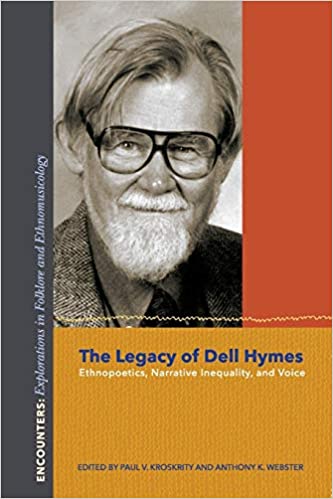
Dell Hymes, 1927-2009
★デル・ハサウェイ・ハイムズ(Dell Hathaway Hymes、1927年6月7日オレゴン州ポートランド - 2009年11月13日ヴァージニア州シャーロッツビル)は言語学者、社会言語学者、人類学者、民俗学者であり、言語使用の比較民族誌的研究の学問的基礎 を確立した。太平洋岸北西部の言語を研究対象とした。彼は人類学の第4のサブフィールドを「人類学的言語学」ではなく「言語人類学」と呼んだ最初の一人で ある。この用語の転換は、この分野が、当時すでに独立した学問分野(言語学)ではなく、人類学に基盤を置いていることに注意を喚起するものであった。 1972年、ハイムズは雑誌『Language in Society』を創刊し、22年間編集長を務めた。ペンシルベニア大学在任中の晩年にはセクハラで訴えられた[1]。
| Dell Hathaway Hymes
(June 7, 1927 in Portland, Oregon – November 13, 2009 in
Charlottesville, Virginia) was a linguist, sociolinguist,
anthropologist, and folklorist who established disciplinary foundations
for the comparative, ethnographic study of language use. His research
focused upon the languages of the Pacific Northwest. He was one of the
first to call the fourth subfield of anthropology "linguistic
anthropology" instead of "anthropological linguistics". The
terminological shift draws attention to the field's grounding in
anthropology rather than in what, by that time, had already become an
autonomous discipline (linguistics). In 1972 Hymes founded the journal
Language in Society and served as its editor for 22 years. He was accused of sexual harassment in the later years of his tenure at the University of Pennsylvania.[1] - Dell Hymes . |
デル・ハサウェイ・ハイムズ(Dell Hathaway Hymes、1927年6月7日オレゴン州ポートランド - 2009年11月13日ヴァージニア州シャーロッツビル)は言語学者、社会言語学者、人類学者、民俗学者であり、言語使用の比較民族誌的研究の学問的基礎 を確立した。太平洋岸北西部の言語を研究対象とした。彼は人類学の第4のサブフィールドを「人類学的言語学」ではなく「言語人類学」と呼んだ最初の一人で ある。この用語の転換は、この分野が、当時すでに独立した学問分野(言語学)ではなく、人類学に基盤を置いていることに注意を喚起するものであった。 1972年、ハイムズは雑誌『Language in Society』を創刊し、22年間編集長を務めた。ペンシルベニア大学在任中の晩年にはセクハラで訴えられた[1]。 |
| Early life and education He was educated at Reed College, studying under David H. French;[2] and after a stint in prewar Korea, he graduated in 1950. His work in the Army as a decoder is part of what influenced him to become a linguist. Hymes earned his PhD in linguistics from Indiana University in 1955,[3][4] and took a job at Harvard University. Even at that young age, Hymes had a reputation as a strong linguist; his dissertation, completed in one year, was a grammar of the Kathlamet language spoken near the mouth of the Columbia and known primarily from Franz Boas’s work at the end of the 19th century. |
生い立ちと教育 リード・カレッジでデビッド・H・フレンチに師事し[2]、戦前の韓国での経験を経て、1950年に卒業。陸軍でデコーダーとして働いたことが、彼が言語 学者になるきっかけとなった。ハイムズは1955年にインディアナ大学で言語学の博士号を取得し[3][4]、ハーバード大学に就職した。 1年で完成させた彼の学位論文は、コロンビア河口付近で話され、主に19世紀末のフランツ・ボアズの研究によって知られるカトラメ語の文法であった。 |
| Career From 1955, Hymes taught at Harvard University for five years; leaving in 1960 to join the faculty of the University of California, Berkeley; where he spent another five years before joining the Department of Anthropology at the University of Pennsylvania in 1965 (where he succeeded A. Irving Hallowell). In 1972 he joined the Department of Folklore and Folklife and in 1975 he became Dean of the University of Pennsylvania Graduate School of Education. He served as president of the American Folklore Society in 1973, the Linguistic Society of America in 1982, and the American Anthropological Association in 1983—the last person to have held all three positions. While at Penn, Hymes was a founder of the journal Language in Society. Hymes later joined the Departments of Anthropology and English at the University of Virginia, where he became the Commonwealth Professor of Anthropology and English, and from which he retired in 2000, continuing as emeritus professor until his death from complications of Alzheimer's disease on November 13, 2009.[5] |
経歴 1960年にカリフォルニア大学バークレー校で教鞭をとり、さらに5年間勤務した後、1965年にペンシルベニア大学人類学部(A. アーヴィング・ハロウェルの後任)に着任。1972年に民俗学・民俗生活学科に移り、1975年にペンシルベニア大学教育学大学院学部長に就任。 1973年にはアメリカ民俗学会会長、1982年にはアメリカ言語学会会長、1983年にはアメリカ人類学会会長を務め、この3つの役職をすべて務めた最 後の人物となった。 ペンシルバニア大学在学中、『Language in Society』誌の創刊者でもある。 その後、ヴァージニア大学の人類学・英語学部に移り、人類学・英語学のコモンウェルス教授となり、2000年に退職、2009年11月13日にアルツハイ マー病の合併症で亡くなるまで名誉教授を務めた[5]。 |
| Influences on his work Hymes was influenced by a number of linguists, anthropologists and sociologists; notably Franz Boas, Edward Sapir and Harry Hoijer of the Americanist Tradition; Roman Jakobson and others of the Prague Linguistic Circle; sociologist Erving Goffman and anthropologist Ray L. Birdwhistell, both his colleagues at Penn; and ethnomethodologists Harold Garfinkel, Harvey Sacks, Emanuel Schegloff and Gail Jefferson. Hymes' career can be divided into at least two phases. In his early career Hymes adapted Prague School Functionalism to American Linguistic Anthropology, pioneering the study of the relationship between language and social context. Together with John Gumperz, Erving Goffman and William Labov, Hymes defined a broad multidisciplinary concern with language in society. Hymes' later work focuses on poetics, particularly the poetic organization of Native American oral narratives. He and Dennis Tedlock defined ethnopoetics as a field of study within linguistic anthropology and folkloristics. Hymes considers literary critic Kenneth Burke his biggest influence on this latter work, saying, "My sense of what I do probably owes more to KB than to anyone else."[8] Hymes studied with Burke in the 1950s. Burke's work was theoretically and topically diverse, but the idea that seems most influential on Hymes is the application of rhetorical criticism to poetry. Hymes has included many other literary figures and critics among his influences, including Robert Alter, C. S. Lewis, A. L. Kroeber, and Claude Lévi-Strauss.[9] |
研究に与えた影響 ハイムズは多くの言語学者、人類学者、社会学者から影響を受けた。特にアメリカニストの伝統のフランツ・ボアズ、エドワード・サピア、ハリー・ホイヤー、 プラハ言語サークルのロマン・ヤコブソンら、ペンシルバニア大学の同僚であった社会学者アーヴィング・ゴフマンと人類学者レイ・L・バードウィステル、エ スノメソドロジー研究者のハロルド・ガーフィンケル、ハーヴェイ・サックス、エマニュエル・シェグロフ、ゲイル・ジェファーソンらから影響を受けた。 ハイムズのキャリアは少なくとも2つの段階に分けられる。初期のキャリアにおいてハイムズは、プラハ学派の機能主義をアメリカの言語人類学に適応させ、言 語と社会的文脈の関係を研究する先駆者となった。ジョン・ガンパーズ、アーヴィング・ゴフマン、ウィリアム・ラボフらとともに、ハイムズは社会における言 語に関する幅広い学際的関心を定義した。 ハイムズはその後、詩学、特にアメリカ先住民の口承による語りの詩的構成に焦点を当てた研究を行った。彼とデニス・テドロックは、言語人類学と民俗学の中 の研究分野としてエスノポエティクスを定義した。ハイムズは文芸批評家ケネス・バークがこの後者の研究に最も大きな影響を与えたと考えており、「私がやっ ていることの感覚は、おそらく他の誰よりもKBに負うところが大きい」と語っている[8]。バークの仕事は理論的にも話題的にも多岐にわたるが、ハイムズ に最も影響を与えたと思われる考え方は、修辞批評の詩への応用である。 ハイムズは、ロバート・オルター、C・S・ルイス、A・L・クルーバー、クロード・レヴィ=ストロースなど、多くの文学者や批評家に影響を受けている [9]。 |
| Significance of his work As one of the first sociolinguists, Hymes helped to pioneer the connection between speech and social relations, placing linguistic anthropology at the center of the performative turn within anthropology and the social sciences more generally. Hymes formulated a response to Noam Chomsky's influential distinction between competence (knowledge of grammatical rules necessary to decoding and producing language) and performance (actual language use in context). Hymes objected to the marginalization of performance from the center of linguistic inquiry and proposed the notion of communicative competence, or knowledge necessary to use language in social context, as an object of linguistic inquiry. Since appropriate language use is conventionally defined, and varies across different communities, much of Hymes early work frames a project for ethnographic investigation into contrasting patterns of language use across speech communities. Hymes termed this approach "the ethnography of speaking". The SPEAKING acronym, described below, was presented as a lighthearted heuristic to aid fieldworkers in their attempt to document and analyze instances of language use, which he termed "speech events".[clarification needed] Embedded in the acronym is an application and extension of Roman Jakobson's arguments concerning the multifunctionality of language. He articulated other, more technical, often typologically oriented approaches to variation in patterns of language use across speech communities in a series of articles.[10][11] As a result of discussions primarily with Ray Birdwhistell at the University of Pennsylvania, in his later work, Hymes renamed the "ethnography of speaking" the "ethnography of communication" to reflect the broadening of focus from instances of language production to the ways in which communication (including oral, written, broadcast, acts of receiving/listening) is conventionalized in a given community of users, and to include nonverbal as well as verbal behavior.[12][13] |
研究の意義 最初の社会言語学者の一人として、ハイムズは音声と社会的関係との結びつきの先駆者となり、言語人類学を人類学および社会科学全般におけるパフォーマティ ブ・ターンの中心に据えた。 ハイムズは、ノーム・チョムスキーが提唱したコンピテンス(言語の解読や生成に必要な文法規則の知識)とパフォーマンス(文脈における実際の言語使用)の 区別に対する反論をまとめた。Hymesは、言語学的研究の中心からパフォーマンスが疎外されていることに異議を唱え、言語学的研究の対象として、コミュ ニケーション能力、すなわち社会的文脈の中で言語を使用するために必要な知識という概念を提唱した。 適切な言語使用は慣習的に定義されるものであり、コミュニティによって異なるため、ハイムズの初期の研究の多くは、言語コミュニティ間で対照的な言語使用 のパターンをエスノグラフィ的に調査するプロジェクトとして組み立てられている。ハイムズはこのアプローチを「スピーキングの民族誌」と呼んだ。 後述するSPEAKINGという頭字語は、彼が「発話事象」と呼ぶ言語使用の事例を記録・分析しようとするフィールドワーカーを助けるための軽妙な発見的 手法として提示された[clarification needed]。この頭字語には、言語の多機能性に関するローマン・ヤコブソンの議論の応用と拡張が埋め込まれている。彼は一連の論文の中で、言語コミュ ニティ間の言語使用パターンの差異に対する、より専門的で、しばしば類型論的なアプローチを明確にしている[10][11]。 主にペンシルバニア大学のレイ・バードウィステル(Ray Birdwhistell)と議論した結果、ハイムズは後年の研究において、「話し言葉の民族誌」を「コミュニケーションの民族誌」と改名し、言語生成の 事例から、コミュニケーション(口頭、筆記、放送、受信/聴取行為を含む)が特定の使用者のコミュニティにおいて慣習化される方法へと焦点を広げ、言語的 行動だけでなく非言語的行動も含めるようになったことを反映している[12][13]。 |
| With Erving Goffman and John
Szwed, he established the Center for Urban
Ethnography in 1969. The goal was to fund research by both faculty and
students at Penn that used urban ethnography as the primary method, and
much innovative research resulted. The first major grant came from the
National Institute of Mental Health, funding much research emphasizing
different racial and ethnic groups; the second from the U.S. National
Institute of Education, funding classroom ethnography.[14] With Erving
Goffman he co-edited the series Conduct and Communication for the
University of Pennsylvania Press as a way to support research they
considered most valuable.[15] Hymes promoted what he and others call "ethnopoetics", an anthropological method of transcribing and analyzing folklore and oral narrative that pays attention to poetic structures within speech. In reading the transcriptions of Indian myths, for example, which were generally recorded as prose by the anthropologists who came before, Hymes noticed that there are commonly poetic structures in the wording and structuring of the tale.[16] Patterns of words and word use follow patterned, artistic forms. |
アーヴィング・ゴフマンとジョン・スウェドとともに、彼は1969年に
都市民族誌研究センターを設立した。その目的は、ペンシルベニア大学の教員と学生に
よる、都市民族誌を主な手法とする研究に資金を提供することであり、多くの革新的な研究が生まれた。最初の主要な助成金は国立精神衛生研究所から授与さ
れ、さまざまな人種や民族に焦点を当てた多くの研究に資金を提供し、2番目の助成金は米国国立教育研究所から授与され、教室でのエスノグラフィーに資金を
提供した[14]。 ハイムズは、彼や他の人々が「エスノポエティクス」と呼ぶ、民話や口承の語りを書き写し、分析する人類学的な方法を推進した。例えばインディアンの神話 は、それ以前の人類学者たちによって一般的に散文として記録されていたが、ハイムズはその書き起こしを読む中で、言葉の言い回しや物語の構成に詩的な構造 がよく見られることに気づいた[16]。 |
| Hymes' goal, in his own mind, is
to understand the artistry and "the
competence... that underlies and informs such narratives".[17] He
created the Dell Hymes Model of Speaking and coined the term
communicative competence within language education. Narratives can be entertaining stories or important myths about the nature of the world; in addition, narratives can also convey the importance of aboriginal environmental management knowledge such as fish spawning cycles in local rivers or the disappearance of grizzly bears from Oregon. Hymes believes that all narratives in the world are organized around implicit principles of form which convey important knowledge and ways of thinking and of viewing the world. He argues that understanding narratives will lead to a fuller understanding of the language itself and those fields informed by storytelling, in which he includes ethnopoetics, sociolinguistics, psycholinguistics, rhetoric, semiotics, pragmatics, narrative inquiry and literary criticism. |
ハイムズの目標は、彼自身の考えでは、芸術性と「そのような語りの根底
にあり、それに情報を与える...能力」[17]を理解することである。彼は、
Dell Hymes Model of Speakingを作成し、言語教育におけるコミュニケーション能力という用語を作り出した。 ナラティブは、娯楽的な物語であったり、世界の自然に関する重要な神話であったりする。さらに、地元の川における魚の産卵サイクルや、オレゴン州からグリ ズリーベアがいなくなったことなど、アボリジニの環境管理に関する知識の重要性を伝えることもできる。ハイムズは、世の中に存在するすべての語りは、重要 な知識や考え方、世界の見方を伝える暗黙の形式原理を中心に構成されていると考えている。物語を理解することは、言語そのものや、物語に影響を受ける分野 (民族言語学、社会言語学、心理言語学、修辞学、記号論、語用論、物語探究、文芸批評など)をより深く理解することにつながるとハイムズは主張する。 |
| Hymes clearly considers folklore
and narrative a vital part of the
fields of linguistics, anthropology and literature; and has bemoaned
the fact that so few scholars in those fields are willing and able to
adequately include folklore in its original language in their
considerations.[18] He feels that the translated versions of the
stories are inadequate for understanding the stories' roles in the
social or mental system in which they existed. He provides an example
that in Navajo, the particles (utterances such as "uh," "so," "well,"
etc. that have linguistic if not semantic meaning) omitted in the
English translation are essential to understanding how the story is
shaped and how repetition defines the structure that the text embodies. Hymes was the founding editor for the journal Language in Society, which he edited for 22 years.[1] |
ハイムズは言語学、人類学、文学の各分野において民俗学と物語を重要な
一部であると明確に見なしており、これらの分野において民俗学を原語のまま適切に考
察に含めようとし、また含めることができる学者がほとんどいないという事実を嘆いている。彼は、ナバホ語では、英語訳では省略される助詞(意味的ではない
にしても言語的な意味を持つ「あー」「そう」「まあ」などの発話)が、物語がどのように形作られ、繰り返しがテキストが体現する構造をどのように定義する
かを理解するために不可欠であるという例を示している。 ハイムズは『Language in Society』誌の創刊編集者であり、22年間にわたって編集を担当した[1]。 |
| The "S-P-E-A-K-I-N-G" model Main article: SPEAKING Hymes developed a valuable model to assist the identification and labeling of components of linguistic interaction that was driven by his view that, in order to speak a language correctly, one needs not only to learn its vocabulary and grammar, but also the context in which words are used. The model had sixteen components that can be applied to many sorts of discourse: message form; message content; setting; scene; speaker/sender; addressor; hearer/receiver/audience; addressee; purposes (outcomes); purposes (goals); key; channels; forms of speech; norms of interaction; norms of interpretation; and genres.[19] Hymes constructed the acronym SPEAKING, under which he grouped the sixteen components within eight divisions:[20] |
S・P・E・A・K・I・N・G」モデル 主な記事 スピーキング Hymesは、ある言語を正しく話すためには、その言語の語彙や文法を学ぶだけでなく、単語が使われる文脈も学ぶ必要があるという彼の考えに基づいて、言 語的相互作用の構成要素の識別とラベル付けを支援する価値あるモデルを開発した。 このモデルには、メッセージの形式、メッセージの内容、設定、場面、話し手/送り手、宛先、聞き手/受け手/聞き手、宛先人、目的(成果)、目的(目 標)、キー、チャンネル、発話形態、相互作用の規範、解釈の規範、ジャンルという16の構成要素があり、多くの種類の談話に適用することができる [19]。 ハイムズはSPEAKINGという頭字語を作り、その下に16の構成要素を8つの部門に分類した[20]。 |
| Setting and scene "Setting refers to the time and place of a speech act and, in general, to the physical circumstances" - [21] The living room in the grandparents' home might be a setting for a family story. Scene is the "psychological setting" or "cultural definition" of a setting, including characteristics such as range of formality and sense of play or seriousness.[22] The family story may be told at a reunion celebrating the grandparents' anniversary. At times, the family would be festive and playful; at other times, serious and commemorative. |
設定と場面 「設定とは、発話行為の時間と場所、そして一般的には物理的な状況を指す。シーンとは、セッティングの「心理的な設定」または「文化的な定義」のことで、 形式的な範囲や、遊びや真剣さの感覚などの特徴を含む[22]。家族の物語は、祖父母の記念日を祝う同窓会で語られるかもしれない。あるときはお祭り騒ぎ で遊び心にあふれ、またあるときは真剣で記念的な雰囲気に包まれる。 |
| Participants Speaker and audience - Linguists will make distinctions within these categories; for example, the audience can be distinguished as addressees and other hearers.[23] At the family reunion, an aunt might tell a story to the young female relatives, but males, although not addressed, might also hear the narrative. |
参加者 話し手と聞き手 - 言語学者はこれらのカテゴリーの中で区別をする。例えば、聞き手は、名宛人とその他の聞き手に区別される[23]。一家団欒では、叔母が若い女性の親族に 物語を語るかもしれないが、名宛人ではないものの、男性も物語を聞くかもしれない。 |
| Ends Purposes, goals, and outcomes - [24] The aunt may tell a story about the grandmother to entertain the audience, teach the young women, and honor the grandmother. |
目的 目的、目標、結果 - [24] 叔母は、聴衆を楽しませ、若い女性たちに教え、祖母を称えるために、祖母についての物語を語るかもしれない。 |
| Act sequence Form and order of the event - The aunt's story might begin as a response to a toast to the grandmother. The story's plot and development would have a sequence structured by the aunt. Possibly there would be a collaborative interruption during the telling. Finally, the group might applaud the tale and move onto another subject or activity. |
演技の順序 出来事の形式と順序 - おばさんの話は、祖母への乾杯の返事として始まるかもしれない。物語の筋書きと展開は、叔母によって構成された順序を持つだろう。話の途中で共同作業によ る中断があるかもしれない。最後に、グループは物語に拍手を送り、別の話題や活動に移るかもしれない。 |
| Key Clues that establish the "tone, manner, or spirit" of the speech act - [25] The aunt might imitate the grandmother's voice and gestures in a playful way, or she might address the group in a serious voice emphasizing the sincerity and respect of the praise the story expresses. |
キー 発話行為の「調子、やり方、精神」を確立する手がかり - [25] おばさんは、祖母の声や身振りを遊び半分に真似るかもしれないし、物語が表現する賞賛の誠実さや尊敬を強調するために、真剣な声でグループに語りかけるか もしれない。 |
| Instrumentalities Forms and styles of speech - [26] The aunt might speak in a casual register with many dialect features or might use a more formal register and careful grammatically "standard" forms. |
インストゥルメンタリティズ(道具性) 話し方の形式とスタイル - [26] おばあさんは、方言の多いカジュアルな話し方で話すこともあれば、よりフォーマルな話し方で、文法的に「標準的」な形式を注意深く使うこともある。 |
| Norms Social rules governing the event and the participants' actions and reaction - In a playful story by the aunt, the norms might allow many audience interruptions and collaboration, or possibly those interruptions might be limited to participation by older females. A serious, formal story by the aunt might call for attention to her and no interruptions as norms. |
規範 イベントと参加者の行動や反応を規定する社会的ルール - おばさんによる遊びの物語では、規範は観客の多くの中断や協力を許容するかもしれないし、中断は年配の女性の参加に限定されるかもしれない。おばさんによ るシリアスでフォーマルな物語では、規範としておばさんへの注意と割り込み禁止が求められるかもしれない。 |
| Genre The kind of speech act or event; for the example used here, the kind of story - The aunt might tell a character anecdote about the grandmother for entertainment, or an exemplum as moral instruction. Different disciplines develop terms for kinds of speech acts, and speech communities sometimes have their own terms for types.[27] |
ジャンル 発話行為や出来事の種類。ここで使われている例では、話の種類。叔母は、娯楽として祖母についての人物の逸話を話すかもしれないし、道徳の指導として模範 的な話をするかもしれない。異なる分野では、発話行為の種類を表す用語が開発され、また、発話コミュニティでは、種類を表す独自の用語が存在することがあ る[27]。 |
| Family and personal life Hymes' spouse, Virginia Dosch Hymes, was also a sociolinguist and folklorist.[3] They had met at Indiana University and married in 1954.[28] |
家族と私生活 ハイムズの配偶者であるヴァージニア・ドッシュ・ハイムズ も社会言語学者であり、民俗学者であった[3]。二人はインディアナ大学で出会い、1954年に結婚した[28]。 |
| Religious associations Hymes was a member of the Guild of Scholars of The Episcopal Church. He was a congregant of St. Paul Memorial Church and Peace Lutheran Church in Charlottesville, Virginia.[28] |
宗教信仰 ハイムズはエピスコパル教会のGuild of Scholarsのメンバーであった。ヴァージニア州シャーロッツヴィルのセント・ポール・メモリアル教会とピース・ルーテル教会の信徒であった [28]。 |
| Awards Hymes was awarded the Gold Medal of Philology in 2006.[29] |
受賞歴 2006年、言語学ゴールドメダルを受賞[29]。 |
| Publications | 出版物 |
| Cazden,
C.B., John, V.P., & Hymes, D.H. (Eds.). (1972). Functions of
language in the classroom. New York: Teachers College Press. Gumperz, J. J., & Hymes, D. (Eds.). (1964). The Ethnography of Communication. Special issue of American Anthropologist, 66 (6), Part II: 137–54. Gumperz, J. J., & Hymes, D. (1972). Directions in sociolinguistics: The ethnography of communication. New York: Holt, Rinehart, & Winston. Hymes, D.H. (1961). Functions of speech: An evolutionary approach. In F. Gruber (Ed.), Anthropology and education. Philadelphia: University of Pennsylvania. Hymes, D. (1962). The Ethnography of Speaking. In T. Gladwin & W. C. Sturtevant (Eds.), Anthropology and Human Behavior (pp. 13–53). Washington, DC: Anthropology Society of Washington. Hymes, D.H. (1963). Toward a history of linguistic anthropology. Anthropological Linguistics, 5(1), 59–103. Hymes, D.H. (1964a). Directions in (ethno-)linguistic theory. In A.K. Romney & R.G. D’Andrade (Eds.), Transcultural studies of cognition (pp. 6–56). American Anthropologist, 66(3), part 2. Hymes, D. (Ed.). (1964) Language in Culture and Society: A Reader in Linguistics and Anthropology. New York: Harper & Row. Hymes, D.H. (1967). Models of the interaction of language and social setting. Journal of Social Issues, 23(2), 8–38. Hymes, D.H. (1967). The anthropology of communication. In F.E. Dance (Ed.), Human communication theory: Original essays. New York: Holt, Rinehart and Winston. Hymes, D.H. (1970). Linguistic method in ethnography: Its development in the United States. In P. Garvin (Ed.), Method and theory in linguistics. The Hague: Mouton. Hymes, D. (1971). Sociolinguistics and the ethnography of speaking. In E. Ardener (Ed.), Social anthropology and language (pp. 47–93). London: Routledge. Hymes, D. (1971). On linguistic theory, communicative competence, and the education of disadvantaged children. In M.L. Wax, S.A. Diamond & F. Gearing (Eds.), Anthropological perspectives on education (pp. 51–66). New York: Basic Books. Hymes, D. (Ed.). (1971). Pidginization and Creolization of Languages. London: Cambridge University Press. Hymes, D.H. (1972). On communicative competence. In J.B. Pride & J. Holmes (Eds.), Sociolinguistics (pp. 269–293). London: Penguin. Hymes, D.H. (1972). Editorial introduction. Language in Society, 1, 1–14. Hymes, D. (Ed.). (1972). Reinventing Anthropology. New York: Pantheon. Hymes, D.H. (1972). Toward ethnographies of communication. In P.P. Giglioli (Ed.), Language and social context (pp. 21–44). Harmondsworth: Penguin. Hymes, D.H. (1973). Toward linguistic competence. Working Papers in Sociolinguistics, No. 16. Hymes, D.H. (1974). Ways of speaking. In R. Bauman & J. Sherzer (Eds.), Explorations in the ethnography of speaking (pp. 433–452). Cambridge: Cambridge University Press. Hymes, D.H. (Ed.). (1974). Studies in the history of linguistics: Traditions and paradigms. Bloomington: Indiana University Press. Hymes, D. (1974). Foundations in Sociolinguistics: An Ethnographic Approach. Philadelphia: University of Pennsylvania Press. Hymes, D.H. (1974). An ethnographic perspective. New Literary History, 5, 187–201. Hymes, D.H. (1974). Review of Noam Chomsky. In G. Harman (Ed.), "On Noam Chomsky: Critical essays" (pp. 316–333). Garden City, NY: Anchor. Hymes, D.H. (1975). Breakthrough into performance. In D. Ben-Amos & K. Goldstein (Eds.), Folklore: Performance and communication (pp. 11–74). The Hague: Mouton. Hymes, D.H. (1976). Toward linguistic competence. Sociologische Gids, 4, 217–239. Hymes, D.H. (1976). Discovering oral performance and measured verse in American Indian narrative. New Literary History, 8, 431–457. Hymes, D. (1980) In five year patterns. In B. H. Davis & R. K. O'Cain (Eds.), First Person Singular (pp. 201–213). Amsterdam: John Benjamins. Hymes, D. (1980). Language in Education: Ethnolinguistic Essays. Washington, DC: Center for Applied Linguistics. Hymes, D., & Fought, J. (1981). American Structuralism. The Hague: Mouton. Hymes, D. (1981). "In Vain I Tried to Tell You": Essays in Native American Ethnopoetics. Philadelphia: University of Pennsylvania Press. Hymes, D. (1983). Essays in the History of Linguistic Anthropology. Amsterdam: John Benjamins. Hymes, D.H. (1984). Vers la compétence de communication. (Trans. F. Mugler). Paris: Hatier. Hymes, D.H. (1985). Toward linguistic competence. AILA Review/Revue de l’AILA (Association Internationale de Linguistique Appliquée), 2, 9–23. Hymes, D.H. (1992). Inequality in language: Taking for granted. Working Papers in Educational Linguistics, 8(1), 1–30. Hymes, D.H. (1993). Inequality in language: Taking for granted. In J.E. Alatis (Ed.), Language, communication, and social meaning (pp. 23–40). Washington, D.C.: Georgetown University Press. Hymes, D. (1996). Ethnography, Linguistics, Narrative Inequality: Toward an Understanding of Voice. London: Taylor & Francis. Hymes, D.H. (1998). When is oral narrative poetry? Generative form and its pragmatic conditions. Pragmatics, 8(4), 475–500. Hymes, D.H. (1999). Boas on the threshold of ethnopoetics. In R. Darnell & L. Valentine (Eds.), Theorizing the Americanist tradition. University of Toronto Press. Hymes, D.H. (2000). The emergence of sociolinguistics: A reply to Samarin. Dialogue, 312–315. Hymes, D.H. (2001). Poetry. In A. Duranti (Ed.), Key terms in language and culture. Oxford: Blackwell. Hymes, D.H. (2001). Preface. Textus, 14, 189–192. Hymes, D. (2003). Now I Know Only So Far: Essays in Ethnopoetics. Lincoln: University of Nebraska Press. |
Cazden, C.B., John, V.P., &
Hymes, D.H. (編). (1972). 『教室における言語の機能』. ニューヨーク:ティーチャーズ・カレッジ・プレス. Gumperz, J. J., & Hymes, D. (編). (1964). 『コミュニケーションの民族誌』. 『American Anthropologist』特別号, 66 (6), Part II: 137–54. Gumperz, J. J., & Hymes, D. (1972). 『社会言語学の動向:コミュニケーションの民族誌』. ニューヨーク:Holt, Rinehart, & Winston. ハイムズ、D.H. (1961). 言語の機能:進化論的アプローチ。F. グルーバー(編)、『人類学と教育』所収。フィラデルフィア:ペンシルベニア大学。 ハイムズ、D. (1962). 『発話の民族誌』。T. グラッドウィン & W. C. スターテヴァント(編)『人類学と人間行動』(pp. 13–53)所収。ワシントンD.C.:ワシントン人類学会。 ハイムズ, D.H. (1963). 言語人類学の歴史に向けて。『Anthropological Linguistics』, 5(1), 59–103. ハイムズ, D.H. (1964a). (民族)言語理論の方向性。A.K. ロムニー & R.G. ダンデード (編), 『認知のトランスカルチュラル研究』 (pp. 6–56) に収録。『アメリカン・アンソロポロジスト』, 66(3), 第2部。 ハイムズ, D. (編)。(1964) 『文化と社会における言語:言語学・人類学読本』。ニューヨーク:ハーパー&ロウ。 ハイムズ, D.H. (1967). 言語と社会的状況の相互作用のモデル。『Journal of Social Issues』, 23(2), 8–38. ハイムズ, D.H. (1967). コミュニケーションの人類学。F.E. Dance(編)『人間コミュニケーション理論:オリジナル・エッセイ』所収。ニューヨーク:ホルト・ラインハート・アンド・ウィンストン。 Hymes, D.H. (1970). 『民族誌における言語学的方法:米国におけるその発展』。P. Garvin(編)『言語学の方法と理論』所収。ハーグ:ムートン。 Hymes, D. (1971). 社会言語学と発話の人類学。E. Ardener (編), 『社会人類学と言語』 (pp. 47–93) に収録。ロンドン:Routledge。 Hymes, D. (1971). 言語理論、コミュニケーション能力、および恵まれない子供たちの教育について。M.L. ワックス、S.A. ダイアモンド、F. ギアリング(編)『教育に関する人類学的視点』(pp. 51–66)。ニューヨーク:ベーシック・ブックス。 ハイムズ, D.(編)(1971). 『言語のピジン化とクレオール化』。ロンドン:ケンブリッジ大学出版局。 ハイムズ, D.H. (1972). コミュニケーション能力について. J.B. プライド & J. ホームズ (編), 『社会言語学』 (pp. 269–293). ロンドン: ペンギン. ハイムズ, D.H. (1972). 編集者序文. 『Language in Society』, 1, 1–14. ハイムズ, D. (編). (1972). 『人類学の再発明』. ニューヨーク: パンテオン. ハイムズ, D.H. (1972). 「コミュニケーションの民族誌学に向けて」. P.P. ジグリオリ (編), 『言語と社会的文脈』 (pp. 21–44). ハーモンズワース: ペンギン. ハイムズ, D.H. (1973). 言語的コンピテンスに向けて. 『社会言語学ワーキングペーパー』, No. 16. ハイムズ, D.H. (1974). 話し方の様式. R. バウマン & J. シャーザー (編), 『話し方の民族誌の探求』 (pp. 433–452). ケンブリッジ: ケンブリッジ大学出版局. ハイムズ, D.H. (編). (1974). 『言語学史研究:伝統とパラダイム』. ブルーミントン:インディアナ大学出版局. ハイムズ, D. (1974). 『社会言語学の基礎:民族誌的アプローチ』. フィラデルフィア:ペンシルベニア大学出版局. ハイムズ、D.H. (1974). 「民族誌的視点」。『ニュー・リテラリー・ヒストリー』、5、187–201。 ハイムズ、D.H. (1974). ノーム・チョムスキーの書評。G. ハーマン(編)、『ノーム・チョムスキーについて:批評エッセイ』(pp. 316–333)所収。ニューヨーク州ガーデンシティ:アンカー。 ハイムズ, D.H. (1975). パフォーマンスへの突破口。D. ベン=アモス & K. ゴールドスタイン(編)『フォークロア:パフォーマンスとコミュニケーション』(pp. 11–74)。ハーグ:ムートン。 ハイムズ, D.H. (1976). 言語的熟達へ向けて. 『Sociologische Gids』, 4, 217–239. ハイムズ, D.H. (1976). アメリカ先住民の物語における口頭パフォーマンスと定型詩の発見. 『New Literary History』, 8, 431–457. ハイムズ, D. (1980) 『5年周期のパターン』. B. H. デイヴィス & R. K. オケイン (編), 『ファースト・パーソン・シングラール』 (pp. 201–213). アムステルダム: ジョン・ベンジャミンズ. ハイムズ, D. (1980). 『教育における言語:民族言語学的エッセイ』. ワシントンD.C.: 応用言語学センター. ハイムズ, D., & フォート, J. (1981). 『アメリカ構造主義』. ハーグ: ムートン. ハイムズ, D. (1981). 「『In Vain I Tried to Tell You』: ネイティブ・アメリカンの民族詩学に関する論考」. フィラデルフィア: ペンシルベニア大学出版局. ハイムズ, D. (1983). 『言語人類学史論集』. アムステルダム: ジョン・ベンジャミンズ. ハイムズ, D.H. (1984). 『コミュニケーション能力へ向けて』. (訳: F. ムグラー). パリ: アティエ. ハイムズ, D.H. (1985). 「言語能力に向けて」. AILA Review/Revue de l’AILA (Association Internationale de Linguistique Appliquée), 2, 9–23. ハイムズ, D.H. (1992). 「言語における不平等:当然のこととして受け入れる」. Working Papers in Educational Linguistics, 8(1), 1–30. ハイムズ, D.H. (1993). 言語における不平等:当然のこととして受け入れること. J.E. アラティス (編), 『言語、コミュニケーション、そして社会的意味』 (pp. 23–40). ワシントンD.C.: ジョージタウン大学出版局. ハイムズ, D. (1996). 『民族誌、言語学、物語の不平等:声の理解に向けて』。ロンドン:テイラー・アンド・フランシス。 ハイムズ, D.H. (1998). 口頭物語はいつ詩となるのか?生成形式とその語用論的条件。『Pragmatics』, 8(4), 475–500. ハイムズ, D.H. (1999). 民族詩学の入り口におけるボアス。R. ダーネル & L. バレンタイン(編)、『アメリカニズムの伝統の理論化』。トロント大学出版局。 ハイムズ、D.H. (2000). 社会言語学の出現:サマリンへの反論。『ダイアローグ』、312–315。 ハイムズ、D.H. (2001). 詩。A. Duranti(編)『言語と文化の重要用語』所収。オックスフォード:ブラックウェル。 Hymes, D.H. (2001). 「序文」。『Textus』、14、189–192。 Hymes, D. (2003). 『今、私が知っているのはここまで:エスノポエティクス論集』。リンカーン:ネブラスカ大学出版局。 |
| https://en.wikipedia.org/wiki/Dell_Hymes | 参考文献 |
| References | 文献 |
| 01. Dell Hymes. 1997. Language
in Society. In The Early Days of
Sociolinguistics: Memories and Reflections, ed. by Christina Bratt
Paulston and G. Richard Tucker, pages 243–245. Dallas: SIL
International. "Reed Magazine: Ways We Speak (1/4)". www.reed.edu. Archived from the original on 2023-01-08. Retrieved 2022-01-01. Bromley, Anne E. (November 18, 2009). "U.Va. Professor Emeritus Dell Hymes, Influential Linguistic Anthropologist, Has Died". UVA Today. Retrieved November 17, 2022. A fellow folklore graduate student at Indiana was his former Reed classmate, the poet Gary Snyder Howard, Victoria; Mason, Catharine; Jacobs, Melville (2021). Clackamas Chinook performance art: verse form interpretations. Studies in the anthropology of North American Indians series. Lincoln Bloomington: University of Nebraska Press American Indian Research Institute, Indiana University. ISBN 978-1-4962-2411-8. Sally A. Downey, Dell Hathaway Hymes, 82, Penn education dean philly.com. Retrieved on November 19, 2009. O'Donnell, Patrick (December 1, 1988). "Administration tried to downplay allegations of sexism". The Daily Pennsylvanian. Archived from the original on March 15, 2020. Retrieved January 5, 2019. Elegant, Naomi (April 11, 2018). "Penn removes portrait of former GSE dean with alleged history of sexual harassment". The Daily Pennsylvanian. Retrieved November 17, 2022. Elegant, Naomi (April 11, 2018). "Penn removes portrait of former GSE dean with alleged history of sexual harassment". The Daily Pennsylvanian. Retrieved November 17, 2022. 10. Hymes (2003), page x. Hymes (2003), pages ix-x. Hymes, D. (1972). Models of the interaction of language and social life. In J. Gumperz & D. Hymes (Eds.), Directions in sociolinguistics: The ethnography of communication (pages 35–71). New York: Holt, Rhinehart & Winston. Hymes, D. (1964). Two types of linguistic relativity: Some examples from American Indian ethnography. Sociolinguistics. WilliamBright, ed, pages 114–167. Leeds-Hurwitz, W. (1984). On the relationship of the 'ethnography of speaking' to the 'ethnography of communication.' Papers in Linguistics: International Journal of Human Communication, 17(1), pages 7–32. Leeds-Hurwitz, W., & Sigman, S. J. (2010). The Penn tradition. In W. Leeds-Hurwitz (Ed.), The social history of language and social interaction research: People, places, ideas. Cresskill, New Jersey: Hampton Press, page 236. Leeds-Hurwitz, W., & Sigman, S. J. (2010). The Penn tradition. In W. Leeds-Hurwitz (Ed.), The social history of language and social interaction research: People, places, ideas. Cresskill, NJ: Hampton Press, pages 254-6. Leeds-Hurwitz, W., & Sigman, S. J. (2010). The Penn tradition. In W. Leeds-Hurwitz (Ed.), The social history of language and social interaction research: People, places, ideas. Cresskill, New Jersey: Hampton Press, pages 256-8. He also had to master the grammars of several Native American languages in the process, and was probably the last person who could recite texts in Clackamas Chinook, an extinct language. Hymes 2003:vii 20. Hymes 1981:6–7 Hymes, D. (1974). Foundations in Sociolinguistics: An Ethnographic Approach. Philadelphia: University of Pennsylvania Press, pages 53–62. Note that the categories are simply listed in the order demanded by the mnemonic, not by importance Hymes (1974), page 55. Hymes (1974), pages 55–56. Hymes (1974), pages 54 and 56. Hymes (1974), pages 56–57. Hymes (1974), page 57. Hymes (1974), pages 58–60. Anticipating that he might be accused of creating an (English language) "ethnocentric" mnemonic — and, thus, by implication, an (English language) "ethnocentric" theory — Hymes comments that he could have, for instance, generated a French language mnemonic of P-A-R-L-A-N-T: namely, participants, actes, raison (resultat), locale, agents (instrumentalities), normes, ton (key), types (genres) (1974, page 62). 30. "Dell Hathaway Hymes's Obituary". Legacy.com. November 17, 2009. Retrieved November 17, 2022 |
01. デル・ハイムズ. 1997. 「社会における言語」. 『社会言語学の黎明期:回想と考察』(クリスティーナ・ブラット・ポールストン、G・リチャード・タッカー編)所収、243–245頁. ダラス:SILインターナショナル. 「リード・マガジン:私たちの話し方(1/4)」。 www.reed.edu. 2023年1月8日にオリジナルからアーカイブされた。2022年1月1日に取得。 ブロムリー、アン・E.(2009年11月18日)。「U.Va.名誉教授で影響力ある言語人類学者、デル・ハイムズ氏が死去」。『UVA Today』。2022年11月17日に取得。 インディアナ大学で民俗学の大学院生だった人物には、かつてリード大学で同級生だった詩人のゲイリー・スナイダーがいた ハワード、ビクトリア;メイソン、キャサリン;ジェイコブス、メルヴィル(2021年)。『クラカマス・チヌークのパフォーマンス・アート: 詩形の解釈』。北米インディアン人類学研究シリーズ。リンカーン・ブルーミントン:ネブラスカ大学出版局、インディアナ大学アメリカン・インディアン研究 所。ISBN 978-1-4962-2411-8. サリー・A・ダウニー、デル・ハサウェイ・ハイムズ(82)、ペンシルベニア大学教育学部長 philly.com。2009年11月19日閲覧。 オドネル、パトリック(1988年12月1日)。「大学当局は性差別疑惑を軽視しようとした」。『ザ・デイリー・ペンシルベニアン』。 2020年3月15日にオリジナルからアーカイブ。2019年1月5日閲覧。 エレガント、ナオミ(2018年4月11日)。「ペンシルベニア大学、セクハラ疑惑のある元GSE学部長の肖像画を撤去」。『ザ・デイリー・ペンシルベニ アン』。2022年11月17日閲覧。 エレガント、ナオミ(2018年4月11日)。「ペンシルベニア大学、セクハラ疑惑のある元GSE学部長の肖像画を撤去」。『ザ・デイリー・ペンシルベニ アン』。2022年11月17日に閲覧。 10. ハイムズ(2003)、xページ。 ハイムズ(2003)、ix-xページ。 ハイムズ, D. (1972). 言語と社会生活の相互作用のモデル。J. ガンペルツ & D. ハイムズ (編), 『社会言語学の方向性:コミュニケーションの民族誌』(35–71頁)所収。ニューヨーク:ホルト・ラインハート・アンド・ウィンストン。 ハイムズ, D. (1964). 言語相対性の2つの類型: アメリカ先住民の民族誌からのいくつかの例。Sociolinguistics. William Bright編、114–167頁。 Leeds-Hurwitz, W. (1984). 「発話の民族誌」と「コミュニケーションの民族誌」の関係について。Papers in Linguistics: International Journal of Human Communication, 17(1), 7–32頁。 リーズ=ハーウィッツ, W., & シグマン, S. J. (2010). ペン・トラディション。W. リーズ=ハーウィッツ(編)『言語と社会的相互作用研究の社会史:人々、場所、思想』所収。ニュージャージー州クレスキル:ハンプトン・プレス、236 頁。 リーズ=ハーウィッツ, W., & Sigman, S. J. (2010). 『ペン・トラディション』. W. Leeds-Hurwitz (編), 『言語と社会的相互作用研究の社会史:人々、場所、思想』所収. ニュージャージー州クレスキル:ハンプトン・プレス, 254-6頁. Leeds-Hurwitz, W., & Sigman, S. J. (2010). 『ペン・トラディション』. W. リーズ=ハーウィッツ(編)『言語と社会的相互作用研究の社会史:人々、場所、思想』所収。ニュージャージー州クレスキル:ハンプトン・プレス、256- 8頁。 その過程で彼はいくつかのネイティブ・アメリカン言語の文法も習得しなければならず、おそらくは絶滅した言語であるクラカマス・チヌーク語の テキストを暗唱できた最後の人物であった。 ハイムズ 2003:vii 20. Hymes 1981:6–7 Hymes, D. (1974). 『社会言語学の基礎:民族誌的アプローチ』. フィラデルフィア:ペンシルベニア大学出版局、53–62ページ。 なお、これらのカテゴリーは重要度順ではなく、単に記憶術で求められる順序で列挙されていることに留意されたい Hymes (1974)、55ページ。 Hymes (1974), 55–56ページ。 Hymes (1974), 54ページおよび56ページ。 Hymes (1974), 56–57ページ。 Hymes (1974), 57ページ。 Hymes (1974), 58–60ページ。 (英語という)「民族中心主義的」な記憶術——ひいては(英語という)「民族中心主義的」な理論——を作り出したと非難されることを予期して、ハイムズ は、例えば、フランス語の記憶術としてP-A-R-L-A-N-Tを考案することもできたと述べている。すなわち、participants(参加者)、 actes(行為)、raison(結果)、locale(場所)、agents(媒介)、normes(規範)、ton(基調)、types(類型)で ある(1974年、62ページ)。 30. 「デル・ハサウェイ・ハイムズの訃報」。Legacy.com。2009年11月17日。2022年11月17日閲覧。 |
| Further reading Bauman, R., & Sherzer, J. (Eds.). (1974). Explorations in the ethnography of communication. Cambridge: Cambridge University Press. Blommaert, J. (2006). Ethnopoetics as functional reconstruction: Dell Hymes narrative view of the world. Functions of Language, 13(2), pages 255–275. Blommaert, J. (2010). Obituary: Dell H. Hymes (1927–2009). Journal of Sociolinguistics, 14(5), pages 693–697. Cazden, C.B. (2011). Hymes’ construct of communicative competence. Anthropology and Education Quarterly, 42(4), pages 364–369. Coste, D., de Pietro, J.-F., & Moore, D. (2012). Hymes et le palimpseste de la compétence de communication: Tours, détours et retours en didactique des langues. Langage & Société, 139, 103–123. Darnell, R. (2006). Keeping the Faith: A Legacy of Native American Ethnography, Ethnohistory, and Psychology. In S. A. Kan & P. T. Strong (Eds.),New Perspectives on Native North America: Cultures, Histories, and Representations, (pages 3–16). Lincoln: University of Nebraska Press. Haring, Lee. 2010. Dell Hathaway Hymes (1927–2009). Fabula 51:93–94. Hornberger, N.H. (2009). Hymes's linguistics and ethnography in education. Text & Talk, 29(3), pages 347–358. Hornberger, N.H. (2011). Dell H. Hymes: His scholarship and legacy in anthropology and education. Anthropology and Education Quarterly, 42(4), pages 310–318. Johnson, K., & Johnson, H. (1998). Communicative competence. Encyclopedic dictionary of applied linguistics (pages 62–67). Oxford: Blackwell. Johnstone, B. (2010). Remembering Dell. Language in Society, 39(3), pages 307–315. Johnstone, B., & Marcellino, W. (2010). Dell Hymes and the ethnography of communication. In R. Wodak, B. Johnstone & P. Kerswill (Eds.), The Sage Handbook of Sociolinguistics (pages 57–66). London: Sage. Keating, E. (2001). The ethnography of communication. In P. Atkinson, A. Coffey, S. Delamont, J. Lofland & L. Lofland (Eds.), Handbook of ethnography (pages 286–301). Thousand Oaks, California: Sage. Leeds-Hurwitz, W., & Sigman, S. J. (2010). The Penn tradition. In W. Leeds-Hurwitz (Ed.), The social history of language and social interaction research: People, places, ideas (pages 235–270). Cresskill, New Jersey: Hampton Press. Masquelier, B., & Trimaille, C. (2012). Introduction Dell Hymes: Heritages, débats, renouvellements, branchements. Langage & Société, 139, 5–19. Silverstein, Michael. 2010. Dell Hathaway Hymes. [obituary] Language 86.4: pages 933–939. Van der Aa, J., & Blommaert, J. (2011) Ethnographic monitoring: Hymes's unfinished business in educational research. Anthropology & Education Quarterly, 42(4), pages 319–334. Winkin, Y. (1984). Education et ethnographie de la communication. Actes de la Recherche en Sciences Sociales, 52/53, 115–116. Winkin, Y. (1984). Hymes’ theory of ethnography. Research on Language in Social Interaction, 17(1), pages 43–51. |
参考文献(追加文献) Bauman, R., & Sherzer, J. (編). (1974). 『コミュニケーションの民族誌的探求』. ケンブリッジ:ケンブリッジ大学出版局. Blommaert, J. (2006). 「機能的再構成としての民族詩学:デル・ハイムズの世界観」. 『言語の機能』, 13(2), 255–275頁. Blommaert, J. (2010). 追悼:デル・H・ハイムズ (1927–2009). 『社会言語学ジャーナル』, 14(5), 693–697頁. Cazden, C.B. (2011). ハイムズのコミュニケーション能力の概念. 『人類学と教育クォータリー』, 42(4)、364–369頁。 Coste, D., de Pietro, J.-F., & Moore, D. (2012). ハイムズとコミュニケーション能力のパリンプセスト:言語教育における回り道、迂回、そして回帰。『言語と社会』、139、103–123頁。 ダーネル, R. (2006). 『信仰を守り続ける:ネイティブ・アメリカンの民族誌、民族史、心理学の遺産』. S. A. カン & P. T. ストロング (編), 『北米先住民に関する新たな視点:文化、歴史、表象』所収, (3–16頁). リンカーン:ネブラスカ大学出版局. ハーリング, リー. 2010. デル・ハサウェイ・ハイムズ (1927–2009). 『ファブラ』51:93–94. ホーンバーガー, N.H. (2009). 教育におけるハイムズの言語学と民族誌学. 『テキスト・アンド・トーク』, 29(3), 347–358頁. ホーンバーガー, N.H. (2011). デル・H・ハイムズ:人類学および教育学におけるその学問的業績と遺産. 『Anthropology and Education Quarterly』, 42(4), 310–318頁. Johnson, K., & Johnson, H. (1998). コミュニケーション能力. 『応用言語学百科事典』(62–67頁). オックスフォード:ブラックウェル. Johnstone, B. (2010). デルを偲んで. Language in Society, 39(3), 307–315頁. ジョンストン, B., & マルチェリーノ, W. (2010). デル・ハイムズとコミュニケーションの民族誌学. R. ウォダック, B. ジョンストン & P. カーズウィル (編), 『セージ社会言語学ハンドブック』 (57–66頁). ロンドン: セージ. キーティング, E. (2001). コミュニケーションの民族誌学. P. アトキンソン, A. コフィー, S. デラモント, J. ロフランド & L. ロフランド (編), 『民族誌学ハンドブック』 (pp. 286–301). カリフォルニア州サウザンドオークス: セージ. リーズ=ハーウィッツ, W., & シグマン, S. J. (2010). 『ペン・トラディション』. W. リーズ=ハーウィッツ(編), 『言語および社会的相互作用研究の社会史:人々、場所、思想』(235–270頁)所収. ニュージャージー州クレスキル:ハンプトン・プレス. Masquelier, B., & Trimaille, C. (2012). 「序論:デル・ハイムズ:遺産、論争、刷新、つながり」. 『Langage & Société』, 139, 5–19. Silverstein, Michael. 2010. 「デル・ハサウェイ・ハイムズ」[追悼記事]. 『Language』 86.4: 933–939頁. ヴァン・デル・アー, J., & ブロマート, J. (2011) 『民族誌的モニタリング:教育研究におけるハイムズの未完の課題』. 『Anthropology & Education Quarterly』, 42(4), 319–334頁. ウィンキン, Y. (1984). 教育とコミュニケーションの民族誌学. 『社会科学研究紀要』, 52/53, 115–116. ウィンキン, Y. (1984). ハイムズの民族誌学理論. 『社会的相互作用における言語研究』, 17(1), 43–51頁. |
★Hymes, Dell H., ed., REINVENTING ANTHROPOLOGY. New York : Pantheon Books, c1972.
編者=デル・ハイムズについて:"The accomplishments and enduring influence of renowned anthropologist Dell Hymes are showcased in these essays by leading practitioners in the field. Hymes (1927-2009) is arguably best known for his pioneering work in ethnopoetics, a studied approach to Native verbal art that elucidates cultural significance and aesthetic form. As these essays amply demonstrate, nearly six decades later ethnopoetics and Hymes's focus on narrative inequality and voice provide a still valuable critical lens for current research in anthropology and folklore. Through ethnopoetics, so much can be understood in diverse cultural settings and situations: gleaning the voices of individual Koryak storytellers and aesthetic sensibilities from century-old wax cylinder recordings; understanding the similarities and differences between Apache life stories told 58 years apart; how Navajo punning and an expressive device illuminate the work of a Navajo poet; decolonizing Western Mono and Yokuts stories by bringing to the surface the performances behind the texts written down by scholars long ago; and keenly appreciating the potency of language revitalization projects among First Nations communities in the Yukon and northwestern California. Fascinating and topical, these essays not only honor a legacy but also point the way forward." - The Legacy of Dell Hymes : Ethnopoetics, Narrative Inequality, and Voice.
著名な人類学者デル・ハイムズの業績と永
続的な影響力を、この分野の第一人者によるエッセイで紹介する。ハイムズ(1927-2009)は、文
化的意義と美的形式を解明するネイティブの言語芸術に対する研究的アプローチであるエスノポエティクスの先駆的な業績で最もよく知られている。これらの
エッセイが十分に示しているように、60年近く経った現在でも、エスノポエティクスとハイムズの物語の不平等と声への焦点は、人類学と民俗学の現在の研究
にとって貴重な批評的レンズを提供している。エスノポエティックスを通して、多様な文化的設定や状況において、多くのことが理解できる:
コリャーク族の語り部個人の声や美的感覚を100年前のワックスシリンダー録音から読み取ったり、アパッチ族の58年前に語られた人生物語の類似点と相違
点を理解したり、ナバホ族の洒落や表現上の工夫がナバホ族の詩人の作品をどのように照らし出すのか、はるか昔に学者たちによって書き留められたテキストの
背後にあるパフォーマンスを表面に出すことによって、西モノ族やヨクーツ族の物語を脱植民地化したり、ユーコンやカリフォルニア北西部の先住民族コミュニ
ティにおける言語再生プロジェクトの潜在力を痛感したり。ユーコンやカリフォルニア北西部の先住民コミュニティにおける言語再生プロジェクトの可能性を鋭
く評価する。魅力的で話題性のあるこれらのエッセイは、遺産を称えるだけでなく、前途を指し示す。
Introduction "Introducing Ethnopoetics: Hymes's Legacy," Anthony K. Webster and Paul V. Kroskrity [section] Listening for Voices 1 "Reinventing Ethnopoetics," Robert Moore "The Patterning of Style: Indices of Performance through 2 Ethnopoetic Analysis of Century-Old Wax Cylinders," Alexander D. King 3 " 'Grow with That, Walk with That': Hymes, Dialogicality, and Text Collections," M. Eleanor Nevins 4 " 'The Validity of Navajo Is in Its Sounds': On Hymes, Navajo Poetry, Punning, and the Recognition of Voice," Anthony K. Webster 5 "Discursive Discriminations in the Representation of Western Mono and Yokuts Stories: Confronting Narrative Inequality and Listening to Indigenous Voices in Central California," Paul V. Kroskrity 6 "Discovery and Dialogue in Ethnopoetics," Richard Bauman [section] Ethnopoetic Pathways 7 "The Poetics of Language Revitalization: Text, Performance, and Change," Gerald L. Carr and Barbra Meek 8 "Translating Oral Literature in Indigenous Societies: Ethnic Aesthetic Performances in Multicultural and Multilingual Settings," Sean Patrick O'Neill 9 "Ethnopoetics and Ideologies of Poetic Truth," David W. Samuels 10 "Contested Mobilities: On the Politics and Ethnopoetics of Circulation," Charles L. Briggs Index
+++
編者について(2):Dell Hathaway Hymes (June 7, 1927 in Portland, Oregon – November 13, 2009 in Charlottesville, Virginia) was a linguist, sociolinguist, anthropologist, and folklorist who established disciplinary foundations for the comparative, ethnographic study of language use. His research focused upon the languages of the Pacific Northwest. He was one of the first to call the fourth subfield of anthropology "linguistic anthropology" instead of "anthropological linguistics". The terminological shift draws attention to the field's grounding in anthropology rather than in what, by that time, had already become an autonomous discipline (linguistics). In 1972 Hymes founded the journal Language in Society and served as its editor for 22 years. He was accused of sexual harassment in the later years of his tenure at the University of Pennsylvania.[1] - Dell Hymes.
デル・ハサウェイ・ハイムズ(Dell Hathaway Hymes、1927年6月7日オレゴン州ポートランド - 2009年11月13日ヴァージニア州シャーロッツビル)は言語学者、社会言語学者、人類学者、民俗学者であり、言語使用の比較民族誌的研究の学問的基礎 を確立した。太平洋岸北西部の言語を研究対象とした。彼は人類学の第4のサブフィールドを「人類学的言語学」ではなく「言語人類学」と呼んだ最初の一人で ある。この用語の転換は、この分野が、当時すでに独立した学問分野(言語学)ではなく、人類学に基盤を置いていることに注意を喚起するものであった。 1972年、ハイムズは雑誌『Language in Society』を創刊し、22年間編集長を務めた。ペンシルベニア大学在任中の晩年にはセクハラで訴えられた[1]。
+++
Hymes, Dell H., ed., REINVENTING ANTHROPOLOGY. New York : Pantheon Books, c1972.
| 1.
Introduction: The use of anthropology: critical, political, personal /
Dell Hymes |
1.
序論:人類学の活用:批判的、政治的、個人的 / デル・ハイムズ |
| 2. The root is man:
"Bringing it all back home": malaise in anthropology / Gerald D.
Berreman |
2.
根源は人間にある:「すべてを原点へ」:人類学における倦怠感 / ジェラルド・D・ベレマン |
| This is the time for
radical anthropology / Kurt H. Wolff |
今こそ急進的人類学の時だ / カート・H・ウォルフ |
| 3. Studying dominated
cultures: Skeletons in the anthropological closet / William S. Willis,
Jr. |
3. 被支配文化の研究:人類学の隠された醜聞 /
ウィリアム・S・ウィリス・ジュニア |
| An American anthropological
dilemma: the politics of Afro-American culture / John F. Szwed |
アメリカ人類学のジレンマ:アフリカ系アメリカ人文化の政治
学/ジョン・F・シュウェド |
| Culture and imperialism:
proposing a new dialectic / Mina Davis Caulfield |
文化と帝国主義:新たな弁証法の提案/ミナ・デイヴィス・
コールフィールド |
| Resistance and the
revitalization of anthropologists: a new perspective on cultural change
and resistance / Richard O. Clemmer |
抵抗と人類学者の再生:文化変容と抵抗に関する新たな視点/
リチャード・O・クレマー |
| 4. Studying the cultures of
power: American anthropologists and American society / Eric R. Wolf |
4.
権力の文化の研究:アメリカの人類学者とアメリカ社会/エリック・R・ウルフ |
| The life and culture of
Ecotopia / E.N. Anderson, Jr. |
エコトピアの生活と文化/E.N. アンダーソン・ジュニア |
| Up the anthropologist
-perspectives gained from studying up / Laura Nader |
人類学者の上昇――上からの研究から得られた視点/ローラ・
ネイダー |
| Counter culture and
cultural hegemony: some notes on the youth rebellion of the 1960s / A.
Norman Klein |
カウンターカルチャーと文化的ヘゲモニー:1960年代の若
者反乱に関する覚書/A. ノーマン・クライン |
| Toward an anthropological
politics of symbolic forms / Sol Worth |
象徴形態の人類学的政治学に向けて/ソル・ワース |
| 5. Responsibilities of
ethnography: Personal and extrapersonal vision in anthropology / Robert
Jay |
5.
民族誌の責任:人類学における個人的および超個人的な視座/ロバート・ジェイ |
| Some questions about
anthropological linguistics: the role of native knowledge / Kenneth Hale |
人類言語学に関するいくつかの問い:先住民の知識の役割/ケ
ネス・ヘイル |
| 6. The root is man:
critical traditions: Anthropology in question / Stanley Diamond |
6.
根源は人間である:批判的伝統:問われる人類学/スタンリー・ダイアモンド |
| Toward a reflexive and
critical anthropology / Bob Scholte. |
省察的かつ批判的な人類学に向けて/ボブ・ショルテ |
★
リンク
文献
その他の情報
Copyleft, CC, Mitzub'ixi Quq Chi'j, 1997-2099

++

Copyleft,
CC, Mitzub'ixi Quq Chi'j, 1996-2099
