Vilnius, Lithuania
Saturday, December 13, 2014
Vilnius, Lithuania. As my good friend and fellow student of international relations put it: “the EU Orient.” Fittingly enough, seeing how the city of 540,000 is 30 minutes from the Belarusian border, and a mere 180km from Minsk. Vilnius was a city I visited with next to no expectations. Simply put, I saw its relative proximity (to Riga) and thought it would make for an opportunity to explore another somewhat hidden and mysterious Eastern European capital. I am glad we went ahead and visited. Vilnius has proven to be one of the bigger surprises in all of my European travels.
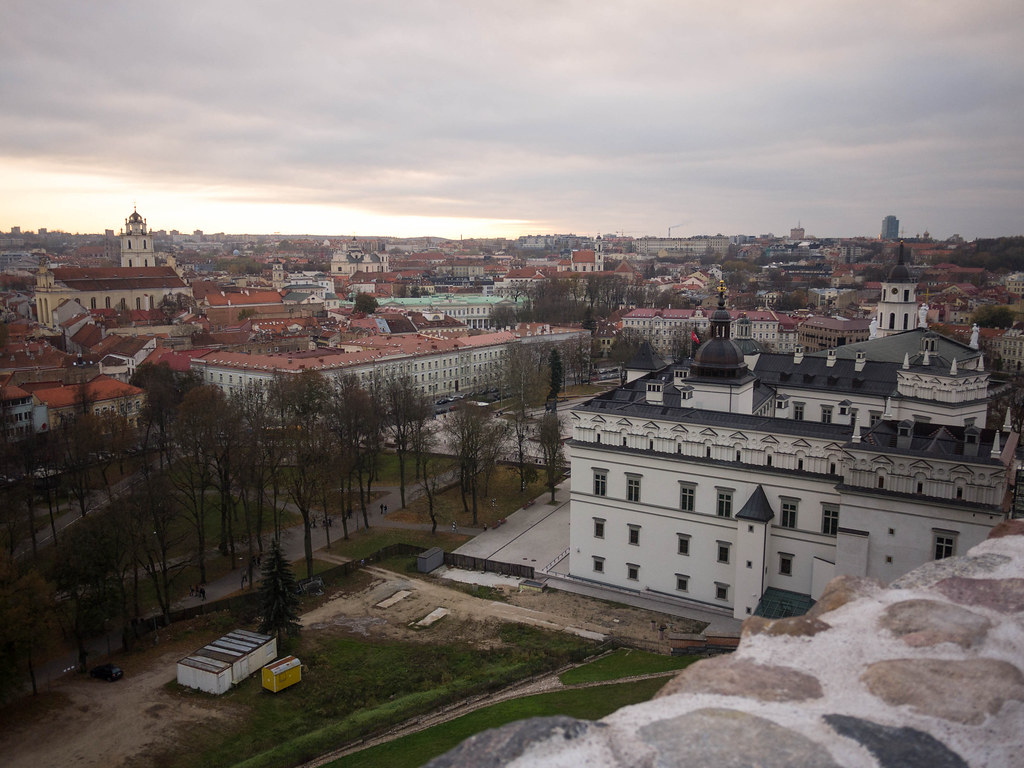
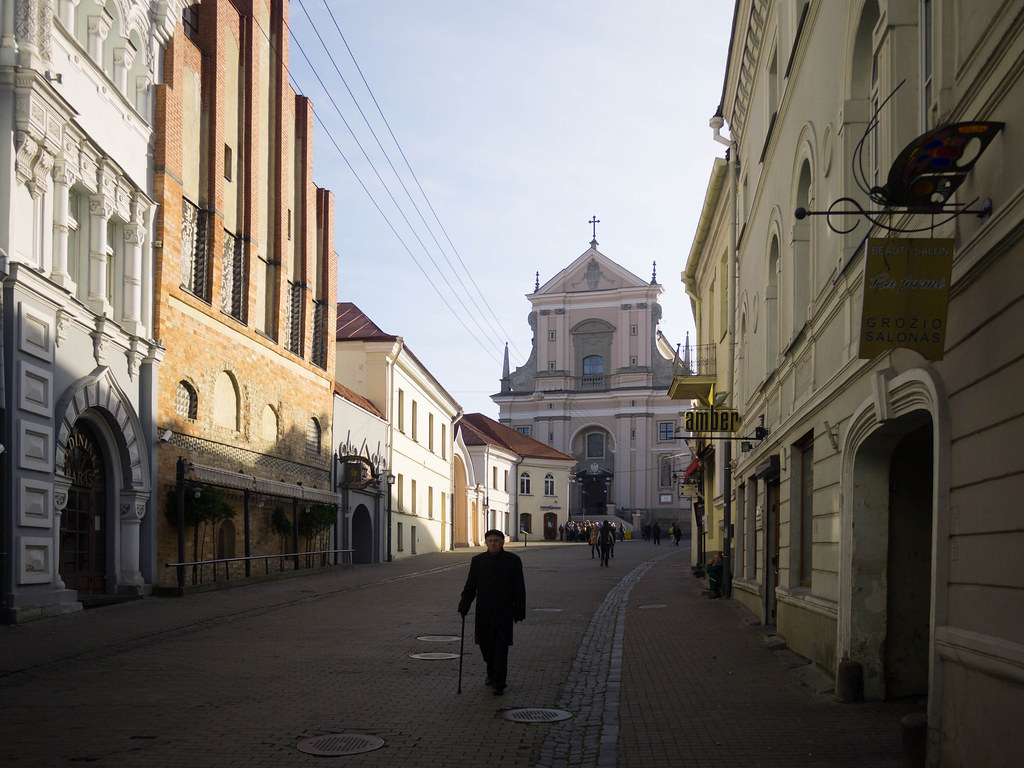
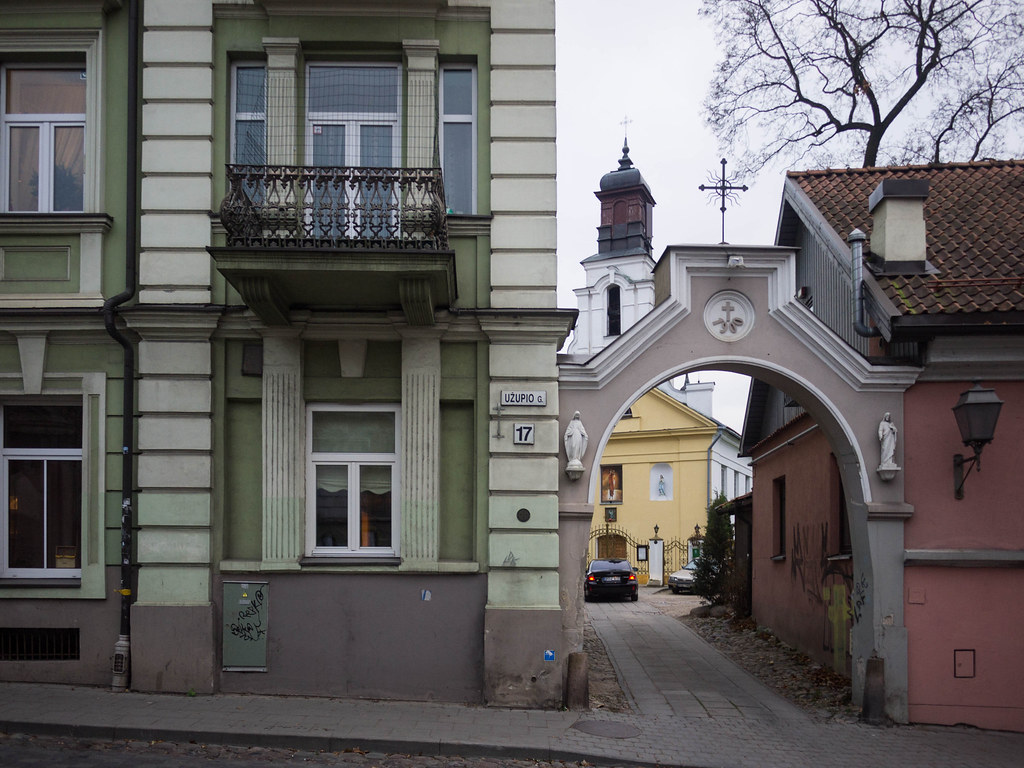
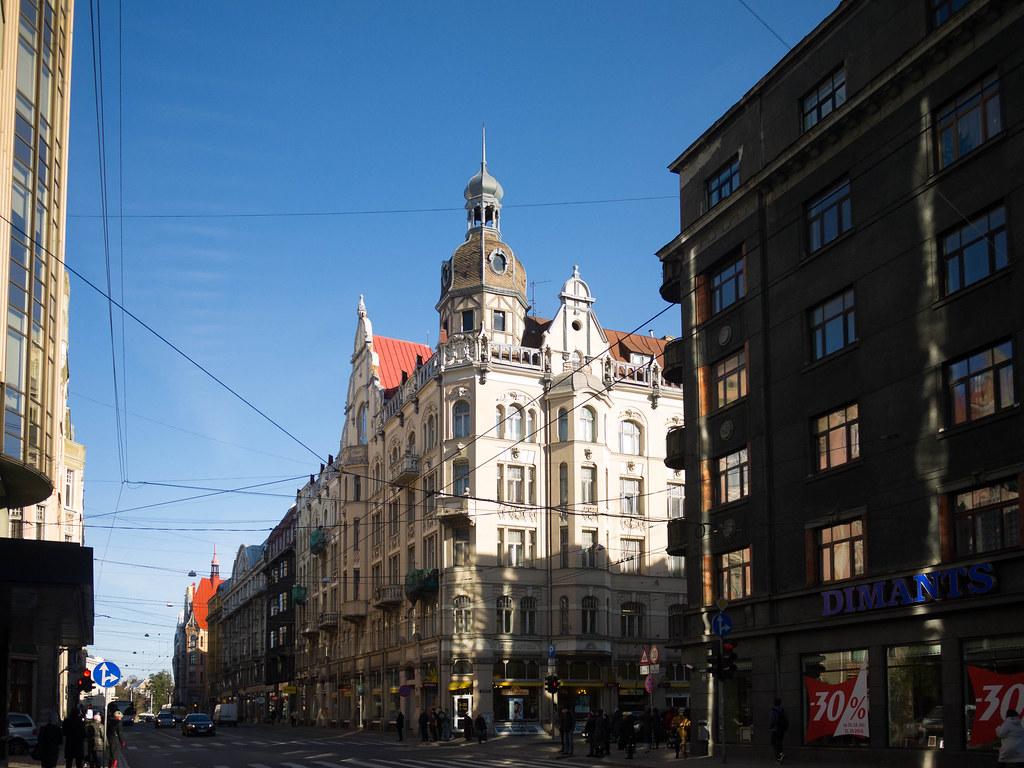
Vilnius is a charmer. Exceedingly cozy and walkable, the city is provincial in its charm and feel. The neo-Baroque, church spire-studded city center is, for a lack of other words, adorable. And a bit reminiscent of Rome - or even Lima - with all of its grand, imposing Catholic churches. Rest assured, though, for all of Vilnius' beauty, my first impression was an older, cigarette-smoking city bus driver speeding down a small street, rosaries dangling and all. For all of its economic growth and modernization, this still was, after all, the former USSR.
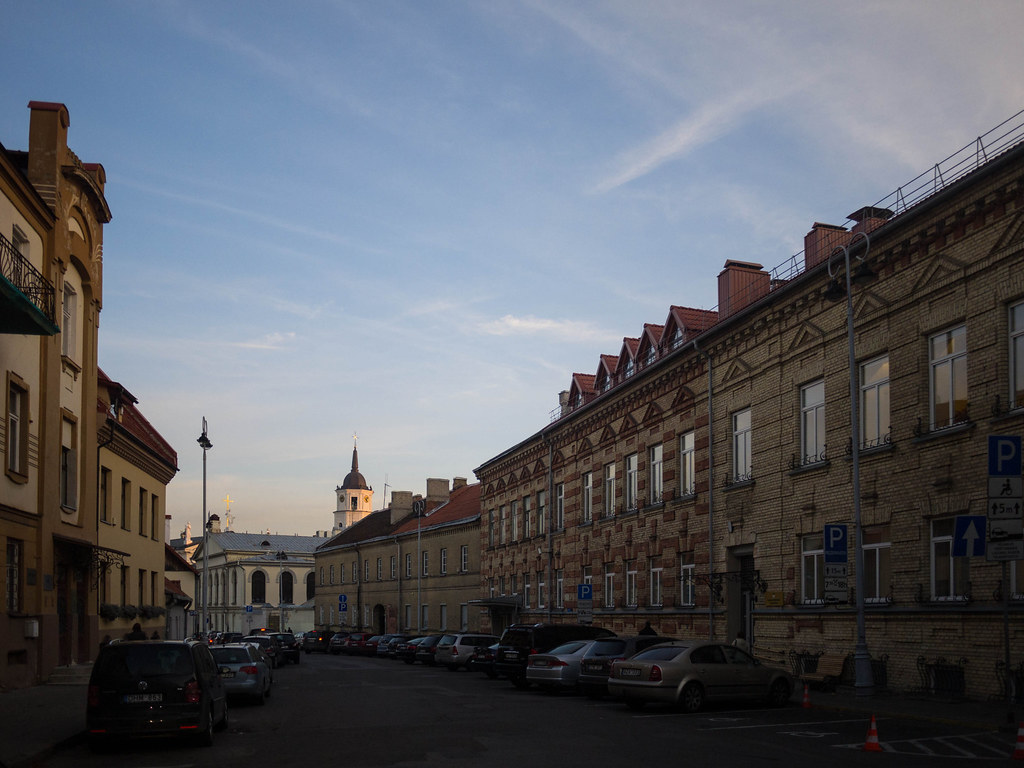
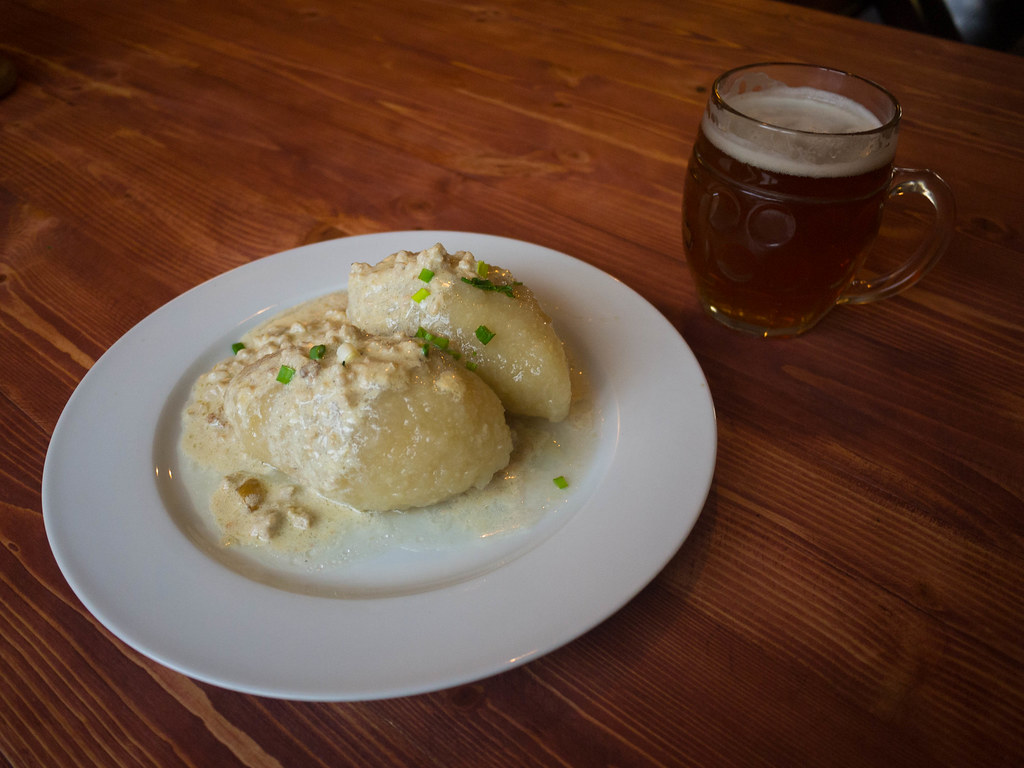
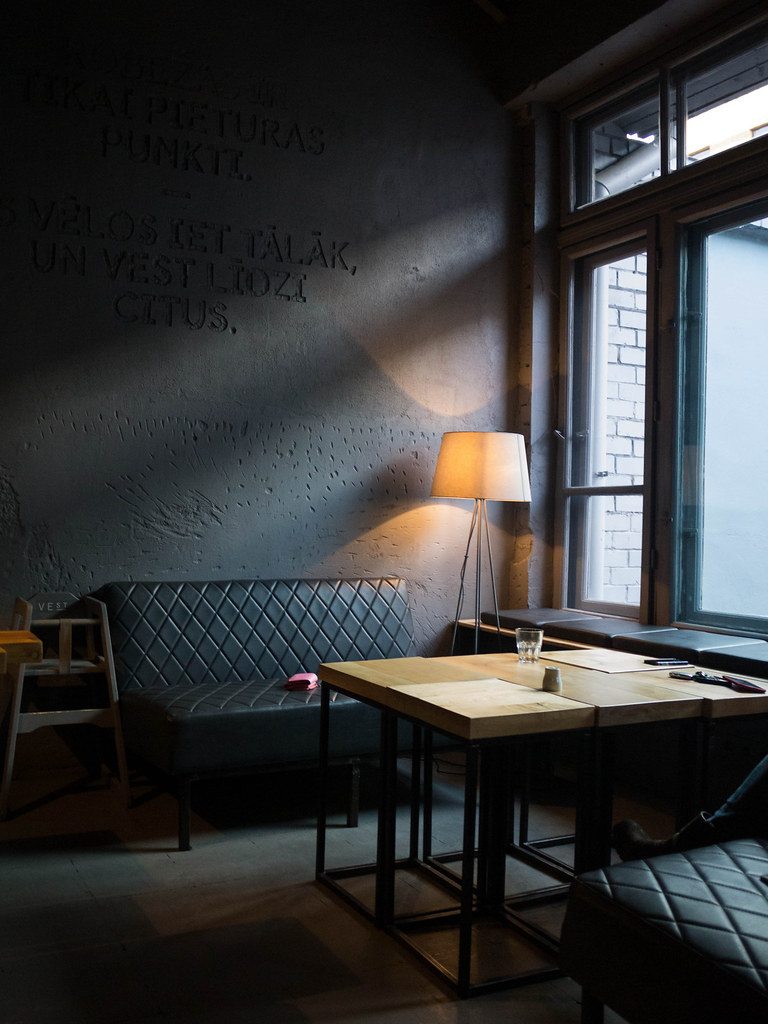
In light of the sometimes negative stereotypes Lithuania has in Western Europe - mostly pertaining to criminality - it is refreshing and somewhat necessary to visit and see the country first-hand. While Vilnius is certainly more run-down and neglected than any number of wealthier capital cities, it is nevertheless modern and contemporary in aesthetic, and is years away from the corrupt, dour, and dowdy capital some make it out to be. I don’t think many Europeans, and especially non-Europeans, realize how modern and up-to-date parts of Eastern Europe really are. Yes, the cool coffee shops (two of them, lol), trendy art spaces, craft beer and cocktails, and minimalist locavore restaurants are all there. But that Lithuanian beer, tho. At €2.50-3.00 for a local IPA, there wasn’t a beer I didn’t enjoy. The strong and flavor-forward craft beers were a refreshing change from the weak, watered-down pilsners you come across in much of northern Europe.
Looking from abroad, Vilnius felt much more certain and defined in its Lithuanian identity versus Riga and its conflicting Latvian/Russian identities. And even amidst record levels of mass emigration - Lithuanians are the fastest-growing immigrant group and third-largest immigrant group overall here in Norway, and Lithuanian healthcare workers and post-grads are already very well-known in the UK - I was happy to see that people, particularly young people, still took pride in their country and its customs, even if there still remains great uncertainty regarding its future. EU statistics confirm what I think largely seems to be true: Lithuanians are the among the most-educated nationalities within the 28-country economic block, and are 1st in the EU for mathematics, science, and technology graduates per-capita.
With its useful geopolitical location, I believe the educated, multilingual Lithuanian youth generation can successfully leverage their invaluable position between Brussels and Moscow. Perhaps not now, given the political-economic crisis and malaise, but in the future, Lithuanians (and Latvians) will certainly represent a valuable entry point to the large Russian and Russian-speaking population in the former Soviet Union. Regarding tourism, as more and more tourists visit Vilnius - which, right now, remains a hidden gem - and word spreads about the city and its charms, the city’s standing and image will only strengthen. Get in quick, though: Lithuania recently made it to third place on Lonely Planet's "Best in Travel 2015" list.













 Posts
Posts


