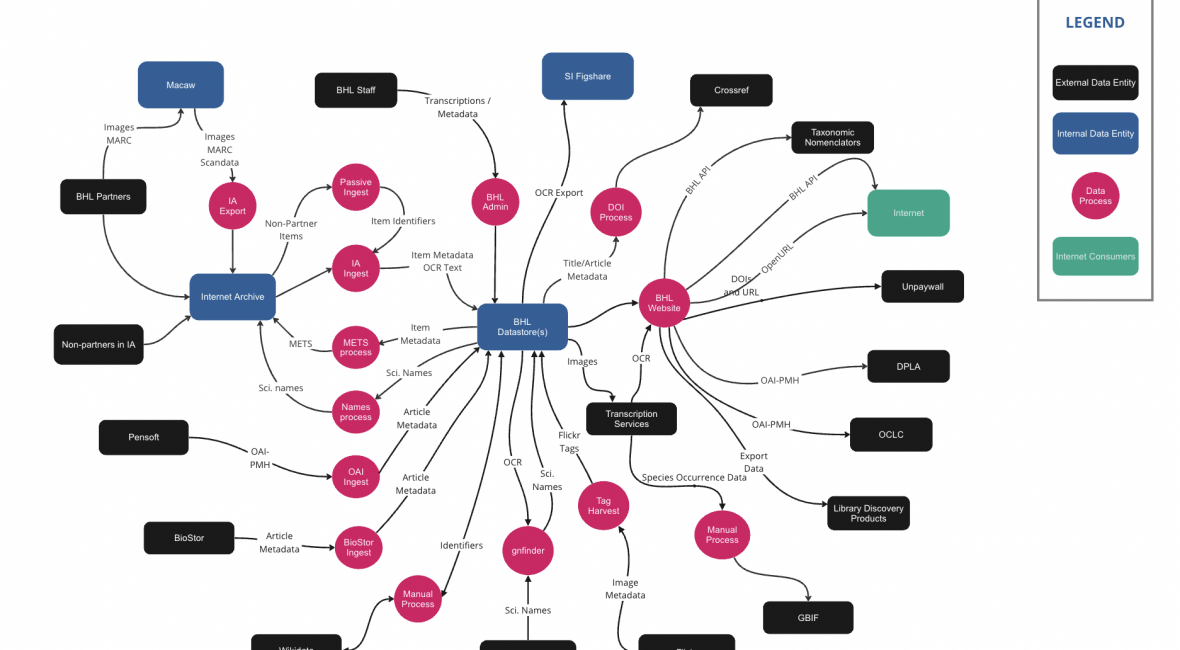
The big day is here! BHL’s Tech Team is starting the three-week process of moving BHL’s technical infrastructure from the Smithsonian data center just outside of Washington, DC, to the Field Museum in Chicago, Illinois.
Continue reading
The big day is here! BHL’s Tech Team is starting the three-week process of moving BHL’s technical infrastructure from the Smithsonian data center just outside of Washington, DC, to the Field Museum in Chicago, Illinois.
Over the past year, BHL has been forced to contend with the issue of AI Bot (short for robot) Crawlers and the effect of their unreasonable requests for BHL’s content. I say unreasonable because while BHL’s content is made freely available and is probably beneficial to modern LLMs, the behavior of these bots and their disruptive effect on BHL has proven that they are bad partners in the exchange of information.
BHL is not the only organization to contend with this in recent months. Other cultural heritage organizations have reported the same or similar experiences, most notably this detailed report from Michael Weinberg at the GLAM-E Lab.
By the time this and other articles had been posted in mid-2025, BHL had already crested the first wave of interruptions.
With the Biodiversity Heritage Library now officially operating in its new chapter following its transition away from the Smithsonian Institution, we are delighted to announce that the Field Museum of Natural History, one of BHL’s longest-standing and most respected partners, will host BHL’s servers and core technical infrastructure.
This hosting arrangement ensures the continued stability, security, and reliability of the BHL website and the 63+ million pages of open biodiversity knowledge it makes freely available worldwide.
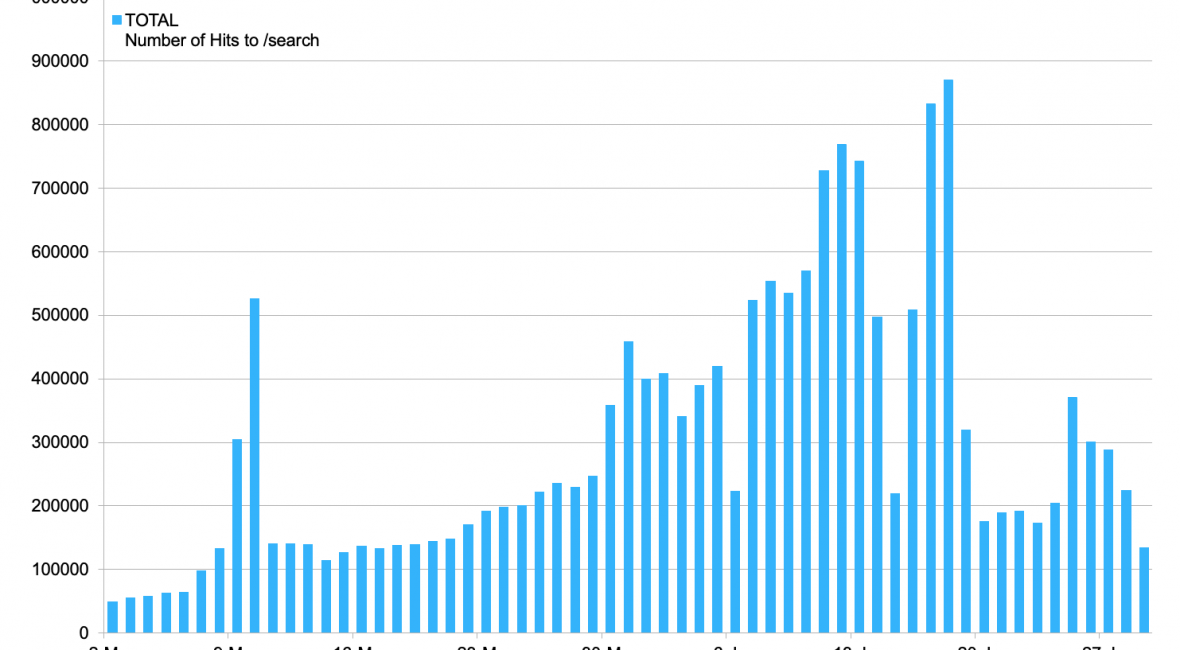
In the past several weeks, we’ve seen a large, disruptive increase in traffic to the BHL main website. This blog post is meant to summarize the event, the effect on BHL and its servers, our response, and what we have planned should it happen again.
The problems experienced on BHL’s website are not related in any way to the transition away from the Smithsonian. We believe the timing of this activity and the resulting downtime to be purely coincidental.
Building a More Resilient BHL: Improving Accessibility and Expanding Global Reach
What does it take to make millions of pages of biodiversity literature accessible to a global audience? For the Biodiversity Heritage Library (BHL) Technical Team, 2024 was a year of transformative milestones, new innovations, and overcoming challenges—all aimed at strengthening BHL’s mission of advancing biodiversity research.
Sixty-two million pages of scientific text, images, and metadata, representing 500 years of biodiversity data will be openly accessible via the Registry of Open Data on AWS
The BHL Technical Team is thrilled to announce that Biodiversity Heritage Library (BHL) datasets will be openly accessible on the Amazon Web Services (AWS) cloud, thanks to the AWS Open Data Sponsorship Program. Moving BHL data to the cloud allows researchers globally to explore and analyze over 500 years of biodiversity data, enhancing their ability to derive scientific insights from our shared past to inform future global environmental policy.
BHL data is now hosted on AWS, and comprises over 62 million pages of scientific text from the 15th to the 21st centuries. BHL’s vast collection represents an unparalleled biodiversity resource with enormous potential to be used for longitudinal studies and conservation efforts.
In 2023, BHL’s Technical Team dedicated significant efforts to improve our data ecosystem, now comprising 61+ million pages of biodiversity literature. Last year’s Technical Priorities underscored BHL’s steadfast commitment to data quality by focusing on both upstream and downstream data flows. Notable milestones include delivering refined taxonomic data to researchers, implementing interface improvements based on user feedback, and forging data pipelines for existing and new downstream data consumers.
The Biodiversity Heritage Library (BHL) is the world’s largest open access digital library for biodiversity literature and archives. BHL operates as a worldwide consortium of natural history, botanical, research, and national libraries working together to digitize the natural history literature held in their collections and make it freely available for open access as part of a global “biodiversity community.”
Sign up to receive the latest news, content highlights, and promotions.
Subscribe NowSubscribe to the blog RSS feed to stay up-to-date on all the latest BHL posts.
Access RSS Feed