Springfield, Missouri has long been recognized as an educational hub, with multiple colleges and universities calling this vibrant city home. As these institutions continue to grow and evolve, the need for quality student housing has become increasingly important. Local siding contractors play a crucial yet often overlooked role in supporting the educational community by contributing their expertise to campus housing projects that provide safe, attractive, and durable living spaces for students.
The Growing Demand for Student Housing in Springfield
Springfield’s educational institutions serve thousands of students each year, creating an ongoing need for housing solutions both on and off campus. Missouri State University, Drury University, and Evangel University all maintain active construction and renovation schedules to accommodate their growing student populations. These projects require skilled tradespeople who understand the unique demands of educational facility construction.
Student housing presents distinct challenges compared to traditional residential construction. These buildings must withstand heavy use, meet strict safety codes, accommodate diverse climate conditions, and maintain their appearance despite constant occupancy. The exterior envelope, including siding systems, plays a critical role in protecting these investments while creating welcoming environments where students can focus on their education.
How Professional Siding Contractors Contribute to Educational Infrastructure
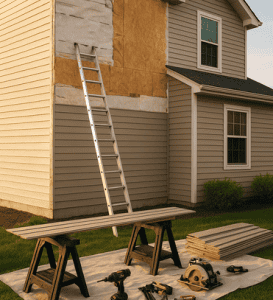
Professional siding installation requires specialized knowledge, proper equipment, and attention to detail that directly impacts the longevity and performance of campus buildings. Contractors working on educational projects must coordinate with architects, project managers, and university facilities departments to ensure all work meets institutional standards and timelines. For those seeking experienced professionals in this field, https://sidingcontractorsspringfieldmo.com/ provides resources for connecting with qualified local experts who understand these specialized requirements.
The contribution of siding contractors extends beyond simple installation. These professionals help educational institutions make informed decisions about material selection, maintenance schedules, and long-term planning. Their expertise ensures that student housing projects deliver maximum value while supporting the broader mission of providing quality educational experiences.
Material Selection for Campus Housing Durability
Choosing the right siding materials for student housing involves balancing multiple factors including durability, maintenance requirements, aesthetic appeal, and budget constraints. Different materials offer distinct advantages for educational facilities:
Fiber Cement Siding
Fiber cement has become increasingly popular for campus housing projects due to its exceptional durability and fire resistance. This material withstands the wear and tear associated with high-occupancy buildings while requiring minimal maintenance over its lifespan. Universities appreciate fiber cement’s ability to mimic the appearance of wood without the associated rot, pest, or moisture concerns that can compromise building integrity.
Vinyl Siding Systems
Modern vinyl siding offers educational institutions a cost-effective solution that doesn’t sacrifice quality or appearance. Advanced manufacturing techniques have produced vinyl products with improved impact resistance, color retention, and insulation properties. For budget-conscious campus housing projects, vinyl provides an excellent balance of initial affordability and long-term performance.
Engineered Wood Products
Some universities prefer the traditional aesthetic of wood siding for certain campus buildings. Engineered wood products offer the visual warmth of natural wood with enhanced resistance to moisture and dimensional stability. These materials work particularly well for renovation projects where maintaining architectural consistency with existing campus buildings is important.
Metal Siding Options
Contemporary campus housing designs sometimes incorporate metal siding panels for their modern appearance and exceptional longevity. Metal siding resists fire, insects, and rot while offering recyclability at the end of its service life—an important consideration for environmentally conscious institutions.
Energy Efficiency and Sustainability in Campus Projects
Educational institutions increasingly prioritize sustainability in their construction and renovation projects. Siding contractors contribute to these goals by implementing proper installation techniques that maximize energy efficiency and by recommending materials with favorable environmental profiles.
Proper siding installation creates an effective barrier against air infiltration, reducing heating and cooling costs for large residential buildings. When contractors pay careful attention to flashing details, joint sealing, and integration with other building envelope components, the resulting structures perform more efficiently throughout their lifespan.
Many universities now require third-party verification of energy performance, such as LEED certification or compliance with specific energy codes. Experienced siding contractors familiar with these requirements help project teams navigate documentation needs and installation standards that support certification goals.
Supporting Local Economic Development
When educational institutions partner with local siding contractors for campus housing projects, the benefits extend throughout the Springfield community. These partnerships create jobs, support local businesses, and keep construction dollars circulating within the regional economy.
Local contractors bring valuable knowledge of Springfield’s specific climate conditions, including temperature extremes, humidity patterns, and severe weather risks. This regional expertise translates into better material recommendations and installation practices tailored to local conditions rather than generic approaches that may not perform optimally in Missouri’s variable climate.
Maintenance Planning and Long-Term Relationships
The relationship between siding contractors and educational institutions often extends well beyond initial construction. Forward-thinking universities establish ongoing relationships with contractors who can provide maintenance services, warranty support, and expertise for future projects.
Regular maintenance inspections help identify minor issues before they become major problems. Contractors familiar with a campus’s specific buildings can efficiently assess siding condition, recommend appropriate repairs, and execute maintenance work during academic breaks to minimize disruption to students.
Safety and Code Compliance
Campus housing projects must meet rigorous safety standards and building codes designed to protect student welfare. Professional siding contractors ensure compliance with:
- Fire safety requirements specific to multi-family residential occupancies
- Accessibility standards ensuring inclusive campus environments
- Wind resistance specifications appropriate for Missouri’s weather patterns
- Moisture management systems preventing mold and structural deterioration
- Energy codes mandating minimum thermal performance levels
Contractors working on educational projects understand that code compliance isn’t merely about passing inspections—it’s about creating safe living environments where students can thrive. Their attention to detail and commitment to proper installation practices directly impacts student safety and building performance.
Aesthetic Considerations for Campus Cohesion
Universities carefully cultivate their campus appearance, recognizing that physical environment influences student recruitment, satisfaction, and sense of community. Siding contractors contribute to these aesthetic goals by executing designs that complement existing architecture while incorporating contemporary materials and techniques.
Color selection, texture coordination, and architectural detailing all require careful consideration in campus projects. Experienced contractors work collaboratively with designers to achieve the intended visual impact while ensuring that aesthetic choices don’t compromise performance or durability.
Timeline Management for Academic Schedules
Educational institutions operate on strict academic calendars that influence construction scheduling. Siding contractors working on campus housing projects must coordinate their work to minimize disruption during active academic periods while maximizing productivity during breaks.
Summer months typically offer the best window for major exterior work, but contractors must work efficiently to complete projects before students return. This requires careful planning, adequate crew sizing, and proactive problem-solving to address unexpected challenges without extending timelines into the academic year.
Technology Integration in Modern Campus Construction
Contemporary campus housing increasingly incorporates advanced building technologies, and exterior envelope systems must accommodate these innovations. Siding contractors coordinate with other trades to ensure proper integration of:
- Building automation sensors and controls
- Security camera systems and access control devices
- Exterior lighting integrated with siding systems
- Renewable energy components such as solar panels
- Communication infrastructure requiring exterior penetrations
Proper coordination prevents conflicts, ensures weather-tight installations, and maintains the integrity of both the siding system and integrated technologies.
The Future of Campus Housing in Springfield
As Springfield’s educational institutions continue growing and evolving, the demand for quality student housing will remain strong. Siding contractors who understand the unique requirements of educational facilities will continue playing essential roles in creating living environments that support student success.
Emerging trends in campus housing—including increased emphasis on sustainability, incorporation of biophilic design principles, and creation of mixed-use facilities—will require contractors to continually expand their expertise and adapt to new materials and methods.
Conclusion
The contribution of professional siding contractors to Springfield’s educational community extends far beyond the technical aspects of material installation. These skilled tradespeople help create durable, attractive, and efficient housing that directly supports the mission of local colleges and universities. By bringing expertise in material selection, energy efficiency, safety compliance, and aesthetic execution, siding contractors ensure that campus housing projects deliver lasting value to students and institutions alike. Their work strengthens both the physical infrastructure of Springfield’s educational facilities and the broader economic fabric of the community, demonstrating how specialized trades play vital roles in supporting education and community development.