Skip to main content Official Microsoft Blog Microsoft Source Asia Canada Europe, Middle East and Africa Latin America Top News on LinkedIn The Monthly Tech-In For Press
Skip to content

AI changes the rules of digital security incident response

In the past, when something broke digital security, responders would look for what broke and patch it so it wouldn’t happen again. But AI works differently: The same prompt can produce different results and problems aren’t tied to a single line of code. The damage can spread incredibly fast – at machine speed. While core response skills still matter, AI introduces new risks and demands faster action and new expertise. Find out which security practices remain effective in the age of AI and which require fresh preparation.

Stylized eye icon with circuit patterns on a dark blue background.

Europe is turning quantum research into real capability

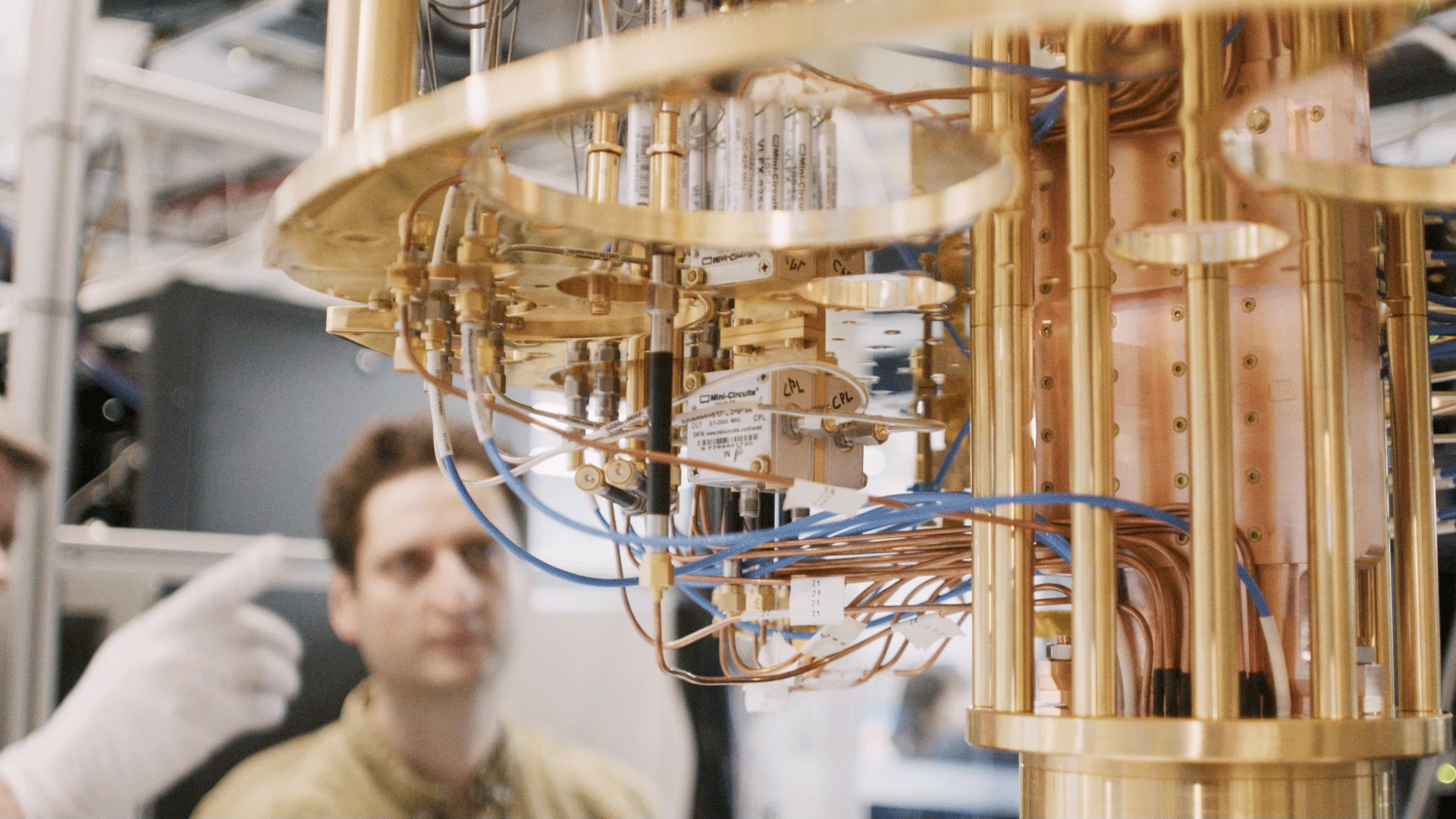
In one of the most promising yet complex frontiers of science – quantum computing – Europe is making targeted investments that are beginning to produce real capability. Just north of Copenhagen, Microsoft opened a new state-of-the-art Quantum Lab in Lyngby, now the company’s largest quantum site globally and a key part of Microsoft’s long-term commitment to Europe’s quantum future. Read more about how the region is building on scientific talent and innovation.

Close-up of a quantum computing system with gold wiring and components inside a lab.

An easy way to prep for a meeting with the boss

You know that stressful moment before meeting with your manager — the one where you’re scrolling through emails, flipping through Teams threads and trying to remember just what on earth you’ve been working on this week?

Now, Microsoft 365 Copilot can handle the scramble for you and get all your updates in order before your next one-on-one with this all-encompassing prompt.

Collage of colorful geometric shapes with a torn-paper label reading ‘The prompt.’

Financial markets move toward always‑on digital infrastructure

Financial markets are beginning to shift to always‑on digital infrastructure that can handle ownership, transfers and compliance in real time. This transition, driven by digital assets, means the infrastructure on the back end has to change too. To do that, firms need secure, cloud-based infrastructure that both works across different institutions and meets regulatory requirements. Microsoft, through Azure and its partnership with DTCC, is set to help build that next generation of the systems that power financial markets.

Abstract blue data visualization with charts, lines, and digital interface elements.

Microsoft rolls out a more efficient text‑to‑image model

Today, Microsoft released a new image generation model designed to make high‑quality images faster and cheaper than the company’s MAI-Image-2. MAI‑Image‑2‑Efficient is for high-volume, everyday work while MAI-Image-2 is for super detailed, final images.

The new model is available now in Microsoft Foundry and MAI Playground, with wider rollout underway.

Collage of a tan knit sweater shown from multiple angles against a blue sky.

The most important work problem leaders can’t see

In the workplace, outcomes rarely hinge on a single decision or team. Patterns that cut across roles, functions and time – unseen while the work is happening – shape end results. By the time these patterns show up in metrics, the opportunity to shape them has already passed.  

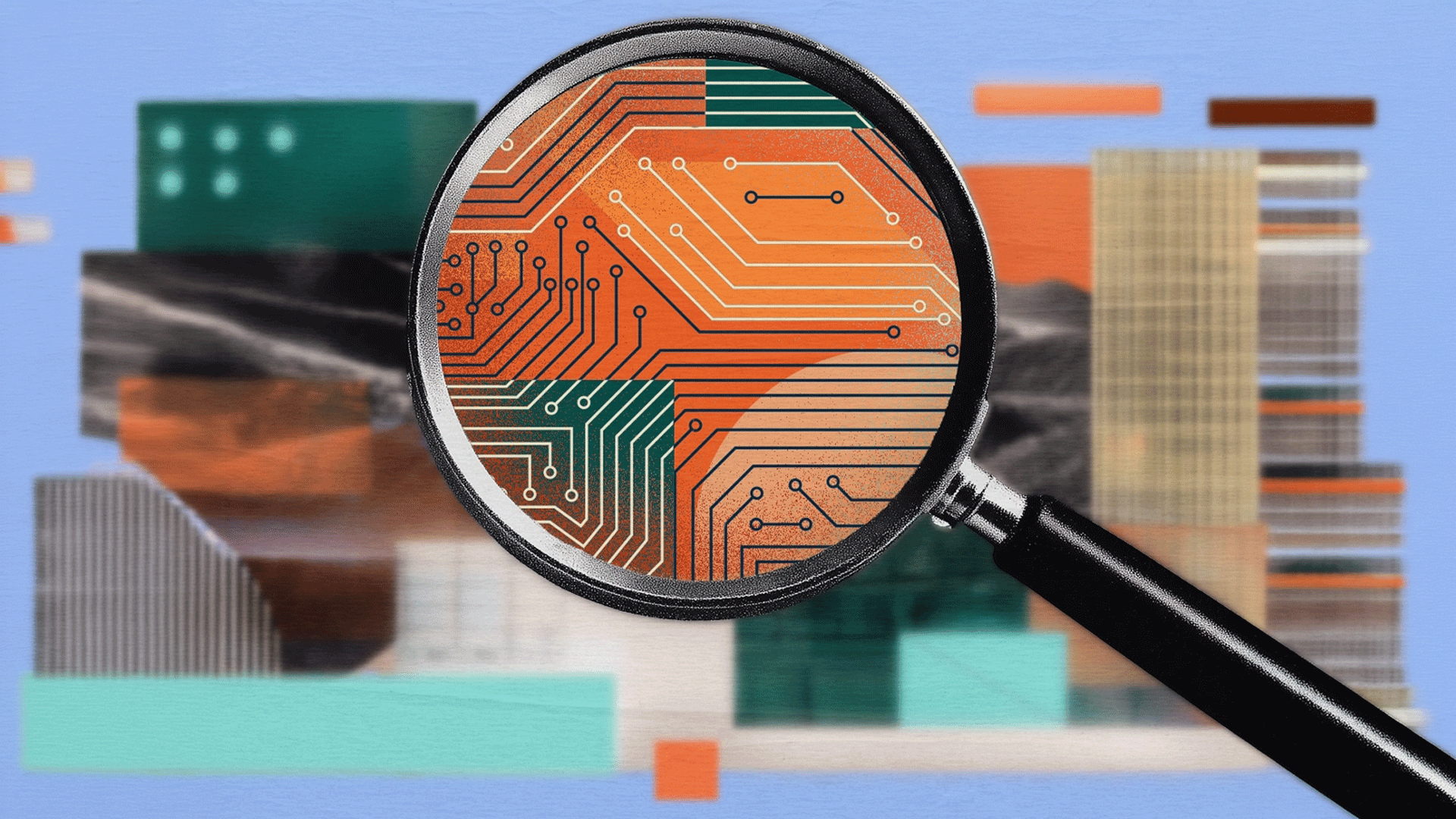
But now, AI can track patterns no single person or team could’ve seen on their own. In a new blog, Jared Spataro, Microsoft’s CMO of AI at Work, writes that AI can illuminate the hidden patterns behind decisions, bottlenecks and outcomes, revealing why effort doesn’t always translate into impact.

Magnifying glass highlighting a stylized circuit-board pattern over an abstract data dashboard background.

Quantum computing, decoded

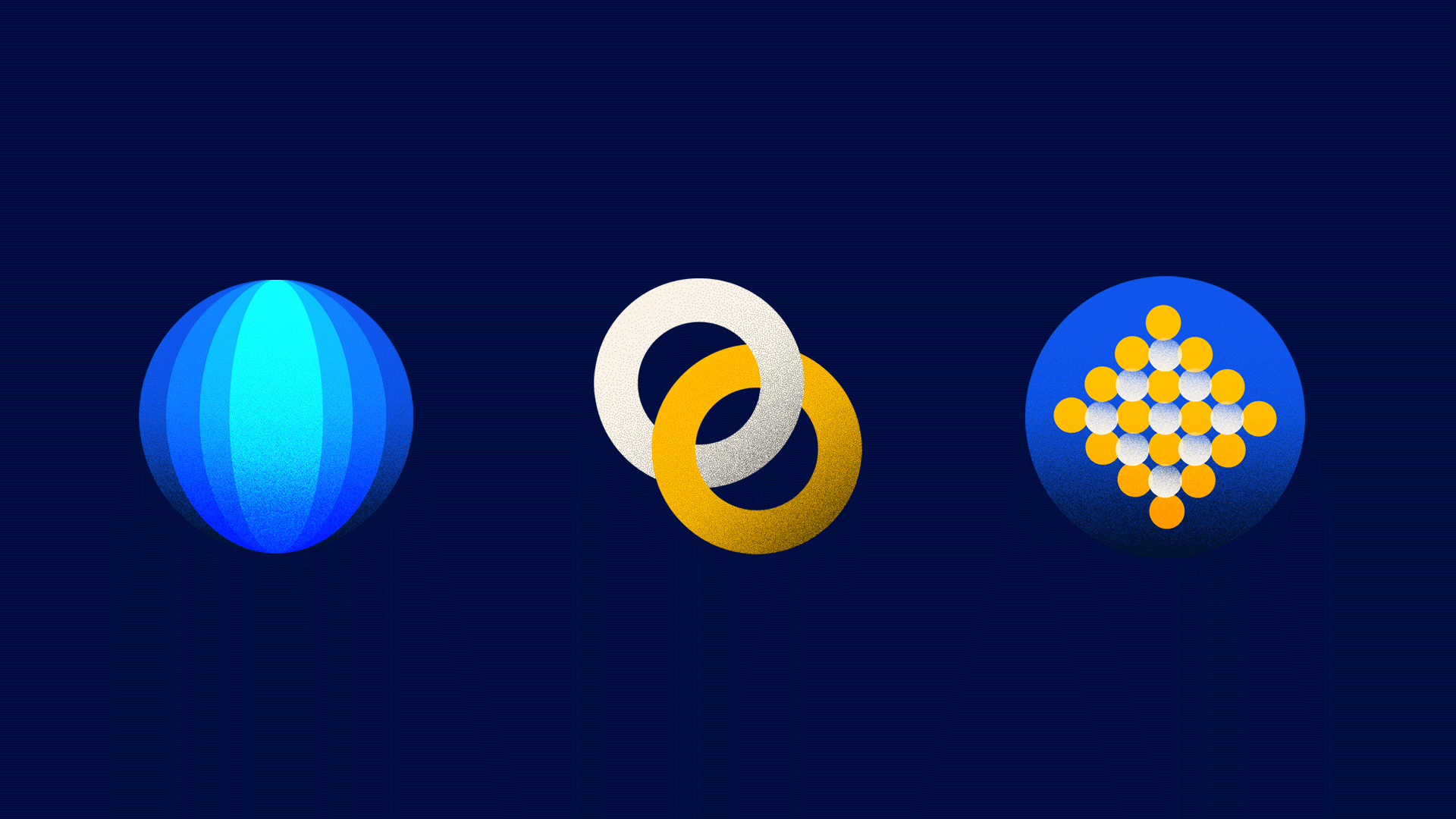
For decades, quantum computing has sounded like a dazzling breakthrough that was always just out of reach — along with its promise of tackling problems like chemical reactions, new materials and complex systems in ways classical computers can’t. That’s starting to change, and with it comes a whole new vocabulary you’ll likely hear more often, from qubits to superposition and entanglement. Here are 10 key terms broken down in plain language to help you join the quantum conversation.

Three abstract quantum-themed icons on a dark blue background: a blue gradient sphere, two interlocking gold and silver rings, and a circular cluster of small yellow and white dots arranged in a lattice pattern.

Microsoft and Publicis Groupe expand strategic partnership

Ten years after co-creating Marcel, an innovative AI platform, Microsoft and Publicis Groupe announce the expansion of their strategic partnership to build a full-stack marketing solution that unifies legacy systems, AI agents and identity-based data to accelerate marketing outcomes in the era of agentic AI.

Microsoft and Publicis Groupe logos displayed side by side, separated by a vertical line.

The Prompt: Tidying up your digital clutter

It’s always a good time to tidy up some of your digital clutter and make sure you’re staying on the proverbial ball.

Now you can do this regularly by using AI to compile weekly or monthly reflections that you can schedule to automatically run for you. Learn how in the latest version of The Prompt.

Collage of colorful geometric shapes with a torn-paper label reading ‘The prompt.’

The code they lived by before they coded

Ravi Vedula’s childhood memoir of the colorful, chaotic Hyderabad of the 1980s and 1990s delivers more than vivid descriptions of local cricket heroes or an era of shared televisions. “Hyderabad Days,” recently released by 8080 Books, pays homage to resiliency, community and values.

Orange book titled “Hyderabad Days” on a table

Building AI that speaks more languages — and listens better

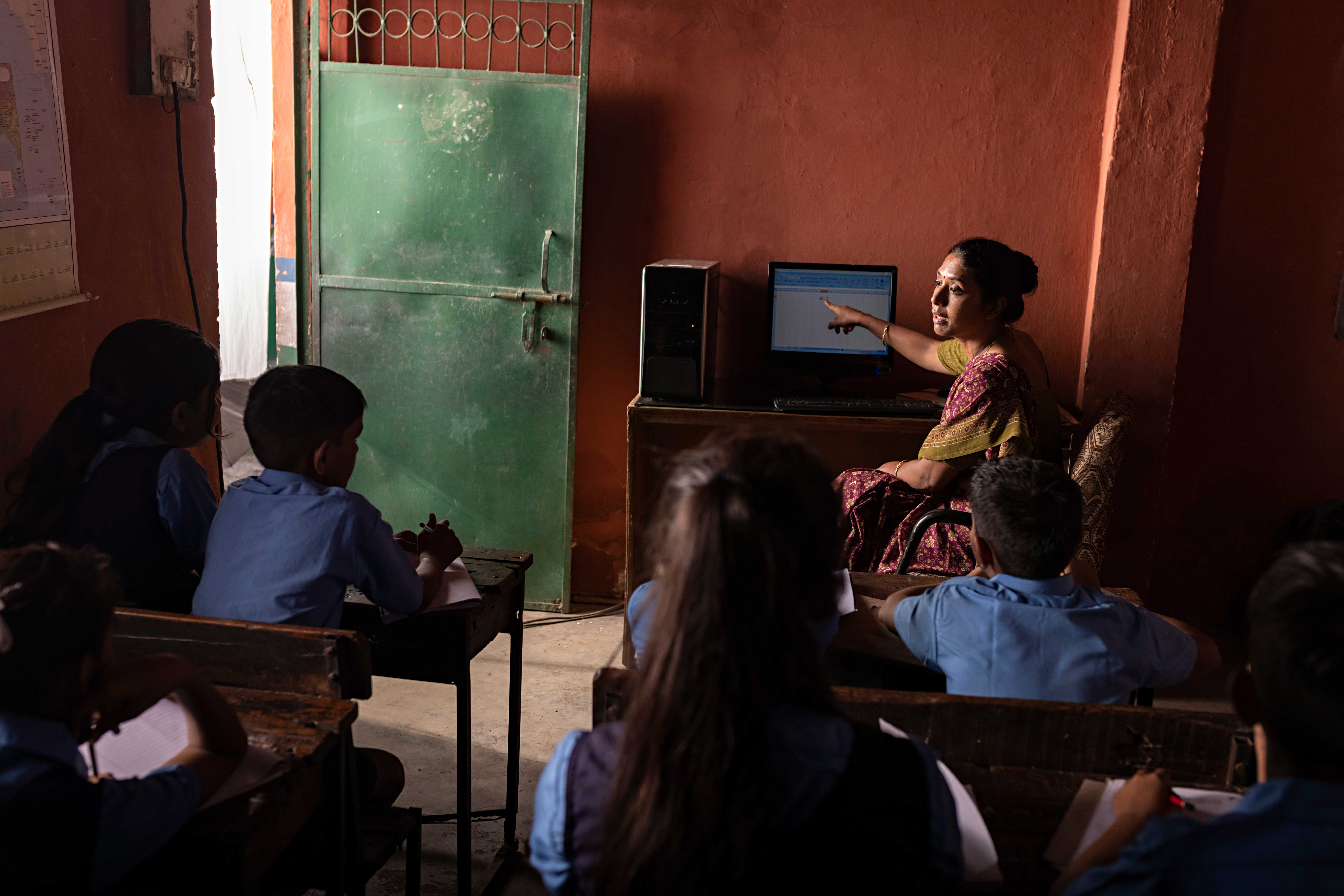
For many people, using AI starts with a workaround: switching into a second language. That’s because English dominates online text, which is what most AI systems are trained on. As these tools become a go‑to way to get help with everyday tasks, that quiet barrier matters more than most of us realize. Microsoft researchers and partners are working to build systems that understand more languages, accents and forms of local knowledge, so AI works the way people actually communicate — not just the way the internet happens to be written today.

Teacher teaching students in a classroom on desktop PC

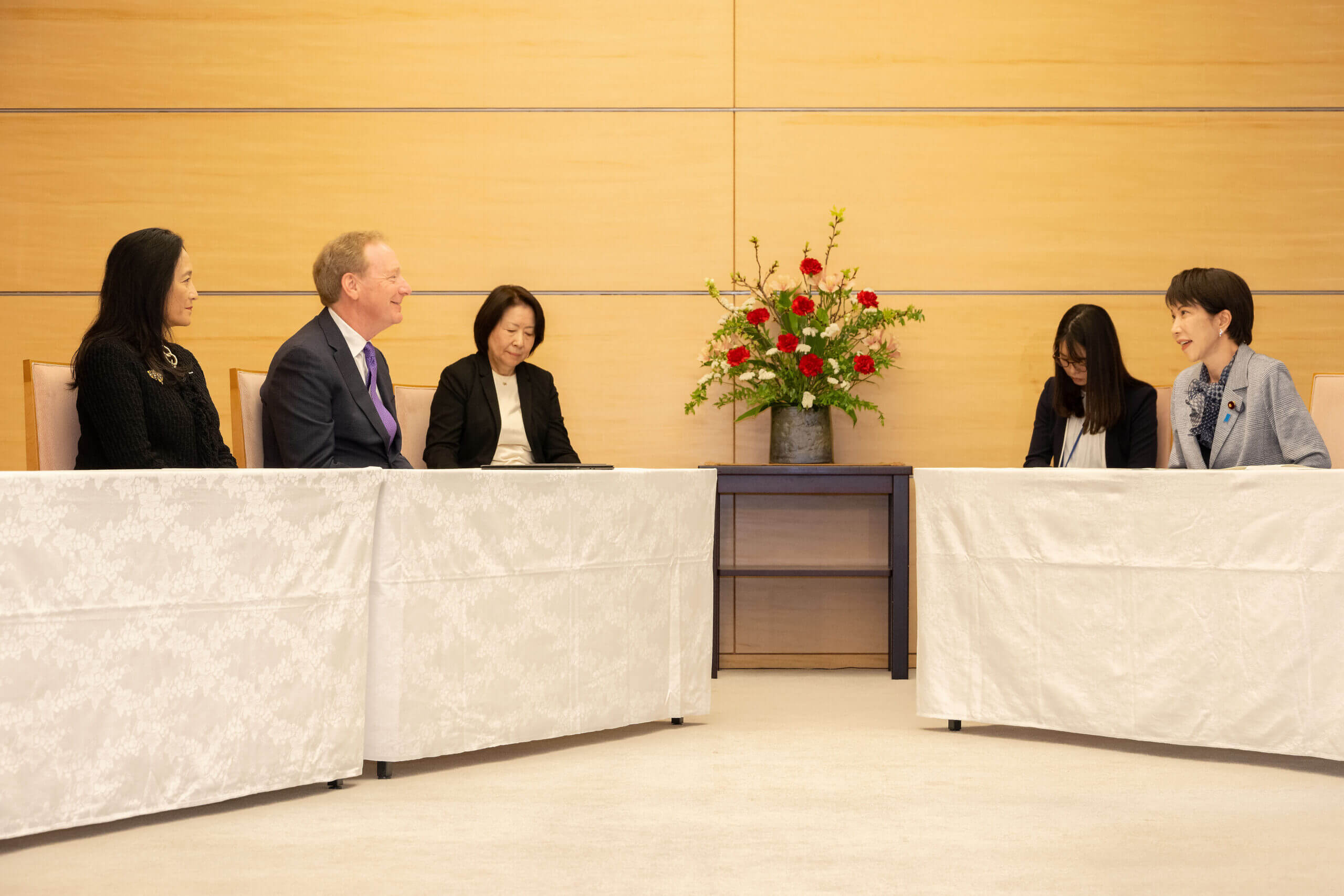
Microsoft to invest $10 billion in Japan, focused on AI, security and skills

Microsoft is investing $10 billion in Japan from 2026 through 2029. The investment will be built around three pillars: technology, trust and talent. Microsoft will work with Japanese partners to expand AI infrastructure, deepen private cybersecurity partnerships and train more than 1 million workers across the country’s important industries. Read more about the announcement and how it maps to Japan’s growth and economic security priorities.

Six people seated across two tables in a formal meeting, with a flower arrangement between them.

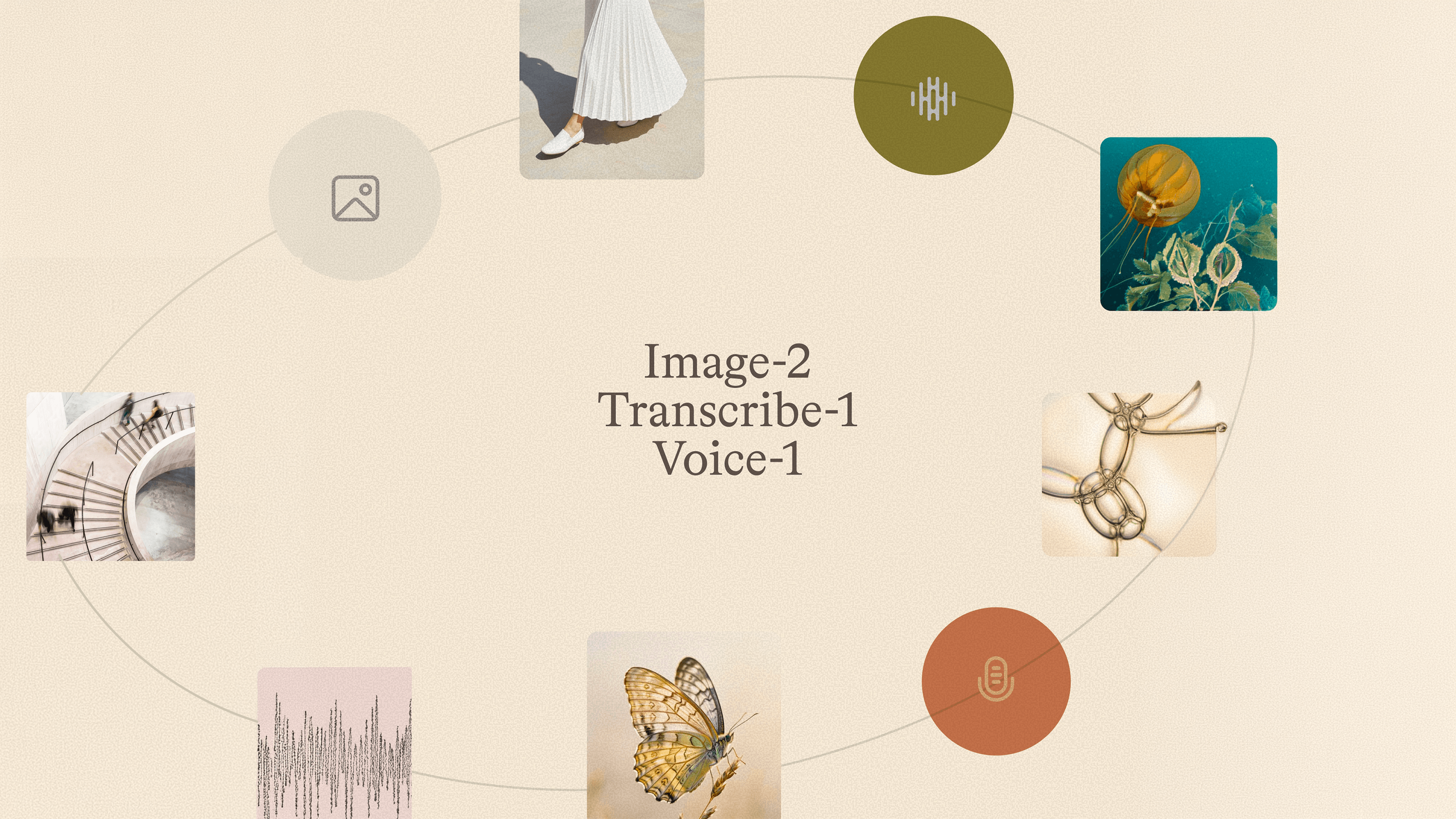
Microsoft rolls out new transcription, voice and image AI models

Microsoft announced three new large language models are now available on the company’s AI platforms. Starting today on both Microsoft Foundry and MAI Playground, developers have access to MAI-Transcribe-1, a transcription model across 25 languages; MAI-Voice-1, which handles natural, expressive speech generation; and MAI-Image-2, the company’s most capable image model yet. Read more about how they work.

Circular diagram showing images and voice/audio icons arranged around a central label.

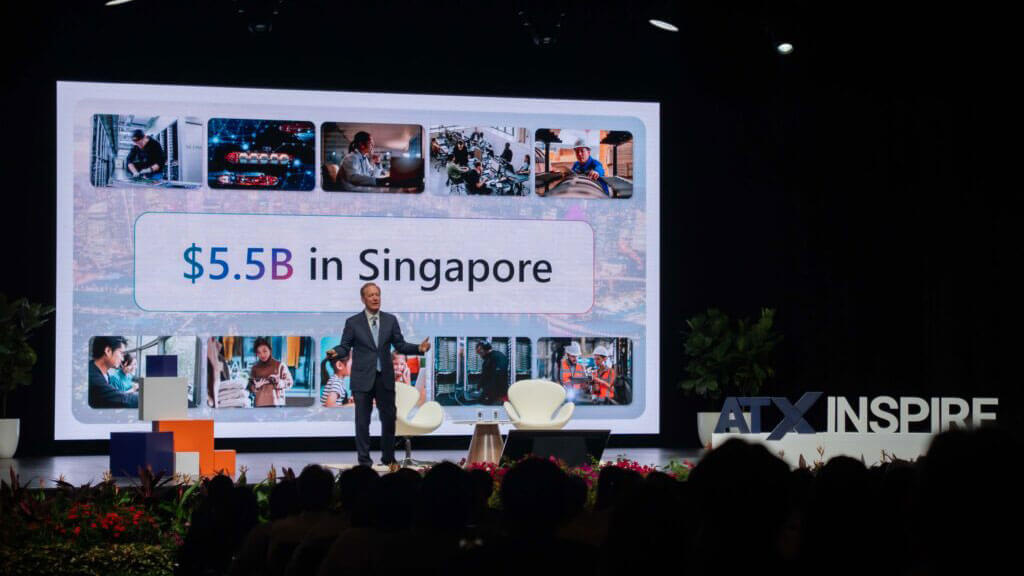
Microsoft announces $5.5B investment for Singapore’s AI future

Microsoft is on track to spend $5.5 billion to power Singapore’s AI future before the end of 2029, the company announced Wednesday. The funding will largely go to cloud and AI infrastructure, as well as ongoing operations in the country. Microsoft Vice Chair and President Brad Smith also announced the expansion of Microsoft Elevate programs in Singapore to provide AI tools and skills to tertiary students, teachers and nonprofits with responsible AI to uplift all communities in the AI era.

Speaker on stage before a screen reading "$5.5B in Singapore."

Putting the mind, not the machine, at the center of work

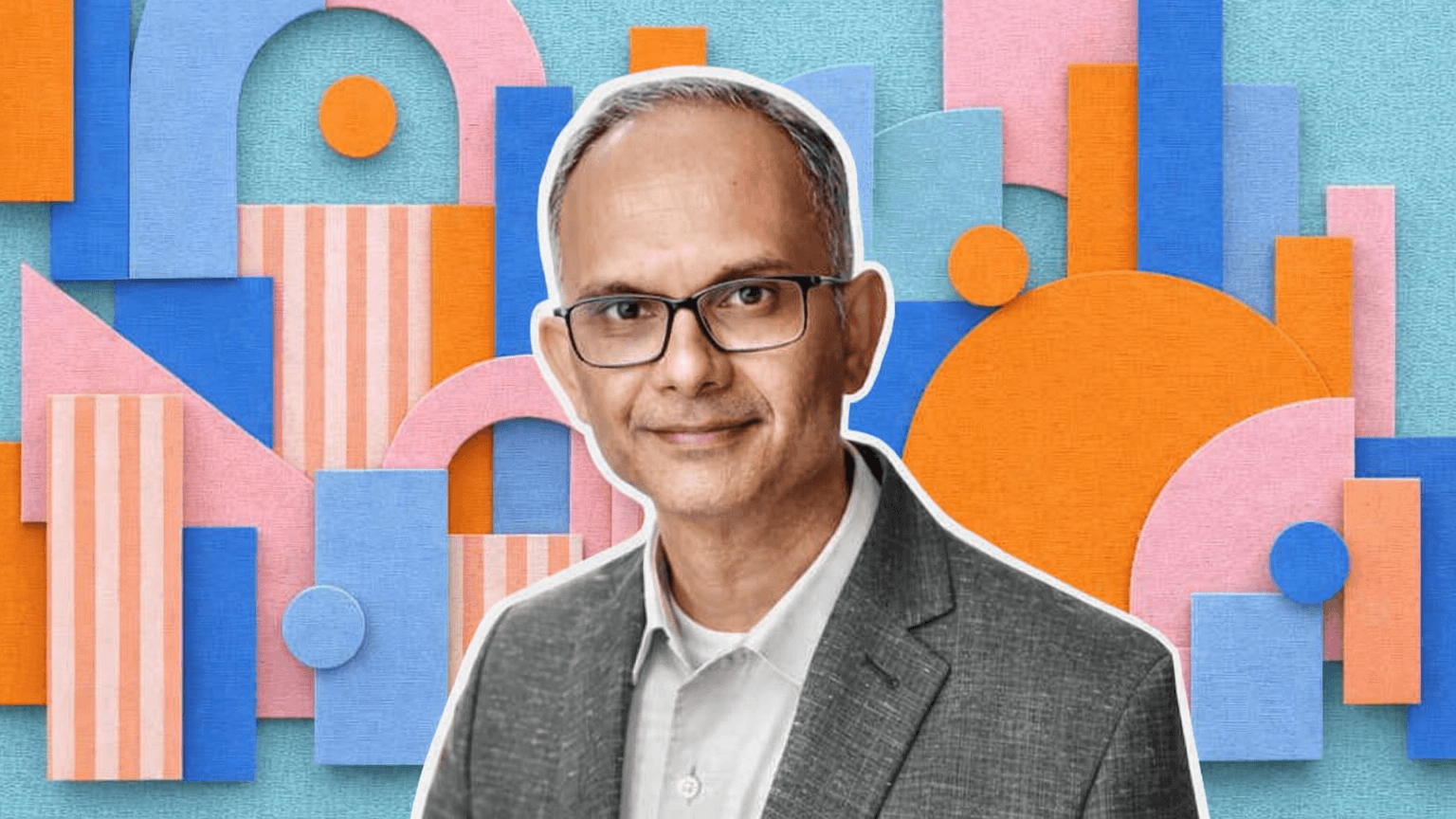
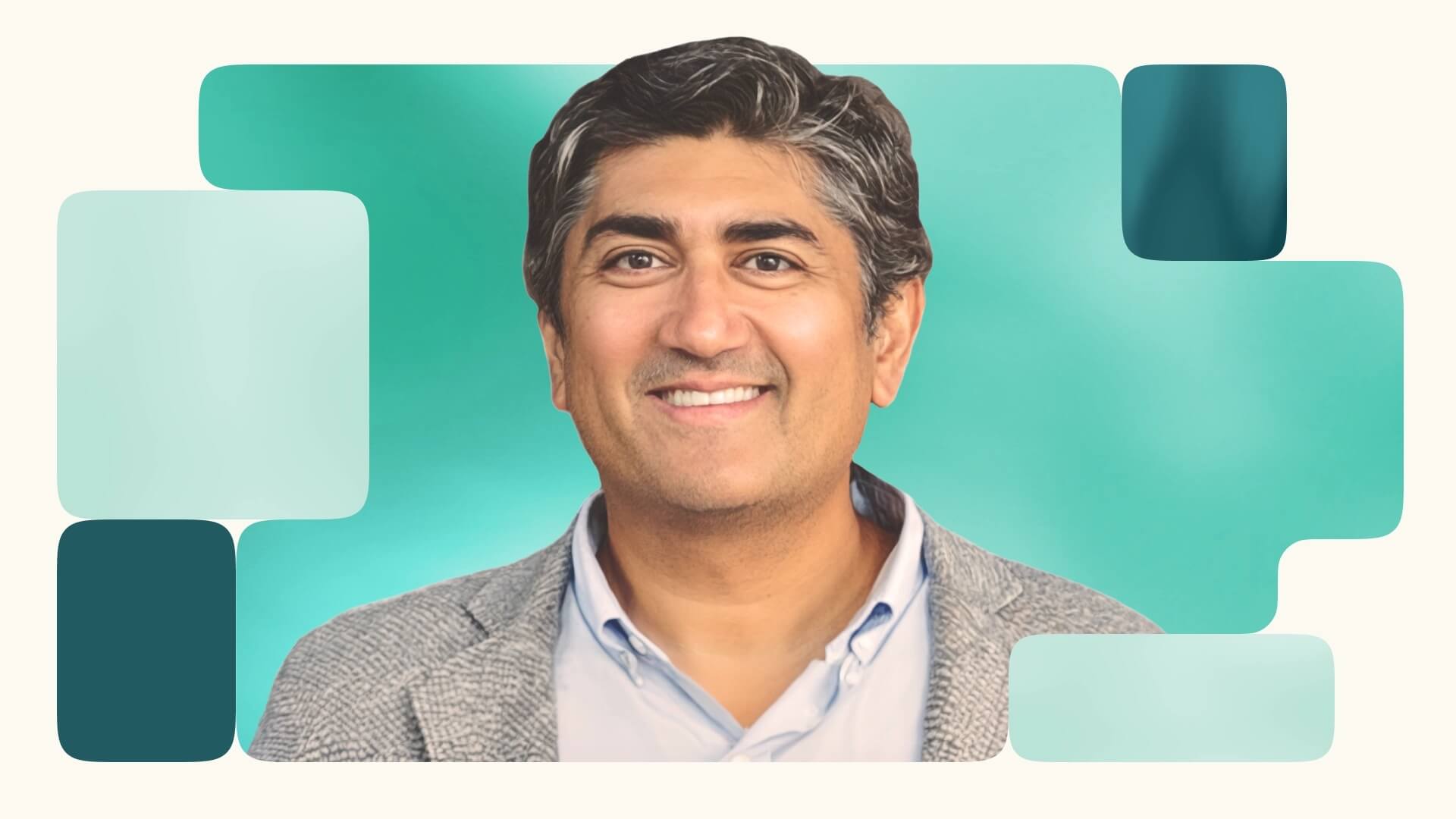
The ever-increasing capabilities of AI have everyone wondering what it means for their career. LinkedIn’s Chief Economic Opportunity Officer Aneesh Raman joins the Worklab podcast to explore why curiosity, adaptability and action matter now more than ever. Drawing from his new book, “Open to Work: How to Get Ahead in the Age of AI” — cowritten with LinkedIn CEO Ryan Roslansky — Raman makes the case that careers aren’t being automated away. They’re being reshaped for the AI era, by the people willing to move first.

Smiling man in a blazer against a teal background.

Securing AI starts with clear goals and limited access

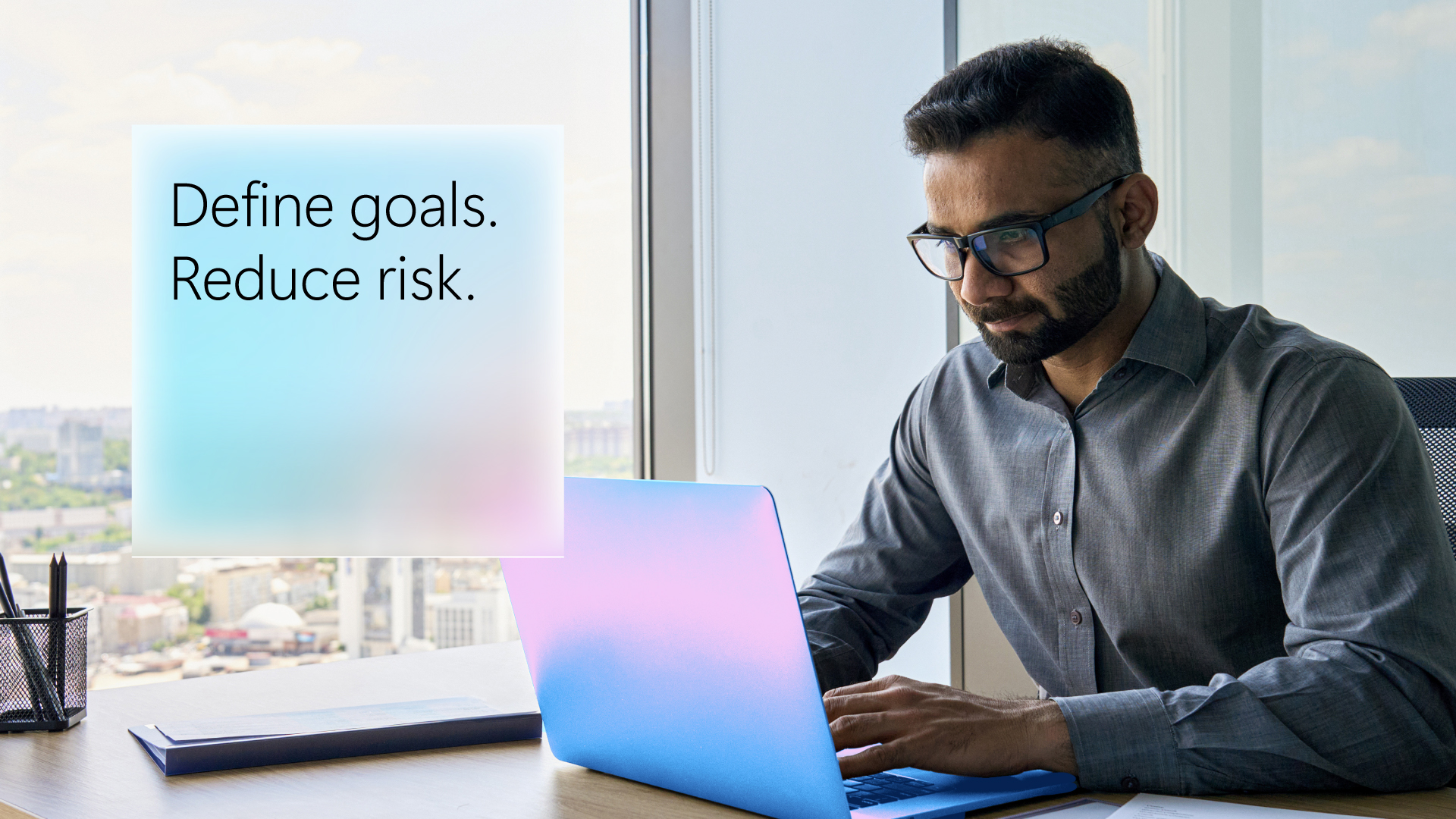
Imagine a secure modern AI system as a very new, very junior employee. It’s smart and eager to help but also can easily stumble into trouble. Like a junior person, AI works best when given clear, specific goals. The vaguer the directions, the more likely it is to misinterpret them. But how does that play out at a system level? Read on for some practical advice about security fundamentals in the age of AI.

Man working on a laptop at a desk, with text reading “Define goals. Reduce risk.”

New book looks at careers in the age of AI

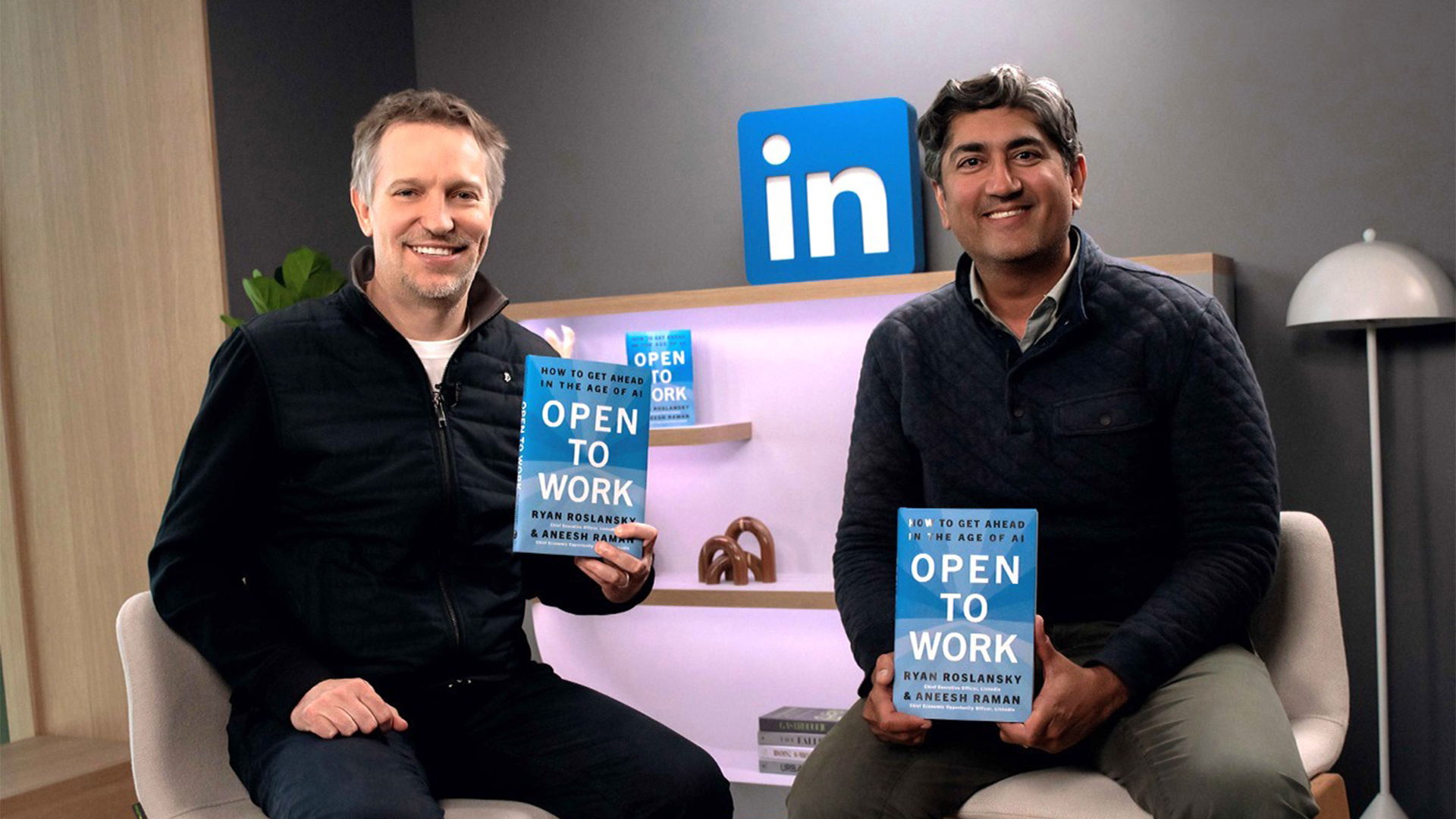
Work is still evolving in the AI era, but it’s reached a turning point. In the new book released today, “Open to Work: How to Get Ahead in the Age of AI,” LinkedIn’s Ryan Roslansky and Aneesh Raman explore how people and organizations can move forward thoughtfully, keeping human ambition at the center.

Two men seated, smiling and holding copies of the book Open to Work, with a LinkedIn logo behind them.

Copilot Cowork debuts in Microsoft 365 Frontier program

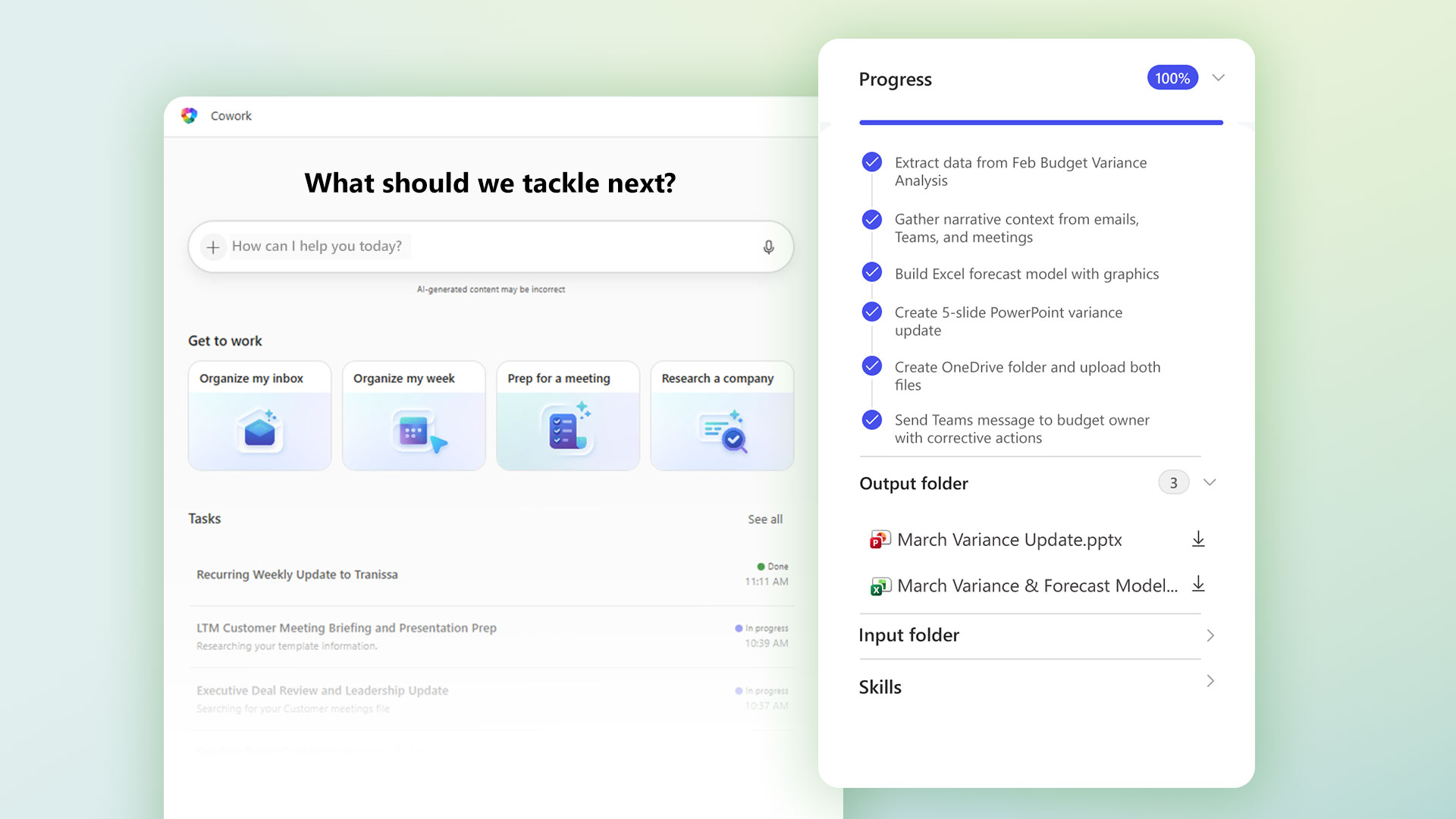
Microsoft announced that Copilot Cowork is available starting today via the Frontier program. Workers using Microsoft 365 can describe the outcome they want and Copilot Cowork creates a plan, reasons across their tools and files and carries the work forward. All the while, the human workers will be able to see progress and have opportunities to steer the program’s next moves. With skills from Claude and Microsoft built in, such as calendar management and daily briefing, Copilot Cowork can handle everything from one-off tasks to repeatable workflows like a monthly budget review.

Screenshot of Microsoft 365 Copilot Cowork showing task planning and progress steps for a budget workflow.

At the center of AI and work, LinkedIn’s CEO looks to what comes next

What will humans do in the AI era? In an upcoming book, Ryan Roslansky, the CEO of LinkedIn and executive vice president of Microsoft 365 and Copilot, explores how work is changing, what tools are accelerating that change and how human workers can find their footing in a rapidly changing landscape. Roslansky makes the case that as AI absorbs more of the drudgery of work, people will have the space to do the human work they’ve always been best at but rarely had time for.

Illustration of a person standing in an arched doorway, looking toward a moonlit sky over a desert landscape.

Helping nonprofits do more with AI

Nonprofits tackle some of the world’s biggest challenges, from creating more affordable housing to alleviating poverty, often with limited resources. A new initiative, Microsoft Elevate for Changemakers, will help nonprofits do even more with AI. It will give them access to practical AI training, including guidance on responsible adoption, ways AI can streamline everyday work and how it can support fundraising, so they can drive even more change around the world.

A group of colleagues standing indoors, talking and shaking hands during a meeting.

Digital identity security struggles with scale and sprawl

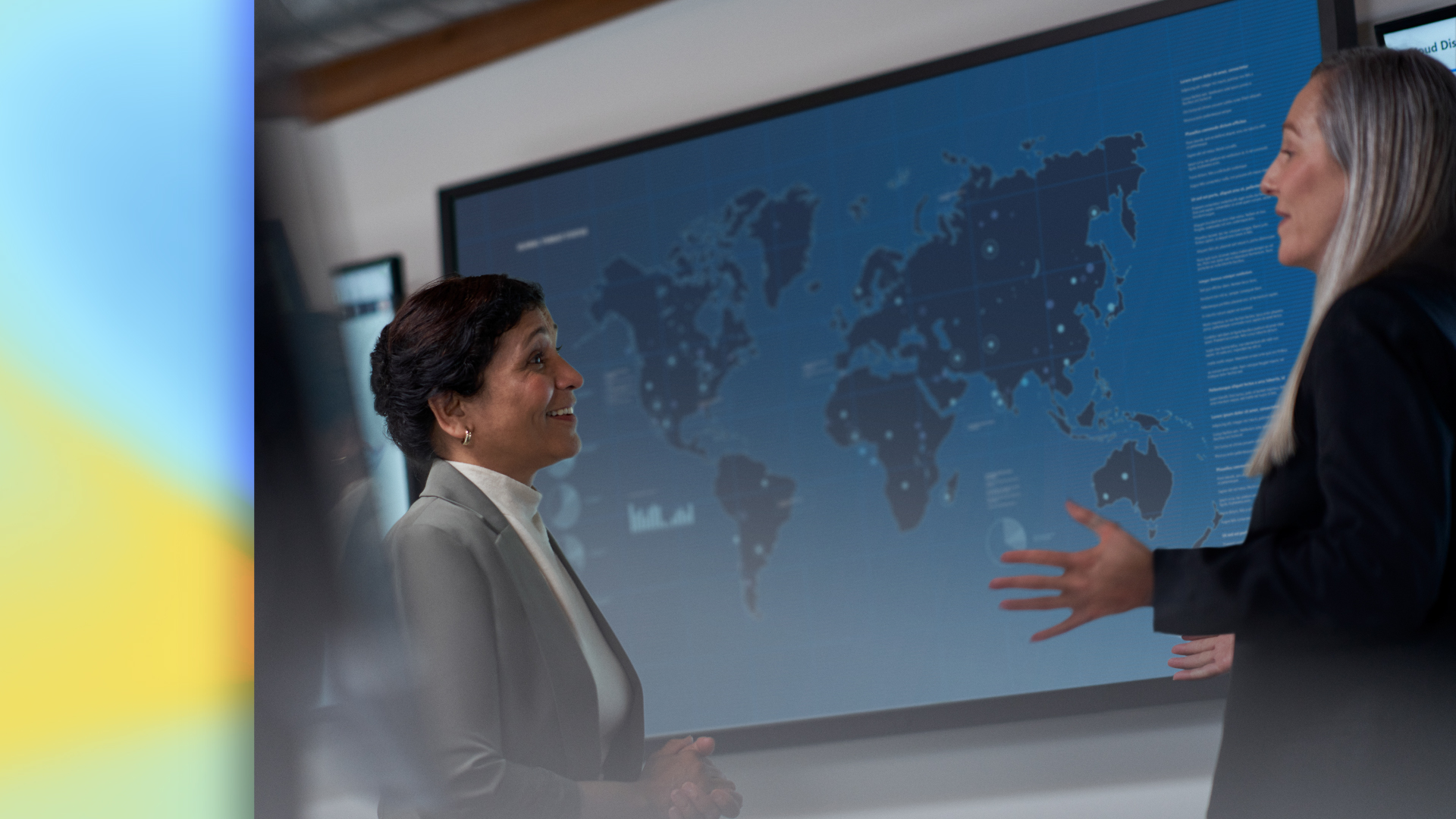
In the traditional model of cyber security – built on siloed directories and disconnected access policies – cyberattacks don’t have to totally break digital defenses. They just move between them, in the gaps between different apps, resources and environments. As organizations manage growing numbers of human and AI agentic identities, the way they manage digital security has to evolve as well. Read more about the three critical layers that a modern identity security solution must unify.

Two people discuss data in front of a large digital world map display.

How AI frees up time for execs to focus on higher‑value work

Copilot doesn’t shorten your workday, KPMG Canada’s Christine Andrew says. It changes what you do with it. The AI executive says that previously, the mechanics of work took up most of her time. Now, with help from AI, she’s been able to strengthen her focus on “very high quality” execution and reallocate her attention toward deeper reflection on how the business is going.

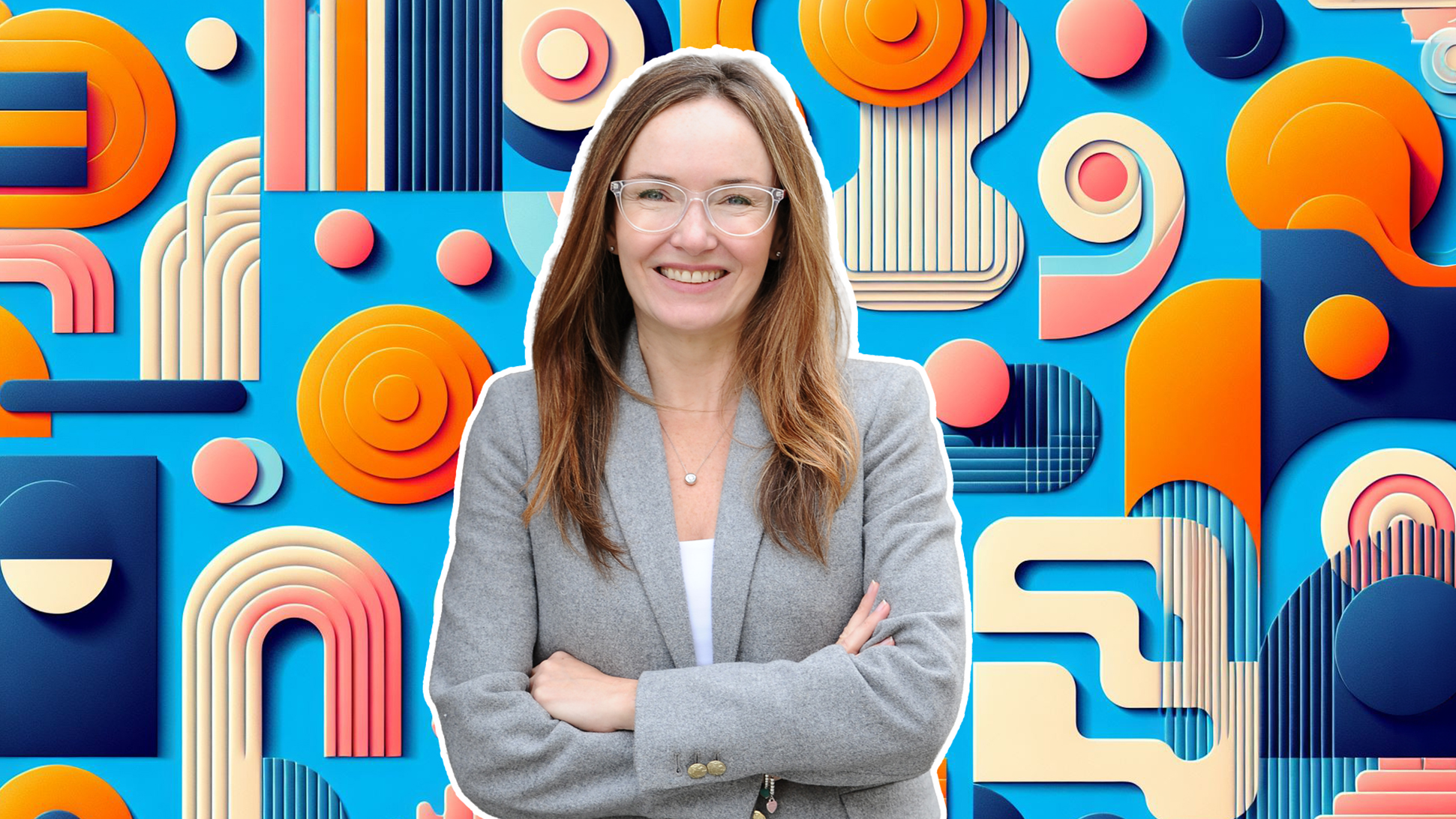
Person with arms crossed wearing a gray blazer over a white top, standing against a bright abstract background of colorful geometric shapes and question marks.

Microsoft and Nvidia collaborate on AI for nuclear power

The world is racing to meet a historic surge in power demand with an infrastructure pipeline built for the analog age. Driven by the exponential expansion of digital technologies and the reindustrialization of supply chains, the mandate for always-on, carbon-free power is urgent.

In a new blog post, Darryl Willis, Microsoft’s corporate vice president of Worldwide Energy and Resources Industry, writes that nuclear energy is the essential key to powering the future, but the industry remains trapped in a delivery bottleneck. Willis announces Microsoft is working with Nvidia on an AI-for-nuclear collaboration that will break the infrastructure bottleneck and provide end-to-end tools that will optimize build-out and operations across the industry.

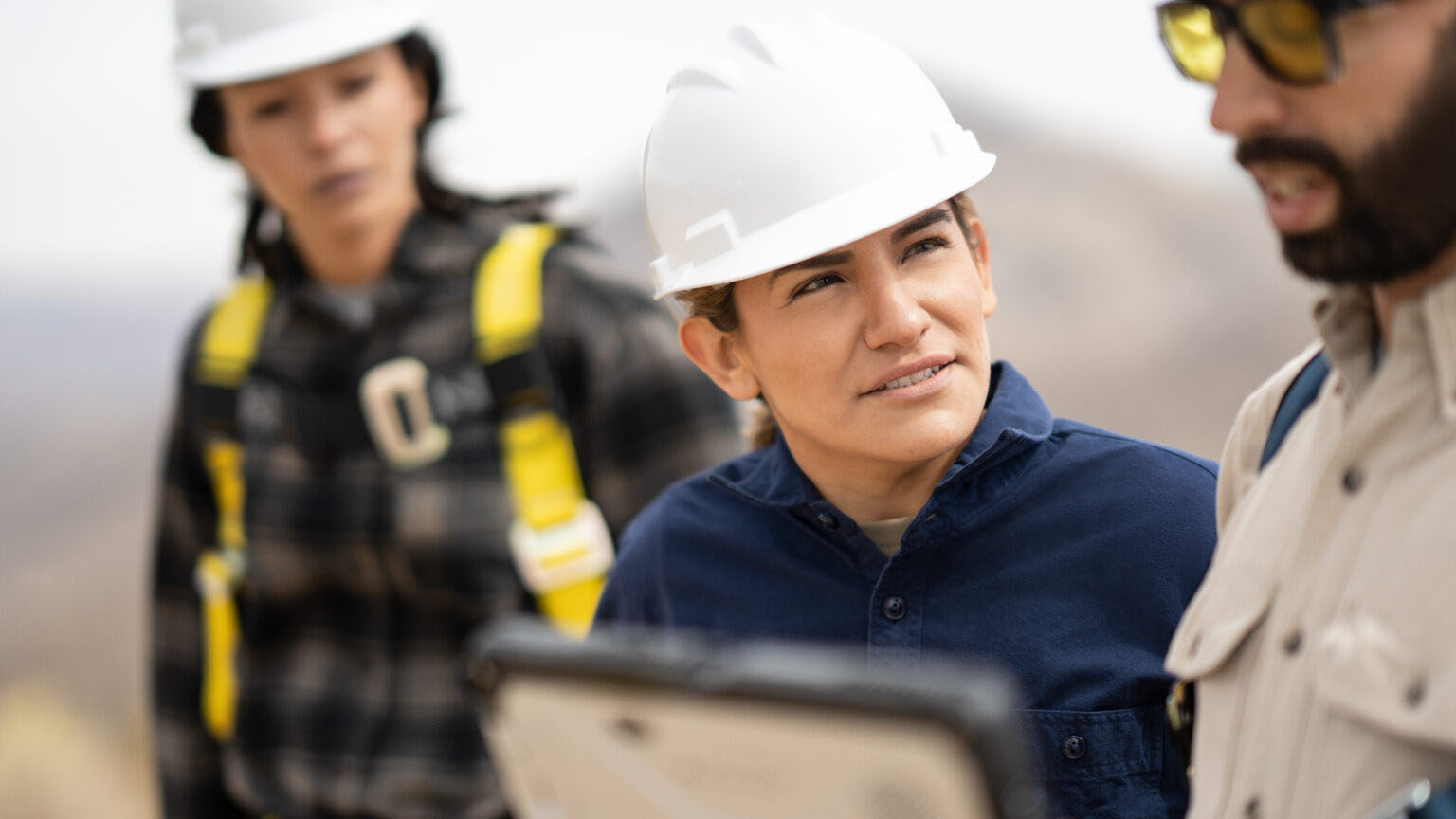
Workers in hard hats and safety gear review a tablet outdoors.

Microsoft pushes for more open-source standards in AI

AI infrastructure is still in its chaotic phase. Early on, teams made their own choices, using different tools, different reasoning and so on to build out. Initially, it felt flexible…but at scale, it was revealed to be fragmented. When companies switched to Kubernetes — an open-source platform designed to automate deploying, scaling and managing containerized applications — it was an answer to how to run AI systems safely.

Now, as the industry looks to the future, Microsoft’s teams have continued investing across open-source AI infrastructure. Read more about what was announced today at KubeCon + CloudNativeCon Europe 2026 in Amsterdam.

From metal parts to machine intelligence

Takayuki Hirayama founded ARUM Inc. 20 years ago from his kitchen table in Kanazawa, Japan. In that time, the company’s morphed from making precision parts to designing AI-driven manufacturing systems using Microsoft Azure. Now he wants to take this automation technology global.

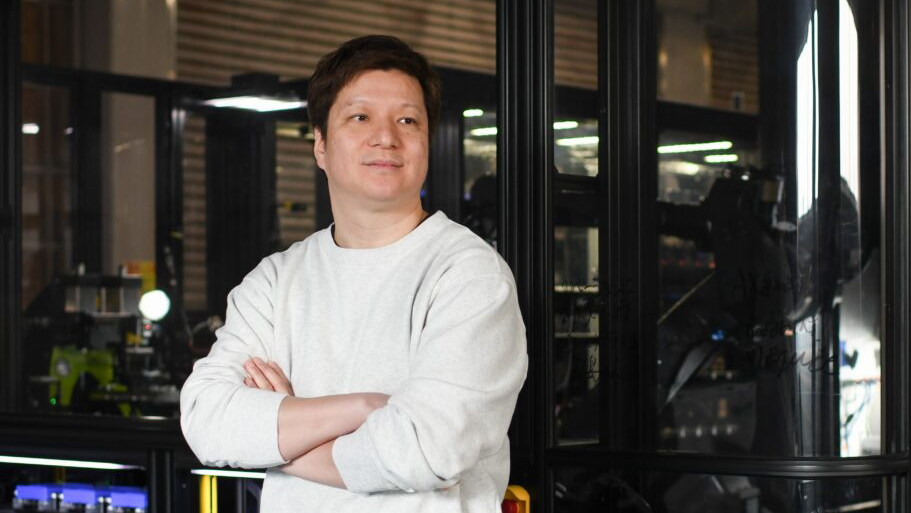
A person stands with arms crossed inside an industrial workspace, with glass‑enclosed machinery and equipment visible behind them.

How ARUM Inc is scaling craftsmanship with AI

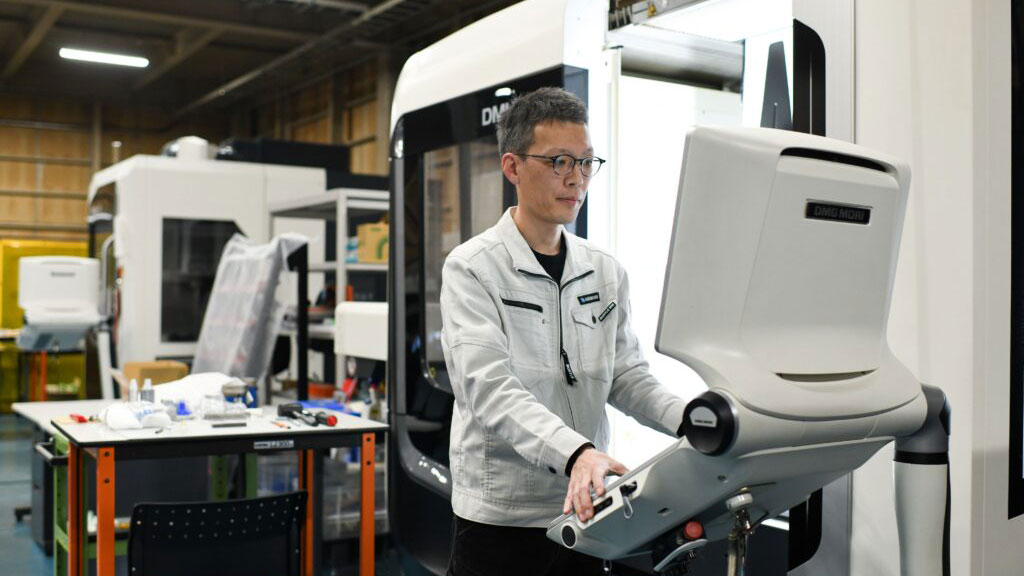
ARUM Inc is turning decades of Japanese machining expertise into software, and fully automated machining centers. Precision parts can now be crafted by junior workers, thanks to AI. And more guidance will come from KAYA, a prototype conversational AI built with Azure AI Speech and Azure OpenAI in Microsoft Foundry.

Microsoft brings Zero Trust principles to AI

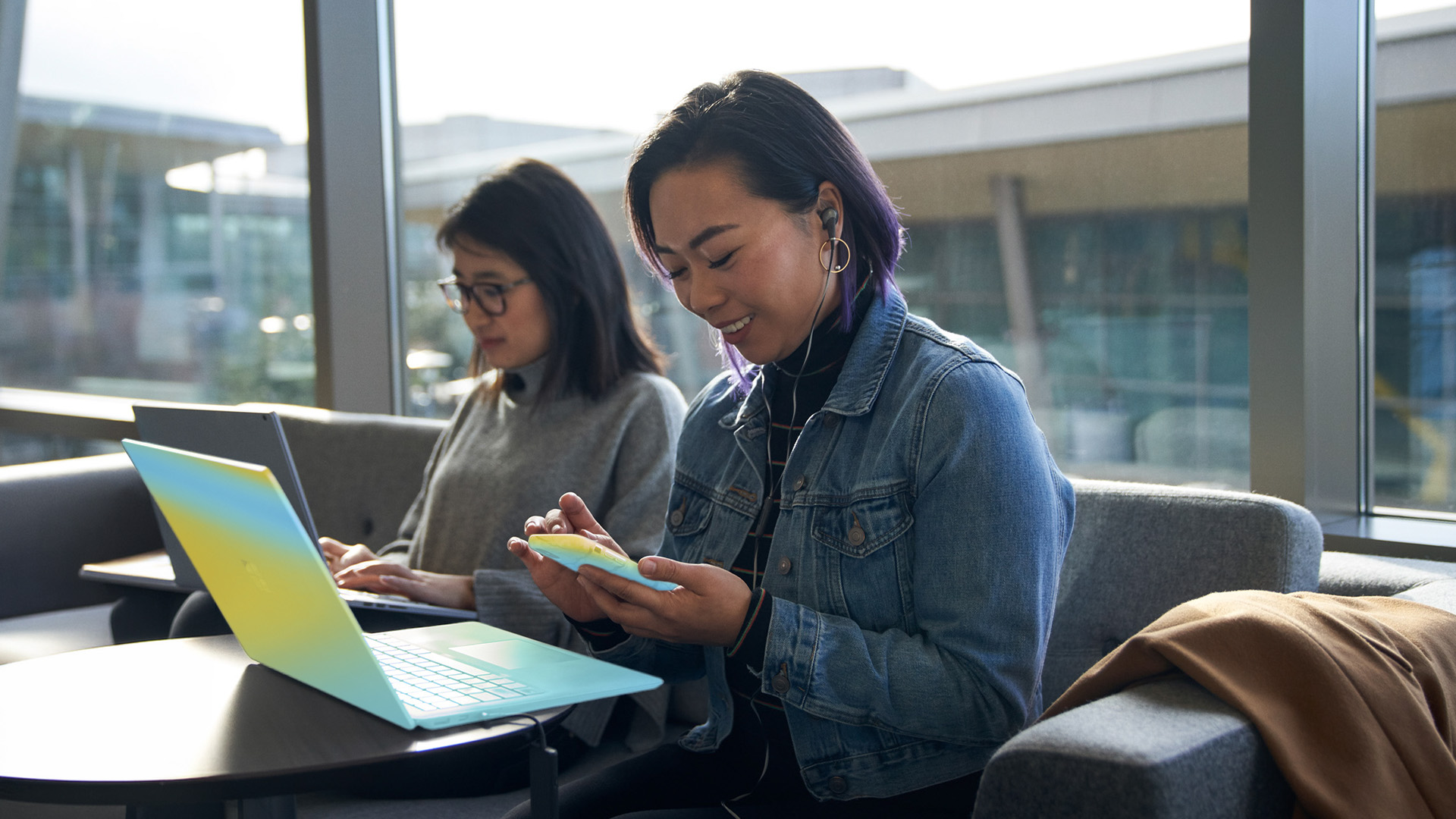
Microsoft is adding a new pillar to its Zero Trust security approach by extending the model to AI. Zero Trust, which means building security systems that assume security breaches and check every access point, is now being applied across the entire AI lifecycle, from data ingestion and model training to deployment and agent behavior. Read more about the company’s answer to the question, “We’re adopting AI fast, how do we make sure our security keeps pace?”

Two people seated on a couch, one working on a laptop and the other using a smartphone in a bright indoor lounge.
English (United States)
Your Privacy Choices Opt-Out Icon Your Privacy Choices
Consumer Health Privacy Sitemap Contact Microsoft Privacy Manage cookies Terms of use Trademarks Safety & eco Recycling About our ads