
コチョウワビスケ 極小輪の侘び寂び椿

胡蝶侘助 (コチョウワビスケ)
コチョウワビスケは、侘助椿(ワビスケツバキ)の
一品種の位置付けで、日本のツバキの園芸品種の
中のひとつとなる。特徴的な花の形状と、控えめな
美しさから茶人や園芸愛好家に愛されるもの。
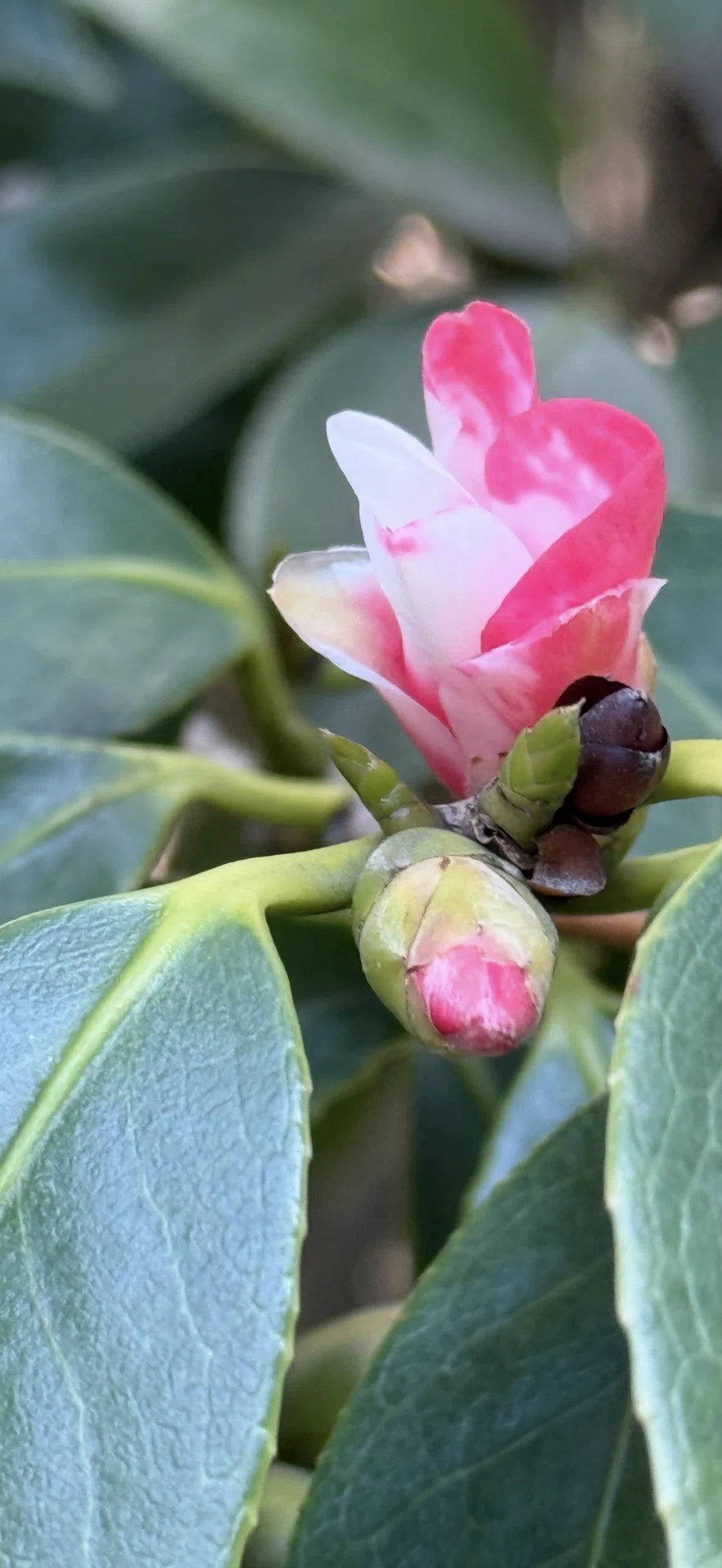
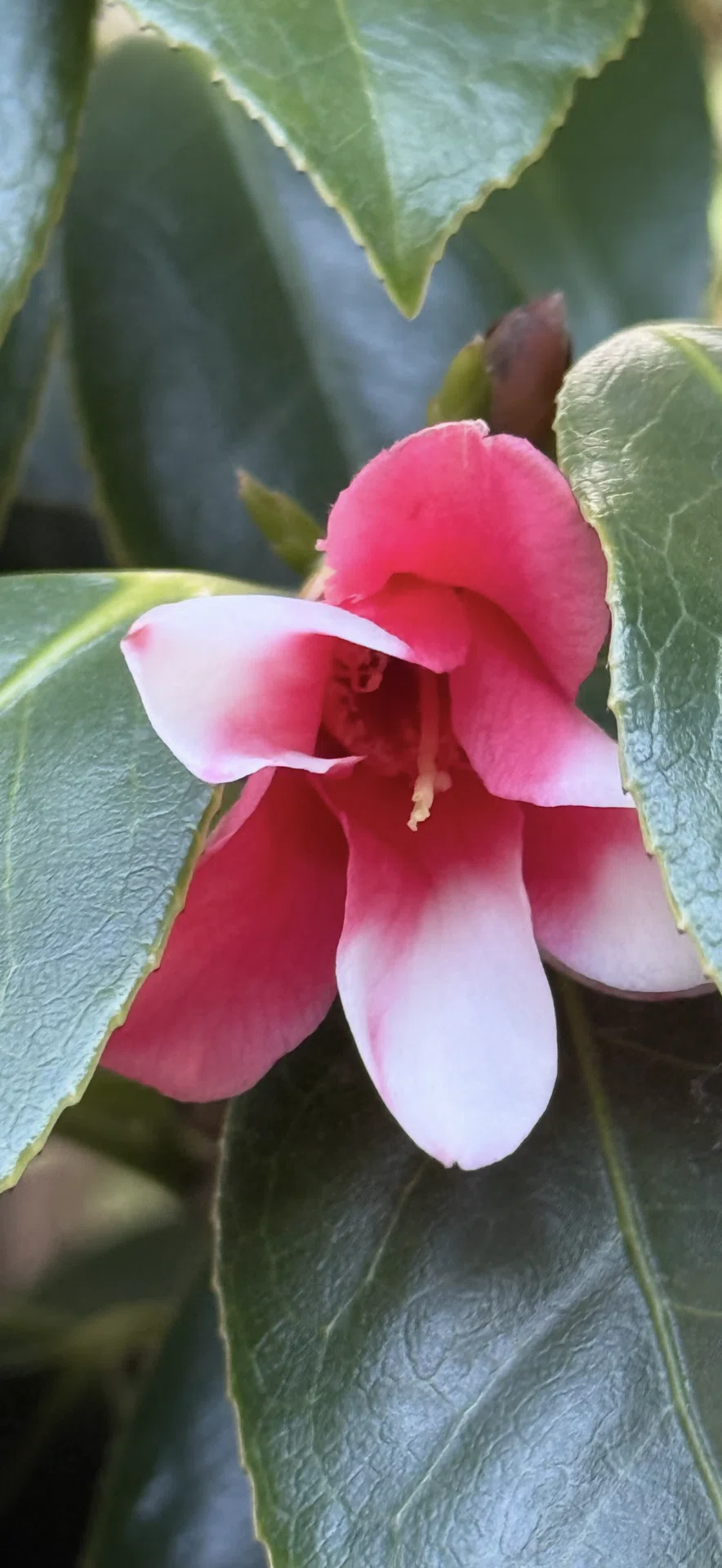
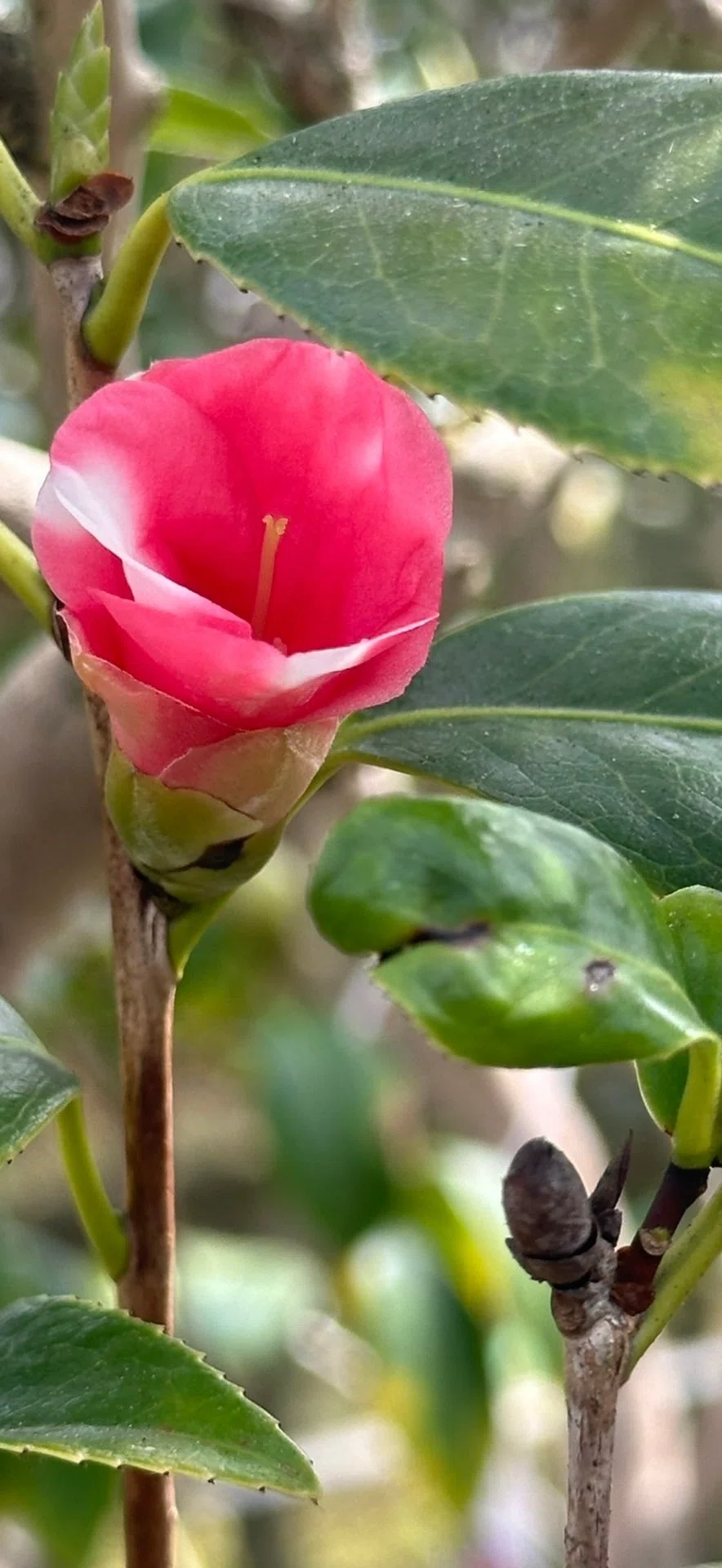
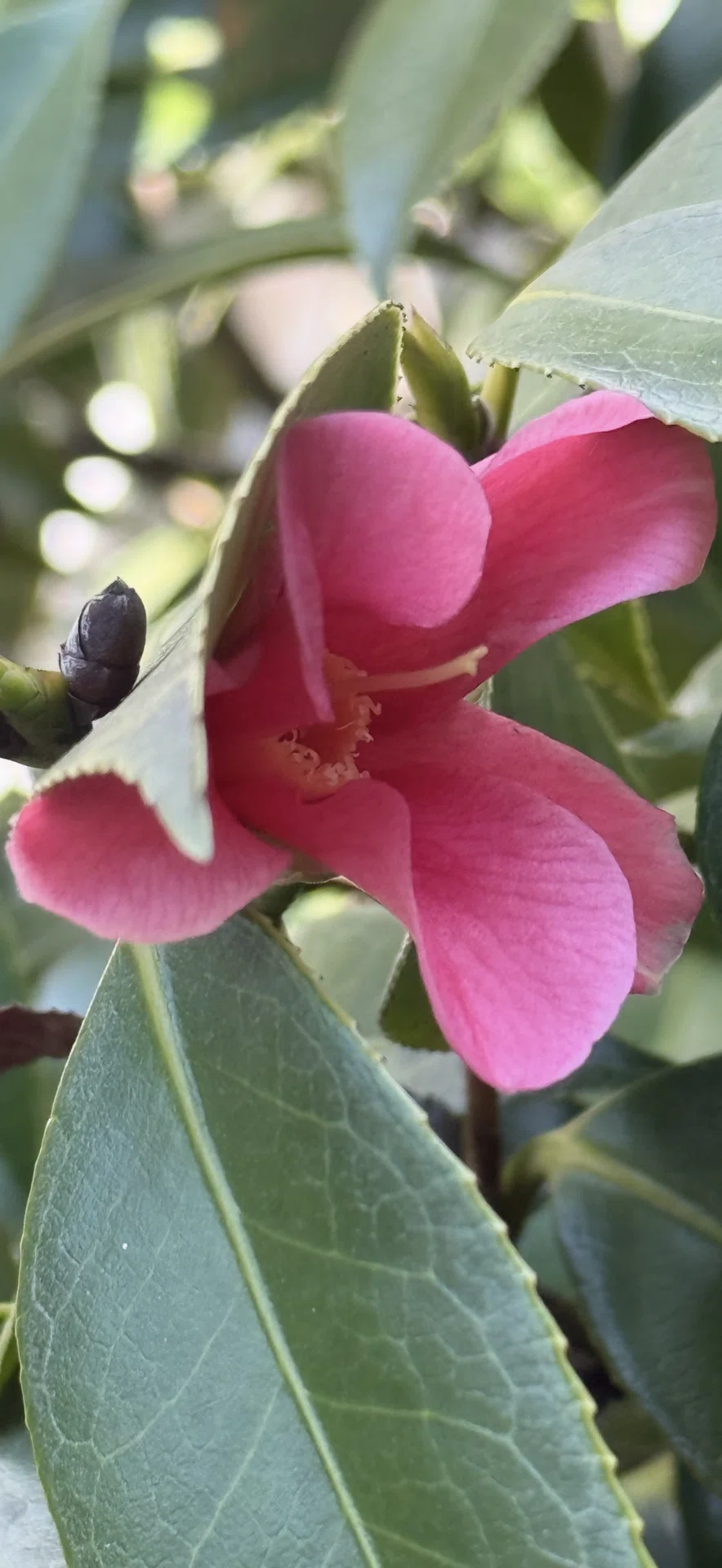
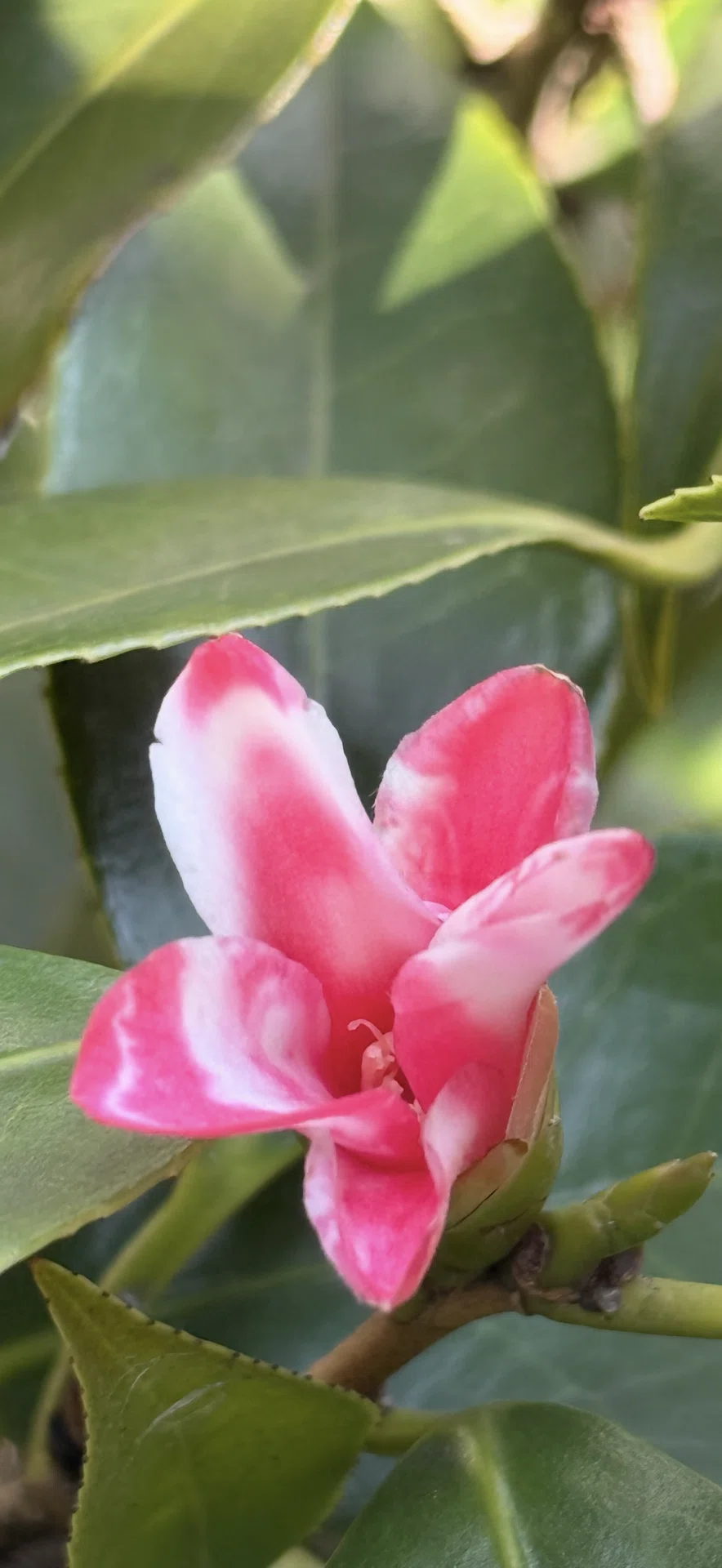
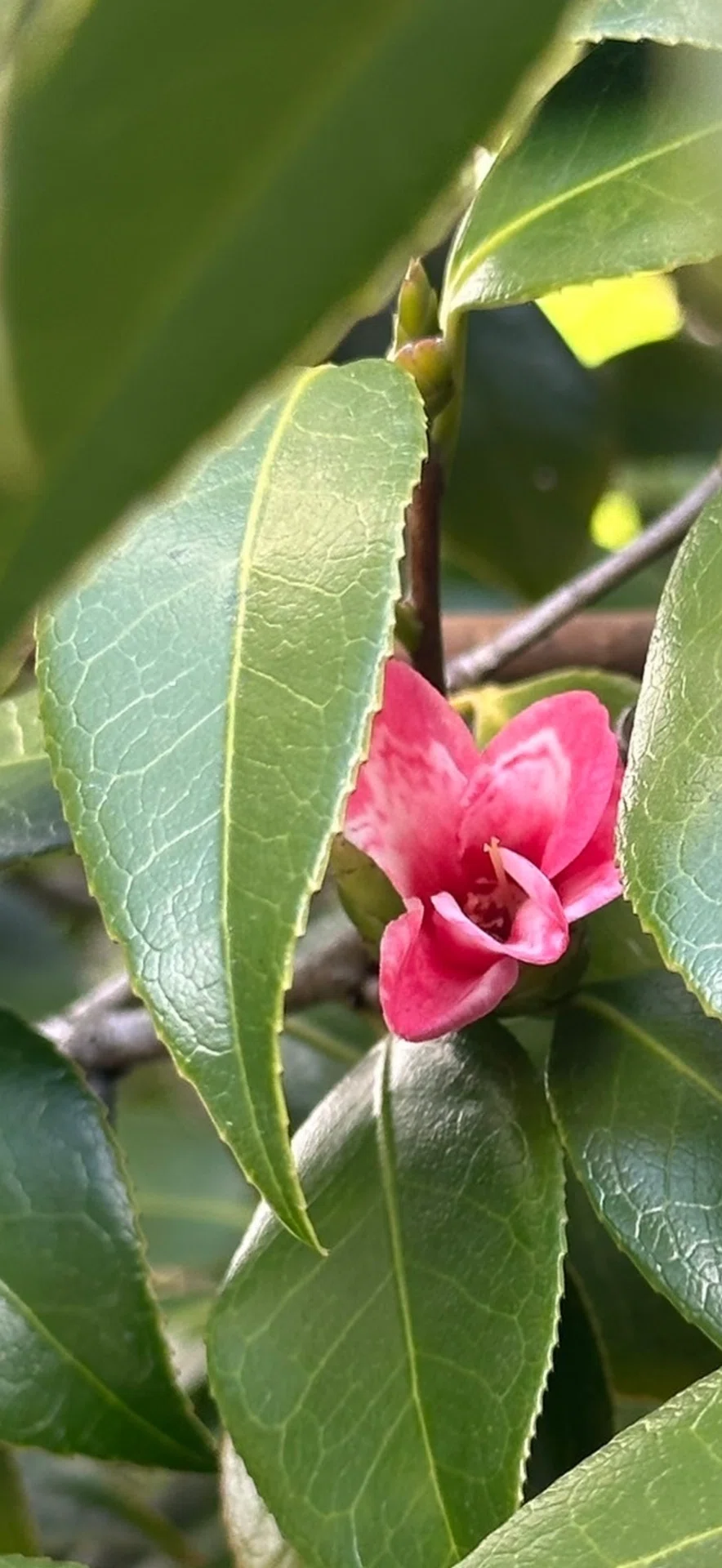
その花は極小輪、または小輪で、一重咲きの猪口咲
に分類される。花弁はやや反り返る事があるために
蝶が舞うような優雅な姿が特徴で、胡蝶が冠された
名称となった。
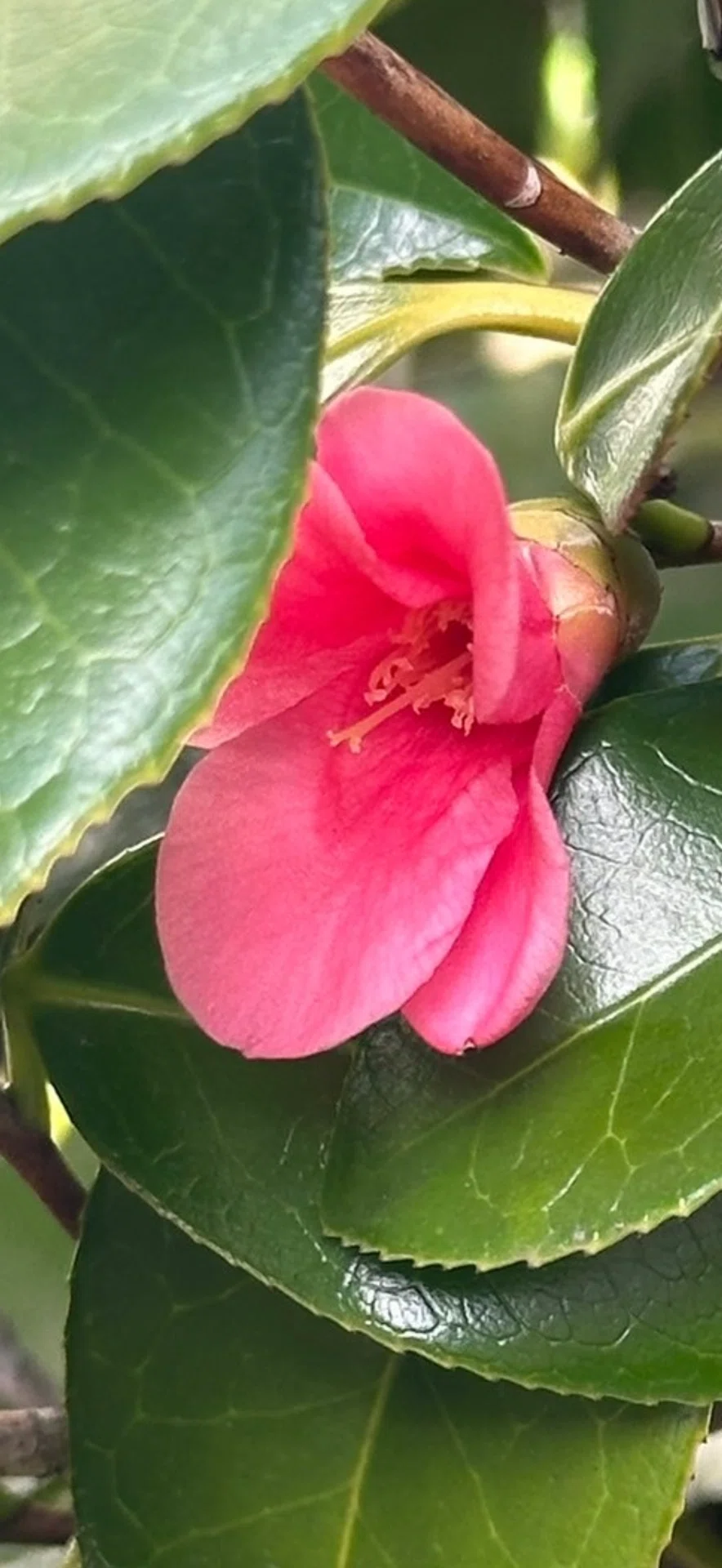
コチョウワビスケの花は紅色の単色の花も咲いたり
するが、基本的には淡桃に白の斑が大胆に入るため
ワビスケの中でも特に優雅な品種のひとつとされる。
これらワビスケの歴史は、室町時代から江戸時代に
かけ日本の茶人に愛され、茶庭に多く植えられる様
になった という背景がある。特に千利休の美意識に
影響を与えたとされ、侘び寂びの象徴としてとくに
珍重されたもの。
これらワビスケ系のツバキの殆どは、雄蕊が退化し
筒状の筒蕊になった特徴を持っているものである。
このため、自然受粉による種子繁殖はほぼ不可能で
ごく稀に他のツバキとの交雑によって種子をつける
事があるとも言われているが、基本的には 栄養繁殖
(接木、挿木)により増やされるのが一般的である。
このコチョウワビスケを栽培したい場合は、種子で
なく枝を用いた挿木、もしくは台木への接木により
増やすのが主な方法となる。
今年はツバキに多いに接する機会があり、何本かの
希少品種の枝を手に入れたので、トライアルしよう
と考えている。
Kochō Wabisuke (胡蝶侘助)
Kochō Wabisuke is a cultivar of Wabisuke
Camellia (ワビスケツバキ), a variety within
Japan’s ornamental camellias. With its distinct
flower shape and understated beauty, it is
cherished by tea masters and gardening
enthusiasts alike.
Its flowers are classified as extremely small or
small-sized, single-flowered, and choko-zaki
(cup-shaped bloom). The petals may slightly
curve outward, giving the flower an elegant
appearance reminiscent of a fluttering butterfly,
which is how it earned the name “Kochō” (胡蝶),
meaning “butterfly”.
While some Kochō Wabisuke flowers bloom in
a solid red color, the typical variety features a
delicate pink base boldly accented with white
variegation, making it one of the most graceful
cultivars among Wabisuke camellias.
History of Wabisuke Camellias
The history of Wabisuke camellias dates back
to the Muromachi to Edo periods, when they
were highly esteemed by Japanese tea masters
and widely planted in tea gardens. It is said that
these camellias influenced the aesthetic
sensibilities of Sen no Rikyū, and they were
particularly treasured as a symbol of wabi-sabi
(侘び寂び), the Japanese philosophy of refined
simplicity and imperfection.
Most Wabisuke camellias share a unique
characteristic—their stamens have degenerated
into a tubular structure (known as chutsu-shibe,
筒蕊). As a result, they are nearly incapable of
natural seed reproduction. In rare cases, they
may produce seeds through cross-pollination
with other camellias, but they are primarily
propagated through vegetative reproduction,
such as grafting or cuttings.
Cultivating Kochō Wabisuke
For those looking to cultivate Kochō Wabisuke,
propagation through cuttings or grafting onto
rootstock is the primary method, rather than
growing from seeds.
This year, I have had many opportunities to
engage with camellias and have acquired
branches from several rare cultivars. I am
planning to conduct a trial and attempt
propagation.
和名 椿 (ツバキ)
洋名 ジャパニーズ カメリア
(JAPANESE CAMELLIA)
学名 カメリア ジャポニカ
(CAMELLIA JAPONICA)
品種 侘助(ワビスケ)
胡蝶侘助 (コチョウワビスケ)
分類 ツツジ目、ツバキ科、ツバキ属
種類 常緑低木
草丈 5〜7m
開花 12〜2月
花色 混色 (淡桃色、白色)
花弁 一重 (5〜6枚)
咲型 猪口咲
花径 2〜3cm 極小輪
歴史 江戸時代
原産 日本
言葉 誇り
控えめな優しさ
撮影 椿寿庵
■■■■■■■■■■■■■■■■■■■■■■■■■■■■
#ワビスケ
#侘助
#WABISUKE
#コチョウワビスケ
#胡蝶侘助
#コチョウシボリワビスケ
#胡蝶絞侘助
#KOCHOWABISKE
#ツバキ
#椿
#ニホンツバキ
#日本椿
#ジャパニーズカメリア
#JAPANESECAMELLIA
#カメリアジャポニカ
#CAMELLIAJAPONICA
#カメリア
#CAMELLIA
#椿寿庵
■■■■■■■■■■■■■■■■■■■■■■■■■■■■
