
オウショウクン 中国四大美人の名のついたツバキ

王昭君(オウショウクン)
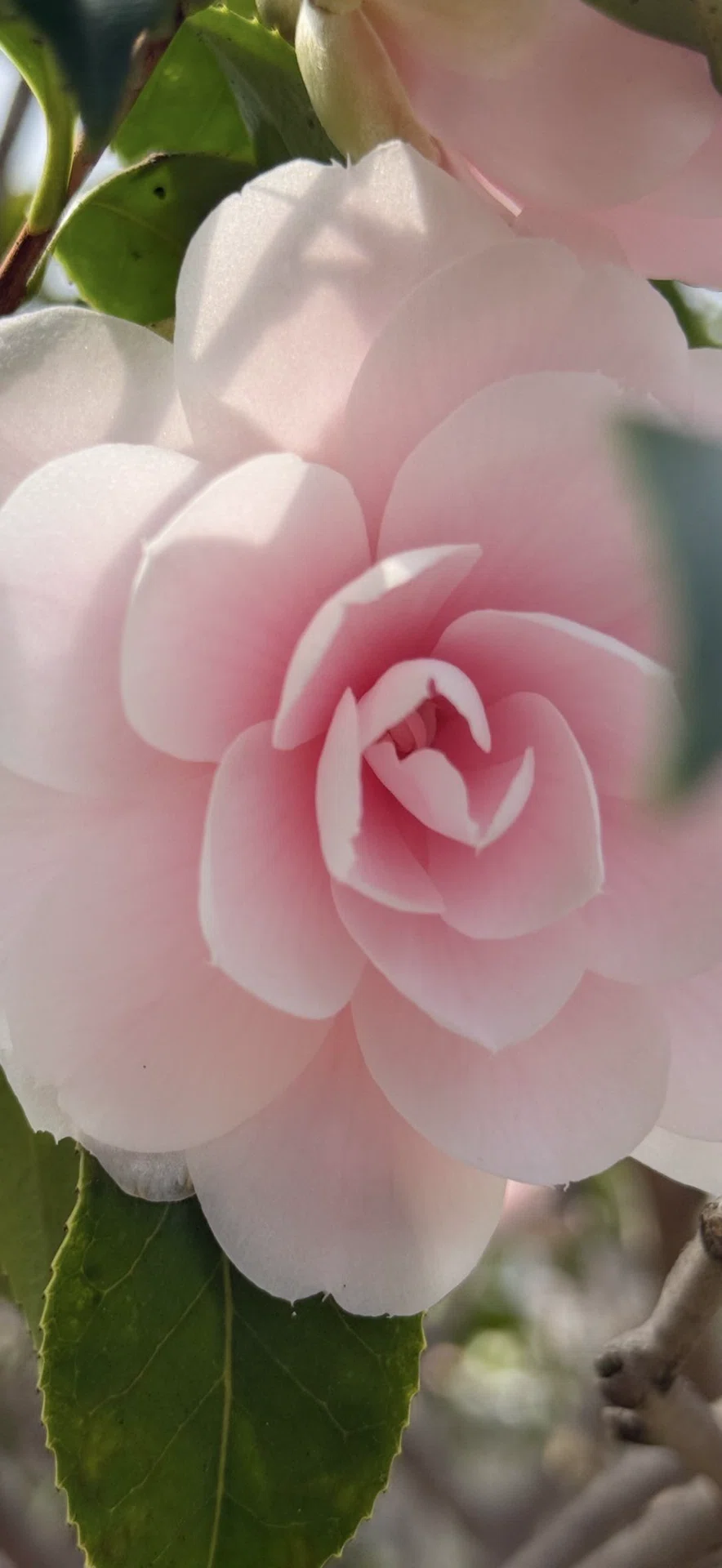
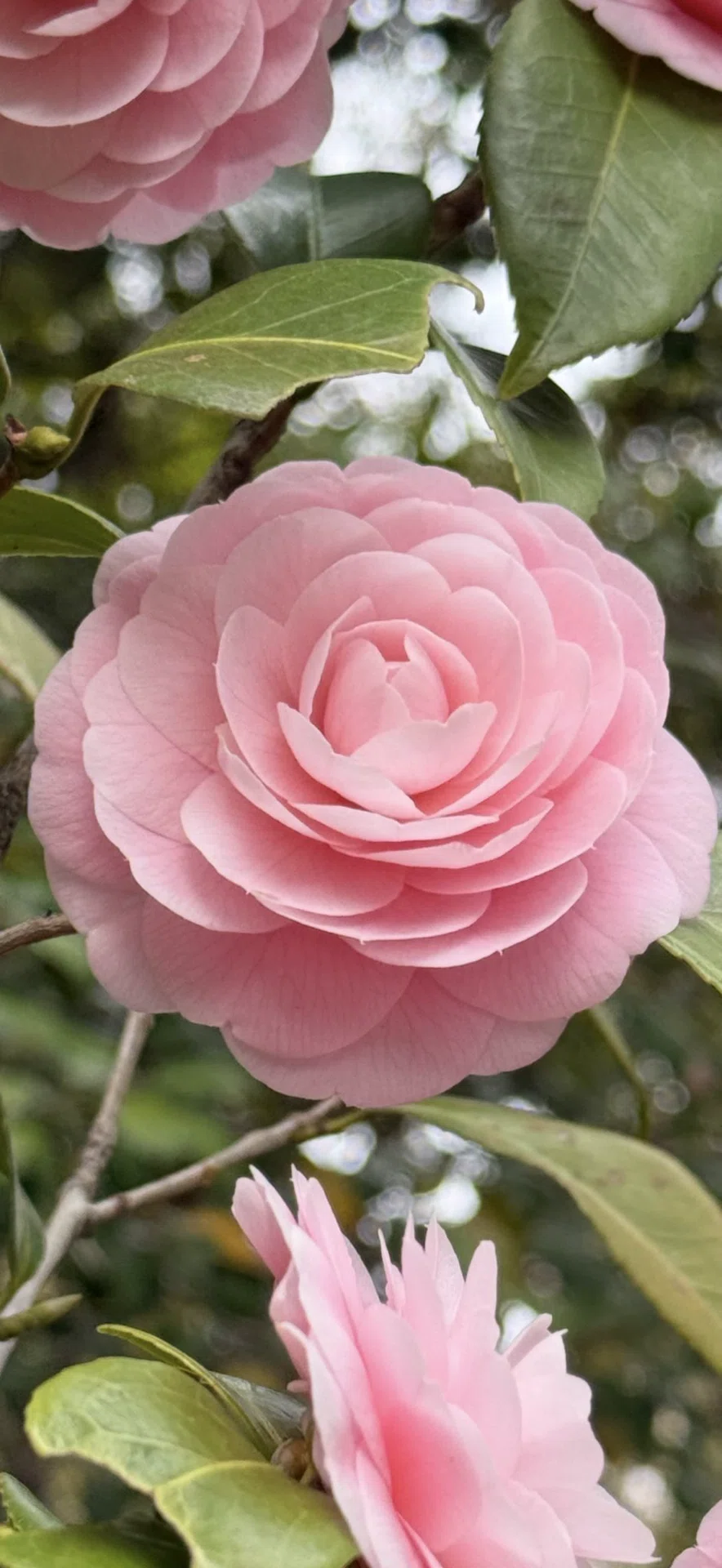
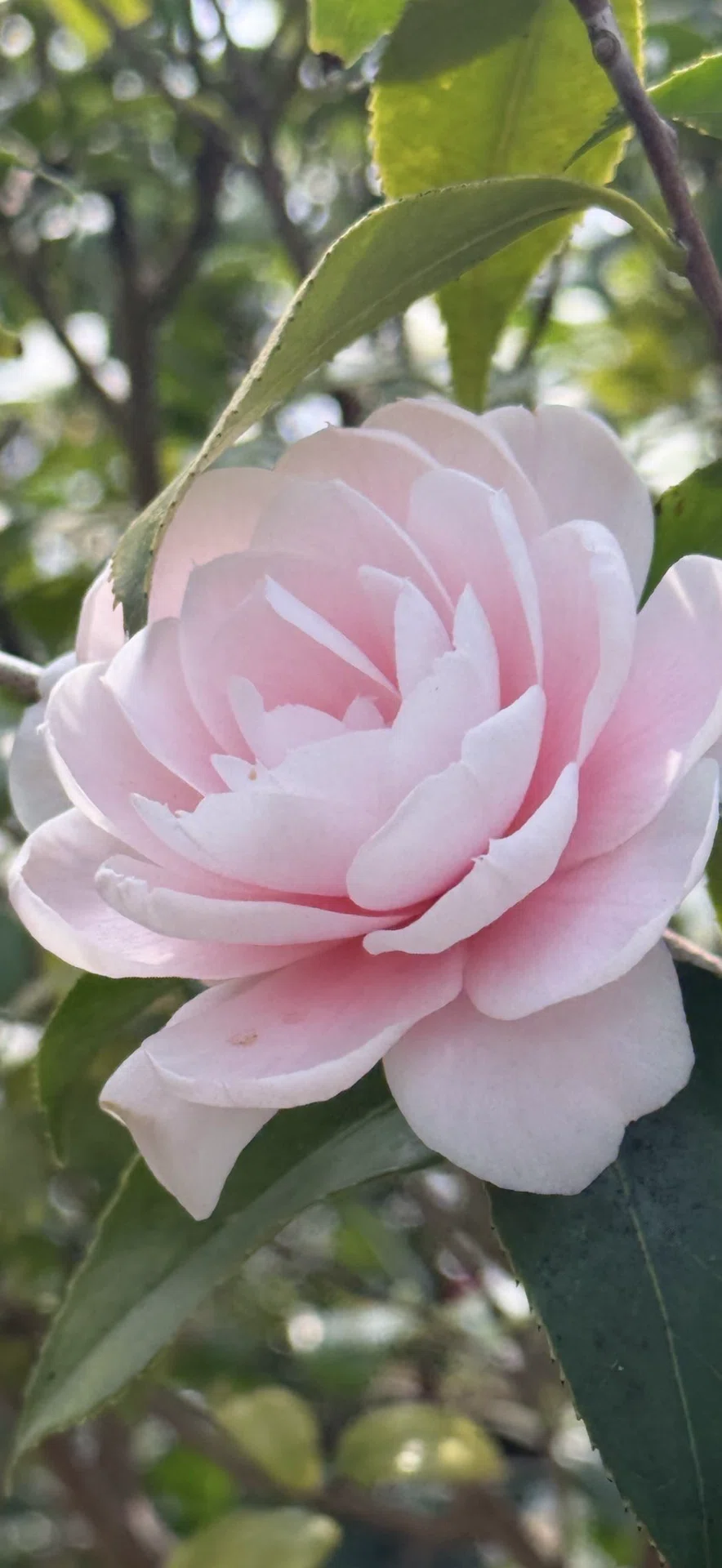
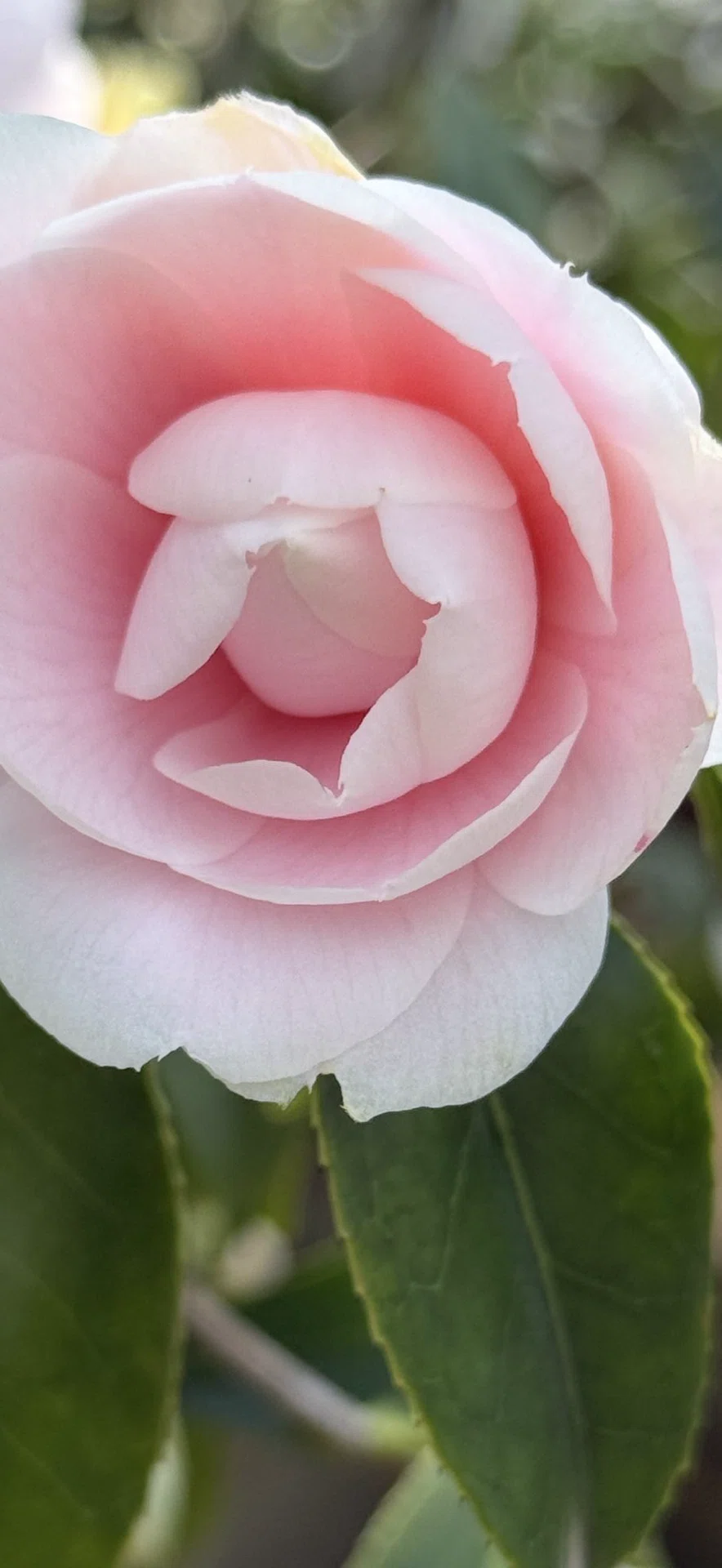
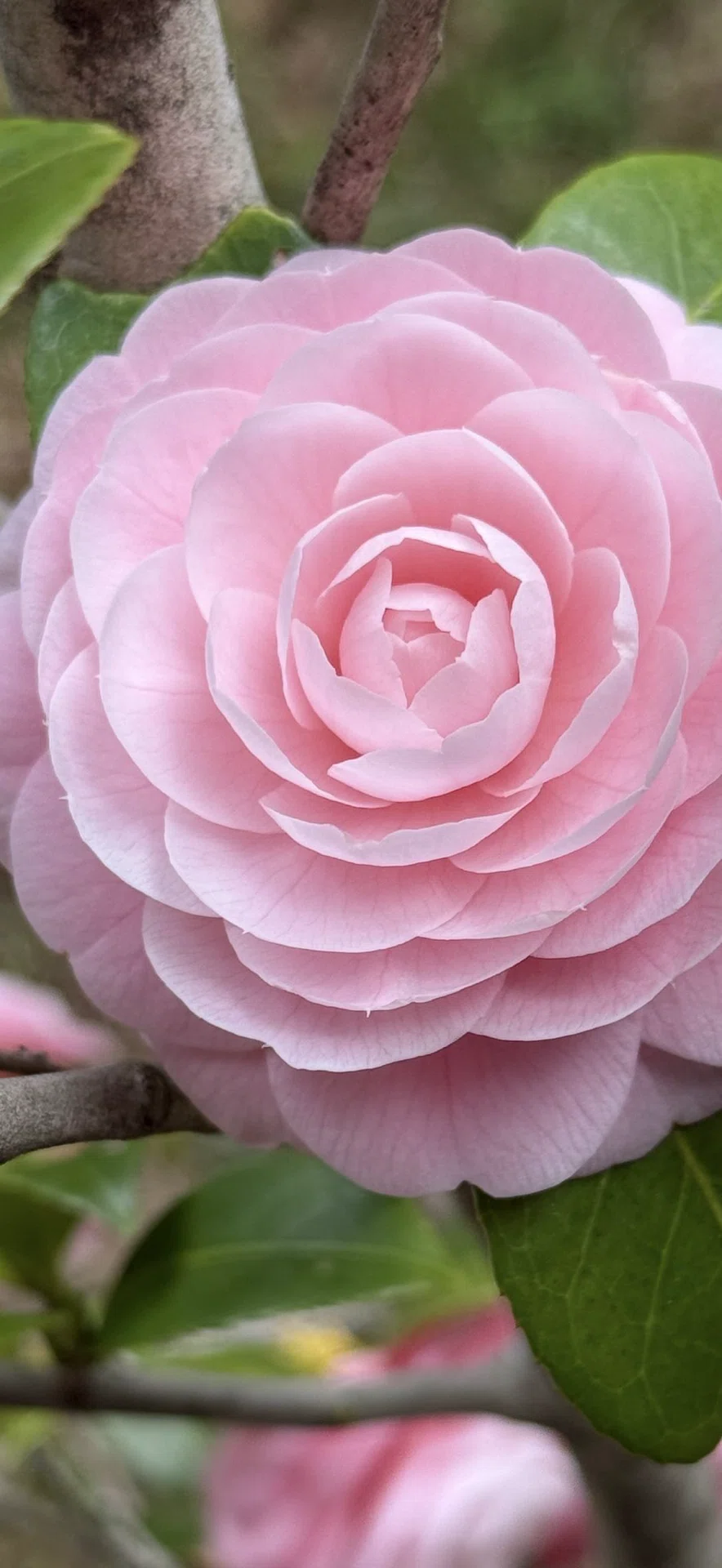
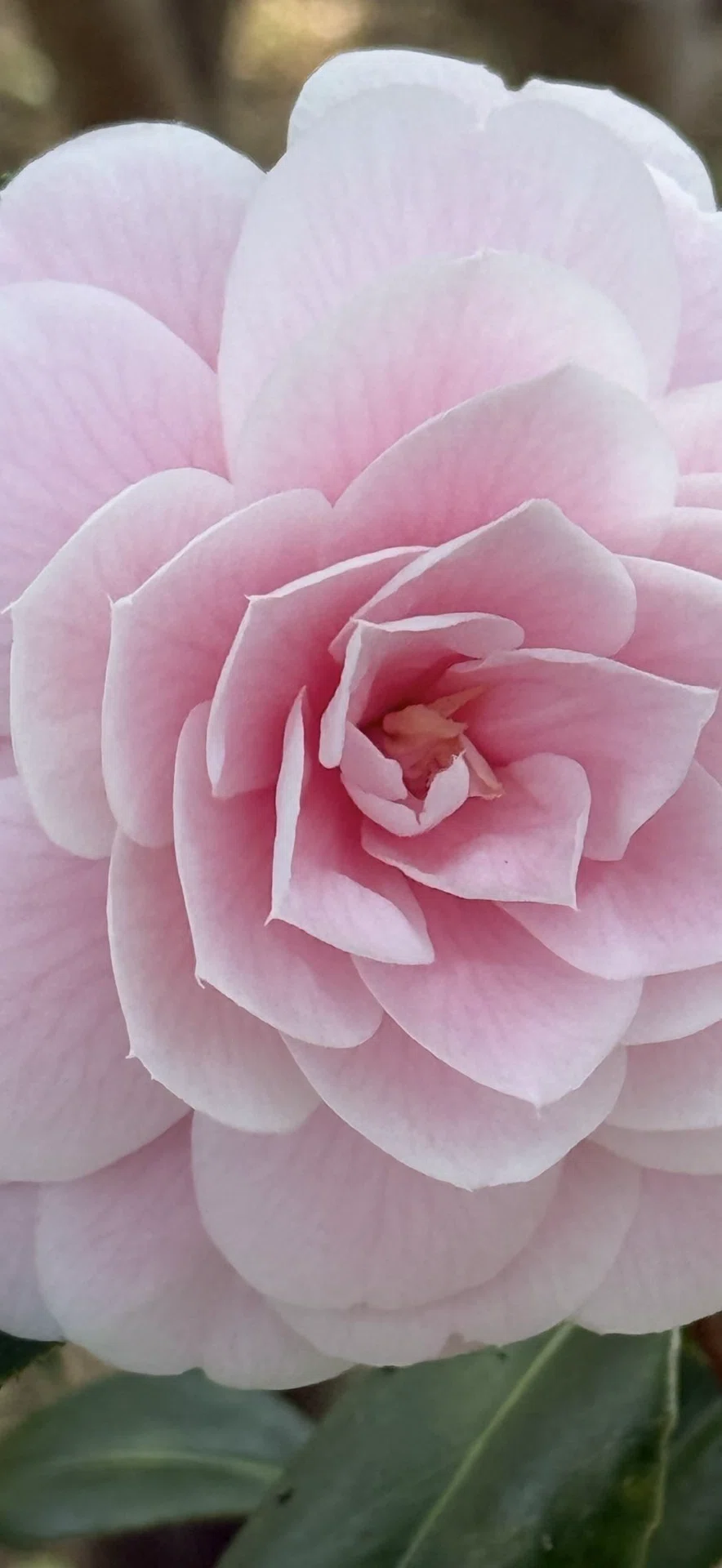
淡桃色の花弁の基部は濃く弁端は白色へ緩やかに
グラデーション変化の様が美しく、千重咲の花形
がとても美しい中輪のツバキの品種となる。
『王昭君』(オウショウクン)とは古代中国四大美女
の『楊貴妃』(ヨウキヒ)、『西施』(セイシ)、
『貂蝉』(チョウセン)、の一人に数えられる歴史上
の悲劇の女性の一人の名前である。
この王照君は漢の時代、和平の為に匈奴(モンゴル)
の君主であった呼韓邪単于(コカンヤゼンウ)の元
に嫁がされた女性である。嫁ぎ先のコカンヤゼンウ
との間に一男を産むが、この夫の死後、モンゴルの
風習に倣い夫の義理の息子に嫁がされ二女を産んだ
とされる。
平和と中国の為にとその身を捧げさせられた事から
自己犠牲的な運命を強いられた悲劇的な女性として
言い伝えられている女性として知られる。現代では
考えられない事かと思いきや、日本国内に於いても
同様に女性を供物的に扱う世界が純然と残っており
この様な悪しき思想はあってはならぬと思うもので
ある。
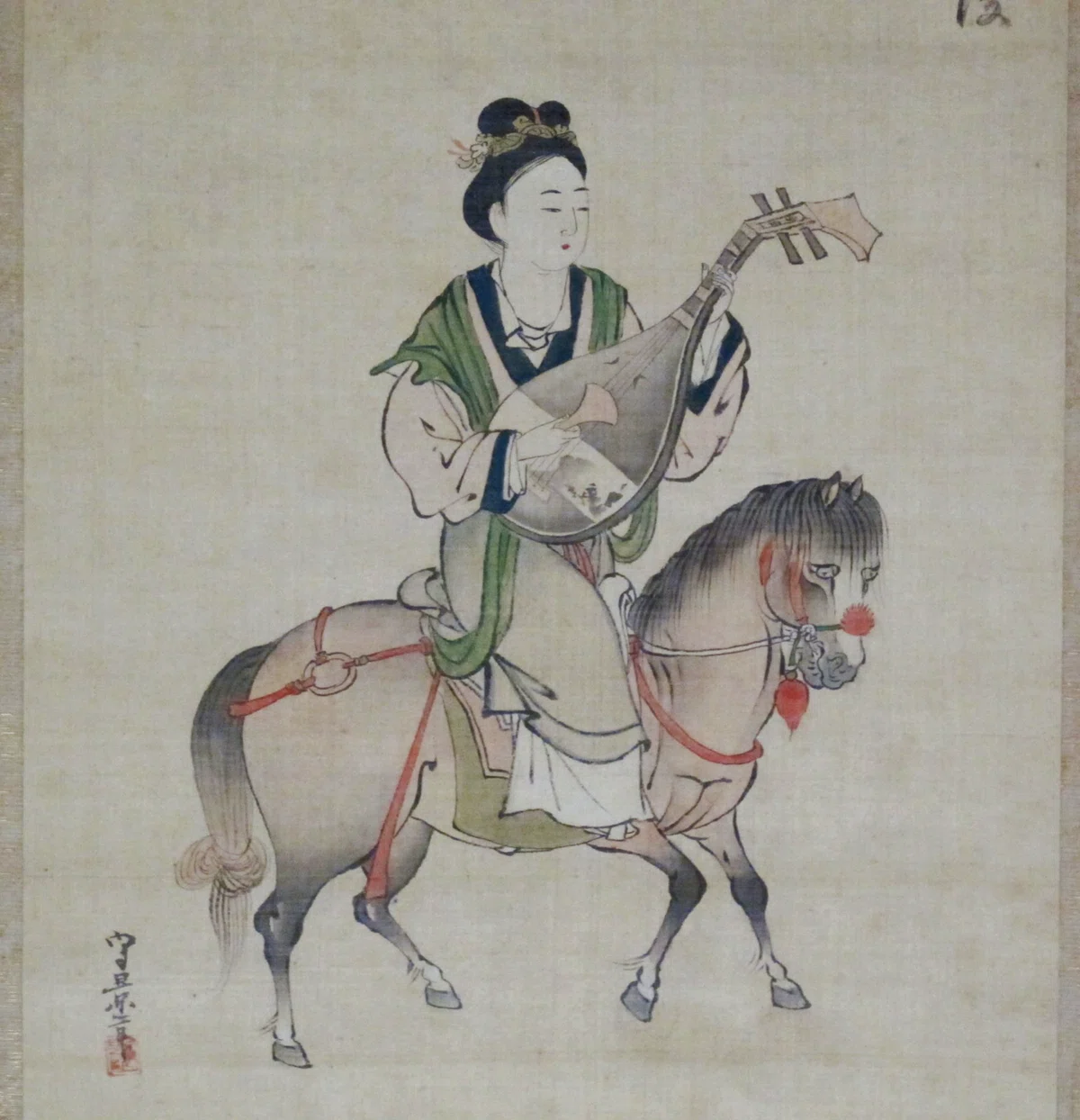
自分の祖国を想いながら弾いた琵琶で奏でる悲しい
音色のあまり、空を飛んでいた雁(ガン)が次々と
落ちてきたとの故事で、落雁美人(ラクガンビジン)
とも呼ばれているオウショウクン。
その悲劇の歴史的女性の名を付けられたツバキは
名前にも相応しく、花姿を前にして息を飲むほどの
品格のある美をもつものである。
オウショウクンは、江戸時代からの古種『酒中花』
(シュチュウカ)の枝変として生まれた椿の品種と
なっている。
千重咲の『乙女椿』(オトメツバキ)にも似ているが
花弁数はオウショウクンの方が少なめとなる。また
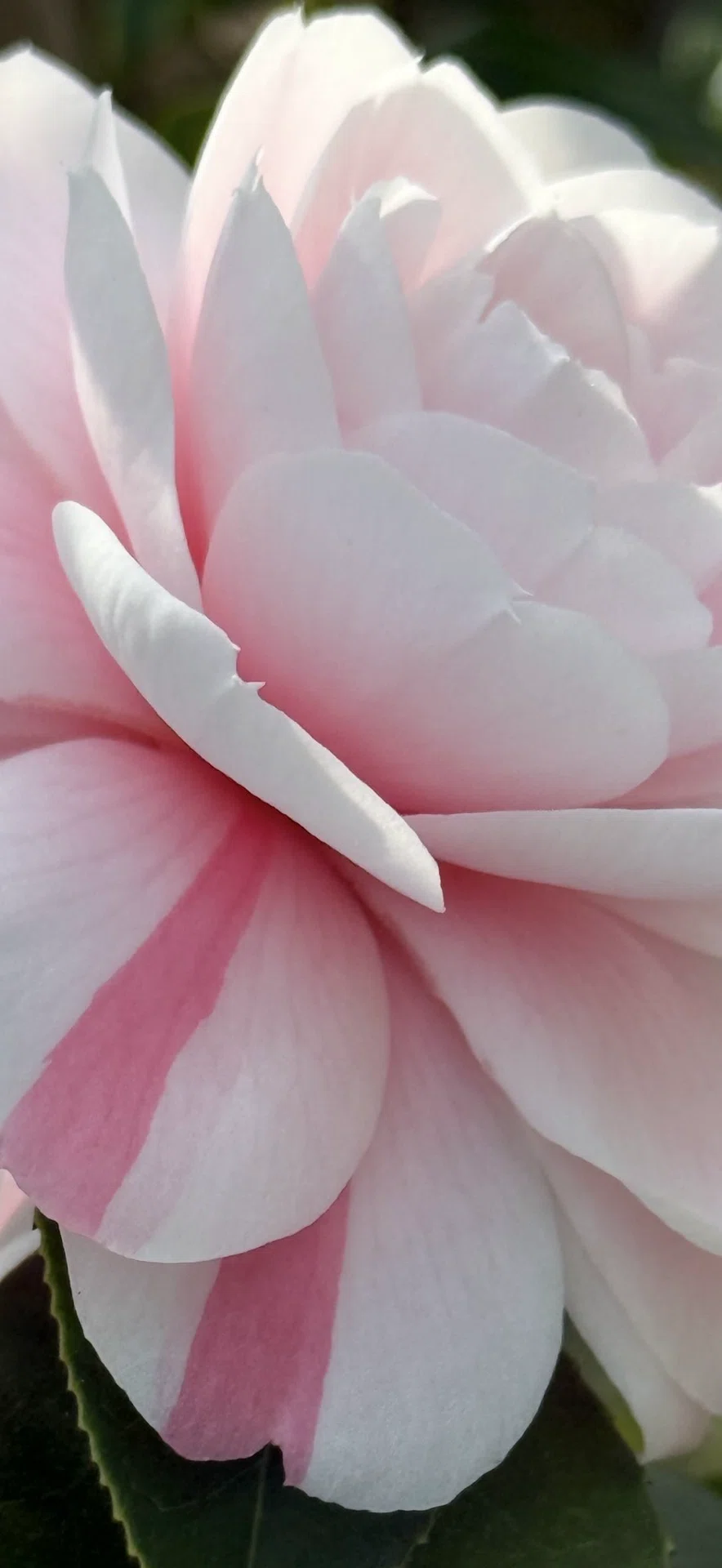
オウショウクンは、稀にであるが縦絞が生じるもの
で、画像に記録として残しておく。
Ōshōkun
The base of the pale pink petals darkens
gradually toward the center, while the edges
transition smoothly to white, creating a
beautiful gradient effect. This variety of
camellia, featuring a medium-sized bloom
with a thousand-petaled form, is exceptionally
elegant.
The name “Wang Zhaojun” (Ōshōkun) belongs
to one of the four great beauties of ancient
China, alongside “Yang Guifei” (Yōkihi), “Xi Shi”
(Seishi), and “Diaochan” (Chōsen). Wang
Zhaojun is known as a tragic historical figure.
During the Han dynasty, Wang Zhaojun was
sent as a bride to Huhanye Chanyu (Kokanyazen’u),
the ruler of the Xiongnu (Mongolia), as part of a
peace agreement. She bore him a son, but after
his death, she was remarried to his adoptive son
in accordance with Mongolian customs, and she
gave birth to two daughters.
Having sacrificed herself for peace and for the
sake of China, Wang Zhaojun is remembered as
a tragic woman forced into a fate of self-sacrifice.
While such practices seem unimaginable in the
modern era, even in Japan, there still exist
remnants of a world where women are treated
as offerings. Such outdated and unjust ideologies
should never be tolerated.
A legend tells that as Wang Zhaojun played the
pipa while longing for her homeland, the sorrowful
melody caused wild geese flying overhead to
fall from the sky. This is why she is also known
as “Rakugan Bijin” (Beautiful Woman of the Falling
Geese).
The camellia named after this tragic historical
figure is truly worthy of its name, possessing
an awe-inspiring beauty that takes one’s breath
away.
Ōshōkun is a camellia variety that originated as
a sport of the Edo-period heirloom variety
“Shuchūka” (Shuchūka).
It closely resembles the thousand-petaled
“Otome Tsubaki” (Otome Camellia), but with
fewer petals. Occasionally, vertical streaks
appear on its petals, and when they do, they
are recorded in images as part of its
characteristics.
和名 椿 (ツバキ)
洋名 ジャパニーズ カメリア
(JAPANESE CAMELLIA)
学名 カメリア ジャポニカ
(CAMELLIA JAPONICA)
品種 王昭君(オウショウクン)
分類 ツツジ目、ツバキ科、ツバキ属
種類 多年生植物
草丈 2〜5m
開花 3〜5月
花色 淡桃色のグラデーション
花弁 千重
咲型 千重咲
花径 7〜8cm 中輪
歴史 江戸時代 古典椿
原産 日本
言葉 誇り
控えめな優しさ
撮影 服部緑地都市緑化植物園 椿山内
■■■■■■■■■■■■■■■■■■■■■■■■■■■■
#椿
#ツバキ
#ジャパニーズカメリア
#JAPANESECAMELLIA
#カメリアジャポニカ
#CAMELLIAJAPONICA
#王昭君
#オウショウクン
#服部緑地都市緑化植物園
■■■■■■■■■■■■■■■■■■■■■■■■■■■■
王照君 (オウショウクン)
紀元前51年〜紀元前15年
■■■■■■■■■■■■■■■■■■■■■■■■■■■■
