
珍奇植物が何故、江戸時代に流行したのか? Why Did Bizarre Plants Become Popular in the Edo Period?

今もビザールプランツと呼ばれている、珍奇植物
は人気がとてもあり、鉢植されたものの中には
ウン十万円もするものもある。
そんな珍奇植物のブームはタイトルにある通り
江戸時代に日本国内で沸き起こっていること。
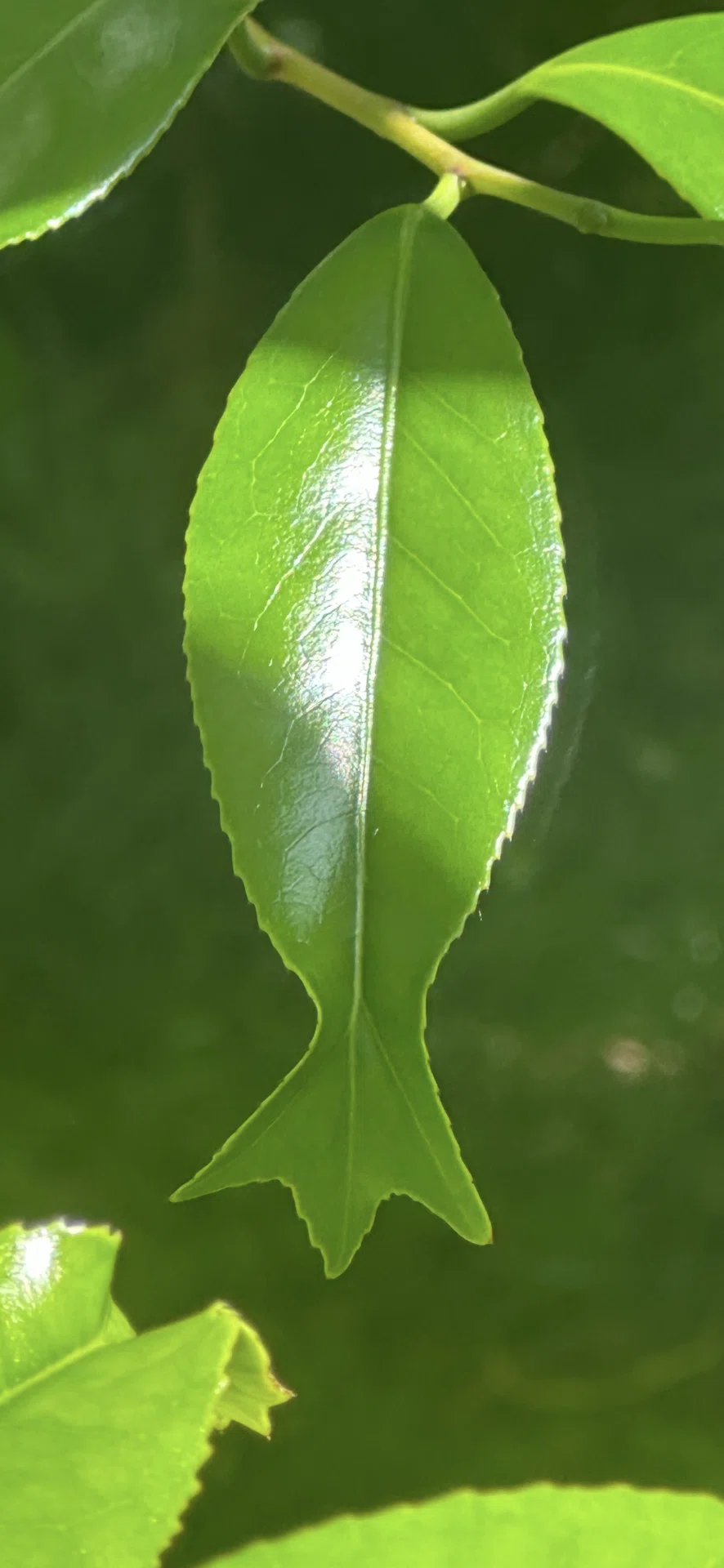
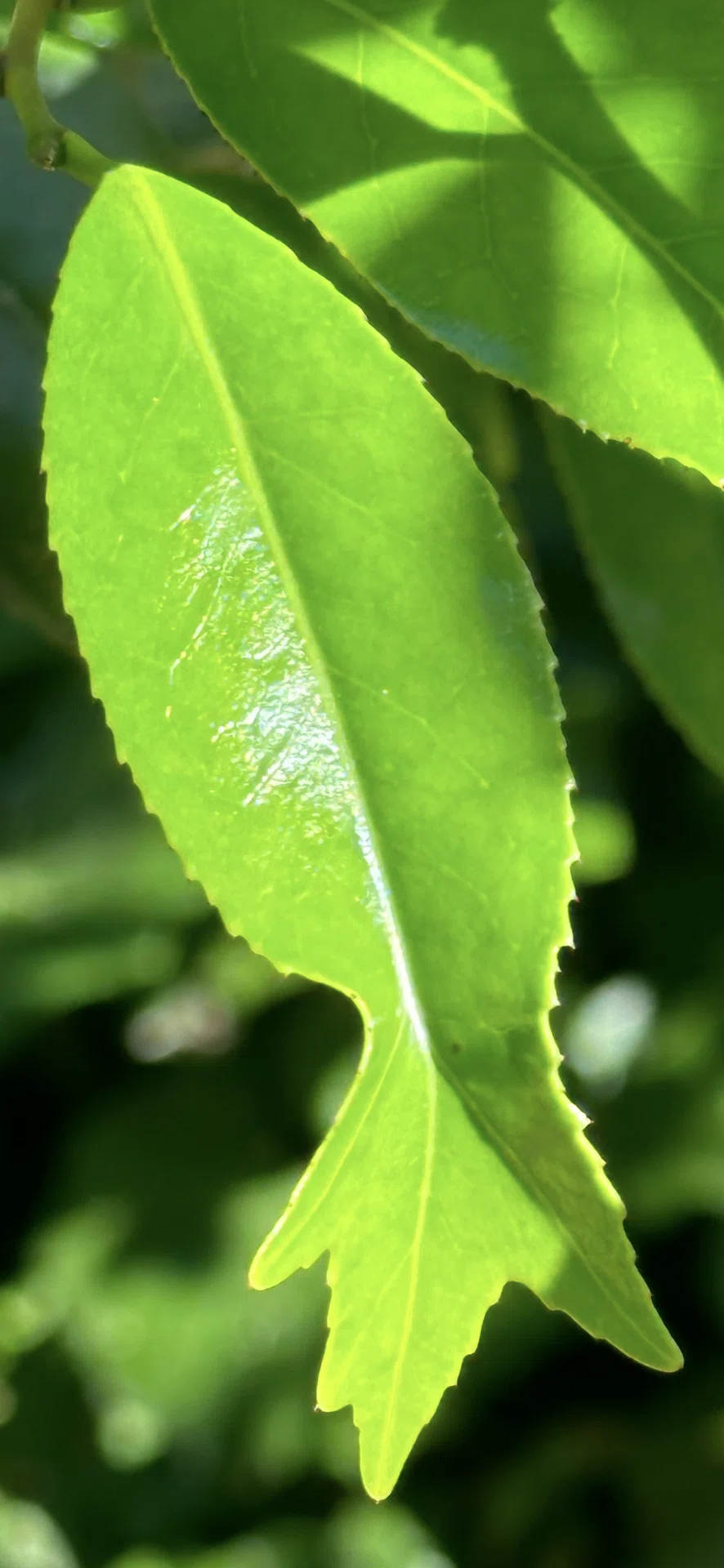
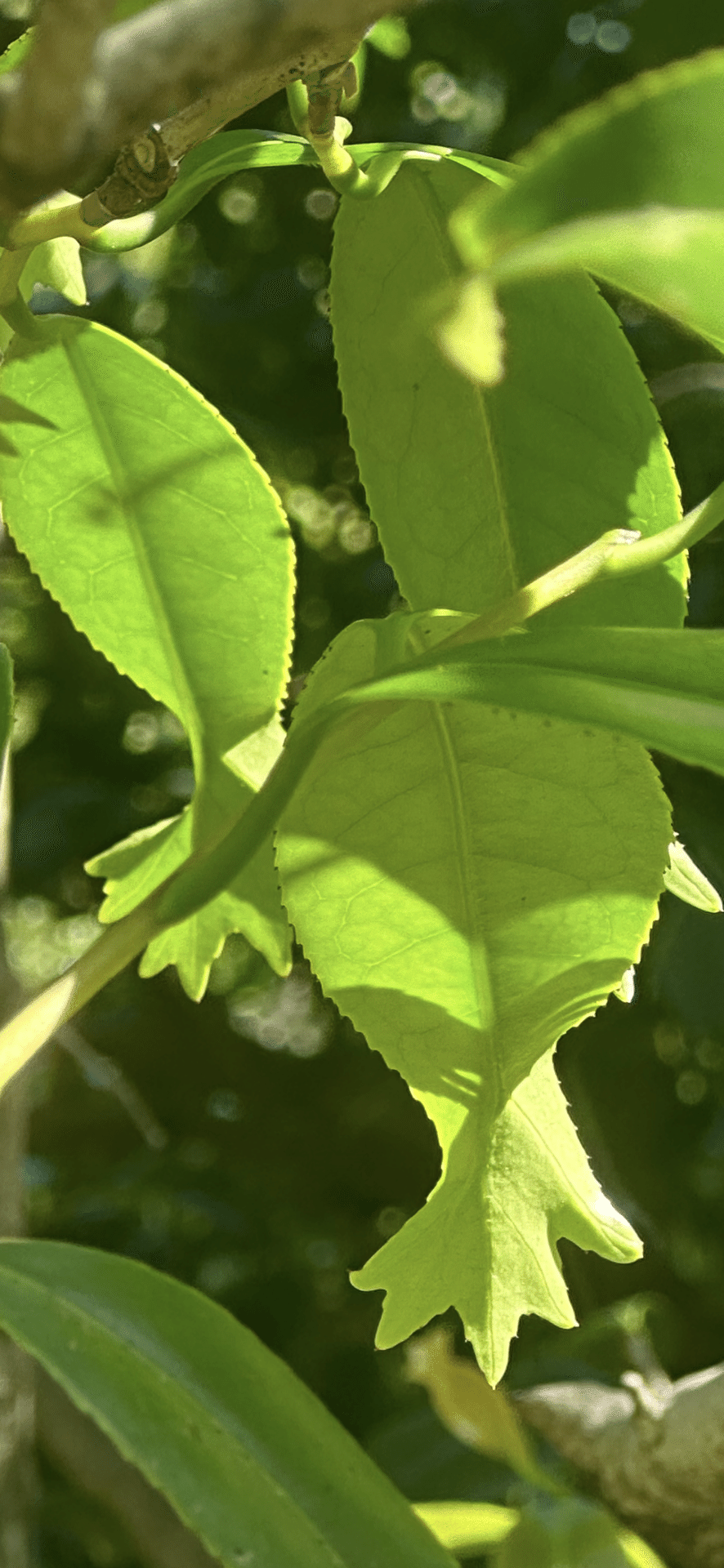
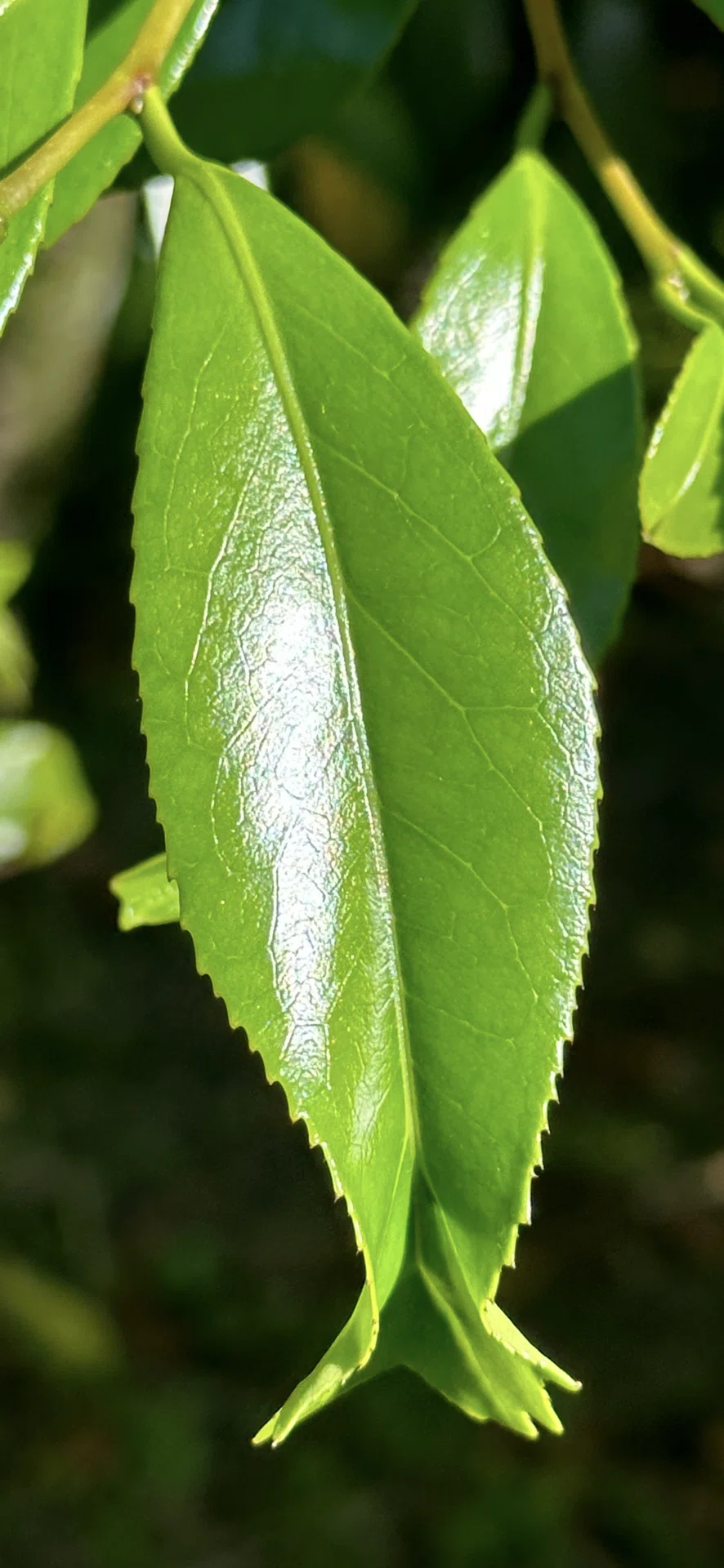
下に掲載したのは、金魚葉椿(キンギョバツバキ)
ツツジ目、ツバキ科、ツバキ属の突然変異種。
その葉の先端が複数に裂けた様な形が泳いでる
金魚のシルエットに見えた為、キンギョバツバキ
と名がついた。植物探索の新ユニット『芳し会』
の女性達にこれを紹介すると、その形の面白さを
目の前に写真撮影大会となったもの。
Even today, so-called “bizarre plants” (珍奇植物)
are highly popular. Some potted specimens can
fetch hundreds of thousands of yen.
As the title suggests, Japan already experienced
a bizarre plant craze during the Edo period.
Pictured below is the “Kingyo-ba Tsubaki”
(Goldfish-leaf Camellia), a spontaneous mutation
of the camellia species, classified under Order:
Ericales, Family: Theaceae, Genus: Camellia.
Its name comes from the unique shape of its
leaf tips, which split into multiple lobes, resembling
the silhouette of a swimming goldfish. When I introduced this plant to the women of the new
plant exploration unit, “Kaguwashi-kai”, they
were so fascinated by its unusual form that it
turned into an impromptu photo session.
この様な一般的でない葉のカタチをする椿の事を
変葉椿(カワリバツバキ)と呼ぶ訳だが、これら
は発見されて以来、珍重されてきた椿のひとつ。
これら珍種、奇種の植物が日本国内で珍重される
様になった時代というのは江戸時代の事となる。
戦国時代の終わりからの社会の変化や文化の発展
が大きく影響している。この変化の流れを以下に
解説していく。(京都府立植物園のガイドツアー
の中での解説をベースにしてまとめたものとなる)
Camellias with such unconventional leaf shapes
are referred to as “Kawariba Tsubaki” (変葉椿), or “variant-leaf camellias.” Since their discovery,
they have been highly prized.
The period when these rare and unusual plant
varieties began to be valued in Japan dates back
to the Edo period.
This trend was largely influenced by societal
changes and cultural developments following
the end of the Sengoku period.
The following section provides an explanation
of this historical shift, based on the Kyoto
Botanical Garden’s guided tour.

戦国時代から江戸時代への移行
1. 戦国時代の終結と安定期の到来
戦国時代(1467-1603年)は日本国内では内乱
が130年と長く続いた時代であり、社会全体が
不安定であった。徳川家康が江戸幕府を開いた事
により、約260年もの間に渡り続く平和で安定
した時代。この安定期は人々の生活が豊かになり
文化や芸術などの発展に繋がった時代となった。
Transition from the Sengoku Period to the
Edo Period
1. The End of the Sengoku Period and the
Arrival of Stability
The Sengoku period (1467–1603) was a time of prolonged civil war that lasted over 130 years,
leaving Japanese society in a state of instability.
However, with Tokugawa Ieyasu establishing
the Edo Shogunate, Japan entered a peaceful
and stable era that lasted for approximately
260 years.
This prolonged period of stability led to economic prosperity, improving people’s daily lives and
fostering the development of culture and the arts.
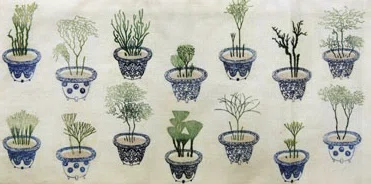
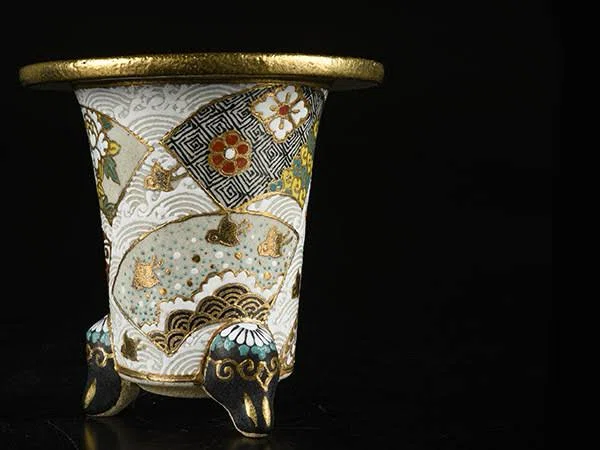
2. 武士から文化人への転換
平和な時代が続く中で、武士階級は戦闘から離れ、
文化的な活動に従事するようになった。それまで
彼ら武士が評価されてきた戦果や武勲などはなく
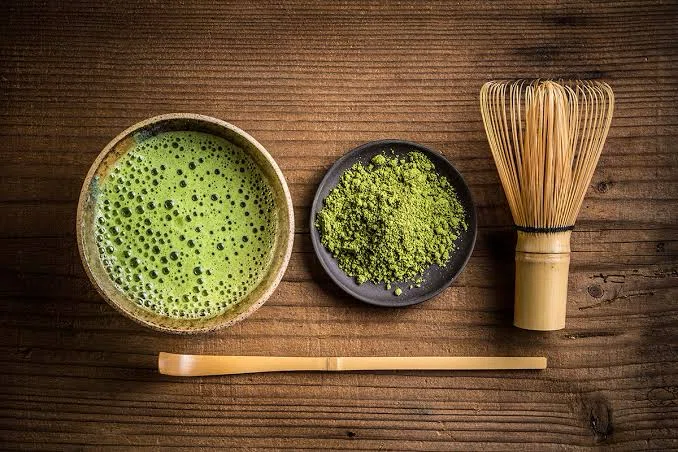
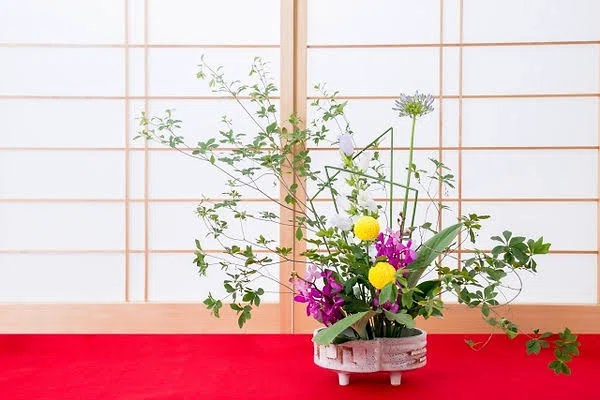
なってしまい、茶道、華道、庭園作りなど、芸術
や文化に対する関心が高まっていく。、特に茶道
や華道の世界では庭園や草花が重要な要素となり
多様な植物が求められるようになっていった。
2. The Transformation of Samurai into Cultural
Figures
As the era of peace continued, the samurai class
gradually shifted away from warfare and became
more involved in cultural pursuits.
With no more battles to prove their valor or military
achievements, samurai began to focus on tea
ceremony, ikebana (flower arrangement), and
garden design, leading to a growing interest in
arts and culture.
In particular, gardens and plants became essential
elements in the worlds of tea ceremony and ikebana,
creating a demand for a diverse variety of plants.
江戸時代の社会と文化
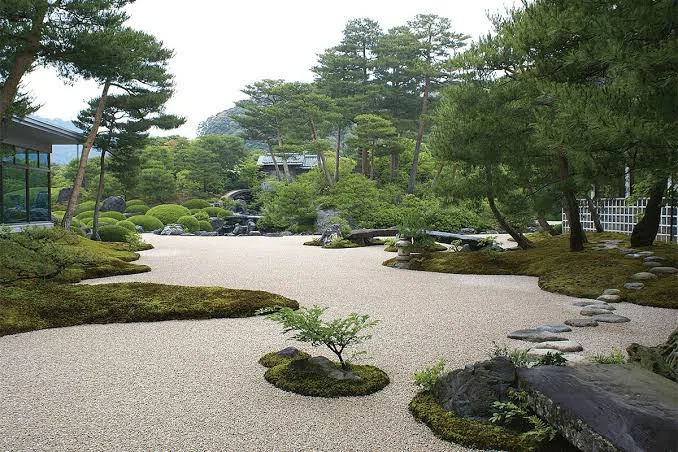
1. 園芸文化の発展
江戸時代は園芸文化が大いに発展した時代。武士
のみならず、商人、農民などが競って庭園を作り
美しい花や珍しい植物などを栽培し始めた園芸は
社会的なステータスシンボルとなり、特に都市部
では庭園や盆栽が人気を集め始める。
Society and Culture in the Edo Period
1. The Development of Horticultural Culture
The Edo period saw significant advancements in horticulture.
Not only the samurai class, but also merchants
and farmers eagerly created gardens and began cultivating beautiful flowers and rare plants.
Horticulture became a symbol of social status,
and in urban areas, gardens and bonsai grew particularly popular.
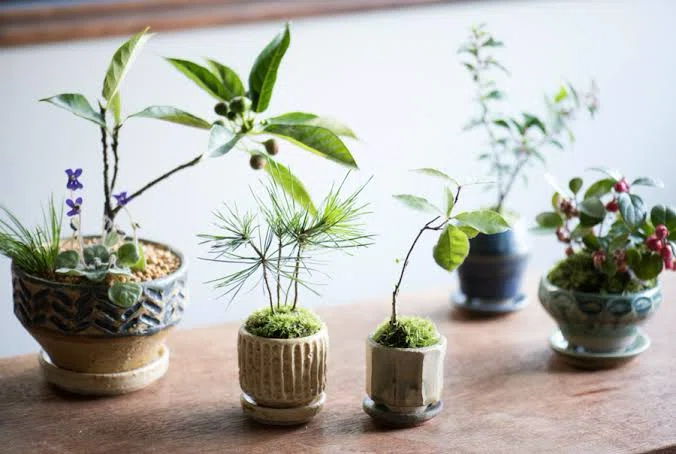
2. 品種改良と植物の交換
園芸家や農民たちは積極的に植物の品種改良へと
取り組む様になり、新しい花や作物などをを作出
する事となった。これにより、日本固有の植物が
多様化し、色や形の異なる品種が次々と生まれる。
また、各地の植物愛好家や農民が植物の交換など
を行い、新しい植物が広がる様になる。
2. Selective Breeding and Plant Exchange
Horticulturists and farmers actively engaged in
selective breeding, leading to the development
of new flowers and crops.
As a result, Japan’s native plants diversified,
producing numerous varieties with different
colors and shapes.
Additionally, plant enthusiasts and farmers
from various regions began exchanging
plants, further spreading new and unique
species across the country.
3. 将軍や大名の奨励
将軍や大名たちも豪華な庭園を競い合う様に作り
その中で珍しい植物を育てることに力を入れる。
江戸城や大名庭園では国内外から集められた様々
な植物が植えられる様になる。これにより珍しい
植物類が広く知られるようになったものである。
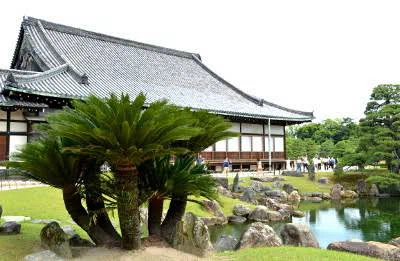
この辺りから蘇轍(ソテツ)などが日本庭園へと
持ち込まれた時代とされている。
3. Encouragement by Shoguns and Daimyo
The shoguns and daimyo also competed in
creating grand gardens, focusing on cultivating
rare and exotic plants.
In Edo Castle and feudal lords’ gardens, a wide
variety of plants from both Japan and abroad
were planted, increasing public awareness of
unusual plant species.
It was around this time that plants like the sago
palm (Sotetsu) were introduced into Japanese
gardens.
経済と技術の発展
1. 商業と都市の発展
江戸時代には商業活動が活発化、都市が顕著なる
発展を遂げ、都市部では市場や園芸店が栄える様
になり、多くの植物が流通し始める。これにより
人々は様々な植物を容易に手に入れる事が可能と
なったのである。(画像は流行した変種朝顔)
Economic and Technological Development
1. Growth of Commerce and Urbanization
During the Edo period, commercial activities
flourished, and cities experienced remarkable
development.
In urban areas, markets and gardening shops
thrived, leading to the widespread distribution
of various plants.
As a result, people could easily acquire a
diverse range of plants.
(The image shows a popular mutated variety
of morning glory.)
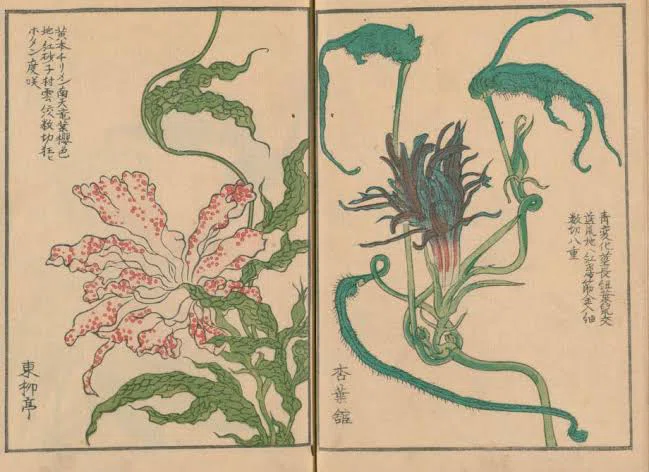
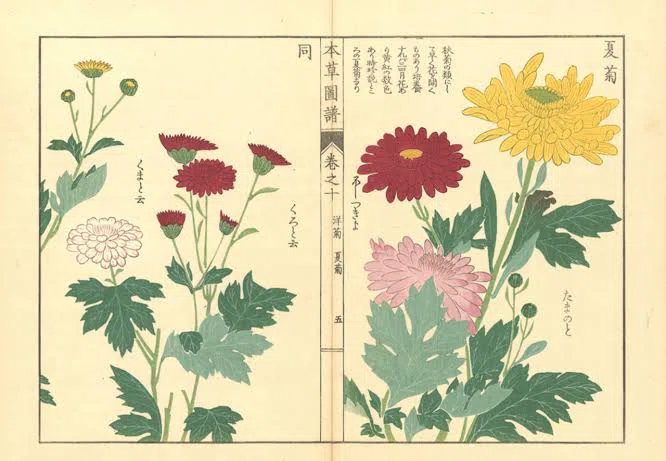
2. 蘭学の影響
鎖国中でも、長崎の出島を通じてオランダとの間
では交易が続いた。オランダから伝わった西洋の
学問や植物学(蘭学)が日本に様々な影響を与え
新しい植物や栽培技術がもたらされる様になる。
これにより、植物に対する知識や興味がさらに
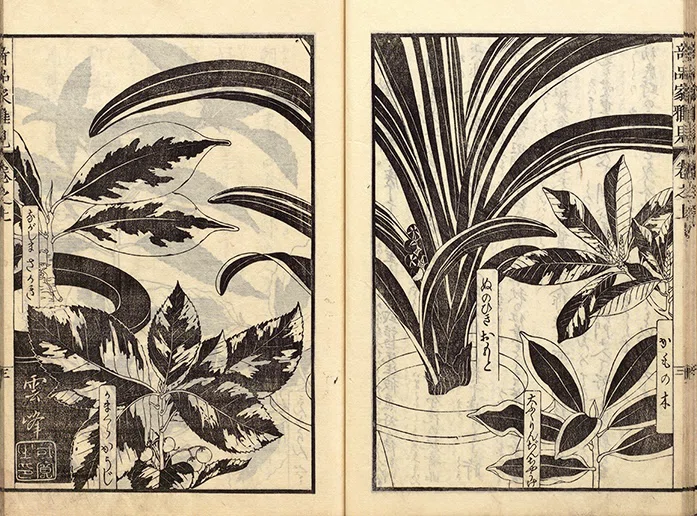
広がったのである。(画像は当時の植物図鑑)
2. The Influence of Rangaku (Dutch Studies)
Even during the period of isolation, trade continued
with Holland through the Nagasaki Dejima.
The Western knowledge and botany (known as
Rangaku) introduced from Holland had a significant
impact on Japan, bringing with it new plants and
cultivation techniques.
As a result, people’s knowledge and interest in
plants expanded even further.
(The image shows a botanical illustration from
that time.)
社会的な背景
1. 文化の普及
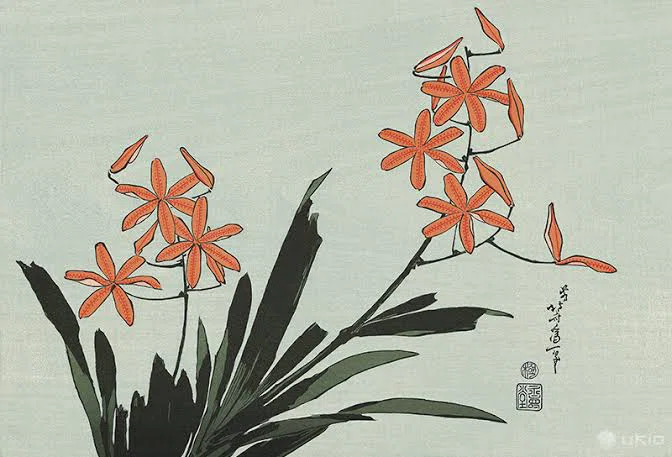
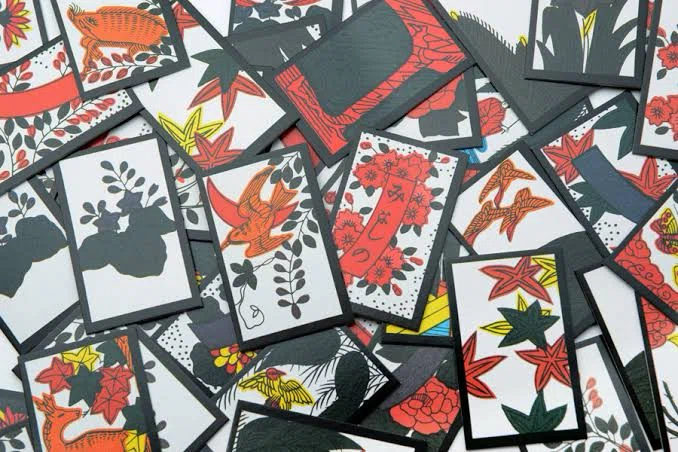
江戸時代は町人文化が花開いた時代でもあった。
浮世絵、歌舞伎、茶道、華道などが庶民の間でも
広まり、これによって植物や花などを愛でる文化
が広く普及、花札がこの世に生まれてきた時代は
江戸時代の中期の事となる。
Social Background
1. The Spread of Culture
The Edo period was also an era when
townspeople’s culture flourished.
Ukiyo-e (woodblock prints), kabuki (traditional
theater), tea ceremony, and ikebana (flower arrangement) spread among the common people.
This led to the widespread appreciation of
plants and flowers, and it was during the
mid-Edo period that flower cards (Hanafuda)
were created.
2. 庶民の生活向上
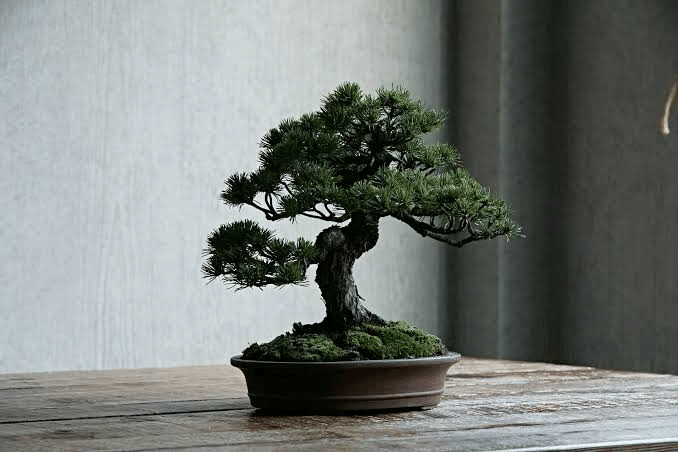
経済の安定と発展より、庶民の生活も向上した。
余暇を楽しむために、園芸や花卉の栽培が庶民の
間でも人気を集め始め、庶民も自宅の庭や鉢植や
盆栽などで多様な植物を楽しむようになる。
2. Improvement of Common People’s Lives
With the stability and development of the
economy, the lives of the common people
also improved.
To enjoy their leisure time, gardening and the
cultivation of flowers became increasingly popular
among the common people. They began to enjoy
a variety of plants in their own gardens, potted
plants, and bonsai.
このように、戦国時代の終結から江戸時代の平和
と安定と文化の発展によって、多種多様な植物が
珍重される社会的な背景が形成された。これらの
要因が相まって、江戸時代には植物愛好が盛んに
なり、植物文化が豊かに発展したのである。
Thus, with the end of the Sengoku period, the
peace and stability of the Edo period, and the development of culture, a social background
was formed in which a wide variety of plants
were highly valued. These factors combined
to make the Edo period a time when plant
appreciation flourished, leading to the rich
development of plant culture.
日本を訪れたスコットランド出身の植物学者にして
プラントハンターでもあったロバートフォーチュン
(ROBERT FORTUNE)は次の言葉を残している。
『日本人の国民性の著しい特色は、庶民でも生来の
花好きであることだ。花を愛する国民性が、人間の
文化的レベルの高さを証明する物であるとすれば、
日本の庶民は我が国の庶民と比べてみると、ずっと
勝っているものだといえる』
上の言葉は著書『幕末日本探訪記―江戸と北京』の
中に残されているものである。
The Scottish botanist and plant hunter Robert
Fortune (ROBERT FORTUNE), who visited Japan,
left the following words:
“A remarkable characteristic of the Japanese
people is that even the common folk have an
innate love for flowers. If a nation’s love for
flowers serves as proof of its high cultural
level, then compared to the common people
of my own country, the Japanese far surpass
them.”
These words are recorded in his book, “A Journey
to the Japanese Empire” (Edo and Peking).

和名 椿 (ツバキ)
洋名 ジャパニーズ カメリア
(JAPANESE CAMELLIA)
学名 カメリア ジャポニカ
(CAMELLIA JAPONICA)
品種 錦魚葉椿 (キンギョバツバキ)
金魚葉椿 (キンギョバツバキ)
金魚椿 (キンギョツバキ)
分類 ツツジ目、ツバキ科、ツバキ属
種類 多年生植物
草丈 2〜15m
開花 3月
花色 濃紅色
咲型 一重咲、猪口咲
花径 7〜8cm 中輪
花弁 一重、5片
蕊形 筒蕊
歴史 江戸時代
原産 日本
言葉 誇り
控えめな優しさ
撮影 服部緑地都市緑化公園
■■■■■■■■■■■■■■■■■■■■■■■■■■■■
#椿
#ツバキ
#ジャパニーズカメリア
#JAPANESECAMELLIA
#カメリアジャポニカ
#CAMELLIAJAPONICA
#錦魚葉椿
#金魚葉椿
#キンギョバツバキ
#金魚椿
#キンギョツバキ
#京都府立植物園
#京都園芸倶楽部
#服部緑地都市緑化植物公園
#芳し会
■■■■■■■■■■■■■■■■■■■■■■■■■■■■
■■■■■■■■■■■■■■■■■■■■■■■■■■■■
■■■■■■■■■■■■■■■■■■■■■■■■■■■■
