『クチナシ』 将棋盤の下の脚部が『口無』呼ばれる理由とは

梔子 (クチナシ)
リンドウ目、アカネ科、クシナシ属の常緑低木
樹高1〜3mとコンパクトに収まる利点によって
パブリックスペースや、自社仏閣の境内などにも
よく植栽されている。
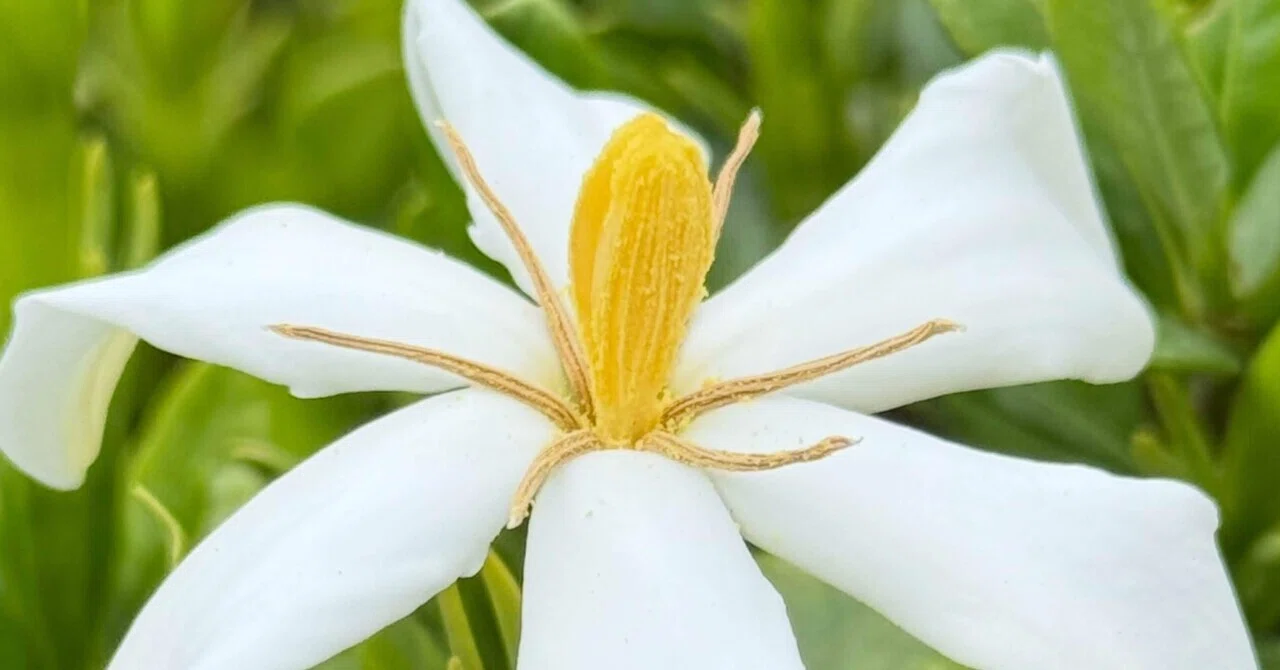
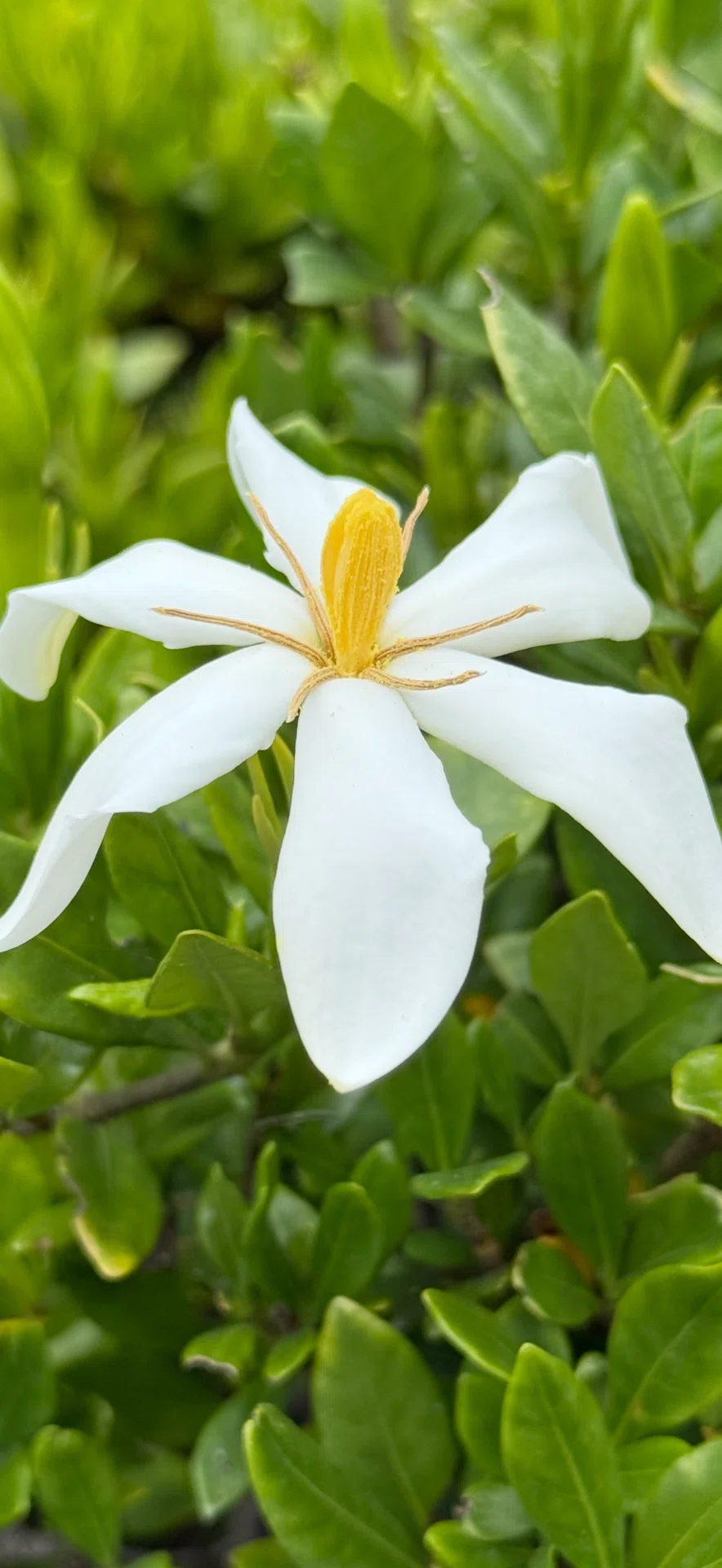
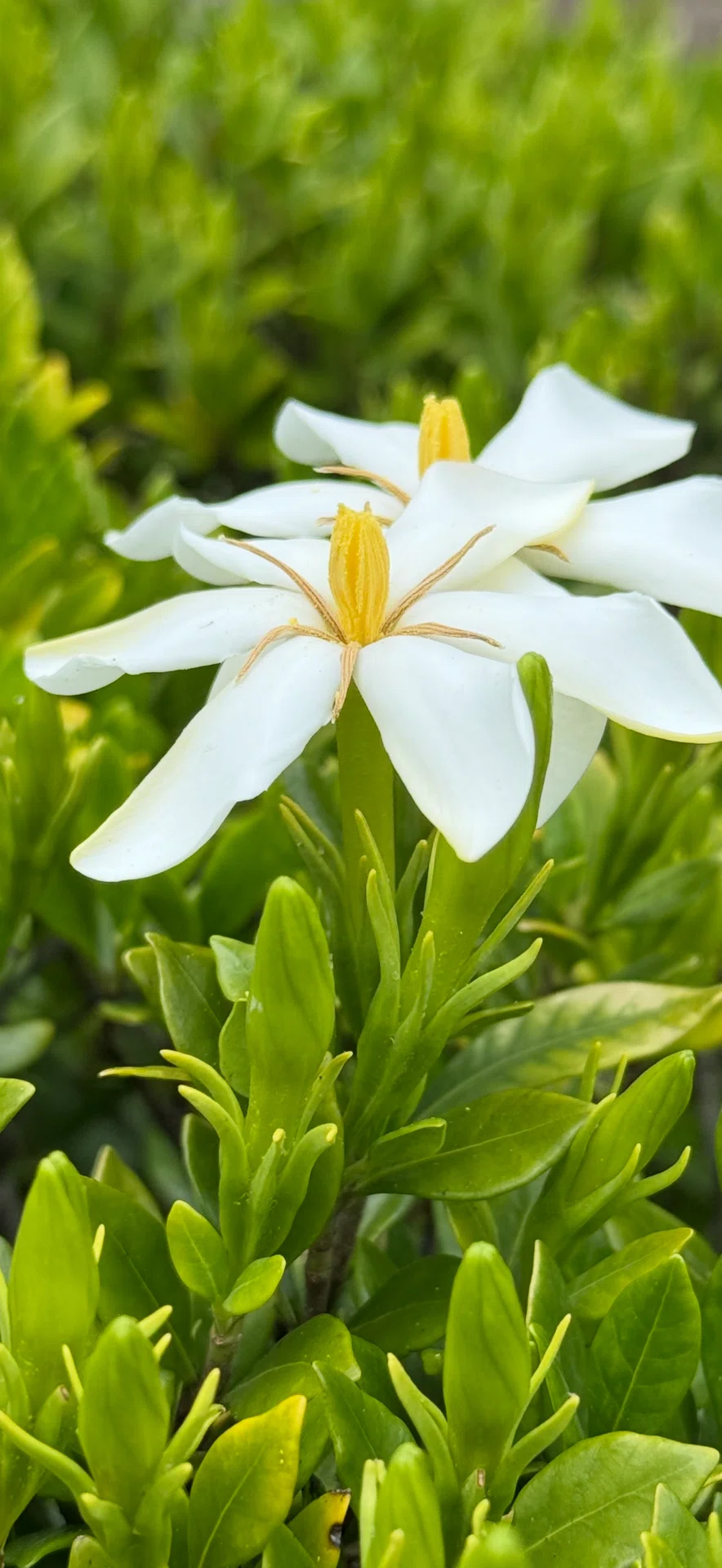
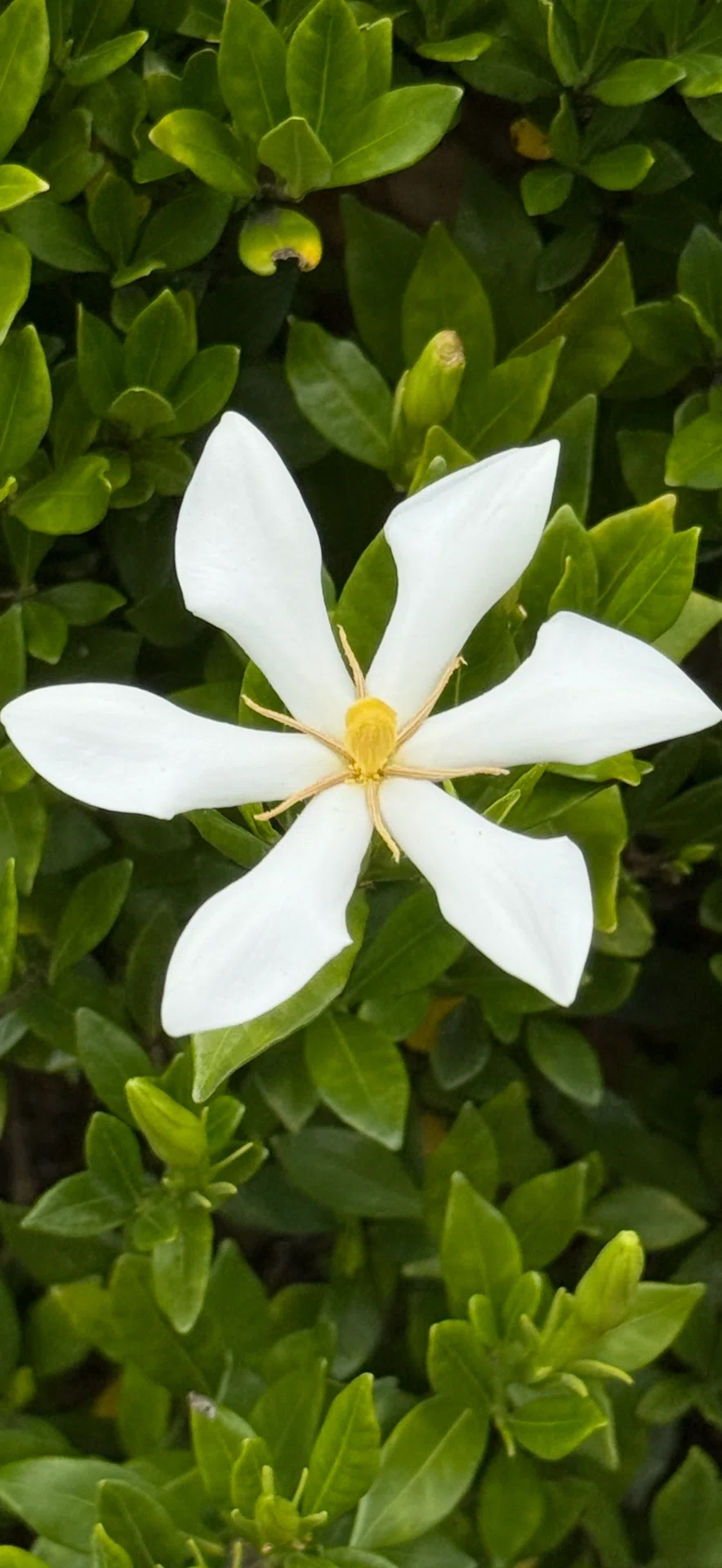
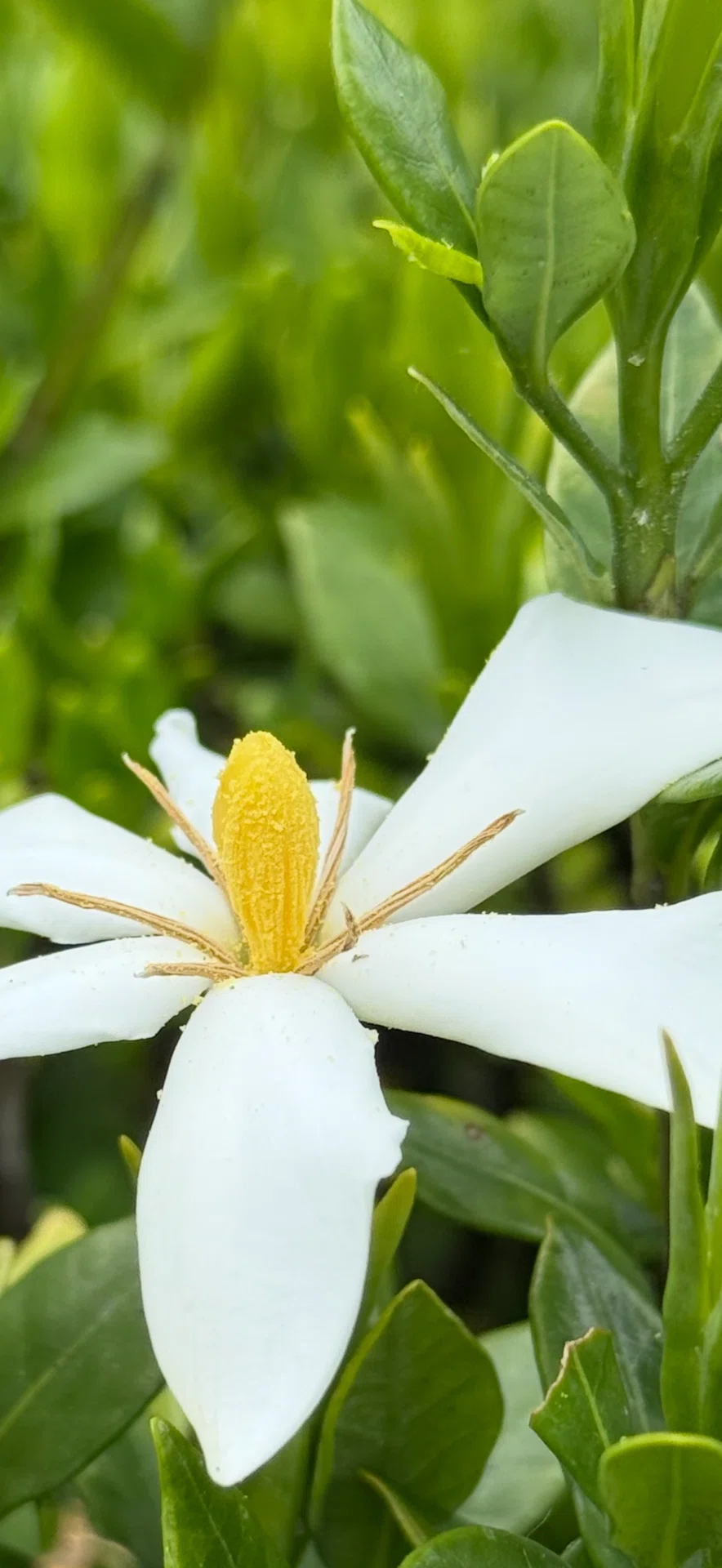
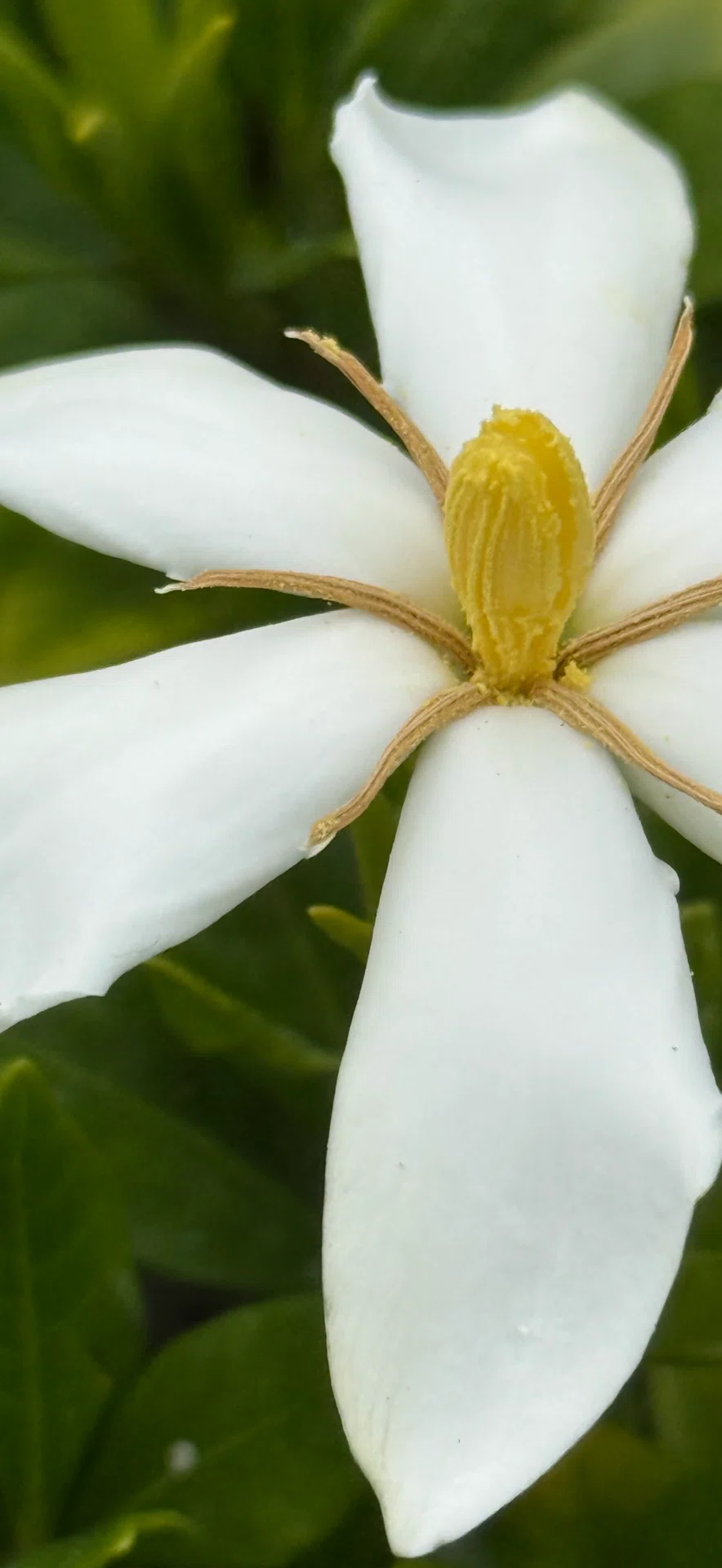
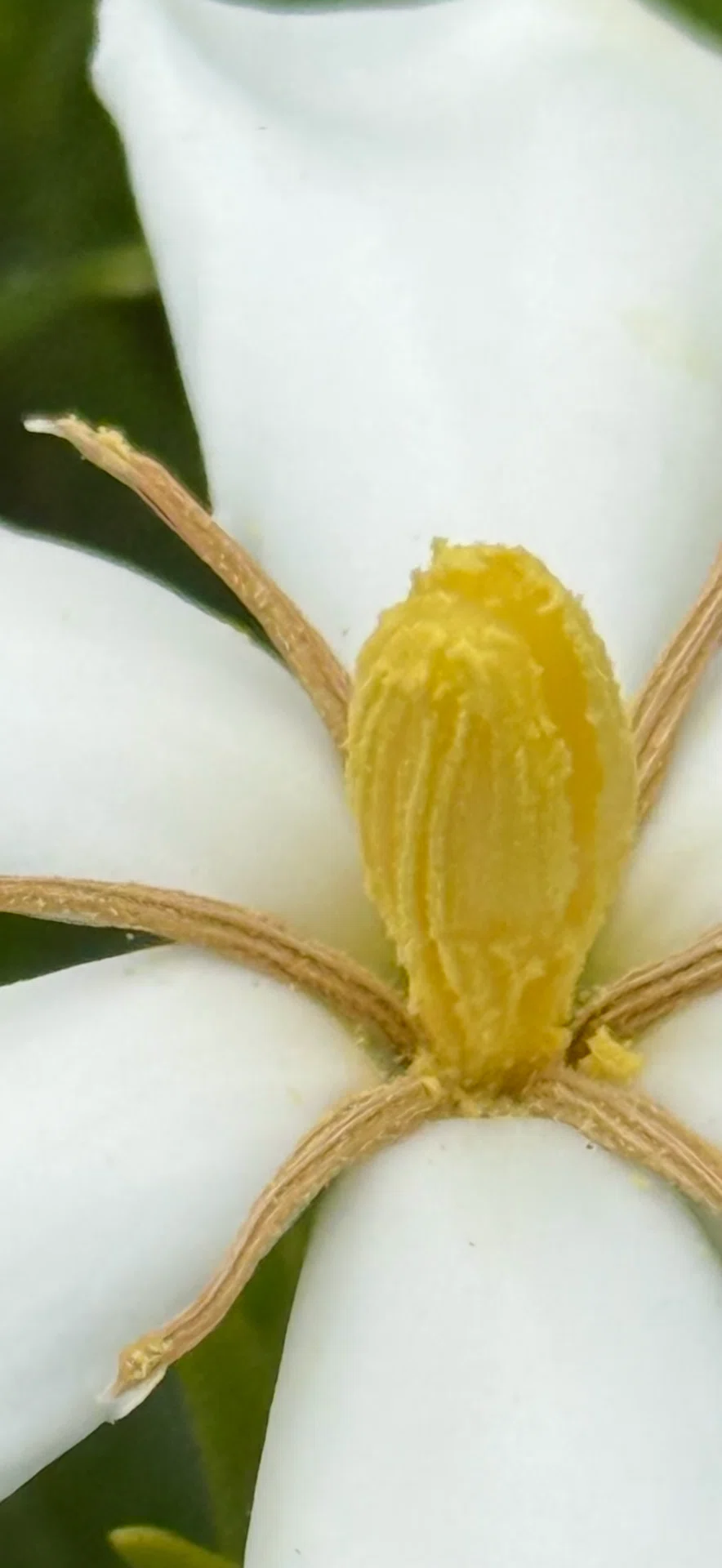
写真に掲載した花は一重咲で、開花時期は6〜7
月で、甘く強い香りを発してくれる。香料成分は
ベンジルアセテート、リナロール、インドール、
リナリルアセテート、ターピネオール、などから
なるジャスミン系の強くはっきりした甘い香りが
ポリネーター(受粉媒介者)の雀蛾(スズメガ)を
集めるものとなる。
また皮肉なことにスズメガの仲間である大透羽
(オオスカシバ)の幼虫は、このクチナシの葉を
食い荒らす虫となっていて、スズメガ系の虫に
メリットとデメリットの両方で関わっている。
クチナシは、八重咲のものも多く見られる訳だが
これらの花は、雄蕊が花弁化したものとなる為に
生殖能力を持っていない。実を付ける一重咲の花
は、10〜11月の時期に美しく実を付ける。
この実は、生薬『山梔子』(サンシシ)の生薬名で
呼ばれており、そこに含まれる成分のゲニポシド
(イリドイド配糖体)の薬効は、清熱解毒、利尿、
止血、鎮静などである。
さて、タイトルにもした、クチナシの実が語るは
『口出し不要』の言葉がある。
クチナシは、漢字表記で『梔子』と書かれるのが
一般的であるが、『口無』の表記もなされるもの。
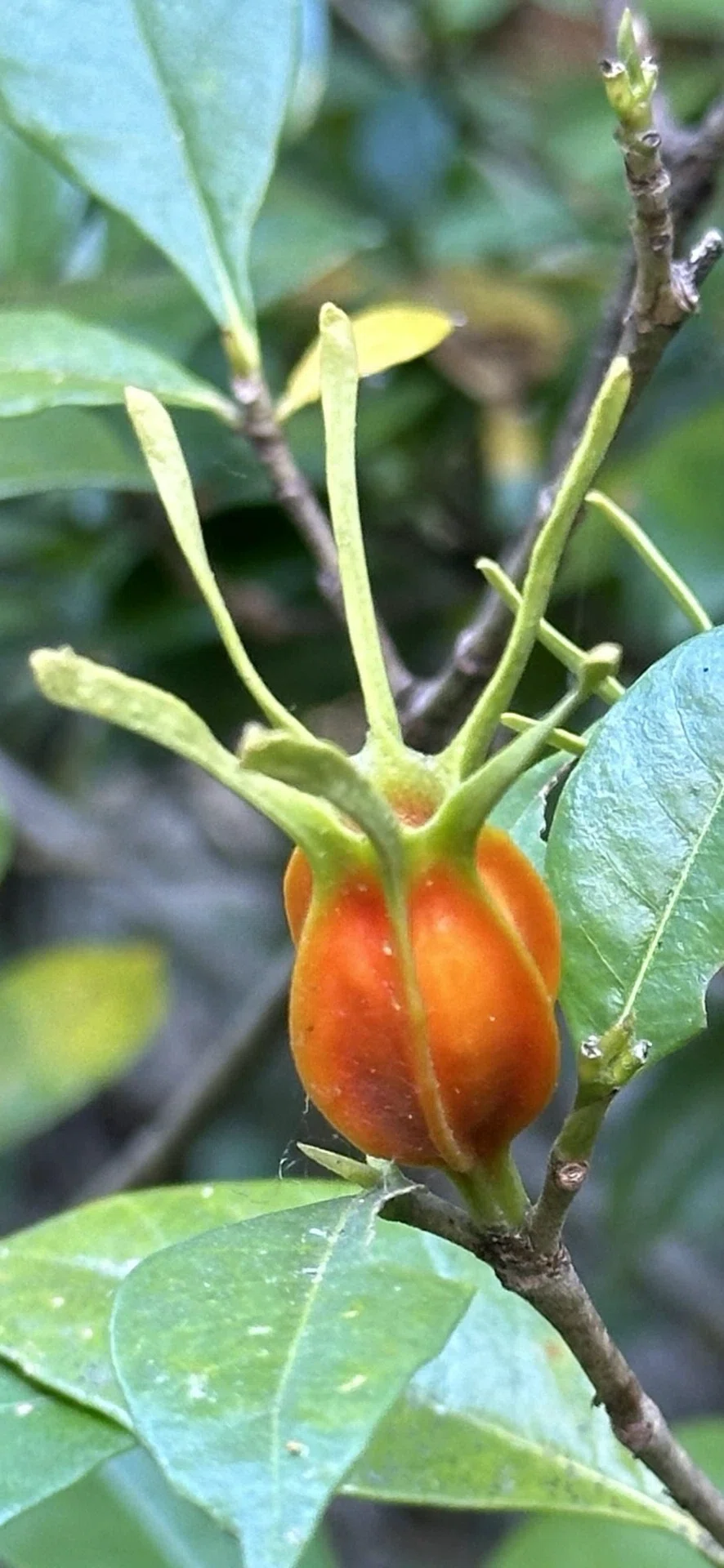
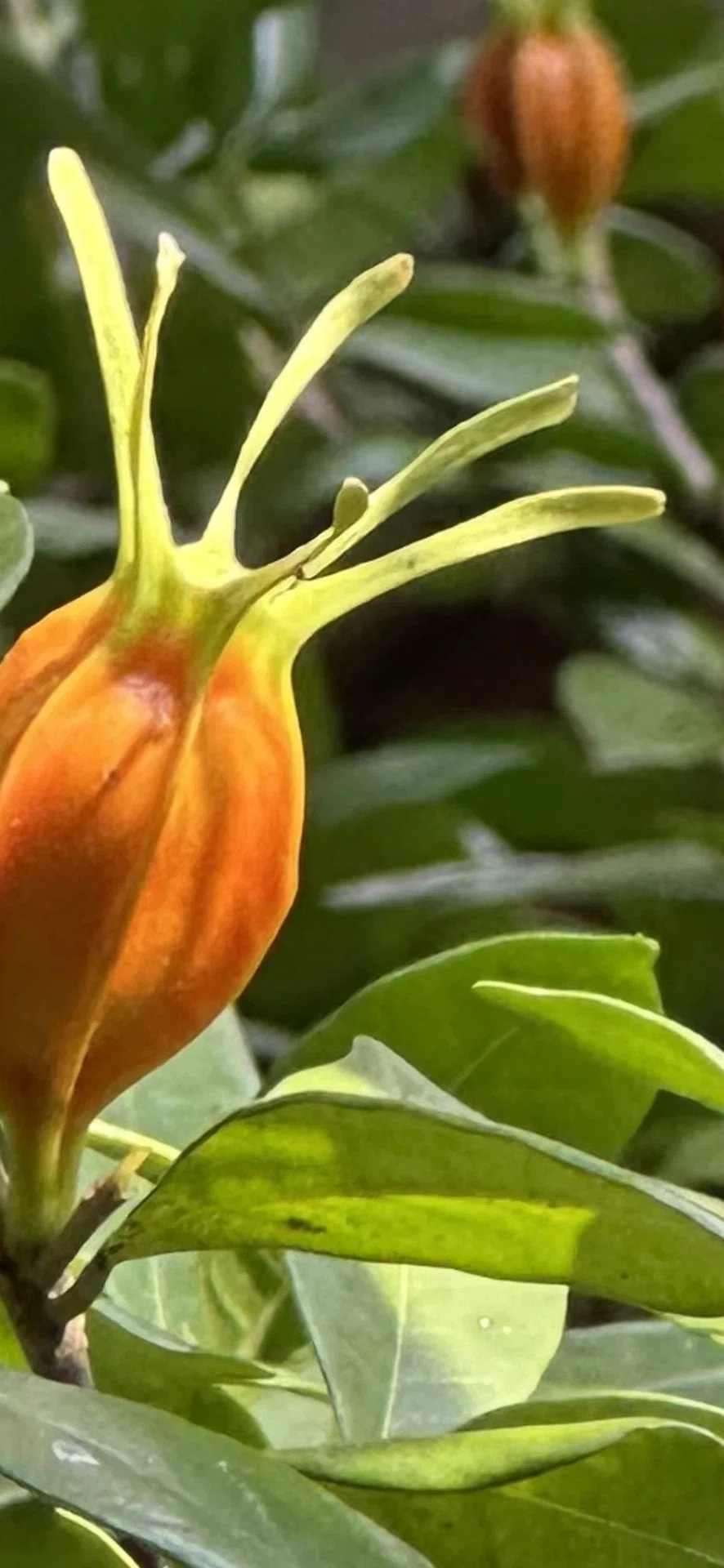
これはクチナシの実を開けようとすれど、それを
開ける為の口が無い事からこの呼び方がついたと
されるもので、本当のクチナシの語源とはこちら
が本当の由来となる。漢字表記の『梔子』は中国
の『実がなる樹木』を意味する言葉なのである。
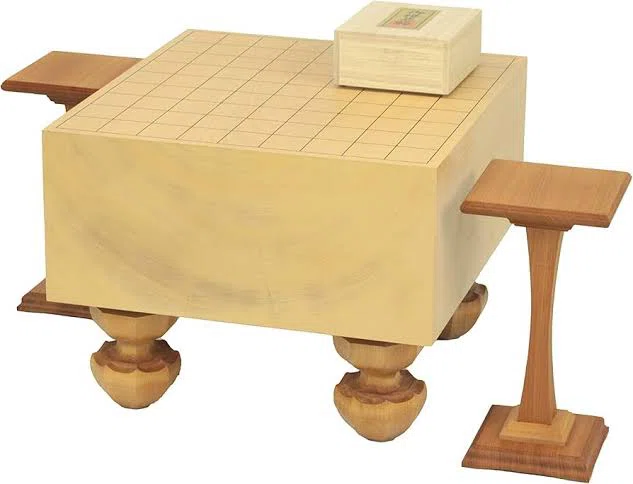
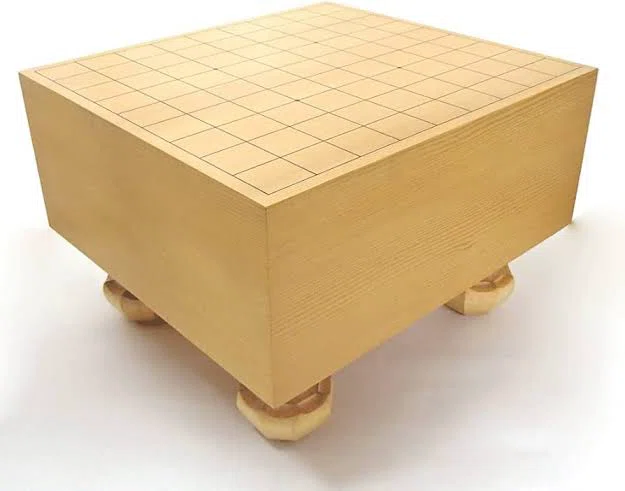
この『口無』の実を形どった道具がある。将棋盤
や碁盤の本格的なものは、伽耶(カヤ)を材料に
その木材の太い幹から採られたものである。
将棋盤、碁盤と共に高いものでは百万円を超える
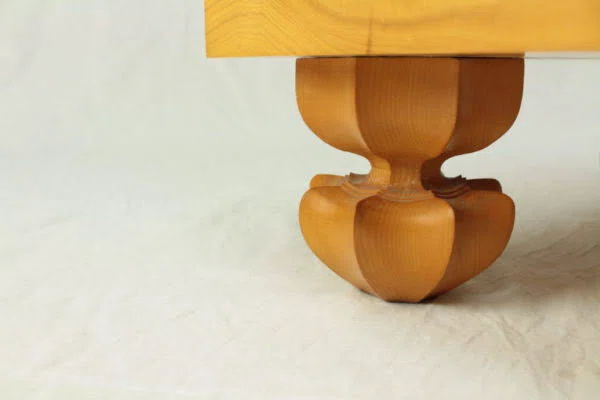
代物である。そんなこれら盤の下に設置されてる
脚部は、そのカタチがクチナシの実を模したもの
だといわれている。その形が意味するものとして
『勝負の世界に一切の口出し不要』とされるもの。
将棋の勝負の世界の中に、この言葉の伝承として
語り継がれている有名な伝承がある。江戸時代の
とある将棋の対局の現場にて、誰の目にも一方の
勝利が確定しているかの様に思えたその一戦にて
観戦者の誰もが勝負ありと思っていたその場面で
『この手ならば逆転在り』と観客の一人が言い放つ。
その言葉に敗者確定と諦めていた棋士は頭を捻り
『この手』に気付き形勢が逆転し、勝負そのものが
ひっくり返ってしまったのである。完全に勝利を
目前としていながら逆転負けを喫した棋師は激怒
その観客を斬り落としたとの逸話が残る。
江戸時代の棋士(将棋指し)には武士階級出身の者
も多く、時代背景として武士が日常的に刀を携帯
していた時代の為、将棋の対局中であっても刀を
持っている事は珍しくなかったのである。
ただし、これに激昂したとは言え、実際に斬った
としたなら、あまりにも不粋な振る舞いとなる。
勝負の世界に於いて負けは負けであり、その上に
観客を斬り捨てたとあっては、恥の上塗りである。
ここは観客に向けての教訓として、真剣勝負の場
には口出不要を説いた逸話とし、勝負事の尊重と
観客の節度を表したのが、これら勝負の盤の下に
配された脚部なのだと考えられる。
本来は、口無の実は六角形であるが、これら勝負
の世界の盤脚には縁起担ぎで、末広がりの『八』
から八角系となっている。
勝負盤そのものも黙して勝負の行く末を見守ると
云う意味が込められたもので、これもまた和の国
の物の美学のひとつなのである。
Gardenia (Kuchinashi)
Order: Gentianales
Family: Rubiaceae
Genus: Gardenia
Evergreen shrub
With a compact height of about 1 to 3 meters, the
gardenia is often planted in public spaces, as well
as within the precincts of temples and shrines.
The flower shown in the photo is a single-petal
(simple) bloom, which blossoms from June to July
and gives off a sweet, strong fragrance. The
aromatic components include benzyl acetate,
linalool, indole, linalyl acetate, and terpineol. These
compounds create a distinct jasmine-like sweet
scent, which attracts pollinators such as hawk
moths (suzumega).
Ironically, the larvae of another hawk moth relative,
the oleander hawk moth (Osukashiba), are known
to be pests that voraciously feed on gardenia
leaves—making this plant both beneficial and
vulnerable to the hawk moth family.
While many gardenias are double-petaled, those
blooms are sterile, because the stamens have
transformed into petal-like structures. Only single-
petal flowers bear fruit, producing beautiful orange
fruit between October and November.
This fruit is known in traditional Chinese medicine
as “Sanshishi”, the name for the dried fruit of the
gardenia. It contains geniposide (an iridoid
glycoside), which is valued for its cooling,
detoxifying, diuretic, hemostatic, and sedative
properties.
Now, regarding the title: the fruit of the kuchinashi
speaks to the phrase “no need for interference.”
In kanji, “kuchinashi” is typically written as 梔子,
but it can also be written as 口無, meaning “no
mouth.” This name derives from the fact that the
fruit has no opening—you cannot open it easily,
as if it lacks a mouth. This is said to be the true
etymology of “kuchinashi.” On the other hand, the
kanji 梔子 originates from Chinese and simply
means “a tree that bears fruit.”
There is a tool modeled after this mouthless fruit
—the legs of traditional shogi and go boards.
Authentic boards are often made from kaya (torreya)
wood, taken from the thick trunks of the tree.
High-end shogi and go boards can cost over a
million yen, and the legs attached beneath these
boards are said to be modeled after the kuchinashi
fruit. Their shape symbolizes the idea that “in the
world of competition, all interference is unnecessary.”
A famous legend in the shogi world reflects this idea.
During a match in the Edo period, one side appeared
to be winning beyond doubt. Everyone in the
audience believed the game was settled. However,
one spectator casually remarked, “With this move,
a comeback is possible.”
The player, who had already resigned himself to
defeat, overheard this comment, reconsidered his
position, and spotted the move. With that, the tides
turned, and he won the game.
Outraged at having his victory snatched away, the
originally winning player drew his sword and struck
down the spectator.
Many shogi players in the Edo period came from
samurai families, and since samurai customarily
carried swords, it wasn’t unusual for a player to
be armed even during a match.
That said, even if angered, to actually kill a
spectator would be an unrefined and disgraceful
act. A loss is still a loss. Killing an onlooker would
only further tarnish one’s honor.
Thus, this story is best understood as a cautionary
tale—teaching that in serious competition, no
outside interference is appropriate. It emphasizes
respect for the game and discipline among
spectators, which is symbolically expressed in the
“mouthless” legs beneath the game boards.
Traditionally, the kuchinashi fruit has a hexagonal
shape, but the legs of these boards are often
octagonal—a number associated with good fortune
in Japan (“eight” = hachi, symbolizing prosperity).
Even the board itself is said to “silently observe the
course of the match,” embodying one of the
aesthetic values of Japanese culture—the beauty of
quiet presence.
和名 梔子 (クチナシ)
口無 (クチナシ)
洋名 ケープ ジャスミン (CAPE JASMINE)
ガーデニア (GARDENIA)
学名 ガーデニア ジャスミノイデス
(GARDENIA JASMINOIDES)
品種 一重咲梔子 (ヒトエザキクチナシ)
分類 リンドウ目、アカネ科、クシナシ属
種類 常緑低木
樹高 1〜3m
花期 6〜7月
花径 5〜8cm
花弁 6枚(5〜7枚)
萼片 6枚(5〜7枚)
雄蕊 6本
実期 10〜11月
生薬 山梔子 (サンシシ)
成分 ゲニポシド(イリドイド配糖体)
薬効 清熱解毒、利尿、止血、鎮静
原産 日本、中国、台湾
言葉 純粋
甘い恋
愛らしい
撮影 2025年5月31日
場所 長居植物園
■■■■■■■■■■■■■■■
#梔子
#口無
#クチナシ
#ケープジャスミン
#CAPEJASMINE
#ガーデニア
#GARDENIA
#ガーデニアジャスミノイデス
#GARDENIAJASMINOIDES
#一重咲梔子
#ヒトエザキクチナシ
#長居植物園
■■■■■■■■■■■■■■■
ただただ黙し、勝負の行く末を見守る口無型の脚
■■■■■■■■■■■■■■■
口無 その実を古今和歌集の歌に重ねた記事
■■■■■■■■■■■■■■■
