
Omori Seaweed Legacy Part 2 #181

The Suwa People
Who Laid the Foundations
of Nori Aquaculture
Shinano's Wisdom and Passion:
The "Sakuma‐kasegi"
Who Set Out for Ōmori
It was around 1804
(the beginning of the Bunka era)
(文化年間),
late in the Edo period (江戸時代).
The people of Suwa (諏訪)
in Shinano (信濃)
province sought a way to earn income
to survive the severe winter
off‐season for farming.
They chose a journey called
'Sakuma‐kasegi (作間稼ぎ)'
(seasonal labor),
traveling to the Kanto (関東)
region during the nori harvesting period.
Their destination was the dried nori
middlemen in Shinagawa and Omori.
The young people from Suwa,
accustomed to the cold,
known for their perseverance and diligence,
were warmly welcomed
and took up seasonal service.
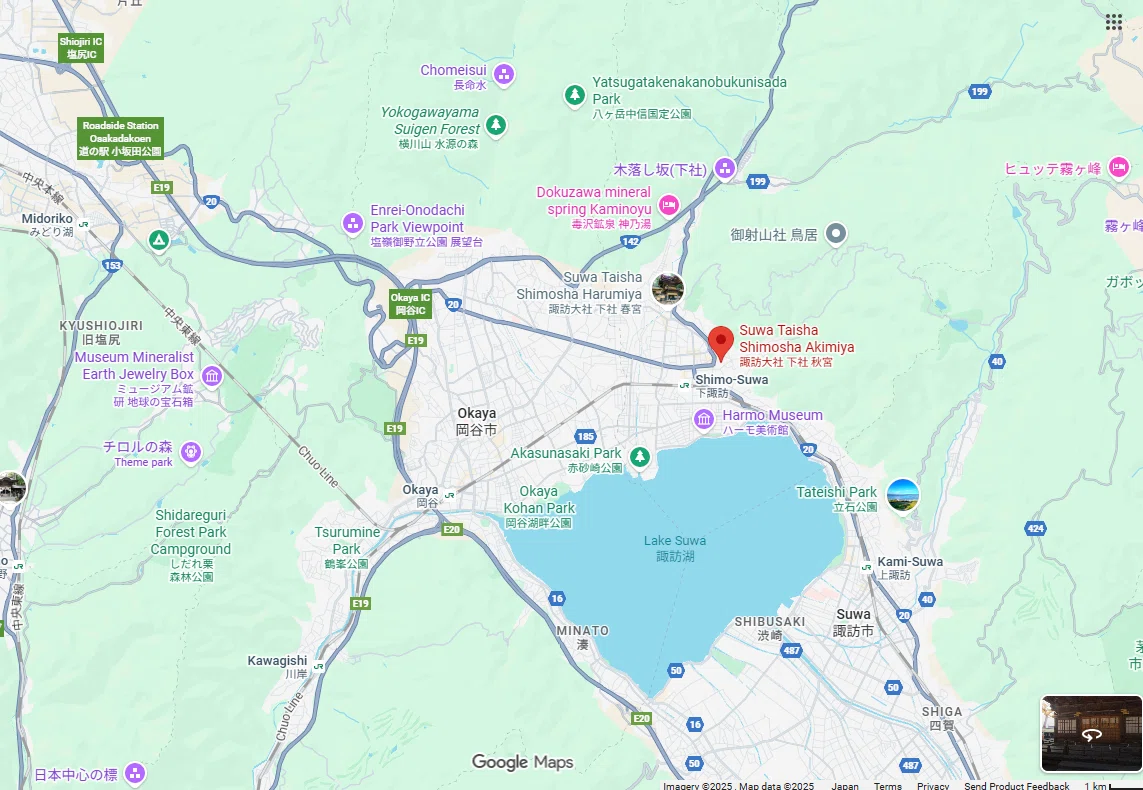
Source: Google Maps
Young Merchants Pioneered
a New Era of Nori Distribution
As the Omori and Shinagawa
nori production areas
became extremely busy
during the Bunka period,
the youth from Suwa steadily settled down.
Some who gained experience
on the ground chose not to remain
as mere servants
but to become independent,
selling nori themselves.
This was known as
'Furi‐uri (振売)' (mobile sales)
In this way,
the Suwa people
became indispensable
not only for supporting nori cultivation
but also for the distribution
that spread the product across the country.
Unity of the "Oyubana‐ko"
Safeguarded Trust and Corrected Misconduct
However, as their numbers grew, unfortunately,
some dishonest individuals appeared,
displaying self‐serving behavior
and a lack of cooperation.
This led to a series of incidents
that damaged the reputation of their fellow villagers.
Feeling a sense of crisis,
the principled merchants decided,
"We cannot let this continue!"
and sought to form an association
to caution and assist each other.
The result: in 1861 (Bunkyū 1 文久),
based on the faith of their hometown's
Suwa Taisha (Suwa Grand Shrine 諏訪大社),
the "Nori Association/Oyubana‐ko (御湯花講)"
(Oyubana‐ko) was established!
Its goal was to maintain
the credit of dried nori peddlers.
The Ohyubana‐ko set strict rules
to clamp down on "commercial dishonesty,"
steadfastly protecting
the trust placed in its members.
It can be said
that the foundation for the development
of the Suwa nori merchants,
surviving the upheaval of the
Bakumatsu (幕末) and Meiji (明治時代)
restoration, was established by this unity.
A Prayer to Seaweed
Under the Sign of
"Tenryūsui‐sha"
At the time,
with the harvest dependent on chance,
nori was called 'Bakuchigusa'
(Gambling Grass).
In this uncertain fishing environment,
the migrant workers from Suwa
carried the 'Tenryūsui‐sha
(天流水舎)' (a miniature shrine
containing the sacred water vessel)
from their ancestral Suwa Grand Shrine,
praying for a good harvest.
The Tenryūsui‐sha is
one of the Seven Wonders of Suwa,
where water droplets fall
regardless of the weather.
This prayer to 'water',
used in rain‐making ceremonies
during droughts,
became the spiritual pillar
supporting their harsh labor.
The skills, commercial know‐how,
and culture they brought to Omori
contributed immensely to the local nori industry.
This influence is still visible today,
with many nori wholesalers
around Omori bearing names
originating from Nagano.
With the fusion of the Suwa people's wisdom,
skill, and commercial spirit,
the Omori nori industry was poised
to enter its Golden Age of international acclaim.
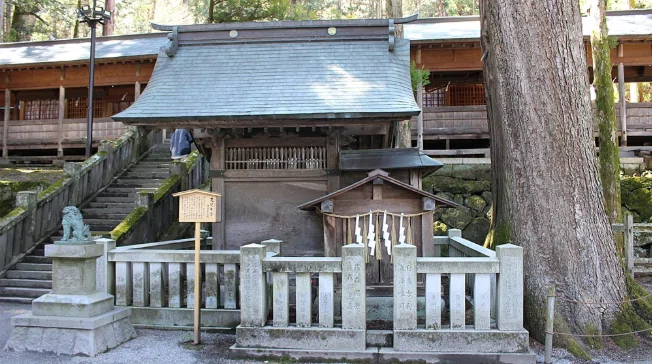
In Suwa Grand Shrine
In the next Part 3,
We will finally follow
the story of Omori Nori
receiving international recognition
at the Vienna World's Fair,
expanding its market
with new products like "Seasoned Nori,"
and the dramatic power struggle over rights
that unfolded behind the scenes
of this Golden Age.
Isn't it wonderful
when a person's hometown
deities or traditions
become a spiritual support
for new challenges far away?
Do you have such a special place
or item from your hometown?

Photo
Source: Google Maps
Postwar Nori Harvesting with Nori Nets
(Collection of the Tokyo Islands
Agriculture, Forestry and Fisheries Center;
Courtesy of the Omori Nori Museum)
戦後 海苔網の海苔とり
(東京都島しょ農林水産総合センター所蔵)
(大森 海苔のふるさと館 提供)
#かえる11号
#Otapedia
#デジタルアーカイブ
#SDGs11
#大田区
#江戸時代
#大森海苔
#大森
#野口六郎左衛門
#海苔養殖
#諏訪
#諏訪大社
#御湯花講
#天流水舎
#板海苔
#手巻き寿司
#山本海苔店
#味付け海苔
#酒悦
#海苔の佃煮
#蒲池騒動
#蒲池清実
#蒲池場
#漁業組合
#京浜運河計画
#浅野総一郎
#東京瓦斯電気工業
#重油流出事故
#大森漁業協同組合
#漁業放棄
#東京沿海信用組合
#東京富士信用組合
#共立信用組合
#東京都島しょ農林水産総合センター
#大森海苔のふるさと館
#大田区特別顕彰区民
#大田区準特別顕彰区民
#大田区裏名誉区民
#大田区無名の偉人
#大田区無名の企業
#大田区無名の産業
#大田区無名の組織・集団
#大田区陰の功労者
#大田区未顕彰の地域遺産
いいなと思ったら応援しよう!
 いつもご覧いただき、誠にありがとうございます。
皆様からの温かいご支援が、
私の活動の大きな支えとなります。
いつもご覧いただき、誠にありがとうございます。
皆様からの温かいご支援が、
私の活動の大きな支えとなります。