
ボンベイ午前4時 第二章 扉の先にあった現実:帰国、ヘルシンキ、音楽からマラソンへ Bombay, 4 A.M. — Chapter Two: The Reality Beyond the Door

ムンバイでのミーティング
前夜は思ってもいない綾との再会
彼女は、ボリウッドのなかに入って行った。
おそらく彼女の人生は、ボリウッドそのものになっていくだろう。
ボリウッド映画。
ボリウッド映画音楽。
南インドのチェンナイ出身でタミール映画からボリウッド映画の世界へ入って行った映画音楽と言えば、A.R.ラフマン。
彼はインド音楽の素晴らしさを教えてくれた。
ジローは、感覚的に直感的に決めてきた。生きてきた。
「僕の求めているものは、ボリウッド映画音楽ではない。ボリウッドではない。」
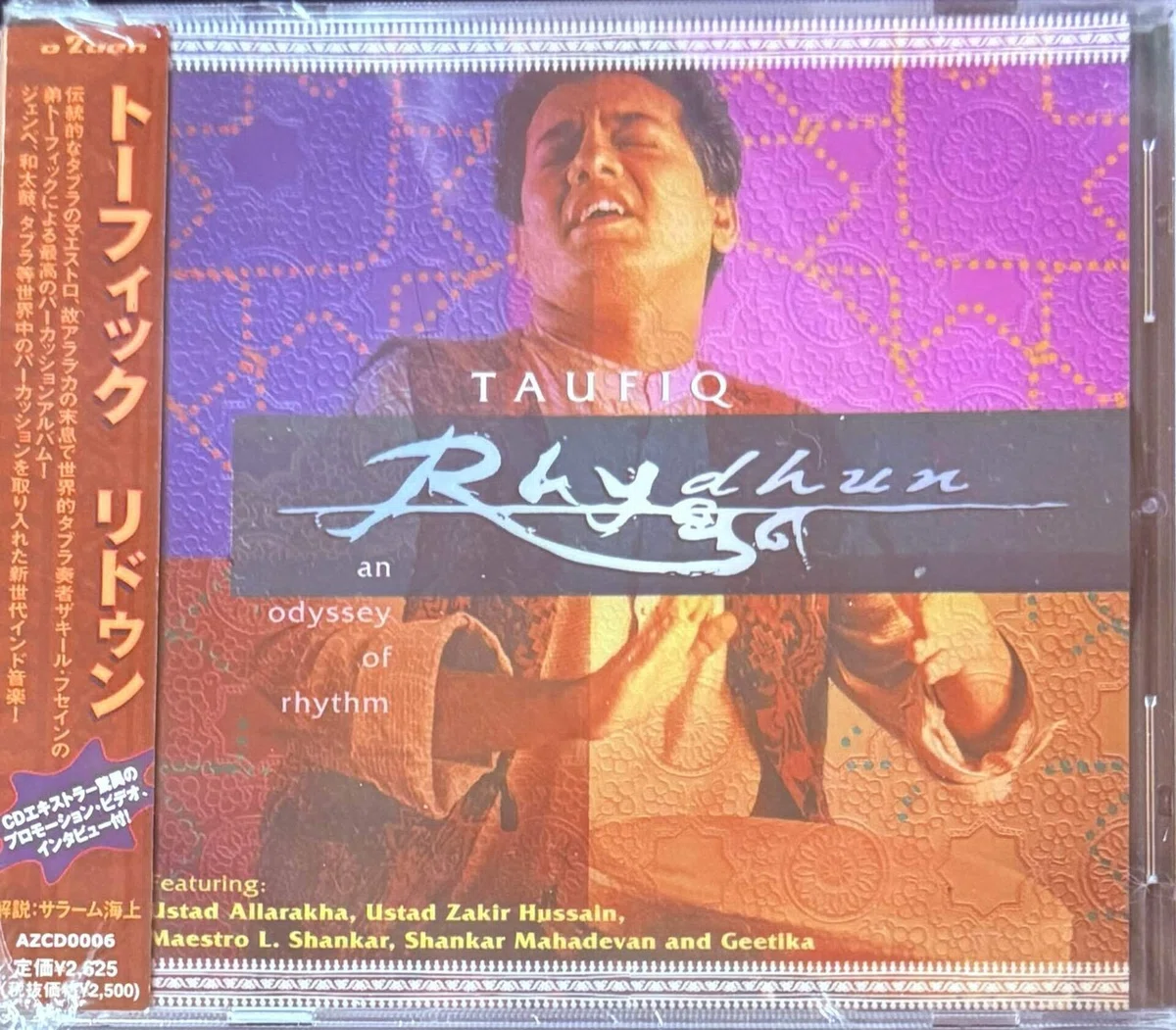
ムンバイのレコード会社とのランチミーティングは、前夜のトーフィクとニラドリ・クマールのライブ演奏の熱を感じさせないまま、終わってしまった。
ジローは、インド人と直接、ビジネスの話をするのは初めてだった。
これまでは、このムンバイの会社との契約等、ジローの会社の帰国子女のディレクターに任せてきた。
日本での売上、プロモーションの手法、市場規模にインド側は懐疑的。
ピンとこない感覚。
ジローは、自分自身の熱の入らなさも感じていた。いつものように興奮してこない。
向こうもジローのことを計りかねているようだ。
この次はないなと双方が感じていた。
気持ちを切り替えて、トーフィクの素晴らしい作品を日本では伝えて行こう。それしかない。
帰国の機内での沈黙
ムンバイから成田への夜行便。隣席の旅行者は、ひとことも発さなかった。
ジローも、話す気になれなかった。
うたた寝のなか、綾の笑顔とヴィクトリア・ターミナスの風景が交差する。
「会社は、僕がいなくても大丈夫だ。」
インドでは結局、何も成果をあげることは出来なかった。
デリーの初日の愚かな恥ずかしい出来事、スタッフに話せるはずも無い。
東京の朝とテレビのなかのヘルシンキ
インドでは飽食したつもりはなかったが、太ったようだ。
インドでは、大好きな赤のパンツばかり履いていた。そのパンツのボタンが度々はじける。相当へたってきたと思っていた。が、問題は自分の腹だった。
テレビでは、フィンランド・ヘルシンキから「世界陸上」が中継されている。
だが、そこには音楽がなかった。
ジローは、大手レコード会社に勤務当時は一時、どういうわけかクラシック部に在籍していたこともあった。
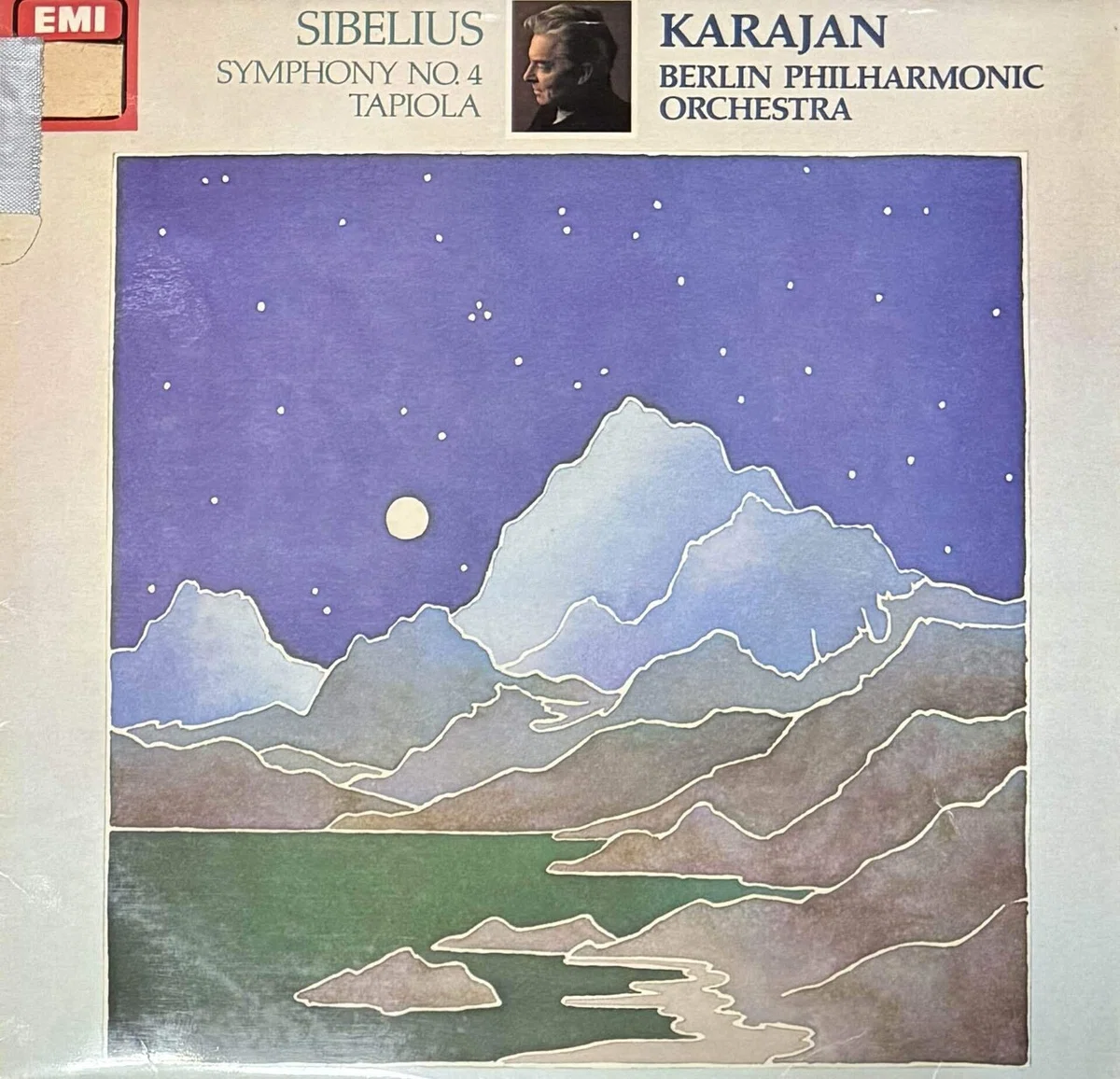
しかし、シベリウス。まったくわからない。レコードは数枚あるのだが。
男子マラソンの映像に目をやると
イスラエルの代表選手が 50歳で走っていた。
解説者が「国の代表として出るには人生をかけた努力があったはず」と語る。
それはそうだろう。そもそも「50歳でもマラソンを走っていいのか!身体に悪いだろ?…いや、四国程度の国の大きさだろうが、お国の代表になれるのか…」
野球のことしか考えていなかった学生時代のこと、走っていたこと、そして、今の自分の醜さ。
かと言って、何ができる?走れるはずはない。42.195km。想像も出来ない。
マラソン、フィンランド、イスラエル、50歳
ジローは、47歳だった。
音楽は、若いスタッフに任せよう。
そんな思いがよぎったジローだった。
あらためて、シベリウスの一枚を手に取った。
--つづく
⸻
🎵第二章の音楽🎵
“Into the Nordic Depths”
“Solitude and Silent Courage”
シベリウス
The night before had brought a meeting Jiro never expected —
his reunion with Aya.
She had stepped into Bollywood.
And somehow, he knew she would never come back.
Her life would become Bollywood itself —
its light, its artifice, its endless song.
Bollywood films.
Bollywood music.
He thought of A.R. Rahman, born in Chennai, who had carried Tamil cinema’s sound into the Bollywood cosmos.
Rahman had revealed to him the vastness — and danger — of Indian music.
Jiro had always lived by intuition.
He felt, decided, and moved on.
But now, a quiet conviction rose within him:
“What I’m searching for isn’t Bollywood.
It’s something else.”
The Meeting
The lunch meeting with the record company the next day was flat and airless.
All the heat from the previous night’s concert — Taufiq’s rhythms, Niladri’s burning sitar — had vanished.
It was Jiro’s first time negotiating face to face with Indian executives.
Until now, all contracts with this Mumbai label had gone through his bilingual director back in Tokyo.
The Indian side was skeptical — about sales, about promotion, about Japan’s tiny market.
Their polite smiles carried the distance of doubt.
And Jiro, to his own surprise, felt no fire either.
He was going through the motions.
Maybe they sensed it.
Maybe both sides already knew: there would be no next time.
He decided not to force it.
He would take what was beautiful — Taufiq’s music —
and do his best to share it in Japan.
That would have to be enough.
The Flight Home
On the overnight flight from Mumbai to Narita, the man seated beside him never said a word.
Jiro didn’t either.
The hum of the engines filled the silence between them.
Half-asleep, he saw flashes of Aya’s smile,
and the blurred outline of Victoria Terminus under the night sky.
“The company will be fine without me,”
he thought.
He had accomplished nothing in India.
Nothing he could report, at least.
And that humiliating night in Delhi — he could never tell anyone about that.
Tokyo Morning
Back in Tokyo, the morning light felt thin.
He switched on the television.
The World Athletics Championships were being broadcast live from Helsinki.
He noticed his red trousers — the same ones he’d worn across India.
They no longer fit; the button popped open again and again.
He hadn’t eaten that much, but somehow he’d gained weight.
Or maybe India had simply filled him with something heavier.
On the screen, runners were pushing through the cold Finnish air.
The commentary mentioned an Israeli marathoner —
fifty years old.
“To represent one’s country at that age,”
the announcer said,
“must have taken a lifetime of effort.”
Fifty years old.
A national representative.
A man still running.
Jiro stared at the screen.
Fifty? That can’t be healthy.
But still… he was representing his country.
He remembered his own youth —
how baseball had been everything,
how running had once been freedom.
Now, only the memory remained —
and a body that no longer matched it.
He was forty-seven.
Music, or Something Beyond
He looked at the screen again:
Finland, Israel, the marathon,
men chasing the horizon.
Maybe it was time to let the young staff handle the music.
He felt that thought, heavy and clear, settle somewhere deep.
He reached for a record on the shelf —
Sibelius.
He had worked in a classical division once, long ago,
but had never truly understood him.
Still, the name — Helsinki —
and the cold blue of that music called to him now.
He placed the record on the turntable.
The needle fell.
Outside, morning sunlight brushed the buildings of Tokyo.
And somewhere inside him,
something began to stir —
quiet, distant,
like the sound of footsteps before dawn.
To be continued.
