
『ボンベイ午前4時』 第一章|ボリウッドの扉を開いたのは Bombay, 4 A.M. — Chapter 1 | The Door to Bollywood

ジローが、ムンバイに無事に着いたのはまだ午前中だった。
早朝のデリー(インディラ・ガンディ国際空港/DEL)からムンバイ(チャトラパティ・シヴァージー国際空港/BOM)間の エア・インディアの直行便 の所要時間は、だいたい 2時間20分前後だ。
午前中とはいえ、もうインドでタクシーに乗る気にはなれない。
インドには「騙される方が悪い」という考え方がある。「ボーっと生きてるんじゃないぞ!」という戒めにも聞こえる。自分の足で歩くんだ。タクシーという乗り物に期待するなということだ。それがインドからのメッセージだ。バスだ。電車だ。リキシャもある。ムンバイは広い。それらを乗り継いで目的地へ急いだ。
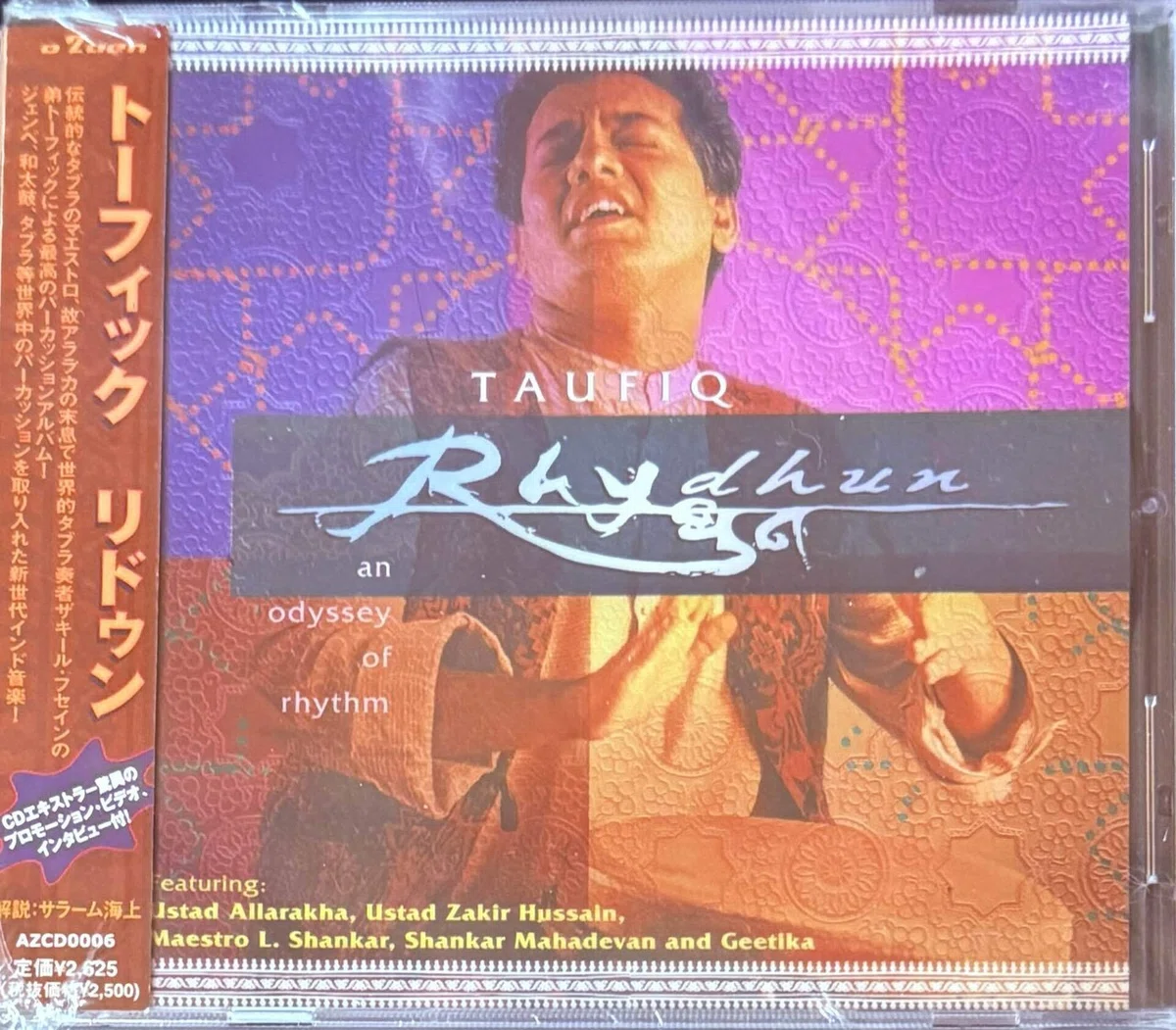
目的地は、ムンバイ中心部だ。ジローの会社は、ムンバイの目的の会社とすでにひとつの作品を契約済みでクオリティの高さには驚いていた。それもそのはず、シタールの生ける伝説が、ラヴィ・シャンカールなら、向こうを張るのが、タブラのウスタッド・アララカ・カーン。その息子、トーフィク・クレーシーの作品だ。トーフィクは、タブラも演っていたのだが、長兄のザキール・フセインが超えられない存在だった。そのときすでに兄貴がタブラの神様なのだ。伝統楽器のタブラのみを継承していく形を選ばず、西アフリカのジャンベから様々なパーカッションを幅広く取り入れ、ムンバイの、世界に冠たる映画産業であるボリウッドの音楽部門にネットワークを気づいている演奏家だった。
今回の旅の目的は、このトーフィクを核にするムンバイのレーベルとの関係性を強くすることだ。インド音楽は宝の山だ。ただボリウッドの映画音楽が日本で市場を確保できるのか。それはわからない。今回の作品はいい。タブラはいい。話が兄貴のザキール・フセインであれば、単純なのだが。弟のトーフィクも素晴らしい音楽家だ。だが、今後どうなるかはわからない。音楽でヒットを出し続けることはむずかしい。音楽ビジネスを続けることの難しさも感じていたジローだった。
「インド人の英語はほんとにわかりにくい!」とぼやいていたバッハ好きでピアノを嗜む帰国子女のスタッフのことを思い出した。電話をしなくては。ムンバイ初日からスケジュールは詰まっているのだ。
初対面なのにこの大都会ムンバイで待ち合わせをして彼等レコード会社スタッフたちとトーフィクのコンサートに向かうのだ。そのコンサートには、気鋭のシタール演奏家のニラドリ・クマールも加わっていることも知らされていたので、ジローは楽しみだった。伝統音楽演奏家は素晴らしいと思うが、彼の場合は、それを超えようとしている。インドの伝統音楽には起承転結もあり、盛り上がりにはとてもノレるのだ。古典音楽をまったり聴くのとは違う興奮があるのだ。ジローはだからインドの古典音楽、伝統音楽、楽器が好きだった。ただビジネスは別だ。日本でインドの古典音楽をリリースして生きてはいけない。大レーベルの学芸部門ではないのだ、俺の会社は。ジローはこころの中でつぶやいた。トーフィクとニラドリ・クマールとふたつの柱が出来ないかとも思った。
バスと電車を乗り継ぎ、ヴィクトリア・ターミナス駅は近づいていた。
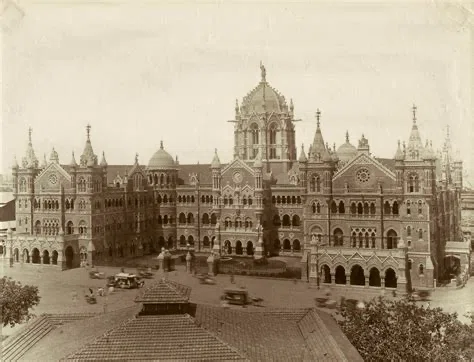
当時とそれほど変わっていない
昔のイギリス植民地時代を思わせるヴィクトリア・ターミナス駅(現在は、チャトラパティ・シヴァージー・ターミナス駅)まで辿り着けば、あとはホテルまでは歩ける距離だ。
ムンバイに来たら、タージホテルに宿泊したかったが、今回はやめにした。マリン・ドライブ近くのホテルから彼等のレコード会社に連絡した。
なんのことはない。彼等が車でホテルまで迎えに来ることになった。今夜はコンサートだ。そのあとはちょっとしたパーティーがあるらしい。トーフィクとも話せる。出来たら、ニラドリ・クマールとも話せるかもしれないな。旅の疲れはなかった。これから始まるのだ。
マリン・ドライブから眺めるムンバイの景色はまた電車から眺めるものとは違っていた。夕暮れの光がジローの心を浮き立たせた。
車の中では、不思議にリラックス出来た。
海風が穏やかに頬を撫でる中、夕暮れの光がアラビア海の水平線に溶け込んでいく。車の窓を少し開けると、潮の香りとともに乾いた匂いが風に乗ってやってきて、胸の奥がざわつくような気配を残す。マリン・ドライブ(クイーンズ・ネックレスとも呼ばれる湾曲した道路)は黄金の帯のように光を拾い、有名なスラムさえも輝いてみえた。錯覚だ。
コンサート会場は、世界中どこでも同じだ。招待席に通され、トーフィクのバンドのコンサートを見た。やはり、ニラドリ・クマールのシタールが刺さる。シタールをときにギターのように弾き、のっている姿はインド音楽の時代も世代も変わりつつあるのだろうと感じさせた。
コンサートは成功。成功後は打ち上げというよりは、もっと公式なパーティーのようだった。ボリウッド映画関係者もいるのか。
レコード会社のプロデューサーがトーフィクを連れてきて、日本での状況などビジネス的なことを少し話し、次にニラドリ・クマールを紹介してくれた。握手を交わして「素晴らしかった。ファンだ。」と伝えた。インドのアーティストの契約はどうなっているのだろう。もちろん、そんな細かい話はせずに生ぬるいキングフィッシャービールのグラスをあけた。彼はビールは飲まないようだった。
そこに、声がかかった。
日本人の女性がいるからと紹介された。
「ジロー、日本人の女性がいるよ。紹介しておくよ。」
プロデューサーのひとりが指差した先に、ひとりの女性が立っていた。
赤でもなく、橙でもなく、混じり合った何か──インドの絹のような光沢のドレス。
それが彼女だった。
視線が合った瞬間、時が少しだけ巻き戻った。
──あの、六本木のレストラン。夜の静かなフロアに響いた彼女の足音。
「あなた、ダンサーでしょ。」
そう声をかけたとき、彼女は本当に驚いた顔をして言ったのだ。
「どうしてわかったんですか?」
「僕はダンサーはわかるんだよ。」と言った。
ジローは、そのときの記憶が一気に蘇った。
彼女はまだ卵だった。
そして言った。
「私、いつかボリウッドで踊るんです。日本人で、初めての──」
現実とは思えなかった。
けれど、今、ムンバイのこの空間に、ちゃんと彼女はいた。
「綾……?」
彼女は驚いたように目を丸くした。
「……ジローさん?」
思わずふたりは、少しの沈黙のあと、笑い合った。笑うしかないじゃないか。
こんな偶然があるだろうか。いや、偶然ではないのかもしれない。
この都市には、夢と夢の残骸とが交差する場所が、たくさんあるのだ。
綾は、僕のことを覚えていた。
いや、それだけじゃない。僕が音楽の仕事をしていることも知っていた。
「ねえ、ジローさん。やっと、あの、インドの、ボリウッドの、映画の――ほんの、ほんの端っこだけど……バックダンサーとして、ひとつ出られたの!」
彼女の目が、あの頃と同じようにきらきらと輝いていた。
たぶん、画面の隅にも映っていないだろう。だけど、それで十分だったのだ。
「ボリウッド映画の門の中に入れた」──彼女は、そう言った。
凄いぞ、綾。
そう思いながら、わかってたよとも。
あの数年前の六本木の夜の…。
いま、こうしてムンバイの空の下で再会して、彼女がその夢の最初の扉を開いたことを報告してくれる。
その事実が、もう奇跡のようだった。
僕にはわかっていたんだよ、綾。
あの夜の歩き方を見たときから。
君は、いつか踊る人になると。

ーーつづく
⸻今日の音楽
Rhydhun-an odyssey of rhythm/Taufiq
Raag Bhairavi | Niladri Kumar & Pandit Subhankar Banerjee | Sitar & Tabla | Music of India
♪登場する実在のアーティストのひとり
ニラドリ・クマール(Niladri Kumar)
特徴: 伝統的なシタール演奏のほか、シタールとエレキギターを組み合わせた「ザイタール(zitar)」を開発するなど、革新的なスタイルで知られている。
活動: ジョン・マクラフリンやA.R.ラフマーンといった著名な音楽家と共演し、ジャンルを超えたコラボレーションを積極的に行っている。
・ムンバイ国際空港(Chhatrapati Shivaji Maharaj International Airport) IATAコード(国際航空運送協会が定めた3文字の略称)が、「Mumbai(ムンバイ)」ではなく「BOM」になっている理由には、歴史的な背景がある。
🔸 かつての都市名が「ボンベイ(Bombay)」
• ムンバイは、**1995年まで「ボンベイ(Bombay)」**と呼ばれてた。
• イギリス統治時代から「ボンベイ」は国際的に通用する都市名として使われており、その名残で空港コードも BOM(Bombayの略) になった。
The flight from Delhi to Mumbai had taken just over two hours, yet when Jiro stepped out into the light of late morning, it felt as if days had passed.
He had survived Delhi — barely — and had sworn not to trust another taxi again.
There was a saying in India, he’d heard somewhere: If you’re fooled, it’s your own fault.
A brutal kind of wisdom.
Like someone shaking your shoulders and shouting, Wake up. Don’t drift through life.
He decided to take it literally.
No taxis. Not this time.
He would walk, take buses, trains, rickshaws — whatever it took.
If India wanted him to move on his own feet, he would.
The City That Breathes
Mumbai unfolded before him like a living thing — vast, humid, relentless.
His destination was downtown, where his small company in Japan had partnered with a Mumbai label. Their first project had already astonished him:
music built around Taufiq Qureshi, son of Ustad Alla Rakha, brother of Zakir Hussain, heir to a bloodline of rhythm itself.
Taufiq had taken a different road from his brother.
While Zakir had become the god of the tabla, Taufiq had looked outward — to the djembe of West Africa, to global percussion — blending everything into the pulse of Bollywood.
He was mapping new continents of sound.
This trip was about deepening that connection.
Indian music, Jiro thought, was an untouched mountain of treasure.
But how much of that treasure could survive in Japan’s market?
He didn’t know.
No one did.
He remembered one of his staff back in Tokyo — a Bach-loving returnee who used to complain,
“Indian English is impossible to understand!”
He smiled. She’d hate it here.
He’d have to call her later; his schedule in Mumbai was already packed.
Tonight he would meet the label’s team and attend Taufiq’s concert — where a young sitar player named Niladri Kumar would also perform.
Jiro admired traditional Indian musicians, but Niladri was something else — he was breaking form, stretching the old raga like a thread of fire.
There was a surge, a climax, a beat that carried the body — not just the soul.
He loved that.
But business was business.
You couldn’t survive in Japan releasing Indian classical records.
His company wasn’t a cultural division of a big label. It was him — and his instinct.
Still, he thought, Maybe Taufiq and Niladri could be the twin pillars of something new.
The train neared Victoria Terminus — that grand remnant of the British Raj,
now renamed Chhatrapati Shivaji Terminus.
Once he reached it, he could walk to his hotel.
Marine Drive
He’d dreamed of staying at the Taj Mahal Hotel,
but that would have to wait for another life.
Instead, he checked into a smaller hotel near Marine Drive,
called the record company, and learned they’d send a car.
Tonight was the concert.
After that, a small party.
He would finally meet Taufiq. Maybe even talk to Niladri.
The fatigue of travel lifted as the car rolled along the curve of the bay.
From the window, the city shimmered —
a mosaic of color, noise, dust, and light.
The sea breeze brushed his cheek.
The sunset melted into the Arabian Sea.
He cracked the window open.
The smell that entered was part salt, part smoke, part iron —
and it stirred something restless in his chest.
Marine Drive, the Queen’s Necklace, glowed like a golden ribbon.
Even the slums seemed to sparkle for a moment in the dying light.
An illusion, he knew — but a kind one.
The Concert
Concert halls, he thought, are the same everywhere:
dimmed lights, polite applause, that moment before the first note.
He was guided to a reserved seat.
Then came the rhythm —
Taufiq’s percussion like breath itself,
Niladri’s sitar cutting through it like glass.
At times, Niladri played the sitar like an electric guitar,
bending notes, pulling them past the edge of tradition.
Jiro felt it in his ribs.
Indian music was changing —
and he was there to witness it.
The concert ended in triumph.
The afterparty was formal — producers, musicians, even a few Bollywood figures.
A producer introduced Taufiq, and they spoke briefly about Japan,
then brought over Niladri.
They shook hands.
“You were incredible,” Jiro said. “I’m a fan.”
Niladri smiled politely, glass of water in hand.
Jiro lifted his lukewarm Kingfisher beer and took a sip.
That’s when he heard it.
“Jiro, there’s a Japanese woman here. You should meet her.”
One of the producers pointed across the room.
The Woman in Silk
She stood under the soft amber light —
not in red, not in orange, but something in between,
a color that seemed to breathe, like silk caught between shadows.
Their eyes met.
For a second, time tilted backward —
to a quiet restaurant in Roppongi,
and the sound of her footsteps on polished wood.
“You’re a dancer, aren’t you?” he had said.
She had looked at him, startled.
“How did you know?”
“I just do,” he’d replied.
The memory returned whole.
She had been unformed then — still an egg, he’d thought.
“Someday, I’ll dance in Bollywood,” she had said.
“I’ll be the first Japanese dancer — you’ll see.”
He hadn’t believed her.
Not really.
But now she was standing there,
in Mumbai,
real and radiant.
“Aya…?”
“Jiro-san?”
The names left their lips at the same moment.
Then came laughter — light, disbelieving, unstoppable.
What else could they do?
In this city of dreams and debris,
perhaps coincidence was just another kind of destiny.
Aya remembered him —
and knew he worked in music.
“Jiro-san,” she said,
“I finally did it. Just a small role — a background dancer —
but I actually appeared in a Bollywood film.”
Her eyes shone like before.
Maybe she didn’t even appear in the corner of the frame,
but it didn’t matter.
“I’ve stepped inside the gates of Bollywood,” she said.
He smiled.
Amazing, Aya, he thought.
He had known it all along —
from the way she walked that night in Roppongi.
Now, under the Mumbai sky,
she had opened the first door of her dream.
And he, too, felt something open —
quietly, inside himself.
To be continued.
