覚書英文法:直接話法⇄間接話法〜時制の一致

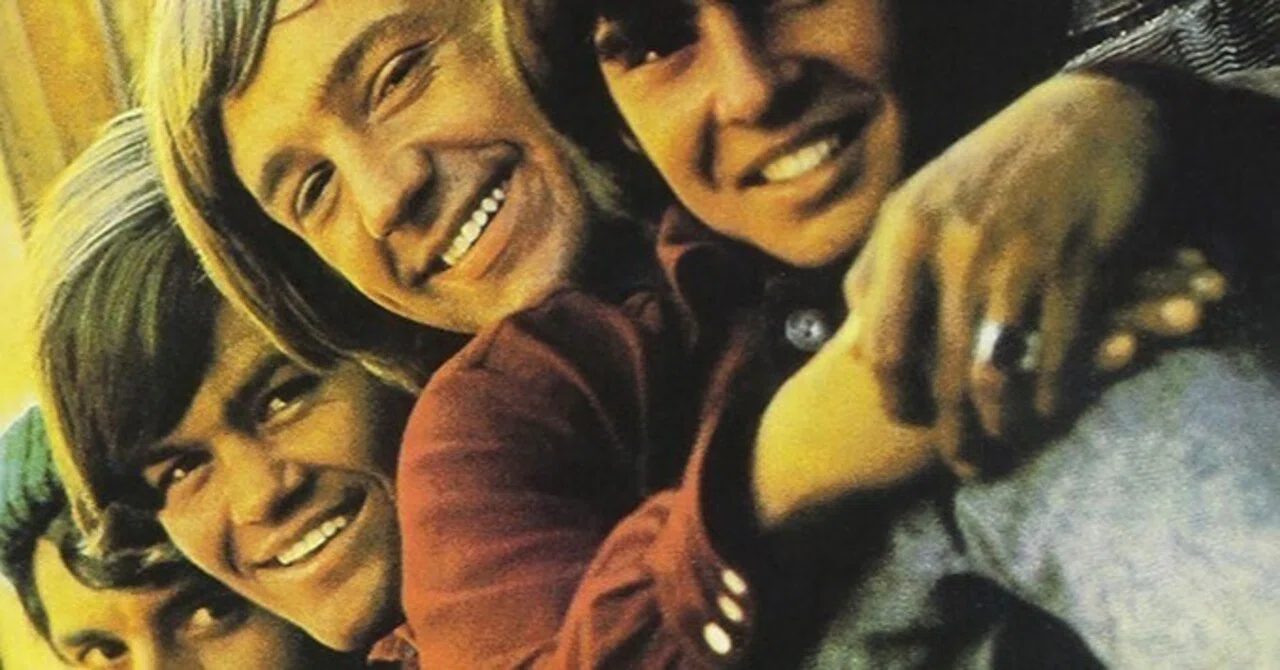
1) My classmate said, “It is not the Beatles but the Monkees that is the most popular band in the world now.”
2) My classmate said that it was not the Beatles but the Monkees that was the most popular band in the world then.
1) 直接話法
2) 間接話法
1) 僕の同級生は、「まさにビートルズじゃなくてモンキーズこそが、今世界で最も人気があるバンドよ」と言った。
2)僕の同級生が言ったのは、まさにビートルではなくて、モンキーズこそが当時世界中で最も人気のあったバンドだということだった。
標準レベル:書き換え問題 10選
She said, "I am going to the library now."
進行形と副詞(now)の変化を確認する問題。
例文:She said that she was going to the library then.
和訳:彼女は、その時図書館へ行くところだと言った。
He said to me, "I have already finished my homework."
完了形と所有格の変化を確認する問題。
例文:He told me that he had already finished his homework.
和訳:彼は私に、もう宿題は終わったと言った。
My father said, "I bought this watch in London last year."
過去形から過去完了への変化、指示代名詞(this)の変化を問う。
例文:My father said that he had bought that watch in London the year before.
和訳:父は、その時計を前年にロンドンで買ったと言った。
They said, "We will help you tomorrow."
助動詞(will)と時を表す語(tomorrow)の変化を確認。
例文:They said that they would help me the next day.
和訳:彼らは、明日(翌日)私を助けると言った。
The teacher said, "Light travels faster than sound."
「不変の真理」は時制の一致を受けないというルールを確認。
例文:The teacher said that light travels faster than sound.
和訳:先生は、光は音よりも速く進むと言った。
She said to him, "Can you open the window?"
疑問文の間接話法(if/whether)の形を確認。
例文:She asked him if he could open the window.
和訳:彼女は彼に、窓を開けられるかどうか尋ねた。
The doctor said to me, "Don't smoke too much."
命令文(禁止)の間接話法(tell A not to...)を確認します。
例文:The doctor told me not to smoke too much.
和訳:医者は私に、タバコを吸いすぎないようにと言った。
He asked, "Where did you find this key?"
疑問詞がある疑問文の語順(疑問詞+主語+動詞)を確認。
例文:He asked where I had found that key.
和訳:彼は、私がどこでその鍵を見つけたのかと尋ねた。
My mother said, "Be careful when you cross the street."
命令文の間接話法(tell A to...)の基本形です。
例文:My mother told me to be careful when I crossed the street.
和訳:母は私に、通りを渡る時は気をつけるようにと言った。
Tom said, "I must leave for the airport at once."
助動詞(must)の書き換えを確認します。
例文:Tom said that he had to leave for the airport at once.
和訳:トムは、すぐに出発しなければならないと言った。
難関レベル:難問書き換え問題 10選
"Had I been you, I wouldn't have said such a thing," she said.
仮定法過去完了の倒置形を含む間接話法。仮定法は原則として時制を変えない。
例文:She said that if she had been me, she wouldn't have said such a thing.
和訳:彼女は、もし自分が私だったらそんなことは言わなかっただろうと言った。
The guide said, "The French Revolution broke out in 1789."
歴史上の事実は、主節が過去でも過去形のままにするルールを確認。
例文:The guide said that the French Revolution broke out in 1789.
和訳:ガイドは、フランス革命は1789年に勃発したと言った。
He said, "Let's go for a walk, shall we?"
提案を表す間接話法(suggest + doing / that...)への書き換え。
例文:He suggested going for a walk.
和訳:彼は散歩に行こうと提案した。
"Why don't you talk to your lawyer?" she said to him.
文脈から「提案」や「助言」の動詞(advise)を選択する高度な書き換え。
例文:She advised him to talk to his lawyer.
和訳:彼女は彼に、弁護士に相談するようにと勧めた。
He said, "Goodbye, my friends!"
挨拶や決別を表す動詞(bid / say goodbye to)を使う。
例文:He bade his friends goodbye.
和訳:彼は友人たちに別れを告げた。
"How beautiful this sunset is!" cried the girl.
感嘆文の間接話法(exclaim that... / how...)。
例文:The girl exclaimed how beautiful that sunset was.
和訳:その少女は、その夕焼けがなんて美しいのだろうと叫んだ。
"Would you like to have dinner with me tonight?" he said.
招待・勧誘(invite / ask if ... would like to)の意図を汲み取る。
例文:He invited me to have dinner with him that night.
和訳:彼はその夜、自分と一緒に夕食を食べないかと誘ってくれた。
The sign says, "Keep off the grass."
伝達動詞が現在形(says)の場合、時制の一致は起こらない。
例文:The sign tells us to keep off the grass.
和訳:掲示には、芝生に入らないようにと書いてある。
She said, "I wish I could speak Japanese as fluently as you do."
仮定法現在の内容を間接話法にする際、主節との時差に注意が必要。
例文:She said she wished she could speak Japanese as fluently as I did.
和訳:彼女は、私と同じくらい流暢に日本語が話せればいいのにと言った。
He said, "You had better stay at home because it's going to snow."
忠告(had better)を含む文の書き換え。
例文:He advised me that I had better stay at home because it was going to snow.
和訳:雪になりそうだから家にいたほうがいいと、彼は私に助言した。
銘記事項
不変の真理 (Eternal Truths)
通常、主節の動詞が過去形(saidなど)なら、従属節の時制も過去に合わせるが(時制の一致)、ことわざ、自然現象、科学的事実などの「今も昔も変わらないこと」は現在形のままに。
例文:The teacher said, "Water boils at 100°C."
和訳:先生は「水は100度で沸騰します」と言った。
例文:The teacher said that water boils at 100°C.
和訳:先生は、水は100度で沸騰するものだと言った。
歴史上の事実 (Historical Facts)
歴史的な出来事は、主節が過去形であっても、過去完了形(had + 過去分詞)にはせず、過去形のままに留める。
例文:The teacher said, "World War II ended in 1945."
和訳:先生は「第二次世界大戦は1945年に終わりました」と言った。
例文:The teacher said that World War II ended in 1945.
和訳:先生は、第二次世界大戦が1945年に終わったと述べた。
仮定法 (Subjunctive Mood)
仮定法(過去・過去完了)が含まれる文を間接話法にする場合、事実に反する想定というニュアンスを維持するため、時制の一致は行わず、そのままの形を使う。
例文:He said, "If I were rich, I would buy that car."
和訳:彼は「もし金持ちなら、あの車を買うのになあ」と言った。
例文:He said that if he were rich, he would buy that car.
和訳:彼は、もし自分が金持ちならあの車を買うだろうにと言った。
提案・助言の動詞への書き換え (Reporting Verbs)
命令文や「Let's ~」のような提案を間接話法にする場合、単に "said" を使うのではなく、意図に合わせて "suggest", "propose", "advise" などの動詞に書き換えると、より自然な英語になる。
例文:He said to me, "You should see a doctor."
和訳:彼は僕に「医者に診てもらったほうがいいよ」と言った。
例文:He advised me that I should see a doctor.
和訳:彼は僕に、医者の診察を受けるよう助言した。
指示語・副詞の変化 (Words denoting nearness)
直接話法の「今・ここ」は、間接話法(第三者の視点)では「その時・そこ」に変化する。
this → that / these → those / now → then / today → that day / ago → before
例文:She said, "I like this picture."
和訳:彼女は「この写真が好きだわ」と言った。
例文:She said that she liked that picture.
和訳:彼女は、その写真が好きだと言った。
※単に機械的な書き換え・言い換えではなく、その場で直接に話した場合、「 」の中でどう言うかな、それを場所が変わり、時間が変わった状況で、第三者の目で見て客観的にどう言うかなと想像しながら表現しよう。
