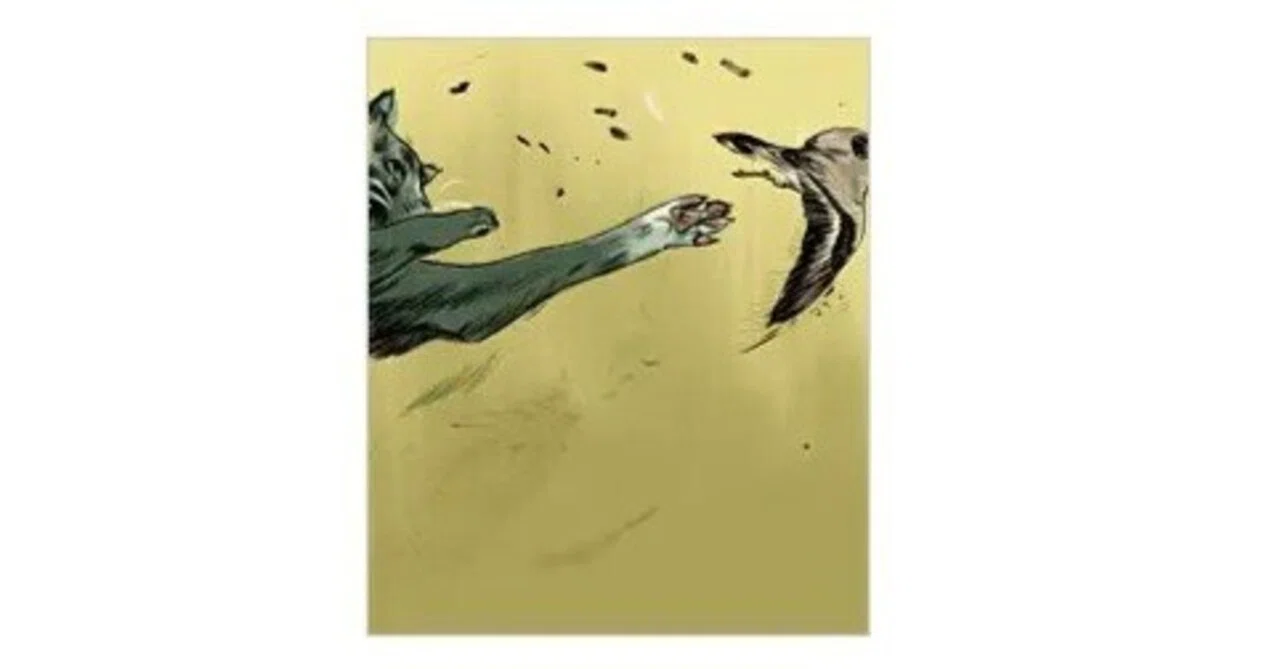
鳥を殺す猫を殺す?(USA) New York Times 2007/12/2

https://www.nytimes.com/2007/12/02/magazine/02cats-v--birds-t.html
昨年の夏、刑務所に入ることになりそうだと話しているときでさえ、ジム・スティーブンソンは鳥を探すのをやめられなかった。「リビングルームの窓の外を指差しながら、彼は言った。
Last summer, even as he talked about facing jail time, Jim Stevenson couldn’t stop looking for birds. “There’s a couple yellow-crowned night herons,” he said, pointing out his living-room window.
「あのシナベリーの木をねぐらにしているんだ」。彼は青い灰色の鳥に目を休めた。「とにかく、警官に車を止められ、バンを調べられた。
“They roost in that chinaberry tree.” He rested his eyes on the blue-gray birds. “Anyway, the cops pulled me over and searched my van and found the gun, and —”
ある動きが彼の目に留まった。「バラヘラサギ。それにオスのオーチャード・オリオールもいる」。
A movement caught his eye. “Roseate spoonbill. And there’s a male orchard oriole.”
スティーブンソンは54歳の元理科教師で、ガルベストン(テキサス州)の鳥類学の第一人者として知られている。
Stevenson is a bearish, ruddy-faced 54-year-old former science teacher who is known as the ornithological guru of Galveston, Tex.
10年前、彼はこのメキシコ湾岸の堡礁島に移り住んだ。
Ten years ago, he moved to this Gulf Coast barrier island because of its abundant shorebirds.
アメリカセイタカシギ、イソヒヨドリ、イソヒヨドリ、ヒヨドリ、チドリの大群は、ガルベストン湾の浅く肥沃な河口で餌をとる。
Enormous flocks of American avocets, willets, sanderlings, dowitchers and plovers feed in the shallow, fertile estuary of Galveston Bay.
スティーブンソンは、常に鳥を観察できるように、木々の群れの中に家を建てた。鳥は彼のこだわりであり、職業でもある。
Stevenson built his house amid a clump of trees so he could always be watching birds; he lives in a bird blind. Birds are his obsession and his profession.
ガルベストン鳥類学協会の理事であり、季刊紙『Gulls n Herons』の発行人でもある。お金のためにバードウォッチング・ツアーを案内している。
He is the director of the Galveston Ornithological Society and publisher of the quarterly newspaper Gulls n Herons. For money, he leads bird-watching tours.
スティーブンソン氏はその日、種の不足について謝罪した。 「夏のこの時期には、人の移動はあまりありません」と彼は言いました。 「それでも、見るべきものはたくさんあります。 明日は出かけます、ワゴンに荷物を積み込みます。」
Stevenson apologized for the paucity of species that day. “This part of summer you don’t have a lot of migration,” he said. “There’s still plenty to see, though. We go out tomorrow, I’ll load your wagon.”
それは、私の人生リストに加えることができる鳥を見せてくれるという意味でした。 熱心な鳥観察者は、生涯に見たすべての種のリストを作成します。
By that he meant he would show me birds I could tick off my life list. Serious birders compile a list of every species they have seen in their lifetimes.
しかし、私はワゴンに荷物を積み込むためにガルベストンに来たわけではありませんでした。 私はジム・スティーブンソンがなぜアメリカで最も悪名高い猫殺しになったのかを知りたくてやって来た。
I hadn’t come to Galveston to load my wagon, though. I had come to find out why Jim Stevenson had become the most notorious cat killer in America.
話は次のようなものでした。 2006 年 11 月 7 日火曜日の夜、スティーブンソンは選挙結果の監視を休憩し、ガルベストン湾とガルベストン湾を結ぶ波の多い水路であるサン ルイス峠で鳥を観察しました。
The story went something like this: On the evening of Tuesday, Nov. 7, 2006, Stevenson took a break from watching the election returns to look at some birds at San Luis Pass, a ripply channel connecting Galveston Bay to the gulf.
スティーブンソンさんは、ガルベストン島とフォレッツ島を結ぶ有料道路であるサン・ルイス・パス橋の終点近くに、側面に「ガルベストン鳥類学会」の旗を掲げた白いダッジ・バンを駐車した。
Stevenson parked his white Dodge van with “Galveston Ornithological Society” bannered on its side, near the end of the San Luis Pass bridge, a tollway that connects Galveston Island to Follets Island.
彼は草が点在する低い砂丘の中に場所を見つけて待ちました。 すぐに、連邦政府が絶滅危惧種に指定している数羽のシチドリを目にした。
He found a spot in the low grass-speckled dunes and waited. Soon enough, he saw a handful of piping plovers, a federally listed endangered species.
それから彼は別の何かを見た。それは千鳥を追いかける不規則な猫だった。 橋の下には十数匹の野良猫のコロニーが眠っていた。 スティーブンソンと同じ理由で、猫たちは砂丘に迷い込むのが好きだった。鳥たちだ。
Then he saw something else: a scraggly cat stalking the plovers. A colony of about a dozen feral cats had been sleeping under the bridge. The cats liked to wander into the dunes for the same reason Stevenson did: the birds.
「シチドリはおとなしく、じっとしている小さな生き物です」とスティーブンソンさんは私に語った。 「彼らは砂丘をねぐらにしており、猫が忍び寄るのは見えず、音も聞こえません。」
“Piping plovers are tame, abiding little creatures,” Stevenson told me. “They roost in the dunes and can’t see or hear a cat creep up on them.”
スティーブンソンさんは、猫を捕まえることで鳥を守ろうとしたと語った。 彼は失敗してイライラして家に帰った。 その夜遅く、彼はその問題を心配した。
Stevenson said he tried to protect the birds by capturing the cat. He failed and returned home frustrated. Late that night, he worried the problem.
「アメリカの納税者は、シチドリのような鳥を守るために何百万ドルも使っています。それなのに、ここでは猫たちが鳥を殺しており、誰もそれを止めるために何もしません。」と彼は言いました。
“The American taxpayers spend millions of dollars to protect birds like piping plovers,” he said, “and yet here are these cats killing the birds, and nobody’s doing anything to stop it.”
翌朝、スティーブンソンは行動することを決意した。 彼は.22ライフルをバンに積み込み、サンルイス峠に向けて出発した。 彼は橋の下で同じ猫を見つけました。 スティーブンソンはその動物を視界に入れて引き金を引いた。
The next morning, Stevenson decided to act. He loaded his .22 rifle in the van and took off for San Luis Pass. He spotted the same cat under the bridge. Stevenson put the animal in his sights and pulled the trigger.
「猫は石のように落ちました」と彼は言いました。
“The cat dropped like a rock,” he said.
橋の上でジョン・ニューランドという料金所係員が銃声を聞いた。 ニューランドさんは物静かな60代の男性で、橋の下で猫によく餌をあげていた。 彼は彼らを自分の赤ちゃんと呼びました。 ニューランドは料金所から飛び出し、スティーブンソンのバンを見た。 "見つけた!" ニューランドは叫んだ。 「うちの猫を撃つのはやめてくれ!」
Up on the bridge, a tollbooth attendant named John Newland heard the shot. Newland, a quiet man in his 60s, often fed the cats under the bridge. He called them his babies. Newland bolted out of his tollbooth and saw Stevenson’s van. “I got you!” Newland screamed. “You quit shooting my cats!”
スティーブンソンさんは逃走したが、警察が自宅近くで追いついた。 ガルベストンの警察官は彼に手錠をかけ、彼の権利を読み上げ、刑務所に放り込んだ。
Stevenson fled, but the cops caught up to him near his house. A Galveston police officer cuffed him, read him his rights and threw him in jail.
ライフルを一発撃っただけで、スティーブンソンは自分が野鳥観察者のベルンハルト・ゲッツに扮していることに気づきました。 彼の猫殺しは、野鳥愛好家と猫愛好家の間の奇妙なシルベスターとトゥイーティの確執の全国的な火種となったが、先月スティーブンソンの事件が解決しても、この争いはほとんど沈静化しなかった。
With one shot of his rifle, Stevenson found himself cast as the Bernhard Goetz of birders. His cat slaying became a national flash point in the strange Sylvester-and-Tweety feud between birders and cat fanciers, which the resolution of Stevenson’s case last month has done little to pacify.
両者は20年以上にわたり、猫が鳥を殺す問題をめぐって非難と侮辱を交わしてきた。 誰と話すかによって、猫はラインストーンの首輪をした大量殺人犯であるか、あるいは低俗な猫嫌いの人々によって行われた中傷運動の犠牲者であるかのどちらかになります。
For more than 20 years, the two sides have exchanged accusations and insults over the issue of cats killing birds. Depending on whom you talk to, cats are either rhinestone-collared mass murderers or victims of a smear campaign waged by lowdown cat haters.
全米オーデュボン協会は、「世界中で、生息地の破壊を除けば、他のどの原因よりも多くの鳥類の絶滅に猫が関与している可能性がある」と宣言した。 アメリカ鳥類保護団体は、より小規模で勇敢な団体ですが、猫の飼い主にペットを閉じ込めるよう説得するキャンペーンを行っています。
The National Audubon Society has declared that “worldwide, cats may have been involved in the extinction of more bird species than any other cause, except habitat destruction.” The American Bird Conservancy, a smaller, feistier group, runs a campaign to persuade cat owners to lock up their pets.
猫擁護派はこう答えます:彼らは猫です! 彼らは鳥を追いかけます。
Cat defenders respond: They’re cats! They chase birds.
論争の多くは、国内に生息する5,000万から9,000万匹の野良猫(正確な数字を確認することは不可能)、人間から独立して暮らす元ペットとその子孫に焦点を当てている。 野良猫には飼い主がいないかもしれないが、ロビイストはいる。
Much of the controversy focuses on the nation’s population of 50 to 90 million feral cats (exact figures are impossible to ascertain), former pets and their offspring that live independent of humans. Feral cats may not have owners, but they do have lobbyists.
Alley Cat Allies は、ベッキー・ロビンソンという元ソーシャルワーカーによって設立された全国組織で、有名人、猫の専門家、野良猫コロニーの管理者らの強力な連携を活用して、野生猫の権利のために戦っています。
Alley Cat Allies, a national organization founded by an ex-social worker named Becky Robinson, harnesses a fierce coalition of celebrities, cat experts and feral-cat-colony caretakers to fight for the rights of wild cats.
彼女の同盟者には、英国を代表する博物学者、ロジャー・テイバーが含まれます。 ジェフリー・マッソン、『猫の9つの感情的生涯』と『象が泣くとき』の率直な著者。 そして、それにふさわしいのは、1963 年のアルフレッド ヒッチコックのスリラー映画「鳥」の主演で最もよく知られる女優、ティッピ ヘドレンです。 ご記憶のとおり、これはヘドレンが凶鳥の攻撃を回避するのに 2 時間を費やした映画でした。
Her allies include Roger Tabor, a leading British naturalist; Jeffrey Masson, the outspoken author of “The Nine Emotional Lives of Cats” and “When Elephants Weep”; and, fittingly, Tippi Hedren, the actress best known for starring in the 1963 Alfred Hitchcock thriller, “The Birds.” Which, as you will recall, was a film in which Hedren spent two hours dodging attacks by murderous birds.
スティーブンソンの射撃については双方が意見を交わした。 猫の擁護者たちは彼を残酷で犯罪者だと呼びました。 ブログ「Cat Defender」(「鳥愛好家の犯罪を暴露する」)は、彼を邪悪なガルベストン鳥愛好家と名付けました。
Both sides weighed in on Stevenson’s shooting. Cat advocates called him cruel and criminal. The blog Cat Defender (“Exposing the Crimes of Bird Lovers”) labeled him the Evil Galveston Bird Lover.
ヒューストン・オーデュボン協会の会長はスティーブンソン氏の「これらの動物を管理する違法な方法」を非難したが、他の野鳥観察者らは彼の行動を称賛した。 テキサス州の野鳥観察者、4年生の理科教師は、スティーブンソンにその行為に対してメダルを与えるよう提案した。
The president of the Houston Audubon Society condemned Stevenson’s “illegal methods of controlling these animals,” but other bird-watchers hailed his actions. One Texas birder, a fourth-grade science teacher, suggested that Stevenson be given a medal for his actions.
1984年にニューヨークの地下鉄で強盗予備軍4人を射殺して全国的な議論を巻き起こしたゲッツと同様、スティーブンソンも恐怖と不安が高まった時期に銃を発砲した。 鳥類の個体数は世界中で激減している。
Like Goetz, who sparked a national debate when he shot four would-be robbers in a New York subway in 1984, Stevenson fired his gun during a time of heightened fear and anxiety. Bird populations are plummeting worldwide.
今年初め、バードライフ・インターナショナルは、地球上の鳥類9,956種のうち1,221種が絶滅の危機に瀕しており、2006年以来35種増加していることを発見した。
Earlier this year BirdLife International found that 1,221 of the planet’s 9,956 bird species were threatened with extinction, an increase of 35 species since 2006.
2004年に絶滅したと思われていたハシバシキツツキを目撃したとされる2004年のような希望に満ちた物語は人々の想像力をかき立てる傾向があるが、より大きな物語は憂鬱で、一見容赦のない忘却への行進である。
Although hopeful stories like the 2004 purported sighting of an ivory-billed woodpecker — a species long thought extinct — tend to capture the public’s imagination, the larger story is a depressing and seemingly inexorable march toward oblivion.
全米オーデュボン協会は6月、毎年クリスマスに生息する鳥の数から得た40年分のデータを分析した結果、かつてはどこにでも生息していた20羽近くのアメリカの鳴き鳥が驚くべき減少を示したと報告した。
In June, the National Audubon Society reported that an analysis of 40 years of data from its annual Christmas bird count showed an alarming decline in nearly two dozen once-ubiquitous American songbirds.
1965 年以来、コモンウグイスはその個体数の 61 パーセントを失いました。
Since 1965, the common grackle has lost 61 percent of its population.
ヒガシメドウヒバリは 72% 、ノーザンボブホワイトは82パーセント。減少しました
Eastern meadowlarks are down 72 percent; northern bobwhites, 82 percent.
これらの損失の主な原因はよく知られています。 生息地の破壊、つまり産業や農業の開発、森林や田畑に取って代わる郊外のスプロール現象は、鳥類の個体数にとってこれまでで最大の脅威です。
The primary cause of those losses is well known. Habitat destruction — industrial and agricultural development and suburban sprawl replacing forests and fields — is by far the biggest threat to bird populations.
二次的要因の複雑な組み合わせが減少にどの程度寄与しているかについては、あまり理解されていません。
What is less understood is the extent to which a complex combination of secondary factors contributes to the decline.
電柱は数万羽の鳥を感電させます。 自動車やガラス窓との衝突で死亡する鳥の数は、毎年推定で数億羽に達します。
Power poles electrocute tens of thousands of birds. Estimates of birds killed in collisions with automobiles and glass windows every year run to the hundreds of millions.
この連続体の中で猫がどこに位置するかは大きな争点です。 しかし、ここ10年ほどで、ネコが特定の生息地(主に島、海岸線、時には内陸部)における在来鳥類の減少の重大な要因であると示唆する研究が増えている。
Where cats sit in this continuum is a huge point of contention. Over the past 10 years or so, however, a growing body of research has implicated cats as a serious factor in the loss of native birds in specific habitats — mostly islands, often shorelines and sometimes inland areas.
世界自然保護連合は現在、イエネコを世界の侵略的外来種ワースト100の1つとして挙げている。
The World Conservation Union now lists the domestic cat as one of the world’s 100 worst invasive species.
猫が好きで鳥に魅了されている私は、どちらの陣営にも参加することなく、何年もこの問題を追ってきました。 スティーブンソンの状況は、問題の完璧な縮図を示しているように見えました。
As a person fond of cats and fascinated by birds, I tracked the issue for years without joining either camp. Stevenson’s situation seemed to present a perfect microcosm of the problem.
鳥を救うのと猫を無傷で残すのではどちらがより高い倫理的義務でしょうか?
Which was the higher ethical duty, to save the bird or leave the cat unharmed?
その中心にはジム・スティーブンソンが立っていて、悔い改めず、確信を持っていた。 「私がやったことは合法的なだけではありませんでした」と彼は私に言いました。 「それは正しかった。」
At the center of it stood Jim Stevenson, unrepentant and sure. “What I did was not only legal,” he told me. “It was right.”
猫や鳥に対する私たちの義務は何ですか? 一部の猫擁護者にとってさえ、これは難しい質問だ。 著名なフロイト学者であり猫愛好家でもあるジェフリー・マッソンは、数年前にニュージーランドに移住した際に苦境に直面した。
What are our obligations to cats and birds? It’s a tough question even for some cat advocates. Jeffrey Masson, a well-known Freud scholar as well as a cat fancier, faced the predicament a few years ago when he moved to New Zealand.
「猫がそうするように、我が家の5匹の猫も狩りを始めました」とマッソンさんは最近私に語った。 「鳥愛好家の隣人は激怒しました。 「あなたの猫が鳥たちを絶滅させているのです」と彼女は私に言いました、そして私は同意せざるを得ませんでした。
“Our five cats started to hunt, as cats will,” Masson told me recently. “Our neighbor, a bird enthusiast, was furious. ‘Your cats are decimating these birds,’ she told me, and I had to agree.
「しかし、それに対して何をすればいいのか全く分かりませんでした。 確かに、猫はここにいるべきではありません。 しかし、猫たちは猫にとって自然な行動をとっただけです。」
But I didn’t know quite what to do about it. True, the cats should not be here. But the cats were only doing what came naturally to cats.”
マッソンは、ガルベストンのジム・スティーブンソンと同様に、生態系全体の健全性に対して設定された個々の動物の権利という、2 つの同等だが相反する価値観の間で古典的な板挟みに陥っていることに気づきました。
Masson, like Jim Stevenson in Galveston, found himself caught in a classic squeeze between two equal but conflicting values: the rights of individual animals set against the health of the overall ecosystem.
これは全国の哲学学部で繰り広げられている戦いだ。 ノーステキサス大学の哲学教授、J・ベアード・カリコットは、「動物愛護の観点から見ると、ガルベストンの例のように、猫を監禁して銃で撃つことは間違っている」と言う。
It’s a battle that rages in philosophy departments across the country. “From an animal-welfare perspective, confining cats and shooting the cat, in the Galveston example, is wrong,” says J. Baird Callicott, a philosophy professor at the University of North Texas.
国際環境倫理学会の元会長であるカリコット氏は、1971 年に米国初の環境倫理コースの 1 つを教えました。
Callicott, a past president of the International Society for Environmental Ethics, taught one of the nation’s first environmental ethics courses in 1971.
しかし、彼は続けて、「環境倫理の観点からすれば、それは正しいことだ。種全体が危機に瀕しているからだ。 個人的には、環境倫理は動物福祉倫理よりも優先されるべきだと考えています。 しかし、個人的には、動物福祉倫理学者は反対のことを考えています。」
He went on to say, however, that “from an environmental-ethics perspective it’s right, because a whole species is at stake. Personally, I think environmental ethics should trump animal-welfare ethics. But just as personally, animal-welfare ethicists think the opposite.”
好奇心から、私はジム・スティーブンソンの事件を要約して、数人の環境倫理学の教授に送りました。 カリコットの意見に最も同意したのは、「猫を撃て」だ。
Out of curiosity, I boiled down the Jim Stevenson case and sent it to a few environmental-ethics professors. Most agreed with Callicott: Shoot the cat.
「野良猫という本来の風景には属さない外来動物と、その環境に自然に溶け込むように進化したシチドリとを交換しているのです」とコロラド州立大学のホームズ・ロルストン三世教授は理由を説明する。 アメリカの環境哲学の学部長。
“You’re trading a feral cat, an exotic animal that doesn’t belong naturally on the landscape, against piping plovers, which evolved as natural fits in that environment,” reasons Holmes Rolston III, a Colorado State University professor who is considered one of the deans of American environmental philosophy.
「そして、絶滅危惧種であるシチドリと、種としては何の危険もないネコを取引しているのです。 苦しみ、つまり猫の痛みと猫に食べられたチドリの痛みは、この場合は無関係です。」
“And it trades an endangered species, piping plovers, against cats, which as a species are in no danger whatsoever. Suffering — the pain of the cat versus the pain of the plover eaten by the cat — is irrelevant in this case.”
最終的に、ジェフリー・マッソンは動物福祉学校を支持しました。 猫を屋内に閉じ込めることは猫にとって不公平だと彼は判断した。 「猫は生き残るために狩りをする必要があります。つまり、猫には狩りの本能があるのです」と彼は言う。 「たとえその本能を消すことができたとしても、そうすべきですか?
Ultimately, Jeffrey Masson sided with the animal-welfare school. Confining his cats indoors, he decided, would be unfair to the cats. “A cat needs to hunt to survive — that is, they have the instinct to hunt,” he said. “Even if you could extinguish that instinct, should you?
私たちはすでに彼らのセクシュアリティを奪い取っています。 猫の爪を抜く人がいます。 この動物を完全に破壊するまでに、どこまでやればいいでしょうか?」
We already take their sexuality away. There are people who declaw their cats. How far do we take this before we completely destroy the animal?”
猫に対する訴訟の 1 つの点には議論の余地がありません。それは、猫が島の生態系を破壊するということです。 アフリカヤマネコの変種であるイエネコは、おそらく数千年前のエジプトで初めて人間になつくことができました。
One point in the case against cats is undisputed: they destroy island ecosystems. A variant of the African wildcat, domestic cats probably first cozied up to humans in Egypt several thousand years ago.
彼らは貿易と帝国の恩恵に乗って世界中に生息しました。 猫は、その体の大きさ、人懐っこい気質、そして船上のネズミを殺す才能があるため、航海探検隊の一員として歓迎されました。
They populated the globe by riding the coattails of trade and empire. Cats were welcome members of sailing expeditions because of their small size, their agreeable temperament and their talent for killing shipboard rats.
イギリスの航海士ジェームス・クックはまさに猫のジョニー・アップルシードでした。 クックは 18 世紀に太平洋を巡る航海にトラ犬を連れて行きましたが、その多くは途中で落とされたり盗まれたりしました。
The British navigator James Cook was a veritable Johnny Appleseed of the cat. Cook brought tabbies on his 18th-century voyages around the Pacific, many of which were dropped off or stolen along the way.
新参者たちは真っ先に上陸した。 ほとんどの海洋島には人間が接触する前には捕食者となる哺乳類が存在しなかったため、在来の鳥はネコから逃れる能力をほとんど持たずに進化しました。 多くは地面に巣を作る人でした。 飛行能力を失ったり、まったく得られなかったりした人もいます。 ハワイでは、1870 年から 1930 年の間に少なくとも 30 種または亜種の森林鳥が絶滅または絶滅しました。その理由の 1 つは猫が鳥を食べたことです。
The newcomers came ashore teeth first. Most oceanic islands had no mammalian predators before human contact, so native birds evolved with little ability to elude cats. Many were ground-nesters. Some lost, or never gained, the ability to fly. In Hawaii, at least 30 species or subspecies of forest birds were decimated or extirpated between 1870 and 1930, partly because cats ate them.
1894年、ニュージーランド沖の島で灯台守の猫が、当時科学では知られていなかった鳥の死骸を誇らしげに飼い主にプレゼントし、スティーブンス島ミソサザイを発見し、1年で絶滅させた。 40年前、スイスの生態学者ヴィンツェンツ・ツィスヴィラーが外来捕食者によって絶滅した鳥の数を集計したところ、43件の絶滅のうち17件に猫が関与していることが判明した。
In 1894, a lighthouse keeper’s cat on an island off New Zealand proudly presented his owner with dead specimens of a bird then unknown to science, thus discovering and extinguishing the Stephens Island wren in a single year. Forty years ago, when the Swiss ecologist Vinzenz Ziswiler added up the number of birds wiped out by introduced predators, he found that cats were implicated in 17 of 43 extinctions.
ネコ科動物のライバルはネズミ(14匹絶滅)とマングース(9匹)だけだった。 博物学者のクリストファー・レバーはかつてこう書いたように、「彼らが絶滅や危険にさらすのに協力した種のリストは、鳥類災害の点呼のようだ」。
The cat’s only rivals were the rat (14 extinctions) and the mongoose (9). As the naturalist Christopher Lever once wrote, “The list of species they have helped to exterminate or endanger reads like a roll call of avian disaster.”
しかし、大陸と島は異なります。 大陸の鳥は爪のある哺乳類に対する防御力を備えていたため、猫は問題になりませんでした。 あるいは、世界の猫の 4 匹に 1 匹を飼っている米国では、最近までそのような快適な社会通念がありました。
But continents and islands are different. Continental birds had defenses against clawed mammals, so cats weren’t a problem. Or such was the comfortable conventional wisdom until recently in the United States, which has 1 in 4 of the world’s cats.
この考えは 1987 年に異議を唱えられました。2 人の生物学者が、イギリスの小さな村で、猫が 1 年間に 300 羽近く、78 羽近くという驚くべき数の鳥を殺していることを発見しました。
The idea was challenged in 1987, when two biologists found that cats in a small English village were killing a surprising number of birds — nearly 300 by 78 cats in a single year.
アメリカの生物学者は、ウィスコンシン州の田舎での猫の殺害に関する研究を追跡調査しました。 五大湖インディアン魚類野生生物委員会の野生生態学者であるジョン・コールマン氏とウィスコンシン大学教授のスタンリー・テンプル氏は、同州の140万~200万頭の田舎ネコが毎年800万~2億1,900万羽の鳥を殺していると推定した。
American biologists followed up with a study of cat kills in rural Wisconsin. John Coleman, a wildlife ecologist with the Great Lakes Indian Fish and Wildlife Commission, and Stanley Temple, a University of Wisconsin professor, estimated that the state’s 1.4 to 2 million rural cats were killing between 8 million and 219 million birds every year.
その範囲は広すぎて価値が限られていたが、野鳥観察の世界では警報が鳴った。 猫が単一の州でこれだけの数の鳥を駆除していたとしたら、全国で大虐殺が起こることを想像してみてください。 保護団体は猫の飼い主に対し、ペットを屋内で飼うよう呼び掛けた。 アメリカ鳥類保護協会は猫のリードを提案しました。
Though that range was so large as to be of limited value, alarms went off in the birding world. If cats were taking out that many birds in a single state, imagine the carnage nationwide! Conservation groups urged cat owners to keep their pets indoors. The American Bird Conservancy suggested cat leashes.
猫の擁護者たちは、物語の先を行くために慌てて動きました。 彼らはウィスコンシン州の研究の欠陥を指摘し、状況を猫一匹あたりの殺処分数の計算式に単純化することはできないと正しく言いました。
Cat defenders scrambled to stay ahead of the story. They pointed out deficiencies in the Wisconsin study and said, correctly, that the situation couldn’t be simplified into a kills-per-cat formula.
一部の猫は狩猟の専門家でした。 まったく狩りをしなかった猫もいます。 ウィスコンシン州の研究は田舎のネコ科動物のみを対象としており、著者らはネコ科動物が希少種を捕食しているのか、ムクドリを捕食しているのかについては検討していない。
Some cats were expert hunters. Others didn’t hunt at all. The Wisconsin study dealt only with rural cats, and the authors didn’t look at whether the cats were taking down rare species or common starlings.
猫擁護派はウィスコンシン州の研究を攻撃するのが大好きですが、科学文献を詳しく調べれば調べるほど、ウィスコンシン州の研究は、より根拠のある研究から注意をそらすために猫擁護派が利用する赤いニシンのように見えてきます。
Cat advocates love to attack the Wisconsin study, but the more you delve into the scientific literature, the more the Wisconsin study looks like a red herring used by cat defenders to divert attention from more grounded research.
過去10年間に、Biological Conservation、Journal of Zoology、Mammal Reviewなどのトップ科学雑誌に掲載された少なくとも12件の研究が、ネコによる小型哺乳類や鳥類の捕食の問題を記録している。
In the past decade, at least a dozen studies published in top scientific journals like Biological Conservation, Journal of Zoology and Mammal Review have chronicled the problem of cat predation of small mammals and birds.
要点は明らかです。猫は島嶼だけでなく、生態学的に敏感な大陸地域でも、一部の在来鳥類の個体数を減少させているため、環境問題への懸念が高まっています。
The takeaway is clear: cats are a growing environmental concern because they are driving down some native bird populations — on islands, to be sure, but also in ecologically sensitive continental areas.
太平洋、大西洋、湾岸沿いのホットスポットでは、シギ・チドリや長距離の渡り鳥に対するネコの捕食の脅威が増大しています。 そして、人間の開発によって野生の生息地がさらに細分化されるにつれ、一部の内陸種でさえ、飼い猫とその野生のいとこの両方からの圧力が増大しています。
At hot spots along the Pacific, Atlantic and Gulf Coast, cat predation is a growing threat to shorebirds and long-distance migrants. And as wild habitat becomes more fragmented by human development, even some inland species are under increasing pressure from both house cats and their feral cousins.
ニュージャージー州南部では、野良猫が多くの絶滅危惧種を含む渡り鳥を殺している。 南カリフォルニアの低木地帯の峡谷では、コヨーテの個体数が減少している地域では、鳥を食べない肉食動物が飼い猫に取って代わられることが多いことが研究者らによって発見された。
In southern New Jersey, feral cats are killing migrating shorebirds, including a number of endangered species. In the scrubland canyons of Southern California, researchers have found that where coyote populations decline, the nonbird-eating carnivores are often replaced by domestic cats.
ネコの捕食は、カリフォルニアウズラ、オオロードランナー、サボテンミソサザイなどの在来鳥類の数の減少につながります。
Cat predation then leads to a decline in the abundance of native birds like the California quail, the greater roadrunner and the cactus wren.
ハワイ島では、問題が危機的な状況に近づいています。 島の活火山であるマウナロアの野良猫は、火山の溶岩の隙間に巣を作り、往復4,500マイル以上のアリューシャン列島まで餌を求めて飛び立つ海鳥であるハワイアンミズナギドリを大量に絶滅させている。
On the big island of Hawaii, the problem approaches crisis proportions. The feral cats of Mauna Loa, the island’s active volcano, are decimating Hawaiian petrels, a seabird that nests in the volcano’s lava crevices and takes off on foraging runs to the Aleutian Islands — a round trip of more than 4,500 miles.
数年前、ハワイ土地天然資源局の野生生物学者ファーン・デュバル氏は、ハワイの 2 つの島を比較しました。1 つはノネコの生息数が多く、もう 1 つはネコがまったくいませんでした。 彼は、巣から無事に巣立つヒナの割合を示す海鳥の巣立ち率を調査した。
Several years ago, Fern Duvall, a wildlife biologist with the Hawaii Department of Land and Natural Resources, compared two Hawaiian islands: one with a high feral-cat population, the other without any cats at all. He looked at fledging rates of seabirds, which measures the percentage of chicks that successfully leave the nest.
猫の島では、生き残ったヒナはわずか 13% でした。 猫のいない島では、83%が生き残った。
On the cat island, only 13 percent of the chicks made it out alive. On the cat-free island, 83 percent survived.
ハワイで鳥を殺すのは猫だけではありません。 マングースは鳥も捕食します。 デュバル氏によると、違いは、マングースは1羽か2羽の鳥を捕まえて満足する傾向があるということだという。
Cats aren’t the only bird killers in Hawaii. Mongooses prey on birds, too. The difference, Duvall says, is that mongooses tend to take one or two birds and be satisfied.
猫は郵便に行くことができます。 「1つのコロニーで123匹ものオナホミズナギドリが1匹の猫によって殺されました」と彼は言いました。 「大人のミズナギドリは地面で不器用なので、夜になると猫が入ってきて、ミズナギドリのヒナの頭蓋骨をむしり取ります。 朝になって余波に遭遇すると、かなり恐ろしいものになります。」
Cats can go postal. “We’ve had as many as 123 wedgetail shearwaters in one colony killed by a single cat,” he said. “Adult shearwaters are clumsy on the ground, and cats will come in at night and rip the skulls off the shearwater chicks. When you come upon the aftermath in the morning, it’s pretty horrendous.”
数年前、ハワイ州保健省は、野生動物の個体数を抑制する方法として、公有地での餌やり禁止を検討しました。 猫擁護派が州都に降り立ち、州当局は彼らがスズメバチの巣に石を投げていることにすぐに気づいた。
A few years ago, the State of Hawaii’s Department of Health considered a feeding ban on public lands as a way to tamp down the feral population. Cat advocates descended on the state capital, and state officials quickly realized they were throwing rocks at a hornet’s nest.
「世論の抗議がそれを打ち消してしまった」とファーン・デュバル氏は回想した。 「保健局は何が起こっているのか理解していませんでした。 猫を飼っている人は、たとえ自分の飼い猫ではない野良猫であっても、猫に非常に感情移入しており、非常に声を出します。」
“The public outcry killed it,” Fern Duvall recalled. “The health department didn’t realize what it was getting into. People who own cats are very emotionally attached to them — even feral cats that aren’t their own — and they’re extremely vocal.”
ガルベストンでの最初の会合の翌日、ジム・スティーブンソンと私は鳥を探してテキサスの海岸を車で下りました。 サン・ルイス・パスが私たちの最初の目的地でした。
The day after our initial meeting in Galveston, Jim Stevenson and I drove down the Texas coast looking for birds. San Luis Pass was our first stop.
私たちがスパルティナ草のパッチを散策していると、なぜ鳥や野鳥がここに集まるのかを理解するのは難しくありませんでした。 ガルベストン湾は浅くて肥沃な 600 平方マイルの河口で、トリニティ川とサン ジャシント川が湾の塩水と混ざり合い、生命の噴出を生み出します。
As we strolled through patches of spartina grass, it wasn’t hard to see why birds and birders would flock here. Galveston Bay is a shallow, fertile 600-square-mile estuary where the Trinity and San Jacinto Rivers mix with the saltwater of the gulf to produce an eruption of life.
ここでは、北米の主要なフライウェイの 1 つの砂時計が腰まで狭くなり、この湾は、中南米に往復する新熱帯移民にとって、安全で栄養豊富な休憩所となっています。
The hourglass of one of the main North American flyways narrows to its waist here, and the bay provides a safe, nourishing pit stop for neotropical migrants making their way to and from Central and South America.
スティーブンソンは腕を弧を描くように振り、投げられたカードを釘付けにするトリックシューターのように、私たちの周りの鳥に名前を付けました。 」
Stevenson swung his arms in an arc and named the birds around us like a trick shooter nailing tossed cards: “Four stilts, two laughing gulls, three godwits, a flock of royal terns, clapper rails and — there he is — one piping plover.”
私たちはチドリが昆虫やミミズを求めて砂の上を猛スピードで駆け抜けるのを観察しました。 シチドリはニューファンドランドからノースカロライナまでの海岸に生息し、繁殖しています。
We watched the plover dash across the sand in short spurts, hunting for insects and worms. Piping plovers live and breed on beaches from Newfoundland to North Carolina.
彼らは大西洋南部と湾岸沿いで冬を過ごします。 19 世紀には帽子職人によって絶滅寸前に追い込まれましたが、1918 年の渡り鳥条約法の成立により回復が可能になりました。
They winter along the southern Atlantic and Gulf Coast. Hat makers nearly wiped them out during the 19th century, but the passage of the Migratory Bird Treaty Act of 1918 allowed them to recover.
戦後の繁栄は大西洋岸に別荘やビーチリゾート(そして猫)をもたらし、数百万エーカーのチドリの営巣地を混乱させた。 最終的に数えたところ、この種の大西洋の個体数は 1,800 つがい未満にまで減少しました。
Postwar prosperity brought vacation houses and beach resorts (and cats) to the Atlantic coast, disturbing millions of acres of plover nesting ground. At last count, the species’ Atlantic population was down to fewer than 1,800 pairs.
「夜になると、チドリは橋の砂丘の下でねぐらを作る傾向があります」とスティーブンソン氏は言う。 「彼らは地面で寝ています。 そういった猫たちにとっては簡単に選ぶことができるのです。」
“At night, the plovers tend to roost under the dunes against the bridge,” Stevenson said. “They sleep on the ground. It’s easy pickings for those cats.”
橋の下で、古いプラスチックのトレイと、猫たちのおもちゃである釣り糸にぶら下がっているゴルフボールを見つけました。 いくつかの茂みから、節くれだった野生動物が数匹顔を出しました。
Under the bridge, I spotted an old plastic tray and a golf ball hanging down on a fishing line — a toy for the cats. A couple of gnarled ferals peeked out from some bushes.
1980年代初頭まで、自治体は野良猫を射殺するという昔ながらの方法で野良猫を収容していた。 あるいは罠にはめて殺した。 「それは害獣駆除と考えられていました」と英国の生物学者ロジャー・テイバーは言う。
Until the early 1980s, municipalities contained feral cats the old-fashioned way: they shot them. Or they trapped and killed them. “It was considered pest control,” says Roger Tabor, the British biologist.
テイバーは 1970 年代にロンドンの野良猫の研究でこの状況を変えることに貢献しました。 彼は、野生動物は孤独ではないことに気づきました。 彼らは高度に社会的な植民地に住んでおり、彼らを殺すことは効果がありませんでした。 何匹かの猫を取り除くと、他の猫がその代わりをするだけです。 ターバーはそれを真空効果と呼んだ。
Tabor helped change that in the 1970s with his research on feral cats in London. He found that ferals weren’t loners. They lived in highly social colonies, and killing them didn’t work. If you removed some cats, others simply took their place. Tabor called it the vacuum effect.
他の方法も試みられました。 猫の避妊薬が失敗したのは、誰がそれを食べるかを制御できなかったからです。スパイクを入れた猫用の餌を皿に盛り付ければ、地元のアライグマの個体数に影響を及ぼす可能性があります。 ハワイと同様、給餌禁止は大声で叫ばれるか無視された。
Other methods were tried. A cat birth-control pill failed because you couldn’t control who ate it — set out a dish of spiked cat chow and you might affect the local raccoon population. Feeding bans were, as in Hawaii, shouted down or ignored.
1980年代初頭、多くの猫保護活動家たちが、野良猫を捕獲し、不妊去勢手術を施した後、コロニーに戻すという、トラップ・ニューター・リターン(T.N.R.)と呼ばれる手法の実験を始めた。T.N.R.はうまくいったようで、この運動は広まった。現在、アメリカにはT.N.R.を実践するグループが数百ある。
In the early 1980s, a number of cat activists began experimenting with a technique known as trap-neuter-return, T.N.R., which involved capturing feral cats, spaying or neutering them, then returning them to their colonies. T.N.R. seemed to work, and the movement spread. There are now several hundred groups that practice T.N.R. in the United States.
T.N.R.の問題は、それが問題を解決しないことだと鳥の擁護者たちは主張する。 「私たちは去勢手術に感謝しています」と米国魚類野生生物局ニュージャージー出張所の広報担当ジム・クレイマーは言う。 「問題はリリースだ。 去勢され、十分な餌を与えられた猫であっても、ハンターです。」
The problem with T.N.R., bird advocates contend, is that it doesn’t eliminate the problem. “We appreciate the neutering,” says Jim Cramer, a spokesman for the U.S. Fish and Wildlife Service’s New Jersey field office. “The problem is the release. Even neutered, well-fed cats are hunters.”
スティーブンソンさんは、地元の野良猫たちと協力しようとしたと語った。 「人々は何年もの間、サンルイス峠に猫を捨ててきました」と彼は私に語った。 「私は捕獲器から去勢手術を受けて戻ってきた人々と対話しようと努め、彼らの猫が野鳥の個体数に大混乱をもたらしていることを伝えようと努めてきました。
Stevenson said he tried to work with the local feral cat people. “People have dumped cats at San Luis Pass for years,” he told me. “I’ve tried to have dialogue with the trap-neuter-return people, tried to tell them their cats are wreaking havoc with wild bird populations.
数年前、私たちは猫を飼うために屋外の囲いの費用を支払うという広告を掲載しましたが、引き取り手はいませんでした。 私は市当局に対し、そこにいる猫たちについて何かをするよう勧めましたが、彼らは何もしてくれませんでした。」
A few years ago, we ran an ad offering to pay for an outdoor enclosure, to keep the cats in. We got no takers. I’ve encouraged city officials to do something about the cats out there, and they did nothing.”
私たちは鳥の個体数の減少について話しました。 「過去 25 年間で渡り鳥の 40 パーセントが失われました。その多くはこれが理由です」と、海岸沿いに建つ数十の新しい別荘を眺めながら彼は語った。
We talked about the drop in bird population. “We’ve lost 40 percent of our migrant songbirds in the last 25 years — a lot of this is why,” he said, peering out at dozens of new vacation condominiums going up along the shore.
「私たちは彼らの食料源と生息地を奪いました。 二重苦。 それから彼らはここに到着します、そしてその移民たちは、ああ、彼らは打ち負かされます。 猫にとって、それは簡単な選択です。 彼らはまるでM&M'sのように鳥を飛び出させています。」
“We’ve taken away their food source and their habitat. Double whammy. Then they get here, and those migrants, man, they’re beat. For the cats, it’s easy pickings. They’re popping birds like they were M & M’s.”
午後遅くに私たちは方向転換して家に向かいました。 私たちのルートは、ちょうどジョン・ニューランドが野良猫に餌をあげようとしていたとき、サン・ルイス・パス橋を過ぎて戻ってきました。
In the late afternoon, we turned around and headed for home. Our route took us back past the San Luis Pass bridge just when John Newland happened to be out feeding the feral cats.
スティーブンソンは私を降ろし、彼は料金所とは何の関係も持ちたがらなかったので、ニューランドが約4ポンドのニャーミックスを注ぎながら私はニューランドに挨拶しました。
Stevenson dropped me off — he wanted nothing to do with the toll taker — and I greeted Newland as he poured out about four pounds of Meow Mix.
「私は一日に二回餌をあげています」と彼はテキサスの口調で私に語った。 食べ物がお盆に当たる音で、岩の間から猫たちが集まってきました。
“I feed them twice a day,” he told me in a Texas twang. The sound of the food hitting the tray drew cats from between the rocks.
「猫は何匹いますか?」 私は尋ねた。
“How many cats are there?” I asked.
「15から20くらいだと思います」と彼は言った。 「赤ちゃんの様子についていけない。 しかし、赤ちゃんは長くは持たない。 おそらく10人に1人は生き残るでしょう。 ここにはコヨーテ、フクロウ、タカがいます。 フクロウが私の赤ちゃんを運び去るのを見たことがあります。」
“I’d say about 15 to 20,” he said. “I can’t keep up with the babies. But the babies don’t last long. Maybe 1 out of 10 survive. We got coyotes, owls, hawks out here. I’ve seen owls carry my babies off.”
私は彼にジム・スティーブンソンについて尋ねました。
I asked him about Jim Stevenson.
「私は彼が撃った猫の写真を持っています」とニューランドは怒って言った。 「彼はベッドにいた母親と赤ん坊を撃ち、壁中に飛び散った。」 ニューランドは、コンクリートの棚に散らばった汚れた毛布、つまり野良猫のベッドを指さした。
“I’ve got pictures of the cats he shot,” Newland said angrily. “He shot a mother and a baby in their bed, splattered all over the wall.” Newland pointed to some grimy blankets strewn on a concrete shelf — feral-cat beds.
「彼はここの岩から一発撃った。 血痕が見えます。 彼がやっているのが捕まったのは、その食品トレイのすぐそばにありました。 そこで彼は妊娠中の彼女を撃ち、彼女は死亡した。」
“He shot one off the rocks here; you can see the bloodstain. The one he got caught doing was right there by that food tray. He shot her there, pregnant, and she died.”
スティーブンソンが複数の猫を射殺したという話を初めて聞いた。 「あなたの猫が撃たれたのはこれが初めてではありませんか?」 私は尋ねた。
This was the first I’d heard of Stevenson shooting more than one cat. “This wasn’t the first time your cats were shot?” I asked.
「彼が妊娠中の猫を殺す3日前に、私の同僚は4発の銃声を聞き、車が海岸に向かって走り去るのを目撃しました。 それは彼の小さなシボレーのコンパクトでした。」
“Three days before he killed that pregnant cat, my coworkers heard four shots, saw a car going off toward the beach. It was his little Chevy compact.”
私はニューランドを離れ、橋から数百ヤードのところでジム・スティーブンソンと彼のシボレーコンパクトに追いつきました。 「料金徴収員は、あなたが撃ったのはその猫だけではなかったと言っています」と私は言いました。 「彼はあなたがしばらく猫たちを撃っていたと言いました。」
I left Newland and caught up to Jim Stevenson and his Chevy compact a few hundred yards from the bridge. “The toll taker says that wasn’t the only cat you shot,” I said. “He says you’ve been shooting at the cats for a while.”
スティーブンソンは静かになった。 「それに対して私が言いたいのは、そうであれば、なぜその告発を裏付ける証拠を何も持っていないのか、ということだ」と彼は最終的に私に言いました。
Stevenson grew quiet. “What I would say to that,” he finally told me, “is that if that’s so, why doesn’t he have any evidence to support that accusation?”
私たちはしばらく無言のまま車を走らせた。 そのときスティーブンソンは道端に鳥の死骸があるのを見つけた。 彼はそれを確認するために立ち止まった。 「キハダカッコウです」と彼は言いました。
We drove along in silence for a while. Then Stevenson spotted a dead bird on the side of the road. He stopped to check it out. “It’s a yellow-bellied cuckoo,” he said.
彼は死んだ鳥を手のひらに優しく抱き、その柔らかい羽に指を這わせ、カッコウの興味深い足の指の構造を詳しく説明した。
He held the dead bird tenderly in his palm, ran his fingers through its soft feathers and explained in great detail the cuckoo’s fascinating toe structure.
ガルベストンを出てすぐに、私はオレゴン州ポートランドに行き、市のオーデュボン協会が運営する緊急治療室であるワイルドライフケアセンターを訪れました。 毎年、このセンターは 3,000 頭の怪我や病気の動物の世話をしています。
Shortly after leaving Galveston, I traveled to Portland, Ore., to see the Wildlife Care Center, an emergency room operated by the city’s Audubon Society. Every year the center cares for 3,000 injured and diseased animals.
その過程で、センター職員は希少かつ重要なデータセットをまとめました。 1995年以来、彼らは受け入れられたすべての野生動物がどのように負傷したかを分析してきた。
In the process, center officials have compiled a rare and significant set of data. Since 1995, they have analyzed how all the wild animals admitted have been injured.
その結果は驚くべきものです。 猫によって負傷した動物(主に鳥)の数は、全入場者数のほぼ4分の1を占めたと推定されている。 その他の原因は、自動車事故 (14 パーセント)、窓ガラスへの衝突 (5 パーセント)、犬による怪我 (3 パーセント) など、薄れています。
The results are remarkable. Estimates for cat-injured animals, mostly birds, accounted for nearly one-quarter of all admittances. Other causes paled: car accidents (14 percent), window strikes (5 percent), dog-caused injuries (3 percent).
「私たちが受け取る最大の苦情は猫です」とポートランド・オーデュボン協会の保護ディレクター、ボブ・サリンジャーは私に語った。 「統計は実際には誤解を招くものです。 猫が鳥を傷つけるのを見た人のみ、猫による傷害として記録します。 私はそれにはちょっとこだわっているんです。
“The biggest complaint we get is cats,” Bob Sallinger, conservation director of the Portland Audubon Society, told me. “The statistics are actually misleading. We only record an injury as cat-caused if the person saw the cat injure the bird. I’m kind of a stickler on that.
私たちが「不明」として記録している怪我の膨大な数は猫の怪我と一致しており、「孤児」として記録されている鳥は、母親が猫に捕まったためにそうなっていることがよくあります 。 私たちが目にする怪我の最大 40 パーセントは猫に関連しているとよく言われます。」
A huge number of the injuries we record as ‘unknown’ are consistent with cat injuries, and the birds recorded as ‘orphaned’ are often that way because their mothers were caught by cats. . . . We often say that up to 40 percent of the injuries we see are cat related.”
私が訪れた朝、傷を負ったカケスを抱えた女性がやって来た。 「うちの猫の一匹がそれを捕まえたんです」と女性は説明した。 「猫は室内にいる!」をちらっと見る パンフレットで、彼女は少し恥ずかしそうにこう言いました。「私の猫は屋内でも屋外でも飼っています。
On the morning I visited, a woman came in with an injured scrub jay. “One of my cats caught it,” the woman explained. Glancing at a “Cats Indoors!” brochure, she said somewhat sheepishly, “My cats are indoor-outdoor.
ここの人々からレクチャーされることを半分期待していましたが、鳥に対して責任を感じたので、とにかく来ました。」
I half expected a lecture from the people here, but I felt responsible for the bird, so I came anyway.”
サリンジャーさんは講義をスキップし、都市野生動物の専門家であるカレン・ムンデイ氏にその鳥を渡し、彼はそれを隣の部屋に運び込んで並べた。
Sallinger skipped the lecture and gave the bird to Karen Munday, an urban-wildlife specialist, who took it into an adjoining room and laid it out.
「これには翼の擦り傷と刺し傷があります」と彼女は言いました。 それはおそらく致命的な診断です。 猫の歯と歯茎には、鳥の免疫システムを圧倒するのに十分な細菌が含まれています。 「鳥を殺すのは通常、穴によるものではありません。 それは感染症です」とムンデイ氏は説明した。 「鳥は猫に噛まれるよりも銃撃を受けて生き残る可能性が高い。」
“This one’s got a wing abrasion and puncture wounds,” she said. That’s likely a fatal diagnosis. A cat’s teeth and gums contain enough bacteria to overwhelm a bird’s immune system. “What usually kills the bird isn’t the puncture; it’s the infection,” Munday explained. “A bird is more likely to survive a gunshot than a cat bite.”
猫が原因の怪我は数多くあるにもかかわらず、ポートランドでは鳥と猫の擁護者らがまれな緊張緩和を達成した。 サリンジャー氏はオレゴン州野良猫連合と協力し、重要な野生動物保護区付近で猫を抑制している。
Despite the number of cat-caused injuries, bird and cat advocates have achieved a rare détente in Portland. Sallinger works with the Feral Cat Coalition of Oregon to keep cats in check near critical wildlife refuges.
その日の午後遅く、私はポートランドのセルウッド地区で野良猫コロニーの管理人であるカーマ・クリミンズさんと会った。
Later that afternoon, I met up with Carma Crimins, a feral-cat-colony caretaker, in Portland’s Sellwood district.
1995 年以来、オレゴン州野良猫連合は 30,000 頭以上の野良猫の避妊・去勢手術を行ってきました。 猫の多産性を考えると、ちょっと裏計算で考えてみると、猫の T.N.R. は非常に高いことがわかります。 このプログラムは、少なくとも 100,000 頭の潜在的な野生動物を星系から遠ざけてきました。
Since 1995, the Feral Cat Coalition of Oregon has spayed or neutered more than 30,000 ferals. Given the superfecundity of cats, a little back-of-the-envelope math shows that their T.N.R. program has kept at least 100,000 potential ferals out of the system.
50 代前半のスタイリッシュな女性であるクリミンズは、市内の 2 つのコロニーを管理しています。 ある人は小さな食料品店の裏に住んでいます。 もう一つは廃工場。
Crimins, a stylish woman in her early 50s, manages two colonies in the city. One lives behind a small grocery store; the other, in an abandoned factory.
犯罪者たちは私を食料品店のコロニーに連れて行きました。 6匹の猫が屋外の保管場所の周りを徘徊し、錆びた買い物カートによじ登ったり、平らになった箱の上に横たわったりしていた。 「ベティ、アニタ、ヘレン、男の子のトムとヴィック、そして母親のメイベルがいます」とクリミンズさんは語った。 これは管理された集団でした。
Crimins led me to the grocery-store colony. A half-dozen cats prowled around an open-air storage area, climbing up rusting grocery carts and lying on flattened boxes. “There’s Betty, Anita, Helen, the boys Tom and Vic and mother Maybelle,” Crimins said. This was a controlled population.
数年前、ここには40~50匹の猫が住んでいたと犯罪者たちは語った。 T.N.R を使用する 犯罪者たちは子猫たちを一掃し、良い家に預けました。 野良の子猫は人間に簡単に慣れます。 大人の野生動物が私たちの存在に適応することは非常に困難であり、不可能だと言う人もいます。
A few years ago, Crimins said, 40 to 50 cats lived here. Using the T.N.R. method, Crimins swept up the little kittens and put them into good homes. Feral kittens are easily socialized to humans. It’s extremely difficult — some say impossible — for adult ferals to adjust to our presence.
犯罪者らは大人たちを罠にはめて避妊・去勢手術をさせた。 一定の子猫の群れがなければ、コロニーは約 10 匹の猫で安定し、現在もそこに残っています。
Crimins trapped the adults and had them spayed or neutered. Without constant batches of kittens, the colony stabilized at about 10 cats, where it remains today.
犯罪者たちが私にこれを話したとき、私は猫たちがすべて消えていることに気づきました。 「彼らはどこへ行ったの?」 私は尋ねた。
As Crimins told me this, I noticed that the cats had all vanished. “Where’d they go?” I asked.
「彼らはまだここにいて、私たちを監視しています」と犯罪者たちは語った。 「彼らはあなたのことを知らないので、隠れているのです。」
“They’re still here, watching us,” Crimins said. “They don’t know you, so they’re hiding out.”
これが野良猫問題の核心だと私は思いました。 もしあなたが野良猫擁護派に、餌の禁止や昔ながらの罠を撤去して殺すプログラムなどを使って、鈍い力で攻撃したら、彼らは政治の舞台で爪を伸ばして戦うだろう。
It occurred to me that this was the crux of the feral-cat problem. If you came at the feral-cat advocates with blunt force — with feeding bans or old-fashioned trap-remove-and-kill programs — they would fight, claws extended, in the political arena.
しかし、たとえ負けても彼らは諦めなかった。 彼らは亀裂や裂け目の中に姿を消し、海岸がきれいになると猫に餌を与えるためにこっそり外に出ました。
But if they lost, they wouldn’t give up. They would vanish into cracks and crevices, slinking out to feed their cats when the coast was clear.
裁判の期日が近づくにつれ、ジム・スティーブンソンは陪審が自分の決定を正当化してくれるだろうと確信していた。 「その猫は絶滅危惧種を追っていたんです」と彼は私に語った。 「私は何年もの間、人々にこれらの猫について何かをしてもらうよう努めてきました。
As his court date approached, Jim Stevenson was confident that a jury would vindicate his decision. “The cat was chasing an endangered species,” he told me. “I’d tried for years to get people to do something about those cats.
それで私はその猫を連れ出す必要があると決心しました。」 同氏に対する動物虐待の容疑では、最高で懲役2年と罰金1万ドルが科せられた。
So I decided that I needed to take that cat out.” The charge against him, animal cruelty, carried a maximum penalty of two years in prison and a $10,000 fine.
同州の訴訟は主に、殺された猫は料金所係員ジョン・ニューランドのペットだったという主張にかかっていた。
The state’s case hinged mainly on the contention that the murdered cat was a pet belonging to John Newland, the tollbooth attendant.
「彼らは『野良猫』という言葉を使っていますが、ここの状況はそうではありません」とガルベストン郡地方検事補のペイジ・サンテルは私に語った。 (最近まで、テキサス州では野良猫の殺害は法的にグレーゾーンであった。州議会はスティーブンソン事件に部分的に触発されて、今年初めにそれを違法とした。)
“They’re using the term ‘feral cat,’ but that’s not the situation here,” Paige Santell, the Galveston County assistant district attorney, told me. (Until recently, killing a feral cat was a legal gray area in Texas. State legislators, inspired partly by the Stevenson case, made it illegal earlier this year. )
しかし、州がその猫がニューランドのものであると証明すれば、T.N.R.に壊滅的な影響を与える可能性がある。 全国各地のプログラム。
If the state proved that the cat belonged to Newland, however, it could have devastating ramifications for T.N.R. programs across the country.
絶滅の危機に瀕している鳥は絶滅危惧種法によって保護されており、すべての渡り鳥は渡り鳥条約法によって保護されています。 野生コロニーの管理人が猫に対して法的責任を負うとされた場合、絶滅危惧種や渡り鳥の殺害を幇助・幇助したいずれかの行為の違反で起訴される可能性がある。
Endangered birds are protected by the Endangered Species Act, and all migratory birds are protected by the Migratory Bird Treaty Act. If feral-colony caretakers are held to be legally responsible for the cats, they could conceivably be charged with violations of either act by aiding and abetting the killing of endangered or migratory birds.
実際、裁判の前に、スティーブンソンの弁護士であるタッド・ネルソンは、ジョン・ニューランドのミランダ権を、要点を伝えるために読むことを検討したが、やめた。 (「彼は猫が大好きな単なる優しい老人です。この件で彼を殴る理由はありません。」とネルソンは言いました。)
Before the trial, in fact, Stevenson’s lawyer, Tad Nelson, considered reading John Newland his Miranda rights — just to make the point — but decided against it. (“He’s just a sweet old man who loves cats,” Nelson said. “There’s no reason to beat him up over this.”)
絶滅危惧種法が施行されれば、州や連邦政府は野良猫の管理においてより積極的な役割を果たすよう強制される可能性がある。 それは潜在的に、半分飼いならされ、半分野生であるネコの生態的ニッチと、アメリカにおけるネコの独特の政治的立場を認識した、新しい種類の野生動物管理の開発につながる可能性がある。
Bringing the Endangered Species Act into play could force states and the federal government to take a more active role in managing feral cats. It could potentially lead to the development of a new kind of wildlife management, one that recognizes the cat’s half-domesticated, half-wild ecological niche and its unique political position in America.
産業と住宅の開発により、大陸は野生動物の生息地の島々に分割されています。 鳥たちは、敵の領土に囲まれた孤立した森や海岸に取り残されることが増えています。
Industrial and residential development is carving the continent into islands of wildlife habitat. Birds are increasingly left with isolated patches of forest and seashore, surrounded by hostile territory.
サンルイス峠の橋の下にあるノネコが重要なのは、シチドリが他に行き場がないからに他なりません。 ガルベストン島の残りの部分は、別荘やシーフード レストランに占有されています。
The feral cats under the San Luis Pass bridge are important only because the piping plovers have nowhere else to go. The rest of Galveston Island has been given over to vacation condos and seafood restaurants.
同じ苦境が全国で広がっている。ボブ・サリンジャーは、米国で最も緑豊かな都市の 1 つとして広く考えられているポートランドで鳥の生息地が失われていることについて私に話してくれた。
The same predicament is unfolding all over the country. Bob Sallinger told me about the loss of bird habitat in Portland, which is widely considered one of the greenest cities in America.
「生息地の喪失は間違いなく最大の問題です」と彼は言う。「しかし、だからこそ、こうした二次的な問題に取り組む必要があるのです。
“Habitat loss is the No. 1 problem, no doubt,” he said, “but that’s all the more reason to deal with these secondary problems.
『あそこに生息地はたくさんあるから、鳥は回復するだろう』と言う余裕はありません。そうではありませんし、回復することはありません。」
We don’t have the luxury of saying, Well, there’s all this habitat out there, and the birds will recover. It’s not, and they won’t.”
猫殺しの裁判は丸一週間続いた。陪審員は3日間証言を聞いた後、ジム・スティーブンソンの運命について検討するために退席した。11月16日、陪審員は法廷に戻り、ガルベストン郡のフランク・カルモナ地方判事に意見を述べた。
The cat killer’s trial lasted a full week. Jurors heard testimony for three days and then retired to consider Jim Stevenson’s fate. On Nov. 16, the jury returned to the courtroom and addressed the Galveston County district judge, Frank Carmona.
スティーブンソンの行為と猫と鳥の問題に2日間苦闘した後、12人の陪審員は絶望的な行き詰まりを宣言した。彼らはまったく決断できなかった。訴訟は却下された。
After two days spent struggling with Stevenson’s act and the problem of cats and birds, the 12 jurors pronounced themselves hopelessly deadlocked. They simply couldn’t decide. The case was dismissed.
猫と鳥、そしてその保護者同士の戦いは続く。
The war between cats and birds — and among their protectors — continues.
ブルース・バーコットは、アウトサイド誌の寄稿編集者です。彼の著書「アカコンゴウインコの最後の飛翔:世界で最も美しい鳥を救う一人の女性の戦い」は、2月にランダムハウスから出版される予定です。
Bruce Barcott is a contributing editor at Outside magazine. His book, “The Last Flight of the Scarlet Macaw: One Woman’s Fight to Save the World’s Most Beautiful Bird,” will be published by Random House in February.
いいなと思ったら応援しよう!
 よろしければ応援お願いします! いただいたチップはクリエイターとしての活動費に使わせていただきます!m(__)m