赤い爪の手の洞窟壁画最古、人類の創造性のタイムラインを書き換える可能性(インドネシア) BBC 2026/1/21

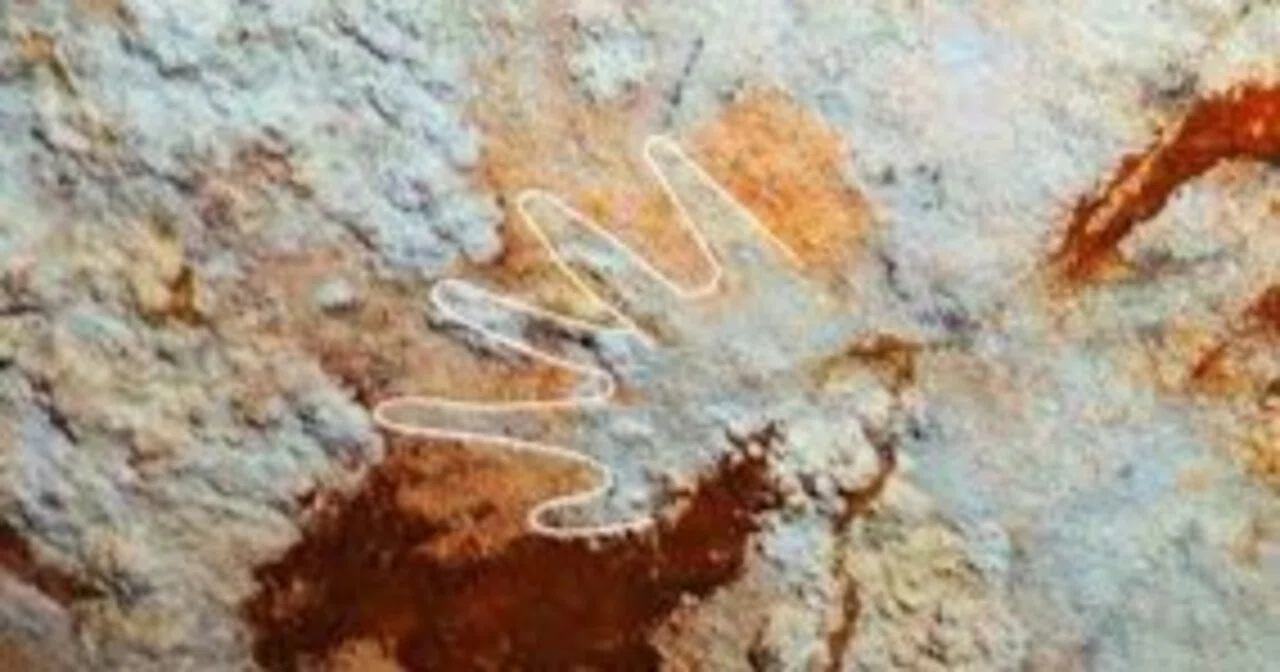
手形は世界最古の洞窟壁画かもしれない
Hand print could be world's oldest cave art
スライドボタンで洞窟壁画の写真と鮮明版を比較
Slide button to compare photo of cave print with enhanced version
インドネシアのスラウェシ島で発見されたステンシル(型取り)画で描かれた手の輪郭は、世界最古の洞窟壁画であると研究者らは述べている。
A stencilled outline of a hand found on the Indonesian island of Sulawesi is the world's oldest known cave painting, researchers say.
赤い輪郭線が描かれた手の指は、爪のようなモチーフに修正されており、象徴的な想像力の飛躍的な発展を示唆していると研究者らは述べている。
It shows a red outline of a hand whose fingers were reworked, researchers say, to create a claw-like motif which indicates an early leap in symbolic imagination.
この壁画は少なくとも6万7800年前のものと推定されており、これはスペインで発見された物議を醸した手のステンシルがこれまでの記録よりも約1100年前のものだ。
The painting has been dated to at least 67,800 years ago – around 1,100 years before the previous record, a controversial hand stencil in Spain.
この発見は、私たち人類、ホモ・サピエンスが、一部の研究者が主張するよりも約1万5000年も早く、サフルとして知られるオーストラリア・ニューギニア大陸に到達していたという説を裏付けるものでもある。
The find also strengthens the argument that our species, Homo sapiens, had reached the wider Australia–New Guinea landmass, known as Sahul, by around 15,000 years earlier than some researchers argue.
過去10年間、スラウェシ島で相次いで発見された事実は、人類の芸術と抽象的思考が氷河期のヨーロッパで突如として出現し、そこから広まったという従来の考えを覆しました。
Over the past decade, a series of discoveries on Sulawesi has overturned the old idea that art and abstract thinking in our species burst suddenly into life in Ice Age Europe and spread from there.
洞窟壁画は、人類が真に抽象的で象徴的な思考、つまり言語、宗教、科学の基盤となる想像力で思考し始めたことを示す重要な指標とされています。
Cave art is seen as a key marker of when humans began to think in truly abstract, symbolic ways – the kind of imagination that underpins language, religion and science.
初期の絵画や彫刻は、人々が単に世界に反応するだけでなく、世界を表現し、他のどの種にも見られなかった方法で物語やアイデンティティを共有している様子を描いています。
Early paintings and engravings show people not just reacting to the world, but representing it, sharing stories and identities in a way no other species is known to have done.
このプロジェクトの共同リーダーであるオーストラリアのグリフィス大学のアダム・ブルム教授は、BBCニュースに対し、ネイチャー誌に掲載された最新の発見は、ヨーロッパにおいて人類の覚醒はなかったという新たな見解を裏付けるものだと語った。
Professor Adam Brumm of Griffiths University in Australia, who co-led the project, told BBC News, that the latest discovery, published in the journal Nature, adds to the emerging view that there was no awakening for humanity in Europe.
むしろ、創造性は人類に生来備わっており、その証拠は人類が進化したアフリカにまで遡る。
Instead, creativity was innate to our species, the evidence for which stretches back to Africa, where we evolved.
「私が90年代半ばから後半に大学に通っていた頃は、そう教えられていました。人類の創造性の爆発はヨーロッパのごく一部で起こった、と。
"When I went to university in the mid to late 90s, that's what we were taught – the creative explosion in humans occurred in a small part of Europe.
しかし今、インドネシアの物語芸術など、現代人の行動特性が見られるようになってきており、ヨーロッパ中心主義的な議論を維持することは非常に困難になっています。」
But now we're seeing traits of modern human behaviour, including narrative art in Indonesia, which makes that Eurocentric argument very hard to sustain".
スペイン最古の洞窟壁画は、スペイン西部のマルトラビエソ洞窟にある赤い手形ステンシルで、少なくとも6万6700年前のものとされています。ただし、この年代は議論の的となっており、専門家の中にはそれほど古いものではないと考える人もいます。
The oldest Spanish cave art is a red hand stencil in Maltravieso cave in Western Spain, dated to be at least 66,700 years old - though this is controversial and some experts don't think it to be that old.
2014年、スラウェシ島で少なくとも4万年前の手形と動物の絵が発見され、続いて少なくとも4万4000年前の狩猟風景、そして少なくとも5万1200年前の物語を描いた豚と人間の壁画が発見されました。
In 2014, hand stencils and animal figures dating back at least 40,000 years were found in Sulawesi, followed by a hunting scene that is at least 44,000 year old, and then a narrative pig and human painting dated to at least 51,200 years ago.
グリフィス大学のマキシム・オーバート教授によると、これらの発見はいずれも、洗練された絵画制作の時代をさらに遡らせたとのことです。
Each step pushed sophisticated image making further back in time, according to Professor Maxime Aubert of Griffiths University.
「私たちはヨーロッパと同じ少なくとも4万年前という年代から出発しましたが、顔料に近づくことで、スラウェシ島の岩絵の年代をさらに少なくとも2万8000年遡ることができました。」
"We started with minimum ages of at least 40,000 years, the same time as in Europe, but by getting closer to the pigment we've pushed the rock art in Sulawesi back by at least another 28,000 years".
最新の発見は、スラウェシ島南東部沖の小さな島、ムナにあるリャン・メタンドュノと呼ばれる石灰岩の洞窟で発見されました。この洞窟にはスプレー塗装が施されていました。古代のグラフィティアーティストが洞窟の壁に手を平らに押し付け、口いっぱいに顔料を吹き付けたり吐き出したりしたのです。手を離すと、岩にネガティブな輪郭が残されました。
The latest discovery is from a limestone cave called Liang Metanduno on Muna, a small island off south eastern Sulawesi. It has been spray-painted: an ancient graffiti artist pressed their hand flat against the cave wall, then blew or spat a mouthful of pigment around it so that, when they pulled the hand away, a negative outline was left behind on the rock.
発見された手形の一部は、薄い鉱物の殻に覆われており、分析の結果、少なくとも6万7800年前のものと判明しました。これは、世界最古の洞窟壁画として確実に年代が特定されています。
One fragmentary hand stencil there is overlain by thin mineral crusts that, when analysed, was found to have a minimum age of 67,800 years, making it the oldest reliably dated cave art anywhere in the world.
重要なのは、アーティストが壁に押し付けた手に顔料をスプレー塗装しただけではないということです。研究者たちはこう述べています。
Crucially, the artist did more than simply spray pigment around a hand pressed to the wall, the researchers say.
オリジナルのステンシルが作られた後、指の輪郭は慎重に修正され、より爪のような形にするために細く長く伸ばされました。ブルム氏は、この創造的な変化は「まさに私たち人間らしい」ものだと主張しています。
After the original stencil was made, the outlines of the fingers were carefully altered – narrowed and elongated to make it look more claw-like; a creative transformation that Brumm argues is "a very us thing to do".
彼は、私たちの姉妹種であるネアンデルタール人が約6万4000年前にスペインで制作した洞窟壁画には、このような実験の痕跡が全く見られなかったと指摘しています。しかし、その年代測定方法に疑問を呈する研究者もおり、この点についても激しい論争が繰り広げられています。
He notes that there was no evidence of that experimentation in any of the art produced by our sister species, Neanderthals, in their cave paintings in Spain around 64,000 years ago. Even that is hotly contested because some researchers question the dating method.
ムナ島での今回の発見まで、スラウェシ島の壁画はすべて、島南西部のマロス・パンケップ・カルスト地帯から出土したものでした。
Until this latest discovery on Muna, all the paintings in Sulawesi had come from the Maros Pangkep karst in the island's south west.
このはるかに古いステンシルがスラウェシ島の反対側、別の衛星島で発見されたという事実は、洞窟の壁に絵を描くことが地元の試みではなく、この地域に広まった文化に深く根付いていたことを示唆しています。
The fact that this much older stencil turns up on the opposite side of Sulawesi, on a separate satellite island, suggests that making images on cave walls was not a local experiment but deeply embedded in the cultures that spread across the region.
ブルム氏によると、インドネシアの同僚による長年のフィールドワークにより、遠隔地で「数百もの新たな岩絵遺跡」が発見され、中には数万年にわたって繰り返し使用されてきた洞窟もあるとのことです。リャン・メタンドゥノでは、同じ壁板に描かれた、はるかに新しい壁画(中には約2万年前に描かれたものもある)が発見されており、この洞窟が少なくとも3万5000年にわたる芸術活動の中心地であったことを示しています。
Brumm says years of fieldwork by Indonesian colleagues have revealed "hundreds of new rock art sites" across remote areas, with some caves used repeatedly over tens of thousands of years. At Liang Metanduno, other, much younger paintings on the same panel – some produced as late as about 20,000 years ago – show that this single cave was a focus for artistic activity stretching over at least 35,000 years.
スラウェシ島はアジア大陸と古代サフルを結ぶ北極海航路上に位置するため、その年代はオーストラリア先住民の祖先が最初に到達した時期を推定する上で直接的な意味合いを持ちます。
Because Sulawesi lies on the northern sea route between mainland Asia and ancient Sahul, the dates have direct implications for assessing when the ancestors of Aboriginal Australians first arrived.
長年にわたり、主にDNA研究と多くの考古学的遺跡に基づく主流の見解は、ホモ・サピエンスが古代オーストラリア・ニューギニア大陸であるサフルに初めて到達したのは約5万年前だというものでした。
For years, the mainstream view – based largely on DNA studies and most archaeological sites – was that Homo sapiens first reached the ancient Australia–New Guinea landmass, Sahul, about 50,000 years ago.
しかし、ホモ・サピエンスが少なくとも6万7800年前にスラウェシ島に定住し、複雑な象徴的な芸術作品を制作していたという確固たる証拠があることから、約6万5000年前までにオーストラリア北部に人類が存在していたという物議を醸す考古学的証拠が正しい可能性がはるかに高まると、インドネシア国立研究イノベーション機構(BRIN)のアディ・アグス・オクタビアナ氏は述べている。
But with firm evidence that Homo sapiens were settled on Sulawesi and making complex symbolic art at least 67,800 years ago, it makes it much more likely that controversial archaeological evidence for humans in northern Australia by about 65,000 years is correct, according to Adhi Agus Oktaviana, of the Indonesia's national research and innovation Agency (BRIN).
「スラウェシ島でこれらの絵画を制作した人々は、後にこの地域に広がり、最終的にオーストラリアに到達することになるより広範な集団の一部であった可能性が非常に高い。」
"It is very likely that the people who made these paintings in Sulawesi were part of the broader population that would later spread through the region and ultimately reach Australia."
多くの考古学者はかつて、ヨーロッパにおける精神の「ビッグバン」を主張していました。洞窟壁画、彫刻、装飾品、そして新しい石器が、ホモ・サピエンスがフランスとスペインに到着して間もない約4万年前に、同時に出現しているように見えるからです。
Many archaeologists once argued for a European "big bang" of the mind because cave paintings, carvings, ornaments and new stone tools all seem to appear together in France and Spain about 40,000 years ago, soon after Homo sapiens arrived there.
アルタミラやエル・カスティーヨといった場所に残る壮大な氷河期の洞窟壁画は、氷河期のヨーロッパで象徴と芸術がほぼ一夜にして出現したという考えを後押ししました。
Spectacular Ice Age cave art in places like Altamira and El Castillo encouraged the idea that symbolism and art switched on almost overnight in Ice Age Europe.
その後、約7万年から10万年前のブロンボス洞窟など、南アフリカの遺跡から発見された、彫刻された黄土、ビーズ、抽象的な模様は、象徴的な行動がはるか昔からアフリカで確立されていたことを示しています。
Since then, engraved ochre, beads and abstract marks from South African sites such as Blombos Cave, some 70,000–100,000 years old, have shown that symbolic behaviour was already established in Africa long before.
スラウェシ島で発見された非常に古い具象画や物語画と共に、創造性に関するより深く広範な物語があったという新たなコンセンサスが形成されつつあると、オーバート氏はBBCニュースに語りました。
Along with very old figurative and narrative paintings from Sulawesi, a new consensus is being shaped; that there was a much deeper and more widespread story of creativity, Aubert told BBC News.
「このことが示唆するのは、人類がアフリカを出た時点では少なくとも、おそらくそれ以前から、非常に長い間、その能力を持っていたということだ」
"What it suggests is that humans would have had that capacity for a very long time, at least when they left Africa – but probably before that".
いいなと思ったら応援しよう!
 よろしければ応援お願いします! いただいたチップはクリエイターとしての活動費に使わせていただきます!m(__)m