
What you should know before climbing Mt. yari and Mt. Hotaka

We have compiled information that foreign visitors to Japan should keep in mind when climbing Japanese mountains, especially Mt. Yarigatake and Mt. Hotakadake. This will also be helpful for those who live in Japan and are planning to climb mountains in the Northern Alps for the first time.
Introduction
To travelers planning to climb Mt. Yarigatake or Mt. Hotakadake
Thank you for finding this page.
Japan has many great natural wonders, among which the Mt. Yarigatake and Mt. Hotaka area in the Northern Alps is one of the rarest and most spectacular areas in the world, and we are confident that it will exceed your expectations.
However, the natural environment in Japan's mountain areas is sometimes harsh and many accidents occur every year. Some accidents result in death.
Please read this page carefully and be well prepared before visiting.
In addition, there are many more natural areas in Japan that can be enjoyed more easily. If you want to enjoy nature more easily, one way is to change your destination to such an area.
Another thing to consider is that Mt. Yarigatake, Mt. Hotakadake, and other mountain areas in Japan are very important to some people, sanctuaries, and irreplaceable places of spirituality.
When you visit these areas, please remember to be considerate of these people, understand the customs (rules), and try to prevent any problems.
We sincerely hope that your mountain climbing experience in Japan will be a wonderful one!
Adventure, not sightseeing
Climbing a mountain in the Northern Alps ridge line can be dangerous.
Many accidents occur every year, and many people die.
It requires careful planning, equipment, knowledge, and physical strength.
Please do not venture deep into the mountains on a whim.
Hut Use Precautions
Understand that all resources are precious in the mountains
Advance reservations are essential
Have cash ready (cards are almost never accepted)
Beverages and snacks are several times the price
Do not expect privacy in your sleeping area
Meal times and lights out are early. (Meals are usually at 5:00 am and lights out around 8:00 pm.)
No noise is allowed at night and early in the morning. Please respect others.
Many lodges do not support foreign languages. Prepare a translation app.
Each lodge has its own rules.
The use of toilets also varies.
Check the rules carefully at the lodge.
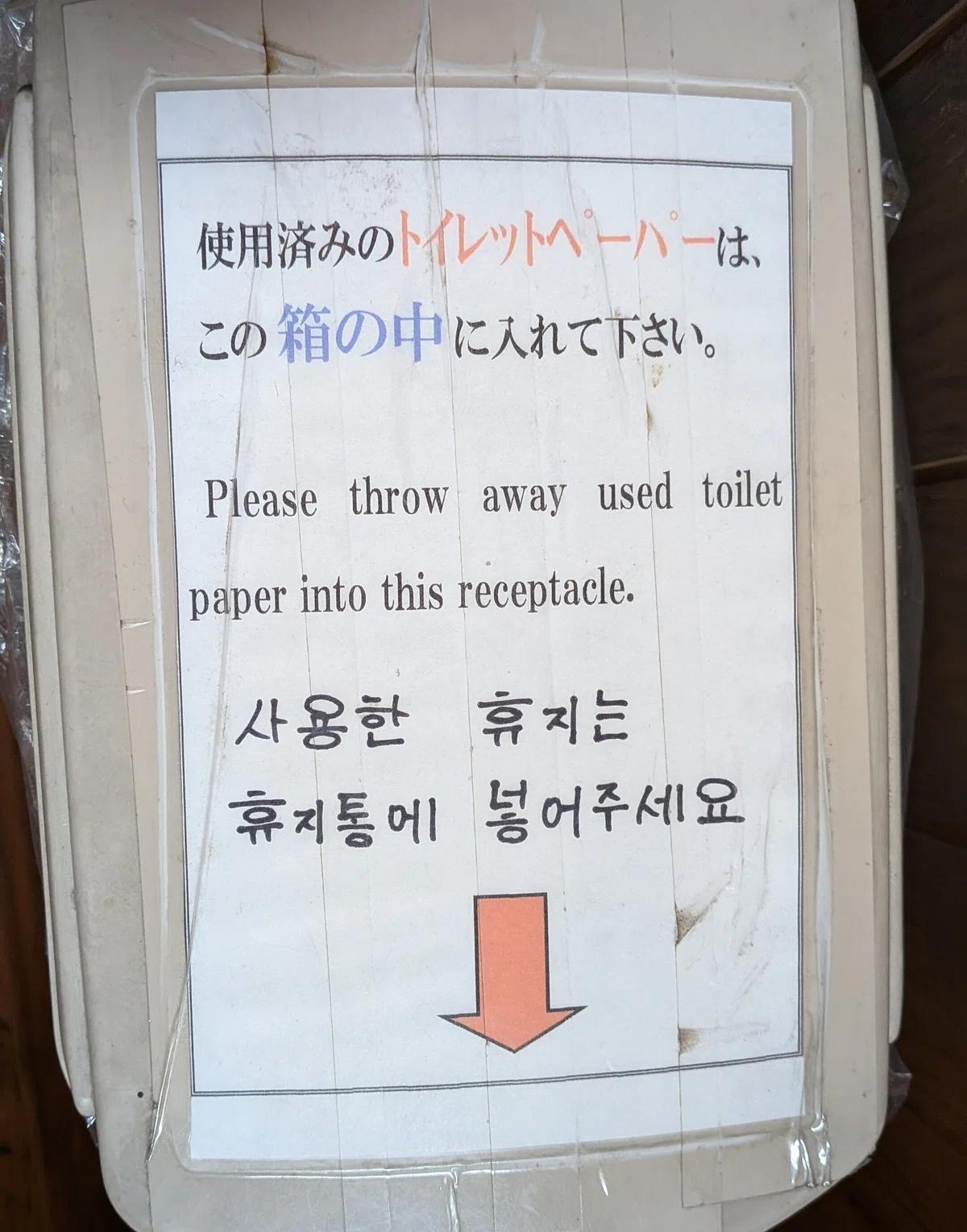
Reference: North Alps Hut Friendship
Planning and Preparation
Plan well in advance.
For both Yarigatake and Okuhotaka, it is recommended to plan for 3 days each.
Plan to arrive at the lodge by 4 pm at the latest (the sun sets around 6 pm in summer in Japan. Arrive at your destination while it is still light. Also, Japanese mountain weather tends to get worse in the afternoon.)
You should have the stamina to walk about 8 hours a day and 1500 meters in elevation gain.
This is not a mountain that can be climbed by those who do not usually exercise. Please train sufficiently before attempting the climb, or consider a more easily enjoyable destination (such as Kamikochi or Tateyama Murodo).
Also, the altitude of 3,000 meters above sea level can cause physical problems. Be especially careful after jet lag, lack of sleep, or alcohol consumption.
When making plans, refer to official websites, guidebooks, and mountain climbing maps. Mountain trails have dangerous sections and areas where it is easy to get lost. Do not rely on information from social networking sites, as they may lack objectivity and reliability.
Rescue costs in the event of an accident can be very expensive, so it is recommended that you purchase mountain insurance in advance.
Reference: Yama to Kogen Map (Kamikochi, Mt. Hotaka) English version
Reference Shinshu Mountain Grading
English version
https://www.pref.nagano.lg.jp/kankoki/sangyo/kanko/documents/english2018.pdf
Forecast information
Mountain Climbing Report
Submitting a mountain climbing report in advance to the police station with jurisdiction will make search efforts more efficient and increase the likelihood that you will be found if you go missing while climbing.
The mountaineering report should include information such as the climbing route, planned date of descent, information about the climber himself/herself, and equipment to be carried.
There are two ways to submit a mountaineering report: online in advance or by filling out a designated form at a major trailhead.
You should share the contents of the mountaineering report with your family and friends. If they do not hear from you after the scheduled descent date, your family or friends can contact the police to begin the search.
Reference: “Compass,” an online mountaineering report form
Equipment
For summer (July to September) hiking with overnight stays in mountain lodges, the following equipment is required
Climbing boots
Rain wear (waterproof and breathable. Japanese mountains are hot and humid, and it gets cold quickly)
Backpack
Water
Thermal bottle
Food
Warm clothes
Headlamp
Smartphone (Make sure to sign up for a NTT docomo phone line, install a map app, and check weather information sites in advance)
Portable battery
First aid kit (Headache medicine, band-aids, taping tape, etc.)
Bug spray
Sunscreen
Emergency blanket
Helmet
Map (bring a paper map just in case, prepare offline map too.)
Chain spikes (until about the end of July, if you are going along a stream route)
Trash bags
Toilet paper
Cash (many 100 yen coins is useful )
Earplugs
Eye mask
Mountaineering supply stores
Below are the major mountaineering supply stores in Japan.
If you are short of anything, buy it before you go into the mountains.
Ishii Sports https://www.ishii-sports.com/shop/matsumoto/
Kohitsu Sanso https://www.kojitusanso.jp/shop/koushinetsu/matumoto/
Kamoshika Sports https:// kamoshika.co.jp/matsumoto
Montbell https://store.montbell.jp/search/shopinfo/?shop_no=61891
Risks and Accident Response
Mountaineering Risks
Getting lost
Slipping and falling
Falling rocks and landslides
Lightning
Increase water stream (during / after rain)
Heat stroke
Hypothermia
Altitude sickness
Dangerous creatures (wasps, ticks, bears, monkeys, etc.)
Enter the mountains with equipment, knowledge, skills and judgment to handle these risks.
What to do in case of an accident
Emergency call Call 110
In case of an emergency, such as being injured or otherwise incapacitated in the mountains, being unable to descend the mountain by yourself, or getting lost, call for help by making an emergency call.
If you are unable to make a phone call, you may be able to make the call by moving to a location with a good view, such as a mountain top or ridge line.
After calling for help, keep your body temperature as low as possible, do not move unnecessarily, and wait for help while conserving the battery power of your smartphone.
If you do not have the ability to make an emergency call, see the following page for an explanation of how to contact for emergency office.
*In other mountain areas, it may be 119 (fire department) instead of 110.
Rules for Nature Conservation
Take all trash with you
Do not approach or feed wild animals
Do not bring pets
Do not pick plants
Do not leave the trail
Follow these rules to preserve this nature for future generations.
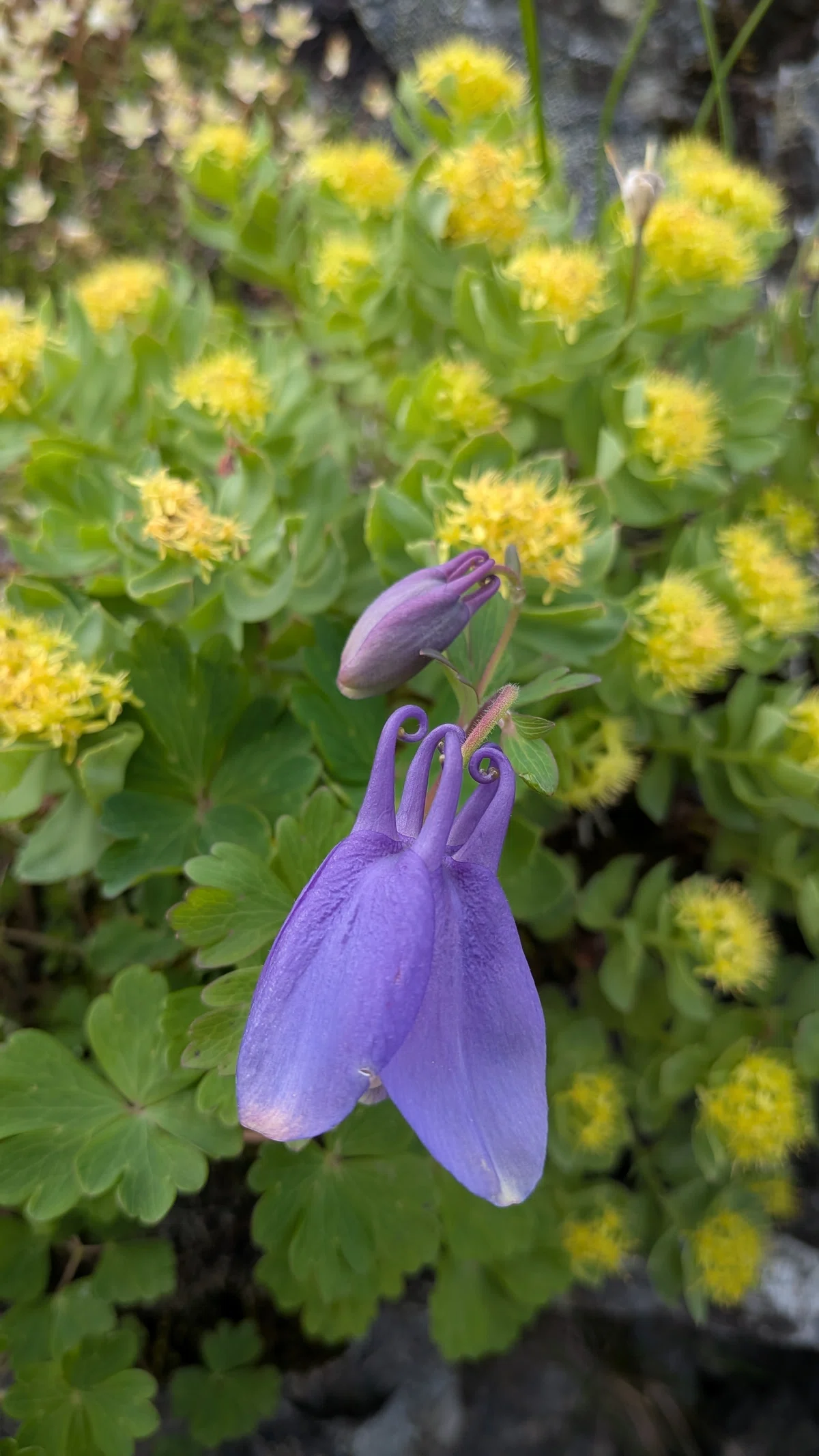
May your mountaineering experience be a wonderful one!
Acknowledgements This English translation was completed with the help of friends in Canada
