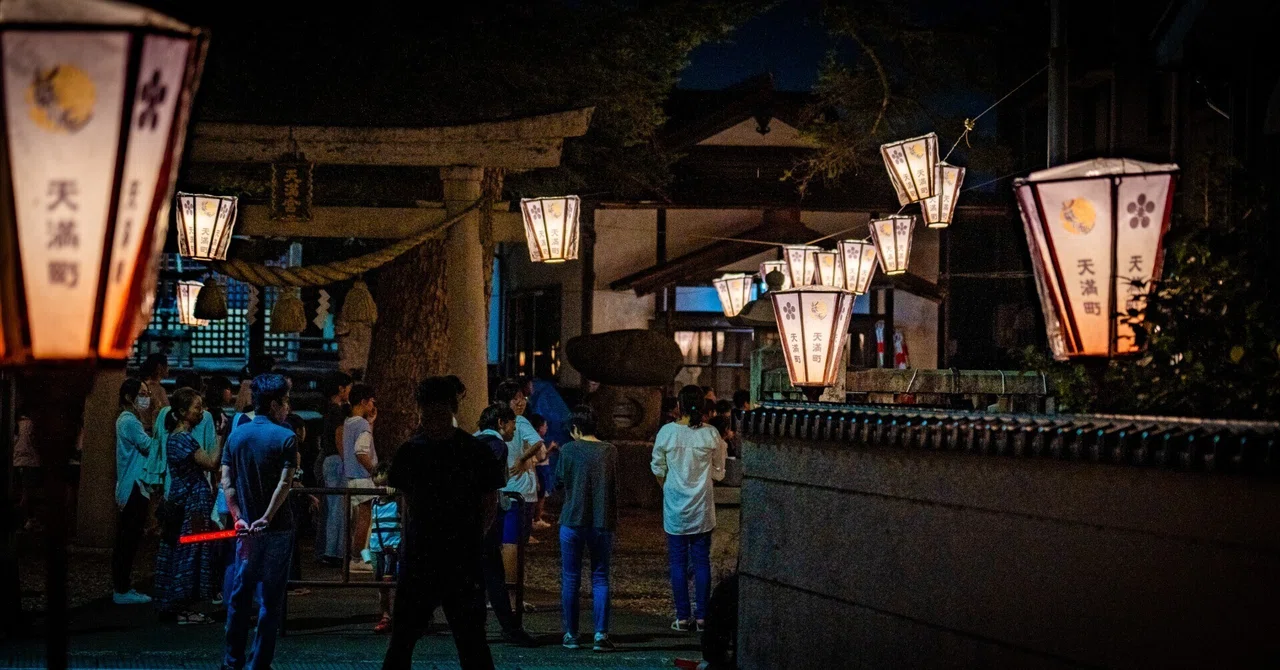
Gateway to Yatsuo — Exploring the Ida River, Tenmangū Shrine, and Hachiman Shrine (Owara’s 3 Scenic Routes, Part 3)

※この記事は、日本語バージョンを、英語化したものです。
Coming from Okinawa — the land of Eisa drum dancing — I was stunned.
In the mountain town of Yatsuo, part of Toyama City, I encountered the annual festival Owara Kaze no Bon, and it captured me completely. That meeting sent me on a mission: to interview residents from each of the 11 neighborhoods (chōnai) that make up the festival.
This is my record — the work of a 24-year-old “Owara obsessive” with no formal training, just a lot of curiosity and affection.
After gathering a huge amount of fascinating information, I’ve divided Yatsuo into three themed walking courses to introduce each neighborhood’s charm.
Today’s route is “Gateway to Yatsuo”, featuring three neighborhoods whose histories are closely tied to the Ida River and important shrines.
※ This series is written from the personal perspective of an Owara enthusiast.
※This English version was produced using ChatGPT’s translation, based on the original Japanese text.
Fukushima-machi — Yatsuo’s Front Door and Largest Force
Fukushima-machi covers the entire area around Etchū-Yatsuo Station, making it the first stop for visitors arriving by train.
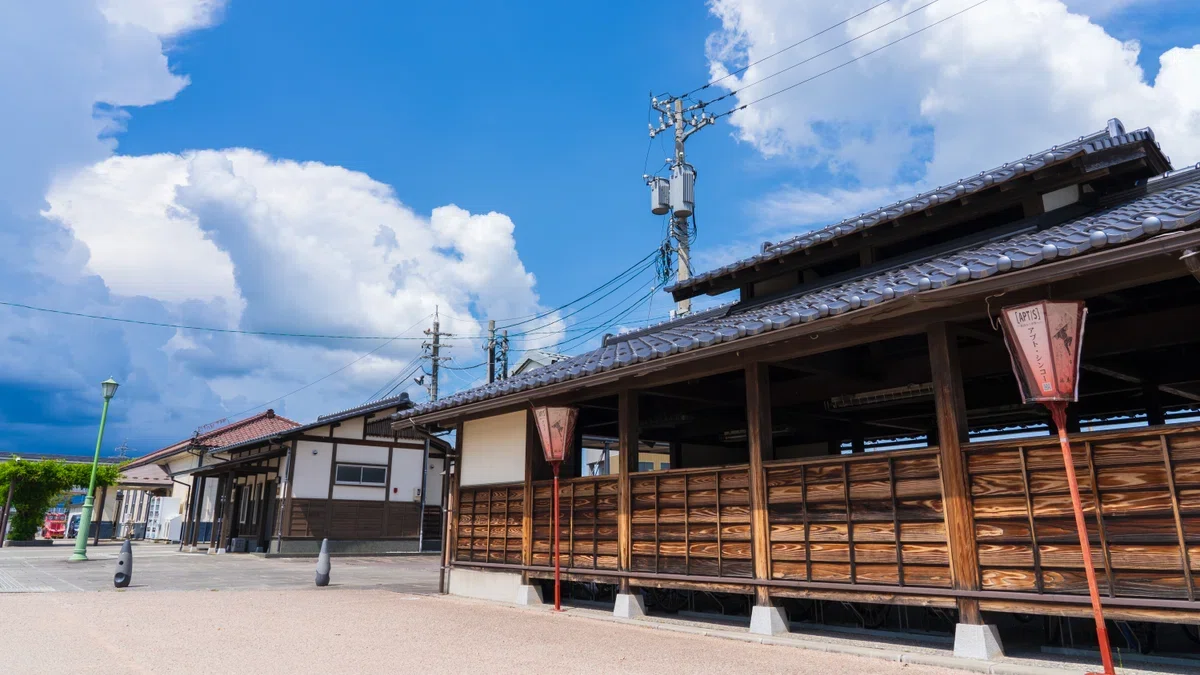
It has the largest Owara population of all 11 districts — in fact, more than the entire old-town area combined. While most neighborhoods have just one dance team, Fukushima has two: Team A and Team B.
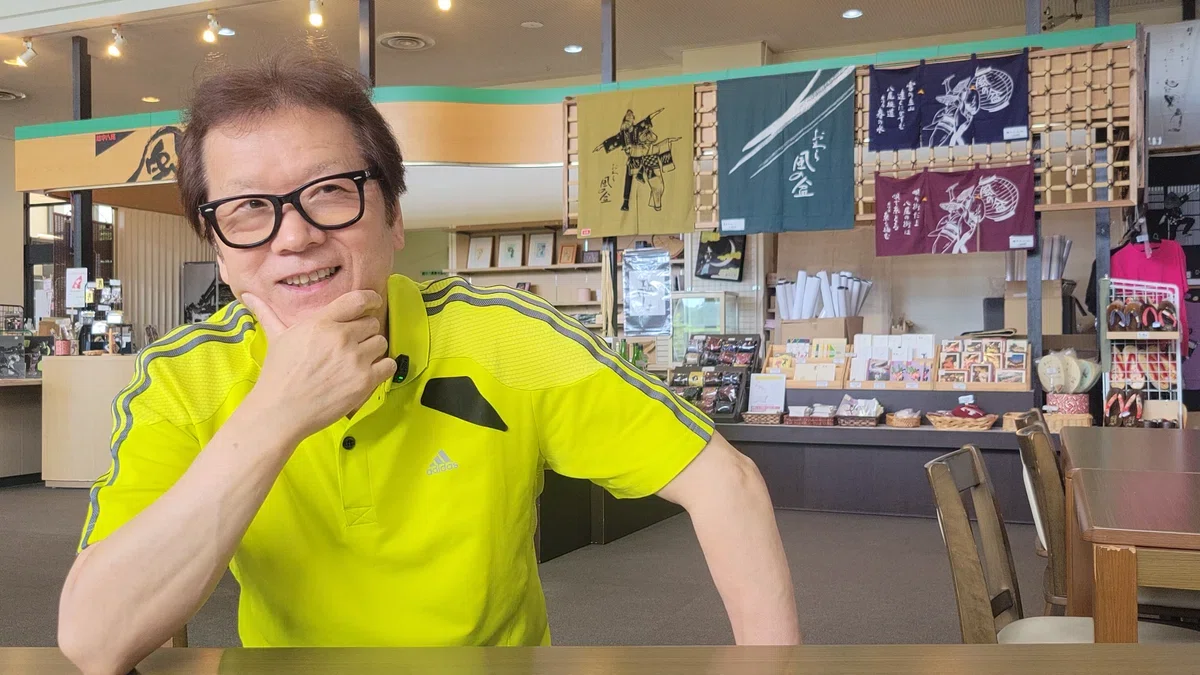
Here, I spoke with Mr. Matsuzaki, a shamisen player in the festival.
① Sheer size and numbers
Fukushima is so large it’s divided into seven wards, each with its own neighborhood head. Getting all of them together in one room is a challenge.
During Owara, the residents split into Team A and Team B, each large enough to fill the street with dancers. Even the jikatasha — the musicians and singers — number around 50 to 60 people.
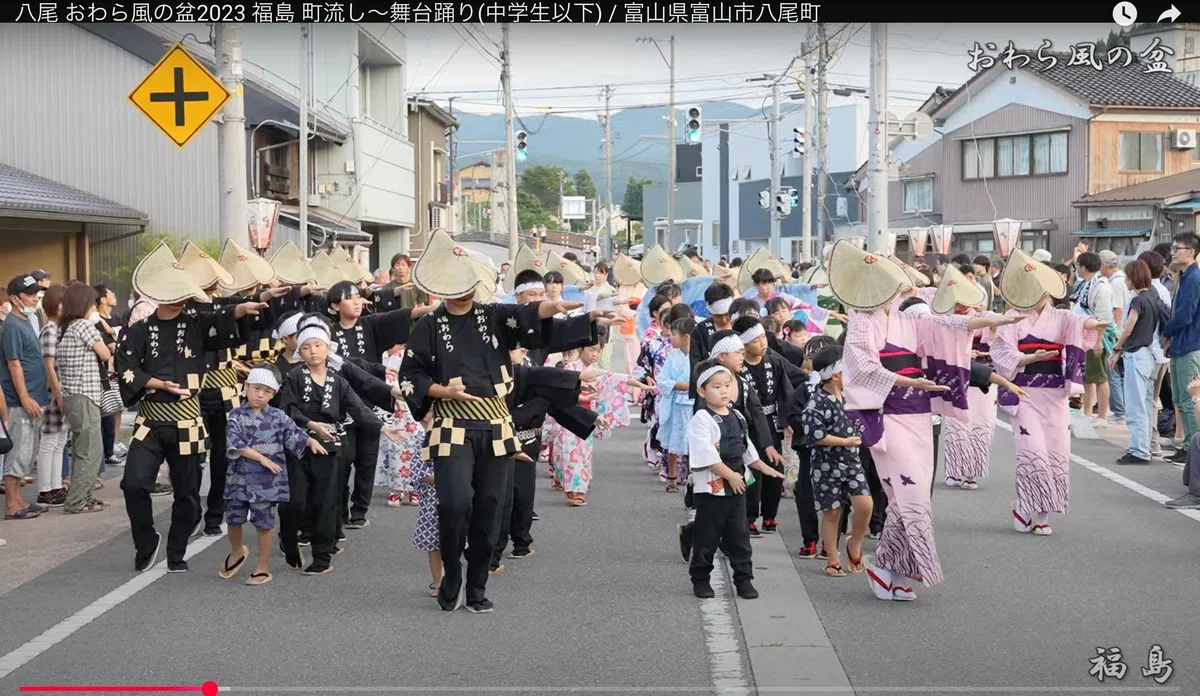
However, Matsuzaki noted that about 40% of them are over 60 years old, so finding ways to bring in younger participants has become an urgent priority.
② The battle over the “Send-off Owara”
One of Fukushima’s most famous traditions is the Send-off Owara, performed for travelers departing on early trains.
Before the pandemic, it was a cherished ritual. Matsuzaki explained that JR’s policies have since made it impossible to hold the performance inside the station.
But the town’s youth didn’t give up — from September 2 to 4, in the early morning hours, they now perform just outside the station to coincide with the first trains.
So if you follow Owara until dawn, you can still end your visit by watching this heartfelt send-off before heading home.
③ Dancing on two bridges over the Ida River
Yatsuo’s prosperity has always been tied to the Ida River, which once served as a vital transport route. Several bridges cross it, but for Fukushima, two are particularly special: Jūsan-koku Bridge and Sakanoue-Ōhashi.
Dancing on these bridges — with the sound of rushing water below — is one of Fukushima’s signature sights.
Jūsan-koku Bridge has a long history: the first bridge was built in 1891, expanded several times to handle traffic, and eventually replaced due to deterioration. The current bridge was completed in 2019. Generations have crossed here to enter Yatsuo.
Sakanoue-Ōhashi, by contrast, is brand new — it opened on the day before Owara in 2007.
Shimoshinmachi — Don’t Just Pass By! The Stage at Hachiman Shrine
Shimoshinmachi is known for its steep slopes and for Hachiman Shrine, located halfway up one of them.
The shrine plays a central role not just during Owara, but also in Yatsuo’s other major festival — the spring hikiyama float festival — where it serves as the main venue for dedicating the floats.
During Owara, a stage is set up in the shrine grounds, and especially at night, this becomes the neighborhood’s main performance spot. The women’s yukata, dyed in vivid vermilion tones, are another distinctive feature.
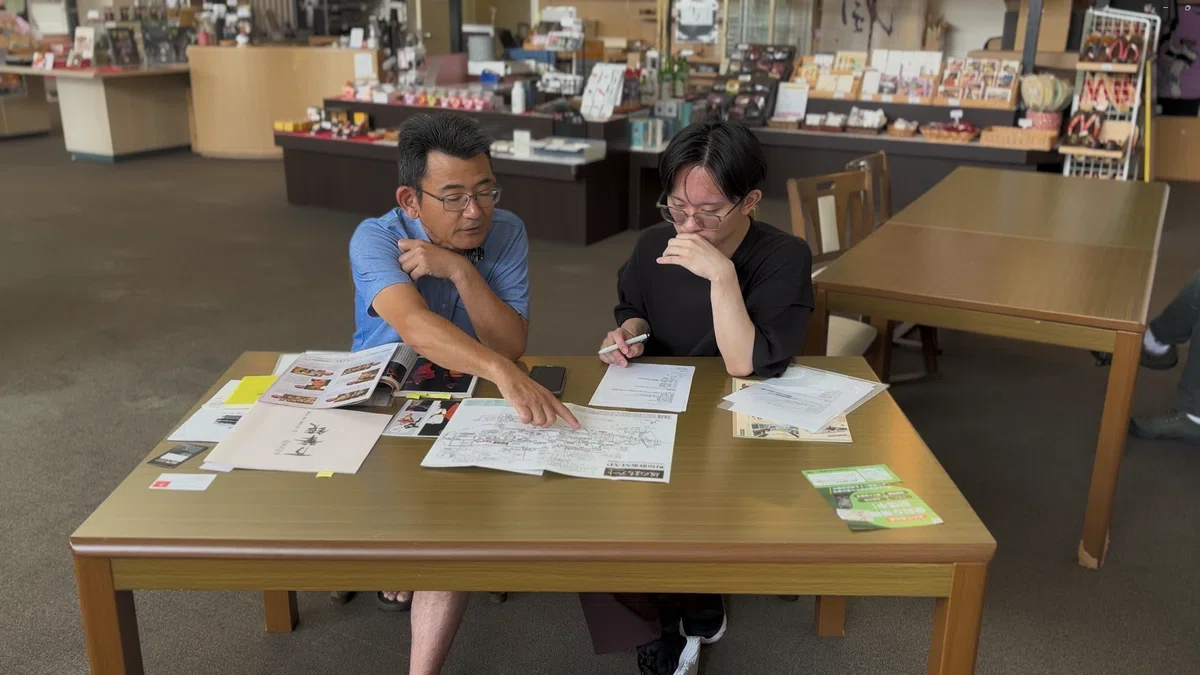
I spoke with Mr. Fukumura to learn more.
Yatsuo’s hill road — parting from you,
is it dew, or is it autumn rain?
Owara… it falls, fluttering down.
(From “Autumn,” in Yatsuo Four Seasons by Kosugi Hōan)
① A housing layout that accelerates depopulation?
Yatsuo is called “the town of slopes,” but Shimoshinmachi’s incline is especially steep, with cliffs on both sides. Many houses seem to be perched precariously with part of the structure overhanging the cliff.
From below, you can see that the first floor of some homes stretches unusually far — because the building has been extended outward toward the drop.
Modern building codes make constructing in such locations difficult, requiring specialized design and engineering. This, combined with the challenging terrain, has made it hard to stem population decline.
② Why the stage is at Hachiman Shrine
Shimoshinmachi lies between Etchū-Yatsuo Station and the upper part of town where Owara’s most famous spots are — Suwamachi and the Otaya Staircase. The constant flow of people heading uphill and down, plus the narrow streets, make machinagashi (dancing through the streets) difficult here.
That’s why the main stage is set within Hachiman Shrine. A temporary platform is built atop the stone steps, creating a stunning scene framed by the shrine’s torii gate.
The height of the stage means that no matter where you stand within the shrine grounds, you have a clear view of the dancing — a thoughtful touch for audiences.
Temmamachi — Don’t Miss the “Kokubo Owara”
Until recently, the street leading to Tenman-gū Shrine was a main thoroughfare and a symbolic gateway to Yatsuo’s old town.
That changed in March 2011, when the opening of the Toyama–Yatsuo bypass shifted traffic away from the shrine. As a result, some visitors during Owara now pass right by without noticing Temmamachi’s performances, heading uphill to other neighborhoods and never returning.
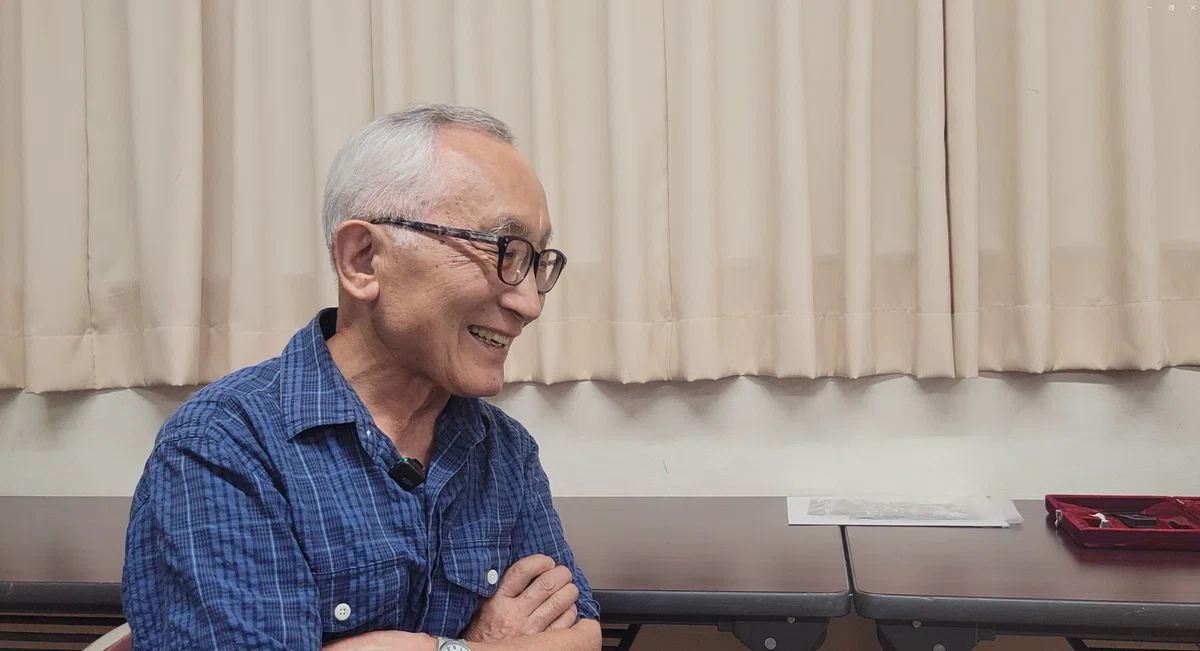
After speaking with Mr. Yoshikawa, an 80-year-old local legend, I felt compelled to tell you just how much you’d be missing.
① A unique chant — “Kora-shotto”
Temmamachi was the last of the 10 old-town neighborhoods to be established. Surrounded on three sides by rivers, it was once known as Kawakubo Shinmachi — hence the name Kokubo Owara.
In contrast to the elegant, uninterrupted phrasing of the Kōmyō-ji Owara style, Temmamachi’s Owara inserts a mid-verse shout — “kora-shotto!” — dropping the pitch and delivering the line with extra force.
This distinctive phrasing is used for the old dance style, but in the new dance it’s often replaced with the standard melody, as it’s harder to coordinate.
② Exceptional hospitality on rainy days
Temmamachi has a spacious community hall next to Tenman-gū Shrine, used for Owara practice and as a main performance space during the festival.
Because the instruments are delicate, Owara is typically canceled in wet weather. But Temmamachi has a solution: on rainy days, they perform inside the community hall.
One side of the hall, facing the shrine, is all glass, so visitors can watch from outside. On one occasion, they even opened the entire entrance area to spectators for free — a wonderful example of quick thinking and warm hospitality.
③ The incredible career of Yoshikawa-san
Mr. Yoshikawa has been playing the shamisen for 60 years, having started dancing Owara as a child and taking up the instrument in his twenties. His teacher was none other than Yutaro Matsunaga, one of Owara’s greatest historical figures, prominently featured in the Owara Museum.
When Yoshikawa was young, Yatsuo was very different: few tourists, no stone-paved streets, and a freer style of dancing where performers would wander between neighborhoods to play and dance with whomever they liked.
He recalls performing alongside figures like Ikuo Haku, Kiritani-san, and Sugisaki-san — names I’ve seen in Owara’s historical archives.
Yoshikawa has also danced before the Emperor Shōwa, at Japan’s National Sports Festival, and at Expo ’70 in Osaka — truly a living legend.
If you see a jikata in their 80s or older during Owara, there’s a good chance they carry similar extraordinary experiences.
Closing Notes
This is the 16th installment of my project to document Owara in writing.
How did you enjoy it?
A quick reminder: I’m no professional researcher — just an enthusiast with a deep love for Owara!
That’s why I want to build this series together with you — whether you’re already a devoted fan or just discovering Owara for the first time.
For this article as well, I’d love to know: Which neighborhood caught your interest the most?
As always, your thoughts, feedback, and words of encouragement are more than welcome!
Header image: photo by Hiroshi Kimura
