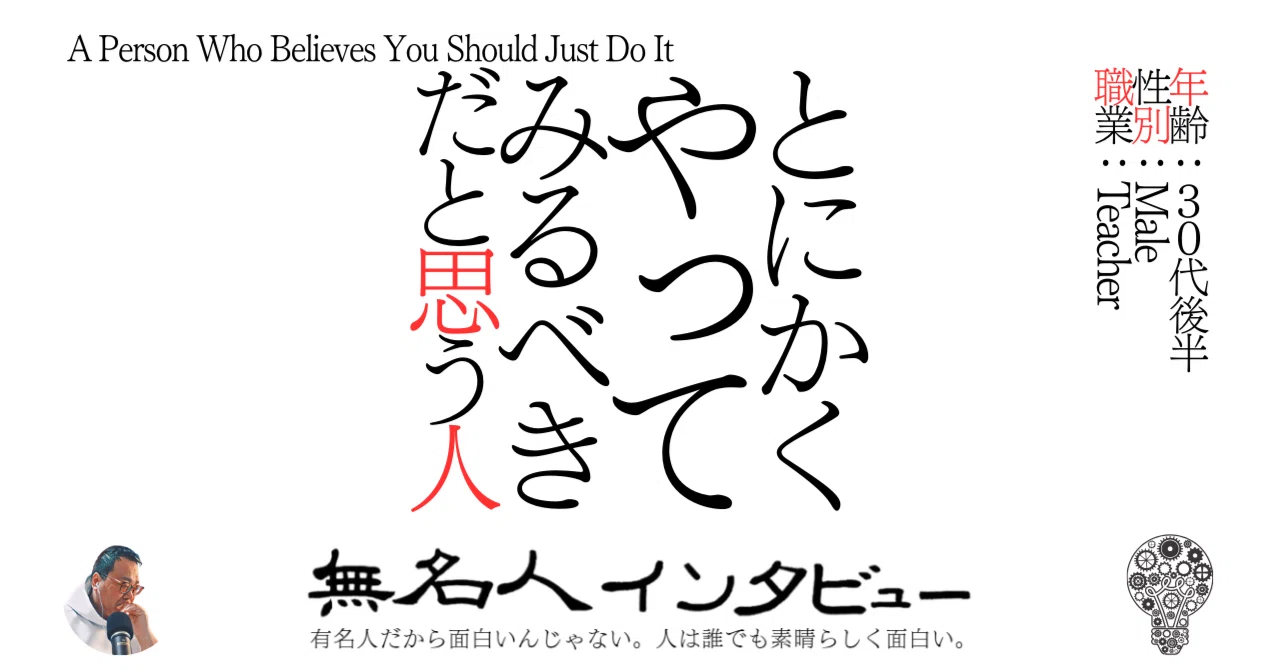
A Person Who Believes You Should Just Do It|とにかくやってみるべきだと思う人

Once upon a time, in a certain village, there was a young man named Challenge. Whenever Challenge came up with a new idea, he would immediately act, saying, "Let’s just try it!"
At first, the villagers tilted their heads in confusion.
"Shouldn't you think it through more before doing something?"
"What will you do if you fail?"
But Challenge always responded brightly,
"If you overthink things, you'll end up doing nothing. First, try it, and then figure things out!"
One day, Challenge found a new type of seed. Even when the villagers said, "That kind of seed won't grow," he immediately planted it in the field and started watering it.
On rainy days and windy days alike, he talked to the seed and kept taking care of it daily. To everyone's amazement, the seed sprouted and bloomed into a beautiful flower that no one had ever seen before.
Another day, Challenge came up with a new fishing method.
"I'm sure this will work!" he said, and immediately tried it out.
Although he failed many times, he never gave up and kept trying. Finally, he succeeded in catching a great haul of fish.
Later, Challenge said,
"It's better to try something than to do nothing out of fear of failure. Even if you fail, you'll always learn something from it."
And so, the saying, "Strike while the iron is hot; action is the real treasure," spread from this village.
And they all lived happily ever after.
むかしむかし、ある村に、挑戦(ちょうせん)という名の若者がいました。挑戦は、何か新しいことを思いつくと、「とにかくやってみよう!」と、すぐに行動に移すのでした。
村人たちは最初、首をかしげました。
「もっと考えてからやるべきでは?」
「失敗したらどうするの?」
しかし挑戦は、いつも明るく答えました。
「考えすぎると、何もできなくなってしまう。まずはやってみて、それから考えればいいんです!」
ある日、挑戦は新しい種を見つけました。
村人たちが「そんな種、育つはずがない」と言っても、
すぐに畑に蒔いて、水をやり始めました。
雨の日も、風の日も、
毎日種に話しかけ、世話を続けました。
そして驚いたことに、その種は芽を出し、
誰も見たことのない美しい花を咲かせたのです。
別の日には、新しい漁の方法を思いつき、
「これはきっとうまくいく!」と、すぐに試してみました。
何度も失敗しましたが、
諦めずに挑戦し続け、
ついに大漁を上げることができました。
後に挑戦はこう語りました。
「失敗を恐れて何もしないより、とにかくやってみること。たとえ失敗しても、そこから必ず学びがあるんです」
そして「思い立ったが吉日、行動こそ宝」ということわざが、この村から広まっていったとさ。
めでたし、めでたし。
と思う2024年12月28日21時39分に書く無名人インタビュー984回目のまえがきでした!!!!!
【まえがき:qbc・栗林康弘(作家・無名人インタビュー主宰)】
今回ご参加いただいたのは Rik Leja さんです!
年齢:30代後半
性別:Male
職業:Teacher
Now:I think I have something called a "puzzle drive" where, if I start working on a problem, I can't stop until it is fixed.
現在:私の中には「パズルドライブ」と呼ばれるものがあって、何か問題に取りかかるとそれが解決するまでやめられないんです。
qbc:
this is the first question
What are you doing now?
それでは最初の質問です。
Rikさんは今、何をしている人ですか?
Rik Leja:
I am preparing for a big day of work and festivities!
今は仕事とお祭りの大事な日に向けて準備しています!
qbc:
How are you feeling?
どんな気分ですか?
Rik Leja:
A little nervous but excited to be chatting with you. And also excited for my plans later today.
少し緊張していますが、あなたとこうやってチャットができて楽しいですし、今日この後に控えている予定にもわくわくしています。
qbc:
What kind of plan is it?
どういった予定なんでしょうか?
Rik Leja:
I have a big meeting with a potential client, so I hope that goes well! After that, I will visit the Christmas market in Yokohama, at the Red Brick Warehouse, and have some mulled wine.
見込み客との大きなミーティングです。上手くいくことを願っています。その後は横浜の赤レンガ倉庫で開催されるクリスマスマーケットに行って、モルドワインを楽しもうかなと。
qbc:
I hope you have a wonderful Christmas
What do you usually do?
素敵なクリスマスになるといいですね。
普段は何をされてますか?
Rik Leja:
Thank you, you too! I usually watch Christmas movies and exchange presents. This is my third Christmas in Japan and I will be celebrating with just my partner this year. So it will be a little small and quiet, but nice.
ありがとうございます、そちらこそ!いつもはクリスマスの映画を見たり、プレゼントを交換したりですかね。今年は日本で過ごす3度目のクリスマスなんですが、パートナーと2人だけで祝おうと思ってます。だから少し小さくて静かにはなりますが、それもまた良いです。
qbc:
Oops, sorry.
What kind of things do you do in everyday life, not just on Christmas?
あぁ、すみません。
クリスマスに限らずですね、毎日どんな事をしているのでしょうか?
Rik Leja:
Oh sorry! I like to stay busy. I work a lot, but when I have free time, I do computer programming as a hobby. I have some games on the app stores. I also like to play piano, it is an enjoyable and relaxing hobby. When I can, I love to travel as well.
あっ、すみません!私は忙しくしてる方が好きなので毎日たくさん働いていますが、時間がある時は趣味としてコンピュータープログラミングをしています。App Storeに自作のゲームがいくつかありますよ。あと、ピアノを弾くのも好きで、楽しくてリラックスできる趣味ですね。できる時は、旅行に行くのも好きです。
qbc:
What kind of game did you make?
どういったゲームを作っているんですか?
Rik Leja:Mostly very simple games. I have a game called "Shoebill" where you control a bird that eats fish. And sometimes a large crocodile shows up. The goal is to get a high score before the time runs out. I visited Ueno Zoo in Tokyo and saw the shoebill bird, so I started drawing him. Eventually I made an animation of the bird walking, and decided to turn it into a game.
大半はとても単純なゲームです。例えば、「Shoebill(ハシビロコウ)」というゲームではプレイヤーが鳥を操作して魚を食べていきます。時々、大きなワニが現れたりもします。目標は、制限時間が切れる前に高得点を取ることです。東京の上野動物園に行ってハシビロコウを見たんですが、そこでその鳥を描き始めました。最終的に、ハシビロコウが歩くアニメーションを作り、それをゲームにする事を決めました。
qbc:
How do you feel while programming?
プログラミングをしている時の気分は?
Rik Leja:
It is mostly an enjoyable experience. I like how there is instant gratification. You can test what you are building immediately, make changes and then test again. So, you can see how your project is going to look pretty quickly. Sometimes, though, it is very frustrating! For example, when something is not working and you try everything but still can't fix the problem. However, for the most part, it is fun and I like building things, that is why I enjoy it.
ほとんどは楽しい経験となっています。すぐに喜びを感じられるところが好きです。プログラミングでは作っているものをすぐにテストし、変更を加えてまたテストすることができます。だから、自分の考えがどのように見えるのかがすぐに分かるんです。まあ、時々すごくイライラする事もあるんですけどね! 何かがうまくいかなくて、あらゆることを試しても問題が解決しない時とか。でも、大部分においては楽しいし、何かを作るのが好きだから楽しめています。
qbc:
At what age did you start the program?
How did you start the program?
何歳の時にプログラミングを始められたのですか?
どういった流れで?
Rik Leja:
I started playing with computers after I started university. And I didn't really learn to program until graduate school, where I learned how to use something called VBA to program Microsoft Excel. I found it really useful and started exploring other programming languages in my free time. So I guess I started learning at the age of 22.
大学に入ってからコンピューターをいじり始めました。プログラミングを本格的に学んだのは大学院に入ってからで、そこでVBAというものを使ってMicrosoft Excelをプログラミングする方法を学びました。私はこの言語が本当に便利だと感じたので、空いた時間で他のプログラミング言語を探求し始めました。だから、私が学び始めたのは22歳だと思います。
qbc:
Next, let me tell you about your personality.
What kind of personality do people around you say you have?
続いて、あなたの性格についてお話しさせてください。
周りの人はあなたの性格について何と言っていますか?
Rik Leja:
I have been told that I am calm, I guess people like to talk to me. People also say I am kind, and I hope that is true. My partner says that I am inquisitive; always trying to figure things out and exploring new ideas.
「落ち着いている」とはずっと言われてきました。みんな私と話すのが好きなんでしょうね。あとは「優しい」とも言われますが、そうであってほしいですね。パートナーは私のことを「好奇心旺盛。いつも物事を理解しようとして、新しいアイデアを探している」と言います。
qbc:
What do you think about your own personality?
自分ではどう思いますか?
Rik Leja:
I think I have something called a "puzzle drive" where, if I start working on a problem, I can't stop until it is fixed. This sometimes annoys even me! And from time to time, I lose sleep working on random things. Sometimes I wish that I didn't trust people so easily, but overall I think that I am pretty happy with my personality.
私の中には「パズルドライブ」と呼ばれるものがあって、何か問題に取りかかるとそれが解決するまでやめられないんです。これには私自身もイライラする時があります!そして、ときどき不規則な作業で眠れなくなることもあります。他人をあまり信用しない性格だったら良かったのにと思うこともありますが、全体的には自分の性格にかなり満足していると思います。
qbc:
Puzzle drive!
That's a wonderful word. Is this a word you made up yourself?
「パズルドライブ」!
素敵な言葉ですね。ご自身で作られた言葉ですか?
Rik Leja:
No, I wish! I learned it while reading the autobiography of Richard Feynman, the physicist.
まさか、そうであってほしいくらいですよ!物理学者リチャード・ファインマンの自伝を読んでいて知りました。
qbc:
Feynman's words make sense.
ファインマンの言葉は理にかなってますね。
Past:I think that living abroad changes you, and, for me anyway, moving back home felt like going backwards.
過去:海外に住むことは自分を変えると思っているのですが、なんにせよ私にとって、故郷に戻ることは後戻りするような気分になったんですよね。
qbc:Now let's ask about the past.
What kind of child were you when you were a child?
ここからは過去について質問しますね。
小さい頃はどんな子どもでしたか?
Rik Leja:
I liked to explore on my bike, but I was pretty quiet and mostly afraid of people. I didn't really like to talk to adults.
自転車で探検するのが好きでしたが、とても静かで基本的に人を恐れていました。大人と話すのが本当に嫌でした。
qbc:
What places have you adventured to by bicycle?
自転車ではどういった場所を冒険したのですか?
Rik Leja:
The local parks in my neighborhood. And sometimes my brother and I, maybe with some friends, would just cycle in a random direction looking for new and exciting locations. We probably never went very far from home, but as a child it felt like we were going for miles and having great adventures.
近所の公園です。あと時々、弟と私と、たしか友人たちも一緒に、まだ見ぬワクワクするような場所を探して、その時々の気分に任せて自転車を走らせていました。家から遠く離れた場所に行ったことは無かったでしょうが、子どもの頃は何kmも先まで行って大冒険をしているような気分でした。
qbc:
I didn't ask about the basics.
What country were you born in?
基本的なことを質問していませんでした。
どこの国で生まれたのですか?
Rik Leja:
The USA. I grew up in the Chicago suburbs.
アメリカ合衆国です。私は、シカゴの郊外で育ちました。
qbc:
Thank you.
How did you spend your time at elementary school and junior high school?
ありがとうございます。
小学校と中学校ではどういった生活でしたか?
Rik Leja:
I was homeschooled for those grades. So I had a lot of free time, I would be able to visit museums often, or take field trips with other homeschool families that other children couldn't do because they were stuck in school. So, I was able to study on a more flexible schedule which meant I could also make time to do other things I liked, such as exploring, drawing, and reading.
その時期は家庭学習を受けていました。そのため自由な時間がたくさんあって、よく美術館に行ったり、他の家庭学習の子供たちと遠足に行ったり、他の子どもたちが学校の授業に追われてできないような事をしていました。だから、より柔軟なスケジュールで勉強することができましたし、そのおかげで探検したり、絵を描いたり、読書をしたりと、他の好きなことをする時間も作ることができました。
qbc:
Why did you decide to study at home?
Something common?
なぜ家で勉強すると決めたのですか?
それは一般的なことなのですか?
Rik Leja:
It was my parents' decision. It is a little common in the US, we knew other families doing it as well.
これは両親の判断でした。 アメリカでは少しだけ一般的なことで、他の家族もやっていることを知っていました。
qbc:
I see!
How did you spend your time in high school?
そうなんですね!
高校ではどんな生活でしたか?
Rik Leja:
I was on the track team, I was a pole vaulter! So after school I went to practice everyday. I also had a part-time job at the local grocery store so I usually never got home until nighttime. Then I had to study a bit. I don't actually know how I got any sleep.
陸上部で棒高跳びをやっていました。だから、学校が終わったら毎日練習していました。 あと、地元の食料品店でアルバイトもしていたので、基本的に夜まで家に帰ることはありませんでした。家に帰ってからは少しだけ勉強もしなければいけませんでした。当時どうやって睡眠を取っていたのか本当に分かりません。
qbc:
How was your university life?
大学生活はどうでしたか?
Rik Leja:
I loved it! I studied very hard. I had three majors: business administration, finance, and economics. I was always studying in the library or visiting my friends in the science building because I also took some physics classes in addition to economics. I never stopped learning for those four years. Of course, I enjoyed going to parties with my friends as well. The four years I spent as an undergraduate helped define me, and I wouldn't trade them for anything! I also got my masters degree. After undergrad I moved to London and studied econometrics. That was a one year program which was fairly intense but I met a lot of good people while living in the UK. I still talk to some of them today. I loved my entire university life and hope that everyone can experience it.
とても良かったです!経営学と金融学と経済学の3つを専攻して、一生懸命勉強しました。経済学の他に物理学の授業も取っていたので、いつも図書館で勉強したり、科学棟の友人を訪ねたりしていました。だからあの4年間は勉強する事を決してやめませんでしたね。もちろん、友人たちとパーティーに行くのも楽しかったです。学部生時代の4年間は私を定義づけるのに役立ちましたし、あの日々は何物にも代えがたいです!修士号も取得したので、学部卒業後はロンドンに移って計量経済学を学びました。それは1年間のプログラムで非常に厳しいものでしたが、イギリスに住んでいる間にたくさんの良い人たちに出会えましたし、その中には今でもやり取りを続けている人もいます。私は大学生活全てを愛していますし、誰もが同じ気持ちを経験できればいいなと思っています。
qbc:
You had a wonderful time as a student.
Can I extend the interview time by about 15 minutes?
学生として素晴らしい時間を過ごせたんですね。
インタビューの時間を15分ほど延長してもいいですか?
Rik Leja:
Sure, no problem!
もちろん、大丈夫です!
qbc:
thank you.
What did you do after graduating from graduate school?
ありがとうございます。
大学院を卒業してからはどうされたんですか?
Rik Leja:
I moved back to Chicago, but it was a little difficult. I think that living abroad changes you, and, for me anyway, moving back home felt like going backwards. However, I managed to get a really good, and fun job in Chicago. I started working at the Chicago Board of Trade on the trade floor. The quintessential trade floor where people shout orders to brokers and everyone is rushing around buying and selling commodities. It was fun, and I made my bosses happy, so I was promoted a few times. Life was going pretty well but I wasn't traveling as much as I wanted to.
卒業後はシカゴに戻ったんですが、これがちょっとだけ大変でした。海外に住むことは自分を変えると思っているのですが、なんにせよ私にとって、故郷に戻ることは後戻りするような気分になったんですよね。でも、シカゴで本当に良い、楽しい仕事になんとか就くことができました。私はシカゴ商品取引所の取引フロアで働き始めました。そこは、人々が仲介人に大声で注文を叫び、全員が商品の売買に駆け回るような古い形式の場所でした。 楽しかったですし、上司も喜んでくれたので、何度か昇進することができました。 だから、生活は非常にうまくいっていたんですが、思うように旅行することができませんでした
qbc:
Until what age did you work at a commodity exchange?
商品取引所では何歳まで働いたのですか?
Rik Leja:
27.
27歳です。
qbc:
What did you do after that?
その後は何をされたんですか?
Rik Leja:
I moved to Shanghai, in China, where I started teaching. At first I taught young children but I wanted something more challenging. So I got a job at a high school teaching economics. That was a lot of fun! In China the salaries were pretty good and I was able to take time off if I needed to. So, I was able to travel a lot! I lived in China until 2022 and had some of the best years there.
私は中国の上海に移り、そこで教師を始めました。最初は小さい子ども達に教えていましたが、もっと難しい挑戦がしたくなりました。だから、高校で経済学を教える仕事に就きました。それは本当に楽しかったです。 中国での給料はかなり良かったし、必要な時は休暇も取れたので、たくさん旅行することができました!2022年まで中国に暮らし、そこで最高の年月を過ごしました。
qbc:
You also worked in China.
So, did you come to Japan after that?
中国でも働いていたんですね。
ということは、その後に日本に来たんですか?
Rik Leja:
Yes, in fact, while living in China I often visited Tokyo. That is how I fell in love with both Tokyo and Japan.
はい。実は、中国に住んでいた頃によく東京を訪れていたんです。そうやって東京、そして日本を好きになっていきました。
qbc:
I see.
I'm interested in people who are adventurous like you.
How do you think your parents raised you?
なるほど。
あなたのように冒険的な人というのは興味深いです。
自分を育ててくれたご両親についてはどう思っていますか?
Rik Leja:
My parents were always supportive of my ideas, even if they were silly ideas. If I wanted to try painting, for example, they would buy me the tools. So they encouraged me to explore and try different things.
両親は私の考えをいつも支持してくれました。仮に、それが馬鹿げた考えであってもです。例えば、私が絵を描いてみたいと思ったら、道具を買ってくれました。そんなふうに、彼らは私が様々な事を探究したり挑戦する後押しをしてくれました。
qbc:
They are wonderful parents!
If there was a turning point in your life, where do you think it was?
素敵なご両親ですね!
もし自分の人生にターニングポイントがあるとすれば、どこだと思いますか?
Rik Leja:
Starting university. Before university I was a bit shy, I think being homeschooled is not so good for developing social skills. But after university I started really branching out, talking to people, and learning that I could do a lot more than I had previously thought.
大学入学ですね。それまでは少し内気だったので、家庭学習は社会性を身につけるのにはあまり適していないと思います。でも、大学に入ってからは本当に趣味が広がっていったし、色々な人と話をするようになって、自分で考えていた以上に自分はたくさんの事ができるんだと知りました。
Present:If I were to die, I would be sad to miss seeing all that the future might hold, but happy that someone will be experiencing it!
未来:もし私が死んだらそれら全てを見逃すことになるので悲しいけれど、誰かがそれを経験できるのなら嬉しいです!
qbc:
The last part is the future.
If you imagine yourself dying, what kind of future can you imagine now?
最後は未来についてです。
自分の死ぬ瞬間を想像した時に、今のRikさんはどんな未来を思い描きますか?
Rik Leja:
I have hope for the future! I think that humans can cause problems, but we are also very good at finding solutions. And society seems to both progress and regress, but overall I think that it will continue moving in a net forward direction. I am excited to see a lot of new advances in science, especially space travel, so if I were to die, I would be sad to miss seeing all that the future might hold, but happy that someone will be experiencing it!
私は未来に希望を持っています!人間は問題を引き起こすこともありますが、それと同時に解決策を見つけるのも得意だと思うからです。そして、社会は前進したり後退したりするように見えますが、総合的に見れば前向きに進み続けると思います。私は科学、特に宇宙旅行に関するたくさんの新しい進歩に興奮しています。だから、もし私が死んだらそれら全てを見逃すことになるので悲しいけれど、誰かがそれを経験できるのなら嬉しいです!
qbc:
This is a what-if future question.
If you hadn't discovered programming, what do you think you would have done?
もしもの未来に関する質問をします。
もしもプログラミングに出会っていなかったら、何をしていたと思いますか?
Rik Leja:
I think that I would still travel! But I would have to fill that creative outlet with something else. Hmm... maybe painting? Or writing. Those are two hobbies which I would love to do if I had infinite time.
その場合でも私は旅をしていたと思います!しかし、そうなると創造的な発散を何か他のもので埋めなければならないですね。うーん…多分、描くことかな?もしくは書くことかもしれない。この2つは、無限の時間があるならばやってみたい趣味です。
qbc:
Last question.
I won't buy it even if it reads like a will, a message for readers, or a monologue after an interview.
"Do you have any last words to say?"
最後の質問です。
遺書や読者へのメッセージ、インタビュー後の独り言としていただいてもかまいません。
「何か言い残したことはありますか?」
Rik Leja:
I hope that your readers will find some inspiration and I hope that I conveyed that if you want to do something, or learn something new, or take a chance, that you should just do it! You never knew how it might change you for the better!
読者の皆さんがこれを読んでインスピレーションを得られることを願っていますし、もし「何かをしたい」とか「新しいことを学びたい」、「チャンスを掴みたい」と思ったら、とにかくやってみるべきだということが伝わってくれたら幸いです!それが自分を良い方向に変えるかもしれませんよ!
qbc:
Thank you for participating in this interview.
I'm sorry for being past the scheduled time.
What happened to your interview?
本日は参加していただきありがとうございました。
そして、予定時刻を過ぎてしまって申し訳ありません。
インタビューはどうでしたか?
Rik Lej
Thank you so much! It was enjoyable for me to speak to you. I hope that you have a great day and the coming holiday!
本当にありがとうございました!あなたと話せて楽しかったです。素敵な一日とクリスマスをお過ごしください!
あとがき
Rik Lejaさん、ありがとうございました。
英語のインタビューとチャットインタビュー、どちらも僕には初めての経験だったのですごく新鮮な気持ちで編集に取り組ませていただきました。
インタビューの終盤で「just do it」という言葉が出てきましたが、この言葉は僕も大好きです。Nikeもこのスローガンを掲げてますよね。なんか、大学受験の頃にTwitterで外国人がひたすら「Just do it」を連呼する動画が流れてきたんですよ。Shia Labeoufという人らしいですね、今調べました。これにむちゃくちゃハマってた時期がありました。
受験勉強の時は、とにかくどうすれば机に向かう時間が増えるかをひたすらに研究してました。「机の上を掃除する」とか「早寝早起きを徹底する」とかもあったんですけど、1番効果があったのは「やろうと思ったら5秒以内にやる」という5秒ルールでした。コツとしては「よしやるぞ!よーし、まじでやるぞ!」と唱えることです。周りに誰もいない自宅の自室だからできたのかもしれませんが、これ本当に良かったです。やる気が無さすぎる時は叫んでました。もしくは大人しくひと眠りすること。眠い時は寝るのが1番です。
なので、RikさんとNikeとShiaさんの「just do it 理論」は僕も信じています。
【インタビュー:qbc】
https://note.com/unknowninterview/n/n696e4662d38a
【編集・あとがき:ミミハムココロ】
#無名人インタビュー #インタビュー #海外 #アメリカ #IT #プログラミング
My Teaching Company Home Page:
Instagram:
Link to apps I make for Android on the Google Play Store:
Link to apps I make for iOS on the App Store:
マガジンで過去インタビューも読めますよ!
インタビュー参加募集!

いいなと思ったら応援しよう!
 いただいたサポートは無名人インタビューの活動に使用します!!