
[English Version]A Must-Read for Video Game Writers: Why You Must Never Categorize Yu Suzuki as Just Another "Game Creator." A Definitive Explanation of His Otherworldly Legacy.

The Silent Architect of Digital Reality: Why the Media Fails to Grasp Yu Suzuki
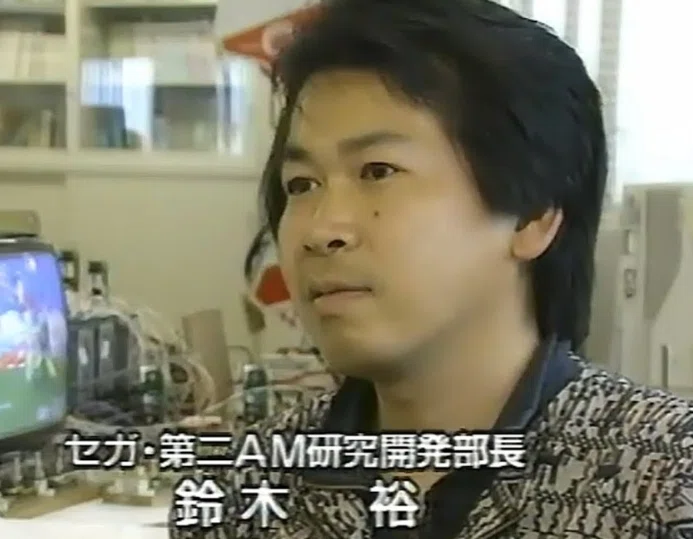
What sets Yu Suzuki apart is that in an era where no one knew the right answers, he possessed the rare ability to bridge the gap between software and hardware. To realize software that had no precedent, he could conceptualize the very architecture required to make it possible.
Because the necessary hardware didn’t exist yet, he began by building the hardware itself.
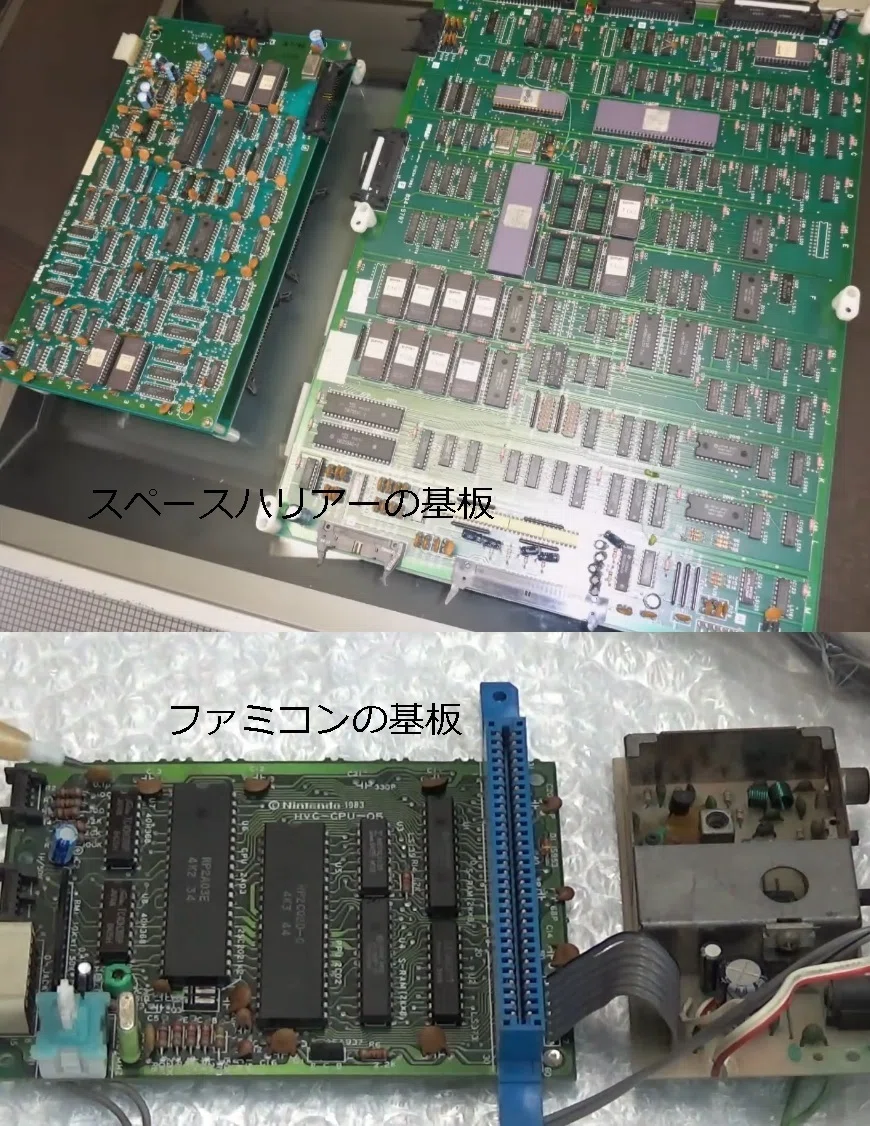
For nearly twenty years, home computers and gaming consoles did nothing but chase the specifications set by Yu Suzuki. His work was the ultimate aspiration, the industry benchmark, and the singular goal to strive for.
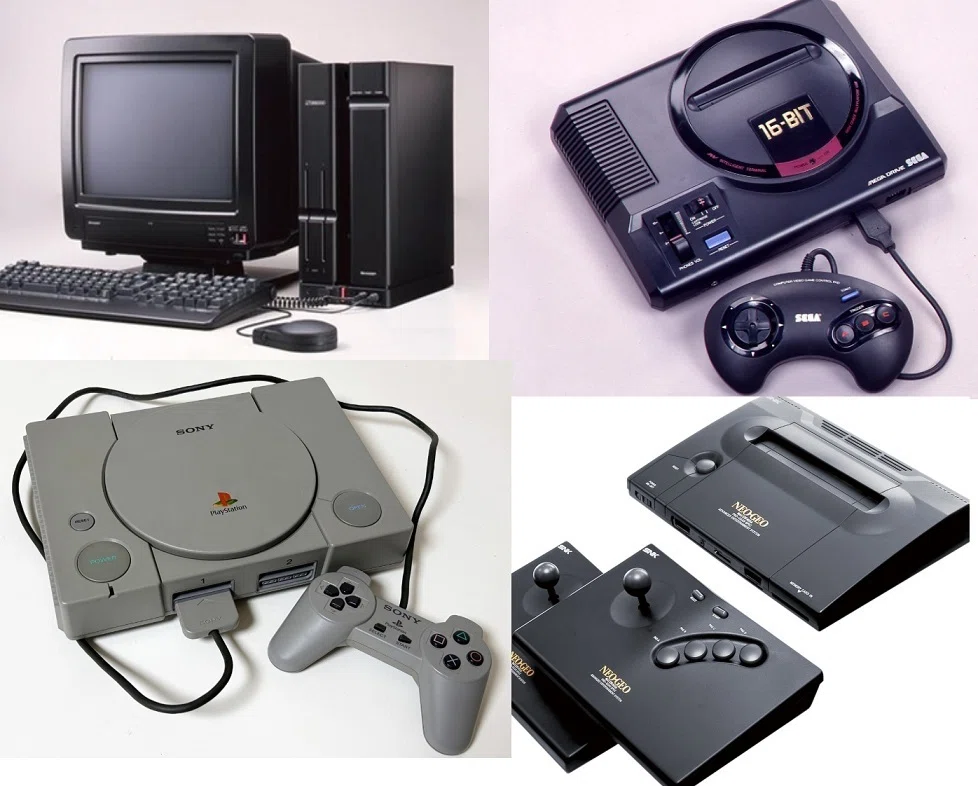
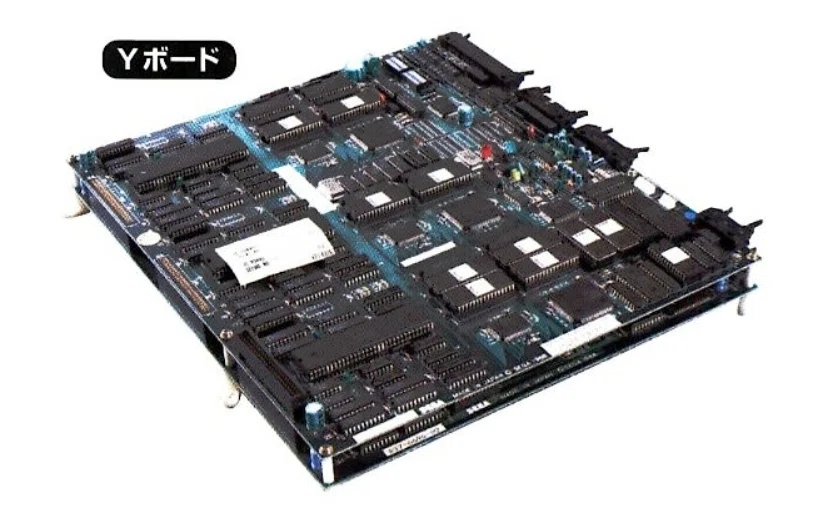



This is the true essence of "Yu Suzuki Specs."
This is exactly what sets him on an entirely different dimension from any other game creator—and this is the truth that the media desperately needs to understand and convey to the world.
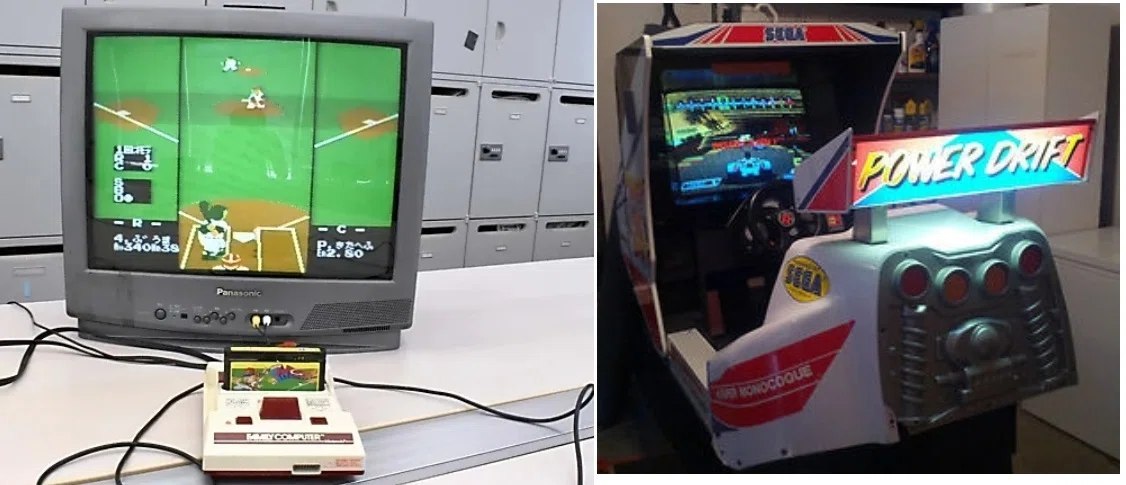
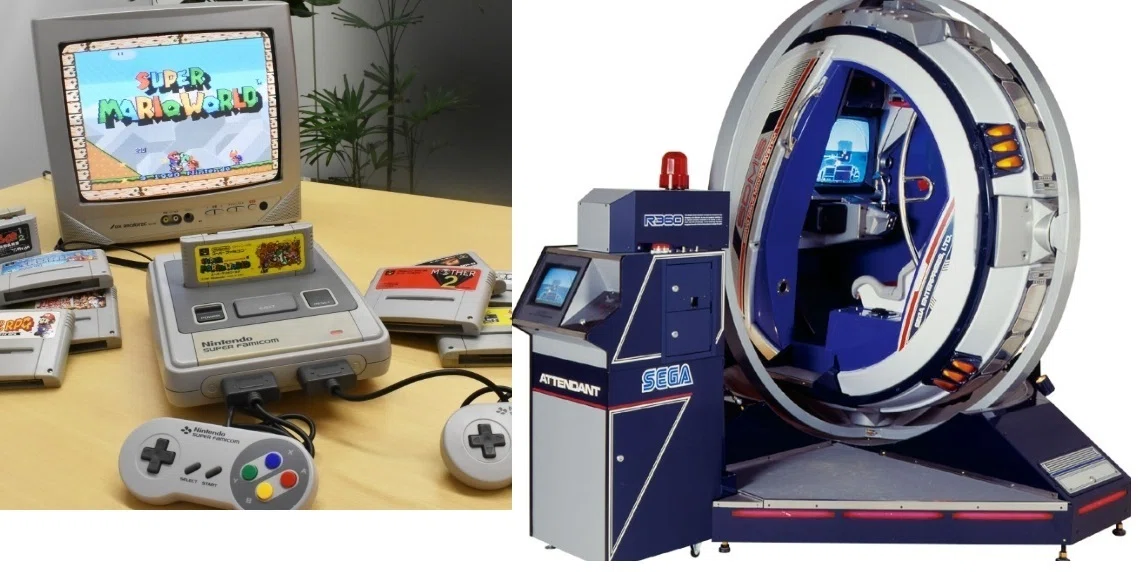
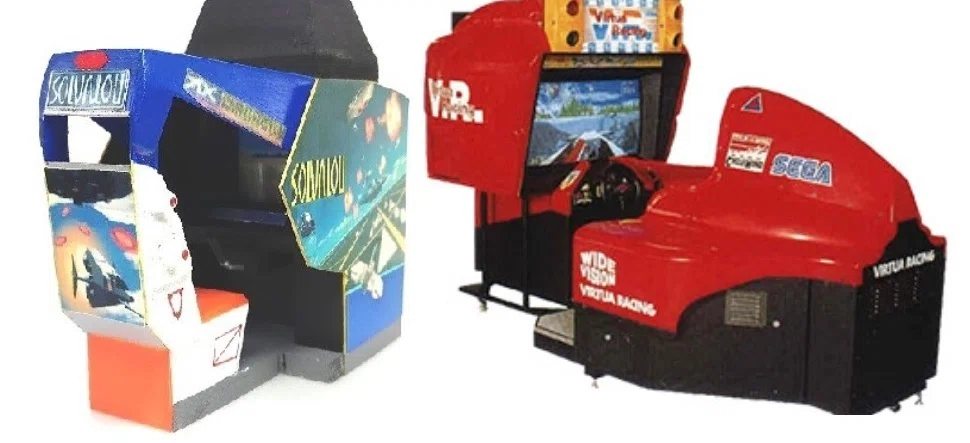
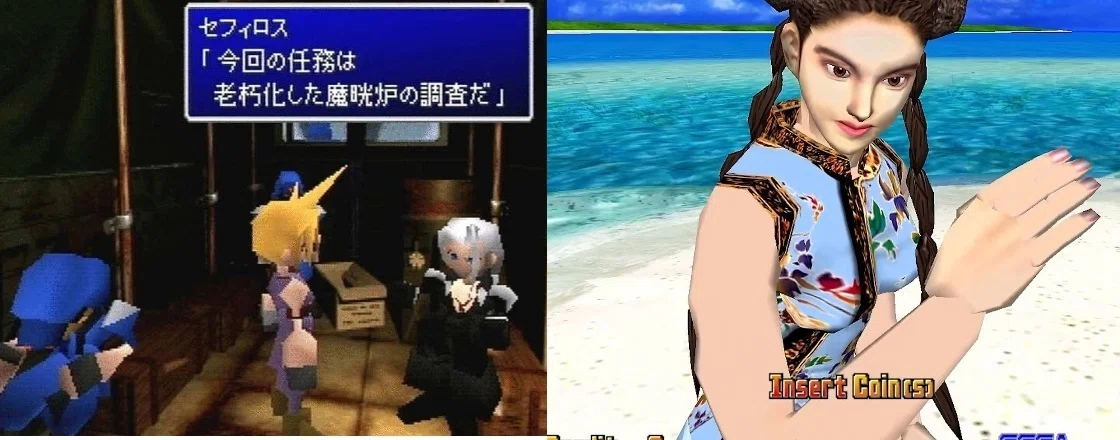
You can now see just how far ahead of his time Yu Suzuki truly was.
The claim that he repeatedly delivered world-firsts and "created the future of gaming ten years too early" is no exaggeration.
He relentlessly redefined the pinnacle of audio-visual quality, and for a period of roughly fifteen years, "high-end gaming" was synonymous with "a Yu Suzuki title." He, single-handedly, forced the entire industry's hardware specifications to evolve.
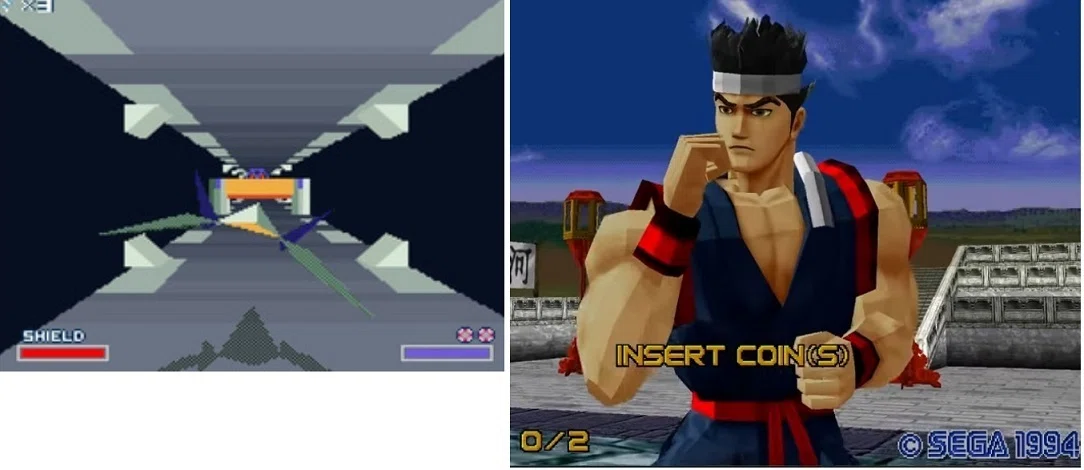
In the cutthroat business of arcades, he was a master strategist who sustained a 20-year cycle of "unprecedented, visionary software," "bespoke hardware and massive motion cabinets," and "staggering revenue." He is a true legend.
From Space Harrier and Virtua Fighter 2 to F355 Challenge and Shenmue II, he fundamentally altered the course of video game history four times over. He is the industry’s greatest hero. His contribution, influence, originality, foresight, and the sheer diversity of genres he mastered are unparalleled; Shenmue accounts for barely ten percent of his entire career.
It is a mistake for the media to discuss Yu Suzuki only as a "creator." We must also recognize his role as the General Manager who led SEGA’s arcade division to generate immense profits. Unless we discuss his achievements in their entirety—encompassing hardware, cabinet design, software, and executive leadership—his legacy is being tragically diminished.
Most people fail to grasp the distinct roles in this industry: a "Creator" builds with their own hands; a "Director" guides the hands of others; and a "Producer" leads the organization. Yu Suzuki was all of these and more. His influence extends to the evolution of hardware, production methodology, graphic fidelity, and musical composition.
His impact covers the entirety of video game history.
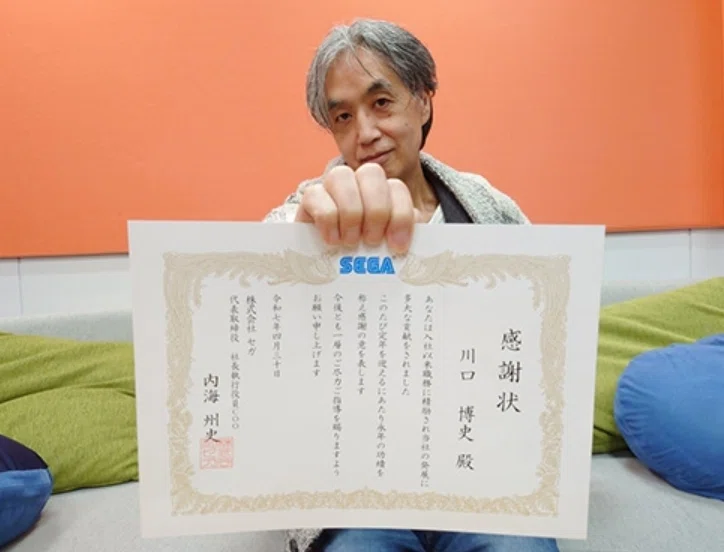
While there were engineers overseas, their work remained experimental, and the games themselves lacked true entertainment value. Even major corporations could push hardware specs, but they struggled to make the games actually fun—often resulting in nothing more than "larger characters" or "better sound."
Yu Suzuki was different. He possessed a singular ability to transform raw technology into pure exhilaration. His methodology—letting technology lead the way—is something no one else can replicate. His games aren't driven by complex logic or systems that can be easily explained; instead, they push through with simplicity, momentum, and a sheer sense of uplift.
In Virtua Fighter, it’s the visceral impact of a knee strike or a somersault. In Space Harrier, it’s simply "spin and shoot." In F355 Challenge, it’s the raw sensation of "driving." At their core, these games are bold and direct, stripping away intricate systems in favor of "power," "energy," and "excitement" powered by the cutting-edge tech of the time. This is why his games remain playable even 35 years later—and it is also why creating a sequel is so incredibly difficult.
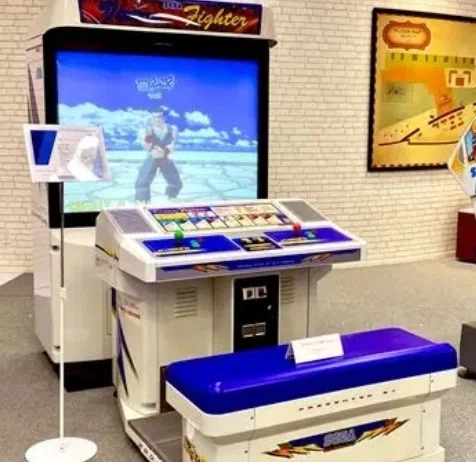
Instead of discussing Virtua Fighter merely as a "3D fighting game"...
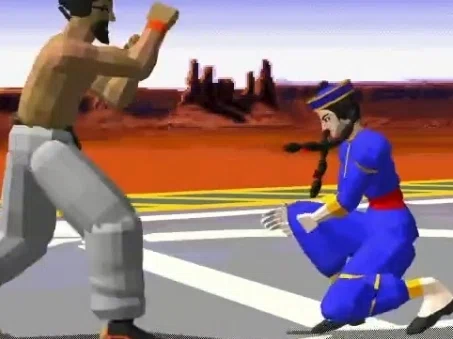
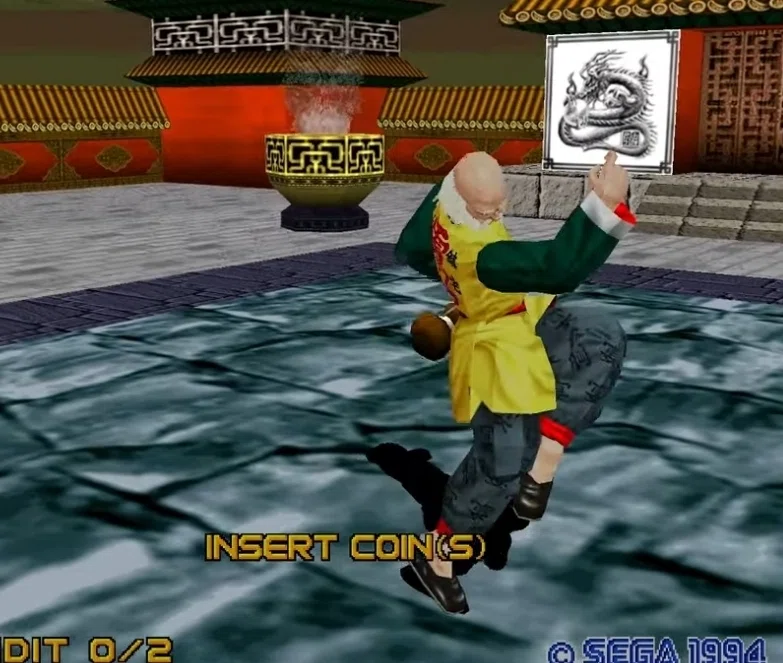
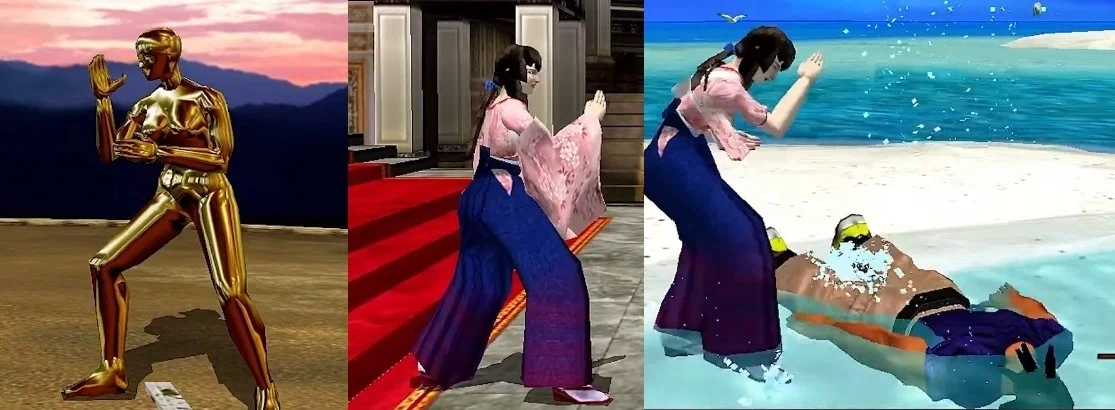
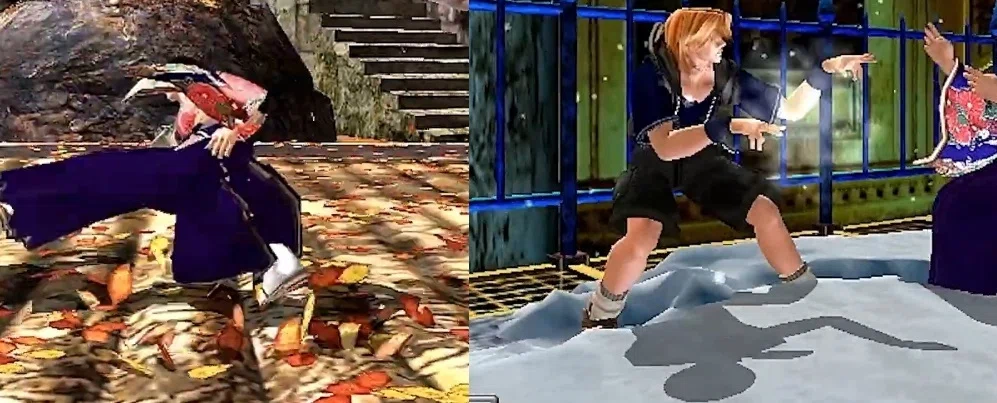
These groundbreaking visual techniques were always introduced through Virtua Fighter first, which is why the series must be viewed as the very blueprint for the evolution of video game expression. While modern titles like Astro Bot now feature these elements integrated seamlessly from the start, it is crucial to remember that it all began with these pioneering, incremental steps.
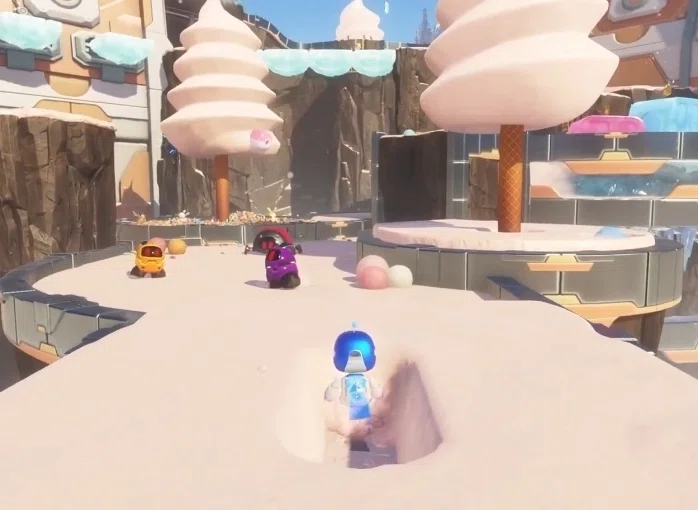
A rare existence who harmonized universal appeal that transcends borders and eras with visionary foresight, sheer entertainment value, and massive commercial success.
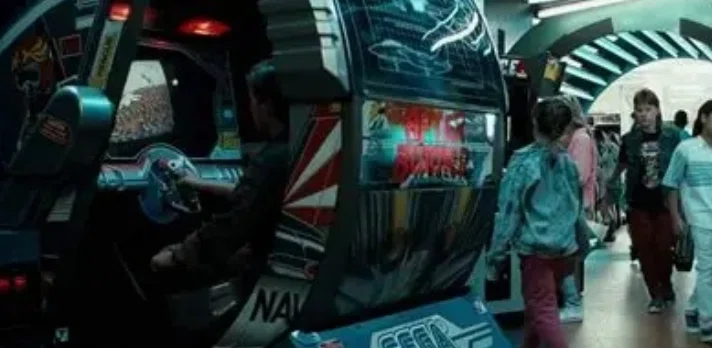
Beyond just graphics, he elevated the evolution of sound sources, sound effects, and the very standards of video game music to another dimension. To this day, I have never heard better sound design than in F355 Challenge.
His work creates enduring value through an overwhelming sense of momentum, power, excitement, and addiction that no one else can replicate. It’s not about nostalgia; because these were built as high-end arcade machines, they remain incredibly fun to play even today.
The brilliance of Yu Suzuki’s racing games lies not just in being the high-end tech of their era, but in their superior "tactile sensation of driving," which prevents them from ever feeling dated. For example, the way the bike in Hang-On smokes and drifts outward, or the visceral sensation of traction in F355 Challenge—his legacy is far too vast to be reduced to Shenmue alone.

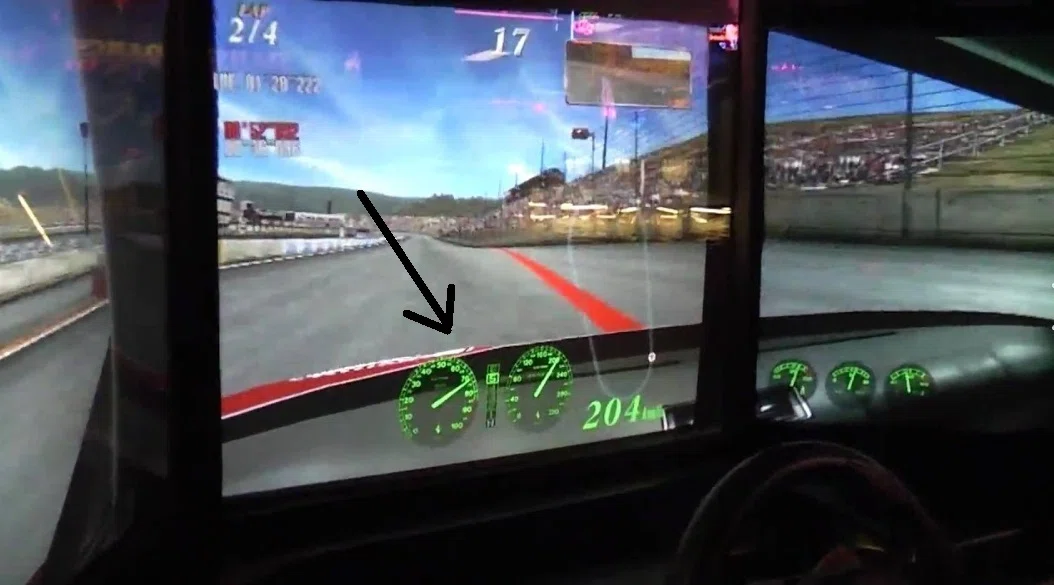
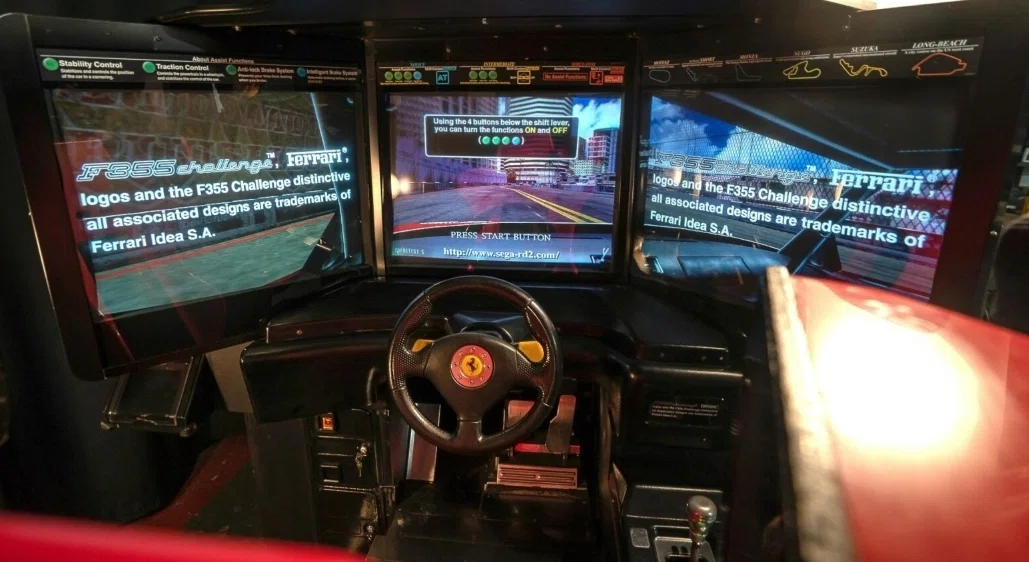
In F355 Challenge, the hood doesn't just sit still—it moves and vibrates vertically, serving several revolutionary functions:
By simulating "nose dive," it creates the sensation of pitching forward during deceleration, effectively compensating for the lack of actual G-forces.
The downward dip of the hood provides visual feedback, allowing the player to intuitively sense exactly how much brake pressure is being applied.
During wheelspin, the car "dances," visceralizing the struggle for traction.
A subtle, constant vibration while driving translates engine oscillation and the raw momentum of moving forward.
By deviating slightly from a strict driver’s eye-level, the game offers a wider field of vision, making it far more playable.
By intentionally incorporating these "calculated exaggerations" rather than sticking to literal realism, he masterfully staged a sense of reality, accessibility, and pure ludic joy. In the era of Gran Turismo 2, these innovations in F355 Challenge—extending far beyond just engine sounds and handling—were acts of genius. It’s a wonder why other racing games don't replicate this (perhaps due to licensing or patents).
For Yu Suzuki, realism was never the end goal; it was a necessary tool used solely to make the game "fun to play." That specific sense of reality can never be achieved by merely replicating onboard footage—a point modern sim racers often misunderstand. The sheer exhilaration and enduring replayability of the arcade version of F355 Challenge remain the undisputed greatest in video game history. In certain areas, such as engine acoustics, even today’s modern simulators have yet to reach its level.

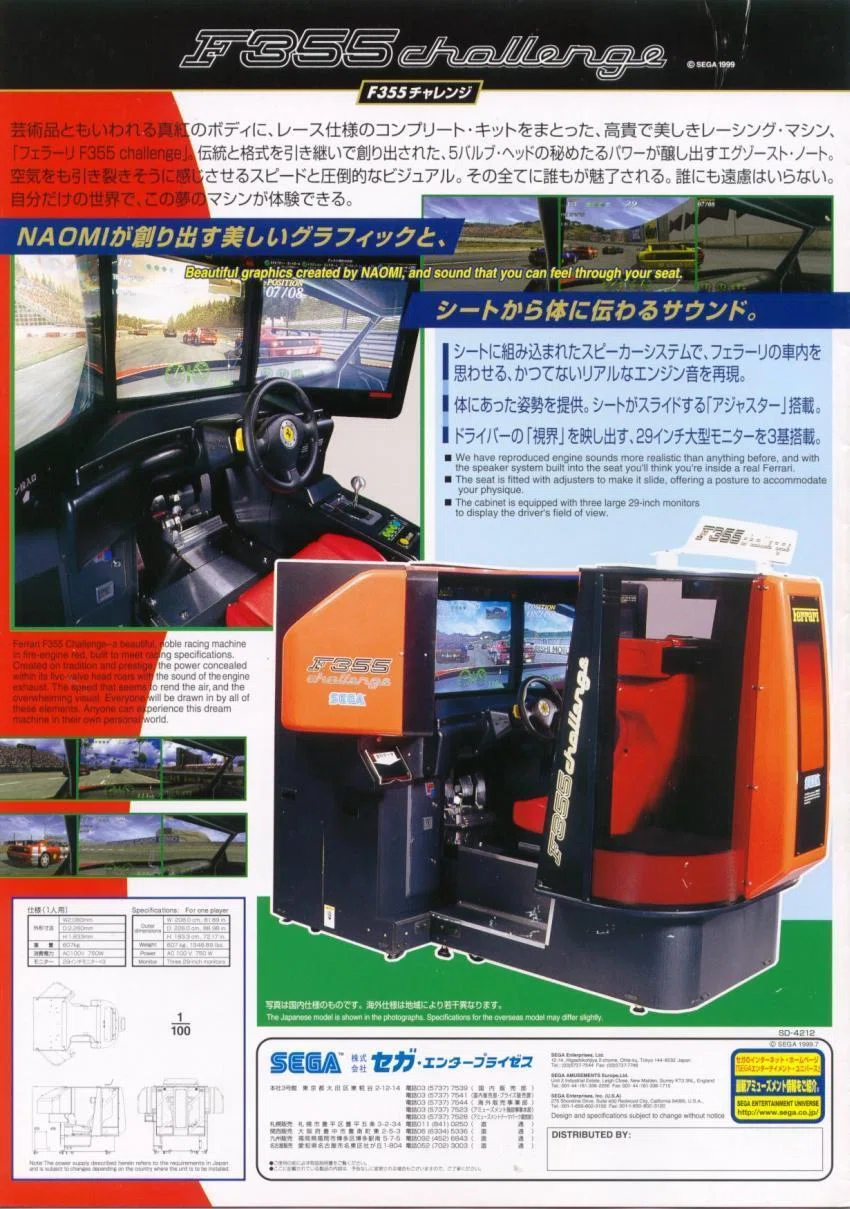
I want you to listen to it at full blast—it delivers an engine roar and a sense of exhilaration that modern sim racing can't even begin to touch.
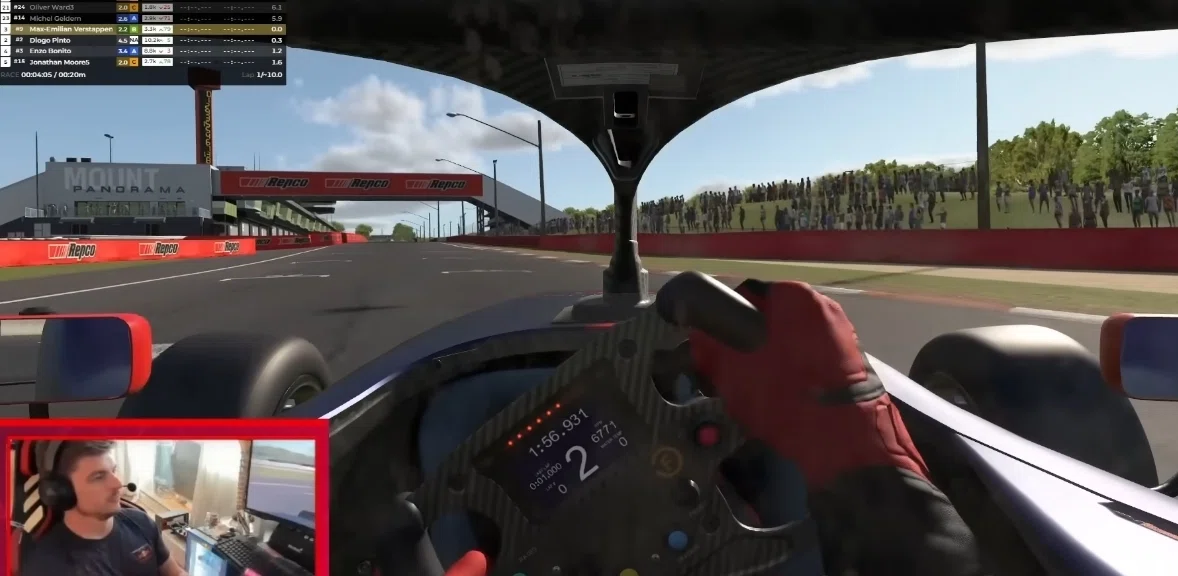
F355 Challenge aimed for an authentic, visceral experience. Because its underlying design philosophy is so fundamentally different, modern sim racing—no matter how it evolves—will never capture that same level of exhilaration and addiction. In the world of large-scale video game development, it is rare to find a title where the director’s personal influence and authorship are so clearly visible. For instance, even if you swapped the development teams of Crazy Taxi and F355 Challenge, the results would remain distinctively "Yu Suzuki." That is the power of his direction. While most blockbuster games involve so many creators that the director’s specific touch gets lost, in a Yu Suzuki game, his "authority" and "influence" are unmistakable—right down to the BGM. Every title maintains a flawless level of perfection and consistency across graphics, character design, and music (with the exception of Shenmue III). The staff must have been driven to the brink of exhaustion to meet his standards. The real tragedy is that because these were arcade-exclusive experiences, very few people have actually played them on original hardware. Since these machines have nearly vanished, it’s impossible to experience them as intended today. Even when compared side-by-side with modern hits, his work is truly extraordinary—yet to the younger generation, this praise is often dismissed as mere elderly nostalgia.
Playing After Burner II at home is a world apart from the "Double Cradle" arcade experience. On modern LCD monitors and emulators, you only get about half the thrill of the original hardware. Home ports like OutRun or the PS2 version of F355 Challenge fail to capture the magic—they simply aren't as fun, and it’s deeply frustrating that the true essence of these games can never be fully communicated.
This was the 90s. An era when Gran Turismo 2 was still the industry standard.
If you could climb into an F355 Challenge cabinet with a Switch 2 in hand, you would instantly understand exactly what I mean—but those machines are nowhere to be found. It is truly becoming nothing more than a legend.
"If you haven't experienced it, you have no way to speak of it." Even the personalities at IGN can barely find the words to discuss Yu Suzuki.
In the 80s and 90s, it was virtually impossible to find a single person in the video game industry—whether a developer or a player—who remained untouched by the influence of Yu Suzuki.
Just as Hayao Miyazaki would regress to being nothing more than a starstruck "film kid" in the presence of Akira Kurosawa...
Even the titans of the industry—Sakurai (Kirby), Yamauchi (Gran Turismo), Harada (Tekken3), Kojima (Metal Gear), Iwata (Balloon Fight), Ueda (ICO), Miyazaki (Dark Souls), Koshiro (YsBGM), and Kamiya (Devil May Cry)—are mere novices in the presence of Yu Suzuki.
He is not a figure to be discussed on the same level as these creators; he belongs to an entirely different dimension.
Hideki Kamiya often sticks to nostalgic lists of titles, and Masahiro Sakurai goes beyond software specifics, but given their massive influence and reach, both should be doing more to convey the fundamental essence and the roots of the medium.
The reason certain creators are hailed as "famous" today is largely because they are recognized through their iconic game characters—Mario, Kirby, Snake, Kazuma Kiryu, 2B, Bayonetta, or Slime—concepts that are easy for the casual masses to grasp.
The masterpieces of the 80s, in particular, lacked this heavy emphasis on "character," which is likely why they are rarely discussed in depth today. Everything has been reduced to character appeal. Perhaps the reason Shenmue isn't more popular isn't due to its gameplay or style, but simply because of the clunky movement and the lack of traditional character-driven charm.
What makes Yu Suzuki truly extraordinary isn't just his software, but the fact that he defined the very "mechanics," "industrial shifts," and "gameplay paradigms" that became the global standards and benchmarks for the entire industry.

Isao Takahata should be discussed through a multifaceted lens—how he cultivated humanity’s literacy for animation, how he mentored the blockbuster hitmaker Hayao Miyazaki, his profound musical sensibility, and the true themes behind works like Heidi, Anne of Green Gables, Jarinko Chie, and Grave of the Fireflies. Instead, he is often reduced to the commercial failure of My Neighbors the Yamadas or the mere tragedy of Grave of the Fireflies.
In the same vein, Yu Suzuki deserves to be celebrated as a prolific hitmaker from multiple perspectives. It is deeply frustrating that his legacy is so often narrowed down to the commercial struggles of Shenmue.
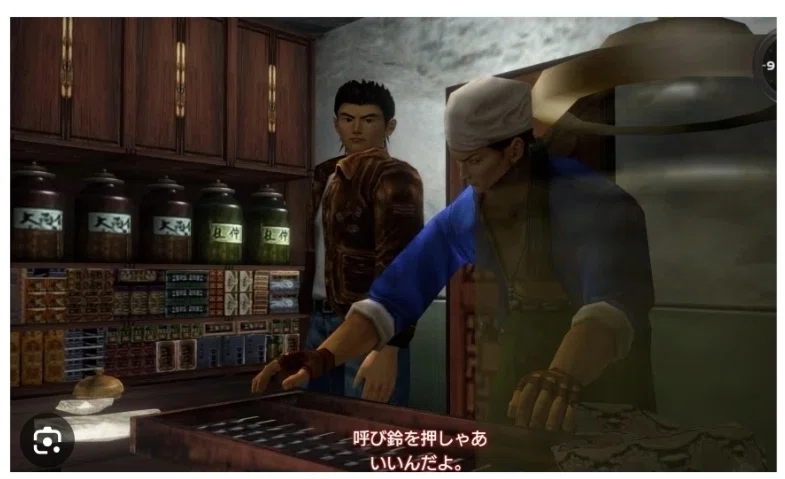
Shenmue was merely a commercial struggle; in terms of its style, systems, and core gameplay, it was anything but a failure—it was a magnificent achievement.
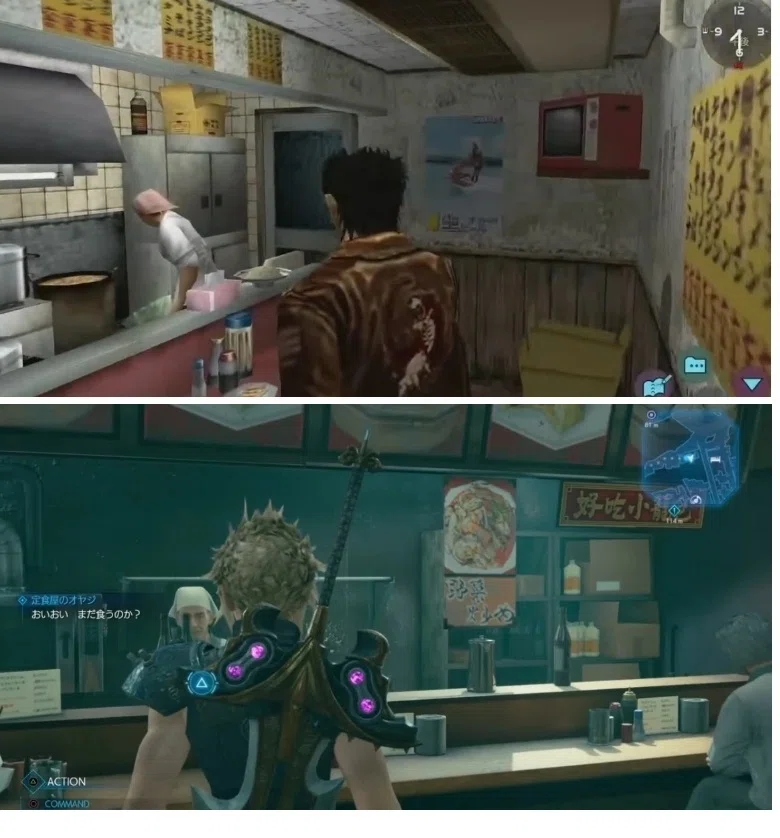
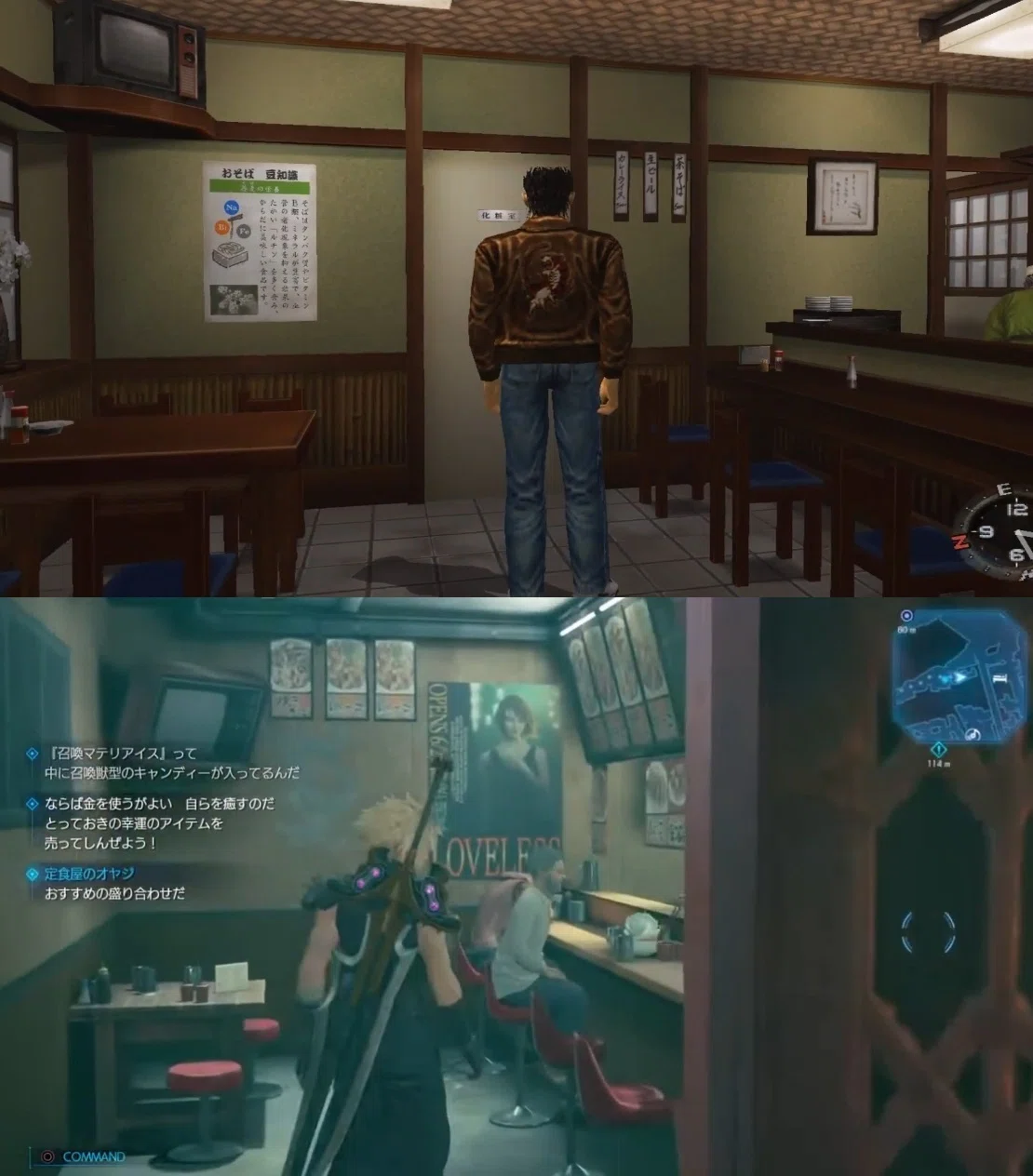
Many elements of his work persist in modern games. For instance, Like a Dragon Gaiden: The Man Who Erased His Name does nothing that wasn't already achieved in Shenmue II. Why, then, is Shenmue labeled as "outdated"? If anything, it is the Like a Dragon series that is outdated.
A film critic would be ridiculed if they admitted to never seeing a Kurosawa film or only watching Roman Holiday via a low-quality smartphone recording (akin to emulators and LCDs). Yet, video game writers operate within this exact level of superficiality. In cinema, critics evaluate modern works through the lens of historical context, tradition, and the achievements of predecessors—but the gaming media has yet to reach this standard.
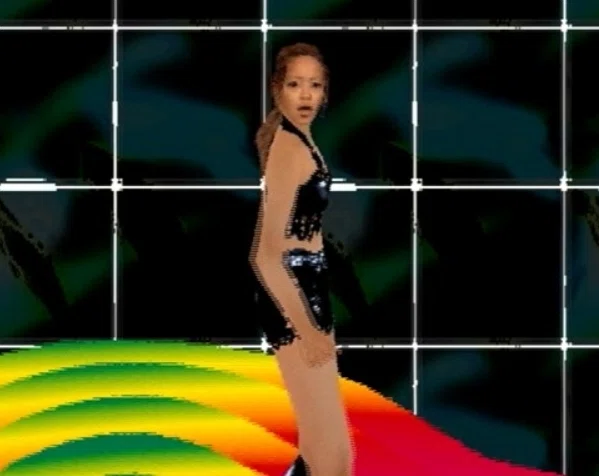
F355 Challenge is the progenitor of Forza Motorsport; Shenmue is the root of Like a Dragon from 6 onwards; Virtua Fighter is the origin of Tekken; and Namie Amuro: Digital Dance Mix is the direct ancestor of Oshare Majo: Love and Berry. Media outlets only discuss these within the narrow context of home consoles. This is particularly severe with overseas writers who lack any understanding of Japanese arcade culture. They deify Nintendo while remaining ignorant, uninterested, and silent regarding how much Japanese arcade games influenced the evolution of Western titles.
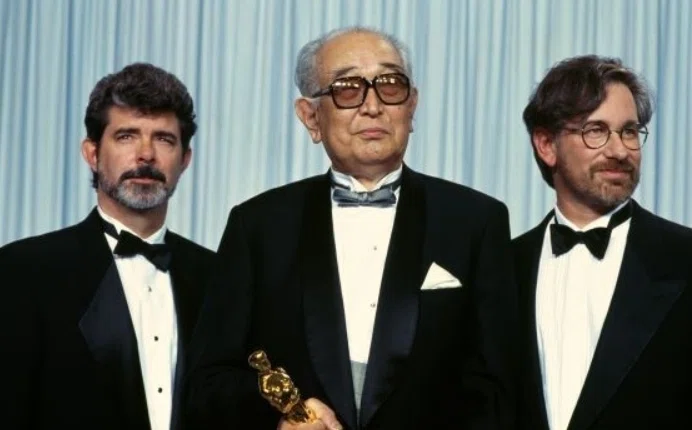
By transforming SEGA into the most coveted development studio, he created a powerful magnet for top-tier talent, which directly fueled the company’s rapid ascent and subsequent breakthroughs.
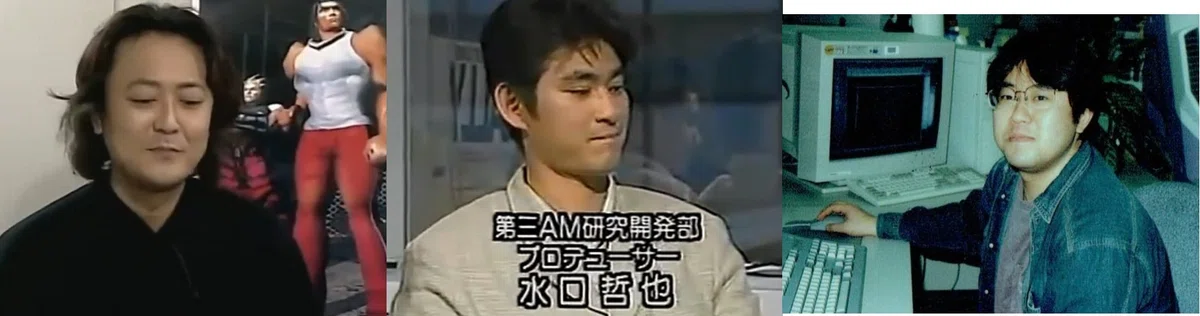
The media must tell the true story of how Nagoshi, Mizuguchi, and Ishii, drawn to SEGA by the brilliance of Out Run, After Burner, and R360, utilized the "Yu Suzuki Specs" to create legends like Daytona USA, Sega Rally, and Virtua Fighter.
They should be conveying these pivotal moments:
The visceral reality of the R360, where flying inverted sent the blood rushing to your head.
The fact that before Virtua Racing, polygon games were merely experimental and no one played in cockpit view—it was Suzuki who made it the standard.
How the "Yu Suzuki Specs" provided the essential foundation for Toshihiro Nagoshi to build Daytona USA and SpikeOut, and for Tetsuya Mizuguchi to realize Sega Rally.
The fundamental question: Why did figures like Steven Spielberg and Bill Gates personally seek out Yu Suzuki?
Why did Ken Kutaragi show Virtua Fighter to his superiors—who couldn't grasp his vision—as the ultimate proof of what was possible?
The general public only began discussing game creators after the rise of online media; back in the 90s, even Hideo Kojima was largely unknown to the masses.
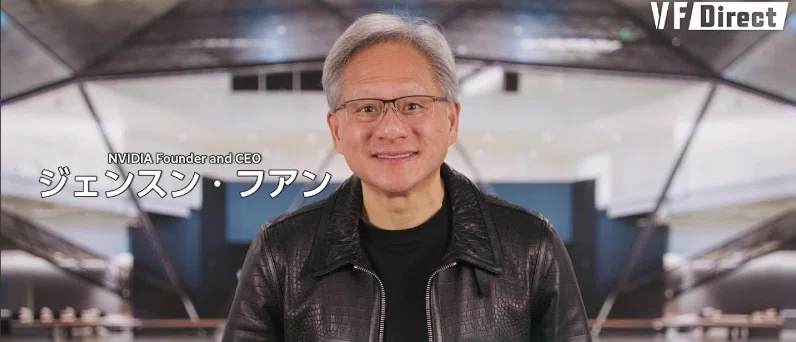
Jensen Huang reportedly asked during a lecture at a Japanese university, "Do you know your own Yu Suzuki?" The decline in his public recognition is likely because he stepped away from the spotlight just before the explosion of internet media.
IGN’s Esra Krabbe once remarked, "I don't think Yu Suzuki is a charismatic figure," but when you look at his commercial success, his mastery of diverse genres, his pioneering spirit, the sheer perfection of his work, and his global influence—he is undeniably the greatest charisma the video game world has ever known. It was precisely his charisma that allowed a project as monumental as Shenmue to be realized.
It is pathetic to see ignorant comments on YouTube claiming "Krabbe is over-deifying Suzuki." This ignorance exists only because the media fails to properly introduce a man of his stature. In the world of entertainment, it is rare to find someone who has influenced as many different industries as he has. Even giants like Akira Kurosawa, Osamu Tezuka, and Isao Takahata did not exert such a profound impact on other industries and technology itself. In that regard, Yu Suzuki is a singular, unique existence.
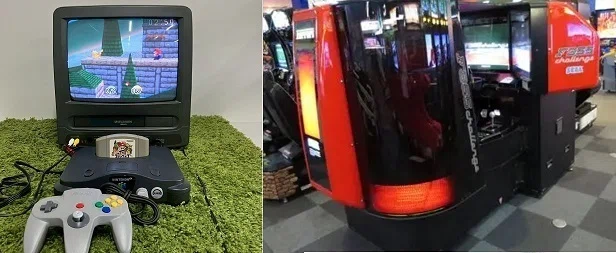
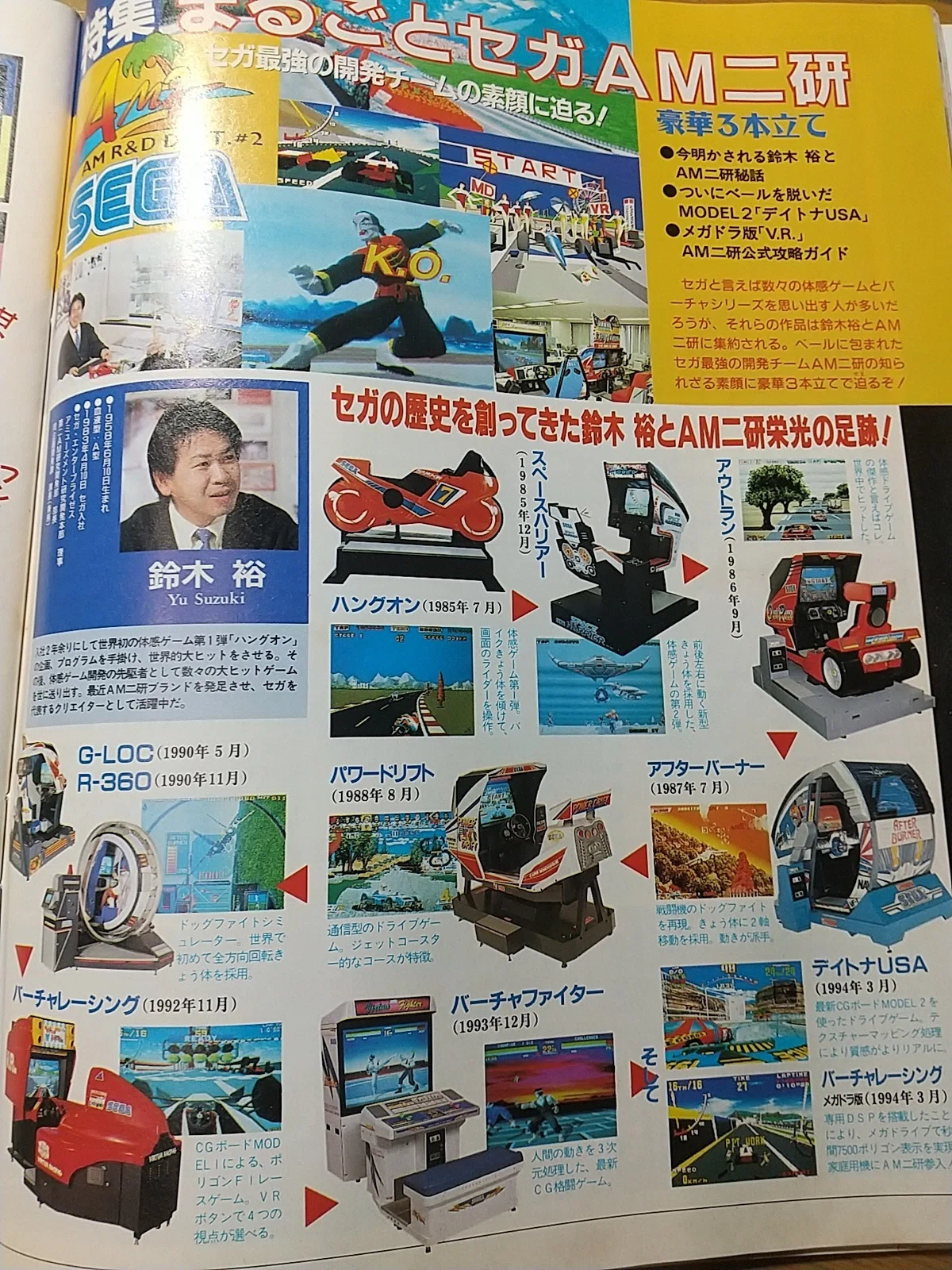
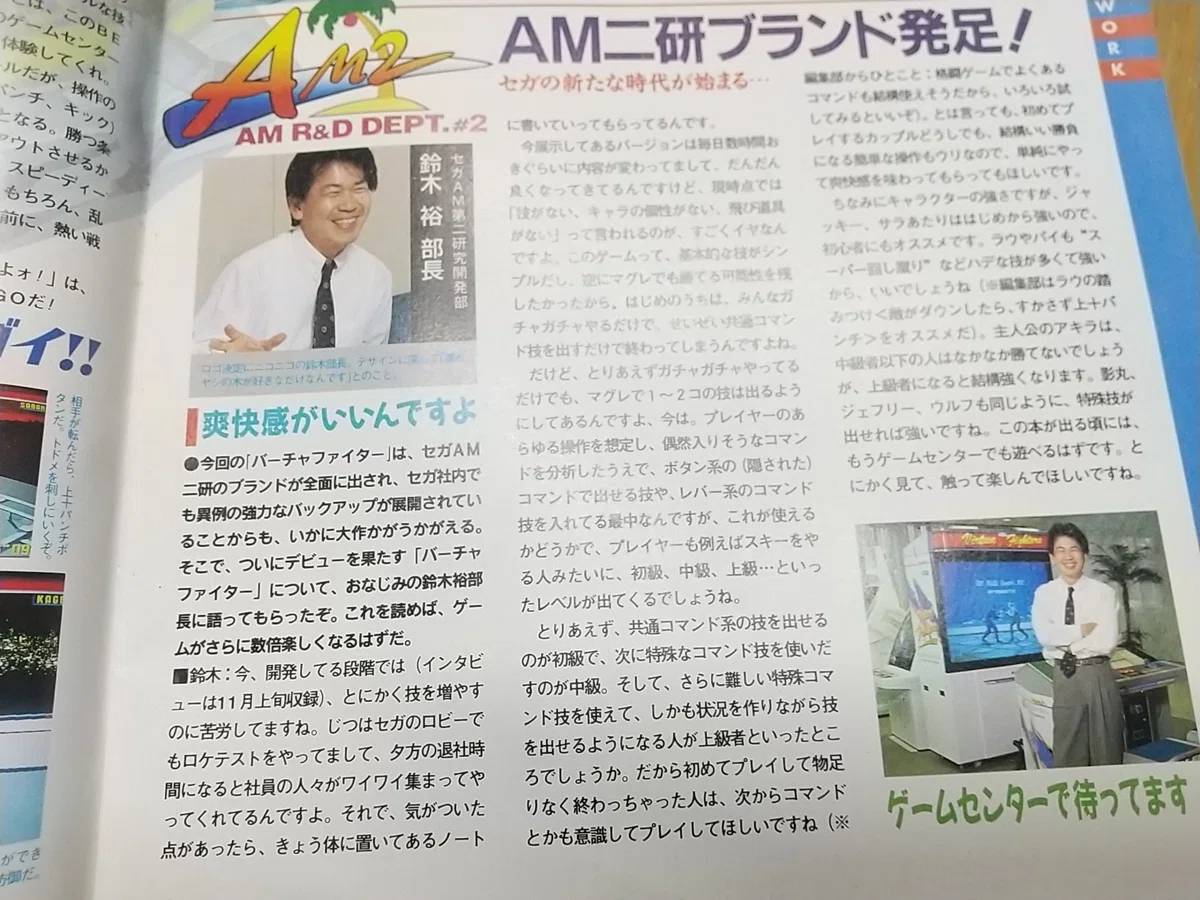
He is undoubtedly "Mr. SEGA," but more importantly, it is impossible to discuss the history of video games without passing through the work of Yu Suzuki.
For a game writer to ignore him is no different from a film critic admitting they have never seen a Kurosawa film. I sincerely hope that the media and game writers will take the time to study the foundations he built.
Please excuse this brief and simple explanation. Thank you for your time and for following this discussion.
日本語バージョンもあります。合わせてご覧ください。
A Japanese version is also available. Please check it out as well.
