THREE HUNDRED and twenty-three pages into Lonesome Dove, the eight-hundred-and-fifty-eight-page Western epic that propelled Larry McMurtry to a level of literary celebrity that’s hard to imagine today, his two principal characters ride into San Antonio for the first time in many years. The era is the late 1870s, the twilight of the American frontier. The […]
- print • Spring 2026
BEN LERNER MIGHT BE the youngest writer in America who is permitted to write with luminous intelligence about erudite, urbane intellectuals without being accused of insularity. The American scribblers younger than Lerner are consigned to a fate of feigned populism or critical sniffing at anything that might pass for a sign of intelligence. He is […]
- print • Spring 2026
ON THE CALCULATION OF VOLUME is a series of seven novels by the Danish writer Solvej Balle that imagines a world in which one November day repeats indefinitely. Six volumes have so far been published in Denmark; in the United States, Volume IV is the newest to be available, in a translation by Sophia Hersi […]
- print • Spring 2026
THERE IS SUCH A GLUT of unhinged female narrators in contemporary fiction that a recognizable microgenre is emerging around these often self-infantilized madwomen. My Year of Rest and Relaxation and its many imitators treat the instability and anhedonia of women as a source of self-deprecating comedy and little else. However enfeebled they have been made […]
- print • Spring 2026
THE DESERT TORTOISE has lived on the land we call California for twenty million years. If you scare one, he might pee and become fatally dehydrated. But don’t worry, you won’t scare one. You won’t get the chance. In “Dangerous,” a short story by Joy Williams, the narrator’s mother, recently widowed, builds a three-foot-tall tortoise […]
- print • Spring 2026
PATRICK COTTRELL’S FIRST BOOK, the novel Sorry to Disrupt the Peace, published in 2017, comes in a silvery gray dust jacket depicting a waterfall, in honor of the image the narrator brings to mind in moments of stress. The cover, designed by Sunra Thompson for McSweeney’s Press, looks lovely and peaceful at first glance, but […]
- print • Spring 2026
WHEN ANTONIO GRAMSCI wanted to talk to his comrades, he wrote to his friends. Captive in a fascist regime, he produced sentences and texts encrypted enough to bemuse not only Mussolini’s censors, but also, probably, anyone who did not know him very well. He was a party man, and he knew better than to either […]
- print • Spring 2026
“IN A GREAT CITY,” wrote Karan Mahajan in his award-winning ode to New Delhi, The Association of Small Bombs, “what happens in one part never perplexes the other parts.” In Delhi’s illustrious apartment complexes, by contrast, turbulence in one unit—extramarital affairs, domestic abuse, the acquisition of a new rock album—means turbulence for all. This is […]
- print • Spring 2026
THE SECOND NOVEL is an abundantly documented enigma, but if you’re Lisa Robertson and your second novel is also your seventeenth(ish) book, it’s less an enigma than it is an invitation to begin again—and Robertson’s career has, for over three decades now, been dependably refashioned or reconstituted or reorganized by beginnings, all of them variant […]
- print • Winter 2026
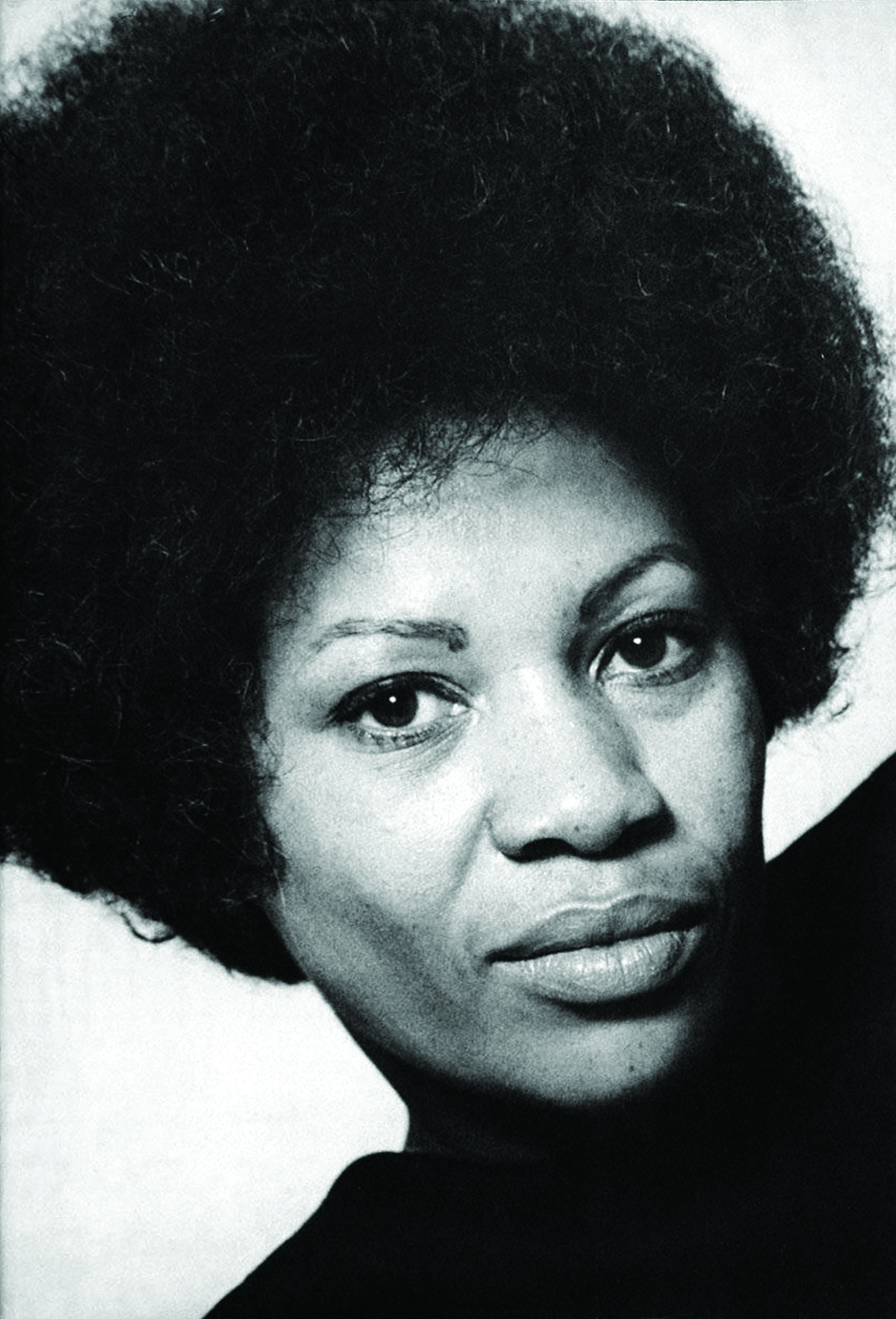
I CRY EVERY TIME I FINISH SULA. This is not due to any lack of acquaintance with the novel’s tragic ending. Toni Morrison’s second published work of fiction was assigned reading in several courses I took during my studies. I have taught Sula at least once a year for the past ten years. On vacations, […]
- print • Winter 2026
IT’S NOT SAID often enough, if it’s said at all, that avant-garde American poetry is experiencing a renaissance—an overbroad, obnoxious term that nonetheless fits the scale of the moment. For the early part of the twenty-first century, unless you really paid attention to the little magazines and small presses or, later, to Tumblr, you might […]
- print • Winter 2026
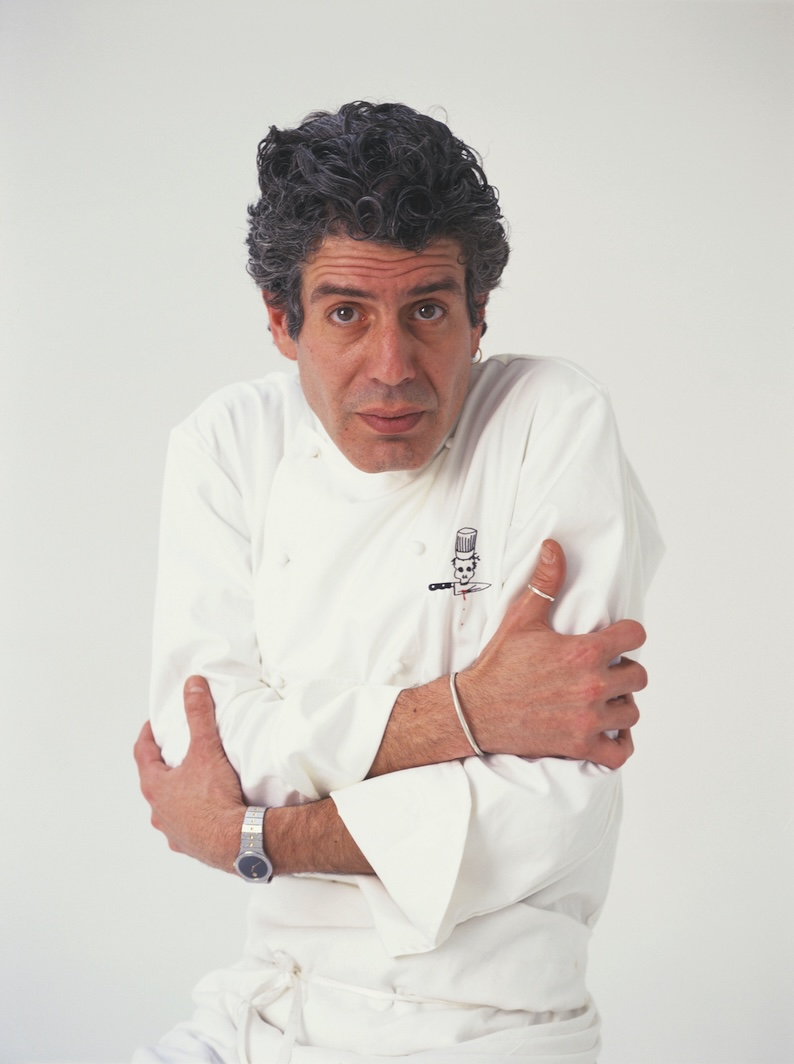
IN 1999, AT THE AGE OF FORTY-THREE, ANTHONY BOURDAIN had all but given up hope that he would ever be recognized as a major talent in anything. For the man who would soon become famous for courting extremes, this mediocrity was a kind of torture. After a promising start at the Culinary Institute of America, […]
- print • Winter 2026
THE MEME, IF THAT IS WHAT YOU WANT TO CALL IT, caught my attention sometime back in 2018 in the middle of Trump One, when things still were making a modicum of sense. Underneath a photo of the great man, smirking like a second-string high school quarterback who has just gotten his hand in a […]
- print • Winter 2026
WE’RE REPEATEDLY TOLD THAT WE’RE LIVING THROUGH THE END-TIMES, crushed by conspiracy theories, crypto, Palantir, Nick Fuentes, Libs, gooning, and fascism. Every day unleashes a sparkling new hell, which makes for good headlines. Anika Jade Levy’s debut novel, Flat Earth, conjures up and satirizes this doomsday present through the POV of a young woman. She’s […]
- print • Winter 2026
IT’S LATE AUGUST AND I’M WALKING THROUGH THE PASSAGE DES PANORAMAS, the oldest covered arcade in Paris, simply because Lucien Chardon passes through it with Étienne Lousteau in Honoré de Balzac’s Lost Illusions, the best novel ever written, which I finished shortly before arriving in the city. I’m carrying a copy of Splendeurs et misères […]
- print • Fall 2025
LYDIA DAVIS INTRODUCED her brand of emotional vertigo in the mid-1980s, with short stories that could fairly be called flat but never cold. In her fiction and translation work—both lifelong gigs for her—Davis revises drafts heavily. Her patience has given us a catalogue of everyday American surrealism that is hers alone. Here is a story […]
- print • Fall 2025
THOUGHT TO HAVE BEEN DICTATED a couple thousand years ago by an Indian guru named Padmasambhava, The Tibetan Book of the Dead was known as Bardo Thödol or The Great Liberation Through Hearing in the Bardo until its first English language translation in 1927 by Walter Evans-Wentz, an anthropologist from New Jersey. Thödol means “the […]
- print • Fall 2025
ALTHOUGH NONE OF HER BOOKS could be said to have happy endings, I have never until now thought of Chris Kraus as a writer of tragedies. As is the case with many of her admirers (and just as many of her detractors), my attention has long been snagged on her work’s thornier, more titillating qualities: […]
- print • Fall 2025
BIG KISS, BYE-BYE, Claire-Louise Bennett’s third book, begins in the long drawn out wake of a breakup. “Two weeks from now I won’t be living here anymore,” goes the opening line, told from the perspective of the unnamed protagonist. “I’ll be in the woodshed in L——.” The narrator, a writer in her late forties, is […]
- print • Fall 2025
THE PATERNITY OF Hicks McTaggart—defender of dames, dodger of bombs, twirler of spaghetti, the amiable behemoth hero of Thomas Pynchon’s Shadow Ticket who prowls the streets of Depression-era Milwaukee—is a question his author leaves open. His mother, Grace, and her sister, Peony, “grew up in the Driftless Area, a patch of Wisconsin never visited by […]