
Software engineering is a technique through which we can develop or create software for computer systems or any other electronic devices. It is a systematic, scientific and disciplined approach to the development, functioning, and maintenance of software.
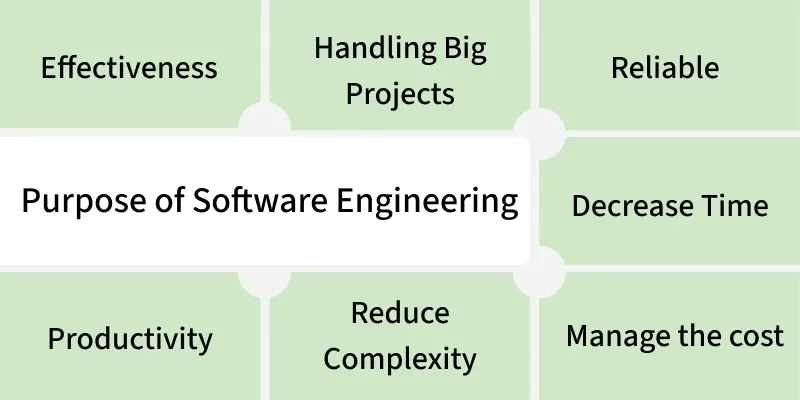
- Handling Big Projects: A corporation must use a software engineering methodology in order to handle large projects without any issues.
- To manage the cost: Software engineering programmers plan everything and reduce all those things that are not required.
- To decrease time: It will save a lot of time if you are developing software using a software engineering technique.
- Reliable software: It is the company's responsibility to deliver software products on schedule and to address any defects that may exist.
- Effectiveness: Effectiveness results from things being created in accordance with the standards.
- Reduces complexity: Large challenges are broken down into smaller ones and solved one at a time in software engineering. Individual solutions are found for each of these issues.
- Productivity: Because it contains testing systems at every level, proper care is done to maintain software productivity.
Why Software Engineering Is Needed
- Structured Development Approach
Software engineering provides a systematic and organized way to design, develop, test, and maintain software, ensuring consistency and quality. - Managing Software Complexity
Modern software systems are large and complex. Software engineering breaks problems into smaller, manageable parts, making development easier and more reliable. - Quality and Reliability Assurance
Through defined standards and testing practices, software engineering ensures software is reliable, defect-free, and meets user requirements. - Cost and Time Management
Proper planning and process control help reduce development costs, avoid unnecessary work, and ensure timely delivery of software projects. - Use of Proven Methodologies
Frameworks such as Agile, Scrum, and Waterfall guide the development process and improve productivity and coordination. - Testing and Quality Assurance
Techniques like unit testing, integration testing, and acceptance testing help detect and fix issues early in the development cycle. - Project Management and Team Collaboration
Software engineering supports effective management of resources, schedules, and budgets while enabling smooth collaboration among team members. - Maintainability and Evolution
Software engineering makes software easy to update, improve, and adapt to changing user needs and technologies.
