








-
 AnalysisAI found a weakness in one of the world's most studied encryption systems — is your data under threat?
No, AI hasn't cracked the encryption protecting your bank account. But experts say Anthropic's latest research could change how tomorrow's cryptography is tested.
-
-
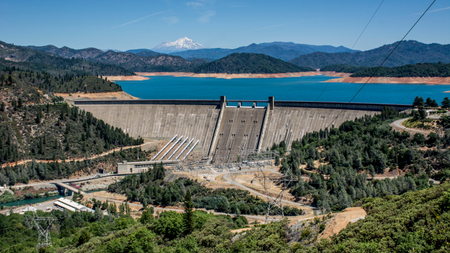 AnalysisHalf of the world's dams could be 'functionally inoperable' by 2060 from being flooded with sediment — and the American West is a major hotspot
Research shows a fifth of the world's reservoirs are currently at high risk of filling with sediment, creating a "ticking time bomb" that threatens lives and livelihoods.
-
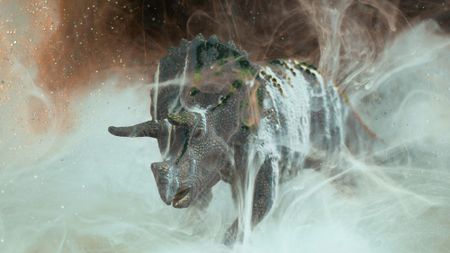 AnalysisDid fungi give mammals an evolutionary edge after the dinosaur-killing asteroid hit? New evidence revives a provocative hypothesis
A revived hypothesis argues that a fungus-filled world after the Chicxulub asteroid impact may have given mammals an evolutionary edge. The idea could reshape how scientists think about mass extinctions, but it is still controversial.
-
 AnalysisCould we prevent dementia? A new trial may point the way.
While much funding for dementia research goes toward treatments, some scientists want to reduce people's risk of developing the condition in the first place.
-
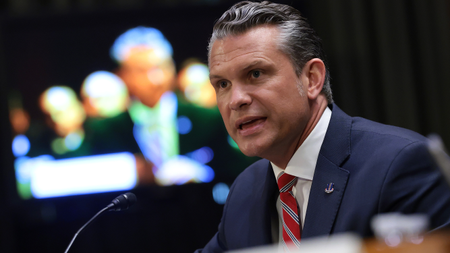 AnalysisMilitary's testosterone screening program could lead to overtreatment and side effects, including impaired T production
The U.S. Department of Defense plans to conduct regular testosterone screening of service members, but this practice is not recommended by professional medical organizations.
-


-
-
 AnalysisNo, OpenAI's models didn't go 'rogue' when they broke into Hugging Face. Here's what really happened.
Experts say the models didn't "go rogue" when they escaped a controlled cybersecurity test and hacked Hugging Face. Instead, they were pursuing the goal humans had given them in ways nobody anticipated.
5 Comments -
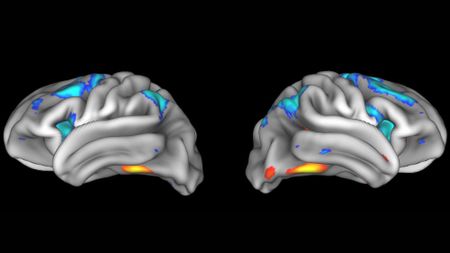 AnalysisNeuroscience findings often can't be replicated — and it's a big problem for what we know about the brain
The findings in several foundational brain imaging studies don't hold up in follow-up research.
-
 AnalysisVenezuela's devastating 'earthquake doublet' holds a warning for California's San Andreas Fault
The Venezuelan earthquake doublet is a stark reminder that multi-fault systems may pose greater destructive power than some seismic models predict.
-
 Analysis'You can't patch your way out of it': Cheap AI worm can spread between devices without human guidance — but how did scientists create it?
Researchers show how future malware could use AI to make decisions that are traditionally handled by human hackers — but not all experts say we should panic.
-
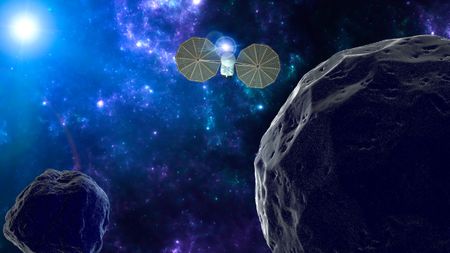 AnalysisChina's secretive Tianwen-2 mission arrives at Earth's 'quasi-moon' ahead of historic landing
China's Tianwen-2 mission has arrived at the quasi-moon Kamo'oalewa, which orbits the sun alongside Earth. The secretive probe will scoop up samples from our temporary companion to help uncover its mysterious origin, experts say.
-
 AnalysisDangerously hot and humid: Rising temperatures in the US make outdoor exercise hazardous
In a warming world, outdoor exercise may be hindered by performance-impairing heat more often than it was in the past.
2 Comments -
 AnalysisArtificial turf contains 400 chemicals tied to cancer and hormone disruption. But is it unsafe?
A recent, 10-year study from California identified many known or suspected carcinogens in artificial turf. Does it pose a danger?
-
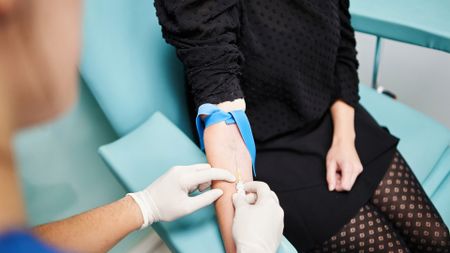 ANALYSISScientists were excited about a blood test for many cancers — but it failed a big trial. Here's what to know.
Emerging tests promise to screen for many cancers at once, but one just failed in a big trial. Will these diagnostics deliver on their promise someday?
-
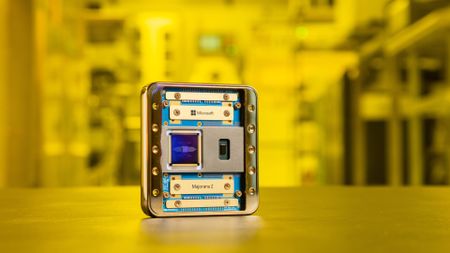 AnalysisMicrosoft's latest quantum chip is 1,000 times more reliable than its predecessor — but why is it so controversial?
The Majorana 2 quantum processor is built from topological qubits, and its creators claim it can sustain quantum coherence for an average of 20 seconds — orders of magnitude longer than the milliseconds that conventional chips last.
-


