
Hire Webflow Designers
Hire the Top 3% of Freelance Webflow Designers
Hire Webflow developers and designers, on demand. Top companies and startups choose Webflow developers and designers from Toptal for customizable templates, interactive prototypes, SEO-optimized designs, accessible layouts, and more.
Hire a Top Webflow Designer Now
No-Risk Trial, Pay Only If Satisfied.







Hire Freelance Webflow Designers

Caleb Barclay
Freelance Webflow Designer
Verified Expert in Design
United States
Toptal Member Since April 5, 2017
At Figma, Coinbase, and GoDaddy, Caleb spent 10 years designing products that scaled. He’s fast, independent, and knows how to build things that users love and businesses need. With experience as a founder, he brings a sharp focus on aligning design with strategic goals to drive growth.
Show More


Hugo Barbera
Freelance Webflow Designer
Verified Expert in Design
Spain
Toptal Member Since June 8, 2020
Hugo specializes in pro-grade AI creative work, with 16 years of experience in advertising, working with global icons like Nike, Volkswagen, Audi, Coca-Cola, Hugo Boss, & Vogue. His work has earned awards at major advertising festivals. He's delivered 30+ commercial AI projects & has been exhibited in Milan, Paris, & NYC. A seasoned keynote speaker, he inspired audiences at Digital Fashion Week Paris, Upscale Conf, & Cannes Lions, showcasing the transformative power of AI-driven creativity.
Show More



Sebastian Popritkin
Freelance Webflow Designer
Verified Expert in Design
Argentina
Toptal Member Since April 25, 2019
Sebastian has been creating unique experiences across industries for 10+ years. As a product designer and Webflow Certified Partner, has helped SaaS companies achieve their goals by driving innovation and transforming their culture with a user-centered design process. His notable clients include Avenida.com, BBVA, Buenbit, CommodityAI, Despegar, EnvíoPack, Kolibri, Kuna, Open Earth, Ford, Mercedes-Benz, Nexolution, Papumba, Santander, Slik, and Tigo.
Show More


Carlo Ciccarelli
Freelance Webflow Designer
Verified Expert in Design
Luxembourg
Toptal Member Since November 1, 2021
Carlo is a skilled and versatile product designer with a passion for creating exceptional user experiences through SaaS and web design. With 13 years of experience, Carlo brings a unique blend of creativity and practicality to every project. His attention to detail and ability to bridge the gap between design and technology have resulted in numerous successful undertakings. Whether you're a startup or an established brand, Carlo is ready to bring his unique perspective to your next project.
Show More


Holly Anthony
Freelance Webflow Designer
Verified Expert in Design
Australia
Toptal Member Since April 1, 2020
Holly is a senior digital designer who has worked for multiple digital agencies in Sydney. Her expertise covers the entire digital product design process for both websites and mobile apps, including brand, UI/UX, and interaction design. Holly is passionate about creating products with strong visual identities and works to create seamless and intuitive experiences.
Show More


Natalie Ong
Freelance Webflow Designer
Verified Expert in Design
Taiwan
Toptal Member Since August 3, 2022
Natalie is a UI/UX product designer with seven years of experience creating high-impact digital experiences. She specializes in identifying complex UX challenges and crafting strategic, data-driven solutions that enhance engagement, streamline workflows, and drive business impact. She has worked with startups, social enterprises, and agencies. Currently, Natalie is a part-time contractor with Focusmate, contributing to the platform’s user experience and growth.
Show More



Kalpesh Prithyani
Freelance Webflow Designer
Verified Expert in Design
India
Toptal Member Since July 13, 2023
Kalpesh is a UX designer and strategist with 5+ years of experience working with startups and industry giants like Adobe. He is proficient in simplifying intricate business concepts and crafting innovative yet user-centric digital experiences for web and mobile apps. Kalpesh advocates for scalable solutions and streamlining team efficiency and operations. Noteworthy achievements include implementing design systems, yielding a 34% reduction in design and development time.
Show More
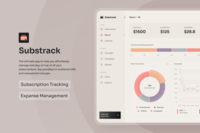
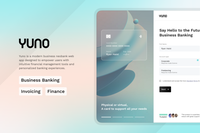

Neil Hamilton Ritchie
Freelance Webflow Designer
Verified Expert in Design
Japan
Toptal Member Since September 7, 2020
Neil is a passionate designer specialized in visual branding, UI design and web design, working with brands such as Volkswagen, CBRE Group, Linda Meredith, The Wiggles, MUFG Bank, as well as pre-IPO startups. He focuses on creating impactful digital experiences and delightful visual branding. His clients hire him for his visual sensibility and creativity.
Show More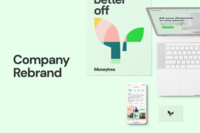




James Rhodes
Freelance Webflow Designer
Verified Expert in Design
Canada
Toptal Member Since June 12, 2017
James is a digital product designer, UI/UX specialist, and certified Framer Expert with 10+ years of experience. He creates modern, conversion-focused websites and products that balance beauty with usability. With expertise in Framer development, prototyping, and brand systems, James helps startups and businesses ship faster, elevate their brand, and deliver user-centered digital experiences that drive results.
Show More


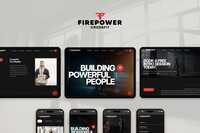

Jo Ash Sakula
Freelance Webflow Designer
Verified Expert in Design
United States
Toptal Member Since October 4, 2022
Jo is a multi-disciplinary creative and director of product design specializing in building solutions for Web3. He has spent the last decade as a product designer working in-house and at agencies. His design intuition is fed by hard data and tight collaboration, turning thoughtful ideas into tangible outcomes that drive business value. Jo's clients include Headspace, Samsung, Ritual, Ledger, and Nike.
Show More



Zack Baumel
Freelance Webflow Designer
Verified Expert in Design
United States
Toptal Member Since July 29, 2019
Zack is a lead product designer and Webflow developer with nearly two decades of experience leading design for global startups and Fortune 100 companies like Caterpillar, Rivian, Marriott, and more. Zack designs comprehensive design processes, web and mobile platforms, and complex design systems for large and small teams.
Show More


Discover More Webflow Designers in the Toptal Network
Start HiringA Hiring Guide
Guide to Hiring a Great Webflow Designer
Webflow is a no-code web builder gaining popularity among small businesses and enterprise companies as a tool to rapidly create visually appealing, responsive websites, while reducing development time and costs. This guide to hiring Webflow Designers summarizes relevant skills, offers job description tips, and provides interview questions and answers that will help you identify the best candidates for the role.
Read Hiring GuideToptal in the press
... allows corporations to quickly assemble teams that have the right skills for specific projects.

Despite accelerating demand for coders, Toptal prides itself on almost Ivy League-level vetting.

Our clients


Creating an app for the game


Leading a digital transformation


Building a cross-platform app to be used worldwide


Drilling into real-time data creates an industry game changer
Testimonials
How to Hire Webflow Developers Through Toptal
1
Talk to One of Our Client Advisors
A Toptal client advisor will work with you to understand your goals, technical needs, and team dynamics.
2
Work With Hand-selected Talent
Within days, we’ll introduce you to the right Webflow expert for your project. Average time to match is under 24 hours.
3
The Right Fit, Guaranteed
Work with your new dedicated Webflow developer for a trial period (pay only if satisfied), ensuring they’re the right fit before starting the engagement.
EXCEPTIONAL TALENT
How We Source the Top 3% of Webflow Designers
Our name “Toptal” comes from Top Talent—meaning we constantly strive to find and work with the best from around the world. Our rigorous screening process identifies experts in their domains who have passion and drive.
Of the thousands of applications Toptal sees each month, typically fewer than 3% are accepted.
Toptal Webflow Design Case Studies
Discover how our Webflow designers help the world’s top companies drive innovation at scale.
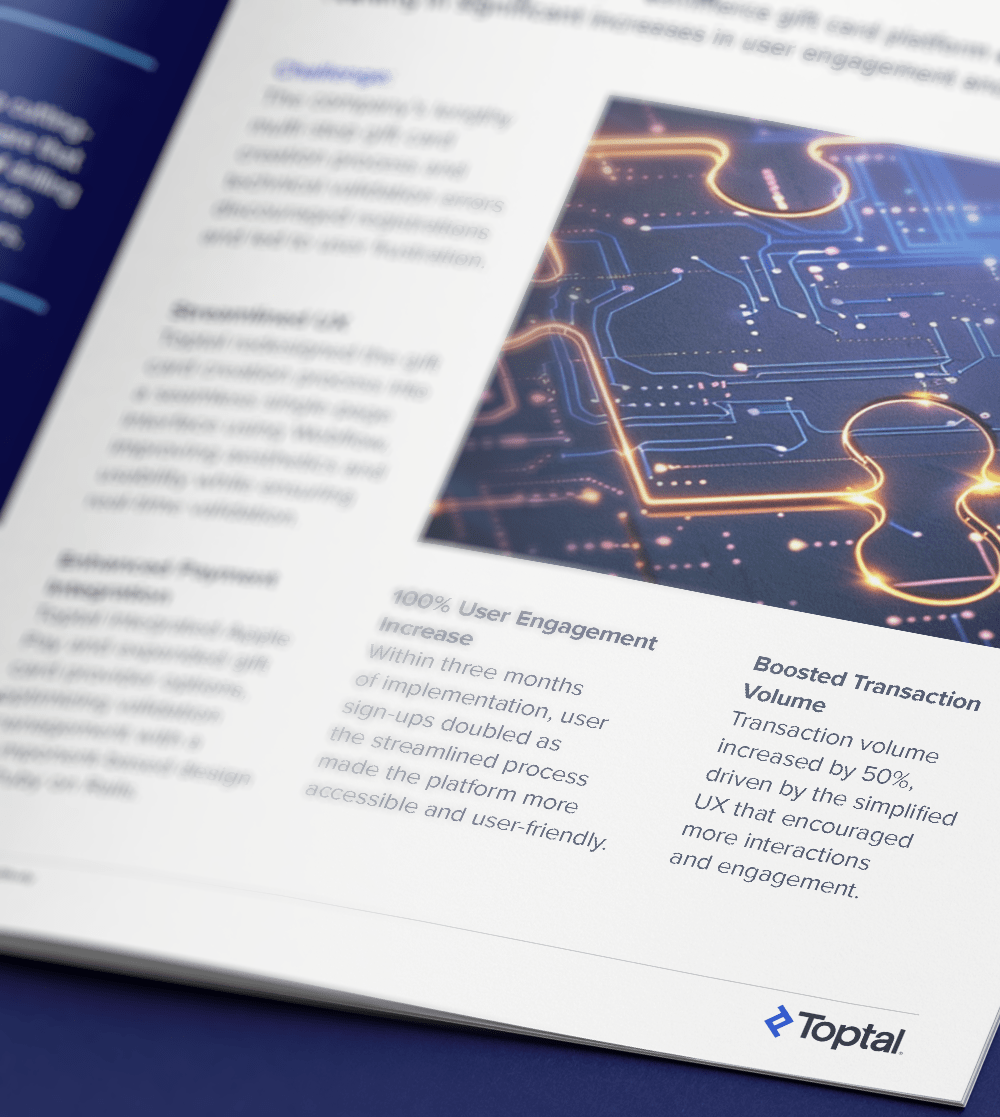
Toptal Webflow designers boost engagement and sales for an e-commerce company.
Challenge: Due to a lengthy, multi-step user flow and frequent technical validation errors, customers of the e-commerce gift card platform became increasingly frustrated and disengaged from the sales journey.
Solution: Toptal redesigned the gift card creation process into a seamless single-page interface using Webflow, improving aesthetics and usability while ensuring real-time validation. Toptal Webflow designers also integrated Apple Pay, expanded gift card provider options, and optimized validation management with a component-based design in Ruby on Rails.
Outcome: Within three months of implementation, user sign-ups doubled as the streamlined process made the platform more accessible and user-friendly. The enhancements implemented by Toptal Webflow designers also increased transaction volume by 50%, driven by the simplified UX that encouraged more interactions and engagement.
RELATED CAPABILITIES
- Front End
- Back-end Developers
- Ruby on Rails
- API
- Webflow Design
Capabilities of Webflow Designers
Webflow is a no-code design platform that simplifies the creation of modern, visually striking websites. Toptal Webflow designers use the platform’s intuitive interface and robust CMS features to quickly build responsive sites that prioritize interactivity, usability, and SEO performance.
Responsive Websites
Responsive design ensures that your company’s website looks great and provides a consistent user experience on all devices. Toptal designers use Webflow to build responsive websites that adapt to mobile, tablet, and desktop screens.
Custom Webflow Components
Webflow allows designers to build interactive UI components that enhance your website’s functionality and aesthetic appeal. Our designers use Webflow to create custom elements such as interactive menus, sliders, and animated icons.
Advanced Interactions and Animations
Animated interactions offer valuable feedback for users and can serve as distinctive UX elements that reinforce your brand. Toptal designers create immersive user experiences by leveraging Webflow’s interaction tools to add dynamic animations that encourage interactivity.
CMS Collections
Managing dynamic content can be difficult, especially at scale, but Webflow’s CMS makes it simple. Our designers carefully customize CMS collections for blogs, portfolios, and product listings to enable easy content updates that don’t require technical expertise.
SEO Optimization for Webflow Sites
Search Engine Optimization is essential to online success because it enhances your company’s visibility in search rankings. Toptal designers use Webflow’s SEO elements, including meta tags, alt text, and clean URL structures, to help your site attract organic traffic and reach the right audience.
E-commerce Stores
Create beautiful and intuitive online stores with Webflow’s e-commerce features. Our designers help your site drive sales and customer satisfaction by building e-commerce sites with compelling product pages, diverse payment options, and optimized checkout experiences.
Creating and Managing Style Guides
Styles guides are a useful way to maintain brand cohesion, especially online. Toptal Webflow designers build polished, professional websites and create custom style guides that ensure uniform typography, color palettes, and UI components across your site.
Third-Party Tools and APIs
Webflow facilitates integrations with a wide variety of third-party services and APIs. Access valuable engagement insights and enhance functionality by allowing Toptal designers to connect your site with CRMs, marketing tools, and analytics platforms.
Migrating Websites to Webflow
Modern web design and content management are intuitive on Webflow. Our designers can manage your website migration to Webflow, ensuring that design elements, functionality, and usability are preserved.
Training Clients to Use Webflow
Webflow’s ease of use enables companies to manage their sites and content with confidence. Our designers provide extensive training and documentation to empower your team to easily update and maintain your Webflow site.
FAQs
The cost associated with hiring a Webflow designer depends on various factors, including preferred talent location, complexity and size of the project you’re hiring for, seniority, engagement commitment (hourly, part-time, or full-time), and more. In the US, for example, Glassdoor’s reported average total annual pay for Webflow designers is $82,000 as of November 2024. With Toptal, you can speak with an expert talent matcher who will help you understand the cost of talent with the right skills and seniority level for your needs. To get started, schedule a call with us — it’s free, and there’s no obligation to hire with Toptal.
Typically, you can hire Webflow designers with Toptal in about 48 hours. For larger teams of talent or full end-to-end project delivery, timelines may vary. Our talent matchers are highly skilled in the same fields they’re matching in—they’re not recruiters or HR reps. They’ll work with you to understand your goals, technical needs, and team dynamics, and match you with ideal candidates from our vetted global talent network.
Once you select your dedicated Webflow developer, you’ll have a no-risk trial period to ensure they’re the perfect fit. Our matching process has a 98% trial-to-hire rate, so you can rest assured that you’re getting the best fit every time.
To hire the right Webflow designer, it’s important to evaluate a candidate’s experience, technical skills, and communication skills. You’ll also want to consider the fit with your particular industry, company, and project. Toptal’s rigorous screening process ensures that every member of our network has excellent experience and skills, and our team will match you with the perfect Webflow designers for your project.
At Toptal, we thoroughly screen our Webflow developers to ensure we only match you with the highest caliber of talent. Of the more than 200,000 people who apply to join the Toptal network each year, fewer than 3% make the cut.
In addition to screening for industry-leading expertise, we also assess candidates’ language and interpersonal skills to ensure that you have a smooth working relationship.
When you hire Webflow experts with Toptal, you’ll always work with world-class, custom-matched Webflow designers ready to help you achieve your goals.
You can hire dedicated Webflow developers on an hourly, part-time, or full-time basis. Toptal can also manage the project end-to-end based on your specific requirements as part of our Consulting and Services offerings. Whether you hire a Webflow designer for a full- or part-time position, you’ll have the control and flexibility to scale your team up or down as your needs evolve. Our Webflow designers can fully integrate into your existing team for a seamless working experience.
We make sure that each engagement between you and your Webflow designer begins with a trial period of up to two weeks. This means that you have time to confirm the engagement will be successful. If you’re completely satisfied with the results, we’ll bill you for the time and continue the engagement for as long as you’d like. If you’re not completely satisfied, you won’t be billed. From there, we can either part ways, or we can provide you with another Webflow designer who may be a better fit and with whom we will begin a second, no-risk trial.
Explore Related Toptal Services
Looking for an end-to-end business solution? Browse Toptal's portfolio of services.
Responsive Web Design ServicesWeb Design ServicesWeb App Design ServicesUX/UI Design ServicesMobile App Design ServicesWordPress Development ServicesFront-end Development ServicesProduct Design ServicesNo-code and Low-code Development ServicesE-commerce Website Development ServicesCreative and Content MarketingWeb Development Services
How to Hire Webflow Designers
The Demand for Webflow Designers Continues to Expand
Demand for skilled Webflow designers is on the rise. The US Bureau of Labor Statistics reports that there were approximately 216,700 web development and digital design job openings in 2023, with an 8% growth rate projected from 2023 to 2033. In step with this growth, the demand for Webflow services—including design and development—has increased as businesses turn to fast, affordable no-code web builders to create customizable, responsive, and visually appealing Webflow websites.
Despite a vast talent pool of designers, finding and hiring a skilled Webflow designer can be challenging. The difficulty arises from the freelance status of many Webflow experts, whose visibility may be limited to portfolio sites, personal websites, and social media profiles. Additionally, excelling as a Webflow designer requires a proficient understanding of UI/UX design, design systems, third-party integrations (WordPress, Shopify, etc), code-based customization, and SEO controls—skills not every web designer will possess.
In this guide, we clarify a Webflow designer’s role, the ideal attributes to seek in a skilled professional, and how to craft a compelling job description and set of interview questions. These hiring tips will help recruiters find the right professional to suit their project and business goals.

What Attributes Distinguish Highly Qualified Webflow Designers From Others?
To achieve the best web design outcomes, it’s crucial to distinguish highly qualified Webflow designers from the rest. By focusing on Webflow proficiency, UI/UX design skills, problem-solving ability, and a demonstrated willingness to collaborate with stakeholders and leverage Webflow’s powerful tools, you can identify designers who are well suited to meet your company’s needs.
Webflow Proficiency: Nothing will tell you more about a designer’s Webflow proficiency than their previous experience using the tool. A top-tier designer will exhibit a deep understanding of Webflow’s capabilities, including advanced interactions, animations, a built-in Webflow CMS, and responsive design controls. When hiring a designer, it’s important to look for candidates with relevant prior experience using Webflow—or analogous website development tools such as Squarespace or Wix—to create engaging, user-friendly interfaces.
UI Design Skills: While Webflow’s no-code environment makes it easy for a nontechnical professional to build a website, design skills are essential to give the site a consistent, professional appearance. As you review candidates, make sure they have a strong foundation in user interface design fundamentals, such as typography, color theory, and visual hierarchy. A well-conceived interface design will ensure your site is aesthetically appealing, legible, and easy to navigate. Look for evidence of these skills in designers’ portfolio websites and previous client engagements.
UX Design Skills: The Webflow designer you hire should demonstrate technical expertise in user experience design. An intuitive, accessible website will promote higher rates of user acquisition, retention, and conversion. Give preference to designers who look beyond aesthetics to consider a website’s functionality and performance. An experienced candidate will pay close attention to details and ensure well-organized layouts, consistent branding elements, and seamless user flows. They will exhibit the expansive vision to trace a user’s journey across an entire website.
Responsive Design Experience: Responsive websites that load quickly and automatically configure a display to a user’s screen size appear higher in search engine results pages. Look for a designer who has experience applying Webflow’s layout tools and predefined templates—mobile, tablet, desktop, and large screen—and who takes steps to test the performance of these automated settings to ensure your site is responsive across devices and appears as high as possible in search engine results pages.
Problem-solving Acumen: When using automated web builders, bugs and glitches are bound to crop up, especially when embedding custom code or deviating from standard page layouts. A high-caliber Webflow designer can identify and address these challenges efficiently—while adhering to project requirements and workflows—and collaborate closely with skilled Webflow developers to solve persistent issues and integrate advanced functionalities.
Collaborative Skills: One of Webflow’s assets is a configurable content management system that makes it possible for marketing groups, web designers, and SEO teams to quickly spin up and edit landing pages, campaign microsites, and blogs. Hiring a candidate who works well in team settings, communicates effectively with stakeholders, and is able to educate internal users about the platform’s capabilities is crucial in scaling its use across an organization and ensuring ongoing support for future iterations.
Adaptability: When making hiring decisions, stay ahead of the curve. As no-code and low-code development tools are rapidly evolving, it’s wise to hire a Webflow expert with an eye for emerging technologies and the diligence to track newly released Webflow product features and updates. A commitment to professional growth and adaptability is key to success in a rapidly evolving industry.
How Can You Identify the Ideal Webflow Designer for You?
As you begin the hiring process, it’s important to consider your project type, business goals, and budget constraints. While any highly qualified Webflow designer will likely exhibit the attributes outlined above, understanding the distinctions among junior-level, mid-level, and senior-level designers is crucial to find the right fit for your project. The strength of a designer’s portfolio, years of experience, references and testimonials from previous clients, and an assessment of a candidate’s problem-solving skills and collaborative spirit are good gauges of a designer’s fitness for the role.
A junior-level designer with foundational knowledge of Webflow’s platform is a cost-effective choice for a small business or startup seeking to launch a straightforward website. If your goal is to develop a simple site describing your organization’s value proposition and promoting its core offerings, or setting up a no-frills e-commerce website, a junior-level designer is often an ideal choice.
A mid-level designer who has a distinctive design style and a strong command of Webflow’s advanced tools and functionalities, including options for custom code implementation, is generally preferable for midsize businesses and more complex projects. The design proficiency to ensure a consistent setup for an enterprise platform is another asset a mid-level designer is likely to offer a larger organization. When reviewing mid-level candidates, give preference to those who have a proven record of client satisfaction, exhibit consistently high-quality work, and demonstrate experience delivering projects with tight turnaround times.
A senior designer is capable of handling complex, multiplatform Webflow projects with hundreds or even thousands of pages. These projects may include app development, advanced CMS logic, or integration with services like Zapier to streamline operations through automation. While pricing for senior designers may be premium, their verified experience with large projects and their vision and leadership skills to steer a project to timely completion can be invaluable. Seasoned senior designers will exhibit exceptional communication skills, extensive project management experience, and a willingness to engage stakeholders and faithfully incorporate their ideas into a website’s design.
For businesses seeking to rapidly scale a site, hiring a senior designer has other advantages. As a Webflow site evolves over many months or years, a senior designer can serve as an educational ambassador to in-house teams applying Webflow’s tools to create spinoff landing pages or custom websites for marketing campaigns. Additionally, a talented senior designer will have the expertise to ensure a site’s infrastructure and architecture are designed with the capability to support expansion, quick redesigns, and maintain load speed and performance as new users and new features are added.
Two final considerations are worth noting. A senior designer is a good choice for companies seeking efficient coordination and timely communication during platform migration. For instance, the designer might oversee an internal design review process to make certain legacy data is properly structured, preserved, and discoverable as it is transferred to the new site. Finally, if you plan to offer bespoke functionality beyond Webflow’s native features, a senior designer who is comfortable working in close coordination with the development team to implement custom code can be a valuable asset.
It is equally important to be mindful of the specific use cases and business goals for your website. Some designers, though less experienced, may possess skills that are well aligned with your objectives. Consider the following scenarios:
- E-commerce integration: Look for expertise in building responsive e-commerce websites with seamless payment gateways and product pages.
- CMS development: Seek designers skilled in creating dynamic content, custom collections, and structured data management with Webflow CMS.
- Multilingual websites: Prioritize designers experienced in building multilingual websites to cater to diverse audiences.
- Performance optimization: Consider candidates with knowledge of performance optimization techniques to ensure fast loading times and efficient website functionality.
- SEO audits: Choose designers well-versed in integrating SEO-friendly elements to improve website visibility and search engine rankings.
How to Write a Webflow Designer Job Description
When crafting a Webflow designer job description, it’s important to be precise in articulating the skill requirements, responsibilities, benefits of the role, and whether it is a full-time, part-time, or freelance position. The job post should clearly outline the qualifications needed, emphasizing expertise in Webflow, responsive design, UI/UX design, graphic design, and proficiency in HTML, CSS, and JavaScript. It’s a good idea to mention the importance of creating visually appealing and functional websites and to express a preference for candidates with experience creating websites aligned with a company’s brand identity. Calling out a desire for experience with prototyping tools your design team uses, such as Figma or Sketch, is also useful. This will not only help you attract experienced, well-rounded candidates, it will also help determine whether designers have used such tools to integrate custom-designed wireframes in Webflow.
In addition to describing technical requirements, you’ll want to mention the soft skills needed to effectively plan, coordinate, and execute a website design vision at the organizational level. Acute attention to detail, creativity, problem-solving skills, exceptional communication skills, and the flexibility to adapt to changing design trends and business imperatives are all attributes worth highlighting. Candidates who can effectively collaborate with cross-functional teams and have a proven track record of delivering high-quality projects tend to be particularly successful in the role and should be actively encouraged to apply. When hiring freelancers and remote designers, it’s essential to clarify expectations around availability and deliverables.
Bear in mind that the role of Webflow designer parallels that of similar positions with different titles. Depending on the scope and demands of the project, job openings may include positions such as Webflow developers, front-end developers with Webflow expertise, UI/UX designers specializing in Webflow projects, and Webflow specialists.
What Are the Most Important Webflow Designer Interview Questions?
To choose the best Webflow designers for your team, it’s crucial to ask insightful questions that assess both technical skills and relational attributes. Here are some key interview questions you may ask to identify a suitable Webflow designer for your project.
Can you walk us through a recent Webflow project you worked on?
This question allows candidates to showcase their design process, problem-solving abilities, and attention to detail in a real-world scenario. A designer who has had success using Webflow to create high-performing websites should be able to describe, richly, their approach to a demonstrable project, including the tooling they used, their efforts to address client and user needs, and project outcomes.
How do you ensure the websites you design are visually appealing and user-friendly, while performing well across different devices?
Understanding how a candidate incorporates responsive design principles, page composition rules, color and typographical choices, and interactions to elevate the user experience provides insight into their design philosophy and technical capabilities. Look for designers who strive for compositional beauty, but can also articulate their approach to accessibility optimization. Candidates should be able to describe how they use Webflow to create fluid layouts that provide a high-quality user experience across devices of various screen sizes.
How do you approach optimizing Webflow sites for performance and SEO?
Site performance and SEO are first-order concerns when designing a Webflow site. A thoughtful answer to this interview question will convey knowledge of best practices for improving site speed, such as optimizing images, leveraging phased loading techniques, and streamlining code. Designers should also exhibit familiarity in using Webflow to integrate SEO elements, such as meta tags and structured data, to enhance search engine visibility.
Could you provide an example of a complex feature you implemented using Webflow’s CMS capabilities?
Strong candidates will illustrate their ability to leverage Webflow CMS functionalities to build dynamic content structures for product campaigns and marketing projects, such as vertical blogs or client success stories. In their answers, experienced designers will be able to explain how they organized content types, utilized dynamic lists and filters, and collaborated with cross-functional colleagues.
Can you discuss a challenging aspect of a past Webflow project and how you overcame it?
This question helps you gauge a candidate’s ability to address complex design challenges under pressure. A strong response will indicate a designer’s ability to adapt to unexpected project hurdles while remaining poised and clear-sighted.
How do you approach collaborating with developers and other team members during the design and development process?
Communication and teamwork are essential in web design projects. Getting a glimpse of a designer’s experience working with developers provides insight into their interpersonal skills and ability to collaborate effectively to solve problems beyond the scope of their expertise.
What strategies do you use to stay updated on the latest design trends and tools in Webflow?
Designers who continuously seek to enhance their skills and embrace evolving design trends demonstrate a commitment to professional growth and flexibility—keys to staying up to date on emerging innovations in low-code and no-code development tools.
Cost of Hiring Webflow Experts
The cost of hiring a Webflow designer varies depending on the designer’s experience, skill level, and location, as well as the project’s scope. Hourly rates can range from $50 per hour for junior designers to $150 per hour or more for senior designers. For fixed-price projects, a Webflow site design can range from a few hundred dollars to several thousand dollars, based on the complexity of the design. It’s important to assess your project’s requirements and budget so you can find the right candidate for your needs.
Project Completion Times
The amount of time needed to design a website in Webflow is impacted by the size of the site, the intricacy of the design and features, and the resources available. For instance, websites with a significant number of pages and complex design elements, such as custom animations or interactions, may take a couple of months to create, whereas a simple site with less than 10 pages and basic functionality might only take a week or two.
At the start of the project, it’s important to align with the designer on the resources and time needed to fulfill the requirements. Establishing expectations early helps ensure a timely and successful launch.
Site Migration to Webflow
A skilled designer can help you migrate content from another platform to Webflow while maintaining design consistency and functionality. This process includes assessing your current website’s content and structure, exporting content you want to transfer (such as images, videos, blog posts, and files), creating the design in Webflow using built-in tools and integrating custom code if needed, and then importing the content. In addition, the designer will thoroughly test the new website to ensure there are no broken links and all pages and design elements appear correctly.
After a rigorous design process and testing period, your new website will be ready to launch on Webflow. Once the migration is complete, a designer can help you maintain the site by optimizing performance and gathering and addressing user feedback.
Why Do Companies Hire Webflow Designers?
Companies hire Webflow designers and Webflow developers for their ability to create visually stunning, responsive websites without extensive coding. The sites of companies such as Dell, Dropbox, and Grubhub that have applied Webflow effectively to build websites are evidence of the platform’s wide-ranging capabilities and a signal of the growing demand for Webflow experts among enterprise partners. Designers in highest demand use the tool to create intuitive, user-friendly interfaces that resonate with target audiences, often by integrating cutting-edge visual elements, animations, and interactions.
While Webflow designers at all levels of seniority can help ensure support for ongoing maintenance, content updates, and scalability, the most highly coveted possess a diverse skill set encompassing UX/UI design, front-end development, and effective communication, collaboration, and problem-solving skills. They are adept at creating custom designs and understand how to optimize sites for search engine performance, leveraging built-in tools to enhance visibility, speed, and website efficiency. Whether using Webflow to create a flagship business website or a collection of landing pages and microsites, these skilled professionals use Webflow’s responsive design tools to ensure their web designs meet project requirements and seamlessly adapt to different devices and screen sizes.
By leveraging the expertise of Webflow designers, companies can elevate their online presence, deliver engaging user experiences, streamline development processes, and stay competitive in the digital landscape—all compelling reasons for hiring a talented Webflow designer.
Featured Toptal Webflow Design Publications



Top Webflow Designers Are in High Demand.
