池田光穂>総合案内所>授業案内>文化人類学はじめの一歩/人類学の最前線>生き 方の人類学>このページ
アイデンティティと生き方
The one's identity and the way of life of
one's self
池田光穂>総合案内所>授業案内>文化人類学はじめの一歩/人類学の最前線>生き 方の人類学>このページ
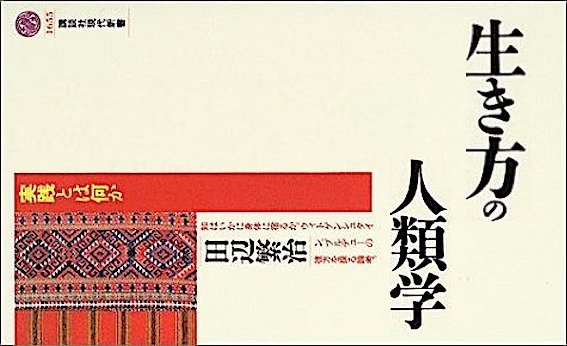
田辺繁治『生き方の人類学』講談社・現代 新書[→文化人類学、はじめの一歩;人類学の最前線]
【第6章】アイデンティティと 生き方(220ページ)
| 私はこれまでの章で、実践はたんなる個人
の主観的な行いや営みではなく、社会関係のなかで生みだされることを述べてきた。実践はコミュニティという社会関係のなかにおいてはじめて具体的な意味を
もってくる。では、行為者はそうした社会的に構築される実践のなかでいかに自分の位置を確認し、自分の生き方を追求していくだろうか。 |
・実践は、個人の主観的なおこないや、営
みではない。 ・実践は、社会関係のなかでうみだされる。 ・コミュニティは社会関係を生成させるものである。 ・社会的に構築されるものが実践である。 ・自分の位置を確認すること、自分の生き方の追求は、「実践のなかで」おこなわれる。 |
| この最終章では、実践する行為者がコミュ
ニティに参加しながら、その一員であることを自覚するとともに、さらにそのなかで自分の位置を占有し、位置取りを確保していく可能性を追求してみたい。ア
イデンティティとは集団のなかに自分を見いだすことだけではなく、自分が自己に対する関係を築いていく過程をともなっている。 |
・行為者は実践することもあるし、実践し
ないこともある? ・実践者はコミュニティに参加しながら、そのメンバーであることを自覚することがある。 ・自分の位置を占有し、位置取りを確保していくことに、田辺は何らかの意味・意義を見いだす ・アイデンティティとは、「集団のなかに自分を見いだす」+(プラス)「自分が自己に対する関係を築く」ことでもある。 |
| こうしたアイデンティティの形成とは、コ
ミュニティの規則や規範に同一化することではなく、世界に対する多様な関係を構築していく〈自由の実践〉、すなわち生き方の探求なのである。これまで検討
してきた北タイの霊媒カルト、エイズ自助グループやその他の事例を中心にしながら考えてみよう。 |
・したがって、アイデンティティの形成と
は、「世界に対する多様な関係を構築していく〈自由の実践〉」のことである。 ・「世界に対する多様な関係を構築していく〈自由の実践〉」こそが、田辺のいう生き 方である(田辺 2003:220)。 |
______________________
・実践はコミュニティのなかで意味をもつ
・アイデンティティ構築に関する新概念を提唱
______________________
■帰属意識
・帰属意識としてのアイデンティティ構築は、知識=技能の取得過程と表裏一体 (p.221)。
・実践コミュニティのアイ デンティティ形成をオートマチズムとしてとらえない(p.222)
■ウェンガー『実践コミュニティ』(→[Introduction to communities of practice, Etienne and Beverly Wenger-Trayner, 2015])
・ウェンガー主張のアイデンティティ形成の3プロセス(p.223-):アイデンティティ= 〈参加〉という行為+〈物象化〉プロセスの介在.
(1)実践へ参加:直接経験による形成開始
(2)想像を介在する:アイデンティティの形成
(3)指導者の人格資質/権威への追従:アイデンティティの強化(-p.224)
(4)〈交渉〉
■交渉により、意味を所有し、〈意味の経済〉のプロセスに参与する(pp.224-):意味の経済(メトリク ス)は、心のカウントと経済現象のむすびつきすなわち後の「行動経済学」の誕生を予感する。
(アメリカの保険会社の保険金支払い請求部門への調査)
・帰属意識と交渉(pp.226-)
■周辺参加と周辺非参加(p.227-9)
【周縁性のユートピア:人類学の場合】
「ヴィクター・ターナーが精緻に描いた通過儀礼は、社会の〈構造〉のな
かに育った若者が儀礼に特有な両義的な場である〈反構造〉をへて、ふたたび〈構造〉の
なかに回帰しながら新たな地位とアイデンティティを築いていく過程であった。しかし、
さまざまな民族誌においてしばしば露出する問題は、コミュニティに参加することに躊躇
し違和感をもち外部にとどまらざるをえない人びとの存在である」(田辺 2003:228)
・ダイアン・ボッジスの事例:レズビアンが幼児教育の教員養成カリキュラムに参加する時
・構築されていくアイデンティティそのものが〈幻想〉pp.228-229
・〈非参加〉という概念:「コミュニティへの参加は、むしろ彼女に〈非参加〉を促すことに なった」(p.228)。(→図式参照)(→「交差性」)
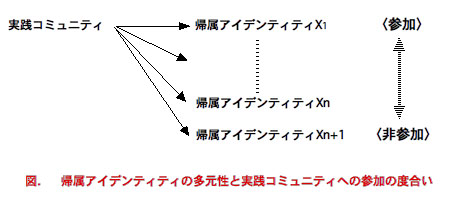
・「非参加とは、アイデンティティが単一ではなく多元的である可能性を示唆する。逆に言え ば、実践コミュニティ理論は行為者の帰属アイデンティティの構築にとられすぎることによって、アイデンティティの不安定性や多元的な可能性を排除してしま う危険性をともなうのである」(p.229)。
・「歴史を視点として組み込む」
■人類学批判としての実践コミュニティ論
「実践コミュニティのオリジナルなモデルは、人びとの認知や思考が他者とともに行われる実践 によって生みだされる過程を明瞭に主張している。それは文化、規則あるいは規範によって実践が生みだされるという伝統的な人類学の考えを否定し、実践の社 会的構築論を提起したものと言えるだろう」(p.229)。
■ウェンガーのアイデンティティ形成に関する〈交渉モデル〉批判(pp.230-1)
(1)交渉はコミュニティ内部へ向かう帰属意識を基盤としており、交渉を通して自己を差異化 するという発想(=過程)は考慮されていない。
(2)このモデルでは、自律的な行為者が言語によるコミュニケーション行為によって交渉可能 ということが前提にされている(→近代的な企業マネージメントが理想化されたもの)。
(2’)交渉の背景にある、権力関係が捨象されている(p.231)
■権力関係の中アイデンティティとは?
「〈権力関係〉とは、国家や政府のような装置や構造(cf. ウェーバー流の暴力装置論/生殺与奪の王権)をもって強制し抑圧する力(→「抑圧的権力」)だけを指すのではない。それは国際機構、グローバル資本主義、 民族関係から学校や会社、家族や親族、男性・女性にいたるまで社会の制度、組織や人間関係のすべてにわたってはりめぐらされた(cf.ネットワークの比 喩)力関係の網の目である(→「生産的権力」)」(p.232)。[→世に数多あるフーコーの解説書には、そのように書いてある]
・→「フーコー『知への意志』
ノート」
「権力関係は日常生活の実践のなかで複合的に作用する力の諸関係であり、アイデンティティは その関係性のなかで生まれる」(p.232)。
・「一点に凝縮するエッセンスのようなものではなく、権力関係のなかで発生する多くの要素が 偶発的に接合したセット」(p.232)。
■西欧的アイデンティティ批判(p.233-4)
・近代主体の自律的側 面を強調し、つねに独立した自己意識を形成するモーメント
・アイデンティティ構築の基底にあるのは「他者の存在」だ(→民族境界論)。
・権力関係のなかでつくりあげてゆくもの(前項参照)
・このようなアイデンティティ形成をおこなうことを、アイデンティティ化 (identification)と呼ぶ(p.235)。
■アイデンティティ化とは?
「権力関係のなかでより良 く生きる」とは?(p.234)
「主体は実体ではありません。それは一つの形式であり、とりわけこの形式はつねに自 己に対して同一になることはないのです。......人は自己とのあいだに、それぞれの場合ごと に、異なった形式の関係を働かせたり確立したりするのです」(フーコーからの引用、出典箇所の指定なし)(田辺 2003:235)
「フーコーはアイデンティティという言葉がきらいであり、それをつねに否定的にしか使 おうとしない。しかし、ここで彼が言う「一つの形式」とは、主体の自由に支えられた 生 きるためのアイデンティティにほかならない。アイデンティティとは主体の自由と表裏一 体であり、世界に対する自己の多様な関係性を創りあげていくことである。したがって、 権力関係のなかにおいて自らの位置を占有していく営みそのものが、アイデンティティと いう主体のあり方を創りあげていくと言ってよいだろう。ここでは、そうした創りあげて いく過程を〈アイデンティティ化〉(identification)と呼ぶことにしよう」(田辺 2003:235)
(1)不断の再構成(→バトラー)Judith P. Butler, Bodies that Matter: On the Discursive Limits of "Sex", (Routledge, 1993).
◆霊媒という生き方(236-)
(2)反復的構築
・「権力関係のゲームのひとまずの結末であり、そこで霊媒という心身統御が可能であるような 新たな自己の表象がつくりあげられる」(p.237)。
・PHAという生き方:「エイズ患者やHIV感染症者のアイデンティティは、彼らをさまざまな社会的活動から排除 しようとする行政的、社会的圧力によって、具体的かつ複雑な内面性をともなって構築されたものである」(p.238)
・「PHAとは、こうした権力関係の狭間にあって、彼らが自らを防衛し、生存を追求する/た めに選びとった自己表象であり、名乗りなのである。それはたんに社会が彼らにはりつけたラベルではない。むしろ、それは権力作用によって生みだされた、彼 ら自身のアイデンティティ化の過程においてもたらされたのである」(pp.238-9)。
※要するにプロセス重視というか、プロセスを本質化する実存主義ではないのか?(→サルトル 『ユダヤ人』)
【審問】では、どのようにしてPHAの人のアイデンティティに触れ、またそれを民族誌記述に
落とし込むことができうるのだろうか?
■ギデンズ(1991)の再帰的プロジェクト批判
・〈自己についての物 語〉を構築することにより自分の生き方を維持する(「自分は何をすべき か」「いかに行動すべきか」「いかなる人になるべきか」という問いかけを通して・・)pp.239-240
・再帰的プロジェクトを 実行に移すには、近代社会に発達した〈専門家〉を必要とし、また専門 家とその知識に依存することにより自己の再帰的プロジェクトは可能になる(p.240)。
・これらのギデンズが前提としている〈自己〉とは、西洋近代の自律的で合理的な〈自我〉にほ かならない(241)。
・「むしろ、必要なことは、不安な苦悩が権力関係のなかで発生し、そこで実践をとおして解決されなければならないという視
点なのである」(241)(※問題は、どのようにしてそれを知り得て、どのように処方を出せるか?)
・「彼ら(=霊媒やPHA)の実践がギデンズと決定的にちがうのは、彼らが過去・現在・未来 にわたって一貫する自己の持続性を求めるよりは、むしろ新たな生存の様式を求めていくことであろう。新たに霊媒になることは別個の存在様式を占有すること であり、感染者の療法の開拓と公共的なキャンペーンは、新しい生き方を創りだすことである。それらを貫くのは、未来における自己の存在の変革へ向けて開か れた物語である」(p.241)。
「したがって重要視されるのは、自己との関係の形式であり、それを磨きあげるさいの
手順や技術であり、認識すべき客体としての自己へ専心するさいの鍛錬であり、自己自
身の存在形式の変革を可能にしてくれる実践である」フーコー『快楽の活用』より(242)
・ヤッホー!! Marxist-Existentialist!
・「彼(=サムラーン君)の態度は自らを一個の倫理的主体として創りあげる道であるといって よい」(p.242)。
■自己の統治(243-):ほとんどフーコーの「自己統治論」
■統治(=権力)は細部に宿る
・「統治する権力は一枚岩のようなものではなく、大小の権力関係のネットワークとして機能す る。それは家族、地域社会、病院、医師、保健専門家、民間治療師、マスメディアなど社会のあらゆるレベルの活動領域を媒介として拡がっている」 (p.245)。
〈規律的権力論〉:「人びとの間で関係性として働き、個人を監視し規格化しながら管理さ れた主体に作りあげてゆく」資本主義にもっとも適合した身体と精神を主体として作りあげてゆく(→『監獄の誕生』『言葉と物』)
〈行かして支配する権力〉:「フーコーは権力が人びとの性的欲望、性的行動という個人の もっとも私的な部分に微細に介入しながら、人びとが自分の欲望を拡大させながら規範にそった「正常な」道徳的主体(cf. 倫理的主体p.242)として作りあげられる過程を示した。それは一般化して言えば、人びとの生存、欲望と幸福に配慮しながら彼らを〈生かして支配する権 力〉(→生−権力)の装置である。国民の安全と幸福を保障する近代の福祉国家も、住民の生活と身体のすみずみまで分けいって管理しようとすることの種の権 力の装置を引きついでいるのである」(p.243)。
・しかし、それは支配に抵抗する別の実践を根拠づける主体構築の可能性を拓く(→統治の技法、統治性)
・統治術は、臣民の統治の技法を召還する。(→「制度的な〈統治〉がつねに行為者自身の〈自 己の統治〉によって補完されることである。つまり、権力行使という統治の観念は、自分が自分を統治するという自分に対する関係性を含んでいるのである。し たがって、主体は自己の統治によって自律的、能動的に自分を形成してゆく可能性がある」(p.244):統治のフラクタル理論?あるいは星のカービィーの コ ピー機能?/他者をコピーできる者は自らをコピーすることができる)
※制度的な統治が、自己の統治により補完される:しかし、これは古くは虚偽意識論や、権 力による人民のコントロールやロボット化という表象により主張されてきたこと[正確には自己を統治する自己のアイデンティティという要素も加えて]と、そ れほど大きな違いがあるのだろうか?
・能動性は統治される/する領域のなかで保障される。ギリシャローマの養生術、家庭管理術、 恋愛術は、霊媒の憑依術、PHAの身体管理術や交渉術と比較考量される必要性を主張(p.244)。
■救済を放置することは 〈暴力〉を構成する
「国家とその医療行政機関は国民全体のHIV感染予防という使命を果たすために、感染者や患 者に対する救済や福祉向上についてほとんど有効な手段をとってこなかった。国民全体の利益のために敗者を切り捨てるこの統治の方策は、PHAに対して振る われる〈暴力〉にほかならない」(p.245)。
・(α)暴力による統治、(β)統治が生みだす暴力、を区分すべき。
++++++++++++++++++++++++
4.生き方の人類学(pp.247-)
++++++++++++++++++++++++
※実践=遍在論:「すべての実践は私たちにとって確実なところに属する。つまり、疑う余地のない ことである」(227)。それは言語ゲームにより説明されている。
【再掲】(狭義の)言語ゲームとは?:「子どもが本や椅子があるということを学ぶとき、それ
は同時
に本を取りに行ったり、椅子に座ることを学ぶという活動であり、それが言語ゲームである。すなわち、語(発話)と行為が一体となった活動の全過程」
(p.50)がそれである。(広義の)言語ゲーム:「言語と、言語の織りこまれたさまざまな活動の総体」
(p.50)。「言語ゲームとは、語とその対象といった固定された対応関係から解放された概念であり、それ
自体に多義性を含んでいる。しかし、しばしば批判されてきたその多義性、あいまいさそのものが、根源的に本質主義の対極にある人間の実践の多様な場面をと
らえるのにふさわしいのである」(p.51)。(→「実践知の世界」)
■彼らが実践の日法を編み出す=彼ら自身が社会的実践(p.246)
・生き方そのものが〈実践〉となる、というのはトートロジー? この論法でいけば、〈権力〉 に対抗できるのは〈権力〉や〜!ということになる。たぶんそうだろう。(→転生は、ここではトロツキーの永続革命論になる)
■人類学的命令語法
(1)「人類学はこの確実性をもった実践が社会のなかでいかに発生し、いかに機能し、伝達さ れていくかに注目しなければない」(p.247)
・実践コミュニ ティにおいて反復が変動をともなうのは、参加の実践は社会的行為だから。
(2)人類学=社会科学の「共同体」概念の放棄:「私たちはコミュニティの名のもとに「文 化」を共有しその規則と規範によって統合された「共同体」を想定することはやめにしよう。「共同体」の幻想のもとに、コミュニティを越えた実践の可能性と 拘束性、および権力の作用はしばしば隠蔽されてしまうからである。むしろ、実践コミュニティの考えは、人類学者自身が実践の生起し変動する現場に身をおく ことによって、そこにおける行為者の参加、協働、さらに〈アイデンティティ化〉の過程を明らかにすることに向けられる」(p.248)。(→「コミュニ ティの地平(248)」)
・松田『抵抗する都市:ナイロビ』のように「実践コミュニティは行為者が他者に対立し、戦略 を駆使し、また折り合いながら権力関係のゲームをくりひろげるミクロの場である」(249)。
スチュアート・ホールの引用(「誰がアイデンティティを必要とするのか」)
「私は〈アイデンティティ〉を、出会いの場、縫合点を表すものとして使用する。
一方で、私たちを特定の言説の社会的主体としてその場に召喚するために、「呼びか
け」、話しかけ、あるいは呼び止めようとする言説と実践がある。他方には、さまざ
まな主体性を生みだし、「語られ」うる主体として私たちを構築する過程がある。し
たがってアイデンティティとは、言説実践が私たちを構築しようとする主体の位置へ
の暫定的な結節点なのである」(249)。
(2’)自由=実践の差異化:「生き方の人類学は人びとの間のミクロの権力関係が凝集するコ ミュニティのなかの人びとの参加、協働、あるいは対立、交渉を記述するとともに、彼らの実践の差異化の過程、すなわち彼らのの〈自由〉を描かなければなら ないだろう」(p.250)。(民族誌としての「生き方の人類学」)
■田 辺の実践人類学:キーワード集
| 実
践、社会関係、慣習、権力関係、権力支配、差異化、ハビトゥス、参加、協働、対立、交渉、社会性、〈自己の統治〉、〈アイデンティティ化〉 |
■教訓
「この本は、霊媒やPHAたちがいかにより良い生を追求していくかという民族誌の実例をあつ かってきた。そこに示された実践の技法は彼らだけのものではなく、私たちにとっても、新しい生き方を創りだしていく可能性を指し示しているはずである」 (p.250)。
☆付論:永続革命論(Permanent revolution)
| Permanent revolution
is the strategy of a revolutionary class pursuing its own interests
independently and without compromise or alliance with opposing sections
of society. As a term within Marxist theory, it was coined by Karl Marx
and Friedrich Engels as early as 1850. Since then different theorists,
most notably Leon Trotsky (1879–1940), have used the phrase to refer to
different concepts. Trotsky's permanent revolution is an explanation of how socialist revolutions could occur in societies that have not achieved an advanced capitalist mode of production. Trotsky's theory also argues that the bourgeoisie in late-developing capitalist countries are incapable of developing the productive forces in such a manner as to achieve the sort of advanced capitalism which will fully develop an industrial proletariat; and that the proletariat can and must therefore seize social, economic and political power, leading an alliance with the peasantry. Trotsky also opposed Joseph Stalin's principle of socialism in one country and stated that socialist revolutions needed to happen across the world in order to combat the global capitalist hegemony. According to Trotskyists such as Russian historian Vadim Rogovin (1937–1998),[1] the success of Stalin's theoretical position had a significant and negative impact on the international revolutionary process.[2] Marx's view of "permanent" revolution sees revolutionary activity as continuously ongoing until the revolutionary forces achieve a defined goal (such as socialism or communism).[3] This contrasts with the permanent (that is, ongoing forever) revolutionary activity envisaged in Maoist Continuous Revolution Theory.[citation needed] |
「永続革命」[Permanent revolution]
とは、革命階級が、社会の対立する勢力との妥協や同盟を一切行わず、独自の利益を追求する戦略である。マルクス主義理論におけるこの用語は、早くも
1850年にカール・マルクスとフリードリヒ・エンゲルスによって造語された。それ以来、さまざまな理論家、とりわけレオン・トロツキー
(1879–1940)が、この用語を用いて異なる概念を指してきた。 トロツキーの「永続革命」とは、先進的な資本主義的生産様式を確立していない社会において、社会主義革命がどのように起こり得るかを説明するものである。 またトロツキーの理論は、発展が遅れている資本主義諸国のブルジョアジーには、産業プロレタリアートを完全に形成するような高度な資本主義を実現できるほ ど生産力を発展させる能力がないと主張する。したがって、プロレタリアートは農民との同盟を率いて、社会的・経済的・政治的権力を掌握することができ、ま たそうしなければならない。トロツキーはまた、ヨシフ・スターリンの「一国社会主義」の原則に反対し、世界的な資本主義の覇権に対抗するためには、世界中 で社会主義革命が起こる必要があると述べた。ロシアの歴史家ヴァディム・ロゴヴィン(1937–1998)[1] などのトロツキストによれば、スターリンの理論的立場の成功は、国際的な革命過程に重大かつ否定的な影響を与えた。[2] マルクスの「永続」革命論は、革命勢力が明確な目標(社会主義や共産主義など)を達成するまで、革命活動が継続的に行われるものと見なしている。[3] これは、毛沢東主義の「継続革命論」で想定される永続的な(すなわち、永遠に続く)革命活動とは対照的である。[要出典] |
| Karl Marx and Friedrich Engels icon This section relies excessively on references to primary sources. Please improve this section by adding secondary or tertiary sources. (June 2025) (Learn how and when to remove this message) Marx first used the term in the phrase "by substituting permanent war for permanent revolution" in the following passage from The Holy Family (1844) in which he wrote that "Napoleon represented the last battle of revolutionary terror against the bourgeois society ... He perfected the terror by substituting permanent war for permanent revolution. "[4] Marx said that Napoleon prevented the bourgeois revolution in France from becoming fulfilled; that is, he prevented bourgeois political forces from achieving a total expression of their interests. According to Marx, he did this by suppressing the "liberalism of bourgeois society" and did it because he saw "the state as an end in itself", a value which supported his "political aim of conquest". Thus, he substituted "permanent war for permanent revolution". However, the final two sentences show that the bourgeoisie did not give up hope, but continued to pursue their interests. For Marx, permanent revolution involves a revolutionary class (in this case, the bourgeoisie) continuing to push for and achieve its interests despite the political dominance of actors with opposing interests.[citation needed] By 1849, Marx and Engels were able to quote the use of the phrase by other writers (Eugen Alexis Schwanbeck, a journalist on the Kölnische Zeitung [Cologne Newspaper];[5] and Henri Druey),[6] suggesting that it had achieved some recognition in intellectual circles.[citation needed] |
カール・マルクスとフリードリヒ・エンゲルス アイコン この節は一次資料への言及に過度に依存している。二次資料や三次資料を追加して、この節を改善してほしい。(2025年6月)(このメッセージを削除する方法と時期について) マルクスはこの用語を、『聖家族』(1844年)の以下の箇所で、「永続革命を永続戦争に置き換えることによって」という表現の中で初めて用いた。そこで は、「ナポレオンは、ブルジョア社会に対する革命的恐怖の最後の戦いであった……彼は、永続革命を永続戦争に置き換えることによって、その恐怖を完成させ た」と記している。」[4] マルクスは、ナポレオンがフランスにおけるブルジョア革命の完遂を阻んだ、すなわち、ブルジョア的政治勢力が自らの利益を完全に表現することを妨げた、と 述べた。マルクスによれば、ナポレオンは「ブルジョア社会の自由主義」を弾圧することでこれを行い、その理由は、彼が「国家を目的そのもの」と見なしてい たからであり、この価値観が彼の「征服という政治的目標」を支えていたからである。こうして、彼は「永続革命」を「永続戦争」に置き換えた。しかし、最後 の2文は、ブルジョアジーが希望を捨てず、自らの利益を追求し続けたことを示している。マルクスにとって、永続革命とは、対立する利益を持つ勢力が政治的 に支配的であるにもかかわらず、革命的階級(この場合はブルジョアジー)が自らの利益を追求し、達成し続けることを意味する。[出典必要] 1849年までに、マルクスとエンゲルスは他の著者(『ケルン新聞』(Kölnische Zeitung)の記者であるオイゲン・アレクシス・シュヴァンベック[5]やアンリ・ドルイ[6])によるこの語句の使用例を引用できるようになってお り、これはこの語句が知識人層において一定の認知を得ていたことを示唆している。[出典必要] |
| Address of the Central Committee to the Communist League Marx's most famous use of the phrase permanent revolution is his March 1850 Address of the Central Committee to the Communist League.[7] His audience is the proletariat in Germany, faced with the prospect that "the petty-bourgeois democrats will for the moment acquire a predominant influence", i.e. temporary political power. He enjoins them as such: While the democratic petty bourgeois want to bring the revolution to an end as quickly as possible, achieving at most the aims already mentioned, it is our interest and our task to make the revolution permanent until all the more or less propertied classes have been driven from their ruling positions, until the proletariat has conquered state power and until the association of the proletarians has progressed sufficiently far – not only in one country but in all the leading countries of the world – that competition between the proletarians of these countries ceases and at least the decisive forces of production are concentrated in the hands of the workers.[7] In the remainder of the text, Marx outlines his proposal that the proletariat "make the revolution permanent". In essence, it consists of the working class maintaining a militant and independent approach to politics both before, during and after the struggle which will bring the petty-bourgeois democrats to power.[citation needed] |
『共産主義者同盟』への中央委員会宣言 マルクスが「永続革命」という表現を用いた最も有名な例は、1850年3月の『共産主義者同盟』への中央委員会宣言である[7]。その対象は、ドイツのプ ロレタリアートであり、彼らは「小ブルジョア民主主義者たちが当面、支配的な影響力」、すなわち一時的な政治権力を掌握する見通しに直面していた。マルク スは彼らに対し、次のように命じている。 民主的な小ブルジョアジーは、革命をできるだけ早く終結させ、せいぜい前述の目標を達成しようとするが、 我々の利益であり任務は、多かれ少なかれ財産を持つすべての階級が支配的地位から追放され、プロレタリアートが国家権力を掌握し、かつプロレタリアートの 結社が――一国だけでなく、世界の主要なすべての国において――十分に発展し、これらの国のプロレタリアート間の競争が消滅し、少なくとも決定的な生産手 段が労働者の手に集中するまで、革命を永続的なものにすることである。[7] 本文の残りの部分で、マルクスはプロレタリアートが「革命を永続的なものにする」という自身の提案を概説している。その本質は、小ブルジョア民主主義者を 権力の座に就かせる闘争の前、最中、そしてその後を通じて、労働者階級が政治に対して闘争的かつ独立した姿勢を維持することにある。[出典必要] |
| Political programme of demands which threaten the bourgeois consensus In an article two years earlier, Marx had referred to "a programme of permanent revolution, of progressive taxes and death duties, and of organisation of labour".[8] This confirms the impression that Marx's theory of permanent revolution is not about revolution per se, but rather more about the attitude that a revolutionary class should adopt in the period of their political subjection, including the programme of political demands they should propose. This aspect is raised in the Address. As well as overtures for organisational alliance with the petty bourgeoisie, Marx is concerned about attempts to "bribe the workers with a more or less disguised form of alms and to break their revolutionary strength by temporarily rendering their situation tolerable".[7] Therefore, the workers' party must use their autonomous organisation to push a political programme which threatens the bourgeois status quo along the following lines: 1. They can force the democrats to make inroads into as many areas of the existing social order as possible, so as to disturb its regular functioning and so that the petty-bourgeois democrats compromise themselves; furthermore, the workers can force the concentration of as many productive forces as possible – means of transport, factories, railways, etc. – in the hands of the state. 2. They must drive the proposals of the democrats to their logical extreme (the democrats will in any case act in a reformist and not a revolutionary manner) and transform these proposals into direct attacks on private property. If, for instance, the petty bourgeoisie propose the purchase of the railways and factories, the workers must demand that these railways and factories simply be confiscated by the state without compensation as the property of reactionaries. [...] The demands of the workers will thus have to be adjusted according to the measures and concessions of the democrats.[7] In this passage, we can see that Marx believes the proletariat should refuse to moderate its demands to the petty-bourgeois consensus and advocate extensive nationalisation. Furthermore, the demand of the workers should always seek to push the bourgeois further than they are prepared to go, without the revolution threatening them as well.[citation needed] |
ブルジョア的合意を脅かす政治的要求プログラム 2年前の記事の中で、マルクスは「永続革命、累進課税と相続税、そして労働の組織化というプログラム」について言及していた。[8] これは、マルクスの永続革命論が革命そのものについてではなく、むしろ革命階級が政治的隷属の時期に取るべき態度、すなわち彼らが提唱すべき政治的要求の プログラムについてのものであるという印象を裏付けるものである。この側面は『演説』でも取り上げられている。小ブルジョアジーとの組織的同盟に向けた働 きかけに加え、マルクスは、「多かれ少なかれ偽装された施しによって労働者を買収し、一時的に彼らの状況を耐えられるものにすることで、その革命的力を挫 こうとする」試みについても懸念を示している。[7] したがって、労働者党は自らの自律的な組織を活用し、次のような方針に沿って、ブルジョワの現状を脅かす政治的綱領を推進しなければならない。 1. 労働者党は、民主主義者たちに、既存の社会秩序の可能な限り多くの分野に介入させ、その正常な機能を乱し、小ブルジョア民主主義者たちが自らを窮地に追い 込むように仕向けることができる。さらに、労働者たちは、輸送手段、工場、鉄道など、可能な限り多くの生産力を国家の手に集中させるよう迫ることができ る。 2. 労働者は、民主主義者たちの提案を論理的な極限まで突き詰め(民主主義者たちはいずれにせよ、革命的ではなく改革主義的な方法で行動するだろう)、これら の提案を私有財産に対する直接的な攻撃へと転換しなければならない。例えば、小ブルジョアジーが鉄道や工場の買収を提案した場合、労働者は、これらを反動 派の財産として、補償なしに国家が単に没収することを要求しなければならない。[...] したがって、労働者の要求は、民主主義者たちの措置や譲歩に応じて調整されなければならない。[7] この一節から、マルクスはプロレタリアートが小ブルジョワの合意に合わせて要求を緩和することを拒み、広範な国有化を主張すべきだと考えていることがわか る。さらに、労働者の要求は、革命がブルジョワジーをも脅かすことなく、常にブルジョワジーが受け入れられる範囲を超えて彼らを追い込むことを目指すべき である。[出典必要] |
| In context Marx concludes his Address by summarising the themes elucidated above: Although the German workers cannot come to power and achieve the realization of their class interests without passing through a protracted revolutionary development, this time they can at least be certain that the first act of the approaching revolutionary drama will coincide with the direct victory of their own class in France and will thereby be accelerated. But they themselves must contribute most to their final victory, by informing themselves of their own class interests, by taking up their independent political position as soon as possible, by not allowing themselves to be misled by the hypocritical phrases of the democratic petty bourgeoisie into doubting for one minute the necessity of an independently organized party of the proletariat. Their battle-cry must be: The Permanent Revolution.[7] Since Marxism emphasises the contingency of political developments on material historical circumstances (as against idealism), it is worthwhile to have some idea of how Marx saw the context in which he advocated permanent revolution. It seems that he believed that "the first act of the approaching revolutionary drama [in Germany] will coincide with the direct victory of their own class in France and will thereby be accelerated". That is, the petty-bourgeois are expected to come to power in Germany at the same time as the direct victory of the proletariat in France. Furthermore, Marx seems to believe that the former and hence of both is "imminent" (cf. the third paragraph of the Address).[7] Therefore, Marx clearly believes that Europe is entering a time and is at a level of development of the productive forces in which the proletariat have the social revolution within their reach. Although circumstances did not develop as anticipated, this observation proved accurate at the dawn of the 20th century leading into the First World War and the Russian Revolution.[citation needed] |
文脈 マルクスは、上述したテーマを要約することで、この演説を締めくくっている: ドイツの労働者たちは、長期にわたる革命的発展を経なければ権力を掌握し、自らの階級的利益を実現することはできないが、今回少なくとも、迫り来る革命劇 の第一幕が、フランスにおける彼ら自身の階級の直接的な勝利と重なり、それによってその展開が加速されることは確実である。しかし、彼ら自身が最終的な勝 利に向けて最大の貢献をしなければならない。すなわち、自らの階級的利益を認識し、できるだけ早く独立した政治的立場を確立し、民主的小ブルジョアジーの 偽善的な言葉に惑わされて、独立して組織されたプロレタリア党の必要性を一瞬たりとも疑うようなことがあってはならない。彼らの戦いのスローガンは、「永 続革命」でなければならない。[7] マルクス主義は(理想主義とは対照的に)政治的展開が物質的・歴史的状況に依存することを強調しているため、マルクスが永続革命を提唱した文脈をある程度 理解しておく価値がある。彼は、「(ドイツにおける)迫り来る革命劇の第一幕は、フランスにおける自階級による直接的な勝利と時期を同じくし、それによっ て加速されるだろう」と信じていたようだ。すなわち、フランスにおけるプロレタリアートの直接的な勝利と同時に、ドイツでは小ブルジョアジーが権力を掌握 すると予想されていた。さらに、マルクスは前者が、ひいては両者とも「差し迫っている」と信じていたようだ(『演説』の第3段落参照)。[7] したがって、マルクスは、ヨーロッパが、プロレタリアートが社会革命を手の届く範囲に収められるような時代に入り、生産力の発展段階にあると明確に信じて いた。状況は予想通りに進展しなかったものの、この見解は、第一次世界大戦やロシア革命へとつながる20世紀の幕開けにおいて、正確であることが証明され た。[出典必要] |
| Relation to Trotskyist theory Marx and Engels advocated permanent revolution as the proletarian strategy of maintaining organisational independence along class lines and a consistently militant series of political demands and tactics. However, at no stage does Marx make the central claim with which Trotsky's conception of permanent revolution is concerned, i.e. that it is possible for a country to pass directly from the dominance of the semi-feudal aristocrats, who held political power in Russia in the early part of the 19th century, to the dominance of the working class, without an interceding period of dominance by the bourgeoisie. On the contrary, Marx's statements in his March 1850 Address explicitly contradict such a view, assuming a "period of petty-bourgeois predominance over the classes which have been overthrown and over the proletariat".[7] In his History of the Russian Revolution, Trotsky argues that this was shortened to the period between February and October 1917.[citation needed] It must be borne in mind that for Marx the dominance of the bourgeoisie as a prerequisite for subsequent proletarian rule holds on a world scale as The Communist Manifesto makes clear that despite : "Though not in substance, yet in form, the struggle of the proletariat with the bourgeoisie is at first a national struggle" (loc. cit.). Trotsky's theory took it for granted (as did Vladimir Lenin in The State and Revolution) that the domination of the world by the bourgeoisie was complete and irreversible after the emergence of imperialism in the late 19th century. The uncertain relationship between international and national parameters in relation to class power underlies many of the disputes concerning the theory of the permanent revolution. In the preface to the 1882 Russian edition of The Communist Manifesto, Marx and Engels explicitly raised the issues Trotsky would later develop: "Now the question is: can the Russian obshchina, though greatly undermined, yet a form of primeval common ownership of land, pass directly to the higher form of Communist common ownership? Or, on the contrary, must it first pass through the same process of dissolution such as constitutes the historical evolution of the West? The only answer to that possible today is this: If the Russian Revolution becomes the signal for a proletarian revolution in the West, so that both complement each other, the present Russian common ownership of land may serve as the starting point for a communist development".[9] |
トロツキー理論との関係 マルクスとエンゲルスは、階級に基づく組織的独立を維持し、一貫して闘争的な一連の政治的要求と戦術を展開するためのプロレタリアートの戦略として、永続 革命を提唱した。しかし、マルクスは、トロツキーの「永続革命」概念の核心となる主張、すなわち、19世紀初頭のロシアで政治権力を握っていた半封建的貴 族の支配から、ブルジョワジーによる支配という過渡期を経ることなく、直接に労働者階級の支配へと移行することが可能であるという主張を、いかなる段階に おいても展開していない。それどころか、1850年3月の演説におけるマルクスの発言は、「打倒された階級やプロレタリアートに対する小ブルジョワジーの 支配の時期」を前提としており、そのような見解とは明確に矛盾している[7]。『ロシア革命史』において、トロツキーは、この期間が1917年2月から 10月までの間に短縮されたと論じている[出典必要]。 マルクスにとって、その後のプロレタリアートの支配の前提条件としてのブルジョアジーの支配は世界規模で成立するものであり、これは『共産党宣言』が「実 質的にはそうではないにせよ、形式上は、プロレタリアートとブルジョアジーとの闘争は、当初は国民的な闘争である」(同上)と明記していることからも明ら かである。トロツキーの理論は(ウラジーミル・レーニンが『国家と革命』で示したように)、19世紀後半の帝国主義の台頭以降、ブルジョワジーによる世界 支配が完全かつ不可逆的なものであることを当然の前提としていた。階級権力に関する国際的要因と国家的要因の間の不確実な関係は、恒常革命論をめぐる多く の論争の根底にある。 『共産党宣言』の1882年ロシア語版序文において、マルクスとエンゲルスは、トロツキーが後に展開することになる問題を明示的に提起していた。「さて、 問題はこうだ。ロシアのオブシチナは、大きく弱体化してはいるものの、依然として土地の原始的な共有形態である。それが、共産主義的共有というより高度な 形態へと直接移行しうるのか?それとも、逆に、西側の歴史的進化を構成するような解体の過程をまず経なければならないのか?今日、この問いに対して可能な 唯一の答えはこうだ。もしロシア革命が西側におけるプロレタリア革命の合図となり、両者が互いに補完し合うのであれば、現在のロシアの土地の共同所有は、 共産主義的発展の出発点となり得る」。[9] |
| Leon Trotsky See also: The Permanent Revolution and Results and Prospects Leon Trotsky's conception of permanent revolution is based on his understanding—drawing on the work of fellow Russian Alexander Parvus—that a Marxist analysis of events begins with the international level of development, both economic and social. National peculiarities are only an expression of the contradictions in the world system. According to this perspective, the tasks of the bourgeois-democratic revolution could not be achieved by the bourgeoisie itself in a reactionary period of world capitalism; Trotsky cites Russia as an example of this.[10] This conception was first developed in the essays later collected in his book 1905 and in his essay Results and Prospects and later developed in his 1929 book The Permanent Revolution. The basic idea of Trotsky's theory[11] is that in Russia the bourgeoisie would not carry out a thorough revolution which would institute political democracy and solve the land question. These measures were assumed to be essential to develop Russia economically. Therefore, it was argued the future revolution must be led by the proletariat, who would not only carry through the tasks of the bourgeois-democratic revolution, but would also commence a struggle to surpass the bourgeois-democratic revolution itself. How far the proletariat would be able to continue would depend upon the further course of events and not upon the designation of the revolution as bourgeois-democratic. In this sense, the revolution would be made permanent. Trotsky believed that a new workers' state would not be able to hold out against the pressures of a hostile capitalist world unless socialist revolutions quickly took hold in other countries as well. This notion later became a point of contention with the Stalinist faction within the Bolshevik Party, which held that socialism in one country could be built in the Soviet Union. Trotsky's theory was developed in opposition to the stagist theory that undeveloped countries must pass through two distinct revolutions. First, the bourgeois-democratic revolution which socialists would assist and at a later stage the socialist revolution with an evolutionary period of capitalist development separating those stages. Vladimir Lenin and the Bolsheviks initially held to an intermediate theory. Lenin's earlier theory shared Trotsky's premise that the bourgeoisie would not complete a bourgeois revolution. Lenin thought that a democratic dictatorship of the workers and peasants could complete the tasks of the bourgeoisie.[12] By 1917, Lenin was arguing not only that the Russian bourgeoisie would not be able to carry through the tasks of the bourgeois-democratic revolution and therefore the proletariat had to take state power, but also that it should take economic power via a soviet (workers' council). This position was put forward to the Bolsheviks on his return to Russia in his "April Theses". The first reaction of the majority of Bolsheviks was one of rejection. Initially, only Alexandra Kollontai rallied to Lenin's position within the Bolshevik Party. After the October Revolution, the Bolsheviks, now including Trotsky, did not discuss the theory of permanent revolution as such. However, its basic theses can be found in such popular outlines of communist theory as The ABC of Communism which sought to explain the program of the Bolshevik Party by Yevgeni Preobrazhensky and Nikolai Bukharin. According to Russian historian, Vadim Rogovin, the leadership of the German Communist Party had requested that Moscow send Leon Trotsky to Germany to direct the 1923 insurrection. However, this proposal was rejected by the Politburo which was controlled by Stalin, Zinoviev and Kamenev who decided to send a commission of lower-ranking Russian Communist Party members.[13] Later on after Lenin's death in the 1920s, the theory did assume importance in the internal debates within the Bolshevik Party and was a bone of contention within the opposition to Joseph Stalin. In essence, a section of the Bolshevik Party leadership, whose views were voiced at the theoretical level by Bukharin, argued that socialism could be built in a single country, even an underdeveloped one like Russia. Bukharin argued that Russia's pre-existing economic base was sufficient for the task at hand, provided the Soviet Union could be militarily defended. The question of the Northern Expedition and the subjection of the Chinese Communist Party to control by the Kuomintang at the behest of the Bolshevik Party was a topic of argument within the opposition to Stalin in the party.[14] Figures such as Karl Radek argued that a stagist strategy was correct for China. (These writings were lost in the 1930s; if copies exist in the Soviet archives, they have not been located since the dissolution of the Soviet Union.) By contrast, Trotsky generalised his theory of permanent revolution, which had only been previously applied to Russia. He argued that the proletariat needed to take power in a process of uninterrupted and permanent revolution in order to not only carry out the tasks of the bourgeois-democratic revolution, but also to implement socialism. His position was put forward in his essay entitled The Permanent Revolution which can be found today in a single book together with Results and Prospects. In this essay, Trotsky generalised his theory of permanent revolution and grounded it in the idea of uneven and combined development. In contrast to the conceptions inherent within stagist theory, the theory of uneven and combined development states that all class-based societies, including capitalist nations, develop unevenly and that some parts of these societies will develop more swiftly than others. Trotsky argued that this development is combined, and that each part of the world economy is increasingly bound together with all other parts. The conception of uneven and combined development also recognises that some areas may regress economically and socially as a result of their integration into a world economy. According to political scientist Baruch Knei-Paz, Trotsky's theory of "permanent revolution" was grossly misrepresented by Stalin as defeatist and adventurist during the succession struggle when in fact Trotsky encouraged revolutions in Europe but was not at any time proposing "reckless confrontations" with the capitalist world.[15] |
レオン・トロツキー 関連項目:『永続革命』および『成果と展望』 レオン・トロツキーの「永続革命」の概念は、同胞であるロシア人アレクサンドル・パルヴスの著作を参照しつつ、出来事のマルクス主義的分析は、経済的・社 会的な両面における国際的な発展水準から始まるという彼の理解に基づいている。各国の特殊性は、世界システムにおける矛盾の表れにすぎない。この視点によ れば、世界資本主義の反動的な時期において、ブルジョア民主革命の課題はブルジョアジー自身によって達成されることはなかった。トロツキーは、その例とし てロシアを挙げている[10]。この概念は、後に著書『1905年』に収録された論考や、エッセイ『成果と展望』において初めて展開され、その後1929 年の著書『恒常革命』でさらに発展させられた。 トロツキーの理論[11]の基本的な考え方は、ロシアにおいてブルジョアジーが、政治的民主主義を確立し、土地問題を解決するような徹底した革命を遂行す ることはないというものである。これらの措置は、ロシアを経済的に発展させるために不可欠であると見なされていた。したがって、将来の革命はプロレタリ アートが主導しなければならないと論じられた。プロレタリアートは、ブルジョア民主主義革命の課題を遂行するだけでなく、ブルジョア民主主義革命そのもの を超越するための闘争も開始するだろう。 プロレタリアートがどこまで前進できるかは、革命を「ブルジョア民主主義的」と定義することではなく、その後の事態の展開に依存する。この意味で、革命は 永続的なものとなる。トロツキーは、他の国々でも社会主義革命が速やかに定着しない限り、新たな労働者国家は敵対的な資本主義世界の圧力に耐えられないと 信じていた。この考えは後に、ソビエト連邦において「一国社会主義」を建設できると主張したボルシェビキ党内のスターリン派との論争の的となった。 トロツキーの理論は、未発達な国は二つの異なる革命を経なければならないとする段階論に対抗して展開されたものである。第一に、社会主義者が支援するブル ジョア民主革命、そして後の段階として社会主義革命であり、その両段階の間には資本主義発展の過渡期が挟まれるというものである。 ウラジーミル・レーニンとボルシェビキは当初、中間的な理論を支持していた。レーニンの初期の理論は、ブルジョアジーがブルジョア革命を完遂できないとい うトロツキーの前提を共有していた。レーニンは、労働者と農民による民主的独裁がブルジョアジーの課題を完遂できると考えていた。[12] 1917年までに、レーニンは、ロシアのブルジョアジーがブルジョア民主革命の課題を遂行できないためプロレタリアートが国家権力を掌握しなければならな いだけでなく、ソビエト(労働者評議会)を通じて経済権力も掌握すべきだと主張するに至った。この立場は、彼がロシアに帰国した際に『4月テーゼ』として ボリシェヴィキに提示された。ボルシェビキの大半の最初の反応は、これを拒否するものであった。当初、ボルシェビキ党内でレーニンの立場に賛同したのはア レクサンドラ・コロンタイただ一人であった。 十月革命後、トロツキーも加わったボルシェビキは、恒常革命論そのものについては議論しなかった。しかし、その基本的な命題は、エフゲニー・プレオブラ ジェンスキーとニコライ・ブハーリンによる『共産主義のABC』といった、ボルシェビキ党の綱領を解説しようとした共産主義理論の大衆向け概説書に見出す ことができる。ロシアの歴史家ヴァディム・ロゴヴィンによれば、ドイツ共産党指導部は、1923年の蜂起を指揮するため、モスクワに対しレオン・トロツ キーをドイツへ派遣するよう要請していた。しかし、この提案は、スターリン、ジノヴィエフ、カメネフが支配する政治局によって却下され、彼らはロシア共産 党の下級党員からなる委員会を派遣することを決定した。[13] その後、1920年代にレーニンが死去すると、この理論はボルシェビキ党内の論争において重要性を帯び、ヨシフ・スターリンに対する反対派の間で争点と なった。要するに、ブハーリンが理論的なレベルでその見解を代弁していたボルシェビキ党指導部の一部は、たとえロシアのような未発達な国であっても、一国 だけで社会主義を建設できると主張したのだ。ブハーリンは、ソビエト連邦が軍事的に防衛されさえすれば、ロシアがすでに有していた経済基盤は当面の課題を 遂行するのに十分であると主張した。 北方遠征の問題や、ボルシェビキ党の指示による中国共産党の国民党支配への服従は、党内のスターリン反対派の間で議論の的となった。[14] カール・ラーデクらのような人物は、中国においては段階的戦略が正しいと主張した。(これらの著作は1930年代に失われた。ソ連の公文書館に写しが存在 するとしても、ソ連崩壊以降、発見されていない。) 対照的に、トロツキーは、それまでロシアにのみ適用されていた「永続革命」論を一般化した。彼は、プロレタリアートがブルジョア民主革命の課題を遂行する だけでなく、社会主義を実現するためにも、中断のない永続的な革命の過程において権力を掌握する必要があると論じた。 彼の立場は、『永続革命』と題された論文で提示されており、これは現在、『成果と展望』と共に一冊の本として収められている。このエッセイにおいて、トロ ツキーは恒常革命論を一般化し、不均等かつ結合した発展という概念に基づいてその理論を確立した。段階論に内在する観念とは対照的に、不均等かつ結合した 発展の理論は、資本主義諸国を含むすべての階級社会が不均等に発展し、それらの社会の一部は他の部分よりも急速に発展すると主張する。トロツキーは、この 発展は結合したものであり、世界経済の各部分が他のすべての部分とますます密接に結びついていると論じた。「不均等かつ結合した発展」という概念は、世界 経済への統合の結果として、一部の地域が経済的・社会的に後退する可能性もあることを認めている。 政治学者のバルーク・クネイ=パズによれば、トロツキーの「永続革命」理論は、後継者争いの最中にスターリンによって「敗北主義的」かつ「冒険主義的」で あるとして著しく歪曲されたが、実際にはトロツキーはヨーロッパでの革命を奨励していたものの、資本主義世界との「無謀な対決」を提案したことは一度もな かった。[15] |
| Theory since Trotsky Trotskyists Since the assassination of Leon Trotsky in 1940, the theory of permanent revolution has been maintained by the various Trotskyist groups which have developed since then. However, the theory has been extended only modestly, if at all. While their conclusions differ, works by mainstream Trotskyist theoreticians such as Robert Chester, Joseph Hansen, Michael Löwy, and Livio Maitan related it to post-war political developments in Algeria, Cuba, and elsewhere. Tony Cliff's deflected permanent revolution An attempt to elaborate an exception to the theory was made by Tony Cliff of the Socialist Workers Party. In a 1963 essay,[16] Cliff develops the idea that where the proletariat is unable to take power, a section of the intelligentsia may be able to carry out a bourgeois revolution. He further argues that the use of Marxist concepts by such elements (most notably in Cuba and China, but also for example by regimes espousing Arab socialism or similar philosophies) is not genuine, but is the use of Marxism as an ideology of power. This reflects his view that these countries are state capitalist societies rather than deformed workers states. Cliff's views have been criticised by more orthodox Trotskyists as an abandonment of Trotsky's theory in all but name in favour of the stagist theory, countering that Cliff was more cautious than Trotsky about the potential of the working class in underdeveloped countries to seize power. Cliff saw such revolutions as a detour or deflection on the road to socialist revolution rather than a necessary preliminary to it. Saumyendranath Tagore Saumyendranath Tagore, the founder of the Revolutionary Communist Party of India and an international communist leader, argued that "the theory of Permanent Revolution has two aspects, one relating to the revolution of a particular country, the immediate passing over from the bourgeois democratic phase of the revolution to the socialist revolution. The second aspect [...] is related to the international tasks of the revolution [...] which makes it imperative for the first victorious revolution to operate as the yeast of revolution in the world arena. [...] Trotsky became the target of Stalin's vengeance only so far as he drew the attention of the communists throughout the world to the betrayal of world revolution (Permanent Revolution) by Stalin". Tagore also argued that the theory of permanent revolution has nothing to do with Trotskyism, but it is pure Marxism and Leninism. As an example, he points out that the term permanent revolution itself was coined by Marx and Engels back in 1850 in their Address of the Central Committee to the Communist League.[17] According to Tagore, Lenin was just as much a champion of the permanent revolution as Trotsky was and with a "much more sure grasp of revolutionary reality". However, he argues that Trotsky "certainly had done a great service to revolutionary communism by drawing out attention over and over again to the theory of permanent revolution since Lenin died in 1924 and the sinister anti-revolutionary reign of Stalin started". In the face of what Tagore termed "the next diabolical machineries of vilification and terror of Stalinocracy", Trotsky kept "the banner of revolutionary communism flying in the best traditions of Marx and Lenin. Therein lies Trotsky's invaluable service in the theory of Permanent Revolution. So far as the Theory itself is concerned, it is pure and simple revolutionary Marxism".[18] |
トロツキー以降の理論 トロツキスト 1940年のレオン・トロツキー暗殺以来、永続革命論は、その後発展してきた様々なトロツキスト団体によって維持されてきた。しかし、この理論は、もし拡 張されたとしてもごくわずかなものに留まっている。結論は異なるものの、ロバート・チェスター、ジョセフ・ハンセン、ミシェル・ローウィ、リヴィオ・マイ タンといった主流のトロツキスト理論家たちの著作は、この理論をアルジェリアやキューバなどにおける戦後の政治的展開に関連づけた。 トニー・クリフの「逸脱した永続革命」 この理論に対する例外を詳述しようとしたのは、社会主義労働者党のトニー・クリフである。1963年の論考[16]において、クリフは、プロレタリアート が権力を掌握できない場合、知識人層の一部がブルジョア革命を遂行できる可能性があるという考えを展開している。さらに彼は、そうした勢力(とりわけ キューバや中国、また例えばアラブ社会主義や類似の思想を掲げる政権など)によるマルクス主義概念の活用は真摯なものではなく、権力のイデオロギーとして のマルクス主義の流用であると論じている。これは、これらの国々が変形した労働者国家ではなく、国家資本主義社会であるという彼の見解を反映している。 クリフの見解は、より正統派のトロツキストたちから、名目上はトロツキーの理論を掲げつつも実質的にはそれを放棄し、段階論を支持するものであるとして批 判されてきた。これに対し、彼らは、発展途上国における労働者階級の権力掌握の可能性について、クリフはトロツキーよりも慎重であったと反論している。ク リフは、そのような革命を、社会主義革命への道における「迂回」あるいは「逸脱」と見なし、そのための必要な前段階とは考えていなかった。 サウミェンドラナート・タゴール インド革命共産党の創設者であり、国際共産主義運動の指導者であるサウミェンドラナート・タゴールは、「永続革命論には二つの側面がある。一つは特定の国 における革命、すなわち革命のブルジョア民主主義段階から社会主義革命への即時の移行に関するものである。第二の側面[...]は、革命の国際的課題に関 連しており[...]、それゆえ、最初に勝利を収めた革命が、世界舞台において革命の酵母として機能することが不可欠となる。[...]トロツキーがス ターリンの報復の標的となったのは、彼が世界中の共産主義者たちの注意を、スターリンによる世界革命(永続革命)の裏切りへと向けさせたという点において のみであった」。タゴールはまた、永続革命の理論はトロツキズムとは何の関係もなく、純粋なマルクス主義およびレーニン主義であると論じた。例として、彼 は「永続革命」という用語そのものが、1850年にマルクスとエンゲルスが『共産主義者同盟中央委員会による声明』の中で造語したものであると指摘してい る。[17] タゴールによれば、レーニンはトロツキーと同様に「永続革命」の擁護者であり、しかも「革命的現実をはるかに確かな把握」を持っていたという。しかし、彼 は、トロツキーが「1924年にレーニンが死去し、スターリンの不吉な反革命的支配が始まって以来、永続革命の理論に繰り返し注目を集めることで、革命的 共産主義に確かに多大な貢献をした」と論じている。タゴールが「スターリノクラシーによる次なる悪魔的な中傷と恐怖の仕掛け」と呼んだものに直面しても、 トロツキーは「マルクスとレーニンの最良の伝統に則り、革命的共産主義の旗を掲げ続けた。そこにこそ、恒常革命論におけるトロツキーの計り知れない功績が ある。理論そのものに関しては、それは純粋かつ単純な革命的マルクス主義である」[18]。 |
| World revolution Communist revolution Socialism in one country Perpetual war |
世界革命 共産主義革命 一国社会主義 永続的な戦争 |
| References 01. "Vadim Rogovin: 1937-1998". World Socialist Web Site. 1998-09-18. Retrieved 2026-02-16. Rogovin, Vadim Zakharovich (2021) [1992]. Was There an Alternative? Trotskyism: a Look Back Through the Years. Mehring Books. p. 367. ISBN 978-1-893638-97-6. Marx, Karl (March 1850). "Address of the Central Committee to the Communist League". [...] it is our interest and our task to make the revolution permanent until all the more or less propertied classes have been driven from their ruling positions, until the proletariat has conquered state power and until the association of the proletarians has progressed sufficiently far – not only in one country but in all the leading countries of the world – that competition between the proletarians of these countries ceases and at least the decisive forces of production are concentrated in the hands of the workers. Engels, Friedrich (1956) [1845]. "Critical Battle Against the French Revolution (Ch. VI, part 3, § c)". The Holy Family, or Critique of Critical Criticism: Against Bruno Bauer and Company. Translated by Dixon, Richard – via -Marxists Internet Archive. Marx, Karl (11 February 1849). "The Division of Labour in the Kölnische Zeitung". Neue Rheinische Zeitung (2nd ed.) – via Marxists Internet Archive. Engels, Friedrich (15 March 1849). "The Model Republic". Neue Rheinische Zeitung – via Marxists Internet Archive. Marx, Karl (March 1850). "Address of the Central Committee to the Communist League" – via Marxists Internet Archive. Engels, Friedrich (1848), "The French Working Class and the Presidential Elections", Gesamtausgabe – via Marxists Internet Archive Marx, Karl; Engels, Friedrich (1882), "Preface", The Communist Manifesto Van Auken, Bill (27 September 2005). "Socialism in one country or permanent revolution". World Socialist Web Site. International Committee of the Fourth International. Retrieved 3 June 2013. Trotsky, Leon (1931), "2. The Permanent Revolution is Not a 'Leap' by the Proletariat, but the Reconstruction of the Nation under the Leadership of the Proletariat", The Permanent Revolution Trotsky, Leon (21 October 2008). "Three conceptions of the Russian Revolution". World Socialist Web Site. International Committee of the Fourth International. Retrieved 3 June 2013. Rogovin, Vadim Zakharovich (2021). Was There an Alternative? Trotskyism: a Look Back Through the Years. Mehring Books. p. 272. ISBN 978-1-893638-97-6. Whitehouse, David (July–August 2006), "The fading relevance of permanent revolution", International Socialist Review, no. 48, archived from the original on 2017-12-14, retrieved 2007-10-31 Knei-Paz, Baruch (1978). The Social and Political Thought of Leon Trotsky. Clarendon Press. p. 343. ISBN 978-0-19-827234-2. Cliff, Tony (Spring 1963). "Deflected Permanent Revolution". International Socialism. 1st. Tagore, Saumyendranath (1944). Permanent Revolution. Calcutta: Samar Bose. Retrieved 1 August 2020 – via Marxists Internet Archive. 18. Alexander, Robert J. (13 February 2005) [1991]. "International Trotskyism-India". International Trotskyism 1929–1985: A Documented Analysis of the Movement. Durham: Duke University Press. Retrieved 1 August 2020 – via Marxists Internet Archive. |
参考文献 01. 「ヴァディム・ロゴヴィン:1937-1998」。『ワールド・ソーシャルリスト・ウェブ・サイト』。1998年9月18日。2026年2月16日閲覧。 ロゴヴィン、ヴァディム・ザハロヴィチ(2021年)[1992年]。『代替案はあったのか?トロツキズム:長きにわたる回顧。メーリング・ブックス。367頁。ISBN 978-1-893638-97-6。 マルクス、カール(1850年3月)。「共産主義者同盟への中央委員会の声明」。[...] 我々の利益であり、任務であるのは、多かれ少なかれ財産を持つすべての階級が支配的地位から追放され、プロレタリアートが国家権力を掌握し、かつプロレタ リアートの連合が――一国だけでなく、世界の主要なすべての国において――十分に発展し、これらの国のプロレタリアート間の競争が消滅し、少なくとも決定 的な生産手段が労働者の手に集中するようになるまで、革命を永続的なものにすることである。 エンゲルス、フリードリヒ(1956年)[1845年]。「フランス革命に対する批判的闘争(第6章、第3部、§ c)」。『聖家族、あるいは批判的批判の批判:ブルーノ・バウアーらに対する』。リチャード・ディクソン訳 – Marxists Internet Archive経由。 マルクス、カール(1849年2月11日)。「 『ケルン新聞』における分業』」。『新ライン新聞』(第2版) – マルクス主義インターネットアーカイブ経由。 エンゲルス、フリードリヒ(1849年3月15日)。「模範共和国」。『新ライン新聞』 – マルクス主義インターネットアーカイブ経由。 マルクス、カール(1850年3月)。「共産主義者同盟中央委員会による演説」 – マルクス主義インターネットアーカイブ経由。 エンゲルス、フリードリヒ(1848年)、「フランスの労働者階級と大統領選挙」、『全集』 – マルクス主義インターネットアーカイブ経由 マルクス、カール;エンゲルス、フリードリヒ(1882年)、「序文」、『共産党宣言』 ヴァン・オーケン、ビル(2005年9月27日)。「一国社会主義か、それとも永続革命か」。『ワールド・ソーシャルリスト・ウェブ・サイト』。第四インターナショナル国際委員会。2013年6月3日閲覧。 トロツキー、レオン(1931年)、「2. 恒常革命とはプロレタリアートによる『飛躍』ではなく、プロレタリアートの指導下における国家の再建である」、『恒常革命』 トロツキー、レオン(2008年10月21日)。「ロシア革命に関する三つの観念」。『ワールド・ソーシャルリスト・ウェブ・サイト』。第四インターナショナル国際委員会。2013年6月3日閲覧。 ロゴヴィン、ヴァディム・ザハロヴィチ(2021年)。『代替案はあったのか? トロツキズム:長年にわたる回顧』。メーリング・ブックス。272頁。ISBN 978-1-893638-97-6。 ホワイトハウス、デビッド(2006年7月~8月)、「『永続革命』の薄れゆく意義」、『インターナショナル・ソーシャルリスト・レビュー』第48号、2017年12月14日にオリジナルからアーカイブ、2007年10月31日閲覧 クネイ=パズ、バルーク(1978年)。『レオン・トロツキーの社会・政治思想』。クラレンドン・プレス。343頁。ISBN 978-0-19-827234-2。 クリフ、トニー(1963年春)。「逸脱した永続革命」。『インターナショナル・ソーシャルイズム』。第1号。 タゴール、サウミェンドラナート(1944年)。『永続革命』。カルカッタ:サマル・ボース。2020年8月1日閲覧 – マルクス主義インターネットアーカイブ経由。 18. アレクサンダー、ロバート・J.(2005年2月13日)[1991]。「国際トロツキズム―インド」。『国際トロツキズム 1929–1985:運動の資料に基づく分析』。ダーラム:デューク大学出版局。2020年8月1日取得 – マルクス主義インターネットアーカイブ経由。 |
| Permanent revolution. Marxists Internet Archive Encyclopedia entry on permanent revolution. What is the theory of the Permanent Revolution?. Unsigned article on Trotsky.net website. Trotsky's In Defence of October. It explains the permanent revolution. The Permanent Revolution and Results and Prospects by Leon Trotsky (1931). Online book. The Fading Relevance of Permanent Revolution Archived 2017-12-14 at the Wayback Machine. International Socialist Review. The Necessity of Permanent Revolution Archived 2017-10-19 at the Wayback Machine. An International Socialist Review editor's rebuttal of the above. |
永続革命。マルクス主義インターネットアーカイブの「永続革命」に関する百科事典記事。 永続革命論とは何か? Trotsky.net ウェブサイトに掲載された署名なしの記事。 トロツキーの『十月革命の擁護』。永続革命について解説している。 レオン・トロツキー著『永続革命と「成果と展望」』(1931年)。オンライン書籍。 「永久革命の薄れゆく意義」2017年12月14日ウェイバックマシンにアーカイブ済み。『インターナショナル・ソーシャルリスト・レビュー』。 「永久革命の必要性」2017年10月19日ウェイバックマシンにアーカイブ済み。『インターナショナル・ソーシャルリスト・レビュー』編集者による上記記事への反論。 |
| https://en.wikipedia.org/wiki/Permanent_revolution |
☆
| The Permanent Revolution and Results and Prospects
is a 1930 book published by Bolshevik-Soviet politician and former head
of The Red Army Leon Trotsky.[1] It was first published by the Left
Opposition in the Russian language in Germany in 1930.[2]: 4 The book
was translated into English by John G. Wright and published by New Park
Publications in 1931.[3] |
『永続革命』および『成果と展望』[The Permanent Revolution and Results and Prospects]
は、ボルシェビキ・ソビエトの政治家であり、赤軍の元司令官であったレオン・トロツキーが1930年に出版した著書である。[1]
1930年にドイツで、左派反対派によってロシア語で初版が刊行された。[2]: 4
この本はジョン・G・ライトによって英語に翻訳され、1931年にニュー・パーク・パブリケーションズから出版された。[3] |
| Synopsis "The Permanent Revolution" "The Permanent Revolution" is a 1928 essay written by Leon Trotsky in response to criticism given by Soviet politician Karl Radek. The work was published in Russian by The Left Opposition after the expulsion of Trotsky from The Communist Party of the Soviet Union in 1927. It is a political theory book by Trotsky.[2]: 4 Its title is the name of the concept of permanent revolution advocated by Trotsky and Trotskyists in opposition to the concept of socialism in one country as advocated by Joseph Stalin and Stalinists.[2]: 17 This was published after the death of Vladimir Lenin which triggered a power struggle within military, bureaucratic, legislative bodies within the Communist Party of the Soviet Union. General Secretary Joseph Stalin formed a political alliance with Lev Kamenev, Grigory Zinoviev and Nikolai Bukharin, who opposed Trotsky within the Politburo and the Central Committee. Stalin's bloc pursued an isolationist policy referred to as Socialism in One Country, which emphasized placing economic development before world revolution. Trotsky in contrast, saw this as a revisionist deviation from Marxism and Leninism, and in contrast proclaimed the Marxist ideology strategy of permanent revolution.[3] |
概要 『永続革命』 『永続革命』は、ソ連の政治家カール・ラーデクによる批判に応えて、レオン・トロツキーが1928年に執筆したエッセイである。この著作は、1927年に トロツキーがソビエト連邦共産党から除名された後、「左翼反対派」によってロシア語で出版された。トロツキーによる政治理論書である。[2]: 4 このタイトルは、ヨシフ・スターリンやスターリン主義者が提唱した「一国社会主義」の概念に対抗して、トロツキーやトロツキストたちが提唱した「永続革 命」という概念の名称である。[2]: 17 本書はウラジーミル・レーニンの死後に出版されたもので、その死を契機にソビエト連邦共産党内の軍部、官僚機構、立法機関において権力闘争が勃発した。書 記長ヨシフ・スターリンは、政治局および中央委員会内でトロツキーに反対していたレフ・カメーネフ、グリゴリー・ジノヴィエフ、ニコライ・ブハーリンと政 治的同盟を結んだ。スターリン派は、「一国社会主義」と呼ばれる孤立主義政策を追求し、世界革命よりも経済発展を優先することを強調した。これに対し、ト ロツキーはこれをマルクス主義およびレーニン主義からの修正主義的な逸脱と見なし、対照的に「永続革命」というマルクス主義的イデオロギー戦略を提唱し た。[3] |
| "Results and Prospects" Results and Prospects is a 1906 essay written by Trotsky as a reaction to the 1905 Russian Revolution.[4] |
「成果と展望」 『成果と展望』は、1905年のロシア革命を受けてトロツキーが1906年に執筆したエッセイである。[4] |
| Historical evaluation According to political scientist Baruch Knei-Paz, Trotsky's theory of "permanent revolution" was grossly misrepresented by Stalin as defeatist and adventurist during the succession struggle when in fact Trotsky encouraged revolutions in Europe but was not at any time proposing "reckless confrontations" with the capitalist world.[5] In the view of Knei-Paz, Trotsky was in fact supportive of economic reforms such as a rapid pace of industrialisation and a positive approach to internal possibilities, this would later be appropriated by Stalin but for the purpose of supporting his drive for socialism in one country.[6] Biographer, Isaac Deutscher, stated that Trotsky explicitly supported revolution through proletarian internationalism but was opposed to achieving this via military conquest.[7] Deutscher made references to his documented opposition to the war with Poland in 1920, his proposed armistice with the Entente and temperance with staging anti-British revolts in the Middle East.[8] |
歴史的評価 政治学者のバルーク・クネイ=パズによれば、トロツキーの「永続革命」理論は、後継者争いの最中にスターリンによって「敗北主義的」かつ「冒険主義的」な ものとして著しく歪曲された。実際には、トロツキーはヨーロッパでの革命を奨励していたものの、資本主義世界との「無謀な対決」を提案したことは一度もな かった。[5] クネイ=パズの見解によれば、トロツキーは実際には、急速な工業化や国内の可能性への積極的な取り組みといった経済改革を支持していた。これらは後にス ターリンによって流用されることになるが、その目的は「一国社会主義」への推進を裏付けるためであった。[6] 伝記作家のアイザック・ドイチャーは、トロツキーがプロレタリア国際主義を通じた革命を明確に支持していたが、軍事征服によってこれを達成することには反 対していたと述べている。[7] ドイチャーは、1920年のポーランドとの戦争に対するトロツキーの記録に残る反対、協商国との休戦提案、そして中東における反英蜂起の自制を例に挙げ た。[8] |
| Leon Trotsky bibliography |
レオン・トロツキー文献 |
| References 01. Trotsky, Leon (1962). The Permanent Revolution and Results and Prospects. London, U.K.: New Park Publications. Leon Trotsky, Luma Nichol (introduction). The Permanent Revolution & Results and Prospects. Seattle, Washington, USA: Red Letter Press, 2010. "Leon Trotsky: Permanent Revolution Index Page". www.marxists.org. Retrieved 2019-01-02. Leon Trotsky Results and Prospects Knei-Paz, Baruch (1978). The Social and Political Thought of Leon Trotsky. Clarendon Press. p. 343. ISBN 978-0-19-827234-2. Knei-Paz, Baruch (1978). The Social and Political Thought of Leon Trotsky. Clarendon Press. p. 343. ISBN 978-0-19-827234-2. Deutscher, Isaac (5 January 2015). The Prophet: The Life of Leon Trotsky. Verso Books. pp. 472–473. ISBN 978-1-78168-721-5. 08. Deutscher, Isaac (5 January 2015). The Prophet: The Life of Leon Trotsky. Verso Books. pp. 472–473. ISBN 978-1-78168-721-5. |
参考文献 01. トロツキー、レオン(1962)。『永続革命』および『成果と展望』。英国ロンドン:ニュー・パーク・パブリケーションズ。 レオン・トロツキー、ルマ・ニコル(序文)。『永続革命』および『成果と展望』。米国ワシントン州シアトル:レッド・レター・プレス、2010年。 「レオン・トロツキー:永続革命 インデックスページ」。www.marxists.org。2019年1月2日閲覧。 レオン・トロツキー『成果と展望』 クネイ=パズ、バルーク(1978)。『レオン・トロツキーの社会・政治思想』。クラレンドン・プレス。p. 343。ISBN 978-0-19-827234-2。 クネイ=パズ、バルーク(1978年)。『レオン・トロツキーの社会・政治思想』。クラレンドン・プレス。p. 343。ISBN 978-0-19-827234-2。 ドイチェル、アイザック(2015年1月5日)。『預言者:レオン・トロツキーの生涯』。ヴェルソ・ブックス。pp. 472–473。ISBN 978-1-78168-721-5。 08. ドイチェル、アイザック(2015年1月5日)。『預言者:レオン・トロツキーの生涯』。ヴェルソ・ブックス。pp. 472–473。ISBN 978-1-78168-721-5。 |
| https://en.wikipedia.org/wiki/The_Permanent_Revolution_and_Results_and_Prospects |
☆
リンク(これを使った授業)
文献
その他の情報
Copyleft, CC, Mitzub'ixi Quq Chi'j, 1996-2099

☆
 ☆
☆
