ƒWƒƒƒY‘å‘S�E“ü–å
SUMMA JAZZNOLOGICA, or All that Jazz for beginners
‰ð�à�F’r“cŒõ•ä
ƒWƒƒƒY‘å‘S�E“ü–å
SUMMA JAZZNOLOGICA, or All that Jazz for beginners
‰ð�à�F’r“cŒõ•ä
�u‚Ú‚‚ç‚̉‰‘t‚ð‚È‚É‚à‚»‚¤‘å‚°‚³‚É�l‚¦ ‚È‚‚Á‚Ä‚¢‚¢‚ñ‚¾�Bƒoƒ“ƒh‚ªƒXƒ^ƒWƒI‚É“ü‚Á‚Ä�AƒŒƒR�[ƒh��‚«�ž‚݂̉‰‘t‚ð‚â‚é‚Æ‚«‚¾‚Á‚Ä�A˜A’†‚Í‚µ‚á‚Á ‚¿‚傱’£‚Á‚Ä‚©‚Ü‚¦‚é‚킯‚Å‚Í‚È‚¢�B—v‚·‚é‚ɉ‰‘t�iƒvƒŒ�[�j‚·‚邾‚¯�B‚»‚ꂾ‚¯‚Ì‚±‚Æ‚³�B•]˜_‰Æ�æ�¶‚½‚¿‚̓Nƒ\‚Ü‚¶‚ß‚É�l‚¦‚·‚¬‚¾ ƒl�B‚È‚É‚©‚Æ‚¢‚¤‚ƃWƒƒƒY‚É‚©‚ñ‚·‚é—�˜_‚ð‚¨‚©‚«‚É‚È‚è�AƒWƒƒƒY‚Ì—ðŽj‚ɂ‚¢‚Ĉê�È‚Ô‚½‚ê�AƒWƒƒƒ“ƒOƒ‹ ‚ª�Aƒgƒ€ƒgƒ€‘¾ŒÛ‚ª�A”’�l‚̉e‹¿‚ª�c�c‚Æ‚¢‚¤‚±‚Æ‚É‚È‚é�B‚à‚Á‚ÆŠy‚È‹C•ª‚Ŏ󂯂Ƃ߂Ă¢‚¢‚Ì‚¾�BƒWƒƒƒY‚̉‰‘t‚Í‚»‚±‚ɉõŠ´‚𓾂邽‚ß‚É‚â‚é‚Ì‚Å�A‚ׂ‚ɗð Žj‚ð‚‚‚邽‚ß‚¶‚á‚È‚¢�v�\�\ƒŒƒbƒNƒX�EƒXƒ`ƒ…ƒA�[ƒg�iƒgƒ‰ƒ“ƒyƒbƒg‘tŽÒ�A1939”N�j**�o“T‚̓tƒ‰ƒ“ƒVƒX�Eƒjƒ…�[ƒgƒ“�iƒGƒŠƒbƒN�EƒzƒuƒXƒ{�[ƒ€�w�R‹c ‚Æ‚µ‚ẴWƒƒƒY�x�¨Œ´‘è�F�uƒU�EƒWƒƒƒY�EƒV�[ƒ“�v1959�j
�wƒrƒbƒ`ƒFƒY�EƒuƒŠƒ…�[�x�iBitches Brew�j‚ւ̃TƒCƒg“àƒŠƒ“ƒN‚Í‚±‚¿‚ç‚Å‚·
‰‰�K�F
“à—e�F
ƒWƒƒƒY‚ɂ‚¢‚Ä‚ÌŠî–{“I‚È—�‰ð
—ðŽj“I“WŠJ
‰¹Šy—�˜_“I�à–¾
ƒAƒ�ƒŠƒJ�‘‰Æ•¶‰»‚Ö‚Ì”í—Ì—L‰»‚̉ߒö
ƒWƒƒƒY‚ð‚ß‚®‚é‹c˜_
ƒWƒƒƒYƒJƒ‹ƒ`ƒƒ�[�Fƒiƒbƒg�Eƒwƒ“ƒgƒt
ƒyƒVƒ~ƒXƒg‚½‚¿�Fƒtƒ‰ƒ“ƒNƒtƒ‹ƒgŠw”h�A‚Æ‚‚ɃAƒhƒ‹ƒm
“–Ž–ŽÒ‚½‚¿�FM.D.
ƒWƒƒƒYŒ¤‹†•û–@“ü–å
personal history, dicography, music and society, etc.
�›�wƒrƒbƒ`ƒFƒY�EƒuƒŠƒ…�[�x�iBitches Brew�j‚Í�AƒWƒƒƒY�Eƒgƒ‰ƒ“ƒyƒbƒg‘tŽÒƒ}ƒCƒ‹ƒX�EƒfƒCƒ”ƒBƒX‚ª1970”N‚É”•\‚µ‚½2–‡‘g‚̃Aƒ‹ƒoƒ€�B‘O�ì�wƒCƒ“�EƒA�EƒTƒCƒŒƒ“ƒg�EƒEƒFƒC�x‚Ɉø‚«‘± ‚«�AƒGƒŒƒNƒgƒŠƒbƒN�EƒWƒƒƒY˜H�ü‚ð‰Ÿ‚µ�i‚ß‚½“à—e‚Å�A�uƒtƒ…�[ƒWƒ‡ƒ“�v‚ƌĂ΂ê‚éƒWƒƒƒ“ƒ‹‚ðŠm—§‚µ‚½�AƒWƒƒƒYŽj�ã�Å‚àŠv–½“I‚È�ì•i‚̈ê‚‚Ƃ݂Ȃ³‚ê‚Ä‚¢‚é [5]�Bƒ}ƒCƒ‹ƒX‚̃Aƒ‹ƒoƒ€‚Æ‚µ‚Ä‚Í�‰‚ß‚Ä�A–{�‘ƒAƒ�ƒŠƒJ‚ŃS�[ƒ‹ƒh�EƒfƒBƒXƒN‚É’B‚µ[6]�A‘��‡ƒ`ƒƒ�[ƒg‚ÌBillboard 200‚ÅŽ©�g—Bˆê‚̃gƒbƒv40“ü‚è‚ð‰Ê‚½‚µ‚½[2]�B‚»‚ÌŒã‚à”„‚ꑱ‚¯�A�wƒJƒCƒ“ƒh�EƒIƒu�Eƒuƒ‹�[�x‚Æ•À‚Ôƒ}ƒCƒ‹ƒX�Å‘å‚̃qƒbƒg�ì‚ÆŒ¾‚í‚ê‚Ä‚¢‚é�B
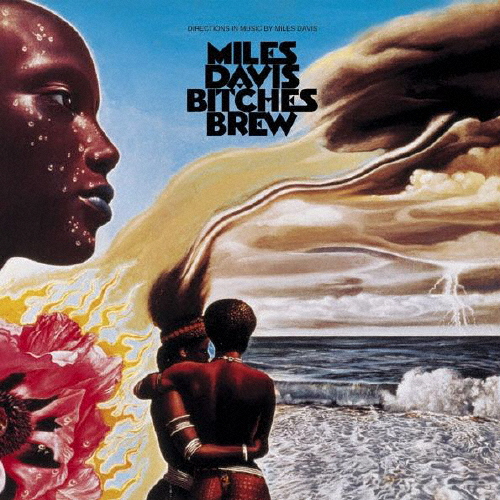

�œ“Á˜_, Bitches Brew, 1970
| Bitches Brew
is a studio album by American jazz trumpeter, composer, and bandleader
Miles Davis. It was recorded from August 19 to 21, 1969, at Columbia's
Studio B in New York City and released on March 30, 1970 by Columbia
Records. It marked his continuing experimentation with electric
instruments that he had featured on his previous record, the critically
acclaimed In a Silent Way (1969). With these instruments, such as the
electric piano and guitar, Davis departed from traditional jazz rhythms
in favor of loose, rock-influenced arrangements based on improvisation.
The final tracks were edited and pieced together by producer Teo Macero. The album initially received a mixed critical and commercial response, but it gained momentum and became Davis' highest-charting album on the U.S. Billboard 200, peaking at No. 35. In 1971, it won a Grammy Award for Best Large Jazz Ensemble Album.[7] In 1976, it became Davis' first gold album to be certified by the Recording Industry Association of America.[8][9] In subsequent years, Bitches Brew gained recognition as one of jazz's greatest albums and a progenitor of the jazz rock genre, as well as a major influence on rock and '70s crossover musicians.[3] In 1998, Columbia released The Complete Bitches Brew Sessions,[10] a four-disc box set that includes the original album and previously unreleased material. In 2003, the album was certified platinum, reflecting shipments of one million copies. |
ƒrƒb
ƒ`ƒFƒY�EƒuƒŠƒ…�[�x�iBitches
Brew�j‚Í�AƒAƒ�ƒŠƒJ‚̃WƒƒƒY�Eƒgƒ‰ƒ“ƒyƒbƒ^�[�A�ì‹È‰Æ�Aƒoƒ“ƒhƒŠ�[ƒ_�[‚Å‚ ‚éƒ}ƒCƒ‹ƒX�EƒfƒCƒ”ƒBƒX‚̃Xƒ^ƒWƒI�EƒAƒ‹ƒoƒ€�B1969”N8ŒŽ19“ú‚©‚ç
21“ú‚܂Ńjƒ…�[ƒˆ�[ƒN‚̃Rƒ�ƒ€ƒrƒA‚̃Xƒ^ƒWƒIB‚Ř^‰¹‚³‚ê�A1970”N3ŒŽ30“ú‚ɃRƒ�ƒ€ƒrƒA�EƒŒƒR�[ƒh‚©‚烊ƒŠ�[ƒX‚³‚ꂽ�B‘O�ì�wIn a
Silent
Way�x�i1969”N�j‚Å�D•]‚𔎂µ‚½ƒGƒŒƒNƒgƒŠƒbƒNŠyŠí‚ðˆø‚«‘±‚«Žg—p�BƒGƒŒƒNƒgƒŠƒbƒN�EƒsƒAƒm‚âƒMƒ^�[‚Æ‚¢‚Á‚½‚±‚ê‚ç‚ÌŠyŠí‚ð—p‚¢‚Ä�AƒfƒCƒ”ƒBƒX‚Í“`
“�“I‚ȃWƒƒƒY‚̃ŠƒYƒ€‚©‚ç—£‚ê�A‘¦‹»‰‰‘t‚ÉŠî‚¢‚½ƒ�ƒbƒN•—‚Ì‚ä‚é‚¢ƒAƒŒƒ“ƒW‚ð�D‚ñ‚¾�B�Å�I“I‚ȃgƒ‰ƒbƒN‚Í�Aƒvƒ�ƒfƒ…�[ƒT�[‚̃eƒI�Eƒ}ƒZƒ�‚É‚æ‚Á‚Ä•Ò�W‚³
‚ê�A‚‚Ȃ¬�‡‚킳‚ꂽ�B ‚±‚̃Aƒ‹ƒoƒ€‚Í“–�‰�A”á•]‰Æ‚©‚ç‚à�¤‹Æ“I‚É‚à‚³‚Ü‚´‚Ü‚È”½‰ž‚ðŽó‚¯‚½‚ª�A�¨‚¢‚ð‘�‚µ�AƒfƒCƒ”ƒBƒX‚É‚Æ‚Á‚Ä‘S•Äƒrƒ‹ƒ{�[ƒh200‚Å�Å�‚ˆÊ‚Æ‚È‚é35ˆÊ‚ð‹L˜^ ‚µ‚½�B1971”N‚ɂ̓Oƒ‰ƒ~�[�Ü‚Å�Å—D�Gƒ‰�[ƒW�EƒWƒƒƒY�EƒAƒ“ƒTƒ“ƒuƒ‹�EƒAƒ‹ƒoƒ€�Ü‚ðŽó�Ü[7]�B1976”N‚É‚Í�AƒfƒCƒ”ƒBƒX‚É‚Æ‚Á‚Ä�‰‚̃S�[ƒ‹ƒh�EƒAƒ‹ ƒoƒ€‚Æ‚µ‚Ä‘S•ÄƒŒƒR�[ƒh‹¦‰ï‚©‚ç”F’肳‚ꂽ[8][9]�B 1998”N�AƒRƒ�ƒ“ƒrƒA‚̓IƒŠƒWƒiƒ‹�EƒAƒ‹ƒoƒ€‚Æ–¢”•\‰¹Œ¹‚ðŠÜ‚Þ4–‡‘gƒ{ƒbƒNƒXƒZƒbƒg�wThe Complete Bitches Brew Sessions�x[10]‚ðƒŠƒŠ�[ƒX�B2003”N�A‚±‚̃Aƒ‹ƒoƒ€‚Í100–œ–‡‚Ì�o‰×‚ð‹L˜^‚µ�Aƒvƒ‰ƒ`ƒi�EƒfƒBƒXƒN‚É”F’肳‚ꂽ�B |
| By 1969, Davis' core working
band consisted of Wayne Shorter on soprano saxophone, Dave Holland on
bass, Chick Corea on electric piano, and Jack DeJohnette on drums.[11]
The group, minus DeJohnette, recorded In a Silent Way (1969), which
also featured Joe Zawinul, John McLaughlin, Tony Williams, and Herbie
Hancock. The album marked the beginning of Davis' "electric period",
incorporating instruments such as the electric piano and guitar and
jazz fusion styles.[11] For his next studio album, Davis wished to
explore his electronic and fusion style even further. While touring
with his five-piece from the spring to August 1969, he introduced new
pieces for his band to play, including early versions of what became
"Miles Runs the Voodoo Down", "Sanctuary", and "Spanish Key".[12] At
this point in his career Davis was influenced by contemporary rock and
funk music, Zawinul's playing with Cannonball Adderley, and the work of
English composer Paul Buckmaster.[13] In August 1969, Davis gathered his band for a rehearsal, one week prior to the booked recording sessions. As well as his five-piece, they were joined by Zawinul, McLaughlin, Larry Young, Lenny White, Don Alias, Juma Santos, and Bennie Maupin.[12] Davis had written simple chord lines, at first for three pianos, which he expanded into a sketch of a larger scale composition. He presented the group with some "musical sketches" and told them they could play anything that came to mind as long as they played off of his chosen chords.[14] Davis had not arranged each piece because he was unsure of the direction the album was to take; he wanted whatever was produced to come from an improvisational process, "not some prearranged shit."[15] Davis booked Columbia's Studio B in New York City from August 19–21, 1969.[12] The session on August 19 began at 10 a.m., the band playing "Bitches Brew" first. Everyone was set up in a half-circle with Davis and Shorter in the middle. In Lenny White�fs words: "It was like an orchestra, and Miles was our conductor. We wore headphones. We had to be able to hear each other. There were no guests at that session. No photos allowed. But there was one guest that nobody talked about, Max Roach. All live recording, no overdubs. 10 a.m. to 1 p.m., for three days." �\ Lenny White, [1] As usual with Davis' recording sessions during this period, tracks were recorded in sections.[12] Davis gave a few instructions: a tempo count, a few chords or a hint of melody, and suggestions as to mood or tone. Davis liked to work this way; he thought it forced musicians to pay close attention to one another, to their own performances, or to Davis's cues, which could change from moment to moment. On the quieter passages of "Bitches Brew", for example, Davis's voice is audible giving instructions to the musicians, snapping his fingers to indicate tempo, telling the musicians to "Keep it tight" in his distinctive voice, or instructing individuals when to solo �\ e.g., saying "John" during the title track.[16] "John McLaughlin" and "Sanctuary" were also recorded during the August 19 session. Towards the end the group rehearsed "Pharaoh's Dance".[12] Despite his reputation as a "cool," melodic improviser, much of Davis' playing on this album is aggressive and explosive, often playing fast runs and venturing into the upper register of the trumpet. His closing solo on "Miles Runs the Voodoo Down" is particularly noteworthy in this regard. Davis did not perform on the short piece "John McLaughlin". |
1969”N‚Ü‚Å‚É�AƒfƒCƒ”ƒBƒX‚Ì’†�S“I‚ȃoƒ“ƒh‚Í�Aƒ\ƒvƒ‰ƒm�EƒTƒbƒNƒX
‚̃EƒFƒCƒ“�EƒVƒ‡�[ƒ^�[�Aƒx�[ƒX‚̃fƒCƒ”�Eƒzƒ‰ƒ“ƒh�AƒGƒŒƒNƒgƒŠƒbƒN�EƒsƒAƒm‚̃`ƒbƒN�EƒRƒŠƒA�Aƒhƒ‰ƒ€‚̃WƒƒƒbƒN�EƒfƒWƒ‡ƒlƒbƒg‚Å�\�¬‚³‚ê‚Ä‚¢‚½
[11]�BƒfƒWƒ‡ƒlƒbƒg‚ð�œ‚¢‚½ƒOƒ‹�[ƒv‚Í�AƒWƒ‡�[�EƒUƒ”ƒBƒkƒ‹�AƒWƒ‡ƒ“�Eƒ}ƒNƒ‰ƒtƒŠƒ“�Aƒgƒj�[�EƒEƒBƒŠƒAƒ€ƒY�Aƒn�[ƒr�[�Eƒnƒ“ƒRƒbƒN‚àŽQ‰Á‚µ‚½�wIn
a Silent
Way�x�i1969”N�j‚ðƒŒƒR�[ƒfƒBƒ“ƒO‚µ‚½�B‚±‚̃Aƒ‹ƒoƒ€‚Í�AƒGƒŒƒNƒgƒŠƒbƒN�EƒsƒAƒm‚âƒMƒ^�[‚È‚Ç‚ÌŠyŠí‚ƃWƒƒƒY�Eƒtƒ…�[ƒWƒ‡ƒ“‚̃Xƒ^ƒCƒ‹‚ðŽæ‚è“ü‚ê
‚½�AƒfƒCƒ”ƒBƒX‚Ì�uƒGƒŒƒNƒgƒŠƒbƒNŠú�v‚ÌŽn‚Ü‚è‚Æ‚È‚Á‚½[11]�BŽŸ‚̃Xƒ^ƒWƒI�EƒAƒ‹ƒoƒ€‚Å‚Í�AƒfƒCƒ”ƒBƒX‚̓GƒŒƒNƒgƒ�ƒjƒbƒN‚ƃtƒ…�[ƒWƒ‡ƒ“‚̃Xƒ^ƒCƒ‹‚ð
‚³‚ç‚É’Ç‹�‚µ‚½‚¢‚Æ�l‚¦‚½�B1969”N�t‚©‚ç8ŒŽ‚É‚©‚¯‚Ä5�l•Ò�¬‚ŃcƒA�[‚ð�s‚¤’†�A�uƒ}ƒCƒ‹ƒX�Eƒ‰ƒ“ƒY�EƒU�Eƒu�[ƒhƒD�[�Eƒ_ƒEƒ“�v�A�uƒTƒ“ƒNƒ`ƒ…ƒA
ƒŠ�v�A�uƒXƒpƒjƒbƒVƒ…�EƒL�[�v‚Ì�‰Šúƒ”ƒ@�[ƒWƒ‡ƒ“‚ðŠÜ‚Þ�Aƒoƒ“ƒh‰‰‘t‚Ì‚½‚ß‚Ì�V‚µ‚¢Šy‹È‚ð”•\‚µ‚½[12]�B‚±‚ÌŽž“_‚ŃfƒCƒ”ƒBƒX‚Í�AŒ»‘ã‚̃�ƒbƒN‚âƒtƒ@
ƒ“ƒN�Eƒ~ƒ…�[ƒWƒbƒN�AƒUƒ”ƒBƒkƒ‹‚̃Lƒƒƒmƒ“ƒ{�[ƒ‹�EƒAƒ_ƒŒƒC‚Æ‚Ì‹¤‰‰�AƒCƒMƒŠƒX‚Ì�ì‹È‰Æƒ|�[ƒ‹�EƒoƒbƒNƒ}ƒXƒ^�[‚Ì�ì•i‚ɉe‹¿‚ðŽó‚¯‚Ä‚¢‚½[13]�B 1969”N8ŒŽ�AƒfƒCƒ”ƒBƒX‚̓ŒƒR�[ƒfƒBƒ“ƒO�EƒZƒbƒVƒ‡ƒ“‚Ì1�TŠÔ‘O‚Ƀoƒ“ƒh‚ð�W‚߂ăŠƒn�[ƒTƒ‹‚ð�s‚Á‚½�B”Þ‚Ì5�l‘g‚Ì‘¼‚É�AƒUƒ”ƒBƒkƒ‹�Aƒ}ƒNƒ‰ƒtƒŠƒ“�A ƒ‰ƒŠ�[�Eƒ„ƒ“ƒO�AƒŒƒj�[�Eƒzƒ�ƒCƒg�Aƒhƒ“�EƒGƒCƒŠƒAƒX�AƒWƒ…ƒ}�EƒTƒ“ƒgƒX�Aƒxƒj�[�Eƒ‚�[ƒsƒ“‚ªŽQ‰Á‚µ‚Ä‚¢‚½[12]�BƒfƒCƒ”ƒBƒX‚Í�A�Å�‰‚Í3‘ä‚̃sƒAƒm‚Ì ‚½‚ß‚ÉŠÈ’P‚ȃR�[ƒh�Eƒ‰ƒCƒ“‚ð�‘‚¢‚Ä‚¢‚½‚ª�A‚»‚ê‚ð‚æ‚èƒXƒP�[ƒ‹‚Ì‘å‚«‚ȋȂ̃XƒPƒbƒ`‚É�L‚°‚Ä‚¢‚Á‚½�B”ނ̓Oƒ‹�[ƒv‚É‚¢‚‚‚©‚Ì�u‰¹Šy“IƒXƒPƒbƒ`�v‚ð’ñŽ¦ ‚µ�A”Þ‚ª‘I‚ñ‚¾ƒR�[ƒh‚©‚牉‘t‚·‚éŒÀ‚è�AŽv‚¢‚‚¢‚½‚à‚͉̂½‚Å‚à‰‰‘t‚µ‚Ä‚¢‚¢‚Æ“`‚¦‚½[14]�BƒfƒCƒ”ƒBƒX‚̓Aƒ‹ƒoƒ€‚Ì•ûŒü�«‚ª‚í‚©‚ç‚È‚©‚Á‚½‚½‚ß�AŠe‹È ‚ðƒAƒŒƒ“ƒW‚µ‚Ä‚¢‚È‚©‚Á‚½�B”Þ‚Í�A�§�삳‚ê‚é‚à‚Ì‚ª‰½‚Å‚ ‚ê�A‘¦‹»“I‚ȃvƒ�ƒZƒX‚©‚ç�¶‚܂ꂽ‚à‚Ì‚É‚µ‚½‚©‚Á‚½‚Ì‚Å‚ ‚è�A�u‚ ‚ç‚©‚¶‚߃AƒŒƒ“ƒW‚³‚ꂽƒNƒ\‚Ý ‚½‚¢‚È‚à‚Ì‚Å‚Í‚È‚¢�v[15]�B ƒfƒCƒ”ƒBƒX‚Í1969”N8ŒŽ19“ú‚©‚ç21“ú‚܂Ńjƒ…�[ƒˆ�[ƒN‚̃Rƒ�ƒ€ƒrƒA‚̃Xƒ^ƒWƒIB‚ð—\–ñ‚µ‚½[12]�B8ŒŽ19“ú‚̃ZƒbƒVƒ‡ƒ“‚͌ߑO10Žž‚ÉŽn‚Ü ‚è�Aƒoƒ“ƒh‚Í‚Ü‚¸�uBitches Brew�v‚ð‰‰‘t‚µ‚½�BƒfƒCƒ”ƒBƒX‚ƃVƒ‡�[ƒ^�[‚ð�^‚ñ’†‚É‚µ‚Ä�A‘Sˆõ‚ª”¼‰~Œ`‚ɃZƒbƒeƒBƒ“ƒO‚³‚ꂽ�BƒŒƒj�[�Eƒzƒ�ƒCƒg‚ÌŒ¾—t‚ðŽØ‚è‚ê‚Î �u‚Ü‚é‚ŃI�[ƒPƒXƒgƒ‰‚̂悤‚Å�Aƒ}ƒCƒ‹ƒX‚ªŽwŠöŽÒ‚¾‚Á‚½�BŽ„‚½‚¿‚̓wƒbƒhƒzƒ“‚ð‚µ‚Ä‚¢‚½�B‚¨ŒÝ‚¢‚Ì�º‚ª•·‚±‚¦‚é‚悤‚É‚·‚é•K—v‚ª‚ ‚Á‚½‚ñ‚¾�B‚»‚̃ZƒbƒVƒ‡ ƒ“‚É‚Í‹q‚Í‚¢‚È‚©‚Á‚½�BŽÊ�^‚à‹ÖŽ~‚¾‚Á‚½�B‚µ‚©‚µ�A’N‚à˜b‘è‚É‚µ‚È‚©‚Á‚½ƒ}ƒbƒNƒX�Eƒ��[ƒ`‚Æ‚¢‚¤ƒQƒXƒg‚ª‚¢‚½�B‚·‚ׂÄ�¶˜^‰¹‚Å�AƒI�[ƒo�[ƒ_ƒu‚Í‚È‚µ�BŒß‘O 10Žž‚©‚çŒßŒã1Žž‚Ü‚Å�A3“úŠÔ�v�B - ƒŒƒj�[�Eƒzƒ�ƒCƒg�A[1�n ‚±‚ÌŽžŠú‚̃fƒCƒ”ƒBƒX‚̃ŒƒR�[ƒfƒBƒ“ƒO�EƒZƒbƒVƒ‡ƒ“‚Ì�í‚Æ‚µ‚Ä�Aƒgƒ‰ƒbƒN‚̓ZƒNƒVƒ‡ƒ“‚²‚Ƃɘ^‰¹‚³‚ꂽ[12]�BƒfƒCƒ”ƒBƒX‚Í‚±‚Ì•û–@‚ð�D‚ñ‚¾�B”Þ‚Í�A ƒ~ƒ…�[ƒWƒVƒƒƒ“‚½‚¿‚ªŒÝ‚¢‚É�AŽ©•ª‚½‚¿‚̉‰‘t‚É�A‚ ‚é‚¢‚Í���X‚ƕω»‚·‚éƒfƒCƒ”ƒBƒX‚Ì�‡�}‚É�×�S‚Ì’�ˆÓ‚𕥂킴‚é‚𓾂Ȃ¢‚Æ�l‚¦‚½‚©‚炾�B—Ⴆ‚Î�A "Bitches Brew "‚Ì�©‚ȃpƒbƒZ�[ƒW‚Å‚Í�AƒfƒCƒ”ƒBƒX‚Ì�º‚ªƒ~ƒ…�[ƒWƒVƒƒƒ“‚ÉŽwŽ¦‚ð—^‚¦‚Ä‚¢‚é‚Ì‚ª’®‚±‚¦‚é�BŽw‚ð–‚炵‚ăeƒ“ƒ|‚ðŽ¦‚µ‚½‚è�A“Æ“Á‚Ì�º‚Ń~ƒ…�[ƒWƒVƒƒƒ“‚É "Keep it tight "‚ÆŽwŽ¦‚µ‚½‚è�Aƒ\ƒ�‚̃^ƒCƒ~ƒ“ƒO‚ðŽwŽ¦‚µ‚½‚è‚·‚é‚Ì‚¾�B�I”Õ�AƒOƒ‹�[ƒv‚Í�uPharaoh's Dance�v‚ðƒŠƒn�[ƒTƒ‹‚µ‚½[12]�B ƒN�[ƒ‹‚Ń�ƒ�ƒfƒBƒAƒX‚ȃCƒ“ƒvƒ�ƒ”ƒ@ƒCƒU�[‚Æ‚¢‚¤•]”»‚Æ‚Í— • ‚É�A‚±‚̃Aƒ‹ƒoƒ€‚ł̃fƒCƒ”ƒBƒX‚̉‰‘t‚Ì‘½‚‚Í�UŒ‚“I‚Å”š”“I‚Å‚ ‚è�A‚µ‚΂µ‚Α¬‚¢ƒ‰ƒ“‚ð‰‰ ‘t‚µ�Aƒgƒ‰ƒ“ƒyƒbƒg‚Ì�‚‰¹ˆæ‚É“¥‚Ý�ž‚ñ‚Å‚¢‚é�Bƒ}ƒCƒ‹ƒX�Eƒ‰ƒ“ƒY�EƒU�Eƒu�[ƒhƒD�[�Eƒ_ƒEƒ“�v‚̃Gƒ“ƒfƒBƒ“ƒO�Eƒ\ƒ�‚Í�A‚±‚Ì“_‚Å“Á‚É’�–Ú‚É’l‚·‚é�BƒfƒCƒ”ƒB ƒX‚Í�uƒWƒ‡ƒ“�Eƒ}ƒNƒ‰ƒtƒŠƒ“�v‚Æ‚¢‚¤’Z‚¢‹È‚ł͉‰‘t‚µ‚Ä‚¢‚È‚¢�B |
| Album title It is not known where the album title came from, and there are various theories as to where it originates.[17] Some believe it was a reference to women in Davis' life who were introducing him to cultural changes in the '60s.[17][18][19] Other explanations have been given.[17] Post-production Significant editing was made to the recorded music. Short sections were spliced together to create longer pieces, and various effects were applied to the recordings. Paul Tingen reports:[20] Bitches Brew also pioneered the application of the studio as a musical instrument, featuring stacks of edits and studio effects that were an integral part of the music. Miles and his producer, Teo Macero, used the recording studio in radical new ways, especially in the title track and the opening track, "Pharaoh's Dance". There were many special effects, like tape loops, tape delays, reverb chambers and echo effects. Through intensive tape editing, Macero concocted many totally new musical structures that were later imitated by the band in live concerts. Macero, who has a classical education and was most likely inspired by '50s and '60s French musique concrète experiments, used tape editing as a form of arranging and composition. "Pharaoh's Dance" contains 19 edits – its famous stop-start opening is entirely constructed in the studio, using repeat loops of certain sections. Later on in the track there are several micro-edits: for example, a one-second-long fragment that first appears at 8:39 is repeated five times between 8:54 and 8:59. The title track contains 15 edits, again with several short tape loops of, in this case, five seconds (at 3:01, 3:07 and 3:12). Therefore, Bitches Brew not only became a controversial classic of musical innovation, it also became renowned for its pioneering use of studio technology. Though Bitches Brew was in many ways revolutionary, perhaps its most important innovation was rhythmic. The rhythm section for this recording consists of two bassists (one playing bass guitar, the other double bass), two to three drummers, two to three electric piano players, and a percussionist, all playing at the same time.[21] As Paul Tanner, Maurice Gerow, and David Megill explain, "like rock groups, Davis gives the rhythm section a central role in the ensemble's activities. His use of such a large rhythm section offers the soloists wide but active expanses for their solos."[21] Tanner, Gerow and Megill further explain that "the harmonies used in this recording move very slowly and function modally rather than in a more tonal fashion typical of mainstream jazz.... The static harmonies and rhythm section's collective embellishment create a very open arena for improvisation. The musical result flows from basic rock patterns to hard bop textures, and at times, even passages that are more characteristic of free jazz."[21] The solo voices heard most prominently on this album are the trumpet and the soprano saxophone, respectively of Miles and Wayne Shorter. Notable also is Bennie Maupin's bass clarinet present on four tracks. The technology of recording, analog tape, disc mastering, and inherent recording time constraints had, by the late sixties, expanded beyond previous limitations and sonic range for the stereo vinyl album, and Bitches Brew reflects this. Its long-form performances include improvised suites with rubato sections, tempo changes or the long, slow crescendo more common to a symphonic orchestral piece or Indian raga form than the three-minute rock song. Starting in 1969, Davis' concerts included some of the material that would become Bitches Brew.[22] Release Bitches Brew was released in March 1970. It gained commercial momentum for the next four months and peaked at No. 35 on the U.S. Billboard 200 for the week of July 4, 1970. This remains Davis' 2nd best performance on the chart behind "Kind of Blue" which has peaked at #3 on Vinyl and #12 in 2020.[23] On September 22, 2003, the album was certified platinum by the RIAA for selling one million copies in the U.S. In addition to the standard stereo version, the album was also mixed for quadraphonic sound. Columbia released a quad LP version, using the SQ matrix system, in 1971. Sony reissued the album in Japan in 2018 on the Super Audio CD format containing both the complete stereo and quadraphonic mixes.[24] Reception and legacy Retrospective professional reviews Review scores Source Rating AllMusic [3] Christgau's Record Guide A�|[25] Encyclopedia of Popular Music [26] Entertainment Weekly A[27] Mojo [27] MusicHound Jazz 5/5[28] The Penguin Guide to Jazz [29] The Rolling Stone Album Guide [30] Sputnikmusic 5/5[31] Tom Hull – on the Web A�|[32] Reviewing for Rolling Stone in 1970, Langdon Winner said Bitches Brew shows Davis' music expanding in "beauty, subtlety and sheer magnificence", finding it "so rich in its form and substance that it permits and even encourages soaring flights of imagination by anyone who listens". He concluded that the album would "reward in direct proportion to the depth of your own involvement".[33] Village Voice critic Robert Christgau deemed it "good music that's very much like jazz and something like rock",[34] naming it the year's best jazz album and Davis "jazzman of the year" in his ballot for Jazz & Pop magazine.[35] Years later, he had lost some enthusiasm about the album; in Christgau's Record Guide: Rock Albums of the Seventies (1981), he called Bitches Brew "a brilliant wash of ideas, so many ideas that it leaves an unfocused impression", with Tony Williams' steadier rock rhythms from In a Silent Way replaced by "subtle shades of Latin and funk polyrhythm that never gather the requisite fervor". He concluded that the music sounded "enormously suggestive, and never less than enjoyable, but not quite compelling. Which is what rock is supposed to be."[25] Selling more than one million copies since it was released, Bitches Brew was viewed by some writers in the 1970s as the album that spurred jazz's renewed popularity with mainstream audiences that decade. As Michael Segell wrote in 1978, jazz was "considered commercially dead" by the 1960s until the album's success "opened the eyes of music-industry executives to the sales potential of jazz-oriented music". This led to other fusion records that "refined" Davis' new style of jazz and sold millions of copies, including Head Hunters (1973) by Herbie Hancock and George Benson's 1976 album Breezin'.[36] Tom Hull, who would later become a jazz critic, has said, "Back in the early '70s we used to listen to Bitches Brew as late night chill-out music – about the only jazz I ran into at the time."[37] According to independent scholar Jane Garry, Bitches Brew defined and popularized the jazz fusion genre, also known as jazz-rock, but it was hated by a number of purists.[2] Jazz critic and producer Bob Rusch recalled, "This to me was not great Black music, but I cynically saw it as part and parcel of the commercial crap that was beginning to choke and bastardize the catalogs of such dependable companies as Blue Note and Prestige.... I hear it 'better' today because there is now so much music that is worse."[38] Despite the controversy the album stirred among the jazz community, it nonetheless topped DownBeat's annual critics' poll in 1970.[39] The Penguin Guide to Jazz called Bitches Brew "one of the most remarkable creative statements of the last half-century, in any artistic form. It is also profoundly flawed, a gigantic torso of burstingly noisy music that absolutely refuses to resolve itself under any recognized guise."[29] In 2003, the album was ranked number 94 on Rolling Stone magazine's list of the 500 greatest albums of all time. Nine years later, it went down one spot.[40] In the 2020 list, it climbed to number 87.[41] Along with this accolade, the album has been ranked at or near the top of several other magazines' "best albums" lists in disparate genres.[42] The album was also included in the book 1001 Albums You Must Hear Before You Die.[43] Experimental jazz drummer Bobby Previte considered Bitches Brew to be "groundbreaking": "How much groundbreaking music do you hear now? It was music that you had that feeling you never heard quite before. It came from another place. How much music do you hear now like that?"[44] Thom Yorke, singer of the English rock band Radiohead, cited it as an influence on their 1997 album OK Computer: "It was building something up and watching it fall apart, that's the beauty of it. It was at the core of what we were trying to do."[45] The singer Bilal names it among his 25 favorite albums, citing Davis' stylistic reinvention.[46] Rock and jazz musician Donald Fagen criticized the album as "essentially just a big trash-out for Miles ... To me it was just silly, and out of tune, and bad. I couldn't listen to it. It sounded like [Davis] was trying for a funk record, and just picked the wrong guys. They didn't understand how to play funk. They weren't steady enough."[47] |
ƒAƒ‹ƒoƒ€�Eƒ^ƒCƒgƒ‹ ƒAƒ‹ƒoƒ€�Eƒ^ƒCƒgƒ‹‚Ì—R—ˆ‚Í’è‚©‚Å‚Í‚È‚�A�”�à‚ ‚é[17]�B60”N‘ã‚Ì•¶‰»“I•Ï‰»‚ð”Þ‚É�Љ‚Ä‚¢‚½ƒfƒCƒ”ƒBƒX‚Ì�g‹ß‚É‚¢‚½�—�«‚½‚¿‚Ì‚±‚Æ‚ðŽw‚µ‚Ä‚¢‚é‚Æ‚¢‚¤�à‚à‚ ‚é[17][18][19]�B ƒ|ƒXƒgƒvƒ�ƒ_ƒNƒVƒ‡ƒ“ ˜^‰¹‚³‚ꂽ‰¹Šy‚É‚Í‚©‚È‚è‚Ì•Ò�W‚ª‰Á‚¦‚ç‚ꂽ�B’Z‚¢•”•ª‚ð‚‚Ȃ°‚Ä’·‚¢‹È‚ð�ì‚è�A˜^‰¹‚É‚Í‚³‚Ü‚´‚܂ȃGƒtƒFƒNƒg‚ª‚©‚¯‚ç‚ꂽ�Bƒ|�[ƒ‹�EƒeƒBƒ“ƒQƒ“‚ÍŽŸ‚̂悤‚É•ñ��‚µ‚Ä‚¢‚é[20]�B ƒrƒbƒ`ƒFƒY�EƒuƒŠƒ…�[‚Í‚Ü‚½�AƒXƒ^ƒWƒI‚ðŠyŠí‚Æ‚µ‚ĉž—p‚µ‚½�æ‹ìŽÒ‚Å‚à‚ ‚è�A‰¹Šy‚Ì•s‰ÂŒ‡‚Ȉꕔ‚Å‚ ‚é•Ò�W‚âƒXƒ^ƒWƒI�EƒGƒtƒFƒNƒg‚Ì�Ï‚Ý�d‚Ë‚ð“Á’¥‚Æ‚µ‚Ä ‚¢‚é�Bƒ}ƒCƒ‹ƒY‚ƃvƒ�ƒfƒ…�[ƒT�[‚̃eƒI�Eƒ}ƒZƒ�‚Í�A“Á‚Ƀ^ƒCƒgƒ‹�Eƒgƒ‰ƒbƒN‚ƃI�[ƒvƒjƒ“ƒO�Eƒgƒ‰ƒbƒN‚Ì "Pharaoh's Dance "‚É‚¨‚¢‚Ä�AƒŒƒR�[ƒfƒBƒ“ƒO�EƒXƒ^ƒWƒI‚ð�æ‰s“I‚Å�V‚µ‚¢•û–@‚ÅŽg—p‚µ‚½�Bƒe�[ƒv�Eƒ‹�[ƒv�Aƒe�[ƒv�EƒfƒBƒŒƒC�AƒŠƒo�[ƒu�Eƒ`ƒFƒ“ƒo�[�AƒGƒR�[�EƒGƒtƒFƒNƒg‚È ‚Ç�A‘½‚‚Ì“ÁŽêŒø‰Ê‚ª‚ ‚Á‚½�B�W’†“I‚ȃe�[ƒv•Ò�W‚É‚æ‚Á‚Ä�Aƒ}ƒZƒ�‚Í‚Ü‚Á‚½‚�V‚µ‚¢‰¹Šy�\‘¢‚ð�”‘½‚�lˆÄ‚µ�AŒã‚Ƀ‰ƒCƒu�EƒRƒ“ƒT�[ƒg‚Ńoƒ“ƒh‚ª‚»‚ê‚ð�^Ž— ‚½�Bƒ}ƒZƒ�‚̓Nƒ‰ƒVƒbƒN‚Ì‹³ˆç‚ðŽó‚¯‚Ä‚¨‚è�A‚¨‚»‚ç‚50”N‘ã‚Æ60”N‘ã‚̃tƒ‰ƒ“ƒX‚̃~ƒ…ƒW�[ƒN�EƒRƒ“ƒNƒŒ�[ƒg‚ÌŽÀŒ±‚É�G”‚³‚ꂽ‚Ì‚¾‚낤�B �uPharaoh's Dance�x‚É‚Í19‚Ì•Ò�W‚ªŠÜ‚Ü‚ê‚Ä‚¨‚è�A—L–¼‚ȃXƒgƒbƒv�EƒXƒ^�[ƒg‚̃I�[ƒvƒjƒ“ƒO‚Í�A“Á’è‚̃ZƒNƒVƒ‡ƒ“‚̃Šƒs�[ƒg�Eƒ‹�[ƒv‚ðŽg‚¢�A‚·‚ׂăXƒ^ƒWƒI‚Å�\ �¬‚³‚ê‚Ä‚¢‚é�B—Ⴆ‚Î�A8:39‚É�Å�‰‚ÉŒ»‚ê‚é1•b‚Ì’f•Ð‚Í�A8:54‚©‚ç8:59‚ÌŠÔ‚É5‰ñŒJ‚è•Ô‚³‚ê‚é�Bƒ^ƒCƒgƒ‹�Eƒgƒ‰ƒbƒN‚É‚Í15‰ñ‚Ì•Ò�W‚ª‚ ‚è�A ‚±‚Ì�ê�‡‚à5•b‚Ì’Z‚¢ƒe�[ƒv�Eƒ‹�[ƒv‚ª‚¢‚‚‚©‚ ‚é�i3:01�A3:07�A3:12�j�B‚»‚Ì‚½‚ß�A�wƒrƒbƒ`ƒFƒY�EƒuƒŠƒ…�[�x‚͉¹Šy“IŠv�V‚̌ÓT‚Æ‚µ‚Ä•¨‹c ‚ð�ø‚µ‚½‚¾‚¯‚Å‚È‚�AƒXƒ^ƒWƒI‹Z�p‚Ì�æ‹ì“I‚ÈŽg—p‚Å‚à—L–¼‚É‚È‚Á‚½�B ƒrƒbƒ`ƒFƒY�EƒuƒŠƒ…�[‚Í‚¢‚ë‚¢‚ë‚ȈӖ¡‚ÅŠv–½“I‚¾‚Á‚½‚ª�A‚¨‚»‚ç‚�Å‚à�d—v‚ÈŠv�V‚̓ŠƒYƒ€‚¾‚Á‚½�B‚±‚̃ŒƒR�[ƒfƒBƒ“ƒO‚̃ŠƒYƒ€�EƒZƒNƒVƒ‡ƒ“‚Í�A2�l‚̃x�[ ƒVƒXƒg�i1�l‚̓x�[ƒX�EƒMƒ^�[�A‚à‚¤1�l‚̓Rƒ“ƒgƒ‰ƒoƒX�j�A2�`3�l‚̃hƒ‰ƒ}�[�A2�`3�l‚̃GƒŒƒNƒgƒŠƒbƒN�EƒsƒAƒm‘tŽÒ�A1�l‚̃p�[ƒJƒbƒVƒ‡ƒjƒXƒg‚Å�\�¬ ‚³‚ê‚Ä‚¨‚è�A‘Sˆõ‚ª“¯Žž‚ɉ‰‘t‚µ‚Ä‚¢‚é[21]�B ƒ|�[ƒ‹�Eƒ^ƒi�[�Aƒ‚�[ƒŠƒX�EƒQƒ�ƒE�Aƒfƒ”ƒBƒbƒh�Eƒ�ƒMƒ‹‚ª�à–¾‚·‚é‚悤‚É�A�uƒ�ƒbƒN�EƒOƒ‹�[ƒv‚Æ“¯—l�AƒfƒCƒ”ƒBƒX‚̓ŠƒYƒ€�EƒZƒNƒVƒ‡ƒ“‚ɃAƒ“ƒTƒ“ƒuƒ‹‚Ì’† �S“I–ðŠ„‚ð—^‚¦‚Ä‚¢‚é�v�B”Þ‚Ì‚±‚̂悤‚È‘å‹K–͂ȃŠƒYƒ€�EƒZƒNƒVƒ‡ƒ“‚ÌŽg—p‚Í�Aƒ\ƒŠƒXƒg‚½‚¿‚̃\ƒ�‚É�L‚�A‚µ‚©‚µŠˆ“®“I‚È�L‚ª‚è‚ð—^‚¦‚Ä‚¢‚é�v[21]�B ƒ^ƒi�[�AƒQƒ�ƒE�Aƒ�ƒMƒ‹‚Í‚³‚ç‚ÉŽŸ‚̂悤‚É�à–¾‚µ‚Ä‚¢‚é�B �u‚±‚̘^‰¹‚ÅŽg‚í‚ê‚Ä‚¢‚éƒn�[ƒ‚ƒj�[‚Í�Aƒ�ƒCƒ“ƒXƒgƒŠ�[ƒ€‚̃WƒƒƒY‚É“TŒ^“I‚È’²�«‚Å‚Í‚È‚�A”ñ�í‚É‚ä‚Á‚‚è‚Æ‚µ‚½“®‚«‚Å�Aƒ‚�[ƒh“I‚É‹@”\‚µ‚Ä‚¢ ‚é......�B�ÓI‚ȃn�[ƒ‚ƒj�[‚ƃŠƒYƒ€�EƒZƒNƒVƒ‡ƒ“‚Ì�W’c“I‚È‘•�ü‚ª�AƒCƒ“ƒvƒ�ƒ”ƒBƒ[�[ƒVƒ‡ƒ“‚Ì‚½‚ß‚Ì”ñ�í‚ɃI�[ƒvƒ“‚È�ê‚ð�ì‚è�o‚µ‚Ä‚¢‚é�B‰¹Šy“I‚È Œ‹‰Ê‚Í�AŠî–{“I‚ȃ�ƒbƒN�Eƒpƒ^�[ƒ“‚©‚çƒn�[ƒh�Eƒoƒbƒv‚̃eƒNƒXƒ`ƒƒ�[�A‚»‚µ‚ÄŽž‚ɂ̓tƒŠ�[�EƒWƒƒƒY‚É“Á’¥“I‚ȃpƒbƒZ�[ƒW‚Ü‚Å—¬‚ê‚Ä‚¢‚é�v[21]�B ‚±‚̃Aƒ‹ƒoƒ€‚Å�Å‚àŒ°’˜‚É’®‚©‚ê‚éƒ\ƒ��Eƒ”ƒHƒCƒX‚Í�Aƒ}ƒCƒ‹ƒX‚ƃEƒFƒCƒ“�EƒVƒ‡�[ƒ^�[‚»‚ꂼ‚ê‚̃gƒ‰ƒ“ƒyƒbƒg‚ƃ\ƒvƒ‰ƒm�EƒTƒbƒNƒX‚Å‚ ‚é�B‚Ü‚½�Aƒxƒj�[�Eƒ‚�[ƒsƒ“‚̃oƒX�EƒNƒ‰ƒŠƒlƒbƒg‚à4‹È‚ʼn‰‘t‚³‚ê‚Ä‚¢‚é�B ƒŒƒR�[ƒfƒBƒ“ƒO‚Ì‹Z�p�AƒAƒiƒ�ƒO�Eƒe�[ƒv�AƒfƒBƒXƒN‚̃}ƒXƒ^ƒŠƒ“ƒO�A‚»‚µ‚ČŗL‚̃ŒƒR�[ƒfƒBƒ“ƒOŽžŠÔ‚Ì�§–ñ‚Í�A60”N‘ãŒã”¼‚É‚Í�AƒXƒeƒŒƒI�EƒŒƒR�[ƒh�EƒA ƒ‹ƒoƒ€‚Ì‚»‚ê‚Ü‚Å‚ÌŒÀŠE‚Ɖ¹‚Ì•�‚ð‰z‚¦‚ÄŠg‘債‚Ä‚¨‚è�A�wƒrƒbƒ`ƒFƒY�EƒuƒŠƒ…�[�x‚Í‚»‚ê‚𔽉f‚µ‚Ä‚¢‚é�B‚»‚Ì’·ŽÚ‚̉‰‘t‚É‚Í�Aƒ‹ƒo�[ƒg�EƒZƒNƒVƒ‡ƒ“�Aƒeƒ“ ƒ|�Eƒ`ƒFƒ“ƒW�A‚ ‚é‚¢‚Í3•ª‚̃�ƒbƒN�Eƒ\ƒ“ƒO‚æ‚è‚àƒVƒ“ƒtƒHƒjƒbƒN‚ÈŠÇŒ·Šy‹È‚âƒCƒ“ƒh‚̃‰�[ƒK‚É‚æ‚Œ©‚ç‚ê‚é’·‚‚ä‚Á‚‚è‚Æ‚µ‚½ƒNƒŒƒbƒVƒFƒ“ƒh‚ðŠÜ‚Þ‘¦‹» ‘g‹È‚ªŠÜ‚Ü‚ê‚é�B1969”NˆÈ�~�AƒfƒCƒ”ƒBƒX‚̃Rƒ“ƒT�[ƒg‚Å‚Í�AŒã‚Ƀrƒbƒ`ƒFƒY�EƒuƒŠƒ…�[‚Æ‚È‚éŠy‹È‚̈ꕔ‚ª‰‰‘t‚³‚ꂽ[22]�B ƒŠƒŠ�[ƒX ƒrƒbƒ`ƒFƒY�EƒuƒŠƒ…�[‚Í1970”N3ŒŽ‚ɃŠƒŠ�[ƒX‚³‚ꂽ�B‚»‚ÌŒã4ƒ–ŒŽŠÔ�¤‹Æ“I‚È�¨‚¢‚ð‘�‚µ�A1970”N7ŒŽ4“ú‚Ì�T‚Ì‘S•Äƒrƒ‹ƒ{�[ƒh200‚Å35ˆÊ‚ð‹L ˜^‚µ‚½�B‚±‚ê‚Í�AƒfƒCƒ”ƒBƒX‚Ì“¯ƒ`ƒƒ�[ƒg‚É‚¨‚¯‚é�Å�‚ˆÊ‚Æ‚µ‚Ä‚Í�Aƒ”ƒ@ƒCƒiƒ‹‚Å3ˆÊ�A2020”N‚É12ˆÊ‚ð‹L˜^‚µ‚½�uƒJƒCƒ“ƒh�EƒIƒu�Eƒuƒ‹�[�v‚ÉŽŸ‚®2”Ô –Ú‚Ì�¬�Ñ‚Å‚ ‚é[23]�B2003”N9ŒŽ22“ú�A‚±‚̃Aƒ‹ƒoƒ€‚Í‘S•Ä‚Å100–œ–‡‚𔄂è�ã‚°‚½‚Æ‚µ‚Ä�ARIAA‚©‚çƒvƒ‰ƒ`ƒi”F’è‚ðŽó‚¯‚½�B ’Ê�í‚̃XƒeƒŒƒI�Eƒo�[ƒWƒ‡ƒ“‚ɉÁ‚¦�AƒAƒ‹ƒoƒ€‚̓NƒAƒhƒ‰ƒtƒHƒjƒbƒN�EƒTƒEƒ“ƒh—p‚Ƀ~ƒbƒNƒX‚³‚ꂽ�BƒRƒ�ƒ€ƒrƒA‚Í1971”N�ASQƒ}ƒgƒŠƒbƒNƒX�EƒVƒXƒeƒ€‚ð �Ì—p‚µ‚½ƒNƒAƒbƒhLP”Õ‚ðƒŠƒŠ�[ƒX�Bƒ\ƒj�[‚Í2018”N�AƒXƒeƒŒƒI�Eƒ~ƒbƒNƒX‚ƃNƒAƒhƒ‰ƒtƒHƒjƒbƒN�Eƒ~ƒbƒNƒX‚Ì—¼•û‚ðŽû˜^‚µ‚½ƒX�[ƒp�[�EƒI�[ƒfƒBƒICD ƒtƒH�[ƒ}ƒbƒg‚Å‚±‚̃Aƒ‹ƒoƒ€‚ð“ú–{‚Å�Ä”‚µ‚½[24]�B ƒŒƒZƒvƒVƒ‡ƒ“‚ƃŒƒKƒV�[ ƒŒƒgƒ�ƒXƒyƒNƒeƒBƒu‚È�ê–å‰Æ‚Ì•]‰¿ ƒŒƒrƒ…�[ƒXƒRƒA �o“T •]‰¿ ƒI�[ƒ‹ƒ~ƒ…�[ƒWƒbƒN [3�n ƒNƒŠƒXƒgƒKƒE‚̃ŒƒR�[ƒhƒKƒCƒh A-[25�n ƒ|ƒsƒ…ƒ‰�[‰¹Šy•S‰ÈŽ–“T[26�n ƒGƒ“ƒ^�[ƒeƒCƒ�ƒ“ƒg�EƒEƒB�[ƒNƒŠ�[A[27�n ƒ‚ƒWƒ‡[27�n ƒ~ƒ…�[ƒWƒbƒNƒnƒEƒ“ƒh�EƒWƒƒƒY5/5[28�n ƒyƒ“ƒMƒ“�EƒKƒCƒh�EƒgƒD�EƒWƒƒƒY[29�n ƒ��[ƒŠƒ“ƒOƒXƒg�[ƒ“ƒAƒ‹ƒoƒ€ƒKƒCƒh [30�n ƒXƒv�[ƒgƒjƒN‰¹Šy 5/5[31�n ƒgƒ€�Eƒnƒ‹-ƒIƒ“�EƒU�EƒEƒFƒu A-[32]. 1970”N‚É�wƒ��[ƒŠƒ“ƒO�EƒXƒg�[ƒ“�xŽ�‚ÉŠñ�e‚µ‚½ƒ‰ƒ“ƒOƒhƒ“�EƒEƒBƒi�[‚Í�A�wƒrƒbƒ`ƒFƒY�EƒuƒŠƒ…�[�x‚̓fƒCƒ”ƒBƒX‚̉¹Šy‚ª�u”ü‚µ‚³�A‘@�ׂ³�A‚»‚µ‚Ä‘s‘å ‚³�v‚É‚¨‚¢‚ÄŠg‘債‚Ä‚¢‚邱‚Æ‚ðŽ¦‚µ�A�u‚»‚ÌŒ`Ž®‚ÆŽÀŽ¿‚É‚¨‚¢‚Ä”ñ�í‚É–L‚©‚Å‚ ‚è�A’®‚ŽÒ‚Ì’N‚à‚ª‘z‘œ—Í‚Ì�‚–‚é‚悤‚È”òãÄ‚ð‹–—e‚µ�A�•’·‚³‚¦‚µ‚Ä‚¢‚é�v ‚Æ•]‚µ‚½�Bƒ”ƒBƒŒƒbƒW�Eƒ”ƒHƒCƒX�xŽ�‚Ì”á•]‰Æƒ�ƒo�[ƒg�EƒNƒŠƒXƒgƒKƒE‚Í�A‚±‚̃Aƒ‹ƒoƒ€‚ð�uƒWƒƒƒY‚̂悤‚Å‚à‚ ‚è�Aƒ�ƒbƒN‚̂悤‚Å‚à‚ ‚é—Ç‚¢‰¹Šy�v‚Æ•]‰¿‚µ [34]�A�wƒWƒƒƒY�•ƒ|ƒbƒv�xŽ�‚Ì“Š•[‚Å‚Í�A‚»‚Ì”N‚̃xƒXƒg�EƒWƒƒƒY�EƒAƒ‹ƒoƒ€‚ƃfƒCƒ”ƒBƒX‚ð�uƒWƒƒƒYƒ}ƒ“�EƒIƒu�EƒU�EƒCƒ„�[�v‚É‘I‚ñ‚¾[35]�F 1981”N‚Ì�wRecord Guide: Rock Albums of the Seventies�x‚Å‚Í�A”ނ̓rƒbƒ`ƒFƒY�EƒuƒŠƒ…�[‚ð�uƒAƒCƒfƒBƒA‚̉ؗí‚È�ô—ç�A‚ ‚Ü‚è‚É‘½‚‚̃AƒCƒfƒBƒA‚Ì‚½‚ß�A�Å“_‚Ì’è‚Ü‚ç‚È‚¢ˆó�Û‚ðŽc‚·�v‚ÆŒÄ ‚Ñ�A�wIn a Silent Way�x‚̃gƒj�[�EƒEƒBƒŠƒAƒ€ƒY‚̈À’肵‚½ƒ�ƒbƒN‚̃ŠƒYƒ€‚Í�A�uƒ‰ƒeƒ“‚ƃtƒ@ƒ“ƒN‚̃|ƒŠƒŠƒYƒ€‚Ì”÷–‚ȉA‰e‚ÉŽæ‚Á‚Ä‘ã‚í‚ç‚ê�A•K—v‚È”M‹C‚ð�W‚߂邱‚Æ‚Í‚È ‚¢�v‚Æ�q‚ׂĂ¢‚é�B”Þ‚Í�A‚±‚̉¹Šy‚Í�u”ñ�í‚ÉŽ¦�´‚É•x‚ñ‚Å‚¨‚è�AŒˆ‚µ‚ÄŠy‚µ‚ß‚È‚¢‚±‚Æ‚Í‚È‚¢‚ª�A�à“¾—Í‚É‚ÍŒ‡‚¯‚é�v‚ÆŒ‹˜_‚¯‚Ä‚¢‚é�Bƒ�ƒbƒN‚Æ‚Í‚»‚¤‚¢‚¤ ‚à‚Ì‚¾�v[25]�B ””„ˆÈ—ˆ100–œ–‡ˆÈ�ã‚̃Z�[ƒ‹ƒX‚ð‹L˜^‚µ‚½�wƒrƒbƒ`ƒFƒY�EƒuƒŠƒ…�[�x‚Í�A1970”N‘ã‚É‚Í�AƒWƒƒƒY‚̃�ƒCƒ“ƒXƒgƒŠ�[ƒ€‚Å‚Ì�l‹C�Ä”R‚É”�ŽÔ‚ð‚©‚¯‚½ƒAƒ‹ƒo ƒ€‚ÆŒ©‚é�ì‰Æ‚à‚¢‚½�Bƒ}ƒCƒPƒ‹�EƒZƒQƒ‹‚ª1978”N‚É�‘‚¢‚½‚悤‚É�A‚±‚̃Aƒ‹ƒoƒ€‚Ì�¬Œ÷‚ª�u‰¹Šy‹ÆŠE‚Ì�d–ð‚½‚¿‚Ì–Ú‚ðƒWƒƒƒYŽuŒü‚̉¹Šy‚Ì”„�ã‚°‚̉”\�«‚É ŠJ‚©‚¹‚é�v‚Ü‚Å‚Í�AƒWƒƒƒY‚Í1960”N‘ã‚É‚Í�u�¤‹Æ“I‚ÉŽ€‚ñ‚¾‚Æ�l‚¦‚ç‚ê‚Ä‚¢‚½�v�BŒã‚ɃWƒƒƒY”á•]‰Æ‚Æ‚È‚éƒgƒ€�Eƒnƒ‹‚Í�A�u70”N‘ã�‰“ª�A�[–é‚̃`ƒ‹ƒAƒE ƒg�Eƒ~ƒ…�[ƒWƒbƒN‚Æ‚µ‚ărƒbƒ`ƒFƒY�EƒuƒŠƒ…�[‚ð‚æ‚’®‚¢‚½�B “Æ—§Œn‚ÌŒ¤‹†ŽÒƒWƒF�[ƒ“�EƒMƒƒƒŠ�[‚É‚æ‚ê‚Î�Aƒrƒbƒ`ƒFƒY�EƒuƒŠƒ…�[‚Í�AƒWƒƒƒY�Eƒ�ƒbƒN‚Æ‚µ‚Ä‚à’m‚ç‚ê‚éƒWƒƒƒY�Eƒtƒ…�[ƒWƒ‡ƒ“‚Æ‚¢‚¤ƒWƒƒƒ“ƒ‹‚ð’è‹`‚µ�A•�‹y ‚³‚¹‚½‚ª�A‘½‚‚Ì�ƒ�ˆŽå‹`ŽÒ‚©‚ç‚ÍŒ™‚í‚ê‚Ä‚¢‚½[2]�B ƒWƒƒƒY•]˜_‰Æ‚Ńvƒ�ƒfƒ…�[ƒT�[‚̃{ƒu�Eƒ‰ƒbƒVƒ…‚Í�A�uŽ„‚É‚Æ‚Á‚Ä‚±‚ê‚͈̑å‚ȃuƒ‰ƒbƒN�Eƒ~ƒ…�[ƒWƒbƒN‚Å‚Í‚È‚©‚Á‚½‚ª�Aƒuƒ‹�[ƒm�[ƒg‚âƒvƒŒƒXƒe�[ƒW‚Æ‚¢‚Á‚½ �M—Š‚Å‚«‚é‰ïŽÐ‚̃Jƒ^ƒ�ƒO‚ð’‚‘§‚³‚¹�AŽ„•¨‰»‚µŽn‚ß‚Ä‚¢‚½�¤‹Æ“I‚È‚½‚킲‚Ƃ̈ꕔ•ª‚Å‚ ‚é‚Æ—â�ΓI‚ÉŒ©‚Ä‚¢‚½......�v‚Ɖñ‘z‚µ‚Ä‚¢‚é�B‚±‚̃Aƒ‹ƒoƒ€ ‚ªƒWƒƒƒY�EƒRƒ~ƒ…ƒjƒeƒB�[‚̊ԂŘ_‘ˆ‚ðŠª‚«‹N‚±‚µ‚½‚É‚à‚©‚©‚í‚炸�A1970”N‚̃_ƒEƒ“ƒr�[ƒg‚Ì”NŠÔ”á•]‰Æ“Š•[‚Å‚ÍŽñˆÊ‚ðŠl“¾‚µ‚½[39]�B ƒyƒ“ƒMƒ“�EƒKƒCƒh�EƒgƒD�EƒWƒƒƒY�x‚Í�wƒrƒbƒ`ƒFƒY�EƒuƒŠƒ…�[�x‚ð�u‰ß‹Ž”¼�¢‹I‚Å�A‚ ‚ç‚ä‚éŒ|�pŒ`‘Ô‚É‚¨‚¢‚Ä�A�Å‚à‹Á‚‚ׂ«‘n‘¢“I”Œ¾‚̂ЂƂÂ�v‚Æ•]‚µ‚½�B‚±‚̃Aƒ‹ƒoƒ€‚Í‚Ü‚½�A�[‚¢Œ‡Š×‚ª‚ ‚è�A”j—ô‚·‚é‚悤‚ȃmƒCƒW�[‚ȉ¹Šy‚Ì‹�‘å‚È“·‘Ì‚Å‚ ‚è�A‚ǂ̂悤‚È”FŽ¯‚³‚ꂽ‘•‚¢‚̉º‚Å‚à�A‚»‚ꎩ�g‚ð‰ðŒˆ‚·‚邱‚Æ‚ð�â‘΂ɋ‘”Û‚µ‚Ä‚¢‚é�v ‚Æ‚à•\Œ»‚·‚é[29]�B 2003”N�A‚±‚̃Aƒ‹ƒoƒ€‚̓��[ƒŠƒ“ƒO�EƒXƒg�[ƒ“Ž�‚Ì�uŽj�ã�Å�‚‚̃Aƒ‹ƒoƒ€500–‡�v‚Ì94ˆÊ‚Ƀ‰ƒ“ƒN‚³‚ꂽ�B‚»‚Ì9”NŒã�A1‚Â�‡ˆÊ‚ð‰º‚°‚½[40]�B 2020”N‚̃ŠƒXƒg‚Å‚Í�A87ˆÊ‚Ü‚Å�ã�¸‚µ‚½[41]�B‚±‚̉h—_‚Æ‚Æ‚à‚É�A‚±‚̃Aƒ‹ƒoƒ€‚Í�A‘¼‚Ì‚¢‚‚‚©‚ÌŽGŽ�‚Ì�uƒxƒXƒg�EƒAƒ‹ƒoƒ€�vƒŠƒXƒg‚Å‚à�AˆÙ‚È‚é ƒWƒƒƒ“ƒ‹‚Å�ãˆÊ‚Ƀ‰ƒ“ƒN‚³‚ê‚Ä‚¢‚é[42]�B‚±‚̃Aƒ‹ƒoƒ€‚Í�A�w1001 Albums You Must Hear Before You Die�x‚Æ‚¢‚¤–{‚É‚àŽû˜^‚³‚ê‚Ä‚¢‚é[43]�B ƒGƒNƒXƒyƒŠƒ�ƒ“ƒ^ƒ‹�EƒWƒƒƒY�Eƒhƒ‰ƒ}�[‚̃{ƒr�[�EƒvƒŒƒoƒCƒg‚Í�Aƒrƒbƒ`ƒFƒY�EƒuƒŠƒ…�[‚ð�u‰æŠú“I�v‚Æ•]‰¿‚µ‚½�F �u�¡�A‚ǂꂾ‚¯‰æŠú“I‚ȉ¹Šy‚ð’®‚¢‚Ä‚¢‚邾‚낤‚©�H�¡�A‚ǂꂾ‚¯‰æŠú“I‚ȉ¹Šy‚ð’®‚¢‚Ä‚¢‚邾‚낤‚©�H‚»‚ê‚Í•Ê‚Ì�ê�Š‚©‚ç—ˆ‚½‚à‚Ì‚¾�BƒCƒMƒŠƒX‚̃�ƒbƒNƒoƒ“ ƒh�AƒŒƒfƒBƒIƒwƒbƒh‚̃”ƒH�[ƒJƒ‹�Aƒgƒ€�Eƒˆ�[ƒN‚Í�A1997”N‚̃Aƒ‹ƒoƒ€�wOK Computer�x‚ɉe‹¿‚ð—^‚¦‚½�ì•i‚Æ‚µ‚Ä‹“‚°‚Ä‚¢‚é�F �u‰½‚©‚ð�ì‚è�ã‚°�A‚»‚ꂪ•ö‚ê‚Ä‚¢‚‚Ì‚ðŒ©‚é�B‚»‚ê‚ÍŽ„‚½‚¿‚ª‚â‚낤‚Æ‚µ‚Ä‚¢‚½‚±‚Æ‚ÌŠj�S‚¾‚Á‚½�v[45]�B‰ÌŽè‚̃rƒ‰ƒ‹‚Í�AƒfƒCƒ”ƒBƒX‚̃Xƒ^ƒCƒ‹‚̉üŠv ‚ðˆø‚«�‡‚¢‚É�o‚µ‚Ä�A‚¨‹C‚É“ü‚è‚Ì25–‡‚̃Aƒ‹ƒoƒ€‚É‚±‚̃Aƒ‹ƒoƒ€‚ð‹“‚°‚Ä‚¢‚é[46]�Bƒ�ƒbƒN�^ƒWƒƒƒY�Eƒ~ƒ…�[ƒWƒVƒƒƒ“‚̃hƒiƒ‹ƒh�EƒtƒFƒCƒQƒ“‚Í�A‚±‚Ì ƒAƒ‹ƒoƒ€‚ð�u–{Ž¿“I‚Ƀ}ƒCƒ‹ƒX‚Ì‚½‚ß‚Ì‘å‚«‚ȃSƒ~ŽÌ‚Ä�ê‚Å‚µ‚©‚È‚¢�v‚Ɣᔻ‚µ‚½�BŽ„‚É‚Æ‚Á‚Ä‚Í�A‚½‚¾‹ð‚©‚Å�A’²Žq‚ªˆ«‚‚Ä�A‚Ђǂ¢‚à‚Ì‚¾‚Á‚½�B’®‚¢‚Ä‚¢‚ç ‚ê‚È‚©‚Á‚½�BƒfƒCƒrƒX‚Í�jƒtƒ@ƒ“ƒN‚̃ŒƒR�[ƒh‚ð�ì‚낤‚Æ‚µ‚Ä�AŠÔˆá‚Á‚½ƒ�ƒ“ƒo�[‚ð‘I‚ñ‚¾‚悤‚É’®‚±‚¦‚½�B”Þ‚ç‚̓tƒ@ƒ“ƒN‚̉‰‘t•û–@‚ð—�‰ð‚µ‚Ä‚¢‚È‚©‚Á‚½�B ”Þ‚ç‚Í�\•ª‚ɈÀ’肵‚Ä‚¢‚È‚©‚Á‚½�v[47]�B |
| https://en.wikipedia.org/wiki/Bitches_Brew |
|
�y•¶Œ£�z
�yƒŠƒ“ƒN�z
’r“cŠ^�@�@Žö‹ÆŠ^�@�@“d”]Š^�@�@ˆã—Ã�l—ÞŠwŠ^
