
反精神医学
Anti-psychiatry
☆フーコーの反精神医学の位置付け(精神分析を含む:これよりも前段階の解説は「フーコー:古典主義時代における狂人」にある)
| 仮説はこうである。危機が開かれた。シャルコが叙述するヒステリー発作を実際は自分 で生産していたのではないかという、時を経ずに確信に変わる疑念が生じた時、反精神医学 の時代、今も依然としてほとんど素描されていない反精神医学の時代が始まる。ここには、 自分が相手取って闘うものであるはずの疾病を医師が自分で伝播させていた、というパスト ゥールの発見に等しい何かがある。 | (フーコー 2006:149) |
| いずれにせよ、十九世紀末から精神医学を揺るがしてきた大衝撃はすべて、医師の権力を 本質的に問いただしてきたように思われる。医師の権力と、これが病人に対して生産する効 果とが、医師の知や、医師が疾病について語ることの真理よりも問いただされてきたのだ。 もっと正確に言えば、ベルネームからレインあるいはバザーリアに至るまで、問題になって きたのは、医師の権力が医師の言うことの真理のうちにいかにして含み込まれてきたか、そ してその逆に、医師の言うことの真理が医師の権力によっていかにして作りあげられ巻き込 まれてきたかということである。クーパーは言う。「我々の問題の核心にあるのは暴力であ る」。バザーリアは言う。「こうした制度(学校、工場、病院)の特徴は、権力を保持してい る者たちと保持していない者たちとの間をきっぱりと分離しているということである」精 神医学の実践のあらゆる大変革、のみならず精神医学の思考のあらゆる大改革が、この権力 関係を取り巻いている。こうした大変革は、この権力関係をずらし隠し根絶し停止させるた めの試みをそれぞれ構成している。近代精神医学の総体はつまるところ反精神医学によって 横断される。反精神医学というのが、疾病の真理を病院空間で生産するという、かつて精神 科医の担っていた役割を問いなおすことすべてであるとすれば、そうである。 | (フーコー 2006:149-150) |
| したがって、近代精神医学の歴史を貫いてきた、複数り反精神医学について語ることがで きるだろう。だがおそらくは、歴史的、認識論的、政治的な見地から完全に判別される2つ の過程を慎重に区別したほうがよいだろう。 | (フーコー 2006:150) |
| まず、「脱精神医学化」の運動があった。シャルコの後すぐに現れたのはこれである。こ れは、医師の権力を停止させるというのではなく、これを、より正確な知の名においてずら し、これにまた別の適用、新たな尺度の見地をもたらそうというものである。心の医学を脱 精神医学化して、シャルコの無恥(ないし無知)が疾病をみだりに生産し、つまり偽の疾病 をみだりに生産することをもたらした医学の権力を、正しく効果的なものへと打ちたてなお そうとする、ということである。 | 脱精神医学化(フーコー 2006:150) |
| 一、脱精神医学化の最初の形式はババンスキとともに始まる。脱精神医学化の決定的英雄 がここに現れる。疾病の真理を演劇的に生産しようとするよりも、これをその最低限の現実 へと縮減するほうがよい、というのである。最低限の現実とは、多くの場合、芝居にかかる 適性のことでしかない。つまり暗示症である。今や、医師の病人に対する支配関係はその厳 密さを喪失することもなく、さらに、その厳密さは疾病を最小限のものへと縮減することに 関わることになる。最小限のものとはつまり、疾病が精神疾患として診断されるために必要 かつ充分な徴しであり、そうした徴しの現れが消滅するために不可欠な技術である。 | (フーコー 2006:150-151) |
| いわばこれは、精神病院をパストゥール風に殺菌し、パストゥールが病院に課した単純化 の効果と同じ効果を精神病院において獲得するということである。診断と治療法とを直接に 互いに区切り、疾病の本性の認識と疾病の現れの消去とを直接に互いに区切るということで ある。疾病が本来の真理において現れ完了に至るという試練の瞬間、この瞬間は医学的な過 程において描き出される必要はもはやない。病院は医学の権力という形式が最も厳密なあり 方で維持される沈黙した場になることができる。しかし、病院はここで、狂気そのものと遭 遇し対決する必要はない。こうした「無菌」かつ「無症候」の脱精神医学化の形式を「ゼロ 生産の精神医学」と呼ぽう。精神外科と薬学的精神医学は、その最も顕著な二つの形式であ る。 | (フーコー 2006:151) |
| 二、もう―つの脱精神医学化の形式は、この形式とちょうど正反対の形式である。そこで 問題となるのは、狂気本来の真理における狂気の生産をできるだけ強化することであるが、 それにあたって、医師と病人との間の権力関係がこの狂気の生産においてちょうど備給され、 権力関係がこの生産に対して適正を保ち、権力関係がこの生産の枠を出ず、この生産がその 制御を保つことができるようにはからわれる。このような、「脱精神医学化」された医学の 権力を維持するための第一の条件は、精神病院という空間ならではの効果をすべて回路から 外すことである。なによりもシャルコの魔術[呪術]が陥った罠は避けなければならない。病院内で の服従が医学の権威を嘲笑することを妨げ、この共犯と曖昧な集団知の場における医師の至 高な学が意図せずに生産してきた機構に包囲されることを妨げること、これである。したが って、対面の規則が生まれる。医師と病人の間の自由契約が生まれる。関係の効果の一切を 唯一の言説水準に限定する規則が生まれる(「私がきみに要求するのはひとつだけだ。言う ことだ、ただ、思いつくことをすべて実際に言うことだ」)。言説における自由という規則が 生まれる(「きみはもう医者を偽って得意になることはできない。というのは、きみはもう、 聞かれる質問に答えるのではないのだから。きみは思いついたことを言うのだ、きみは私が それについてどう思うかを私に聞く必要もない。この規則を破って私を偽っても、現実には 私は偽られてはいないことになる。きみはきみ自身を罠にかけることになるのだ、というの は、きみは真理の生産を阻害して、私に支払う料金を自分で数セッション分増やしたことに なるのだから」)。医師の権力の行使されるあの特権的な場においてあの特異な時間の問に生 産される諸効果にしか現実を認めないという、長椅子の規則が生まれるここでの医師の 権力は、自分へとひるがえってくるようないかなる効果にも捕らわれることがない。という のは、この権力は沈黙と不可視性のうちに全面的に引きこもっているからである。 | (フーコー 2006:151-152) |
| 精神分析は、歴史的には、シャルコという名の外傷によって惹き起こされた脱精神医学化 の第一―の大形式として解読することができるだろう。精神病院という空間から引きこもり、 精神医学の過剰権力のもつ逆説的な諸効果を抹消しようというのである。しかしそれは、真 理の生産者としての医学の権力を新たにしつらえた空間で再構成し、それによってこの真理 の生産が相変わらずこの権力に対して適正を保つようにすることである。転移という、治療 にとって本質的な過程である概念は、認識という形でのこの適正化を概念的に思考するひとつ のやり方である。貨幣による転移の代償としての料金の支払いは、この適正化を現実におい て保証する―つのやり方である。すなわち、真理の生産が医師の権力を罠にかけ停止させ転 倒させる対抗権力になるのを妨げる―つのやり方だということである。 | (フーコー 2006:152-153) |
| この、脱精神医学化の二大形式は、いずれも権力を保存しようとするものである。という のも、一方は真理の生産を停止させるし、他方は真理の生産と医学の権力を互いに適正なも のにしようとするからである。これらの脱精神医学化に対して、反精神医学が立てられる。 精神病院という空間から引きこもるのではなく、その空間を内的な作業によって体系的に破 壊することが問題となる。狂気とその真理とを生産する権力をゼロに縮減するのではなく、 この権力を病人自身に移すということである。ここから出発すれば、反精神医学のねらいを 理解することができると思われる。それは、認識(つまり診断の正確さないし治療の有効 性)という意味での精神医学の真理の価値などではまったくない。 | (フーコー 2006:153) |
| 反精神医学の中核には、制度を用いた、制度の内での、制度に反しての闘争がある。19 世紀初頭に精神病院の大構造が設置された時、それは社会秩序の要請——狂人たちの混乱か ら身を護りたいという要請——と治療上の必要性——病人を隔離すべきだという必要性—— とのなす驚異的な調和によって正当化されていた。狂人の隔離を正当化するエスキロルはこ れに五つの主要な理由を与えていた。一、狂人の個人的安寧と家族の個人的安寧を保証する こと。二、狂人を外的な諸影響から解放すること。三、狂人の個人的な抵抗を打ち負かすこ と。四、狂人を医学的な食事療法に服させること。五、狂人に新たな知的かつ道徳的な習慣 を課すこと。見てのとおり、すべては権力の用件である。狂人の権力を制御すること、狂人 に行使されうる外的な諸権力を中和すること。狂人に対して治療法の、調教の——つまりは こうした権力関係の配分と機構の場、形式としての制度である。物事をある純化された場に おいて認証することを可能にし、しかるべき場でしかるべき仕方で介入する ことを可能にする収容という正当化のもとで、制度は制度的関係に固有の支配関係を出現さ せる。バザーリアは言う。「医師の純然たる権力はエスキロルの処方の効果を20世紀に認 証して、恐るべき速さで増大する。それと同じ速さで病人の権力は縮小されていく。病人は、 収容されているというだけのことによって、権利のない市民となり、医師や看護人の恣意に 委ねられる。医師や看護以は、病人が訴えることもできないままに、自分の望むことを病人 に対して行うことができる」。様々な形をとっている反精神医学はこうした制度的権力の 働きに対して立てる戦略に応じて位置づけることができるように思われる。病人と医師双方 による自由な同意に基づく一対一の契約という形式によって制度的権力から逃れること(サ ース)、制度が再構成されるとこれを宙吊りにし追跡すべきものとする特権的な場を整備す ること(キングズリー・ホーパ)、制度をひとつずつ標定し、古典的なタイプの制度の内部で 漸進的にこれを破壊すること(21号棟のクーパー)、制度を、すでに精神病院の外部で個人 の精神疾患の病人としての隔離を規定しえてきた他の権力関係と結びつけること(ゴリツィ ア)。精神医学の実践のア・プリオリを構成してきた権力関係は、精神病院という制度が機 能するのを条件づけ、諸個人間の諸関係を精神病院において分配し、医学的介入の諸形式を 支配してきた。反精神医学ならではの逆転は、その権力関係を逆に問題の領域の中心に位置 させ、本源的な仕方でこれを問いただす、というところにある。 | (フーコー 2006:153-154) |
| ところで、こうした権力関係において第一に含意されていたのは、非狂気が狂気に対して もつ絶対的な権利だった。それは、無知に対して行使される能力という観点から書き写され た権利であり、錯誤(幻覚、錯覚、幻影)を修正する良識(現実への通路)の権利であり、 混乱や逸脱に対して課される正常性の権利である。この三重の権力が、狂気を医学にとって 可能な認識対象として構成し、これを疾病として構成してきた。その時、そうした疾病に罹 った「患者」は狂人として貶められるのだったつまり、自分の疾病に関する一切の権力 と一切の知を奪われたということである。「きみの苦しみと特異性について、我々は、それ が疾病だとわかるだけのことを知っている(それをまさか疑わないだろうね)。しかし、そ の疾病については、きみがそれに対して、それに関していかなる権利も行使できないという ことがわかるだけのことが我々にはわかっている。きみの狂気を、我々の学は我々が疾病と 呼ぶことを可能にしてくれているし、だから、我々医師は、そこに介入してきみのうちにし かじかの狂気を診断するだけの資格がある。この狂気は、きみが他の病人のような病人であ ることを妨げる。きみはしたがって、精神疾患の病人だということになる」。ある認識に道 理を与えるこの権力関係の働きは、ひるがえってこの権力の権利を根拠あるものとする。こ の働きが「古典的」な精神医学を特徴づけている。反精神医学がほぐそうとしているのはこ の循環である。反精神医学は、個人に、自分の狂気を果てまで導き極みまで至らせる務めと 権利を与える。この実験に他の者たちは貢献することはできるが、その貢献が、その個人以 外の人の理性や正常性を通じて個人以外に委託されるような権力の名においてなされること は決してない。個人の振る舞い、苦痛、欲望を、個人以外に委託されていた医学的立場から 切り離し、分類上の価値のみならず決定や布告という価値をももっていた診断や症候学から、 これらを解き放つのである。そして最後にこれは、十七世紀以来企図され十九世紀に完成し た、狂気を精神疾患へと書き写しなおす大作業を無効にする。 | (フーコー 2006:155-156) |
| 狂気の脱医学化は、反精神医学の実践における権力の本源的な問いただしと相関的なもの である。ここにおいて、反精神医学の実践が、精神薬学や精神分析を特徴づけていると思わ れる「脱精神医学化」に対して示す対立を測り知ることができる。精神薬学と精神分析はと もに、むしろ狂気をさらに医学化することに属している。したがってこの、認識という、知 としての権力の特異な形式に対する狂気のありうべき乗り越えの問題は開かれているのだ。 狂気の真理の生産は、認識関係という形式ではない別の形式で実行されることが可能だろう か?そんな問題は作りものの問題だ、ユートピアでしか根拠あるものとは見なされない問 いだ、と人は言うだろう。だが実はこの問いは、脱精神医学化の企てにおいて、医師認 識の地位を保持する主体の役割に関して、毎日具体的に立てられているものなのである。 | (フーコー 2006:156) |
| セミネールは、交互に二つの主題に充てられた。一方は、18世紀における制度の歴史と 病院建築の歴史であり、他方は、精神医学に即して1820年以来なされている法医学的鑑 定の研究である。 | (フーコー 2006:157) |
★
☆反 精神医学[Anti-psychiatry] (アンチ・サイキアトリー、antipsychiatryとも表記される)とは、精神医学的治療は患者にとって有益であるよりも害を及ぼす場合 が多いという見解に基づく運動である。[1][2] 「反精神医学」という用語は1912年に造語され、この運動は1960年代に台頭し、精神医学をめぐる論争を浮き彫りにした。[3] 反対意見としては、精神医学的診断の信頼性、精神科薬の有効性への疑問やそれに伴う有害性、精神科薬による決定論的な治療法の立証の欠如、そして診断の存 在によって平等な人権や市民的自由が無効化されることへの法的懸念などが挙げられる。精神医学に対する歴史的な批判は、電気けいれん療法やインスリン ショック療法に伴う甚大な害に注目が集まった後に浮上した。[4][検証不能] 「反精神医学」という用語は議論の的となっており、しばしば精神医学に対するあらゆる批判を一蹴するために用いられる。しかし、そうした批判者の多くは、 情緒的苦痛を抱える人々に対する専門的な支援者の役割が時として適切であることに同意しており、治療に関する決定については個人の選択を認めている。
| Anti-psychiatry,
sometimes spelled antipsychiatry, is a movement based on the view that
psychiatric treatment can often be more damaging than helpful to
patients.[1][2] The term anti-psychiatry was coined in 1912, and the
movement emerged in the 1960s, highlighting controversies about
psychiatry.[3] Objections include the reliability of psychiatric
diagnosis, the questionable effectiveness and harm associated with
psychiatric medications, the failure of psychiatric medications to
demonstrate any deterministic treatments, and legal concerns about
equal human rights and civil freedom being nullified by the presence of
diagnosis. Historical critiques of psychiatry came to light after focus
on the extreme harms associated with electroconvulsive therapy and
insulin shock therapy.[4][failed verification] The term
"anti-psychiatry" is in dispute and often used to dismiss all critics
of psychiatry, many of whom agree that a specialized role of helper for
people in emotional distress may at times be appropriate, and allow for
individual choice around treatment decisions. Beyond concerns about effectiveness, anti-psychiatry might question the philosophical and ethical underpinnings of psychotherapy and psychoactive medication, seeing them as shaped by social and political concerns rather than the autonomy and integrity of the individual mind. They may believe that "judgements on matters of sanity should be the prerogative of the philosophical mind", and that the mind should not be a medical concern. Some activists reject the psychiatric notion of mental illness.[5] Anti-psychiatry considers psychiatry a coercive instrument of oppression due to an unequal power relationship between doctor, therapist, and patient or client, and a highly subjective diagnostic process. Involuntary commitment, which can be enforced legally through sectioning, is an important issue in the movement. When sectioned, involuntary treatment may also be legally enforced by the medical profession against the patient's will. The decentralized movement has been active in various forms for two centuries.[4][6] In the 1960s, there were many challenges to psychoanalysis and mainstream psychiatry, in which the very basis of psychiatric practice was characterized as repressive and controlling.[7] Psychiatrists identified with the anti-psychiatry movement included Timothy Leary, R. D. Laing, Franco Basaglia, Theodore Lidz, Silvano Arieti, and David Cooper. Others involved were Michel Foucault, Gilles Deleuze, Félix Guattari, and Erving Goffman. Cooper used the term "anti-psychiatry" in 1967, and wrote the book Psychiatry and Anti-psychiatry in 1971.[4][5][6] The word Antipsychiatrie was already used in Germany in 1904.[8] Thomas Szasz introduced the idea of mental illness being a myth in the book The Myth of Mental Illness (1961); however, his literature states that he was directly undermined by the movement led by David Cooper (1931–1986) and that Cooper sought to replace psychiatry with his own brand of it. Giorgio Antonucci, who advocated a non-psychiatric approach to psychological suffering, did not consider himself to be part of the antipsychiatric movement. His position is represented by "the non-psychiatric thinking, which considers psychiatry an ideology devoid of scientific content, a non-knowledge, whose aim is to annihilate people instead of trying to understand the difficulties of life, both individual and social, and then to defend people, change society, and create a truly new culture".[9] Antonucci introduced the definition of psychiatry as a prejudice in the book I pregiudizi e la conoscenza critica alla psichiatria (1986). The movement continues to influence thinking about psychiatry and psychology, both within and outside of those fields, particularly in terms of the relationship between providers of treatment and those receiving it.[4][5] Contemporary issues include freedom versus coercion, nature versus nurture, and the right to be different.[10] Critics of antipsychiatry from within psychiatry itself object to the underlying principle that psychiatry is harmful, although they usually accept that there are issues that need addressing.[11] Medical professionals often consider anti-psychiatry movements to be promoting mental illness denial, and some consider their claims to be comparable to conspiracy theories.[12] |
反精神医学[Anti-psychiatry]
(アンチ・サイキアトリー、antipsychiatryとも表記される)とは、精神医学的治療は患者にとって有益であるよりも害を及ぼす場合が多いとい
う見解に基づく運動である。[1][2]
「反精神医学」という用語は1912年に造語され、この運動は1960年代に台頭し、精神医学をめぐる論争を浮き彫りにした。[3]
反対意見としては、精神医学的診断の信頼性、精神科薬の有効性への疑問やそれに伴う有害性、精神科薬による決定論的な治療法の立証の欠如、そして診断の存
在によって平等な人権や市民的自由が無効化されることへの法的懸念などが挙げられる。精神医学に対する歴史的な批判は、電気けいれん療法やインスリン
ショック療法に伴う甚大な害に注目が集まった後に浮上した。[4][検証不能]
「反精神医学」という用語は議論の的となっており、しばしば精神医学に対するあらゆる批判を一蹴するために用いられる。しかし、そうした批判者の多くは、
情緒的苦痛を抱える人々に対する専門的な支援者の役割が時として適切であることに同意しており、治療に関する決定については個人の選択を認めている。 有効性に関する懸念を超えて、反精神医学は、心理療法や向精神薬の哲学的・倫理的基盤に疑問を呈し、それらが個人の精神の自律性や完全性ではなく、社会 的・政治的関心によって形作られていると見なすことがある。彼らは、「正気の是非に関する判断は哲学的な精神の特権であるべきだ」と信じ、精神は医学的な 関心事であるべきではないと考えるかもしれない。一部の活動家は、精神医学における「精神疾患」という概念を拒否している[5]。反精神医学は、医師、セ ラピスト、患者またはクライアント間の不平等な力関係や、極めて主体的な診断プロセスから、精神医学を抑圧のための強制的な手段と見なしている。強制入院 (セクション法を通じて法的に強制される)は、この運動における重要な問題である。セクション法の適用を受けた場合、患者の意思に反して、医療専門家に よって強制的な治療が法的に実施されることもある。 この分散型の運動は、2世紀にわたり様々な形で活発に行われてきた。[4][6] 1960年代には、精神分析や主流の精神医学に対する多くの異議申し立てがあり、精神医学の実践の根幹そのものが、抑圧的かつ支配的であると特徴づけられ た。[7] 反精神医学運動に共感した精神科医には、ティモシー・リアリー、R・D・レイン、フランコ・バサリア、セオドア・リッツ、シルヴァーノ・アリエティ、デ ヴィッド・クーパーらがいた。その他、ミシェル・フーコー、ジル・ドゥルーズ、フェリックス・ガタリ、アーヴィング・ゴフマンも関与していた。クーパーは 1967年に「アンチ・サイキアトリー」という用語を用い、1971年には著書『精神医学とアンチ・サイキアトリー』を執筆した。[4][5][6] 「Antipsychiatrie」という言葉は、ドイツでは1904年にすでに使用されていた。[8] トーマス・サズは著書『精神疾患の神話』(1961年)において、精神疾患は神話であるという考えを提唱した; しかし、彼の文献によれば、彼はデヴィッド・クーパー(1931–1986)が率いる運動によって直接的にその主張を覆され、クーパーは精神医学を独自の 形態の精神医学で置き換えようとしたとされる。苦悩に対する非精神医学的アプローチを提唱したジョルジオ・アントヌッチは、自身を反精神医学運動の一員と は考えていなかった。彼の立場は、「精神医学を、科学的根拠を欠いたイデオロギー、すなわち『非知識』と見なし、個人の困難や社会的な困難を理解しようと するのではなく、人々を抹殺し、人々を守り、社会を変革し、真に新しい文化を創造することを目的とする非精神医学的思考」によって表されている。[9] アントヌッチは著書『偏見と精神医学への批判的認識』(1986年)において、精神医学を「偏見」と定義した。この運動は、特に治療の提供者と受け手との 関係という点において、精神医学や心理学の分野内外を問わず、依然としてこれらの分野に関する考え方に影響を与え続けている。[4][5] 現代における課題としては、自由対強制、先天性対後天性、そして「異なるままである権利」などが挙げられる。[10] 精神医学内部からの反精神医学批判者は、精神医学が有害であるという根本的な原則には異議を唱えているが、対処すべき問題が存在すること自体は概ね認めて いる。[11] 医療専門家はしばしば、反精神医学運動が精神疾患の否定を助長していると見なし、その主張を陰謀論に匹敵するものだと考える者もいる。[12] |
| History Precursors  Vienna's Narrenturm—German for "fools' tower"—was one of the earliest buildings specifically designed as a "madhouse". It was built in 1784. The first widespread challenge to the prevailing medical approach in Western countries occurred in the late 18th century.[13] Part of the progressive Age of Enlightenment, a "moral treatment" movement challenged the harsh, pessimistic, somatic (body-based) and restraint-based approaches that prevailed in the system of hospitals and "madhouses" for people considered mentally disturbed, who were generally seen as wild animals without reason.[13] Alternatives were developed, led in different regions by ex-patient staff, physicians themselves in some cases, and religious and lay philanthropists.[13] This "moral treatment" was seen as pioneering more humane psychological and social approaches, whether or not in medical settings; however, it also involved some use of physical restraints, threats of punishment, and personal and social methods of control.[13] As it became the establishment approach in the 19th century, opposition to its negative aspects also grew.[13] According to Michel Foucault, there was a shift in the perception of madness, whereby it came to be seen as less about delusion, i.e. disturbed judgment about the truth, than about a disorder of regular, normal behavior or will.[14] Foucault argued that, prior to this, doctors could often prescribe travel, rest, walking, retirement and generally engaging with nature, seen as the visible form of truth, as a means to break with artificialities of the world (and therefore delusions).[15] Another form of treatment involved nature's opposite, the theater, where the patient's madness was acted out for them in such a way that the delusion would reveal itself to the patient. Thus the most prominent therapeutic technique became to confront patients with a healthy sound will and orthodox passions, ideally embodied by the physician.[citation needed] The "cure" involved a process of opposition, of struggle and domination, of the patient's troubled will by the healthy will of the physician. It was thought the confrontation would lead not only to bring the illness into broad daylight by its resistance, but also to the victory of the sound will and the renunciation of the disturbed will. We must apply a perturbing method, to break the spasm by means of the spasm.... We must subjugate the whole character of some patients, subdue their transports, break their pride, while we must stimulate and encourage the others (Esquirol, J. E. D., 1816[16]). Foucault also argued that the increasing internment of the "mentally ill" (the development of more and bigger asylums) had become necessary not just for diagnosis and classification but because an enclosed place became a requirement for a treatment that was now understood as primarily the contest of wills, a question of submission and victory.  Close up of the "Horrors of Kew Asylum" featured in Lee's Pictorial Weekly Budget Police News in 1876 The techniques and procedures of the asylums at this time included "isolation, private or public interrogations, punishment techniques such as cold showers, moral talks (encouragements or reprimands), strict discipline, compulsory work, rewards, preferential relations between the physician and his patients, relations of vassalage, of possession, of domesticity, even of servitude between patient and physician at times".[16] Foucault summarized these as "designed to make the medical personage the 'master of madness'"[16] through the power the physician's will exerts on the patient. The effect of this shift then served to inflate the power of the physician relative to the patient, correlated with the rapid rise of internment (asylums and forced detention).[17] Other analyses suggest that the rise of asylums was primarily driven by industrialization and capitalism, including the breakdown of traditional family structures. By the end of the 19th century, psychiatrists often had little power in the overcrowded asylum system, acting mainly as administrators who rarely attended to patients in a system where therapeutic ideals had turned into institutional routines.[18] In general, critics point to negative aspects of the shift toward so-called "moral treatments", and the concurrent widespread expansion of asylums, medical power and involuntary hospitalization laws, that played an important part in the development of the anti-psychiatry movement.[19] |
歴史 先駆者 ウィーンのナーレントゥルム(ドイツ語で「愚者の塔」の意)は、「精神病院」として特別に設計された最も初期の建築物の一つである。1784年に建設され た。 西洋諸国において、当時主流だった医療的アプローチに対する最初の広範な異議申し立ては、18世紀後半に起こった。[13] 進歩的な啓蒙時代の一環として、「道徳的治療」運動が、精神に障害があると見なされた人々——彼らは一般的に理性を欠いた野獣と見なされていた——のため の病院や「精神病院」のシステムで主流だった、過酷で悲観的、身体中心(ソマティック)かつ拘束に依存したアプローチに異議を唱えた。[13] 代替案が考案され、異なる地域で、元患者のスタッフ、場合によっては医師自身、あるいは宗教家や一般の慈善家たちが主導した。[13] この「道徳的治療」は、医療の場であるか否かを問わず、より人道的な心理的・社会的アプローチの先駆けと見なされた。しかし、そこには身体的拘束や懲罰の 脅し、個人的・社会的な統制手段も一部含まれていた。[13] 19世紀に入りこれが主流のアプローチとなるにつれ、その負の側面に対する反対も高まった。[13] ミシェル・フーコーによれば、狂気に対する認識に変化が生じ、それは妄想、すなわち真実に関する判断の乱れというよりも、規則的かつ正常な行動や意志の障 害として見られるようになった。[14] フーコーは、それ以前には、医師がしばしば旅行、休息、散歩、隠遁、そして一般的に「真実の可視的な形態」と見なされる自然との触れ合いを、世界の人工性 (ひいては妄想)から脱却する手段として処方していたと論じた。[15] もう一つの治療法は、自然の対極にある「劇場」を用いたもので、そこで患者の狂気が患者自身のために演じられ、それによって妄想が患者自身に明らかになる ように仕向けられた。 こうして、最も顕著な治療技法となったのは、患者を健全で堅固な意志と正統的な情熱――理想的には医師によって体現されるもの――と対峙させることだっ た。[出典必要] この「治療」には、対立、闘争、支配の過程が含まれており、患者の乱れた意志が医師の健全な意志によって制圧されるものであった。この対峙は、抵抗を通じ て病を白日のもとにさらすだけでなく、健全な意志の勝利と、乱れた意志の放棄へとつながると考えられていた。我々は撹乱的な手法を適用し、痙攣によって痙 攣を打ち破らなければならない……。一部の患者についてはその性格全体を服従させ、激情を抑え込み、誇りを打ち砕かなければならない一方で、他の患者に対 しては刺激を与え、励まさなければならない(エスキロール、J. E. D.、1816[16])。フーコーもまた、「精神病者」の収容の増加(より多く、より大規模な精神病院の発展)は、単に診断や分類のためだけでなく、閉 鎖された場所が、今や主に意志の闘争、すなわち服従と勝利の問題として理解されるようになった治療の要件となったがゆえに、必要不可欠なものとなったと論 じた。 1876年に『リーのピクチャリアル・ウィークリー・バジェット・ポリス・ニュース』に掲載された「キュー精神病院の恐怖」のクローズアップ 当時の精神病院における技術や手順には、「隔離、非公開または公開の尋問、冷水シャワーなどの懲罰的手法、道徳的説教(励ましや叱責)、厳格な規律、強制 労働、報酬、医師と患者間の優遇関係、家臣関係、所有関係、家庭的な関係、さらには時に患者と医師間の隷属関係さえも」が含まれていた。[16] フーコーは、これらを、医師の意志が患者に及ぼす力を通じて、「医療者を『狂気の主人』とするよう設計された」[16]ものと要約した。この変化の結果、 患者に対する医師の権力が肥大化し、それは収容(精神病院や強制収容)の急速な増加と相関していた。[17] 他の分析によれば、精神病院の台頭は、伝統的な家族構造の崩壊を含め、主に工業化と資本主義によって推進されたとされる。19世紀末までに、過密状態の精 神病院制度において、精神科医はほとんど権限を持たず、治療の理想が施設の日常業務へと変質してしまったシステムの中で、患者の世話をほとんど行わない管 理者として振る舞うことが多かった。[18] 概して、批評家たちは、いわゆる「道徳的治療」への移行の負の側面、およびそれに伴う精神病院の広範な拡大、医療権力の強化、ならびに強制入院法の普及を 指摘しており、これらが反精神医学運動の発展において重要な役割を果たした。[19] |
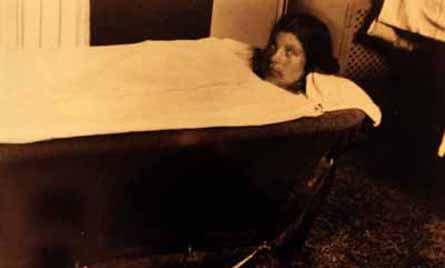 Internee being restrained in a bathtub  Internee in a restraint chair at the West Riding Pauper Lunatic Asylum, 1869 Various 19th-century critiques of the newly emerging field of psychiatry overlap thematically with 20th-century anti-psychiatry, for example in their questioning of the medicalization of "madness". Those critiques occurred at a time when physicians had not yet achieved hegemony through psychiatry, however, so there was no single, unified force to oppose.[19] Nevertheless, there was increasing concern at the ease with which people could be confined, with frequent reports of abuse and illegal confinement. For example, Daniel Defoe, the author of Robinson Crusoe, had previously argued for more government oversight of "madhouses" and for due process prior to involuntary internment.[20] He later argued that husbands used asylum hospitals to incarcerate their disobedient wives,[21] and in a subsequent pamphlet that wives even did the same to their husbands.[22] It was also proposed that the role of asylum keeper be separated from doctor, to discourage exploitation of patients.[23] There was general concern that physicians were undermining personhood by medicalizing problems, by claiming they alone had the expertise to judge, and by arguing that mental disorder was physical and hereditary. The Alleged Lunatics' Friend Society arose in England in the mid-19th century to challenge the system and campaign for rights and reforms.[24] In the United States, Elizabeth Packard published a series of books and pamphlets describing her experiences in the Illinois insane asylum, to which she had been committed at the request of her husband. Throughout, the class nature of mental hospitals and their role as agencies of control were well recognized. The new psychiatry was partially challenged by two powerful social institutions—the church and the legal system. These trends have been thematically linked to the later-20th-century anti-psychiatry movement.[25] As psychiatry became more professionally established during the 19th century (the term itself was coined in 1808 in Germany by Johann Christian Reil, as "Psychiaterie") and developed allegedly more invasive treatments, opposition increased.[26] In the Southern US, black slaves and abolitionists encountered drapetomania, a pseudo-scientific diagnosis that presented the desire of slaves to run away from their masters as a symptom of pathology.[27] There was some organized challenge to psychiatry in the late 1870s from the new speciality of neurology, largely centered around control of state insane asylums in New York.[28] Practitioners criticized mental hospitals for failure to conduct scientific research and adopt the modern therapeutic methods such as nonrestraint. Together with lay reformers and social workers, neurologists formed the National Association for the Protection of the Insane and the Prevention of Insanity. However, when the lay members questioned the competence of asylum physicians to even provide proper care at all, the neurologists withdrew their support and the association floundered.[25] |
浴槽で拘束されている収容者 1869年、ウェスト・ライディング貧民精神病院で拘束椅子に座らされた収容者 19世紀に新たに台頭しつつあった精神医学の分野に対する様々な批判は、例えば「狂気」の医療化への疑問という点において、20世紀の反精神医学とテーマ 的に重なり合っている。しかし、こうした批判が提起された当時は、医師たちが精神医学を通じてまだヘゲモニーを確立していなかったため、反対すべき単一か つ統一された勢力は存在しなかった。[19] それにもかかわらず、人々が容易に収容されてしまうことへの懸念が高まっており、虐待や違法な収容の報告も頻繁に寄せられていた。例えば、『ロビンソン・ クルーソー』の著者ダニエル・デフォーは、以前から「精神病院」に対する政府の監督強化や、強制収容に先立つ適正手続きの必要性を主張していた。[20] 彼は後に、夫たちが精神病院を利用して従順でない妻を監禁していると主張し[21]、その後のパンフレットでは、妻たちも夫に対して同様のことをしている と述べた[22]。また、患者の搾取を防ぐため、精神病院の管理者の役割を医師から分離すべきだという提案もなされた。[23] 医師たちが問題を医学化したり、判断を下す専門知識は自分たちだけにあると主張したり、精神障害は身体的かつ遺伝的であると論じたりすることで、個人の尊 厳を損なっているのではないかという懸念が広く持たれていた。19世紀半ば、この体制に異議を唱え、権利と改革を求める運動を行うため、イギリスで「被疑 精神病者の友の会」が結成された。[24] 米国では、エリザベス・パッカードが、夫の要請により収容されたイリノイ州の精神病院での体験を記した一連の書籍やパンフレットを出版した。当時を通じ て、精神病院の階級的性質や、統制機関としての役割は広く認識されていた。新しい精神医学は、教会と法制度という二つの強力な社会制度によって部分的に異 議を唱えられていた。これらの傾向は、20世紀後半の反精神医学運動とテーマ的に結びつけられてきた。[25] 19世紀を通じて精神医学が専門職として確立され(「Psychiaterie」という用語自体は1808年にドイツのヨハン・クリスティアン・ライルに よって造語された)、より侵襲的な治療法が開発されたとされるにつれ、反対の声は高まった。[26] 米国南部では、黒人奴隷や奴隷制度廃止論者たちが「ドラペトマニア」に直面した。これは、奴隷が主人から逃げ出したいという願望を病理の症状として提示す る疑似科学的な診断であった。[27] 1870年代後半、ニューヨーク州の州立精神病院の管理をめぐって、新興の専門分野である神経学から精神医学に対する組織的な異議申し立てが行われた。 [28] 実務家たちは、精神病院が科学的研究を行わず、拘束を伴わない治療法などの近代的な治療法を採用していないことを批判した。神経科医たちは、一般の改革派 や社会福祉士らと共に、「精神病患者保護および精神疾患予防全国協会」を結成した。しかし、一般会員たちが、精神病院の医師たちに適切なケアを提供する能 力さえあるのかと疑問を呈すると、神経科医たちは支援を撤回し、協会は行き詰まってしまった。[25] |
| Early 1900s It has been noted that "the most persistent critics of psychiatry have always been former mental hospital patients", but that very few were able to tell their stories publicly or to confront the psychiatric establishment openly, and those who did so were commonly considered so extreme in their charges that they could seldom gain credibility.[25] In the early 20th century, ex-patient Clifford W. Beers campaigned to improve the plight of individuals receiving public psychiatric care, particularly those committed to state institutions, publicizing the issues in his book, A Mind that Found Itself (1908).[29] While Beers initially condemned psychiatrists for tolerating mistreatment of patients, and envisioned more ex-patient involvement in the movement, he was influenced by Adolf Meyer and the psychiatric establishment, and toned down his hostility since he needed their support for reforms. In Germany during this time were similar efforts which used the term "Antipsychiatrie".[30] Beers' reliance on rich donors and his need for approval from experts led him to hand over to psychiatrists the organization he helped found, the National Committee for Mental Hygiene, which eventually became the National Mental Health Association.[25] In the UK, the National Society for Lunacy Law Reform was established in 1920 by angry ex-patients who sought justice for abuses committed in psychiatric custody, and were aggrieved that their complaints were patronizingly discounted by the authorities, who were seen to value the availability of medicalized internment as a 'whitewashed' extrajudicial custodial and punitive process.[31] In 1922, ex-patient Rachel Grant-Smith added to calls for reform of the system of neglect and abuse she had suffered by publishing "The Experiences of an Asylum Patient".[32] In the US, We Are Not Alone (WANA) was founded by a group of patients at Rockland State Hospital in New York, and continued to meet as an ex-patient group.[33] French surrealist Antonin Artaud would also openly criticize that no patient should be labeled as "mentally ill" as an exterior identification, as he notes in his 1925 L'Ombilic des limbes, as well as arguing against narcotic's restriction laws in France. Much influenced by the Dada and surrealist enthusiasms of the day, he considered dreams, thoughts and visions no less real than the "outside" world.[34] In this era before penicillin was discovered, eugenics was popular. People believed diseases of the mind could be passed on so compulsory sterilization of the mentally ill was enacted in many countries.[35] |
1900年代初頭 「精神医学に対する最も執拗な批判者は、常に元精神病院の患者たちであった」と指摘されているが、公の場で自らの体験を語ったり、精神医学界に公然と立ち 向かったりできた者はごくわずかであり、そうした行動に出た者たちは、その告発内容が過激すぎると見なされることが多く、信頼を得られることはめったにな かった。[25] 20世紀初頭、元患者のクリフォード・W・ビアーズは、公的精神医療を受けている人々、特に州立施設に入院させられた人々の窮状を改善するための運動を展 開し、著書『A Mind that Found Itself』(1908年)でその問題を世に知らしめた。[29] ビアーズは当初、患者への虐待を容認する精神科医たちを非難し、運動への元患者のさらなる関与を構想していたが、アドルフ・マイヤーや精神医学界の影響を 受け、改革には彼らの支援が必要だったため、敵意を和らげた。この頃のドイツでも、「アンチサイキアトリー(Antipsychiatrie)」という用 語を用いた同様の取り組みが行われていた。[30] ビーズは富裕な寄付者への依存と専門家からの承認を必要としていたため、自身が設立に関わった組織「全米精神衛生委員会」(後に全米精神保健協会となる) を精神科医たちに引き渡すことになった。[25] 英国では、1920年に「精神病法改革全国協会」が設立された。これは、精神科施設での収容中に受けた虐待に対する正義を求めた怒れる元患者たちによるも ので、彼らは、当局が自分たちの苦情を恩着せがましく一蹴したことに憤慨していた。当局は、医療化された収容を、「白塗りされた」司法外での拘禁・懲罰手 続きとして重視していると見なされていたからだ。[31] 1922年、元患者のレイチェル・グラント=スミスは、自身が受けた放置や虐待の苦悩から、放置や虐待の制度改革を求める声に拍車をかけるべく、『精神病 院患者の体験』を出版した。[32] 米国では、ニューヨークのロックランド州立病院の患者グループによって「We Are Not Alone(WANA)」が設立され、元患者グループとして活動を続けた。[33] フランスのシュルレアリスト、アントナン・アルトーもまた、1925年の『L'Ombilic des limbes』で指摘しているように、患者を「精神病者」という外的なレッテルで分類すべきではないと公然と批判し、フランスにおける麻薬規制法にも反対 した。当時のダダやシュルレアリスムの熱狂に多大な影響を受けた彼は、夢や思考、幻視を「外界」の世界と何ら遜色のない現実であると見なしていた。 [34] ペニシリンが発見される前のこの時代、優生学が流行していた。人々は精神疾患が遺伝すると信じていたため、多くの国で精神障害者の強制不妊手術が実施され た。[35] |
| 1930s In the 1930s several controversial medical practices were introduced and framed as "treatments" for mental disorders, including inducing seizures (by electroshock, insulin or other drugs) or psychosurgery (lobotomy). In the US, beginning in 1939 through 1951, over 50,000 lobotomy operations were performed in mental hospitals, a procedure ultimately seen as inhumane.[36] Holocaust historians argued that the medicalization of social programs and systematic euthanasia of people in German mental institutions in the 1930s provided the institutional, procedural, and doctrinal origins of the mass murder of the 1940s. The Nazi programs were called Action T4 and Action 14f13.[37][38][39] The Nuremberg Trials convicted a number of psychiatrists who held key positions in Nazi regimes. As one Swiss psychiatrist stated: "A not so easy question to be answered is whether it should be allowed to destroy lives objectively 'unworthy of living' without the expressed request of its bearers. (...) Even in incurable mentally ill ones suffering seriously from hallucinations and melancholic depressions and not being able to act, to a medical colleague I would ascript the right and in serious cases the duty to shorten—often for many years—the suffering" (Bleuler, Eugen, 1936: "Die naturwissenschaftliche Grundlage der Ethik". Schweizer Archiv Neurologie und Psychiatrie, Band 38, Nr.2, S. 206). |
1930年代 1930年代には、発作の誘発(電気ショック、インスリン、その他の薬剤による)や精神外科手術(ロボトミー)など、精神障害の「治療」として位置づけら れたいくつかの物議を醸す医療行為が導入された。米国では、1939年から1951年にかけて、精神病院で5万件以上のロボトミー手術が行われたが、この 処置は最終的に非人道的であると見なされるようになった。[36] ホロコーストの歴史家たちは、1930年代のドイツの精神医療施設における社会プログラムの医療化と組織的な安楽死が、1940年代の大量虐殺の制度的、 手続き的、そして教義的な起源となったと主張した。ナチスの計画は「T4作戦」および「14f13作戦」と呼ばれた。[37][38][39] ニュルンベルク裁判では、ナチス政権で要職に就いていた多くの精神科医が有罪判決を受けた。あるスイスの精神科医は次のように述べている。「客観的に『生 きる価値のない』生命を、その当事者の明示的な要請なしに奪うことが許されるべきかどうか――これはそう簡単には答えられない問題だ。(…) たとえ、幻覚や憂鬱性うつ病に深刻に苦悩し、行動不能な不治の精神疾患患者であっても、私は医師の同僚に対し、その苦悩を――しばしば長年にわたって―― 短縮する権利、そして深刻な場合にはその義務を認めるだろう」(ブローラー、オイゲン、1936年:「倫理学の自然科学的基礎」。『スイス神経学・精神医 学アーカイブ』第38巻第2号、206頁)。 |
| 1940s and 1950s The post-World War II decades saw an enormous growth in psychiatry; many Americans were persuaded that psychiatry and psychology, particularly psychoanalysis, were a key to happiness. Meanwhile, most hospitalized mental patients received at best decent custodial care, and at worst, abuse and neglect. The psychoanalyst Jacques Lacan has been identified as an influence on later anti-psychiatry theory in the UK, and as being the first, in the 1940s and 1950s, to professionally challenge psychoanalysis to reexamine its concepts and to appreciate psychosis as understandable. Other influences on Lacan included poetry and the surrealist movement, including the poetic power of patients' experiences. Critics disputed this and questioned how his descriptions linked to his practical work. The names that came to be associated with the anti-psychiatry movement knew of Lacan and acknowledged his contribution even if they did not entirely agree.[40] The psychoanalyst Erich Fromm is said to have articulated, in the 1950s, the secular humanistic concern of the coming anti-psychiatry movement. In The Sane Society (1955), Fromm wrote "An unhealthy society is one which creates mutual hostility [and] distrust, which transforms man into an instrument of use and exploitation for others, which deprives him of a sense of self, except inasmuch as he submits to others or becomes an automaton"..."Yet many psychiatrists and psychologists refuse to entertain the idea that society as a whole may be lacking in sanity. They hold that the problem of mental health in a society is only that of the number of 'unadjusted' individuals, and not of a possible unadjustment of the culture itself".[41]  Graveyard attached to the Church of St. Thomas in West Yorkshire, England, where thousands of internees from Storthes Hall Hospital are buried in unmarked graves In the 1950s new psychiatric drugs, notably the antipsychotic chlorpromazine, slowly came into use. Although often accepted as an advance in some ways, there was opposition, partly due to serious adverse effects such as tardive dyskinesia, and partly due their "chemical straitjacket" effect and their alleged use to control and intimidate patients.[36] Patients often opposed psychiatry and refused or stopped taking the drugs when not subject to psychiatric control.[36] There was also increasing opposition to the large-scale use of psychiatric hospitals and institutions, and attempts were made to develop services in the community.[citation needed]  The Royal Earlswood Asylum for Idiots was the first hospital for people with learning disabilities, led by Lord Palmerston, Baron Rothschild and Lord Ashley in the 1850s. According to the Encyclopedia of Theory and Practice in Psychotherapy and Counseling, "In the 1950s in the United States, a right-wing anti-mental health movement opposed psychiatry, seeing it as liberal, left-wing, subversive and anti-American or pro-Communist. There were widespread fears that it threatened individual rights and undermined moral responsibility. An early skirmish was over the Alaska Mental Health Bill, where the right wing protestors were joined by the emerging Scientology movement."[42][43] The field of psychology sometimes came into opposition with psychiatry. Behaviorists argued that mental disorder was a matter of learning not medicine; for example, Hans Eysenck argued that psychiatry "really has no role to play". The developing field of clinical psychology in particular came into close contact with psychiatry, often in opposition to its methods, theories and territories.[44] |
1940年代および1950年代 第二次世界大戦後の数十年、精神医学は飛躍的な発展を遂げた。多くのアメリカ人は、精神医学や心理学、とりわけ精神分析こそが幸福への鍵であると信じ込ま されていた。一方、入院中の精神疾患患者のほとんどは、良くてまともな保護的ケアを受ける程度であり、最悪の場合は虐待や放置にさらされていた。精神分析 家のジャック・ラカンは、後の英国における反精神医学理論に影響を与えた人物として、また1940年代から1950年代にかけて、精神分析の概念を再検討 し、精神病を理解可能なものとして捉えるよう、専門家の立場から初めて精神分析に異議を唱えた人物として認識されている。ラカンに影響を与えたものには、 詩やシュルレアリスム運動、さらには患者の体験が持つ詩的な力なども含まれていた。批評家たちはこれに異議を唱え、彼の記述が実際の実践とどのように結び ついているのか疑問を呈した。反精神医学運動と関連づけられるようになった人物たちは、ラカンのことを知っており、完全に同意はしていなかったとしても、 彼の貢献を認めていた。[40] 精神分析学者エーリッヒ・フロムは、1950年代に、後に到来する反精神医学運動の世俗的人文主義的な関心を明確に表現したとされている。『健全な社会』 (1955年)の中で、フロムは次のように記している。「不健全な社会とは、相互の敵意や不信を生み出し、人間を他者にとっての利用や搾取の道具へと変 え、他者に服従するか、あるいはオートマトンとなる場合を除いて、自己意識を奪う社会である」…… しかし、多くの精神科医や心理学者は、社会全体が正気を欠いているかもしれないという考えを受け入れようとしない。彼らは、社会における精神健康上の問題 は、『適応不能』な個人の数に起因するものであり、文化そのものの適応不全の可能性によるものではないと主張している」。[41] イングランド、ウェスト・ヨークシャーのセント・トーマス教会に併設された墓地。ここには、ストース・ホール病院から移送された何千人もの収容者が、無名 の墓に埋葬されている 1950年代、抗精神病薬のクロルプロマジンをはじめとする新しい精神科用薬が徐々に使用されるようになった。ある意味では進歩として広く受け入れられた ものの、遅発性ジスキネジアなどの深刻な副作用や、「化学的拘束衣」としての効果、さらには患者を支配・威嚇するために使用されているとの指摘などによ り、反対の声も上がった。[36] 患者たちはしばしば精神医学に反対し、精神医学的な管理下にない場合には服薬を拒否したり中止したりした。[36] また、精神科病院や施設の大規模な利用に対する反対も高まり、地域社会でのサービス開発が試みられた。[要出典] ロイヤル・アールズウッド・アサイラム・フォー・アイディオッツは、1850年代にパーマーストン卿、ロスチャイルド男爵、アシュリー卿が主導した、知的 障害を持つ人々のための最初の病院であった。 『心理療法とカウンセリングの理論と実践百科事典』によると、 「1950年代の米国では、右派の反精神保健運動が精神医学に反対し、それをリベラル、左翼、破壊的、反米的、あるいは親共産主義的と見なした。精神医学 が個人の権利を脅かし、道徳的責任を損なうという懸念が広まっていた。初期の小競り合いの一つは『アラスカ精神保健法案』をめぐるもので、そこでは右派の 抗議者たちに、台頭しつつあったサイエントロジー運動が加わった。」 [42][43] 心理学の分野は、時に精神医学と対立することもあった。行動主義者たちは、精神障害は医学の問題ではなく学習の問題であると主張した。例えば、ハンス・ア イゼンクは、精神医学には「実際には何の役割もない」と論じた。特に発展途上だった臨床心理学の分野は、精神医学と密接に関わることになったが、その方 法、理論、領域に対してしばしば対立する立場をとった。[44] |
| 1960s Coming to the fore in the 1960s, "anti-psychiatry" (a term first used by David Cooper in 1967) defined a movement that vocally challenged the fundamental claims and practices of mainstream psychiatry. While most of its elements had precedents in earlier decades and centuries, in the 1960s it took on a national and international character, with access to the mass media and incorporating a wide mixture of grassroots activist organizations and prestigious professional bodies.[44] Cooper was a South African psychiatrist working in Britain. A trained Marxist revolutionary, he argued that the political context of psychiatry and its patients had to be highlighted and radically challenged, and warned that the fog of individualized therapeutic language could take away people's ability to see and challenge the bigger social picture. He spoke of having a goal of "non-psychiatry" as well as anti-psychiatry.[44] In the 1960s fresh voices mounted a new challenge to the pretensions of psychiatry as a science and the mental health system as a successful humanitarian enterprise. These voices included: Ernest Becker, Erving Goffman, R.D. Laing; Laing and Aaron Esterson, Thomas Scheff, and Thomas Szasz. Their writings, along with others such as articles in the journal The Radical Therapist, were given the umbrella label "antipsychiatry" despite wide divergences in philosophy. This critical literature, in concert with an activist movement, emphasized the hegemony of medical model psychiatry, its spurious sources of authority, its mystification of human problems, and the more oppressive practices of the mental health system, such as involuntary hospitalisation, drugging, and electroshock.[45] The psychiatrists R D Laing (from Scotland), Theodore Lidz (from America), Silvano Arieti (from Italy) and others, argued that "schizophrenia" and psychosis were understandable, and resulted from injuries to the inner-self-inflicted by psychologically invasive "schizophrenogenic" parents or others. It was sometimes seen as a transformative state involving an attempt to cope with a sick society. Laing, however, partially dissociated himself from his colleague Cooper's term "anti-psychiatry". Laing had already become a media icon through bestselling books (such as The Divided Self and The Politics of Experience) discussing mental distress in an interpersonal existential context; Laing was somewhat less focused than his colleague Cooper on wider social structures and radical left wing politics, and went on to develop more romanticized or mystical views (as well as equivocating over the use of diagnosis, drugs and commitment). Although the movement originally described as anti-psychiatry became associated with the general counter-culture movement of the 1960s, Lidz and Arieti never became involved in the latter. Franco Basaglia promoted anti-psychiatry in Italy and secured reforms to mental health law there. Laing, through the Philadelphia Association founded with Cooper in 1965, set up over 20 therapeutic communities including Kingsley Hall, where staff and residents theoretically assumed equal status and any medication used was voluntary. Non-psychiatric Soteria houses, starting in the United States, were also developed[46] as were various ex-patient-led services. Psychiatrist Thomas Szasz argued that "mental illness" is an inherently incoherent combination of a medical and a psychological concept. He opposed the use of psychiatry to forcibly detain, treat, or excuse what he saw as mere deviance from societal norms or moral conduct. As a libertarian, Szasz was concerned that such usage undermined personal rights and moral responsibility. Adherents of his views referred to "the myth of mental illness", after Szasz's controversial 1961 book of that name (based on a paper of the same name that Szasz had written in 1957 that, following repeated rejections from psychiatric journals, had been published in the American Psychologist in 1960[47]). Although widely described as part of the main anti-psychiatry movement, Szasz actively rejected the term and its adherents; instead, in 1969, he collaborated with Scientology to form the Citizens Commission on Human Rights.[11] It was later noted that the view that insanity was not in most or even in any instances a "medical" entity, but a moral issue, was also held by Christian Scientists and certain Protestant fundamentalists, as well as Szasz.[25] Szasz was not a Scientologist himself and was non-religious; he commented frequently on the parallels between religion and psychiatry. Erving Goffman, Gilles Deleuze, Félix Guattari and others criticized the power and role of psychiatry in society, including the use of "total institutions" and the use of models and terms that were seen as stigmatizing.[48] The French sociologist and philosopher Foucault, in his 1961 publication Madness and Civilization: A History of Insanity in the Age of Reason, analyzed how attitudes towards those deemed "insane" had changed as a result of changes in social values. He argued that psychiatry was primarily a tool of social control, based historically on a "great confinement" of the insane and physical punishment and chains, later exchanged in the moral treatment era for psychological oppression and internalized restraint. American sociologist Thomas Scheff applied labeling theory to psychiatry in 1966 in "Being Mentally Ill". Scheff argued that society views certain actions as deviant and, in order to come to terms with and understand these actions, often places the label of mental illness on those who exhibit them. Certain expectations are then placed on these individuals and, over time, they unconsciously change their behavior to fulfill them.[citation needed] Observation of the abuses of psychiatry in the Soviet Union in the so-called Psikhushka hospitals also led to questioning the validity of the practice of psychiatry in the West.[49] In particular, the diagnosis of many political dissidents with schizophrenia led some to question the general diagnosis and punitive usage of the label schizophrenia. This raised questions as to whether the schizophrenia label and resulting involuntary psychiatric treatment could not have been similarly used in the West to subdue rebellious young people during family conflicts.[50][unreliable source?] |
1960年代 1960年代に台頭した「反精神医学」(この用語は1967年にデヴィッド・クーパーが初めて用いた)とは、主流の精神医学の根本的な主張や実践に声高に 異議を唱えた運動を指す。その要素の多くは、それ以前の数十年や数世紀にも前例があったものの、1960年代にはマスメディアへのアクセスを獲得し、草の 根の活動家組織から権威ある専門機関まで幅広い団体を取り込むことで、国内および国際的な性格を帯びるようになった。[44] クーパーは、英国で活動していた南アフリカ出身の精神科医だった。訓練を受けたマルクス主義革命家として、彼は精神医学とその患者を取り巻く政治的文脈を 浮き彫りにし、根本的に問い直さなければならないと主張し、個別化された治療用語の霧が、人々がより大きな社会的状況を見抜き、それに異議を唱える能力を 奪いかねないと警告した。彼は、反精神医学だけでなく、「非精神医学」という目標も掲げていた。[44] 1960年代、新たな声たちが、科学としての精神医学や、成功した人道主義的事業としての精神保健システムに対する自負に、新たな挑戦を突きつけた。こう した声には、アーネスト・ベッカー、アーヴィング・ゴフマン、R.D. レイン、レインとアーロン・エステルソン、トーマス・シェフ、トーマス・サズらが含まれていた。彼らの著作や、雑誌『The Radical Therapist』に掲載された記事などは、哲学的な見解に大きな相違があったにもかかわらず、「反精神医学」という包括的なラベルでひとまとめにされ た。こうした批判的な文献は、活動家運動と相まって、医学モデルに基づく精神医学のヘゲモニー、その権威の虚偽的な源泉、人間の問題の神秘化、そして非自 発的入院、薬物投与、電気ショック療法といった精神保健システムのより抑圧的な実践を強調した。[45] 精神科医のR・D・レイン(スコットランド出身)、セオドア・リッツ(アメリカ出身)、シルヴァーノ・アリエティ(イタリア出身)らは、「統合失調症」や 精神病は理解可能なものであり、心理的に侵襲的な「統合失調症誘発的」な親や他者によって内なる自己に与えられた傷に起因すると主張した。それは、病んだ 社会に対処しようとする試みを伴う変容的な状態として見なされることもあった。しかし、レインは同僚のクーパーが提唱した「反精神医学」という用語から は、ある程度距離を置いていた。レインは、対人関係的な実存的文脈において精神的苦痛を論じたベストセラー(『分裂した自己』や『経験の政治学』など)を 通じて、すでにメディアのアイコンとなっていた。レインは同僚のクーパーほど、広範な社会構造や急進的な左翼政治に焦点を当てておらず、その後、よりロマ ンチックあるいは神秘的な見解を展開していった(また、診断、薬物、強制入院の活用についても曖昧な態度をとった)。当初「反精神医学」と称されたこの運 動は、1960年代の一般的なカウンターカルチャー運動と結びつけられるようになったが、リッツとアリエティは後者には決して関与しなかった。フランコ・ バサリアはイタリアで反精神医学を推進し、同国の精神保健法の改革を実現した。 レインは、1965年にクーパーと共に設立したフィラデルフィア協会を通じて、キングスレー・ホールを含む20以上の治療共同体を設立した。そこでは、ス タッフと入居者が理論上は対等な立場にあり、薬物の使用はすべて任意であった。米国を起点として、精神科医が関与しないソテリア・ハウスも発展し [46]、元患者主導の様々なサービスも展開された。精神科医のトーマス・サズは、「精神疾患」とは医学的概念と心理学的概念が本質的に矛盾した組み合わ せであると主張した。彼は、社会規範や道徳的行動からの単なる逸脱に過ぎないと見なすものを、精神医学を用いて強制的に収容、治療、あるいは正当化するこ とに対して反対した。リバタリアンとして、サズはそうした利用が個人的な権利と道徳的責任を損なうことを懸念していた。彼の見解に賛同する人々は、サズが 1961年に発表した物議を醸した同名の著書(1957年にサズが執筆した同名の論文に基づいており、精神医学雑誌から繰り返し掲載を拒否された後、 1960年に『アメリカン・サイコロジスト』誌に掲載された[47])にちなんで、「精神疾患の神話」と呼んだ。サザスは、反精神医学運動の主要な一派と して広く描かれていたが、この呼称とその支持者を積極的に拒絶した。その代わりに、1969年にはサイエントロジーと協力して「人権のための市民委員会」 を結成した。[11] 後に指摘されたように、精神異常は大部分の、あるいはいかなる事例においても「医学的」実体ではなく、道徳的問題であるという見解は、サザスだけでなく、 クリスチャン・サイエンティストや一部のプロテスタント原理主義者たちも共有していた[25]。サザス自身はサイエントロジストではなく、無宗教であっ た。彼は宗教と精神医学の類似点について頻繁に言及していた。 アーヴィング・ゴフマン、ジル・ドゥルーズ、フェリックス・ガタリらは、社会における精神医学の権力と役割、とりわけ「総体制度」の活用や、スティグマ化 をもたらすと見なされるモデルや用語の使用を批判した。[48] フランスの社会学者であり哲学者であるフーコーは、1961年の著書『狂気と文明――理性時代の狂気の歴史』において、社会的価値観の変化に伴い、「狂 人」と見なされた人々に対する態度がどのように変化したかを分析した。彼は、精神医学は主に社会統制の手段であり、歴史的には精神病者の「大規模な隔離」 や体罰、鎖による拘束に基づいていたが、後に「道徳的治療」の時代において、心理的抑圧や内面化された自制へと置き換わったと論じた。アメリカの社会学者 トーマス・シェフは、1966年の『精神疾患であること』において、ラベリング理論を精神医学に応用した。シェフは、社会が特定の行動を逸脱したものと見 なし、そうした行動を受け入れ理解するために、しばしばその行動を示す人々に「精神疾患」というレッテルを貼ると論じた。その結果、こうした個人には特定 の期待が課され、時間の経過とともに、彼らは無意識のうちにその期待に応えるよう行動を変えていく。[出典必要] いわゆる「プシクシュカ」病院におけるソビエト連邦の精神医学の乱用が観察されたことも、西側諸国における精神医学の実践の妥当性に対する疑問を招いた。 [49] 特に、多くの政治的異見者が統合失調症と診断されたことを受け、統合失調症という診断そのものや、そのラベルが懲罰的に利用されていることに対して疑問を 呈する声も上がった。これにより、家族間の対立において、反抗的な若者を抑え込むために、西側諸国でも同様に「統合失調症」というラベルや、それに伴う強 制的な精神科治療が利用されていたのではないかという疑問が提起された。[50][信頼性の低い出典?] |
Since 1970 Scientologists on an anti-psychiatry demonstration  Anti-psychiatric movement in Poland New professional approaches were developed as an alternative or reformist complement to psychiatry. The Radical Therapist, a journal begun in 1971 in North Dakota by Michael Glenn, David Bryan, Linda Bryan, Michael Galan and Sara Glenn, challenged the psychotherapy establishment in a number of ways, raising the slogan "Therapy means change, not adjustment." It contained articles that challenged the professional mediator approach, advocating instead revolutionary politics and authentic community making. Social work, humanistic or existentialist therapies, family therapy, counseling and self-help and clinical psychology developed and sometimes opposed psychiatry. The psychoanalytically trained psychiatrist Szasz, although professing fundamental opposition to what he perceives as medicalization and oppressive or excuse-giving "diagnosis" and forced "treatment", was not opposed to other aspects of psychiatry (for example attempts to "cure-heal souls", although he also characterizes this as non-medical). Although generally considered anti-psychiatry by others, he sought to dissociate himself politically from a movement and term associated with the radical left wing. In a 1976 publication "Anti-psychiatry: The paradigm of a plundered mind", which has been described as an overtly political condemnation of a wide sweep of people, Szasz claimed Laing, Cooper and all of anti-psychiatry consisted of "self-declared socialists, communists, anarchists or at least anti-capitalists and collectivists".[need quotation to verify] While saying he shared some of their critique of the psychiatric system, Szasz compared their views on the social causes of distress/deviance to those of anti-capitalist anti-colonialists who claimed that Chilean poverty was due to plundering by American companies, a comment Szasz made not long after a CIA-backed coup had deposed the democratically elected Chilean president and replaced him with Pinochet. Szasz argued instead that distress/deviance is due to the flaws or failures of individuals in their struggles in life.[51] The anti-psychiatry movement was also being driven by individuals with adverse experiences of psychiatric services. This included those who felt they had been harmed by psychiatry or who felt that they could have been helped more by other approaches, including those compulsorily (including via physical force) admitted to psychiatric institutions and subjected to compulsory medication or procedures. During the 1970s, the anti-psychiatry movement was involved in promoting restraint from many practices seen as psychiatric abuses. The gay rights movement continued to challenge the classification of homosexuality as a mental illness and in 1974, in a climate of controversy and activism, the American Psychiatric Association membership (following a unanimous vote by the trustees in 1973) voted (by 58%) to remove it as an illness category from the DSM, replacing it with a category of "sexual orientation disturbance" and then "ego-dystonic homosexuality," which was deleted in 1986, although a wide variety of "paraphilias" remain. The diagnostic label gender identity disorder (GID) was used by the DSM until its reclassification as gender dysphoria in 2013, with the release of the DSM-5. The diagnosis was reclassified to better align it with medical understanding of the condition and to remove the stigma associated with the term disorder.[52][53] The American Psychiatric Association, publisher of the DSM-5, stated that gender nonconformity is not the same thing as gender dysphoria,[54] and that "gender nonconformity is not in itself a mental disorder. The critical element of gender dysphoria is the presence of clinically significant distress associated with the condition."[55] Some transgender people and researchers support declassification of the condition because they say the diagnosis pathologizes gender variance and reinforces the binary model of gender.[52][56][57] Szasz also publicly endorsed the transmisogynist work of Janice Raymond. In a 1979 New York Times book review of Raymond's The Transsexual Empire, Szasz drew connections between his ongoing critique of psychiatric diagnosis and Raymond's feminist critique of trans women.[58] Increased legal and professional protections, and a merging with human rights and disability rights movements, added to anti-psychiatry theory and action. Anti-psychiatry came to challenge a "biomedical" focus of psychiatry (defined to mean genetics, neurochemicals and pharmaceutic drugs). There was also opposition to the increasing links between psychiatry and pharmaceutical companies, which were becoming more powerful and were increasingly claimed to have excessive, unjustified and underhand influence on psychiatric research and practice. There was also opposition to the codification of, and alleged misuse of, psychiatric diagnoses into manuals, in particular the American Psychiatric Association, which publishes the Diagnostic and Statistical Manual of Mental Disorders. Anti-psychiatry increasingly challenged alleged psychiatric pessimism and institutionalized alienation regarding those categorized as mentally ill. An emerging consumer/survivor movement often argues for full recovery, empowerment, self-management and even full liberation. Schemes were developed to challenge stigma and discrimination, often based on a social model of disability; to assist or encourage people with mental health issues to engage more fully in work and society (for example through social firms), and to involve service users in the delivery and evaluation of mental health services. However, those actively and openly challenging the fundamental ethics and efficacy of mainstream psychiatric practice remained marginalized within psychiatry, and to a lesser extent within the wider mental health community. Three authors came to personify the movement against psychiatry, and two of these were practicing psychiatrists. The initial and most influential of these was Thomas Szasz who rose to fame with his book The Myth of Mental Illness, although Szasz himself did not identify as an anti-psychiatrist. The well-respected R D Laing wrote a series of best-selling books, including The Divided Self. Intellectual philosopher Michel Foucault challenged the very basis of psychiatric practice and cast it as repressive and controlling. The term "anti-psychiatry" was coined by David Cooper in 1967.[4][6] In parallel with the theoretical production of the mentioned authors, the Italian physician Giorgio Antonucci questioned the basis themselves of psychiatry through the dismantling of the psychiatric hospitals Osservanza and Luigi Lolli and the liberation—and restitution to life—of the people there secluded.[59] |
1970年以来 反精神医学デモに参加するサイエントロジストたち ポーランドにおける反精神医学運動 精神医学に代わるもの、あるいは改革的な補完として、新たな専門的アプローチが開発された。1971年にノースダコタ州でマイケル・グレン、デビッド・ブ ライアン、リンダ・ブライアン、マイケル・ガラン、サラ・グレンによって創刊された雑誌『The Radical Therapist』は、「セラピーとは適応ではなく変化を意味する」というスローガンを掲げ、さまざまな形で既存の心理療法の体制に異議を唱えた。同誌 には、専門的な仲介者としてのアプローチに異議を唱え、その代わりに革命的な政治活動や真のコミュニティ形成を提唱する記事が掲載されていた。ソーシャル ワーク、人間主義的あるいは実存主義的療法、家族療法、カウンセリング、自助活動、そして臨床心理学は発展を遂げ、時には精神医学に反対する立場をとっ た。 精神分析の訓練を受けた精神科医サザスは、自身が「医療化」や抑圧的あるいは言い訳となる「診断」、そして強制的な「治療」と捉えるものに対しては根本的 な反対を表明していたものの、精神医学の他の側面(例えば「魂を癒す」試みなど。ただし、彼もこれを非医療的であると特徴づけている)には反対していな かった。他者からは一般的に反精神医学と見なされていたが、彼は急進的な左翼と結びつけられた運動や用語から、政治的に距離を置こうとした。1976年の 著書『反精神医学:略奪された精神のパラダイム』――これは幅広い人々に対する露骨に政治的な非難であると評されている――の中で、サズは、レイン、クー パー、そして反精神医学の支持者全員が「自称の社会主義者、共産主義者、アナキスト、あるいは少なくとも反資本主義者や集団主義者」から成っていると主張 した。[出典による検証が必要] サズは、精神医学システムに対する彼らの批判の一部には同意するとしつつも、苦痛や逸脱の社会的要因に関する彼らの見解を、チリの貧困は米国企業による略 奪に起因すると主張する反資本主義・反植民地主義者たちの見解と比較した。この発言は、CIAが支援したクーデターによって民主的に選出されたチリ大統領 が追放され、ピノチェトが政権を握った直後になされたものである。サザスはむしろ、苦痛や逸脱は、人生における闘いにおける個人の欠陥や失敗に起因すると 主張した。[51] 反精神医学運動は、精神医療サービスにおいて不快な経験をした個人たちによっても推進されていた。これには、精神医学によって被害を受けたと感じた人々 や、他のアプローチによってより多くの助けが得られたはずだと感じた人々が含まれており、その中には、精神科施設に強制的に(身体的な力を用いて)入院さ せられ、強制的な投薬や処置を受けた人々もいた。1970年代、反精神医学運動は、精神医学的虐待と見なされる多くの慣行の自制を促す活動に関与した。ゲ イ権利運動は、同性愛を精神疾患として分類することに引き続き異議を唱え、1974年、論争と活動家運動が渦巻く中、 米国精神医学会の会員は(1973年の理事会の全会一致の決議を受けて)、DSMから同性愛を疾患カテゴリーとして削除し、代わりに「性的指 向障害」というカテゴリーを設け、その後「自我不調和型同性愛」に置き換えることを(58%の賛成で)可決した。この「自我不調和型同性愛」は1986年 に削除されたが、多種多様な「パラフィリア」は依然として残っている。 「ジェンダー同一性障害(GID)」という診断名は、2013年にDSM-5が発行され「ジェンダー不快感」へと再分類されるまで、DSMで使用されてい た。この診断名の再分類は、当該状態に対する医学的理解とより整合性を高めるため、また「障害」という用語に伴うスティグマを取り除くために行われた。 [52] [53] DSM-5の発行元である米国精神医学会は、ジェンダー・ノンコンフォーミティはジェンダー・ディスフォリアと同じものではない[54]とし、「ジェン ダー・ノンコンフォーミティはそれ自体、精神障害ではない。ジェンダー・ディスフォリアの決定的な要素は、その状態に関連する臨床的に有意な苦痛の存在で ある」と述べた。[55] 一部のトランスジェンダーの人々や研究者は、この診断がジェンダーの多様性を病理化し、ジェンダーの二元論を強化するとして、この状態の診断基準からの除 外を支持している。[52][56][57] サザスはまた、ジャニス・レイモンドのトランス女性嫌悪的な著作を公に支持した。1979年の『ニューヨーク・タイムズ』紙におけるレイモンドの著書『ト ランスセクシュアル・エンパイア』の書評で、サズは、自身が継続的に行ってきた精神医学的診断への批判と、レイモンドによるトランス女性へのフェミニスト 的批判との関連性を指摘した[58]。 法的・専門的な保護の強化、および人権運動や障害者権利運動との融合が、反精神医学の理論と行動に拍車をかけた。反精神医学は、精神医学の「生物医学的」 な焦点(遺伝学、神経化学物質、医薬品を意味すると定義される)に異議を唱えるようになった。また、ますます勢力を増し、精神医学の研究や実践に対して過 度で不当かつ不透明な影響力を行使していると指摘されるようになった製薬会社と精神医学との結びつきが強まることに対しても、反対の声が上がった。また、 精神医学的診断のマニュアル化、およびその濫用とされることへの反対もあった。特に、『精神障害の診断・統計マニュアル』(DSM)を発行する米国精神医 学会に対する批判が挙げられる。 反精神医学は、精神疾患と分類された人々に対する、いわゆる精神医学的悲観主義や制度化された疎外に対して、ますます異議を唱えるようになった。台頭しつ つある利用者/サバイバー運動は、完全な回復、エンパワーメント、自己管理、さらには完全な解放を主張することが多い。スティグマや差別に立ち向かうため の取り組みが展開され、その多くは障害の社会モデルに基づいていた。また、精神保健上の課題を抱える人々が(例えばソーシャルファームを通じて)仕事や社 会により深く関わるよう支援・奨励し、サービス利用者を精神保健サービスの提供や評価に参画させる取り組みも行われた。しかし、主流の精神医学的実践の根 本的な倫理や有効性に積極的かつ公然と異議を唱える人々は、精神医学界内では依然として周縁化されたままであり、より広い精神保健コミュニティ内でも、程 度は低いものの同様の状況にあった。 3人の著者が精神医学に反対する運動の象徴的存在となり、そのうち2人は現役の精神科医であった。その最初であり、最も影響力があったのはトーマス・サズ であり、彼は著書『精神疾患の神話』で名声を博したが、サズ自身は反精神医学者とは自認していなかった。高く評価されていたR・D・レインは、『分裂した 自己』を含む一連のベストセラーを執筆した。哲学者ミシェル・フーコーは、精神医学の実践そのものの根幹に異議を唱え、それを抑圧的かつ支配的なものと位 置づけた。「反精神医学」という用語は、1967年にデヴィッド・クーパーによって造語された。[4][6] 前述の著者たちによる理論的成果と並行して、イタリアの医師ジョルジョ・アントヌッチは、精神病院「オッセルヴァンツァ」と「ルイジ・ロッリ」を解体し、 そこに隔離されていた人々を解放し、社会復帰させることで、精神医学の根幹そのものに疑問を投げかけた。[59] |
| Challenges to psychiatry Civilization as a cause of distress In recent years,[which?]psychotherapists David Smail and Bruce E. Levine, considered part of the anti-psychiatry movement, have written widely on how society, culture, politics and psychology intersect. They have written extensively of the "embodied nature" of the individual in society, and the unwillingness of even therapists to acknowledge the obvious part played by power and financial interest in modern Western society. They argue that feelings and emotions are not, as is commonly supposed, features of the individual, but rather responses of the individual to their situation in society. Even psychotherapy, they suggest, can only change feelings in as much as it helps a person to change the "proximal" and "distal" influences on their life, which range from family and friends, to the workplace, socio-economics, politics and culture.[60][61] R. D. Laing emphasized family nexus as a mechanism by which individuals become victimized by those around them, and spoke about a dysfunctional society.[62][63][64] Inadequacy of clinical interviews used to diagnose 'diseases' Psychiatrists have been trying to differentiate mental disorders based on clinical interviews since the era of Kraepelin, but now realize that their diagnostic criteria are imperfect. Tadafumi Kato writes, "We psychiatrists should be aware that we cannot identify 'diseases' only by interviews. What we are doing now is just like trying to diagnose diabetes mellitus without measuring blood sugar."[65] Normality and illness judgments 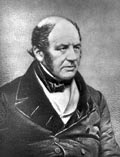 A madness of civilization: the American physician Samuel A. Cartwright identified what he called drapetomania, an ailment that caused slaves to be possessed by a desire for freedom and a want to escape. In 2013, psychiatrist Allen Frances said that "psychiatric diagnosis still relies exclusively on fallible subjective judgments rather than objective biological tests".[66] Reasons have been put forward to doubt the ontic status of mental disorders.[67]: 13 Mental disorders engender ontological skepticism on three levels: 1. Mental disorders are abstract entities that cannot be directly appreciated with the human senses or indirectly, as one might with macro- or microscopic objects. 2. Mental disorders are not clearly natural processes whose detection is untarnished by the imposition of values, or human interpretation. 3. It is unclear whether they should be conceived as abstractions that exist in the world apart from the individual persons who experience them, and thus instantiate them.[67]: 13 In the scientific and academic literature on the definition or classification of mental disorder, one extreme argues that it is entirely a matter of value judgements (including of what is normal) while another proposes that it is or could be entirely objective and scientific (including by reference to statistical norms).[68] Common hybrid views argue that the concept of mental disorder is objective but a "fuzzy prototype" that can never be precisely defined, or alternatively that it inevitably involves a mix of scientific facts and subjective value judgments.[69] One remarkable example of psychiatric diagnosis being used to reinforce cultural bias and oppress dissidence is the diagnosis of drapetomania. In the US prior to the American Civil War, physicians such as Samuel A. Cartwright diagnosed some slaves with drapetomania, a mental illness in which the slave possessed an irrational desire for freedom and a tendency to try to escape.[70] By classifying such a dissident mental trait as abnormal and a disease, psychiatry promoted cultural bias about normality, abnormality, health, and unhealth. This example indicates the probability for not only cultural bias but also confirmation bias and bias blind spot in psychiatric diagnosis and psychiatric beliefs.[71] It has been argued by philosophers like Foucault that characterizations of "mental illness" are indeterminate and reflect the hierarchical structures of the societies from which they emerge rather than any precisely defined qualities that distinguish a "healthy" mind from a "sick" one. Furthermore, if a tendency toward self-harm is taken as an elementary symptom of mental illness, then humans, as a species, are arguably insane in that they have tended throughout recorded history to destroy their own environments, to make war with one another, etc.[72] |
精神医学への挑戦 苦悩の原因としての文明 近年、[いつのことか?]反精神医学運動の一翼を担うと見なされている心理療法家のデビッド・スメイルとブルース・E・レヴィーンは、社会、文化、政治、 心理学がいかに交錯しているかについて幅広く論じてきた。彼らは、社会における個人の「身体化された性質」や、現代の西洋社会において権力や経済的利害が 果たす明らかな役割を、セラピストでさえも認めようとしないことについて、詳細に論じてきた。彼らは、感情や情緒は、一般に考えられているような個人の特 性ではなく、むしろ社会における自身の状況に対する個人の反応であると主張する。彼らは、心理療法でさえ、家族や友人から職場、社会経済、政治、文化に至 るまで、個人の人生に及ぼす「近位」および「遠位」の影響を変える手助けをする範囲内でのみ、感情を変えることができると示唆している。[60][61] R. D. レインは、個人が周囲の人々によって被害者となるメカニズムとして家族の結びつきを強調し、機能不全の社会について論じた。[62][63][64] 「病気」の診断に用いられる臨床面接の不十分さ 精神科医たちはクレペリンの時代以来、臨床面接に基づいて精神障害を区別しようとしてきたが、現在ではその診断基準が不完全であることを認識している。加 藤忠文は次のように書いている。「我々精神科医は、面接だけで『病気』を特定することはできないと自覚すべきだ。「我々が現在行っていることは、血糖値を 測定せずに糖尿病を診断しようとするのと同じだ」[65] 正常性と病気の判断 文明の狂気:アメリカの医師サミュエル・A・カートライトは、奴隷が自由への渇望と逃亡欲に駆られる病として、いわゆる「ドラペトマニア」を特定した。 2013年、精神科医のアレン・フランシスは、「精神医学的診断は依然として、客観的な生物学的検査ではなく、誤りのある主観的判断のみに依存している」 と述べた。[66] 精神障害の存在論的地位に疑問を呈する理由が提示されている。[67]: 13 精神障害は、3つのレベルで存在論的懐疑を生じさせる。 1. 精神障害は、人間の感覚によって直接的に、あるいは巨視的・微視的な対象のように間接的にさえも把握できない抽象的な実体である。 2. 精神障害は、価値観の押し付けや人間の解釈によってその検出が曇らされることのない、明確な自然過程ではない。 3. 精神障害を、それを経験し、ひいては具現化する個々の人格とは別に、世界の中に存在する抽象概念として捉えるべきかどうかは不明確である。[67]: 13 精神障害の定義や分類に関する科学的・学術的文献において、一方の極端な立場は、それが(何が正常であるかという判断を含め)完全に価値判断の問題である と主張する一方、もう一方の立場は、それが(統計的基準を参照することを含め)完全に客観的かつ科学的なものである、あるいはそうなり得ると提唱してい る。[68] 一般的な折衷的な見解では、精神障害という概念は客観的ではあるが、決して正確に定義できない「あいまいなプロトタイプ」である、あるいは、必然的に科学 的事実と主観的な価値判断が混在するものだと主張されている。[69] 精神医学的診断が文化的偏見を強化し、異議を唱える者を抑圧するために利用された顕著な例の一つが、ドラペトマニアの診断である。アメリカ南北戦争以前の 米国では、サミュエル・A・カートライトなどの医師が、一部の奴隷に対し「ドラペトマニア」という診断を下した。これは、奴隷が自由に対する非合理的な欲 求を持ち、逃亡を試みる傾向があるという精神疾患である。[70] このような反体制的な精神的特性を異常かつ病気として分類することで、精神医学は正常・異常、健康・不健康に関する文化的偏見を助長した。この例は、精神 医学的診断や精神医学的信念において、文化的偏見だけでなく、確証バイアスやバイアスの盲点も生じうることを示している。[71] フーコーのような哲学者たちは、「精神疾患」の定義は不確定であり、「健康な」心と「病んだ」心を区別する明確に定義された性質というよりは、それが生ま れた社会の階層構造を反映していると論じてきた。さらに、自傷行為の傾向を精神疾患の基本的な症状とみなすならば、人類という種は、記録された歴史を通じ て自らの環境を破壊したり、互いに戦争を繰り広げたりしてきたという点で、狂気であると言えるだろう。[72] |
Psychiatric labeling "Psychiater Europas! Wahret Eure heiligsten Diagnosen!" ("Psychiatrists of Europe! Protect your sanctified diagnoses!"), says the inscription on the cartoon by Emil Kraepelin, who introduced the schizophrenia concept, "Bierzeitung", Heidelberg, 1896 Mental disorders were first included in the sixth revision of the International Classification of Diseases (ICD-6) in 1949.[73] Three years later, the American Psychiatric Association created its own classification system, DSM-I.[73] The definitions of most psychiatric diagnoses consist of combinations of phenomenological criteria, such as symptoms and signs and their course over time.[73] Expert committees combined them in variable ways into categories of mental disorders, defined and redefined them again and again over the last half century.[73] The majority of these diagnostic categories are called disorders and are not validated by biological criteria, as most medical diseases are; although they purport to represent medical diseases and take the form of medical diagnoses.[73] These diagnostic categories are actually embedded in top-down classifications, similar to the early botanic classifications of plants in the 17th and 18th centuries, when experts decided a priori about which classification criterion to use, for instance, whether the shape of leaves or fruiting bodies were the main criterion for classifying plants.[73] Since the era of Kraepelin, psychiatrists have been trying to differentiate mental disorders by using clinical interviews.[65] Experiments admitting "healthy" individuals into psychiatric care In 1972, psychologist David Rosenhan published the Rosenhan experiment, a study questioning the validity of psychiatric diagnoses.[74] The study arranged for eight individuals with no history of psychopathology to attempt admission into psychiatric hospitals. The individuals included a graduate student, psychologists, an artist, a housewife, and two physicians, including one psychiatrist. All eight individuals were admitted with a diagnosis of schizophrenia or bipolar disorder. Psychiatrists then attempted to treat the individuals using psychiatric medication. All eight were discharged within 7 to 52 days. In a later part of the study, psychiatric staff were warned that pseudo-patients might be sent to their institutions, but none were actually sent. Nevertheless, a total of 83 patients out of 193 were believed by at least one staff member to be actors. The study concluded that individuals without mental disorders were indistinguishable from those with mental disorders.[74] Critics such as Robert Spitzer cast doubt on the validity and credibility of the study, but did concede that the consistency of psychiatric diagnoses needed improvement.[75] The challenge of the validity versus the reliability of diagnostic categories continues to plague diagnostic systems. Neuroscientist Tadafumi Kato advocates for a new classification of diseases based on the neurobiological features of each mental disorder.[65] while Austrian psychiatrist Heinz Katsching advises psychiatrists to replace the term "mental illness" by "brain illness."[73] There are recognized problems regarding the diagnostic reliability and validity of mainstream psychiatric diagnoses, both in ideal and controlled circumstances[76] and even more so in routine clinical practice (McGorry et al.. 1995).[77] Criteria in the principal diagnostic manuals, the DSM and ICD, are not consistent between the two manuals.[78] Some psychiatrists in critiquing diagnostic criteria point out that comorbidity, when an individual meets criteria for two or more disorders, is the rule rather than the exception, casting doubt on the distinctness of the categories, with overlap and vaguely defined or changeable boundaries between what are asserted to be distinct disorders.[79] Other concerns raised include using standard diagnostic criteria in different countries, cultures, genders or ethnic groups. Critics contend that Westernized, white, male-dominated psychiatric practices and diagnoses disadvantage and misunderstand those from other groups. For example, several studies have shown that African Americans are more often diagnosed with schizophrenia than white people,[80] and men more than women. Some within the anti-psychiatry movement are critical of the use of diagnosis at all as it conforms with the biomedical model, seen as illegitimate. |
精神医学的ラベル付け 「ヨーロッパの精神科医たちよ! 汝らの至聖なる診断を守れ!」――これは、統合失調症という概念を提唱したエミール・クレペリンによる風刺画に記された言葉である。『ビール新聞』(ハイ デルベルク、1896年) 精神障害は、1949 年に『国際疾病分類(ICD-6)』の第6版に初めて盛り込まれた。[73] 3年後、米国精神医学会は独自の分類体系であるDSM-Iを作成した。[73] ほとんどの精神医学的診断の定義は、症状や徴候、およびそれらの経時的経過といった現象学的基準の組み合わせから成っている。[73] 専門家委員会は、これらを様々な方法で組み合わせて精神障害のカテゴリーに分類し、過去半世紀にわたってその定義を繰り返し見直してきた。[73] これらの診断カテゴリーの大部分は「障害」と呼ばれており、ほとんどの医学的疾患がそうであるように、生物学的基準によって裏付けられているわけではな い。とはいえ、それらは医学的疾患を表すことを標榜し、医学的診断という形式をとっている。[73] これらの診断カテゴリーは、実際にはトップダウン式の分類体系に組み込まれている。これは、17世紀や18世紀の初期の植物分類に似ており、当時、専門家 たちは、例えば葉の形や子実体のどちらを植物分類の主要な基準とするかなど、どの分類基準を用いるかをア・プリオリに決定していた。[73] クレペリンの時代以来、精神科医たちは臨床面接を用いて精神障害を区別しようと試みてきた。[65] 「健康な」個人を精神科医療に収容した実験 1972年、心理学者デビッド・ローゼンハンは、精神科診断の妥当性に疑問を投げかける研究「ローゼンハン実験」を発表した。[74] この研究では、精神病理の既往歴がない8名の被験者に、精神科病院への入院を試みさせた。被験者には、大学院生、心理学者、芸術家、主婦、そして精神科医 1名を含む医師2名が含まれていた。8人全員が統合失調症または双極性障害の診断を受けて入院した。その後、精神科医たちは精神科用薬剤を用いて治療を試 みた。8人全員が7日から52日以内に退院した。研究の後半では、精神科スタッフに対し、偽患者が施設に送られてくる可能性があるとの警告がなされたが、 実際には誰も送られてこなかった。それにもかかわらず、193人の患者のうち計83人について、少なくとも1人のスタッフが「役者」であると見なしてい た。この研究は、精神障害のない個人は精神障害のある個人と見分けがつかないという結論を下した。[74] ロバート・スピッツァーなどの批判者は、この研究の妥当性と信頼性に疑問を呈したが、精神科診断の一貫性には改善の余地があることは認めた。[75] 診断カテゴリーの妥当性と信頼性の対立という課題は、依然として診断システムを悩ませ続けている。神経科学者の加藤忠文は、各精神障害の神経生物学的特徴 に基づいた新たな疾患分類を提唱している。[65] 一方、オーストリアの精神科医ハインツ・カッチングは、精神科医に対し、「精神疾患」という用語を「脳の疾患」に置き換えるよう助言している。[73] 主流の精神医学的診断の診断的信頼性と妥当性に関しては、理想的かつ管理された状況下[76]でも、ましてや日常的な臨床現場ではなおさら[77]、認め られている問題がある。主要な診断マニュアルであるDSMとICDの基準は、両マニュアル間で一貫していない。[78] 診断基準を批判する一部の精神科医は、個人が2つ以上の障害の基準を満たす「併存症」が例外ではなくむしろ一般的であることを指摘し、別個の障害とされる もの同士の間に重複や、曖昧に定義された、あるいは変動しやすい境界が存在することから、各カテゴリーの明確性に疑問を投げかけている。[79] その他に提起されている懸念としては、異なる国、文化、ジェンダー、あるいは民族集団において標準的な診断基準を適用することなどが挙げられる。批判派 は、西洋化され、白人・男性中心の精神医学的実践や診断が、他のグループに属する人々を不利な立場に追い込み、誤解していると主張する。例えば、いくつか の研究では、アフリカ系アメリカ人は白人よりも統合失調症と診断される頻度が高く[80]、男性も女性よりも診断される頻度が高いことが示されている。反 精神医学運動の一部では、診断そのものが、正当性がないと見なされる生物医学モデルに合致しているとして、診断の使用自体に批判的である。 |
Tool of social control Whitchurch Hospital According to Franco Basaglia, Giorgio Antonucci, and Bruce E. Levine, whose approach pointed out the role of psychiatric institutions in the control and medicalization of deviant behaviors and social problems, psychiatry is used as the provider of scientific support for social control to the existing establishment, and the ensuing standards of deviance and normality brought about repressive views of discrete social groups.[61][81][82]: 70 According to Mike Fitzpatrick, resistance to medicalization was a common theme of the gay liberation, anti-psychiatry, and feminist movements of the 1970s, but now there is actually no resistance to the advance of government intrusion in lifestyle if it is thought to be justified in terms of public health.[83] In the opinion of Mike Fitzpatrick, the pressure for medicalization also comes from society itself. As one example, Fitzpatrick claims that feminists who once opposed state intervention as oppressive and patriarchal, now demand more coercive and intrusive measures to deal with child abuse and domestic violence.[83] According to Richard Gosden, the use of psychiatry as a tool of social control is becoming obvious in preventive medicine programs for various mental diseases.[84]: 14 These programs are intended to identify children and young people with divergent behavioral patterns and thinking and send them to treatment before their supposed mental diseases develop.[84]: 14 Clinical guidelines for best practice in Australia[citation needed] include the risk factors and signs which can be used to detect young people who are in need of prophylactic drug treatment to prevent the development of schizophrenia and other psychotic conditions.[84]: 14 Psychiatry and the pharmaceutical industry Critics of psychiatry commonly express a concern that the path of diagnosis and treatment in contemporary society is primarily or overwhelmingly shaped by profit prerogatives, echoing a common criticism of general medical practice in the United States, where many of the largest psychopharmaceutical producers are based.[61][85] Psychiatric research has demonstrated varying degrees of efficacy for improving or managing a number of mental health disorders through either medications, psychotherapy, or a combination of the two. Typical psychiatric medications include stimulants, antidepressants, anxiolytics, and antipsychotics (neuroleptics). On the other hand, organizations such as MindFreedom International and World Network of Users and Survivors of Psychiatry maintain that psychiatrists exaggerate the evidence of medication and minimize the evidence of adverse drug reaction. They and other activists believe individuals are not given balanced information, and that current psychiatric medications do not appear to be specific to particular disorders in the way mainstream psychiatry asserts;[86] and psychiatric drugs not only fail to correct measurable chemical imbalances in the brain, but rather induce undesirable side effects. For example, though children on Ritalin and other psycho-stimulants become more obedient to parents and teachers,[87] critics have noted that they can also develop abnormal movements such as tics, spasms and other involuntary movements.[88] This has not been shown to be directly related to the therapeutic use of stimulants, but to neuroleptics.[89][90] The diagnosis of attention deficit hyperactivity disorder on the basis of inattention to compulsory schooling also raises critics' concerns regarding the use of psychoactive drugs as a means of unjust social control of children.[87] The influence of pharmaceutical companies is another major issue for the anti-psychiatry movement. As many critics from within and outside of psychiatry have argued, there are many financial and professional links between psychiatry, regulators, and pharmaceutical companies. Drug companies routinely fund much of the research conducted by psychiatrists, advertise medication in psychiatric journals and conferences, fund psychiatric and healthcare organizations and health promotion campaigns, and send representatives to lobby general physicians and politicians. Peter Breggin, Sharkey, and other investigators of the psycho-pharmaceutical industry maintain that many psychiatrists are members, shareholders or special advisors to pharmaceutical or associated regulatory organizations.[91][92] There is evidence that research findings and the prescribing of drugs are influenced as a result. A United Kingdom cross-party parliamentary inquiry into the influence of the pharmaceutical industry in 2005 concludes: "The influence of the pharmaceutical industry is such that it dominates clinical practice"[93] and that there are serious regulatory failings resulting in "the unsafe use of drugs; and the increasing medicalization of society".[94] The campaign organization No Free Lunch details the prevalent acceptance by medical professionals of free gifts from pharmaceutical companies and the effect on psychiatric practice.[95] The ghostwriting of articles by pharmaceutical company officials, which are then presented by esteemed psychiatrists, has also been highlighted.[96] Systematic reviews have found that trials of psychiatric drugs that are conducted with pharmaceutical funding are several times more likely to report positive findings than studies without such funding.[97] The number of psychiatric drug prescriptions have been increasing at an extremely high rate since the 1950s and show no sign of abating.[36] In the United States antidepressants and tranquilizers are now the top selling class of prescription drugs, and neuroleptics and other psychiatric drugs also rank near the top, all with expanding sales.[97] As a solution to the apparent conflict of interests, critics propose legislation to separate the pharmaceutical industry from the psychiatric profession. John Read and Bruce E. Levine have advanced the idea of socioeconomic status as a significant factor in the development and prevention of mental disorders such as schizophrenia and have noted the reach of pharmaceutical companies through industry sponsored websites as promoting a more biological approach to mental disorders, rather than a comprehensive biological, psychological and social model.[61][98] |
社会統制の手段 ウィッチチャーチ病院 フランコ・バサリア、ジョルジョ・アントヌッチ、ブルース・E・レヴィーンらは、精神科施設が逸脱行動や社会問題の統制および医療化において果たす役割を 指摘した。彼らによれば、精神医学は既存の体制に対する社会統制の科学的裏付けを提供する手段として利用されており、その結果として確立された逸脱と正常 性の基準が、特定の社会集団に対する抑圧的な見方を生み出した。[61] [81][82]: 70 マイク・フィッツパトリックによれば、医療化への抵抗は1970年代のゲイ解放運動、反精神医学運動、フェミニズム運動の共通テーマであったが、現在で は、公衆衛生の観点から正当化されると考えられる限り、生活様式への政府の介入の進展に対して実際には抵抗が見られない。[83] マイク・フィッツパトリックの見解によれば、医療化への圧力は社会そのものからも生じている。一例として、フィッツパトリックは、かつて国家の介入を抑圧 的かつ家父長制的として反対していたフェミニストたちが、現在では児童虐待や家庭内暴力に対処するため、より強制的で介入的な措置を要求していると主張し ている。[83] リチャード・ゴスデンによれば、様々な精神疾患に対する予防医学プログラムにおいて、社会統制の手段としての精神医学の利用が明らかになりつつある。 [84]: 14 これらのプログラムは、逸脱した行動パターンや思考を持つ子どもや若者を特定し、想定される精神疾患が発症する前に治療に送り込むことを目的としている。 [84]: 14 オーストラリアにおけるベストプラクティスの臨床ガイドライン[出典必要]には、統合失調症やその他の精神病性疾患の発症を防ぐために予防的な薬物治療を 必要とする若者を特定するために利用できるリスク要因や兆候が含まれている。[84]: 14 精神医学と製薬業界 精神医学の批判者たちは、現代社会における診断と治療の道筋が、主に、あるいは圧倒的に利益追求の思惑によって形作られているという懸念をしばしば表明し ている。これは、大手精神薬メーカーの多くが拠点を置く米国における一般医療の実践に対する一般的な批判と共通するものである。[61][85] 精神医学の研究により、薬物療法、心理療法、あるいはその両方の組み合わせを通じて、多くの精神疾患の改善や管理に、程度の差こそあれ有効性があることが 実証されている。代表的な精神科用医薬品には、興奮剤、抗うつ薬、抗不安薬、抗精神病薬(神経遮断薬)などがある。 一方、マインドフリーダム・インターナショナルや世界精神医療利用者・サバイバーネットワークといった団体は、精神科医が薬物療法の有効性を誇張し、副作 用の証拠を過小評価していると主張している。彼らやその他の活動家たちは、個人に対してバランスの取れた情報が提供されていないと考えており、現在の精神 科用薬剤は、主流の精神医学が主張するような特定の障害に特化したものではないようだと見なしている[86]。また、精神科用薬剤は、脳内の測定可能な化 学的不均衡を是正できないばかりか、むしろ望ましくない副作用を誘発するとされている。例えば、リタリンやその他の精神刺激薬を服用している子供たちは、 親や教師に対してより従順になるが[87]、批判者たちは、チックや痙攣、その他の不随意運動といった異常な動きが現れる可能性もあると指摘している [88]。これは、刺激薬の治療的使用とは直接的な関連性が示されていないが、神経遮断薬との関連性が示されている[89]。[90] 義務教育における不注意を根拠とした注意欠陥・多動性障害(ADHD)の診断についても、批判者たちは、精神活性薬が子どもに対する不当な社会的統制の手 段として用いられているのではないかと懸念を表明している。[87] 製薬会社の影響力は、反精神医学運動にとってのもう一つの主要な問題である。精神医学の内外の多くの批判者が指摘するように、精神医学界、規制当局、製薬 会社の間には、金銭的および職業的なつながりが数多く存在する。製薬会社は、精神科医が行う研究の多くに日常的に資金を提供し、精神医学雑誌や学会で医薬 品を宣伝し、精神医学・医療機関や健康増進キャンペーンに資金を提供し、さらに営業担当者を派遣して一般開業医や政治家にロビー活動を行っている。ピー ター・ブレギン、シャーキー、および精神薬産業を調査する他の研究者らは、多くの精神科医が製薬会社や関連する規制機関の会員、株主、あるいは特別顧問を 務めていると主張している。[91] [92] その結果、研究結果や薬剤の処方にも影響が及んでいるという証拠がある。2005年に英国で行われた製薬業界の影響力に関する超党派の議会調査は、「製薬 業界の影響力は、臨床現場を支配するほどである」[93]と結論づけ、また「薬剤の不安全な使用や、社会の医療化の進行」をもたらす深刻な規制上の欠陥が 存在すると指摘している。[94] キャンペーン団体「No Free Lunch」は、医療従事者が製薬会社からの無料の贈答品を広く受け入れている実態と、それが精神科医療に及ぼす影響について詳述している。[95] また、製薬会社の幹部が記事のゴーストライターを務め、それを著名な精神科医が発表するという事例も指摘されている。[96] 系統的レビューによれば、製薬会社の資金提供を受けて実施された精神科薬の臨床試験は、そのような資金提供を受けていない研究に比べ、肯定的な結果を報告 する確率が数倍高いことが判明している。[97] 精神科用医薬品の処方数は1950年代以降、極めて高いペースで増加しており、その勢いが衰える兆しは見られない。[36] 米国では、抗うつ薬と精神安定剤が現在、処方薬の中で最も売れている分類となっており、神経遮断薬やその他の精神科用医薬品も上位にランクインしており、 いずれも売上が拡大している。[97] この明らかな利益相反の解決策として、批判派は製薬業界と精神医学界を分離する立法措置を提案している。ジョン・リードとブルース・E・レヴィーンは、統 合失調症などの精神障害の発症と予防において社会経済的地位が重要な要因であるという考えを提唱しており、製薬会社が業界が後援するウェブサイトを通じ て、生物学的・心理学的・社会的要素を包括的に考慮したモデルではなく、より生物学的なアプローチを精神障害に対して推進していることに言及している。 [61][98] |
| Electroconvulsive therapy Main article: Electroconvulsive therapy  A Bergonic chair "for giving general electric treatment for psychological effect, in psycho-neurotic cases", according to original photo description. World War I era Psychiatrists may advocate psychiatric drugs, psychotherapy or more controversial interventions such as electroshock or psychosurgery to treat mental illness. Electroconvulsive therapy (ECT) is administered worldwide typically for severe mental disorders. Across the globe it has been estimated that approximately 1 million patients receive ECT per year.[99] Exact numbers of how many persons per year have ECT in the United States are unknown due to the variability of settings and treatment. Researchers' estimates generally range from 100,000 to 200,000 persons per year.[100][self-published source] Some persons receiving ECT die during the procedure (ECT is performed under a general anesthetic, which always carries a risk). Leonard Roy Frank writes that estimates of ECT-related death rates vary widely. The lower estimates include: 2–4 in 100,000 (from Kramer's 1994 study of 28,437 patients)[101] 1 in 10,000 (Boodman's first entry in 1996) 1 in 1,000 (Impastato's first entry in 1957) 1 in 200, among the elderly, over 60 (Impastato's in 1957) Higher estimates include: 1 in 102 (Martin's entry in 1949) 1 in 95 (Boodman's first entry in 1996) 1 in 92 (Freeman and Kendell's entry in 1976) 1 in 89 (Sagebiel's in 1961) 1 in 69 (Gralnick's in 1946) 1 in 63, among a group undergoing intensive ECT (Perry's in 1963–1979) 1 in 38 (Ehrenberg's in 1955) 1 in 30 (Kurland's in 1959) 1 in 9, among a group undergoing intensive ECT (Weil's in 1949) 1 in 4, among the very elderly, over 80 (Kroessler and Fogel's in 1974–1986).[102][page needed] |
電気けいれん療法 本記事:電気けいれん療法 オリジナルの写真の説明によると、「精神神経症の症例において、心理的効果を得るための一般的な電気治療を行う」ためのベルゴニック社の椅子。第一次世界 大戦時代 精神科医は、精神疾患の治療として、向精神薬や心理療法、あるいは電気けいれん療法や精神外科手術といった、より議論の分かれる治療法を推奨することがあ る。電気けいれん療法(ECT)は、通常、重度の精神障害に対して世界中で行われている。世界全体では、年間およそ100万人の患者がECTを受けている と推定されている。[99] 米国において年間何人がECTを受けているかという正確な数は、治療環境や治療法の多様性のため不明である。研究者の推定では、一般的に年間10万人から 20万人の範囲にある。[100][自費出版の資料] ECTを受ける人の中には、処置中に死亡する者もいる(ECTは全身麻酔下で行われるため、常にリスクが伴う)。レナード・ロイ・フランクは、ECT関連 の死亡率の推定値には大きなばらつきがあると記している。低い推定値には以下が含まれる: 10万人あたり2~4人(1994年のクレイマーによる28,437人の患者を対象とした研究より) [101] 1万人に1人(ブードマンの1996年の最初の記録) 1,000人に1人(インパスタートの1957年の最初の記録) 60歳以上の高齢者では200人に1人(インパスタートの1957年の記録) より高い推定値には以下が含まれる: 102人に1人(1949年のMartinの記載) 95人に1人(1996年のBoodmanの最初の記載) 92人に1人(1976年のFreemanとKendellの記載) 89人に1人(1961年のSagebielの記載) 69人に1人(1946年のグラルニックの報告) 集中的な電気けいれん療法(ECT)を受けている集団では63人に1人(1963~1979年のペリーの報告) 38人に1人(1955年のエーレンバーグの報告) 30人に1人(1959年のカーランドの報告) 集中的な電気けいれん療法(ECT)を受けている集団では9人に1人(1949年のワイルの研究) 80歳以上の超高齢者の集団では4人に1人(1974年~1986年のクロエスラーとフォーゲルの研究)。[102][ページ番号不明] |
| Political abuse of psychiatry Main article: Political abuse of psychiatry See also: Political abuse of psychiatry in the Soviet Union  The psychiatric ward at Guantanamo Bay Psychiatrists around the world have been involved in the suppression of individual rights by states in which the definitions of mental disease have been expanded to include political disobedience.[103]: 6 Nowadays, in many countries, political prisoners are sometimes confined and abused in mental institutions.[104]: 3 Psychiatry possesses a built-in capacity for abuse which is greater than in other areas of medicine.[105]: 65 The diagnosis of mental disease can serve as proxy for the designation of social dissidents, allowing the state to hold persons against their will and to insist upon therapies that work in favor of ideological conformity and in the broader interests of society.[105]: 65 In a monolithic state, psychiatry can be used to bypass standard legal procedures for establishing guilt or innocence and allow political incarceration without the ordinary odium attaching to such political trials.[105]: 65 Under the Nazi regime in the 1940s, the "duty to care" was violated on an enormous scale.[39] In Germany alone 300,000 individuals that had been deemed mentally ill, work-shy or feeble-minded were sterilized. An additional 200,000 were euthanized.[106] These practices continued in territories occupied by the Nazis further afield (mainly in eastern Europe), affecting thousands more.[107] From the 1960s up to 1986, political abuse of psychiatry was reported to be systematic in the Soviet Union, and to surface on occasion in other Eastern European countries such as Romania, Hungary, Czechoslovakia, and Yugoslavia,[105]: 66 as well as in Western European countries, such as Italy. An example of the use of psychiatry in the political field is the "case Sabattini", described by Giorgio Antonucci in his book Il pregiudizio psichiatrico.[108] A "mental health genocide" reminiscent of the Nazi aberrations has been located in the history of South African oppression during the apartheid era.[109] A continued misappropriation of the discipline was later attributed to the People's Republic of China.[110] K. Fulford, A. Smirnov, and E. Snow state: "An important vulnerability factor, therefore, for the abuse of psychiatry, is the subjective nature of the observations on which psychiatric diagnosis currently depends."[111] In an article published in 1994 by the Journal of Medical Ethics, American psychiatrist Thomas Szasz stated that "the classification by slave owners and slave traders of certain individuals as Negroes was scientific, in the sense that whites were rarely classified as blacks. But that did not prevent the 'abuse' of such racial classification, because (what we call) its abuse was, in fact, its use."[112] Szasz argued that the spectacle of the Western psychiatrists loudly condemning Soviet colleagues for their abuse of professional standards was largely an exercise in hypocrisy.[84]: 220 [112] Szasz states that K. Fulford, A. Smirnov, and E. Snow, who correctly emphasize the value-laden nature of psychiatric diagnoses and the subjective character of psychiatric classifications, fail to accept the role of psychiatric power.[112] He stated that psychiatric abuse, such as people usually associated with practices in the former USSR, was connected not with the misuse of psychiatric diagnoses, but with the political power built into the social role of the psychiatrist in democratic and totalitarian societies alike.[84]: 220 [112] Musicologists, drama critics, art historians, and many other scholars also create their own subjective classifications; however, lacking state-legitimated power over persons, their classifications do not lead to anyone's being deprived of property, liberty, or life.[112] For instance, a plastic surgeon's classification of beauty is subjective, but the plastic surgeon cannot treat his or her patient without the patient's consent, so there cannot be any political abuse of plastic surgery.[112] The bedrock of political medicine is coercion masquerading as medical treatment.[113]: 497 In this process, physicians diagnose a disapproved condition as an "illness" and declare the intervention they impose on the victim a "treatment," and legislators and judges legitimate these categorizations.[113]: 497 In the same way, physician-eugenicists advocated killing certain disabled or ill persons as a form of treatment for both society and patient long before the Nazis came to power.[113]: 497 [114] From the commencement of his political career, Hitler put his struggle against "enemies of the state" in medical rhetoric.[113]: 502 In 1934, addressing the Reichstag, he declared, "I gave the order… to burn out down to the raw flesh the ulcers of our internal well-poisoning."[113]: 502 [115]: 494 The entire German nation and its National Socialist politicians learned to think and speak in such terms.[113]: 502 Werner Best, Reinhard Heydrich's deputy, stated that the task of the police was "to root out all symptoms of disease and germs of destruction that threatened the political health of the nation… [In addition to Jews,] most [of the germs] were weak, unpopular and marginalized groups, such as gypsies, homosexuals, beggars, 'antisocials', 'work-shy', and 'habitual criminals'."[113]: 502 [115]: 541 In spite of all the evidence, people ignore or underappreciate the political implications of the pseudotherapeutic character of Nazism and of the use of medical metaphors in modern democracies.[113]: 503 Dismissed as an "abuse of psychiatry", this practice is a controversial subject not because the story makes psychiatrists in Nazi Germany look bad, but because it highlights the dramatic similarities between pharmacratic controls in Germany under Nazism and those that have emerged in the US under the free market economy.[113]: 503 [116][page needed] |
精神医学の政治的悪用 本記事:精神医学の政治的悪用 関連項目:ソビエト連邦における精神医学の政治的悪用 グアンタナモ湾の精神科病棟 世界中の精神科医が、政治的不服従を精神疾患の定義に含めるように拡大した国家による個人の権利の抑圧に関与してきた。[103]: 6 今日、多くの国で、政治犯が精神科病院に収容され、虐待を受けることがある。[104]: 3 精神医学には、他の医療分野よりも大きな、虐待への潜在的な可能性が内在している。[105]: 65 精神疾患の診断は、社会的異議申し立て者を特定するための口実となり、国家が本人の意思に反して人格を拘束し、イデオロギー的な同調や社会全体の利益に資 する治療を強要することを可能にする。[105]: 65 一元的な国家においては、精神医学が、有罪・無罪を確定するための標準的な法的手続きを迂回する手段として利用され、通常の政治裁判に伴う非難を免れつ つ、政治的投獄を可能にする。[105]: 65 1940年代のナチス政権下では、「ケアの義務」が甚大な規模で侵害された。[39] ドイツだけでも、精神疾患、就労忌避、または知的能力が低いとみなされた30万人が不妊手術を受けた。さらに20万人が安楽死させられた。[106] こうした慣行は、より遠方のナチス占領地域(主に東ヨーロッパ)でも続き、さらに数千人が影響を受けた。[107] 1960年代から1986年にかけて、ソビエト連邦では精神医学の政治的悪用が組織的に行われていたと報告されており、ルーマニア、ハンガリー、チェコス ロバキア、ユーゴスラビアなどの他の東欧諸国[105]: 66 や、イタリアなどの西欧諸国でも時折表面化していた。政治分野における精神医学の利用例 として、ジョルジオ・アントヌッチが著書『Il pregiudizio psichiatrico』で記述した「サバッティーニ事件」が挙げられる。[108] ナチスの異常行為を彷彿とさせる「精神保健上のジェノサイド」は、アパルトヘイト時代の南アフリカにおける抑圧の歴史の中に確認されている。[109] その後、この学問分野の継続的な悪用は中華人民共和国にも見られた。[110] K. フルフォード、A. スミルノフ、E. スノーは次のように述べている。「したがって、精神医学の濫用における重要な脆弱性要因は、現在の精神医学的診断が依存している観察の主体性にある。」 [111] 1994年に『Journal of Medical Ethics』誌に掲載された論文の中で、アメリカの精神科医トーマス・サズは次のように述べた。「奴隷所有者や奴隷商人による特定の個人を『ニグロ』と して分類することは、白人がニグロとして分類されることがめったになかったという意味で、科学的なものであった。しかし、それはそのような人種分類の『濫 用』を防ぐことはできなかった。なぜなら、(我々が)その濫用と呼ぶものは、実際にはその利用そのものであったからである。」[112] サズは、西側の精神科医たちが、専門的基準の乱用を理由にソ連の同僚たちを声高に非難する光景は、大部分が偽善の表れに過ぎないと論じた。[84]: 220 [112] サズは、精神科診断の価値判断に満ちた性質や精神科的分類の主体性を正しく強調しているK・フルフォード、A・スミルノフ、E・スノーらでさえ、精神医学 的権力の役割を受け入れていないと述べている。[112] 彼は、旧ソ連での慣行と通常関連付けられるような精神医学的虐待は、精神医学的診断の誤用ではなく、民主主義社会と全体主義社会を問わず、精神科医の社会 的役割に組み込まれた政治的権力と結びついていると述べた。[84]: 220 [112] 音楽学者、演劇評論家、美術史家、そして他の多くの学者たちもまた、独自の主観的な分類を行っている。しかし、人格に対して国家によって正当化された権力 を有していないため、彼らの分類によって誰かが財産、自由、あるいは生命を奪われることにはならない。[112] 例えば、形成外科医による美の分類は主観的だが、形成外科医は患者の同意なしに治療を行うことはできないため、形成外科における政治的虐待はあり得ない。 [112] 政治医学の根幹は、医療行為を装った強制である。[113]: 497 この過程において、医師は不適切と見なされた状態を「病気」と診断し、被害者に強いる介入を「治療」と宣言し、立法者や裁判官はこうした分類を正当化す る。[113]: 497 同様に、医師であり優生学者であった者たちは、ナチスが権力を掌握するはるか以前から、社会と患者双方にとっての治療の一形態として、特定の障害者や病人 の殺害を提唱していた。[113]: 497 [114] ヒトラーは政治的キャリアの初期から、「国家の敵」に対する闘争を医学的なレトリックで表現していた。[113]: 502 1934年、帝国議会での演説で、彼は次のように宣言した。「私は命令を下した……我々の内部を蝕む毒の潰瘍を、生肉がむき出しになるまで焼き尽くすよ う。」[113]: 502 [115]: 494 ドイツ国民全体と国家社会主義の政治家たちは、こうした表現で考え、話すことを学んだ。[113]: 502 ラインハルト・ハイドリヒの副官ヴェルナー・ベストは、警察の任務は「国家の政治の健康を脅かすあらゆる病気の症状と破壊の病原菌を根絶するこ と」であると述べた…… [ユダヤ人に加え、]その[病原体]の大部分は、ジプシー、同性愛者、物乞い、「反社会的者」、「怠け者」、「常習犯罪者」といった、弱者で、社会から疎 外され、周縁化された集団であった。」 [113]: 502 [115]: 541 あらゆる証拠があるにもかかわらず、人々はナチズムの疑似治療的性格や、現代の民主主義社会における医学的隠喩の使用が持つ政治的含意を無視したり、過小 評価したりしている。[113]: 503 「精神医学の乱用」として一蹴されるこの慣行が物議を醸すのは、その経緯がナチス・ドイツの精神科医を悪く見せるからではなく、ナチズム下のドイツにおけ る薬物による統制と、自由市場経済下の米国で現れたそれとの間に、劇的な類似点があることを浮き彫りにするからだ。[113]: 503 [116] [ページ番号不明] |
| Therapeutic state The "therapeutic state" is a phrase coined by Szasz in 1963.[117] The collaboration between psychiatry and government leads to what Szasz calls the "therapeutic state", a system in which disapproved actions, thoughts, and emotions are repressed ("cured") through pseudomedical interventions.[118][119]: 17 Thus suicide, unconventional religious beliefs, racial bigotry, unhappiness, anxiety, shyness, sexual promiscuity, shoplifting, gambling, overeating, smoking, and illegal drug use are all considered symptoms or illnesses that need to be cured.[119]: 17 When faced with demands for measures to curtail smoking in public, binge-drinking, gambling or obesity, ministers say that "we must guard against charges of nanny statism".[83] The "nanny state" has turned into the "therapeutic state" where nanny has given way to counselor.[83] Nanny just told people what to do; counselors also tell them what to think and what to feel.[83] The "nanny state" was punitive, austere, and authoritarian, the therapeutic state is touchy-feely, supportive—and even more authoritarian.[83] According to Szasz, "the therapeutic state swallows up everything human on the seemingly rational ground that nothing falls outside the province of health and medicine, just as the theological state had swallowed up everything human on the perfectly rational ground that nothing falls outside the province of God and religion".[113]: 515 Faced with the problem of "madness", Western individualism proved to be ill-prepared to defend the rights of the individual: modern man has no more right to be a madman than medieval man had a right to be a heretic because if once people agree that they have identified the one true God, or Good, it brings about that they have to guard members and nonmembers of the group from the temptation to worship false gods or goods.[113]: 496 A secularization of God and the medicalization of good resulted in the post-Enlightenment version of this view: once people agree that they have identified the one true reason, it brings about that they have to guard against the temptation to worship unreason—that is, madness.[113]: 496 Civil libertarians warn that the marriage of the State with psychiatry could have catastrophic consequences for civilization.[120] In the same vein as the separation of church and state, Szasz believes that a solid wall must exist between psychiatry and the State.[113] |
治療国家 「治療国家」とは、1963年にサズが造語した言葉である。[117] 精神医学と政府の連携は、サズが「治療国家」と呼ぶものへとつながる。これは、非難される行動、思考、感情が、疑似医学的な介入を通じて抑圧(「治療」) される体制である。[118][119]: 17 したがって、自殺、非主流の宗教的信念、人種的偏見、不幸、不安、内気さ、性的放縦、万引き、ギャンブル、過食、喫煙、違法薬物の使用などはすべて、治療 が必要な症状または病気と見なされる。[119]: 17 公共の場での喫煙、過度の飲酒、ギャンブル、あるいは肥満を抑制する措置を求める声に直面すると、閣僚たちは「ナニー・ステート主義との非難を警戒しなけ ればならない」と述べる。[83] 「ナニー・ステート」は「セラピューティック・ステート」へと変貌し、ナニーの役割はカウンセラーに取って代わられた。[83] ナニーは単に人々に何をすべきかを指示しただけだったが、カウンセラーはさらに、何を考え、どう感じるべきかまで指示する。[83] 「ナニー・ステート」は懲罰的で、厳格で、権威主義的だったが、セラピューティック・ステートは感情に訴えかけ、支援的である――そして、さらに権威主義 的である。[83] サザスによれば、「治療国家は、健康と医学の領域の外に何ものも存在しないという一見合理的な根拠のもと、人間的なあらゆるものを飲み込んでしまう。それ は、神学国家が、神と宗教の領域の外に何ものも存在しないという完全に合理的な根拠のもと、人間的なあらゆるものを飲み込んでしまったのと同じである」 [113]: 515 「狂気」という問題に直面して、西洋の個人主義は個人の権利を擁護する準備が不十分であることが明らかになった。中世の人間に異端者である権利がなかった のと同様に、現代人にも狂人である権利はない。なぜなら、人々が唯一の真の神、あるいは「善」を特定したと合意した時点で、集団の構成員と非構成員の双方 を、偽りの神や偽りの善を崇拝する誘惑から守らなければならないことになるからだ。[113]: 496 神の世俗化と「善」の医療化は、啓蒙主義以降のこの見解をもたらした。すなわち、人々が唯一の真の理性を見出したと合意した時点で、非理性――つまり狂気 ――を崇拝する誘惑から身を守らなければならないという結果が生じるのだ。[113]: 496 市民的自由主義者たちは、国家と精神医学の結びつきが文明にとって破滅的な結果をもたらしかねないと警告している。[120] 政教分離と同様の観点から、サザーズは、精神医学と国家の間に堅固な壁が存在しなければならないと考えている。[113] |
| "Total institution" In his book Asylums, Erving Goffman coined the term 'total institution' for mental hospitals and similar places which took over and confined a person's whole life.[121]: 150 [122]: 9 Goffman placed psychiatric hospitals in the same category as concentration camps, prisons, military organizations, orphanages, and monasteries.[123] In Asylums Goffman describes how the institutionalization process socializes people into the role of a good patient, someone 'dull, harmless and inconspicuous'; it in turn reinforces notions of chronicity in severe mental illness.[124] |
「トータル・インスティテューション」 アーヴィング・ゴフマンは著書『アサイラム』において、人の生活全体を掌握し、閉じ込める精神病院や類似の施設を指して、「トータル・インスティテュー ション」という用語を提唱した。[121]: 150 [122]: 9 ゴフマンは、精神病院を強制収容所、刑務所、軍事組織、孤児院、修道院と同じカテゴリーに分類した。[123] 『アサイラムズ』の中で、ゴフマンは、施設入所の過程が、人々を「無気力で、無害で、目立たない」という「良き患者」の役割へと社会化していく様子を描い ている。そして、それがひいては、重度の精神疾患における「慢性性」という概念を強化することになるのだ。[124] |
| Law Globe icon. The examples and perspective in this article may not represent a worldwide view of the subject. You may improve this article, discuss the issue on the talk page, or create a new article, as appropriate. (January 2010) (Learn how and when to remove this message) In the US, critics of psychiatry contend that the intersection of the law and psychiatry create extra-legal entities. For example, the insanity defense, leading to detainment in a psychiatric institution versus a prison, can be worse than criminal imprisonment according to some critics, as it involves the risk of compulsory medication with neuroleptics or the use of electroshock treatment.[125][126][unreliable source?] While a criminal imprisonment has a predetermined and known time of duration, patients are typically committed to psychiatric hospitals for indefinite durations, an arguably outrageous imposition of fundamental uncertainty.[127] It has been argued that such uncertainty risks aggravating mental instability, and that it substantially encourages a lapse into hopelessness and acceptance that precludes recovery.[citation needed] Involuntary hospitalization Main articles: Involuntary commitment and involuntary treatment Critics see the use of legally sanctioned force in involuntary commitment as a violation of the fundamental principles of free or open societies. The political philosopher John Stuart Mill and others have argued that society has no right to use coercion to subdue an individual as long as they do not harm others. Research evidence regarding violent behavior by people with mental illness does not support a direct connection in most studies.[128][129] The growing practice, in the United Kingdom and elsewhere, of Care in the Community was instituted partly in response to such concerns. Alternatives to involuntary hospitalization include the development of non-medical crisis care in the community. The American Soteria project was developed by psychiatrist Loren Mosher as an alternative model of care in a residential setting to support those experiencing psychiatric symptoms or extreme states. The Soteria houses closed in 1983 in the United States due to lack of financial support.[130] Similar programs were established in Europe, including in Sweden and other North European countries.[131] In 2015, a Soteria House opened in Vermont, US.[132] The physician Giorgio Antonucci, during his activity as a director of the Ospedale Psichiatrico Osservanza of Imola in Italy from 1979 to 1996, refused any form of coercion and any violation of the fundamental principles of freedom, questioning the basis of psychiatry itself.[81][133] |
法律 地球のアイコン。 この記事の例や視点は、この主題に関する世界的な見解を必ずしも反映していない可能性がある。必要に応じて、この記事を改善するか、トークページで議論す るか、あるいは新しい記事を作成してほしい。(2010年1月) (このメッセージの削除方法と時期についてはこちら) 米国では、精神医学の批判者たちは、法と精神医学の交わりが法外な実体を生み出していると主張している。例えば、精神病院への収容を招く「精神異常による 無罪主張」は、刑務所への収監よりも過酷である可能性があると一部の批判者は指摘している。これは、抗精神病薬の強制投与や電気ショック療法が行われるリ スクを伴うためである。[125][126][信頼性の低い出典?] 刑事上の懲役にはあらかじめ定められた期間が設定されているのに対し、患者は通常、期間の定めなく精神科病院に収容される。これは、根本的な不確実性を強 いる、議論の余地はあるが、とんでもない負担である。[127] このような不確実性は精神的な不安定さを悪化させるリスクがあり、回復を妨げる絶望感や諦めへと陥ることを著しく助長すると指摘されている。[要出典] 強制入院 主な記事:強制入院および強制治療 批判派は、強制入院における法的に認められた強制力の行使を、自由で開かれた社会の根本原則に対する違反と見なしている。政治哲学者ジョン・スチュアー ト・ミルらは、他者に危害を加えない限り、社会には個人を服従させるために強制力を行使する権利はないと主張してきた。精神疾患を持つ人々の暴力行為に関 する研究証拠は、ほとんどの研究において直接的な関連性を裏付けていない。[128][129] 英国やその他の地域で拡大している「地域ケア(Care in the Community)」の実践は、こうした懸念への対応の一環として導入された。強制入院に代わる選択肢としては、地域社会における非医療的な危機ケアの 整備が挙げられる。 アメリカの「ソテリア・プロジェクト」は、精神科医ローレン・モッシャーによって、精神症状や極限状態にある人々を支援するための居住型ケアの代替モデル として開発された。ソテリア・ハウスは、財政的支援の不足により、1983年に米国で閉鎖された。[130] 同様のプログラムは、スウェーデンをはじめとする北欧諸国を含むヨーロッパでも設立された。[131] 2015年、米国バーモント州にソテリア・ハウスが開設された。[132] 医師のジョルジオ・アントヌッチは、1979年から1996年にかけてイタリアのイモラにあるオスペダーレ・プシキアトリコ・オッセルヴァンツァの院長を 務めていた際、いかなる形態の強制や自由という基本原則への侵害も拒否し、精神医学そのものの根幹に疑問を投げかけた。[81][133] |
| Psychiatry as pseudoscience and
failed enterprise Many of the above issues lead to the claim that psychiatry is a pseudoscience.[134] According to some philosophers of science, for a theory to qualify as science it needs to exhibit the following characteristics: parsimony, as straightforward as the phenomena to be explained allow (Occam's razor); empirically testable and falsifiable; changeable, i.e. if necessary, changes may be made to the theory as new data are discovered; progressive, encompasses previous successful descriptions and explains and adds more; provisional, i.e. tentative; the theory does not attempt to assert that it is a final description or explanation. Psychiatrists Colin A. Ross and Alvin Pam maintain that biopsychiatry does not qualify as a science on many counts.[135] Psychiatric researchers have been criticized on the basis of the replication crisis[136] and textbook errors.[137] Questionable research practices are known to bias key sources of evidence.[138] Stuart A. Kirk has argued that psychiatry is a failed enterprise, as mental illness has grown, not shrunk, with about 20% of American adults diagnosable as mentally ill in 2013.[139] According to a 2014 meta-analysis, psychiatric treatment is no less effective for psychiatric illnesses in terms of treatment effects than treatments by practitioners of other medical specialties for physical health conditions. The analysis found that the effect sizes for psychiatric interventions are on average on par with other fields of medicine.[140] |
疑似科学であり、失敗に終わった試みとしての精神医学 上記の問題の多くは、精神医学が疑似科学であるという主張につながっている。[134] 一部の科学哲学者によれば、ある理論が科学として認められるためには、以下の特徴を備えている必要がある。 説明対象となる現象が許す限り、簡潔であること(オッカムの剃刀); 経験的に検証可能かつ反証可能であること; 変更可能であること、すなわち必要に応じて、新たなデータが発見された際に理論を変更できること; 進歩的であること、すなわちこれまでの成功した記述を包含し、さらに説明や追加を行うこと; 暫定的であること、すなわち仮説的であること;理論は、それが最終的な記述や説明であると主張しようとしないこと。 精神科医のコリン・A・ロスとアルヴィン・パムは、生物精神医学は多くの点で科学としての資格を満たしていないと主張している。[135] 精神医学の研究者たちは、再現性の危機[136]や教科書上の誤り[137]を理由に批判されてきた。疑わしい研究慣行が、重要な証拠源に偏りをもたらし ていることは周知の事実である[138]。スチュアート・A・カークは、精神疾患が減少するどころか増加しており、2013年には米国の成人の約20%が 精神疾患と診断される状況にあることから、精神医学は失敗した事業であると主張している。[139] 2014年のメタ分析によると、精神疾患に対する精神科治療は、健康問題に対する他の医療専門分野の医師による治療と比較しても、治療効果の点で遜色がな い。この分析では、精神科的介入の効果サイズは、平均して他の医学分野と同等であることが示された。[140] |
| Diverse paths Szasz has since (2008) re-emphasized his disdain for the term anti-psychiatry, arguing that its legacy has simply been a "catchall term used to delegitimize and dismiss critics of psychiatric fraud and force by labeling them antipsychiatrists". He points out that the term originated in a meeting of four psychiatrists (Cooper, Laing, Berke and Redler) who never defined it yet "counter-label[ed] their discipline as anti-psychiatry", and that he considers Laing most responsible for popularizing it despite also personally distancing himself. Szasz describes the deceased (1989) Laing in vitriolic terms, accusing him of being irresponsible and equivocal on psychiatric diagnosis and use of force, and detailing his past "public behavior" as "a fit subject for moral judgment" which he gives as "a bad person and a fraud as a professional".[141] Daniel Burston, however, has argued that overall the published works of Szasz and Laing demonstrate far more points of convergence and intellectual kinship than Szasz admits, despite the divergence on a number of issues related to Szasz being a libertarian and Laing an existentialist; that Szasz employs a good deal of exaggeration and distortion in his criticism of Laing's personal character, and unfairly uses Laing's personal failings and family woes to discredit his work and ideas; and that Szasz's "clear-cut, crystalline ethical principles are designed to spare us the agonizing and often inconclusive reflections that many clinicians face frequently in the course of their work".[142] Szasz has indicated that his own views came from libertarian politics held since his teens, rather than through experience in psychiatry; that in his "rare" contacts with involuntary mental patients in the past he either sought to discharge them (if they were not charged with a crime) or "assisted the prosecution in securing [their] conviction" (if they were charged with a crime and appeared to be prima facie guilty); that he is not opposed to consensual psychiatry and "does not interfere with the practice of the conventional psychiatrist", and that he provided "listening-and-talking ("psychotherapy")" for voluntary fee-paying clients from 1948 until 1996, a practice he characterizes as non-medical and not associated with his being a psychoanalytically trained psychiatrist.[141] The gay rights or gay liberation movement is often thought to have been part of anti-psychiatry in its efforts to challenge oppression and stigma and, specifically, to get homosexuality removed from the American Psychiatric Association's (APA) Diagnostic and Statistical Manual of Mental Disorders. However, a psychiatric member of APA's Gay, Lesbian, and Bisexual Issues Committee has recently sought to distance the two, arguing that they were separate in the early '70s protests at APA conventions and that APA's decision to remove homosexuality was scientific and happened to coincide with the political pressure. Reviewers have responded, however, that the founders and movements were closely aligned; that they shared core texts, proponents and slogans; and that others have stated that, for example, the gay liberation critique was "made possible by (and indeed often explicitly grounded in) traditions of antipsychiatry".[143][144] In the clinical setting, the two strands of anti-psychiatry—criticism of psychiatric knowledge and reform of its practices—were never entirely distinct. In addition, in a sense, anti-psychiatry was not so much a demand for the end of psychiatry, as it was an often self-directed demand for psychiatrists and allied professionals to question their own judgments, assumptions and practices. In some cases, the suspicion of non-psychiatric medical professionals towards the validity of psychiatry was described as anti-psychiatry, as well the criticism of "hard-headed" psychiatrists towards "soft-headed" psychiatrists. Most leading figures of anti-psychiatry were themselves psychiatrists, and equivocated over whether they were really "against psychiatry", or parts thereof. Outside the field of psychiatry, however—e.g. for activists and non-medical mental health professionals such as social workers and psychologists—'anti-psychiatry' tended to mean something more radical. The ambiguous term "anti-psychiatry" came to be associated with these more radical trends, but there was debate over whether it was a new phenomenon, whom it best described, and whether it constituted a genuinely singular movement.[145] In order to avoid any ambiguity intrinsic to the term anti-psychiatry, a current of thought that can be defined as critique of the basis of psychiatry, radical and unambiguous, aims for the complete elimination of psychiatry. The main representative of the critique of the basis of psychiatry is an Italian physician, Giorgio Antonucci, the founder of the non-psychiatric approach to psychological suffering, who posited that the "essence of psychiatry lies in an ideology of discrimination".[146] In the 1990s, a tendency was noted among psychiatrists to characterize and to regard the anti-psychiatric movement as part of the past, and to view its ideological history as flirtation with the polemics of radical politics at the expense of scientific thought and enquiry. It was also argued, however, that the movement contributed towards generating demand for grassroots involvement in guidelines and advocacy groups, and to the shift from large mental institutions to community services. Additionally, community centers have tended in practice to distance themselves from the psychiatric/medical model and have continued to see themselves as representing a culture of resistance or opposition to psychiatry's authority. Overall, while antipsychiatry as a movement may have become an anachronism by this period and was no longer led by eminent psychiatrists, it has been argued that it became incorporated into the mainstream practice of mental health disciplines.[40] On the other hand, mainstream psychiatry became more biomedical, increasing the gap between professionals. Henry Nasrallah claims that while he believes anti-psychiatry consists of many historical exaggerations based on events and primitive conditions from a century ago, "antipsychiatry helps keep us honest and rigorous about what we do, motivating us to relentlessly seek better diagnostic models and treatment paradigms. Psychiatry is far more scientific today than it was a century ago, but misperceptions about psychiatry continue to be driven by abuses of the past. The best antidote for antipsychiatry allegations is a combination of personal integrity, scientific progress, and sound evidence-based clinical care".[4] A criticism was made in the 1990s that three decades of anti-psychiatry had produced a large literature critical of psychiatry, but little discussion of the deteriorating situation of the mentally troubled in American society. Anti-psychiatry crusades have thus been charged with failing to put suffering individuals first, and therefore being similarly guilty of what they blame psychiatrists for. The rise of anti-psychiatry in Italy was described by one observer as simply "a transfer of psychiatric control from those with medical knowledge to those who possessed socio-political power".[44]  With the decline of industrial age psychiatric hospitals, efforts to rehabilitate them have begun, like the Traverse City State Hospital becoming the Village at Grand Traverse Commons, complete with homes, offices, and businesses, including a wine bar.[147] Critics of this view from an anti-psychiatry perspective are quick to point to the industrial aspects of psychiatric treatment itself as a primary causal factor in this situation that is described as "deteriorating". The numbers of people labeled "mentally ill", and in treatment, together with the severity of their conditions, have been going up primarily due to the direct efforts of the mental health movement, and mental health professionals, including psychiatrists, and not their detractors.[148] Envisioning "mental health treatment" as violence prevention has been a big part of the problem, especially as you are dealing with a population that is not significantly more violent than any other group.[149] On 7 October 2016, the Ontario Institute for Studies in Education (OISE) at the University of Toronto announced that they had established a scholarship for students doing theses in the area of antipsychiatry. Called "The Bonnie Burstow Scholarship in Antipsychiatry", it is to be awarded annually to an OISE thesis student. An unprecedented step, the scholarship should further the cause of freedom of thought and the exchange of ideas in academia. The scholarship is named in honor of Bonnie Burstow, a faculty member at the University of Toronto, a radical feminist, and an antipsychiatry activist. She is also the author of Psychiatry and the Business of Madness (2015). Some components of antipsychiatric theory have in recent decades been reformulated into a critique of "corporate psychiatry", heavily influenced by the pharmaceutical industry. A recent editorial about this was published in the British Journal of Psychiatry by Moncrieff, arguing that modern psychiatry has become a handmaiden to conservative political commitments. David Healy is a psychiatrist and professor in psychological medicine at Cardiff University School of Medicine, Wales. He has a special interest in the influence of the pharmaceutical industry on medicine and academia.[150] In the meantime, members of the psychiatric consumer/survivor movement continued to campaign for reform, empowerment and alternatives, with an increasingly diverse representation of views. Groups often have been opposed and undermined, especially when they proclaim to be, or when they are labeled as being, "anti-psychiatry".[151] As of the 1990s, more than 60 percent of ex-patient groups reportedly support anti-psychiatry beliefs and consider themselves to be "psychiatric survivors".[152] Although anti-psychiatry is often attributed to a few famous figures in psychiatry or academia, it has been pointed out that consumer/survivor/ex-patient individuals and groups preceded it, drove it and carried on through it.[153] |
多様な道 サズはその後(2008年)、反精神医学という用語に対する軽蔑を改めて強調し、その遺産は単に「精神医学の詐欺や強制を批判する人々を『反精神医学者』 というレッテルを貼って、その正当性を否定し、一蹴するために用いられてきた包括的な用語」に過ぎないと主張している。彼は、この用語が4人の精神科医 (クーパー、レイン、バーク、レッドラー)による会合に端を発するものであり、彼らはその定義を一切定めていないにもかかわらず「自らの専門分野を『反精 神医学』とレッテル貼りした」と指摘し、レインが個人的に距離を置いていたにもかかわらず、この用語を広めた最大の責任者であると見なしている。サザス は、1989年に死去したレインを辛辣な言葉で描写し、精神医学的診断や強制措置に関して無責任かつ曖昧であったと非難するとともに、彼の過去の「公的な 振る舞い」を「道徳的判断の対象としてふさわしい」ものとして詳述し、彼を「悪人であり、専門家としての詐欺師」と断じている。[141] しかし、ダニエル・バーストンは、サズがリバタリアンであり、レインが存在主義者であるという点に関連するいくつかの問題で意見が分かれているにもかかわ らず、全体としてサズとレインの出版された著作は、サズが認めているよりもはるかに多くの共通点と知的親和性を示していると論じている; サズはレインの人格に対する批判において、かなりの誇張や歪曲を用い、レインの個人的な欠点や家族の苦難を不当に利用して、その著作や思想の信用を傷つけ ようとしている。また、サズの「明確で結晶のように澄んだ倫理原則は、多くの臨床医が業務の過程で頻繁に直面する、苦悩に満ちた、しばしば結論の出ない考 察から我々を免れさせるために設計された」ものである。[142] サズは、自身の見解が精神医学における経験によるものではなく、10代の頃から抱いてきたリバタリアン的な政治思想に由来するものであると述べている。ま た、過去に「まれ」に非自発的な精神疾患患者と接した際、彼は(犯罪で起訴されていない場合は)その患者の退院を求め、あるいは(犯罪で起訴され、一見し て有罪と見なされる場合は)「検察が有罪判決を勝ち取るのを支援した」と述べている; また、彼は合意に基づく精神医学には反対しておらず、「従来の精神科医の診療には干渉しない」とし、1948年から1996年まで、自発的に料金を支払う クライアントに対して「傾聴と対話(『心理療法』)」を提供していた。彼はこの実践を非医療的であると位置づけ、自身が精神分析の訓練を受けた精神科医で あることとは無関係であると述べている。[141] ゲイの権利運動やゲイ解放運動は、抑圧やスティグマに異議を唱え、具体的にはアメリカ精神医学会(APA)の『精神障害の診断・統計マニュアル』から同性 愛を削除させるための取り組みにおいて、反精神医学運動の一部であったとしばしば考えられている。しかし、APAの「ゲイ・レズビアン・バイセクシュアル 問題委員会」に所属するある精神科医は最近、この二つを区別しようと試みており、1970年代初頭のAPA大会での抗議活動においては両者は別個のもので あったこと、またAPAによる同性愛の削除決定は科学的なものであり、たまたま政治的圧力と時期が重なったに過ぎないと主張している。しかし、論評者たち は、創設者や運動は密接に連携していたこと、中核となる文献や支持者、スローガンを共有していたこと、また、例えばゲイ解放運動の批判は「反精神医学の伝 統によって可能となり(実際、しばしばその伝統に明示的に根ざしていた)」と他者が述べていることなどを指摘して反論している。[143] [144] 臨床現場において、反精神医学の二つの潮流――精神医学的知識への批判と、その実践の改革――は、決して完全に区別されることはなかった。さらに、ある意 味では、反精神医学とは精神医学の終焉を求める要求というよりは、精神科医や関連専門職に対し、自らの判断、前提、実践を問い直すよう求める、しばしば自 己向きの要求であった。場合によっては、精神科以外の医療専門家による精神医学の妥当性への疑念も、また「現実主義的」な精神科医による「非現実主義的」 な精神科医への批判も、反精神医学として描かれた。反精神医学の主要な人物の多くは、彼ら自身が精神科医であり、自分たちが本当に「精神医学そのもの」に 反対しているのか、それともその一部に反対しているのかについて、曖昧な態度をとっていた。しかし、精神医学の分野外――例えば活動家や、ソーシャルワー カーや心理学者といった医療従事者ではないメンタルヘルス専門家――にとって、「アンチ・サイキアトリー」はより過激な意味合いを持つ傾向があった。曖昧 な用語である「アンチ・サイキアトリー」は、こうしたより過激な潮流と結びつけられるようになったが、それが新たな現象であるか、誰を最もよく表している か、そして真に独自の運動を構成しているかについては議論があった。[145] 「反精神医学」という用語に内在する曖昧さを避けるため、精神医学の根幹に対する批判と定義できる思想潮流は、過激かつ明確な立場から、精神医学の完全な 排除を目指している。精神医学の基礎に対する批判の主な代表者は、心理的苦悩に対する非精神医学的アプローチの創始者であるイタリア人医師ジョルジョ・ア ントヌッチであり、彼は「精神医学の本質は差別というイデオロギーにある」と主張した。[146]1990年代、精神科医の間では、反精神医学運動を過去 のものとして位置づけ、そのイデオロギー的歴史を、科学的思考や探究を犠牲にして急進的な政治論争に迎合したものとして捉える傾向が見られた。しかし一方 で、この運動が、ガイドラインや擁護団体への草の根レベルの関与を求める声を生み出し、大規模な精神病院から地域サービスへの移行に寄与したとの主張もな された。さらに、地域センターは実際には精神医学的・医学的モデルから距離を置く傾向にあり、精神医学の権威に対する抵抗や反対の文化を体現するものとし て自らを位置づけ続けてきた。全体として、運動としての反精神医学はこの時期には時代遅れとなり、もはや著名な精神科医によって主導されるものではなく なっていたが、精神保健分野の主流の実践に組み込まれていったと論じられている[40]。一方、主流の精神医学はより生物医学的になり、専門家間の隔たり を広げた。ヘンリー・ナスララは、反精神医学には1世紀前の出来事や原始的な状況に基づく多くの歴史的誇張が含まれていると信じている一方で、「反精神医 学は、我々の活動に対して誠実かつ厳格であり続ける助けとなり、より良い診断モデルや治療パラダイムを執拗に追求する動機付けとなっている。精神医学は1 世紀前よりもはるかに科学的になっているが、精神医学に対する誤解は、過去の乱用によって今もなお助長され続けている。反精神医学の非難に対する最良の解 毒剤は、個人的な誠実さ、科学的進歩、そして確かなエビデンスに基づく臨床ケアの組み合わせである」[4]。1990年代には、30年にわたる反精神医学 運動が、精神医学を批判する膨大な文献を生み出した一方で、アメリカ社会における精神的に苦しむ人々の状況の悪化についてはほとんど議論されなかったとい う批判がなされた。こうして、反精神医学運動は、苦悩する個人を最優先に考えていないとして非難され、結果として、彼らが精神科医を非難しているのと同じ 過ちを犯しているとの指摘を受けた。イタリアにおける反精神医学の台頭について、ある観察者は、単に「精神医学的な支配権が、医学的知識を持つ者から社会 政治的権力を持つ者へと移った」と表現した。[44] 産業時代の精神病院が衰退する中、それらを再生させる取り組みが始まっている。例えば、トラバース・シティ州立病院は「ヴィレッジ・アット・グランド・ト ラバース・コモンズ」となり、住宅、オフィス、ワインバーを含む店舗などが完備されている。[147] 反精神医学の観点からこの見解を批判する人々は、この「悪化」と形容される状況の主な原因として、精神医学的治療そのものの産業的側面を即座に指摘する。 「精神疾患」と診断され、治療を受けている人々の数、およびその症状の重症度は、主にメンタルヘルス運動や、精神科医を含むメンタルヘルス専門家たちの直 接的な取り組みによって増加しており、その批判者たちによるものではない。[148] 「精神保健治療」を暴力防止と捉えることは、問題の大きな一因となっている。特に、対象となる集団が他のどの集団よりも著しく暴力的であるわけではないこ とを考えればなおさらである。[149] 2016年10月7日、トロント大学オンタリオ教育研究所(OISE)は、反精神医学の分野で修士論文を執筆する学生を対象とした奨学金を設立したと発表 した。「ボニー・バーストウ反精神医学奨学金」と名付けられたこの奨学金は、毎年OISEの修士論文執筆学生に授与される予定だ。前例のないこの措置は、 学界における思想の自由と意見交換を促進するはずである。この奨学金は、トロント大学の教員であり、急進的フェミニスト、そして反精神医学活動家であるボ ニー・バーストウに敬意を表して名付けられた。彼女はまた、『Psychiatry and the Business of Madness』(2015年)の著者でもある。 反精神医学理論の一部は、ここ数十年で、製薬業界の影響を強く受けた「企業型精神医学」への批判として再構築されてきた。これに関する最近の論説が、モン クリフによって『British Journal of Psychiatry』に掲載され、現代の精神医学は保守的な政治的コミットメントの走狗となっていると論じている。デビッド・ヒーリーは、ウェールズの カーディフ大学医学部で精神科医および心理医学の教授を務めている。彼は、製薬業界が医学や学界に及ぼす影響に特に強い関心を持っている。[150] 一方、精神医療の利用者・サバイバー運動のメンバーたちは、ますます多様な見解を反映させつつ、改革、エンパワーメント、そして代替案を求めて活動を続け ていた。こうした団体は、特に自らを「反精神医学」と称する場合、あるいはそうレッテルを貼られた場合には、しばしば反対や妨害にさらされてきた。 [151] 1990年代の時点で、元患者団体の60パーセント以上が反精神医学の信念を支持し、自らを「精神医学サバイバー」と見なしていると報告されている。 [152] 反精神医学はしばしば、精神医学界や学界の少数の著名人に帰せられるが、利用者/サバイバー/元患者の個人や団体がそれに先立ち、それを推進し、その流れ を継続してきたことが指摘されている。[153] |
| Criticism A schism exists among those critical of conventional psychiatry between radical abolitionists and more moderate reformists. Laing, Cooper and others associated with the initial anti-psychiatry movement stopped short of actually advocating for the abolition of coercive psychiatry. Thomas Szasz, from near the beginning of his career, crusaded for the abolition of forced psychiatry. Believing that coercive psychiatry marginalizes and oppresses people with its harmful, controlling, and abusive practices, many who identify as anti-psychiatry activists are proponents of the complete abolition of non-consensual and coercive psychiatry. Critics of antipsychiatry from within psychiatry itself object to the underlying principle that psychiatry is by definition harmful. Most psychiatrists accept that issues exist that need addressing, but that the abolition of psychiatry is harmful. Nimesh Desai concludes, "To be a believer and a practitioner of multidisciplinary mental health, it is not necessary to reject the medical model as one of the basics of psychiatry", and admits: "Some of the challenges and dangers to psychiatry are not so much from the avowed antipsychiatrists, but from the misplaced and misguided individuals and groups in related fields."[11] |
批判 従来の精神医学に批判的な人々の間には、過激な廃止論者と、より穏健な改革論者との間に分裂が存在する。レイン、クーパー、および初期の反精神医学運動に 関わった他の人々は、強制的な精神医学の廃止を実際に提唱するまでは至らなかった。トーマス・サズは、キャリアのほぼ初期から、強制的な精神医学の廃止を 求めて闘争を繰り広げた。強制的な精神医学は、その有害で支配的かつ虐待的な実践によって人々を境界に押しやり、抑圧していると信じているため、反精神医 学活動家と自認する多くの人々は、同意のない強制的な精神医学の完全な廃止を提唱している。精神医学内部からの反精神医学批判者は、「精神医学は定義上有 害である」という根本的な原則に異議を唱えている。ほとんどの精神科医は、対処すべき問題が存在することは認めているが、精神医学の廃止自体が有害である と考えている。ニメシュ・デサイは、「学際的なメンタルヘルスを信奉し実践する上で、精神医学の基礎の一つである医学モデルを拒否する必要はない」と結論 づけ、次のように認めている。「精神医学に対する課題や危険のいくつかは、公然と反精神医学を掲げる人々からというよりは、関連分野における見当違いで 誤った方向に進んでいる個人や団体から生じているのだ。」[11] |
| Against Therapy Bazelon Center for Mental Health Law Bioconservatism Biopsychiatry controversy Brazilian anti-asylum movement Conversion therapy Critical Psychiatry Network Drapetomania Duplessis Orphans, children diagnosed mentally ill for financial benefit Flexner Report History of mental disorders Icarus Project Interpretation of Schizophrenia Ivar Lovaas Joanna Moncrieff, psychiatrist Law of the instrument Liberation by Oppression: A Comparative Study of Slavery and Psychiatry List of long-term side effects of antipsychotics Mad Pride Mental illness denial Mind Freedom Neurodiversity Political abuse of psychiatry Positive disintegration Psychiatric survivors movement Psychoanalytic theory Radical Psychology Network Rosenhan experiment Self-help groups for mental health Sluggish schizophrenia Therapeutic nihilism World Network of Users and Survivors of Psychiatry Wrongful involuntary commitment Anatomy of an Epidemic, book by author Robert Whitaker |
セラピーへの反対 バゼロン精神保健法センター バイオコンサーヴァティズム 生物精神医学をめぐる論争 ブラジルの精神病院収容反対運動 転換療法 クリティカル・サイキアトリー・ネットワーク ドラペトマニア デュプレシスの孤児たち――金銭的利益のために精神疾患と診断された子どもたち フレックスナー報告書 精神障害の歴史 イカロス・プロジェクト 統合失調症の解釈 イヴァール・ロヴァース ジョアンナ・モンクリフ(精神科医) 手段の法 『抑圧による解放:奴隷制と精神医学の比較研究』 抗精神病薬の長期的な副作用一覧 マッド・プライド 精神疾患の否定 マインド・フリーダム ニューロダイバーシティ 精神医学の政治的悪用 ポジティブ・ディスインテグレーション 精神医療サバイバー運動 精神分析理論 ラディカル・サイコロジー・ネットワーク ローゼンハン実験 メンタルヘルスの自助グループ 緩徐型統合失調症 治療的ニヒリズム 世界精神医療利用者・サバイバーネットワーク 不当な強制入院 『流行病の解剖』、著者ロバート・ウィテカーによる著書 |
| References 01. Burstow, Bonnie (15 June 2017). "Antipsychiatry – Say What?". Mad in America. Archived from the original on 16 July 2023. Retrieved 16 July 2023. Burston, Daniel (16 January 2018). "Psychiatry, anti-psychiatry, and anti-anti-psychiatry: Rhetoric and reality". Psychotherapy and Politics International. 16 (1) e1439. doi:10.1002/ppi.1439. ISSN 1476-9263. Burston, Daniel (2020), "Anti-Psychiatry: The End of the Road?", in Burston, Daniel (ed.), Psychoanalysis, Politics and the Postmodern University, Cham: Springer International Publishing, pp. 157–175, doi:10.1007/978-3-030-34921-9_8, ISBN 978-3-030-34921-9, retrieved 21 August 2024 "The antipsychiatry movement: Who and why". MDedge Psychiatry. 1 December 2011. Archived from the original on 2 October 2020. Retrieved 19 February 2021. Nasser, Mervat (1995). "The rise and fall of anti-psychiatry" (PDF). Psychiatric Bulletin. 19 (12): 743–746. doi:10.1192/pb.19.12.743. Archived (PDF) from the original on 9 October 2022. Burns, Tom (2006). Psychiatry: A very short introduction. OUP Oxford. pp. 93–99. ISBN 978-0-19-280727-4. "The Anti-Psychiatry Movement". Living With Schizophrenia. Archived from the original on 17 December 2019. Retrieved 20 May 2020. Bangen, Hans: Geschichte der medikamentösen Therapie der Schizophrenie. Berlin 1992, ISBN 3-927408-82-4, page 87 Antonucci, Giorgio: Il pregiudizio psichiatrico, Milano, 2020 [1989], ISBN 978-88-33020-76-1, page 10 Fadul, Jose (21 June 2014). Encyclopedia of Theory & Practice of Psychotherapy & Counseling. Lulu.com. ISBN 978-1-312-07836-9. Archived from the original on 16 July 2023. Retrieved 26 February 2022. Desai, Nimesh G. (2005). "Antipsychiatry: Meeting the challenge". Indian Journal of Psychiatry. 47 (4): 185–187. doi:10.4103/0019-5545.43048. ISSN 0019-5545. PMC 2921130. PMID 20711302. Fountoulakis, Konstantinos N. (1 June 2021). "Should denialism of mental illness and its treatment be included among conspiracy theories?". European Archives of Psychiatry and Clinical Neuroscience. 271 (4): 591–593. doi:10.1007/s00406-021-01272-w. ISSN 1433-8491. PMC 8091984. PMID 33942147. Dain, Norman (1994). "Psychiatry and anti-psychiatry in the United States". In Micale, Mark S.; Porter, Roy (eds.). Discovering the History of Psychiatry. Oxford & New York: Oxford University Press. pp. 415–444. ISBN 978-0-19-507739-1. Archived from the original on 16 July 2023. Retrieved 12 January 2014.() Foucault (1997), pp. 39-50 Foucault (1997), p. 42 De la Folie. Chapter 5: Traitement de la folie, pp. 132-133: in Foucault (1997), p. 43 De la Folie: in Foucault (1997), p. 44. Crossley, Nick (2006). "Contextualizing contention". Contesting Psychiatry: Social movements in Mental Health. New York: Routledge. ISBN 978-0-415-35417-2. Crossley, Nick (1 October 1998). "R. D. Laing and the British anti-psychiatry movement: a socio–historical analysis". Social Science & Medicine. 47 (7): 877–889. doi:10.1016/S0277-9536(98)00147-6. PMID 9722108. Archived from the original on 27 January 2012. Retrieved 31 August 2011. Defoe, Daniel (1697). An Essay upon Projects. London: Cockerill Defoe, Daniel (1728). Augusta Triumphans: Or, The Way To Make London The Most Flourishing City In The Universe. Defoe, Daniel (1740) quoted in Somasundaram, O (2008). "Private psychiatric care in the past: With special reference to Chennai". Indian Journal of Psychiatry. 50 (1): 67–69. doi:10.4103/0019-5545.39765. PMC 2745864. PMID 19771313. Faulkner, B. (1789). Observation on the General and Improper Treatment of Insanity. London Hervey, N (July 1986). "Advocacy or folly: the Alleged Lunatics' Friend Society, 1845–63". Medical History. 30 (3): 245–275. doi:10.1017/S0025727300045701. PMC 1139650. PMID 3523075. Dain, N. (1989). "Critics and dissenters: Reflections on anti-psychiatry in the United States". Journal of the History of the Behavioral Sciences. 25 (1): 3–25. doi:10.1002/1520-6696(198901)25:1<3::AID-JHBS2300250102>3.0.CO;2-G. PMID 2647837. Kleinman, Arthur (1988). Rethinking Psychiatry: From Cultural Category to Personal Experience. Collier Macmillan. ISBN 978-0-02-917442-5.[page needed] "Question of the Month – Jim Crow Museum at Ferris State University". Archived from the original on 14 June 2011. Retrieved 5 October 2024. Torrey, E. Fuller (1 January 2002). "The Year Neurology Almost Took Over Psychiatry". Psychiatric Times. 19 (1). Archived from the original on 26 October 2022. Retrieved 26 October 2022. Beers, Clifford (1981). A Mind That Found Itself. Pittsburgh and London: University of Pittsburgh Press. ISBN 978-0-8229-5324-1. Bangen, Hans: Geschichte der medikamentösen Therapie der Schizophrenie. Berlin 1992, ISBN 3-927408-82-4 Page 87 Fennell, Phil (1996). Treatment Without Consent: Law, Psychiatry and the Treatment of Mentally Disordered People Since 1845. Routledge. p. 108. ISBN 978-0-415-07787-3. Grant-Smith, Rachel (1922). The Experiences of an Asylum Patient. John P. McGovern Historical Collections and Research Center. Archived from the original on 6 July 2008. Retrieved 31 August 2011. Reaume, G (July 2002). "Lunatic to patient to person: nomenclature in psychiatric history and the influence of patients' activism in North America". Int J Law Psychiatry. 25 (4): 405–26. doi:10.1016/S0160-2527(02)00130-9. PMID 12613052. Shields, Lynn & Armstrong, Leslie (2018). Social Change and the Global Environment. EDTECH. ISBN 978-1-83947-429-3. Reilly, Philip R. (2015). "Eugenics and Involuntary Sterilization: 1907-2015". Annual Review of Genomics and Human Genetics. 16: 351–368. doi:10.1146/annurev-genom-090314-024930. ISSN 1545-293X. PMID 26322647. Whitaker, Robert (2004). Mad in America: Bad Science, Bad Medicine, and the Enduring Mistreatment of the Mentally Ill. Basic Books. ISBN 978-0-7382-0799-5. Lapon, Lenny (1986). Mass Murderers in White Coats: Psychiatric Genocide in Nazi Germany and the United States. Psychiatric Genocide Research Inst. ISBN 978-0-9614961-9-7. "The Psychiatric Holocaust – excerpts". Archived from the original on 10 February 2008. Retrieved 24 December 2006. Strous, Rael (2007). "Psychiatry during the Nazi era: ethical lessons for the modern professional". Annals of General Psychiatry. 6 (8) 8. doi:10.1186/1744-859X-6-8. PMC 1828151. PMID 17326822. Nasser, Mervat (1995). "The rise and fall of anti-psychiatry". Psychiatric Bulletin. 19 (12): 743–746. doi:10.1192/pb.19.12.743. Archived from the original on 17 July 2011. Retrieved 31 August 2011. Levine, B. (10 September 2008). "Thinking Critically About Scientology, Psychiatry, and Their Feud". Huffington Post. Archived from the original on 14 November 2012. Retrieved 31 August 2011. "Chapter 4 | Madness Outside In". morningside.uoregon.edu. Retrieved 23 June 2024. Fadul, Jose A., ed. (2014). "Anti-Psychiatry". Encyclopedia of Theory and Practice in Psychotherapy and Counseling. Raleigh: Lulu Press, Inc. p. 34. ISBN 978-1-312-34920-9. Micale, Mark S.; Porter, Roy (1994). Discovering the History of Psychiatry. Oxford: University Press US. ISBN 978-0-19-507739-1.[page needed] Barney, Ken. Limitations of the Critique of the Medical Model Archived 2017-03-18 at the Wayback Machine, The Journal of Mind and Behaviour, Winter and Spring 1994. Volume 15. Numbers 1 and 2, Pages 19-34. Calton, T; Ferriter, M; Huband, N; Spandler, H (January 2008). "A systematic review of the Soteria paradigm for the treatment of people diagnosed with schizophrenia". Schizophrenia Bulletin. 34 (1): 181–92. doi:10.1093/schbul/sbm047. PMC 2632384. PMID 17573357. Szasz, T. (1960). "The Myth of Mental Illness". American Psychologist. 15 (2): 113–118. doi:10.1037/h0046535. Archived from the original on 2 September 2011. Retrieved 31 August 2011. Summerfield, D (March 2001). "Does psychiatry stigmatize?". J R Soc Med. 94 (3): 148–149. doi:10.1177/014107680109400316. PMC 1297937. PMID 11285802. "AAAS – AAAS News Release". American Association for the Advancement of Science. Archived from the original on 31 January 2010. Retrieved 15 March 2006. Smith, Douglas A. (19 December 1999). "Why Outpatient Commitment Laws Change (Almost) Nothing". Antipsychiatry.org. Archived from the original on 4 April 2007. Retrieved 14 March 2007. Kotowicz, Zbigniew (1997). R.D. Laing and the Paths of Anti-Psychiatry. Routledge. p. 90. ISBN 978-0-415-11611-4. Fraser, L; Karasic, D; Meyer, W; Wylie, K (2010). "Recommendations for Revision of the DSM Diagnosis of Gender Identity Disorder in Adults". International Journal of Transgenderism. 12 (2): 80–85. doi:10.1080/15532739.2010.509202. S2CID 144409977. Bryant, Karl (2018). "Gender Dysphoria". Encyclopædia Britannica Online. Archived from the original on 18 April 2020. Retrieved 16 August 2018. "What Is Gender Dysphoria?". American Psychiatric Publishing. Archived from the original on 14 January 2020. Retrieved 20 November 2018. "Gender Dysphoria" (PDF). American Psychiatric Publishing. Archived (PDF) from the original on 9 October 2022. Retrieved 24 December 2016. Newman, L (1 July 2002). "Sex, Gender and Culture: Issues in the Definition, Assessment and Treatment of Gender Identity Disorder". Clinical Child Psychology and Psychiatry. 7 (3): 352–359. doi:10.1177/1359104502007003004. S2CID 145666729. Wright, RH; Cummings, NA, eds. (2005). Destructive Trends in Mental Health: The Well-intentioned Path to Harm. Routledge. p. 67. ISBN 978-0-415-95086-2. Szasz, Thomas (10 June 1979). "Male and Female Created He Them". The New York Times. ISSN 0362-4331. Archived from the original on 21 June 2018. Retrieved 21 April 2021. "DACIA MARAINI INTERVIEWS GIORGIO ANTONUCCI" (in Italian). Retrieved 13 January 2014. Smail, David John (2005). Power Interest and Psychology. Ross-on-Wye, UK: PCCS Books. ISBN 978-1-898059-71-4. "Bruce E. Levine's columns". Alternet. Archived from the original on 23 January 2014. Retrieved 12 December 2013. at AlterNet Fadul, Jose, ed. (2014). "Anti-psychiatry". Encyclopedia of Theory & Practice in Psychotherapy & Counseling. Lulu Press Inc. ISBN 978-1-312-07836-9. Laing, R.D. (1960). The Divided Self: An Existential Study in Sanity and Madness. Penguin Books. Laing, R.D. & Esterson, A. (1964). Sanity, Madness and the Family. London: Penguin. Kato, Tadafumi (October 2011). "A renovation of psychiatry is needed". World Psychiatry. 10 (3): 198–199. doi:10.1002/j.2051-5545.2011.tb00056.x. PMC 3188773. PMID 21991278. Frances, Allen (17 May 2013). "The New Crisis in Confidence in Psychiatric Diagnosis". Annals of Internal Medicine. 159 (3): 221–2. doi:10.7326/0003-4819-159-3-201308060-00655. PMID 23685989. Phillips, James; Frances, A; Cerullo, MA; Chardavoyne, J; Decker, HS; First, MB; Ghaemi, N; Greenberg, G; Hinderliter, AC; et al. (13 January 2012). "The Six Most Essential Questions in Psychiatric Diagnosis: A Pluralogue. Part 1: Conceptual and Definitional Issues in Psychiatric Diagnosis". Philosophy, Ethics, and Humanities in Medicine. 7 (3): 3. doi:10.1186/1747-5341-7-3. ISSN 1747-5341. PMC 3305603. PMID 22243994. Berrios, G E (April 1999). "Classifications in psychiatry: a conceptual history". Aust N Z J Psychiatry. 33 (2): 145–60. doi:10.1046/j.1440-1614.1999.00555.x. PMID 10336212. S2CID 25866251. Perring, C. (2005). "Mental Illness". Stanford Encyclopedia of Philosophy. Archived from the original on 11 June 2018. Retrieved 27 January 2012. Sharkey, Joe (1994). Bedlam: greed, profiteering and fraud in a mental system gone crazy. NY: St. Martin's Press. p. 182. ISBN 978-0-312-10421-4. Whaley, Arthur L. (March 1997). "Ethnicity/race, paranoia, and psychiatric diagnoses: Clinician bias versus sociocultural differences". Journal of Psychopathology and Behavioral Assessment. 19 (1): 1–20. doi:10.1007/bf02263226. ISSN 0882-2689. S2CID 145127517. Foucault, Michel (1988). Madness and Civilization: a History of Insanity in the Age of Reason. New York: Vintage Books. ISBN 978-0-394-71914-6.[page needed] Katsching, Heinz (February 2010). "Are psychiatrists an endangered species? Observations on internal and external challenges to the profession". World Psychiatry. 9 (1): 21–28. doi:10.1002/j.2051-5545.2010.tb00257.x. PMC 2816922. PMID 20148149. Rosenhan D (1973). "On being sane in insane places". Science. 179 (4070): 250–258. Bibcode:1973Sci...179..250R. doi:10.1126/science.179.4070.250. PMID 4683124. S2CID 146772269. (URL given leads to abstract of study) Spitzer, R.L.; Lilienfeld, S.O.; Miller, M.B. (2005). "Rosenhan revisited: The scientific credibility of Lauren Slater's pseudopatient diagnosis study". Journal of Nervous and Mental Disease. 193 (11): 734–739. doi:10.1097/01.nmd.0000185992.16053.5c. PMID 16260927. S2CID 3152822. Williams, J.B.; Gibbon, M; First, MB; Spitzer, RL; Davies, M; Borus, J; Howes, MJ; Kane, J; Pope Jr, HG; Rounsaville, B (1992). "The structured clinical interview for DSM-III-R (SCID) II: Multi-site test-retest reliability". Archives of General Psychiatry. 49 (8): 630–36. doi:10.1001/archpsyc.1992.01820080038006. PMID 1637253. McGorry, PD; Mihalopoulos, C; Henry, L; Dakis, J; Jackson, HJ; Flaum, M; Harrigan, S; McKenzie, D; Kulkarni, J; et al. (1995). "Spurious precision: procedural validity of diagnostic assessment in psychotic disorders". Am J Psychiatry. 152 (2): 220–223. CiteSeerX 10.1.1.469.3360. doi:10.1176/ajp.152.2.220. PMID 7840355. van Os, J.; Gilvarry, C.; Bale, R.; Van Horn, E.; Tattan, T.; White, I.; Murray, R. (1999). "A comparison of the utility of dimensional and categorical representations of psychosis". Psychological Medicine. 29 (3): 595–606. doi:10.1017/S0033291798008162. PMID 10405080. S2CID 38854519. "The Ross Institute – Trauma". The Colin A. Ross Institute for Psychological Trauma. Archived from the original on 6 July 2008. Neighbors, HW; Jackson, JS; Campbell, L; Williams, D (1989). "The influence of racial factors on psychiatric diagnosis: a review and suggestions for research". Community Mental Health Journal. 25 (4): 301–311. CiteSeerX 10.1.1.547.8240. doi:10.1007/BF00755677. hdl:2027.42/44303. PMID 2697490. S2CID 11079394. Antonucci, Giorgio (1986). Coppola, Alessio (ed.). I pregiudizi e la conoscenza critica alla psichiatria (preface by Thomas Szasz) [The prejudices and critical knowledge to psychiatry] (1st ed.). Rome: Apache Cooperative Ltd.[page needed] Sapouna, Lydia; Herrmann, Peter (2006). Knowledge in Mental Health: Reclaiming the Social. Hauppauge: Nova Publishers. p. 70. ISBN 978-1-59454-812-3. Retrieved 12 January 2014. Fitzpatrick, Mike (August 2004). "From 'nanny state' to 'therapeutic state'". The British Journal of General Practice. 54 (505): 645. PMC 1324868. PMID 15517694. Gosden, Richard (2001). Punishing the Patient: How Psychiatrists Misunderstand and Mistreat Schizophrenia. Melbourne: Scribe Publications. p. 14. ISBN 978-0-908011-52-0. Archived from the original on 14 May 2015. Retrieved 19 January 2012. (The text of the book in full is available online) Moynihan, Ray and Cassels, Alan (2006). Selling Sickness: How the World's Biggest Pharmaceutical Companies are Turning Us All Into Patients. Nation Books. ISBN 978-1-56025-697-7. Moncrieff, Joanna; Cohen, David (2005). "Rethinking Models of Psychotropic Drug Action". Psychotherapy and Psychosomatics. 74 (3): 145–153. doi:10.1159/000083999. PMID 15832065. S2CID 6917144. Archived from the original on 25 December 2011. Retrieved 10 March 2006. Breggin, Peter (2000). Reclaiming Your Children: A healing Plan for a Nation in Crisis. Perseus Publishing. Breggin, Peter R. "Psychostimulants in the treatment of children diagnosed with ADHD: Risks and mechanism of action" (PDF). Archived (PDF) from the original on 9 October 2022. Harris, Gardiner; Carey, Benedict; Roberts, Janet (10 May 2007). "Psychiatrists, Children and Drug Industry's Role". The New York Times. Archived from the original on 16 October 2017. Retrieved 21 February 2017. Elias, Marilyn (2 May 2006). "New antipsychotic drugs carry risks for children". USA Today. Contributing: Susan O'Brian. Archived from the original on 4 May 2012. Retrieved 24 August 2017. Gosden, Richard & Beder, Sharon (Fall–Winter 2001). "Pharmaceutical Industry Agenda Setting in Mental Health Policies". Ethical Human Sciences and Services. 3 (3): 147–159. doi:10.1891/1523-150X.3.3.147 (inactive 11 July 2025). PMID 15278977. Archived from the original on 23 May 2013. Retrieved 25 February 2013. Ginsberg, Thomas (28 May 2006). "Donations tie drug firms and nonprofits". The Philadelphia Inquirer. Archived from the original on 30 November 2012. Retrieved 25 February 2013. "House of Commons Health Committee: The Influence of the Pharmaceutical Industry (Fourth Report of Session 2002–2005)" (PDF). p. 100. Archived (PDF) from the original on 23 June 2017. Retrieved 30 August 2017. "House of Commons Health Committee: The Influence of the Pharmaceutical Industry (Fourth Report of Session 2002–2005)" (PDF). p. 101. Archived (PDF) from the original on 23 June 2017. Retrieved 30 August 2017. "No Free Lunch (main page)". Nofreelunch.org. Archived from the original on 5 January 2014. Retrieved 13 January 2014. "Revealed: how drug firms 'hoodwink' medical journals | Society | The Observer". The Observer. Archived from the original on 2 May 2006. Retrieved 21 March 2006. "Prescription Drug Expenditures in 2001: A report by The National Institute for Health Care Management Research and Educational Foundation (May 2002): Another Year of Escalating Costs". National Institute for Health Care Management Foundation. Archived from the original on 8 September 2022. Retrieved 8 September 2022. Read, John (2010). "Can Poverty Drive You Mad? 'Schizophrenia', Socio-Economic Status and the Case for Primary Prevention". New Zealand Journal of Psychology. 39 (2): 7–19. Archived from the original on 8 February 2013. Retrieved 8 April 2012. Prudic, J.; Olfson, M.; Sackeim, H.A. (July 2001). "Electro-convulsive therapy practices in the community". Psychological Medicine. 31 (5): 929–934. doi:10.1017/S0033291701003750. PMID 11459391. S2CID 12210381. "Paper on ECT statistics at MH Stats Conference". ect.org. Archived from the original on 25 September 2006. Kramer, B. A. (1 December 1999). "Use of ECT in California, revisited: 1984-1994". The Journal of ECT. 15 (4): 245–251. doi:10.1097/00124509-199912000-00002. ISSN 1095-0680. PMID 10614030. Frank, Leonard Roy (June 2006). "The Electroshock Quotationary" (PDF). Endofshock.com. Archived (PDF) from the original on 9 October 2022. Retrieved 13 January 2014. Semple, David; Smyth, Roger; Burns, Jonathan (2005). Oxford handbook of psychiatry. Oxford: Oxford University Press. p. 6. ISBN 978-0-19-852783-1. Retrieved 12 January 2014. Noll, Richard (2007). The encyclopedia of schizophrenia and other psychotic disorders. Infobase Publishing. p. 3. ISBN 978-0-8160-6405-2. Medicine betrayed: the participation of doctors in human rights abuses. Zed Books. 1992. p. 65. ISBN 978-1-85649-104-4. Retrieved 12 January 2014. Strous, R. D. (2006). "Nazi Euthanasia of the Mentally Ill at Hadamar". American Journal of Psychiatry. 163 (1): 27. doi:10.1176/appi.ajp.163.1.27. PMID 16390885. Birley, J. L. T. (January 2000). "Political abuse of psychiatry". Acta Psychiatrica Scandinavica. 101 (399): 13–15. doi:10.1111/j.0902-4441.2000.007s020[dash]3.x. PMID 10794019. S2CID 144720199. Antonucci, Giorgio: Il pregiudizio psichiatrico, Milano, 2020 [1989], ISBN 978-88-33020-76-1, pp. 147-150 "Press conference exposes mental health genocide during apartheid". South African Government Information. 14 June 1997. Archived from the original on 10 January 2012. Retrieved 16 January 2012. van Voren, Robert (January 2010). "Political Abuse of Psychiatry—An Historical Overview". Schizophrenia Bulletin. 36 (1): 33–35. doi:10.1093/schbul/sbp119. PMC 2800147. PMID 19892821. Fulford, K; Smirnov, A; Snow, E (1993). "Concepts of disease and the abuse of psychiatry in the USSR". The British Journal of Psychiatry. 162 (6): 801–810. doi:10.1192/bjp.162.6.801. PMID 8330112. S2CID 20611990. Szasz, Thomas (September 1994). "Psychiatric diagnosis, psychiatric power and psychiatric abuse". Journal of Medical Ethics. 20 (3): 135–138. doi:10.1136/jme.20.3.135. PMC 1376496. PMID 7996558. Szasz, Thomas (Spring 2001). "The Therapeutic State: The Tyranny of Pharmacracy" (PDF). The Independent Review. V (4): 485–521. ISSN 1086-1653. Archived (PDF) from the original on 4 March 2005. Retrieved 20 January 2012. Black, Edwin (2012). War Against the Weak: Eugenics and America's Campaign to Create a Master Race. Dialog Press. ISBN 978-0-914153-29-0.[page needed] Kershaw, Ian (1999). Hitler: 1889–1936. Norton: New York. ISBN 978-0-393-04671-7. Klein, Naomi (29 July 2008). The Shock Doctrine: The Rise of Disaster Capitalism. Knopf Canada. ISBN 978-0-676-97801-8. Highlights similarity between Psychiatric treatments and disaster Capitalism. Baker, Robert (Winter 2003). "Psychiatry's Gentleman Abolitionist" (PDF). The Independent Review. VII (3): 455–460. ISSN 1086-1653. Archived (PDF) from the original on 9 October 2022. Retrieved 12 February 2012. "Curing the Therapeutic State: Thomas Szasz interviewed by Jacob Sullum". Reason Magazine. No. July 2000. Archived from the original on 14 January 2014. Retrieved 13 January 2014. Costigan, Lucy (2004). Social Awareness in Counselling. iUniverse. p. 17. ISBN 978-0-595-75523-3. Retrieved 12 January 2014. Richman, Sheldon (4 March 2005). "Bush's Brave New World". The Future of Freedom Foundation. Archived from the original on 6 March 2005. (Web page changed slightly; this is current page) Davidson, Larry; Rakfeldt, Jaak; Strauss, John, eds. (2010). The Roots of the Recovery Movement in Psychiatry: Lessons Learned. John Wiley and Sons. pp. 150. ISBN 978-88-464-5358-7. Wallace, Samuel (1971). Total Institutions. Transaction Publishers. p. 9. ISBN 978-88-464-5358-7. Retrieved 12 January 2014. Weinstein, R.M. (1982). "Goffman's Asylums and the Social Situation of Mental Patients" (PDF). Orthomolecular Psychiatry. 11 (4): 267–274. Archived (PDF) from the original on 9 October 2022. Retrieved 13 January 2014. Lester H.; Gask L. (May 2006). "Delivering medical care for patients with serious mental illness or promoting a collaborative model of recovery?". British Journal of Psychiatry. 188 (5): 401–402. doi:10.1192/bjp.bp.105.015933. PMID 16648523. Szasz, Thomas (1989). Law, Liberty, and Psychiatry: An Inquiry into the Social Uses of Mental Health Practices. Syracuse University Press; Reprint edition. ISBN 978-0-8156-0242-2. "Mental Illness On Trial: The Rodney Yoder Story". Stopshrinks.org. Archived from the original on 10 February 2009. Retrieved 21 March 2006. Szasz, Thomas (2002). "Patient or Prisoner?". Ideas on Liberty. 52: 31–32. "UNC study: Mental illness by itself does not predict future violent behavior". UNC Health Care. 2 February 2009. Archived from the original on 14 April 2009. Retrieved 2 July 2009. Bower, B. (16 May 1998). "Study tracks violence among mentally ill". Science News. Archived from the original on 6 May 1999. Mosher, Loren R. "Soteria-California and Its Successors: Therapeutic Ingredients". akmhcweb.org. Archived from the original on 22 May 2023. Retrieved 22 May 2023. "Dr. Loren Mosher, 1933–2004". Alliance for Human Research Protection. 13 July 2004. Archived from the original on 1 December 2014. Retrieved 13 January 2014. Remsen, Nancy. "Dream House: Soteria Vermont Welcomes Mental Health Patients". Seven Days. Archived from the original on 22 May 2023. Retrieved 22 May 2023. Paolini, Massimo (6 December 2017), "Giorgio Antonucci: a life for the liberation of the powerless", openDemocracy, archived from the original on 26 February 2022, retrieved 26 February 2022 Warme, Gordon (2006). Daggers of the Mind: Psychiatry and the Myth of Mental Disease. Canada: House of Anansi. ISBN 978-0-88784-197-2. Ross, Colin (1995). "Errors of logic in biological psychiatry" in Colin Ross and Alvin Pam Pseudoscience in Biological Psychiatry. NY: Wiley & Sons. pp. 85–128. Stanley, David; Newby-Clark, Ian; Spence, Jeffrey R. (21 February 2018). "Why students are the answer to psychology's replication crisis". The Conversation. Archived from the original on 30 December 2018. Retrieved 25 December 2018. Ferguson, Christopher J; Brown, Jeffrey M; Torres, Amanda V (2016). "Education or Indoctrination? The Accuracy of Introductory Psychology Textbooks in Covering Controversial Topics and Urban Legends About Psychology". Current Psychology. 37 (3): 574–582. doi:10.1007/s12144-016-9539-7. S2CID 49184894. Carl (5 May 2014). "*Reflective Disequilibrium*: What do null fields tell us about fraud risk?". Archived from the original on 27 December 2018. Retrieved 25 December 2018. Kirk, Stuart A. (2013). Mad Science: Psychiatric Coercion, Diagnosis, and Drugs. Transaction Publishers. p. 326. Stetka, Bret S.; Correll, Cristoph U. (8 December 2014). "Psychiatry Practice Changers 2014". Medscape. Archived from the original on 14 July 2016. Retrieved 14 April 2018. Szasz, Thomas (June 2008). "Debunking Antipsychiatry: Laing, Law, and Largactil". Current Psychology. 27 (2): 79–101. doi:10.1007/s12144-008-9024-z. S2CID 145618728. Burston, Daniel (2004). "Szasz, Laing and Existential Psychotherapy". Existential-Human Institute. Archived from the original on 31 October 2012. Retrieved 13 January 2014. McCommon, B (2006). "Antipsychiatry and the Gay Rights Movement". Psychiatr Serv. 57 (12): 1809, author reply 1809–10. doi:10.1176/appi.ps.57.12.1809. PMID 17158503. S2CID 37419476. Retrieved 21 December 2011. Rissmiller DJ, Rissmiller J (2006). "Letter in reply". Psychiatr Serv. 57 (12): 1809–1810. doi:10.1176/appi.ps.57.12.1809-a. Retrieved 21 December 2011. Laffey, Paul (2003). "Antipsychiatry in Australia: Sources for a Social and Intellectual History" (PDF). Health & History. 5 (2): 17–36. doi:10.2307/40111451. JSTOR 40111451. Archived (PDF) from the original on 9 October 2022. Foot, John (2015). The Man Who Closed the Asylums: Franco Basaglia and the Revolution in Mental Health Care. New York: Verso Books. p. 105. ISBN 978-1-78168-926-4. "Before and after photos of Traverse City's converted mental hospital" Archived 2017-02-11 at the Wayback Machine, Michigan Radio Newsroom. Michigan Radio. 19 March 2013. Retrieved 8 February 2017. "anatomy_of_epidemic_whitaker_psych_drugs" (PDF). National Academies of Sciences, Engineering; Division, Health and Medicine; Health, Board on Global; Prevention, Forum on Global Violence (22 March 2018), "Prevention, Intervention, and Treatment", Violence and Mental Health: Opportunities for Prevention and Early Detection: Proceedings of a Workshop, National Academies Press (US), retrieved 20 May 2026 Ghaemi, Seyyed Nassir (2006). "Paradigms of Psychiatry: Eclecticism and Its Discontents". Current Opinion in Psychiatry. 19 (6): 619–624. doi:10.1097/01.yco.0000245751.98749.52. PMID 17012942. Archived from the original on 23 November 2013. Retrieved 28 March 2013.(registration required) McLean, A. (2003). "Recovering Consumers and a Broken Mental Health System in the United States: Ongoing Challenges for Consumers/ Survivors and the New Freedom Commission on Mental Health. Part II: Impact of Managed Care and Continuing Challenges". International Journal of Psychosocial Rehabilitation. 8: 58–70. Archived from the original on 7 November 2016. Retrieved 31 August 2011. Everett, B (1994). "Something is happening: the contemporary consumer and psychiatric survivor movement in historical context". Journal of Mind and Behavior. 15: 55–7. CiteSeerX 10.1.1.413.3586. Archived from the original on 28 September 2011. Retrieved 31 August 2011. 153. Rissmiller, D.J.; Rissmiller, J.H. (June 2006). "Evolution of the Antipsychiatry Movement into mental health consumerism" (PDF). Psychiatric Services. 57 (6): 863–866. doi:10.1176/appi.ps.57.6.863. PMID 16754765. S2CID 19635873. Archived from the original (PDF) on 19 September 2012. Retrieved 16 March 2012. |
参考文献 01. バーストウ、ボニー(2017年6月15日)。「反精神医学――どういうこと?」。『Mad in America』。2023年7月16日にオリジナルからアーカイブされた。2023年7月16日に閲覧。 バーストン、ダニエル(2018年1月16日)。「精神医学、反精神医学、そして反反精神医学:レトリックと現実」 。『Psychotherapy and Politics International』 16 (1) e1439. doi:10.1002/ppi.1439. ISSN 1476-9263. バーストン、ダニエル(2020年)、「反精神医学:行き止まりか?」、バーストン、ダニエル(編)『精神分析、政治、そしてポストモダン大 学』、チャム: Springer International Publishing、pp. 157–175、doi:10.1007/978-3-030-34921-9_8、ISBN 978-3-030-34921-9、2024年8月21日閲覧 「 「反精神医学運動:その主体と理由」。MDedge Psychiatry。2011年12月1日。2020年10月2日にオリジナルからアーカイブされた。2021年2月19日閲覧。 ナセル、メルヴァット(1995)。「反精神医学の興亡」(PDF)。『Psychiatric Bulletin』。19 (12): 743–746。doi:10.1192/pb.19.12.743。2022年10月9日にオリジナルからアーカイブ(PDF)された。 バーンズ、トム(2006)。『精神医学:ごく短い入門』。OUPオックスフォード。93–99頁。ISBN 978-0-19-280727-4。 「反精神医学運動」。『Living With Schizophrenia』。2019年12月17日にオリジナルからアーカイブされた。2020年5月20日に閲覧。 バンゲン、ハンス:『統合失調症の薬物療法の歴史』。ベルリン 1992年、ISBN 3-927408-82-4、87ページ アントヌッチ、ジョルジオ:『精神医学的偏見』、ミラノ、2020年 [1989年]、ISBN 978-88-33020-76-1、10ページ ファドゥル、ホセ(2014年6月21日)。『心理療法・カウンセリングの理論と実践百科事典』。Lulu.com。ISBN 978-1-312-07836-9。2023年7月16日にオリジナルからアーカイブされた。2022年2月26日閲覧。 デサイ、ニメシュ・G.(2005年)。「反精神医学:挑戦に立ち向かう」。『Indian Journal of Psychiatry』。47 (4): 185–187。doi:10.4103/0019-5545.43048. ISSN 0019-5545. PMC 2921130. PMID 20711302. フォウントゥラキス, コンスタンティノス・N. (2021年6月1日). 「精神疾患とその治療の否定論は陰謀論に含めるべきか?」. 『European Archives of Psychiatry and Clinical Neuroscience』. 271 (4): 591–593. doi:10.1007/s00406-021-01272-w. ISSN 1433-8491. PMC 8091984. PMID 33942147. デイン、ノーマン(1994年)。「米国における精神医学と反精神医学」。マイケール、マーク・S.、ポーター、ロイ(編)『精神医学の歴史 を探る』。オックスフォード&ニューヨーク: オックスフォード大学出版局。415–444頁。ISBN 978-0-19-507739-1。2023年7月16日にオリジナルからアーカイブされた。2014年1月12日閲覧。() フーコー(1997)、39-50頁 フーコー (1997)、p. 42 『狂気について』。第5章:Traité de la folie、pp. 132-133:フーコー (1997)、p. 43 参照 『狂気について』:フーコー (1997)、p. 44 参照。 クロスリー、ニック(2006)。「対立の文脈化」。『精神医学への異議申し立て:メンタルヘルスにおける社会運動』。ニューヨーク:ラウトリッジ。 ISBN 978-0-415-35417-2。 クロスリー、ニック(1998年10月1日)。「R. D. レインと英国の反精神医学運動:社会史的分析」。『Social Science & Medicine』。47 (7): 877–889. doi:10.1016/S0277-9536(98)00147-6. PMID 9722108. 2012年1月27日にオリジナルからアーカイブされた。2011年8月31日に閲覧。 デフォー、ダニエル(1697)。『計画に関するエッセイ』。ロンドン:コッカレル デフォー、ダニエル(1728)。『アウグスタ・トリウムファンズ:あるいは、ロンドンを宇宙で最も繁栄する都市にする方法』。 デフォー、ダニエル(1740)、ソマスンダラム、O(2008)による引用 。「過去の民間精神科医療:チェンナイに特に焦点を当てて」。『Indian Journal of Psychiatry』50 (1): 67–69. doi:10.4103/0019-5545.39765. PMC 2745864. PMID 19771313. フォークナー, B. (1789). 『精神疾患の一般的かつ不適切な治療に関する考察』. ロンドン ハーヴェイ, N (1986年7月). 「擁護か愚行か:『精神異常者とされる人々の友の会』、1845–63年」. 『Medical History』. 30 (3): 245–275. doi:10.1017/S0025727300045701. PMC 1139650. PMID 3523075. デイン, N. (1989) . 「批評家と異論者:米国における反精神医学に関する考察」『行動科学史ジャーナル』25 (1): 3–25. doi:10.1002/1520-6696(198901)25:1<3::AID-JHBS2300250102>3.0. CO;2-G. PMID 2647837. クラインマン、アーサー(1988年)。『精神医学の再考:文化的カテゴリーから個人的体験へ』。コリアー・マクミラン。ISBN 978-0-02-917442-5。[ページ番号不明] 「今月の質問 – フェリス州立大学ジム・クロウ博物館」。2011年6月14日にオリジナルからアーカイブされた。2024年10月5日に閲覧。 トーリー、E・フラー(2002年1月1日)。「神経学が精神医学をほぼ乗っ取りかけた年」。『Psychiatric Times』。19 (1)。2022年10月26日にオリジナルからアーカイブされた。2022年10月26日に閲覧。 ビアーズ、クリフォード(1981年)。『自らを見出した心』。ピッツバーグおよびロンドン:ピッツバーグ大学出版局。ISBN 978-0-8229-5324-1。 バンゲン、ハンス:『統合失調症の薬物療法の歴史』。ベルリン 1992年、ISBN 3-927408-82-4 87ページ フェネル、フィル(1996)。『同意なき治療:1845年以降の法律、精神医学、および精神障害者の治療』。ラウトリッジ。p. 108。ISBN 978-0-415-07787-3。 グラント=スミス、レイチェル(1922)。『精神病院患者の体験』。ジョン・P・マクガバン歴史資料・研究センター。2008年7月6日にオリジナルか らアーカイブされた。2011年8月31日に閲覧。 レアーム、G (2002年7月)。「『狂人』から『患者』へ、そして『人格』へ:精神医学史における呼称と北米における患者運動の影響」。『Int J Law Psychiatry』. 25 (4): 405–26. doi:10.1016/S0160-2527(02)00130-9. PMID 12613052. シールズ、リン & アームストロング、レスリー (2018). 『社会変革と地球環境』. EDTECH. ISBN 978-1-83947-429-3. ライリー、フィリップ・R. (2015). 「優生学と強制不妊手術:1907-2015年」. 『Annual Review of Genomics and Human Genetics』. 16: 351–368. doi:10.1146/annurev-genom-090314-024930. ISSN 1545-293X. PMID 26322647. ウィテカー、ロバート (2004). 『Mad in America: Bad Science, 悪しき医療、そして精神疾患患者への絶え間ない虐待」。ベーシック・ブックス。ISBN 978-0-7382-0799-5。 ラポン、レニー(1986)。『白衣を着た大量殺人者たち:ナチス・ドイツと米国における精神医学的ジェノサイド』。精神医学的ジェノサイド 研究所。ISBN 978-0-9614961-9-7。 「 『精神医学的ホロコースト』――抜粋」。2008年2月10日にオリジナルからアーカイブされた。2006年12月24日閲覧。 ストラウス、ラエル(2007)。「ナチス時代の精神医学:現代の専門家への倫理的教訓」。『一般精神医学年報』。6 (8) 8。doi:10.1186/1744-859X-6-8. PMC 1828151. PMID 17326822. Nasser, Mervat (1995). 「反精神医学の興亡」. 『Psychiatric Bulletin』. 19 (12): 743–746. doi:10.1192/pb.19.12.743. 2011年7月17日にオリジナルからアーカイブされた。2011年8月31日閲覧。 レヴィーン, B. (2008年9月10日). 「サイエントロジー、精神医学、そして両者の確執について批判的に考える」. 『ハフィントン・ポスト』. 2012年11月14日にオリジナルからアーカイブされた。2011年8月31日に閲覧。 「第4章 | 外から見た狂気」. morningside.uoregon.edu. 2024年6月23日に閲覧。 ファドゥル、ホセ・A. 編(2014年)。「反精神医学」。『心理療法とカウンセリングの理論と実践百科事典』。ローリー:Lulu Press, Inc. p. 34. ISBN 978-1-312-34920-9. マイカル、マーク・S.;ポーター、ロイ(1994年)。『精神医学の歴史の発見』。オックスフォード:University Press US. ISBN 978-0-19-507739-1。[ページ番号不明] バーニー、ケン。「医療モデル批判の限界」[2017年3月18日ウェイバックマシンにアーカイブ]、『The Journal of Mind and Behaviour』、1994年冬・春号。第15巻。第1号および第2号、19-34ページ。 カルトン, T; フェリター, M; ハバンド, N; スパンダー, H (2008年1月). 「統合失調症と診断された人々の治療におけるソテリア・パラダイムの系統的レビュー」. 『Schizophrenia Bulletin』. 34 (1): 181–92. doi:10.1093/schbul/sbm047. PMC 2632384. PMID 17573357. サザス, T. (1960). 「精神疾患の神話」. 『American Psychologist』. 15 (2): 113–118. doi:10.1037/h0046535. 2011年9月2日にオリジナルからアーカイブされた。2011年8月31日に閲覧。 サマーフィールド, D (2001年3月). 「精神医学はスティグマを与えるか?」. 『J R Soc Med』. 94 (3): 148–149. doi:10.1177/014107680109400316. PMC 1297937. PMID 11285802. 「AAAS – AAASニュースリリース」。米国科学振興協会。2010年1月31日にオリジナルからアーカイブされた。2006年3月15日閲覧。 スミス、ダグラス・A.(1999年12月19日)。「なぜ外来強制入院法は(ほとんど)何も変えないのか」。Antipsychiatry.org。 2007年4月4日にオリジナルからアーカイブされた。2007年3月14日閲覧。 コトヴィッチ、ズビグニェフ(1997年)。『R.D. レインと反精神医学の道』。ラウトリッジ。90頁。ISBN 978-0-415-11611-4. フレイザー, L; カラシック, D; マイヤー, W; ワイリー, K (2010). 「成人のジェンダー同一性障害に関するDSM診断の改訂に向けた提言」. 『International Journal of Transgenderism』. 12 (2): 80–85. doi:10.1080/15532739.2010.509202. S2CID 144409977. ブライアント、カール (2018). 「ジェンダー障害」. 『ブリタニカ百科事典オンライン』. 2020年4月18日にオリジナルからアーカイブされた。2018年8月16日閲覧。 「ジェンダー障害とは何か?」. アメリカ精神医学会出版局. 2020年1月14日にオリジナルからアーカイブされた。2018年11月20日閲覧。 「ジェンダー同一性障害」(PDF)。アメリカ精神医学会出版局。2022年10月9日にオリジナルからアーカイブ(PDF)された。2016年12月 24日に閲覧。 ニューマン、L(2002年7月1日)。「性、ジェンダー、文化:性同一性障害の定義、評価、治療における課題」。『Clinical Child Psychology and Psychiatry』。7 (3): 352–359. doi:10.1177/1359104502007003004. S2CID 145666729. ライト, RH; カミングス, NA, 編 (2005). 『精神保健における破壊的な傾向:善意が招く害』。ラウトリッジ。p. 67。ISBN 978-0-415-95086-2。 サザス, トーマス (1979年6月10日). 「神は男と女を創造された」。『ニューヨーク・タイムズ』。ISSN 0362-4331。2018年6月21日にオリジナルからアーカイブされた。2021年4月21日閲覧。 「ダチア・マライニによるジョルジオ・アントヌッチへのインタビュー」(イタリア語)。2014年1月13日閲覧。 スメイル、デビッド・ジョン(2005年)。『権力・利害・心理学』。英国ロス=オン=ワイ:PCCS Books。ISBN 978-1-898059-71-4。 「ブルース・E・レヴィーンのコラム」。Alternet。2014年1月23日にオリジナルからアーカイブされた。2013年12月12日に AlterNetで閲覧。 ファドゥル、ホセ編(2014)。「反精神医学」。『心理療法・カウンセリングの理論と実践百科事典』。Lulu Press Inc. ISBN 978-1-312-07836-9。 レイン, R.D. (1960). 『分裂した自己:正気と狂気に関する実存的研究』. ペンギン・ブックス. レイン, R.D. & エステルソン, A. (1964). 『正気、狂気、そして家族』. ロンドン:ペンギン. 加藤, 忠文 (2011年10月). 「精神医学の刷新が必要だ」. 『World Psychiatry』. 10 (3): 198–199. doi:10.1002/j.2051-5545.2011.tb00056.x. PMC 3188773. PMID 21991278. フランシス、アレン(2013年5月17日)。「精神医学的診断に対する信頼の新たな危機」。『Annals of Internal Medicine』。159 (3): 221–2. doi:10.7326/0003-4819-159-3-201308060-00655. PMID 23685989. フィリップス、ジェームズ;フランシス、A;セルロ、MA;チャードヴォイン、J;デッカー、HS;ファースト、MB;ガエミ、N;グリーン バーグ、G;ヒンダーリター、AC;ほか(2012年1月13日)。「精神医学的診断における6つの最も重要な問い:多元的対話。第1部:精神医学的診断 における概念的・定義上の問題」。『Philosophy, Ethics, and Humanities in Medicine』. 7 (3): 3. doi:10.1186/1747-5341-7-3. ISSN 1747-5341. PMC 3305603. PMID 22243994. ベリオス, G E (1999年4月). 「 精神医学における分類:概念史」。『Aust N Z J Psychiatry』。33 (2): 145–60. doi:10.1046/j.1440-1614.1999.00555.x. PMID 10336212. S2CID 25866251. Perring, C. (2005). 「精神疾患」. 『スタンフォード哲学百科事典』. 2018年6月11日にオリジナルからアーカイブされた。2012年1月27日閲覧。 Sharkey, Joe (1994). 『ベドラム:狂気に陥った精神医療システムにおける貪欲、利潤追求、そして詐欺』. ニューヨーク:セント・マーティンズ・プレス。p. 182。ISBN 978-0-312-10421-4。 ウィーリー、アーサー・L. (1997年3月)。「民族性/人種、偏執、および精神医学的診断:臨床医の偏見対社会文化的差異」。『Journal of Psychopathology and Behavioral Assessment』19 (1): 1–20. doi:10.1007/bf02263226. ISSN 0882-2689. S2CID 145127517. フーコー、ミシェル(1988)。『狂気と文明:理性時代の精神病史』。ニューヨーク:ヴィンテージ・ブックス。ISBN 978-0-394-71914-6。[ページ番号不明] カッチング、ハインツ (2010年2月)。「精神科医は絶滅危惧種なのか? 専門職に対する内部および外部の課題に関する考察」。『World Psychiatry』。9 (1): 21–28. doi:10.1002/j.2051-5545.2010.tb00257.x. PMC 2816922. PMID 20148149. ローゼンハン, D (1973). 「正気の場所で正気であることについて」. 『Science』. 179 (4070): 250–258. Bibcode:1973Sci...179..250R. doi:10.1126/science.179.4070.250. PMID 4683124. S2CID 146772269. (記載されたURLは研究の要旨へリンクしている) スピッツァー, R.L.; リリエンフェルド, S.O.; ミラー, M.B. (2005). 「ローゼンハンの再検討:ローレン・スレイターによる偽患者診断研究の科学的信頼性」. 『Journal of Nervous and Mental Disease』. 193 (11): 734–739. doi:10.1097/01. nmd.0000185992.16053.5c. PMID 16260927. S2CID 3152822. ウィリアムズ, J.B.; ギボン, M; ファースト, MB; スピッツァー, RL; デイヴィス, M; ボラス, J; ハウズ, MJ; ケイン, J; ポープ・ジュニア, HG; ラウンサヴィル, B (1992). 「DSM-III-R用構造化臨床面接(SCID)II:多施設におけるテスト・リテスト信頼性」. 『Archives of General Psychiatry』. 49 (8): 630–36. doi:10.1001/archpsyc.1992.01820080038006. PMID 1637253. McGorry, PD; Mihalopoulos, C; Henry, L; Dakis, J; Jackson, HJ; Flaum, M; Harrigan, S; McKenzie, D; Kulkarni, J; et al. (1995). 「偽の精度:精神病性障害における診断評価の手続き的妥当性」。『Am J Psychiatry』. 152 (2): 220–223. CiteSeerX 10.1.1.469.3360. doi:10.1176/ajp.152.2.220. PMID 7840355. ヴァン・オス, J.; ギルバリー, C.; ベール, R.; ヴァン・ホーン, E.; タタン, T.; ホワイト, I.; マレー, R. (1999). 「精神病の次元的表現と分類的表現の有用性の比較」. 『Psychological Medicine』. 29 (3): 595–606. doi:10.1017/S0033291798008162. PMID 10405080. S2CID 38854519. 「ロス研究所 – トラウマ」。コリン・A・ロス心理的トラウマ研究所。2008年7月6日にオリジナルからアーカイブされた。 ネイバーズ, HW; ジャクソン, JS; キャンベル, L; ウィリアムズ, D (1989). 「精神医学的診断に対する人種的要因の影響:総説および研究への提言」。『コミュニティ・メンタル・ヘルス・ジャーナル』。25 (4): 301–311。CiteSeerX 10.1.1.547.8240。doi:10.1007/BF00755677。hdl:2027.42/44303。PMID 2697490。S2CID 11079394. アントヌッチ、ジョルジオ(1986)。コッポラ、アレッシオ(編)。『I pregiudizi e la conoscenza critica alla psichiatria』(トーマス・サズによる序文)[精神医学に対する偏見と批判的知見](第1版)。ローマ:アパッチ・コープ・リミテッド。[ペー ジ番号不明] サプーナ、リディア;ヘルマン、ピーター(2006)。『精神保健における知識:社会性の再確立』。ホープポージ:ノヴァ・パブリッシャーズ。p. 70。ISBN 978-1-59454-812-3。2014年1月12日閲覧。 フィッツパトリック、マイク(2004年8月)。「 『ナニー・ステート』から『治療的国家』へ」. 『ブリティッシュ・ジャーナル・オブ・ジェネラル・プラクティス』. 54 (505): 645. PMC 1324868. PMID 15517694. ゴスデン、リチャード(2001年). 『患者への罰:精神科医がいかに統合失調症を誤解し、誤った治療を行っているか』. メルボルン:スクライブ・パブリケーションズ. p. 14. ISBN 978-0-908011-52-0。2015年5月14日にオリジナルからアーカイブされた。2012年1月19日に閲覧。(本書の全文はオンラインで 閲覧可能) モイニハン、レイおよびキャセルズ、アラン(2006)。『病気を売る:世界最大の製薬企業が私たち全員を患者に変えようとしている』。ネイション・ブッ クス。ISBN 978-1-56025-697-7。 モンクリフ、ジョアンナ;コーエン、デビッド(2005)。「向精神薬の作用モデルの再考」。『Psychotherapy and Psychosomatics』。74 (3): 145–153。doi:10.1159/000083999. PMID 15832065. S2CID 6917144. 2011年12月25日にオリジナルからアーカイブされた。2006年3月10日に閲覧。ブレギン、ピーター(2000年)。『子供たちを取り戻す:危機 に瀕した国民のための癒しの計画』。パーセウス・パブリッシング。 ブレギン、ピーター・R. 「ADHDと診断された子供たちの治療における精神刺激薬:リスクと作用機序」(PDF)。2022年10月9日にオリジナルからアーカイブ(PDF)さ れた。 ハリス、ガーディナー;ケアリー、ベネディクト;ロバーツ、ジャネット(2007年5月10日)。「精神科医、子ども、そして製薬業界の役割」。『ニュー ヨーク・タイムズ』。2017年10月16日にオリジナルからアーカイブされた。2017年2月21日に閲覧。 エリアス、マリリン(2006年5月2日)。「新しい抗精神病薬は子どもにリスクをもたらす」。『USAトゥデイ』。寄稿:スーザン・オブラ イエン。2012年5月4日にオリジナルからアーカイブされた。2017年8月24日に閲覧。 ゴスデン、リチャード & ベダー、シャロン(2001年秋~冬)。「精神保健政策における製薬業界のアジェンダ設定」。『Ethical Human Sciences and Services』。3 (3): 147–159。doi:10.1891/1523-150X.3.3.147(2025年7月11日現在無効)。PMID 15278977。2013年5月23日にオリジナルからアーカイブされた。2013年2月25日に閲覧。 ギンズバーグ、トーマス (2006年5月28日)。「寄付が製薬会社と非営利団体を結びつける」。『フィラデルフィア・インクワイアラー』。2012年11月30日にオリジナル からアーカイブされた。2013年2月25日に閲覧。 「下院保健委員会:製薬業界の影響(2002–2005年会期第4次報告書)」 (PDF)。p. 100。2017年6月23日にオリジナルからアーカイブ(PDF)された。2017年8月30日閲覧。 「下院健康委員会:製薬業界の影響(2002–2005年会期第4次報告書)」 (PDF)。p. 101。2017年6月23日にオリジナルからアーカイブ(PDF)された。2017年8月30日に閲覧。 「No Free Lunch(メインページ)」。Nofreelunch.org。2014年1月5日にオリジナルからアーカイブされた。2014年1月13日に閲覧。 「暴露:製薬会社が医学雑誌を『だます』手口 | 社会 | オブザーバー」. オブザーバー. 2006年5月2日にオリジナルからアーカイブされた。2006年3月21日に閲覧。 「2001年の処方薬支出:全米医療管理研究教育財団による報告書(2002年5月):コスト高騰が続いたもう1年」 。全米医療管理財団。2022年9月8日にオリジナルからアーカイブされた。2022年9月8日に閲覧。 リード、ジョン(2010年)。「 貧困は人を狂わせるのか?『統合失調症』、社会経済的地位、そして一次予防の根拠」。『ニュージーランド心理学雑誌』。39 (2): 7–19。2013年2月8日にオリジナルからアーカイブされた。2012年4月8日閲覧。 プルディック、J.;オルフソン、M.;サッケイム、H.A.(2001年7月)。「地域社会における電気けいれん療法の実践」。 『Psychological Medicine』。31 (5): 929–934. doi:10.1017/S0033291701003750. PMID 11459391. S2CID 12210381. 「MH Stats ConferenceにおけるECT統計に関する論文」。ect.org。2006年9月25日にオリジナルからアーカイブされた。 Kramer, B. A. (1999年12月1日). 「カリフォルニア州におけるECTの使用、再検討:1984-1994年」。『The Journal of ECT』. 15 (4): 245–251. doi:10.1097/00124509-199912000-00002。ISSN 1095-0680。PMID 10614030。 フランク、レナード・ロイ(2006年6月)。「電気ショック引用集」(PDF)。Endofshock.com。2022年10月9日にオ リジナルからアーカイブ(PDF)された。2014年1月13日閲覧。 センプル、デビッド;スミス、ロジャー;バーンズ、ジョナサン(2005)。『オックスフォード精神医学ハンドブック』。オックスフォード: オックスフォード大学出版局。p. 6。ISBN 978 -0-19-852783-1。2014年1月12日閲覧。 ノール、リチャード(2007)。『統合失調症およびその他の精神病性障害の百科事典』。インフォベース・パブリッシング。p. 3。ISBN 978-0-8160-6405-2。 『裏切られた医学:人権侵害への医師の関与』。ゼッド・ブックス。1992年。p. 65。ISBN 978-1-85649-104-4。2014年1月12日閲覧。 ストラウス、R. D. (2006)。「ハダマルにおける精神疾患患者に対するナチスの安楽死」。『アメリカ精神医学雑誌』。163 (1): 27。doi:10.1176/appi.ajp.163.1.27. PMID 16390885. バーリー, J. L. T. (2000年1月). 「精神医学の政治的悪用」. 『アクタ・サイキアトリカ・スカンディナヴィカ』. 101 (399): 13–15. doi:10.1111/j.0902-4441.2000.007s020[dash]3.x. PMID 10794019. S2CID 144720199. アントヌッチ、ジョルジオ: 『精神医学的偏見』、ミラノ、2020年 [1989年]、ISBN 978-88-33020-76-1、pp. 147-150 「記者会見でアパルトヘイト時代の精神保健におけるジェノサイドが暴露される」。南アフリカ政府情報局。1997年6月14日。2012年1 月10日にオリジナルからアーカイブされた。2012年1月16日閲覧。 ヴァン・ヴォレン、ロバート(2010年1月)。「精神医学の政治的悪用――歴史的概観」 。『Schizophrenia Bulletin』 36 (1): 33–35. doi:10.1093/schbul/sbp119. PMC 2800147. PMID 19892821. フルフォード, K; スミルノフ, A; スノー, E (1993). 「 ソ連における疾病の概念と精神医学の濫用」. 『ブリティッシュ・ジャーナル・オブ・サイキアトリー』. 162 (6): 801–810. doi:10.1192/bjp.162.6.801. PMID 8330112. S2CID 20611990. サザス、トーマス(1994年9月)。「 精神医学的診断、精神医学的権力、そして精神医学的乱用」。『Journal of Medical Ethics』20 (3): 135–138. doi:10.1136/jme.20.3.135. PMC 1376496. PMID 7996558. サザス、トーマス(2001年春)。「治療国家:ファーマクラシーの専制」(PDF)。『インディペンデント・レビュー』。V (4): 485–521. ISSN 1086-1653. 2005年3月4日にオリジナルからアーカイブ(PDF)された。2012年1月20日に閲覧。ブラック、エドウィン(2012年)。『弱者に対する戦 争:優生学とアメリカによる「優越人種」創造のキャンペーン』。ダイアログ・プレス。ISBN 978-0-914153-29-0。[ページ番号不明] カーショウ、イアン(1999年)。『ヒトラー:1889–1936』。ノートン:ニューヨーク。ISBN 978-0-393-04671-7。クライン、ナオミ(2008年7月29日)。『ショック・ドクトリン:災害資本主義の台頭』。ノップフ・カナダ。 ISBN 978-0-676-97801-8。精神医学的治療と災害資本主義の類似点を浮き彫りにしている。ベイカー、ロバート(2003年冬)。「精神医学界の 紳士的廃止論者」(PDF)。『インディペンデント・レビュー』。VII (3): 455–460。ISSN 1086-1653。2022年10月9日にオリジナルからアーカイブ(PDF)された。2012年2月12日閲覧。「治療国家を治す:ジェイコブ・サラ ムによるトーマス・サズへのインタビュー」。『リーズン・マガジン』。2000年7月号。2014年1月14日にオリジナルからアーカイブされた。 2014年1月13日に閲覧。 コスティガン、ルーシー(2004年)。『カウンセリングにおける社会的意識』。iUniverse。p. 17。ISBN 978-0-595-75523-3。2014年1月12日閲覧。リッチマン、シェルドン(2005年3月4日)。「ブッシュの『勇敢な新世界』」。『自 由の未来財団』。2005年3月6日にオリジナルからアーカイブされた。(ウェブページが若干変更されている。これは現在のページである) デビッドソン、ラリー;ラクフェルト、ヤーク;ストラウス、ジョン(編)(2010年)。『精神医学におけるリカバリー運動のルーツ:得られた教訓』。 ジョン・ワイリー・アンド・サンズ。150頁。ISBN 978-88-464-5358-7。 ウォレス、サミュエル(1971)。『トータル・インスティテューションズ』。トランザクション・パブリッシャーズ。p. 9。ISBN 978-88-464-5358-7。2014年1月12日閲覧。 ワインスタイン、R.M.(1982)。「ゴフマンの『アサイラム』と精神疾患患者の社会的状況」(PDF)。『オルソモレキュラー・サイキ アトリー』。11 (4): 267–274。2022年10月9日にオリジナルからアーカイブ(PDF)された。2014年1月13日閲覧。 レスター H.、ガスク L. (2006年5月)。「重度の精神疾患患者への医療提供か、それとも回復に向けた協働モデルの推進か?」。『British Journal of Psychiatry』. 188 (5): 401–402. doi:10.1192/bjp.bp.105.015933. PMID 16648523. サザス、トーマス(1989年)。『法、自由、そして精神医学:精神保健実践の社会的利用に関する考察』。シラキュース大学出版局;再版。ISBN 978-0-8156-0242-2。 「精神疾患の裁判:ロドニー・ヨーダーの物語」。Stopshrinks.org。2009年2月10日にオリジナルからアーカイブされた。 2006年3月21日に閲覧。 サザス、トーマス(2002)。「患者か、囚人か?」。『Ideas on Liberty』. 52: 31–32. 「UNCの研究:精神疾患そのものは将来の暴力行為を予測しない」 . UNCヘルスケア。2009年2月2日。2009年4月14日にオリジナルからアーカイブされた。2009年7月2日に閲覧。 バウアー、B.(1998年5月16日)。「精神疾患患者の暴力行為を追跡した研究」。『サイエンス・ニュース』。1999年5月6日にオリジナルから アーカイブされた。 Mosher, Loren R. 「ソテリア・カリフォルニアとその後継プログラム:治療的要素」。akmhcweb.org。2023年5月22日にオリジナルからアーカイブされた。 2023年5月22日に閲覧。 「ローレン・モッシャー博士、1933–2004」。人間研究保護同盟。2004年7月13日。2014年12月1日にオリジナルからアーカ イブされた。2014年1月13日に閲覧。 レムセン、ナンシー。「ドリーム・ハウス:ソテリア・バーモントが精神疾患患者を受け入れる」。『セブン・デイズ』。2023年5月22日に オリジナルからアーカイブされた。2023年5月22日閲覧。 パオリーニ、マッシモ(2017年12月6日)、「ジョルジオ・アントヌッチ:無力な人々の解放に捧げた生涯」、 openDemocracy、2022年2月26日にオリジナルからアーカイブされた、2022年2月26日閲覧 ウォーム、ゴードン (2006年)。『心の短剣:精神医学と精神疾患の神話』。カナダ:ハウス・オブ・アナンシ。ISBN 978-0-88784-197-2。 ロス、コリン(1995年)。「生物精神医学における論理的誤謬」コリン・ロス、アルヴィン・パム編『生物精神医学における疑似科学』所収。 ニューヨーク: ワイリー・アンド・サンズ。85–128頁。 スタンリー、デビッド;ニュービー=クラーク、イアン;スペンス、ジェフリー・R.(2018年2月21日)。「なぜ学生こそが心理学の再現 性危機の解決策なのか」。『ザ・カンバセーション』。2018年12月30日にオリジナルからアーカイブされた。2018年12月25日に閲覧。 ファーガソン、クリストファー・J;ブラウン、ジェフリー・M;トーレス、アマンダ・V(2016年)。「教育か、それとも教化か?心理学入 門教科書における、心理学に関する論争的なトピックや都市伝説の扱いの正確性」。『Current Psychology』。37 (3): 574–582. doi:10.1007/s12144-016-9539-7. S2CID 49184894. カール (2014年5月5日)。「*反射的不均衡*:ヌルフィールドは詐欺リスクについて何を教えてくれるのか?」。2018年12月27日にオリジナルから アーカイブされた。2018年12月25日に閲覧。 カーク、スチュアート・A. (2013). 『マッド・サイエンス:精神医学的強制、診断、そして薬物』. トランザクション・パブリッシャーズ. p. 326. ステトカ、ブレット・S.;コレル、クリストフ・U. (2014年12月8日). 「Psychiatry Practice Changers 2014」. メドスケープ. 2016年7月14日にオリジナルからアーカイブされた。2018年4月14日に閲覧。 サザス、トーマス(2008年6月)。「反精神医学の虚構を暴く:レイン、ロー、そしてラルガクチル」。『カレント・サイコロジー』。27 (2): 79–101。doi:10.1007/s12144-008-9024-z. S2CID 145618728. バーストン、ダニエル(2004年)。「サズ、レイン、そして実存心理療法」。Existential-Human Institute。2012年10月31日にオリジナルからアーカイブされた。2014年1月13日閲覧。 マコモン、B(2006年)。「反精神医学とゲイの権利運動」。『Psychiatr Serv』 57 (12): 1809、著者回答 1809–10。doi:10.1176/appi.ps.57.12.1809。PMID 17158503. S2CID 37419476. 2011年12月21日閲覧。 Rissmiller DJ, Rissmiller J (2006). 「返答の手紙」. Psychiatr Serv. 57 (12): 1809–1810. doi:10.1176/appi.ps.57.12.1809-a. 2011年12月21日閲覧。 ラフィー、ポール (2003). 「オーストラリアにおける反精神医学:社会・知的歴史の資料源」(PDF)。『Health & History』. 5 (2): 17–36. doi:10.2307/40111451. JSTOR 40111451. 2022年10月9日にオリジナルからアーカイブ(PDF)された。 フット、ジョン(2015年)。『精神病院を閉鎖した男:フランコ・バサリアと精神保健医療の革命』。ニューヨーク:ヴェルソ・ブックス。105頁。 ISBN 978-1-78168-926-4。 「トラバースシティの改装された精神病院の『改装前・改装後』の写真」 2017年2月11日、ウェイバックマシンにアーカイブ済み、ミシガン・ラジオ・ニュースルーム。ミシガン・ラジオ。2013年3月19日。2017年2 月8日閲覧。 「anatomy_of_epidemic_whitaker_psych_drugs」(PDF)。 国立科学工学アカデミー;健康・医学部門;グローバル健康委員会;グローバル暴力防止フォーラム(2018年3月22日) , 「予防、介入、および治療」、『暴力とメンタルヘルス:予防と早期発見の機会:ワークショップ議事録』、全米科学アカデミー出版局(米国)、2026年5 月20日閲覧 ガエミ、セイェド・ナシール(2006年)。「精神医学のパラダイム:折衷主義とその不満」。『Current Opinion in Psychiatry』。19 (6): 619–624. doi:10.1097/01.yco.0000245751.98749.52. PMID 17012942. 2013年11月23日にオリジナルからアーカイブされた。2013年3月28日に閲覧。(登録が必要) マクリーン、A. (2003). 「米国における回復中の利用者と崩壊した精神保健システム:利用者/サバイバーおよび『精神保健に関する新自由委員会』が直面する継続的な課題。第II 部:マネージド・ケアの影響と継続する課題」。『International Journal of Psychosocial Rehabilitation』. 8: 58–70. 2016年11月7日にオリジナルからアーカイブされた。2011年8月31日に閲覧。 エベレット, B (1994). 「何かが起きている:歴史的文脈における現代の利用者および精神疾患サバイバー運動」。『Journal of Mind and Behavior』. 15: 55–7. CiteSeerX 10.1.1.413.3586. 2011年9月28日にオリジナルからアーカイブされた。2011年8月31日閲覧。 153. Rissmiller, D.J.; Rissmiller, J.H. (2006年6月). 「反精神医学運動からメンタルヘルス・コンシューマリズムへの進化」 (PDF). 『Psychiatric Services』. 57 (6): 863–866. doi:10.1176/appi.ps.57.6.863. PMID 16754765. S2CID 19635873. 2012年9月19日にオリジナル (PDF) からアーカイブされた。2012年3月16日に閲覧。 |
| Works cited Foucault, Michel (1997). "Psychiatric Power". In Rabinow, Paul (ed.). Ethics, subjectivity and truth. Translated by Hurley, Robert and others. New York: The New Press. ISBN 978-1-56584-352-3. OCLC 46638170. |
参考文献 フーコー、ミシェル(1997)。「精神医学的権力」。ラビノウ、ポール(編)『倫理、主体性、そして真実』所収。ハーレー、ロバートほか訳。ニューヨー ク:ザ・ニュー・プレス。ISBN 978-1-56584-352-3。OCLC 46638170。 |
| Further reading Antonucci, Giorgio (1986). Coppola, Alessio (ed.). I pregiudizi e la conoscenza. Critica alla psichiatria [The prejudices and knowledge. Critics of psychiatry] (in Italian). Preface by Thomas Szasz (1st ed.). Apache Cooperative Ltd. Antonucci, Giorgio (1994). Critica al giudizio psichiatrico [Critique of psychiatric judgment] (in Italian). Sensibili alle Foglie. ISBN 978-88-89883-01-3. Berlim, Marcelo T.; Fleck, Marcelo P. A.; Shorter, Edward (2003). "Notes on antipsychiatry". European Archives of Psychiatry and Clinical Neuroscience. 253 (2): 61–67. doi:10.1007/s00406-003-0407-8. PMID 12799742. S2CID 21245730. Cording-Tömmel, Clemens (1986). "Antipsychiatrie". In Müller, Christian (ed.). Lexikon der Psychiatrie. Gesammelte Abhandlungen der gebräuchlichsten psychiatrischen Begriffe (in German) (second ed.). Springer-Verlag. pp. 54–58. ISBN 978-3-642-87356-0. Frank, K. Portland (1979). The Anti-Psychiatry Bibliography and Resource Guide (2nd ed.). Press Gang. Kisker, K.P. (1979). "Antipsychiatrie (AP)". In Kisker, K.P. (ed.). Psychiatrie der Gegenwart. Forschung und Praxis (in German). Springer-Verlag. pp. 811–825. ISBN 978-3-540-08725-0. Laing, R.D. (1965). The Divided Self. An Existential Study in Sanity and Madness. Penguin Books. (Original edition: Tavistock Publications, 1960) Laing, R.D. (1967). The Politics of Experience and The Bird of Paradise. Penguin Books. Rechlin, Thomas; Vliegen, Josef (1995). Die Psychiatrie in der Kritik. Die antipsychiatrische Szene und ihre Bedeutung für die klinische Psychiatrie heute (in German). Springer-Verlag. ISBN 978-3-642-79092-8. Rocca, Adolfo Vásquez (2011). "Antipsiquiatría: Deconstrucción del concepto de enfermedad mental y crítica de la 'razón psiquiátrica'" [Antipsychiatry: Deconstruction of the concept of mental illness and critique of psychiatric reason] (PDF). Nómadas. Revista Crítica de Ciencias Sociales y Jurídicas (in Spanish). 31: 321–338. Archived (PDF) from the original on 9 October 2022. Szasz, Thomas (1997) [1970, Harper & Row]. The Manufacture of Madness: A Comparative Study of the Inquisition and the Mental Health Movement. Syracuse University Press. ISBN 978-0-8156-0461-7. Glasser, William (2003). Warning: Psychiatry Can Be Hazardous to Your Mental Health. HarperCollins. ISBN 0-06-053866-X. |
追加文献(さらに読む) アントヌッチ、ジョルジオ(1986)。コッポラ、アレッシオ(編)。『偏見と知識。精神医学への批判』[I pregiudizi e la conoscenza. Critica alla psichiatria](イタリア語)。トーマス・サズによる序文(第1版)。アパッチ・コープ社。 アントヌッチ、ジョルジオ(1994)。『精神医学的判断への批判』[Critica al giudizio psichiatrico](イタリア語)。Sensibili alle Foglie。ISBN 978-88-89883-01-3。 ベルリム、マルセロ・T.;フレック、マルセロ・P. A.;ショーター、エドワード(2003)。「反精神医学に関する覚書」。『European Archives of Psychiatry and Clinical Neuroscience』. 253 (2): 61–67. doi:10.1007/s00406-003-0407-8. PMID 12799742. S2CID 21245730. コーディング=テメル、クレメンス(1986年)。「反精神医学」。ミュラー、クリスティアン(編)『精神医学事典。最も一般的な精神医学用語の論文集』 (ドイツ語)(第2版)。シュプリンガー・ヴェルラグ。54–58頁。ISBN 978-3-642-87356-0。 フランク、K. ポートランド(1979)。『反精神医学書誌・リソースガイド』(第2版)。プレス・ギャング。 キスカー、K.P.(1979)。「反精神医学(AP)」。キスカー、K.P.(編)『現代精神医学。研究と実践』(ドイツ語)。シュプリンガー・ヴェル ラグ。pp. 811–825。ISBN 978-3-540-08725-0。 レイン、R.D.(1965)。『分裂した自己――正気と狂気に関する実存的研究』。ペンギン・ブックス。(初版:タヴィストック・パブリケーションズ、 1960年) レイン、R.D.(1967)。『経験の政治学』および『楽園の鳥』。ペンギン・ブックス。 レヒリン、トーマス; フリーゲン、ヨーゼフ(1995)。『批判にさらされる精神医学。反精神医学運動と今日の臨床精神医学におけるその意義』(ドイツ語)。シュプリンガー・ ヴェルラグ。ISBN 978-3-642-79092-8。 ロッカ、アドルフォ・バスケス (2011). 「反精神医学:精神疾患の概念の脱構築と『精神医学的理性』への批判」 (PDF). 『ノマダス』. 『社会科学・法学批評誌』(スペイン語)。31: 321–338。2022年10月9日にオリジナルからアーカイブ(PDF)された。 サザス、トーマス(1997年)[1970年、ハーパー&ロウ]。『狂気の製造:異端審問と精神保健運動の比較研究』。シラキュース大学出版局。ISBN 978-0-8156-0461-7. グラッサー、ウィリアム(2003年)。『警告:精神医学はあなたの精神的健康に有害である可能性がある』。ハーパーコリンズ。ISBN 0-06-053866-X。 |
| https://en.wikipedia.org/wiki/Anti-psychiatry |
★
リ ンク
文 献
そ の他の情報
CC
Copyleft,
CC, Mitzub'ixi Quq Chi'j, 1996-2099
