Traité des affections vaporeuses des deux sexes / [Pierre
Pomme].1769 Welcome
Collection./ Antoine
Laurent Jessé Bayle, 1799-1858
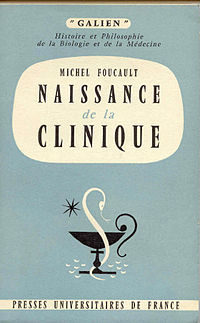
M・フーコー『臨床医学の誕生』の読解
Michel Foucault, The Birth of the Clinic,
1994,1973[1963]
Traité des affections vaporeuses des deux sexes / [Pierre
Pomme].1769 Welcome
Collection./ Antoine
Laurent Jessé Bayle, 1799-1858
解説:池田光穂
★ミシェル・フーコー『臨床医学の誕生:医学的まなざしの考古学』(Naissance de la clinique: une archéologie du regard médical, 1963)は、医療機関としての診療所、すなわち教育病院の発展を提示し、Le regard médical(「医学的まなざし」)の概念を特定し、18世紀末の医学知識の生産における医学の研究構造の認識論的再編成を記述している。もともとはポ スト・モダニズムやポスト構造主義の学問的言説に限定されていたが、医学的まなざしという用語は、大学院医学研究科やソーシャルワークで用いられている [1](→「フーコー年譜」)。つまり、フーコーによれば、臨床医学の誕生——近代医療におけるシステマティクな眼差しと理解と実践の三幅の完成——は18世紀末から19世紀初頭であると考えられる(小野正嗣 2006:36)
☆臨床医学の誕生は、フーコーの「知の解読格子(=知の考古学)」を通して、新しい解釈が与えられる:1)死体解剖[における眼差し]と死についての意味論(病理解剖論)、2)視覚、聴覚、触覚を通した身体空間の測量[不可視なる可視性]、3)熱病という全体性の理解から器質的原因を探求する姿勢への変更(ブルッセ)。
この3つが相互に連動して「医学的まなざし」に大きな変化を与える。それまで病気の本質なるものを想定していたものが、諸組織の運動という形で病気が理解
され「病気の本質など存在しない」ことがあきらかになる。臨床医学は、それまでの諸疾患の医学(→そこでは分類が重要な作業になる)が、病理反応を生じる
諸器官の医学に変わる。そこで臨床医学の医学のこれまでの神話(自由主義が臨床医学を可能にする、18世紀末までの道徳観が死体解剖を忌避していた、ブ
ルッセの熱病理解は全体性をもたない)を解体した。さらに、各人の死とは、個性を与えられた多様な死の存在の形式であり、有限性をもった人間像がそこから
はじまる(→この人間像概念はのちに「言葉と物」で概念自体の有限性が宣言された)
1961 Histoire de la folie à l'âge classique / par Michel Foucault, Paris : Union générale d'éditions , c1961. - (10/18 ; 169-170)
1963 『臨床医学の誕生』(神谷美恵子・訳、み すず書房)Naissance de la clinique: une archaologie du regard regard médical (Paris: PUF, 1963).
1963 『レーモン・ルーセル』(豊崎光一・訳、 法政大学出版局)Raymond
Roussel. (Paris: Gallimard, 1963), date of issue May 1963.
1966 『言葉と物』(渡 辺一民ほか訳、新潮社) Les Mots et les Choses. Une archaologie des sciences humaines. Paris 1966.
1969 『知 の考古学』(中村雄一郎訳、河出書房 新社)L'Archaologie du savoir (Paris: Gallimard, March 1969).
1972 『狂 気の歴史:古典主義時代における』 (田村俶訳、新潮社)Histoire de la folie a l'age classique. Gallimard, 1972——1961年の再版だが序文が削除され2論文が追加されている
1972 『臨床医学の誕生』第二版(大幅な書き直し)
章立て
★『知の考 古学』 ではフーコーは、分析における主体の分散について述べているので(中村訳 1981:84-85)「まなざしという表現」は十分ではないとフーコー自身は述懐している。→「主体の言表行為を規定するには、超越論的主体に訴えるこ とにも、心理的主体性に訴えることにもよるべきではない」(中村訳 1981:85)
++
| The Birth
of the Clinic: An Archaeology of Medical Perception
(Naissance de la clinique: une archéologie du regard médical, 1963), by
Michel Foucault, presents the development of la clinique, the teaching
hospital, as a medical institution, identifies and describes the
concept of Le regard médical ("the medical gaze"), and the epistemic
re-organisation of the research structures of medicine in the
production of medical knowledge, at the end of the eighteenth century.
Although originally limited to the academic discourses of
post-modernism and post-structuralism, the medical gaze term is used in
graduate medicine and social work.[1] |
『臨床医学の誕生:
ミシェル・フーコーによる『診療所の誕生:医学的まなざしの考古学』(Naissance de la clinique: une
archéologie du regard médical, 1963)は、医療機関としての診療所、すなわち教育病院の発展を提示し、Le
regard
médical(「医学的まなざし」)の概念を特定し、18世紀末の医学知識の生産における医学の研究構造の認識論的再編成を記述している。もともとはポ
スト・モダニズムやポスト構造主義の学問的言説に限定されていたが、医学的まなざしという用語は、大学院医学研究科やソーシャルワークで用いられている
[1]。 |
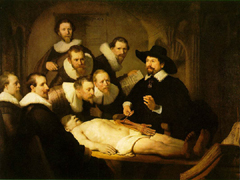
 The medical gaze In the genealogy of medicine—knowledge about the human body—the term Le regard médical (The medical gaze) identifies the doctor’s practice of objectifying the body of the patient, as separate and apart from his or her personal identity. In the treatment of illness, the intellectual and material structures of la clinique, the teaching hospital, made possible the inspection, examination, and analysis of the human body, yet the clinic was part of the socio-economic interests of power. Therefore, when the patient’s body entered the field of medicine, it also entered the field of power where the patient can be manipulated by the professional authority of the medical gaze.[2] In the 18th century, when the French (1789–1799) and the American (1775–1783) revolutions inaugurated the Modern era those events also established a meta-narrative of scientific discourse that presented scientists as sages—specifically, the medical doctors—who would abolish sickness and resolve the problems of humanity. By that cultural perception, 19th-century society replaced the scientifically discredited mediaeval clergy with medical doctors. The myth of medical sagacity was integral to the meta-narrative discourse of Humanism and of the Age of Enlightenment (17th–18th c.)—a historical period when people [specify] believed that the human body was the person.[citation needed] Such biological reductionism gave power of authority to doctors when they applied their medical gaze to the body of the patient, an interaction that allowed unparalleled medical understanding of patient and illness. In turn, the cultural perception of the medical gaze was the doctor’s near-mystical capability to discover hidden truth.[3] |
医学的まなざし 医 学――人体に関する知識――の系譜において、「ル・レガルド・メディカル(Le regard médical:医学的視線[まなざし])」という用語は、医師が患者の身体を、その個人的なアイデンティティとは切り離されたものとして客体化する実践 を指す。病気の治療において、教育病院である「ラ・クリニーク(la clinique)」の知的・物質的構造は、人体の検査、診察、分析を可能にしたが、その一方で、クリニックは権力の社会経済的利害の一部でもあった。し たがって、患者の身体が医学の領域に入ったとき、それは同時に権力の領域にも入り込み、そこで患者は「医学的視線」という専門的権威によって操られること になるのである。[2] 18世紀、フランス革命(1789年~1799年)とアメリカ独立戦争(1775年~1783年) が近代を切り開いた際、これらの出来事は、科学者――とりわけ医師――を、病を根絶し人類の問題を解決する賢者として描く、科学言説のメタナラティブも確 立した。そのような文化的認識のもと、19世紀の社会は、科学的に信用を失った中世の聖職者に代わって医師をその地位に据えた。医学的英知という神話は、 ヒューマニズムおよび啓蒙時代(17~18世紀)のメタナラティブ的言説に不可欠な要素であった。この歴史的時代において、人々は[具体的に]、人体こそ が人間そのものであると信じていた。[出典必要] このような生物学的還元主義は、医師が患者の身体に「医療的視線」を向ける際に権威を与え、その相互作用によって患者と病気に対する比類なき医学的理解が 可能となった。ひいては、「医療的視線」に対する文化的認識とは、隠された真実を見抜く医師の、ほぼ神秘的とも言える能力であった。[3] |
| The epistemic change Foucault's thesis about the birth of the clinic (teaching hospital) contradicts the histories of medicine that present the late 18th century as the beginning of a new empirical system "based on the rediscovery of the absolute values of the visible" material reality.[4] The birth of modern medicine was not a common-sense move towards seeing what already existed, but actually was a paradigm shift in the intellectual structures for the production of knowledge, which made clinical medicine a new way of thinking about the body and illness, disease and medicine: The clinic—constantly praised for its empiricism, the modesty of its attention, and the care with which it silently lets things surface to the observing [medical] gaze without disturbing them with discourse—owes its real importance to the fact that it is a reorganization-in-depth, not only of medical discourse, but of the very possibility of a discourse about disease.[5]  The Doctor by Sir Luke Fildes (1891) In that light, the empiricism of the 18th and 19th centuries was not a dispassionate act of looking, noting, and reporting the disease presented before the doctor's eyes. The relationship between doctor and patient (subject and object) is not about the one who knows and the one who tells, because doctor–patient interactions are not "mindless phenomenologies" that existed before their consultation (medical discourse) as patient and doctor.[6] Clinical medicine came to exist as part of the intellectual structure that defines and organises medicine as "the domain of its experience and the structure of its rationality" as a field of knowledge.[7] That epistemic change allowed a new way of thinking that replaced old scientific concepts with new scientific concepts. In The Order of Things: An Archaeology of the Human Sciences (1966), Foucault showed how history replaced taxonomy, systematic knowledge replaced collections of data. The teaching hospital, la clinique, was established upon the new medical praxis of verifiable observation, which is scientifically more accurate than the old medical praxis based upon religious interpretations of disease. In the 18th century, the professional authority of the doctor was based upon his command of the organised medical knowledge of his time; in the 19th century, a doctor's authority derived from his command of the new, verifiable clinical medicine. An 18th-century doctor would examine a diseased organ as would a 19th-century doctor, yet, because of their different medical cultures, these doctors would reach different conclusions about the cause and treatment of the disease. Despite their perceptual differences of diagnosis, each medical report would be "true", because each doctor diagnosed according to a generally accepted way of thinking (an episteme) in which their respective forms of organised medical knowledge were considered factual. Hence, despite their medical researches having occurred thirty years apart, the father of anatomical pathology, Giovanni Battista Morgagni (1682–1771), and the father of histology, Xavier Bichat (1771–1802), did not practise the same human anatomy.[8] Notes 1. St. Godard, E. E. (2005). "A better Reading". Canadian Medical Association Journal. 173 (9): 1072–1073. doi:10.1503/cmaj.051067. PMC 1266341. 2. St. Godard, E. E. (2005). "A better Reading". Canadian Medical Association Journal. 173 (9): 1072–1073. doi:10.1503/cmaj.051067. PMC 1266341. 3. St. Godard, E. E. (2005). "A better Reading". Canadian Medical Association Journal. 173 (9): 1072–1073. doi:10.1503/cmaj.051067. PMC 1266341. 4. Foucault, Michel. The Birth of the Clinic: An Archaeology of Medical Perception (1973), p. xii. 5. Foucault, Michel. The Birth of the Clinic (1973), p. xix. 6. Foucault, Michel. The Birth of the Clinic (1973), p. xiv. 7. Foucault, Michel. The Birth of the Clinic (1973), p. xv. 8. Foucault, Michel. The Birth of the Clinic (1973), pp. 128–133. Further reading Gutting, Gary (1989). Michel Foucault's Archaeology of Scientific Reason. Cambridge: CUP. ISBN 9780521366984. Starobinski, Jean (1976). "Gazing at Death (review of Birth of the Clinic)". New York Review of Books. 22 (January 22nd). Retrieved 6 February 2016 https://en.wikipedia.org/wiki/The_Birth_of_the_Clinic  |
認識論的変化 臨 床医学(教育病院)の誕生に関するフーコーの論旨は、18世紀後半を「可視的な」物質的現実の「絶対的価値の再発見」に基づく新たな経験的システムの始ま りとして描く医学史の通説と矛盾している。[4] 近代医学の誕生は、すでに存在していたものを「見る」という常識的な動きではなく、実際には知識生産のための知的構造におけるパラダイムシフトであり、そ れによって臨床医学は、身体や不調、疾病、そして医学について考える新たな方法となった。 臨床現場――その経験主義、注意の謙虚さ、そして言説によって事物を乱すことなく、観察する[医学的]視線の下で物事が静かに表面化するように配慮する点 で絶えず称賛されてきた――が真に重要なのは、それが医学的言説だけでなく、疾病に関する言説そのものの可能性をも根本から再編成したものであるという事 実によるのだ。[5] ルーク・フィルデス卿の『医者』(1891年) そ の観点から言えば、18世紀および19世紀の実証主義は、医師の目の前に現れた病気を冷静に観察し、記録し、報告するという行為ではなかった。医師と患者 (主体と客体)の関係は、「知る者」と「語る者」という関係ではない。なぜなら、医師と患者の相互作用は、診察(医学的言説)が行われる以前に、患者と医 師として存在していた「無思考な現象学」ではないからだ。[6] 臨床医学は、医学を知識の領域として「その経験の領域およびその合理性の構造」と定義し、組織化する知的構造の一部として成立した。[7] その認識論的変化により、古い科学的概念を新しい科学的概念に置き換える新たな思考様式が可能となった。フーコーは『言葉と物――人間科学の考古学』 (1966年)において、歴史が分類学に取って代わり、体系的な知識がデータの収集に取って代わった過程を示した。教育病院、すなわち「ラ・クリニーク」 は、検証可能な観察という新しい医療実践に基づいて確立された。これは、病気に対する宗教的解釈に基づく古い医療実践よりも、科学的に正確なものである。 18世紀において、医師の専門的権威は、当時の体系化された医学的知識を習得していることに基づいていた。19世紀においては、医師の権威は、検証可能な 新しい臨床医学を習得していることに由来するようになった。18世紀の医師も19世紀の医師も、病変した臓器を同様に診察するだろう。しかし、両者の医学 文化が異なるため、病気の原因や治療法について異なる結論に達することになる。診断における認識の違いにもかかわらず、それぞれの医療報告書は「真実」で ある。なぜなら、各医師は、それぞれの体系化された医学知識が事実であるとみなされる、一般に受け入れられた考え方(エピステーム)に従って診断を行って いたからである。したがって、医学的研究が行われた時期が30年離れていたにもかかわらず、解剖病理学の父であるジョヴァンニ・バッティスタ・モルガーニ (1682–1771)と、組織学の父であるザビエル・ビシャ(1771–1802)は、同じ人体解剖学を実践していたわけではない。[8] 注記 1. St. Godard, E. E. (2005). 「より良い読解」. カナダ医師会雑誌. 173 (9): 1072–1073. doi:10.1503/cmaj.051067. PMC 1266341. 2. St. Godard, E. E. (2005). 「より良い読解」. カナダ医師会雑誌. 173 (9): 1072–1073. doi:10.1503/cmaj.051067. PMC 1266341. 3. St. Godard, E. E. (2005). 「より良い読解」. カナダ医師会雑誌. 173 (9): 1072–1073. doi:10.1503/cmaj.051067. PMC 1266341. 4. フーコー、ミシェル。『臨床医学の誕生:医学的認識の考古学』(1973年)、p. xii。 5. フーコー、ミシェル。『臨床医学の誕生』(1973年)、p. xix。 6. フーコー、ミシェル。『臨床医学の誕生』(1973年)、xiv頁。 7. フーコー、ミシェル。『臨床医学の誕生』(1973年)、xv頁。 8. フーコー、ミシェル。『臨床医学の誕生』(1973年)、128–133頁。 追加文献(さらに読む) ガッティン、ゲイリー(1989)。『ミシェル・フーコーの科学的理性の考古学』。ケンブリッジ:CUP。ISBN 9780521366984。 スタロビンスキー、ジャン(1976)。「死を見つめる(『病室の誕生』書評)」。『ニューヨーク・レビュー・オブ・ブックス』。22号(1月22日)。 2016年2月6日取得。 |
| The
Archaeology of Knowledge
(L’archéologie du savoir, 1969) by Michel Foucault is a treatise about
the methodology and historiography of the systems of thought
(epistemes) and of knowledge (discursive formations) which follow rules
that operate beneath the consciousness of the subject individuals, and
which define a conceptual system of possibility that determines the
boundaries of language and thought used in a given time and domain.[1]
The archaeology of knowledge is the analytical method that Foucault
used in Madness and Civilization: A History of Insanity in the Age of
Reason (1961), The Birth of the Clinic: An Archaeology of Medical
Perception (1963), and The Order of Things: An Archaeology of the Human
Sciences (1966).[1] Summary The contemporary study of the History of Ideas concerns the transitions between historical world-views, but ultimately depends upon narrative continuities that break down under close inspection. The history of ideas marks points of discontinuity between broadly defined modes of knowledge, but those existing modes of knowledge are not discrete structures among the complex relations of historical discourse. Discourses emerge and transform according to a complex set of relationships (discursive and institutional) defined by discontinuities and unified themes.[2] An énoncé (statement) is a discourse, a way of speaking; the methodology studies only the “things said” as emergences and transformations, without speculation about the collective meaning of the statements of the things said.[3] A statement is the set of rules that makes an expression — a phrase, a proposition, an act of speech — into meaningful discourse, and is conceptually different from signification; thus, the expression “The gold mountain is in California” is discursively meaningless if it is unrelated to the geographic reality of California.[4] Therefore, the function of existence is necessary for an énoncé (statement) to have a discursive meaning.[5] As a set of rules, the statement has special meaning in the archaeology of knowledge, because it is the rules that render an expression discursively meaningful, while the syntax and the semantics are additional rules that make an expression significative.[6] The structures of syntax and the structures of semantics are insufficient to determine the discursive meaning of an expression;[7] whether or not an expression complies with the rules of discursive meaning, a grammatically correct sentence might lack discursive meaning; inversely, a grammatically incorrect sentence might be discursively meaningful; even when a group of letters are combined in such a way that no recognizable lexical item is formulated can possess discursive meaning, e.g. QWERTY identifies a type of keyboard layout for typewriters and computers.[8] The meaning of an expression depends upon the conditions in which the expression emerges and exists within the discourse of a field or the discourse of a discipline; the discursive meaning of an expression is determined by the statements that precede and follow it.[9] To wit, the énoncés (statements) constitute a network of rules that establish which expressions are discursively meaningful; the rules are the preconditions for signifying propositions, utterances, and acts of speech to have discursive meaning. The analysis then deals with the organized dispersion of statements, discursive formations, and Foucault reiterates that the outlined archaeology of knowledge is one possible method of historical analysis.[10] Reception The philosopher Gilles Deleuze describes The Archaeology of Knowledge as, "the most decisive step yet taken in the theory-practice of multiplicities."[11] https://en.wikipedia.org/wiki/The_Archaeology_of_Knowledge |
ミシェル・フーコーの『知の考古学』(L'archéologie du savoir,
1969)は、主体である個人の意識下で作動する規則に従い、ある時代と領域で使用される言語と思考の境界を決定する可能性の概念体系を定義する思考(エ
ピステーメー)と知識(言説的形成)のシステムの方法論と歴史学についての論考である[1]: A History of Insanity in
the Age of
Reason』(1961年)、『クリニックの誕生』(1961年)、『医学的知覚の考古学』(1961年)においてフーコーが用いた分析手法である:
医学的知覚の考古学』(1963年)、『物事の秩序』(1963年)である: 人間科学の考古学』(1966年)である[1]。 概要 現 代の思想史研究は、歴史的な世界観間の移行を扱うが、最終的には、綿密に検証すれば崩れてしまう物語的な連続性に依存している。思想史は、広義に定義され た知識の様式間の不連続性を示すが、それらの既存の知識の様式は、歴史的言説の複雑な関係の中で離散的な構造として存在するわけではない。言説は、不連続 性と統一的なテーマによって定義される一連の複雑な関係(言説的および制度的)に従って、出現し、変容していく。[2] 「エノンス(énoncé)」とは、言説であり、語り方である。この方法論は、「語られたこと」を、その出現と変容としてのみ研究し、語られたことの集合 的な意味について推測することはない。[3] 言明とは、表現――フレーズ、命題、発話行為――を意味のある言説へと変える規則の集合であり、シニフィケーションとは概念的に異なる。したがって、「金 の山はカリフォルニアにある」という表現は、カリフォルニアという地理的現実と無関係であれば、言説的には無意味である。[4] したがって、énoncé(言明)が言説的な意味を持つためには、存在の機能が不可欠である。[5] 一連の規則として、文は「知識の考古学」において特別な意味を持つ。なぜなら、表現を談話的に意味あるものにするのは規則であり、一方、構文や意味論は、 表現を意味を持つものにするための付加的な規則に過ぎないからである。[6] 構文の構造や意味論の構造だけでは、表現の言説的意味を決定するには不十分である。[7] 表現が言説的意味の規則に準拠しているか否かにかかわらず、文法的に正しい文であっても言説的意味を欠く場合がある。逆に、文法的に誤った文であっても、 談話的に意味を持つ場合がある。認識可能な語彙項目が形成されないような方法で文字の集合が組み合わされていても、談話的な意味を持つことがある。例え ば、「QWERTY」は、タイプライターやコンピュータのキーボード配列の一種を指す。[8] 表現の意味は、その表現が特定の分野や学問領域の言説の中で出現し、存在する状況に依存する。表現の言説的意味は、その前後に続く文によって決定される。 [9] すなわち、エノンセ(発話)は、どの表現が談話的に意味を持つかを定める規則のネットワークを構成している。これらの規則は、命題、発話、および言語行為 が談話的な意味を持つための前提条件である。したがって、この分析は、発話の組織化された分散や談話形成を扱うものであり、フーコーは、概説された「知識 の考古学」が歴史的分析の一つの可能な方法であることを繰り返し述べている。[10] 受容 哲学者のジル・ドゥルーズは、『知識の考古学』を「多重性の理論-実践において、いまだかつてなされたことのない決定的な一歩」と評している[11]。 |
| Foucauldian
discourse analysis
is a form of discourse analysis, focusing on power relationships in
society as expressed through language and practices, and based on the
theories of Michel Foucault. Overview Subject of analysis Besides focusing on the meaning of a given discourse, the distinguishing characteristic of this approach is its stress on power relationships. These are expressed through language and behaviour, and the relationship between language and power.[1][2] This form of analysis developed out of Foucault's genealogical work, where power was linked to the formation of discourse within specific historical periods. Some versions of this method stress the genealogical application of discourse analysis to illustrate how discourse is produced to govern social groups.[3] The method analyses how the social world, expressed through language, is affected by various sources of power.[1] As such, this approach is close to social constructivism, as the researcher tries to understand how our society is being shaped (or constructed) by language, which in turn reflects existing power relationships.[1][2] The analysis attempts to understand how individuals view the world, and studies categorizations, personal and institutional relationships, ideology, and politics.[4] The approach was inspired by the work of both Michel Foucault and Jacques Derrida, and by critical theory.[4] Foucauldian discourse analysis, like much of critical theory, is often used in politically oriented studies. It is preferred by scholars who criticize more traditional forms of discourse analysis as failing to account for the political implications of discourse.[5] Political power is gained by those in power being more knowledgeable and therefore more legitimate in exercising their control over others in both blatant and invisible ways.[6] Process Kendall and Wickham outline five steps in using "Foucauldian discourse analysis". The first step is a simple recognition that discourse is a body of statements that are organized in a regular and systematic way. The subsequent four steps are based on the identification of rules on: 1. how those statements are created; 2. what can be said (written) and what cannot; 3. how spaces in which new statements can be made are created; 4. making practices material and discursive at the same time.[6] Areas of study Studies employing the Foucauldian discourse analysis might look at how figures in authority use language to express their dominance, and request obedience and respect from those subordinate to them. The disciplinary interaction between authority and their followers emphasize the power dynamic found within the relationships.[7] In a specific example, a study may look at the language used by teachers towards students, or military officers towards conscripts. This approach could also be used to study how language is used as a form of resistance to those in power.[1] Foucauldian discourse analysis has also been deployed to illustrate how scholars and activists at times unwittingly reproduce the very discourses that they aim to challenge and overcome.[8] L'Ordre du discours L'Ordre du discours (The Order of Discourse) is Michel Foucault's inaugural lecture at the Collège de France, delivered on December 2, 1970. Foucault presents the hypothesis that in any society the production of discourse is controlled, in order to eliminate powers and dangers and contain random events in this production.[9] Speech control and exclusion procedures 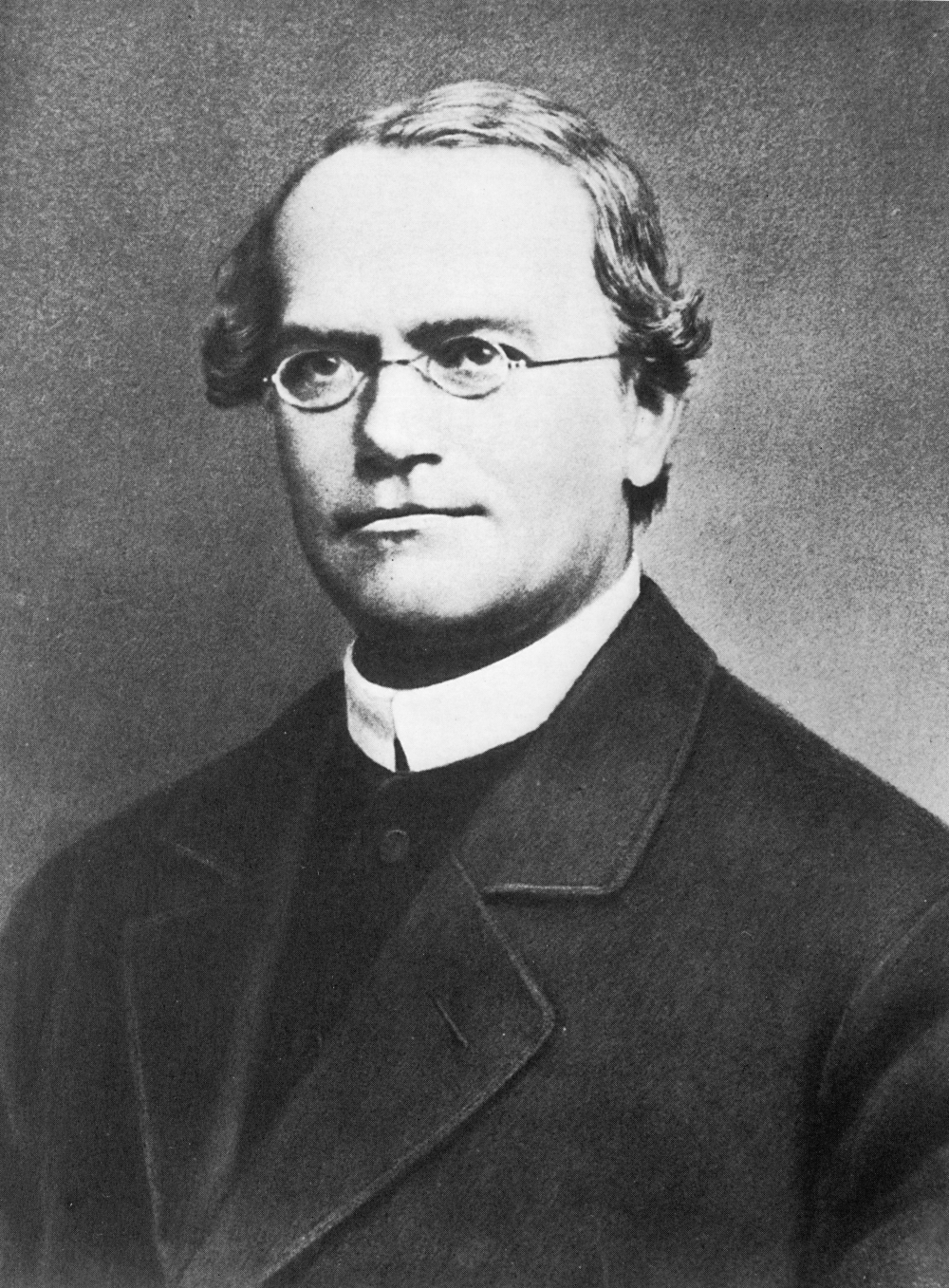 "Mendel told the truth, but he was not in the true biological discourse of his time", says Foucault regarding the disciplines. Foucault presents the hypothesis that, in every society, the production of discourses is controlled with the aim of: 1. exorcising its powers and dangers; 2. reducing the force of uncontrollable events; 3. hide the real forces that materialize the social constitution. To this end, he theorizes that external or internal procedures are used.[9] External procedures These procedures are exercised from the outside and function as systems of exclusion, insofar as they concern the part of the discourse that puts power and desire into play. The three great systems of this type are: the prohibited word, the division of madness and the will to truth.[9] I. Prohibition: definition of what can be said in each circumstance. It is divided into three: taboo of the object, ritual of the circumstance and privileged or exclusive right of the speaker.[9] II. Division of madness: the madman's speech, according to Foucault, "cannot be transmitted like that of others": either he is considered null, or he is endowed with special powers, such as predicting the future.[9] III. Will to truth: the will to truth and the institutions that surround it exert pressure on discursive production. He cites as an example the subordination of Western literature to the credible and natural imposed by science.[9] Internal procedures These procedures start from the speech itself with the function of classifying, ordering and dictating its distribution; the discourses themselves exercise their own control and are characterized by serving as principles of classification, ordering and distribution to dominate the dimension of discourse related to what happens and to chance.[9] This title includes the commentary, the author and the organization into disciplines.[9] Commentary: there is a gap between the recurring discourses ("speak themselves"), constantly revisited, and the commonplace ones ("are spoken"). Those that resort to larger ones are called commentaries. Through this gap there is the possibility of creating different discourses, where comments, regardless of their apparent novelty, will always be a repetition of the first text.[9] Author: it should not be understood as the individual who produces the speech, but rather as a "discourse grouping principle", a section of that individual. It is through the role of the author that the individual will distinguish what to write or not, what will go into his work within everything he says every day.[9] Disciplines: principle that results from the delimitation of a "field of truth" where the discourse must be inserted. This field concerns the rules imposed for the construction of a discourse in a given field of knowledge (such as botany or medicine, which relate to its construction) as well as "a domain of objects, a set of methods, a body of propositions considered true, a set of rules and definitions, techniques and instruments" necessary for their acceptance within the "true" of a given discipline.[9] https://en.wikipedia.org/wiki/Foucauldian_discourse_analysis |
フーコー的言説分析は、言説分析の一形態であり、ミシェル・フーコーの
理論に基づき、言語と実践を通して表現される社会の権力関係に焦点を当てる。 概要 分析の対象 このアプローチの特徴は、ある言説の意味に焦点を当てることに加え、権力関係に重点を置いていることである。この分析形態はフーコーの系譜学的研究から発 展したものであり、そこでは特定の歴史的時代における言説の形成に権力が結びつけられていた。この方法のいくつかのバージョンは、言説が社会集団を統治す るためにどのように生み出されるかを説明するために、言説分析の系譜的適用を強調している[3]。 [そのため、このアプローチは社会構成主義に近く、研究者は私たちの社会がどのように言語によって形成(構築)され、それが既存の権力関係を反映している かを理解しようとする。 このアプローチは、ミシェル・フーコーとジャック・デリダ両氏の研究と批評理論に触発されたものである[4]。 フーコー的言説分析は、批評理論の多くと同様に、政治的志向の研究においてしばしば用いられる。より伝統的な形式の言説分析が言説の政治的含意を説明でき ていないと批判する学者たちによって好まれている[5]。政治的権力は、権力者がより知識が豊富であり、それゆえに露骨な方法と目に見えない方法の両方に おいて他者に対する支配を行使する上でより正当であることによって獲得される[6]。 プロセス ケンドールとウィッカムは、「フーコー的言説分析」を用いるための5つのステップを概説している。最初のステップは、言説とは規則的かつ体系的な方法で組 織化された陳述体であるという単純な認識である。続く4つのステップは、次のようなルールの特定に基づいている: 1. これらの言明はどのように作られるのか; 2. 何が言えて(書けて)何が言えないか; 3. 新たな発言が可能な空間がどのように作られるか; 4. 実践を物質的であると同時に言説的なものにすることである[6]。 研究分野 フーコー的な言説分析を用いた研究では、権威のある人物がどのように言語を用いて自らの優位性を表現し、彼らに従属する人々に服従と尊敬を要求しているか に注目することができる。具体的な例としては、教師が生徒に対して使う言葉や、軍人が徴兵者に対して使う言葉を研究することが考えられる。このアプローチ はまた、権力者に対する抵抗の一形態として言語がどのように使用されているかを研究するために使用することもできる[1]。フーコー的言説分析はまた、学 者や活動家が時として、彼らが挑戦し克服することを目的としている言説そのものを、いかに無意識のうちに再生産しているかを説明するために展開されてきた [8]。 言説の秩序 L'Ordre du discours』(言説の秩序)は、1970年12月2日に行われたミシェル・フーコーのコレージュ・ド・フランスでの就任講義である。フーコーは、ど のような社会においても、言説の生産は、権力や危険を排除し、この生産におけるランダムな出来事を封じ込めるために、統制されているという仮説を提示して いる[9]。 言論統制と排除の手続き 「メンデルは真実を語ったが、彼は当時の真の生物学的言説の中にいなかった」とフーコーは学問に関して述べている。 フーコーは、どの社会においても、言説の生産は次のような目的で統制されているという仮説を提示している: 1.その力と危険を祓い、2.制御不能な出来事の力を弱め、3.社会構造を実体化する現実の力を隠す。この目的のために、彼は外的あるいは内的な手続きが 用いられると理論化している[9]。 外的手続き これらの手続きは外部から行使され、権力と欲望を作用させる言説の部分に関わる限り、排除のシステムとして機能する。このタイプの三大システムは、禁止さ れた言葉、狂気の分裂、真理への意志である[9]。 I. 禁止:それぞれの状況において何を言ってよいかの定義。対象のタブー、状況の儀式、発言者の特権的・排他的権利の3つに分けられる[9]。 II. 狂気の分裂:フーコーによれば、狂人の発話は「他の人の発話と同様に伝達されることはない」:彼は無効とみなされるか、あるいは未来予知のような特別な力 を与えられているかのどちらかである[9]。 III. 真理への意志:真理への意志とそれを取り巻く制度は、言説の生産に圧力をかける。彼はその例として、西洋文学が科学によって押しつけられた信頼できるも の、自然なものに従属させられていることを挙げている[9]。 内部的な手続き これらの手続きは、分類し、秩序づけ、その分配を指示する機能を持つ言説それ自体から始まる。言説それ自体が自らの統制を行使し、起こることや偶然に関連 する言説の次元を支配する分類、秩序づけ、分配の原理として機能することによって特徴づけられる[9]。このタイトルには、解説、著者、分野への編成が含 まれる[9]。 解説:常に見直される反復的な言説(「自ら語る」)とありふれた言説(「語られる」)との間には隔たりがある。より大きなものに依拠するものは解説と呼ば れる。このギャップを通して、異なる言説を生み出す可能性があり、コメントは、その見かけの新しさにかかわらず、常に最初のテキストの繰り返しとなる [9]。 著者:それは発話を生み出す個人として理解されるべきではなく、むしろ「言説のグループ化原理」、その個人の一部分として理解されるべきである。著者の役 割を通じて、個人は何を書くか書かないか、毎日発言するすべての中で何が自分の仕事に入るかを区別することになる[9]。 ディシプリン:言説が挿入されなければならない「真実の場」の区切りから生じる原則。この分野は、与えられた知識分野(植物学や医学など、その構築に関す るもの)における言説の構築のために課される規則や、与えられた学問分野の「真理」の中で受け入れられるために必要な「対象の領域、一連の方法、真とみな される命題の本体、規則や定義、技術や器具のセット」に関係する[9]。 |
| Biopower Critical discourse analysis Cultural studies Deconstruction Difference (philosophy) Discipline and Punish Discourse Discourse analysis Foucault's lectures at the College de france Michel Foucault bibliography Post-structuralism Postmodernism The Archaeology of Knowledge The History of Sexuality |
バイオパワー 批判的言説分析 カルチュラル・スタディーズ 脱構築 差異(哲学) 規律と処罰 言説 言説分析 フランス大学でのフーコーの講義 ミシェル・フーコーの文献目録 ポスト構造主義 ポストモダニズム 知の考古学 セクシュアリティの歴史 |
| https://en.wikipedia.org/wiki/The_Birth_of_the_Clinic |
**イタリア語版「臨床医学の誕生(Nascita della clinica)」
| «Il luogo in cui si
forma il sapere non è il giardino patologico in cui Dio aveva
distribuito le specie, bensì una coscienza medica generalizzata,
diffusa nello spazio e nel tempo, aperta e mobile, legata ad ogni
esistenza individuale, ma anche alla vita collettiva della nazione,
sempre vigile sul dominio infinito ove il male, con aspetti diversi,
tradisce la sua grande forma massiccia.» (Michel Foucault [1])- Nascita della clinica, pag. 46 |
“The place in which knowledge is
formed is not the pathological garden in which God had distributed the
species, but rather a generalized medical consciousness, diffused in
space and time, open and mobile, linked to each individual existence,
but also to the collective life of the nation, ever vigilant over the
infinite domain where evil, with different aspects, betrays its great
massive form.” (ミシェル・フーコー [1]) 「知識が形成される場所は、神が種をばらまいた病的な庭ではなく、むしろ、空間と時間に拡散した一般的な医学的意識であり、個々の存在だけでなく国民の集 合的な生活にもつながり、常に悪がさまざまな側面でその巨大な姿を現す無限の領域を警戒している。」 |
| Nascita
della clinica. Un'archeologia dello sguardo clinico (Naissance de
la clinique: une archéologie du regard médical), saggio pubblicato in
lingua francese nel 1963, è la seconda tra le opere maggiori del
filosofo Michel Foucault. Sviluppando i temi esplorati nel lavoro
precedente, Storia della follia nell'età classica, Foucault traccia
l'evoluzione della professione medica, e specificamente l'istituzione
della clinique, ovvero di quel peculiare ospedale particolarmente
orientato all'insegnamento pratico della medicina. I punti centrali
sono il concetto del regard medico ("sguardo medico") e l'improvvisa
riorganizzazione della conoscenza avvenuta alla fine del diciottesimo
secolo, argomento che sarà ampliato nel suo successivo importante
testo, Le parole e le cose. |
『臨床医学の誕生』。1963年にフランス語で発表されたエッセイ『臨
床のまなざしの考古学』(Naissance de la clinique: une archéologie du regard
médical)は、哲学者ミシェル・フーコーの主要著作の第2作目である。前作『古典期における狂気の歴史』で探求されたテーマを発展させながら、フー
コーは医療専門職の変遷、とりわけクリニーク(医学の実践的教育を特に志向する独特の病院)制度の変遷をたどっている。中心的な論点は、医学的関心(「医
学的まなざし」)の概念と、18世紀末に起こった知識の突然の再編成である。 |
Lo sguardo medico Illustrazione del dualismo per mano di René Descartes. Gli stimoli sono trasferiti dagli organi sensoriali alla ghiandola pineale nel cervello e da lì allo spirito immateriale. Foucault coniò l'espressione "sguardo medico" per denotare la disumanizzante separazione medica tra corpo del paziente e persona (identità) del paziente (si veda il concetto di dualismo mente-corpo). Usa l'espressione in una genealogia che descrive la creazione di un campo di conoscenza del corpo. Le strutture materiali ed intellettuali che rendevano possibile l'analisi del corpo erano mescolate con interessi di potere: nel momento in cui entrava nel campo della conoscenza, il corpo umano entrava pure nel campo del potere, divenendo un bersaglio possibile per la manipolazione. In origine, lo "sguardo medico" era confinato nell'uso accademico postmoderno e post-strutturalista, ma ora è spesso impiegato nei corsi di specializzazione dei medici e degli assistenti sociali.[2] La rivoluzione francese e quella americana che disseminarono la modernità crearono altresì una metanarrazione del discorso scientifico che trasformava gli scienziati, e specialmente i medici, in saggi che nel tempo avrebbero abolito la malattia e risolto tutti i problemi dell'umanità. Per gli uomini del diciannovesimo secolo, i medici rimpiazzavano lo screditato clero medievale; i sanitari salvavano i corpi, non le anime. Questo mito faceva parte del più ampio discorso, alimentato dalle scuole di pensiero umanistiche ed illuministiche, secondo cui il corpo umano è la somma di una persona: riduzionismo biologico che divenne un potente strumento dei nuovi saggi. Per mezzo dell'accurata osservazione (sguardo) di un corpo, il dottore deduce sintomi, malattia e causa, in tal modo ottenendo un'incomparabile comprensione del paziente — da quel momento, si ritenne che lo sguardo medico del dottore penetrasse la superficie delle illusioni, in un processo semi-mistico di scoperta della verità nascosta. |
医学的まなざし ルネ・デカルトによる二元論の図解。刺激は感覚器官から脳の松果体へ、そこから非物質的な精神へと伝達される。 フーコーは、患者の身体と人間(アイデンティティ)の間の非人間的な医学的分離を示すために、「医学的まなざし」という表現を作り出した(心身二元論の概 念を参照)。彼はこの表現を、身体に関する知識の場の創造を説明する系図の中で用いている。身体の分析を可能にする物質的・知的構造は、権力的利害と混ざ り合っていた。知識の分野に入ると同時に、人間の身体も権力の分野に入り、操作の対象となりうるものとなった。もともと「医学的まなざし」は、ポストモダ ンとポスト構造主義の学問的使用に限定されていたが、現在では医師やソーシャルワーカーの専門課程でしばしば採用されている[2]。 近代に散見されたフランス革命とアメリカ革命はまた、科学者、とりわけ医師を、やがて病気を根絶し、人類のあらゆる問題を解決する賢者へと変貌させる科学 的言説のメタナラティブを生み出した。19世紀の男たちにとって、医師は信用できない中世の聖職者に取って代わる存在であり、衛生士は魂ではなく肉体を救 う存在だった。この神話は、人文主義や啓蒙主義の学派が煽った、人間の身体は人間の総体であるという広範な言説の一部であった。身体の正確な観察(視線) によって、医師は症状、病気、原因を推理し、それによって患者を比類なく理解する。その瞬間から、医師の医学的な視線は、隠された真実を発見する半神秘的 なプロセスにおいて、幻想の表面を突き通すと考えられるようになった。 |
Il cambio epistemico I giardini dell'antico ospedale della Salpêtrière (litografia di Armand Gautier,[3] 1857). La concezione di Foucault dello sviluppo della clinique è radicalmente diversa da quelle storie della medicina e del corpo che consideravano la fine del diciottesimo secolo come l'alba di un nuovo "supposto" sistema empirico, "basato sulla riscoperta dei valori assoluti del visibile".[4] Nell'idea di Foucault, la nascita della medicina moderna non fu un banale movimento verso la semplice percezione di qualcosa che era già di fronte ai nostri occhi (e quindi una scienza senza filosofia), ma piuttosto una svolta decisiva nella struttura della conoscenza. Vale a dire che la medicina moderna non è una pura progressione dalla fine del diciottesimo secolo, età in cui si è gradualmente acquisita una consapevolezza della vera natura del corpo e della malattia. Foucault caldeggia una concezione della storia della medicina, segnatamente della medicina clinica, come rottura epistemica, piuttosto che come effetto dell'"illuminazione" sperimentata da una massa di spiriti eletti, nella scoperta di nuove strade per vedere e conoscere la verità: «La clinica — costantemente esaltata per il suo empirismo, l'umiltà della sua attenzione, e la dedizione con cui permette alle cose di emergere silenziosamente per offrirsi allo sguardo osservatore senza disturbarle con discorsi — deve la sua reale importanza al fatto che è una riorganizzazione in profondità, non solo del discorso medico, ma della mera possibilità di un discorso sulla malattia.»[5] Perciò l'empirismo dei secoli diciottesimo e diciannovesimo non è l'atto ingenuo o spoglio del guardare ed annotare ciò che si presenta agli occhi del dottore. La relazione fra soggetto ed oggetto non è solo "quello che sa / quello che racconta"; il contatto tra medico e singolo paziente non preesiste al discorso come indicherebbero le "fenomenologie incoscienti".[6] Piuttosto, la scienza clinica della medicina venne a esistere come parte di una più ampia struttura di organizzazione della conoscenza che permetteva l'articolazione della medicina come una disciplina, rendendo possibile "il dominio della sua esperienza e la struttura della sua razionalità".[7] In altre parole, le osservazioni e analisi di un oggetto (per esempio un organo malato) dipendevano interamente dalle pratiche accettate come erano delineate nella coeva organizzazione della conoscenza. Investigazione, diagnosi e trattamento seguivano in blocco quella stessa organizzazione contemporanea, nel qual caso il criterio che distingue un organo malato da uno sano è strettamente storico. Foucault avrebbe poi formalizzato questa nozione nell'episteme, in cui un'era epistemologica cede il passo ad un'altra, così permettendo a un concetto di scientificità di lasciare campo libero a un altro. In questo caso, come sarà descritto ne Le parole e le cose, l'era tassonomica cedette il passo all'era storica organica; pertanto, la clinica non era semplicemente fondata sull'osservazione della verità, e quindi più corretta di ogni precedente pratica medica, ma piuttosto l'artefatto di una teoria della conoscenza inserito in uno specifico periodo discorsivo. L'autorità della clinica fa affidamento su una relazione con l'attuale organizzazione della conoscenza, invece che su una relazione con una situazione non-discorsiva ("realtà"). Per questo motivo, un medico dei primi anni del diciottesimo secolo poteva osservare un organo affetto esattamente dalla stessa malattia di quello sottoposto a un medico del diciannovesimo secolo, ma i due sanitari sarebbero giunti a conclusioni largamente divergenti su cause e rimedi della malattia in esame. Nonostante tale differenza, ciascun ragionamento sarebbe "vero", poiché entrambi sarebbero stati enunciati in un'episteme che considerava vera ognuna di queste affermazioni. Questo significa che anatomisti come Morgagni e Bichat non erano studiosi della stessa disciplina, anche se le loro rispettive opere sono separate da trent'anni appena.[8] Il cambio epistemico ha comportato che i corpi, le malattie, i tessuti e le patologie che ciascun taglio apriva ed esplorava erano articolati in discorsi completamente differenti e discontinui. Perciò la pretesa dell'anatomia di essere una scienza empirica privilegiata che può osservare e determinare un vero schema corporeo non è sostenibile nel momento in cui le sue origini non furono nella scoperta di un modo di sapere cos'era vero, ma piuttosto emergevano da un nuovo modo filosofico di creare senso ed organizzare certi oggetti. Da qui l'uso della parola "nascita" nel titolo; la clinica non ha origini, è arrivata semplicemente e all'improvviso. |
認識論の変化 旧サルペトリエール病院の庭園(アルマン・ゴーティエのリトグラフ、1857年[3])。 臨床の発展に関するフーコーの概念は、18世紀末を「目に見えるものの絶対的価値の再発見に基づく」新たな「想定された」経験的システムの幕開けとみなし た医学と身体の歴史とは根本的に異なっている[4]。フーコーの見解では、近代医学の誕生は、すでに目の前にあったもの(したがって哲学のない科学)の単 なる認識への些細な動きではなく、むしろ知識の構造における決定的な転換であった。つまり、近代医学は18世紀末の純粋な進歩ではなく、身体と病気の本質 に対する認識が徐々に獲得された時代なのである。フーコーは、医学の歴史、特に臨床医学の歴史を、真実を見たり知ったりする新しい方法を発見する際に大勢 の選ばれた精神が経験した「啓蒙」の効果としてではなく、認識論的断絶としてとらえることを提唱している: 「その経験主義、その注意の謙虚さ、そして言説で邪魔することなく、物事を静かに出現させ、観察する視線に自らを提供させる献身性によって常に称賛される 診療所は、医学的言説だけでなく、病気に関する言説の単なる可能性を深く再編成しているという事実に、その真の重要性を負っている」[5]。 このように、18世紀と19世紀の経験主義は、医師の目に映るものを見て、それを記すという素朴でむき出しの行為ではない。主体と客体との関係は、単に 「彼が知っていること/彼が語ること」ではなく、医師と個々の患者との接触は、「無意識の現象学」が示すような言説があらかじめ存在しているわけではな い。 [6] むしろ、医学の臨床科学は、学問としての医学を明確にし、「その経験の領域と合理性の構造」を可能にする、より広範な知識組織構造の一部として存在するよ うになった。調査、診断、治療は同じ現代的な組織に全面的に従っており、その場合、病気の臓器と健康な臓器とを区別する基準は厳密に歴史的なものである。 フーコーは後に、この概念をエピステーメー(認識論的時代から別の時代への移行)において形式化することになる。この場合、『言葉と物』で説明されるよう に、分類学的時代は歴史的有機的時代に道を譲ったのである。したがって、診療所は単に真実の観察に基づくものではなく、したがってそれまでのどの医療行為 よりも正しいものではなく、むしろ特定の言説的時代に埋め込まれた知識理論の産物なのである。診療所の権威は、非回帰的な状況(「現実」)との関係ではな く、現在の知識組織との関係に依拠している。このため、18世紀初頭の医師が、19世紀の医師とまったく同じ病気に罹患している臓器を観察しても、2人の 医師は、調査対象の病気の原因と治療法について、大きく異なる結論を出すことになる。このような違いがあるにもかかわらず、それぞれの推論は「真」であろ う。なぜなら、これらの記述はそれぞれを真とみなすエピステーメーの中で述べられているからである。 つまり、モルガニーニとビシャットのような解剖学者は、それぞれの著作がわずか30年の隔たりがあったとはいえ、同じ学問分野の学者ではなかったというこ とである[8]。この認識論の転換は、それぞれが切り開き、探求した身体、病気、組織、病理が、まったく異なる不連続な言説の中で明確に表現されていたこ とを意味していた。したがって、解剖学の起源が、何が真実であるかを知る方法の発見にあったのではなく、むしろある対象を意味づけ、組織化する新たな哲学 的方法から生まれたものである以上、真の身体パターンを観察し、決定することのできる特権的な経験科学であるという主張は、持続可能なものではない。それ ゆえ、タイトルに「誕生」という言葉が使われているのである。クリニックには起源がなく、それは単純に、突然やってきたのだ。 |
| Edizione italiana In italiano, il libro è uscito in traduzione e con introduzione di Alessandro Fontana presso Einaudi nel 1969 e in nuova edizione con postfazione di Mauro Bertani nel 1998. ISBN 978-88-06-14871-3 |
イタリア語版 イタリア語版では、1969年にエイナウディ社でアレッサンドロ・フォンタナの序文付き翻訳版が、1998年にマウロ・ベルターニの後書き付き新版が出版 された。ISBN 978-88-06-14871-3 |
| https://it.wikipedia.org/wiki/Nascita_della_clinica |
☆ミッシェル・フーコーが『臨床医学の誕生』を書いた時 代
++++++++++++++++++++++++++++++++++++++++++++++
☆真理の生産と病院という空間
| 医学、精神医学、刑事司法、犯罪学。これらは
長い間、認識という規範における真理の表
明の果てにあり、試練という形における真理の生産の果てにあった。今日でも大部分におい
てそうである。試練という形での真理の生産は、認識という規範における真理の表明の下に
隠れ、それによって正当化される傾向にあった。これらの「分野(デイシプリン)」が今日見舞われてい
る危機は、その限界や不明確さを認識の領域において問いに付すのみならず、認識を、認識
という形式を、「主体ー対象」という規範を問いに付す。この危機は、我々の時代の経済
的・政治的構造と認識との関係を問いただす(認識の内容の真偽においてではなく、知とし
ての権力の諸機能においてこの関係を問いただす)。したがってこの危機は、歴史的・政治
的な危機である |
(フーコー 2006:139) |
| まず医学の例を、これに付帯した空間、すなわち病院とともに見てみよ
う。かなり遅くま
で、病院は曖昧な場のままだった。そこは、隠れた真理のための認証の場でもあり、生産す
べき真理のための試練の場でもあった。 |
(フーコー 2006:140) |
| 疾病に対する直接的な行動。それは、疾病の真理が医師の目に明らかにな
るのを可能にす
ることであるが、のみならず、疾病の真理を生産するということでもあった。病院とは、真
の疾病の孵化の場であった。事実、自由な状態に放置された病人——病人の「環境」に、家
族のうちに、近親者のうちに置かれ、本人の食生活、習慣、先入見、幻想をそのままにして
放置された病人——は複合的な疾病、縫れ錯綜した疾病にしか罹患していないと想定されて
いた。そうした疾病は一種の、本性に反した疾病であり、複数の疾病の混合であると同時に、
真の疾病がその本性の真正性をもって生産されるのを妨げるものであるとされていた。した
がって病院の役割とは、こうした寄生的な植生や甜ばれた形態を遠ざけることで疾病をあるが
ままの姿で見られるものとすることであり、のみならず、それまで囲い込まれ枷をはめられ
ていた疾病を疾病の真理において生産することでもあった。疾病のもともとの本性、本質的
な諸性格、個々の疾病に特有の発達は、病院への収容の効果によってようやく現実となるこ
とができるようになる、というわけである。 |
(フーコー 2006:140) |
| 18世紀の病院は、病気の真理が輝き出るための諸条件を創り出すものと
見なされていた。
したがって病院は観察と証明の場であったが、純化と試練の場でもあった。それはある複合
的な設備をなしており、この設備は、疾病を出現させると同時に疾病を現に生産すべきもの
でもあった。すなわち、種について観想する植物学的な場でもあり、病理学的な実体を製錬
する錬金術的な場でもあった。 |
(フーコー 2006:140-141) |
| この二つの機能が、19世紀に設立された大病院構造によっても依然とし
て長い間引き受
けられていた。1世紀の間(1760年〜1860年)、病院への収容の実践と理論は、ま
た、一般に疾病の構想は、この二面性に支配されていた。疾病の迎え入れの構造である病院
は、認識の空間ないし試練の場であるべきなのか、というわけだ。 |
(フーコー 2006:141) |
| そこから、医師たちの思考と実践とを貫く多くの問題が生ずる。以下が、
そのいくつかである。 |
(フーコー 2006:141) |
| 一、治療法とは、病気を消去し、存在しなくなるまで縮減することであ
る。しかし、この
治療法が合理的であるには、つまり治療法が真理のもとに基礎づけられるには、疾病が発達
するがまま放置しなければならないのではないか?いつ、どちら向きに介入しなければな
らないのか?そもそも、介入などしなければならないのか?疾病が発達するように行動
しなければならないのか、それとも疾病が止まるように行動しなければならないのか?疾
病を弱めるように行動しなければならないのか、それとも疾病が終わりに至るように導かな
ければならないのか? |
(フーコー 2006:141) |
| 二、疾病と、疾病の変化したものがある。純粋な疾病と不純な疾病、単純
な疾病と複合的
な疾病がある。最終的には一っの疾病があり、他のすべての疾病は遠近の差はあれそこから
派生した形態なのではないか、それとも、相互に還元不可能ないくつかの範疇を認めるべき
なのか?(炎症という概念に関してブルーセと反論者たちとの間でおこなわれた議論。本
質的熱病の問題。) |
(フーコー 2006:141-142) |
| 三、正常な疾病とは何か?順調な経過を辿る疾病とは何か?死に至る疾病
か、それとも、進展が完了すると自発的に治癒する疾病か?ビシャの立てていた、生と死の間という疾病の位置についての問いがこのようなものである。 |
(フーコー 2006:142) |
| パストゥールの生物学がこれらすべての問題に対して導入した非常な単純
化はよく知られ
ている。病気の作用因を規定し、これを単独の組織として定めることで、パストゥールの生
物学は、病院が観察の場、診断の場、臨床的かつ実験的な標定の場となることを可能にした。
のみならず、直接的な介入の場、細菌の侵入に対する反撃の場ともなることを可能にした。 |
(フーコー 2006:142) |
| これで、試練という機能は消滅しうる、ということがわかる。これ以降、
疾病の生産され
る場は、実験室、試験管になる。しかしそこでは、疾病は発作という形でおこなわれることは
ない。その過程は、膨れあがる機構へと還元される。疾病は、検証可能で制御可能な現象へ
と帰着させられる。もはや病院という環境は疾病にとって、ある決定的な出来事に有利な場
である必要はない。病院という環境は単に、還元、転移、増大、認証を可能にするものであ
る。試練は、実験室の技術的構造において、また医師の表象において、証拠へと姿を変えて。 |
(フーコー 2006:142) |
| 医
学にまつわる人物についての「民族学的認識論」をやってみたいのであれば、パストゥ
ールによる革命が、疾病の儀礼的生産と疾病の試練とにおいてこの人物がおそらくは千年も
の間果たしてきた役割を奪った、と言わなければならないだろう。この役割の消滅は、おそ
らくパストゥールの示したことの内情によって劇的なものとなった。パストゥールが示のは、医師は疾病を「真理において」生産する者である必要がない、とい
うことだけではく、医師は真理に対する無知ゆえに何千回にもわたって自分が疾病の伝播者かつ再生産者なってしまった、ということである。病床から病床へと
渡り歩く病院の医師は感染の主要な
作用因だったのだ。パストゥールは医師の心に、ナルシシズムを傷つけるひどい傷を医師は長い間このことで彼を許さなかった。病人の身体をくまなく見、触診
し、調べなばならない医師のあの手、疾病を発見し、これを白日のもとで生産し、示さなければならな
いあの手を、パストゥールは病気を運ぶものとして示した。病院という空間と医師の知それまでは、疾病の「危機〔発作〕」としての真理を生産するという役割
をもっていや、医師の身体と病院への押し込めが、疾病の現実を生産するものとして現れた。
|
(フーコー 2006:142-143) |
| 殺菌されることで、医師と病院は新たな無罪を付与された。そこから、医師と病院は新たな権力を抽き出し、人間の想像力における新たな立場を抽き出した。しかし、それはまた別の話である。 |
(フーコー 2006:143) |
☆
++++++++++++++++++++++++++++++++++++++++++++++
★本書が取り扱う時代——パリ病院学派の時代(「パリ病院学派(パリ臨床学派)年表」よりインポートしています)
【ピ
ネル以前の時代】
【第 1期】ピネルの時代: 1794-1810
【第 2期】ブルセの時代:1816-1928
【第 3期】折衷主義の時代〜パリ学派没落:1831-1848
【ポスト臨床学派】研究室の医
学:1849-
++++++++++++++++++++++++++++++++++++++++++++++
【ピネル以前の時 代】
1789 第三身分は、国民議会を宣言 (6月17日)
1789 →バスチーユ襲撃→封建制の廃 止宣言→人権宣言→教会財産の国有化
1793 ピネルの解放(ビセトールにお いて)
1793 モンターニュ派独裁による恐怖 政治(6月〜94年7月)
【第1期】ピネルの 時代: 1794-1810
1794 パリ臨床学派のはじまり(アッ カークネヒト説)

Pierre
Jean Georges Cabanis, 1757-1808
1797 カバニス『医学の確実性の程度 について』

Philippe Pinel,
1745-1826
1798 ピネル『疾病記述論』、フォデ レ『法医学および公衆衛生概論』世界初の体系的な法医学教科書『法医学と公衆衛生に関する論文(Traité de médecine légale et d'hygiène publique)』(1798年)

François-Emmanuel
Fodéré, 1764-1835
1799 ブリュメール18日のクーデタ =統領政府の成立

Marie François
Xavier Bichat, 1771-1802
1800 ビシャ『諸膜論』『生と死に関 する生理学的研究』
1801 ピネル『精神異常に関する医学 哲学的論攷』、ビシャ『記述解剖学』『一般解剖学』
1802 ピネル『臨床医学』、ベール 『考察(学位論文)』

Jean-Nicolas
Corvisart-Desmarets, 1755-1821
1806 コルビサール『心臓の病気』
1810 ベール『肺◇労(やまいだれ) に関する研究』
【第2期】ブルセの 時代:1816-1928

François-Joseph-Victor
Broussais, 1772–1838
1816 ブルセ(ブルッセ)の改革

René-Théophile-Hyacinthe
Laennec (1781 – 1826)
1819 ラエンネク『間接聴診法または 肺および心疾患の診断概論』
1820年代 針治療の流行
1821 ブルセ『医学学説および疾病分 類体系の吟味』
1821 フォデレ『伝染病および疾病公 衆衛生学教科書』
1825 フォデレ『民族(国民?)の貧 困に関する歴史的道徳的小論』
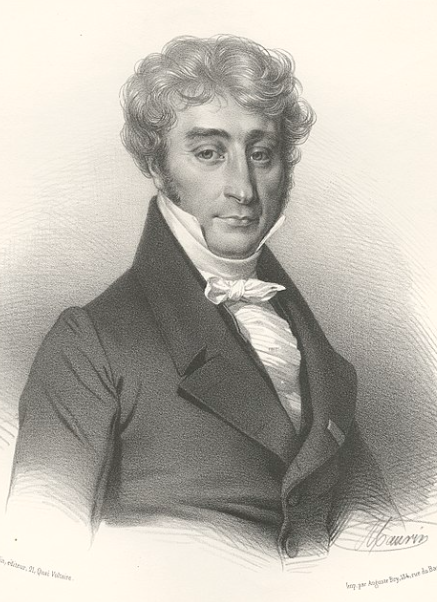
Jackques-Mathieu
Delpech, 1777-1832
1828 デルペシュ『整形学』、ビヤル 『新生児乳児疾患概論』
【第3期】折衷主義 の時代〜パリ学派没落:1831-1848
1830 パリ民衆蜂起、七月革命、七月 王政(〜1848年2月)
1831-37 動物磁気調査委員会
1832 パリでコレラ流行
1836 ブイロ『医学哲学』
1848 二月革命→共和制臨時政府→年 末のナポレオン三世の大統領選勝利とその後のクーデ タ
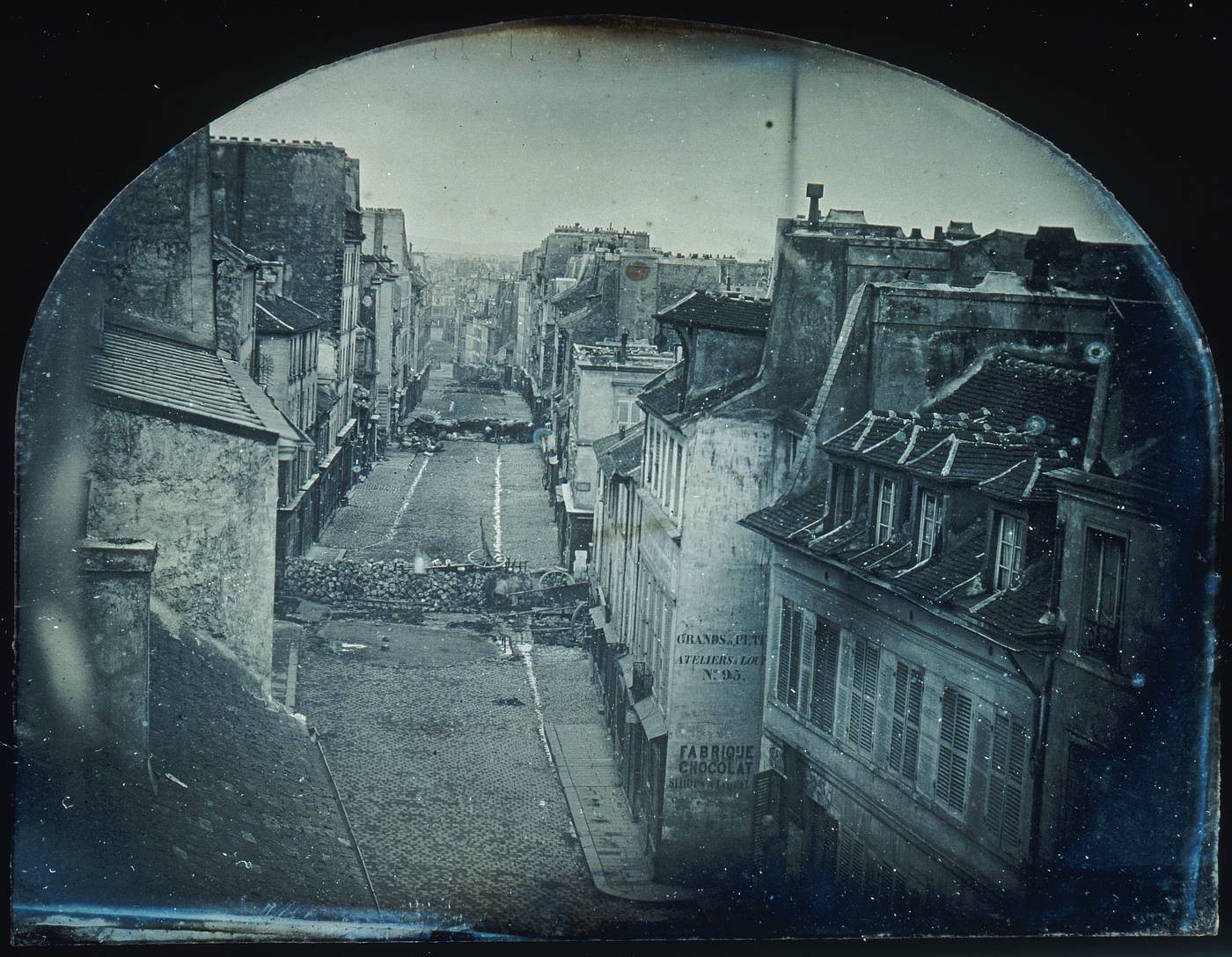
Barricades on Rue
Saint-Maur, Paris, 25 June, 1848.
1848 生物学会の創立(=臨床主義の 終焉)
【ポスト臨床学派】研究室の医学:1849-※ここからはジェラルド・ギーソンによる ルイ・パスツール(1822-1895) の経歴年譜による
1849-1854 ルイ・パスツール (1822-1895)ストラスブール大学理学部・化学教授
1854-1857 リール大学理学部長
1857-1867 エコール・ノルマル の理学科長兼行政監督官
1867-1874 ソルボンヌ化学教授
1867-1888 エコール・ノルマル 生理化学研究所長
1888-1895 パスツール研究所長
★留意点
見えるものと見えないもの、死の問題、真理のありか、ポジティブなものとネガティブなもの
★18世紀の医学と狂気(→「フーコー 『古典時代における狂人の歴史』」)
「18世紀の医学は、外的環境からの影響に左右される身体の浸透性、器官から器官への影響の伝達を可能にする身体の連続性、神経繊維の刺激感応性といった概念を発展させ、ヒステリーとヒポコンデリーを「神経症」に同化させる」(小野正嗣 2006:31)
★英訳者(A.M. Sheridan Smith)の解説
la clinique の二重の意味:(1)臨床医学、(2)教育病院(teaching hospital)*
* 映画『パッチアダムス』には、学生が教育病院で教 育される有り様が描かれているので参照する。
regard は眼差し・まなざしで英訳では gaze となっている。
"One of the most
influential figures of biolitics is Michel Foucault, whose 1963 work, Birth of the Clinic, examines how
political and social changes impacted approaches to medical care and
conceptualizations of individual's health. These changes included the
increased administration of reproduction, the management of chronic
illness and death, and the maintenance and optimization of the human
body . Furthermore, these changes reflect broader social changes as the
state shifted to focusing on the obedience of citizens through
political power, a process Foucault referred to as biopower" - Biopolitical -
from medianth
もくじ
● 本書の目論見=臨床医学誕生の「神話」の解体あるいは脱構築(小野正嗣 2006:42-43)
1. 自由主義が臨床医学を可能にしたという神話の解体
2. 18世紀末までの道徳観や偏見が死体解剖に対する障害となり病理解剖を妨げていたという神話の解体
3.
これまでのブルッセ(François Joseph Victor Broussais, 1772-1838)に対する歴史的評価を解体する。
フー コーには主体概念がないのか?
■ カッシーラーとの比較問題
「実際、フーコーを、カッシーラーの新カント派の体系から の光に当てて読むのは興味深いことである。フーコー初期の著作…は観念論的主張として読むことが可能であり、それによれば、社会諸制度は、医学的言説のエ ピステーメー、すなわち基底にある認識的構造の産物なのである。さらには、医学的言説によって認識すなわち「まなざし」が形成されること、そして、言説的 実践を通して医学の対象が構成されることにフーコーが注目しているのは、カッシーラーの体系に似ている。しかし、フーコーははっきりと主体の役割あるいは 意識の構成的役割を否定する。つまりここで、彼は、知識を形作る意識の役割についてのカントの主張を拒絶しているように思われる」(p.117)。「(そ れは)人類学者のフィールド研究における人間や間主観的経験の重要性を否定する。そして社会的実践の対象としての「身体」への注目にもかかわらず、フー コーの著作では、経験と理解の源泉としての身体への注目がほとんどなされていない」(p.118)。
出典:B・グッド『医療・合理性・経験』(該当部分は大月康義訳)誠信書房、2001年
健康の政治学
医療における権力論の研究は、M・フーコーの、生−権力や統治性の議論が登場して根本的な変 化を遂げました。
それまで、医療が考えてきた権力は、患者をコントロールするむき出しの力、患者をモルモット にする服従を強制する権力というのが定番でした。今でも、このような権力論の図式にのっかって、「医者は権力を行使するからリベラルでなければならない」 「医師の権力は神聖」(→医療聖職論)ということを主張する主に高齢者を中心としたオールド・リベラストの方々がおられます。
ところが、権力の作用の多様なあり方や、統治性(governmentality)にかんす るフーコーの議論に触れたものは、権力というものは、我々が考えるほど(1)狭い範囲の出来事ではない、(2)容易に統御されるものではない、しかし、か と言って(3)人間をがんじがらめにする絶望的なものでもない、という認識に到達しつつあります。
もっともフーコーの理論が魅力的であればあるほど、そのエピゴーネンも多く登場しました。い わゆる全部フーコーの議論で解釈して満足する連中のことです。
フーコーの権力論は、保健=健康の権力を考察する際には、最初の梯子であることを、くれぐれ も忘れず、フーコーよりももっと興味深い、保健=健康の権力を探究しましょう。
M・フーコー『臨床医学の誕生』神谷 美恵子訳、みすず 書房、1969年
名訳の誉れ高い——ユマニスト的曲解があると言われるがここでは論評は避ける——が、 ho^pital を病院と施療院と訳し分けたり、comfiguration, constellationをゲシュタルトとするなど、読むときには、もう一ひねりしないとならないので、留意する。
M・フーコー「健康を語る権力」(『ミッシェル・フーコー1926-1984 権力・知・歴 史』新曜社、1984年)
M・フーコー『知への意志』(『性の歴史』の後期フーコー3部作のひとつ)
富永茂樹『健康論序説』河出書房
健康の社会化、社会の健康化という二重の過程が市民社会において強力な力を発揮する。
健康というものが権力性をもつ場合、それが最もよく発動されているのは、病気であるというこ とを<強制的>に忘れさせようとする作用においてである。これを、健康による<病気の組織的忘却>の作用と呼んでおこう(2000.03.16 M.ikeda)。
■ 近代思想によってヒポクラテスが発見される(カバニスの事 例)
「カバニスによれば、人間にかんする模範的な観察者はヒポ クラテスであった。近代人は「自然の作用が普通に起こっている状態を変化させることによって自然に問いかける技術」、つまり実験的方法の発明によって科学 を大きく進歩させたが、観察の才能においては近代人よりも古代人のほうが優れていた、とカバニスはいう。近代人は自分たちの仮説にしたがって対象を見、書 物から知識をえることに心を奪われて、自然の観察をなおざりにしている。それに対して、ヒポクラテスは空虚な思弁をしりぞけて病気をあるがままに見る観察 者、「高みからしかも詳細に観察し、対象を大局から考察すると同時に細部を見落とさない」*すぐれた観察者だった。こうして医学を観察にもとづく科学にす るためには、ヒポクラテスに学ぶことが必要だとされた」(p.24)
*Cabanis, Discours d'ouverture du cours sur Hippocrate, CEuvres, t. II, p.309
Cabanis, P. J. G. (Pierre Jean Georges), 1757-1808
『心身相関論(Rapports du physique et du moral de l'homme)』英訳( On the relations between the physical and moral aspects of man / by Pierre-Jean-George Cabanis ; edited by George Mora ; with introductions by Sergio Moravia and George Mora ; translated by Margaret Duggan Saidi. -- (BA21356940) Ann Arbor, Mich. : University Microfilms International, 1991 2 v. (xci, 796 p.) ; 24 cm)
■ 体質の問題
「『百科全書』の「体質」の項目は、ガレノス以来の体液に よる四つの体質(気質)に簡単にふれたのちに、「今日の医学においては、体質について考えることははるかに少なくなっている」と述べた。しかし一八世紀の 最後の四半世紀、とりわけ革命期に公衆衛生の概念が重要性をもつようになると、「体質」の観念は一方では大気や水などの環境と人間の関係の結節点として、 他方では身体的なものと精神的なものの関係を考える環として、ふたたび人間科学のパラダイムとしての位置を獲得する」(pp.30-1)。
■ 観察の地位の向上
「観察という技術の採用は、人間と社会にかんする知識の生 産様式に大きな変化をもたらした。ヴィレルメは書いている。「どこでも行政官や医師や工場主やたんなる労働者が熱心に私を助けてくれた。彼らの助力で、私 はすべてを見、聞き、知ることができた。彼らは競って情報を提供してくれた」。人間の本性や社会の本質についての哲学者の思弁にかわって、医師や官僚など を中心とする実務家的な知識人たちの共同作業が重きをなすことになったのである。それは同時に、知識と社会秩序を生みだすための統治の技法との緊密な関係 が生まれる過程でもあった」(p.47)。
出典:阪上孝「観察の技術、統治の技法」『統治技法の近 代』阪上編、Pp.21-50、同文舘出版
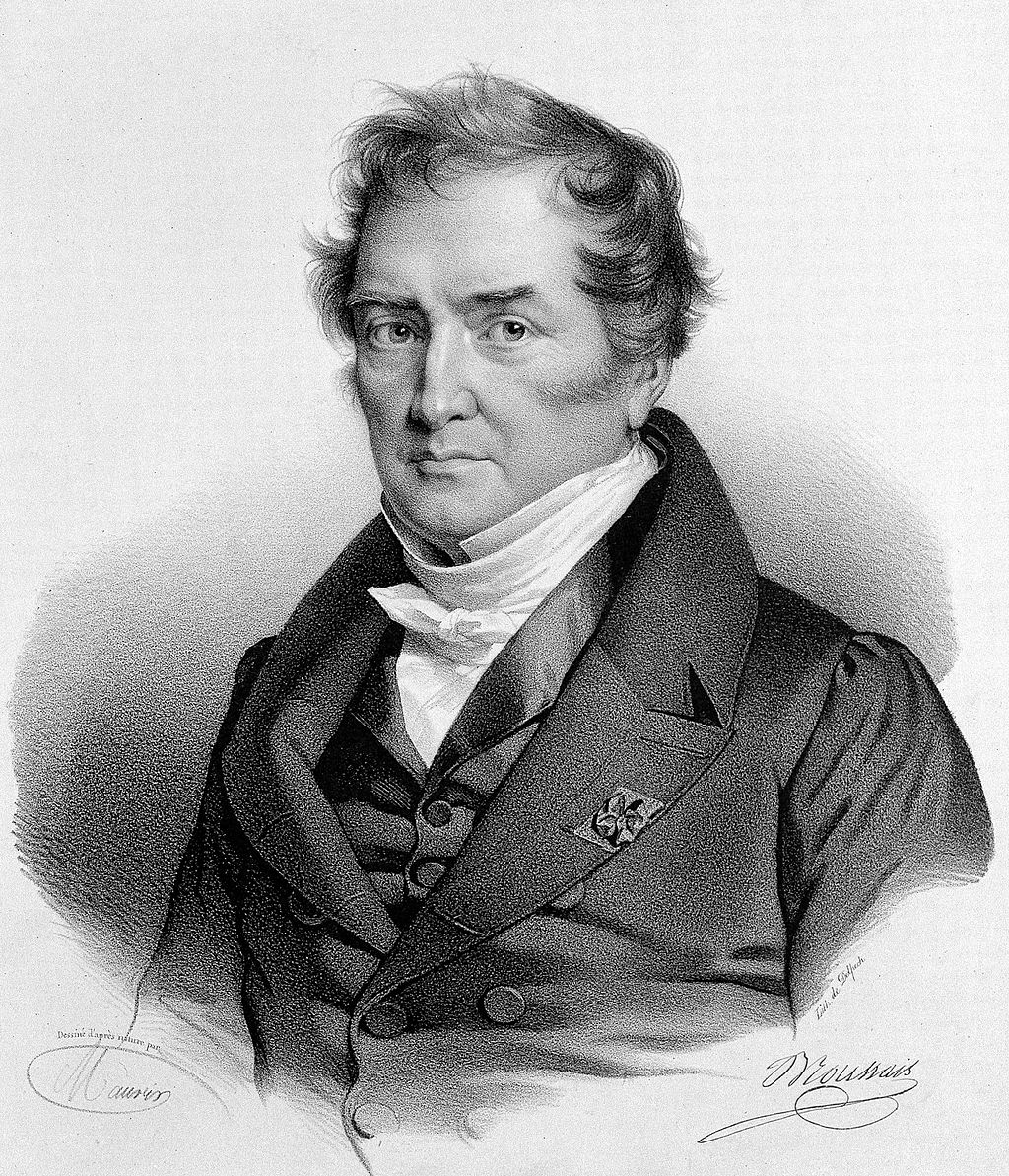
●ブ ルッセ(François Joseph Victor Broussais, 1772-1838)という医師
「フランスの医師。サン・マロで 医師の子に生まれ,サン・マロ(Sant-Maloù)のオテル・ディユ(Hôtel‐Dieu)病院で医学を習い,ついでブレストの海軍軍医学校に入り 乗艦勤務で学資を蓄えた後,1798年パリ大学に進学し1802年学位を得た。軍医となりナポレオンに従ってヨーロッパ各地を転戦,14年パリに帰ってバ ル・ド・グラース陸軍病院 Hôpital d'instruction des armées du Val-de-Grâce(第五区)教授となり臨床医学を講じて人気を博した。30年パリ大学教授。胃腸カタ ルがあらゆる病気の根本原因になると考え,胃の病的状態を究明することが病理学の鍵だと主張し,食養生とヒルによる局部瀉血を推奨した」ブルッセ【François Joseph Victor Broussais】.
●近代医学は、死(の概念)を、医学的思考の中に取り込むことで「個 人の科学」となる、と主張する。
ヘルダーリン、ニーチェ、フロイト。
■リンク
★文献(引用文献等)
■フーコー文献
■その他の情報
簡単な著作目録
Copyleft, CC, Mitzub'ixi Quq Chi'j, 1996-2099
Copyleft, CC, Mitzub'ixi Quq Chi'j, 1996-2099