文化盗用
Cultural appropriation
★ 文化盗用[Cultural appropriation]
文
化的流用(文化盗用)[Cultural
appropriation]とは、ある文化やアイデンティティの構成員が、別の文化やアイデンティティの要素を、不適切である、あるいはその由
来を認めない形として受け入れることを指す。[a]
文化的流用の非難は、通常、支配的な文化の構成員がマイノリティ文化から要素を取り入れる際に生じる。[b]
文化的流用には、他文化の宗教的・文化的伝統、慣習、ダンスのステップ、ファッション、シンボル、言語、歴史、音楽の採用などが含まれる。[15]
文化の保存に取り組む先住民族[16][17]、起源となる文化の集団的知的財産権を擁護する人々[18][19][20]、および植民地支配下に生き
た、あるいは現在も生きている人々[21][22][23]は、いずれも文化的流用を批判している。アメリカの人類学者ジェイソン・ジャクソンによれば、
文化的流用は、アキュルチュレーション[文化変容]、同化、または拡散といった他の文化的変化の様式とは異なるものである。[24]
ジャクソンは、文化的流用を、外向きに焦点を当て、特定の当事者に対して行われるものと捉えている。[25]
ジャクソンによれば、文化的流用は苦痛の原因となり得るものであり、影響を受けるコミュニティに喪失感や侵害感をもたらす可能性がある。[25]
文化的アプロプリエーションに反対する人々は、これを搾取的な手段と見なしており、文化的要素がその本来の文化的文脈から切り離されることで、失われたり
歪められたりするとしている。[26]
元の文化において深い意味を持つ文化的要素が、支配的な文化に属する人々によって、「エキゾチック」なファッションやおもちゃに矮小化されてしまう可能性
がある。[26][27] [28]
文化的流用という概念は、激しい批判、議論、そして微妙な解釈の対象ともなってきた。[29][30][31]
批判者たちは、この概念が一般社会や学術的な議論において、しばしば誤解されたり誤用されたりしていると指摘している。[32][33]
また、通常定義されるような文化的流用の行為は、実質的な社会的害悪を構成するものではない、あるいはこの用語には概念的な一貫性が欠けていると主張する
者もいる。[34][35]
また、批判派は、この概念が知的自由や芸術家の自己表現に恣意的な制限を設け、集団間の分断を助長し、解放ではなく敵意や不満を煽るとも指摘している。
[c]
| Cultural
appropriation is the adoption of an element or elements of culture
or
identity by members of another culture or identity in a manner
perceived as inappropriate or unacknowledged.[a] Charges of cultural
appropriation typically arise when members of a dominant culture borrow
from minority cultures.[b] Cultural appropriation can include the
adoption of another culture's religious and cultural traditions,
customs, dance steps, fashion, symbols, language, history and music.[15] Indigenous peoples working for cultural preservation,[16][17] advocates of collective intellectual property rights of the originating cultures,[18][19][20] and some who have lived or are living under colonial rule[21][22][23] have all criticized cultural appropriation. According to American anthropologist Jason Jackson, cultural appropriation differs from other modes of cultural change such as acculturation, assimilation, or diffusion.[24] Jackson describes cultural appropriation as something that is thought of as focused outward and done to a certain party.[25] According to Jackson, cultural appropriations can be sources of pain and can bring about feelings of loss or violation for the community affected.[25] Opponents of cultural appropriation see cultural appropriation as an exploitative means in which cultural elements are lost or distorted as they are removed from their originating cultural contexts.[26] Cultural elements that may have deep meaning in the original culture may be reduced to "exotic" fashion or toys by those from the dominant culture.[26][27][28] The concept of cultural appropriation has also been subject to heavy criticism, debate, and nuance.[29][30][31] Critics note that the concept is often misunderstood or misapplied in popular and academic discourse.[32][33] Others state that the act of cultural appropriation, usually defined, does not meaningfully constitute social harm or that the term lacks conceptual coherence.[34][35] Critics also say that the concept sets arbitrary limits on intellectual freedom and artists' self-expression, reinforces group divisions, and promotes enmity or grievance rather than liberation.[c] |
文化的流用(文化盗用)[Cultural
appropriation]とは、ある文化やアイデンティティの構成員が、
別の文化やアイデンティティの要素を、不適切である、あるいはその由来を認めない形として受け入れることを指す。[a]
文化的流用の非難は、通常、支配的な文化の構成員がマイノリティ文化から要素を取り入れる際に生じる。[b]
文化的流用には、他文化の宗教的・文化的伝統、慣習、ダンスのステップ、ファッション、シンボル、言語、歴史、音楽の採用などが含まれる。[15] 文化の保存に取り組む先住民族[16][17]、起源となる文化の集団的知的財産権を擁護する人々[18][19][20]、および植民地支配下に生き た、あるいは現在も生きている人々[21][22][23]は、いずれも文化的流用を批判している。アメリカの人類学者ジェイソン・ジャクソンによれば、 文化的流用は、アキュルチュレーション、同化、または拡散といった他の文化的変化の様式とは異なるものである。[24] ジャクソンは、文化的流用を、外向きに焦点を当て、特定の当事者に対して行われるものと捉えている。[25] ジャクソンによれば、文化的流用は苦痛の原因となり得るものであり、影響を受けるコミュニティに喪失感や侵害感をもたらす可能性がある。[25] 文化的アプロプリエーションに反対する人々は、これを搾取的な手段と見なしており、文化的要素がその本来の文化的文脈から切り離されることで、失われたり 歪められたりするとしている。[26] 元の文化において深い意味を持つ文化的要素が、支配的な文化に属する人々によって、「エキゾチック」なファッションやおもちゃに矮小化されてしまう可能性 がある。[26][27] [28] 文化的流用という概念は、激しい批判、議論、そして微妙な解釈の対象ともなってきた。[29][30][31] 批判者たちは、この概念が一般社会や学術的な議論において、しばしば誤解されたり誤用されたりしていると指摘している。[32][33] また、通常定義されるような文化的流用の行為は、実質的な社会的害悪を構成するものではない、あるいはこの用語には概念的な一貫性が欠けていると主張する 者もいる。[34][35] また、批判派は、この概念が知的自由や芸術家の自己表現に恣意的な制限を設け、集団間の分断を助長し、解放ではなく敵意や不満を煽るとも指摘している。 [c] |
Definition Cossack man wearing the chokha, a clothing item worn by Russian Cossacks that originated from indigenous peoples of the Caucasus[39] Cultural appropriation can involve the use of ideas, symbols, artifacts, or other aspects of human-made visual or non-visual culture.[40] As a concept that is controversial in its applications, the propriety of cultural appropriation has been the subject of much debate. Opponents of cultural appropriation view many instances as wrongful appropriation when the subject culture is a minority culture or is subordinated in social, political, economic, or military status to the dominant culture[28] or when there are other issues involved, such as a history of ethnic or racial conflict.[11] Linda Martín Alcoff writes that this is often seen in cultural outsiders' use of an oppressed culture's symbols or other cultural elements, such as music, dance, spiritual ceremonies, modes of dress, speech, and social behaviour, when these elements are trivialised and used for fashion, rather than respected within their original cultural context. Opponents view the issues of colonialism, context, and the difference between appropriation and mutual exchange as central to analysing cultural appropriation. They argue that mutual exchange happens on an "even playing field", whereas appropriation involves pieces of an oppressed culture being taken out of context by a people who have historically oppressed those they are taking from and who lack the cultural context to properly understand, respect, or utilise these elements.[11][41] In her book Outspoken: A Decade of Transgender Activism and Trans Feminism, Julia Serano defines cultural appropriation as problematic only when it involves at least one of three interrelated harms: erasure, exploitation, or denigration (EED). According to her analysis, appropriation becomes harmful (what she calls EED appropriation) when members of a dominant or majority group adopt aspects of a marginalized group’s identities, culture, or expressions — while simultaneously: Erasing the context in which those identities or cultural forms emerged, ignoring or obscuring the voices and lived experiences of the original community. Exploiting those cultural forms for material, symbolic, or commercial gain — benefiting appropriators financially or socially without returning value to the marginalized group. Denigrating the marginalized group by treating those borrowed identities or cultural elements as trivial, exotic, or disrespectful — reducing them to stereotypes or mocking them, rather than respecting their meaning and significance. Serano further distinguishes these harmful “EED appropriations” from what she calls non-EED appropriation — cases where adoption or borrowing does not result in erasure, exploitation, or denigration, and may even positively support or amplify the minority community. She argues that not all acts of borrowing or cultural exchange are inherently oppressive; rather, the ethical problem lies in whether the action inflicts structural harm through erasure, exploitation, or denigration.[42] |
定義 チョカを身に着けたコサックの男性。チョカは、コーカサス地方の先住民族に起源を持つ、ロシアのコサックが着用する衣服である[39] 文化的流用には、アイデア、シンボル、工芸品、あるいは人間が作り出した視覚的・非視覚的文化のその他の側面の利用が含まれることがある[40]。その適 用において物議を醸す概念として、文化的流用の妥当性については多くの議論がなされてきた。文化的流用への反対派は、対象となる文化がマイノリティ文化で ある場合、あるいは社会的、政治的、経済的、軍事的地位において支配的文化に従属している場合[28]、あるいは民族的・人種的対立の歴史など他の問題が 絡んでいる場合、多くの事例を不当な流用と見なしている。[11] リンダ・マルティン・アルコフは、こうした事例は、文化的アウトサイダーが抑圧された文化のシンボルや、音楽、舞踊、精神的な儀式、服装、話し方、社会的 行動といったその他の文化的要素を利用する際によく見られると述べている。特に、これらの要素が本来の文化的文脈の中で尊重されるのではなく、軽視され、 単なる流行として利用される場合に顕著である。反対派は、植民地主義、文脈、そして「文化の流用」と「相互交流」の違いといった問題を、文化の流用を分析 する上で核心的な要素と見なしている。彼らは、相互交流は「対等な立場」で行われるのに対し、文化の流用は、歴史的に抑圧してきた側によって、抑圧された 文化の要素が文脈から切り離されて持ち出されるものであり、その持ち出す側は、それらの要素を適切に理解し、尊重し、活用するための文化的文脈を欠いてい ると主張している。[11][41] ジュリア・セラノは著書『Outspoken: A Decade of Transgender Activism and Trans Feminism』において、文化的アプロプリエーションは、相互に関連する3つの害悪(抹消、搾取、貶め:EED)のうち少なくとも1つを伴う場合にの み問題であると定義している。彼女の分析によれば、アプロプリエーションは、支配的または多数派グループの構成員が、周縁化されたグループのアイデンティ ティ、文化、または表現の側面を取り入れると同時に、以下の行為を行う場合に有害なもの(彼女が「EEDアプロプリエーション」と呼ぶもの)となる。 それらのアイデンティティや文化的形態が生まれた文脈を抹消し、元のコミュニティの声や実体験を無視または覆い隠すこと。 物質的、象徴的、または商業的な利益を得るためにそれらの文化的形態を搾取すること——疎外された集団に価値を還元することなく、流用者が経済的または社 会的に利益を得ること。 借用したアイデンティティや文化的要素を、取るに足らないもの、異国的なもの、あるいは不敬なものとして扱い、疎外された集団を貶めること——それらの意 味や重要性を尊重するのではなく、ステレオタイプに還元したり、嘲笑したりすること。 セラーノはさらに、こうした有害な「EED的流用」を、彼女が「非EED的流用」と呼ぶものとは区別している。後者とは、採用や借用が抹消、搾取、貶めを もたらさず、むしろマイノリティ・コミュニティを肯定的に支援したり、その存在を拡大したりすることさえあるケースを指す。彼女は、借用や文化交流のすべ ての行為が本質的に抑圧的であるわけではないと論じている。むしろ、倫理的な問題は、その行為が抹消、搾取、または貶めを通じて構造的な害を及ぼすかどう かにあると主張している。[42] |
| Academic discourse The Oxford English Dictionary's earliest citation for the phrase was a 1945 essay by Arthur E. Christy, which discussed Orientalism.[43][44] The term became widespread in the 1980s in discussions of post-colonial critiques of Western expansionism,[43][45] though the concept of "cultural colonialism" had been explored earlier, such as in "Some General Observations on the Problems of Cultural Colonialism" by Kenneth Coutts‐Smith in 1976.[45][46] Cultural and racial theorist George Lipsitz has used the term "strategic anti-essentialism" to refer to the calculated use of a cultural form outside of one's own to define oneself or one's group. Strategic anti-essentialism can be seen in both minority and majority cultures and is not confined only to the use of the other. However, Lipsitz argues that when the majority culture attempts to strategically anti-essentialize itself by appropriating a minority culture, it must take great care to recognize the specific socio-historical circumstances and significance of these cultural forms so as not to perpetuate the already existing majority vs. minority unequal power relations.[47] Historically, some of the most hotly debated cases of cultural appropriation have occurred in places where cultural exchange is the highest, such as along the trade routes in southwestern Asia and southeastern Europe. Some scholars of the Ottoman Empire and ancient Egypt argue that Ottoman and Egyptian architectural traditions have long been falsely claimed and praised as Persian or Arab.[48] Among critics, the misuse and misrepresentation of indigenous cultures are seen as an exploitative form of colonialism and one step in the destruction of indigenous cultures.[49] The results of this appropriation of indigenous knowledge have led some tribes and the United Nations General Assembly to issue several declarations on the subject. The Declaration of War Against Exploiters of Lakota Spirituality includes the passage: We assert a posture of zero-tolerance for any "white man's shaman" who rises from within our own communities to "authorize" the expropriation of our ceremonial ways by non-Indians; all such "plastic medicine men" are enemies of the Lakota, Dakota, and Nakota people.[16][50] In writing about indigenous intellectual property for the Native American Rights Fund (NARF), board member Professor Rebecca Tsosie stresses the importance of these property rights being held collectively, not by individuals: The long-term goal is to actually have a legal system, and certainly a treaty could do that, that acknowledges two things. Number one, it acknowledges that indigenous peoples are people with a right to self-determination that includes governance rights over all property belonging to the indigenous people. And, number two, it acknowledges that indigenous cultural expressions are a form of intellectual property and that traditional knowledge is a form of intellectual property, but they are collective resources – so not any one individual can give away the rights to those resources. The tribal nations actually own them collectively.[51] In 2017, Mehgan Gallagher spoke about what exactly the debate concerning cultural appropriation entails within the modern age, specifically within the United States. She used contemporary examples of cultural appropriation to highlight cases of controversy. In particular, the Washington Redskins of the National Football League provided an example that led into a broader conversation regarding the representation of Native Americans when it came to sports mascots.[52] In 2021, Jason Baird Jackson attempted to create a model by which instances of cultural appropriation could be understood systematically. He argues that understanding the modes of cultural change most similar to cultural appropriation is key to discussing the outcomes and implications of instances of appropriation as their meaning are often used interchangeably. Jackson offers his definition of appropriation as the "structural inversion of assimilation", being that it is an instance in which "a powerful group takes aspects of the culture of a subordinated group, making them its own."[24] In 2023, Jonas R. Kunst, Katharina Lefringhausen, and Hanna Zagefka set about to determine what were the differences between cultural appropriation and genuine cultural change. They detailed what they determined as the "dilemma of cultural ownership", a concept that challenges the idea that "cultures are [not] discrete entities owned by specific groups" and therefore do not have the ability to be stolen or appropriated, and instead offers the rationale that the "impact of power disparities" is too large to ignore in cases of cultural appropriation.[53] In 2024, Angela Gracia B Cruz, Yuri Seo, and Daiane Scaraboto released the results of a study that went about determining strategies consumers used to "self-authorize" how they consumed media that could be considered to be culturally appropriated. They performed a six-year-long study on international K-Pop fans concerning how they felt when it came to determining what was cultural appreciation vs appropriation. One comment they chose to highlight from redditor named Sam said "Based on my experience, I've observed both. It depends on the context. As an Asian-American, K-Pop fans in America is more appreciation, as opposed to Koreaboos who just use Korean names for comedy are appropriating."[54] |
学術的言説 『オックスフォード英語辞典』におけるこの語句の最古の引用例は、オリエンタリズムについて論じたアーサー・E・クリスティによる1945年のエッセイで ある。[43][44] この用語は、1980年代に西洋の拡張主義に対するポストコロニアル批判の議論の中で広く普及したが[43][45]、「文化的植民地主義」という概念自 体は、1976年のケネス・クーツ=スミスによる『文化的植民地主義の問題に関するいくつかの一般的な考察』など、それ以前にすでに探求されていた。 [45] [46] 文化・人種理論家のジョージ・リプシッツは、「戦略的反本質主義」という用語を用い、自己や自身の集団を定義するために、自文化以外の文化形式を計算ずく で利用することを指している。戦略的反本質主義は、マイノリティ文化とマジョリティ文化の両方に見られ、単に「他者」の文化を利用することに限定されるも のではない。しかし、リプシッツは、マジョリティ文化がマイノリティ文化を流用することで自らを戦略的に反本質化しようとする場合、既存のマジョリティ対 マイノリティという不平等な力関係を永続させないよう、それらの文化形式が持つ具体的な社会歴史的状況と意義を認識することに細心の注意を払わなければな らないと論じている。[47] 歴史的に見て、文化の流用をめぐる最も激しい議論が巻き起こった事例のいくつかは、南西アジアや南東ヨーロッパの交易路沿いなど、文化交流が最も活発な地 域で発生している。オスマン帝国や古代エジプトを研究する一部の学者は、オスマンやエジプトの建築的伝統が、長きにわたりペルシャやアラブのものと誤って 主張され、称賛されてきたと論じている。[48] 批判派の間では、先住民族の文化の誤用や歪曲は、搾取的な植民地主義の一形態であり、先住民族の文化を破壊する一環であると見なされている。[49] 先住民族の知識がこのように流用された結果、一部の部族や国連総会は、この問題に関していくつかの宣言を発表することになった。「ラコタ族の精神性を搾取 する者たちに対する宣戦布告」には、次のような一節が含まれている: 我々は、自らのコミュニティ内から現れ、非インディアンによる我々の儀式の慣習の収奪を「正当化」しようとするいかなる「白人のシャーマン」に対しても、 一切の容赦をしない姿勢を表明する。そのような「偽物のメディスンマン」はすべて、ラコタ、ダコタ、ナコタの人々の敵である。[16] [50] ネイティブ・アメリカン権利基金(NARF)のために先住民の知的財産について執筆した際、理事であるレベッカ・ツォシー教授は、これらの財産権が個人で はなく集団によって保有されることの重要性を強調している: 長期的な目標は、実際に法制度を確立することであり、条約によってそれが実現できることは間違いない。その法制度は、次の2つのことを認めるものでなけれ ばならない。第一に、先住民族は、先住民族に属するすべての財産に対する統治権を含む、自己決定権を有する人々であることを認めること。そして第二に、先 住民族の文化的表現や伝統的知識が知的財産の一形態であることを認めつつも、それらは集団的資源であり、したがっていかなる個人もそれらの資源に対する権 利を譲渡することはできないと認めること。部族国家が実際にそれらを共同で所有しているのだ。[51] 2017年、メーガン・ギャラガーは、現代、特に米国において、文化的流用をめぐる議論が具体的に何を意味するのかについて語った。彼女は、文化的流用の 現代的な事例を用いて、物議を醸したケースを浮き彫りにした。特に、ナショナル・フットボール・リーグ(NFL)の「ワシントン・レッドスキンズ」は、ス ポーツのマスコットにおけるネイティブ・アメリカンの表現に関するより広範な議論へとつながる事例となった。[52] 2021年、ジェイソン・ベアード・ジャクソンは、文化的アプロプリエーションの事例を体系的に理解できるモデルの構築を試みた。彼は、文化的アプロプリ エーションと最も類似した文化変化の様式を理解することが、アプロプリエーションの事例がもたらす結果や含意を議論する上で重要であると主張している。な ぜなら、それらの意味はしばしば混同して使われているからである。ジャクソンは、アプロプリエーションを「同化の構造的逆転」と定義している。すなわち、 それは「権力を持つ集団が、従属的な集団の文化の側面を取り入れ、それを自らのものにする」事例である。[24] 2023年、ジョナス・R・クンスト、カタリーナ・レフリングハウゼン、ハンナ・ザゲフカは、文化的アプロプリエーションと真の文化的変化との違いを明ら かにしようと試みた。彼らは「文化的所有権のジレンマ」と定義した概念を詳述した。この概念は、「文化は特定の集団が所有する独立した実体ではない」とい う考えに異議を唱え、したがって文化は盗まれたり流用されたりするものではないとする立場に反論するものである。その代わりに、文化的流用の事例において は「権力格差の影響」が無視できないほど大きいという論理を提示している。[53] 2024年、アンジェラ・グラシア・B・クルス、ユリ・ソ、ダイアン・スカラボトは、文化的なアプロプリエーションと見なされ得るメディアを消費する際、 消費者がどのように「自己正当化」を行うかについて調査した研究結果を発表しました。彼らは、文化的な「評価」と「アプロプリエーション」の境界を判断す る際、国際的なK-POPファンがどのような感情を抱くかについて、6年間にわたる調査を行いました。彼らが特に注目したRedditユーザー「Sam」 のコメントには、「私の経験から言えば、両方のケースを目にしてきた。文脈による。アジア系アメリカ人として、アメリカのK-POPファンは『評価』の側 面が強いが、単にコメディ目的で韓国人の名前を使う『コリアブー』は『流用』している」とあった。[54] |
| Examples This section may contain excessive or irrelevant examples. Please help improve it by removing less pertinent examples and elaborating on existing ones. (October 2025) (Learn how and when to remove this message) Art, literature, iconography, and adornment  A model wears an imitation Native American war bonnet while campaigning to support body modification in the workplace, 2015. A common example of cultural appropriation is the adoption of the iconography of another culture and its use for purposes that are unintended by the original culture or even offensive to that culture's mores. For example, the use of Native American tribal names or images as mascots. Author Kevin Bruyneel writes that the presence of these symbols causes harm to indigenous communities, as they often reinforce colonial dynamics and perpetuate stereotypical Euro-American perspectives.[55] Other examples include non-Native Americans wearing jewelry or fashion that incorporates Native American religious symbols, such as the medicine wheel, or wearing items of deep cultural significance and status that traditionally must be earned, such as a war bonnet, without having earned the right.[56][57] Copying iconography from another culture's history, such as Polynesian tribal tattoos, Chinese characters, or Celtic art, and wearing them without regard to their original cultural significance may also be considered appropriation. Critics of the practice of cultural appropriation contend that divorcing iconography from its cultural context or treating it as kitsch risks offending people who venerate and wish to preserve their cultural traditions.[58][59] A term among Irish people for someone who imitates or misrepresents Irish culture is Plastic Paddy.[60][61][62] During the 1920s the works of artists like Frances Derham, Allan Lowe, Olive Nock appropriated Aboriginal Australian motifs.[63][64] In 1930, Margaret Preston advocated the use of Indigenous Australian motifs in contemporary art.[65][66] In 2017, Canadian visual artist Sue Coleman garnered negative attention for appropriating and amalgamating styles of indigenous art into her work. Coleman, who has been accused of "copying and selling indigenous-style artwork," has described herself as a "translator" of indigenous art forms, which drew further criticism. In an open letter to Coleman, Kwakwak'awakw/Coast Salish artist Carey Newman wrote that artists being accountable to indigenous communities is the antidote to appropriation.[67] In Australia, Aboriginal artists have discussed an "authenticity brand" to ensure consumers are aware of artworks claiming false Aboriginal significance.[68][69] The movement for such a measure gained momentum after the 1999 conviction of John O'Loughlin for selling paintings that he falsely described as the work of Aboriginal artist Clifford Possum Tjapaltjarri.[70] |
例 このセクションには、過剰または不適切な例が含まれている可能性があります。関連性の低い例を削除し、既存の例を詳しく説明することで、改善にご協力くだ さい。(2025年10月)(このメッセージを削除する方法とタイミングについて) 芸術、文学、図像、装飾 2015年、職場でのボディモディフィケーション(身体改造)を支持するキャンペーンにおいて、モデルがネイティブアメリカンの戦士の頭飾りの模造品を身 につけている様子。 文化の流用(カルチュラル・アプロプリエーション)の一般的な例として、他文化の図像を借用し、その文化本来の意図とは異なる目的、あるいはその文化の慣 習に反する目的で使用することが挙げられる。 例えば、ネイティブ・アメリカンの部族名やイメージをマスコットとして使用することなどである。著者のケヴィン・ブルイネルは、こうしたシンボルの存在が 先住民コミュニティに害を及ぼすと記している。なぜなら、それらはしばしば植民地主義的な力学を強化し、ステレオタイプ的な欧米人の視点を永続させるから である。[55] その他の例としては、非ネイティブ・アメリカンが、メディスン・ホイールなどのネイティブ・アメリカンの宗教的シンボルを取り入れたジュエリーやファッ ションを身に着けたり、伝統的に獲得すべきものであるにもかかわらず、その権利を得ていないにもかかわらず、戦士の頭飾りのように深い文化的意義や地位を 象徴する品を身に着けたりすることが挙げられる。[56] [57] ポリネシアの部族のタトゥー、漢字、ケルト美術など、他文化の歴史に由来する図像を模倣し、その本来の文化的意義を無視して身に着けることも、文化の流用 と見なされる可能性がある。文化的アプロプリエーションの慣行に対する批判者は、図像をその文化的文脈から切り離したり、キッチとして扱ったりすること は、自らの文化的伝統を尊び、保存したいと願う人々を不快にさせる危険性があると主張している。[58][59] アイルランド人の間では、アイルランド文化を模倣したり、誤って表現したりする人を指す言葉として「プラスチック・パディ」がある。[60][61] [62] 1920年代、フランシス・ダーハム、アラン・ロウ、オリーブ・ノックといった芸術家たちの作品は、オーストラリア先住民のモチーフをアプロプリエーショ ンしていた。[63][64] 1930年、マーガレット・プレストンは現代美術におけるオーストラリア先住民のモチーフの使用を提唱した。[65][66] 2017年、カナダのビジュアルアーティスト、スー・コールマンは、先住民芸術の様式を自身の作品にアプロプリエーションし融合させたことで批判を浴び た。「先住民風の芸術作品を模倣し販売している」と非難されたコールマンは、自身を先住民の芸術形式の「翻訳者」と称したが、これがさらなる批判を招い た。クワクワカウク/コースト・サリッシュ族のアーティスト、キャリー・ニューマンはコールマンへの公開書簡の中で、アーティストが先住民コミュニティに 対して説明責任を果たすことが、文化の流用に対する解毒剤であると記した。[67] オーストラリアでは、アボリジニのアーティストたちが、消費者が虚偽のアボリジニ的意義を主張する芸術作品に気づけるよう、「真正性ブランド」の導入につ いて議論している。[68][69] このような措置を求める動きは、1999年にジョン・オローリンが、アボリジニのアーティスト、クリフォード・ポッサム・チャパルチャリの作品であると 偽って絵画を販売した罪で有罪判決を受けたことを受け、勢いを増した。[70] |
| Religious practice Many Native Americans have criticized what they deem to be the cultural appropriation of their sweat lodge and vision quest ceremonies by non-Natives, and even by Native tribes which have not traditionally held these ceremonies. They contend that there are serious safety risks whenever these events are conducted by those who lack the many years of training and cultural immersion required to lead them safely, mentioning the deaths or injuries in 1996, 2002, 2004, and several high-profile deaths in 2009.[71] The modern New Age movement frequently adopts spiritual ideas and practices from non-Western cultures; according to York, these may include "Hawaiian Kahuna magic, Australian Aboriginal dream-working, South American Amerindian ayahuasca and San Pedro ceremonies, Hindu Ayurveda and yoga, Chinese Feng Shui, Qi Gong, and Tai Chi."[72] The movement has faced criticism for cultural imperialism exploiting intellectual and cultural property of indigenous peoples.[73][74] 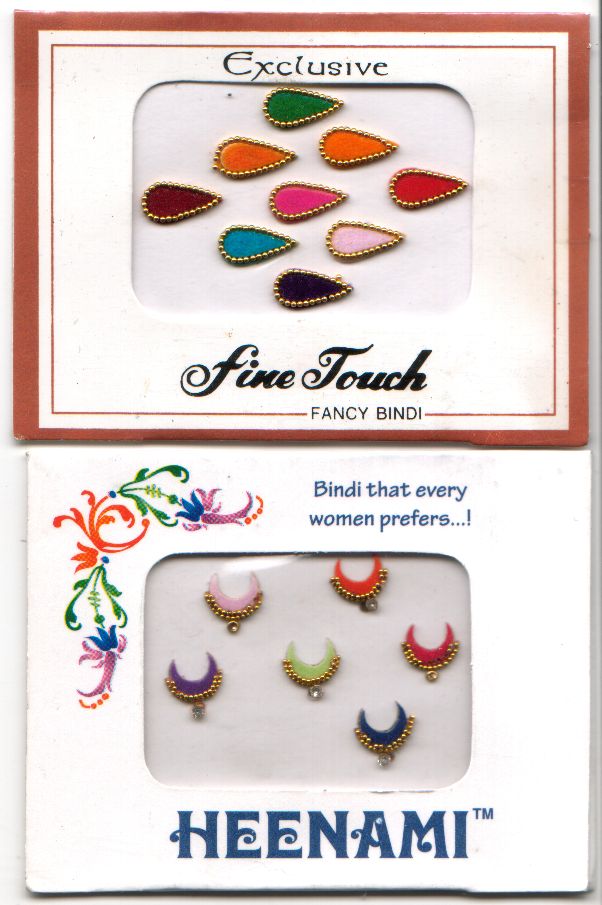 Bindi For some members of the South Asian community, the wearing of a bindi dot as a decorative item by a non-Hindu can be seen as cultural appropriation.[75][76][77] |
宗教的慣習 多くのネイティブ・アメリカンは、スウェットロッジやビジョン・クエストの儀式が、非ネイティブの人々、さらには伝統的にこれらの儀式を行ってこなかった ネイティブの部族によって、自分たちの文化が盗用されているとみなして批判している。彼らは、これらの儀式を安全に執り行うために必要な長年の訓練や文化 への深い理解を欠く者によって行われる場合、深刻な安全上のリスクが生じると主張しており、1996年、2002年、2004年の死傷事故や、2009年 に起きたいくつかの注目すべき死亡事例を挙げている。[71] 現代のニューエイジ運動は、非西洋文化の精神的思想や実践を頻繁に取り入れている。ヨークによれば、これには「ハワイのカフナ魔術、オーストラリア先住民 のドリームワーク、南米先住民のアヤワスカやサンペドロの儀式、ヒンドゥー教のアーユルヴェーダやヨガ、中国の風水、気功、太極拳」などが含まれるとい う。[72] この運動は、先住民族の知的財産や文化遺産を搾取する文化的帝国主義であるとして批判に直面している。[73] [74] ビンディ 南アジア系コミュニティの一部のメンバーにとって、ヒンドゥー教徒ではない人が装飾品としてビンディの点を付けることは、文化的流用と見なされることがあ る。[75][76][77] |
| Fashion Cultural appropriation is controversial in the fashion industry, with critics contending that some trends commercialise and cheapen the heritage of indigenous cultures.[78] There is debate about whether designers and fashion houses understand the history behind the clothing they appropriate from other cultures, and whether appropriating constitutes a violation of the appropriated-from cultures' shared intellectual property without consent, acknowledgement, or compensation.[79] According to Minh-Ha T. Pham, writing for The Atlantic, accusations of cultural appropriation in fashion are often countered with claims of cultural appreciation instead.[80] In 2016, the University of East Anglia prohibited the wearing of sombreros to parties on campus in the belief that these could offend Mexican students,[35] a move that was widely criticised.[81] In 2017, Topshop caused controversy by selling Chinese-made playsuits that imitated the keffiyeh pattern, which social media commentators decried as cultural appropriation.[82] Several fashion designers and models have featured imitations of Native American warbonnets in their fashion shows,[83][84] such as Victoria's Secret in 2012, when model Karlie Kloss wore one during her walk on the runway; a Navajo Nation spokesman called it a "mockery".[85] Cherokee academic Adrienne Keene wrote in The New York Times: For the [Native American] communities that wear these headdresses, they represent respect, power, and responsibility. The headdress has to be earned, and gifted to a leader in whom the community has placed their trust. When it becomes a cheap commodity anyone can buy and wear to a party, that meaning is erased and disrespected, and Native peoples are reminded that our cultures are still seen as something of the past, as unimportant in contemporary society, and unworthy of respect.[83][84] Both Victoria's Secret and Kloss issued apologies stating that they had no intentions of offending anyone.[85][86] Musician Pharrell Williams and Adidas collaborated in 2018 to create a line of apparel inspired by the Hindu festival Holi, called "Hu Holi." Raja Zed, president of the Universal Society of Hinduism, called the collection a "trivialization of traditions-concepts-symbols-beliefs of Hinduism." The collection included many items which contained leather, a violation of Hindu beliefs.[87] In 2018, Gucci designers were criticised for sending white models for a catwalk at Milan fashion week wearing a Sikh religious headpiece.[88][89][90] Thousands online criticized Gucci for "using the Sikh religious symbol for profit".[88] Sikh Canadian actor Avan Jogia called it "offensive" and "irresponsible" for a white model to be wearing a Sikh turban.[89] In June 2019, Kim Kardashian launched a line of shapewear lingerie called "Kimono". The name, which Kardashian said was "a nod to the beauty and detail that goes into a garment", was a riff on her first name.[91] The name sparked backlash, and the mayor of Kyoto wrote Kim Kardashian an open letter asking her to drop the name.[92] Kardashian changed the name the next day, writing on Instagram: "I am always listening, learning and growing... When I announced the name of my shapewear line, I did so with the best intentions in mind."[93] An article in Savvy Tokyo interviewed Japanese people about the controversy, with some criticizing Kardashian and others expressing indifference and skepticism at the notion of cultural appropriation and its applicability to Japanese culture.[94] Since the early 2000s, it has become increasingly popular for people not of East Asian or South Asian descent to get tattoos of Devanagari, Korean letters, or Han characters (traditional, simplified, or Japanese), often without knowing the actual meaning of the symbols being used.[95][96] In 2000, footballer David Beckham received a tattoo in Hindi.[97] Beckham does not have Indian heritage.[98] There is debate about non-black people wearing dreadlocks – a hairstyle many associate with African and African diaspora cultures such as Jamaican Rastafari – and whether their doing so is cultural appropriation.[99] In 2016 a viral video was published of a young black student arguing with a young white student and accusing him of cultural appropriation.[100] In 2018, white actor Zac Efron was accused of cultural appropriation when he posted a picture of himself in dreadlocks.[101] |
ファッション ファッション業界において、文化的流用は物議を醸しており、一部のトレンドが先住民族の文化遺産を商業化し、安っぽくしていると批判する声がある。 [78] デザイナーやファッションブランドが、他文化から流用した衣服の背景にある歴史を正しく理解しているかどうか、また、同意や出典の明示、補償なしに流用を 行うことが、その文化の共有知的財産権の侵害にあたるかどうかについて議論がある。[79] 『The Atlantic』に寄稿したミン・ハ・T・ファムによると、ファッションにおける文化の流用に対する非難は、しばしば「文化への敬意」という主張で反論 されるという。[80] 2016年、イースト・アングリア大学は、ソンブレロがメキシコ人学生の感情を害する恐れがあるとして、キャンパス内のパーティーでの着用を禁止したが [35]、この措置は広く批判された。[81] 2017年、トップショップは、ケフィエの模様を模倣した中国製のプレイスーツを販売し、物議を醸した。ソーシャルメディアのコメンテーターらはこれを文 化的流用だと非難した。[82] 2012年にヴィクトリアズ・シークレットのランウェイでモデルのカーリー・クロスが着用した際のように、いくつかのファッションデザイナーやモデルが ファッションショーでネイティブアメリカンのウォーボネットの模倣を取り上げており、 [83][84] 例えば2012年のヴィクトリアズ・シークレットでは、モデルのカーリー・クロスがランウェイを歩く際にこれを着用したが、ナバホ族の広報担当者はこれを 「嘲笑」だと非難した。[85] チェロキー族の学者アドリアン・キーンは『ニューヨーク・タイムズ』紙に次のように記している: これらの頭飾りを着用する[ネイティブ・アメリカン]のコミュニティにとって、それらは敬意、力、そして責任を象徴している。この頭飾りは、コミュニティ が信頼を寄せる指導者に、その功績によって授けられるものでなければならない。それが、誰でも購入してパーティーで身につけられるような安っぽい商品に なってしまうと、その意味は失われ、軽んじられることになる。そして先住民たちは、自分たちの文化が依然として過去の遺物と見なされ、現代社会において重 要視されず、敬意に値しないものとして扱われていることを思い知らされるのだ。[83] [84] ヴィクトリアズ・シークレットとクロスは共に、誰かを不快にさせる意図はなかったとして謝罪した。[85][86] ミュージシャンのファレル・ウィリアムズとアディダスは2018年、ヒンドゥー教の祭り「ホーリー」に着想を得た「Hu Holi」というアパレルラインを共同制作した。ユニバーサル・ヒンドゥー教協会のラジャ・ゼッド会長は、このコレクションを「ヒンドゥー教の伝統・概 念・象徴・信仰の軽視」だと非難した。このコレクションには、ヒンドゥー教の信仰に反する皮革を使用したアイテムが多数含まれていた。[87] 2018年、グッチのデザイナーたちは、ミラノ・ファッションウィークのランウェイに、シク教の宗教的な頭飾りを身につけた白人モデルを送り出したことで 批判を受けた。[88] [89][90] ネット上では、グッチが「利益のためにシク教の宗教的シンボルを利用した」として数千人の批判が寄せられた。[88] カナダ出身のシク教徒俳優アヴァン・ジョギアは、白人モデルがシク教のターバンを着用していることを「不快」かつ「無責任」だと指摘した。[89] 2019年6月、キム・カーダシアンは「キモノ」という名のシェイプウェア・ランジェリーラインを立ち上げた。カーダシアンが「衣服に込められた美しさと 細部へのこだわりへのオマージュ」と説明したこの名称は、彼女のファーストネームをもじったものだった。[91] この名称は反発を招き、京都市長はキム・カーダシアンに公開書簡を送り、名称の撤回を求めた。[92] カーダシアンは翌日、名称を変更し、インスタグラムに次のように投稿した。「私は常に耳を傾け、学び、成長しています…… シェイプウェア・ラインの名前を発表した際、私は最善の意図を持ってそうしました。」[93] 『Savvy Tokyo』の記事では、この論争について日本人にインタビューが行われ、カーダシアンを批判する人もいれば、文化の盗用という概念やそれが日本文化に当 てはまることに対して無関心や懐疑的な見方を示す人もいた。[94] 2000年代初頭以降、東アジアや南アジア系の血筋を持たない人々が、デヴァナガリー文字、ハングル、あるいは漢字(繁体字、簡体字、または日本語)のタ トゥーを入れることがますます一般的になっているが、多くの場合、使用されている記号の実際の意味を知らずに施されている。[95] [96] 2000年、サッカー選手のデビッド・ベッカムはヒンディー語のタトゥーを入れた。[97] ベッカムにはインド系の血筋はない。[98] 非黒人がドレッドヘア(ジャマイカのラスタファリなど、アフリカおよびアフリカ系ディアスポラ文化と関連付けられることが多い髪型)を身に着けること、そ してそれが文化の盗用にあたるかどうかについては議論がある。[99] 2016年、黒人の若い学生が白人の若い学生と口論し、彼を文化的流用だと非難する動画が拡散された。[100] 2018年、白人の俳優ザック・エフロンがドレッドヘアの自身の写真を投稿した際、文化的流用であると非難された。[101] |
| Sports See also: Native American mascot controversy and List of sports team names and mascots derived from indigenous peoples  The Washington Redskins in 2006. The team, founded in 1932, stopped using Redskins name and logo in 2020. Since 2022, the Washington Commanders. Sports teams in the United States and Canada commonly derive team names, imagery, and mascots from Native American cultures, despite protests from indigenous groups. Cornel Pewewardy, professor and director of Indigenous Nations Studies at Portland State University, cites indigenous mascots as an example of dysconscious racism which, by placing images of Native American or First Nations people into an invented media context, maintains the superiority of the dominant culture.[102] It is argued that such practices maintain the power relationship between the dominant culture and the indigenous culture and can be seen as a form of cultural imperialism.[103][104] In 2001, the United States Commission on Civil Rights released a statement calling for an end to the practice.[105] In recognition of the responsibility of higher education to eliminate behaviours that create a hostile environment for education, in 2005, the NCAA initiated a policy against "hostile and abusive" names and mascots that led to the change of many derived from Native American culture, with the exception of those that established an agreement with particular tribes for the use of their specific names. Other schools retain their names because they were founded for the education of Native Americans and continue to have a significant number of indigenous students. The trend towards the elimination of indigenous names and mascots in local schools has been steady, with two-thirds having been eliminated over the past 50 years, according to the National Congress of American Indians (NCAI).[106] In contrast, the Seminole Tribe of Florida, in what the Washington Post called an unusual move, approved of the Florida State Seminoles use of their historical leader, Osceola, and his Appaloosa horse as the mascots Osceola and Renegade.[107][108] After the NCAA attempted to ban the use of Native American names and iconography in college sports in 2005, the Seminole Tribe of Florida passed a resolution offering explicit support for FSU's depiction of aspects of Florida Seminole culture and Osceola as a mascot. The university was granted a waiver, citing the close relationship with, and ongoing consultation between, the team and the Florida tribe.[108] In 2013, the tribe's chairman objected to outsiders meddling in tribal approval, stating that the FSU mascot and use of Florida State Seminole iconography "represents the courage of the people who were here and are still here, known as the Unconquered Seminoles".[109] Conversely, in 2013, the Seminole Nation of Oklahoma expressed disapproval of "the use of all American Indian sports-team mascots in the public school system, by college and university level and by professional sports teams".[107][108] |
スポーツ 関連項目:ネイティブ・アメリカンのマスコットをめぐる論争、先住民に由来するスポーツチームの名称とマスコットのリスト 2006年のワシントン・レッドスキンズ。1932年に創設された同チームは、2020年に「レッドスキンズ」の名称とロゴの使用を中止した。2022年 からは「ワシントン・コマンダーズ」となっている。 米国およびカナダのスポーツチームは、先住民族グループからの抗議にもかかわらず、チーム名、イメージ、マスコットをネイティブ・アメリカンの文化から借 用することが一般的である。ポートランド州立大学の先住民族研究学科長兼教授であるコーネル・ピューウェワルディは、先住民族をモチーフとしたマスコット を「無意識の差別」の一例として挙げている。これは、ネイティブ・アメリカンやファースト・ネーションズの人々のイメージを、人為的に作り出されたメディ アの文脈に配置することで、支配的な文化の優位性を維持するものである。[102] こうした慣行は、支配的文化と先住民文化との間の力関係を維持するものであり、一種の文化帝国主義と見なすことができると主張されている。[103] [104] 2001年、米国公民権委員会は、この慣行の廃止を求める声明を発表した。[105] 教育にとって敵対的な環境を生み出す行為を排除するという高等教育の責任を認識し、2005年、全米大学体育協会(NCAA)は「敵対的かつ侮辱的な」名 称やマスコットに対する方針を打ち出した。これにより、特定の部族と固有の名称の使用に関する合意を結んでいる場合を除き、ネイティブ・アメリカン文化に 由来する多くの名称やマスコットが変更されることになった。一方、ネイティブ・アメリカンの教育を目的として設立され、現在も多くの先住民学生を受け入れ ている学校は、その名称を維持している。全米インディアン会議(NCAI)によると、地域の学校における先住民由来の名称やマスコットを廃止する動きは着 実に進んでおり、過去50年間で3分の2が廃止された。[106] 対照的に、フロリダ州セミノール族は、ワシントン・ポスト紙が「異例の措置」と評した動きとして、フロリダ州立大学セミノールズが、同族の歴史的指導者オ セオラとそのアパルーサ種の馬を、マスコット「オセオラ」および「レネゲード」として使用することを承認した。[107][108] 2005年に全米大学体育協会(NCAA)が大学スポーツにおけるネイティブ・アメリカンの名称や図像の使用禁止を試みた後、フロリダ州セミノール族は、 フロリダ州立大学(FSU)がフロリダ・セミノール族の文化の要素やオセオラをマスコットとして描くことに対し、明確な支持を表明する決議を可決した。同 大学は、チームとフロリダ州の部族との緊密な関係および継続的な協議を理由に、適用除外を認められた。[108] 2013年、同部族の議長は、部族の承認に部外者が干渉することに異議を唱え、FSUのマスコットおよびフロリダ州立セミノール族の象徴の使用は、「『不 屈のセミノール族』として知られる、かつてここにいた人々、そして今もここにいる人々の勇気を体現している」と述べた。[109] 一方、2013年には、オクラホマ州セミノール族が、「公立学校制度、大学・大学院レベル、およびプロスポーツチームにおける、あらゆるアメリカ先住民を モチーフとしたスポーツチームのマスコットの使用」に対して不承認の意を表明した。[107][108] |
| African American culture Writer Wanna Thompson popularized the term "blackfishing" in 2018 when describing female white social media influencers who adopt a look perceived to be associated with black people, including braided hair, dark skin from tanning or make-up, and enhanced lips. Critics argue they take attention and opportunities from black influencers by appropriating their aesthetics and have likened the trend to blackface.[110][111][112] Florida State University's Alisha Gaines, author of Black for a Day: Fantasies of Race and Empathy, said blackfishing allowed non-Black people to appropriate what is commonly considered "cool" about blackness while still avoiding the negative consequences, such as "racism and state violence".[113] According to Health.com, it is an "inverse form" of passing.[113]  White protestors in 2018 carrying placards using the term woke Additionally, African Americans have been accused of cultural appropriation by people from Africa. This has been disputed, as some members of the black diaspora have claimed a link to Africa, which some Africans have disputed.[114] |
アフリカ系アメリカ人の文化 作家のワンナ・トンプソンは2018年、編み込みヘア、日焼けやメイクによる浅黒い肌、強調された唇など、黒人と関連付けられると見なされる外見を取り入 れる白人女性ソーシャルメディアインフルエンサーを形容する際、「ブラックフィッシング」という用語を広めた。批判派は、彼女たちが黒人インフルエンサー の美学を盗用することで注目や機会を奪っていると主張し、この傾向をブラックフェイスに例えている。[110] [111][112] フロリダ州立大学のアリシャ・ゲインズ(著書『Black for a Day: Fantasies of Race and Empathy』の著者)は、ブラックフィッシングによって、非黒人が黒人らしさの「クール」とされる部分を流用しつつ、「人種差別や国家による暴力」と いった負の結果を回避できると述べた。[113] Health.comによれば、これは「パッシング(白人として通る)」の「逆の形態」である。[113] 2018年、プラカードに「woke」という用語を掲げる白人の抗議者たち さらに、アフリカ系アメリカ人はアフリカの人々から文化的流用を非難されてきた。これについては議論があり、黒人ディアスポラのメンバーの一部がアフリカ とのつながりを主張しているのに対し、一部の Africans はこれに異議を唱えている。[114] |
| Music industry The K-pop music industry has been identified as a key player in the appropriation of African American culture, especially pertaining to outfits, hairstyles, language, and style of music.[115] Recent studies have concerned themselves with understanding the origination of the industry's use of African American culture.[116] One of the most recent episodes that ignited debates of cultural appropriation in K-pop occurred in April 2025 with new group Kiss of Life at the forefront. In a livestream video celebrating American member Julie Han's birthday, the four-member girl group dressed up in outfits evocative of a "hip-hop vibe." The members were pictured wearing cornrows, snapback hats, large hoop earrings, and oversized chains.[117] The group's popularity plummeted, and they were even removed from musical festival KCON LA as a result.[118] The debate that followed discussed the inside and outside groups of a culture and awareness surrounding offensive behavior and action. K-pop is not the only musical industry or genre that faces criticism on the basis of cultural appropriation. Many a genre, including but not limited to pop music, white rap, white rock and roll, white rhythm and blues, have all been subjected to conversations of appropriation of Black culture and music.[119] Much of the outrage surrounds the lack of acknowledgment and/or financial compensation.[119] |
音楽業界 K-POP音楽業界は、特に衣装、ヘアスタイル、言語、音楽のスタイルに関して、アフリカ系アメリカ人の文化の流用において重要な役割を果たしていると指 摘されている。[115] 最近の研究では、同業界によるアフリカ系アメリカ人の文化の利用の起源を解明することに焦点が当てられている。[116] K-POPにおける文化の流用をめぐる議論に火をつけた最も最近のエピソードの一つは、2025年4月に新グループ「Kiss of Life」を筆頭として発生した。アメリカ人メンバーのジュリー・ハンの誕生日を祝うライブ配信動画の中で、この4人組のガールズグループは「ヒップホッ プの雰囲気」を彷彿とさせる衣装を身にまとっていた。メンバーたちは、コーンロウ、スナップバック・キャップ、大きなフープピアス、そして特大のチェーン を身につけた姿で写っていた。[117] その結果、グループの人気は急落し、音楽フェスティバル「KCON LA」からの出演取り消しに至る事態となった。[118] その後巻き起こった議論では、文化の「内側」と「外側」のグループ、および不快な言動に対する意識について議論された。 文化の盗用を理由に批判に直面しているのは、K-POPだけではない。ポップミュージック、白人によるラップ、白人によるロックンロール、白人によるリズ ム・アンド・ブルースなど、多くのジャンルが、黒人文化や音楽の盗用に関する議論の対象となってきた。[119] こうした怒りの多くは、その事実への認識の欠如や金銭的な補償の不在に起因している。[119] |
| Language A recent phenomena surrounding the debate around cultural appropriation concerns the widespread use of African American Vernacular English (AAVE) on social media platform TikTok.[120] The use of AAVE spreads easily on platforms like TikTok because the platform itself creates an easy and accessible flow of ideas between different social and cultural groups.[121] Critics of the use of the term Gen Z slang to categorize words "slay," "lit," "finna," "sybau," "ts," and others as directly originating from the African American Vernacular English tradition.[122] Jason Parham, a senior writer at WIRED Magazine, expands on this idea and writes "Tiktok is a video-first platform, and on it, creators embody Blackness with an amateur-drive virtuosity—taking on Black rhythms, gestures, affects, slangs."[123] Rachel Elizabeth Laing of Illinois State University states that "[t]his usage of slang by White inidviuals [on TikTok and in real-life applications] can serve as an intrusion into cultural and personal-enacted-communal identity gaps. This can also be perceived as offensive or disrespectful to the ingroup, increasing the power imbalance between the linguistic majority and minority groups."[124] |
言語 文化的流用をめぐる議論に関連する最近の現象として、ソーシャルメディアプラットフォーム「TikTok」におけるアフリカ系アメリカ人方言英語 (AAVE)の広範な使用が挙げられる。[120] TikTokのようなプラットフォームでは、プラットフォーム自体が異なる社会的・文化的グループ間のアイデアの交流を容易かつアクセスしやすい形で生み 出すため、AAVEの使用は容易に広まる。[121] 「Gen Zスラング」という用語を用いて、「slay」、「lit」、「finna」、「sybau」、「ts」などの言葉を、アフリカ系アメリカ人の口語英語の 伝統に直接由来するものとして分類することに対して批判がある。[122] 『WIRED』誌のシニアライターであるジェイソン・パーハムは、この考えをさらに掘り下げ、「TikTokは動画ファーストのプラットフォームであり、 そこでクリエイターたちは、アマチュアならではの巧みさで『ブラックネス』を体現している——つまり、黒人特有のリズム、ジェスチャー、感情表現、スラン グを取り入れているのだ」と記している。[123] イリノイ州立大学のレイチェル・エリザベス・レインは、「(TikTok上や実生活における)白人によるこうしたスラングの使用は、文化的および個人に よって実践される共同体のアイデンティティの隔たりへの侵入となり得る。これはまた、イングループに対する侮辱や無礼と受け取られ、言語的多数派と少数派 グループ間の力関係の不均衡を拡大させる可能性がある」と述べている。[124] |
| Martial arts icon This section may incorporate text from a large language model, which is prohibited in Wikipedia articles. It may include hallucinated information, copyright violations, claims not verified in cited sources, original research, or fictitious references. Any such material should be removed. (December 2025) (Learn how and when to remove this message) In China, there is longstanding resentment of the Japanese schools of karate for its "colonial appropriation" of kung fu.[125] In the mid-20th century, American soldiers appropriated Japanese karate itself.[126] As mixed martial arts gained popularity in the 21st century, practitioners have appropriated and combined Chinese, Japanese and Thai techniques with Western-style boxing, wrestling, and kickboxing.[127] Some authors have expressed the opinion that the study of martial arts by members of other countries and nationalities is not a form of negative 'appropriation', but rather of appreciation.[128][129] In Okinawa for example, unlike in China, the locals considered the Chinese origins of Karate to be an honorable thing to mention, and not a form of cultural theft.[130][131][132] During the 2023 Southeast Asian Games (SEA) in Cambodia, a controversy emerged when Cambodian martial arts competitions adopted Muay Thai rules, leading to allegations of cultural appropriation. Critics argued that this disrespected Thai cultural heritage and overshadowed Cambodian martial arts like Bokator. The International Federation of Muaythai Associations (IFMA) intervened, threatening fines and bans for countries participating in the Kun Khmer events under these rules. This prompted Thailand to boycott the SEA Games.[133][134][135] The popularity of Bokator has been partly influenced by international media, such as the portrayal of martial arts in the Tom Yum Goong movie series by Tony Jaa, a Thai martial artist.[136][137] |
武道 アイコン このセクションには、ウィキペディアの記事では禁止されている大規模言語モデルによるテキストが含まれている可能性があります。これには、虚偽の情報、著 作権侵害、引用元で裏付けられていない主張、独自研究、または架空の参考文献が含まれている可能性があります。そのような内容はすべて削除する必要があり ます。(2025年12月)(このメッセージの削除方法と削除すべき時期について) 中国では、日本の空手流派がカンフーを「植民地的な流用」したとして、長年にわたり反感を抱いてきた。[125] 20世紀半ばには、米兵たちが日本の空手そのものを流用した。[126] 21世紀に入り総合格闘技が人気を博すにつれ、実践者たちは中国、日本、タイの技法を、西洋式のボクシング、レスリング、キックボクシングと融合させてい る。[127] 一部の著者は、他国や他民族の人々による武術の学習は、否定的な「流用」ではなく、むしろ「評価」の一形態であるとの見解を示している。[128] [129] 例えば沖縄では、中国とは異なり、地元の人々は空手の中国起源を言及すべき名誉な事柄と捉えており、文化の盗用とは考えていない。[130][131] [132] 2023年にカンボジアで開催された東南アジア競技大会(SEA)において、カンボジアの武術競技でムエタイのルールが採用されたことを受け、文化の盗用 であるとの非難が巻き起こり、論争が生じた。批判派は、これがタイの文化遺産を軽視し、ボカトールなどのカンボジアの武術の存在感を薄れさせると主張し た。国際ムエタイ連盟(IFMA)が介入し、このルール下でクン・クメール競技に参加する国に対し、罰金や出場停止を科すと警告した。これにより、タイは 東南アジア競技大会をボイコットすることとなった。[133][134] [135] ボカトールの人気は、タイの武術家トニー・ジャーが出演した映画シリーズ『トム・ヤム・クン』における武術の描写など、国際的なメディアの影響も一部受け ている。[136][137] |
| Holidays During Halloween, some people buy, wear, and sell Halloween costumes based on cultural or racial stereotypes.[138][139][28][140][141][142] In some cases, theme parties have been held where attendees are encouraged to dress up as stereotypes of a certain racial group.[138][139] There have been public protests calling for the end to the manufacture and sales of costumes depicting Native Americans and First Nations peoples.[140][139] The government of Ghana has been accused of cultural appropriation in adopting the Caribbean Emancipation Day and marketing it to African American tourists as an "African festival".[ |
祝日 ハロウィーンの時期には、文化的または人種的なステレオタイプに基づいたハロウィーンのコスチュームを購入、着用、販売する人々がいる。[138] [139][28][140][141][142] 場合によっては、参加者に特定の人種グループのステレオタイプに扮するよう促すテーマパーティーが開催されることもある。[138][139] ネイティブ・アメリカンやファースト・ネーションズの人々を描いたコスチュームの製造と販売の停止を求める抗議活動が行われている。[140][139] ガーナ政府は、カリブ海の解放記念日を取り入れ、それをアフリカ系アメリカ人の観光客向けに「アフリカの祭り」として売り出していることで、文化的盗用で あると非難されている。[ |
| Dance and performance The Boy Scouts of America-associated Koshare Indian Museum and Dancers were noted in Playing Indian by Native American historian Philip J. Deloria, referring to them as an example of "object hobbyists" who adopt the material culture of indigenous peoples of the past ("the vanishing Indian") while failing to engage with contemporary native peoples or acknowledge the history of conquest and dispossession.[144][145] In the 1950s, the head councilman of the Zuni Pueblo saw a performance and said: "We know your hearts are good, but even with good hearts you have done a bad thing". In Zuni culture, religious objects and practices are only for those who have earned the right to participate, following techniques and prayers that have been handed down for generations.[146] The objections from some Native Americans towards such dance teams centre on the idea that the dance performances are a form of cultural appropriation that places dance and costumes in inappropriate contexts devoid of their true meaning, sometimes mixing elements from different tribes.[147] In contrast, the dance teams state that "[their] goal is to preserve Native American dance and heritage through the creation of dance regalia, dancing, and teaching others about the Native American culture".[148]  White Americans dressed up in Native American traditional dress (1909) In 2013, pop star Katy Perry drew criticism for her "geisha-style" performance at the American Music Awards, in which she and her backup dancers donned kimonos, heavy powdered face makeup, and colourful parasols, among other East Asian cultural items. Online commentators declared Perry's actions appropriative and harmful to East Asian cultures.[149] |
ダンスとパフォーマンス 全米ボーイスカウト協会と提携するコシェア・インディアン博物館およびダンサーたちは、ネイティブ・アメリカンの歴史家フィリップ・J・デロリアの著書 『Playing Indian』で言及されており、同書では、彼らは過去の先住民(「消えゆくインディアン」)の物質文化を取り入れつつも、現代の先住民と関わりを持た ず、征服と土地の奪取の歴史を認めようとしない「オブジェクト・ホビイスト」の一例として挙げられている。[144] [145] 1950年代、ズニ・プエブロの評議会議長は公演を観て、「あなた方の心は善意であることはわかっているが、たとえ善意であっても、あなた方は悪いことを してしまった」と述べた。ズニ文化において、宗教的な品や儀式は、何世代にもわたって受け継がれてきた技法や祈りに従い、参加する権利を勝ち取った者だけ に許されるものである。[146] 一部のネイティブ・アメリカンがこうしたダンスチームに対して抱く反発は、ダンスの公演が文化の盗用の一形態であり、ダンスや衣装を本来の意味を欠いた不 適切な文脈に置き、時には異なる部族の要素を混ぜ合わせているという考えに集約される。[147] 対照的に、ダンスチーム側は、「(自分たちの)目標は、舞踊用の装束の制作、踊り、そして他者へのネイティブ・アメリカン文化の伝授を通じて、ネイティ ブ・アメリカンの舞踊と遺産を保存することである」と述べている。[148] ネイティブ・アメリカンの伝統衣装を身にまとった白人アメリカ人(1909年) 2013年、ポップスターのケイティ・ペリーは、アメリカン・ミュージック・アワードでの「芸者風」パフォーマンスにより批判を浴びた。このパフォーマン スでは、彼女とバックダンサーたちが、着物、厚化粧、色鮮やかな日傘など、東アジアの文化的なアイテムを身にまとっていた。ネット上のコメント投稿者たち は、ペリーの行為を文化の盗用であり、東アジアの文化に対して有害であると断じた。[149] |
| Food Main article: Politics of food in the Arab–Israeli conflict Israel has been accused of appropriating the Arab culture, particularly in the context of food due to the political power imbalance and the historical displacement of Palestinians. Critics argue that prominent Arab dishes like hummus and falafel are rebranded as Israeli without acknowledging their origins, which critics argue serves to erase Palestinian identity and create a new national narrative connected to the land. This was described as "food colonialism," where a dominant culture claims the culture of another group for profit or to establish roots.[150][151][152][153] |
食 本記事:アラブ・イスラエル紛争における食の政治 イスラエルは、政治的な力の不均衡やパレスチナ人の歴史的な追放を背景に、特に食の分野においてアラブ文化を横取りしていると非難されてきた。批判派は、 フムスやファラフェルといった代表的なアラブ料理が、その起源を認められることなく「イスラエル料理」として再ブランド化されていると主張している。これ はパレスチナ人のアイデンティティを抹消し、その土地に結びついた新たな国民的物語を構築する役割を果たしていると批判されている。これは「食の植民地主 義」と形容されており、支配的な文化が利益を得るため、あるいはその土地に根を下ろすために、他集団の文化を自らのものとして主張する現象を指す。 [150][151][152][153] |
| Criticism of the concept and
discourse In his book The People vs Democracy (2018), Yascha Mounk criticized the concept. According to his analysis, the problem with cultural appropriation necessarily acknowledges a purist conception of culture, it being linked to the building of a mono-ethnical common identity, which appropriates itself of some rites and traits. He argues that no symbols or traditions minoritarian culture should be denigrated or mocked. But it does open the door to what he calls "historical nonsense".[154] However, cultures have never been completely defined, as they have inspired from one and another, and have thus enriched their own. The segmentation in well-defined cultures works the same way as far right leaders in their views of identity and the defence of their nation, that should not include "foreign influences on their national cultures".[154] Another critic of the concept, Chris Berg, argues that culture is "just the current manifestation of a long evolutionary process" in which cultural elements constantly evolve when there is contact with other cultures. His assertion then is that opponents of cultural appropriation are actually involved in "a deeply conservative project", one that "first seeks to preserve... the content of an established culture and second tries [to] prevent others from interacting with that culture" ultimately inhibiting the positive relationships created by cultural exchange.[155] In 2018, conservative columnist Jonah Goldberg described cultural appropriation as a positive thing and dismissed opposition to it as a product of some people's desire to be offended.[156] Legal professor Mike Rappaport writes that "there is so much wrong with the idea [of cultural appropriation] that it is hard to know where to start." He contests the notion that people have a special claim to cultural practices historically developed in the territories in which they live, and writes that the concept of cultural appropriation is "inconsistent with the cultural development and enrichment that a free society promotes".[157] Kwame Anthony Appiah, ethics columnist for the New York Times, said that the term cultural appropriation incorrectly labels contemptuous behaviour as a property crime. According to Appiah, "The key question in the use of symbols or regalia associated with another identity group is not: What are my rights of ownership? Rather it's: Are my actions disrespectful?"[158][159] Byung-Chul-Han distinguishes between "colonial exploitation" and appropriation, which he calls "an essential part of education and identity" which "only an idiot or a god" could live without. He writes that the notion of appropriation as "sinful" is derivative of "the paradigm of the 'Other' or the 'radically Other' [in] many humanities disciplines", which also tabooizes interest in understanding the 'Other'.[160] Markus Tauschek writes that the notion of appropriation "essentializes cultural difference" by implying that a supposedly appropriated element is the exclusive property of one group. Tauschek says that the concept of cultural appropiation relies on a commodified notion of culture that is at odds with science.[161] Ezedimbu at al. write that popular discourse on cultural appropriation misuses the concept and enables cancel culture. In 2019, Ash Sarkar called cultural appropriation "an imperfect term mobilised in imperfect contexts", writing that charges of cultural appropriation by young people of color in Britain are often partially motivated by a precarious sense of connection to their heritage.[162] Afua Hirsch called discourse on cultural appropriation in the media unsophisticated, telling writer George Chesterton in 2020: "I’m often asked to come on TV whenever a pop star wears cornrows and defend the idea that I would like to police their hairstyle. There is little interest in the broader picture of imperial racism and white supremacy that forms the context. So it ends up being a reductive conversation about whether it’s OK for white people to do something, which is not my business."[163] Mathias Siems says that cultural appropriation as a concept presents problems in legal and ethical reasoning. He writes that the notion of intellectual property rights as applied to cultural appropriation is complicated by the fact that some supposed cultural "properties" belong to groups "too large to have any reliable mechanism that would operationalise ... a consent procedure [by which the group could collectively agree to an instance of appropriation]", citing women as an example. He also writes that "a general rejection of any form of cultural appropriation would be harmful for societies", impeding the benefits of cultural mixing.[164] |
この概念と議論に対する批判 ヤシャ・ムンクは著書『The People vs Democracy』(2018年)において、この概念を批判した。彼の分析によれば、文化的流用(カルチュラル・アプロプリエーション)の問題点は、必 然的に文化に対する純粋主義的な観念を前提としている点にある。それは、特定の儀式や特徴を独占的に取り込むことで、単一民族的な共通のアイデンティティ を構築することと結びついている。彼は、少数派文化の象徴や伝統を貶めたり嘲笑したりすべきではないと主張する。しかし、それは彼が「歴史的ナンセンス」 と呼ぶものへの扉を開くことになる。[154] とはいえ、文化は互いに影響を与え合い、それによって自らを豊かにしてきたため、完全に定義されたことは一度もない。明確に区別された文化という区分は、 アイデンティティや「自国の文化への外国の影響」を含んではならないとする国家防衛に関する極右指導者たちの見解と全く同じ仕組みで機能している。 [154] この概念に対する別の批判者であるクリス・バーグは、文化とは「長い進化過程の現在の現れに過ぎない」と主張する。その過程において、他の文化との接触が あれば、文化的要素は絶えず進化する。したがって彼の主張は、文化的流用への反対派は実際には「極めて保守的なプロジェクト」に関与しており、それは「第 一に確立された文化の内容を保存しようと… 確立された文化の内容を保存し、次に他者がその文化と関わることを阻止しようとする」ものであり、最終的には文化交流によって生まれる前向きな関係を阻害 するものである。[155] 2018年、保守派コラムニストのジョナ・ゴールドバーグは、文化的流用を肯定的なものと位置づけ、それに対する反対意見は、一部の人々が「不快感を抱き たい」という欲求の産物に過ぎないと一蹴した。[156] 法学教授のマイク・ラパポートは、「[文化的流用という]考えには問題が多すぎて、どこから手をつければよいか分からないほどだ」と記している。彼は、人 々が自らが居住する地域で歴史的に発展してきた文化的慣行に対して特別な権利を有するという考えに異議を唱え、文化的流用の概念は「自由な社会が促進する 文化的発展や豊かさと矛盾している」と述べている。[157] ニューヨーク・タイムズの倫理コラムニスト、クワメ・アンソニー・アピアは、文化の流用という用語は、軽蔑的な行為を財産犯罪として誤ってレッテル貼りし ていると述べた。アピアによれば、「他のアイデンティティ集団に関連するシンボルや装束を使用する際の核心的な問いは、『私の所有権は何か?』ではない。 むしろ『私の行動は不敬か?』である」[158] [159] ハン・ビョンチョルは、「植民地的な搾取」と、彼が「教育とアイデンティティの不可欠な部分」と呼び、「愚か者か神でなければ」欠くことのできないものと する「アプロプリエーション」とを区別している。彼は、アプロプリエーションを「罪深い」とする観念は、「多くの人文科学分野における『他者』あるいは 『根本的に異なる他者』というパラダイム」に由来するものであり、それが『他者』を理解しようとする関心をもタブー化していると記している。[160] マルクス・タウシェックは、アプロプリエーションという概念は、いわゆる「流用された」要素が特定の集団の独占的な所有物であるかのように示唆すること で、「文化的差異を本質化」していると述べている。タウシェクは、文化的アプロプリエーションの概念は、科学と相容れない、商品化された文化観に依拠して いると述べている。[161] エゼディンブらは、文化的アプロプリエーションに関する一般的な言説が、この概念を誤用し、キャンセル・カルチャーを助長していると記している。2019 年、アッシュ・サルカーは文化的アプロプリエーションを「不完全な文脈で動員される不完全な用語」と呼び、英国の有色人種の若者による文化的アプロプリ エーションの非難は、しばしば自らのルーツとのつながりに対する不安定な感覚に部分的に動機づけられていると記した。[162] アフア・ハーシュは、メディアにおける文化的アプロプリエーションに関する言説を未熟なものだと評し、2020年に作家のジョージ・チェスタートンに対し 次のように語った。「ポップスターがコーンロウの髪型をした際、テレビに出演して『彼らの髪型を監視したい』という考えを擁護するよう求められることがよ くあります。その背景を形成する帝国主義的人種差別や白人至上主義という大局的な視点にはほとんど関心が払われません。そのため、結局のところ『白人が何 かをするのは許されるか』という単純化された議論になってしまい、それは私の関与すべきことではありません。」[163] マティアス・シームスは、文化的流用という概念は法的・倫理的推論において問題を引き起こすと指摘する。彼は、文化的流用に適用される知的財産権の概念 は、一部のいわゆる文化的「財産」が、「(流用の事例について集団として合意できる)同意手続きを運用するための信頼できるメカニズムを持つには大きすぎ る」集団に属しているという事実によって複雑化していると記し、その例として女性を挙げている。また彼は、「あらゆる形態の文化的流用を全面的に拒絶する ことは社会にとって有害であり」、文化的混交がもたらす恩恵を阻害することになると述べている。[164] |
| In art Kenan Malik defends cultural appropriation as being a form of "messy interaction" necessary to writers and artists, rather than a form of theft. He writes: "Nobody owns a culture, but everyone inhabits one, and in inhabiting a culture, one finds the tools for reaching out to other cultures." Malik also writes that those who levy the charge of appropriation on behalf of their minority communities "appropriate for themselves the authority to license certain forms of cultural engagement, and in doing so, entrench their power," and compares critics of cultural appropriation to historical racist radio stations who refused to broadcast records by black performers to a white audience.[165] Brian Morton writes similarly that "imagining the lives of others is a crucial form of solidarity." Morton criticizes "much of the literature on cultural appropriation" as "spectacularly unhelpful" on the question of what exactly constitutes appropriation. He says that the notion of "taking" from a culture is broad to the point of incoherence, and that the charge of "writing responsibly" when writing fiction about persons outside of one's own culture deprives writers of the freedom to write offensively and satirically, which Morton considers essential to the artistic value of fiction.[166] In 1994, American professor of ethnomusicology Timothy Rice argued that there has to be a more nuanced idea of viewing human affairs in his book titled May It Fill Your Soul: Experiencing Bulgarian Music.[167] While not directly speaking towards the idea of cultural appropriation, he advocated that people in the scholarly tradition, when studying musical cultures of the world, should make sure to not present themselves as an objective voice that generalizes a culture.[167] In 2012, Pakistani writer Kamila Shamsie criticized the notion of cultural appropriation as a taboo in fiction, saying: "The moment you say, a male American writer can’t write about a female Pakistani, you are saying, Don’t tell those stories. Worse, you’re saying, as an American male you can’t understand a Pakistani woman. She is enigmatic, inscrutable, unknowable. She’s other. Leave her and her nation to its Otherness. Write them out of your history."[168] In 2016, author Lionel Shriver said that authors from a cultural majority have a right to write in the voice of someone from a cultural minority, attacking the idea that this constitutes cultural appropriation. Referring to a case in which U.S. college students were facing disciplinary action for wearing sombreros to a "tequila party", she said: "The moral of the sombrero scandals is clear: you're not supposed to try on other people's hats. Yet that's what we're paid to do, isn't it? Step into other people's shoes, and try on their hats."[35][169] In 2019, English author Bernadine Evaristo said "This whole idea of cultural appropriation, which is where you are not supposed to write beyond your own culture and so on, is ridiculous ... there is this idea that when it comes to fiction that you are supposed to stay in your lane. It is a total nonsense."[170] In 2020, American literary theorist Walter Benn Michaels wrote that both enthusiasm and disapproval for cultural appropriation make little sense, as they "both require that we distinguish between one version of our culture (what we actually believe and do) and another version (what we’re supposed to believe and do), and both derive the things we’re supposed to believe and do from our race." He also criticizes the assumption of cultural "belonging" and the validation of "identity crimes" such as cultural appropriation.[171] |
芸術において ケナン・マリクは、文化的流用を窃盗の一形態ではなく、作家や芸術家にとって不可欠な「混沌とした相互作用」の一形態であると擁護している。彼は次のよう に記している。「文化を所有する者は誰もいないが、誰もがひとつの文化の中に生きている。そして、その文化の中に生きることで、人は他の文化へと手を差し 伸べるための手段を見出すのだ。」 またマリクは、マイノリティ・コミュニティを代表してアプロプリエーションの非難を投げかける者たちは、「特定の形態の文化的関与を許容する権限を自らに 付与し、そうすることで自らの権力を強固なものにしている」と記し、文化的なアプロプリエーションを批判する人々を、かつて白人聴衆に向けて黒人アーティ ストのレコードを放送することを拒んだ人種差別的なラジオ局に例えている。[165] ブライアン・モートンも同様に、「他者の人生を想像することは、連帯の極めて重要な形態である」と述べている。モートンは、「文化的アプロプリエーション に関する文献の多く」が、何がまさにアプロプリエーションを構成するかという問いに対して「驚くほど役に立たない」と批判している。彼は、ある文化から 「奪う」という概念は、支離滅裂になるほど広範であり、自文化以外の者についてフィクションを書く際に「責任を持って書く」ことを求められることは、作家 から、フィクションの芸術的価値に不可欠であるとモートンが考える、不快な表現や風刺的な表現を用いる自由を奪うものであると述べている。[166] 1994年、アメリカの民族音楽学教授ティモシー・ライス(Timothy Rice)は、著書『May It Fill Your Soul: Experiencing Bulgarian Music』の中で、人間社会を捉えるにはより繊細な視点が必要であると論じた。[167] 文化の流用という概念に直接言及したわけではないが、彼は、学術的伝統に立つ人々が世界の音楽文化を研究する際、文化を一般化する客観的な声として自らを 位置づけないよう注意すべきだと提唱した。[167] 2012年、パキスタンの作家カミラ・シャムシーは、フィクションにおける文化的流用という概念をタブー視する姿勢を批判し、次のように述べた。「『アメ リカの男性作家はパキスタンの女性について書くべきではない』と言う瞬間、あなたは『その物語を語るな』と言っていることになる。さらに悪いことに、あな たは『アメリカ人男性であるあなたはパキスタンの女性を理解できない』と言っていることになる。彼女は謎めいており、不可解で、理解不能だ。彼女は『他 者』なのだ。彼女とその国を、その『他者性』の中に置き去りにしなさい。彼らをあなたの歴史から書き出せ。」[168] 2016年、作家ライオネル・シュライバーは、文化的多数派に属する作家には、文化的少数派の人物の声で書く権利があると述べ、それが文化的流用にあたる という考えを批判した。米国の大学生が「テキーラ・パーティー」でソンブレロを被ったことで懲戒処分に直面した事例に言及し、彼女は次のように述べた。 「ソンブレロ騒動の教訓は明白だ。他人の帽子を試着してはいけないということだ。しかし、それこそが私たちの仕事ではないのか? 他人の立場に立ち、彼らの帽子を試着することだ。」[35] [169] 2019年、英国の作家バーナディーン・エヴァリストは、「文化の流用というこの概念全体――つまり、自分の文化の枠を超えて書くべきではないといった考 え――は馬鹿げている……フィクションにおいては、自分の領域にとどまるべきだという考えがある。それは全くのナンセンスだ」と述べた。[170] 2020年、アメリカの文学理論家ウォルター・ベン・マイケルズは、文化的流用に対する熱狂も非難もほとんど意味をなさないとし、その理由として「どちら も、私たちの文化の『ある側面』(実際に信じ、行っていること)と『別の側面』(信じ、行うべきとされること)を区別することを要求しており、そしてどち らも、私たちが信じ、行うべきとされることを私たちの人種から導き出しているからだ」と記した。また彼は、文化的「帰属」という前提や、文化的アプロプリ エーションのような「アイデンティティ犯罪」の正当化についても批判している。[171] |
| Enculturation Exoticism Orientalism Pizza effect Pretendian Racial fetishism Racial misrepresentation Romantic racism Xenocentrism |
文化化 エキゾチシズム オリエンタリズム ピザ効果 プリテンディアン 人種的フェティシズム 人種的誤像 ロマンチック・レイシズム 異文化中心主義 |
| a. Attributed to multiple
references: [1][2][3][4][5][6] b. Attributed to multiple references: [7][1][8][9][10][11][12][13][14] c. Attributed to multiple references: [35][36][37][38][30] |
a. 複数の参考文献に基づく:[1][2][3][4][5][6] b. 複数の参考文献に基づく:[7][1][8][9][10][11][12][13] [14] c. 複数の参考文献による:[35][36][37][38][30] |
| References 01. Fourmile, Henrietta L. (1996). Making Things Work: Aboriginal and Torres Strait Islander Involvement in Bioregional Planning : Draft Consultant's Report. Biodiversity Group, Department of the Environment, Sport, and Territories. ISBN 978-0-642-25995-0. The [western] intellectual property rights system and the (mis)appropriation of Indigenous knowledge without the prior knowledge and consent of Indigenous peoples evoke feelings of anger, or being cheated. "A right royal rip-off". The Age. Australia. 20 August 2003. Archived from the original on 18 August 2014. Retrieved 17 September 2016. "cultural appropriation". Lexico, Oxford University Press. Archived from the original on 23 May 2020. Retrieved 14 September 2021. Baker, KaDeidra (16 August 2018). "Indigenous Appropriation and Protection Provided by Intellectual Property Law". North Carolina Central University Science & Intellectual Property Law Review. 11 (1). North Carolina Central University School of Law: 111. Archived from the original on 12 August 2020. Retrieved 11 October 2021. Bauer, Matthias (2018). Online platforms, economic integration and Europe's rent-seeking society: Why online platforms deliver on what EU governments fail to achieve PDF Logo (Report). ECIPE. p. 1. hdl:10419/202508. Archived from the original on 13 February 2023. Retrieved 11 October 2021. Arya, Rina (2021). "Cultural appropriation: What it is and why it matters?". Sociology Compass. 15 (10) e12923. doi:10.1111/soc4.12923. Oshotse, Abraham; Berda, Yael; Goldberg, Amir (2024). "Cultural Tariffing: Appropriation and the Right to Cross Cultural Boundaries". American Sociological Review. 89 (2): 346–390. doi:10.1177/00031224231225665. ISSN 0003-1224. S2CID 267975405. Archived from the original on 21 February 2024. Retrieved 5 December 2024. Alt URL Young, James O. (1 February 2010). Cultural Appropriation and the Arts. John Wiley & Sons. p. 5. ISBN 978-1-4443-3271-1. Archived from the original on 13 February 2023. Retrieved 22 July 2015. Young, James O. (1 February 2010). Cultural Appropriation and the Arts. John Wiley & Sons. p. 59. ISBN 978-1-4443-3271-1. Archived from the original on 13 February 2023. Retrieved 22 July 2015. Houska, Tara. "'I Didn't Know' Doesn't Cut It Anymore". Indian Country Today Media Network. Archived from the original on 19 April 2015. Retrieved 20 April 2015. On imitation Native headdresses as "the embodiment of cultural appropriation ... donning a highly sacred piece of Native culture like a fashion accessory". Caceda, Eden (14 November 2014). "Our cultures are not your costumes". Sydney Morning Herald. Archived from the original on 13 September 2017. Retrieved 20 January 2015. Ryde, Judy (15 January 2009). Being White in the Helping Professions. Jessica Kingsley Publishers. ISBN 978-1-84310-936-5. Hartigan, John (24 October 2005). Odd Tribes: Toward a Cultural Analysis of White People. Duke University Press Books. ISBN 978-0-8223-3584-9. Okafor, Udoka (4 December 2013). "Cultural Appropriation: The Act of Stealing and Corrupting". Huffington Post. Archived from the original on 7 July 2017. Retrieved 18 July 2018. Rogers, Richard A. (1 November 2006). "From Cultural Exchange to Transculturation: A Review and Reconceptualisation of Cultural Appropriation". Communication Theory. 16 (4): 474–503. doi:10.1111/j.1468-2885.2006.00277.x. ISSN 1468-2885. Carman, Tim (26 May 2017). "Should white chefs sell burritos? A Portland food cart's revealing controversy". The Washington Post. Archived from the original on 4 July 2019. Retrieved 4 June 2017. Lindtner, S.; Anderson, K.; Dourish, P. (11–15 February 2012). "Cultural appropriation: information technologies as sites of transnational imagination". CSCW '12: Proceedings of the ACM 2012 conference on Computer Supported Cooperative Work. doi:10.1145/2145204.2145220. S2CID 4464439. Borgerson, Janet; Schroeder, Jonathan (21 May 2021). "Midcentury Dance Records and Representations of Identity". Independent Social Research Foundation. Archived from the original on 22 May 2021. Retrieved 22 May 2021. Borgerson, Janet; Schroeder, Jonathan (2021). DESIGNED FOR DANCING : how midcentury records taught america to dance. [S.l.]: MIT Press. ISBN 978-0-262-04433-2. OCLC 1230460986. Cavazos, Elsa (4 August 2022). "I Almost Choked On My Agua Fresca When I Learned About Spa Water". refinery29.com. Refinery 29. Archived from the original on 5 August 2022. Retrieved 5 August 2022. In July, TikToker Gracie Norton shared multiple videos of her mixing together a fruity anti-inflammatory drink she called spa water with her more than 500,000 followers.The since-deleted videos caused a stir, especially among Latines on the social network, who responded to Norton's cucumber, water, and sugar blend by calling the drink what it actually is — agua fresca — and her alleged discovery of the so-called "wellness drink" as another example of culinary appropriation and/or food gentrification. Pagán, Angela L. (28 July 2022). "How TikTok Is Messing With Latinx Food, and Why It Needs to Stop". thetakeout.com. The Take Out. Archived from the original on 9 August 2022. Retrieved 5 August 2022. By calling esquites Mexican street corn, TikTok influencers like @janellerohnerare essentially rebranding the recipe as if it's something newly concocted by the internet. We don't call spaghetti 'Italian sauce noodles,' so why rename this traditional piece of Mexican cuisine? Mesteth, Wilmer, et al (10 June 1993) "Declaration of War Against Exploiters of Lakota Spirituality". Archived 9 February 2016 at the Wayback Machine. "At the Lakota Summit V, an international gathering of US and Canadian Lakota, Dakota and Nakota Nations, about 500 representatives from 40 different tribes and bands of the Lakota unanimously passed a 'Declaration of War Against Exploiters of Lakota Spirituality'. The following declaration was unanimously passed." Constable, Anne (3 January 2016). "Hopis say Boy Scout performances make mockery of tradition, religion". Santa Fe New Mexican. Archived from the original on 9 November 2020. Retrieved 23 February 2021. Davis, Michael (1997). "Indigenous Peoples and Intellectual Property Rights – Indigenous Peoples and Cultural Appropriation". Parliament of Australia. Parliament of Australia – Social Policy Group. Archived from the original on 24 February 2021. Retrieved 2 September 2019. In a general sense, these rights are considered to be 'owned', and managed communally, or collectively, rather than inhering in particular individuals. "Special System for the Collective Intellectual Property Rights of Indigenous Peoples Archived 2019-04-18 at the Wayback Machine at World Intellectual Property Organization. Accessed 18 April 2019. Santilli, Juliana. 2006. "Cultural Heritage and Collective Intellectual Property Rights Archived 2019-04-18 at the Wayback Machine". Indigenous Knowledge (IK) Notes; No. 95. World Bank, Washington, DC. Accessed 18 April 2019. Fourmile, Henrietta (1996). "Making things work: Aboriginal and Torres Strait Islander Involvement in Bioregional Planning" in Approaches to bioregional planning. Part 2. Background Papers to the conference; 30 October – 1 November 1995, Melbourne; Department of the Environment, Sport and Territories. Canberra. pp. 268–269: "The [western] intellectual property rights system and the (mis)appropriation of indigenous knowledge without the prior knowledge and consent of indigenous peoples evoke feelings of anger, or being cheated" Working Group on Indigenous Populations, accepted by the United Nations General Assembly, Declaration on the Rights of Indigenous Peoples. Archived 26 June 2015 at the Wayback Machine; UN Headquarters; New York City (13 September 2007). Rainforest Aboriginal Network (1993) Julayinbul: Aboriginal Intellectual and Cultural Property Definitions, Ownership and Strategies for Protection. Rainforest Aboriginal Network. Cairns. Page 65. Jackson, Jason Baird (April 2021). "On Cultural Appropriation". Journal of Folklore Research. 58 (1): 77–122. doi:10.2979/jfolkrese.58.1.04 – via Project Muse. Jackson, Jason (January–April 2021). "On Cultural Appropriation". Journal of Folklore Research. 58 (1): 88 – via Project MUSE. Houska, Tara. "'I Didn't Know' Doesn't Cut It Anymore". Indian Country Today Media Network. Archived from the original on 19 April 2015. Retrieved 20 April 2015. On imitation Native headdresses as "the embodiment of cultural appropriation ... donning a highly sacred piece of Native culture like a fashion accessory". Caceda, Eden (14 November 2014). "Our cultures are not your costumes". Sydney Morning Herald. Archived from the original on 13 September 2017. Retrieved 20 January 2015. Johnson, Kjerstin (25 October 2011) "Don't Mess Up When You Dress Up: Cultural Appropriation and Costumes". Archived June 29, 2015, at the Wayback Machine; at Bitch Magazine. Accessed 4 March 2015. "Dressing up as 'another culture', is racist, and an act of privilege. Not only does it lead to offensive, inaccurate, and stereotypical portrayals of other people's culture ... but is also an act of appropriation in which someone who does not experience that oppression is able to 'play', temporarily, an 'exotic' other, without experience any of the daily discriminations faced by other cultures." Frum, David (8 May 2018). "Every Culture Appropriates". The Atlantic. Archived from the original on 24 July 2019. Retrieved 1 December 2018. Young, Cathy (21 August 2015). "To the new culture cops, everything is appropriation". Washington Post. Archived from the original on 28 July 2019. Retrieved 22 February 2021. Chen, Anna (4 May 2018). "An American woman wearing a Chinese dress is not cultural appropriation". The Guardian. Archived from the original on 24 July 2019. Retrieved 1 December 2018. Friedersdorf, Conor (3 April 2017). "What Does 'Cultural Appropriation' Actually Mean?". The Atlantic. Archived from the original on 4 April 2017. Retrieved 18 May 2017. Soave, Robby (5 May 2019). "Cultural Appropriation: Don't Let the Woke Scolds Ruin Cinco de Mayo". Reason: Free Minds and Free Markets. Archived from the original on 16 May 2019. Retrieved 25 June 2019. McWhorter, John (15 July 2014). "You Can't 'Steal' A Culture: In Defense of Cultural Appropriation". The Daily Beast. Archived from the original on 31 May 2017. Retrieved 20 October 2014. "Lionel Shriver's full speech: 'I hope the concept of cultural appropriation is a passing fad'". The Guardian. 13 September 2016. Archived from the original on 26 November 2016. Retrieved 30 October 2016. Mali, Malhar (29 March 2017). "I Am a Minority and I Prohibit You". Areo. Archived from the original on 20 August 2019. Retrieved 18 July 2018. Patterson, Steve (20 November 2015). "Why Progressives Are Wrong to Argue Against Cultural Appropriation". Observer. Archived from the original on 24 July 2019. Retrieved 18 July 2018. "Canada's war over 'cultural appropriation'". The Economist. 25 May 2017. Archived from the original on 24 July 2019. Retrieved 18 July 2018. Mamedov, Mikail. "'Going Native' in the Caucasus: Problems of Russian Identity, 1801–64 Archived 2021-06-03 at the Wayback Machine". The Russian Review, vol. 67, no. 2, 2008, pp. 275–295. Accessed 27 April 2020. Schneider, Arnd (2003) On 'appropriation'. A critical reappraisal of the concept and its application in global art practices. Archived 3 March 2016 at the Wayback Machine; published in Social Anthropology (2003), 11:2:215–229, Cambridge University Press. Scafidi, Susan (2005). Who Owns Culture?: Appropriation and Authenticity in American Law (Rutgers Series: The Public Life of the Arts). Rutgers University Press. Serano, Julia (1 October 2013). "Considering Trans and Queer Appropriation". Julia Serano. Retrieved 1 December 2025. Connor Martin, Katharine (29 March 2018). "New words notes March 2018". Oxford English Dictionary. Archived from the original on 19 January 2022. Retrieved 19 January 2022. Christy, Arthur E. (1945). The Asian Legacy and American Life. New York: John Day. p. 39. "Cultural appropriation – Oxford Reference". Archived from the original on 3 May 2017. Retrieved 19 July 2018. Hutchinson, John; Hiller, Susan (1992). "The Myth of Primitivism". Circa (61): 49. doi:10.2307/25557703. ISSN 0263-9475. JSTOR 25557703. S2CID 195026418. Darren Lee Pullen, ed. (2009). Technoliteracy, Discourse, and Social Practice: Frameworks and Applications in the Digital Age. IGI Global. p. 312. ISBN 978-1-60566-843-7. Archived from the original on 13 February 2023. Retrieved 4 January 2022. Ousterhout, Robert. "Ethnic Identity and Cultural Appropriation in Early Ottoman Architecture." Archived 13 June 2006 at the Wayback Machine Muqarnas Volume XII: An Annual on Islamic Art and Architecture. Leiden: E.J. Brill. 1995. Retrieved 3 January 2010. Wernitznig, Dagmar, Europe's Indians, Indians in Europe: European Perceptions and Appropriations of Native American Cultures from Pocahontas to the Present. University Press of America, 2007: p.132. "What happens further in the Plastic Shaman's [fictitious] story is highly irritating from a perspective of cultural hegemony. The Injun elder does not only willingly share their spirituality with the white intruder but, in fact, must come to the conclusion that this intruder is as good an Indian as they are themselves. Regarding Indian spirituality, the Plastic Shaman even out-Indians the actual ones. The messianic element, which Plastic Shamanism financially draws on, is installed in the Yoda-like elder themselves. They are the ones – while melodramatically parting from their spiritual offshoot – who urge the Plastic Shaman to share their gift with the rest of the world. Thus Plastic Shamans wipe their hands clean of any megalomaniac or missionizing undertones. Licensed by the authority of an Indian elder, they now have every right to spread their wisdom, and if they make (quite more than) a buck with it, then so be it.—The neocolonial ideology attached to this scenario leaves less room for cynicism." Taliman, Valerie (1993) Article On The 'Lakota Declaration of War'". Archived February 9, 2016, at the Wayback Machine. Tsosie, Rebecca (25 June 2017). "Current Issues in Intellectual Property Rights to Cultural Resources". Native American Rights Fund. Archived from the original on 24 July 2019. Retrieved 17 April 2019. developer (22 September 2017). "The Debate About Cultural Appropriation". O'Neill. Retrieved 13 September 2024. Kunst, Jonas R.; Lefringhausen, Katharina; Zagefka, Hanna (August 2023). "Delineating the boundaries between genuine cultural change and cultural appropriation in majority group acculturation". International Journal of Intercultural Relations. 98 (1): 7. doi:10.1016/j.ijintrel.2023.101911. Cruz, Angela Gracia B.; Seo, Yuri; Scaraboto, Daiane (2024). "Between Cultural Appreciation and Cultural Appropriation: Self-Authorizing the Consumption of Cultural Difference". Journal of Consumer Research. 50 (5): 962–984. doi:10.1093/jcr/ucad022. Bruyneel, Kevin (2016). "Race, Colonialism, and the Politics of Indian Sports Names and Mascots: The Washington Football Team Case". Native American and Indigenous Studies. 3 (2): 1–22. doi:10.5749/natiindistudj.3.2.0001. JSTOR 10.5749/natiindistudj.3.2.0001. "This means war: why the fashion headdress must be stopped". The Guardian. 30 July 2014. Archived from the original on 17 February 2021. Retrieved 23 January 2023. Wood, Marisa (May 2017). "Cultural Appropriation and the Plains' Indian Headdress". Auctus. Virginia Commonwealth University - VCU Scholars Compass: 1–11. Retrieved 23 March 2023. Freda, Elizabeth (28 July 2014) "Music Festival Is Banning Cultural Appropriation, aka Hipsters Wearing Native American Headdresses Archived May 7, 2016, at the Wayback Machine" for EOnline. Zimmerman, Amy (4 June 2014) "Pharrell, Harry Styles, and Native American Appropriation Archived April 9, 2016, at the Wayback Machine" for The Daily Beast. Arrowsmith, Aidan (1 April 2000). "Plastic Paddy: Negotiating Identity in Second-generation 'Irish-English' Writing". Irish Studies Review. 8 (1): 35–43. doi:10.1080/09670880050005093. S2CID 145693196. Mcloughlin, Anya (2017). "How to be as a plastic paddy this St Patrick's day". The Nottingham Tab. Archived from the original on 9 October 2021. Retrieved 9 October 2021. Bonus brownie points if you're inventive with your cultural appropriation e.g. green eyeshadow, green dyed hair, green suits. Moore, Johnny (17 March 2017). "Raise a glass, thank the Irish on Paddy's Day". The Press Reader. Archived from the original on 9 October 2021. Retrieved 9 October 2021. Derham, Frances (June 1929). "Cover". The Recorder. Arts and Crafts Society of Victoria: 8. Parsons, Jonathon (Autumn 1989). "Aboriginal Motifs In Design: Frances Derham And The Arts And Crafts Society Of Victoria". La Trobe Library Journal. 11 (43): 41. Preston, Margaret (1 March 1930). "The Application Of Aboriginal Designs". Art in Australia. Third series (31): 50–64. Retrieved 6 August 2023. Spennemann, D.H.R. (15 August 2022). "Appropriating "Aboriginal" Australian Art in the Atomic Age". retrospect. p. 9. Retrieved 11 November 2023. "Open letter accuses non-indigenous artist of cultural appropriation". CBC/Radio-Canada. 8 December 2017. Archived from the original on 29 May 2019. Retrieved 14 August 2019. James, Marianne. "Art Crime." Archived 11 January 2016 at the Wayback Machine Trends and Issues in Crime and Criminal Justice, No. 170. Australian Institute of Criminology. October 2000. Retrieved 3 January 2010. "The Aboriginal Arts 'fake' controversy." Archived 20 April 2012 at the Wayback Machine European Network for Indigenous Australian Rights. 29 July 2000. Retrieved 3 January 2010. "Aboriginal art under fraud threat." BBC News. 28 November 2003. Retrieved 3 January 2010. Byard, RW (26 September 2005). "Dehydration and heat-related death: sweat lodge syndrome". Forensic Science SA. PMID 8. Herel, Suzanne (27 June 2002). "2 seeking spiritual enlightenment die in new-age sweat lodge". San Francisco Chronicle. Hearst Communications. Archived from the original on 25 May 2011. Retrieved 26 September 2006. Taliman, Valerie (13 October 2009), Selling the sacred, Indian Country Today, archived from the original on 24 July 2012, retrieved 22 October 2014 Goulais, Bob (24 October 2009). "Editorial: Dying to experience native ceremonies". North Bay Nugget. Hocker, Lindsay. "Sweat lodge incident 'not our Indian way'", Quad-Cities Online, 14 October 2009. York, Michael (October 2001). "New Age Commodification and Appropriation of Spirituality". Journal of Contemporary Religion. 16 (3): 361–372. doi:10.1080/13537900120077177. ISSN 1353-7903. Mesteth, Wilmer; et al. (10 June 1993). "Declaration of War Against Exploiters of Lakota Spirituality". Archived from the original on 9 February 2016. At the Lakota Summit V, an international gathering of US and Canadian Lakota, Dakota and Nakota Nations, about 500 representatives from 40 different tribes and bands of the Lakota unanimously passed a 'Declaration of War Against Exploiters of Lakota Spirituality'. The following declaration was unanimously passed. Hobson, G. (1978). "The Rise of the White Shaman as a New Version of Cultural Imperialism". In Hobson, Gary (ed.). The Remembered Earth. Albuquerque: Red Earth Press. pp. 100–108. Tripathi, Salil (20 September 1999). "Hindus and Kubrick". The New Statesman. Archived from the original on 3 March 2016. Retrieved 23 November 2006. McAuliffe, Alanna. "New York Apparel » Cultural Appropriation". Macaulay Honors College. Archived from the original on 24 November 2018. Retrieved 27 June 2017. O'Neil, Lauren (14 April 2014). "Celebrity bindis at Coachella: Fashion trend or cultural appropriation? – Your Community". CBC News. Archived from the original on 19 March 2017. Retrieved 27 June 2017. "Is Cultural Appropriation in Fashion Offensive? Part – II". The University Times. 2 November 2013. Archived from the original on 7 September 2017. Retrieved 27 June 2017. Varagur, Krithika (5 November 2015). "Is This The Right Way For Fashion To Do Cultural Appropriation?". The Huffington Post. Archived from the original on 26 February 2017. Retrieved 4 March 2017. Pham, Minh-Ha T. (15 May 2014). "Why We Should Stop Talking About "Cultural Appropriation"". The Atlantic. Archived from the original on 29 November 2019. Retrieved 27 June 2017. "Is cultural appropriation the bogeyman it's made out to be?". abc.net.au. 21 December 2015. Archived from the original on 22 September 2018. Retrieved 17 July 2018. "Topshop pulls festival playsuit from sale after row comparing it to Palestinian keffiyeh design". www.msn.com. Archived from the original on 12 April 2017. Retrieved 27 June 2017. Keene, Adrienne (2 August 2015). "The Benefits of Cultural Sharing are Usually One-Sided". The New York Times. Archived from the original on 13 February 2023. Retrieved 14 April 2019. Also cited in Riley, Angela R.; Carpenter, Kristen A. (1 April 2016). "Owning Red: A Theory of Indian (Cultural) Appropriation". Texas Law Review. 94 (5): 914. Archived from the original on 12 April 2019. Retrieved 14 April 2019. "Victoria's Secret apologizes for using headdress". usatoday.com. Archived from the original on 7 July 2017. Retrieved 27 June 2017. "(This is a link to the photo of Karlie Kloss wearing a Native American headdress during the Victoria's Secret Fashion show.)". gannett-cdn.com. Archived from the original on 24 July 2017. Retrieved 27 June 2017. Gertner, Rosane K. (2019). "The impact of cultural appropriation on destination image, tourism, and hospitality". Thunderbird International Business Review. 61 (6): 873–877. doi:10.1002/tie.22068. ISSN 1520-6874. S2CID 159073095. "Gucci accused of culturally appropriating Sikh turban". Aljazeera. 2018. Archived from the original on 30 August 2021. Retrieved 30 August 2021. Petter, Olivia (2018). "Gucci criticised for putting turbans on white models". Independent UK. Archived from the original on 21 April 2022. Retrieved 30 August 2021. Kaur, Harmeet (2018). "Here's why Sikhs were offended by this $790 Gucci turban". CNN. Archived from the original on 30 August 2021. Retrieved 30 August 2021. Friedman, Vanessa (27 June 2019). "Kim Kardashian West and the Kimono Controversy (Published 2019)". The New York Times. Retrieved 21 August 2025. Ilchi, Layla (28 June 2019). "Mayor of Kyoto Asks Kim Kardashian to Drop Kimono Trademark". WWD. Retrieved 21 August 2025. "Kim Kardashian West drops Kimono brand name". British Broadcasting Corporation. 1 July 2019. Retrieved 21 August 2025. Kalled, Jes (15 August 2019). "The #KimOhNo Conversation: How Do Japanese People Feel About It Now?". Savvy Tokyo. Retrieved 23 September 2024. "Cultural appropriation of Japanese tattoos, 2008". port.ac.uk. Archived from the original on 30 September 2016. Retrieved 27 June 2017. Pages, The Society. "Lost in Translation: Tattoos and Cultural Appropriation – Sociological Images". thesocietypages.org. Archived from the original on 22 October 2019. Retrieved 27 June 2017. Chaudhary, Vivek (28 November 2000). "Tattooists own goal leaves Beckham a marked man". The Guardian. Retrieved 28 July 2023. Euse, Erica. "why that tribal tattoo won't work in a woke world". i-d.vice.com. Retrieved 28 July 2023. Gabbara, Princess (18 October 2016). "The History of Dreadlocks". Ebony. Archived from the original on 31 July 2022. Retrieved 21 October 2020. Wilson, Emma; Wendling, Mike (2 April 2016). "Is it OK for white people to have dreadlocks?". BBC. Archived from the original on 17 October 2020. Retrieved 21 October 2020. Heller, Susanna (6 July 2018). "Zac Efron wore his hair in dreadlocks and he's being accused of cultural appropriation". Insider.com. Archived from the original on 13 February 2023. Retrieved 21 October 2020. Pewewardy, Cornel (1999). "From enemy to mascot: The deculturation of Indian mascots in sports culture". Canadian Journal of Native Education. 23 (2): 176–189. ISSN 0710-1481. ProQuest 230304174. Longwell-Grice, Robert; Hope Longwell-Grice (2003). "Chiefs, Braves, and Tomahawks: The Use of American Indians as University Mascots". NASPA Journal (National Association of Student Personnel Administrators, Inc.). 40 (3): 1–12. doi:10.2202/0027-6014.1255. ISSN 0027-6014. Riley, Angela (2005). "Straight Stealing: Towards an Indigenous System of Cultural Property Protection". Washington Law Review. 80 (69). SSRN 703283. "Statement of the U.S. Commission on Civil Rights on the Use of Native American Images and Nicknames as Sports Symbols". The United States Commission on Civil Rights. 13 April 2001. Archived from the original on 11 February 2012. Retrieved 13 June 2012. "Anti-Defamation and Mascots". National Congress of American Indians. Archived from the original on 16 January 2013. Retrieved 12 January 2013. Lyden, Jacki (28 November 2015). "Osceola At The 50-Yard Line". NPR.org. Archived from the original on 3 December 2015. Retrieved 6 December 2015. Culpepper, Chuck (29 December 2014). "Florida State's Unusual Bond with Seminole Tribe Puts Mascot Debate in a Different Light". The Washington Post. Archived from the original on 24 November 2015. Retrieved 6 December 2015. Billie, James E. (24 October 2013). "Like the old Florida flag: 'Let us alone!'". The Seminole Tribune. Archived from the original on 11 January 2016. Retrieved 6 December 2015. Virk, Kameron; McGregor, Nesta (5 December 2018). "Blackfishing: The women accused of pretending to be black". Newsbeat. BBC News. Archived from the original on 6 December 2018. Retrieved 5 December 2018. Chen, Tanya (13 November 2018). "A White Teen Is Denying She Is "Posing" As A Black Woman On Instagram After Followers Said They Felt Duped". BuzzFeed News. Archived from the original on 6 December 2018. Retrieved 5 December 2018. Rasool, Amira (16 November 2018). "Some White Influencers Are Being Accused of "Blackfishing", or Using Makeup to Appear Black". Teen Vogue. Archived from the original on 6 December 2018. Retrieved 5 December 2018. Washington-Harmon, Taylyn (17 August 2020). "What Is Blackfishing and Why Would Anyone Do It?". Health.com. Archived from the original on 21 August 2020. Retrieved 18 July 2021. "Between Diasporic Consciousness and Cultural Appropriation". 3 October 2015. Archived from the original on 26 July 2021. Retrieved 26 July 2021. Tucci, Sherry (2 April 2016). "When K-pop culturally appropriates". The Daily Dot. Retrieved 4 November 2025. Um, Hae-Kyung (2013). "The poetics of resistance and the politics of crossing borders: Korean hip-hop and 'cultural reterritorialisation'". Popular Music. 32 (1): 51–64. ISSN 0261-1430. "K-Pop Group Kiss of Life Apologizes to Fans After Hip-Hop-Themed Live Stream Draws Backlash as a 'Cultural Mockery'". People.com. Retrieved 4 November 2025. "KISS OF LIFE dropped from KCON LA just 5 days after announcement following fan backlash over cultural appropriation controversy". PINKVILLA. 17 May 2025. Retrieved 4 November 2025. Hoskins, Ian (1991). Hazzard-Gordon, Katrina; Barlow, William (eds.). "Colonising the Margin: The Historiography of African-American Music and Dance". Australasian Journal of American Studies. 10 (2): 59. ISSN 1838-9554. Hogan, Harper G. The Girls That Get It, Get It”: The Power of Digital Parlance on TikTok [honors thesis]. Muhlenberg College Digital Repository. Muhlenberg College Special Collections & Archives. Muhlenberg College. p. 7. Hogan, Harper G. The Girls That Get It, Get It”: The Power of Digital Parlance on TikTok [honors thesis]. Muhlenberg College Digital Repository. Muhlenberg College Special Collections & Archives. Muhlenberg College. p. 8. "Gen Z 'slang': A blatant appropriation of AAVE". Voice Magazine. Archived from the original on 2 November 2024. Retrieved 4 November 2025. Parham, Jason. "TikTok and the Evolution of Digital Blackface". Wired. ISSN 1059-1028. Retrieved 4 November 2025. Laing, Rachel (1 April 2021). "Who Said It First? : Linguistic Appropriation of Slang Terms within the Popular Lexicon". Theses and Dissertations: 47–48. doi:10.30707/ETD2021.20210719070603178888.59. "Kung fu and Japanese imperialism" (PDF). Archived (PDF) from the original on 14 June 2022. Retrieved 19 June 2022. "the Feet of the Master: Three Stages in the Appropriation of Okinawan Karate Into Anglo-American Culture". Archived from the original on 19 June 2022. Retrieved 19 June 2022. "Japanisation of Karate". Archived from the original on 21 June 2021. Retrieved 19 June 2022. Frantzis, Bruce (2007). The Power of Internal Martial Arts and Chi: Combat and Energy Secrets of Ba Gua, Tai Chi and Hsing-I. Blue Snake Books. ISBN 978-1583941904. Bluestein, Jonathan (2024). Martial Arts Politics Explained. Amazon Digital Services LLC - Kdp. ISBN 979-8335564984. Higaonna, Morio (1998). The History of Karate: Okinawan Goju-Ryu. ISBN 9780946062362. Cohen, Itzik (2017). Karate Uchina-Di: Okinawan Karate: An Exploration of its Origins and Evolution. CreateSpace Independent Publishing Platform. ISBN 978-1543256932. McCarthy, Patrick (2018). Legend of the Fist. CreateSpace Independent Publishing Platform. ISBN 978-1985006768. "Muay Thai Sea Games". Yahoo News. "Energy Ministry closely monitoring electricity costs". 3 February 2023. "Sea Games Told To Choose Either Muay Thai Or Kun Khmer". "Muay Thai or Kun Khmer? Cambodia and Thailand clash again". 25 January 2023. "Combined "Kun Khmer (Muay)" for 32nd SEA Games draw ires". Mueller, Jennifer (11 April 2007). "Unmasking Racism: Halloween Costuming and Engagement of the Racial Other". Qualitative Sociology. 30 (3): 315–335. doi:10.1007/s11133-007-9061-1. S2CID 6826673. Escobar, Samantha (17 October 2014) "13 Racist College Parties That Prove Dear White People Isn't Exaggerating At All Archived May 18, 2016, at the Wayback Machine" at The Gloss. Accessed 4 March 2015 "Protesters call for end to 'hottie' Native American costumes based on stereotypes". Cronkite News – Arizona PBS. 25 October 2018. Archived from the original on 27 October 2018. Retrieved 26 October 2018. "Poster Campaign". Students Teaching About Racism in Society. Ohio University. Archived from the original on 24 December 2015. Retrieved 1 December 2015. Grinberg, Emanuella (26 October 2011). "'We're a culture, not a costume' this Halloween". www.cnn.com. CNN. Archived from the original on 28 November 2015. Retrieved 1 December 2015. Hasty, J (2002). "Rites of Passage, Routes of Redemption: Emancipation Tourism and the Wealth of Culture". Africa Today. 49 (3, Fall 2002): 47–76. doi:10.1353/at.2003.0026. S2CID 144339432. Archived from the original on 13 February 2023. Retrieved 20 April 2017. Deloria, Philip J. (1998). Playing Indian. New Haven: Yale University Press. ISBN 9780300071115. "Playing Indian". Yale University Press. Archived from the original on 30 June 2016. Retrieved 6 January 2016. Kristen Dobbin (10 September 2014). "Appropriation (?) of the Month: The Boy Scout Shalako". Archived from the original on 9 September 2017. Retrieved 26 August 2017. Robert Desjarlait (15 December 2015). "The Koshares and the Appropriation of Native American Dance". Archived from the original on 13 April 2016. Retrieved 5 March 2016. "Who are We?". Nawakwa Dance & Drum Team. Archived from the original on 3 September 2018. Retrieved 16 May 2019. Feeney, Nolan (25 November 2013). "Katy Perry's 'Geisha-Style' Performance Needs to Be Called Out". The Atlantic. The Atlantic Monthly Group. Retrieved 26 March 2024. Ari Ariel, "The Hummus Wars", Gastronomica 12:1:34–42 (Spring 2012) doi:10.1525/GFC.2012.12.1.34 Mitnick, Joshua (25 July 2007). "Hummus brings Israelis, Palestinians to the table". Christian Science Monitor. ISSN 0882-7729. Retrieved 29 August 2018. Salim Nuqul (27 August 2024). "Palestinian Cultural Resistance in the Service of the National Project". Arab Center for Research and Policy Studies. "The Appropriation of Palestinian Culture". FFIPP EUROPE. 12 September 2021. Mounk, Yascha (2018). The people vs Democracy (1st ed.). United States of America: Harvard University Press. p. 204. ISBN 9780674976825. Berg, Chris (21 December 2015). "Is cultural appropriation the bogeyman it's made out to be?". The Drum. Archived from the original on 19 April 2016. Retrieved 19 April 2016. Goldberg, Jonah (6 May 2018). "Cultural-appropriation outrage shows people are desperate to be offended". Chicago Tribune. Archived from the original on 6 July 2019. Retrieved 27 April 2020. Rappaport, Mike (26 February 2019). "The Illogic of Cultural Appropriation - Mike Rappaport". Law & Liberty. Retrieved 22 August 2025. Kwame Anthony Appiah (21 January 2020). "Should I Tell My Aunt That Her Costume Is Racist?". The New York Times. Archived from the original on 10 January 2021. Retrieved 8 January 2021. Kwame Anthony Appiah (17 August 2021). "I'm an Art Therapist. Am I Guilty of Cultural Appropriation?". The New York Times. Archived from the original on 26 November 2021. Retrieved 9 December 2021. The magazine's Ethicist columnist on who should be allowed to find their "spirit animals. Han, Byung-Chul (2022). Hyperculture: culture and globalization. Cambridge Medford (Mass.): Polity press. ISBN 978-1-5095-4616-9. Tauschek, Markus (June 2024). "Writing Against Essentialization. Cultural Appropriation as a Problem". Zeitschrift für Empirische Kulturwissenschaft (in German). 2024 (1): XX–XXXVIII. doi:10.31244/zekw/2024/01.32. ISSN 2752-1591. Sarkar, Ash (29 April 2019). "Why we need to pause before claiming cultural appropriation". The Guardian. ISSN 0261-3077. Retrieved 22 August 2025. Chesterton, George (15 January 2019). "Cultural appropriation: everything is culture and it's all appropriated". British GQ. Retrieved 22 August 2025. Siems, Mathias (December 2019). "The law and ethics of 'cultural appropriation'". International Journal of Law in Context. 15 (4): 408–423. doi:10.1017/S1744552319000405. ISSN 1744-5523. Malik, Kenan (14 June 2017). "Opinion | In Defense of Cultural Appropriation (Published 2017)". The New York Times. Retrieved 22 August 2025. Morton, Brian (Fall 2020). "All Shook Up: The Politics of Cultural Appropriation". Dissent Magazine. Retrieved 22 August 2025. Rice, Timothy (1994). May it fill your soul: experiencing Bulgarian music. Chicago studies in ethnomusicology. Chicago: Univ. of Chicago Press. pp. 4–5. ISBN 978-0-226-71122-5. Shamsie, Kamila (1 February 2012). "The Storytellers of Empire". Guernica. Retrieved 22 August 2025. Convery, Stephanie (15 September 2016). "We need to talk about cultural appropriation: why Lionel Shriver's speech touched a nerve". The Guardian. Archived from the original on 23 November 2016. Retrieved 17 September 2016. "Bernardine Evaristo claims cultural appropriation a 'total nonsense'". The Telegraph. 2 December 2019. ISSN 0307-1235. Retrieved 22 August 2025. 171. Michaels, Walter Benn (2 July 2017). "The Myth of 'Cultural Appropriation'". The Chronicle of Higher Education. Archived from the original on 25 January 2022. Retrieved 22 August 2025. |
参考文献 01. フォーマイル、ヘンリエッタ・L. (1996). 『Making Things Work: アボリジニおよびトレス海峡諸島民のバイオリージョナル・プランニングへの参画:コンサルタント報告書(草案)』. 環境・スポーツ・領土省 生物多様性グループ。ISBN 978-0-642-25995-0。西洋の知的財産権制度と、先住民族の事前の知識や同意なしに行われる先住民族の知識の(不当な)流用は、怒りや騙さ れたという感情を呼び起こす。 「王室並みのぼったくり」。『The Age』。オーストラリア。2003年8月20日。2014年8月18日にオリジナルからアーカイブ。2016年9月17日閲覧。 「文化的流用」。Lexico、オックスフォード大学出版局。2020年5月23日にオリジナルからアーカイブ。2021年9月14日閲覧。 ベイカー、カデイドラ(2018年8月16日)。「知的財産法による先住民文化の流用と保護」。『ノースカロライナ・セントラル大学科学・知的財産法レ ビュー』。11巻1号。ノースカロライナ・セントラル大学ロースクール:111頁。2020年8月12日にオリジナルからアーカイブ。2021年10月 11日閲覧。 バウアー、マティアス (2018年)。『オンライン・プラットフォーム、経済統合、そして欧州のレントシーキング社会:なぜオンライン・プラットフォームはEU政府が達成でき なかったことを実現するのか PDF ロゴ(報告書)』。ECIPE。p. 1。hdl:10419/202508。2023年2月13日にオリジナルからアーカイブ。2021年10月11日閲覧。 アーヤ、リナ (2021). 「文化的流用:その定義と重要性」. Sociology Compass. 15 (10) e12923. doi:10.1111/soc4.12923. オショツェ、アブラハム; ベルダ、ヤエル; ゴールドバーグ、アミール (2024). 「文化的関税:流用と文化的境界を越える権利」. American Sociological Review. 89 (2): 346–390. doi:10.1177/00031224231225665. ISSN 0003-1224. S2CID 267975405. 2024年2月21日にオリジナルからアーカイブ。2024年12月5日に閲覧。代替URL ヤング、ジェームズ・O. (2010年2月1日). 『文化的流用と芸術』. John Wiley & Sons. p. 5. ISBN 978-1-4443-3271-1. 2023年2月13日にオリジナルからアーカイブ. 2015年7月22日閲覧。 ヤング、ジェームズ・O. (2010年2月1日). 『文化の流用と芸術』. ジョン・ワイリー・アンド・サンズ. p. 59. ISBN 978-1-4443-3271-1. 2023年2月13日にオリジナルからアーカイブ。2015年7月22日閲覧。 ハウスカ、タラ。「『知らなかった』ではもう通用しない」。『インディアン・カントリー・トゥデイ・メディア・ネットワーク』。2015年4月19日にオ リジナルからアーカイブ。2015年4月20日閲覧。ネイティブアメリカンの頭飾りの模造品について、「文化的流用そのもの……ネイティブ文化の極めて神 聖な一部をファッションアクセサリーのように身につけること」と述べている。 カセダ、エデン(2014年11月14日)。「私たちの文化は、あなたの衣装ではない」。『シドニー・モーニング・ヘラルド』。2017年9月13日にオ リジナルからアーカイブ。2015年1月20日閲覧。 ライド、ジュディ(2009年1月15日)。『支援職における白人であること』。ジェシカ・キングズリー・パブリッシャーズ。ISBN 978-1-84310-936-5. ハートイガン、ジョン(2005年10月24日)。『奇妙な部族:白人の文化分析に向けて』。デューク大学出版局。ISBN 978-0-8223-3584-9。 オカフォー、ウドカ(2013年12月4日)。「文化的流用:盗みと歪曲の行為」。ハフィントン・ポスト。2017年7月7日にオリジナルか らアーカイブ。2018年7月18日閲覧。 ロジャース、リチャード・A.(2006年11月1日)。「文化的交流からトランスカルチュレーションへ:文化的流用の再検討と再概念化」。 『コミュニケーション理論』。16 (4): 474–503. doi:10.1111/j.1468-2885.2006.00277.x. ISSN 1468-2885. カーマン、ティム(2017年5月26日) 。「白人のシェフはブリトーを売るべきか? ポートランドのフードカートをめぐる示唆に富む論争」。『ワシントン・ポスト』。2019年7月4日にオリジナルからアーカイブ。2017年6月4日閲 覧。 リントナー、S.;アンダーソン、K.;ドゥーリッシュ、P.(2012年2月11日–15日)。「文化的アプロプリエーション:トランスナショナルな想 像力の場としての情報技術」。CSCW '12: ACM 2012年コンピュータ支援協調作業会議論文集。doi:10.1145/2145204.2145220. S2CID 4464439. ボルガーソン, ジャネット; シュローダー, ジョナサン (2021年5月21日). 「ミッドセンチュリーのダンスレコードとアイデンティティの表象」. 独立社会研究財団。2021年5月22日にオリジナルからアーカイブ。2021年5月22日閲覧。 ボルガーソン、ジャネット;シュローダー、ジョナサン(2021年)。『DESIGNED FOR DANCING : how midcentury records taught america to dance』.[S.l.]:MIT Press.ISBN 978-0-262-04433-2. OCLC 1230460986. カバゾス、エルサ(2022年8月4日)。「スパウォーターのことを知って、アグア・フレスカを喉に詰まらせそうになった」。 refinery29.com。Refinery 29. 2022年8月5日にオリジナルからアーカイブ。2022年8月5日閲覧。7月、TikTokerのグレイシー・ノートンは、50万人以上のフォロワーに 向けて、自身が「スパ・ウォーター」と呼ぶフルーティーな抗炎症ドリンクを混ぜ合わせる様子を収めた複数の動画を投稿した。その後削除されたこれらの動画 は、特にソーシャルネットワーク上のラティーノ(ラテン系)の間で物議を醸した。彼らは、ノートンがキュウリ、 水、砂糖のブレンドに対し、その飲み物を本来の名である「アグア・フレスカ」と呼び、彼女によるいわゆる「ウェルネスドリンク」の発見を、食文化の盗用や 「フード・ジェントリフィケーション」のまた一つの例として指摘した。 パガン、アンジェラ・L. (2022年7月28日). 「TikTokがラテン系料理にどう干渉しているか、そしてなぜそれを止める必要があるのか」. thetakeout.com. The Take Out. 2022年8月9日にオリジナルからアーカイブ。2022年8月5日に閲覧。エスキテスを「メキシコのストリートコーン」と呼ぶことで、 @janellerohnerのようなTikTokインフルエンサーたちは、あたかもそれがインターネット上で新たに考案されたものかのように、このレシ ピのブランドを再構築しているに等しい。私たちはスパゲッティを「イタリアンソースの麺」とは呼ばないのだから、なぜこの伝統的なメキシコ料理の名前を変 えなければならないのか? Mesteth, Wilmer 他 (1993年6月10日) 「ラコタの精神性を搾取する者たちに対する宣戦布告」。2016年2月9日、ウェイバックマシンにアーカイブ。「米国およびカナダのラコタ、ダコタ、ナコ タ諸部族による国際集会『ラコタ・サミットV』において、ラコタ族の40の異なる部族およびバンドから集まった約500名の代表者が、満場一致で『ラコタ の精神性を搾取する者たちに対する宣戦布告』を可決した。以下の宣言が満場一致で可決された。」 コンスタブル、アン(2016年1月3日)。「ホピ族、ボーイスカウトのパフォーマンスは伝統と宗教を嘲笑していると主張」。サンタフェ・ニュー・メキシ カン。2020年11月9日にオリジナルからアーカイブ。2021年2月23日閲覧。 デイヴィス、マイケル(1997年)。「先住民族と知的財産権 ― 先住民族と文化的流用」。オーストラリア議会。オーストラリア議会 – 社会政策グループ。2021年2月24日にオリジナルからアーカイブ。2019年9月2日に取得。一般的な意味で、これらの権利は特定の個人に固有のもの ではなく、「所有」され、共同的または集団的に管理されるものとみなされている。 「先住民族の集団的知的財産権に関する特別制度」2019年4月18日ウェイバックマシンにてアーカイブ。世界知的所有権機関(WIPO)。2019年4 月18日閲覧。 サンティリ、ジュリアナ。2006年。「文化遺産と集団的知的財産権」2019年4月18日ウェイバックマシンにてアーカイブ。先住民の知識 (IK)ノート;No. 95。世界銀行、ワシントンD.C. 2019年4月18日閲覧。 フォーマイル、ヘンリエッタ(1996)。「物事を機能させる:バイオリージョナル・プランニングにおけるアボリジニおよびトレス海峡諸島民 の関与」『バイオリージョナル・プランニングへのアプローチ』所収。第2部。会議背景資料;1995年10月30日~11月1日、メルボルン;環境・ス ポーツ・領土省。キャンベラ。pp. 268–269:「[西洋の]知的財産権制度と、先住民族の事前の知識や同意なしに行われる先住民の知識の(不当な)流用は、怒りや、だまされたという感 情を呼び起こす " 先住民問題作業部会、国連総会で採択された『先住民族の権利に関する宣言』。2015年6月26日ウェイバックマシンにアーカイブ;国連本部;ニューヨー ク市(2007年9月13日)。 レインフォレスト・アボリジナル・ネットワーク(1993)『ジュライインブル:アボリジナル知的財産および文化財産の定義、所有権、保護戦 略』。レインフォレスト・アボリジナル・ネットワーク。ケアンズ。65ページ。 ジャクソン、ジェイソン・ベアード(2021年4月)。「文化的流用について」。『Journal of Folklore Research』。58 (1): 77–122. doi:10.2979/jfolkrese.58.1.04 – Project Muse経由。 ジャクソン、ジェイソン(2021年1月–4月)。「文化的流用について」。『Journal of Folklore Research』58 (1): 88 – Project MUSE経由。 ハウスカ、タラ。「『知らなかった』ではもう通用しない」。『Indian Country Today Media Network』。2015年4月19日にオリジナルからアーカイブ。2015年4月20日取得。ネイティブの頭飾りの模倣について、「文化的流用そのも のの体現……ネイティブ文化の極めて神聖な一部をファッションアクセサリーのように身につけること」と論じている。 カセダ、イーデン(2014年11月14日)。「私たちの文化は、あなたの衣装ではない」。『シドニー・モーニング・ヘラルド』。2017年 9月13日にオリジナルからアーカイブ。2015年1月20日閲覧。 ジョンソン、ケルスティン(2011年10月25日)「仮装する時は失敗するな:文化的流用と衣装」。2015年6月29日、ウェイバックマ シンにアーカイブ;『ビッチ・マガジン』にて。2015年3月4日閲覧。「『別の文化』の格好をすることは、人種差別的であり、特権の行使である。それは 他者の文化に対する不快で、不正確かつステレオタイプな描写につながるだけでなく……、その抑圧を経験したことのない者が、他文化が直面する日々の差別を 一切経験することなく、一時的に『エキゾチックな他者』を『演じる』ことができるような、文化の流用行為でもある。」 フラム、デビッド(2018年5月8日)。「あらゆる文化はアプロプリエーションを行う」。『ザ・アトランティック』。2019年7月24日 にオリジナルからアーカイブ。2018年12月1日取得。 ヤング、キャシー(2015年8月21日)。「新しい文化警察にとって、すべてが文化の盗用だ」。『ワシントン・ポスト』。2019年7月28日にオリジ ナルからアーカイブ。2021年2月22日閲覧。 チェン、アンナ(2018年5月4日)。「中国のドレスを着たアメリカ人女性は文化の盗用ではない」。『ガーディアン』。2019年7月24 日にオリジナルからアーカイブ。2018年12月1日閲覧。 フリーダースドルフ、コナー(2017年4月3日)。「『文化的アプロプリエーション』とは実際には何を意味するのか?」。アトランティッ ク。2017年4月4日にオリジナルからアーカイブ。2017年5月18日閲覧。 ソアベ、ロビー(2019年5月5日)。「文化的流用:『目覚めた』批判者たちにシンコ・デ・マヨを台無しにさせないで」。『Reason: Free Minds and Free Markets』。2019年5月16日にオリジナルからアーカイブ。2019年6月25日に閲覧。 マクウォーター、ジョン(2014年7月15日)。「文化を『盗む』ことはできない:文化的流用の擁護」。『The Daily Beast』。2017年5月31日にオリジナルからアーカイブ。2014年10月20日に閲覧。 「ライオネル・シュライバーのスピーチ全文:『文化的流用という概念が一時的な流行に過ぎないことを願う』」。The Guardian。2016年9月13日。2016年11月26日にオリジナルからアーカイブ。2016年10月30日に閲覧。 マリ、マルハル(2017年3月29日)。「私はマイノリティであり、あなたを禁じる」。『アレオ』。2019年8月20日にオリジナルからアーカイブ。 2018年7月18日閲覧。 パターソン、スティーブ(2015年11月20日) . 「進歩派が文化的流用(カルチュラル・アプロプリエーション)に反対するのはなぜ間違っているのか」。Observer。2019年7月24日にオリジナ ルからアーカイブ。2018年7月18日に閲覧。 「『文化的流用』をめぐるカナダの論争」。The Economist。2017年5月25日。2019年7月24日にオリジナルからアーカイブ。2018年7月18日に閲覧。 マメドフ、ミカイール。「コーカサスにおける『ネイティブ化』:ロシアのアイデンティティの問題、1801–64年(2021年6月3日ウェイバックマシ ンにアーカイブ)」。『ザ・ロシア・レビュー』、第67巻、第2号、2008年、275–295頁。2020年4月27日閲覧。 シュナイダー、アルント(2003)『「アプロプリエーション」について:その概念とグローバルな芸術実践における適用に関する批判的再評価』。2016 年3月3日ウェイバックマシンにアーカイブ;『Social Anthropology』(2003年)、11巻2号、215–229頁、ケンブリッジ大学出版局。 スカフィディ、スーザン(2005)。『文化の所有権は誰にあるのか?:アメリカ法におけるアプロプリエーションと真正性』(ラトガース・シリーズ:芸術 の公共生活)。ラトガース大学出版局。 セラノ、ジュリア(2013年10月1日)。「トランスおよびクィアのアプロプリエーションについて」。ジュリア・セラノ。2025年12月 1日取得。 コナー・マーティン、キャサリン(2018年3月29日)。「2018年3月の新語ノート」。オックスフォード英語辞典。2022年1月19日にオリジナ ルからアーカイブ。2022年1月19日閲覧。 クリスティ、アーサー・E.(1945年)。『アジアの遺産とアメリカ生活』。ニューヨーク:ジョン・デイ。p. 39。 「文化的流用 – オックスフォード・リファレンス」。2017年5月3日にオリジナルからアーカイブ。2018年7月19日閲覧。 ハッチンソン、ジョン;ヒラー、スーザン(1992年)。「プリミティヴィズムの神話」。『Circa』 (61): 49。doi:10.2307/25557703. ISSN 0263-9475. JSTOR 25557703. S2CID 195026418. ダレン・リー・プーレン編(2009)。『テクノリテラシー、言説、そして社会的実践:デジタル時代における枠組みと応用』。IGI Global. p. 312. ISBN 978-1-60566-843-7. 2023年2月13日にオリジナルからアーカイブ。2022年1月4日閲覧。 ロバート・オウスターハウト。「初期オスマン建築における民族的アイデンティティと文化的流用」。2006年6月13日、ウェイバックマシン にアーカイブ。Muqarnas 第12巻:イスラム美術・建築年報。ライデン:E.J.ブリル。1995年。2010年1月3日取得。 ヴェルニッツニグ、ダグマー、『ヨーロッパのインディアン、ヨーロッパのインディアン:ポカホンタスから現代に至るネイティブ・アメリカン文化に対する ヨーロッパの認識と流用』。ユニバーシティ・プレス・オブ・アメリカ、2007年:p.132。「『プラスチック・シャーマン』の[架空の]物語のその後 の展開は、文化的ヘゲモニーの観点から見ると極めて不快なものだ。インディアンの長老は、白人の侵入者に進んで自らの精神性を分かち合うだけでなく、実際 には、この侵入者が自分たちと同じくらい立派なインディアンであると結論づけざるを得なくなる。インディアンの精神性に関して言えば、プラスチック・ シャーマンは実在するインディアンたちさえも凌駕している。プラスチック・シャーマニズムが経済的に利用しているメシア的要素は、ヨーダのような長老自身 の中に組み込まれている。彼らは、 ――自らの精神的分身と劇的な別れを告げつつ――プラスチック・シャーマンに対し、その賜物を世界と分かち合うよう促す存在なのである。こうしてプラス チック・シャーマンたちは、自己陶酔的あるいは布教的な含みを一切手放すことになる。インディアンの長老の権威によって認可された彼らは、今や自らの知恵 を広めるあらゆる権利を有しており、もしそれで(かなりの)利益を得たとしても、それはそれで構わないのだ。――このシナリオに付随する新植民地主義的イ デオロギーは、シニシズムの余地をほとんど残さない。」 ヴァレリー・タリマン(1993)『「ラコタ戦争宣言」に関する記事』". 2016年2月9日、ウェイバックマシンにアーカイブ。 ツォシー、レベッカ (2017年6月25日)。「文化資源の知的財産権に関する現在の課題」。ネイティブ・アメリカン権利基金。2019年7月24日にオリジナルからアーカ イブ。2019年4月17日閲覧。 開発者(2017年9月22日)。「文化的流用をめぐる議論」。オニール。2024年9月13日閲覧。 クンスト、ジョナス・R.; レフリングハウゼン、カタリーナ;ザゲフカ、ハンナ(2023年8月)。「多数派集団の同化における真の文化的変化と文化的アプロプリエーションの境界の 画定」。『インターカルチュラル・リレーションズ国際ジャーナル』。98 (1): 7. doi:10.1016/j.ijintrel.2023.101911. クルス、アンジェラ・グラシア・B.; ソ、ユリ;スカラボト、ダイアン(2024年)。「文化的評価と文化的流用の中間:文化的差異の消費に対する自己正当化」。『Journal of Consumer Research』50巻5号:962–984頁。doi:10.1093/jcr/ucad022。 Bruyneel, Kevin (2016). 「人種、植民地主義、そしてインディアン・スポーツチームの名称とマスコットをめぐる政治:ワシントン・フットボール・チーム事例」. 『ネイティブ・アメリカン・アンド・インディジェナス・スタディーズ』. 3 (2): 1–22. doi:10.5749/natiindistudj.3.2.0001. JSTOR 10.5749/natiindistudj.3.2.0001. 「これは戦争を意味する:なぜファッションとしてのヘッドドレスは止めなければならないのか」。ガーディアン。2014年7月30日。 2021年2月17日にオリジナルからアーカイブ。2023年1月23日閲覧。 ウッド、マリサ(2017年5月)。「文化的流用と平原インディアンのヘッドドレス」。『Auctus』。バージニア・コモンウェルス大学 - VCU Scholars Compass:1–11。2023年3月23日閲覧。 フレダ、エリザベス(2014年7月28日)「音楽フェスティバルが文化の盗用、すなわちネイティブ・アメリカンの頭飾りを身につけるヒップスターたちを 禁止 2016年5月7日ウェイバックマシンにアーカイブ」EOnline掲載。 ジマーマン、エイミー(2014年6月4日)「ファレル、ハリー・スタイルズ、そしてネイティブ・アメリカンの文化流用(2016年4月9日、ウェイバッ クマシンにアーカイブ)」『The Daily Beast』掲載。 アロースミス、エイダン(2000年4月1日)。「プラスチック・パディ:第二世代『アイルランド系イギリス人』の著作におけるアイデンティ ティの交渉」。『アイリッシュ・スタディーズ・レビュー』8(1): 35–43. doi:10.1080/09670880050005093. S2CID 145693196. マクローリン、アーニャ(2017年)。「今年の聖パトリックの日に『プラスチック・パディ』になる方法」. 『ザ・ノッティンガム・タブ』. 2021年10月9日にオリジナルからアーカイブ. 2021年10月9日閲覧. 文化の流用において創意工夫を凝らせば、さらに高評価が得られる。例:緑色のアイシャドウ、緑色に染めた髪、緑色のスーツなど。 ムーア、ジョニー(2017年3月17日)。「グラスを掲げ、パディ・デーにアイルランド人に感謝を」。『ザ・プレス・リーダー』。2021年10月9日 にオリジナルからアーカイブ。2021年10月9日に閲覧。 ダーハム、フランシス(1929年6月)。「表紙」。『ザ・レコーダー』。ビクトリア州アーツ・アンド・クラフツ協会:8。 パーソンズ、ジョナサン(1989年秋)。「デザインにおけるアボリジニのモチーフ:フランシス・ダーハムとビクトリア・アーツ・アンド・クラフツ協 会」。『ラ・トローブ・ライブラリー・ジャーナル』。11 (43): 41。 プレストン、マーガレット(1930年3月1日)。「アボリジニのデザインの応用」。『アート・イン・オーストラリア』。第3シリーズ (31): 50–64。2023年8月6日閲覧。 スペネマン、D.H.R.(2022年8月15日)。「原子力の時代におけるオーストラリアの『アボリジニ』芸術の流用」。『レトロスペクト』。p. 9。2023年11月11日閲覧。 「公開書簡、非先住民の芸術家を文化的流用で非難」。CBC/Radio-Canada。2017年12月8日。2019年5月29日にオリジナルから アーカイブ。2019年8月14日閲覧。 ジェームズ、マリアンヌ。「アート・クライム」。2016年1月11日ウェイバックマシンにアーカイブ。犯罪と刑事司法の動向と課題、第 170号。オーストラリア犯罪学研究所。2000年10月。2010年1月3日閲覧。 「アボリジナル・アートの『偽物』をめぐる論争。」 2012年4月20日、ウェイバックマシンにアーカイブ。オーストラリア先住民の権利のための欧州ネットワーク。2000年7月29日。2010年1月3 日取得。 「詐欺の脅威にさらされるアボリジナル・アート」。BBCニュース。2003年11月28日。2010年1月3日取得。 バイヤード、RW(2005年9月26日)。「脱水および熱関連死:スウェットロッジ症候群」。フォレンジック・サイエンスSA。PMID 8. Herel, Suzanne (2002年6月27日). 「精神的悟りを求めた2人がニューエイジのスウェットロッジで死亡」。サンフランシスコ・クロニクル。ハースト・コミュニケーションズ。2011年5月 25日にオリジナルからアーカイブ。2006年9月26日閲覧。 タリマン、ヴァレリー(2009年10月13日)、「神聖なものを売りさばく」、Indian Country Today、2012年7月24日にオリジナルからアーカイブ、2014年10月22日に閲覧 ゴウレイ、ボブ(2009年10月24日)。「社説:先住民の儀式を体験するために命を落とす」。『ノース・ベイ・ナゲット』。 ホッカー、リンジー。「スウェットロッジの事件は『我々のインディアンのやり方ではない』」、『クアッド・シティーズ・オンライン』、2009年10月 14日。 ヨーク、マイケル(2001年10月)。「ニューエイジによる精神性の商品化と流用」。『Journal of Contemporary Religion』. 16 (3): 361–372. doi:10.1080/13537900120077177. ISSN 1353-7903. メステス、ウィルマー; 他 (1993年6月10日). 「ラコタの精神性を搾取する者たちに対する宣戦布告」. 2016年2月9日にオリジナルからアーカイブ。米国およびカナダのラコタ、ダコタ、ナコタ諸部族による国際集会「ラコタ・サミットV」において、ラコタ 族の40の異なる部族およびバンドから集まった約500名の代表者が、満場一致で『ラコタの精神性を搾取する者たちに対する宣戦布告』を可決した。以下の 宣言が満場一致で可決された。 ホブソン, G. (1978). 「文化的帝国主義の新たな形態としての『ホワイト・シャーマン』の台頭」. ホブソン, ゲイリー (編). 『記憶された大地』. アルバカーキ: レッド・アース・プレス. pp. 100–108. トリパティ, サリル (1999年9月20日). 「ヒンズー教徒とキューブリック」. 『ニュー・ステーツマン』。2016年3月3日にオリジナルからアーカイブ。2006年11月23日閲覧。 マコーリフ、アラナ。「ニューヨーク・アパレル » 文化的流用」。マコーレー・オナーズ・カレッジ。2018年11月24日にオリジナルからアーカイブ。2017年6月27日に閲覧。 オニール、ローレン(2014年4月14日)。「コーチェラでのセレブのビンディ:ファッションのトレンドか、文化的流用か? – ユア・コミュニティ」。CBCニュース。2017年3月19日にオリジナルからアーカイブ。2017年6月27日に閲覧。 「ファッションにおける文化的流用は不快か? パートII」。ザ・ユニバーシティ・タイムズ。2013年11月2日。2017年9月7日にオリジナルからアーカイブ。2017年6月27日閲覧。 ヴァラグール、クリティカ(2015年11月5日)。「ファッションにおける文化の流用は、これで正しいのか?」。ザ・ハフィントン・ポス ト。2017年2月26日にオリジナルからアーカイブ。2017年3月4日に閲覧。 ファム、ミン・ハ・T.(2014年5月15日)。「なぜ『文化的流用』について語るのをやめるべきなのか」。『アトランティック』。2019年11月 29日にオリジナルからアーカイブ。2017年6月27日に閲覧。 「文化的流用は、言われているような『お化け』なのか?」。abc.net.au。2015年12月21日。2018年9月22日にオリジナルからアーカ イブ。2018年7月17日閲覧。 「パレスチナのケフィエのデザインに似ていると批判された後、トップショップがフェスティバル用プレイスーツの販売を中止」。 www.msn.com。2017年4月12日にオリジナルからアーカイブ。2017年6月27日閲覧。 キーン、アドリアン(2015年8月2日)。「文化の共有がもたらす恩恵は、たいてい一方的なものだ」。ニューヨーク・タイムズ。2023年 2月13日にオリジナルからアーカイブ。2019年4月14日閲覧。 また、ライリー、アンジェラ・R.; カーペンター、クリステン・A. (2016年4月1日). 「赤を所有する:インディアン(文化)の流用に関する理論」. 『テキサス・ロー・レビュー』. 94 (5): 914. 2019年4月12日にオリジナルからアーカイブ。2019年4月14日閲覧。 「ヴィクトリアズ・シークレット、ヘッドドレスの使用について謝罪」。usatoday.com。2017年7月7日にオリジナルからアーカイブ。 2017年6月27日閲覧。 「(これは、ヴィクトリアズ・シークレット・ファッションショーでネイティブ・アメリカンのヘッドドレスを着用したカーリー・クロスの写真へのリンクで す。)」。gannett-cdn.com。2017年7月24日にオリジナルからアーカイブ。2017年6月27日閲覧。 Gertner, Rosane K. (2019). 「文化的流用が観光地のイメージ、観光、ホスピタリティに与える影響」. 『Thunderbird International Business Review』. 61 (6): 873–877. doi:10.1002/tie.22068. ISSN 1520-6874. S2CID 159073095. 「グッチ、シーク教徒のターバンを文化的に流用したとして非難される」。アルジャジーラ。2018年。2021年8月30日にオリジナルからアーカイブ。 2021年8月30日閲覧。 ペッター、オリビア(2018)。「白人モデルにターバンを着用させたことで批判を浴びるグッチ」。インディペンデントUK。2022年4月 21日にオリジナルからアーカイブ。2021年8月30日閲覧。 カウル、ハーミート(2018年)。「シーク教徒がこの790ドルのグッチのターバンに不快感を抱いた理由」。CNN。2021年8月30日 にオリジナルからアーカイブ。2021年8月30日閲覧。 フリードマン、ヴァネッサ(2019年6月27日)。「キム・カーダシアン・ウェストと着物論争(2019年公開)」。ニューヨーク・タイムズ。2025 年8月21日閲覧。 イルチ、レイラ(2019年6月28日)。「京都市長、キム・カーダシアンに『Kimono』の商標登録取り下げを要請」。WWD。2025年8月21日 閲覧。 「キム・カーダシアン・ウェスト、ブランド名『Kimono』を廃止」。英国放送協会(BBC)。2019年7月1日。2025年8月21日閲覧。 カレド、ジェス(2019年8月15日)。「#KimOhNo をめぐる議論:現在、日本人はどう感じているのか?」。サヴィー・トーキョー。2024年9月23日閲覧。 「日本のタトゥーの文化的流用、2008年」。port.ac.uk。2016年9月30日にオリジナルからアーカイブ。2017年6月27日閲覧。 ザ・ソサエティ・ページズ。「 『Lost in Translation:タトゥーと文化的流用 – Sociological Images』". thesocietypages.org. 2019年10月22日にオリジナルからアーカイブ。2017年6月27日閲覧。 Chaudhary, Vivek (2000年11月28日). 「タトゥーアーティストの自滅行為がベッカムを標的にした男にした」. The Guardian. 2023年7月28日閲覧. Euse, Erica. 「なぜあのトライバル・タトゥーは『目覚めた世界』では通用しないのか」. i-d.vice.com. 2023年7月28日閲覧。 ガバラ、プリンセス(2016年10月18日)。「ドレッドロックの歴史」。『エボニー』。2022年7月31日にオリジナルからアーカイ ブ。2020年10月21日閲覧。 ウィルソン、エマ;ウェンドリング、マイク(2016年4月2日)。「白人がドレッドロックにするのはOKか?」。BBC. 2020年10月17日にオリジナルからアーカイブ。2020年10月21日閲覧。 ヘラー、スザンナ(2018年7月6日)。「ザック・エフロンがドレッドヘアにしたことで、文化的盗用だと非難されている」。Insider.com。 2023年2月13日にオリジナルからアーカイブ。2020年10月21日閲覧。 ピューワーディ、コーネル(1999年)。「敵からマスコットへ:スポーツ文化におけるインディアン・マスコットの脱文化化」。『Canadian Journal of Native Education』23(2): 176–189. ISSN 0710-1481. ProQuest 230304174. ロングウェル=グライス、ロバート;ホープ・ロングウェル=グライス (2003). 「チーフ、ブレイブス、そしてトマホーク:大学マスコットとしてのアメリカ先住民の利用」. 『NASPAジャーナル』(全米学生人事管理者協会)。40 (3): 1–12. doi:10.2202/0027-6014.1255. ISSN 0027-6014. ライリー、アンジェラ (2005). 「ストレート・スティール:文化財保護のための先住民的システムに向けて」. 『ワシントン・ロー・レビュー』. 80 (69). SSRN 703283. 「スポーツのシンボルとしてのネイティブ・アメリカンのイメージおよびニックネームの使用に関する米国公民権委員会の声明」. 米国公民権委員会. 2001年4月13日。2012年2月11日にオリジナルからアーカイブ。2012年6月13日閲覧。 「反誹謗中傷とマスコット」。全米インディアン会議。2013年1月16日にオリジナルからアーカイブ。2013年1月12日閲覧。 ライデン、ジャッキー(2015年11月28日)。「50ヤードラインのオセオラ」。NPR.org。2015年12月3日にオリジナルから アーカイブ。2015年12月6日閲覧。 カルペッパー、チャック(2014年12月29日)。「フロリダ州立大学とセミノール族の特異な絆が、マスコット論争に新たな光を当てる」。ワシントン・ ポスト。2015年11月24日にオリジナルからアーカイブ。2015年12月6日に閲覧。 ビリー、ジェームズ・E.(2013年10月24日)。「昔のフロリダ州旗のように:『放っておいてくれ!』」。『ザ・セミノール・トリビューン』。 2016年1月11日にオリジナルからアーカイブ。2015年12月6日閲覧。 ヴィルク、カメロン;マクレガー、ネスタ(2018年12月5日)。「ブラックフィッシング:黒人を装ったと非難された女性たち」。『ニュー スビート』。BBCニュース。2018年12月6日にオリジナルからアーカイブ。2018年12月5日閲覧。 チェン、ターニャ(2018年11月13日)。「フォロワーから騙されたと感じられた後、白人の10代少女がInstagramで黒人女性を 『装っている』ことを否定」。バズフィード・ニュース。2018年12月6日にオリジナルからアーカイブ。2018年12月5日閲覧。 ラスール、アミラ(2018年11月16日)。「一部の白人インフルエンサーが『ブラックフィッシング』、つまりメイクを使って黒人に見せか ける行為で非難されている」。ティーン・ヴォーグ。2018年12月6日にオリジナルからアーカイブ。2018年12月5日閲覧。 ワシントン=ハーモン、テイリン(2020年8月17日)。「ブラックフィッシングとは何か、なぜそんなことをするのか?」。Health.com。 2020年8月21日にオリジナルからアーカイブ。2021年7月18日閲覧。 「ディアスポラ意識と文化的流用との間」。2015年10月3日。2021年7月26日にオリジナルからアーカイブ。2021年7月26日閲覧。 トゥッチ、シェリー(2016年4月2日)。「K-POPが文化を流用するとき」。The Daily Dot。2025年11月4日閲覧。 ウム・ヘギョン(2013年)。「抵抗の詩学と国境を越える政治:韓国ヒップホップと『文化的再領土化』」。『Popular Music』。32巻1号:51–64頁。ISSN 0261-1430. 「K-POPグループKiss of Life、ヒップホップをテーマにしたライブ配信が『文化の嘲笑』として批判を浴び、ファンに謝罪」。People.com。2025年11月4日閲覧。 「KISS OF LIFE、文化の流用をめぐる論争でファンから反発を受け、発表からわずか5日後にKCON LAから除外される」。PINKVILLA. 2025年5月17日. 2025年11月4日閲覧. ホスキンス, イアン (1991). ハザード=ゴードン, カトリーナ; バーロウ, ウィリアム (編). 「辺境の植民地化:アフリカ系アメリカ人の音楽とダンスの歴史学」. 『オーストラリアン・ジャーナル・オブ・アメリカン・スタディーズ』. 10 (2): 59. ISSN 1838-9554. ホーガン、ハーパー・G. 『The Girls That Get It, Get It』:TikTokにおけるデジタル・パーランスの力 [優等論文]. ミューレンバーグ大学デジタルリポジトリ. ミューレンバーグ大学特別コレクション・アーカイブ. ミューレンバーグ大学. p. 7. ホーガン、ハーパー・G. 『The Girls That Get It, Get It』: TikTokにおけるデジタル語彙の力 [優等論文]. ミューレンバーグ大学デジタルリポジトリ. ミューレンバーグ大学特別コレクション・アーカイブ. ミューレンバーグ大学. p. 8. 「Z世代の『スラング』:AAVEの露骨な流用」. ボイス・マガジン. 2024年11月2日にオリジナルからアーカイブ. 2025年11月4日閲覧. パーハム、ジェイソン。「TikTokとデジタル・ブラックフェイスの進化」。『Wired』。ISSN 1059-1028。2025年11月4日に閲覧。 レイン、レイチェル(2021年4月1日)。「誰が最初に言ったのか?:大衆語彙におけるスラング用語の言語的流用」。学位論文:47–48頁。doi: 10.30707/ETD2021.20210719070603178888.59。 「カンフーと日本の帝国主義」(PDF)。2022年6月14日にオリジナルからアーカイブ(PDF)。2022年6月19日閲覧。 「師匠の足:沖縄空手の英米文化への取り込みにおける3つの段階」。2022年6月19日にオリジナルからアーカイブ。2022年6月19日 に閲覧。 「空手の日本化」。2021年6月21日にオリジナルからアーカイブ。2022年6月19日に閲覧。 フランツィス、ブルース(2007年)。『内家拳と気の力:八卦掌、太極拳、形意拳の戦闘とエネルギーの秘密』。ブルー・スネーク・ブック ス。ISBN 978-1583941904. ブルースタイン、ジョナサン(2024年)。『Martial Arts Politics Explained』. Amazon Digital Services LLC - Kdp. ISBN 979-8335564984. 比嘉安、森夫(1998年)。『The History of Karate: Okinawan Goju-Ryu』. ISBN 9780946062362. コーエン、イツィク(2017年)。『空手ウチナ・ディ:沖縄空手――その起源と変遷の探求』。CreateSpace Independent Publishing Platform。ISBN 978-1543256932。 マッカーシー、パトリック(2018)。『レジェンド・オブ・ザ・フィスト』。CreateSpace Independent Publishing Platform。ISBN 978-1985006768。 「ムエタイ・シーゲームズ」。Yahooニュース。 「エネルギー省、電力コストを注視」。2023年2月3日。 「シーゲームズ、ムエタイかクン・クメールのどちらかを選択するよう求められる」。 「ムエタイかクン・クメールか? カンボジアとタイが再び対立」。2023年1月25日。 「第32回SEAゲームズの抽選で『クン・クメール(ムエ)』の統合案が反発を招く」。 ミューラー、ジェニファー(2007年4月11日)。「人種差別の仮面をはがす:ハロウィーンの仮装と『他者』との関わり」。 『Qualitative Sociology』30 (3): 315–335. doi:10.1007/s11133-007-9061-1. S2CID 6826673. エスコバル、サマンサ(2014年10月17日)「 『ディア・ホワイト・ピープル』の描写が決して誇張ではないことを証明する13の差別的な大学パーティー 2016年5月18日ウェイバックマシンにアーカイブ」『The Gloss』掲載。2015年3月4日閲覧 「抗議者たちが、ステレオタイプに基づいた『セクシーな』ネイティブアメリカンの仮装の廃止を求める」。Cronkite News – Arizona PBS。2018年10月25日。2018年10月27日にオリジナルからアーカイブ。2018年10月26日閲覧。 「ポスター・キャンペーン」。Students Teaching About Racism in Society。オハイオ大学。2015年12月24日にオリジナルからアーカイブ。2015年12月1日に閲覧。 グリンバーグ、エマヌエラ(2011年10月26日)。「『私たちは文化であり、衣装ではない』このハロウィン」。www.cnn.com。 CNN。2015年11月28日にオリジナルからアーカイブ。2015年12月1日に閲覧。 ヘイスティ、J(2002年)。「通過儀礼、贖罪の道:解放観光と文化の豊かさ」。『アフリカ・トゥデイ』。49巻3号(2002年秋):47–76頁。 doi:10.1353/at.2003.0026。S2CID 144339432. 2023年2月13日にオリジナルからアーカイブ。2017年4月20日閲覧。 デロリア, フィリップ・J. (1998). 『インディアンを演じる』. ニューヘイブン: イェール大学出版局. ISBN 9780300071115. 「Playing Indian」. イェール大学出版局. 2016年6月30日にオリジナルからアーカイブ. 2016年1月6日に閲覧. クリステン・ドビン (2014年9月10日). 「今月の流用(?):ボーイスカウトのシャラコ」. 2017年9月9日にオリジナルからアーカイブ. 2017年8月26日に閲覧. ロバート・デジャレ (2015年12月15日)。「コシャレスとネイティブ・アメリカンのダンスの流用」。2016年4月13日にオリジナルからアーカイブ。2016年3月 5日に閲覧。「私たちは誰?」。ナワクワ・ダンス&ドラム・チーム。2018年9月3日にオリジナルからアーカイブ。2019年5月16日に閲覧。フィー ニー、ノーラン(2013年11月25日)。「ケイティ・ペリーの『芸者風』パフォーマンスは批判されるべきだ」。『アトランティック』。アトランティッ ク・マンスリー・グループ。2024年3月26日閲覧。アリ・アリエル、「フムス戦争」、『ガストロノミカ』12:1:34–42(2012年春号) doi:10.1525/GFC.2012.12.1.34 ミトニック、ジョシュア(2007年7月25日)。「フムスがイスラエル人とパレスチナ人を食卓に集める」。『クリスチャン・サイエンス・モニター』。 ISSN 0882-7729。2018年8月29日閲覧。 サリム・ヌクル(2024年8月27日)。「国家プロジェクトのためのパレスチナ文化抵抗」。アラブ研究政策センター。 「パレスチナ文化の流用」。FFIPP EUROPE。2021年9月12日。 ムンク、ヤシャ(2018年)。『The people vs Democracy』(第1版)。アメリカ合衆国:ハーバード大学出版局。p. 204。ISBN 9780674976825。 バーグ、クリス(2015年12月21日)。「文化的流用は、言われているような『お化け』なのか?」。The Drum. 2016年4月19日にオリジナルからアーカイブ。2016年4月19日閲覧。 ゴールドバーグ、ジョナ(2018年5月6日)。「文化の盗用をめぐる怒りは、人々が不快感を抱くことに必死であることを示している」。シカ ゴ・トリビューン。2019年7月6日にオリジナルからアーカイブ。2020年4月27日閲覧。 マイク・ラパポート(2019年2月26日)。「文化的流用(カルチュラル・アプロプリエーション)の非論理性 - マイク・ラパポート」。Law & Liberty。2025年8月22日閲覧。 クワメ・アンソニー・アピア(2020年1月21日)。「叔母に、その仮装が人種差別的だと伝えるべきか?」。ニューヨーク・タイムズ。 2021年1月10日にオリジナルからアーカイブ。2021年1月8日閲覧。 クワメ・アンソニー・アピア(2021年8月17日)。「私はアートセラピストです。私は文化的流用を犯しているのでしょうか?」。ニュー ヨーク・タイムズ。2021年11月26日にオリジナルからアーカイブ。2021年12月9日閲覧。同誌の「エシシスト」コラムニストによる、「スピリッ ト・アニマル」を見つけることを許されるべき人物についての論考。 ハン・ビョンチョル(2022年)。『ハイパーカルチャー:文化とグローバリゼーション』。ケンブリッジ・メドフォード (マサチューセッツ州):ポリティ・プレス。ISBN 978-1-5095-4616-9。 タウシェク、マルクス(2024年6月)。「本質化への反論。問題としての文化的アプロプリエーション」。『Zeitschrift für Empirische Kulturwissenschaft』 (ドイツ語)。2024 (1): XX–XXXVIII. doi:10.31244/zekw/2024/01.32. ISSN 2752-1591. サルカー、アッシュ(2019年4月29日)。「文化的流用を主張する前に立ち止まる必要がある理由」。ガーディアン。ISSN 0261-3077。2025年8月22日閲覧。 チェスタートン、ジョージ(2019年1月15日)。「文化的流用:すべてが文化であり、すべてが流用されている」。『ブリティッシュ GQ』。2025年8月22日閲覧。 シームス、マティアス(2019年12月)。「『文化的流用』の法と倫理」。『International Journal of Law in Context』. 15 (4): 408–423. doi:10.1017/S1744552319000405. ISSN 1744-5523. マリク、ケナン(2017年6月14日)。「オピニオン|『文化的流用』の擁護 (2017年掲載)」。『ニューヨーク・タイムズ』。2025年8月22日閲覧。 モートン、ブライアン(2020年秋)。「大騒ぎ:文化的流用をめぐる政治」。『ディセント・マガジン』。2025年8月22日閲覧。 ライス、ティモシー(1994)。『May it fill your soul: experiencing Bulgarian music』。シカゴ民族音楽学研究。シカゴ:シカゴ大学出版局。pp. 4–5。ISBN 978-0-226-71122-5。 シャムシー、カミラ(2012年2月1日)。「帝国の語り部たち」。『ガーニカ』。2025年8月22日閲覧。 コンベリー、ステファニー(2016年9月15日)。「文化的流用について語る必要がある:ライオネル・シュライバーの演説が人々の神経を逆なでした理 由」。『ガーディアン』。2016年11月23日にオリジナルからアーカイブ。2016年9月17日閲覧。 「バーナディーン・エヴァリスト、文化的流用は『まったくのナンセンス』と主張」. 『テレグラフ』. 2019年12月2日. ISSN 0307-1235. 2025年8月22日閲覧. 171. マイケルズ、ウォルター・ベン (2017年7月2日). 「『文化的流用』の神話」. 『クロニクル・オブ・ハイアー・エデュケーション』. 2022年1月25日にオリジナルからアーカイブ. 2025年8月22日閲覧. |
| Further reading Related examples "A Case of Turkish Genetic Appropriation". Aris Govjian. The Armenian Weekly. June 2017.. |
参考資料 関連事例 「トルコによる遺伝子の流用事例」。アリス・ゴヴィアン。『アルメニア・ウィークリー』。2017年6月。 |
| https://en.wikipedia.org/wiki/Cultural_appropriation |
★ 日本における和人における文化盗用と流用としての縄文アイヌ論
★ 「日本社会における「縄文」や先住民族に関する言説はねじれ・ゆがみを含んでおり、アイヌ民族に対して文化盗用やアイデンティティの剽窃、排除、歴史否定 といった形で負の影響を及ぼす」(堺・北原 2026:31)
☆科学者による文化盗用の事例
韓国人・アイヌ・沖縄人(琉球人)・本土日本人のイメージの文化盗用の事例(尾本・斎藤 1997)
☆ 縄文人・アイヌ人・日本人・韓国人の遺伝的歴史について「東 アジア人の遺伝的歴史」から抽出した情報を記し、これらの4つの集団の遺伝的関係について考える。
| Jōmon people Main article: Jōmon people The Jōmon people represent the indigenous population of the Japanese archipelago during the Jōmon period. They are inferred to descend from the Paleolithic inhabitants of Japan. Genetic analyses on Jōmon remains found them to represent a deeply diverged East Asian lineage. The Jōmon lineage is inferred to have diverged from Ancient East Asians before the divergence between Ancient Northern East Asians and Ancient Southern East Asians, but after the divergence of the basal Tianyuan man and or Hoabinhians. Beyond their broad affinity with Eastern Asian lineages, the Jōmon also display a weak affinity for Ancient North Eurasians (ANE), which may be associated with the introduction of microblade technology to Northeast Asia and northern East Asia during the Last Glacial Maximum via the ANE or Ancient Paleo-Siberians.[48][49] |
縄文人 詳細は「縄文人」を参照 縄文人は、縄文時代における日本列島の先住民族である。彼らは、日本の旧石器時代の住民の子孫であると推定されている。遺伝子解析により、縄文人の遺伝子 は、東アジアの系統の中でも特に分化したものであることが判明した。縄文人の系統は、古代東アジア人と古代北東アジア人、古代南東アジア人の分化以前に分 化したと推定されているが、基底集団である天元人の分化、あるいはホアビン人の分化以降である。東アジアの系統との広範な類縁関係に加え、縄文人は古代北 ユーラシア人(ANE)との弱い類縁関係も示しており、これは最終氷期最盛期にマイクロブレード技術が古代パレオ・シベリア人(ANE)または古代パレ オ・シベリア人を通じて北東アジアおよび東アジア北部に伝来したことと関連している可能性がある。[48][49] |
| Ainu people Main article: Ainu people The exact origins of the early Ainu remains unclear, but it is generally agreed to be linked to the Satsumon culture of the Epi-Jōmon period, with later influences from the nearby Okhotsk culture.[64] The Ainu appear genetically most closely related to the Jōmon period peoples of Japan. The genetic makeup of the Ainu represents a "deep branch of East Asian diversity". Compared to contemporary East Asian populations, the Ainu share "a closer genetic relationship with northeast Siberians".[8][49] |
アイヌ民族 詳細は「アイヌ民族」を参照 初期のアイヌ民族の起源は不明であるが、一般的に縄文時代晩期のサツマ文化と関連があり、後にオホーツク文化の影響を受けたという見解が主流である。 [64] 遺伝子的には、アイヌ民族は縄文時代の日本人と最も近い関係にある。アイヌ民族の遺伝的構成は「東アジアの多様性の深い枝」を表している。現代の東アジア の人口と比較すると、アイヌ人は「北東シベリア人とより近い遺伝的関係」にある。[8][49] |
Japanese people A population genomic PCA graph, showing the substructure of Eastern Asian populations Main articles: Japanese people and Genetic and anthropometric studies on Japanese people Japanese populations in modern Japan can be traced to three separate, but related demographics: the Ainu, Ryukyuan and Mainland Japanese (Yamato people). The populations are closely related to clusters found in North-Eastern Asia[65][66][67] with the Ainu group being most similar to Ryukyuans[66][68] and the Yamato group being most similar to Koreans[69][70][71] among other East Asian people. Autosomal DNA The majority of Japanese genetic ancestry is derived from sources related to other mainland Asian groups, mostly Koreans, while the other amount is derived from the local Jōmon hunter-gatherers.[71]  Geomic transitions in parallel with cultural transitions in pre- and protohistoric Japan According to a full genome analyses, the modern Japanese harbor a Northeast Asian, an East Asian, and an indigenous Jōmon component. In addition to the indigenous Jōmon hunter-gatherers and the Yayoi period migrants, a new strand was hypothesized to have been introduced during the Yayoi-Kofun transition period that had strong cultural and political affinity with Korea and China.[72] Paternal lineages A comprehensive study of worldwide Y-DNA diversity (Underhill et al. 2000) included a sample of 23 males from Japan, of whom 35% belonged to haplogroup D-M174, 26% belonged to O-M175, 22% belonged to O-M122, 13% belonged to C-M8 and C-M130, and 4.3% belonged to N-M128.[73] Poznik et al. (2016) reported the haplogroups of a sample of Japanese men from Tokyo:[74] 36% belonged to D2-M179, 32% had O2b-M176, 18% carried O3-M122, 7.1% carried C1a1-M8, 3.6% belonged to O2a-K18, and 3.6% carried C2-M217.[75] Maternal lineages According to an analysis of the 1000 Genomes Project's sample of Japanese collected in the Tokyo metropolitan area, the mtDNA haplogroups found among modern Japanese include D (35.6%), B (13.6%), M7 (10.2%), G (10.2%), N9 (8.5%), F (7.6%), A (6.8%), Z (3.4%), M9 (2.5%), and M8 (1.7%).[76] |
日本人 集団遺伝学的PCAグラフ、東アジアの集団のサブ構造を示す 詳細は「日本人」および「日本人に関する遺伝学および人体計測学的研究」を参照 現代の日本の日本人集団は、アイヌ人、琉球人、本土日本人(大和民族)という3つの別個の、しかし関連する人口統計に遡ることができる。これらの集団は北 東アジアで見られる集団と密接な関係があり[65][66][67]、アイヌ人は琉球人と最も類似しており[66][68]、大和人は他の東アジアの人々 の中で朝鮮人と最も類似している[69][70][71]。 常染色体DNA 日本人の遺伝的祖先の大半は、主に韓国人など他のアジア大陸のグループに関連する遺伝子に由来するが、残りの一部は、地元の縄文時代の狩猟採集民に由来す る。 先史・原史時代の日本の文化変遷と並行する地理的変遷 全ゲノム解析によると、現代の日本人は北東アジア、東アジア、および縄文人の要素を保有している。 縄文人の狩猟採集民と弥生人の移住者に加え、弥生時代から古墳時代への変遷期に、韓国や中国と文化・政治的に強い親和性を持つ新たな要素が導入されたとい う仮説が立てられている。 父系 Y-DNAの多様性に関する世界的な包括的研究(Underhill et al. 2000)では、日本から23人の男性のサンプルが含まれており、そのうち35%がハプログループD-M174、26%がO-M175、22%がO- M122、 13%がC-M8とC-M130、4.3%がN-M128に属していた。[73] Poznikら(2016年)は、東京の日本人男性サンプルのハプログループを報告している。[74] 36%がD2-M17 9、32%がO2b-M176、18%がO3-M122、7.1%がC1a1-M8、3.6%がO2a-K18、3.6%がC2-M217であった。 母系系統 1000人ゲノム・プロジェクトの東京首都圏における日本人サンプルの分析によると、現代の日本人に見られるミトコンドリアDNAのハプログループは、D (35.6%)、B(13.6%)、M7(1 0.2%)、G(10.2%)、N9(8.5%)、F(7.6%)、A(6.8%)、Z(3.4%)、M9(2.5%)、M8(1.7%)である。 [76] |
| Korean people Main article: Koreans  Regional reference panel, PCA, and Admixture analysis Modern Koreans are overall more similar to northeast Asians than to southeast Asians.[77] Autosomal DNA Ancient genome comparisons revealed that the genetic makeup of Koreans can be best described as an admixture between Northeast Asian hunter-gatherers and an influx of rice-farming Southeast Asian agriculturalists from the Yangtze river valley.[77] This is supported by archaeological, historical and linguistic evidence, which suggest that the direct ancestors of Koreans were proto-Koreans who inhabited the northeastern region of China and the Korean Peninsula during the Neolithic (8,000–1,000 BC) and Bronze (1,500–400 BC) Ages.[78] There is evidence for considerable genetic diversity,[79] including elevated levels of Jōmon ancestry among early southern Koreans.[80] It was hypothesized that the Jōmon ancestry of ancient Koreans was lost over time, as they continually mixed with incoming populations from northern China,[81] followed by a period of isolation during the Three Kingdoms period, resulting in the homogenous gene pool of modern Koreans.[82][79] A 2022 study was unable to detect significant Jōmon ancestry in modern Koreans, however by using different proxies of ancestry, a Jōmon contribution of 3.1–4.4% was found for present-day Ulsan Koreans. Nevertheless, the authors suggested that the model that yielded this result is not the most reliable.[83] Evidence for both Southern and Northern mtDNA and Y-DNA haplogroups has been observed in Koreans, similar to Japanese.[53] Over 70% of extant genetic diversity among Koreans can be explained by admixture with ancient South Chinese immigrants, who were related to Iron Age Cambodians.[84] Paternal lineages Studies of polymorphisms in the human Y-chromosome have so far produced evidence to suggest that the Korean people have a long history as a distinct, mostly endogamous ethnic group, with successive waves of people moving to the peninsula and three major Y-chromosome haplogroups.[85] A majority of Koreans belong to subclades of haplogroup O-M175 (ca. 79% in total,[78][86] with about 42%[86] to 44%[78] belonging to haplogroup O2-M122, about 31%[78] to 32%[86] belonging to haplogroup O1b2-M176, and about 2%[78] to 3%[86] belonging to haplogroup O1a-M119), while a significant minority belong to subclades of haplogroup C2-M217 (ca. 12%[78] to 13%[86] in total). Other Y-DNA haplogroups, including haplogroup N-M231, haplogroup D-M55, and haplogroup Q-M242, are also found in smaller proportions of present-day Koreans.[87][88][89] Maternal lineages Studies of Korean mitochondrial DNA lineages have shown that there is a high frequency of Haplogroup D4, followed by haplogroup B, and then haplogroup A and haplogroup G. Haplogroups with lower frequency include N9, Y, F, D5, M7, M8, M9, M10, M11, R11, C, and Z.[90][91][92] |
韓国人 詳細は「韓国人」を参照 地域参照パネル、主成分分析、混合解析 現代の韓国人は全体的に東南アジア人よりも北東アジア人に似ている。[77] 常染色体DNA 古代ゲノムの比較により、韓国人の遺伝的構成は、北東アジアの狩猟採集民と、長江流域から流入した稲作を行う東南アジアの農耕民との混血として最もよく説 明できることが明らかになった。[77] このことは、考古学的、歴史的、言語学的証拠によって裏付けられており、それらによると、 韓国人の直接の祖先は、新石器時代(紀元前8,000年~紀元前1,000年)および青銅器時代(紀元前1,500年~紀元前400年)に中国北東部およ び朝鮮半島に居住していた原韓国人であったということが、考古学的、歴史的、言語学的証拠から示唆されている。 かなりの遺伝的多様性の証拠がある[79]。初期の韓国南部の人々には縄文人の血統が高いレベルで存在している[80]。古代の韓国人が縄文人の血統を 失ったのは、中国北部からの移住者と混血を繰り返したためであるという仮説が立てられている[81]。三国時代には孤立した時代が続き、 現代の韓国人の遺伝子プールが均質化したという仮説である。[82][79] 2022年の研究では、現代の韓国人に縄文人としての遺伝子を有意に検出することはできなかったが、異なる祖先推定法を用いることで、現代の蔚山韓国人に は縄文人由来の遺伝子が3.1~4.4%含まれていることが分かった。しかし、この結果を生み出したモデルは最も信頼できるものではないと著者は示唆して いる。[83] 韓国人には、日本人と同様に、ミトコンドリアDNAおよびY染色体ハプログループの南方系および北方系の両方の証拠が観察されている。[53] 韓国人の現存する遺伝的多様性の70%以上は、鉄器時代のカンボジア人と血縁関係にある古代中国南部からの移民との混血によって説明できる。[84] 父系 ヒトのY染色体上の多型に関する研究では、これまでのところ、朝鮮民族が半島に次々と移住してきた人々とともに、主に同系婚を繰り返してきた独特な民族と して長い歴史を持っていることを示す証拠が得られている。また、Y染色体ハプログループも3つの主要グループに分類されている。[85] 韓国人の大半はハプログループO-M17 5(総数の約79%[78][86]で、うち約42%[86]から44%[78]がハプログループO2-M122、約31%[78]から32%[86]が ハプログループO1b2-M 176、および約2%[78]から3%[86]がハプログループO1a-M119に属している。一方、かなりの少数派がハプログループC2-M217の亜 系に属している(合計で約12%[78]から13%[86])。N-M231、D-M55、Q-M242などの他のY-DNAハプログループも、現代の韓 国人のごく一部に見られる。[87][88][89] 母系家系 韓国人のミトコンドリアDNA系統の研究では、ハプログループD4が最も高い頻度で、次いでハプログループB、そしてハプログループAとGの順であること が示されている。頻度が低いハプログループには、N9、Y、F、D5、M7、M8、M9、M10、M11、R11、C、Zがある。 |
| https://en.wikipedia.org/wiki/Genetic_history_of_East_Asians |
東アジア人の遺伝的歴史 |
☆
リ ンク
文 献
そ の他の情報
Copyleft, CC, Mitzub'ixi Quq Chi'j, 1996-2099

☆
 ☆
☆
