シナノン
Synanon
シナノン(Synanon)プログラム
シナノン(Synanon)は、Charles E. "Chuck" Dederich, Sr., (1913–1997)が1958年から1991年にかけて、南カリフォルニアで行われていた、薬物利用者のリハビリテーションプログラムである。
まとまった説明は、ウィキペディアの英語のシナノン(Synanon)で知ることができる。
薬物利用者(あるいは濫用者)の観点から、1969年から71年ごろの状況がわかるのが、アート・ペッパーの語りをもとにした『ストレー
ト・ライフ』の第21・22・23章あたりである。そこでは、生物医学的なプログラムはなく、一種のエンカウンター・セラピーに近い「ゲーム」というセッ
ション——参加者が薬物利用に関する否定的な経験を吐露するのみならず参加もまた罵倒に近い非難の声をあびせる——がある。その意味でゲームは、いっけん
辟易するようなプログラムのようだが、薬物利用者のみならず、非利用者や収容者以外の人も自由に参加できるようで、ゲームそのものが愉しみで参加するもの
もいるということが描写されている(→文献参照)。
| Synanon, originally known as
Tender Loving Care, was a new religious movement founded in 1958 by
Charles E. "Chuck" Dederich Sr. in Santa Monica, California, United
States. Originally established as a drug rehabilitation program,
Synanon developed into an alternative community centered on group
truth-telling sessions that came to be known as the "Synanon Game", a
form of attack therapy.[5][6] Described as one of the "most dangerous and violent cults America had ever seen",[7][8] Synanon disbanded in 1991 after several members were convicted of offenses including financial misdeeds, evidence tampering, terrorism, and attempted murder.[9][7] |
シナノン(Synanon)は、当初「テンダー・ラビング・ケア
(Tender Loving
Care)」として知られていた、1958年にチャールズ・E・「チャック」・デデリッチ・シニアによってアメリカ合衆国カリフォルニア州サンタモニカで
設立された新しい宗教運動だ。当初は薬物リハビリテーションプログラムとして設立されたが、シナノンは「シナノン・ゲーム」として知られるようになったグ
ループでの真実を語るセッションを中心とした代替コミュニティへと発展し、攻撃療法の一形態となった。[5][6] 「アメリカでこれまでに見た中で最も危険で暴力的なカルト」の一つと評された[7][8] シナノンは、複数のメンバーが財務不正、証拠改ざん、テロリズム、殺人未遂などの罪で有罪判決を受けた後、1991年に解散した。[9][7] |
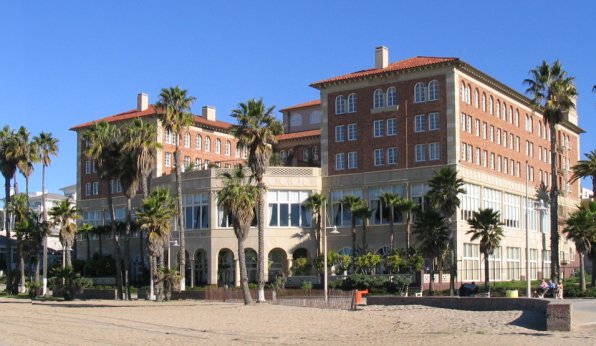
| Beginnings Synanon was founded in 1958 by Charles Dederich Sr., a member of Alcoholics Anonymous (AA) from Santa Monica, California.[3] At the time of Synanon's founding, those suffering from drug addiction were not always welcomed into AA because their issues were considered significantly different from those of alcoholics. Dederich, after taking LSD,[7] decided to create his own program to respond to their needs. He was said to have coined the phrase "today is the first day of the rest of your life."[10][11] After his small group, called "Tender Loving Care", gained a significant following, Dederich incorporated the organization into the Synanon Foundation in 1958.[12] The origins of the name "Synanon" are not entirely clear, with some claiming it to be the result of a group member slurring the words "symposium" and "seminar"[13] and others simply describing it as a portmanteau of "symposium" and "anonymous". The word syndicate also means "an association of people or firms formed to promote a common interest or carry out a business enterprise".[14][3] Synanon began as a two-year residential program, but Dederich soon concluded that its members could never graduate, because a full recovery was impossible.[13] The program was based on testimony of fellow group members about their tribulations and urges of relapsing, and their journeys to recovery.[citation needed] The Synanon organization also developed a business that sold promotional items. This became a successful enterprise that for a time generated roughly $10 million per year.[15]  The Synanon facility during the 1960s In 1959, Synanon moved from their small storefront to an abandoned armory on the beach. In 1967, Synanon purchased the Club Casa del Mar, a large beachside hotel in Santa Monica, as its headquarters and a dormitory for those undergoing treatment for drug addiction. Later on, Synanon acquired a large building that had been the home of the Athens Athletic Club, in Oakland, California, and then transformed it into a residential facility for Synanon's members.[16] Professionals, even those without drug addictions, were invited to join Synanon. The New York psychiatrist Daniel Casriel M.D. visited in 1962, lived there in 1963, and wrote a book about his experiences. He later founded AREBA, the oldest surviving private addiction treatment center in the United States, as well as Daytop Village, one of the world's largest therapeutic communities.[17] Control over members occurred through the "Game". The "Game" was presented as a therapeutic tool, and likened to a form of group therapy; but it has been criticized as a form of a "social control", in which members humiliated one another and encouraged the exposure of one another's innermost weaknesses.[18] Beginning in the mid-1970s, women in Synanon were required to shave their heads, and married couples were made to break up and take new partners. Men were given forced vasectomies, and a few pregnant women were forced to have abortions.[19][20] Leonard Nimoy taught drama classes to members of Synanon partly as a result of the role he played in the production of Deathwatch, a 1965 English-language film version of Jean Genet's play Haute Surveillance (the story deals with three prison inmates). Nimoy is quoted as saying "Give a little here and it always comes back".[21] The film director George Lucas needed a large group of people with shaved heads for the filming of his movie THX 1138 and hired some of his extras from Synanon.[22] Robert Altman hired members of Synanon to be extras for the gambling scenes in his movie California Split.[23] |
始まり シナノンは、カリフォルニア州サンタモニカ出身のアルコール依存症者支援団体「アルコール依存症者匿名会(AA)」のメンバーであるチャールズ・デデリッ ク・シニアによって 1958 年に設立されました[3]。シナノンが設立された当時、薬物依存症者は、その問題がアルコール依存症者とは大きく異なるものとみなされていたため、AA に必ずしも歓迎されていませんでした。デデリックは、LSD を服用した後[7]、彼らのニーズに応えるための独自のプログラムを作成することを決意しました。彼は「今日はあなたの人生の残りの最初の1日だ」という 言葉を考案したと言われています。[10][11] 小さなグループ「テンダー・ラビング・ケア」が大きな支持を得た後、デデリッチは1958年に組織をシナノン財団に統合しました。[12] 「シナノン」という名前の由来は定かではなく、グループメンバーが「シンポジウム」と「セミナー」という単語を間違えて発音したことから[13]、あるい は「シンポジウム」と「匿名」を合わせた造語だとする説もある。また、「シンジケート」という言葉には、「共通の利益を促進したり、事業を行うために結成 された人々や企業の連合体」という意味もある。[14][3] シナノンは 2 年間の居住型プログラムとしてスタートしたが、デデリックは、完全な回復は不可能であるため、メンバーは決して卒業できないとすぐに結論付けた。[13] このプログラムは、グループメンバーたちが、自分の苦難や再発の衝動、そして回復への道のりを証言することに基づいていた。[要出典] シナノン組織は、プロモーション用品を販売する事業も展開した。これは一時、年間約$1000万の収益を上げる成功した事業となった。[15] 1960年代のシナノン施設 1959年、シナノンは小さな店舗からビーチ沿いの廃墟となった兵舎に移転した。1967年、シナノンはサンタモニカのビーチ沿いの大型ホテル「クラブ・ カサ・デル・マル」を本拠地兼薬物依存症治療施設として購入した。その後、カリフォルニア州オークランドのアテネ・アスレチック・クラブの旧本社ビルを取 得し、シナノンの会員用の住宅施設に改装した。[16] 薬物依存症ではない専門家も、シナナンの参加を招待された。ニューヨークの精神科医ダニエル・キャスリエル医師は、1962年にシナナンを訪問し、 1963年にそこで暮らし、その経験を本に著した。彼は後に、米国で最も古い民間薬物依存症治療センターである AREBA、および世界最大級の治療コミュニティであるデイトップ・ビレッジを設立した。[17] メンバーに対する支配は「ゲーム」を通じて行われていた。「ゲーム」は治療ツールとして紹介され、一種のグループ療法とみなされていたが、メンバー同士が 互いに屈辱を与え合い、お互いの最も深い弱点を暴露することを奨励する「社会的統制」の一形態であると批判されている。[18] 1970年代半ばから、シナナンの女性は頭を剃ることを強制され、結婚したカップルは離婚を強制され、新しいパートナーを探すよう命じられた。男性は強制 的な精管結紮手術を受けさせられ、妊娠した女性の一部は中絶を強制された。[19][20] レナード・ニモイは、ジャン・ジュネの戯曲「監視室」を1965年に映画化した英語版「Deathwatch」に出演したことをきっかけの一部として、シ ナナンのメンバーたちに演劇のクラスを教えた。ニモイは、「ここで少し与えると、必ず返ってくる」と述べている。[21] 映画監督のジョージ・ルカーチは、映画『THX 1138』の撮影のために、頭を剃った大勢の人々を必要とし、シナナンのメンバーをエキストラとして採用した。[22]ロバート・アルトマンは、映画『カ リフォルニア・スプリット』のギャンブルシーンのエキストラとして、シナナンのメンバーを採用した。[23] |
| Practices Entrance into the Synanon community required a strong initial commitment. Newcomers were first interviewed by Synanon leadership to gain entrance into the community.[16] Upon their arrival, those newcomers were forced to quit using drugs cold turkey, going through withdrawal for the first few days in the program.[24] Furthermore, for their first ninety days in the community, members were expected to cease contact with outside friends and family.[16] During its first decade, Synanon members entered into a 1–2-year program in three stages aimed at preparing members to reenter greater society. During the first stage, members did community and housekeeping labor. During the second stage, members worked outside of the community but still resided within the community. Finally, during the third stage, members both worked and lived outside of the community, but still attended regular meetings.[24] After Synanon's transition into an alternate society in 1968, this program changed to a "lifetime rehabilitation" program, with the premise that drug addicts would never truly be well enough to return to society.[12] One of the most distinguishing practices of the Synanon community was a therapeutic practice commonly referred to as "The Game". The Game was a session during which one member would talk about themselves and then endure intense criticism by their peers.[25] During this practice, members were encouraged to be critical of everything, using harsh and profane language.[16] The practice has been charactized as a form of attack therapy.[5] Outside of The Game, members were required to act civilly to each other. While in The Game, members criticized each other, but left as friends and supportive community members.[25] The Game served not only as Synanon's most prominent form of therapy and personal change, but also worked as a way for leaders to collect the opinions of community members. Because there was no hierarchy in The Game, members could freely criticize Synanon's highest leadership, who would then take member concerns into consideration when deciding policy.[16][25] The Game turned into a 72-hour version and was admitted by Dederich to be brainwashing. The Game was eventually used to pressure people to submit to Dederich's will, abort pregnancies, undergo vasectomies, and commit violence.[7] Over time, Dederich's vision of Synanon evolved, and he began to envision the group's potential to promote social progress. Synanon moved to create schooling for members, and Dederich wanted members to mentally change in order to improve society on the outside. The school was headed by Al Bauman, who believed in an innovative philosophy and aimed to teach children in the same manner to think differently. The school attracted lawyers, screenwriters, and business executives, all wanting to educate their children in a progressive environment.[26] |
実践 シナノンコミュニティへの入会は、強い決意が必要だった。新会員は、コミュニティへの入会許可を得るために、まずシナノンの指導者による面接を受けた [16]。入会後、新会員は薬物の使用を突然止めさせられ、プログラム参加当初の数日間は離脱症状に苦しんだ[24]。さらに、コミュニティでの最初の 90 日間は、外部の人たち(友人や家族など)との接触を一切禁止された。[16] 設立から 10 年間は、シナナンのメンバーは 1~2 年間の 3 段階のプログラムに参加し、社会復帰の準備をした。第 1 段階では、メンバーはコミュニティや家事の労働に従事した。第 2 段階では、メンバーはコミュニティの外で働いたが、コミュニティ内に居住し続けた。最後に、第 3 段階では、メンバーはコミュニティの外で働き、生活したが、定期的なミーティングには引き続き参加した。[24] 1968年にシナノンが代替社会へと移行した後、このプログラムは「生涯リハビリテーション」プログラムに変更され、薬物依存者は決して社会に戻るほど十 分に回復することはできないという前提に基づいていた。[12] シナノンコミュニティの最も特徴的な実践のひとつは、「ゲーム」と一般に呼ばれる治療的実践だった。ザ・ゲームは、1人のメンバーが自分自身について話 し、その後、仲間から激しい批判を受けるセッションだった。[25] この実践中、メンバーはすべてに対して批判的になるよう促され、過激で下品な言葉を使用することが奨励されていた。[16] この実践は攻撃療法の一種と特徴付けられている。[5] ザ・ゲーム以外では、メンバーは互いに礼儀正しく振る舞うことが求められていた。ゲーム中は、メンバーは互いに批判し合いましたが、ゲーム終了後は友人と して、またコミュニティのメンバーとして支え合う関係に戻りました。[25] ゲームは、シナナンの最も顕著な治療法および人格変容の方法として機能しただけでなく、リーダーたちがコミュニティメンバーの意見を収集する手段としても 機能していました。ゲームにはヒエラルキーがなかったため、メンバーはシナナンの最高指導者を自由に批判することができ、最高指導者は政策を決定する際に メンバーの懸念を考慮に入れることができました。[16][25] ゲームは 72 時間のバージョンになり、デデリッチはそれを洗脳だと認めた。ゲームは、最終的には、人々にデデリッチの意志に従うよう圧力をかけ、妊娠中絶、精管切除、 暴力行為を行うために利用された。[7] 時が経つにつれて、デデリッチのシナナンのビジョンは進化し、彼はこの団体が社会進歩を促進する潜在力を持っていると想像し始めた。シナノンは、メンバー のための学校を設立し、デデリックは、外の世界の社会を改善するために、メンバーに精神的な変化を求めました。この学校は、革新的な哲学を信奉し、子供た ちに同じ方法で異なる考え方を教えることを目指したアル・バウマンが校長を務めました。この学校には、進歩的な環境で子供たちを教育したいと考える弁護 士、脚本家、企業幹部などが集まりました。[26] |
| Lifetime rehabilitation concept Beginning in 1964,[27] the legal authorities began to investigate Synanon's practices. The concept of "lifetime rehabilitation" did not agree with therapeutic norms, and it was alleged in 1961 by the City of Santa Monica that Synanon was "operating a hospital in a residential zone".[28] Synanon expanded an old Trans-Pacific Marconi RCA radio station in Tomales Bay now Marconi Conference Center State Historic Park in Marshall, California. It was alleged[by whom?] that on remote properties in California such as at Marshall in Marin County and in Badger, Tulare County, Synanon had erected buildings without the legally-required permits, had created a trash dump, and built an airstrip. Taxation issues also arose. In response to these accusations, Dederich declared that Synanon was a tax exempt religious organization, the "Church of Synanon".[29] Legal problems continued, despite this change. Children who had been assigned to Synanon began running away, and an "underground railroad" had been created in the area that sought to help them return to their parents. Beatings of Synanon's opponents and its ex-members, "splittees", occurred across California. Beatings occurred in Synanon basements.[7] A state Grand Jury in Marin County issued a scathing report in 1978 that attacked Synanon for the very strong evidence of its child abuse, and also for the monetary profits that flowed to Dederich. The Grand Jury report also rebuked the governmental authorities involved for their lack of oversight, although it stopped short of directly interceding in the Synanon situation.[citation needed] |
生涯リハビリテーションの概念 1964年から[27]、司法当局はシナノンの活動について調査を開始した。「生涯リハビリテーション」の概念は治療上の規範と相容れないものであり、 1961年にサンタモニカ市は、シナノンが「住宅地で病院を運営している」と主張した。[28] シナノンは、カリフォルニア州マーシャルにあるトマレス湾の古いトランスパシフィック・マルコーニ・RCAラジオ局を拡張し、現在はマルコーニ・カンファ レンス・センター州立歴史公園となっている施設を建設した。カリフォルニア州のマーシャル(マリナ郡)やバジャー(トゥラーレ郡)などの遠隔地で、シナノ ンが法的許可なしに建物を建設し、ごみ捨て場を設け、飛行場を建設したとの主張が[誰によって?]なされた。課税問題も浮上した。これらの主張に対し、デ デリッチはシナノンを「シナノン教会」と称する課税免除の宗教団体であると宣言した。[29] この変更にもかかわらず、法的問題は続いた。シナノンに割り当てられた子供たちが逃げ出し、彼らを両親の元に帰すための「地下鉄道」が、この地域で作られ た。シナノンの反対者や元メンバー「スプリート」に対する暴行が、カリフォルニア州全域で発生。シナノンの地下室でも暴行が行われた。[7] 1978年、マリナ郡の州大陪審は、シナナンの児童虐待の強い証拠と、デデリッチに流れた金銭的利益を非難する厳しい報告書を発表した。大陪審の報告書 は、関連する政府当局の監督不足を非難したが、シナナンの状況に直接介入するまでには至らなかった。[出典必要] |
| Criminal activity and collapse While Synanon initially did not tolerate violence, Dederich came to allow for violence as he sought greater control over the group. Much of the violence by Synanon was carried out by an internal group called the "Imperial Marines"[30] Over 80 violent acts were committed, including mass beatings that hospitalized teenagers, and ranchers who were beaten in front of their families.[31] People who left Synanon risked physical violence for being a "splittee"; one ex-member, Phil Ritter, was beaten so severely that his skull was fractured and he subsequently fell into a coma with a near-fatal case of bacterial meningitis.[32][33][34] In mid-1978, NBC Nightly News produced a segment on the controversies surrounding Synanon. Following the broadcast, several NBC executives, including the network's chairman, allegedly received hundreds of threats from Synanon supporters.[35] On October 10, 1978, two Synanon members placed a de-rattled rattlesnake in the mailbox of Paul Morantz, an attorney who had successfully brought a suit against the group on behalf of Synanon detainees.[26][36] The snake bit Morantz, and he was hospitalized for six days.[7][36][37] This incident, along with the press coverage, prompted a law enforcement investigation into Synanon. Six weeks after the snake attack, the Los Angeles Police Department (LAPD) performed a search of the ranch in Badger that found a recorded speech by Dederich in which he said, "We're not going to mess with the old-time, turn-the-other-cheek religious postures... Our religious posture is: Don't mess with us. You can get killed dead, literally dead... These are real threats", he stated. "They are draining life's blood from us, and expecting us to play by their silly rules. We will make the rules. I see nothing frightening about it... I am quite willing to break some lawyer's legs, and next break his wife's legs, and threaten to cut their child's arm off. That is the end of that lawyer. That is a very satisfactory, humane way of transmitting information. I really do want an ear in a glass of alcohol on my desk."[32] Though many San Francisco area newspapers and broadcasters covered the Synanon case, they were largely silenced by legal action from Synanon's lawyers, who made claims of libel. These lawsuits ultimately turned out to be a large part of Synanon's undoing, by giving journalists access to Synanon's own internal documents. The main thorn in the cult's side was the Point Reyes Light, a weekly newspaper published by David V. Mitchell. The newspaper was domiciled in a tiny town ten miles south of Marshall, where Synanon's main facility was located. The paper prevailed on press freedom and protection issues and its reporting was consummately professional. It won a $100,000 judgement against the cult and in 1979, for its efforts, became the smallest paper ever to win a Pulitzer Prize.[38] As a result of the snake attack, Dederich and two Synanon residents, Joe Musico and Lance Kenton (son of the musician Stan Kenton) were arrested and pleaded "no contest" to charges of assault and conspiracy to commit murder. Lance Kenton was sentenced to a year in prison. While his associates went to jail, Dederich received probation because his doctors claimed that due to ill health he would most likely die in prison. As a condition of probation, he was disallowed from taking part in managing Synanon.[39][40] Dederich died on February 28, 1997 at age 83, after a series of strokes; the cause of death was cardiorespiratory failure.[41] Synanon struggled to survive without its leader, and also with a severely tarnished reputation. The Internal Revenue Service revoked the organization's tax-exempt status and ordered them to pay $17 million in back taxes. This bankrupted Synanon, which formally dissolved in 1991.[42][43][44] |
犯罪活動と崩壊 シナノンは当初、暴力を容認していなかったが、デデリッチはグループに対する支配力を強化するにつれて、暴力を容認するようになった。シナノンの暴力の大 部分は、「インペリアル・マリンズ」と呼ばれる内部グループによって行われた[30]。10代の若者たちが入院するほどの集団暴行や、家族の前で暴行を受 ける牧場主など、80件以上の暴力行為が行われた。[31] シナノンを去った人々は、「分裂者」として身体的暴力を受ける危険にさらされた。元メンバーの一人、フィル・リッターは、頭蓋骨が骨折するほどの激しい暴 行を受け、その後、致命的な細菌性髄膜炎で昏睡状態に陥った。 1978年半ば、NBCナイトリーニュースは、シナノンをめぐる論争に関する特集番組を放送した。放送後、NBCの幹部数名、そのうちにはネットワークの 会長も含まれていたとされる人物が、シナナンの支持者から数百件の脅迫を受けた。[35] 1978年10月10日、シナナンのメンバー2人が、シナナンの収容者代表として同団体を提訴し勝訴した弁護士ポール・モランツの郵便受けに、尾を鳴らさ ないようにしたガラガラヘビを置いた。[26][36] ヘビはモランツ氏を噛み、彼は 6 日間にわたって入院した。[7][36][37] この事件とマスコミの報道を受けて、シナノンに対する法執行機関の捜査が開始された。 ヘビの襲撃から 6 週間後、ロサンゼルス警察(LAPD)はバジャーの牧場を捜索し、デデリックが「 「私たちは古い時代の『頬を打たれたらもう一方の頬を差し出す』ような宗教的姿勢には関わらない…私たちの宗教的姿勢は『私たちに手を出さないこと。あな たは文字通り死に至る可能性がある…これらは現実の脅威だ』」と述べた。「彼らは私たちの生命の血を吸い取り、私たちの愚かなルールに従うことを期待して いる。私たちはルールを作る。私はそれに何の恐怖も感じない… 私は弁護士の足を折ることも、次にその妻の足を折ることも、その子供の腕を切り落とすと脅すことも厭わない。その弁護士は終わりだ。これは非常に満足のい く、人間らしい情報伝達方法だ。私は本当に、アルコール入りのグラスに耳を置きたいと思っている」[32] サンフランシスコ地域の多くの新聞や放送局がシナナンの事件を取り上げたが、シナナンの弁護士たちが名誉毀損で訴訟を起こし、ほとんど報道は封殺された。 しかし、これらの訴訟は、ジャーナリストたちにシナナンの内部文書へのアクセスを許可することになり、結局、シナナンの破滅の大きな要因となった。このカ ルトにとって最大の悩みの種は、デビッド・V・ミッチェルが発行する週刊新聞「ポイント・レイズ・ライト」だった。この新聞は、シナナンの主要施設がある マーシャルから 10 マイル南にある小さな町に拠点を置いていた。この新聞は、報道の自由と保護の問題を主張し、その報道は極めて専門的だった。この新聞は、カルトに対して 10 万ドルの損害賠償を勝ち取り、その努力が認められて、1979 年にピューリッツァー賞を受賞した、史上最小の新聞となった。 ヘビの攻撃の結果、デデリックと 2 人のシナノン住民、ジョー・ムジコとランス・ケントン(ミュージシャン、スタン・ケントンの息子)が逮捕され、暴行と殺人未遂の容疑で「争わない」と主張 した。ランス・ケントンは 1 年の懲役刑を言い渡された。彼の仲間たちが刑務所に行く中、デデリックは、健康状態が悪く刑務所では死に至る可能性が高いと医師が主張したため、保護観察 処分となった。保護観察の条件として、彼はシナノンの管理に参加することを禁止された。[39][40] デデリッチは1997年2月28日、83歳で脳卒中のため死去。死因は心肺停止だった。[41] シナノンは、指導者を失った上、評判も著しく低下し、存続の危機に陥った。内国歳入庁は、この団体の免税資格を取り消し、1,700 万ドルの追徴税を支払うよう命じた。これにより、シナノンは破産し、1991 年に正式に解散した。[42][43][44] |
| Subsequent treatment approaches Mel Wasserman, influenced by his Synanon experience, founded CEDU Educational Services, a company in the troubled teen industry that owned and operated several schools. CEDU's schools used the confrontational model of Synanon.[45] The CEDU model was widely influential on the development of parent-choice, private-pay residential programs. People originally inspired by their CEDU experience developed or strongly influenced a significant number of the schools in the therapeutic boarding school industry.[citation needed] The company's schools have faced numerous allegations of abuse. CEDU went out of business in 2005, amid lawsuits and state regulatory crackdowns. Father William B. O'Brien, the founder of New York's Daytop Village, included Synanon's group encounters and confrontational approach in his research into addiction treatment methods.[46] The author, journalist, and activist Maia Szalavitz claims to chart the influence of Synanon in other programs including Phoenix House, Straight, Incorporated, and Boot Camps in addition to those mentioned above.[47] |
その後の治療アプローチ メル・ワッサーマンは、シナノンの経験に影響を受けて、問題を抱えるティーンエイジャー向けの業界で、複数の学校を所有・運営していた CEDU Educational Services を設立した。CEDU の学校は、シナノンの対立型モデルを採用していた。[45] CEDU のモデルは、親が選択できる、私費による住宅型プログラムの開発に大きな影響を与えた。CEDU の経験に触発された人々は、治療寄宿学校業界における多くの学校を設立、あるいはその設立に多大な影響を与えた。[要出典] 同社の学校は、虐待に関する数多くの疑惑に直面している。CEDU は、訴訟や州による規制強化の中で、2005 年に廃業した。 ニューヨークのデイトップ・ヴィレッジの創設者であるウィリアム・B・オブライエン神父は、依存症治療方法の研究において、シナナンのグループセッション と対立的なアプローチを取り入れた。[46] ジャーナリスト兼活動家のマイア・ザラヴィッツは、上記で言及されたプログラムに加え、フェニックス・ハウス、ストレート・インコーポレイテッド、ブート キャンプなど他のプログラムにおけるシナナンの影響を明らかにしていると主張している。[47] |
| Popular depictions Straight Life: The Story of Art Pepper includes several chapters (21–23) about living at Synanon from 1969 to 1971.[48] The 1965 Columbia Pictures movie Synanon, directed by Richard Quine, was set at (and filmed in) Synanon; it starred Edmond O'Brien as Chuck Dederich, as well as Chuck Connors, Stella Stevens, Richard Conte, and Eartha Kitt. The 1984 TV movie Attack on Fear, written by T.S. Cook and directed by Mel Damski, is an account of the journalists who exposed the abuses; it starred Paul Michael Glaser, Linda Kelsey, and Barbara Babcock. Episode 22 of Mannix depicts Synanon members involved with a fictitious 1945 Daily Clarion bombing that killed 14 men. Synanon is referred to in Bob Dylan's song "Lenny Bruce", from his album Shot of Love (Bruce "never made it to Synanon"). Synanon is referred to in the song "Opening Doors" from Stephen Sondheim's musical Merrily We Roll Along, which mentions it as a hypothetical song title in a satirical revue of the 1960s. Synanon is mentioned in Joan Didion's 1979 essay The White Album. Philip K. Dick makes several references to Synanon in his 1977 novel A Scanner Darkly and 1981 novel VALIS. Hollywood Park: A Memoir by Mikel Jollett (founder of The Airborne Toxic Event) was published in May 2020 and describes Jollett's life in and escape from Synanon. The group is featured in the 2021 book Cultish: The Language of Fanaticism by American linguist Amanda Montell. Montell's father was a member as a child and spoke freely to Amanda about his experience in Synanon. On September 26, 2022, the TrueAnon podcast also released a 5-part series on the history of Synanon called The Game.[49] Throughout the series, one of the show's hosts, Brace Belden, talks about his childhood experience in a correctional, co-ed private facility called the Monarch School, which has been closed due to allegations of widespread abuse under the watch of its founder, Patrick McKenna, a Synanon disciple. On January 13, 2023, The Last Podcast on the Left released an episode on Synanon as part of their series on the troubled teen industry.[50] A four-part Paramount+ docuseries titled Born in Synanon directed by Geeta Gandbhir was released in December 2023.[51] The series follows Cassidy Arkin as she seeks for the truth surrounding Synanon, which she grew up in, as it descended into a cult.[52] Synanon is discussed as the source of the "tough love" approach used at the troubled teen industry facilities like Academy at Ivy Ridge in the 2024 Netflix documentary The Program: Cons, Cults, and Kidnapping. A four-part HBO documentary series titled The Synanon Fix directed by Rory Kennedy premiered at the 2024 Sundance Film Festival in January 2024, and premiered in April 2024.[53][54][55] |
一般的な描写 『Straight Life: The Story of Art Pepper』には、1969年から1971年までのシナノンでの生活について書かれた章(21~23章)がいくつかある。[48] 1965年にコロンビア映画が製作したリチャード・クワイン監督の映画『シナノン』は、シナノンを舞台に(そしてシナノンで撮影され)、エドモンド・オブ ライエンがチャック・デデリッチ役、チャック・コナーズ、ステラ・スティーブンス、リチャード・コンテ、アースア・キットが出演した。 1984年のテレビ映画『アタック・オン・フィア』は、T.S.クックが脚本を、メル・ダムスキーが監督を務めた作品で、シンナンの虐待を暴露したジャー ナリストたちの物語を描いている。主演はポール・マイケル・グレイザー、リンダ・ケルシー、バーバラ・バブコック。 『マンニックス』の第22話では、1945年に14人の男性が死亡した架空のデイリー・クラリオン爆破事件に関与したシンナンのメンバーが描かれている。 シナノンは、ボブ・ディランのアルバム『ショット・オブ・ラブ』収録の曲「レニー・ブルース」で言及されている(ブルースは「シナノンにはたどり着けな かった」と歌っている)。 シンアナンは、スティーブン・ソンドハイムのミュージカル『Merrily We Roll Along』の曲「Opening Doors」で、1960年代の風刺的なレビューで仮の曲名として言及されている。 シンアナンは、ジョアン・ディディオンの1979年のエッセイ『The White Album』で言及されている。 フィリップ・K・ディックは、1977年の小説『スキャナー・ダークリー』と1981年の小説『ヴァリス』で、シナノンに複数回言及している。 ミケル・ジョレット(ザ・エアボーン・トキシック・イベントの創設者)の自伝『Hollywood Park: A Memoir』は2020年5月に刊行され、ジョレットのシナノンでの生活と脱出について記述されている。 このグループは、アメリカ人言語学者アマンダ・モンテルの2021年の著書『カルティッシュ:狂信の言語』でも取り上げられている。モンテルの父親は子供 の頃メンバーであり、アマンダにシナノンの経験について自由に話した。 2022年9月26日、TrueAnonポッドキャストも、シナノンの歴史をテーマにした5部構成のシリーズ『ザ・ゲーム』をリリースした。[49] シリーズを通じて、番組のホストの一人であるブレイス・ベルデンは、創設者でシンナンの信奉者であるパトリック・マクケナの下で広範な虐待の疑惑が浮上し 閉鎖された、矯正目的の共学私立施設「モナーク・スクール」での幼少期の経験を語っている。 2023年1月13日、The Last Podcast on the Leftは、問題を抱えるティーン産業に関するシリーズの一環として、Synanonをテーマにしたエピソードを公開した。[50] Geeta Gandbhir監督による4部構成のパラマウント+ドキュメンタリーシリーズ『Born in Synanon』が2023年12月に公開された。[51] このシリーズは、シンアナンで育ったキャシー・アーキンが、シンアナンがカルトに陥っていく過程で真実を追求する姿を追っている。[52] シンアナンは、2024年のNetflixドキュメンタリー『The Program: Cons, Cults, and Kidnapping』で、アカデミー・アット・アイビー・リッジのような問題を抱えるティーン施設で採用されている「タフ・ラブ」アプローチの源流とし て取り上げられている。 ロリー・ケネディ監督による4部構成のHBOドキュメンタリーシリーズ『ザ・シナノン・フィックス』は、2024年1月にサンダンス映画祭で初公開され、 2024年4月に公開された。[53][54][55] |
| Attack therapy Human potential movement Prop 36 Élan School Cenikor Foundation CEDU Circle of Power (1981 film) The Seed (organisation) |
攻撃療法 人間の可能性運動 提案36 エラン・スクール セニコル財団 CEDU サークル・オブ・パワー(1981年の映画 ザ・シード(組織) |
| https://en.wikipedia.org/wiki/Synanon |
|
| References Goethals, Ilse; Yates, Rowdy; Vandevelde, Stijn; Broekaert, Eric; Soyez, Veerle (2011). "A religion too far: a historical and qualitative study on how ex-Synanon members value critical incidents that might have led to the downfall of their Utopia". Mental Health and Substance Use. 4 (3). Informa UK Limited: 177–194. doi:10.1080/17523281.2011.578582. hdl:1854/LU-1995877. ISSN 1752-3281. Stark, R.; Bainbridge, W.S. (1985). The Future of Religion: Secularization, Revival and Cult Formation. University of California Press. p. 7. ISBN 978-0-520-05731-9. Retrieved 2020-09-30. "The Story of This Drug Rehab-Turned-Violent Cult Is Wild, Wild Country-Caliber Bizarre". Los Angeles Magazine. 2018-04-23. Retrieved 2020-09-30. Schager, Nick (April 24, 2020). "A Violent, Deadly Cult With Forced Abortions and Shades of Scientology". www.thedailybeast.com. Retrieved 2020-09-30. Helping People Change: A Textbook of Methods, Page 508., Frederick H. Kanfer, Arnold P. Goldstein, ISBN 0-08-025097-1, 1980, Pergamon Press "How to watch 'Born in Synanon,' the docuseries about a cult led by Charles 'Chuck' Dederich". USA Today. Matt Novak (29 September 2014). "The Man Who Fought the Synanon Cult and Won". Longform. Archived from the original on 2015-01-28. Retrieved 2015-01-24. "Synanon's Sober Utopia: How a Drug Rehab Program Became a Violent Cult". 15 April 2014. Archived from the original on 2017-12-07. Retrieved 2017-12-07. The Cult That Spawned the Tough-Love Teen Industry. Archived 2018-06-12 at the Wayback Machine, Mother Jones, September/October 2007. Her life with "One Big Brother", San Jose Mercury News, March 19, 1999, Michael D. Clark Morgan, Fiona (30 March 1999). "One big dysfunctional family". Salon. Retrieved September 9, 2023. Ofshe, Richard. "The Social Development of the Synanon Cult". Sociological Analysis 41.2 (1980): 109–127. Web. Kobler, John (February 8, 1969). "The second coming of Synanon". The Saturday Evening Post. pp. 32–35, 62–63. "The History of Synanon and Charles Dederich". Retrieved 2023-04-18. Magill, Jenny (2022-04-04). "Playing the Game: The Origins and Impact of Synanon". BREAKING CODE SILENCE. Retrieved 2022-08-26. Janzen, Rod A. The Rise and Fall of Synanon: A California Utopia. Baltimore: Johns Hopkins UP, 2001. Print. ISBN 978-1-4214-4810-7 So Fair A House: The story of Synanon, New York: Prentice-Hall. 1963.[ISBN missing] "Where did it come from?", Synanon Church and the medical basis for the $traights, or Hoopla in Lake Havasu, by Wes Fager, 2000. "Stephen A. Kent" (PDF). ualberta.ca. Kids of El Paso. Archived 2008-02-10 at the Wayback Machine. Timeline 1958–2003 and present-day litigation information. Branham, Stacy L. (2012). Nevada State Prison. Arcadia Publishing. p. 50. ISBN 978-0-738-58545-1. Pollock, Dale (1999). Skywalking: The Life and Films of George Lucas. Da Capo. p. 100. ISBN 0-306-80904-4. Reid, Max (October 1974). "The Making of California Split: An Interview with Robert Altman". Filmmakers Newsletter. p. 26. Sternberg, David. "Synanon House – A Consideration for Its Implications on American Correction". Journal of Criminal Law, Criminology, and Police Science 54.4 (1963): n.p. Print. "Synanon: Toward Building a Humanistic Organization". Journal of Humanistic Psychology 18.3 (1978): 3–20. Web. Janzen, Rod A. The Rise and Fall of Synanon, A California Utopia, Johns Hopkins University Press, 2001, p. 214.[ISBN missing] PDF of FBI file governmentattic.org Archived 2016-03-04 at the Wayback Machine "Synanon Fight Seen At Council", Evening Outlook, May 8, 1961 Roberts, Sam (November 1, 2023). "David Mitchell, Weekly Editor Who Exposed a Corrupt Cult, Dies at 79". The New York Times. Retrieved November 4, 2023. "A Changed Synanon The Subject of Inquiry". 1978-12-10. Retrieved 2025-10-10. "Synanon Sequel". Time Magazine. 1980-07-28. Archived from the original on 2011-09-21. Retrieved 2011-05-23. "The True History of Synanon Violence and How it Started". paulmorantz.com. "Light to celebrate 25th anniversary of its Pulitzer", The Point Reyes Light, April 15, 2004, by Dave Mitchell. Colson, Charles W.; Pearcey, Nancy (2001). Developing a Christian Worldview of the Problem of Evil. Tyndale House Publishers, Inc. p. 25. ISBN 9780842355841. "The History of Synanon and Charles Dederich". www.paulmorantz.com. Archived from the original on 2017-12-18. Retrieved 2017-12-18. Jack Anderson, "NBC Cancelled Jonestown Story", March 20, 1981. Gelder, Lawrence Van (1997-03-04). "Charles Dederich, 83, Synanon Founder, Dies". The New York Times. ISSN 0362-4331. Archived from the original on 2017-12-16. Retrieved 2017-12-18. "The Man Who Fought the Synanon Cult and Won". 27 September 2014. Archived from the original on 2017-12-07. Retrieved 2017-12-07. David Mitchell, Pulitzer-winning editor who exposed a cult, dies at 79, Washington Post, William Branigin, November 3, 2023. Retrieved November 4, 2023. "Snake Plot: Dederich Sentenced". The Spokesman-Review. 1980-09-03. Archived from the original on 2016-05-12. Retrieved 2015-11-21. "Synanon Founder Advocated Violence Against Opponents". The New York Times. 1982-03-09. ISSN 0362-4331. Archived from the original on 2017-12-07. Retrieved 2017-12-18. New York Times, 4 March 1997. Szalavitz, Maia, Help at Any Cost: How the Troubled-Teen Industry Cons Parents and Hurts Kids, Riverhead Books, 2006, p. 33.[ISBN missing] Sreenivasan, Jyotsna (2008). Utopias in American History. ABC-CLIO. p. 363. ISBN 9781598840520. Ostrow, Ronald J. (1985-10-02). "U.S. Indicts Nine From Synanon in Tax-Exemption Effort". Los Angeles Times. ISSN 0458-3035. Archived from the original on 2016-07-12. Retrieved 2017-12-18. "Ever unconventional, long controversial" Archived 2012-03-13 at the Wayback Machine, by Keith Chu, The Bend Bulletin, November 15, 2009 "A Business Built on the Troubles of Teenagers (Published 2005)". 2005-08-17. Retrieved 2025-10-10. Daytop History Archived 2015-12-22 at the Wayback Machine , Daytop Homepage, retrieved 3/25/2010 Szalavitz, Maia (2007-08-20). "The Cult That Spawned the Tough-Love Teen Industry". Mother Jones. Archived from the original on 2007-08-23. Retrieved 2007-09-19. Pepper, Art; Pepper, Laurie (1979). Straight Life: The Story of Art Pepper (Updated ed.). Da Capo Press. ISBN 0-306-80558-8. "TrueAnon Presents: The Game -- First Episode drops September 26 on patreon.com/trueanonpod" – via Twitter. "Episode 518: The Troubled Teen Industry Part II: Synanon - The Dirty Double Dozen by Last Podcast On The Left | Podchaser". Podchaser. 13 January 2023. "Born in Synanon to Premiere on Tuesday, December 12". Paramount Press Express. November 16, 2023. Retrieved April 11, 2024. Ulatowski, Rachel (January 29, 2024). "Ex-Synanon Members Break Down Cult's Mixed Legacy and What America Can Learn From It". The Mary Sue. Retrieved April 11, 2024. Otterson, Joe (August 17, 2022). "Synanon Documentary Set at HBO From Director Rory Kennedy (EXCLUSIVE)". Variety. Retrieved January 21, 2024. D'Alessandro, Anthony; Patten, Dominic (December 6, 2023). "Sundance Unveils Packed 2024 Lineup That Includes A.I., Pedro Pascal, Kristen Stewart, Satan, Devo & Steven Yeun". Deadline Hollywood. Retrieved January 21, 2024. "HBO Original Documentary Series THE SYNANON FIX Debuts April 1". Warner Bros. Discovery. March 20, 2024. Retrieved March 24, 2024. |
参考文献 Goethals, Ilse; Yates, Rowdy; Vandevelde, Stijn; Broekaert, Eric; Soyez, Veerle (2011). 「行き過ぎた宗教:シンナノン元メンバーが、自分たちのユートピアの崩壊につながった可能性のある重大な出来事をどのように評価しているかに関する歴史 的・質的研究」. Mental Health and Substance Use. 4 (3). Informa UK Limited: 177–194. doi:10.1080/17523281.2011.578582. hdl:1854/LU-1995877. ISSN 1752-3281. スターク, R.; ベインブリッジ, W.S. (1985). 『宗教の未来:世俗化、復興、そしてカルトの形成』。カリフォルニア大学出版局。p. 7。ISBN 978-0-520-05731-9。2020年9月30日閲覧。 「この薬物リハビリ施設から暴力的なカルトへと変貌した物語は、『ワイルド・ワイルド・カントリー』級の奇妙さだ」。『ロサンゼルス・マガジン』。2018年4月23日。2020年9月30日閲覧。 シェイガー、ニック(2020年4月24日)。「強制中絶を行い、サイエントロジーを彷彿とさせる、暴力的で致命的なカルト」。www.thedailybeast.com。2020年9月30日閲覧。 『Helping People Change: A Textbook of Methods』508ページ、フレデリック・H・カンファー、アーノルド・P・ゴールドスタイン、ISBN 0-08-025097-1、1980年、パーガモン・プレス 「チャールズ・“チャック”・デデリッチ率いるカルトを描いたドキュメンタリーシリーズ『Born in Synanon』の視聴方法」。USAトゥデイ。 マット・ノヴァク(2014年9月29日)。「シナノン・カルトと戦い、勝利した男」。Longform。2015年1月28日にオリジナルからアーカイブされた。2015年1月24日閲覧。 「シナノンの禁酒ユートピア:薬物リハビリプログラムが暴力的なカルトとなった経緯」。2014年4月15日。2017年12月7日にオリジナルからアーカイブされた。2017年12月7日に閲覧。 タフ・ラブ型ティーン産業を生み出したカルト。2018年6月12日ウェイバックマシンにてアーカイブ、マザー・ジョーンズ、2007年9月/10月号。 「『ワン・ビッグ・ブラザー』との生活」、サンノゼ・マーキュリー・ニュース、1999年3月19日、マイケル・D・クラーク モーガン、フィオナ(1999年3月30日)。「一つの大きな機能不全家族」。サロン。2023年9月9日閲覧。 オフシェ、リチャード。「シナノン・カルトの社会的発展」。『Sociological Analysis』41.2 (1980): 109–127。Web. コブラー、ジョン(1969年2月8日)。「シナノンの再来」。『ザ・サタデー・イブニング・ポスト』。pp. 32–35, 62–63。 「シナノンとチャールズ・デデリッチの歴史」。2023年4月18日閲覧。 マギル、ジェニー(2022年4月4日)。「ゲームをプレイする:シナノンの起源と影響」。『BREAKING CODE SILENCE』。2022年8月26日閲覧。 ジャンゼン、ロッド・A. 『シナノンの興亡:カリフォルニアのユートピア』. ボルチモア:ジョンズ・ホプキンス大学出版局、2001年. 印刷物. ISBN 978-1-4214-4810-7 『So Fair A House: The story of Synanon』, ニューヨーク: プレンティス・ホール. 1963年.[ISBN欠落] 「それはどこから来たのか?」, 『シナノン教会と「$straights」の医学的根拠、あるいはレイク・ハヴァスでの騒動』, ウェス・フェイガー著, 2000年. 「スティーブン・A・ケント」 (PDF). ualberta.ca. 『Kids of El Paso』。2008年2月10日ウェイバックマシンにアーカイブ。1958年~2003年の年表および現在の訴訟情報。 ブランハム、ステイシー・L. (2012). 『ネバダ州立刑務所』。アルカディア・パブリッシング。p. 50. ISBN 978-0-738-58545-1. ポロック、デール(1999年)。『スカイウォーキング:ジョージ・ルカーチの生涯と映画』。ダ・カーポ。p. 100。ISBN 0-306-80904-4。 リード、マックス(1974年10月)。「『カリフォルニア・スプリット』の制作:ロバート・アルトマンへのインタビュー」。『フィルムメーカーズ・ニュースレター』。p. 26。 スターンバーグ、デビッド。「シナノン・ハウス――アメリカの矯正制度への影響に関する考察」。『刑事法・犯罪学・警察科学ジャーナル』54巻4号(1963年):ページ未記載。印刷物。 「シナノン:人間主義的組織の構築に向けて」。『人間主義心理学ジャーナル』18巻3号(1978年):3–20頁。ウェブ。 ジャンゼン、ロッド・A. 『シナノンの興亡――カリフォルニアのユートピア』、ジョンズ・ホプキンス大学出版局、2001年、214頁。[ISBN欠落] FBIファイルのPDF governmentattic.org 2016年3月4日ウェイバックマシンにアーカイブ 「市議会でシナノンをめぐる争い」、イブニング・アウトルック、1961年5月8日 ロバーツ、サム(2023年11月1日)。「腐敗したカルトを暴いた週刊誌編集長、デビッド・ミッチェル氏、79歳で死去」。ニューヨーク・タイムズ。2023年11月4日閲覧。 「変化したシナノン、調査の対象に」。1978年12月10日。2025年10月10日閲覧。 「シナノンの続編」。『タイム』誌。1980年7月28日。2011年9月21日にオリジナルからアーカイブされた。2011年5月23日閲覧。 「シナノンの暴力の真実の歴史とその始まり」。paulmorantz.com。 「ライト紙、ピューリッツァー賞受賞25周年を祝う」、『ザ・ポイント・レイエス・ライト』、2004年4月15日、デイブ・ミッチェル著。 コルソン、チャールズ・W.; ピアシー、ナンシー (2001). 『悪の問題に関するキリスト教的世界観の構築』. ティンデール・ハウス・パブリッシャーズ社. p. 25. ISBN 9780842355841. 「シナノンとチャールズ・デデリッチの歴史」。www.paulmorantz.com。2017年12月18日にオリジナルからアーカイブされた。2017年12月18日に閲覧。 ジャック・アンダーソン、「NBCがジョーンズタウン・ストーリーを打ち切り」、1981年3月20日。 ゲルダー、ローレンス・ヴァン(1997年3月4日) 。「シナノンの創設者、チャールズ・デデリッチ氏(83)死去」。ニューヨーク・タイムズ。ISSN 0362-4331。2017年12月16日にオリジナルからアーカイブされた。2017年12月18日に閲覧。 「シナノン・カルトと戦い、勝利した男」。2014年9月27日。2017年12月7日にオリジナルからアーカイブされた。2017年12月7日に閲覧。 カルトを暴露したピューリッツァー賞受賞編集者、デビッド・ミッチェル氏、79歳で死去、ワシントン・ポスト、ウィリアム・ブラニギン、2023年11月3日。2023年11月4日に閲覧。 「スネーク・プロット:デデリッチに判決」。『スポークスマン・レビュー』。1980年9月3日。2016年5月12日にオリジナルからアーカイブされた。2015年11月21日に閲覧。 「シナノンの創設者、反対派への暴力を提唱」。『ニューヨーク・タイムズ』。1982年3月9日。ISSN 0362-4331。2017年12月7日にオリジナルからアーカイブされた。2017年12月18日に閲覧。 ニューヨーク・タイムズ、1997年3月4日。 ザラヴィッツ、マイア、『どんな犠牲を払っても助けを:問題を抱えたティーンエイジャー産業がいかに親を騙し、子供を傷つけるか』、リバーヘッド・ブックス、2006年、33ページ。[ISBN欠落] Sreenivasan, Jyotsna (2008). 『アメリカ史におけるユートピア』. ABC-CLIO. p. 363. ISBN 9781598840520. Ostrow, Ronald J. (1985-10-02). 「米国、免税措置をめぐりシナノンの関係者9人を起訴」. ロサンゼルス・タイムズ。ISSN 0458-3035。2016年7月12日にオリジナルからアーカイブされた。2017年12月18日に閲覧。 「常に型破りで、長きにわたり物議を醸してきた」 2012年3月13日にウェイバックマシンでアーカイブ、キース・チュー著、ザ・ベンド・ブレティン、2009年11月15日 「ティーンエイジャーの悩みを糧にしたビジネス(2005年掲載)」。2005年8月17日。2025年10月10日に閲覧。 デイトップの歴史 2015年12月22日にウェイバックマシンでアーカイブ、デイトップ・ホームページ、2010年3月25日に閲覧 ザラヴィッツ、マイア(2007年8月20日)。「タフ・ラブ型ティーン産業を生み出したカルト」。『マザー・ジョーンズ』。2007年8月23日にオリ ジナルからアーカイブ。2007年9月19日閲覧。ペッパー、アート;ペッパー、ローリー(1979年)。『ストレート・ライフ:アート・ペッパーの物 語』(改訂版)。ダ・カーポ・プレス。ISBN 0-306-80558-8。「TrueAnon Presents: The Game -- 第1話は9月26日にpatreon.com/trueanonpodで配信開始」 – Twitter経由。「エピソード518:問題を抱えたティーン産業 パートII:シナノン - ラスト・ポッドキャスト・オン・ザ・レフトによる『ダーティ・ダブル・ダズン』 | Podchaser」。Podchaser。2023年1月13日。「『Born in Synanon』が12月12日(火)に初公開」。パラマウント・プレス・エクスプレス。2023年11月16日。2024年4月11日閲覧。 Ulatowski, Rachel (2024年1月29日). 「元シナノンメンバーが語る、カルトの複雑な遺産とアメリカがそこから学べること」. The Mary Sue. 2024年4月11日閲覧. Otterson, Joe (2022年8月17日). 「ローリー・ケネディ監督によるシナノン・ドキュメンタリーがHBOで制作決定(独占)」. 『バラエティ』。2024年1月21日閲覧。 ダレッサンドロ、アンソニー;パッテン、ドミニク(2023年12月6日)。「サンダンス映画祭、AI、ペドロ・パスカル、クリステン・ス チュワート、サタン、デヴォ、スティーヴン・ユンを含む充実した2024年ラインナップを発表」。『デッドライン・ハリウッド』。2024年1月21日閲 覧。 「HBOオリジナル・ドキュメンタリーシリーズ『THE SYNANON FIX』が4月1日に配信開始」。ワーナー・ブラザース・ディスカバリー。2024年3月20日。2024年3月24日閲覧。 |
ドラッグ・カルチャーを考える(文献読 解)
リンク
文献
Copyleft, CC, Mitzub'ixi Quq Chi'j, 1996-2099
Do not paste, but [Re]Think our message for all undergraduate students!!!
Copyleft,
CC, Mitzub'ixi Quq Chi'j, 1996-2099
