容赦なき戦争
(および「大和民族を中核とする世界政策の検討」)
John Dower's War without mercy, 1986
☆ 『容赦なき戦争:太平洋戦争における人種と権力』[War without mercy : race and power in the Pacific war]は、ジョン・W・ダワーが1986年に執筆し、W. W. Norton & Companyから出版された歴史書である。この本は、太平洋戦争における日本人と彼らの西洋の敵対者の見解を、特にアメリカ合衆国に焦点を当てて取り上 げている。
| War without
mercy : race and power in the Pacific war. John W. Dower Pantheon Books 1986 |
人種偏見 : 太平洋戦争に見る日米摩擦の底流 ジョン・W・ダワー [著] ; 斎藤元一訳 TBSブリタニカ 1987.9 容赦なき戦争 : 太平洋戦争における人種差別 ジョン・W.ダワー著 ; 斎藤元一訳 平凡社 2001.12 平凡社ライブラリー 419 |
| War
Without Mercy: Race & Power In the Pacific War is a 1986
history
book written by John W. Dower and published by W. W. Norton &
Company.[1] The book covers the views of the Japanese and their Western
adversaries during the Pacific War, with a particular focus on the
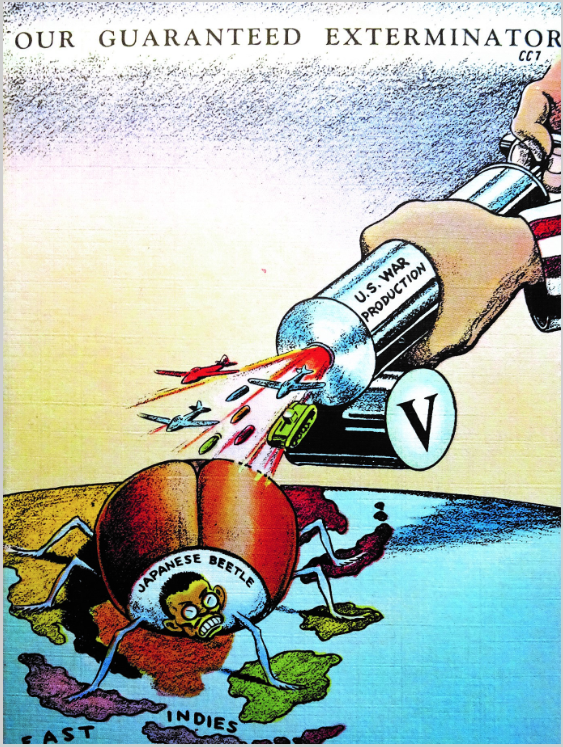
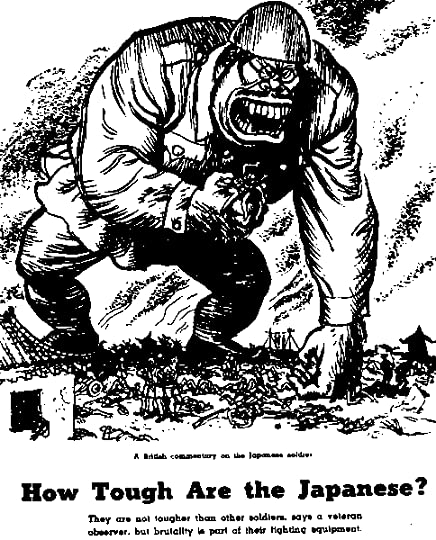
United States.[2][3][4] Overview In War Without Mercy, Dower, emeritus professor at MIT, examines the Pacific Campaign in the Second World War through a racial lens.[5] He argues that the fighting between the US and the Japanese be seen as a race war, as evidenced in "songs, slogans, propaganda reports, secret documents, Hollywood movies, the mass media and quotes from soldiers, leader and politicians".[6] Dower contrasts Western racism toward Japanese people with attitudes toward Germans/Nazis since in the US, Germans overall were differentiated from Nazis. He contends that that differentiation was not complete or perfect, but was still different from the attitudes toward the entire Japanese people. He points to the different kinds of treatment people of German and Japanese descent were treated with (internment in the case of Japanese-Americans versus overlooking the German American Bund's open support for Hitler right up to the declaration of war).[7] Dower instances examples of racism, and argues that such discourse and ideas can be easily re-established: "They [racist stereotypes] remain latent, capable of being revived by both sides in times of crisis and tension."[5]  |
『容赦な
き戦争:太平洋戦争における人種と権力』は、ジョン・W・ダワーが1986年に執筆し、
W. W. Norton &
Companyから出版された歴史書である。[1]
この本は、太平洋戦争における日本人と彼らの西洋の敵対者の見解を、特にアメリカ合衆国に焦点を当てて取り上げている。[2][3][4] 概要 『容赦なき戦争』において、マサチューセッツ工科大学(MIT)の名誉教授であるダワーは、人種という観点から第二次世界大戦における太平洋戦線について 検証している。[5] 著者は、米国と日本の戦いは人種戦争として捉えられるべきであると主張している。その根拠として、「歌、スローガン、宣伝報告、秘密文書、ハリウッド映 画、マスメディア、兵士や指導者、政治家の発言」を挙げている。[6] ダワーは、アメリカではドイツ人は全体としてナチスと区別されていたとして、西洋の日本人に対する人種差別とドイツ人/ナチスに対する態度を対比させてい る。彼は、その区別は完全なものではなく、完璧なものではないが、それでも日本人全体に対する態度とは異なっていたと主張している。彼は、日系人とドイツ 系アメリカ人が受けた扱いの違いを指摘している(日系アメリカ人の強制収容と、ドイツ系アメリカ人団体がヒトラーへの公然たる支持を表明していたにもかか わらず、開戦宣言まで見過ごされていたこととの比較)[7]。 ダワーは人種差別の例を挙げ、このような言説や考え方は容易に復活しうるものであると主張している。「彼ら(人種差別的ステレオタイプ)は潜在的なままで あり、危機や緊張の時にどちらの側からも復活する可能性がある」[5]。  |
| Reception While accepting some of the tenets of Dower's arguments, historians have also pushed back on some of his other points. For example, British journalist and historian Max Hastings argues that American views toward the Japanese accounted for little where aerial bombardment was concerned. Civilian populations in both Japan and Germany, he notes, were subjected to heavy Allied bombing raids in spite of the casualties war planners knew this would inflict.[8] Sections War Without Mercy is divided into four sections. The first section describes the patterns of a race war. The second and third part are a matched set: Part II covers the war from a Western viewpoint, while Part III relays the war as seen by Japanese eyes. Kitano says "The point-counterpoint scenario, as the two cultures misunderstand, misperceived, misinterpret and attempt to justify the destruction of each other is skillfully done." The final part is an epilogue, explaining how those intense viewpoints subsided, but may not have entirely disappeared.[6] References 01. Dower, John W (1986). War Without Mercy: Race & Power In the Pacific War (1993 ed.). W. W. Norton & Co. pp. 317. ISBN 0-394-75172-8. 02. Plath, David W. (June 29, 1986). "War Without Mercy review". The New York Times. Retrieved May 5, 2018. 03. Smith, Gladdis (Autumn 1986). "War Without Mercy: Race and Power in the Pacific War". foreignaffairs.com. Foreign Affairs. Retrieved May 5, 2018. 04. Kitano, Harry H. L. (May 25, 1986). "War Without Mercy". Los Angeles Times. Retrieved May 5, 2018. 05. Mitgang, Herbert (June 19, 1986). "Books: Of Bias and War". The New York Times. Retrieved November 29, 2019. 06. Kitano, Harry H. L. (May 25, 1986). "War Without Mercy". Los Angeles Times. Retrieved November 29, 2019. 07. Stevenson, John (May 14, 1987). "Reading: Hating the Japanese Why during World War II were the Japanese perceived as being more treacherous and atrocious than the Nazis?". Chicago Reader. Retrieved November 29, 2019. 08. Hastings, Max (2009). Retribution: The Battle for Japan, 1944-45. New York: Knopf Doubleday. pp. 281–82. +++++++++++++++ See also An Investigation of Global Policy with the Yamato Race as Nucleus https://en.wikipedia.org/wiki/War_Without_Mercy |
レセプション 歴史家たちは、ダワーの主張の一部を受け入れながらも、彼の他の主張の一部には異論を唱えている。例えば、英国のジャーナリストであり歴史家でもあるマッ クス・ヘイスティングスは、アメリカが日本に対して抱いていた見方は、空爆に関してはほとんど考慮されていなかったと主張している。日本とドイツの民間人 人口は、戦争計画者がそのことがもたらす犠牲を知っていたにもかかわらず、連合軍の激しい空爆にさらされていたと彼は指摘している。 「容赦なき戦争」は4つのセクションに分かれている。最初のセクションでは人種戦争のパターンが説明されている。第2部と第3部は対をなす構成となってお り、第2部では西洋の視点から戦争が描かれ、第3部では日本人の視点から戦争が描かれている。北野は「2つの文化が誤解し、誤認し、誤解釈し、互いの破壊 を正当化しようとする様子を、主題と対主題のシナリオとして巧みに表現している」と述べている。最後の部分はエピローグであり、それらの激しい見解がどの ように沈静化したかを説明しているが、完全に消滅したわけではないかもしれない。[6] 参考文献 01. ダウアー、ジョン・W(1986)。『容赦なき戦争:太平洋戦争における人種と権力』(1993年版)。W. W. ノートン社。317頁。ISBN 0-394-75172-8。 02. プラース、デビッド・W(1986年6月29日)。「『War Without Mercy』書評」。『ニューヨーク・タイムズ』。2018年5月5日閲覧。 03. スミス、グラディス(1986年秋)。「『War Without Mercy:太平洋戦争における人種と権力』」。foreignaffairs.com。『フォーリン・アフェアーズ』。2018年5月5日閲覧。 04. 北野、ハリー・H・L.(1986年5月25日)。「『War Without Mercy』」。『ロサンゼルス・タイムズ』。2018年5月5日閲覧。 05. ミットギャング、ハーバート(1986年6月19日)。「書評:偏見と戦争」。『ニューヨーク・タイムズ』。2019年11月29日閲覧。 06. キタノ、ハリー・H・L.(1986年5月25日)。「慈悲なき戦争」。『ロサンゼルス・タイムズ』。2019年11月29日閲覧。 07. スティーブンソン、ジョン(1987年5月14日)。「書評:『日本人を憎む』 なぜ第二次世界大戦中、日本人はナチスよりも裏切り者で残虐であると見な されたのか?」。『シカゴ・リーダー』。2019年11月29日閲覧。 08. ヘイスティングス、マックス(2009年)。『報復:日本をめぐる戦い、1944-45』。ニューヨーク:ノップフ・ダブルデイ。281–82頁。 +++++++++++++++ 関連項目 大和民族を中核とする世界政策の調査 https://en.wikipedia.org/wiki/War_Without_Mercy |
 |
《コラム》 左の写真は、メメントモリ(memento mori)ではあり ません。ライフ誌に掲載された写真(もちろん写真家がポーズをとらせているが)で、太平洋戦争で戦っている兵 士が彼のガールフレンドに贈った日本人兵士の頭蓋骨です。これは、ヒューマントロフィーとか頭蓋骨トロフィーと言って、戦勝者がしばしば敵の首級をとっ て、ま、ドヤ顔するのと同じです。兵士の彼や恋人の彼女に責任はありませんが、自然人類学者と 呼ばれる人たちも研究のために頭蓋骨を利用しますが、しばし ば、自分のポートレイトにこのような頭蓋骨と一緒に撮った(描いた)写真や肖像画を描かせています。もちろんドヤ顔で(=小金井良精さんや、金関丈夫さん のそれらが有名です)。しかしながら、歴史を超えて、頭蓋骨を晒されている当事者たち(ま死んでいますので意識はないでしょうが霊的なたましいを「想定」 してください)の気持ちになると、なんともまあ、暗い気持ちになります。化けて出ることぐらいしか「できないわけ」ですので(→「頭蓋骨トロフィーに ついて」)。 |
| https://en.wikipedia.org/wiki/War_Without_Mercy |
|
| An
Investigation of Global Policy with the Yamato Race as Nucleus
(大和民族を中核とする世界政策の検討, Yamato Minzoku wo Chūkaku to suru Sekai Seisaku no
Kentō) was a Japanese government report created by the Ministry of
Health and Welfare's Institute of Population Problems (now the National
Institute of Population and Social Security Research), and completed on
July 1, 1943. The document, comprising six volumes totaling 3,127 pages, deals with race theory in general, and the rationale behind policies adopted by wartime Japan towards other races, while also providing a vision of the Asia-Pacific under Japanese control.[1] The document was written in an academic style, surveying Western philosophy on race from the writings of Plato and Aristotle to modern German social scientists, such as Karl Haushofer. A connection between racism, nationalism and imperialism was also claimed, with the conclusion, drawing by citing both British and German sources, that overseas expansionism was essential not only for military and economic security, but for preserving racial consciousness. Concerns pertaining to the cultural assimilation of second and third generation immigrants into foreign cultures were also mentioned.[2] |
「大和民族を中核とする世界政策の検討(大和民族を中核とする世界政策
の検討)」は、厚生省人口問題研究所(現国立社会保障・人口問題研究所)が作成した日本政府の報告書であり、1943年7月1日に完成した。 6巻3,127ページからなるこの文書は、人種理論全般、および戦時中の日本が他民族に対して採用した政策の理論的根拠を取り扱っており、また、日本が支 配するアジア太平洋地域のビジョンも提示している。 この文書は学術的なスタイルで書かれており、プラトンやアリストテレスの著作からカール・ハウスホーファーなどの現代ドイツの社会科学者まで、西洋の「人 種」に関する哲学を概観している。人種差別、民族主義、帝国主義の関連性も主張されており、結論では、イギリスとドイツの資料を引用して、海外への拡張主 義は軍事的・経済的安全保障のためだけでなく、人種的意識を維持するためにも不可欠であると結論づけている。また、外国文化への移民の2世、3世の文化的 同化に関する懸念も言及されている。[2] |
| Discovery The document was classified and largely forgotten until 1981, when portions were discovered in a used bookstore in Japan, and subsequently publicized by being used as source material for a chapter in historian John W. Dower's book War Without Mercy: Race and Power in the Pacific War.[3] In 1982 the Ministry of Health and Welfare re-issued the full six-volume version along with another two volumes entitled The Influence of War upon Population as a reference work for historians. |
発見 この文書は機密扱いとされ、1981年までほとんど忘れ去られていたが、その一部が日本の古本屋で発見され、歴史学者ジョン・W・ダワーの著書『容赦なき 戦争: 。1982年には厚生省が、歴史家の参考資料として、全6巻の完全版と『戦争が人口に及ぼす影響』と題された別の2巻を再発行した。 |
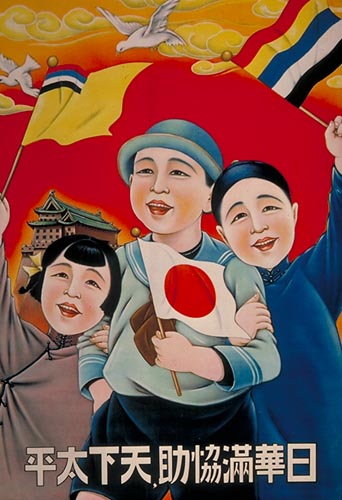
| Impact Although external Japanese propaganda during World War II emphasized Pan-Asianist and anti-colonial themes, specifically anti-Western imperialist themes, domestic propaganda always took Japanese superiority over other Asians for granted. However, Japan never had an overarching racial theory for Asia until well into the 1930s[4]—following the Japanese invasion of China, military planners decided that they should raise Japanese racial consciousness in order to forestall the potential assimilation of Japanese colonists.[4] Since the document was written by the Ministry of Health and Welfare, which was not a powerful arm of the bureaucracy at the time and it had to essentially censor its own recommendations so as not to violate official doctrine and policy of the Japanese Empire and it could not even obtain a public hearing over its ideas, it seems that the document itself would have had little impact over Japanese policymakers.[5] Themes Colonization and living space Further information: Hakkō ichiu Some statements in the document coincide with the then-publicly espoused concept of Yamato people; however, much of the work borrowed heavily from German National Socialist racial, political and economic theories, including mention of the "Jewish question" and inclusion of racist anti-Jewish political cartoons, although Japan had a mostly negligible and overlooked Jewish minority. The term "Blood and Soil" was frequently used, though usually in quotes, as if to indicate its alien origin.[6] The authors rationalized Japanese colonization of most of the Eastern Hemisphere including New Zealand and Australia, with projected populations by the 1950s, as "securing the living space of the Yamato race," a very clear reflection of the Nazi concept of Lebensraum.[7] Racial supremacy It has been noted that even in the decades before World War II, the Japanese culture regarded Gaijin (non-Japanese) people to be subhumans and included Yamato master race theory ideology in government propaganda and schools as well.[8] Japanese belief as being the superior Asian country was also common by the Meiji era, with discrimination even being enacted against racial minorities such as the Ryūkyū people.[9] However, where the document deviated from Nazi ideology was in its use of Confucianism and the metaphor of the patriarchical family. This metaphor, with the non-Japanese Asians serving as children of the Japanese,[4] rationalized the "equitable inequality" of Japanese political, economic, and cultural dominance.[10] Just as a family has harmony and reciprocity, but with a clear-cut hierarchy, the Japanese, as a purportedly racially superior people, were destined to rule Asia "eternally" and become the supreme dominant leader of all humanity and ruler of the world.[11] The term "proper place" was used frequently throughout the document.[6] The document left open whether Japan was destined eventually to become head of the global family of nations.[2] Jinshu and Minzoku The document drew an explicit distinction between jinshu (人種) or Rasse (English: race), and minzoku (民族) or Volk (English: people), describing a minzoku as "a natural and spiritual community bound by a common destiny".[12] However, the authors went on to assert that blood mattered.[13] It approved of Hitler's concern about finding the "Germanness" of his people.[14] It made explicit calls, sometimes approaching Nazi attitudes, for eugenic improvements, calling for the medical profession not to concentrate on the sickly and weak, and for mental and physical training and selective marriages to improve the population.[15] |
影響 第二次世界大戦中の日本の対外宣伝では、大アジア主義や反植民地主義、特に反西洋帝国主義のテーマが強調されていたが、国内向けの宣伝では常に、他のアジ ア諸国に対する日本の優越性が当然視されていた。しかし、日本がアジア全体を包括する人種理論を持ったのは、1930年代もかなり経ってからであった [4]。日本による中国侵攻後、軍事計画立案者は、日本人の植民地住民の同化を未然に防ぐために、日本人の人種意識を高めるべきだと判断した。 この文書は厚生省によって作成されたが、当時、厚生省は官僚機構の中で有力な機関ではなく、日本帝国の公式の教義や政策に違反しないよう、厚生省自身の提 言を実質的に検閲しなければならなかった。また、厚生省は自らの考えについて公聴会を開くことすらできなかったため、この文書自体が日本の政策立案者に与 える影響はほとんどなかったと思われる。[5] テーマ 植民地化と生活圏 さらに詳しい情報:八紘一宇 この文書には、当時一般に唱えられていた大和民族の概念と一致する記述も見られるが、その多くはドイツ国家社会主義の民族、政治、経済理論から多くを借用 しており、「ユダヤ人問題」についての言及や、人種差別的な反ユダヤ主義の政治風刺漫画も含まれている。ただし、日本にはユダヤ人マイノリティはほとんど 存在せず、見過ごされていた。「血と土」という用語は、その外来性を示すかのように、通常は引用符で囲まれてはいるものの、頻繁に使用されていた。 著者は、1950年代の人口予測を基に、ニュージーランドやオーストラリアを含む東半球の大半を日本が植民地化することを「大和民族の生活圏確保」という 名目で正当化した。これは、ナチスが唱えた「生活圏(Lebensraum)」の概念を明確に反映したものである。 人種的優越 第二次世界大戦の数十年も前から、日本文化では「外人(非日本人)」を劣等人種と見なしていたことが指摘されており、政府のプロパガンダや学校教育にも 「大和民族のマスター・レース理論」のイデオロギーが含まれていた。という考え方も、明治時代には一般的であり、琉球人などの少数民族に対する差別も法律 として制定されていた。[9] しかし、この文書がナチスのイデオロギーと異なっているのは、儒教と家父長制家族のメタファーの使用である。この比喩では、日本人以外のアジア人が日本人 の子供として描かれており、[4] 日本の政治、経済、文化における支配的な立場を「公平な不平等」として正当化している。[10] 家族には調和と相互依存関係があるが、明確な階層構造があるように、 、人種的に優れているとされる日本人は、アジアを「永遠に」支配し、全人類の最高の支配者となり、世界の支配者となる運命にあるとされた。[11] 「正当な地位」という用語は、文書全体を通じて頻繁に使用されていた。[6] この文書では、日本が最終的に世界の国家のトップになる運命にあるかどうかについては触れられていない。[2] 人種と民族 この文書では、人種(英語:race)または人種(ドイツ語:Rasse)と民族(英語:people)または民族(ドイツ語:Volk)を明確に区別 し、民族を「共通の運命によって結ばれた自然かつ精神的な共同体」と表現している。[12] しかし、著者はさらに、血統が重要であると主張している。[1 3] ヒトラーが自国民の「ドイツ性」を見つけようと懸命になっていることを賞賛した。[14] 優生学的な改善を明確に呼びかけ、時にはナチスの態度に近づき、医療関係者に対して病弱な人々に集中するのではなく、人口を改善するための精神的・肉体的 なトレーニングと選択的な結婚を呼びかけた。[15] |
| https://en.wikipedia.org/wiki/An_Investigation_of_Global_Policy_with_the_Yamato_Race_as_Nucleus |
|
| An
Investigation of Global Policy with the Yamato Race as Nucleus |
大和民族を中核とする世界政策の検討 |
| An Investigation of Global
Policy with the Yamato Race as Nucleus (大和民族を中核とする世界政策の検討, Yamato
Minzoku wo Chūkaku to suru Sekai Seisaku no Kentō) was a Japanese
government report created by the Ministry of Health and Welfare's
Institute of Population Problems (now the National Institute of
Population and Social Security Research), and completed on July 1, 1943. |
『大和人種(※日本語の民族はレイス=人種のことである)を中核とする
世界政策の検討』は、厚生省人口問題研究所(現在の国立人口・社会保障研究所)が作成し、1943年7月1日に完成した日本政府の報告書である。 |
| The document, comprising six
volumes totaling 3,127 pages, deals with race theory in general, and
the rationale behind policies adopted by wartime Japan towards other
races, while also providing a vision of the Asia-Pacific under Japanese
control.[1] |
全6巻、計3,127ページからなるこの文書は、人種理論全般や、戦時
下の日本が他の人種に対して採用した政策の根拠について論じるとともに、日本の支配下にあるアジア太平洋地域の構想も提示している。[1] |
| The document was written in an
academic style, surveying Western philosophy on race from the writings
of Plato and Aristotle to modern German social scientists, such as Karl
Haushofer. A connection between racism, nationalism and imperialism was
also claimed, with the conclusion, drawing by citing both British and
German sources, that overseas expansionism was essential not only for
military and economic security, but for preserving racial
consciousness. Concerns pertaining to the cultural assimilation of
second and third generation immigrants into foreign cultures were also
mentioned.[2] |
この文書は学術的な文体で書かれており、プラトンやアリストテレスの著
作から、カール・ハウズホーファーといった近代のドイツの社会科学者に至るまで、人種に関する西洋哲学を概観していた。また、人種主義、ナショナリズム、
帝国主義の間の関連性も主張され、英国およびドイツの資料を引用して、海外への拡張主義は軍事的・経済的な安全保障だけでなく、人種的意識を維持するため
にも不可欠であるという結論が導き出されていた。また、第2世代および第3世代の移民が異文化に同化することに関する懸念についても言及されていた。
[2] |
| Discovery The document was classified and largely forgotten until 1981, when portions were discovered in a used bookstore in Japan, and subsequently publicized by being used as source material for a chapter in historian John W. Dower's book War Without Mercy: Race and Power in the Pacific War.[3] In 1982 the Ministry of Health and Welfare re-issued the full six-volume version along with another two volumes entitled The Influence of War upon Population as a reference work for historians. |
発見 この文書は機密扱いとされ、1981年に日本の古本屋でその一部が発見されるまで、ほぼ忘れ去られていた。その後、歴史家ジョン・W・ダウアーの著書『容 赦なき戦争:太平洋戦争における人種と権力』の一章の資料として用いられ、広く知られるようになった。[3] 1982年、厚生省は、歴史家向けの参考資料として、全6巻の完全版に加え、『戦争が人口に与えた影響』と題する別の2巻を再刊した。 |
| Impact Although external Japanese propaganda during World War II emphasized Pan-Asianist and anti-colonial themes, specifically anti-Western imperialist themes, domestic propaganda always took Japanese superiority over other Asians for granted. However, Japan never had an overarching racial theory for Asia until well into the 1930s[4]—following the Japanese invasion of China, military planners decided that they should raise Japanese racial consciousness in order to forestall the potential assimilation of Japanese colonists.[4] The document was written by the Ministry of Health and Welfare, which was not a powerful arm of the bureaucracy at the time. It had to essentially censor its own recommendations so as not to violate official doctrine and policy, and could not even obtain a public hearing for its ideas; so, the document would likely have had little impact on Japanese policy.[5] |
影響 第二次世界大戦中の日本の対外プロパガンダは、汎アジア主義や反植民地主義、とりわけ反西洋帝国主義のテーマを強調していたが、国内向けプロパガンダでは 常に、他のアジア人に対する日本の優越性が当然のこととして扱われていた。しかし、1930年代も半ばを過ぎるまで、日本にはアジア全体を包括する人種理 論は存在しなかった[4]――中国侵攻後、軍事計画者たちは、日本人入植者が同化される可能性を未然に防ぐため、日本人の人種意識を高めるべきだと判断し たのだ。[4] この文書は厚生省によって作成されたが、当時の厚生省は官僚機構の中で強力な部門ではなかった。同省は、公式の教義や政策に違反しないよう、実質的に自ら の提言を検閲せざるを得ず、その構想について公聴会を開くことさえできなかった。したがって、この文書が日本の政策に与えた影響は、おそらくごくわずか だっただろう[5]。 |
| Themes Colonization and living space Further information: Hakkō ichiu Some statements in the document coincide with the then-publicly espoused concept of Yamato people; however, much of the work borrowed heavily from Nazi racial, political and economic theories, including mention of the "Jewish question" and inclusion of racist anti-Jewish political cartoons, although Japan had a mostly negligible and overlooked Jewish minority. The term "Blood and Soil" was frequently used, though usually in quotes, as if to indicate its alien origin.[6] The authors rationalized Japanese colonization of most of the Eastern Hemisphere including New Zealand and Australia, with projected populations by the 1950s, as "securing the living space of the Yamato race," a very clear reflection of the Nazi concept of Lebensraum.[7] Racial supremacy Japanese belief as being the superior Asian country was also common by the Meiji era, with discrimination even being enacted against racial minorities such as the Ryūkyū people.[8] However, where the document deviated from Nazi ideology was in its use of Confucianism and the metaphor of the patriarchical family. This metaphor, with the non-Japanese Asians serving as children of the Japanese,[4] rationalized the "equitable inequality" of Japanese political, economic, and cultural dominance.[9] Just as a family has harmony and reciprocity, but with a clear-cut hierarchy, the Japanese, as a purportedly racially superior people, were destined to rule Asia "eternally" and become the supreme dominant leader of all humanity and ruler of the world.[10] The term "proper place" was used frequently throughout the document.[6] The document left open whether Japan was destined eventually to become head of the global family of nations.[2] Jinshu and Minzoku The document drew an explicit distinction between jinshu (人種) or Rasse (English: race), and minzoku (民族) or Volk (English: people), describing a minzoku as "a natural and spiritual community bound by a common destiny".[11] However, the authors went on to assert that blood mattered.[12] It approved of Hitler's concern about finding the "Germanness" of his people.[13] It made explicit calls, sometimes approaching Nazi attitudes, for eugenic improvements, calling for the medical profession not to concentrate on treating the sickly and the weak, and calling for mental and physical training and selective marriages to improve the population.[14] |
テーマ 植民地化と生活圏 詳細情報:「八紘一宇」 この文書の一部の記述は、当時公に提唱されていた「大和民族」の概念と一致している。しかし、その内容の多くはナチスの人種的・政治的・経済的理論を大い に借用しており、「ユダヤ人問題」への言及や、人種差別的な反ユダヤ主義の風刺画が盛り込まれていた。もっとも、日本にはユダヤ人の少数派が存在したもの の、その存在は概して無視できるほど微々たるものであった。「血と土」という用語は頻繁に使用されていたが、通常は引用符で囲まれており、あたかもその起 源が異質であることを示唆するかのように扱われていた。[6] 著者らは、ニュージーランドやオーストラリアを含む東半球の大部分に対する日本の植民地化を、1950年代までの人口予測に基づき、「ヤマト人種の生存空 間の確保」として正当化した。これは、ナチスの「レーベンスラウム」の概念を極めて明確に反映したものである。[7] 人種的優越性 日本がアジアで最も優れた国であるという信念も明治時代には一般的であり、琉球人などの少数民族に対する差別さえ法制化されていた。[8] しかし、この文書がナチスのイデオロギーと異なっていた点は、儒教や家父長制の家族という隠喩を用いた点にある。この隠喩では、日本以外のアジア人が日本 人の「子」として位置づけられ[4]、日本の政治的・経済的・文化的な支配という「公平な不平等」が正当化された[9]。家族には調和と相互扶助がある一 方で明確な階層関係があるのと同様に、人種的に優越しているとされる日本人は、アジアを「永遠に」支配し、全人類の最高指導者かつ世界の支配者となる運命 にあるとされた。[10] 「相応の地位」という用語は、文書全体を通じて頻繁に使用されていた。[6] この文書は、日本が最終的に世界諸国の家族の長となる運命にあるかどうかについては明言を避けていた。[2] 人種と民族 この文書は、「人種」(Rasse)と「民族」(Volk)を明確に区別し、民族を「共通の運命によって結ばれた自然的・精神的な共同体」と定義した。 [11] しかし、著者らはさらに、血統が重要であると主張した。[12] 同文書は、自国民の「ドイツらしさ」を見出そうとするヒトラーの懸念を是認した。[13] また、時にはナチスの姿勢に近づくほど明確に、優生学的改善を訴え、医療界に対し、病弱者や弱者の治療に集中しないよう求め、人口の改善のために精神的・ 身体的な訓練や選別結婚を呼びかけた。[14] |
| Ethnic issues in Japan Hakkō ichiu – "eight cords, one roof" Honorary Aryan "Manifesto of Race" Scientific racism Shinmin no Michi Tanaka Memorial Yamato people Yamato nationalism Yamato-damashii – "the Japanese spirit" |
日本の民族問題 八繩一屋根 名誉アーリア人 「人種宣言」 科学的人種主義 新民の道 田中記念館 大和民族 大和ナショナリズム 大和魂 |
| References 01. Morris-Suzuki, Tessa (Fall 2000). "Ethnic Engineering: Scientific Racism and Public Opinion Surveys in Midcentury Japan". Positions: Asia Critique. 8 (2): 499–529. doi:10.1215/10679847-8-2-499. Project MUSE 27952. 02. Martel, Gordon (2004), The World War Two Reader, New York: Routledge, pp. 245–247, ISBN 0-415-22403-9 03. Dower 1986, pp. 262–290. 04. Dower 1986, pp. 58–60. 05. Roebuck, Kristin A. (2015). Japan Reborn: Mixed-Race Children, Eugenic Nationalism, and the Politics of Sex after World War II (Thesis). pp. 70–71. doi:10.7916/D83F4NS4. 06. Dower 1986, p. 265. 07. Anthony Rhodes, Propaganda: The art of persuasion: World War II, p. 246, 1976, Chelsea House Publishers, New York.[ISBN missing] 08. Zohar, Ayelet (15 October 2020). "Introduction: Race and Empire in Meiji Japan". Asia-Pacific .Journal: Japan Focus. 18 (20). 09. Dower 1986, p. 266. 10. Dower 1986, pp. 263–264. 11. Dower 1986, p. 267. 12. Dower 1986, p. 268. 13. Dower 1986, p. 269. 14. Dower 1986, p. 270. |
参考文献 01. モリス=スズキ、テッサ(2000年秋)。「エスニック・エンジニアリング:20世紀半ばの日本における科学的人種主義と世論調査」。 『Positions: Asia Critique』8 (2): 499–529。doi:10.1215/10679847-8-2-499. Project MUSE 27952. 02. マーテル、ゴードン(2004年)、『第二次世界大戦リーダー』、ニューヨーク:ラウトリッジ、pp. 245–247、ISBN 0-415-22403-9 03. ダウアー 1986, pp. 262–290. 04. ダウアー 1986, pp. 58–60. 05. ローバック、クリスティン・A. (2015). 『再生する日本:第二次世界大戦後の混血の子ども、優生学的ナショナリズム、そして性の政治学』(学位論文)。pp. 70–71. doi:10.7916/D83F4NS4. 06. ダウアー 1986, p. 265. 07. アンソニー・ローズ、『プロパガンダ:説得の芸術:第二次世界大戦』, p. 246, 1976, チェルシー・ハウス・パブリッシャーズ, ニューヨーク。[ISBN 記載なし] 08. ゾハー、アイレット(2020年10月15日)。「序論:明治日本における人種と帝国」。『アジア・パシフィック・ジャーナル:ジャパン・フォーカス』 18巻20号。 09. ダウアー 1986, p. 266。 10. ダウアー 1986年、263–264頁。 11. ダウアー 1986年、267頁。 12. ダウアー 1986年、268頁。 13. ダウアー 1986年、269頁。 14. ダウアー 1986年、270頁。 |
| Sources Dower, John (1986). War without Mercy: Race and Power in the Pacific War. Knopf Doubleday Publishing Group. |
出典 ダウアー、ジョン(1986)。『容赦なき戦争:太平洋戦争における人種と権力』。ノフ・ダブルデイ出版グループ |
| https://www.deepl.com/ja/translator |
☆
| 第1部 敵(人種戦争のパターン;「汝の敵を
知れ」;戦争憎悪と戦争犯罪) 第2部 欧米人から見た戦争(猿その他;劣等人と超人;原始人・子供・狂人;イエロー・レッド・ブラックマン) 第3部 日本人から見た戦争(純粋な自己;鬼のような他者:「大和民族を中核とする世界政策」) 第4部 エピローグ(戦争から平和へ) |
|
| 第1部 敵 1. 人種戦争のパターン 2. 「汝の敵を知れ」 3. 戦争憎悪と戦争犯罪 第2部 欧米人から見た戦争 4. 猿その他 5. 劣等人と超人 +++++++++++++++++++++ 6. 原始人・子供・狂人 ・アカデミズムの動員(222) ・国民性研究(224) ・用語の偏向(229) ・ジェフリー・ゴーラーの分析(232) ・幼児期のトラウマ(238) ・フロイト派の解釈(241) ・ニューヨーク会議(244) ・「集団的神経症」(246) ・無視された心理戦キャンペーン計画(252) ・天皇制の活用(255) ・原始性(257) ・幼児性(261) ・異常性(264) +++++++++++++++++++++ 7.イエロー・レッド・ブラックマン 第3部 日本人から見た戦争 8. 純粋な自己 9. 鬼のような他者 +++++++++++++++++++++ 10.「大和民族(the Yamato race)を中核とする世界政策」 ・1981年に発見された文書(436) ・大東亜共栄圏プログラム(438) ・「其ノ所」(440) ・人種と民族の区別(444) ・日本人の優越性(446) ・日本人の量的拡大(450) ・共栄圏拡大の諸段階(453) ・海外移住計画(456) ・家族イデオロギー(462) ・アジア人の反撥(471) ・経済政策(475) +++++++++++++++++++++ 第4部 エピローグ 11. 戦争から平和へ |
|
| 『大和民族を中核とする世界政策の検討』(やまとみんぞくをちゅうかく
とするせかいせいさくのけんとう)は、1943年7月1日付で日本の厚生省研究所人口民族部(現・国立社会保障・人口問題研究所)が作成した報告書であ
る。 3分冊3,137ページから成る報告書は、『戦争の人口に及ぼす影響』の続編として特に民族人口政策の見地から編纂され[1]、主に人種理論を扱い、第二 次世界大戦中の他民族観の基礎や日本占領統治下のアジアの展望を論じている[2]。 機密文書として作成され、100部しか刷られなかったことや、戦争遂行に目立った影響を与えなかったことから久しく忘却されていたが、1986年に歴史学 者ジョン・ダワーが著書 War without Mercy: Race and Power in the Pacific War [3](邦訳『人種偏見―太平洋戦争に見る日米摩擦の底流』[4]、改題『容赦なき戦争―太平洋戦争における人種差別』[5])で史料として用いたため、 広く知られることとなった[6]。 1981年、文生書院から全6巻で復刻され、同じく復刻した『戦争の人口に及ぼす影響』2巻とともに刊行されている。 内容 領土拡大の論拠 文書は論文形式で綴られており、プラトン、アリストテレスからカール・ハウスホーファー等の近代ドイツ社会学者に至る西洋哲学の人種観を概括している。人 種主義、国家主義と帝国主義的資本主義の関連についても触れており、結論としては日本の領土拡大が軍事的・経済的安定のみならず人種意識の保全にも欠かせ ないことがイギリスやドイツの資料を引きつつ述べられている。また、多世代を通じた他文化圏の文化的同化政策にも言及している[7]。 大和民族の生存圏確保と植民政策 当時公的に唱えられていた大東亜共栄圏概念と一致する箇所もあるが、本報告書の大部分はドイツの国家社会主義の人種・政治・経済理論に拠っており、「ユダ ヤ問題」への言及があるほか、反ユダヤ主義的な風刺画なども含まれている(実際には当時の日本にはユダヤ人はほとんど存在しない)。論者[誰?]はニュー ジーランドおよびオーストラリアを含めた東半球の大部分について、1950年頃の人口見込みを勘案しつつ、その植民地化について「大和民族の生存圏の確 保」との論拠を与えている。これはナチスの「生存圏」概念を明確に反映した理論である。 人種的優越 一方、アジア諸民族を日本が統治するという「公平なる不平等」の正当化について、本報告書は儒教と家族のメタファーを用いて立論しており、これはナチスの イデオロギーとは異質である。家族の如く調和と互恵関係をもつとしながらも日本人を人種的に優越する種族として明確なヒエラルキーを設け、日本人はアジア 諸民族の家長として「永遠に」アジアを統治する使命があるとする。日本人が世界の諸民族を率いる存在となるか否かについては明確な結論を述べていない [7]。 |
|
| 大和民族 福岡県立大学の岡本雅享は、この報告書の第三分冊第6篇第1章4節が「大和民族の成立」と銘打つが、本文には「大和民族」という用語は登場せず、同節第3 款では「大和民族文化の確立」と銘打つが、何が大和民族の文化なのか全く説明がなく、「大和民族という言葉は、誰が大和民族で、何が大和民族の文化で、何 が大和民族の言語で、何が大和民族の宗教なのか、内実をはっきりさせないまま、飛び交っていたとしか思えない。」とし、「ただし、第6篇第1章4節の第1 款「日本民族の系統に関する諸説」では、「日本民族を以て単一人種構成を持ったものでないとする点……は何人と雖も異論のない事実であろう。われわれ日本 人は体質的にも文化的にも極めて複雑な構成を有して居る」(2202頁)という執筆者の見解が記されている。」とする[8]。 書誌 原書は国立国会図書館に収蔵されており、第2分册、第3分册はデジタルアーカイブで公開されている。 『大和民族を中核とする世界政策の檢討―特に民族人口政策を中心として』 第1分册、厚生省研究所人口民族部、1943年7月 第2分册、厚生省研究所人口民族部、1943年7月 第3分册、厚生大臣官房總務課、1943年7月 1981年に文生書院から復刻版が出版されている。 厚生省研究所人口民族部原編『民族人口政策研究資料―戦時下に於ける厚生省研究部人口民族部資料』、文生書院、1981年12月-1982年2月 第1巻「戦争の人口に及ぼす影響 其1」 第2巻「戦争の人口に及ぼす影響 其2」 第3巻「大和民族を中核とする世界政策の検討 其1」 第4巻「大和民族を中核とする世界政策の検討 其2」 第5巻「大和民族を中核とする世界政策の検討 其3」 第6巻「大和民族を中核とする世界政策の検討 其4」 第7巻「大和民族を中核とする世界政策の検討 其5」 第8巻「大和民族を中核とする世界政策の検討 其6」 |
|
| 大和民族を中核とする世界政策の檢討
: 特に民族人口政策を中心として 第3分册 大和民族を中核とする世 界政策の檢討 : 特に民族人口政策を中心として 第2分册 (第 3分冊) |
リ ンク
文 献
そ の他の情報
Copyleft, CC, Mitzub'ixi Quq Chi'j, 1996-2099

☆
 ☆
☆
