
🔥家族でも恋人でもない、遺骨を持つ人。

🌿
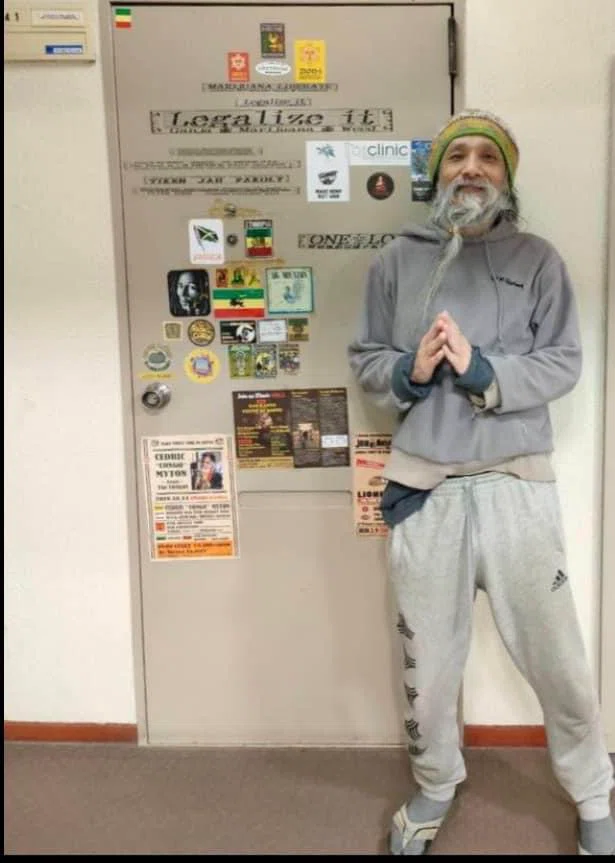
大森さんとは、
大阪おおあさ自由学校、
長吉秀夫さん講師の「医療大麻講座」で、
たまたま隣に座った。
━━━━━━━━━━━━━━━
そこから始まった。
大森さんは、
レゲエやラスタファリズムのことを
いろいろ教えてくれた人だった。
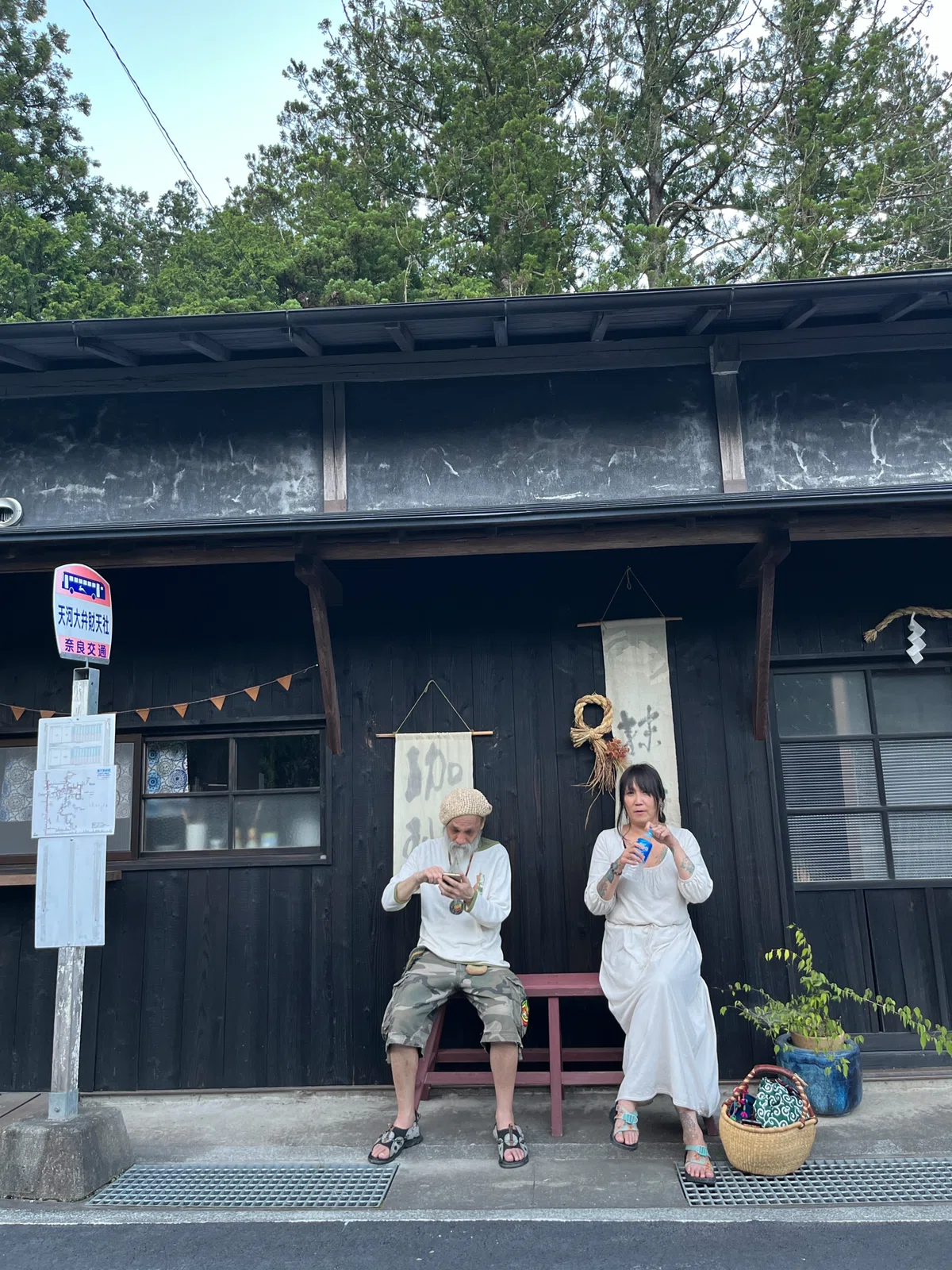
この写真は、
大藪大麻裁判でも知られる陶芸家・大藪龍二郎さんの奉納で、
奈良・天河神社へ行った時のものだ。
芸術の神、天河弁財天
サラスヴァティへ奉納する日だった。
ちなみに天河神社の柿坂宮司は日本で最初のサニヤシンです。
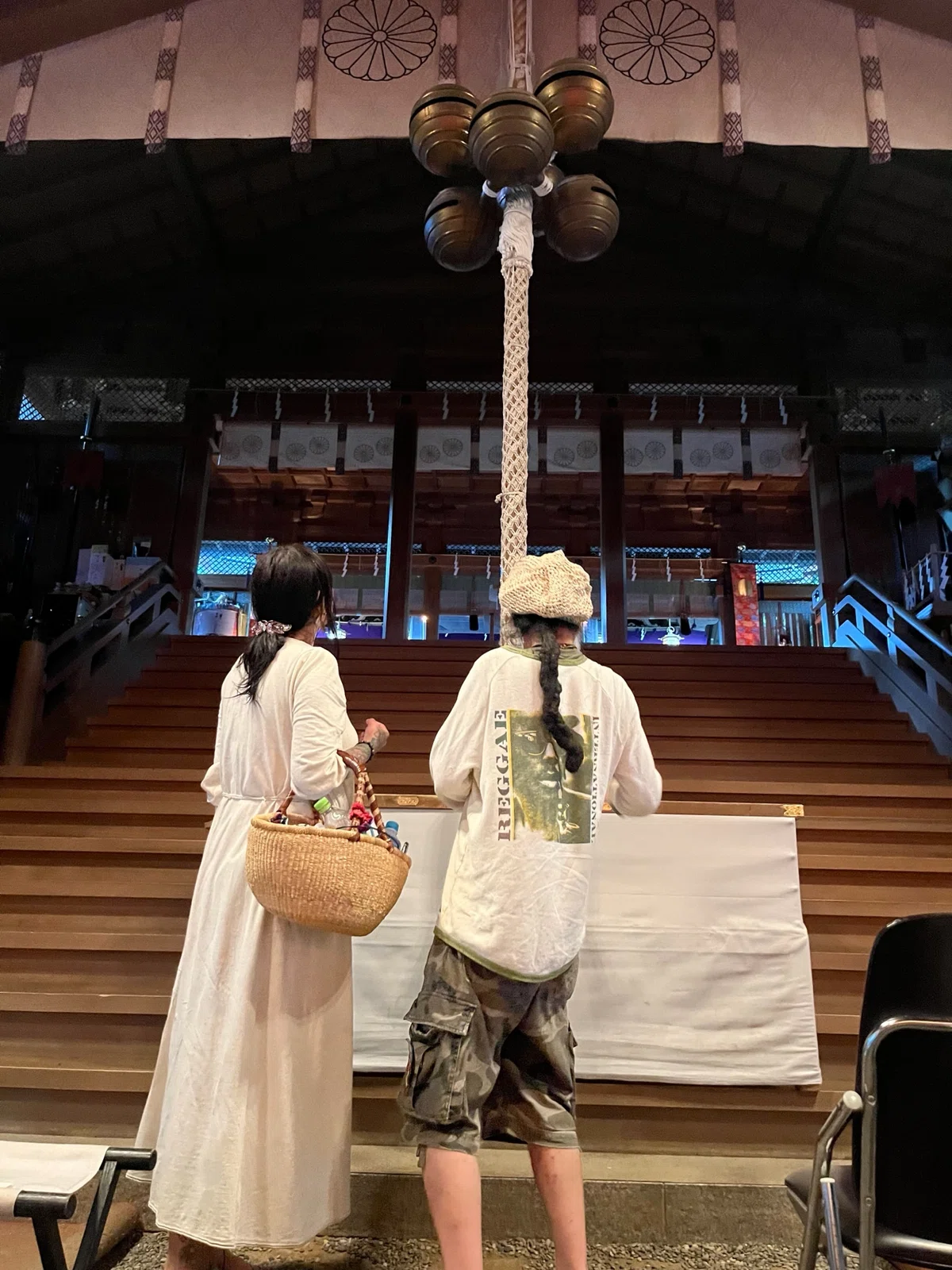
三角形の鈴が上下に重なり、上から見ると六芒星になる。
音楽だけじゃない。
どういう思想で、
どういう歴史があって、
なぜ大麻がそこにあるのか。
そういう話を、
大阪の家でよく聞いた。
月に2回くらい、
遊びに行っていたと思う。
「今年も淡路島のレゲエのBBQライブ行こうな」
そんな話をしていた。
少し連絡が空いて、
ライブのチラシが届いて、
「大森さんどうするんですか」
と連絡した。
既読にならない。
おかしいなと思って、
周りに聞いたら、
「大森さん、連絡取れない」
と言われた。
その日、私は
西成・三角公園の釜ヶ崎ソニックにいた。
前の日には、
サニヤシンのミュージシャン、
shavdoさんがうちに泊まりに来ていた。
「俺、今日ライヴやけど、西成行ったことないんや」
と言っていて、
「じゃあ久しぶりに私も行こうかな」
そんな流れで、
私が案内人みたいな形で、
shavdoさんを西成の難波屋へ連れて行った。
そんな空気の中で、
「大森さんが死んだ」
という連絡が入った。
泣きたいけど、泣けなかった。
感情より先に、
その場を回している自分がいた。
西成の雑多な空気。
酒。煙草。笑い声。音楽。
その中で、
突然、人の死を受け取った。
するとそこへ、
別のサニヤシンの年上女性が来た。
その人は、
その場で唯一、大森さんを知っている人だった。
その瞬間、
私は急に堰を切ったみたいに、
うわっと泣き出してしまった。
一人では泣けなかったのに、
“大森さんを知っている人”が現れた瞬間、
現実になった。
そして、
shavdoさんが
西成の難波屋で、
般若心経を弔いの歌として歌ってくれた。
shavdoさんは、
般若心経もレゲエで
歌える人だった。
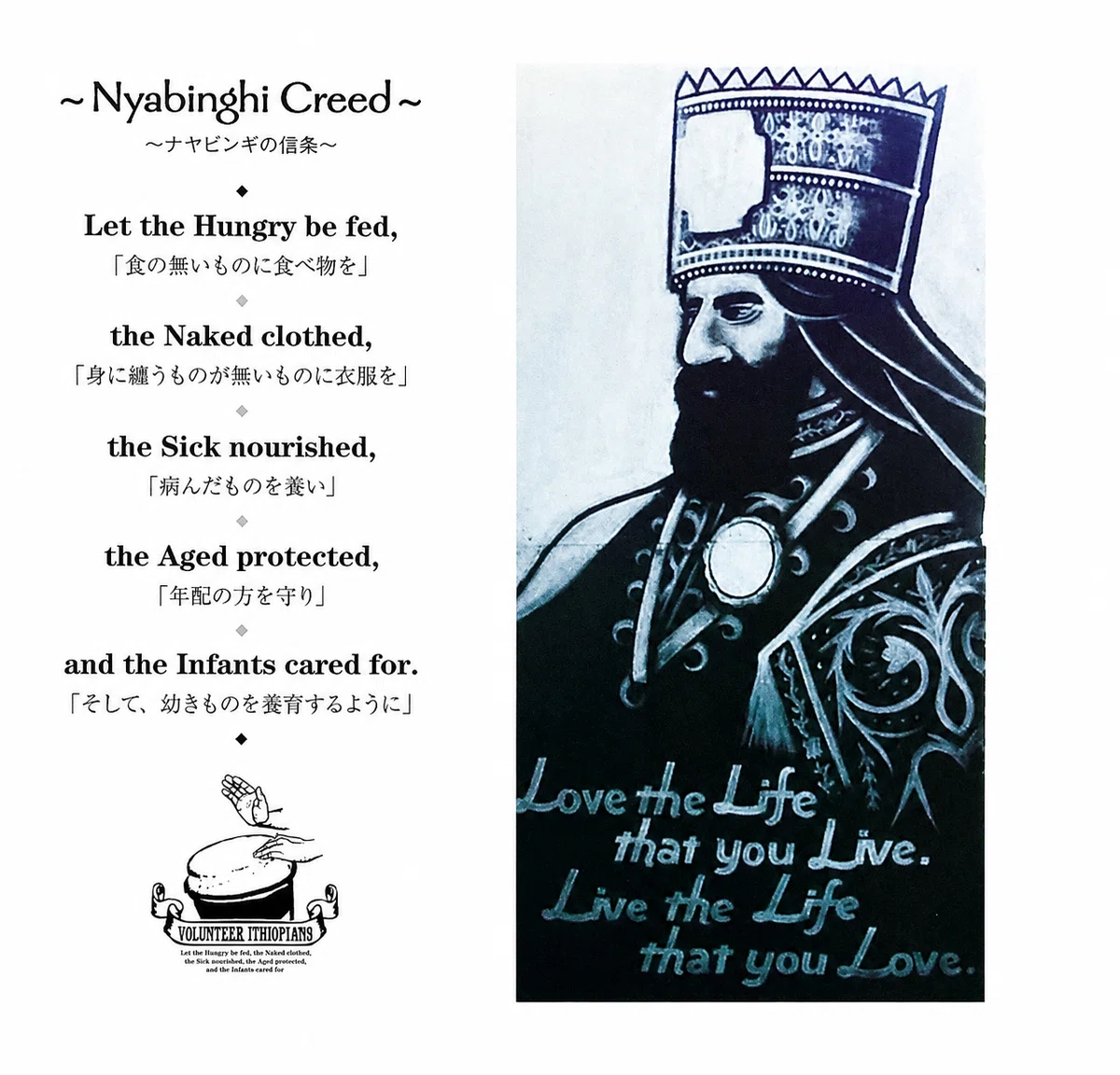
静かな葬式でもなく、
綺麗な病室でもなく、
西成の雑踏の中で、
レゲエと般若心経で
人が送られていった。
その後、私は
大森さんの遺骨を引き取った。
家族でもない。
恋人でもない。
でも、骨を持っている。
私は前に、
「0葬」のことを書いたことがある。
そもそも私は、
他人でも遺骨を引き取れるということ自体、
知らなかった。
人生初これで知った。
でも実際は、
骨信仰も特にない。
「二年近く置いてくれるなら、
まあギリギリでもいいか」
くらいに思っていた。
ところが、
「他人でも引き取る、というチェック欄がありますよ」
と言われた。
真面目な葬式とか、
墓とか、
法事とか、
そういう概念がアホかと思っている私からしたら、
「そんなんやったら
私が喜んで引き取りますわ!」
という感じだった。
次の日には電話していた。
ただ、一応期間中は、
親族が来る可能性があるので、
保管しておかないといけないらしかった。
「期間が終わったら、
次の日から取りに来てもらって結構です」
と言われた。
なので、
「じゃあ私の名前で予約しておきます」
と伝えた。
一昨年から去年(2025年)の8月31日までが保管期限。
そして9月1日。
私は意気揚々と、
骨を引き取りに行った。
別に暗い気持ちでもない。
「私が死んだ時は、
0葬で、ついでに一緒にぶち込んどいてくれ」
そういう話を、
もう子どもにはしてある。
今、私の部屋には
大森さんの写真と遺骨がある。
その前には、
ASA Japanの本が置いてある。
私のAIアートが載った本だ。
死んで終わりじゃない。
死んだあとも、
流れは続いている。
人は、
名前だけ残るんじゃない。
匂い。音楽。会話。
渡されたもの。繋がった人。
そういう“流れ”として残る。
それが、大森さんだった。
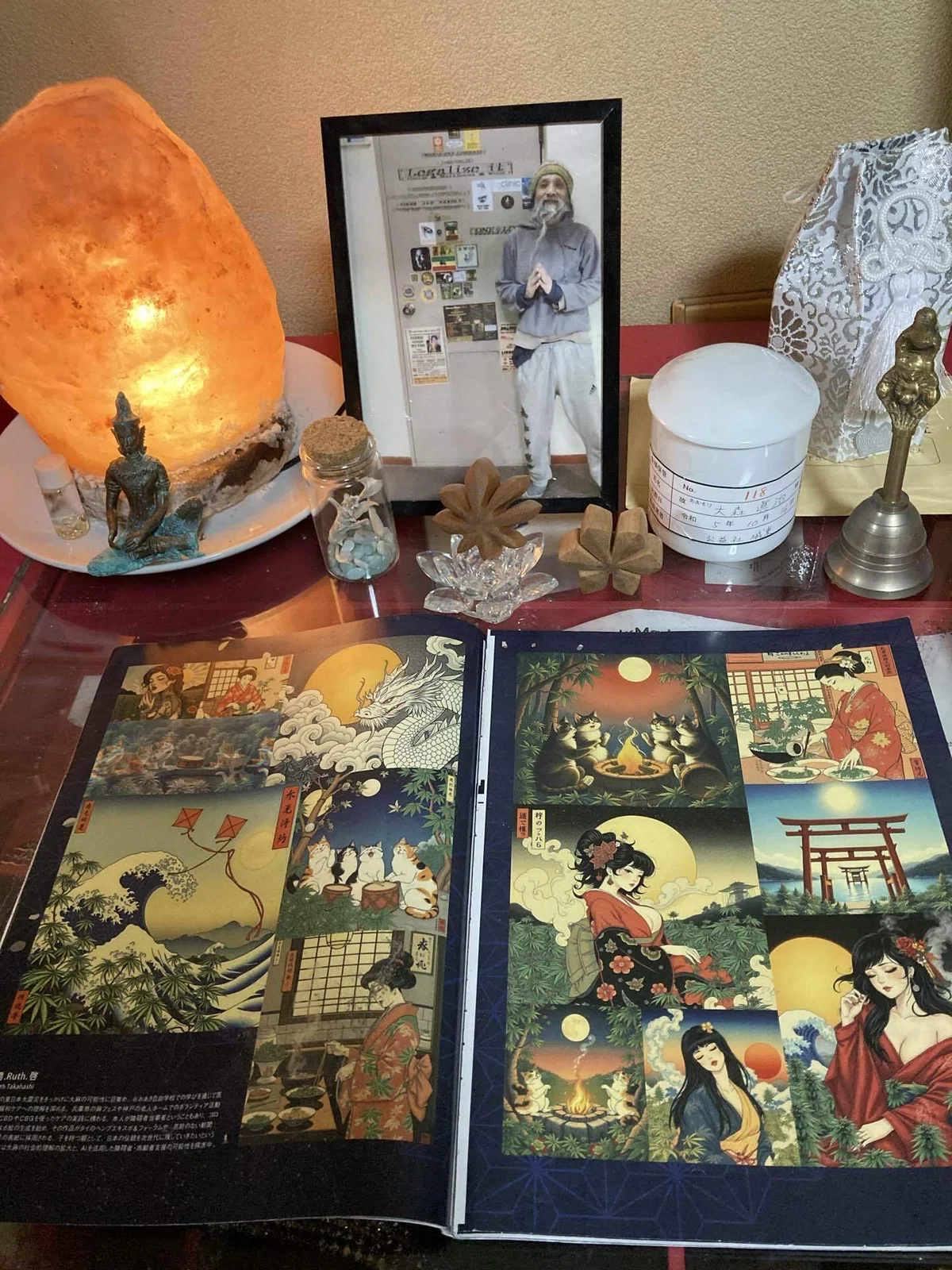
遺骨とASA Japan。
長吉秀夫編集長『ASA Japan』。
私はこの号にAIアートで4ページ寄稿し、
ボランティアに行っている老人ホームでの、
CBD・CBG・CBNを使った緩和ケアについても4ページ書いている。
そして誌面には、
「故・大森眞治に捧ぐ」
と書いた。
追記
2026.6.1にCBNは規制されています。
長吉秀夫著:医療大麻入門
カンナビスト関西主催
仏教大学准教授
山本奈央:著作
# Not Family, Not a Lover — Yet I Carry His Ashes
I first met Omori-san at the Osaka Oasa Free School, during a medical cannabis lecture taught by Hideo Nagayoshi.
We just happened to sit next to each other.
That was the beginning.
Omori-san was someone who taught me about reggae and Rastafarianism.
Not just the music.
He talked about the philosophy behind it, the history, and why cannabis existed within that culture.
I often heard those stories at his house in Osaka.
I think I visited about twice a month.
“Let’s go to the reggae BBQ festival in Awaji again this year.”
That’s the kind of conversation we used to have.
Then we stopped contacting each other for a little while.
One day I received a flyer for a live event, so I messaged him:
“Omori-san, what are you doing about this one?”
No reply.
It stayed unread.
I thought it was strange, so I asked around.
“Omori-san… nobody can reach him.”
That day, I was at Kamagasaki Sonic in Sankaku Park, Nishinari.
The day before, a sannyasin musician named Shavdo had stayed at my house.
“I’ve never been to Nishinari before,” he said.
So I replied,
“Then maybe I’ll go too. It’s been a while.”
That’s how it happened.
I ended up acting almost like a guide, taking Shavdo to a reggae spot in Nishinari.
Then, in the middle of all that, I received the message:
“Omori-san has died.”
I wanted to cry.
But I couldn’t.
Before my emotions could even catch up, I was already moving within the atmosphere of the place.
The chaotic air of Nishinari.
Alcohol. Cigarettes. Laughter. Music.
And right in the middle of it all, death arrived.
Then another older sannyasin woman came.
She was the only person there who also knew Omori-san.
The moment I saw someone who knew him, reality suddenly hit me.
And I burst into tears.
I couldn’t cry alone.
But once someone else who knew him appeared, it became real.
Then Shavdo sang the Heart Sutra as a requiem there in Nishinari.
He was someone who could sing even the Heart Sutra in reggae style.
It wasn’t a quiet funeral.
Not a clean hospital room either.
A man was being sent off in the middle of Nishinari’s chaos, through reggae and the Heart Sutra.
Later, I took custody of Omori-san’s ashes.
He wasn’t my family.
He wasn’t my lover.
But I carry his ashes.
I once wrote about “0 Funeral” before.
To begin with, I didn’t even know that someone unrelated by blood could claim another person’s ashes.
People around me apparently assumed:
“You probably know about those systems.”
But actually, I didn’t.
I don’t particularly have any belief in bones or graves.
I simply thought,
“If they keep the ashes for almost two years, then whenever is fine.”
Then I was told:
“There’s a checkbox for non-family members to claim the ashes.”
For someone like me, who has almost no attachment to concepts like funerals, graves, memorial services, or family lineage—
my reaction was simple:
“Then I’ll take them.”
So I called the very next day.
Still, they explained that during the storage period, relatives might come to claim them.
Once that period ended, I could pick them up immediately.
So I told them:
“Please reserve them under my name.”
The storage deadline lasted until August 31st last year.
And on September 1st, I went to pick up the ashes.
Honestly, I wasn’t even sad.
I’ve already told my children:
“When I die, just throw me into a 0 Funeral too while you’re at it.”
Now Omori-san’s ashes are in my room.
In front of them sits ASA Japan magazine, featuring my AI artwork.
Death doesn’t end everything.
The flow continues even after death.
What remains of a person is not just their name.
Smells. Music. Conversations.
Things handed down. People connected through them.
People remain as a kind of flow.
That was Omori-san.
