
カラサデ 八百万の神が出雲大社を去る時期に咲く椿

神等去出 (カラサデ)
ツツジ目、ツバキ科、ツバキ属
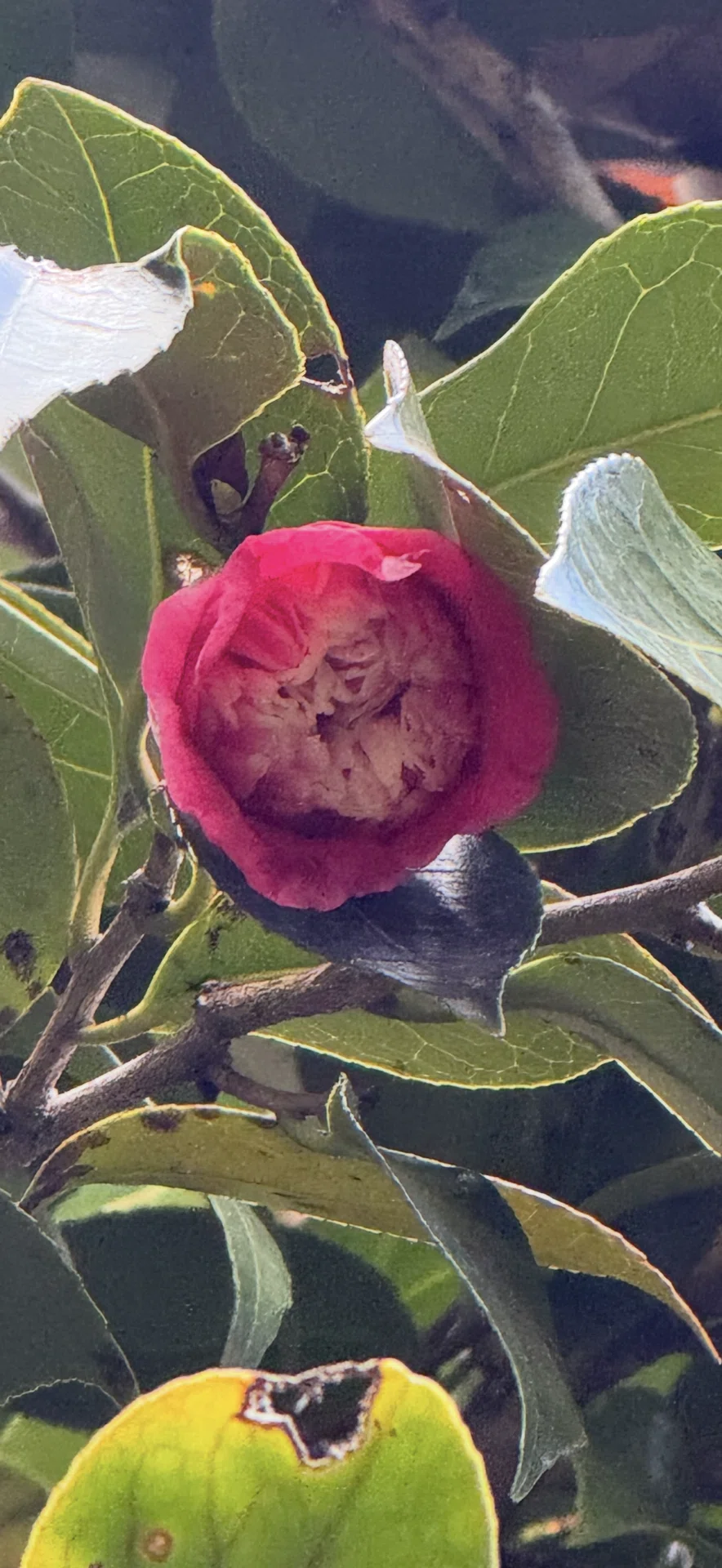
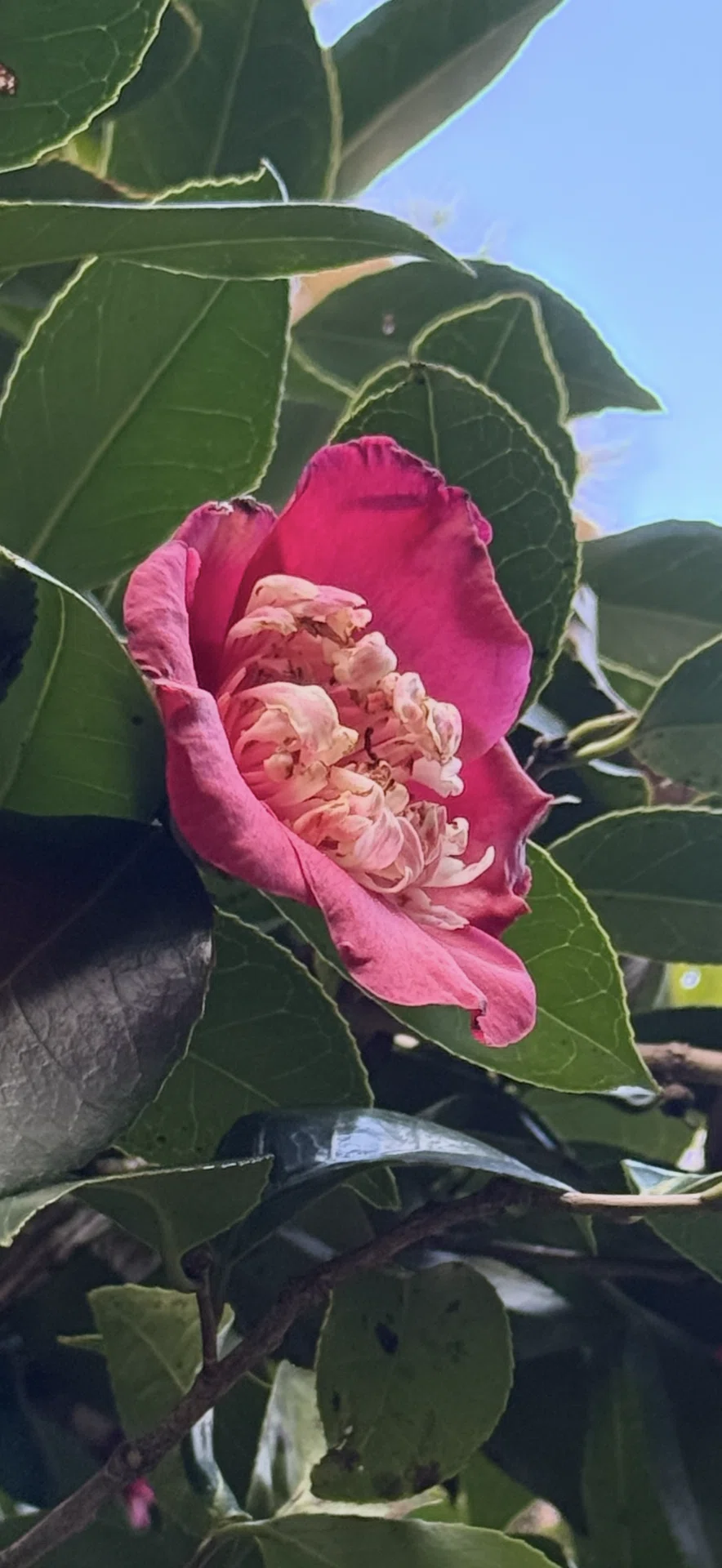
唐子咲(カラコザキ)が特徴となるツバキとなる。
つい先月にも紹介したツバキであるが、その花の
外観を撮影できたので、改めての投稿記事。
神等去出 (カラサデ)の名について、タイトルに
示した通りで、出雲大社に集まった八百万の神が
自分の国へと一斉に帰っていく、その神送り日の
事を指した時期に開花する事からその名となった
ツバキとなっている。原産は出雲大社のある島根
半島を二分させた土地、松江市より生まれた品種。
この唐子咲(カラコザキ)という咲方のツバキは
中央部に密集する花芯部、つまり雄蕊が弁化して
しまって生殖機能を失ってしまったツバキである。
よって、これらは種を生み出すことは出来ないで
接木(ツギキ)というものでしか次世代を増やす
事が出来ないものである。
唐子咲のスタイルは二種あり、『日光』(ジッコウ)
と『月光』(ガッコウ)と呼ばれており、それぞれ
の違いであるが、前者のジッコウは雄蕊の総て
が根元までもが弁化しているものとなっている。
一方の『月光』(ガッコウ)は、雄蕊の葯(ヤク)
の部分のみが弁化してるものとなっている。
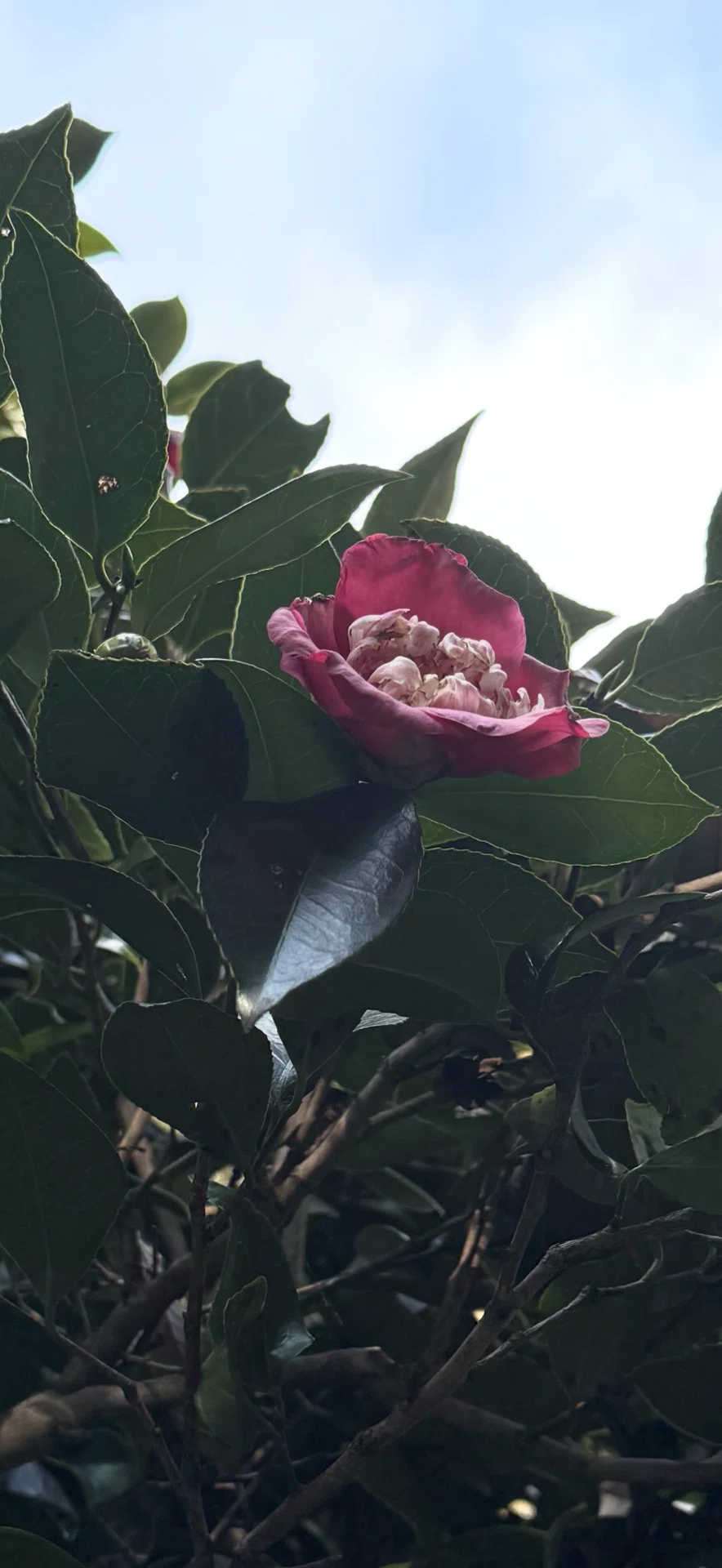
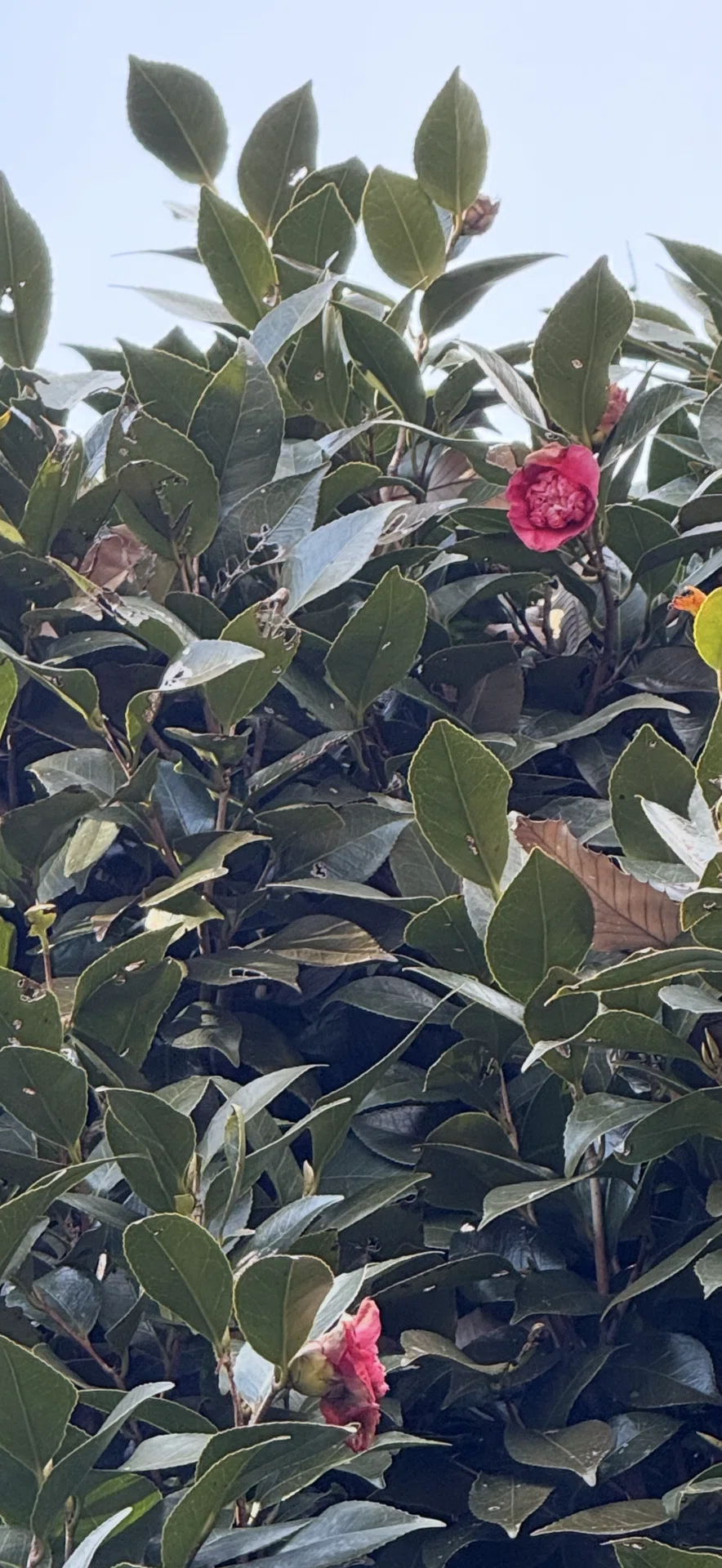
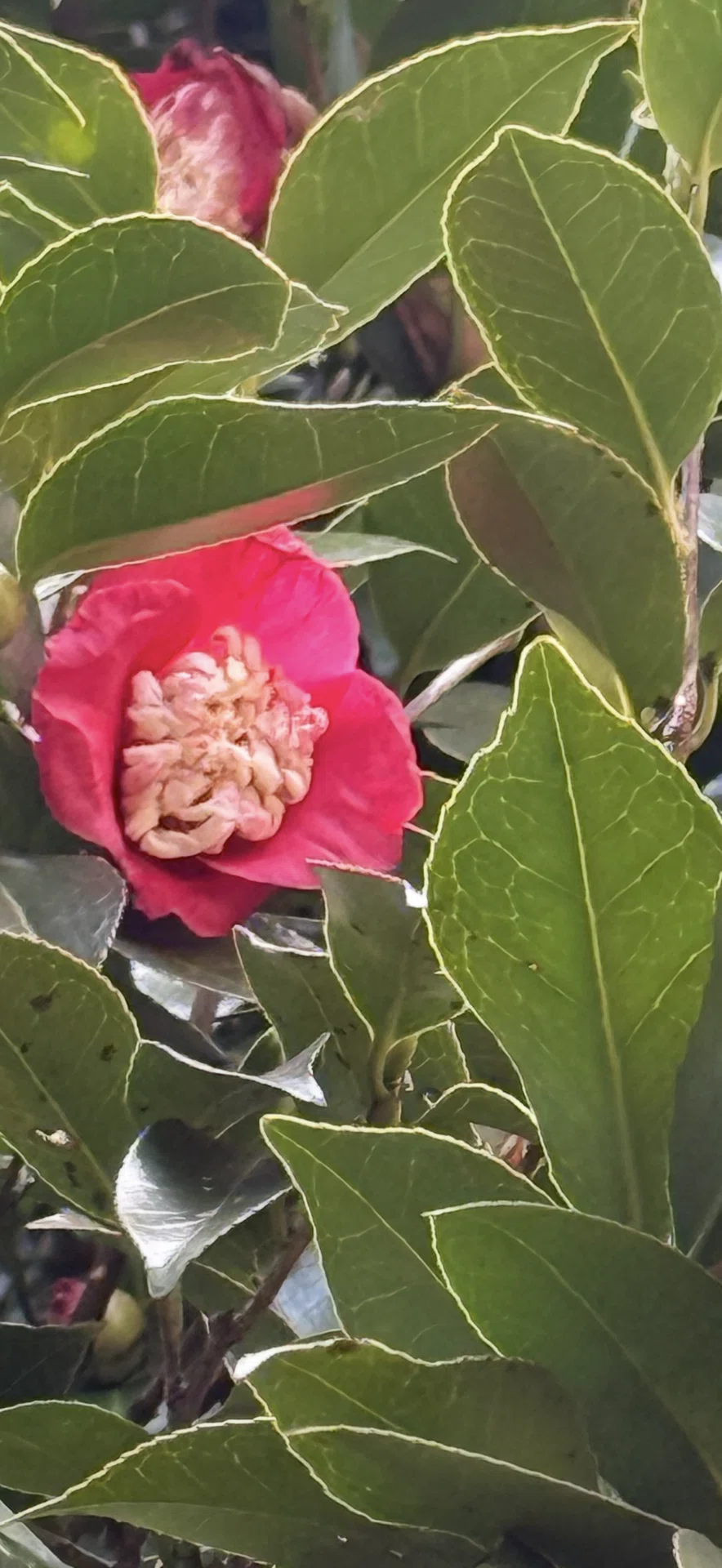
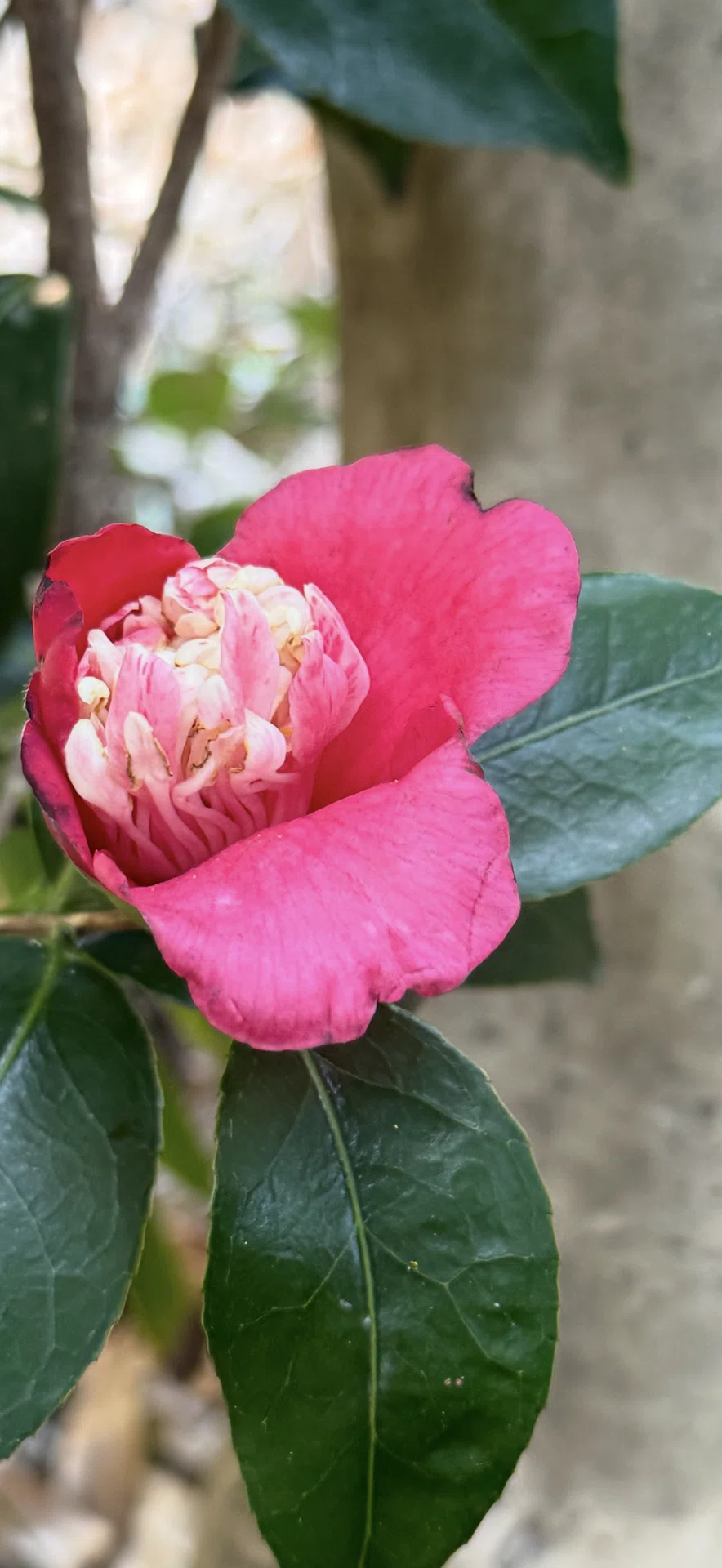
撮影した写真を見てみると、カラサデは後者の
ガッコウ、つまり葯部だけが弁化している事が
分かるものとなっている。
服部緑地都市緑化植物園の椿山ガイドツアー参加
の際にこのボランティアガイドを務めて下さった
『この指たかれ』の大蔵晃氏より説明があったが、
とても分かりやすくて勉強になったのである。
このカラサデの植っていた場所がとても急勾配な
場所だった為、これの撮影には少しばかり難儀な
思いをしたのであった。
KARASADE (神等去出)
Order: Ericales / Family: Theaceae / Genus: Camellia
Karasade is a camellia characterized by its karako-zaki (唐子咲) blooming style. I introduced this camellia just last month, but since I was able to capture its appearance in photographs, I am posting about it again.
As indicated in the title, the name Karasade refers to the time when the eight million gods who gathered at Izumo Taisha return to their respective lands. This camellia is named after that Shinokuri (神送り, “sending off the gods”) period, as it blooms around that time. It originates from the Matsue area, which divides the Shimane Peninsula, where Izumo Taisha is located.
The karako-zaki blooming style is characterized by a dense central portion where the stamens have transformed into petal-like structures, rendering the flower sterile. As a result, this camellia does not produce seeds and can only be propagated through grafting.
There are two styles of Karako-zaki (Karako blooming form), known as Jikkō (日光) and Gekkō (月光). The difference between them lies in the transformation of the stamens.
In Jikkō, all the stamens, down to their base, are petalized. In contrast, Gekkō features petalization only in the anther (yaku) portion of the stamens.
Looking at the photos I took, it is clear that Karasade belongs to the latter category, Gekkō, as only the anther portion has undergone petalization.
By examining the photographs I took, I could confirm that Karasade belongs to the Jikkō type, where only the anthers have been modified.
During a Tsuyama Guide Tour of the camellia collection at Hattori Ryokuchi Urban Greening Botanical Garden, Mr. Akira Ōkura from the volunteer group “Kono Yubi Takare” provided a detailed explanation. His insights were very clear and educational.
The location where Karasade was planted was on a rather steep slope, making it somewhat challenging to take photographs.
和名 椿 (ツバキ)
洋名 ジャパニーズ カメリア
(JAPANESE CAMELLIA)
学名 カメリア ジャポニカ
(CAMELLIA JAPONICA)
品種 神等去出 (カラサデ)
分類 ツツジ目、ツバキ科、ツバキ属
種類 常緑低木
草丈 1〜2m
開花 11〜3月
花色 外弁 赤
唐子弁 白、桃の2色
花径 5〜10cm 中輪〜大輪
咲型 唐子咲
蕊型 月光スタイル
蕊は葯の部分のみが弁化しているもの
原産 日本、出雲
言葉 誇り
控えめな優しさ
撮影 2025年2月23日
参加 京都園芸倶楽部 椿メンバー6名
場所 服部緑地都市緑化植物園
■■■■■■■■■■■■■■■■■■■■■■■■■■■■
#椿
#ツバキ
#ジャパニーズカメリア
#JAPANESECAMELLIA
#カメリアジャポニカ
#CAMELLIAJAPONICA
#神等去出
#カラサデ
#服部緑地都市緑化植物園
■■■■■■■■■■■■■■■■■■■■■■■■■■■■
■■■■■■■■■■■■■■■■■■■■■■■■■■■■
