
覚書英文法:What分裂・強調文とwhat関係代名詞節文との比較

※英文法用語で用いられる“what-creft: what分裂”文を、本稿では「what強調文」として扱う。
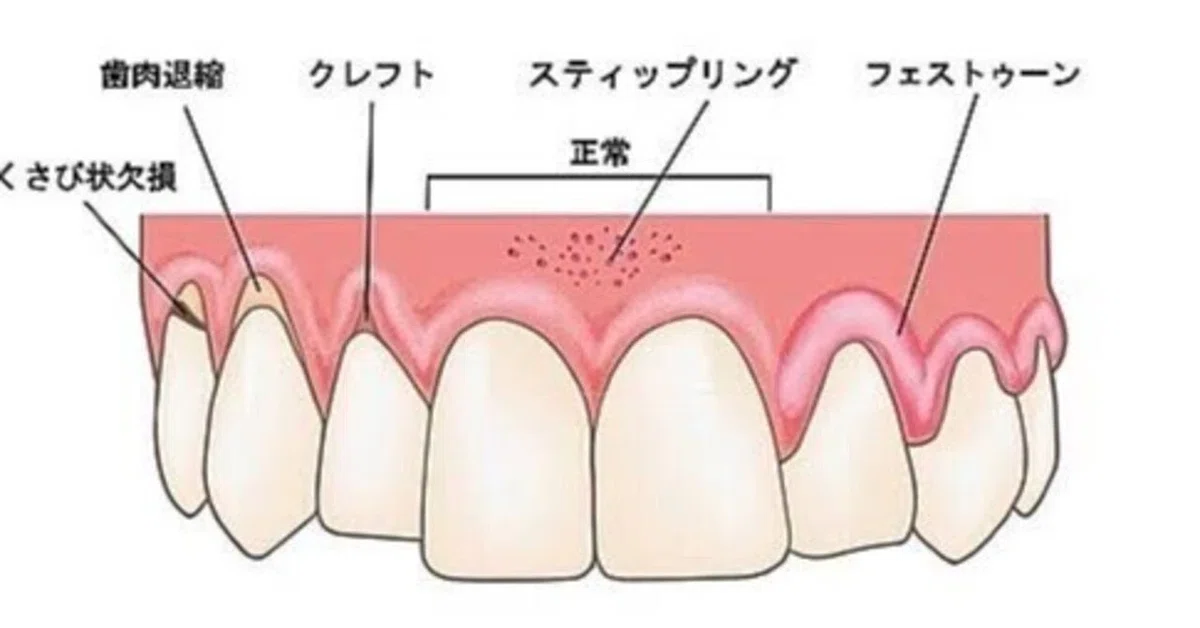
※歯肉クレフト(creft):歯の生え際にできた裂け目のこと。通常、歯の生え際はU字になっているが、クレフトではY字やV字型に避けている。
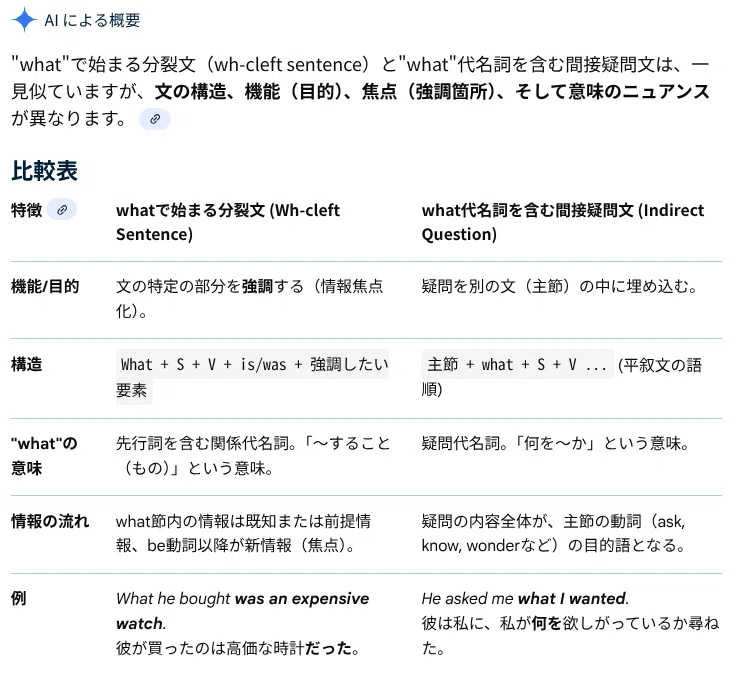
what分裂文(強調文)とwhat関係代名詞節文との相違:
※同定文と措定文の相違
be動詞 :措定文/同定文;は副助詞/が格助詞
1) 措定文:Y⊂Z
1-1) マックスは犬である。
1-2) ✕ 犬はマックスである。
1-1) Max is a dog.
1-2) ✕ A dog is Max.
2) 同定・指定文:Y⇄Z
2-1) マックスが僕の愛犬です。
2-2) ◯ 僕の愛犬がマックスです。
2-1) Max is my pet dog. Y=Z
2-2) ◯ My pet dog is Max. Z=Y
※本稿では、「同定文」と「指定文」の厳密な区別は行わない。
Downingが示した文法原則
1a) What he said was that he didn't like the play.
1b) ◯That he didn't like the play was what he said.
2a)What he said was very interesting.
2b)✕Very interesting was what he said.
1a) まさに彼が言ったのは、その芝居が気に入らなかったということだ。
1b) ◯その芝居が気に入らなかったというのが彼の言ったことだ。
2a) 彼が言ったことは非常に興味深かった。
2b) ✕ “非常に興味深いは、彼が言ったことだった。”
※◯「非常に興味深いのは、彼が言ったことだった。」⇒下記解説参照
文法的相違点:
・what-cleft強調文:反転可能
・what関係代名詞節文: reversible 反転不可
Downing, A. 2015, p.232
文法規則(Downing, 2015, p.232)に基づき、
wh-分裂文(wh-cleft)は「特定・同定(identifying)」の機能を持つため反転可能であるのに対し、
what関係代名詞節文(自由関係節)は「描写(descriptive)」の機能を持つため反転不可能であるという相違点を、英語例文を挙げて示す。
1. what-分裂文 (wh-cleft) の例:反転可能
これらは「何(What)」の内容を「that節」などで具体的に特定・同定している。構造が “A = B” の等位関係にあるため、順序を入れ替えても文法的に成立する。
1a) What I want to say is that we need more time.
1b) That we need more time is what I want to say.
2a) What he needs is a good rest.
2b) A good rest is what he needs.
3a) What they decided was that the project should be cancelled.
3b) That the project should be cancelled was what they decided.
4a) What she bought was a luxury car.
4b) A luxury car is what she bought.
5a) What caused the accident was a sudden brake.
5b) A sudden brake was what caused the accident.
6a) What I believe is that honesty is the best policy.
6b) That honesty is the best policy is what I believe.
7a) What he loves most is playing the piano.
7b) Playing the piano is what he loves most.
8a) What we hope for is a peaceful resolution.
8b) A peaceful resolution is what we hope for.
9a) What surprised me was that she had already left.
9b) That she had already left was what surprised me.
10a) What the doctor suggested was that he should quit smoking.
10b) That he should quit smoking was what the doctor suggested.
11a) まさに僕が言いたいのは、もっと時間が必要だということだ。
11b) もっと時間が必要だというのが僕の言いたいことだ。
12a) まさに彼に必要なのは十分な休息だ。
12b) 十分な休息こそが彼に必要なものだ。
13a) まさに彼らが決めたものこそ、プロジェクトを中止すべきだということだった。
13b) プロジェクトを中止すべきだというのが彼らの決定だった。
14a) まさに彼女が買ったのは高級車だった。
14b) 高級車が彼女が買ったものだった。
15a) まさに事故の原因は急ブレーキだった。
15b) 急ブレーキが事故の原因だった。
16a) まさに僕が信じているのは、正直が最善の策だということだ。
16b) 正直が最善の策だというのが僕の信じることだ。
17a) まさに彼が最も大好きなのはピアノを弾くことだ。
17b) ピアノを弾くことが彼が最も大好きなことだ。
18a) まさにわれわれが望むのは平和的な解決だ。
18b) 平和的解決がわれわれが望むことだ。
19a) まさに僕を驚かせたのは彼女が既に去っていたことだ。
19b) 彼女が既に去っていたことが僕を驚かせたのだ。
20a) まさに医師が提案したのは彼が喫煙をやめるべきだということだ。
20b) 彼が喫煙をやめるべきだというのが医師の提案だった。
2. what関係代名詞節文の例:反転不可
これらは主語の内容を描写(性質や状態を説明)する形容詞的な補語を伴う。形容詞や主観的な評価は、主語(名詞的要素)の位置に来ることができないため、反転させると非文となる。
1a) What he said was very offensive.
1b) ✕ Very offensive was what he said.
2a) What they did was extremely courageous.
2b) ✕ Extremely courageous was what they did.
3a) What she wears is always stylish.
3b) ✕ Always stylish is what she wears.
4a) What happened was quite unexpected.
4b) ✕ Quite unexpected was what happened.
5a) What the teacher wrote was barely legible.
5b) ✕ Barely legible was what the teacher wrote.
6a) What you suggested is totally impractical.
6b) ✕ Totally impractical is what you suggested.
7a) What he found was highly controversial.
7b) ✕ Highly controversial was what he found.
8a) What she felt was purely platonic.
8b) ✕ Purely platonic was what she felt.
9a) What the team achieved was truly remarkable.
9b) ✕ Truly remarkable was what the team achieved.
10a) What he eats is often unhealthy.
10b) ✕ Often unhealthy is what he eats.
11a) 彼の言ったことは非常に不快だった。
11b) ✕
12a) 彼らのしたことは非常に勇気あるものだった。
12b) ✕
13a) 彼女が着るものはいつもおしゃれだ。
13b) ✕
14a) 起こったことはまったく予想外だった。
14b) ✕
15a) 先生が書いたものはほとんど読めなかった。
15b) ✕
16a) 君の提案はまったく非現実的だ。
16b) ✕
17a) 彼が発見したものは非常に物議を醸した。
17b) ✕
18a) 彼女が感じたのは純粋にプラトニックなものだった。
18b) ✕
19a) チームが成し遂げたことは本当に驚くべきものだった。
19b) ✕
20a) 彼が食べるものはしばしば不健康だ。
20b) ✕
解説
what-cleft vs. Free Relative Clause
解説: what-分裂文(強調文)は「同定(Identification)」を行うため、主語と補語が数学的な等式 X = Y の関係にあり、反転が可能である。一方、what関係節文は主語の「属性(Attribution)」を描写する形容詞などを補語に取るため、補語を主語の位置に置くことができない。
例文: What you need is patience. (wh-cleft) / Patience is what you need.
和訳: まさに君に必要なのは忍耐だ。(wh-分裂文・強調文)/忍耐が君に必要なものだ。
Reversibility
解説: 文の要素を入れ替えても文法性が保たれる性質。描写的な内容を含む what関係節では、この可逆性が失われる。
例文: What he wrote was brilliant. (Not: *Brilliant was what he wrote.)
和訳: 彼の書いたものは素晴らしかった。(✕「素晴らしかったは彼の書いたものだった」、とは通常言わない。◯「すばらしかったのは、彼の書いたものだった」と準体助詞の「の」を加えると、日本語としては成立する。これを英文にすると、“What was brilliant was what he had written.”になり、まさにWhat強調文である。
