
【全国通訳案内士の現場 パート29】 スルーガイド研修に参加 (2025/11/30-12/2) 通訳ガイドとして姫路城、能を説明する際のポイント

こんにちは。
トリリンガル讃岐PRオフィサーの森啓成 (モリヨシナリ)です。
いつも当サイトをご支援頂き誠に有難うございます。
2025/11/30から12/2まで、ガイディングスキルのブラッシュアップの為に、スルーガイド研修に参加してきました。
🔸訪問地
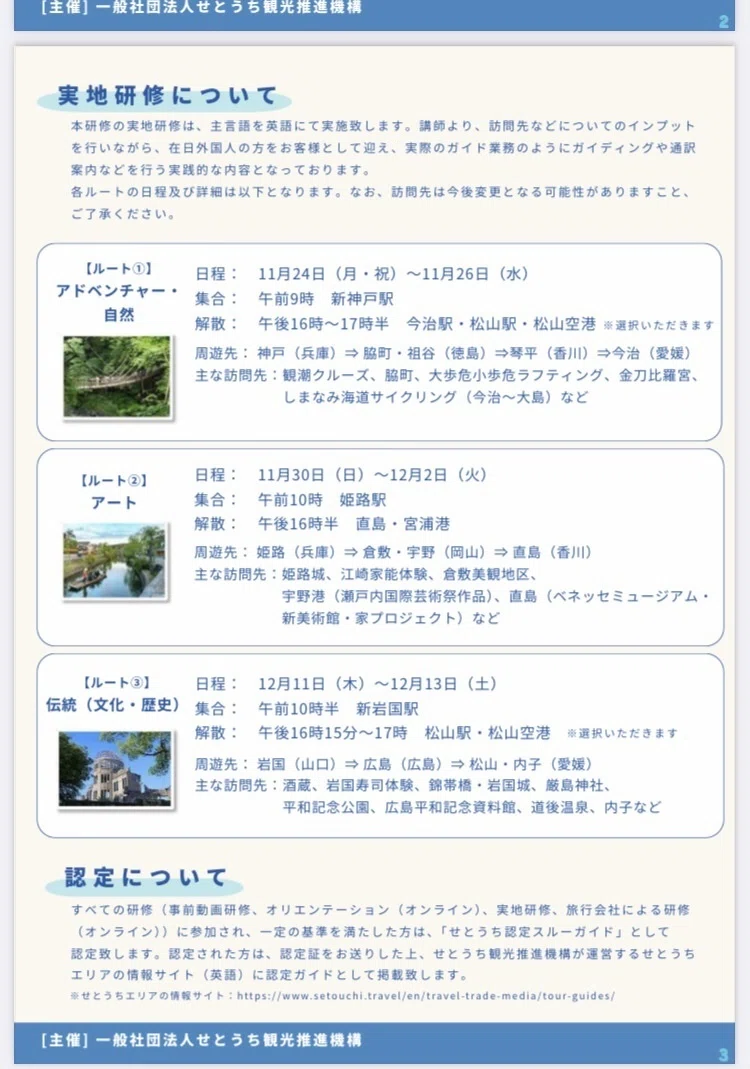
11:30: 姫路城、姫路 江崎家での能体験
12/1: 倉敷美観地区、宇野
12/2: 直島 (ベネッセハウスミュージアム、直島新美術館、家プロジェクト)
🔸「能」の源流とされる渡来人「秦河勝」と播州・赤穂に刻まれた足跡「大避神社」
姫路 江崎家での素晴らしい『能』体験: 外国人ゲストも大感動!
🔹著者のプロフィール
森啓成 (モリヨシナリ)
海外ビジネスコンサルタント、全国通訳案内士 (英語・中国語)、ビジネス英語講師
神戸市生まれ、香川県育ち。米国大学経営学部マーケティング専攻。
大手エレクトロニクス企業にて海外営業職に20年間従事(北京オフィス所長)。
その後、香港、中国にて外資系商社設立に参画し、副社長を経て顧問に就任。
アメリカ、シンガポール、中国、ベルギーなど、海外滞在歴は計16年以上。
現在はBizconsul Office代表として、四国の地域活性化の一助になればとの想いで、海外ビジネスコンサルタント、全国通訳案内士(英語・中国語)、ビジネス英語講師として活動中。
観光庁インバウンド研修認定講師、四国遍路通訳ガイド協会会員、トリリンガル讃岐PRオフィサーも務める。
【保有資格】
英語:
全国通訳案内士、英検1級、TOEIC L&R: 965点 (L満点)、TESOL (英語教授法)、国連英検A級、ビジネス英検A級
中国語:
全国通訳案内士、香川せとうち地域通訳案内士、HSK6級
ツーリズム:
総合旅行業務取扱管理者、国内旅行業務取扱管理者、国内旅程管理主任者、せとうち島旅ガイド (瀬戸内国際芸術祭2019公式ガイド)
【メディア・研修実績】
香川県広報誌「THEかがわ」インタビュー記事掲載。
瀬戸内海放送(KSB)及び岡山放送(OHK)ニュース番組コメント。
観光庁インバウンド研修認定講師として地方自治体や宿泊施設で登壇。
四国運輸局事業コンサルタント、 瀬戸内国際芸術祭オフィシャルツアー公式ガイド
香川せとうち地域通訳案内士インバウンド研修講師認定試験の面接官を務める。
・香川県登録通訳案内士サイト
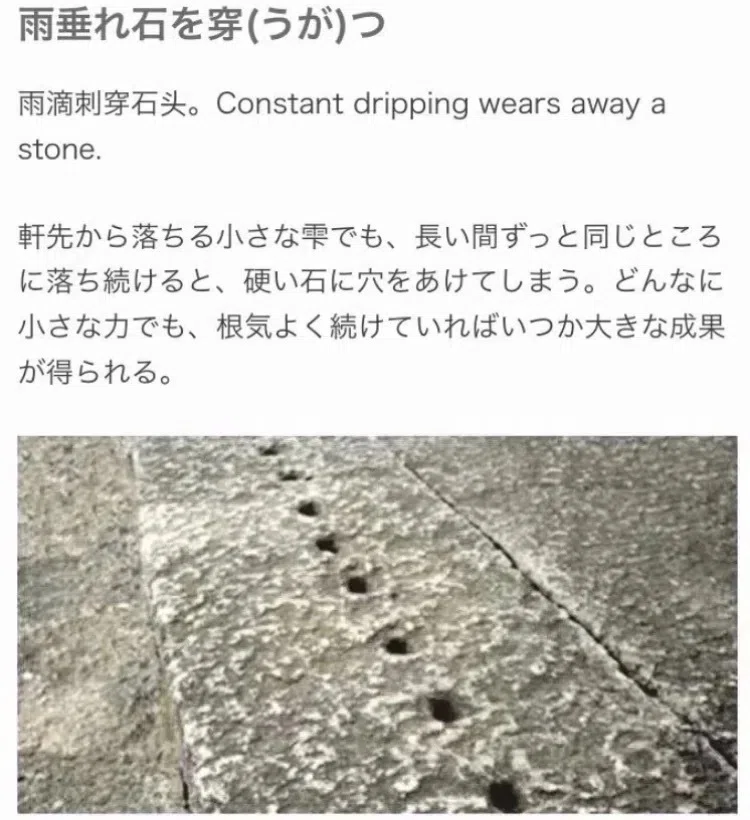
・座右の銘は「雨垂れ石を穿つ
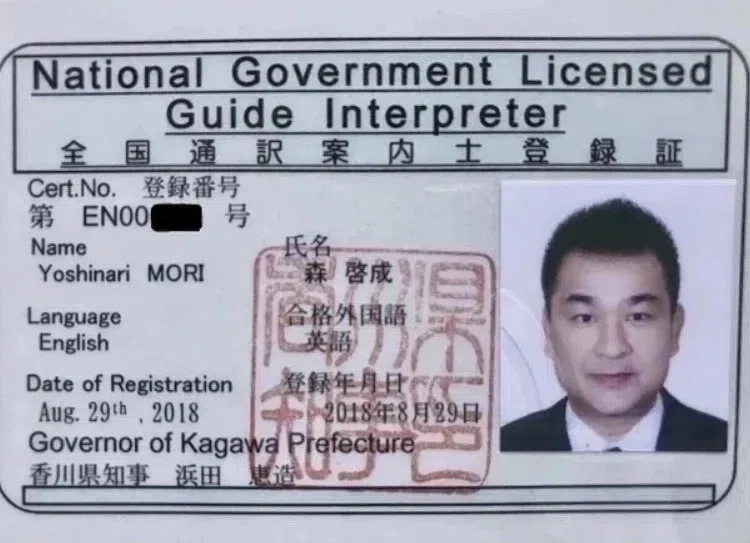
・全国通訳案内士登録証 英語
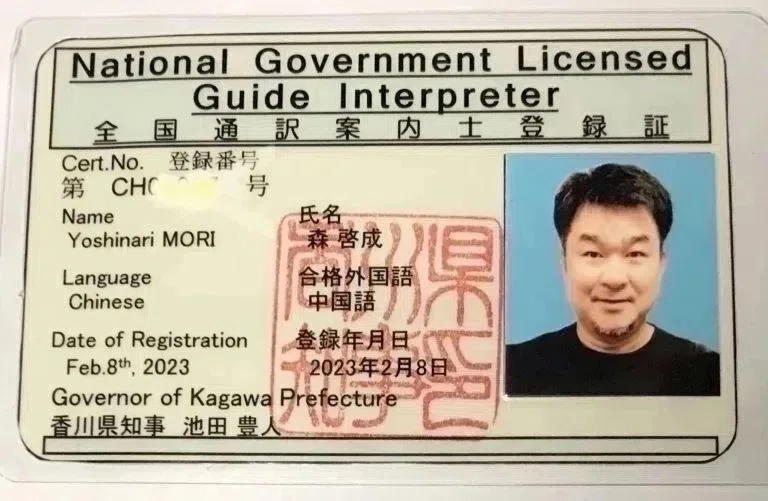
・全国通訳案内士登録証 中国語
・香川せとうち地域通訳案内士登録証 中国語

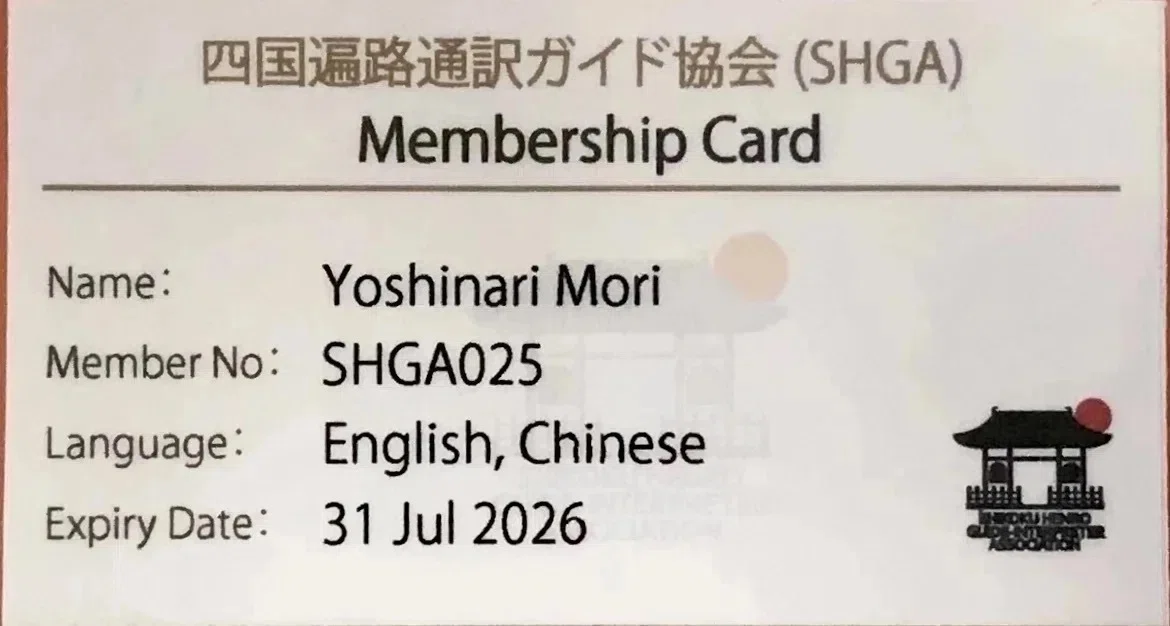
・四国遍路通訳ガイド協会会員証
・観光庁インバウンド研修認定講師
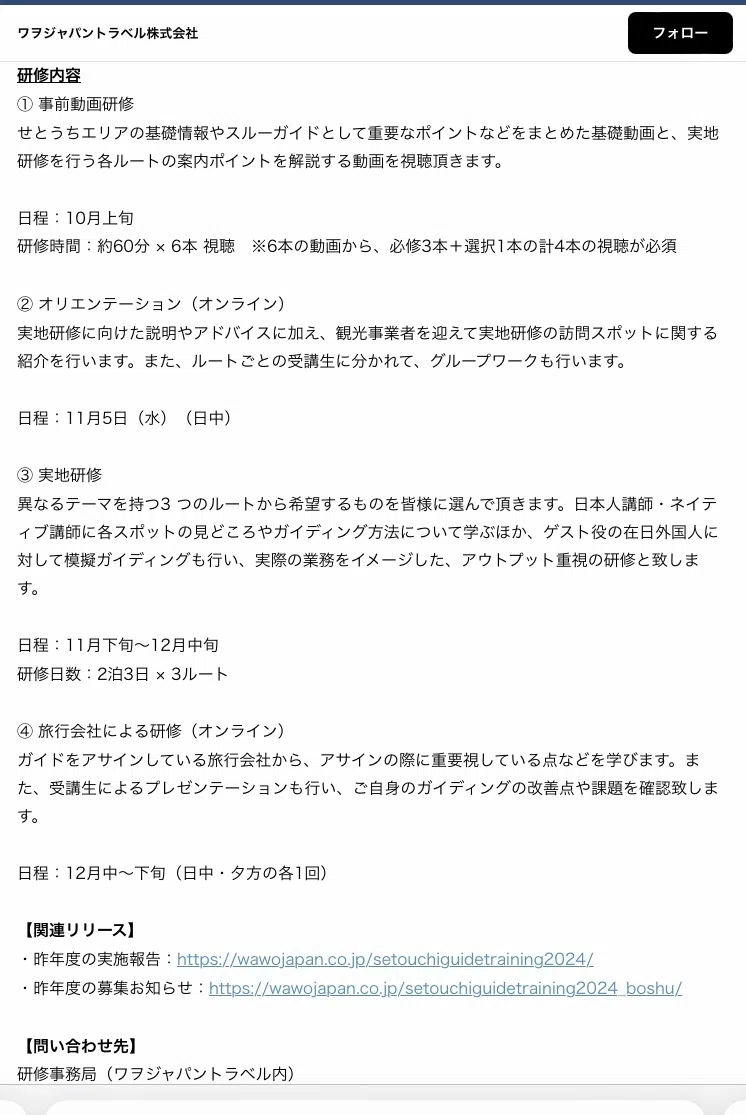
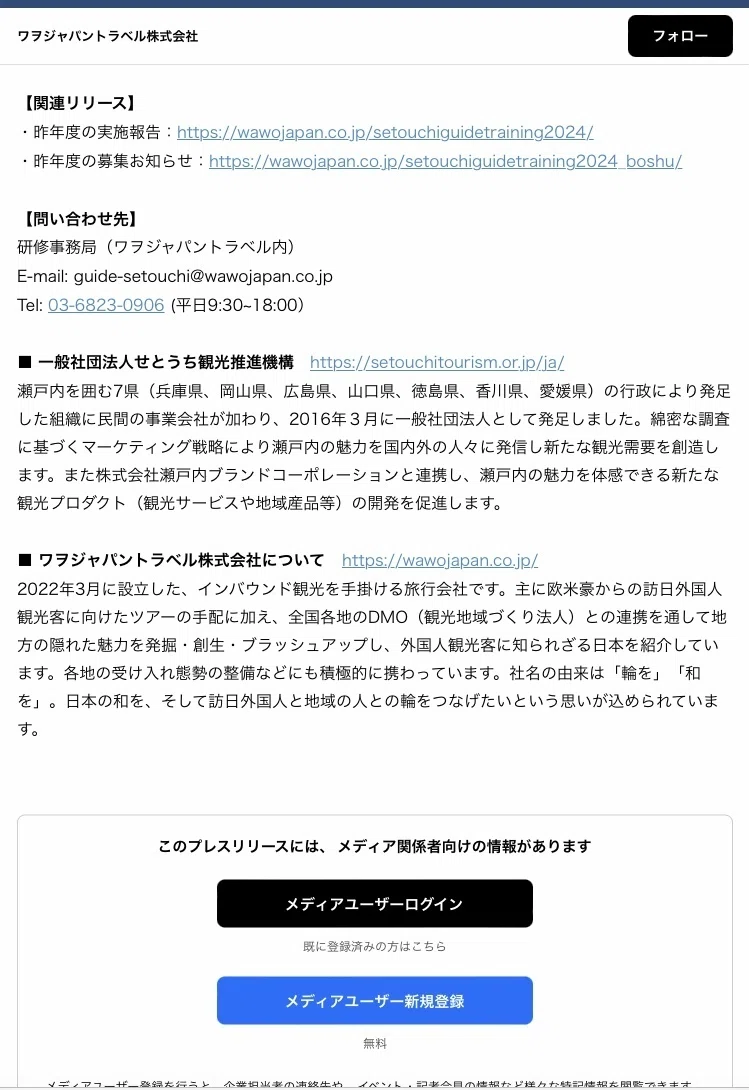
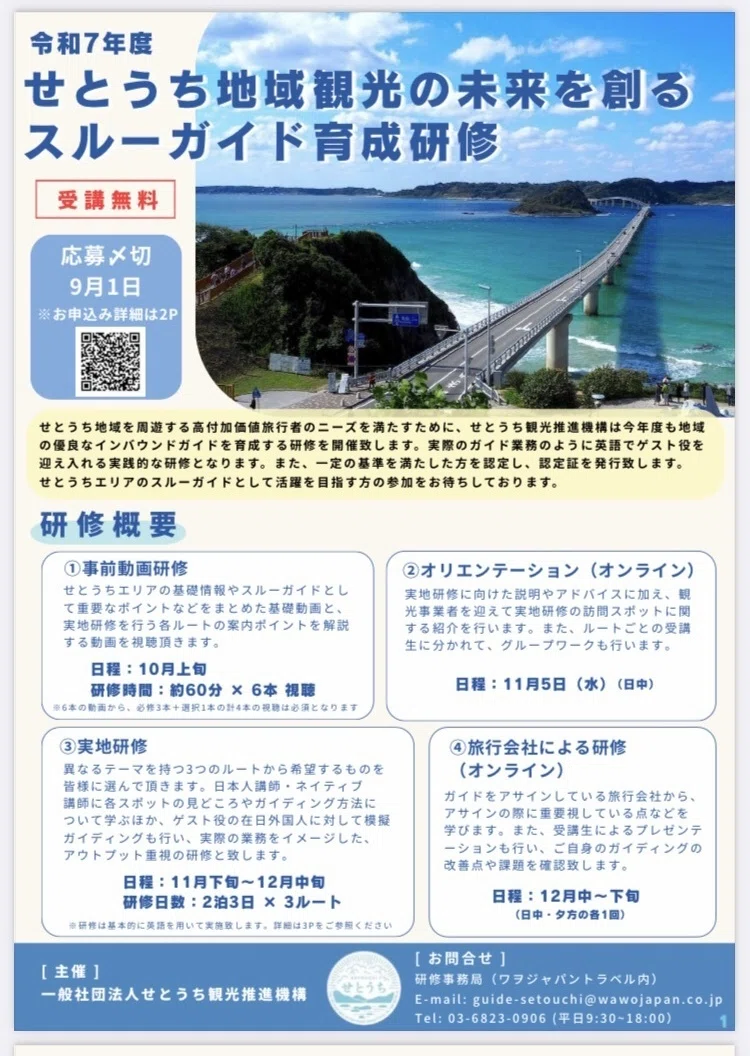
🔹せとうちスルーガイド研修の概要
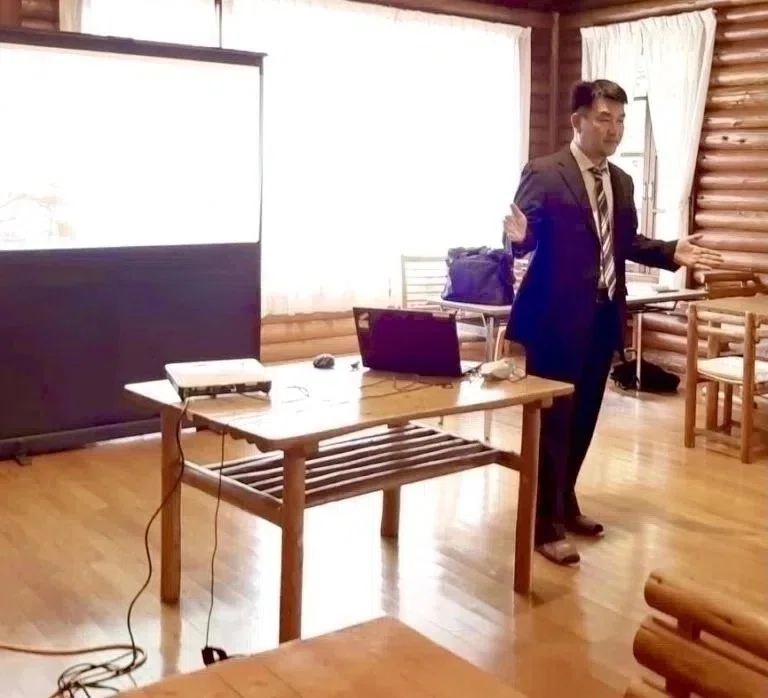
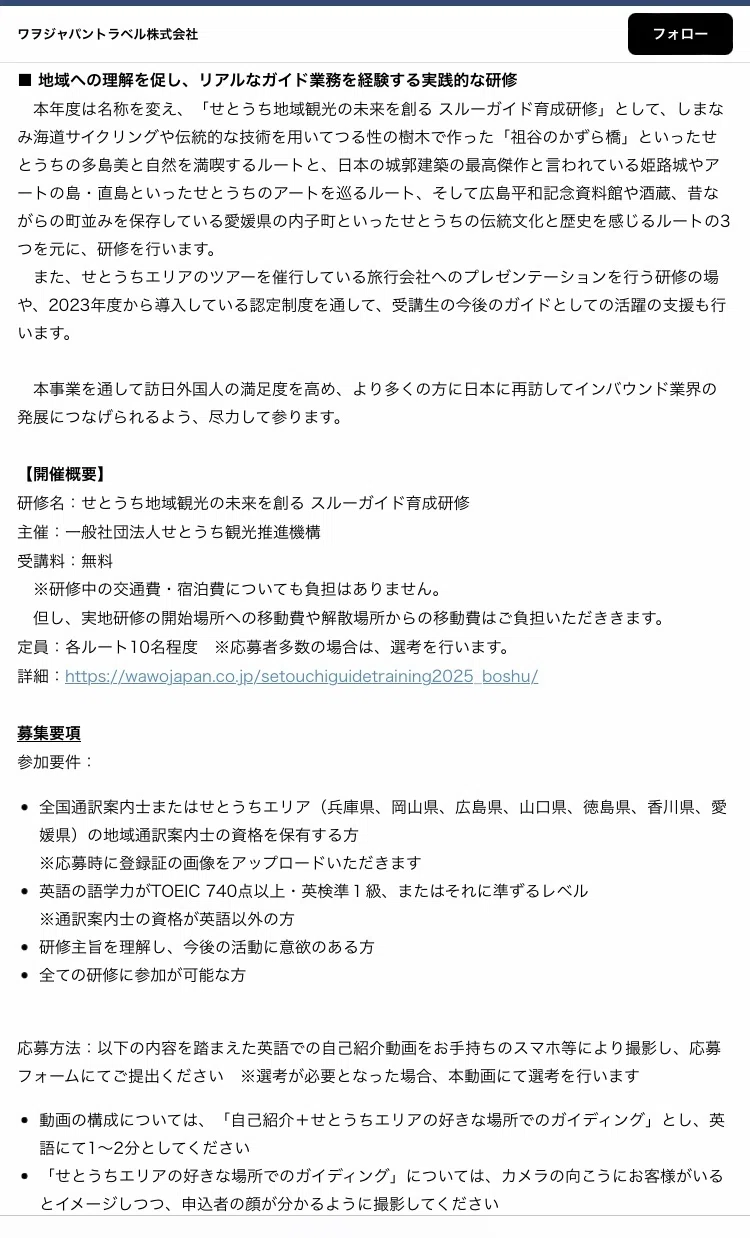
「令和7年度 せとうち地域観光の未来を創る スルーガイド育成研修」実地研修ルート2 (2025/11/30-12/2: 姫路城、江崎家能体験→倉敷美観地区、宇野→直島)に参加。
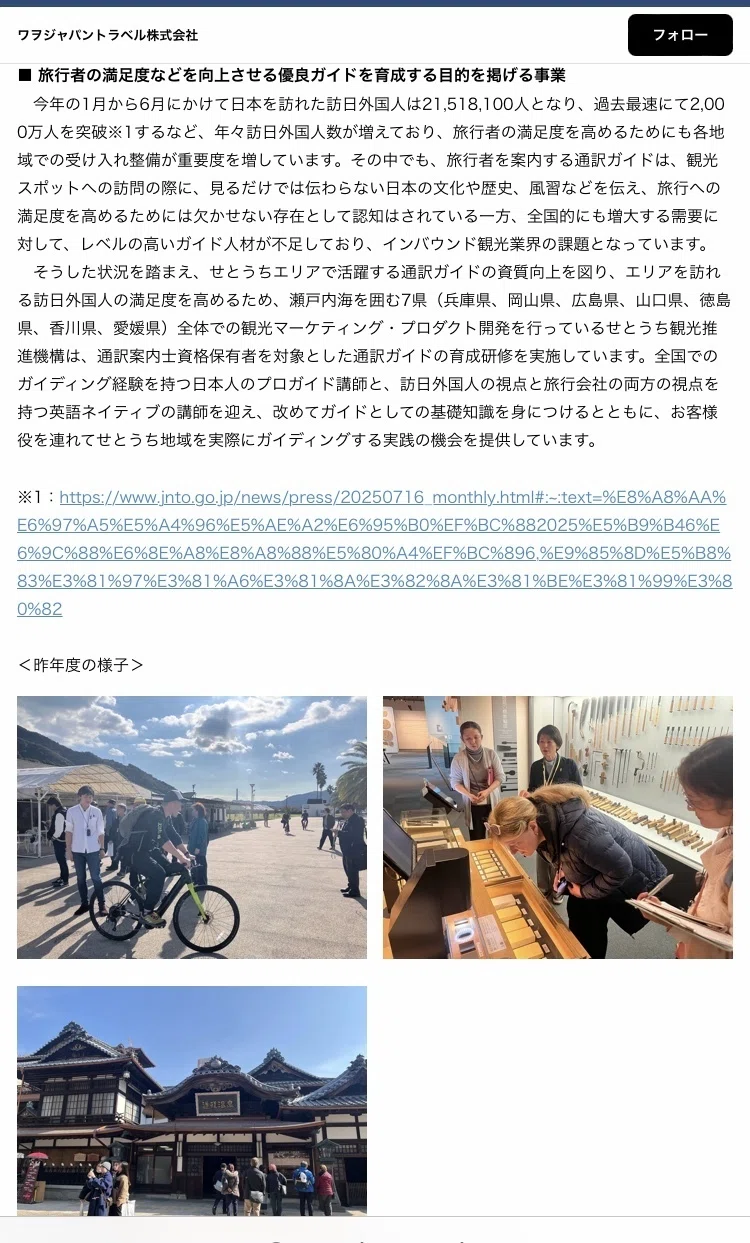
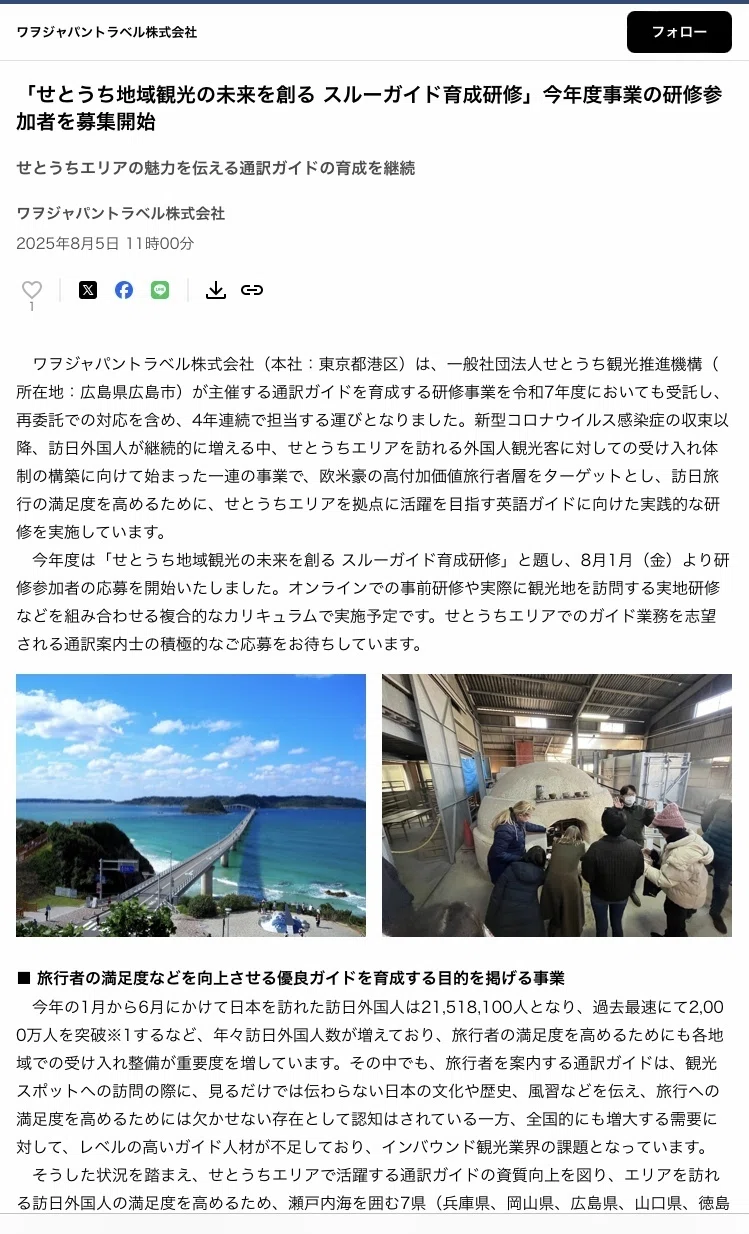
訪日外客数(2025年6月推計値)6月:3,377,800人、過去最速で累計2,000万人を突破

🔹通訳ガイドとして外国人観光客に能を説明する際のポイント
能は、約650年以上の歴史を持つ、世界で最も古い舞台芸術の一つです。
能は、豪華な演出よりも、役者の洗練された動きや、詩的な言葉、そして音楽によって表現される「幽玄(ゆうげん)」という奥深い美を大切にします。
特に、登場人物が感情のピークに達したときに被る「能面」は、表情を変えないことで、かえって観客の想像力を掻き立てます。
能は、激しいアクションを楽しむというより、静かな物語を深く味わう芸術だという点がポイントです。
英語
Noh is one of the oldest performing arts in the world, with a history of over 650 years.
Instead of grand spectacle, Noh highly values a deep, subtle beauty called "Yūgen," expressed through the actors' refined movements, poetic words, and music.
The "Noh mask" worn at the climax of the story is special: because the mask never changes expression, it encourages the audience to use their imagination to see the character's emotion.
The key point is that Noh is an art form for deeply appreciating a quiet story, rather than enjoying exciting action.
② 歌舞伎との3つの違い (Kabuki vs. Noh)
歴史の長さ (Length of History)
能は約650年前の室町時代に完成した、非常に長い歴史を持つ芸術です。
対して、歌舞伎はそれよりも新しく、約400年前の江戸時代初期に誕生しました。
英語
Noh is a very old art that was perfected around 650 years ago in the Muromachi Period.
Kabuki, on the other hand, is newer, starting about 400 years ago in the early Edo Period.
鑑賞者 (Audience)
能はもともと武士や貴族といった支配階級の人々に愛された芸術でした。
そのため、形式や内容が厳格で、理解するために事前の知識が必要な場合があります。
一方、歌舞伎はもともと庶民のために作られた娯楽であり、分かりやすい筋書きと派手な演出が特徴です。
英語
Noh was originally loved by the ruling class like samurai and nobles.
Because of this, it has strict rules and can sometimes be difficult to understand without prior knowledge.
Kabuki was created for the common people and is known for easy-to-follow plots and spectacular performances.
演者 (Performers)
能の演者は伝統的に男性が中心でしたが、現在は女性のプロの演者も活躍しています。
対して、歌舞伎も主に男性が演じますが、特に女性の役(女形)は、男性演者が女性らしさを追求する専門の技術として発展しました。
英語
In Noh, male performers have traditionally been central, but today, professional female performers are also active.
Kabuki is also mainly performed by men, but the female roles (Onnagata) have developed as a highly specialized technique where male actors dedicate themselves to performing femininity.
③ 能の鑑賞スタイルと体験
能と歌舞伎の比喩 (Analogy of Noh and Kabuki)
能を鑑賞することは、まるで一冊の本をじっくりと読むような体験に似ています。
シンプルな表現の中に隠された深い意味や情感を、観客が想像力を使って読み解いていきます。
それに対し、歌舞伎を鑑賞することは、映画を観るように、視覚的で動きの多いエンターテイメントを楽しむことです。
英語
Watching Noh is like carefully reading a book.
The audience must use their imagination to discover the deep feelings and hidden meanings inside the simple expression.
In contrast, watching Kabuki is like watching a movie, where you enjoy lots of movement and visual entertainment.
江崎家での能体験 (Noh Experience at the Ezaki Family)
姫路にある江崎家では、能の体験ができます。ここでは、能の基本的な動きであるすり足を学ぶことができます。
また、能の衣装を着て、その重みと美しさを感じたり、太鼓を敲く(たたく)といった楽器の演奏にも挑戦できます。
これは、日本の伝統文化を身体全体で体験する貴重な機会です。
英語
At the Ezaki Family residence in Himeji, you can have a hands-on Noh experience.
Here, you can learn Suriashi, which are the basic sliding steps of Noh.
You can also wear a Noh costume to feel its weight and beauty, and even try playing the instruments like the drum (taiko).
This is a precious chance to experience Japan's traditional culture with your whole body.
🔹通訳ガイドとして姫路城を案内する際のポイント
1. 概要と歴史 (Overview and History)
名前の由来と別名 (The Name and Nickname)
姫路城は、その白く美しい姿から「白鷺城(しらさぎじょう)」とも呼ばれています。
Himeji Castle is called "Shirasagi-jo" (White Heron Castle) because of its beautiful, white appearance, just like a white heron taking flight.
築城と世界遺産 (Construction and World Heritage)
17世紀初頭に現在の姿に整えられました。400年以上前の建物がそのまま残っている、非常に貴重なお城です。
It was built into its current shape in the early 17th century. It is very special because the main buildings are over 400 years old and still survive.
1993年に、日本で最初にユネスコ世界遺産に登録されました。
In 1993, Himeji Castle was one of the first sites in Japan to be registered as a UNESCO World Heritage Site.
2. 構造と防御 (Structure and Defense)
迷路のような通路 (The Maze-like Path)
城内は敵が侵入しにくいように、意図的に複雑な迷路のような通路になっています。
The path inside the castle is like a complicated maze. This was designed intentionally to confuse and prevent enemies from reaching the main tower easily.
石落としと狭間(さま) (Stones and Arrows)
壁には「石落とし」や「狭間」といった、敵を攻撃するための小さな穴がたくさん開いています。これは城の強力な防御システムです。
Look at the walls! There are many small openings called "Ishiotoshi" (stone dropping) and "Sama" (loopholes). These were used to shoot arrows or drop stones on the enemies below.
天守閣の構造 (The Main Tower - Tenshu)
姫路城の天守閣は、大小の天守が渡櫓(わたりやぐら)で繋がれた「連立式天守」という、珍しく非常に壮大な構造です。
The main tower, or "Tenshu," is a rare and magnificent style called "Renritsu-shiki Tenshu." It means the big tower and smaller towers are connected by roofed corridors.
3. 美しさと建築技術 (Beauty and Architecture)
白い漆喰壁(しっくいかべ) (The White Walls)
姫路城が白いのは、壁に白い漆喰(しっくい)が塗られているからです。これは防火性を高める役割もあります。
The castle is so white because of the white plaster ("shikkui") painted on the walls. This white coating also helped to protect the castle from fire.
屋根瓦の飾り (Roof Decorations)
屋根の一番上には、魔除けや防火の願いが込められたシャチホコ(伝説上の魚)の飾りがあります。
Look at the top of the roofs! You can see "Shachihoko" decorations (a legendary fish). They were placed there to protect the castle from evil spirits and fire.
🔹姫路城を案内する際の重要語句
1. 狭間(さま)/ Sama (Loopholes)
狭間とは、城壁や塀に開けられた、敵を攻撃するための小さな穴です。四角、三角、丸などの形があります。この穴のおかげで、城の兵士たちは、外の敵に狙われずに安全に鉄砲や弓矢を撃つことができました。これは、城の防御力を高める重要な工夫です。
英語
Sama are small openings or holes found in the castle walls and fences. They come in different shapes like squares, triangles, or circles. These holes allowed the castle defenders to safely shoot guns or arrows at the enemy outside without being hit back. They were a key design to improve the castle's defense.
2. 櫓門(やぐらもん)/ Yagura-mon (Turret Gate)
櫓門とは、二階建ての櫓(見張り台)の構造が上にある門のことです。これは単なる出入り口ではありません。門の上部(二階)は、敵を監視したり、石や鉄砲で攻撃したりするための防御施設として機能しました。敵が門を破ろうとした際、上から強力に反撃できるように設計されています。
英語
The Yagura-mon is a type of castle gate that has a two-story watchtower (yagura) built on top of it. It was much more than just an entrance. The upper floor served as a strong defensive position for watching the enemy and attacking them directly with stones or guns when they tried to enter the gate.
3. 西大柱(にしおおばしら)/ Nishi Ohbashira (West Main Pillar)
西大柱は、姫路城の大天守を支える2本の巨大な柱のうち、西側にあるものです。この柱は、地下深くから建物の最上階までまっすぐ貫いて立っています。天守閣全体の重さを支える、最も重要で心臓部ともいえる構造材です。
英語
The Nishi Ohbashira is the massive wooden pillar on the west side that supports the Great Main Keep (Tenshu). This pillar runs straight up from the basement all the way to the top floor. It is the most important structural element that holds up the immense weight of the entire castle tower.
4. 東大柱(ひがしおおばしら)/ Higashi Ohbashira (East Main Pillar)
東大柱は、大天守を支えるもう一方の巨大な柱で、東側に位置しています。西大柱とともに、建物全体の中心となって力を分散し、天守閣が何百年もの間、地震や風雨に耐えられるよう、その構造的な安定性を保証しています。
英語
The Higashi Ohbashira is the other massive wooden pillar, located on the east side of the main tower. Together with the Nishi Ohbashira, it helps distribute the weight and ensures the structural stabilityof the Tenshu, allowing the tower to withstand storms and earthquakes for centuries.
5. 石落とし(いしおとし)/ Ishi-otoshi (Stone Drop)
石落としは、城壁の特定の場所(出っ張りなど)の下にある構造です。敵兵が城壁にへばりついて登ろうとした際、ここから石や、場合によっては熱湯などを落として攻撃するために使われました。敵を城壁のすぐ下で迎撃するための、近距離の強力な防御手段です。
英語
Ishi-otoshi is a structure found at the bottom of castle walls or turrets. When enemy soldiers came too close to climb the wall, the defenders used this space to drop stones, or sometimes boiling water,directly onto them. It was a strong, short-range defense mechanism.
6. 武者隠し(むしゃかくし)/ Musha-kakushi (Warrior Hiding Place)
武者隠しとは、廊下や部屋の隅など、目立たない場所に設けられた兵士(武者)が隠れて待機するための小さな空間や部屋です。敵がその場所を通り過ぎるのを待ち伏せたり、予想外の場所から飛び出して奇襲をかけたりするために使われました。
英語
Musha-kakushi is a small room or hidden space built into discreet spots, like corners of corridors or rooms. It was used as a hiding spot for warriors (musha). They would wait there in ambush to launch a surprise attack on the enemies passing by.
7. 刑部神社(おさかべじんじゃ)/ Osakabe Shrine
刑部神社は、姫路城の大天守の最上階(6階)に祀られている神社です。ここは、姫路城全体を火災や災いから守る守り神として崇められてきました。現在も、城の安全と、城を訪れる人々の安全を見守る、信仰の場所です。
英語
Osakabe Shrine is the Shinto shrine found on the very top floor (6th floor) of the Great Main Keep. It has long been respected as the guardian deity of Himeji Castle, protecting it from fire and disaster. Today, it still watches over the safety of the castle and all its visitors.
🔹2025/11/30: 姫路城、姫路 江崎家の能体験
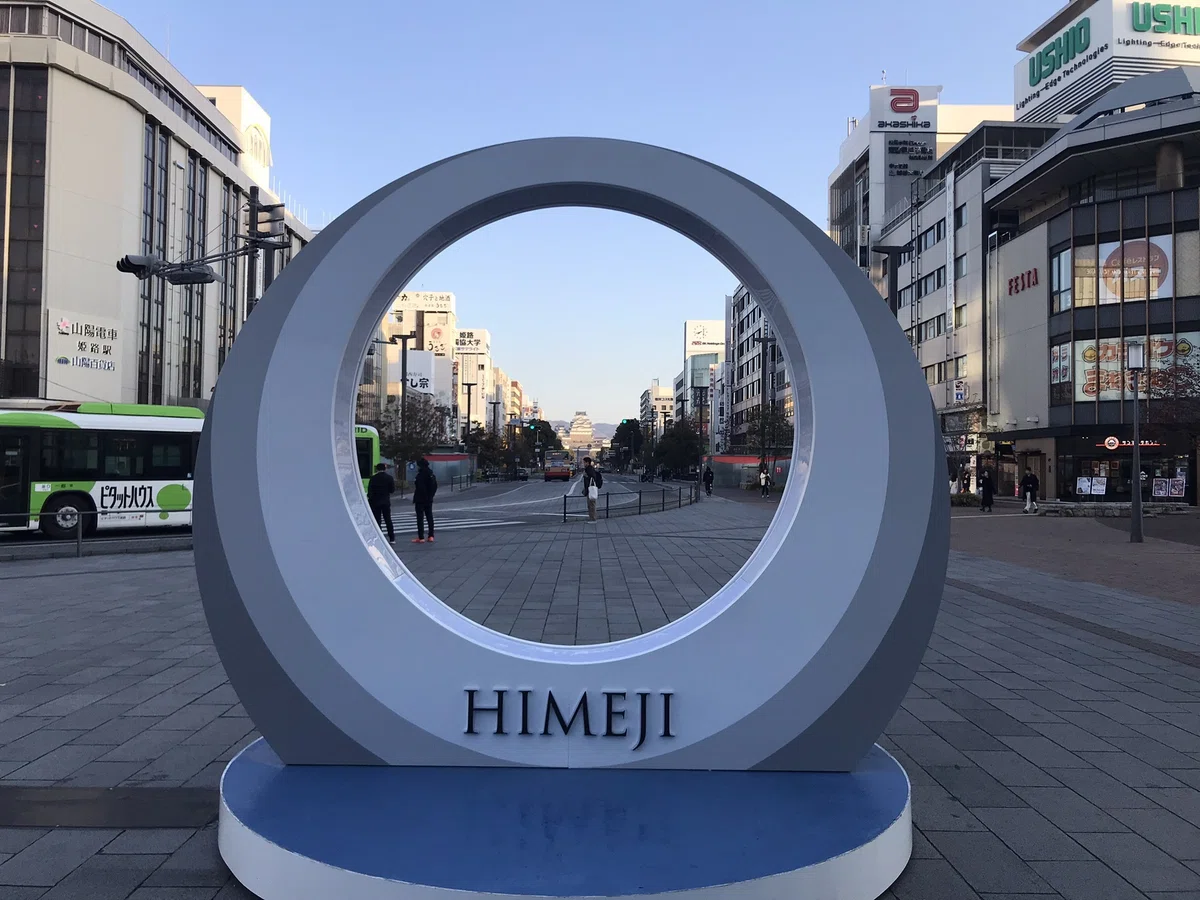
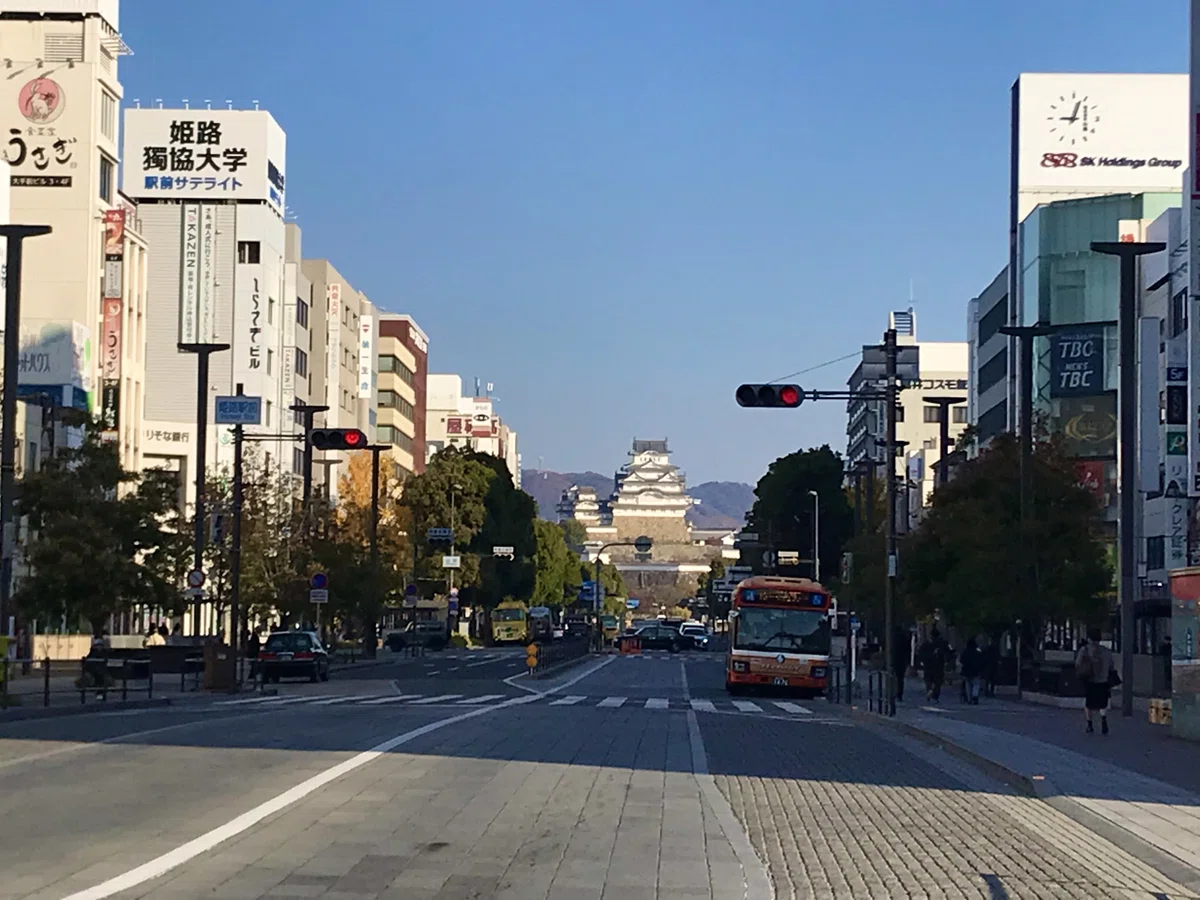
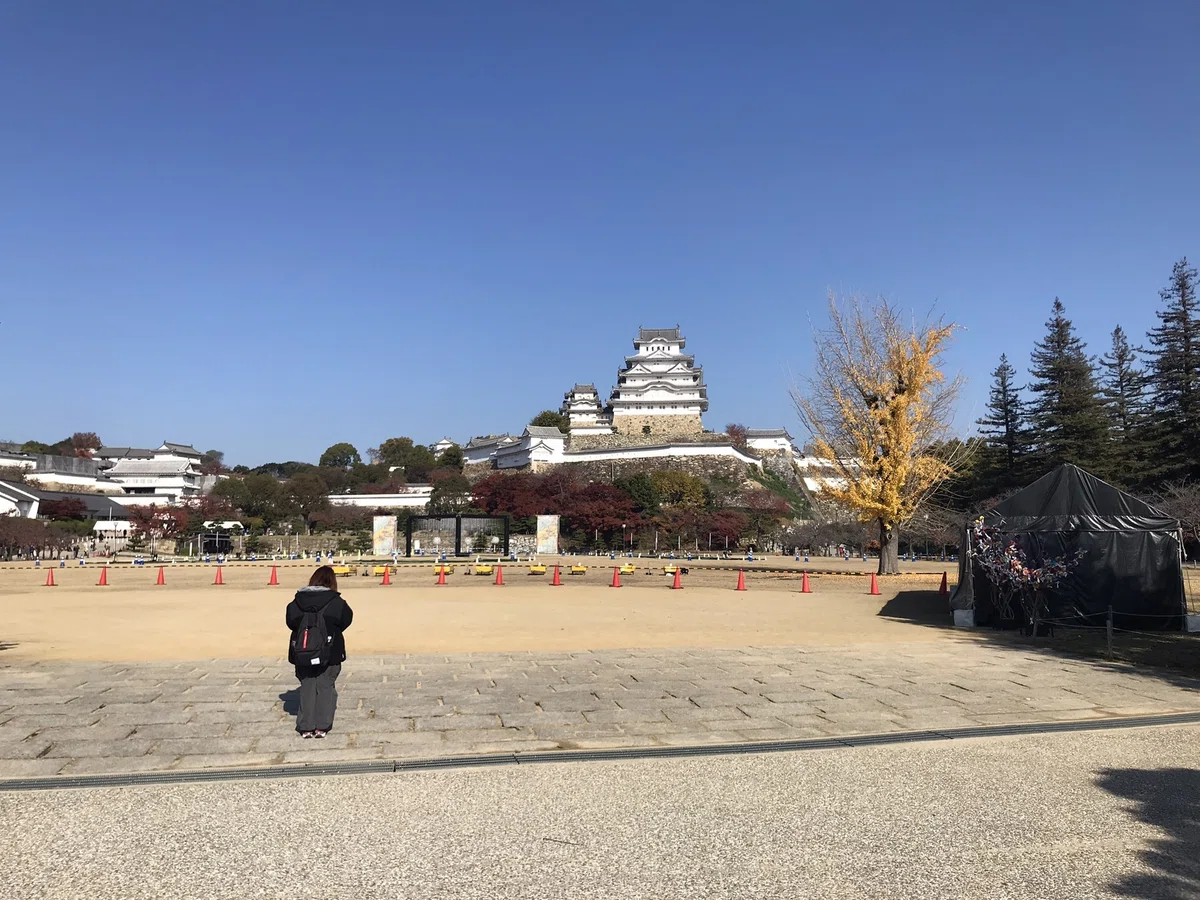
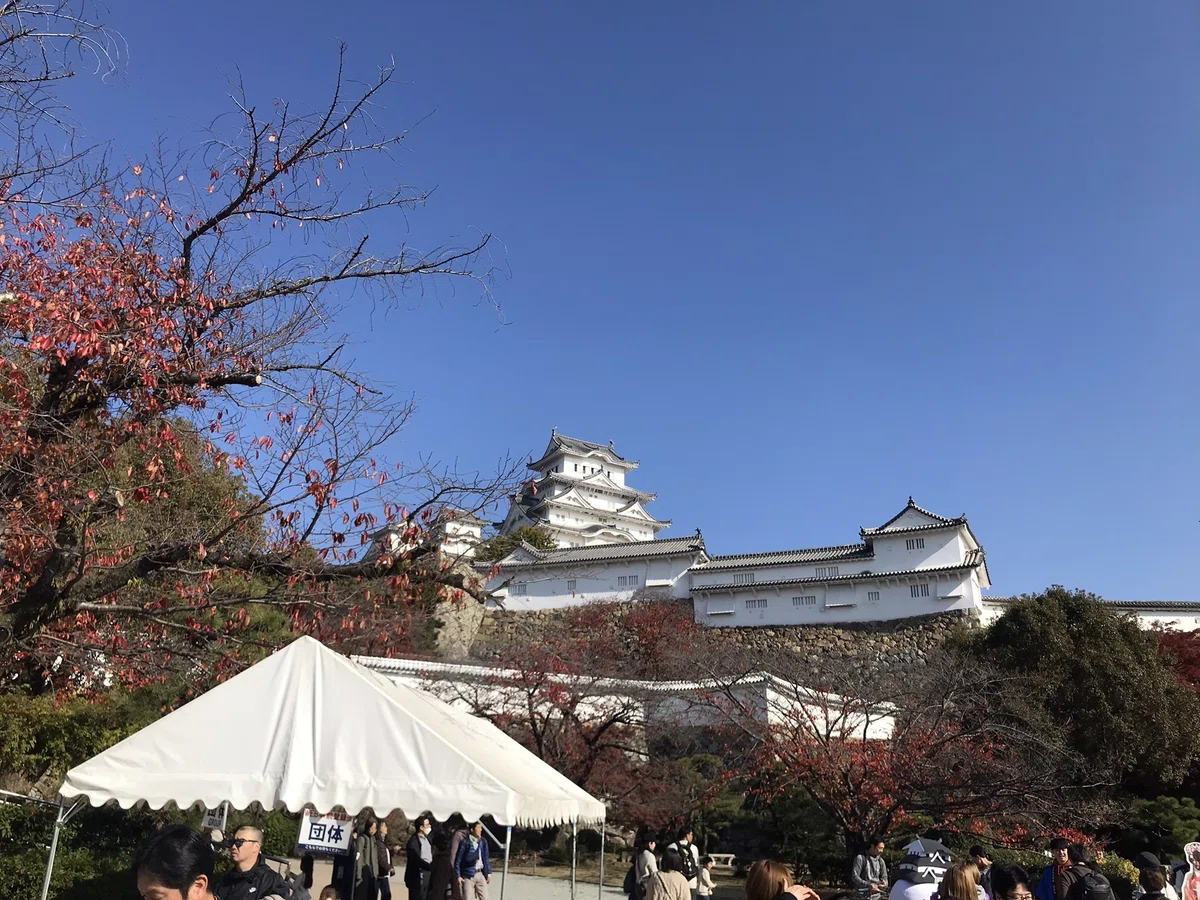
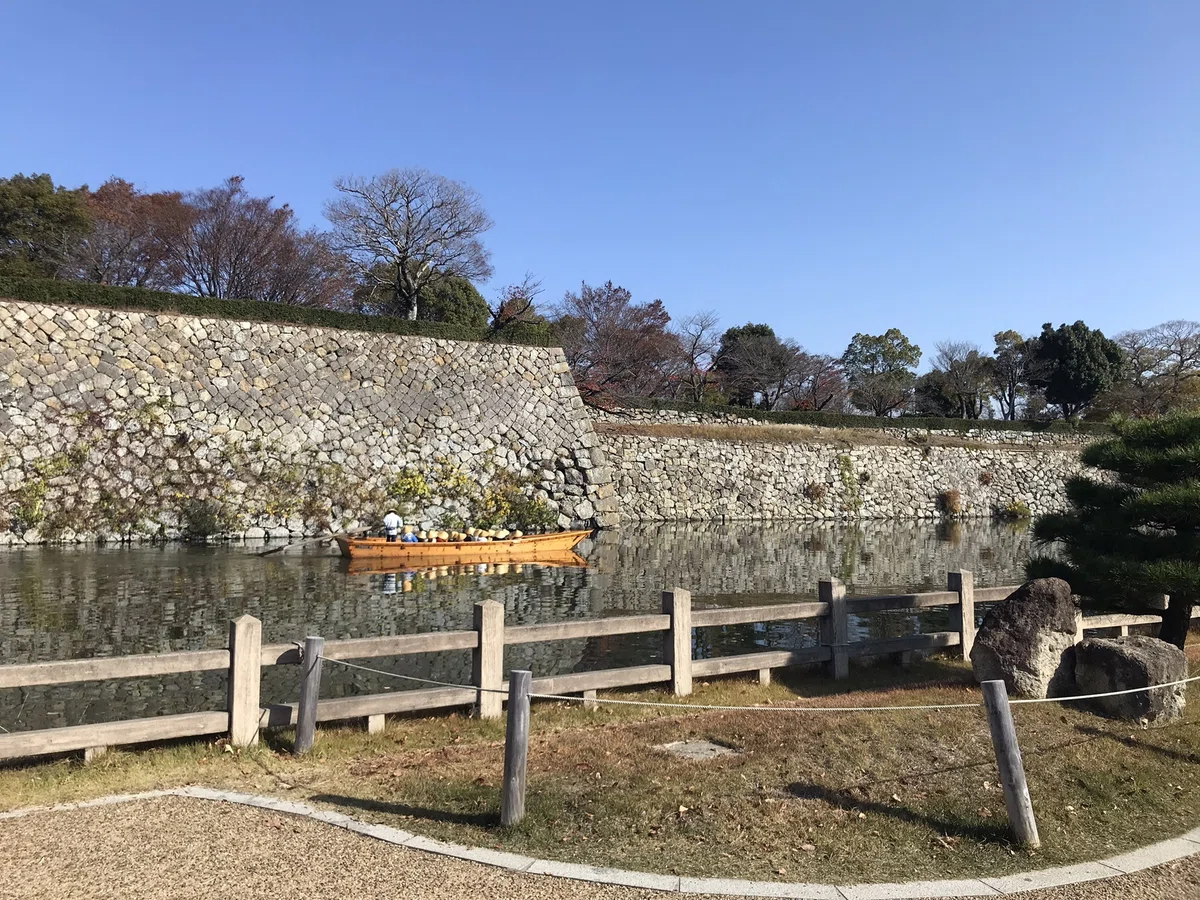
・備前丸から撮影した姫路城
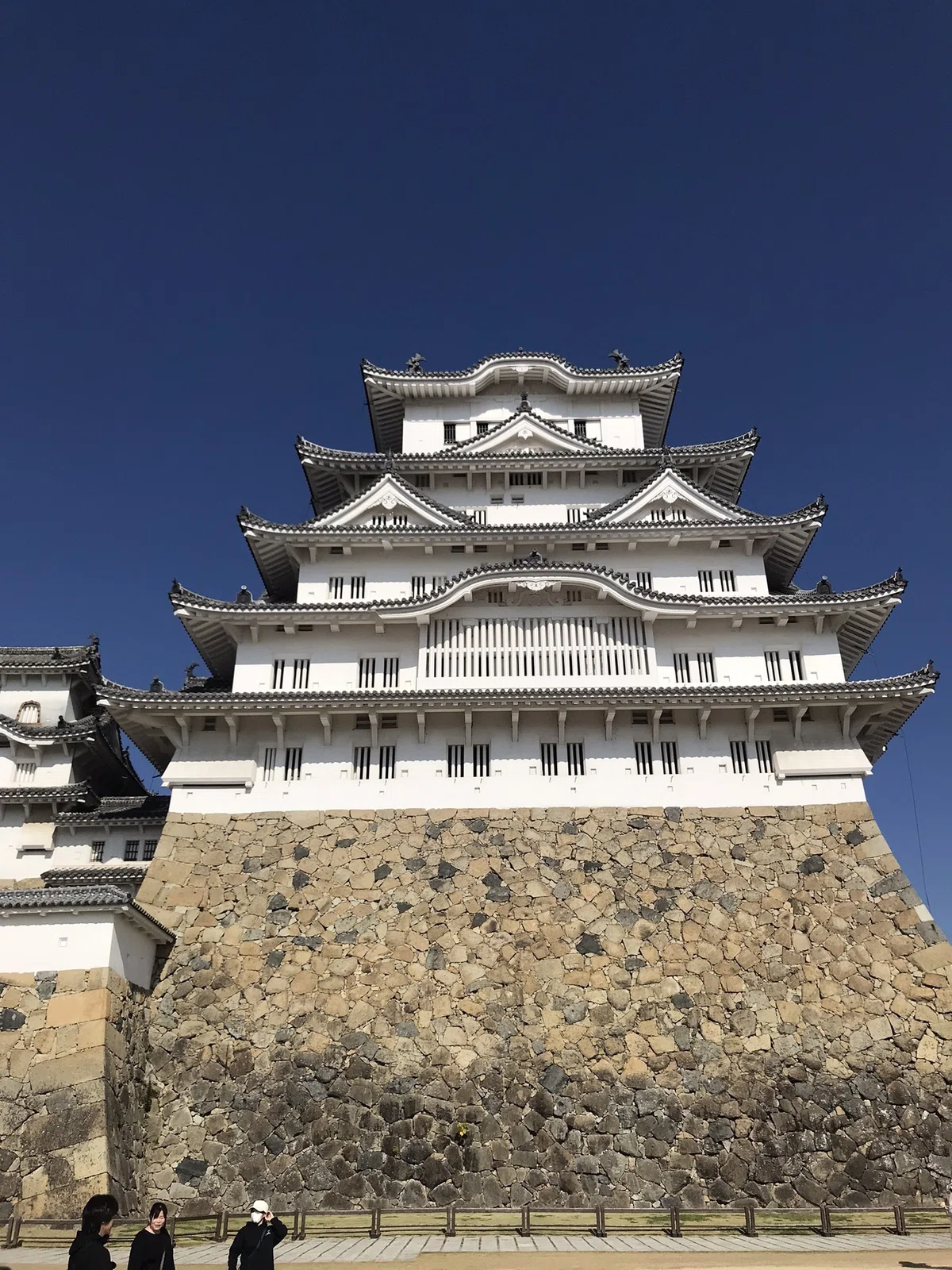
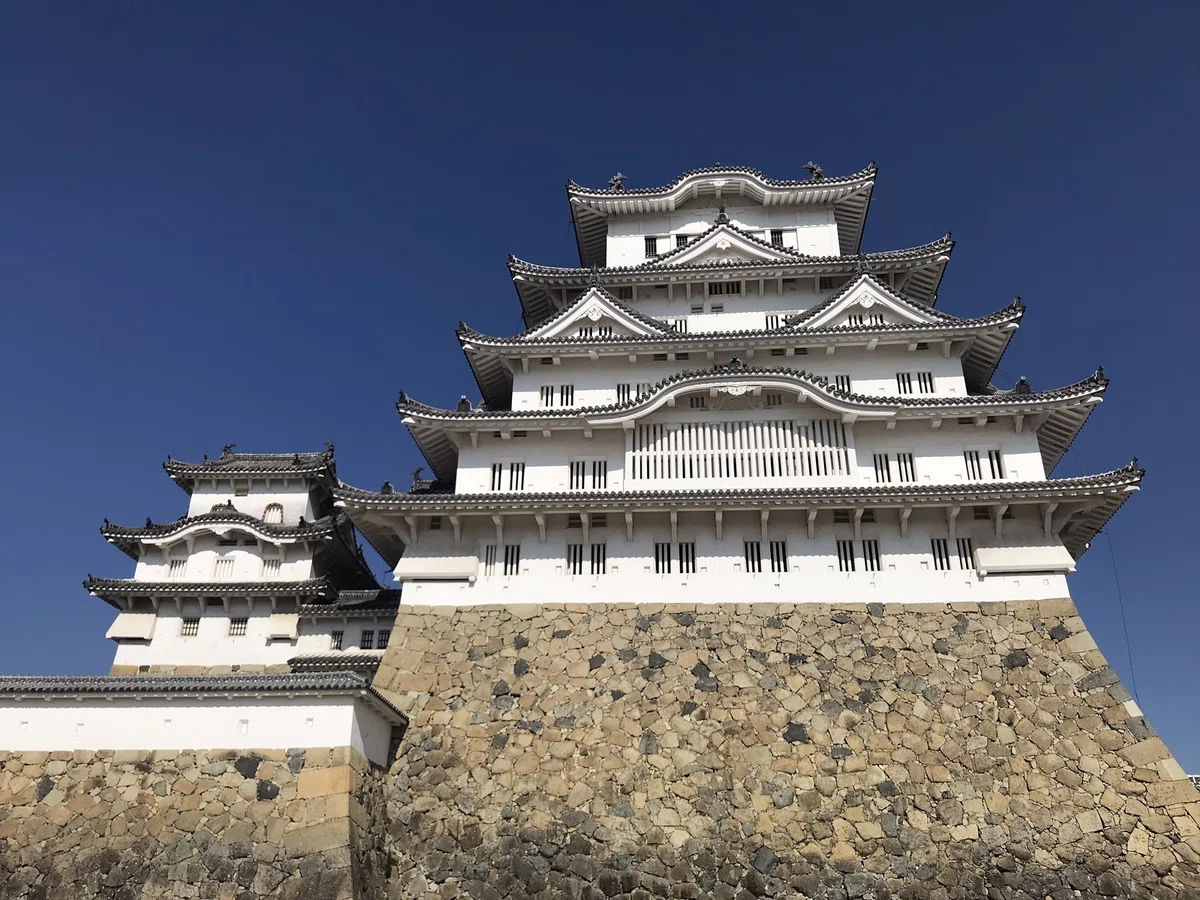
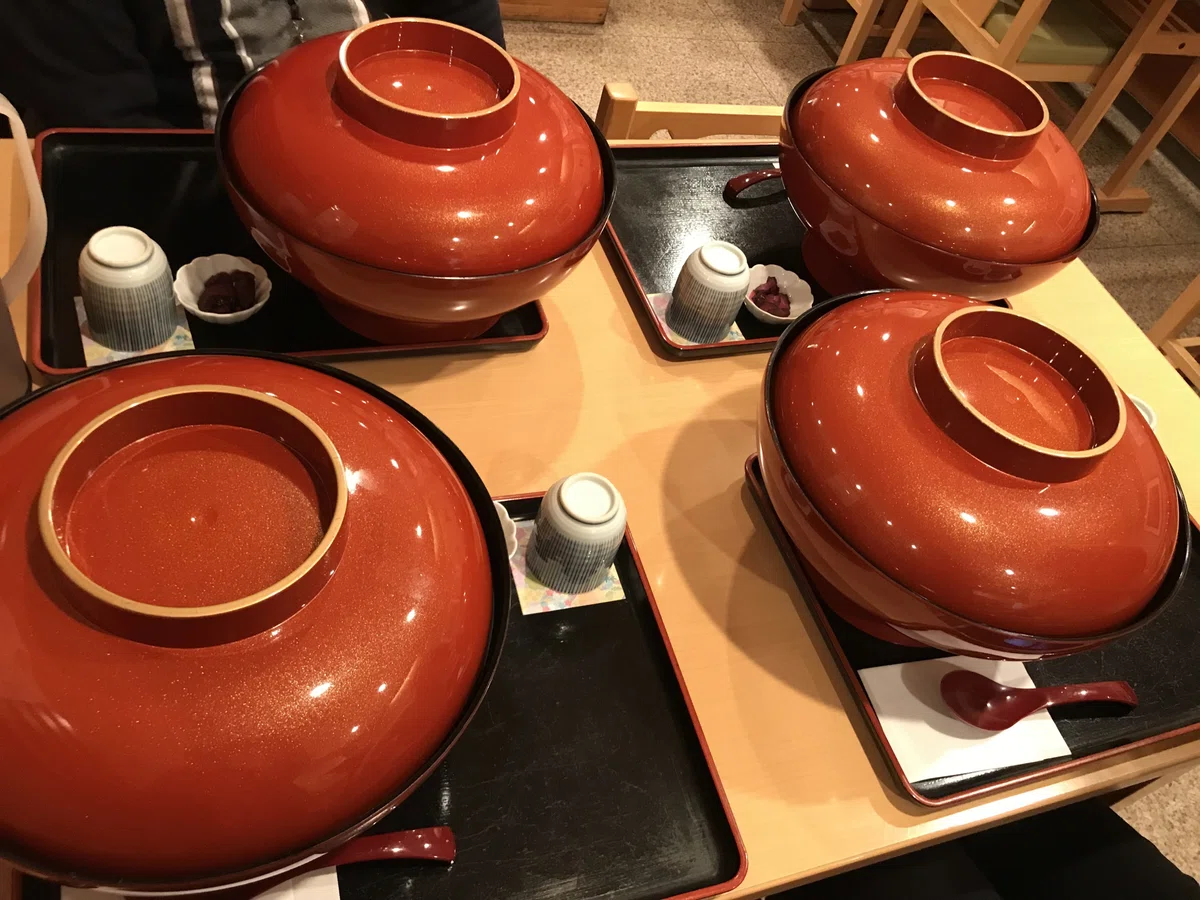
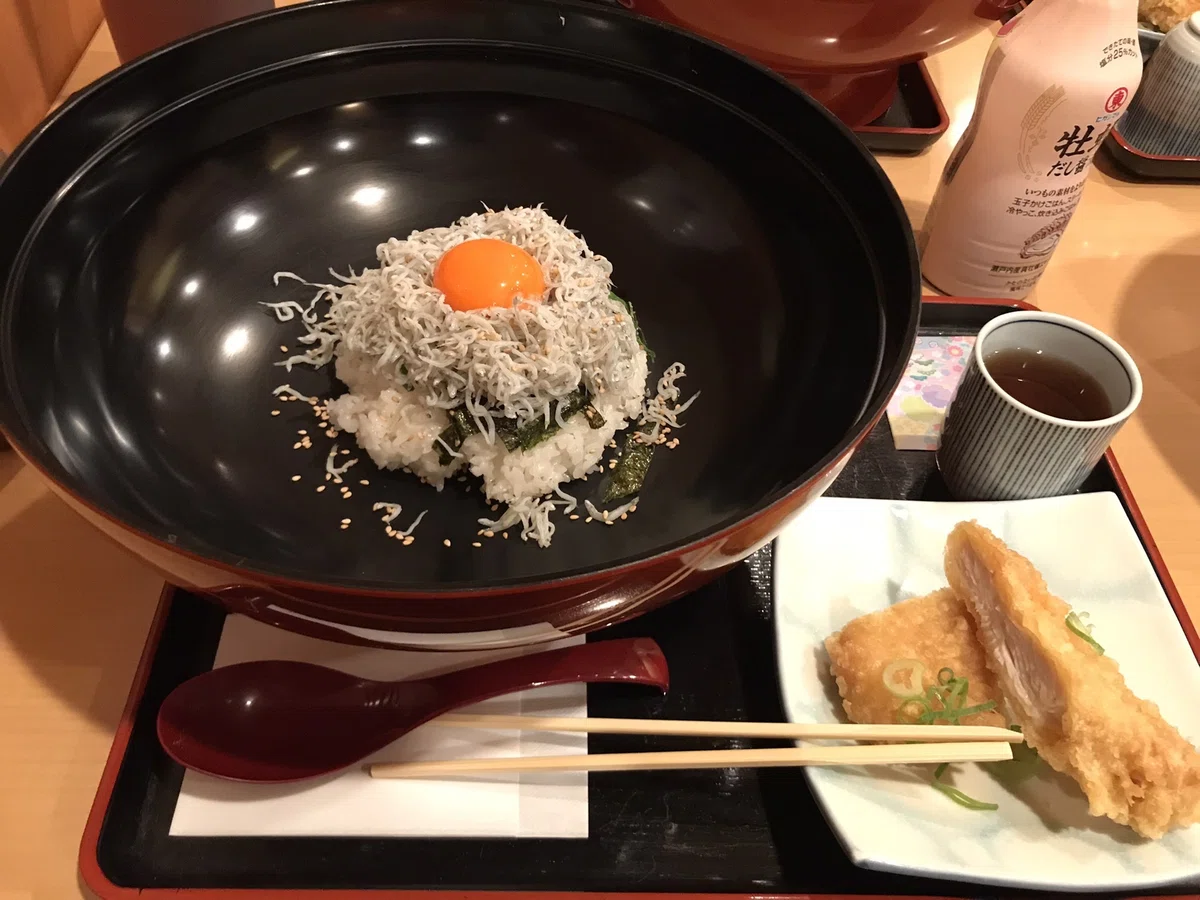
🔸ランチは、姫路城大手門から徒歩10分の千姫茶屋で、しらす丼、姫路おでん揖保乃糸そうめん、とりの天ぷらセット。器が大きい!

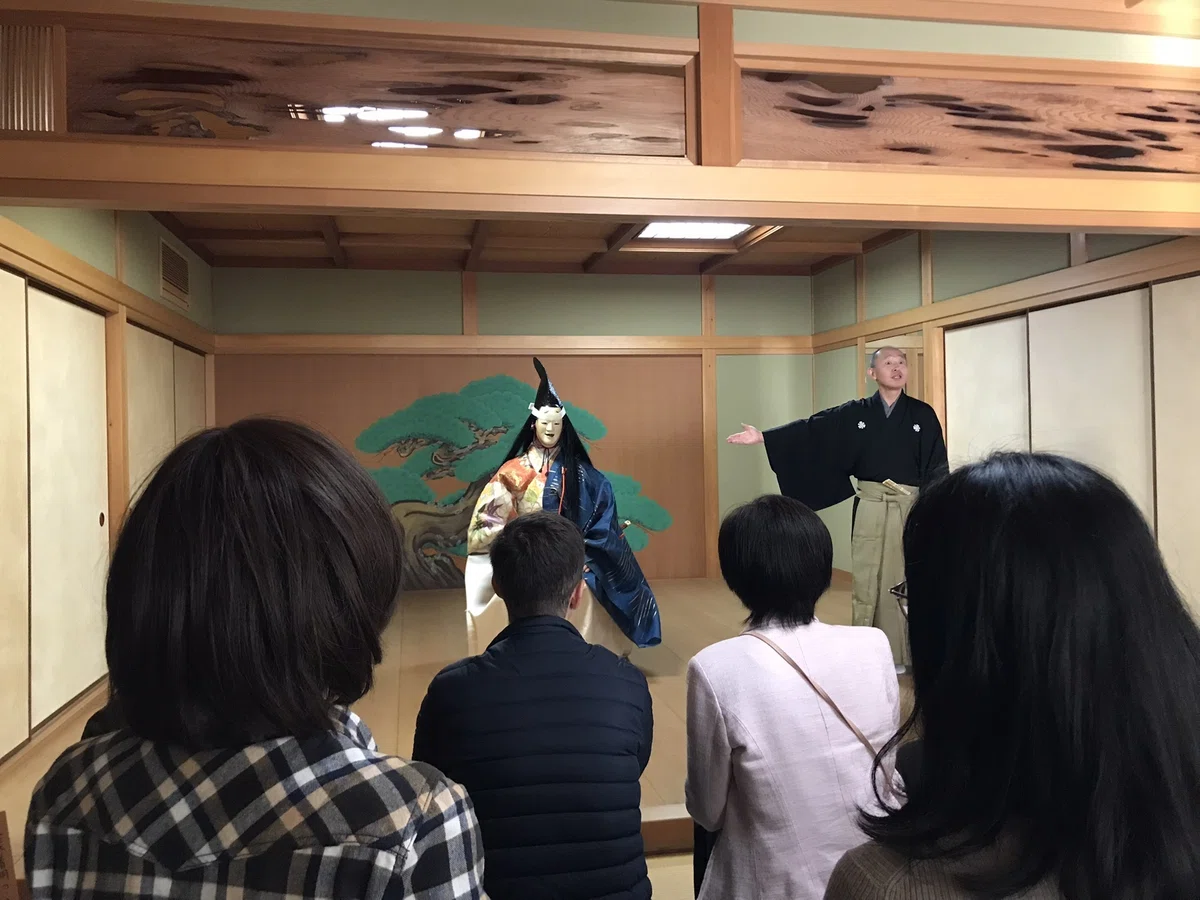
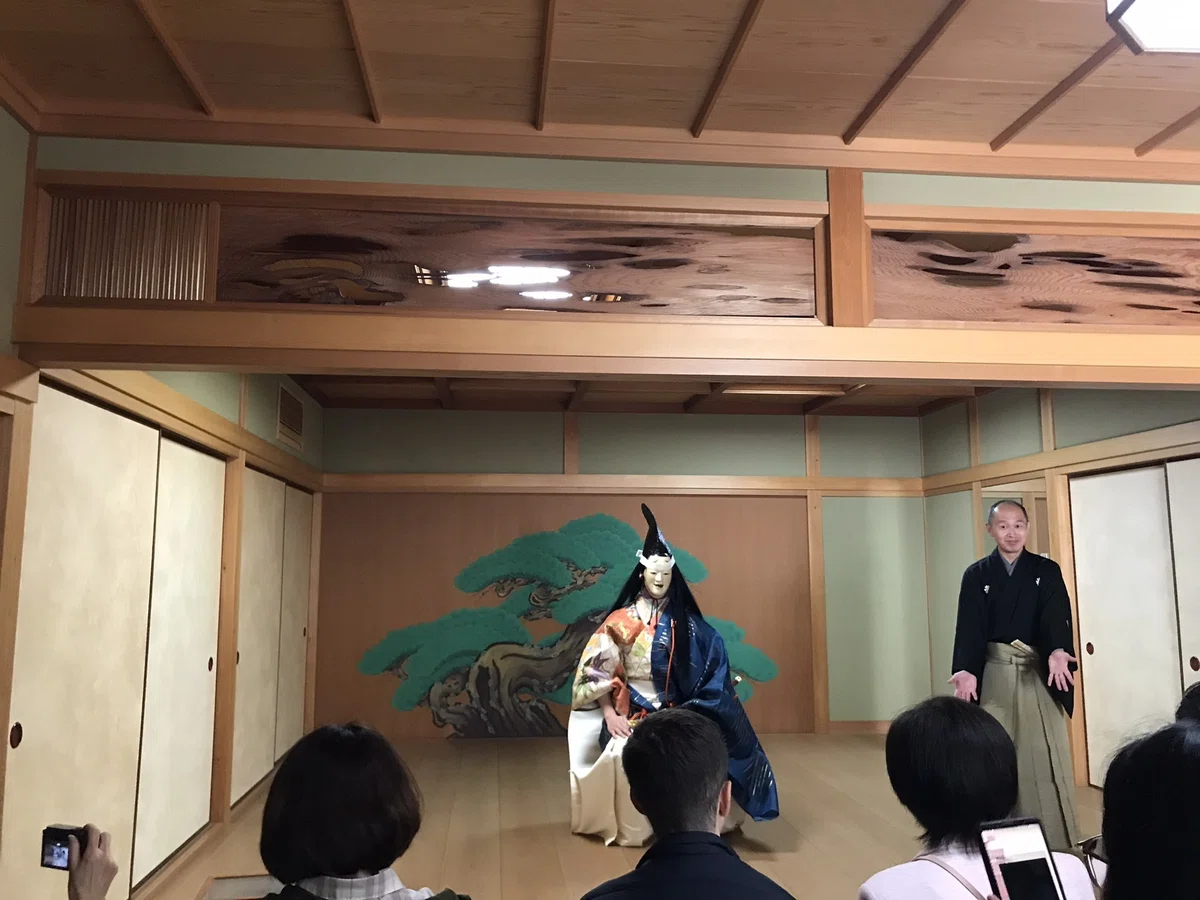
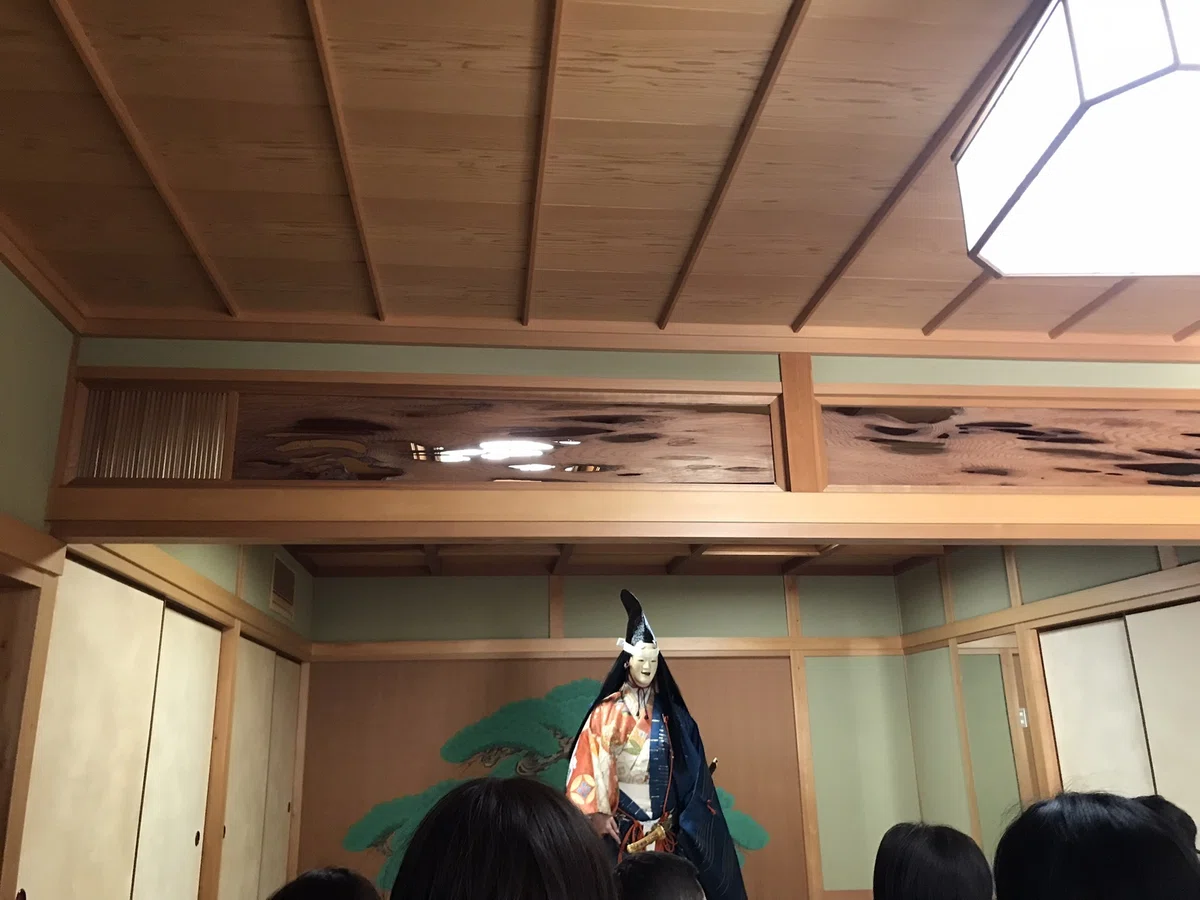
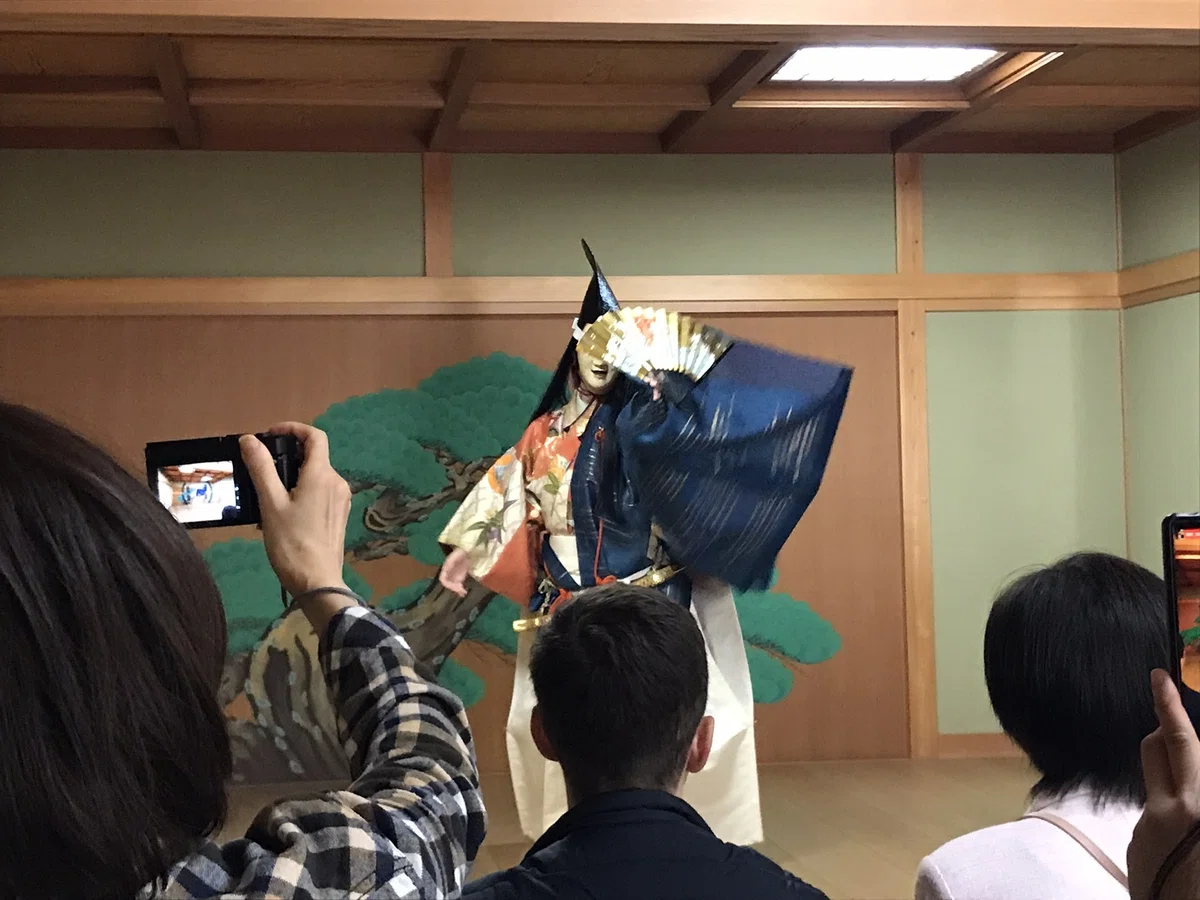
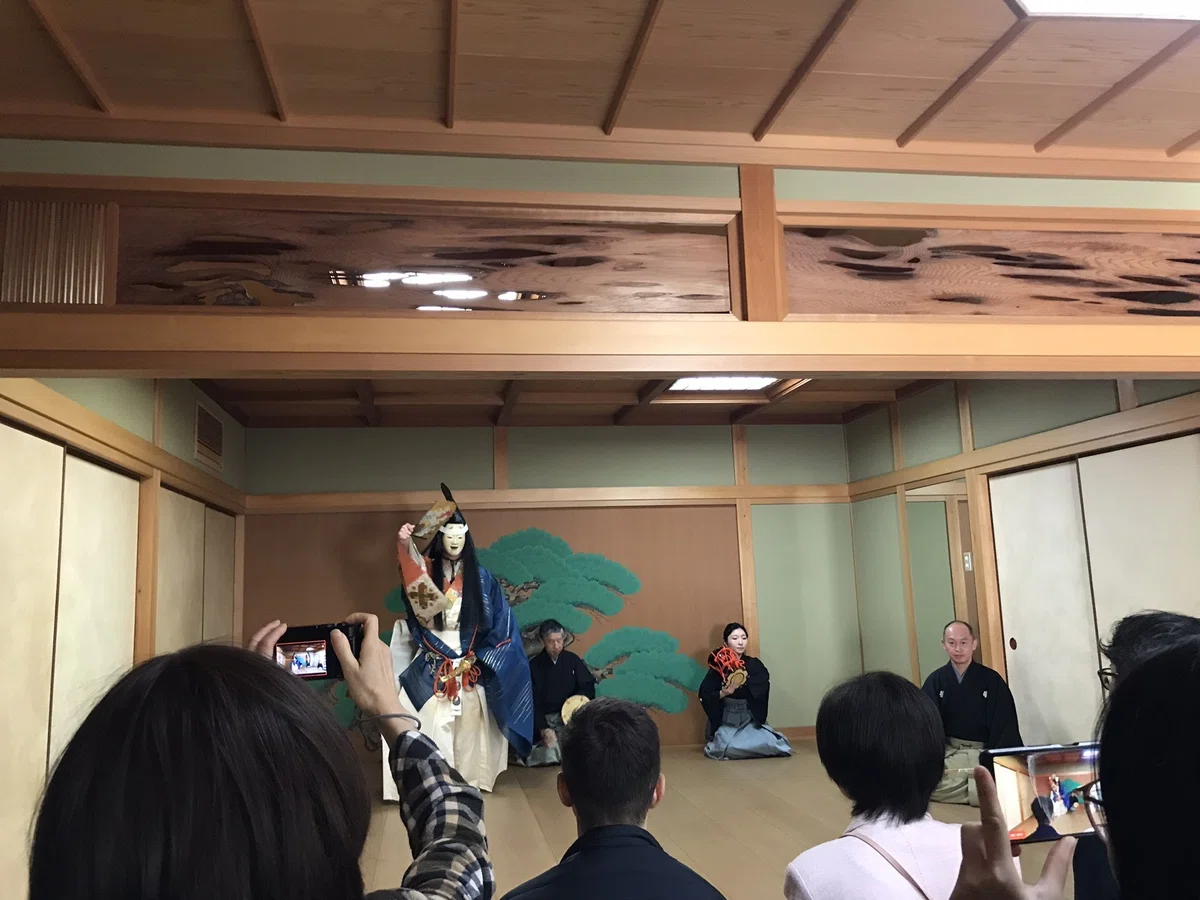
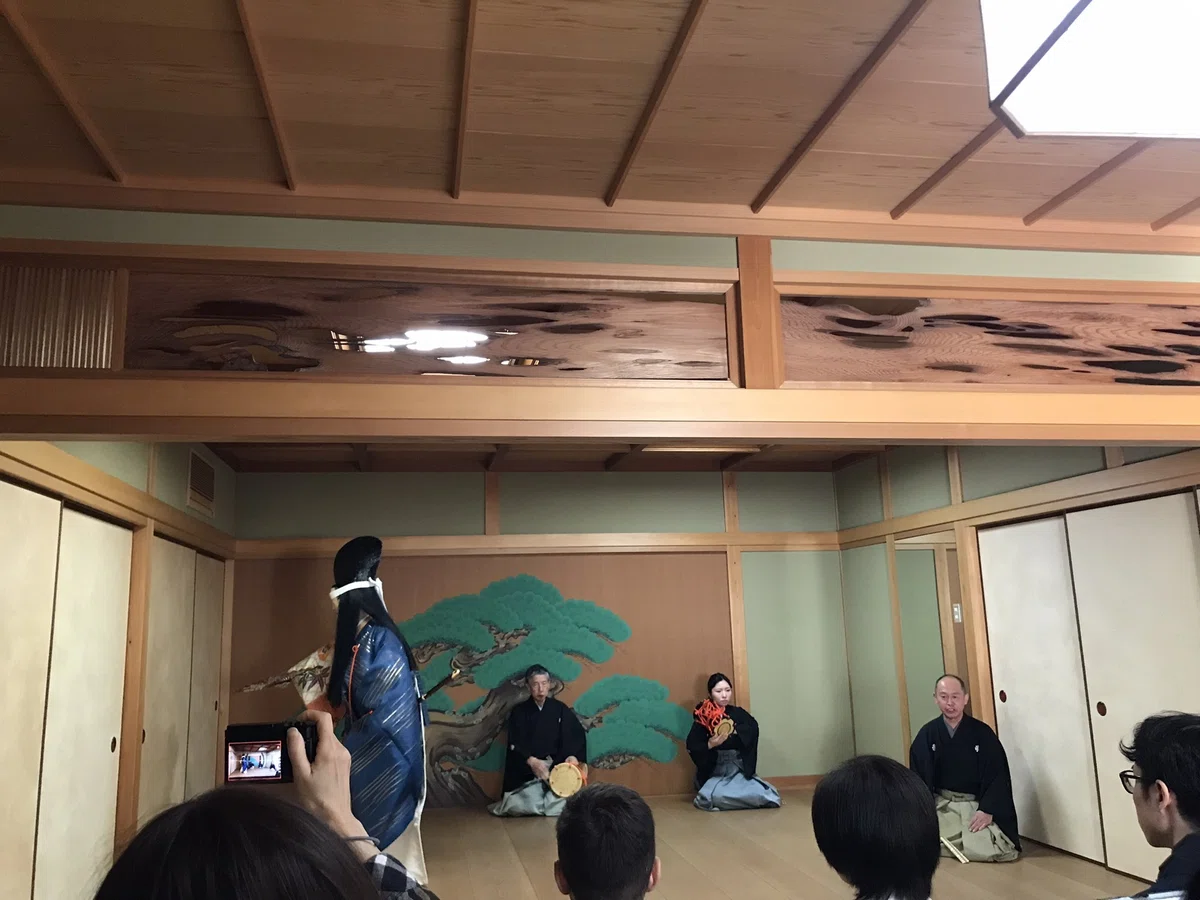
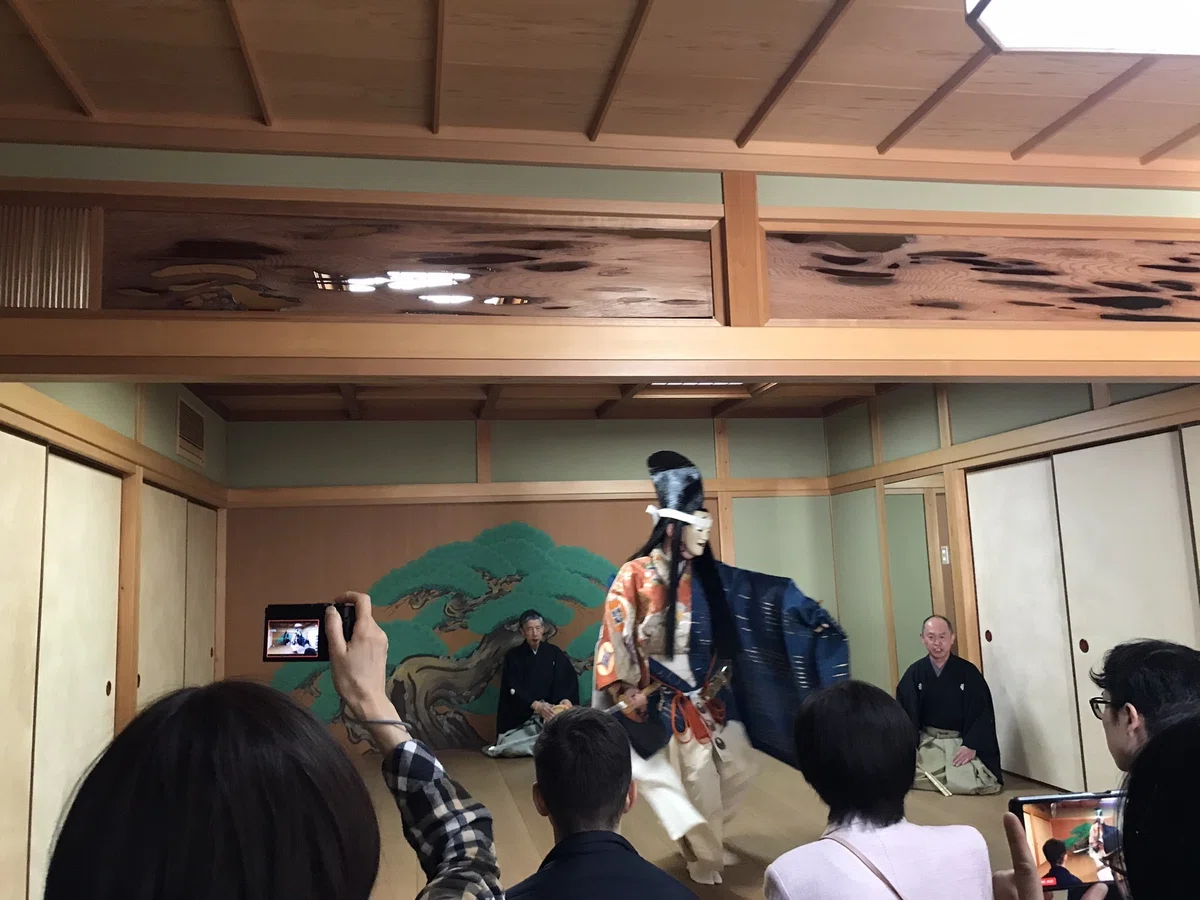
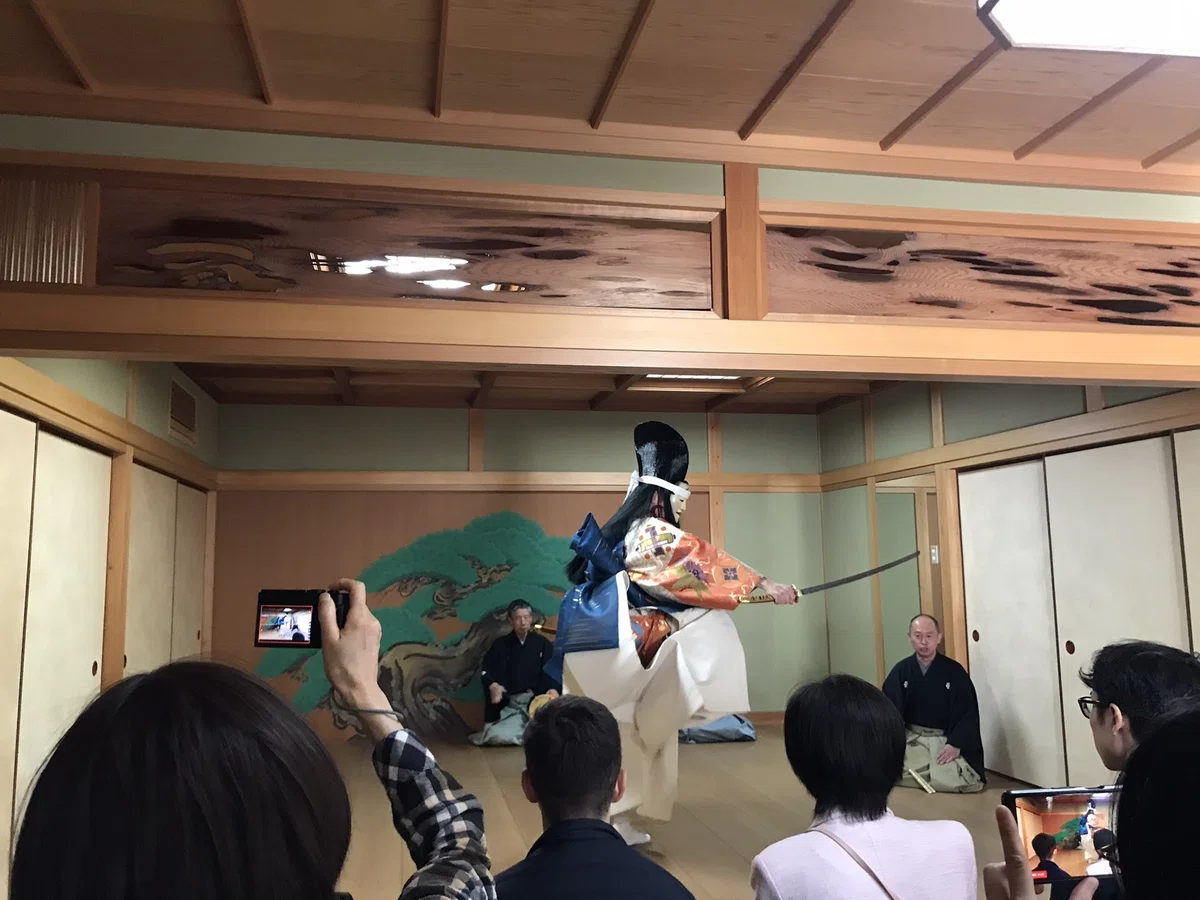
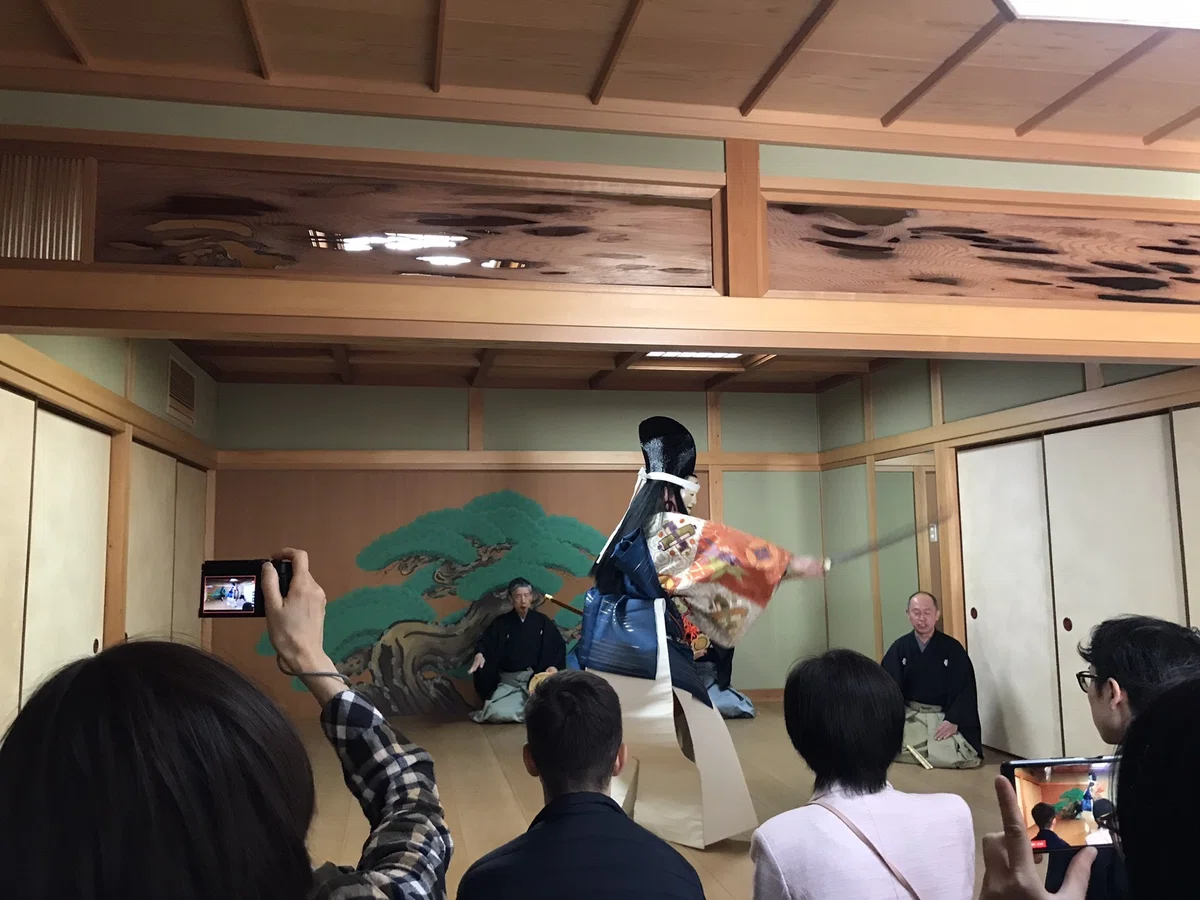
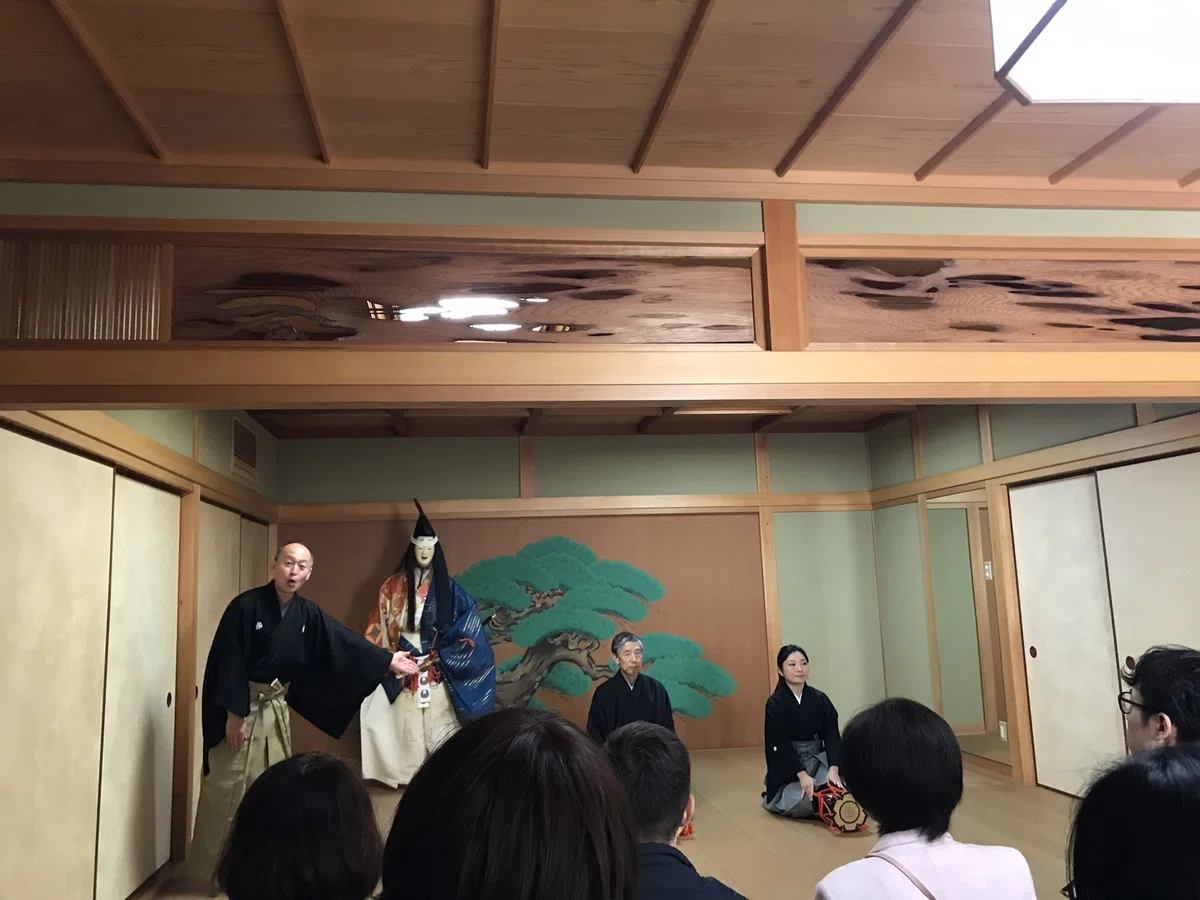
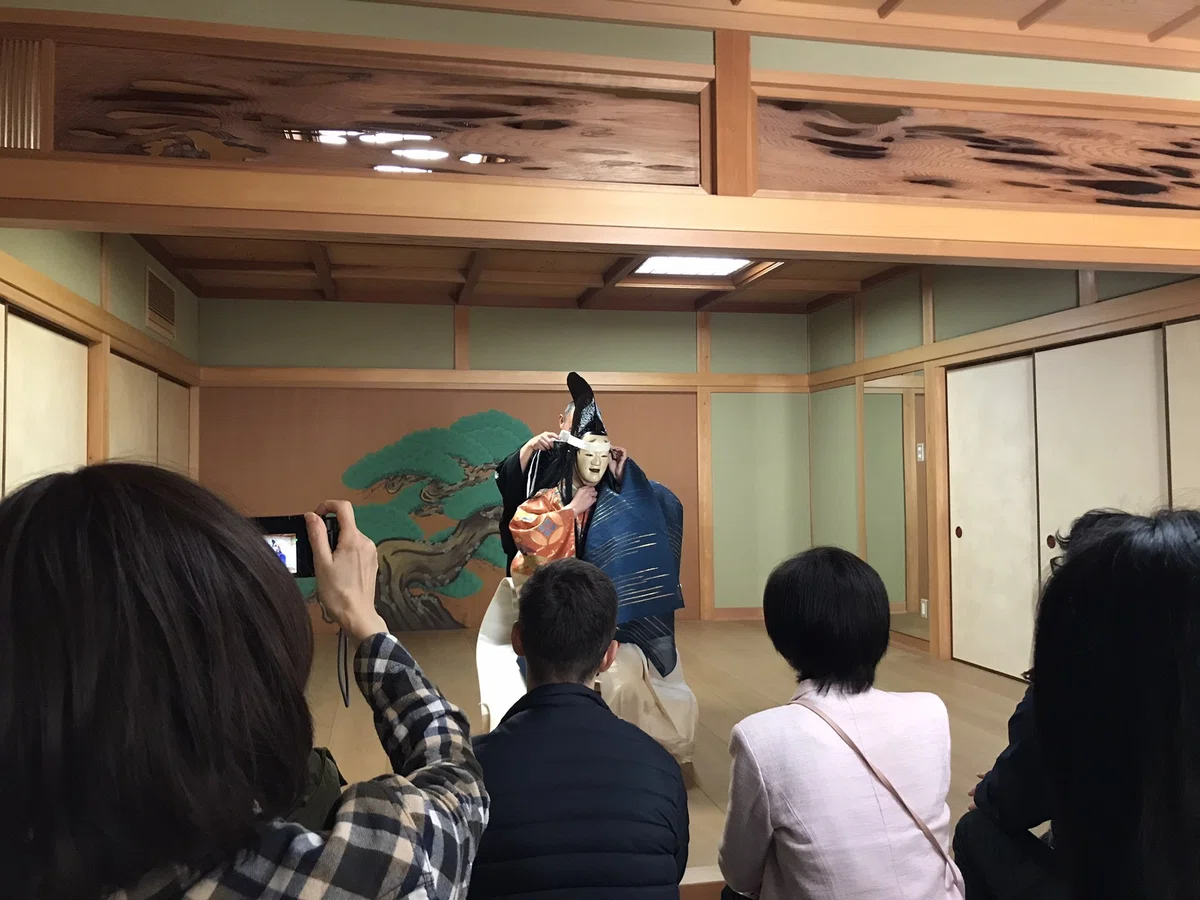
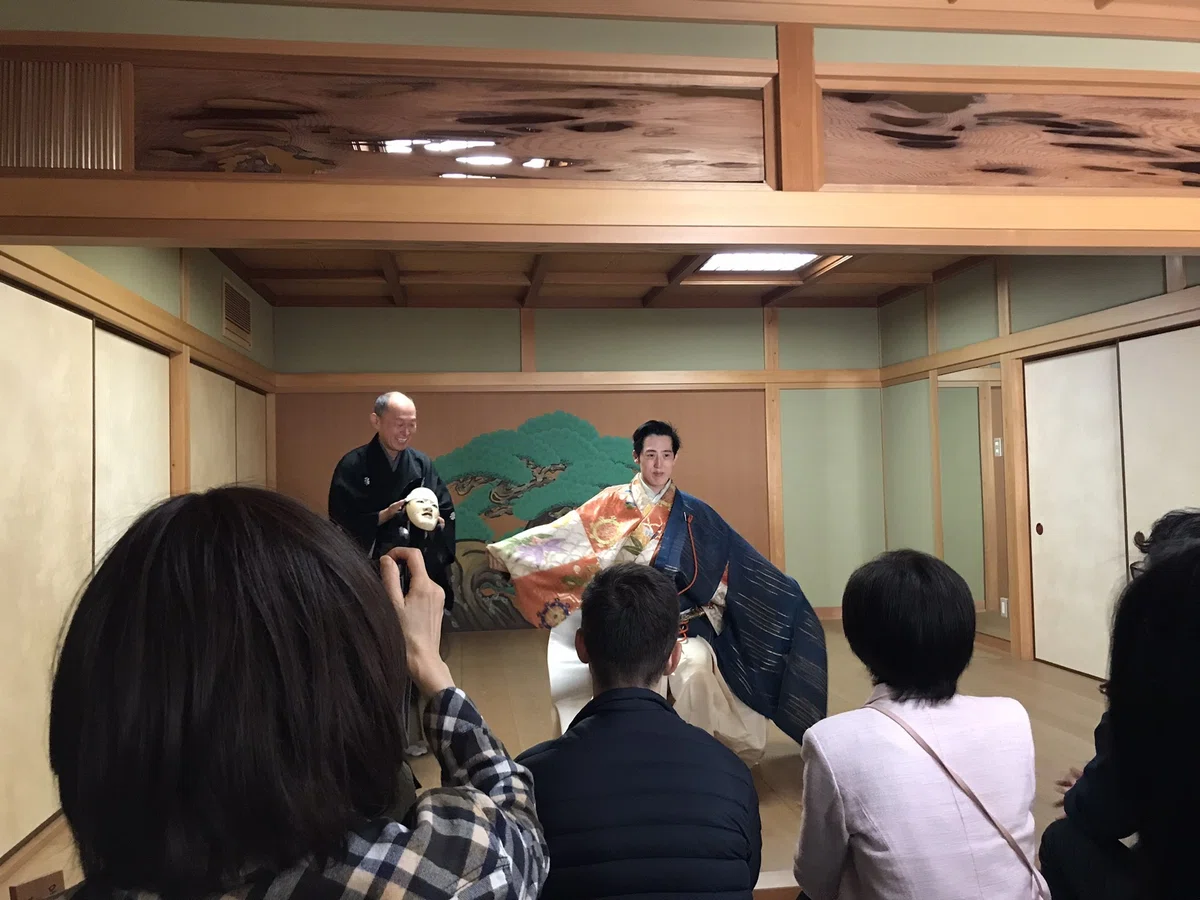
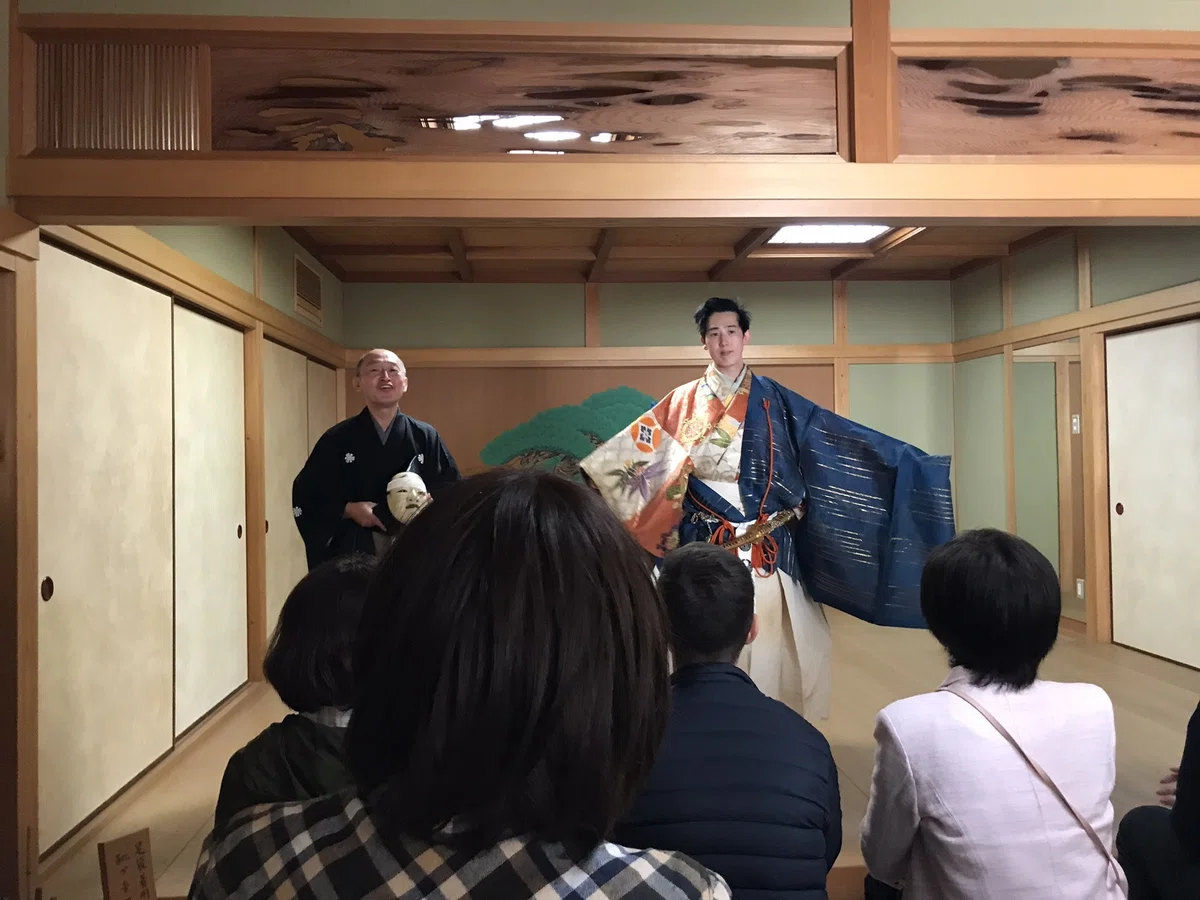
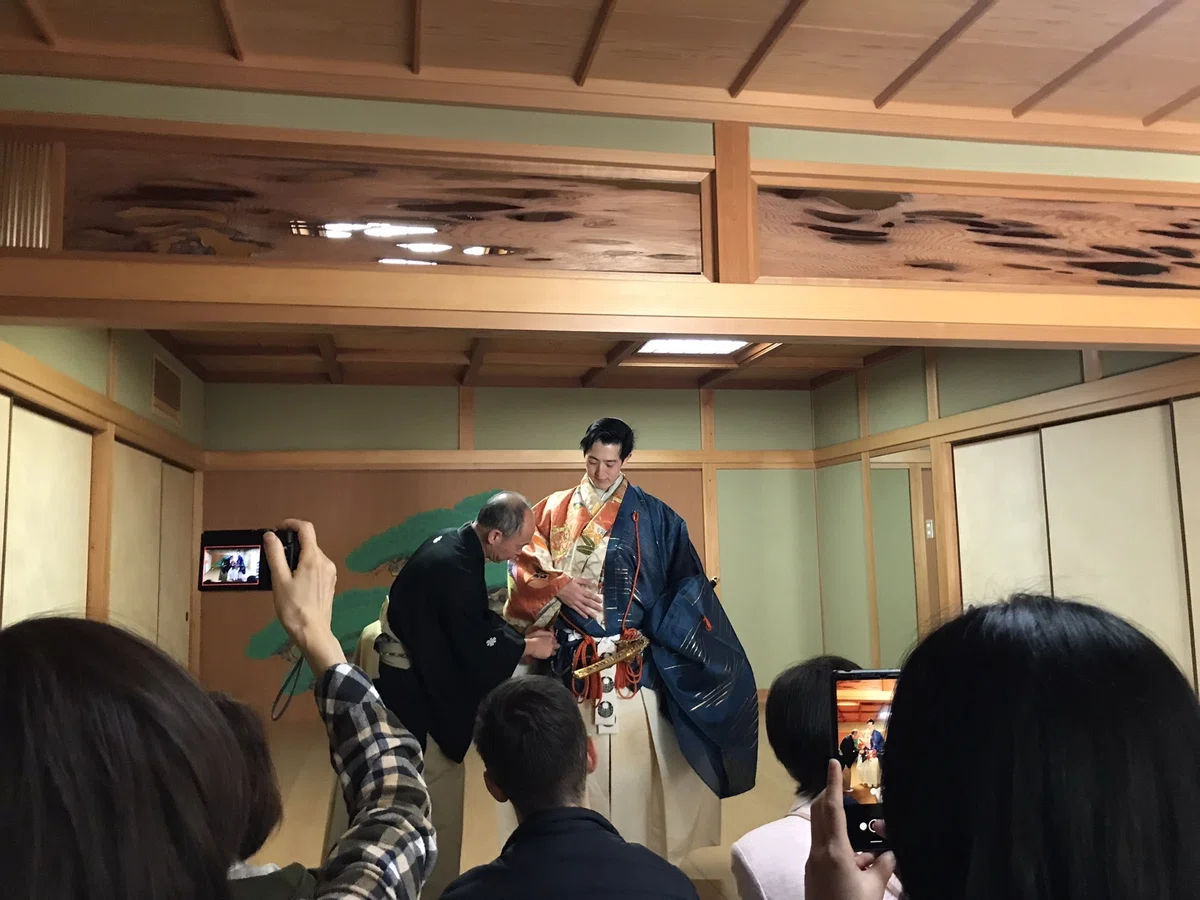
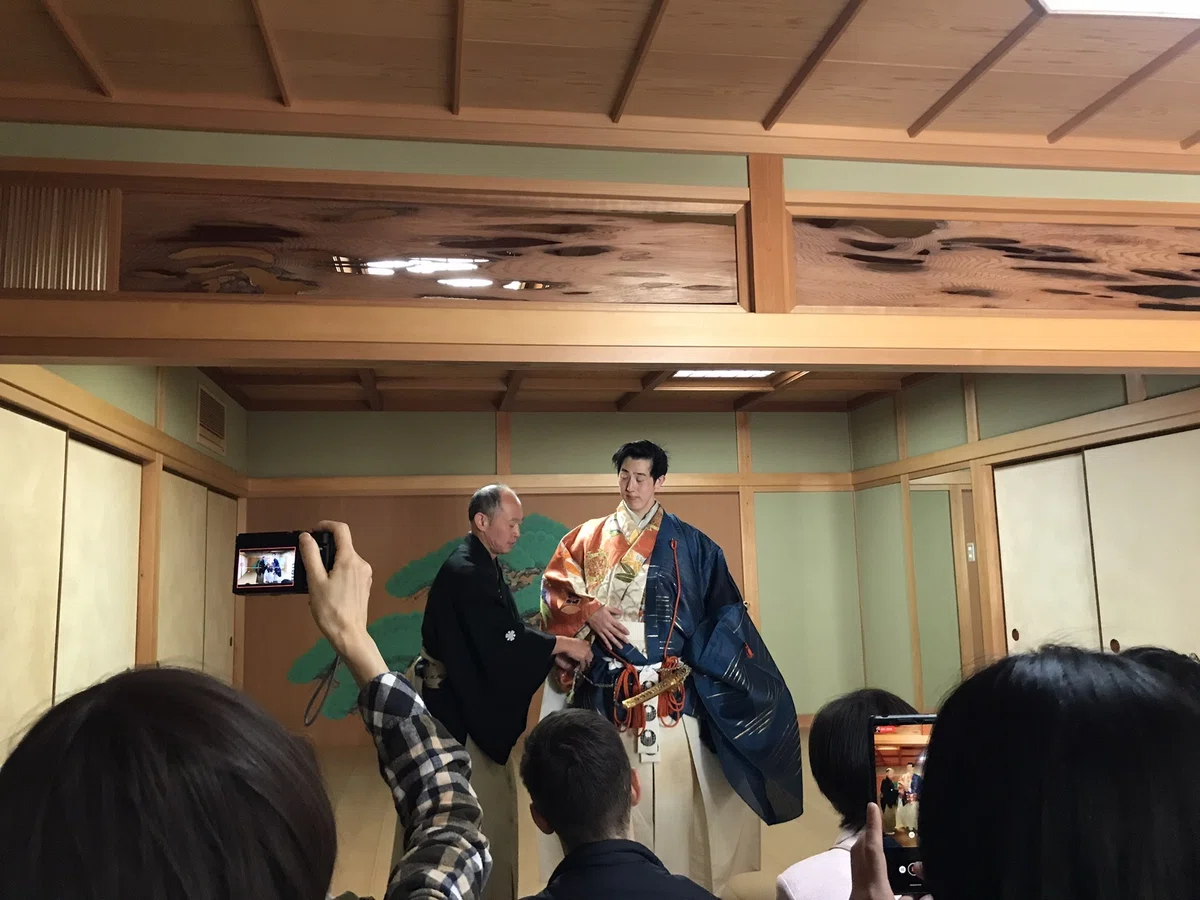
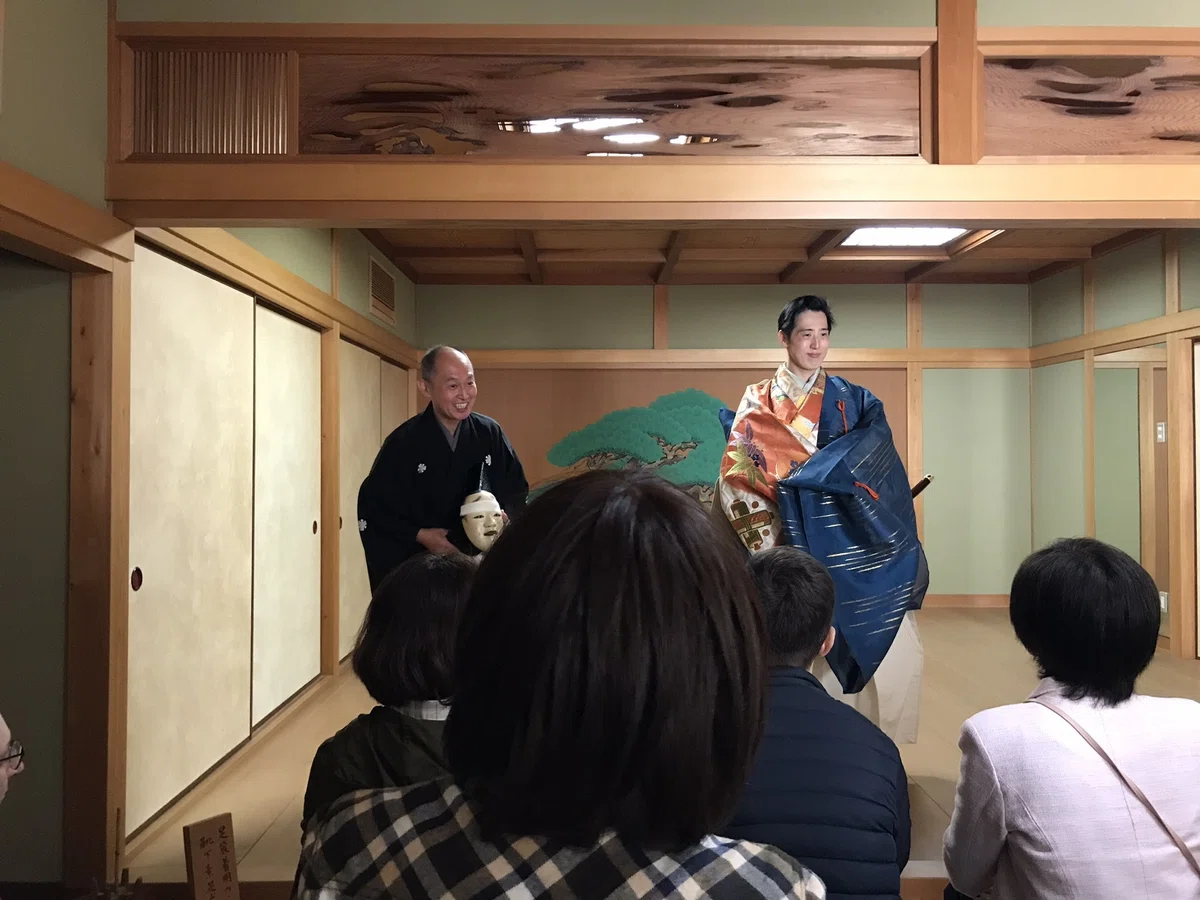
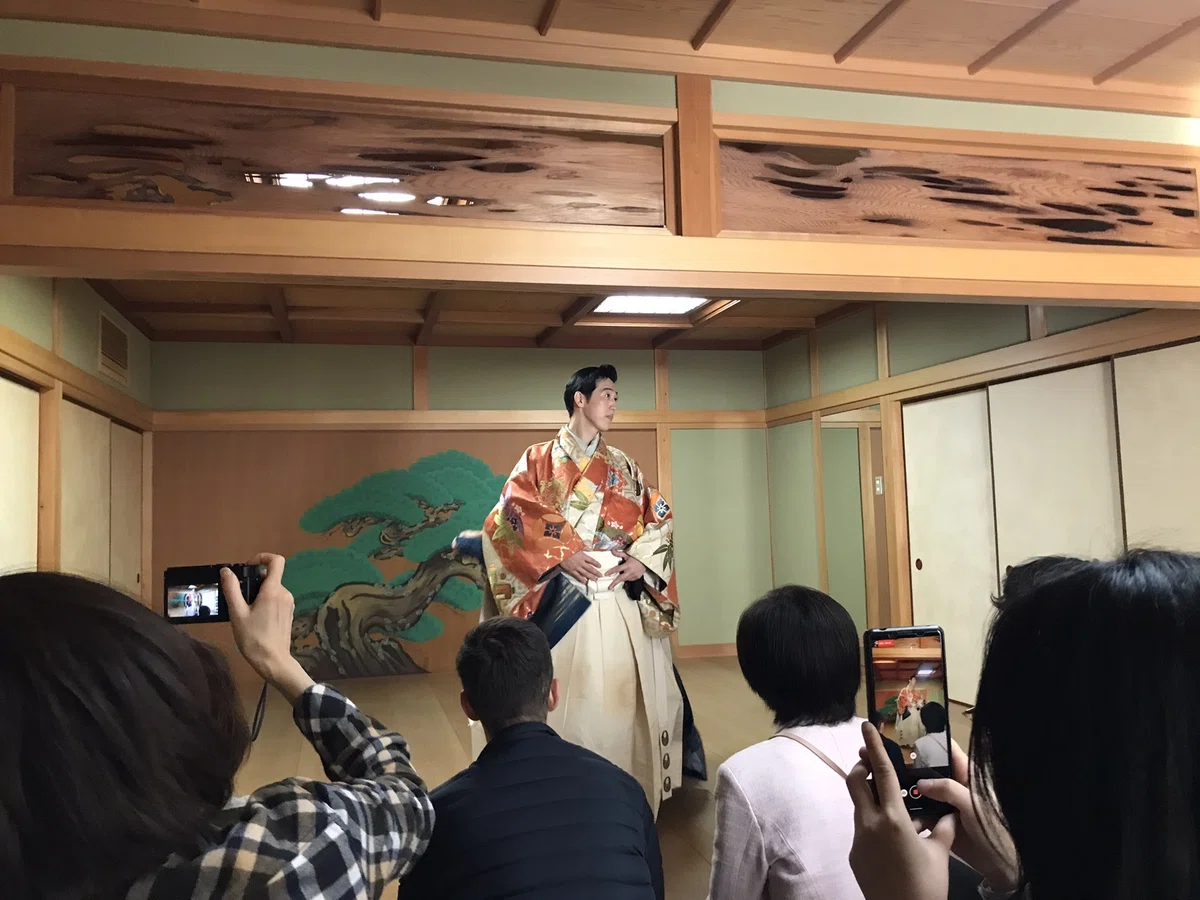
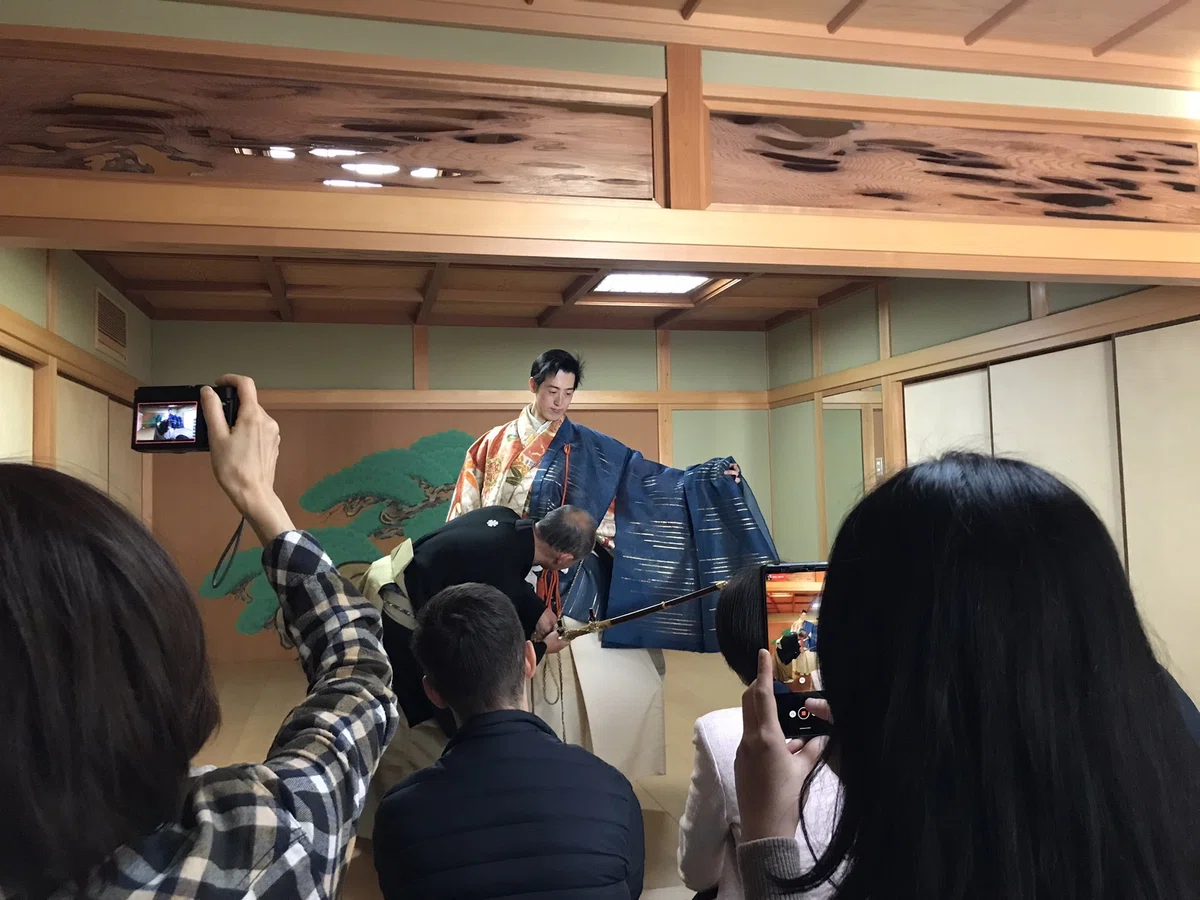
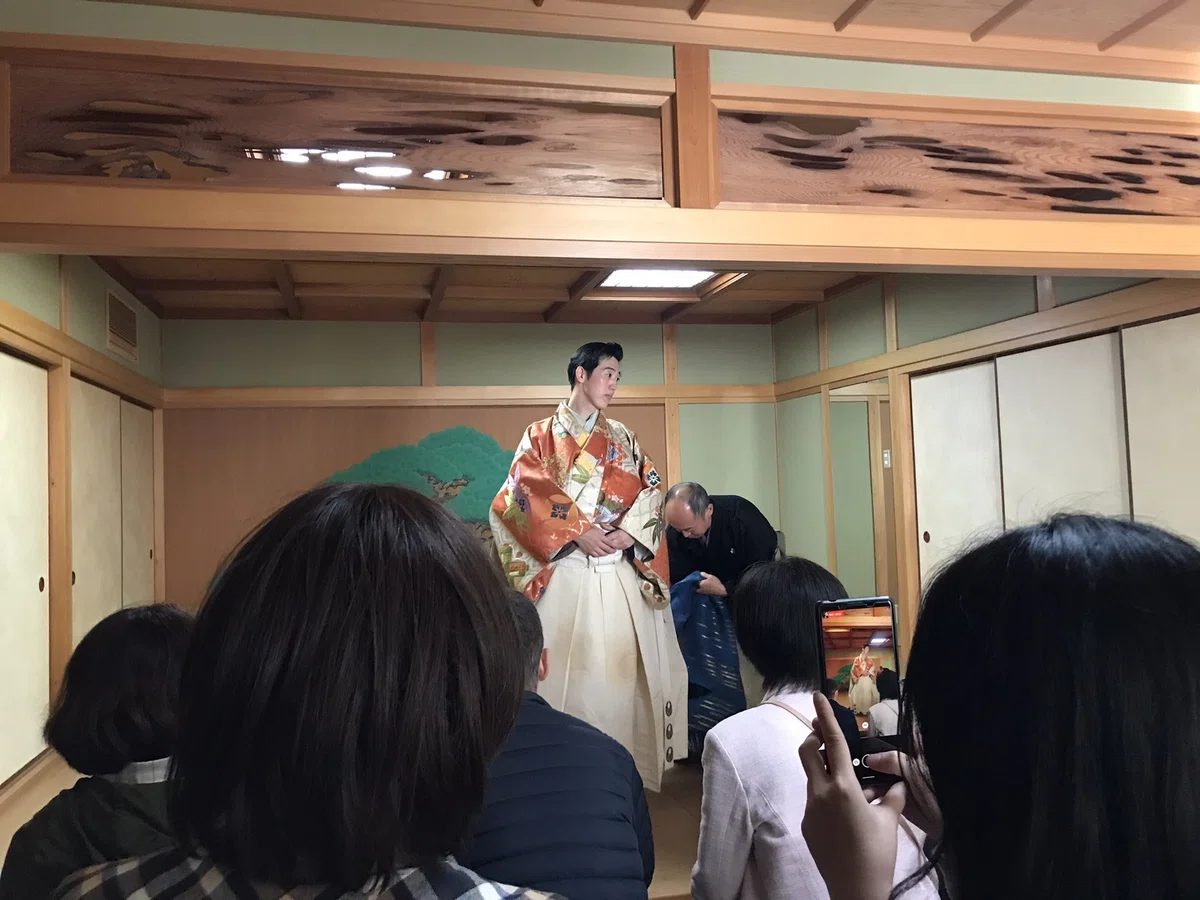
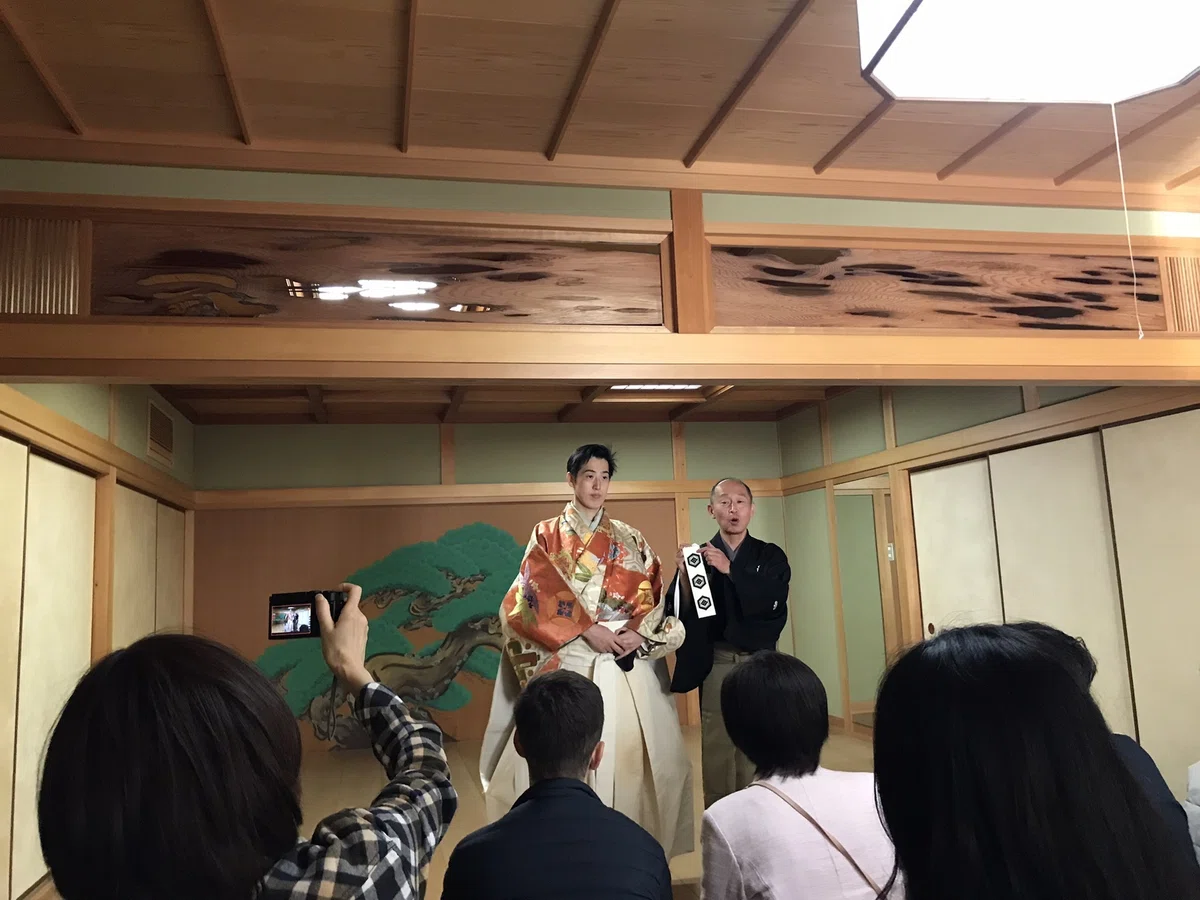
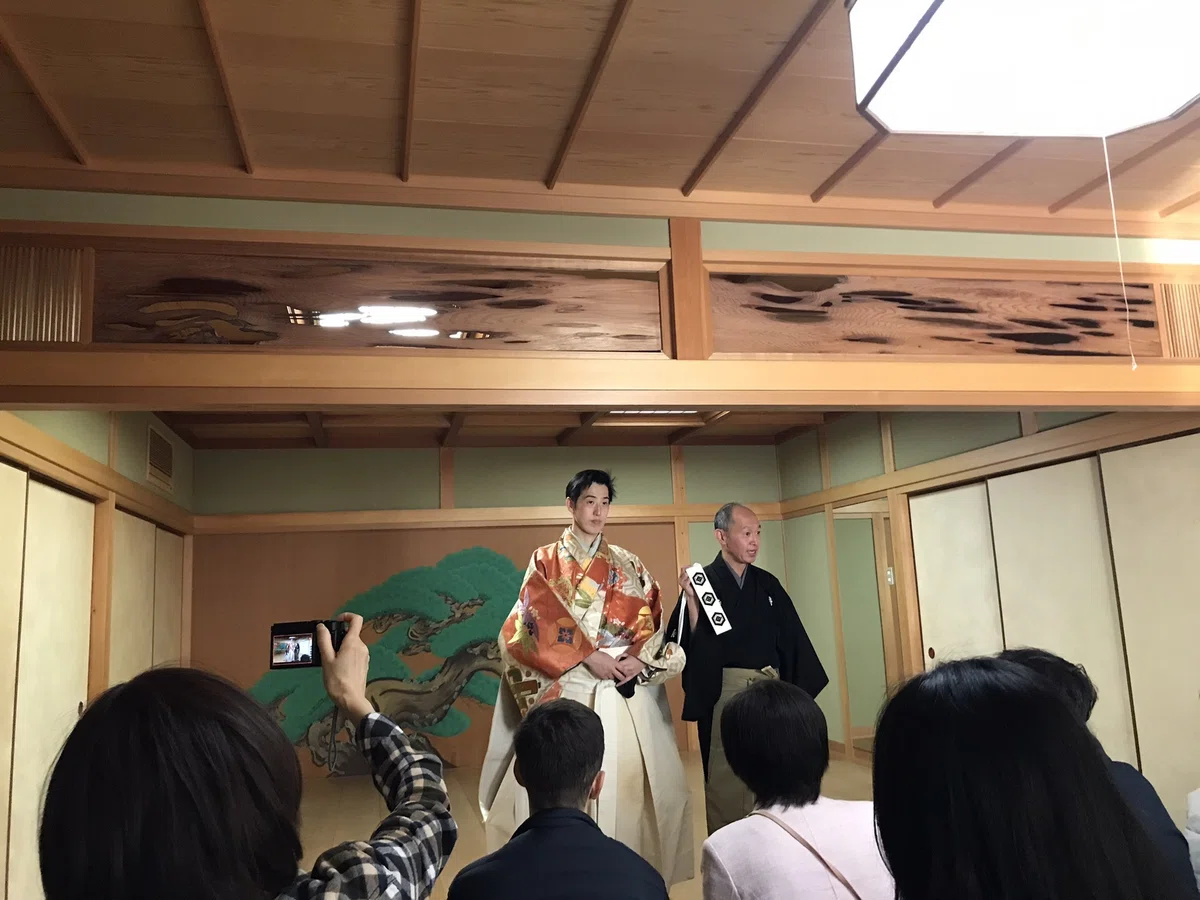
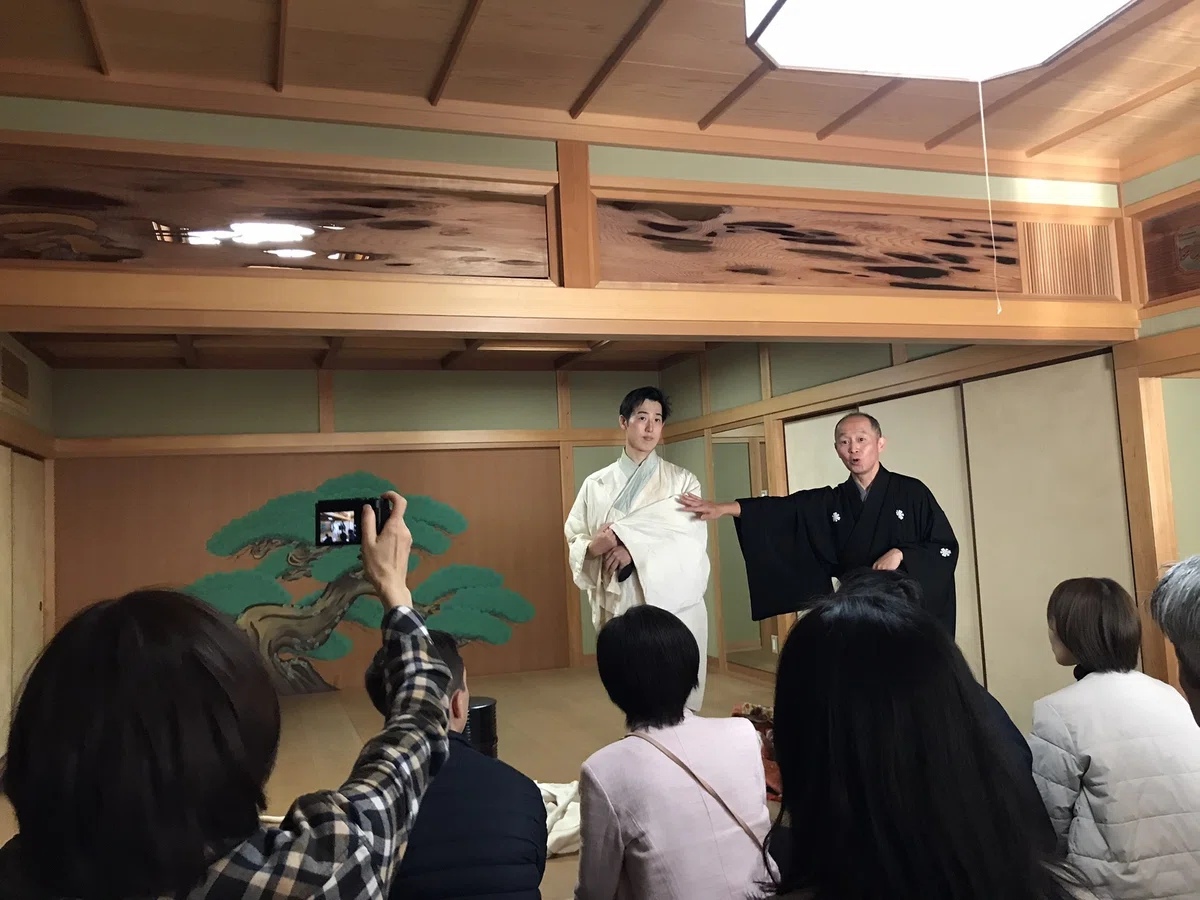
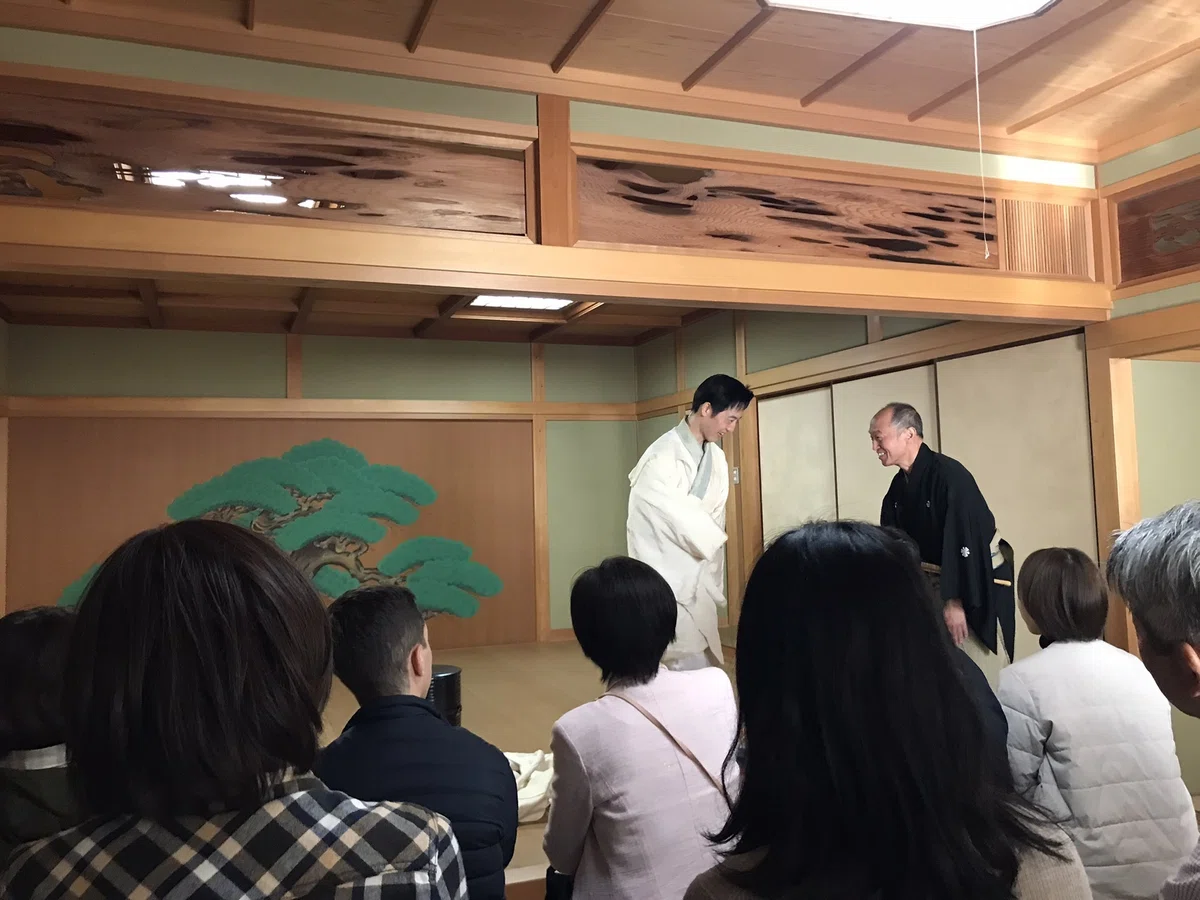
・姫路 江崎家での能体験。衣装着衣体験。20Kg以上ある衣装。小鼓、大鼓打ち、すり足を学ぶ。舞台は檜作りのため、足袋が全員に配布される。足の裏の脂が檜に良くないとのこと。
能面は喜怒哀楽を角度を変えて表現する。
「敦盛」の一節を鑑賞した。平敦盛のストーリー
・子鼓打ち体験
ここから先は
この記事が気に入ったらチップで応援してみませんか?
