

 Darshanie Ratnawalli

580 California St., Suite 400
San Francisco, CA, 94104
…
9 pages

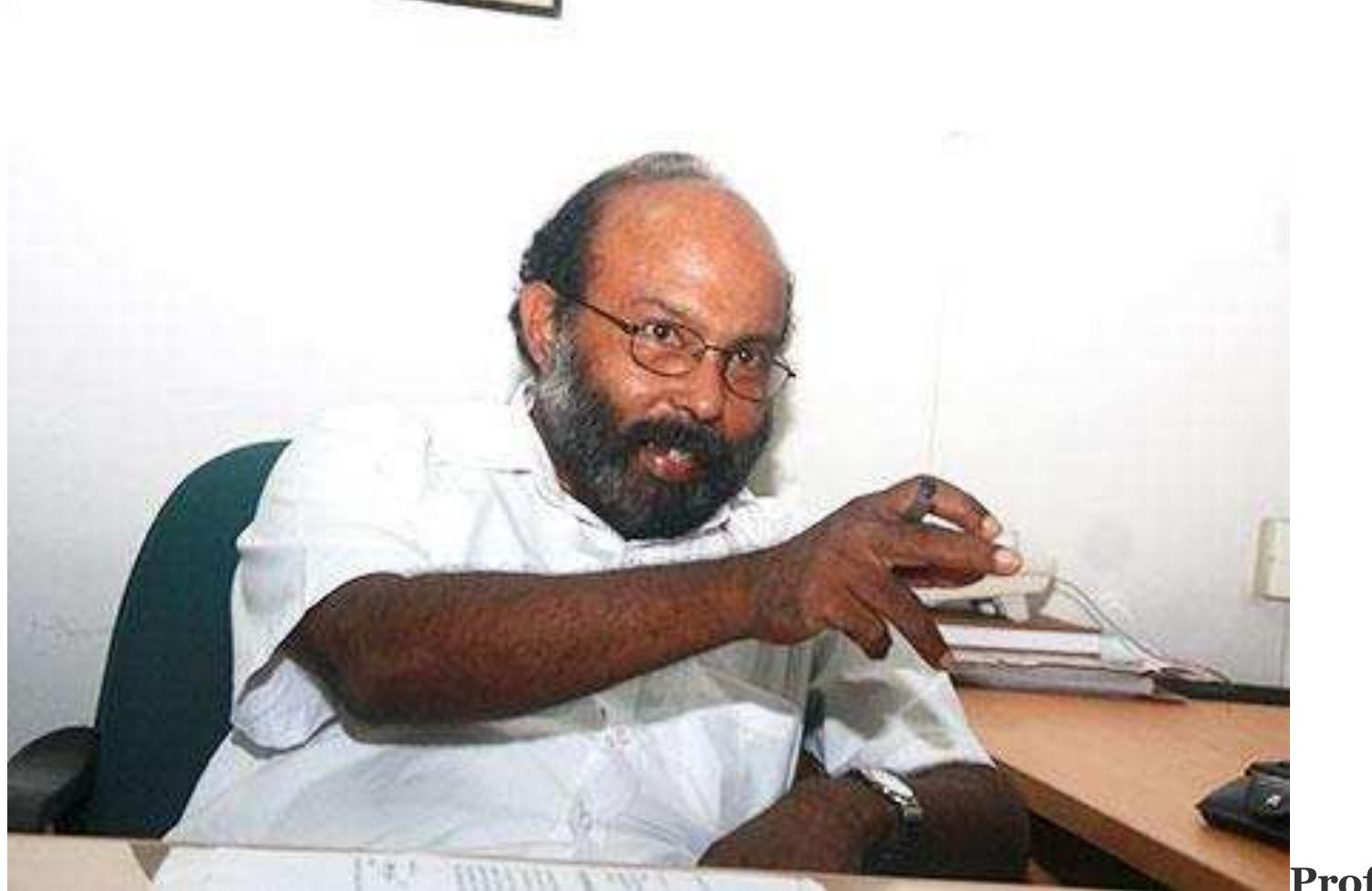
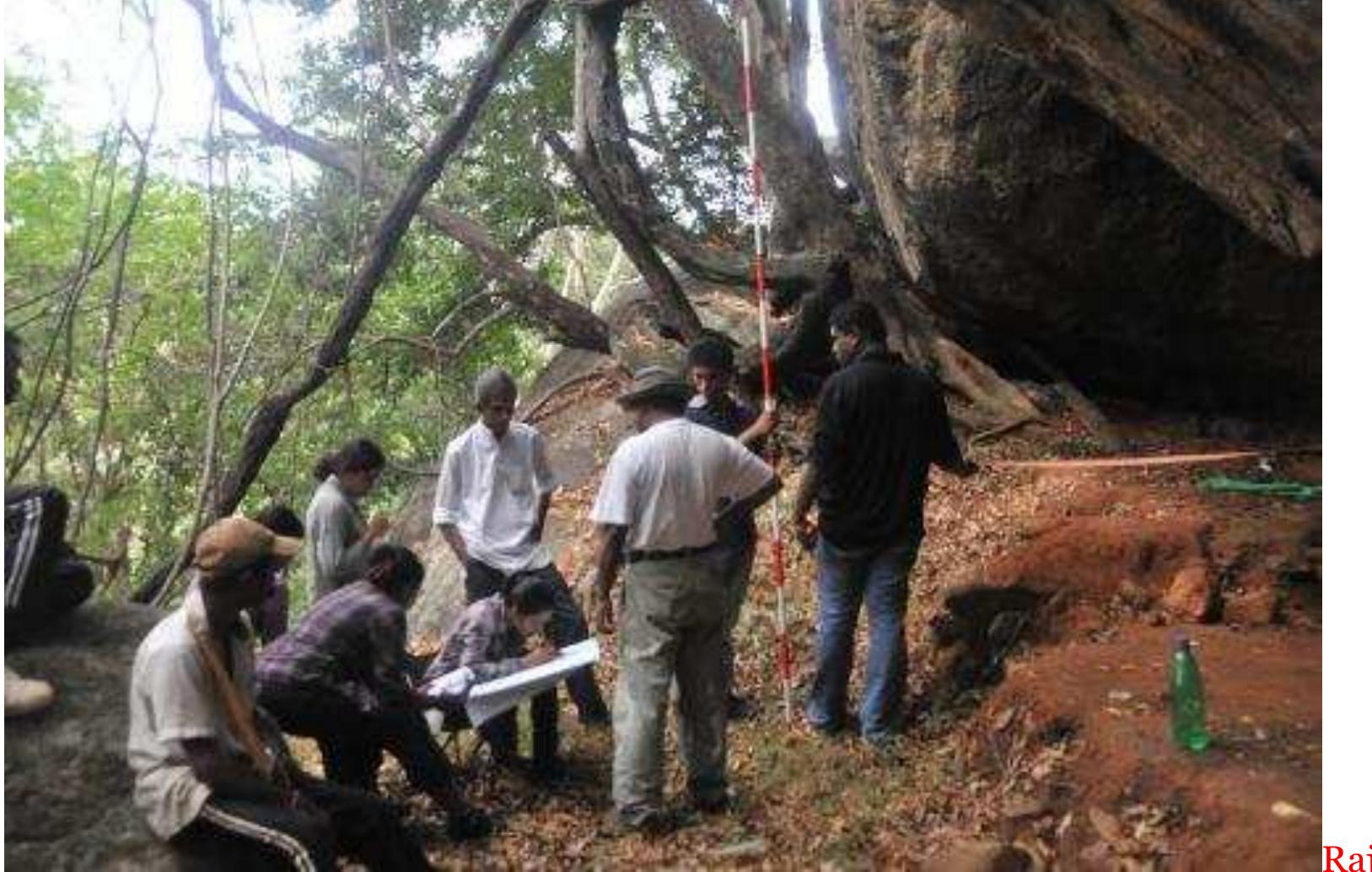
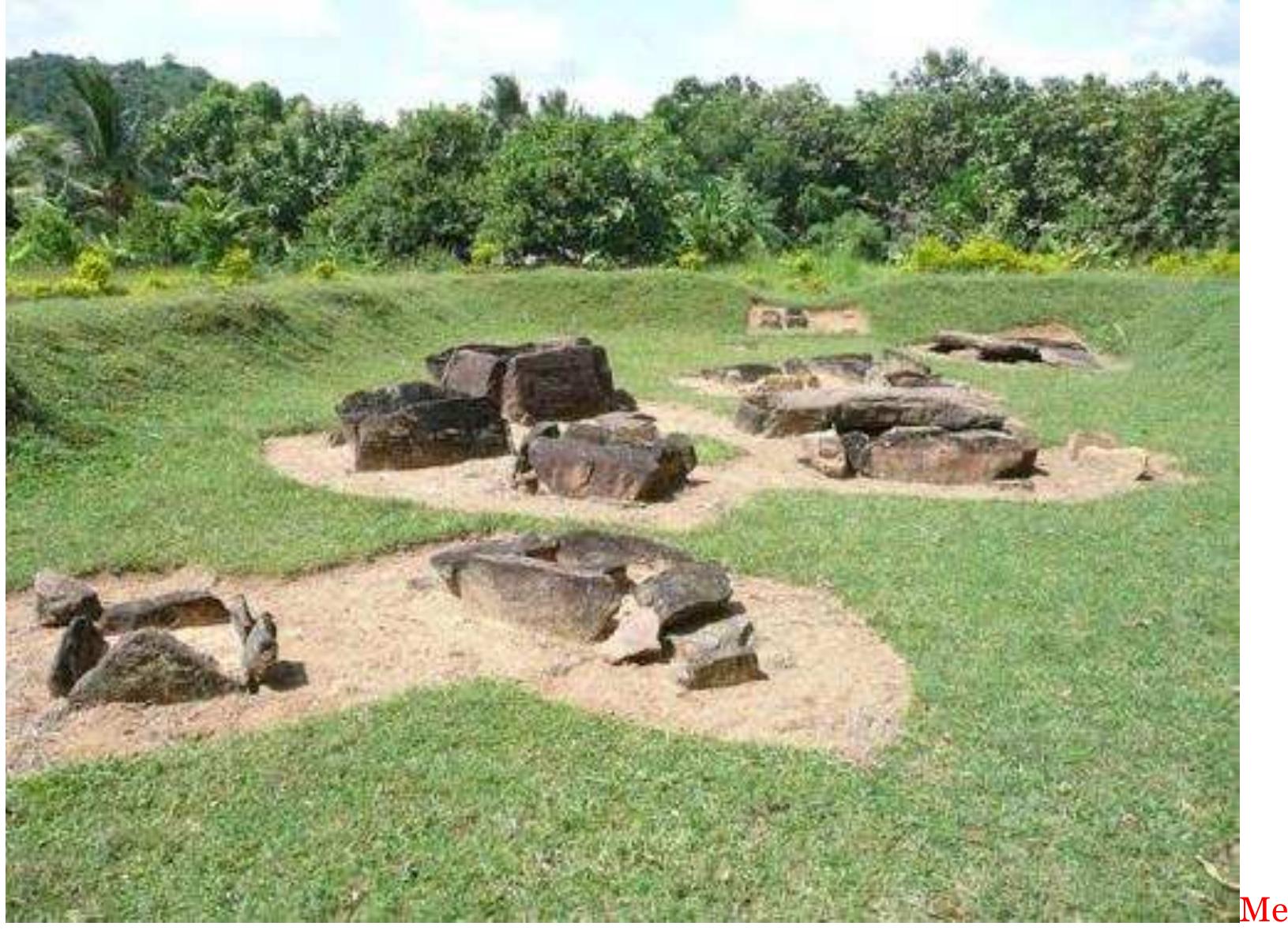
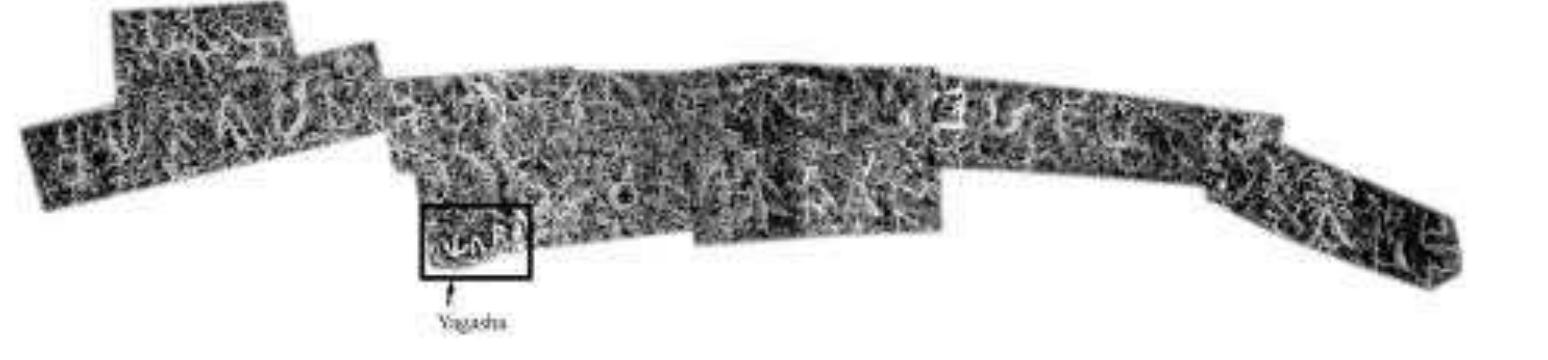
BEING THE FIRST PART OF AN INTERVIEW WITH PROFESSOR RAJ SOMADEVA PUBLISHED IN THE NATION ON SUNDAY,9TH NOVEMBER 2014 Raj Somadeva, one of the top Sri Lankan archaeologists, has drawn attention to his work in recent times with two interesting claims viz: discovery of a yaksha inscription and the existence of Buddhism in the island complete with a cave dwelling monastic sangha prior to the 3rd century BC. He spoke to Darshanie Ratnawallie on these claims as well as the ideological debates within the discipline. The following are excerpts of the interview.
Manohar Publishers and Distributors and SAARC Cultural Centre, Colombo, New Delhi, 2017
A Table of Contents listing the headings and subheadings from the rather long Part 2 of my study of the practice of Esoteric Buddhism in the late-seventh century court of the Lambakannas and the late seventh century Abhayagirivihara, and the playing out of its fortunes on the island. The essay itself may be found in the Indian International Journal of Buddhist Studies 19 (2018), pp. 181-458.
Whilst the Early Historic and Medieval periods of Sri Lanka are often presented as a golden age of Sinhalese and Buddhist achievement, there is also substantial evidence for a multiplicity of communities residing within the island during that time. This is unsurprising, given the island's location on trade routes spanning the Indian Ocean, linking its communities with East Africa, the Middle East, South-east Asia and China. The physical evidence of this trade is clear from excavations within the island's ancient capital Anuradhapura and its major port, Mantai, with their assemblages of fine Chinese ceramics, glazed and bitumen-coated vessels from Mesopotamia, and semi-precious stones from Afghanistan . The spread of Buddhism into the island also forged strong regional links with communities in northern India but, at the same time contributed to increasing differentiation between communities in the south of the Subcontinent. Indeed, tensions were also evident within and between the island's Buddhist sects, which led to conflict on a number of occasions. Archaeological research in the hinterland around Anuradhapura has also identified a variety of competing, yet complementary ritual foci, indicating that whilst Buddhism may have been regarded as the official religion of the island, other traditions and belief systems were strong and pervasive (Coningham & Gunawardhana 2013). These divisions may have often been superficial or have had 'fuzzy' boundaries in the past, yet they have been used to legitimate colonial and post-colonial religious and political inequalities. Despite these uncertainties, Sri Lanka's place at the heart of international trade routes, linking East and West is undisputable, creating an island of diverse communities and traditions, and prospering in the process.
Globalization, Immigration, and Transformation in the Underwater Archaeological Record Assuming that maritime archaeology conducted in Sri Lanka is new to most readers, the present paper has been written with a dual purpose. First, it tries to give some background to the birth and growth of the discipline in this country and shows its involvement in ICOMOS––ICUCH (International Council on Monuments and Sites––International Committee on the Underwater Cultural Heritage) activities. Second, it tries to deal with the focus of the 2013 SHA conference by addressing three sites, each of which can be developed into a case study relating to the conference themes. Sri Lanka was always a place where East/West shipping interacted, whether before or after A.D. 1500, and was also always conscious of the looming presence of India. This paper, however, deals only with material aspects in the period after 1500.
Historical evidence clearly shows that during the 8 -15 century A. D. Esoteric Buddhism played a considerable role in the history of Sri Lankan Buddhism. This paper is the result of an attempt to examine two inscriptions found at the Abhayagiri Stupa during [1940][1941][1942][1943][1944][1945] and which shed light on this subject. I was able to identify the original source of these two dharani inscriptions, which have remained unidentified for five decades. These dharanis have been taken from the Sarva-Tathagata-Tattva-Samgraha-Mahayana-Sutra (STTS). This paper is mainly based on the contents of those two dharanis and other information relevant to the STTS Sutra. The first part of the paper will explain the practice of dharmadhatu deposition in stupas and esoteric fragments found at the Abhayagiri stupa. The second part will examine the accounts given in the Nikayasamgraha on esoteric Buddhism in Sri Lanka and their relations to the STTS Sutra; further it will also contain an analyse of the contents of the newly identified dharanis. Finally, the paper will discuss why esoteric Buddhism was severely criticized in the Nikayasamgraha.
ILIS Journal of Librarianship and Informatics, 2021
This paper is based on the study of 139 theses/dissertations accepted by the Postgraduate Institute of Archaeology (PGIAR) University of Kelaniya, Sri Lanka during the period of 2000-2018, which are available in the Library. The study aims to identify the subject areas of research in archaeology and related disciplines, to find out the year-wise and language-wise distribution of the academic research reports, and to identify the research trends in archaeology in Sri Lanka during the last two decades. The research was carried out based on the analysis of 139 theses/dissertations accepted by the PGIAR during 2000-2018. Overall, a lack of stability in the growth could be observed in the past 20 years, in fact a downfall could be identified in the period of 2009-2012. The findings of this study would be of help to maintain quality of research in PGIAR.
During the course of seven years Sri Lankan and Swedish archaeologists in collaboration built up a core of what is today the Sri Lankan settlement archaeology. Through surveys, excavations and ethnoarchaeological studies an understanding was gradually obtained regarding settlements and subsistence strategies of the Sri Lankan dry zone, from the Mesolithic to the present, and a generation of young Sri Lankan archaeologists got a fair amount of necessary field training. The primary objective was to develop the human resources of Sri Lankan archaeology, but something can also be said about the research results of the project. This article gives a generalised background and, in very brief outline, an overview of the work done, its methodology, constraints and results.
Asian Perspectives, 2019
Arts Asiatiques, 1999
The main aim of the article is to discuss how the results of our investigations on the organization of maritime trade in the Indian Ocean connected with Sri Lanka, throw light on the trade relations with Iran, Central Asia, Northwest India and South India. New archaeological evidence has been obtained from the exploratory programme on the ancient western and southern ports of the island. The most important characteristic of all ancient ports of the western and southern coast and many others around the island is their geographical situation at the estuaries of rivers. The location of emporia along rivers must have facilitated transactions with the interior regions. The positive results of the explorations and excavations carried out since 1994 and our research on beads, iron metallurgy, inscribed coins, seals, sealings and imported pottery, put into question most of the previous hypotheses on the organization of trade activities in the island. It is now evident that Sri Lanka cannot be isolated from the regional exchange pattern connected with India and dating back to the megalithic period.

Loading Preview
Sorry, preview is currently unavailable. You can download the paper by clicking the button above.
BEING THE SECOND PART OF AN INTERVIEW WITH PROFESSOR RAJ SOMADEVA PUBLISHED IN THE NATIONON SUNDAY, 16TH NOVEMBER 2014 Professor Raj Somadeva, PhD (Uppsala), Post Graduate Institute of Archaeology, Sri Lanka spoke to Darshanie Ratnawalli on a variety of topics, assiduously tackling all questions both verbally and in a 2400 word answer script, and modestly dismissing all thanks, citing his obligation to answer to the public. Here are excerpts from the interview continuing from last week.
BEING THE THIRD PART OF AN INTERVIEW WITH PROFESSOR RAJ SOMADEVA PUBLISHED IN THE NATION ON SUNDAY, 23RD NOVEMBER 2014 The last part of the interview of Professor Raj Somadeva with Darshanie Ratnawalli continued from last week.
2023
According to the ancient records and archaeological inscriptions in Sri Lanka, Buddhism existed parallel to the Buddha era. An ancient Dagaba or Seela tradition prevailed in Sri Lanka before Stupa Sanchi was built in the 2nd century BCE. The Buddha is said to have visited Lanka Dipa on three occasions. Much controversy had prevailed among Buddhists not knowing when Buddhism first came to the Island. This study suggests ways to search for a precise answer to this hypothesis and search whether Buddhist teachings prevailed on the Island before the Mauryan mission in the 3rd century BCE. This study will search the Sri Lankan Chronicles, Tipitaka, ancient texts, and research presented by scholars with relevant archaeological evidence. The findings may unveil that the inauguration of Buddhism came with Buddha’s visits to Lanka Dipa. Later, Thera Mahinda rejuvenised and re-established an order of Sanga, making Buddhism the state religion of Sri Lanka.
Ancient Lanka, 2023
We report the archaeological findings from the historic site of Kuchchaveli in the northeastern coast of Sri Lanka, based on our excavations in 2011. The Kuchchaveli complex revealed features of a Mahāyāna Buddhist centre during the 7 th and 8 th centuries as indicated by the structures and an inscription as well as a number of Buddhist sculptures and carvings. Archaeological material and a radiocarbon date of 1880 ± 30 BP from a test pit indicate an earlier occupation as well. Our excavations offered insights to the structures built at Kuchchaveli and yielded pottery fragments, glass beads, faunal remains and other artefacts of interest. This report highlights findings from six test pits, where two test pits correspond to the possible bodhigara and water tank of the monastery. The similarity of the Kuchchaveli glass finds to those from other sites in Sri Lanka highlights the internal circulation of glass beads during the period that Kuchchaveli was an active site. The faunal remains suggest that a mix of domesticated and wild animals were part of the diet in the community. Apart from being a monastic establishment linked to the southeast coast of India, Kuchchaveli revealed trade activities with other regions over a long period, particularly in the Middle Historic Period of the region.
Sri Lankan pre historic investigations can be divided into several phases. Identifying the Nature of the Prehistoric Archaeological Investigation and Research in Sri Lanka between 1992-2018 is the research problem of this paper. Main objective of the research is to Collect data and information of Prehistoric Archaeological Investigation and Research (Exploration and Excavation) in Sri Lanka between 1992-2018 and arrange them in a chronological order. In this process data and information were collected using primary and secondary sources through library survey, Field study, web survey and furthermore interviews were conducted in order to obtain more quantitative data. It could be identified a number of extraordinary features of this period during the progression of this research and especially systematic excavations, chronological methods, multidisciplinary approach, researches in associated with new scientific methodologies and innovative scientific methodologies including genealogical experiments, comparatively to the early research periods.
This is my Dissertation, submitted to the University of Michigan in 2003. I subsequently converted this dissertation into my first book, The Archaeology of Early Buddhism. Given the choice, I would strongly recommend reading the book rather than this dissertation--the book is better. The value of this dissertation lies only in the appendices, which provide all of the data I collected in 9 months of fieldwork at Thotlakonda Monastery in Andhra Pradesh, India
National Trust For Promotion of Knowledge: Indian Journal of Archaeology, 2022
This paper by G. H. Inoka Dilhani is based on the study of 139 theses/dissertations accepted by the Postgraduate Institute of Archaeology (PGIAR) during the period of 2000 -2018, which are available in the Library. The main purpose of this study was to investigate the subject areas of research in archaeology and related disciplines. The main objective of this study was to find out the year and language wise distribution, to identify the subject coverage and the postgraduate research trends in the field of archaeology in Sri Lanka in last two decades. This study would prove to be of importance for researchers because it gives the details of ongoing research works carried out in field of Archaeology in Sri Lanka. A lack of stability in the growth of the discipline of archaeology could be observed in the past 20 years. More specifically, a downfall was recorded in the period of 2009-2012.
As it is overtly recognizable in the archaeological scholarship in South Asia, the historical and archaeological narratives regarding Somapura Mahavihara of Bangladesh are represented by a distinct brand of monument-centrism. The narratives produced at a huge scale from these perspectives have established stereotyped and reductionist notions of the mahavihara and Buddhist samgha. In this paper, we attempt to cross the boundaries of the knowledge of this monument-centrism and dominant text based elaborations on Buddhism by incorporating the methods of survey archaeology, excavation, geoarchaeological investigations and epigraphic enumerations. What we have found out is with profound consequences. For example, the mahavihara remains were core of a settlement and was within a network of settlements in early medieval Varendri. Consistent changes in the alluvial landscape settings had significant impact on the lifeways of the settlements. We have proposed provisional stratigraphy of recent excavations which suggest that Buddhist samgha, probably, had to negotiate with the continuous shifts of the channels and regular floods. At the same time, the nature and functioning of these establishments, we have interpreted, were, conditioned, directly or indirectly, by the agrarian expansion and its complex articulations in Varendri during seventh-eighth century and onwards.
TRIVALENT ත්රිසංයුජ: Journal of Archaeology, Tourism & Anthropology, 2021
This archaeological research aimed to investigate the authentic metalworking activities of the Yodhawewa area and examine contemporary socio-economic movements based on discovered material culture. The entire research work was carried out in 2018 based on a surface survey and two excavations in an area of about 201600m2 on the outskirts of Yodhawewa reservoir. The C14 chronology confirms the 1st-8th centuries activities, and in this research obtained a considerable artefacts collection related to metal extraction, copper metalwork, and crucible steel production. This research also discovered that half of a lower spherical (crucible-typed) metal furnace was used to produce crucible steel for the first time in Sri Lanka. Artefacts such as coins, BRW, RW, and some porcelain prove that the site maintained cultural relations with India and China in the c. 1st century and 8th century AD. Other artefacts of this site include ceramics, beads, faunal remains, minerals, and rocks that have be...
Sigiriya Managing Heritage with Community, 2024
The conditions that affect the heritage management of archaeological sites in Sri Lanka arise from two interrelated but distinct histories. One has its roots in the colonial legacy of Sri Lankan archaeology, and the other in the populist-nationalist politics that draw rhetorical strength from archaeology and history. In this setting, "heritage" 1 means religion and ethnic identity. In a word, ethnonationalist. Since its inception in the late 19th century and its engagement in Anuradhapura, the Archaeological Survey Department of Ceylon (now the Department of Archaeology) had to negotiate the idea of heritage and "sacred site." The demands by Buddhist devotees, led by Walisinha Harishchandra in the early 1900s, that confronted the Archaeological Survey Department in the historic city of Anuradhapura was a struggle between colonial archaeology and the idea of heritage. Buddhists urged that the living characteristics of historic Buddhist sites be taken into account in their preservation 2. These early-twentieth-century clashes with colonial archaeology had long-lasting consequences for the country's post-colonial politics. The ancient city of Anuradhapura, thus acquiring a wealth of historical truths through colonial archaeology, and having been co-opted in a nationalist discourse, pitched by Harishchandra, that showed a particular kind of anti-colonial sentiments 3 , became the treasured historical center for Sinhala-Buddhists in Sri Lanka. Anuradhapura became the ethnonationalist symbol of the ancient grandeur and political authority of modern Buddhist rulers 4. These two mutually inclusive histories effectively keep archaeology from becoming a critical social practice. For a significant majority of Sri Lankan archaeologists, archaeology remains a project to construct culture-historical narratives about the country's past, using a loosely positivist-empiricist and commonsense approach of knowledge production entangled in locating essences and origins in ethnic, geographical, and chronological categories in Sri Lanka's past 5. Finding such

