ƒeƒŒƒT�Eƒh�Eƒ��[ƒŒƒeƒBƒX�iTeresa de Lauretis, 1991�j‚Í�AƒŒƒYƒrƒAƒ“‚ƃQƒC‚Ì‚½‚ß‚Ì‹¤“¯‘̘_‚Æ‚µ‚Ä�AƒNƒCƒA�Eƒl�[ƒVƒ‡ƒ“�iQueer nation�j‚ð’ñ�¥‚µ�A‚»‚±‚Å‚Í�qˆÙ�«ˆ¤�r‚Æ�q“¯�«ˆ¤�r‚ðƒAƒŒ‚©ƒRƒŒ‚©‚Æ‚¢‚¤‚Ó‚¤‚ɑΗ§“I‚ɂ݂錩•û‚ð‹‘”Û‚µ�A”ñ‹K”Í“I‚ȃZƒNƒVƒ…ƒAƒŠƒeƒB‚É‚à‚Ƃ‹¤ “¯�«‚ð�\‘z‚µ‚½�B
ƒNƒCƒA�iQueer�j ‚Æ‚Í�A“ú–{Œê‚̃jƒ…ƒAƒ“ƒX‚Å‚Í�AƒIƒJƒ}‚Æ‚©•Ï‘Ô‚Æ‚¢‚¤ˆÓ–¡‚Å‚ ‚é�Bˆê”Ê“I‚É‚±‚ê‚ç‚Ì—pŒê‚Í�A•Ì�Ì‚Æ‚µ‚ÄŽg‚í‚ê�A‚»‚¤ŒÄ‚΂ê‚é“–Ž–ŽÒ‚Ì�l‚½‚¿‚ð‚»‚¤‚Å‚È‚¢ƒ} ƒWƒ‡ƒŠƒeƒB‚Ì�l‚½‚¿‚ª•Ì‚Þ‚½‚ß‚ÉŽg‚í‚ê‚Ä‚«‚½‚±‚Ƃ΂ ‚é�Bƒh�Eƒ��[ƒŒƒeƒBƒX‚Í�A‚±‚̂悤‚È�·•Ê�\”í�·•Ê‚Ì�\‘¢‚ð‹t“]‚·‚ׂ�AƒNƒCƒA‚ðŽ©�Ì‚·‚邱‚Æ‚Í’p‚¸‚© ‚µ‚‚È‚¢�A‘¸Œµ“I‚ð‚à‚Á‚ăNƒCƒA‚ðŽ©�Ì‚·‚邱‚Æ‚É‚È‚ñ‚ç–â‘肪‚È‚¢‚ÆŽå’£‚µ‚½�B‚»‚µ‚Ä�A‚»‚ê‚ð�AƒNƒCƒA�Eƒl�[ƒVƒ‡ƒ“‚Æ‚¢‚¤�A�u�‘–¯�‘‰Æ�v‚Ì”äšg‚ð‚à‚¿‚¢‚Ä�A—ÞŽ—‚̃AƒCƒfƒ“ƒeƒBƒeƒB‚ð—L‚·‚鋤“¯‘Ì‚È‚Ì‚Å‚ ‚é‚Æ‚¢‚¤‰¿’l“]Š·‚ðŽŽ‚Ý‚½�B
ƒNƒCƒA�Eƒl�[ƒVƒ‡ƒ“‚É‚¨‚¢‚Ä‚Í�A�«“I‚È‘Ô“x�isexual orientation�j‚É‚æ‚é�lŠÔ‚Ì”»’f‹æ•ª�\�\‚»‚Ì‚à‚Á‚Æ‚à�ª‹‚¢•ÎŒ©‚Í�«“I‚È‘Ô“x‚ð�qˆÙ�«ˆ¤�r‚©�q“¯�«ˆ¤�r‚Ì‚Ç‚¿‚ç‚©‚É“ñŽÒ‘ðˆê‚̘g‘g‚Ý‚Ì’†‚ɉŸ‚µ �ž‚߂悤‚Æ‚·‚éŽp�¨‚Å‚ ‚é�\�\‚·‚邱‚Æ‚ð‹‘�â‚·‚é�BƒNƒCƒA�Eƒl�[ƒVƒ‡ƒ“‚É‚¨‚¢‚Ä�A�«“]Š·ŽÒ�Aƒgƒ‰ƒ“ƒXƒxƒXƒ^ƒCƒh�A•Ï‘Ô�AƒoƒCƒZƒNƒVƒ…ƒAƒ‹‚È‚Ç‚ª�A‚»‚Ì‘¶�Ý ‚ð�³”F‚³‚ê‚é�B
—�˜_“IŒn•ˆ‚Æ‚µ‚Ä‚Í�Aƒ|ƒXƒg�\‘¢Žå‹`�A”½–{Ž¿Žå‹`�A’E�\’z‚Ì—¬‚ê‚Ɉʒu‚¯‚邱‚Æ‚ª‚Å‚«‚é�B
ƒNƒCƒA—�˜_‚Í�AƒZƒNƒVƒ…ƒAƒŠƒeƒB‚Ì‘Š‘ΓIŽ©—¥�«‚ðŽå’£‚·‚邽‚ß‚É�AƒŒƒYƒrƒAƒ“‚ ‚é‚¢‚̓QƒCŒ¤‹†‚©‚ç”h�¶‚µ‚½‚à‚Ì‚Å‚ ‚邪�AƒWƒFƒ“ƒ_�[ƒAƒCƒfƒ“ ƒeƒBƒeƒB‚ð�—�E’j‚Ì“ñ�€‘Η§‚ÉŠÒŒ³‚·‚é—§�ê‚ɑ΂µ‚Ä‚à‹——£‚ð‚Æ‚é�B
Queer theory is a field of post-structuralist critical theory that emerged in the early 1990s out of the fields of queer studies and women's studies. Queer theory includes both queer readings of texts and the theorisation of 'queerness' itself. Heavily influenced by the work of Lauren Berlant, Leo Bersani, Judith Butler, Lee Edelman, Jack Halberstam, David Halperin, José Esteban Muñoz, and Eve Kosofsky Sedgwick, queer theory builds both upon feminist challenges to the idea that gender is part of the essential self and upon gay/lesbian studies' close examination of the socially constructed nature of sexual acts and identities. Whereas gay/lesbian studies focused its inquiries into natural and unnatural behaviour with respect to homosexual behaviour, queer theory expands its focus to encompass any kind of sexual activity or identity that falls into normative and deviant categories. Italian feminist and film theorist Teresa de Lauretis coined the term "queer theory" for a conference she organized at the University of California, Santa Cruz in 1990 and a special issue of Differences: A Journal of Feminist Cultural Studies she edited based on that conference.�@Queer theory - Wiki
�¡ƒNƒCƒA‚É�Ï‹É“I‚ȈӖ¡‚ðŒ©‚¢‚¾‚·‚U‚‚̗�—R�i"6 Reasons You Need to Use the Word "Queer""‚©‚ç�j
ƒNƒCƒA‚É�ãŒf‚̂悤‚È�i‹K�§‚̉¿’lŠT”O‚Ì�j”j‰ó“IˆÓ–¡‚ð‚à‚‚̂¾‚ª�A‚»‚ê‚ð‚U‚‚̗�—R‚ð’ñŽ¦‚µ‚ÄŽ¦‚µ‚½‚Ì‚ª�A"6 Reasons You Need to Use the Word "Queer""‚Ì ƒTƒCƒg‚Å‚ ‚é�B‚»‚Ì‚U‚‚̗�—R‚ðŽŸ‚Ì‚æ‚¤‚É‚Ü‚Æ‚ß‚é‚Æ‚±‚Æ‚ª‚Å‚«‚é�B‚P�j•ïŠ‡“I‚Å‚ ‚é�iInclusivity�j�A‚Q�jˆ«‚¢ˆÓ–¡‚̃Œƒbƒeƒ‹‚ð‰ð‘Ì‚µ�A‚»‚ê ‚ð”�‚ª‚·�ì—p‚ð‚à‚Â�iThe un-label-y-ist of labels �j�A‚R�jŽ©‚ç‰ü�S‚µ‚½‚±‚Æ‚ðŽ¦‚·ƒpƒ��[�iPower in being reclaimed �j�A‚S�j‚±‚ê‚炪–â‘èŠÜ‚Ý��questioning ‚È‚Ì‚¾‚Æ‚¢‚¤‚±‚Æ‚ðŽå’£‚·‚é�iNecessary for those questioning �j�A‚T�jƒIƒgƒR‚©ƒIƒ“ƒi‚©‚Æ‚¢‚¤‚Q‚‚ɂЂƂ‚Ƃ¢‚¤�l‚¦•û‚©‚玩—R‚É‚È‚é�iBreaks down binaries �j�A‚»‚µ‚Ä�A‚U�j‚·‚Å‚ÉŠm—§‚µ‚½LGBT��ƒŒƒYƒrƒAƒ“�{ƒQƒC�{ƒoƒCƒZƒNƒVƒ…ƒAƒ‹�{ƒgƒ‰ƒ“ƒXƒWƒFƒ“ƒ_�[‚ƘAŒg˜A‘Ñ‚·‚é�iUnites the LGBT community �j‚Æ‚¢‚¤‚±‚Æ‚Å‚ ‚é�B�\�i"6 Reasons You Need to Use the Word "Queer""‚©‚ç�j
�¡‚µ‚©‚µ‚È‚ª‚ç"LGBTQ"‚ÌQ‚Á‚Ä�AƒNƒCƒA‚Ì‚±‚Æ‚Å‚Í‚È‚¢�I
LGBT‚ÉQ‚ð‚‚¯LGBTQ‚Æ‚¢‚¤‚±‚Æ‚ª‚ ‚é‚Ì‚ð‚²‘¶’m‚Å‚µ‚傤‚©�H�\�\‚±‚Ì�ê�‡‚ÌQ‚Í�AQuestioning�iƒNƒGƒXƒ`ƒ‡ƒjƒ“ƒO�j‚Æ‚¢‚¢�uŽ©•ª‚¶‚µ‚ñ‚Ì�«Ž©”F‚â�«“IŽwŒü‚ª’è‚Ü‚Á‚Ä‚¢‚È‚¢�l‚½‚¿�v‚Ì‚±‚Æ‚ð‚³‚·�B
‚±‚ÌQ ‚ðƒNƒCƒA‚Æ‚·‚é—�‰ð‚à‚ ‚Á‚½‚ª�AƒNƒCƒA‚ª‚à‚”j‰ó—Í‚ðƒNƒCƒA“–Ž–ŽÒ‚½‚¿‚ÍŽ©‚ç‚ÌŽ©ŒÈƒAƒCƒfƒ“ƒeƒBƒeƒB‚Ì—Í‚Æ‚È‚·‚±‚Æ‚Í‚Å‚«‚¸�AƒAƒ“ƒrƒoƒŒƒ“ƒg‚È—pŒê‚Æ‚µ‚Ä�A‚±‚ꂪŽg‚í‚ê‚é‚悤‚É‚È‚Á‚½�B
ŽQ�ƃTƒCƒg�F�u�uLGBTQ�v‚Ì�hQ�h‚Á‚ĉ½�H�v�iLGBTƒ‰ƒ{�j
�¡�«“I‚È‚±‚Æ‚Í�Ž¡“I‚È‚±‚Æ‚Å‚ ‚é�I�iThe Sexual is Political, by Slavoj Zizek, Aug 01, 2016�j
"So what is �gtransgenderism�h?
It occurs when an individual experiences discord between his/her
biological sex (and the corresponding gender, male or female, assigned
to him/her by society at birth) and his/her subjective identity. As
such, it does not concern only �gmen who feel and act like women�h and
vice versa but a complex structure of additional �ggenderqueer�h
positions which are outside the very binary opposition of masculine and
feminine: bigender, trigender, pangender, genderfluid, up to agender.
The vision of social relations that sustains transgenderism is the
so-called postgenderism: a social, political and cultural movement
whose adherents advocate a voluntary abolition of gender, rendered
possible by recent scientific progress in biotechnology and
reproductive technologies. Their proposal not only concerns scientific
possibility, but is also ethically grounded. The premise of
postgenderism is that the social, emotional and cognitive consequences
of fixed gender roles are an obstacle to full human emancipation. A
society in which reproduction through sex is eliminated (or in which
other versions will be possible: a woman can also �gfather�h her child,
etc.) will open unheard-of new possibilities of freedom, social and
emotional experimenting. It will eliminate the crucial distinction that
sustains all subsequent social hierarchies and exploitations." - The Sexual is Political, by Slavoj Zizek, Aug 01, 2016
ŽQ�l•¶Œ£
- �uƒNƒCƒA�‘‰Æ�i‚±‚ê‚Íqueer nation ‚Ì–|–ó‚Å�uƒNƒCƒA�Eƒl�[ƒVƒ‡ƒ“�v‚ ‚é‚¢‚Í�uƒNƒCƒA�‘–¯�v‚Ì‚Ù‚¤‚ª“KŠm‚©‚à‚µ‚ê‚È‚¢�j�v�uƒNƒCƒA—�˜_�v�wŒ»‘ãƒtƒFƒ~ƒjƒYƒ€Žv‘zŽ«“T�x‚r�EƒAƒ“ƒ_ƒ}�[ƒ‹‘¼�A‰œ “c�úŽqŠÄ–ó�A–¾�Î�‘“X�APp.294-5�A2000”N
- De Lauretis, Teresa. 1991. Queer Theory: Lesbian and gay sexualities: an introduction. Differences 3:2.
- Inside/out : lesbian theories, gay theories / edited by Diana Fuss, New York : Routledge , 1991
- Identification papers / Diana Fuss, New York : Routledge , 1995
- The pocket instructor, literature : 101 exercises for the
college classroom / edited by Diana Fuss
and William A. Gleason, Princeton, N.J. : Princeton University Press ,
c2016
�y—]“H�z
‚©‚ç‚ä‚«‚³‚ñ‚ÌŠÒ—ï‹L”O‚Ì’j‘•ŽÊ�^�u‚à‚¤‚¨‚È‚²‚ÍŒ™‚¶‚á�A‚킵‚Í‚à‚¤‚¨‚È‚²‚Å‚È‚‚È‚Á‚½‚Æ‚¶‚Ⴏ‚ñ�A‚±‚ê‚©‚ç‚Í’j‚É‚È‚é‚Æ‚¶‚á�v–؉ºƒNƒj�AƒhƒD�[ƒ‹ƒY“IŽÀ‘H‚ÉŠ…�Ñ�I�iŽR�è 1972:211�j
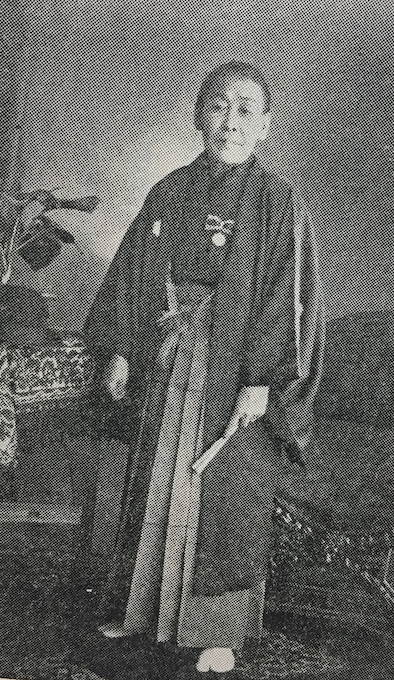
�o“T�FŽR�è•üŽq�u‚¨ƒNƒj‚³‚ñ‚̌̋½�vŽR�è•üŽq�wƒTƒ“ƒ_ƒJƒ“”ª”Ô�©ŠÙ : ’ê•Ó�—�«Žj�˜�Í�x’}–€�‘–[�A1972”N
�yŠÖ˜AƒŠƒ“ƒN�zƒTƒCƒgŠO
- Queer theory - Wiki
- Postmodern feminism, with commentary that says, the "article needs attention from an expert in Gender Studies"
- �F�u�uLGBTQ�v‚Ì�hQ�h‚Á‚ĉ½�H�v�iLGBTƒ‰ƒ{�j
- "6 Reasons You Need to Use the Word "Queer""‚©‚ç
- The Sexual is Political, by Slavoj Zizek, Aug 01, 2016
�yŠÖ˜AƒŠƒ“ƒN�z
- ƒWƒFƒ“ƒ_�[
- ƒZƒbƒNƒX
- ‰ä�X‚Í‚·‚ׂăTƒCƒ{�[ƒO‚Å‚ ‚è�A‚»‚Ì�l‚¦•û‚ð•~Ÿ¥‚·‚é‚Ɖä�X‚Í‚·‚×
‚Ä‘�“ã‘fŽq‚Å‚ ‚é
- ‰¼‘z�wˆã—Ã�l—ÞŠwŽ«“T�x�i’r“cŒõ•ä�j
- �—‚Æ’j‚Ì�l—ÞŠw
- ƒŒƒYƒrƒAƒ“�EƒQƒC�EƒoƒCƒZƒNƒVƒ…ƒAƒ‹�EˆÙ�«‘•ŽÒ
- •×‹‚Å‚«‚é�g‘̉ü‘¢–@
�yŽ‘—¿�W�z
Queerness, in the work of theorists like Judith Butler and Eve Sedgwick, is as much a semiotic as it is a social phenomenon. To say that someone is "queer" indicates an indeterminacy or indecipherability about their sexuality and gender, a sense that they cannot be categorized without a careful contextual examination and, perhaps, a whole new rubric. For gender to be, in Judith Butler's words, "intelligible," ancillary traits and behaviors must divide and align themselves beneath a master division between male and female anatomy.
From people's anatomy, we can supposedly infer other things about them: the gender of the people they desire, the sartorial and sexual practices they engage in, the general elements of culture that they are attracted to or repulsed by, and the gender of their "primary identification." While in practice each of these categories is rather elastic, it is usually when they do not line up in expected ways (say, when a man wears a dress and desires men) that one crosses from normative spaces into "queer" ones. In Butler's view, queer activities like drag and unexpected identifications and sexual practices reveal the arbitrariness of conventional gender distinctions by parodying them to the point where they become ridiculous or ineffective.
(Hedges, from his article, "Howells's 'Wretched Fetishes': Character, Realism, and Other Modern Instances." Texas Studies in Literature and Language. 38.1 Spring1996.)
�o“T‚Í�AQueer:‰º‹L�iKlages, Mary�j‚æ‚èˆø—p‚È‚Ì‚Å‚·‚ª‚·‚Å‚É�AƒŠƒ“ƒN�æ‚É‚Í�î•ñ‚ª‚ ‚è‚Ü‚¹‚ñ�BKlages, Mary.Queer Theory.http://www.colorado.edu/English/ENGL2012Klages/queertheory.html (July 28, 2001)
