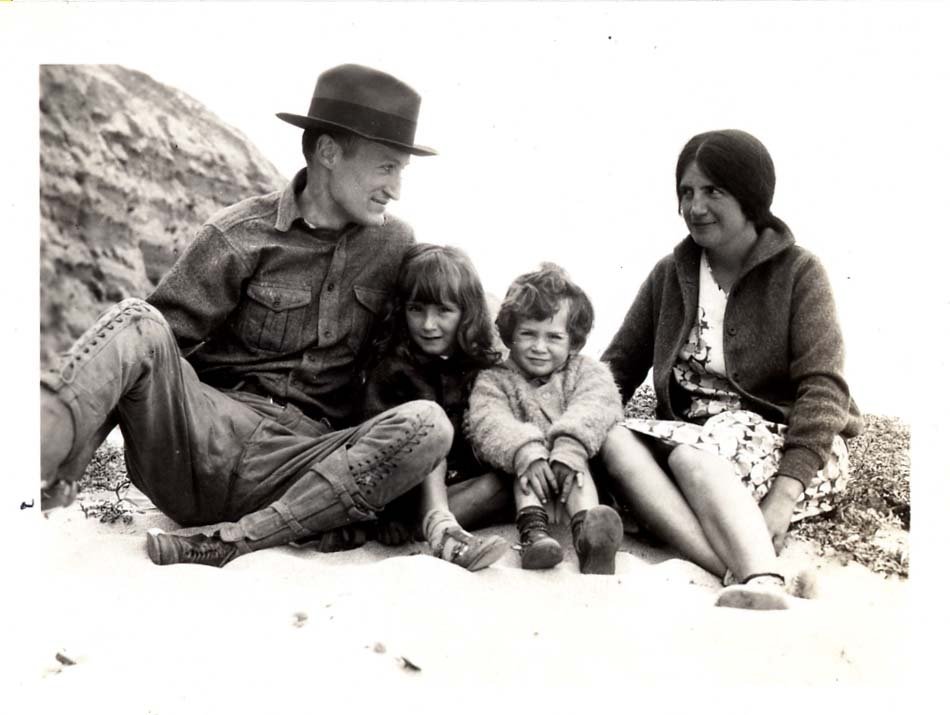
ロバート・レッドフィールド
Robert Redfield, 1897-1958
☆ ロバート・レッドフィールド[Robert Redfield] (1897年12月4日 – 1958年10月16日)は、アメリカの人類学者であり民族言語学者であり、メキシコのテポスツランにおける彼の民族誌的研究は、ラテンアメリカ民族誌学 の画期的な成果と見なされている。[1] 彼はキャリアの全期間を通じてシカゴ大学と関わっていた。高等教育のすべてを同大学で受け、1927年に教職員となり、1958年に死去するまで在籍し、 1934年から1946年までは社会科学部長を務めた。[2] レッドフィールドは、シカゴ大学の著名な教授であるロバート・メイナード・ハッチンズ、フランク・ナイト、ジョン・ウルリッヒ・ネフらと共に、シカゴ大学 社会思想委員会の共同設立者であった。[3]
| Robert Redfield
(December 4, 1897 – October 16, 1958) was an American anthropologist
and ethnolinguist, whose ethnographic work in Tepoztlán, Mexico, is
considered a landmark of Latin American ethnography.[1] He was
associated with the University of Chicago for his entire career: all of
his higher education took place there, and he joined the faculty in
1927 and remained there until his death in 1958, serving as Dean of
Social Sciences from 1934 to 1946.[2] Redfield was a co-founder of the
University of Chicago Committee on Social Thought alongside other
prominent Chicago professors Robert Maynard Hutchins, Frank Knight, and
John UIrich Nef.[3] |
ロバート・レッドフィールド[Robert Redfield](1897
年12月4日 –
1958年10月16日)は、アメリカの人類学者であり民族言語学者であり、メキシコのテポスツランにおける彼の民族誌的研究は、ラテンアメリカ民族誌学
の画期的な成果と見なされている。[1]
彼はキャリアの全期間を通じてシカゴ大学と関わっていた。高等教育のすべてを同大学で受け、1927年に教職員となり、1958年に死去するまで在籍し、
1934年から1946年までは社会科学部長を務めた。[2]
レッドフィールドは、シカゴ大学の著名な教授であるロバート・メイナード・ハッチンズ、フランク・ナイト、ジョン・ウルリッヒ・ネフらと共に、シカゴ大学
社会思想委員会の共同設立者であった。[3] |
| Career In 1923 he and his wife Margaret Park Redfield traveled to Mexico, where he met Manuel Gamio, a Mexican anthropologist who had studied with Franz Boas. Redfield graduated from the University of Chicago with a degree in Communication Studies, eventually with a J.D. from its law school and then a Ph.D. in cultural anthropology, which he began to teach in 1927. He was elected to the American Philosophical Society in 1947 and the American Academy of Arts and Sciences in 1950.[4][5] After a series of published field studies from Mexican communities (Tepoztlán in Morelos and Chan Kom in Yucatán), in 1953 he published The Primitive World and its Transformation and in 1956, Peasant Society and Culture. Moving further into a broader synthesis of disciplines, Redfield embraced a forum for interdisciplinary thought that included archeology, anthropological linguistics, physical anthropology, cultural anthropology, and ethnology. Redfield wrote in 1955 about his own experience doing research in Latin America on peasants. As he did research, he realized he had been trained to treat the society as an isolated culture. However, he found people were involved with trade and there were connections between villages and states. More than that, the village culture was not bounded. Beliefs and practices were not isolated. Redfield decided it did not make sense to study people as isolated units, but rather it would be better to understand people in a broader perspective. Traditionally, anthropologists studied folkways in the "little tradition", taking into account broader civilization, the "great tradition". He was elected a Fellow of the American Academy of Arts and Sciences in 1950.[6] One of Redfield's students at the University of Chicago was well-known novelist Kurt Vonnegut.[7] Vonnegut was influenced by Redfield's work on the "folk society" and references him in his novel Slapstick, as well as throughout his non-fiction speeches and commencement addresses. Vonnegut recalls:[8] when I went to the University of Chicago, and I heard the head of the Department of Anthropology, Robert Redfield, lecture on the folk society, which was essentially a stable, isolated extended family, he did not have to tell me how nice that could be. Vonnegut would later remark that "Dr. Redfield's theory of the Folk Society ... has been the starting point for my politics, such as they are."[9] |
経歴 1923年、彼は妻のマーガレット・パーク・レッドフィールドと共にメキシコを訪れ、そこでフランツ・ボアズに師事したメキシコ人人類学者マヌエル・ガミ オと出会った。レッドフィールドはシカゴ大学でコミュニケーション学の学位を取得し、その後同大学のロースクールで法学博士号(J.D.)を取得、さらに 文化人類学の博士号(Ph.D.)を取得し、1927年から同分野の教鞭を執り始めた。 1947年に米国哲学協会、1950年に米国芸術科学アカデミーの会員に選出された。[4][5] メキシコのコミュニティ(モレロス州のテポスツランやユカタン州のチャン・コム)に関する一連のフィールド調査を発表した後、1953年に『原始世界とそ の変容』を、1956年には『農民社会と文化』を出版した。学問分野のより広範な統合へと踏み込み、レッドフィールドは考古学、人類言語学、自然人類学、 文化人類学、民族学を含む学際的な思考の場を受け入れた。 リードフィールドは1955年、ラテンアメリカで農民に関する研究を行った自身の経験について記した。研究を進める中で、彼は社会を孤立した文化として扱 うよう訓練されてきたことに気づいた。しかし、人々は交易に関与しており、村と国家の間にはつながりがあることを発見した。それ以上に、村の文化は境界で 区切られたものではなかった。 信仰や慣習も孤立していなかった。レッドフィールドは、人々を孤立した単位として研究することは意味がないと判断し、むしろより広い視点から人々を理解す る方が良いと考えた。従来、人類学者は「小伝統」における民俗を研究する際、より広範な文明である「大伝統」を考慮に入れていた。彼は1950年に米国芸 術科学アカデミーのフェローに選出された。[6] シカゴ大学でレッドフィールドの教え子の一人に、著名な小説家カート・ヴォネガットがいた。[7] ヴォネガットはレッドフィールドの「フォーク・ソサエティ」に関する研究に影響を受け、小説『スラップスティック』や、ノンフィクションの講演、卒業式の 祝辞などにおいて彼に言及している。ヴォネガットは次のように回想している。[8] 私がシカゴ大学に通っていた頃、人類学部長のロバート・レッドフィールドが「フォーク・ソサエティ」について講義しているのを聞いた。それは本質的に、安定した孤立した拡大家族のことだったが、彼がその素晴らしさをわざわざ説明する必要はなかった。 ヴォネガットは後に、「レッドフィールド博士のフォーク・ソサエティ論は……私の政治観の出発点となってきた」と述べている。[9] |
| University of Chicago Anthropology Redfield intermittently served as Chair of the Department of Anthropology along with Sol Tax after the retirement of Fay-Cooper Cole in the late 1940s. Cole had built up the Archaeology Laboratory Skeletal Collection, which began during the earliest iterations of the department in the late 1890s through the 1940s. The collection of human remains of both Indigenous and non-Indigenous people, bone fragments, and artifacts were compiled, studied, stored, and possibly exhibited on the campus. The skeletal collection contained human remains and archaeological objects taken and collected by faculty, students, curators, and donors through excavations of Illinois burial mounds such as the Fisher Mounds, Starved Rock, Kincaid, Algeria, Globe, Arizona, among materials from private donors. The collection also contained human remains from the University's Anatomy Department and Medical School.[10] Donations accounted for a significant portion of the collection. Skeletal remains of 400 Indigenous people, as well as 10,000 bone fragments, stone, pottery and shell implements and artifacts largely excavated from Fisher and Adler Mounds, were donated in 1930 by George Langford, an engineer from Joliet who as also an amateur anthropologist, an honorary Research Associate in the Department of Anthropology at the University of Chicago, and later Curator of Plant Fossils at Field Museum.[11] The politics of the department had changed with the faculty body, and Redfield and Tax determined that the Skeletal Collection no longer served the research purposes of the department, and the storage space could be better used. They tasked a graduate student in the department to inventory and report on the collection.[10] Around 1950, much of the skeletal collection was unofficially dispersed to other institutions like Indiana University, Illinois State Museum, Beloit College, and the Field Museum. Under NAGPRA guidelines, these institutions are now responsible for deaccessioning and repatriating Native American human remains and funerary objects.[12] The remaining skeletal materials do not account for extent of the historical collection; the department's report recommended that the majority be "dumped."[10] The contemporary University of Chicago Archaeology Laboratory continues to hold non-Native American human remains, the paleoanthropology laboratory contains a large osteology collection.[13] |
シカゴ大学人類学 1940年代後半にフェイ・クーパー・コールが退職した後、レッドフィールドはソル・タックスと共に、人類学部の学部長を断続的に務めた。コールは、 1890年代後半の学部創設初期から1940年代にかけて、考古学研究所の骨格コレクションを築き上げていた。先住民および非先住民の人骨、骨片、遺物か らなるこのコレクションは、収集、研究、保管され、おそらくキャンパス内で展示されていた。この骨格コレクションには、フィッシャー・マウンド、スターブ ド・ロック、キンケイド、アルジェリア、グローブ、アリゾナといったイリノイ州の古墳の発掘を通じて、教員、学生、学芸員、寄贈者らが採取・収集した人骨 や考古学的遺物が含まれており、個人寄贈者からの資料も含まれていた。このコレクションには、同大学の解剖学部門および医学部からの人骨も含まれていた。 [10] 寄贈品はコレクションの相当な部分を占めていた。400体の先住民の骨格遺骸に加え、1万点の骨片、石器、 陶器、貝殻製の道具や遺物(その多くはフィッシャー・マウンドやアドラー・マウンドから発掘されたもの)が、1930年にジョリエット出身のエンジニアで あり、アマチュア人類学者、シカゴ大学人類学部の名誉研究員、後にフィールド博物館の植物化石学キュレーターも務めたジョージ・ラングフォードによって寄 贈された。[11] 学部の政治情勢は教員構成の変化に伴い変化しており、レッドフィールドとタックスは、骨格コレクションがもはや学部の研究目的に役立たず、保管スペースは より有効に活用できると判断した。彼らは学部の大学院生に、コレクションの目録作成と報告を命じた。[10] 1950年頃、骨格コレクションの多くは、インディアナ大学、イリノイ州立博物館、ベロイト大学、フィールド博物館といった他の機関へ非公式に分散され た。NAGPRA(先住民遺骨・埋葬物保護法)の指針に基づき、これらの機関は現在、先住民の人骨および葬祭用遺物の除籍と返還の責任を負っている。 [12] 残存する骨格資料は、かつてのコレクションの全容を反映するものではない。同学科の報告書は、その大部分を「廃棄」するよう推奨していた。[10] 現在のシカゴ大学考古学研究所は、先住民以外の人骨を引き続き所蔵しており、古人類学研究所には大規模な骨学コレクションが収蔵されている。[13] |
| Scholarly views In addition to his field anthropology work, Redfield made public and published contributions to the philosophy of social science. In a series of lectures, Redfield advocated for a value-laden understanding of the work of the social scientist, as well as a unified approach to the social sciences and the humanities. Against those who advocate for value-free science, for example, Redfield argued that "The values of the social scientist are necessary to his scientific work. Values are a part of the methods of social science. They are the means to learning about other people’s values."[14] For Redfield, the social scientist does not merely study, but actively forms values. He argues that: "Social science is one of the ways to form our convictions as to the good life. This it does not as preaching does it, by telling us what the good is and what our duty is. It does not do it as ethics does it, by examining central questions as to the nature of conduct and by criticizing and formulating systematic rules of conduct. It does it by remaining science. It does it by making clear to us where our choices lead us and what means must be employed to reach what ends. It does it by extending our understanding of where our ideals are in conflict with our practices and where our ideals are in conflict with each other. And it does this through those intensive studies of particular societies and particular men which are not ordinarily carried on in ethics and which are outside the powers and responsibilities of the preacher."[15] Redfield also favored the tendency of the German university system to associate the social sciences and humanities together as Geisteswissenschaften, the spiritual or human sciences. Redfield explored this topic at length in an article entitled Social Science Among the Humanities, originally published in 1951 in Measure: A Critical Journal and later collected in his posthumous papers. While the methods of the social sciences may attempt to mimic the methods of the natural sciences, Redfield argued the social sciences and the humanities share a common object of study that unites them. He explains, "No one is more deeply engaged in the examination and understanding of human nature than are the dramatist and the novelist. In learning about human nature, men of literature and men of social science share a common effort, a common interest."[16] Published works Redfield's published works include: Tepoztlan, a Mexican Village: A Study in Folk Life. Chicago: University of Chicago Press (1930). Folk Cultures of the Yucatán. Chicago: University of Chicago Press (1948). The Primitive World and Its Transformations. Ithaca: Cornell University Press (1953). The Role of Cities in Economic Development and Cultural Change. Chicago: University of Chicago Press (1954).[1] The Little Community. Chicago: University of Chicago Press (1956).[2] Talk with a Stranger. Stamford, Connecticut: Overbrook Press (1958). |
学術的見解 レッドフィールドは、人類学の現場での研究に加え、社会科学の哲学においても公的な貢献を行い、著作を発表した。一連の講演において、レッドフィールド は、社会科学者の活動に対する価値判断を伴う理解、および社会科学と人文学の統合的なアプローチを提唱した。例えば、価値中立的な科学を主張する者たちに 対し、レッドフィールドは次のように論じた。「社会科学者の価値観は、その科学的活動にとって不可欠である。価値観は社会科学の方法論の一部であり、他者 の価値観を学ぶための手段である。」[14] レッドフィールドにとって、社会科学者は単に研究するだけでなく、積極的に価値観を形成する存在である。彼は次のように論じている。 「社会科学は、善き人生に関する我々の確信を形成する一つの方法である。それは説教のように、何が善であり、我々の義務は何かを告げることで行うのではな い。倫理学のように、行動の本質に関する核心的な問いを検証し、体系的な行動規範を批判・策定することで行うのでもない。それは科学であり続けることに よって行うのだ。それは、私たちの選択がどこへ導くのか、どのような目的を達成するためにどのような手段を用いなければならないのかを、私たちに明らかに することで成し遂げる。それは、私たちの理想が実践とどこで対立しているのか、また理想同士がどこで対立しているのかという理解を深めることで成し遂げ る。そして、それは、倫理学では通常行われない、また説教者の権限や責任の範囲外にある、特定の社会や特定の人物に対する綿密な研究を通じて成し遂げられ るのだ。」[15] レッドフィールドはまた、社会科学と人文学を「ゲイスツヴィッセンシャフト(Geisteswissenschaften)」、すなわち精神科学または人 間科学として結びつけるドイツの大学制度の傾向を支持していた。レッドフィールドはこのテーマについて、1951年に『Measure: A Critical Journal』に初出され、後に遺稿集に収録された「人文学における社会科学(Social Science Among the Humanities)」と題する論文で詳細に論じている。社会科学の手法は自然科学の手法を模倣しようとするかもしれないが、レッドフィールドは、社会 科学と人文学は両者を結びつける共通の研究対象を共有していると論じた。彼は次のように説明している。「劇作家や小説家ほど、人間性の考察と理解に深く取 り組んでいる者はいない。人間性について学ぶにあたり、文学者と社会科学者は共通の努力、共通の関心を分かち合っている。」[16] 著書 レッドフィールドの著書には以下が含まれる: 『テポズトラン、あるメキシコの村:民俗生活研究』。シカゴ:シカゴ大学出版局(1930年)。 『ユカタン半島の民俗文化』。シカゴ:シカゴ大学出版局(1948年)。 『原始世界とその変容』。イサカ:コーネル大学出版局(1953年)。 『経済発展と文化変容における都市の役割』。シカゴ:シカゴ大学出版局(1954年)。[1] 『小さな共同体』。シカゴ:シカゴ大学出版局(1956年)。[2] 『見知らぬ人との対話』。コネチカット州スタンフォード:オーバーブルック・プレス(1958年)。 |
| Personal life Redfield was the son-in-law of University of Chicago sociologist Robert E. Park. Redfield and his wife Margaret were the parents of Lisa Redfield Peattie, Professor Emerita at the Massachusetts Institute of Technology; James M. Redfield, a professor of classics at the University of Chicago; and Joanna Redfield Gutmann (1930–2009). Another son, Robert (called Tito), died at the age of twelve from injuries sustained in a sledding accident.[citation needed] His brother-in-law was the naturalist Donald C. Peattie,[17]: 254 whose nephew married Redfield's daughter Lisa.[18] Redfield died in October 1958 from complications of lymphatic leukemia.[19] The papers of Robert and Margaret Redfield are located at the Special Collections Research Center, University of Chicago Library.[20] |
個人的な生活 レッドフィールドは、シカゴ大学の社会学者ロバート・E・パークの娘婿であった。レッドフィールドと妻のマーガレットの間には、マサチューセッツ工科大学 の名誉教授リサ・レッドフィールド・ピーティー、シカゴ大学の古典学教授ジェームズ・M・レッドフィールド、そしてジョアンナ・レッドフィールド・ガット マン(1930年–2009年)がいた。もう一人の息子ロバート(愛称ティト)は、そり遊び中の事故で負った怪我のため12歳で亡くなった。[出典必要] 義理の兄弟は自然学者のドナルド・C・ピーティー[17]: 254であり、その甥がレッドフィールドの娘リサと結婚した。[18] レッドフィールドは1958年10月、リンパ性白血病の合併症により死去した。[19] ロバートとマーガレット・レッドフィールドの文書は、シカゴ大学図書館の特別コレクション研究センターに所蔵されている。[20] |
| References 01. Delpar, Helen (2008). Looking South: The Evolution of Latin Americanist Scholarship in the United States, 1850–1975. University of Alabama Press. p. 68. ISBN 978-0-8173-5464-0. Retrieved August 13, 2017. "Robert Redfield–Anthropology". University of Chicago Centennial Catalogues. University of Chicago Library. Retrieved April 1, 2018. "About | John U. Nef Committee on Social Thought". socialthought.uchicago.edu. Retrieved 2024-01-30. "APS Member History". search.amphilsoc.org. Retrieved 2023-03-16. "Robert Redfield". American Academy of Arts & Sciences. 9 February 2023. Retrieved 2023-03-16. "Book of Members, 1780–2010: Chapter R" (PDF). American Academy of Arts and Sciences. Retrieved 20 April 2011. Vonnegut, Kurt (1991). Fates worse than death: an autobiographical collage of the 1980s. New York: G. P. Putnam's Sons. p. 122. ISBN 0-399-13633-9. OCLC 23253474. Kenneth Womack (June 2003). Reading the family dance: family systems therapy and literary study. University of Delaware Press. pp. 224–235. ISBN 978-0-87413-823-8. Retrieved 15 July 2011. Vonnegut, Kurt (2014). If This Isn't Nice, What Is?. Seven Stories Press. p. 97. ISBN 978-1-60980-591-3. 10. Inventory and Report on the Archaeology Laboratory, n.d., Fred Eggan Papers. Hanna Holborn Gray Special Collections Research Center, University of Chicago Library, Chicago, IL. "News of the Quadrangles". University of Chicago Magazine. 22 (5). "About". Office of the Native American Graves Protection & Repatriation Act. Retrieved 2024-11-15. "Bioarchaeology | UCAN | Archaeology". ucan. Retrieved 2024-11-15. Redfield, Robert (1962). Human Nature and the Study of Society: The Papers of Robert Redfield. Vol. 1. Chicago: University of Chicago Press. p. 71. Redfield, Robert (1962). Human Nature and the Study of Society: The Papers of Robert Redfield. Vol. 1. Chicago: University of Chicago Press. p. 86. Redfield, Robert (1962). Human Nature and the Study of Society: The Papers of Robert Redfield. Vol. 1. Chicago: University of Chicago Press. p. 54. Peattie, Donald Culross (1991). Flowering earth. Bloomington: Indiana University Press (published 1939). ISBN 978-0-253-34308-6. Smith, Guy-Harold (1957). "RODERICK PEATTIE, GEOGRAPHER AND ROMANTICIST, 1891–1955". Annals of the Association of American Geographers. 47 (1): 97–99. doi:10.1111/j.1467-8306.1957.tb01525.x. ISSN 0004-5608. "ROBERT REDFIELD, EDUCATOR, IS DEAD; Anthropologist at the U. of Chicago 1927-49 Studied Concept of Folk Society". The New York Times. October 17, 1958. ISSN 0362-4331. Retrieved April 1, 2020. 20. "The Hanna Holborn Gray Special Collections Research Center Guide to the Robert Redfield Papers 1917-1958". Retrieved 1 January 2024. ++++++++ Rees, David, ed. (2006). The Ethnographic Moment: Robert Redfield and F.G. Friedmann. New Brunswick, NJ: Transaction Publishers. ISBN 978-0-7658-0333-7. OCLC 64390592. Rubinstein, Robert A., ed. (2001). Doing Fieldwork: The Correspondence of Robert Redfield and Sol Tax. with a foreword by Lisa Redfield Peattie ; and a new introduction by the editor. New Brunswick, NJ: Transaction Publishers. ISBN 978-0-7658-0735-9. OCLC 47764364. Wilcox, Clifford (2006). Robert Redfield and the Development of American Anthropology (2nd, revised ed.). Lanham, MD: Lexington Books. ISBN 978-0-7391-1777-4. OCLC 76941853. Wolf, Eric R.; Nathaniel Tarn (2004). "Robert Redfield". In Sydel Silverman (ed.). Totems and Teachers: Key Figures in the History of Anthropology (2nd ed.). Walnut Creek, CA: AltaMira Press. pp. 177–198. ISBN 978-0-7591-0459-4. OCLC 52373442. ++++++++ https://en.wikipedia.org/wiki/Robert_Redfield |
参考文献 01. デルパー、ヘレン(2008)。『南を望む:米国におけるラテンアメリカ研究の変遷、1850–1975』。アラバマ大学出版局。68頁。ISBN 978-0-8173-5464-0。2017年8月13日閲覧。 「ロバート・レッドフィールド – 人類学」。シカゴ大学100周年記念カタログ。シカゴ大学図書館。2018年4月1日閲覧。 「概要 | ジョン・U・ネフ社会思想委員会」。socialthought.uchicago.edu。2024年1月30日閲覧。 「APS会員履歴」。search.amphilsoc.org。2023年3月16日閲覧。 「ロバート・レッドフィールド」。アメリカ芸術科学アカデミー。2023年2月9日。2023年3月16日閲覧。 「会員名簿、1780–2010:R章」(PDF)。アメリカ芸術科学アカデミー。2011年4月20日閲覧。 ヴォネガット、カート(1991)。『死よりも悪い運命:1980年代の自伝的コラージュ』. ニューヨーク:G. P. パトナム・サンズ. p. 122. ISBN 0-399-13633-9. OCLC 23253474. ケネス・ウォマック(2003年6月). 『家族のダンスを読む:家族システム療法と文学研究』. デラウェア大学出版局. pp. 224–235. ISBN 978-0-87413-823-8. 2011年7月15日閲覧。 ヴォネガット、カート(2014年)。『これが素敵じゃないなら、何が素敵なんだ?』。セブン・ストーリーズ・プレス。p. 97. ISBN 978-1-60980-591-3. 10. 『考古学研究所の目録と報告書』、発行年不詳、フレッド・エガン文書。ハンナ・ホルボーン・グレイ特別コレクション研究センター、シカゴ大学図書館、イリノイ州シカゴ。 「クアドラングルのニュース」。『シカゴ大学マガジン』。22巻5号。 「概要」。ネイティブ・アメリカン墓地保護・遺骨返還法事務局。2024年11月15日閲覧。 「生物考古学 | UCAN | 考古学」。ucan。2024年11月15日閲覧。 レッドフィールド、ロバート(1962)。『人間の本性と社会研究:ロバート・レッドフィールド論文集』。第1巻。シカゴ:シカゴ大学出版局。71頁。 レッドフィールド、ロバート(1962)。『人間の本性と社会研究:ロバート・レッドフィールド論文集』第1巻。シカゴ:シカゴ大学出版局。p. 86. レッドフィールド、ロバート(1962)。『人間の本性と社会研究:ロバート・レッドフィールド論文集』第1巻。シカゴ:シカゴ大学出版局。p. 54. ピーティー、ドナルド・カルロス(1991)。『花咲く大地』。ブルーミントン:インディアナ大学出版局(1939年刊)。ISBN 978-0-253-34308-6。 スミス、ガイ=ハロルド(1957)。「ロデリック・ピーティー、地理学者かつロマン主義者、1891–1955」。『アメリカ地理学会年 報』47巻1号:97–99頁。doi:10.1111/j.1467-8306.1957.tb01525.x。ISSN 0004-5608。 「教育者ロバート・レッドフィールド死去; 1927年から49年までシカゴ大学の人類学者、民俗社会の概念を研究」。『ニューヨーク・タイムズ』。1958年10月17日。ISSN 0362-4331。2020年4月1日閲覧。 20. 「ハンナ・ホルボーン・グレイ特別コレクション研究センター所蔵 ロバート・レッドフィールド文書(1917–1958)ガイド」。2024年1月1日閲覧。 ++++++++ リース、デビッド編(2006年)。『民族誌的瞬間:ロバート・レッドフィールドとF.G.フリードマン』。ニュージャージー州ニューブランズウィック:トランザクション・パブリッシャーズ。ISBN 978-0-7658-0333-7。OCLC 64390592。 ルービンスタイン、ロバート・A. 編(2001)。『フィールドワークの実践:ロバート・レッドフィールドとソル・タックスの書簡集』。リサ・レッドフィールド・ピーティーによる序文、お よび編者による新たな序文を付す。ニュージャージー州ニューブランズウィック:トランザクション・パブリッシャーズ。ISBN 978-0-7658-0735-9。OCLC 47764364。 ウィルコックス、クリフォード(2006)。『ロバート・レッドフィールドとアメリカ人類学の発展』(第2版、改訂版)。メリーランド州ラナム:レキシントン・ブックス。ISBN 978-0-7391-1777-4。OCLC 76941853。 ウルフ、エリック・R.;ナサニエル・ターン(2004)。「ロバート・レッドフィールド」。シデル・シルバーマン(編)『トーテムと教師:人類学史にお ける重要人物』(第2版)。カリフォルニア州ウォルナット・クリーク:アルタミラ・プレス。177–198頁。ISBN 978-0-7591-0459-4。OCLC 52373442。 |
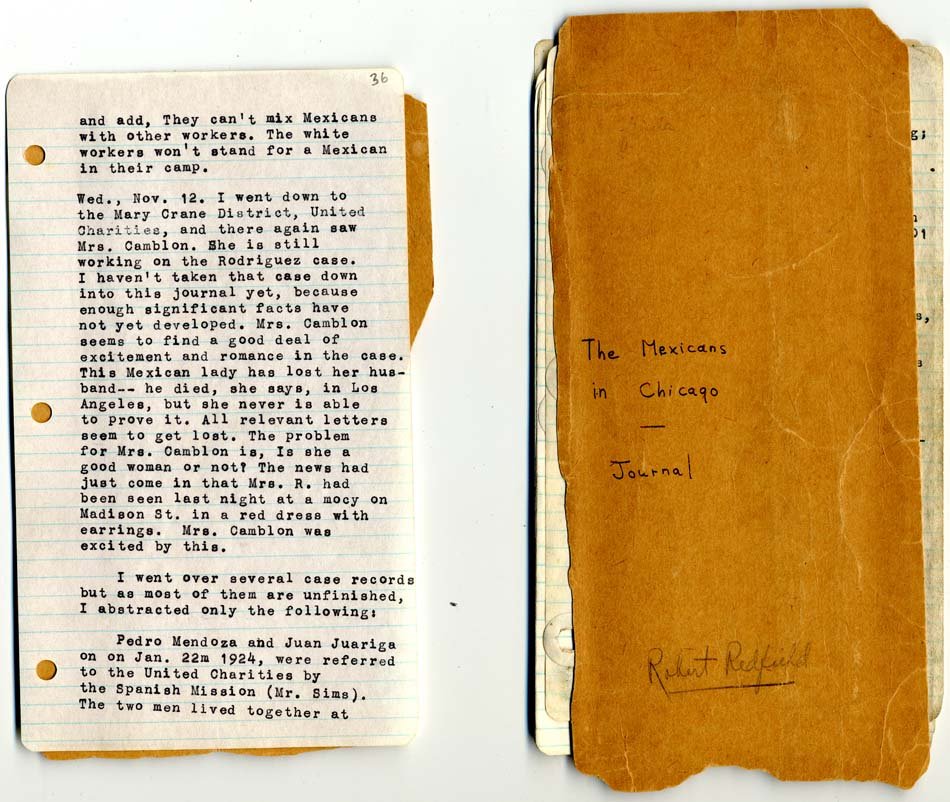
Robert Redfield (1897-1958) In 1920 Robert Redfield married Margaret Park, the daughter of Robert Park, a professor of sociology at the University of Chicago. Unhappy in his law career, Redfield contemplated becoming an anthropologist, and his father-in-law offered to fund a trip to Mexico so that Redfield could get a taste of field work before committing to an academic career. Redfield accepted the offer and, following his trip to Mexico, pursued a Ph.D. in anthropology at the University of Chicago, which he completed in 1928.  By 1932, Redfield was an established professor of anthropology at the University of Chicago. In that year, he was invited to join the Carnegie Institution project at Chichen Itza in Yucatan. Redfield was pivotal in expanding the focus of the project, moving away from the history of ancient civilizations to study the lives of those contemporary indigenous people who lived in the area surrounding El Castillo, the pyramid of Chichen Itza. While in Mexico, Redfield wrote extensive letters to his wife Margaret, some of which are presented here. She served Redfield as a close personal confidant, but he also considered her an intellectual and professional peer, as evidenced by the amount of detail that he gives her about his work in this correspondence.  Mexicans in Chicago While assisting the Department of Public Welfare to gather information about immigrant housing in Chicago, Robert Redfield interviewed people in small Mexican communities sprinkled throughout the southwest of Chicago in 1924. Manuel Gamio, an archaeologist and former government official from Mexico, made Chicago his base in the 1930s, as he called attention to the lives of Mexican immigrants, the "forgotten minority," in the United States. |
ロバート・レッドフィールド(1897-1958) 1920年、ロバート・レッドフィールドはシカゴ大学の社会学教授ロバート・パークの娘マーガレット・パークと結婚した。法律家としてのキャリアに満足し ていなかったレッドフィールドは、人類学者になることを考え、義父はレッドフィールドが学問の道に進む前にフィールドワークを経験できるよう、メキシコ旅 行の資金援助を申し出た。レッドフィールドはこの申し出を受け入れ、メキシコ旅行の後、シカゴ大学で人類学の博士号を取得し、1928年に修了した。 1932年までに、レッドフィールドはシカゴ大学の人類学教授として地位を確立した。その年、彼はカーネギー研究所がユカタン半島のチチェン・イッツァで 行ったプロジェクトに招かれた。レッドフィールドは、古代文明の歴史から、チチェン・イッツァのピラミッドであるエル・カスティーヨの周辺地域に住む現代 先住民の生活を研究するという、プロジェクトの焦点を拡大する上で極めて重要な役割を果たした。メキシコ滞在中、レッドフィールドは妻マーガレットに宛て て膨大な手紙を書いた。マーガレットはレッドフィールドの個人的な親友であったが、レッドフィールドはマーガレットを知的、職業的な同輩とみなしていた。 シカゴのメキシコ人 ロバート・レッドフィールドは1924年、シカゴの移民住宅に関する情報収集のために公共福祉局を支援するかたわら、シカゴ南西部に点在する小さなメキシコ人コミュニティの人々にインタビューを行った。 メキシコ出身の考古学者で元政府高官のマヌエル・ガミオは、1930年代にシカゴを拠点とし、アメリカにおける「忘れられた少数民族」であるメキシコ系移民の生活に注意を喚起した。 |
| Robert Redfield (1897-1958) En 1920, Robert Redfield, se casó con Margaret Park, la hija de Robert Park, un profesor de sociología de la Universidad de Chicago. Descontento con su carrera de leyes, Redfield contempló ser antropólogo, y su suegro le ofreció pagarle un viaje a México para que Redfield se diera la oportunidad de conocer el trabajo de campo antes de comprometerse con una carrera académica. Redfield aceptó la oferta, y después de su viaje a México, comenzó un doctorado en antropología en la Universidad de Chicago, el cual terminó en 1928. En 1932, Redfield ya era profesor de antropología en la Universidad de Chicago. En ese año se le invitó a integrarse al proyecto del Instituto Carnegie de Chichén Itzá en Yucatán. Redfield fue fundamental para expandir el enfoque del proyecto, llendo más allá de la historia de las civilizaciones antiguas para estudiar las vidas de esos indígenas contemporáneos quienes vivían en el área alrededor de 'El Castillo', la pirámide de Chichén Itzá. Mientras estaba en México, Redfield escribió cartas extensas a su esposa Margaret, algunas de las cuales se presentan aquí. Ella fue su confidente, pero él también la consideraba como su colega intelectual y profesional, lo que es evidente por la cantidad de detalles que él le dá en sus cartas acerca de su trabajo. |
ロバート・レッドフィールド(1897-1958) 1920年、ロバート・レッドフィールドは、シカゴ大学の社会学教授ロバート・パークの娘であるマーガレット・パークと結婚した。法曹界でのキャリアに不 満を抱いていたレッドフィールドは、人類学者になることを検討していた。義父は、レッドフィールドが学者の道に進む前にフィールドワークを体験できるよ う、メキシコへの旅費を負担することを申し出た。レッドフィールドはこの申し出を受け入れ、メキシコへの旅を終えた後、シカゴ大学で人類学の博士課程を開 始し、1928年に修了した。 1932年、レッドフィールドはすでにシカゴ大学の人類学教授となっていた。その年、彼はユカタン州チチェン・イッツァにあるカーネギー研究所のプロジェ クトに参加するよう招かれた。レッドフィールドは、プロジェクトの視野を広げる上で極めて重要な役割を果たし、古代文明の歴史にとどまらず、チチェン・ イッツァのピラミッド「エル・カスティーヨ」周辺地域に住む現代の先住民たちの生活を研究するに至った。メキシコ滞在中、レッドフィールドは妻のマーガ レットに長文の手紙を書き送った。その一部をここに紹介する。彼女は彼の心の支えであったが、彼は彼女を知的・職業上の同僚としても見なしており、それは 手紙の中で自身の仕事について詳細に記していることからも明らかである。 |
| https://x.gd/YgG7e |
リ ンク
文 献
そ の他の情報
Copyleft, CC, Mitzub'ixi Quq Chi'j, 1996-2099

☆
 ☆
☆
