高齢化社会のデザイン
Designing
of/for/with/against Aging Society: A Bottom up Approach
解説:池田光穂
これまでの高齢化社会のデザインは、 (1)政策サイドの行政施策の様々な提案(サ クセスフル・エイジング=エイジレス社会+エイジリスペクト社会)や、(2) その「よきイメージ」をアジア社会をモデルにすることを前提に して、模索され てきた(例:広井良典の これまでの様々な提案)。またアフリカの高齢化社会への人類学的な介入を通して、日本の高齢化社会を逆照射する提案もある(田川・慶田・花渕編 2016)。しかし、これは、自らの社会を自らの足で立てるいうオートノミーという発想からみると、他者および他者の社会へのアイディア依存で、いささか 不安が募る貧相なアイディア群である。大切なことは、自らの発想で、高齢化社会を「デザイン」 するということである。そのためには、どうしても「コミュニティから発信できない」行政主導のプログラムは、避けるべきだろう(→「コミュニティにもとづく参加型研究:CBPR」)。
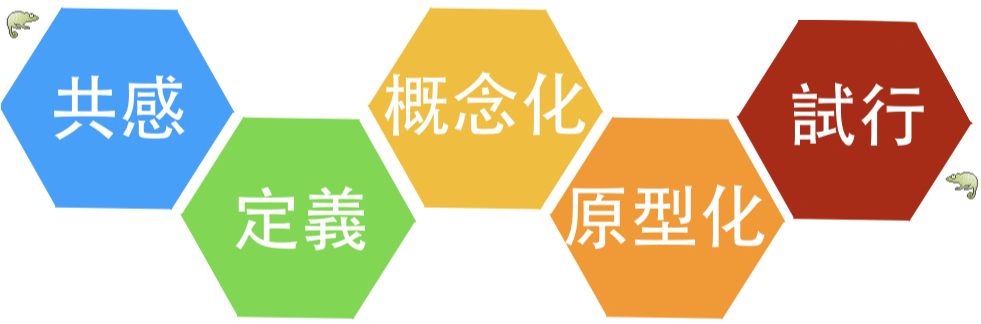
では、高齢化社会を「デザイン」するということはどういうことをさすのだろう か? デザインは設計の意味だから「自分たちが《そうあってほしい 高齢化社会》を設計する」というのがその答えだ。
嫌悪すべき例(→「古いページ」の事例)のように、コミュニティ(ないしは 専門化したデヴェロッパーたち)の声をそのまま公募すれば「なんとかなる」と言う安易な発想も登場する。
★超高齢化地球をどのように「再設計」するのか?——WEFの4つのオプティミスティックな発想(あとで説明)(→「アクティブ・エイジング」)
【高 齢化社会のデザインを考える!】
テリー・ウィノグラード(2002:
xxvi-xxx)によると、デザインと
は何かということを考える時に、デザインは《行為》であること
を自覚しなければならないという。そして以下のような、デザインという行為の内実について解説している。それを、私たちが考える、高齢化社会との関連で、
《そうなれば良いなぁ》と考えるように、6つのテーゼにして、皆さんに示そうと思う。
1. デザインは意図的である——私たちが考える高齢化社会は、
全ての世代のグループがそれぞれの多様性を尊重しながら平和的に共存している状態のことである。
2.
デザインは人間的な課題を中心にすえる——持続的な可能目
標(SDGs)に照らし合わせて、人間中心的ではなく、地球環境にも配慮した社会
的プログラムである。
3. デザインは素材との対話である——プロジェクトの遂行に
は、高齢者は裨益者でステイクホルダーであると同時に、対等の対話相手である。
4.
デザインはクリエイティブである——高齢化社会の設計は、
快適で、楽しくて、かつ創造的である。
5
デザインはコミュニケーションである——あらゆるタイプの情
報が透明性を持って流通し、偏見や意図的な秘密がなるべく少なくなり、かつ、苦しみや苦悩に満ちたものですら常に、皆が取り組めるようにオープンなもので
なければならない。
6. デザインは社会的な結果を伴う——現時点では実現不可能と
思われるプランでも、善いものであれば、その成果が出るように、十全の努力をする。
【番外】「認知症マトリックス」で大暴れする——あまりオス
スメしません。リスクテイクできる方のみ限定!!
政策担当者は、統治上の課題もあり、高齢 社会をデザイ ンする必要性に駆られていることは言うまでもない。しかしながら、地域コミュニティの変貌や崩壊に ついて、日々の生活実践を通して感じている現場の人々からみれば、政策サイドからの提案は、一方でばらまき行政タイプのパターナリズムか、住民のクレーム 処理タイプのシビル・エンジアリング的な技術改良主義の間を揺れ動いているだけで、生活感覚にもとづくものとは程遠いものがある。
これまでの大学の研究者は、大衆(市民) に対する行政的視点を大衆(市民)に対する態度をもって軌を一にするか、あるいは普遍的で画一的な非現 実的な社会変革モデルを提案するという「悪しき指導者」のままに甘んじてきた。
そのような大学研究者に対して(抗し て)、問題に基づく学習(PBL)と、コ ミュニティに基づく参加型研究(CBPR)に ついて考えるのが、この調査型実践プロジェクトである。
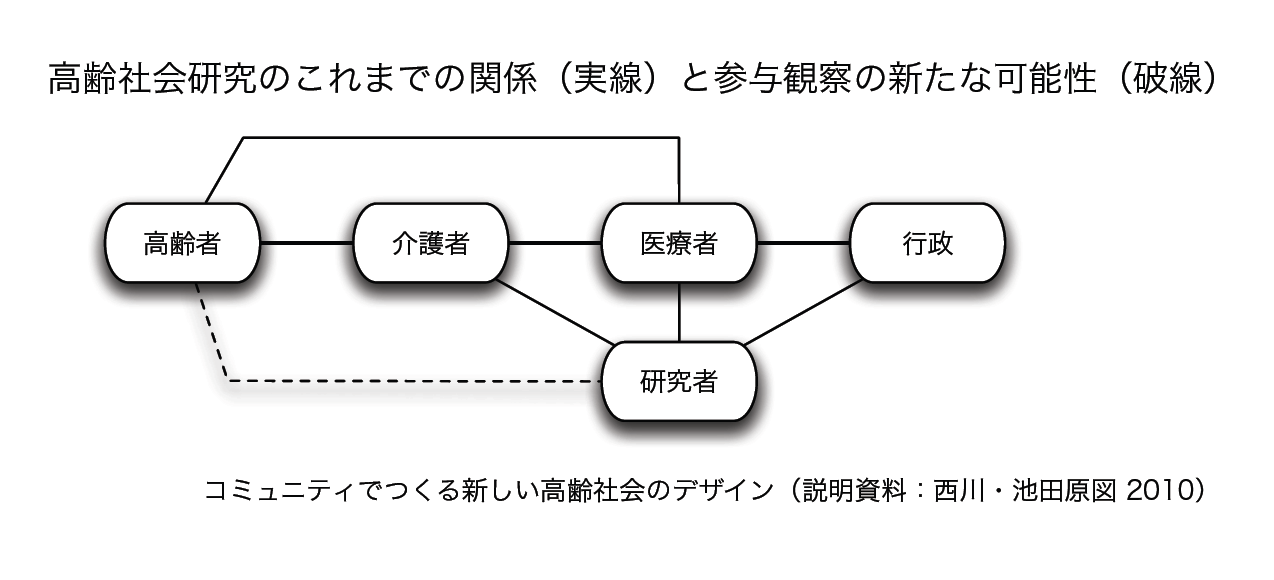
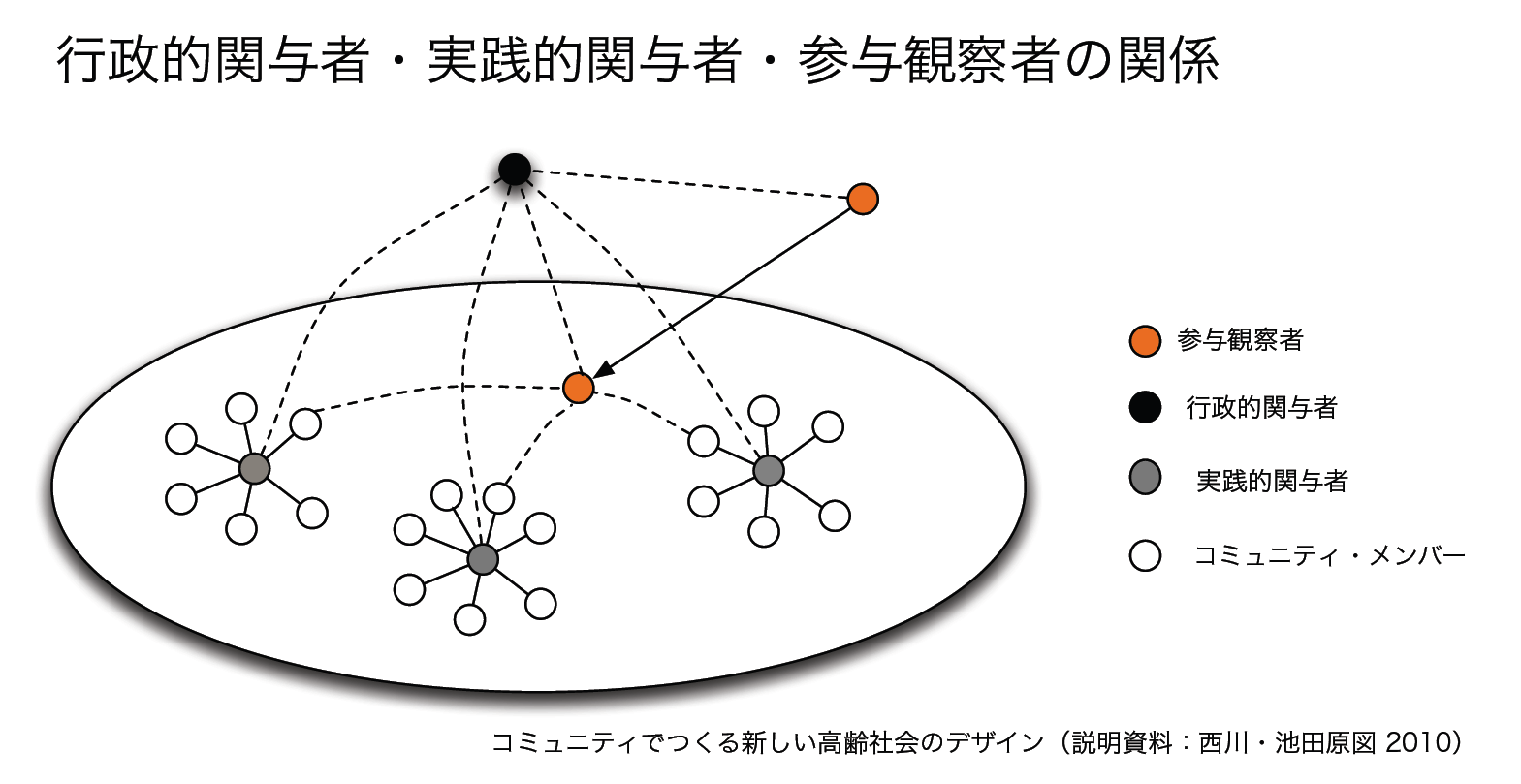
このプロジェクトは次の 3ステップの理念的展開をもくろむ。
(1)地域における高齢者(認知症者を含 む)や障害者とそのケア提供者が、現場でどのような問題を抱えるているのか、現場で大学の研究者が耳を 傾ける。
(2)直面する問題の性質に関する分析 を、参与観察者である大学の研究者は、当事者と同じ資格水準で考え、またそれに対する具体的な行動指針や 計画などを立案する。
(3)落下傘から降りてくるような調査研 究や開発のための資金注入という古典的タイプの研究ではなく、地域コミュニティと当事者が持続的に高齢 社会を運営・維持していくような、これまでの社会の価値観を尊重しつつ、さまざまな代替的方法を提案・実践すると同時に、それらの維持管理を持続可能なも のにする。

●高齢者を排除するようなコミュニティの 設計思想があるか(イエスか?/ノーか?)
僕 は、まちづくりとは、ひとづくりに、ほかならないと考える人間であ る。したがって、土木系の専門家が謳う土建屋丸出しの思考から抜け出ない「まちづくり」の理念を聞いても全く心が動かされな い。また、自称「交通系」の人が、交通の流れがかわったら、自動的にまちづくりができるというバカな主張も、俄かには信じがたい暴言のように思われる。そ んな土木系や交通系の「まちづくり」をいった い誰が信じるのだろうか?(→「ひとづくりから入る「まちづくり」入門」)
アクティブ・エイジングの定義は次のよう
に規定されている:「アクティブ・エイジングとは、人びとが歳(年)を重ねても生活の質が向上する
ように、健康と参加と安全のチャンス(機会)をもっともふさわしいように(=最適化する)過程のこと」をさす。(→「アクティブ・エイジング」)
●高齢者を含む多様性をもつコミュニティ の設計思想があるか?(イエスか?/ノーか?)
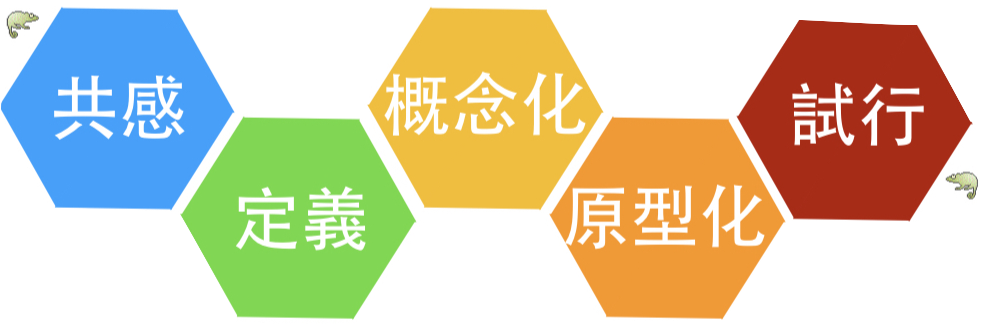
●超高齢化という人口構造に配慮したデザ インをしているか?(イエスか?/ノーか?)
Healthy Aging - Osaka University(pdf)
Challenging to Our low-birth-rate-hyper-aging-society: Japanese government, health sectors, and citizen - We will have three parts of this presentation: 1) General description on Aging Society, “Kōreika-Shakai” and Policy of Japan; 2) Structural Violence toward foreign ‘Newcomers’ workers in Japan; 3) How we should do? :Methodological memorandum.
 ***
***
(Source: Ministry
of Health, Labour and Welfare, 2012)
●SDGsを考慮した高齢化社会の設計をしているのか?(イエスか?/ ノーか?)

◎最終的なデザインの先のモデル
「ナ ショナルミニマム制度を基礎に置く横型(階層型)の社会保障システムへの転換」(小笠原と渡辺 2012:216)
ナショナルミニマムの説明(ウィキペディ ア日本語より)
「ナショナル・ミニマム (national minimum)とは、国家(政府)が国民に対して保障する生活の最低限度(最低水準)のことである。ベヴァリッジ報告書ではナショナル・ミニマムを達成 するため、ミーンズテストに基づく公的扶助制度を設けるとした」。ちなみに、ミー ンズテストとは、同ウィキより「ミーンズテスト(means test)とは、市民政府に対し、社会保障制度による給付を申請した際に、申請者が要件を満たすかどうか判断するため行政側が行う資力調査のこと。調査は 申請者の収入、資産、またはその両方を対象にして行われ、通常は収入・資産が一定水準を下回ることが受給の要件となる」。
関連ページ:社会福祉とネオリベラリズム政策/不品行にふるまう:行動経済学をつくる!/ナッジ・アーキテクチャー///
★「想像の共同体」としての高齢化社会
想像の共同体とは、政治学者のベネディクト・アンダーソンの同名の著作からインスパイアされた、社会科学的用語で、世界各地の異なる時代、異なる地理にお ける「国民」感情の発展があったという所論で、植民地のエリート教育や初等教育の普及により識字者の増加、新聞メディアの普及、ナショナリズムの形成を謳 う出版資本主義の普及などを通して、植民地からの独立や自決権を求める社会運動が展開したという理論仮説である。
☆クレジット:池 田光穂「コミュ ニティから発信する高齢社会のデザイン」
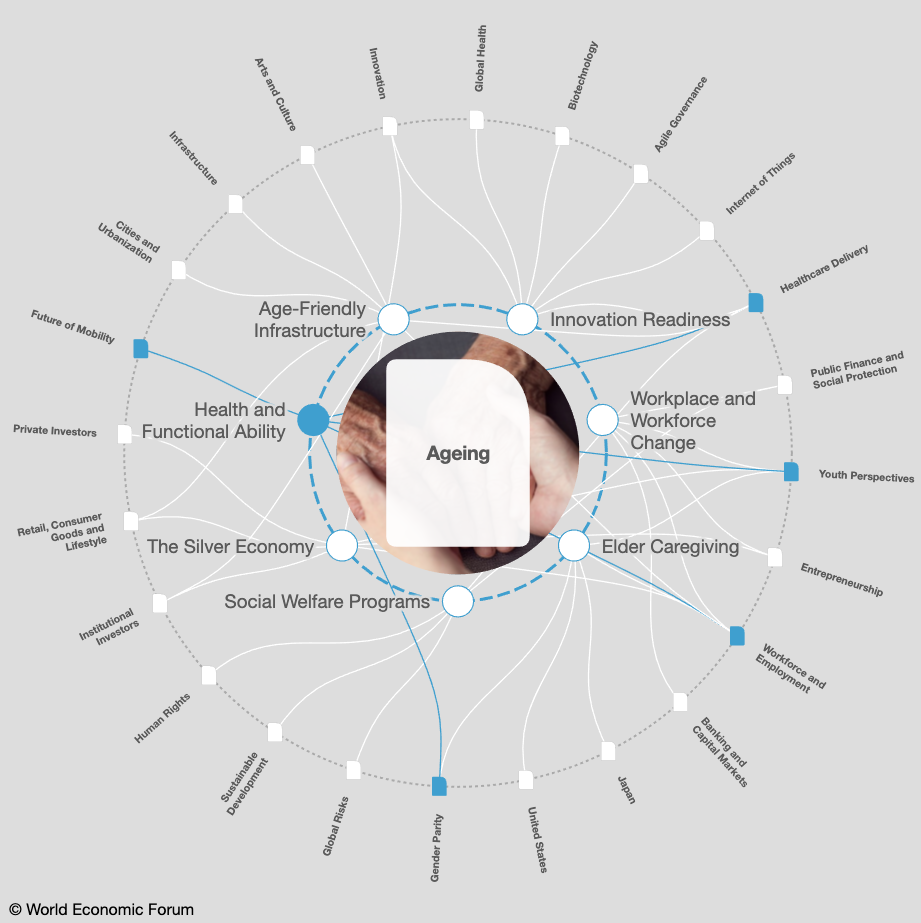
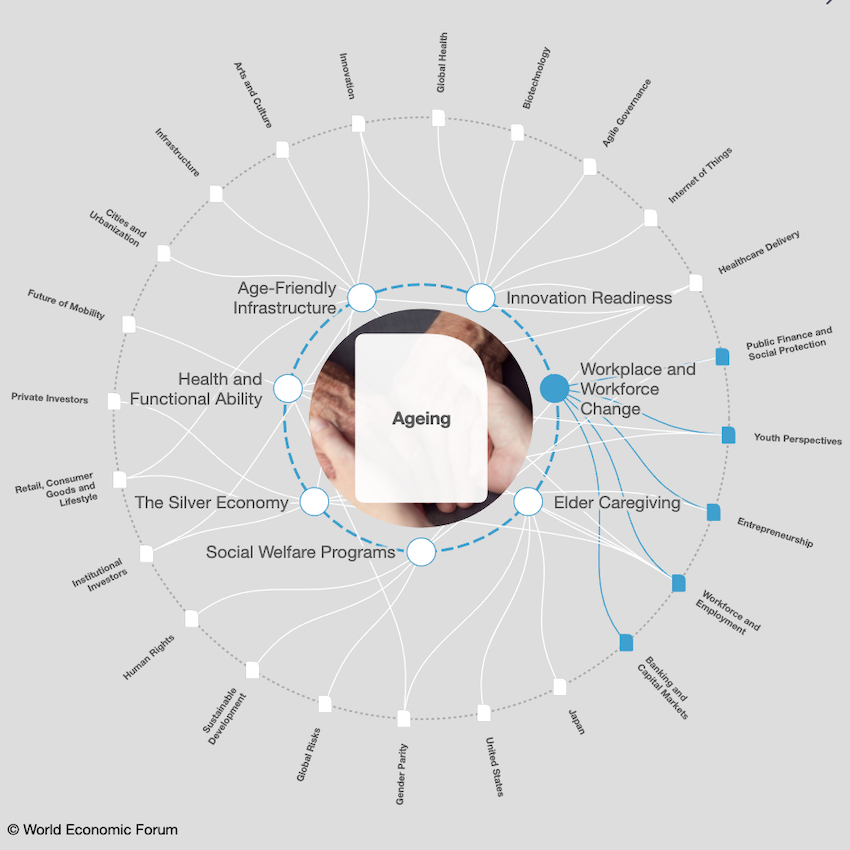
■World Economic Forum のグローバルな変革マッピングにおける「高齢化」への変革デザイン(画像のリンクによる直接出典サイトに飛びます:サインインが必要になる可能性がありま す)
この研究プログラムの英語のタイトルは、 「ボトムアップ・アプローチ」となっているが、トップダウンからのアプローチあるいはメゾレベルか らのアプローチの人たちは、世界的観点からみて、高齢化問題をどのように考えているのかを検証することも重要であろう。ダボス会議を運営する、世界経済 フォーラム(World Economic Forum )のサイトにある、グローバルな変革マッピングは、とても発見的手法(heuristic approarches)に満ちて、示唆的であるので、以下に示そう。
→「World Economic Forum
のグローバルな変革マッピングにおける「高齢化」への変革デザイン」
1.社会福祉プログラム:
Social Welfare Program
2.高齢者介護: Elder
Caregiving
3.健康と機能的運動能力:
Health and Functional Ability
4.労働環境と労働力の変化:
Workplace and Workforce Change
5.高齢者に優しいインフラ:
Age-Friendly Infrastructure
6.シルバーエコノミー: The
Silver Economy
7.イノベーションへの準備態勢: Innovation Readiness
★高齢化

★2)健康と機能的運動能力: Health and Functional Ability
★3)イノベーションへの準備態勢: Innovation Readiness


★7)シルバーエコノミー: The Silver Economy

★4)社会福祉プログラム: Social Welfare Program

★1)労働環境と労働力の変化: Workplace and Workforce Change
★6)高齢者に優しいインフラ: Age-Friendly Infrastructure

★高齢者と障害者が「つながる」現代日本での試み(医療人類学:西真如による報告——アメリカ人類学連合医療人類学会)
| Moralities, Institutions, and Familyhood in Disability and Long-term Care in Japan |
日本の障がいと長期ケアにおける道徳観、制度、そして家族像 |
| Makoto Nishi |
|
| In my childhood photo album,
there is a picture from around 1975 of my younger brother, me, and a
girl I no longer remember. I once asked my mother who she was. She said
the girl was someone my father had cared for. My father was an activist
who supported the deinstitutionalization of people with disabilities. I
have vague memories of attending a party or going to the beach with my
father and several adolescents with intellectual (or other)
disabilities. As time passed, I became a medical anthropologist, conducting research in Ethiopia and Uganda. Yet, my research in Africa had to be put on hold due to the Covid-19 pandemic. This disruption allowed me to initiate a new research project concerning how the pandemic affected autistic care in Japan. I started to talk to Ms. Kayo Takahashi, a friend of mine who is the mother of three children, including a daughter with autism and intellectual disability. She runs a small welfare service provider that supports children with developmental disabilities in a suburban area of Yokosuka. She has facilitated my interviews with parents, special education teachers, and disability welfare service operators, who shared their experiences during the pandemic. Initially, I saw few threads connecting the ongoing research in Yokosuka to my childhood memories during the 1970s. As I explored the institutions, schemes, and legislation that govern the disability welfare services in Japan and tried to trace their origins, I began to reconsider the lingering impact of 1970s deinstitutionalization movements in shaping the milieu in which individuals with disabilities and their families live today. At the 2025 Joint Annual Conference of the Taiwan Society for Medical Anthropology (TSMA) and East Asian Medical Anthropology Network (EAMAN), our panel entitled “Moralities, institutions, and familyhood in disability and long-term care in Japan” explored how Japan’s welfare schemes shaped the care practices. We focused on two key ideas: autonomy and familyhood. These ideas are mainly inspired by Koichi Yokozuka, a person with cerebral palsy and an influential disability activist in 1970s Japan who famously rejected parental care of disabled children. Instead, Yokozuka advocated for jiritsu seikatsu, a Japanese version of the independent living movement. The panel addressed the challenges of autonomy and familyhood in disability and elderly care in contemporary Japan, along with their impacts on the policies and institutions of long-term care. The landscape of familial care has undergone significant changes since the rollout of the Long-Term Care Insurance System (LTCI) in 2000, followed by the implementation of schemes and acts concerning disability care in subsequent years. Both the government and private sector partners invested significantly in materializing those schemes. Despite the massive efforts, defamilization of daily care, which the 1970s activists believed was an essential aspect of jiritsu (autonomy/independence), remains far-reaching. However, new forms of care activism are emerging, such as independent living for people with Down syndrome (DS) in downtown Kyoto, and women in long-term care activities taking over public spaces on a remote island in Okinawa. Ironically, jiritsu has been the guiding principle for Japanese welfare policymakers since the 1980s, when they started to consider a national long-term care scheme. However, the term was soon appropriated by the neoliberal arguments that reinterpreted jiritsu as “minimizing dependency on welfare schemes” rather than as increased autonomy of persons needing care. Yuki Tsujimoto, the first speaker on the panel, provided an overview of how some repercussions of the disability independence movement were reinterpreted by policymakers, drawing on 1990s draft papers that eventually became the LTCI in 2000—a national insurance system with tax-revenue subsidies. The scheme is characterized by two principles: the beneficiary-shares-the-cost rule and contract-based services between beneficiaries and private care service providers, which policymakers believed would promote jiritsu and curtail public expenditures. The Services and Supports for Persons with Disabilities (SSPD) Act, introduced in 2005, was guided by similar principles. Small-scale welfare service providers proliferated in subsequent years across the Japanese archipelago. |
私の子供の頃の写真アルバムには、1975年頃のものと思われる、弟と
私、そしてもう誰だったか思い出せない少女が写った写真があります。かつて母にその少女が誰なのか尋ねたことがあります。母は、その少女は父が世話をして
いた人だと言いました。父は、障害者の施設外生活支援を推進していた活動家でした。父や、知的(あるいはその他の)障害を持つ数人の若者たちと一緒にパー
ティーに参加したり、海へ出かけたりした記憶が、ぼんやりと残っています。 時が経ち、私は医療人類学者となり、エチオピアやウガンダで研究を行っていました。しかし、新型コロナウイルスのパンデミックにより、アフリカでの研究は 中断せざるを得なくなりました。この中断を機に、パンデミックが日本の自閉症ケアにどのような影響を与えたかについて、新たな研究プロジェクトを始めるこ とができました。そこで、自閉症と知的障害を持つ娘を含む3人の子どもの母親であり、私の友人でもあるKayo Takahashiさんに話を聞くことから始めました。彼女は横須賀市の郊外で、発達障害のある子どもたちを支援する小規模な福祉事業を運営しています。 彼女の仲介により、パンデミック中の経験を語ってくれた保護者、特別支援学校の教員、障害者福祉サービス事業者へのインタビューを行うことができました。 当初、横須賀での進行中の研究と、1970年代の私の子供時代の記憶との間には、ほとんど接点が見出せませんでした。しかし、日本の障害者福祉サービスを 規定する制度、仕組み、法規制を探求し、その起源をたどるにつれ、1970年代の脱施設化運動が、今日の障害者とその家族が生きる環境を形成する上で、い まだに及ぼしている影響について再考するようになりました。 2025年に開催された台湾医療人類学会(TSMA)と東アジア医療人類学ネットワーク(EAMAN)の合同年次大会において、私たちのパネル「日本の障 害者・長期ケアにおける道徳観、制度、そして家族像」では、日本の福祉制度がいかにケアの実践を形作ってきたかを探求した。私たちは、「自律」と「家族 性」という二つの主要な概念に焦点を当てた。これらの概念は主に、脳性麻痺を持ち、1970年代の日本で影響力のある障害者活動家であった横塚 晃一(1935 -1978)氏にインスパイアされたものである。横塚氏は、障害児に対する親による介護を公然と拒否したことで知られている。その代わりに、横塚氏は「自立生活」——日本版インディペンデント・リビング・ムーブメント——を提唱した。 本パネルでは、現代日本における障害者と高齢者ケアにおける自律性と家族性の課題、およびそれらが介護政策や制度に与える影響について議論した。2000 年の介護保険制度の導入、そしてその後の数年にわたる障害者ケアに関する制度や法律の施行に伴い、家族によるケアの様相は大きく変化した。政府と民間セク ターのパートナーは、これらの制度を具体化するために多大な投資を行った。こうした多大な努力にもかかわらず、1970年代の活動家たちが「自立 (jiritsu)」の不可欠な側面と信じていた日常ケアの「脱家族化」は、依然として広範に及んでいる。しかし、京都の都心部におけるダウン症(DS) の人々の自立生活や、沖縄の離島で公共空間を占有する介護活動に従事する女性たちなど、新たな形のケア・アクティビズムが台頭しつつある。 皮肉なことに、「自立」は、1980年代に国の介護制度の検討が始まって以来、日本の福祉政策立案者にとって指針となってきた。しかし、この用語はすぐに 新自由主義的な議論に取り込まれ、「自立」は介護を必要とする人々の自律性の向上ではなく、「福祉制度への依存を最小限に抑えること」として再解釈される ようになった。パネルの最初の登壇者である辻本由紀氏は、1990年代の草案(後に2000年に税収による補助を伴う国民保険制度である介護保険 (LTCI)となったもの)を引用し、障害者自立運動のいくつかの影響が政策立案者によってどのように再解釈されたかについて概説した。この制度は、「利 用者負担の原則」と、利用者と民間介護事業者との間の契約に基づくサービス提供という2つの原則を特徴としており、政策立案者らは、これらが自立を促進 し、公的支出を抑制すると考えていた。2005年に導入された「障害者支援法」も、同様の原則に基づいて策定された。その後数年間で、日本列島全域に小規 模な福祉サービス事業者が急増した。 |
| Elderly care after the LTCI
system has continued to rely heavily on the hands of women, both as
welfare service providers and as family caregivers. However, in some
circumstances, the scheme helped women occupy public spaces in some
unexpected ways. Mari Kagaya examined how LTCI has reshaped economic
activities and gender relations in local communities, focusing on a
local non-profit organization established by a group of women on Ikema,
one of Okinawa’s islands, with a population of 520. The organization
was established to provide long-term care services. It provides
home-based care services that combine home visits with daycare and
overnight-stay programs. The organization had 12 staff members, of whom
11 were women. Furthermore, it has developed various projects,
including the Shima-date or “island revitalization initiatives”
program, homestay programs, and children’s community centers. Their
activities brought significant changes to the island’s political
economy, which had once marginalized and often rendered invisible the
values of care performed by its female members. My own work delves into the social textures of disability welfare in Japan by tracing the trajectory of Taiyo no Machi, a disability institution established in 1968 in the suburbs of Kure, Hiroshima. The institution provided job skill training to its residents, a rare practice in Japan at that time. However, it soon found it difficult to pursue its goals as the policies shifted towards deinstitutionalization, backed simultaneously by the policymakers’ vision of suppressing public welfare expenditures and disability activists’ vision of ending segregation. The institution recently revived after being taken over by new management, which shifted the business towards daycare services, including ryoiku (cognitive rehabilitation and education) for children with developmental disorders. Looking back, the unique institutional makeup of Taiyo no Machi, which combines an admission facility with an income-generating workshop, represented a peculiar blend of old protectionism and the emerging aspiration for jiritsu, or the independence of persons with disabilities. However, since deinstitutionalization, family care practices have intensified, despite supports by an array of subsidized disability care schemes. Disability care in Japan today depends heavily on familial care, and jiritsu, or the social and financial independence of persons with disabilities, remains a challenge. However, some people with DS strive to figure out a way to realize independent living. Yuki Takeuchi focused on Motoharu Sasaki, a person with DS in Kyoto, who has been practicing independent living since 2018, when he was 35. Independent living of persons with intellectual disabilities remains a rare practice in Japan. However, two individuals played vital roles in making this happen for Motoharu: his mother, Kazuko Sasaki, and his care coordinator, Junpei Hirokawa. What we have learned from Motoharu’s experience is that independent living is a viable option for individuals with DS in Japan, thanks to the welfare schemes outlined in the SSPD Act of 2005 and the support of dedicated care workers. However, it is achievable only through the careful fabrication of a set of viable practices and relationships by putting together a number of welfare schemes, none of which are designed to support the independence of persons with intellectual disabilities. Moreover, professional support (such as that by Mr. Hirokawa) to put the resources together is not available in most parts of Japan. The tricky nature of jiritsu as independence/autonomy comes into sharper focus when its different dimensions are set side by side. Kyoko Aizaki explored how differences in policies and social environments between the UK and Japan shaped financial security, employment, and family relationships for individuals with autism. The focus was on how these differences impact the social inclusion and everyday lives of autistic people. The study examined the legal responsibilities and policies regarding the education of children with disabilities, including those with autism, by focusing on special needs education, medical diagnostic systems, and employment policies in Japan and England. Furthermore, interviews were conducted with adults with autism spectrum disorder (ASD) as well as parents of children with ASD, both in Japan and England. Through these interviews, the study explored how the policies of both countries affect the autonomy of autistic individuals, particularly in terms of their ability to live independently, engage in the workforce, and interact within their families and communities. The key lesson emerging from this panel is that although massive investment in welfare schemes has reshaped Japan’s care landscape over the last few decades, jiritsu among those in need of care has hardly materialized in the way that 1970s activists once hoped. This evaluation is crucial, as it reminds us that the Japanese welfare system is a complex historical product containing conflicting goals and practices. The panel’s discussions also offer a critical perspective on why we must be wary of the tendency to render Japan’s welfare system as the original model for East Asian societies. By expanding this discussion through engagement with Taiwanese and Korean colleagues in this new network, I hope we will be able to disrupt conventional homogenizing narratives of “diffusion” in East Asia and foster a more rigorous understanding of diverse struggles for disability rights and elderly care. Author bio: Makoto Nishi is a medical anthropologist at Hiroshima University, whose research concerns states of life at the intersection of disabilities or chronic health conditions, gender, and power. His past and present focus of research includes the HIV epidemic in Ethiopia during the health system transition and families with autistic children during the Covid-19 pandemic. His recent publications include: Curing Lives: Surviving the HIV Epidemic in Ethiopia (Palgrave Macmillan, 2023); “Care during ART Scale-up: Surviving the HIV Epidemic in Ethiopia” (BioSocieties 2023, 18(3), 567–585). Series Introduction: East Asian Medical Anthropology for a Transformative Time |
介護保険制度導入後の高齢者ケアは、福祉サービスの提供者として、また
家族介護者として、依然として女性の手に大きく依存し続けている。しかし、状況によっては、この制度が予期せぬ形で女性が公的な場に参加するきっかけと
なったケースもあった。加賀谷真理氏は、人口520人の沖縄の島の一つである池間島で、女性グループによって設立された地域NPOに焦点を当て、介護保険
が地域社会における経済活動やジェンダー関係をどのように再構築したかを検証した。この組織は介護サービスを提供するために設立されたもので、訪問介護と
デイサービス、宿泊サービスを組み合わせた在宅介護サービスを提供している。同団体のスタッフ12名のうち11名が女性であった。さらに、同団体は「島だ
て(島活性化事業)」プログラム、ホームステイプログラム、児童コミュニティセンターなど、様々なプロジェクトを展開してきた。こうした活動は、かつて島
の女性たちが行うケアの価値を周縁化し、しばしば見えなくしていた島の政治経済に、大きな変化をもたらした。 私の研究は、1968年に広島県呉市の郊外に設立された障害者施設「太陽のまち」の歩みをたどることで、日本の障害者福祉の社会的構造を掘り下げるもので ある。同施設は入所者に対して職業技能訓練を提供していたが、これは当時の日本では珍しい取り組みであった。しかし、政策立案者による公的福祉支出の抑制 という構想と、障害者活動家による隔離の解消という構想が同時に後押しする中、政策が脱施設化へと転換したため、同施設はまもなくその目標の追求が困難に なった。その後、新たな経営陣に引き継がれ、発達障害児向けの「療育」(認知リハビリテーションおよび教育)を含むデイケアサービスへと事業転換を図った ことで、同施設は最近、再興を果たした。振り返ってみると、入所施設と収益事業を兼ね備えた「太陽のまち」のユニークな組織体制は、旧来の保護主義と、当 時芽生えつつあった「自立」への志向が奇妙に融合したものであった。しかし、脱施設化以降、様々な公的支援制度があるにもかかわらず、家族による介護の負 担は増大している。 今日の日本における障害者ケアは家族介護に大きく依存しており、障害者の社会的・経済的自立(自立)は依然として課題となっている。しかし、ダウン症の人 々のなかには、自立した生活を実現する方法を模索している人もいる。竹内由紀は、2018年(35歳の時)から自立生活を実践している京都在住のダウン症 者、佐々木元春氏に焦点を当てた。日本において、知的障害者の自立生活は依然として稀な実践である。しかし、佐々木元春さんの自立を実現する上で、母親の 佐々木和子さんとケアコーディネーターの廣川純平さんの二人が極めて重要な役割を果たした。元春さんの経験から私たちが学んだことは、2005年の「知的 障害者支援法」に定められた福祉制度と、献身的なケアワーカーの支援のおかげで、日本におけるダウン症の人々にとって自立生活は実現可能な選択肢であると いうことだ。しかし、それは、知的障害者の自立を支援するようには設計されていない数々の福祉制度を組み合わせ、実行可能な実践と人間関係の枠組みを慎重 に構築することによってのみ達成可能です。さらに、そうした資源を統合するための(広川氏のような)専門的な支援は、日本のほとんどの地域では利用できま せん。 自立(jiritsu)が持つ「自立/自律」という概念の複雑な性質は、その異なる側面を並べて比較することで、より鮮明に浮き彫りになる。相崎京子は、 英国と日本の政策および社会環境の違いが、自閉症を持つ個人の経済的安定、雇用、家族関係にどのような影響を与えているかを調査した。焦点は、これらの違 いが自閉症者の社会的包摂と日常生活にどのような影響を与えるかにあった。本研究では、日本と英国における特別支援教育、医学的診断システム、雇用政策に 焦点を当て、自閉症を含む障害児の教育に関する法的責任と政策を検証した。さらに、日本とイングランドの両国において、自閉症スペクトラム障害(ASD) を持つ成人およびASD児の親へのインタビューを実施した。これらのインタビューを通じて、両国の政策が自閉症者の自律性、特に自立生活、就労、そして家 族や地域社会との関わりにおいてどのような影響を及ぼしているかを明らかにした。 本パネルから浮かび上がる重要な教訓は、過去数十年にわたる福祉制度への巨額の投資が日本の介護のあり方を変容させたものの、介護を必要とする人々におけ る「自立」は、1970年代の活動家たちがかつて期待していたような形でほとんど実現していないという点である。この評価は極めて重要であり、日本の福祉 制度が、相反する目標や実践を含む複雑な歴史的産物であることを我々に想起させる。また、本パネルでの議論は、日本の福祉制度を東アジア社会の「原型」と して捉える傾向に対し、なぜ警戒すべきかという点についても批判的な視点を提供している。この新たなネットワークを通じて台湾や韓国の研究者たちと議論を 深めることで、東アジアにおける「拡散」という従来の画一的な物語を打破し、障害者の権利や高齢者ケアをめぐる多様な闘いについて、より厳密な理解を深め られることを期待している。 著者略歴:西真如(Nishi Makoto)は広島大学の医療人類学者であり、障害や慢性疾患、ジェンダー、権力が交差する「生の状態」を研究対象としている。過去および現在の研究 テーマには、医療制度の移行期におけるエチオピアのHIV流行や、新型コロナウイルス感染症(COVID-19)パンデミック下の自閉症児を持つ家族など が含まれる。近著には、『Curing Lives: Surviving the HIV Epidemic in Ethiopia』 (Palgrave Macmillan, 2023年)、および「Care during ART Scale-up: Surviving the HIV Epidemic in Ethiopia」(『BioSocieties』2023年、18(3)、567–585頁)がある。 シリーズ紹介:変革の時代に向けた東アジア医療人類学 |
★横塚 晃一(1935 -1978)のバイオグラフィックな情報
「1935 年12月7日埼玉県生まれ。1952年6月整肢療護園へ入園、小学6年に編入され、1953年3月小学校卒業。同年4月中学校入学、1954年12月児童 福祉法適用切れにより退園、以後不就学。1955年4月国立身体障害センター入所、1956年3月同センター終了。1964年マハラバ村に参加、1966 年関口りゑと結婚、1969年2月マハラバ村を出て川崎市生田に移る。1970年5月「青い芝」神奈川県連合会副会長及び会長代行。1971年3月川崎市 有馬に移転、同年9月長男信彦誕生。1972年11月「青い芝」神奈川県連合会会長。1973年10月~日本脳性マヒ者協会全国青い芝の会総連合会会長。 1976年8月~全国障害者解放運動連絡会議代表幹事。1977年8月都立駒込病院に入院。1978年7月20日、同病院にて胃ガンのため死去、享年42 歳」横塚 晃一
★高齢化社会とはなにか?
| An "aging society"
refers to a demographic shift where the proportion of older people
(typically those aged 65 and over) significantly increases within a
population, while the number of younger people decreases. This is often
driven by factors like increased life expectancy and declining birth
rates. Japan is a prime example of a rapidly aging society. Here's a more detailed look at the concept: |
「高齢化社会」とは、人口の中で高齢者(一般的には65歳以上)の割合が著しく増加する一方で、若年層が減少する人口動態の変化を指す。これは、平均寿命の伸びや出生率の低下といった要因によって引き起こされることが多い。日本は急速な高齢化社会の典型例である。 この概念についてもっと詳しく見てみよう: |
| Japan's Case: Japan is experiencing a particularly rapid aging trend, with a high percentage of its population being 65 and older. The Japanese government has implemented various policies and guidelines to address the challenges of an aging society, including those focused on creating an "Age-free society," which aims to promote active aging and participation in society for older adults. |
日本のケース 日本は特に急速な高齢化傾向にあり、65歳以上の人口比率が高い。日本政府は高齢化社会の課題に対処するため、様々な政策やガイドラインを実施している。 その中には、高齢者の積極的な加齢と社会参加を促進することを目的とした「エイジフリー社会」の実現に焦点を当てたものも含まれる。 |
| Google-AI |
★(承前)高齢化社会とはなにか?
| Key Characteristics of an Aging Society: |
Increased Life Expectancy: People are living longer than ever before, leading to a larger proportion of older adults. |
平均寿命の伸び: 人民はかつてないほど長生きするようになり、高齢者の割合が増加している。 |
| Declining Birth Rates: Lower fertility rates mean fewer young people are being born to replace those who are aging out of the workforce. |
出生率の低下: 出生率の低下は、労働力として働けなくなる高齢者の代わりに生まれる若者の数が減っていることを意味する。 |
|
| Shift in Population Structure: The age distribution of the population shifts, with a larger percentage of the population being older and a smaller percentage being younger. |
人口構造の変化: 人口の年齢分布が変化し、高齢者の割合が増え、若年層の割合が減る。 |
|
| Challenges and Opportunities: |
Economic and Social Impacts: Aging societies can face challenges related to healthcare costs, workforce shortages, and pension system strains. |
経済的・社会的影響: 高齢化社会は、医療費、労働力不足、年金制度のひずみといった問題に直面する可能性がある。 |
| Need for Innovation: To address these challenges, aging societies may need to innovate in areas like healthcare, social services, and technology to support the needs of an older population. |
イノベーションの必要性: こうした課題に対処するため、高齢化社会は、高齢者のニーズを支えるヘルスケア、社会サービス、テクノロジーなどの分野でイノベーションを起こす必要があるかもしれない。 |
|
| Silver Economy: The aging population can also present economic opportunities, as there's a growing market for products and services tailored to the needs of older people, known as the "silver economy". |
シルバー・エコノミー シルバーエコノミー」と呼ばれる、高齢者のニーズに合わせた製品やサービスの市場が拡大しているからだ。 |
|
| Social Change: Aging societies can also lead to changes in social norms and expectations around work, retirement, and the role of older adults in society. |
社会の変化: 高齢化社会は、仕事、退職、社会における高齢者の役割をめぐる社会規範や期待にも変化をもたらす可能性がある。 |
|
| Google-AI |
☆日本の人口動態の変化と今後の予想(2012年)
☆日本における年金給付の時代的変化(2013年と2025年)——2012年時の分析と2025年時の予測
★高齢化社会における条件
"By 2020, the global population of those over 60 years of age will reach 1 billion; by 2050, it is expected to reach 2 billion. This trend, combined with a general decline in birth rates, is leading to a situation where the world’s old will outnumber the young. This presents an economic opportunity, as consumers over 60 will have trillions of dollars in spending power to help drive global consumption. There is also an opportunity to better leverage the abilities of those over 60, by adjusting workplace policies and redefining what “retirement” means. Investing more significantly in healthier ageing processes can help combat related health conditions, improve functional ability, and increase productivity. A transformation of institutional structures is called for, alongside public policies better aligned to the world’s new demographic makeup.- This briefing is based on the views of a wide range of experts from the World Economic Forum’s Expert Network and is curated in partnership with the Global Coalition on Aging." - Aging by World Economic forum.
「2020年までに、60歳以上の人口は世界全体で10億人に達し、2050年には20億人に達すると予測されています。この傾向は、出生率の全般的な低下と相まって、世界では高齢者が若者を上回る状況につながっています。これは経済的な機会をもたらすもので、60歳以上の消費者は、世界全体の消費を牽引する数兆ドルもの消費力を有することになります。また、職場の方針を調整し、「定年」の概念を再定義することで、60 歳以上の人々の能力をより有効に活用する機会も生まれます。より健康的な高齢化プロセスに多額の投資を行うことは、関連する健康問題の改善、機能能力の向上、生産性の向上につながります。制度構造の変革が求められており、世界の新たな人口構造に適合した公共政策の整備も必要だ。- この報告書は、世界経済フォーラムの専門家ネットワークに所属する多様な専門家の見解を基に作成され、グローバル・エイジング・コアリションとの協力で編集された。」
より詳しくは「World Economic
Forum のグローバルな変革マッピングにおける「高齢化」への変革デザイン」にアクセスしてください。
■クレジット:池田光穂・西川
勝・宮
本友
介「高齢化社会のデザイン(2010)」を元に池田が増補改訂したものです。西川さん・宮本さんに感謝します!
■高齢化社会のデザインテーゼ
1.グローバルに考え、ローカルに楽し み、そしてグローカル(メ ゾ・ レベル)でネットワーク的にアクションする!
2.老いや加齢をネガティブなものとして みない。そのための究極的な克服点は、必ず各人に訪れる「死」と付き合い、そし て死を「飼いならす」ことである。
3.正常や理想を多元化する。人間におけ る複数の経路性と、事後的な経路 依存 性の現実に直面すれば、「正常」や「理想」を一元化することの愚かしさに気付くはずである。
4.過去の失敗から学ぶ。過去の失敗を事 例を嫌悪すべき否定的で克服すべきものとして考えない。他者の失敗を、自己のものとして共感し 苦悩 し、そしてそこからの脱出を「共に」考える。
5.楽観主義を忘れない「共感的プラグマ
ティズム」を、集団的実践の信条をしよう。そして、楽観主義にもとづく、相互の助け合い(=互酬性)の精神だ!
★用語
●La vejez por De Jorge Luis Borges
| La vejez (tal es el nombre que los otros le dan) puede ser el tiempo de nuestra dicha. El animal ha muerto o casi ha muerto. Quedan el hombre y su alma. Vivo entre formas luminosas y vagas que no son aún la tiniebla. Buenos Aires, que antes se desgarraba en arrabales hacia la llanura incesante, ha vuelto a ser la Recoleta, el Retiro, las borrosas calles del Once y las precarias casas viejas que aún llamamos el Sur. Siempre en mi vida fueron demasiadas las cosas; Demócrito de Abdera se arrancó los ojos para pensar; el tiempo ha sido mi Demócrito. Esta penumbra es lenta y no duele; fluye por un manso declive y se parece a la eternidad. Mis amigos no tienen cara, las mujeres son lo que fueron hace ya tantos años, las esquinas pueden ser otras, no hay letras en las páginas de los libros. Todo esto debería atemorizarme, pero es una dulzura, un regreso. De las generaciones de los textos que hay en la tierra sólo habré leído unos pocos, los que sigo leyendo en la memoria, leyendo y transformando. Del Sur, del Este, del Oeste, del Norte, convergen los caminos que me han traído a mi secreto centro. Esos caminos fueron ecos y pasos, mujeres, hombres, agonías, resurrecciones, días y noches, entresueños y sueños, cada ínfimo instante del ayer y de los ayeres del mundo, la firme espada del danés y la luna del persa, los actos de los muertos, el compartido amor, las palabras, Emerson y la nieve y tantas cosas. Ahora puedo olvidarlas. Llego a mi centro, a mi álgebra y mi clave, a mi espejo. Pronto sabré quién soy. De Jorge Luis Borges (del muro de Esmeralda Loyden S) |
老い (他人がそう呼ぶ)。 が至福の時かもしれない。 動物は死んでいるか、ほとんど死んでいる。 人間とその魂は残っている。 私は、まだ闇ではない、光り輝く漠然とした形の中で生きている。 まだ闇ではない ブエノスアイレス、 かつては郊外に分断されていたが 絶え間ない平原に向かっていた、 再びレコレータ、レティーロとなった、 ぼんやりとしたワンスの通り そして不安定な古い家々 私たちはまだ南と呼んでいる。 私の人生には、いつも多くのものがあった; アブデラのデモクリトスは考えるために目を摘んだ; 時が私のデモクリトスだった。 この憂鬱は緩やかで苦痛を伴わない; 緩やかな斜面を流れていく。 永遠に似ている。 私の友人たちに顔はない、 女たちは何年も前のままだ、 角は違うかもしれない、 本のページには文字がない。 これらすべてが私を怯えさせる、 しかし、それは甘美であり、回帰なのだ。 この世にある何世代ものテキストのうち 私が読んだのはほんの一部だ、 記憶の中で読み続ける、 読み続け、変容させる。 南から、東から、西から、北から、 私を秘密の中心へと導いてくれた 私の秘密の中心へと導いてくれた。 それらの道は、こだまであり、足音だった、 女たち、男たち、苦悩、復活、 昼と夜、 夢と夢だ、 昨日の、そして世界の昨日の、小さな一瞬一瞬が そして、世界の昨日の一瞬一瞬である、 デーン人の剣とペルシャ人の月、 死者の行い、 共有された愛、言葉、 エマーソン、雪、その他多くのもの。 今、私はそれらを忘れることができる。 私は自分の中心に戻る、 私の代数と鍵に、 私の鏡に。 やがて私は自分が誰であるかを知るだろう。 ホルヘ・ルイス・ボルヘスより (エスメラルダ・ロイデンSの壁より) |
リンク
文献
その他の情報
Copyleft, CC, Mitzub'ixi Quq Chi'j, 1996-2099

Copyleft,
CC, Mitzub'ixi Quq Chi'j, 1996-2099