ニューロマンサー
Anthem for NeuroMancer
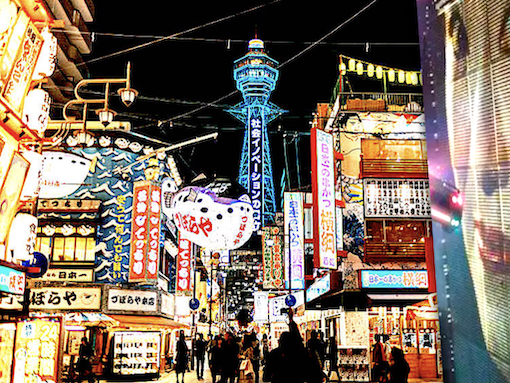
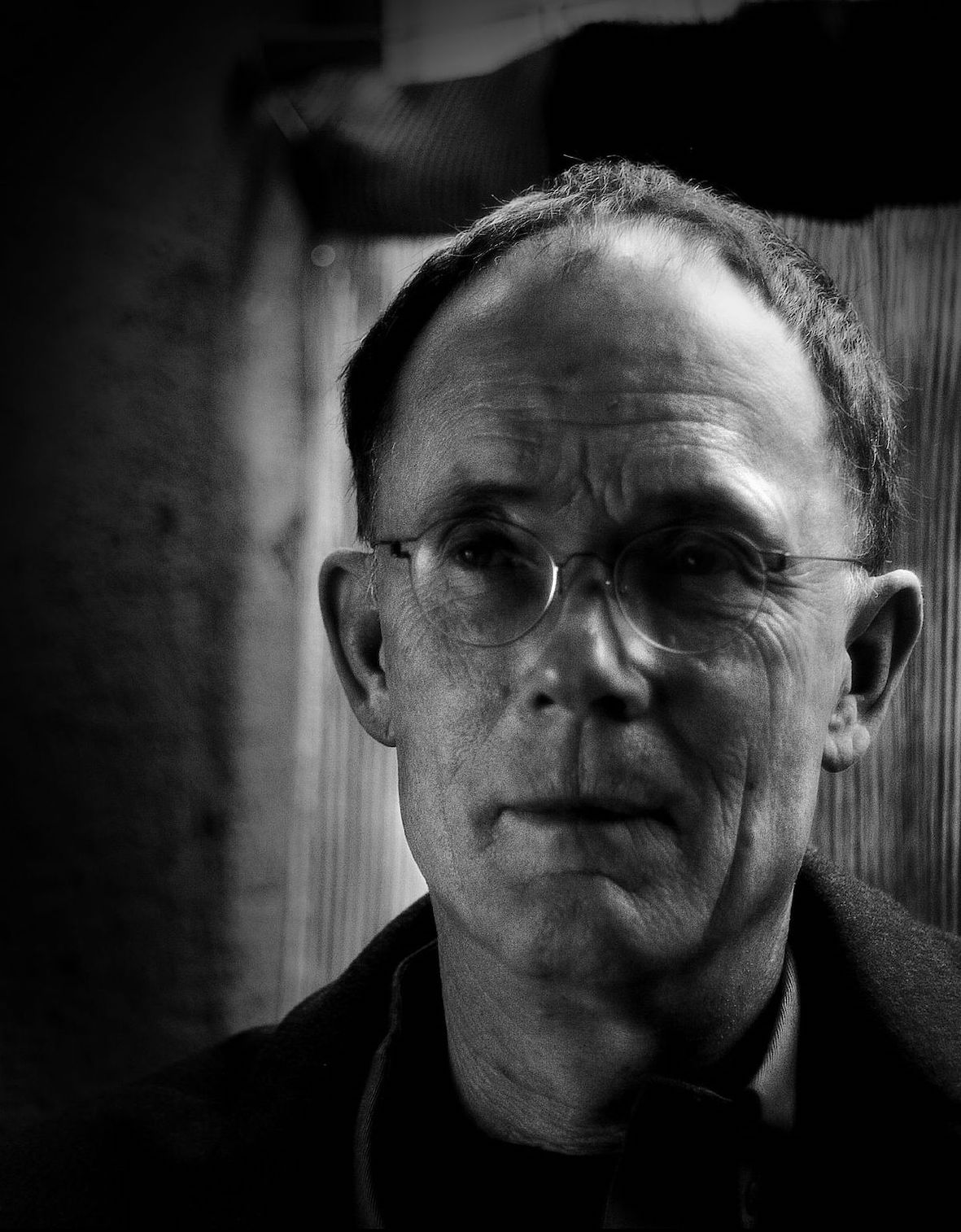
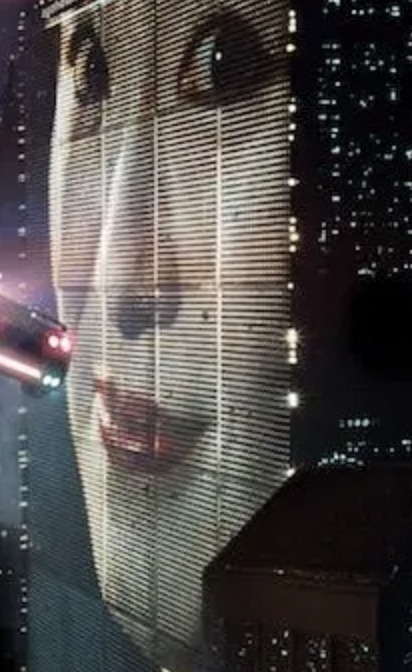
ニューロマンサー
Anthem for NeuroMancer
"Come now, mon, if you seh time be mos' precious." - Nuromancer, by William Gibson
The sky above the port was the color of television, tuned to a dead channel.- Nuromancer, by William Gibson
"EL CIELO SOBRE EL PUERTO tenía el color de una pantalla de televisor sintonizado en un canal muerto." - Neuromante, por WILLIAM GIBSON
人間はサイバー管理の間隙をぬってパンクする時代になった——垂水源之介:タグジャンプ→(Neuromancer)
****
"Neuromancer is a
1984 science fiction novel by American-Canadian writer William Gibson.
It is one of the best-known works in the cyberpunk genre and the first
novel to win the Nebula Award, the Philip K. Dick Award, and the Hugo
Award.[1] It was Gibson's debut novel and the beginning of the Sprawl
trilogy. Set in the future, the novel follows Henry Case, a washed-up
computer hacker who is hired for one last job, which brings him up
against a powerful artificial intelligence." - Neuromancer.
ウィキペディア「ニューロマンサー」より……
「サイバネティクス技術と超巨大電脳ネットワークが地球を覆いつくし、財閥(ザイバツ)と呼ばれ る巨大企業、そして「ヤクザ」が経済を牛耳る近未来。 かつては、「マトリックス」と呼ばれる電脳空間(サイバースペース)に意識ごと没入(ジャッ ク・イン)して企業情報を盗み出すコンピューター・カウボーイ であり、伝説のハッカー「ディクシー・フラットライン」の弟子であったケイスは、依頼主との契約違反の制裁として、脳神経を焼かれてジャック・イン能力を 失い、電脳都市千葉市(チバ・シティ)でドラッグ浸りのチンピラ暮らしを送っていた。/第一部千葉市憂愁(チバシティ・ブルース)そんなある日ケイスの元 に、全身に武装を施した街のサムライ(ストリート・サムライ)のモリイと名乗る女が現れ、彼女はケイスを謎の男アーミテジに引き合わせる。そしてアーミテ ジはケイスに、かつてケイスが失ったマトリックスへのジャック・イン能力の修復を代 償に、マトリックス空間で最も「ヤバい」コンピュータ複合体への潜入を 依頼するのだった。ケイスは依頼を引き受けるが、リンダが取引のブツであるRAMカセットを盗んだ事で「お友達」だったディーンによって殺 されてしまう。 そしてケイスは、陰謀とテクノロジーと暴力の支配する電脳世界へと舞い戻る」ニューロ マンサー(ウィキペディア)Neuromante.
The sky above the port was the color of television, tuned to a dead channel. - William Gibson, Neuromancer, 1984 -「港の空の色は、空きチャンネルの合わせたTVの色だった」(黒丸尚 訳)。脳に接続された端子を光ファイバー経由で直接インターネットに接続する生体ハッカーの生き様を描いた世界初のサイバーパンク小説『ニューロマン サー』の冒頭の文章である。 空の色がVDT(Visual Display Terminals)のホワイトノイズで表現されているところが、僕たちの新しい視覚認知の様式の到来を予言している。原文はインターネットに「転がって いる」のでググってほしい(→「スプ ロール三部作」)。
| Neuromancer
is a 1984 science fiction novel by William Gibson. Set in a near-future
dystopia, the narrative follows Case, a computer hacker enlisted into a
crew by a powerful artificial intelligence and a traumatised former
soldier to complete a high-stakes heist. It was Gibson's debut novel
and, after its success, served as the first entry in the Sprawl
trilogy, followed by Count Zero (1986) and Mona Lisa Overdrive (1988). Gibson had primarily written countercultural short stories for science-fiction periodicals before Neuromancer. Influences on the novel include the detective stories of Raymond Chandler, the comic art of Jean Giraud, and William S. Burroughs's Naked Lunch (1959). Neuromancer expanded and popularised the setting and concepts of an earlier Gibson story, "Burning Chrome" (1981), which introduced cyberspace—a digital space traversable by humans—and "jacking in", a bio-mechanical method of interfacing with computers. Neuromancer is a foundational work of early cyberpunk, although critics differ on whether the novel ignited the genre or if it was lifted by its inevitable rise. They agree it highlighted the genre's key features, like the placement of technological advancement against societal decay and criminality. Gibson's novel also defined the major conventions and terminology of the genre—cyberspace, jacking in, and Intrusion Countermeasure Electronics (ICE). Critics discuss the novel in the historical context of the 1970s and 1980s, a period marked by conservatism, deregulation, and free-market economics. Neuromancer was released without significant hype but became an underground hit through word of mouth. Following release, it received critical acclaim and transformed the science-fiction genre. Mainstream recognition raised Gibson from relative obscurity. It remains the first and only novel to win all three of the Hugo Award, the Nebula Award for Best Novel, and the Philip K. Dick Award. It has been regarded as a classic work of the cyberpunk genre and, in 2005, was named one of Time's All-Time 100 Novels. |
『ニューロマンサー[Neuromancer]』
は、ウィリアム・ギブソンによる1984年のSF小説である。近未来のディストピアを舞台に、強力な人工知能とトラウマを抱えた元兵士に誘われ、一攫千金
を狙う強盗計画に参加することになったコンピューターハッカー、ケースの物語が描かれている。これはギブソンのデビュー作であり、その成功を受けて『スプ
ロール三部作』の第一作となった。続く作品は『カウント・ゼロ』(1986年)と『モナ・リザ・オーバードライブ』(1988年)である。 ギブソンは『ニューロマンサー』以前、主にSF雑誌向けにカウンターカルチャー的な短編小説を執筆していた。この小説に影響を与えたものには、レイモン ド・チャンドラーの探偵小説、ジャン・ジローのコミックアート、そしてウィリアム・S・バロウズの『裸のランチ』(1959年)などがある。『ニューロマ ンサー』は、ギブソンの初期の短編「バーニング・クローム」(1981年)の設定と概念を拡張し、一般に広めた。同作では、人間が移動可能なデジタル空間 である「サイバースペース」や、コンピュータと接続するための生体機械的な手法である「ジャッキング・イン」が初めて導入された。 『ニューロマンサー』は初期サイバーパンクの基礎を築いた作品だが、この小説がジャンルに火をつけたのか、それとも必然的な隆盛に後押しされたのかについ ては批評家の間で見解が分かれている。しかし、技術の進歩と社会の衰退・犯罪との対比といった、このジャンルの主要な特徴を浮き彫りにした点については一 致している。ギブソンの小説はまた、サイバースペース、ジャッキング・イン、侵入対策電子装置(ICE)といった、このジャンルの主要な慣習や用語を定義 づけた。批評家たちは、保守主義、規制緩和、自由市場経済が特徴的な1970年代から1980年代という歴史的文脈の中で、この小説を論じている。 『ニューロマンサー』は大きな宣伝なしに発売されたが、口コミによってアンダーグラウンドでヒットした。発売後、批評家から絶賛され、SFジャンルを一変 させた。主流からの評価により、ギブソンは比較的無名な存在から一躍脚光を浴びることとなった。本作は、ヒューゴー賞、ネビュラ賞最優秀小説賞、フィリッ プ・K・ディック賞の3つすべてを受賞した、史上初かつ唯一の小説である。サイバーパンク・ジャンルの古典的作品と見なされており、2005年には『タイ ム』誌の「史上最高の小説100選」に選出された。 |
| Background Author and composition  Gibson in 2007 In 1981, William Gibson worked as a teaching assistant at his alma mater, the University of British Columbia. In the same year, his Nebula Award-nominated short story "Johnny Mnemonic" introduced one of Neuromancer's main characters, Molly.[1] "Johnny Mnemonic" infused elements of crime fiction, like marginalised communities and criminal society, with technology, blurring the boundary of human and machine.[2] The setting of the Sprawl and the concept of cyberspace first appeared in Omni the following year in his short story "Burning Chrome",[3] and were popularised by Neuromancer.[4] Later in 1981, Gibson was commissioned to write a novel by science-fiction editor Terry Carr for his second series of Ace Science Fiction Specials; he submitted an outline later that year with the working title Jacked In, eventually renaming it Neuromancer.[5][a] Gibson did not understand computing or networking in much detail, primarily wanting the shared vocabulary surrounding the topics.[6] The novel underwent considerable revision, with Gibson saying he rewrote the first two-thirds twelve times to ensure there was both stylistic consistency and a "vaguely plausible" plot.[7] Gibson sought to eliminate "clunk", contracting his prose to ensure "individual parts carry more weight". He did not write the novel with a concrete outline, or initially know how it would end,[8] writing the novel in "blind animal panic" because he thought it would fail if he did not hold the reader's attention.[9] Gibson added the novel's final sentence ("He never saw Molly again.") to prevent himself from writing a sequel.[10][b] Inspiration Neuromancer has many literary progenitors. Detective fiction, like the work of Raymond Chandler, is frequently cited as an influence on Neuromancer. For example, critics note similarities between Gibson's Case and Chandler's Philip Marlowe: Case is described as a "cowboy" and a "detective" and is involved in a heist;[12] Molly, the novel's primary female character, has connections to the "molls" of 1940s film noir.[13] Case's illegal practices, like theft and murder, situate him within a wider tradition of transgressive detectives, like the opiate addiction of Arthur Conan Doyle's Sherlock Holmes.[14] Gibson stated that the pulp noir core of the novel was key to engaging his readers, and cited the works of Dashiell Hammett and Robert Stone as major influences on its style.[15][c] For dialogue, the author incorporated late 1960s Toronto drug dealer and biker slang into the novel.[17] Gibson imagined the novel's time frame as the 2030s but purposefully omitted explicit dates; he said the novel, and its sequels, were written to reflect the 1980s.[18] Gibson's prose style—fast-paced, fragmented imagery—resembles the styles of William S. Burroughs and J. G. Ballard.[5] Burroughs's Naked Lunch (1959) is frequently cited by critics as an influence on Neuromancer,[19] including by one as its "principal source", as a literary predecessor of Gibson's "cyberspace".[19] Gibson's conception of cyberspace was compared by Samuel R. Delany to Roger Zelazny's early short stories; Delany and other critics have explored the character of Molly as a development on the cyborg assassin of Joanna Russ's The Female Man (1975).[20][21][d] Visual media likewise influenced the style of Neuromancer. Gibson has repeatedly mentioned the artwork of the 1970s French magazine Métal Hurlant,[22] with critics noting the proto-cyberpunk aesthetic of Jean "Moebius" Giraud's "The Long Tomorrow" (1976), republished in the American Heavy Metal magazine in 1977.[23] John Carpenter's Escape from New York (1981) influenced Gibson's approach to world-building, pointing to throwaway lines that suggested much about the film's world and its history beyond the narrative itself.[24] Upon seeing Ridley Scott's Blade Runner (1982), Gibson worried readers would think he had copied the film's "fine visual texture".[24] Gibson wrote in his introduction to the graphic novel of Neuromancer that Blade Runner was not a conscious influence;[22] in a later interview, he recounted a lunch with Scott where they both acknowledged a shared debt to Moebius's work in Métal Hurlant.[25] |
背景 著者および構成 2007年のギブソン 1981年、ウィリアム・ギブソンは母校であるブリティッシュコロンビア大学でティーチングアシスタントとして働いていた。同年、ネビュラ賞にノミネート された短編小説『ジョニー・ムネモニック』において、『ニューロマンサー』の主要登場人物の一人であるモリーが初登場した。[1] 「ジョニー・ムネモニック」は、社会から疎外されたコミュニティや犯罪組織といった犯罪小説の要素にテクノロジーを融合させ、人間と機械の境界線を曖昧に した。[2] スプロールという舞台設定とサイバースペースの概念は、翌年に『オムニ』誌に掲載された短編「バーニング・クローム」で初めて登場し[3]、『ニューロマ ンサー』によって広く知られるようになった。[4] 1981年後半、ギブソンはSF編集者のテリー・カーから、『エース・サイエンス・フィクション・スペシャル』の第2シリーズに向けた小説の執筆を依頼さ れた。同年後半に『ジャックド・イン』という仮題のアウトラインを提出し、最終的に『ニューロマンサー』と改題した。[5][a] ギブソンはコンピューティングやネットワークの詳細については理解しておらず、主にそれらのトピックを取り巻く共通の語彙を求めていた。[6] この小説は大幅な改稿を経た。ギブソンは、文体の統一性と「漠然と説得力のある」筋書きを確保するため、最初の3分の2を12回書き直したと述べている。 [7] ギブソンは「不自然な部分」を排除しようと努め、個々の部分がより重みを持つよう文章を凝縮した。彼は具体的な構成案を持たずに執筆し、当初は結末も決 まっていなかった[8]。読者の関心を引けなければ失敗すると考えたため、「盲目の動物のようなパニック」状態で小説を書き進めた[9]。ギブソンは続編 を書かないようにするため、小説の最後の文(「彼は二度とモリーに会うことはなかった。」)を付け加えた[10][b]。 着想 『ニューロマンサー』には多くの文学的先駆者がいる。レイモンド・チャンドラーの作品のような探偵小説は、『ニューロマンサー』への影響として頻繁に挙げ られる。例えば、批評家たちはギブソンのケースとチャンドラーのフィリップ・マーロウとの類似点を指摘している。ケースは「カウボーイ」や「探偵」と描写 され、強盗事件に関与している[12]。また、小説の主要な女性キャラクターであるモリーは、1940年代のフィルム・ノワールに登場する「モール(愛 人)」たちとの関連性がある。[13] 窃盗や殺人といったケースの違法行為は、アーサー・コナン・ドイルのシャーロック・ホームズの阿片中毒のように、規範を逸脱する探偵たちの広範な伝統の中 に彼を位置づけている。[14] ギブソンは、小説のパルプ・ノワール的な核心が読者を引きつける鍵であると述べ、そのスタイルへの主要な影響としてダシール・ハメットとロバート・ストー ンの作品を挙げた。[15][c] 会話において、著者は1960年代後半のトロントの麻薬ディーラーやバイカーのスラングを小説に取り入れた。[17] ギブソンは小説の時代設定を2030年代と想定したが、意図的に具体的な日付は省いた。彼は、この小説とその続編は1980年代を反映して書かれたと述べ ている。[18] ギブソンの散文スタイル——テンポが速く、断片的なイメージ——は、ウィリアム・S・バロウズやJ・G・バラードのスタイルに似ている。[5] バロウズの『ネイキッド・ランチ』(1959年)は、批評家によって『ニューロマンサー』への影響として頻繁に引用されており[19]、ある批評家からは ギブソンの「サイバースペース」の文学的先駆者として「主要な源泉」とさえ評されている。[19] ギブソンのサイバースペースの構想は、サミュエル・R・デラニーによってロジャー・ゼラズニーの初期の短編小説と比較された。デラニーや他の批評家たち は、モリーというキャラクターを、ジョアンナ・ラスの『ザ・フェミニン・マン』(1975年)に登場するサイボーグの暗殺者の発展形として考察している。 [20][21][d] 視覚メディアもまた、『ニューロマンサー』の作風に影響を与えた。ギブソンは1970年代のフランス誌『メタル・ユルラン』[22]のイラストについて繰 り返し言及しており、批評家たちは、1977年に米国の『ヘビー・メタル』誌で再掲載されたジャン・“メビウス”・ジローの『ザ・ロング・トゥモロー』 (1976年)に、プロト・サイバーパンク的な美学が見られると指摘している。[23] ジョン・カーペンターの『ニューヨーク1997』(1981年)は、ギブソンの世界構築へのアプローチに影響を与え、物語そのものを超えて映画の世界や歴 史について多くを暗示する、何気ない台詞を例に挙げている。[24] リドリー・スコット監督の『ブレードランナー』(1982年)を観た際、ギブソンは読者が、自分が映画の「精緻な視覚的質感」を模倣したと思うのではない かと懸念した。[24] ギブソンは『ニューロマンサー』のグラフィックノベル版への序文で、『ブレードランナー』は意識的な影響源ではなかったと記している。[22] 後のインタビューでは、スコットとの昼食会の際、二人が共に『メタル・ハーラン』におけるメビウスの作品への多大な影響を認めたことを語っている。 [25] |
Plot Cover of a Brazilian edition, depicting the "razorgirl" Molly Case is a low-level hustler in the dystopian underworld of Chiba City, Japan. Once a talented computer hacker and "console cowboy", Case was caught stealing from his employer, who retaliated by damaging Case's central nervous system, leaving him unable to access the virtual reality dataspace called the "matrix". Case is approached by Molly, an augmented "razorgirl" and mercenary on behalf of a shadowy US ex-military officer named Armitage, who offers to cure Case in exchange for his services as a hacker. Case undergoes the cure, but discovers that Armitage has sabotaged him with a time-delayed poison. If Case completes the job, Armitage will disarm the poison; if not, he will find himself crippled again. Armitage has Case and Molly steal a ROM module that contains the saved consciousness of one of Case's mentors, legendary hacker McCoy Pauley. Suspicious of his motives and the unusual nature of the job, Molly and Case begin to investigate Armitage on the side. They discover that Armitage is actually Colonel Willis Corto, the only survivor of the failed anti-Soviet mission "Screaming Fist". He was returned to the United States for extensive psychotherapy and reconstructive surgery, but snapped after learning that the government had been aware the mission would likely fail and went ahead with it regardless. He killed his handler and disappeared into the criminal underworld, eventually resurfacing under the name Armitage. In Istanbul, the team recruits Peter Riviera, a sociopathic thief and drug addict. The trail leads Case to Wintermute, an artificial intelligence created by the eccentric Tessier-Ashpool family. The Tessier-Ashpools spend their time in rotating cryonic preservation in their home, the Villa Straylight. The Villa is located on Freeside, a cylindrical space habitat which functions as a Las Vegas-style space resort for the wealthy. Wintermute reveals itself to Case and explains that it is one half of a super-AI entity planned by the family. It is programmed with a need to merge with its other half, Neuromancer, but because of the severe restrictions placed on AI programs by the Turing Registry, it cannot achieve this on its own. It has manipulated and recruited Armitage and his team to bring it into contact with Neuromancer, access to which is physically secured within the Villa Straylight. Case is tasked with entering cyberspace to pierce the software barriers around Neuromancer with an icebreaker program. Riviera is to obtain the password to the physical terminal from Lady 3Jane Marie-France Tessier-Ashpool, the only member of the family awake and at the Villa. The group solicits help from a Rastafarian cluster on board Freeside, living in a separate area they call Zion. Armitage's personality starts to disintegrate and he begins to believe he is back in Screaming Fist. It is revealed that Wintermute had originally contacted Corto through a computer during his psychotherapy, during which time he manipulated Corto to create the Armitage persona. As Corto breaks through, he becomes violently unstable and Wintermute ejects him into space. Riviera meets Lady 3Jane and betrays the team, helping Lady 3Jane and Hideo, her ninja bodyguard, capture Molly. Under orders from Wintermute, Case tracks Molly down. Neuromancer traps Case within a simulated reality after he enters cyberspace. He finds the consciousness of Linda Lee, his girlfriend from Chiba City, who was murdered by one of his underworld contacts. He also meets Neuromancer, who takes the form of a young boy. Neuromancer tries to convince Case to remain in the virtual world with Linda, but Case refuses. With Wintermute guiding them, Case goes to confront Lady 3Jane, Riviera, and Hideo. Riviera tries to kill Case, but Lady 3Jane is sympathetic towards Case and Molly, and Hideo protects him. Riviera flees, and Molly explains that he is doomed anyway, as she had spiked his drugs with a lethal toxin. The team makes it to the computer terminal. Case enters cyberspace to guide the icebreaker; Lady 3Jane gives her password, and the lock opens. Wintermute unites with Neuromancer, becoming a superconsciousness. The poison in Case's bloodstream is washed out and he and Molly are profusely paid, while Pauley's ROM construct is apparently erased at his own request. Molly leaves Case, who finds a new girlfriend and resumes his hacking work. Wintermute/Neuromancer contacts him, claiming it has become "the sum total of the works, the whole show" and is looking for others like itself. Having scanned recorded transmissions, the super-AI finds a transmission from the Alpha Centauri star system, not decoded or interpreted before. This implies that there is an alien super-AI in the Centauri system, so first contact is being made between AI's, instead of humankind and alien lifeforms. While logged into cyberspace, Case glimpses Neuromancer standing in the distance with Linda Lee, and himself. He also hears inhuman laughter, which suggests that Pauley still lives. The sighting implies that Neuromancer created a copy of Case's consciousness, which now exists in cyberspace with those of Linda and Pauley. |
あらすじ ブラジル版カバー。「レイザーガール」モリーが描かれている ケースは、日本の千葉市というディストピア的なアンダーワールドで生きる、下っ端のハスラーだ。かつては才能あるコンピューターハッカーであり「コンソー ル・カウボーイ」だったケースは、雇い主から盗みを働いたことで捕まり、雇い主は報復としてケースの中枢神経系を損傷させた。その結果、ケースは「マト リックス」と呼ばれる仮想現実のデータ空間にアクセスできなくなってしまった。ケースのもとに、強化人間である「レイザーガール」兼傭兵のモリーが現れ る。彼女はアーミテージという名の謎めいた元米軍将校の代理として、ハッカーとしての協力を条件にケースを治療すると持ちかける。ケースは治療を受ける が、アーミテージが時間差で発動する毒を仕込んでいたことに気づく。もしケースが仕事を完遂すれば、アーミテージは毒を無効化する。もし失敗すれば、彼は 再び身体機能を奪われることになる。 アーミテージは、ケースとモリーに、ケースの師匠の一人である伝説的ハッカー、マッコイ・ポーリーの意識が保存されたROMモジュールを盗み出すよう命じ る。その動機と仕事の異様さに疑念を抱いたモリーとケースは、裏でアーミテージの調査を始める。そして、アーミテージが実はウィリス・コルト大佐であり、 失敗に終わった対ソ連作戦「スクリーミング・フィスト」の唯一の生存者であることを突き止める。彼は米国に送還され、長期にわたる精神療法と再建手術を受 けたが、政府が任務の失敗を予見しながらも強行していたことを知り、精神が崩壊した。彼は担当官を殺害し、犯罪組織の世界に姿を消したが、やがてアーミ テージという名で再び現れた。 イスタンブールで、チームは反社会的な窃盗犯であり麻薬中毒者のピーター・リヴィエラを仲間に加える。手がかりはケースをウィンターミュートへと導く。こ れは風変わりなテシエ=アッシュプール家が開発した人工知能だ。テシエ=アッシュプール家は、自宅であるヴィラ・ストレイライトで、冷凍保存を繰り返し行 いながら生活している。ヴィラはフリーサイドに位置しており、ここは富裕層向けのラスベガス風宇宙リゾートとして機能する円筒形の宇宙居住区だ。 ウィンターミュー트는ケースの前に姿を現し、自分こそがテシエ=アッシュプール家が計画した超AI実体の片割れであると説明する。ウィンターミューット は、もう片方の半身であるニューロマンサーと融合する必要性をプログラムされているが、チューリング・レジストリによるAIプログラムへの厳しい制限のた め、自力ではこれを達成できない。そこでウィンターミューットは、アーミテージとそのチームを操り、彼らを仲間に引き入れて、ニューロマンサーとの接触を 図らせようとした。ニューロマンサーへのアクセスは、ヴィラ・ストレイライト内に物理的に厳重に守られている。ケースはサイバースペースに侵入し、アイス ブレーカー・プログラムを使ってニューロマンサーを取り巻くソフトウェアの障壁を突破する任務を負う。リヴィエラは、一族の中で唯一目覚めてヴィラに滞在 しているレディ・3ジェーン・マリー=フランス・テシエ=アッシュプールから、物理的な端末のパスワードを入手することになる。一行は、フリーサイド号に 乗船し、「ザイオン」と呼ぶ隔離区域に住むラスタファリアン集団に協力を求める。 アーミテージの人格は崩壊し始め、自分が再び『スクリーミング・フィスト』に戻ったと信じ込むようになる。ウィンターミューテが当初、コルトの心理療法中 にコンピュータを通じて彼に接触し、その間にコルトを操ってアーミテージという人格を作り出していたことが明らかになる。コルトが意識を取り戻すと、彼は 激しく不安定になり、ウィンターミューテは彼を宇宙空間へ放り出す。 リヴィエラはレディ・3ジェーンと出会い、チームを裏切って、レディ・3ジェーンと彼女の忍者ボディーガードであるヒデオがモリーを捕らえるのを手助けす る。ウィンターミューテの命令を受け、ケースはモリーを追跡する。ケースがサイバースペースに入ると、ニューロマンサーは彼をシミュレートされた現実の中 に閉じ込める。そこで彼は、千葉市の恋人リンダ・リーの意識を見つける。彼女はケースのアンダーワールドの知人の一人によって殺害されていた。また、少年 のような姿をしたニューロマンサーとも対面する。ニューロマンサーはケースに、リンダと共に仮想世界に残るよう説得しようとするが、ケースはそれを拒む。 ウィンターミュートの導きにより、ケースはレディ・3ジェーン、リヴィエラ、そしてヒデオと対峙する。リヴィエラはケースを殺そうとするが、レディ・3 ジェーンはケースとモリーに同情し、ヒデオが彼を守る。リヴィエラは逃走し、モリーは、薬に致死性の毒素を混ぜていたため、彼はいずれにせよ死を免れない と説明する。一行はコンピュータ端末にたどり着く。ケースはサイバースペースに入り、砕氷船を誘導する。レディ・3ジェーンがパスワードを教え、ロックが 解除される。ウィンターミュー트는ニューロマンサーと融合し、超意識となる。ケースの血流にあった毒は洗い流され、彼とモリーは莫大な報酬を受け取る。一 方、ポーリーのROMコンストラクトは、彼自身の要望により消去されたようだ。 モリーはケースのもとを去り、ケースは新しい恋人をみつけ、ハッキングの仕事に復帰する。ウィンターミュート/ニューロマンサーは彼に接触し、自分は「作 品の総体、ショーそのもの」になったと主張し、自分と同じような存在を探していると告げる。記録された通信をスキャンした結果、この超AIは、これまで解 読も解釈もされていなかったアルファ・ケンタウリ星系からの通信を発見する。これはケンタウリ星系に異星の超AIが存在することを示唆しており、人類と異 星生命体ではなく、AI同士の間でファーストコンタクトが行われようとしていることを意味する。 サイバースペースにログイン中、ケースは遠くにリンダ・リーや自分自身と共に立つニューロマンサーの姿をちらりと目にする。また、人間離れした笑い声も聞 こえ、それはポーリーがまだ生きていることを示唆している。この光景は、ニューロマンサーがケースの意識の複製を作成し、それが今やリンダやポーリーの意 識と共にサイバースペースに存在していることを意味している。 |
| Context and interpretation Political and economic Neuromancer, its sequels and other cyberpunk stories are often discussed within the socio-economic context of the 1980s, a period of economic restructuring,[26][27] corporate globalization,[28] and government deregulation.[29][30] In the 1990s, a particularly influential view was that the novel reflected the "dilemmas of post-Fordist work and life",[31][32] with Gibson reflecting or recreating the societal change brought on by the economic and industrial changes of the 1970s and 1980s.[31][33] Cyberspace's reliance on the circulation of data can be understood as a metaphor for the global circulation of financial capital,[28][34] and its addictiveness parodies the culture of workaholism among Silicon Valley developers.[31] His protagonists have been identified as resembling contract workers,[27] with Case dependent on diazepam to cope with the barrage of "relentless and fragmented data [and] get through the workday".[35] The novel's characters represent the professional–managerial class and the novel was popular with the demographic.[36][37] While the novel represents anxiety about societal change, it is not generally viewed as being about resisting it. Gibson's protagonists do not threaten the social order of his worlds.[38] Corporations view the novel's freelance criminal protagonists as another tool at their disposal.[31] Gibson's inexperience as an author led to the novel capturing the essence of 1980s inequality but reinforcing and appealing to the dominant power structure, leaving his "dead-cynicism [and] fashionable survival".[32] Caroline Alphin writes that human life is worth whatever it is worth to an employer.[39] After his nervous system is damaged and he loses his ability to work as a hacker, Case must murder people for money to replenish his human capital because of Chiba City's neoliberalist order; Caroline Alpin describes this death in the novel as "failure to maximise one's human capital".[40] The novel shows that human minds can be saved to read-only memory, preserving deceased or unwilling people's technical skills for at-will use by corporations.[39] |
文脈と解釈 政治・経済 『ニューロマンサー』、その続編、およびその他のサイバーパンク作品は、経済構造の再編[26][27]、企業のグローバル化[28]、政府による規制緩 和[29]が進んだ1980年代の社会経済的文脈の中で、しばしば論じられる。[30] 1990年代には、この小説が「ポスト・フォード主義的な労働と生活のジレンマ」を反映しているという見解が特に影響力を持っていた[31][32]。ギ ブソンは、1970年代および1980年代の経済的・産業的変化がもたらした社会変容を反映、あるいは再現していたのである。[31][33] 『サイバースペース』におけるデータの循環への依存は、金融資本のグローバルな循環のメタファーとして理解でき[28][34]、その中毒性はシリコンバ レーの開発者たちのワーカホリズム文化を風刺している。[31] 彼の主人公たちは契約社員に似ていると指摘されており[27]、ケースは「容赦なく断片化されたデータ」の洪水に対処し、「仕事の日を乗り切る」ためにジ アゼパムに依存している。[35] 小説の登場人物たちは専門職・管理職層を代表しており、この小説はその層に人気があった。[36] [37] この小説は社会の変化に対する不安を描いているが、一般的に、それに抵抗する物語とは見なされていない。ギブソンの主人公たちは、彼の世界における社会秩 序を脅かすことはない。[38] 企業は、小説に登場するフリーランスの犯罪者たちを、自分たちが自由に使えるもう一つの道具と見なしている。[31] 作家としてのギブソンの未熟さゆえに、この小説は1980年代の不平等の本質を捉えつつも、支配的な権力構造を強化し、それに訴えかけるものとなり、彼の 「死んだようなシニシズム[と]流行りのサバイバル」を残す結果となった。[32] キャロライン・アルフィンは、人間の命の価値は雇用主にとっての価値に等しいと記している。[39] 神経系を損傷し、ハッカーとして働く能力を失った後、ケースは千葉市の新自由主義的秩序ゆえに、人的資本を補充するため金のために人を殺さなければならな い。キャロライン・アルフィンは、小説におけるこの死を「人的資本の最大化に失敗したこと」と表現している。[40] この小説は、人間の精神を読み取り専用メモリに保存することが可能であり、それによって死亡した者や意思に反する者の技術的スキルが維持され、企業が自由 に利用できることを示している。[39] |
| Technological Gibson's generation was the first to write science fiction at a time when the genre's concepts were becoming part of daily life.[41] Gibson recognised, and benefitted from, the growing public fascination with the evolving technology landscape,[42] and used these concerns to "create an entire cultural vocabulary",[42] merging the language of human experience with the electronic.[43][e] Bruce Sterling relates the cyborg to the increasing use of technology that directly interfaces with the human body, citing contact lenses and the Sony Walkman.[44] |
技術的 ギブソンの世代は、SFというジャンルの概念が日常生活の一部となりつつあった時代に、初めてSFを執筆した世代であった。[41] ギブソンは、進化し続ける技術環境に対する人々の関心の高まりを認識し、それを活用した。[42] そして、こうした関心を利用して「文化的な語彙全体を創造」し、[42] 人間の経験の言語と電子的な要素を融合させた。[43][e] ブルース・スターリングは、コンタクトレンズやソニーのウォークマンを例に挙げ、サイボーグを、人体と直接インターフェースする技術の普及と関連付けてい る。[44] |
| Racial Several critics have explored the in-orbit Rastafarian cluster called Zion. Scholar Andrew Strombeck writes that their vocabulary is distinct from the jargon used elsewhere, but notes that the portrayal embodies stereotypes about Rastafarians. He highlights both the group's origin as a labor protest movement and that they are the only group to perform manual labor in the novel.[45] Their society could provide an alternative to corporate hegemony but ultimately form "another node in the capitalist network".[46][30] Samuel R. Delany, an African-American writer, criticized the portrayal,[47] but described Neuromancer as "an extraordinary book".[48] He regarded Zion as a stereotyped and marginalized group with "shrunken hearts", easily manipulated by the AI Wintermute. He describes Gibson's portrayal of their spirituality as reductive and superficial.[47] Tom Moylan notes that Neuromancer loses its "critical edge" in exploring Zion's within the primary narrative,[49] and describes a pattern in Gibson's Sprawl trilogy of including the racial Other but limiting their role to "happy helper".[50] |
人種 複数の批評家が、軌道上に存在する「ザイオン」と呼ばれるラスタファリアンの集落について考察している。学者アンドルー・ストロムベックは、彼らの語彙が 他の場所で使われる専門用語とは異なると記す一方で、その描写にはラスタファリアンに対する固定観念が反映されていると指摘している。彼は、この集団が労 働抗議運動として始まったという起源と、小説の中で肉体労働に従事する唯一の集団であるという両点を強調している。[45] 彼らの社会は企業の覇権に対する代替案となり得るが、最終的には「資本主義ネットワークのもう一つの結節点」を形成することになる。[46][30] アフリカ系アメリカ人の作家サミュエル・R・デラニーはこの描写を批判したが[47]、『ニューロマンサー』を「並外れた作品」と評した。[48] 彼はザイオンを、「心が萎縮した」ステレオタイプ的で周縁化された集団と見なし、AIのウィンターミュートに容易に操られる存在だとした。彼は、ギブソン による彼らの精神性の描写を、単純化され表面的なものだと評している。[47] トム・モイランは、『ニューロマンサー』が主要な物語の中でザイオンを探求する際、「批判的な鋭さ」を失っていると指摘し[49]、ギブソンの『スプロー ル』三部作において、人種的な「他者」を含めつつも、その役割を「愉快な助っ人」に限定するというパターンが見られると述べている。[50] |
| Genre Main article: Cyberpunk When Gibson was writing Neuromancer, the term "cyberpunk" did not exist. Coined by Bruce Bethke for a short-story title,[51] the term "cyberpunk" was popularised by Gardner Dozois in a 1984 The Washington Post article, using the term to describe Gibson, Bruce Sterling, Lewis Shiner, and Greg Bear.[52] Gibson exchanged letters with Sterling, Shiner, and Rudy Rucker, sharing ideas, criticism and praise of each other's work.[53] This created a kind of shared outlook through recurring themes and motifs.[54] As with the New Wave, the term could reflect a desire for the writers to be distinguished from the "old farts" previously eminent in science fiction.[55] The cyberpunk style contrasted control and communications technologies with the rebellious, countercultural punk aesthetic.[56] Istvan Csicsery-Ronay, Jr. writes that Gibson's subtle use of metaphor, in line with the wider cyberpunk style, blurs the boundaries of human and machine intelligence.[43] Although frequently cited as the quintessential cyberpunk novel, Neuromancer's prototype status has provided wider analytical significance, extending beyond the cyberpunk movement.[57] Owing to its clear influences, critics have discussed the novel and its structure in relation to pulp literature.[58] |
ジャンル 本記事:サイバーパンク ギブソンが『ニューロマンサー』を執筆していた当時、「サイバーパンク」という言葉は存在しなかった。ブルース・ベスケが短編小説のタイトルとして造語し た[51]この「サイバーパンク」という用語は、1984年の『ワシントン・ポスト』紙の記事でガードナー・ドゾワが、ギブソン、ブルース・スターリン グ、ルイス・シャイナー、グレッグ・ベアを形容するために用いたことで広まった。[52] ギブソンはスターリング、シャイナー、ルディ・ラッカーと文通を行い、互いの作品に対するアイデアや批評、称賛を交わした。[53] これにより、繰り返されるテーマやモチーフを通じて、一種の共通した世界観が形成された。[54] ニューウェーブと同様、この用語は、SF界でかつて権威を誇っていた「古臭い連中」とは一線を画したいという作家たちの願望を反映していたのかもしれな い。[55] サイバーパンク様式は、制御・通信技術と、反逆的でカウンターカルチャー的なパンク美学とを対比させた。[56] イシュトヴァン・チチェリー=ロナイ・ジュニアは、より広範なサイバーパンク様式に沿ったギブソンの比喩の巧みな使い方が、人間と機械の知性の境界を曖昧 にしていると記している。[43] 『ニューロマンサー』はサイバーパンク小説の代表作として頻繁に引用されるが、その原型としての地位は、サイバーパンク運動の枠を超えて、より広範な分析 的意義をもたらしている。[57] その明確な影響源ゆえに、批評家たちはこの小説とその構造をパルプ・フィクションとの関係で論じてきた。[58] |
| Reception Released without any special attention as a mass-market paperback, Neuromancer's release coincided with the boom in personal computing,[59] and gained an audience primarily through word of mouth.[60] The Observer noted that The New York Times did not mention the novel until 10 years after release,[61] but contemporary reviews were largely positive. The Observer and The Evening Sun agreed that the novel presented a compelling image of a near-future.[62][63] One critic compared Gibson's cyberspace to Disney's Tron (1982).[62] It appealed to people who were fans of Gibson's short stories,[64] and found success with readers who were not previously interested in computer fiction.[65] Gibson recorded an abridged version of the novel as cassette-based audiobook in 1995, which a reviewer for Wired found somewhat disappointing but repeated praise for the novel itself.[66] Neuromancer became the only novel ever to win the "triple crown"—Hugo Award for Best Novel, the Nebula Award for Best Novel and the Philip K. Dick Award for original paperback fiction.[67][68][f] It was nominated or shortlisted for virtually every other science-fiction prize,[9] including the 1984 BSFA Award for Best Novel.[71][60] |
評価 大衆向けのペーパーバックとして、特に注目されることもなく刊行された『ニューロマンサー』は、パーソナルコンピュータのブームと時期を同じくして出版さ れ[59]、主に口コミによって読者を獲得した[60]。『オブザーバー』紙は、『ニューヨーク・タイムズ』紙がこの小説について言及したのは刊行から 10年後だったと指摘している[61]が、当時の書評は概ね好意的だった。『オブザーバー』紙と『イブニング・サン』紙は、この小説が近未来の魅力的なイ メージを描いている点で一致した[62][63]。ある批評家は、ギブソンのサイバースペースをディズニーの『トロン』(1982年)に例えた。[62] 本作はギブソンの短編小説のファンに支持された[64]ほか、それまでコンピュータ小説に関心を持っていなかった読者層からも支持を得た[65]。ギブソ ンは1995年に、この小説の要約版をカセットテープ形式のオーディオブックとして録音したが、『ワイアード』誌の書評家はこれをやや期待外れだと評しつ つも、小説そのものへの称賛を繰り返した[66]。 『ニューロマンサー』は、ヒューゴー賞最優秀小説賞、ネビュラ賞最優秀小説賞、フィリップ・K・ディック賞(ペーパーバック部門)という「三冠」を制した 史上唯一の小説となった。[67][68][f] また、1984年のBSFA賞最優秀小説賞を含め、事実上すべてのSF賞にノミネートまたは最終候補に選出された。[9][71][60] |
| Impact The novel catalysed the cyberpunk movement, influencing artists across virtually all forms of media, including film, literature, visual art, fashion and video gaming.[42] It has been described as "the quintessential cyberpunk novel",[72] and the "archetypal cyberpunk work",[73] and the most notable 1980s science-fiction novel.[74] Edward Bryant sarcastically referred to subsequent cyberpunk works as NOGS—novels of Gibsonian sensibility.[75] In 2005, Time named Neuromancer one of its All-Time 100 Novels.[76] The novel's immense success, alongside the continuous output work of other early cyberpunk writers—most commonly listed as Bruce Sterling, Lewis Shiner, John Shirley and Rudy Rucker—virtually guaranteed the genre's immediate survival.[53] In particular, Neuromancer provided future cyberpunk stories with a basic structure and vocabulary: protagonists who interface with computer hardware using a biological port, circumvent anti-hacking protocols (Intrusion Countermeasures Electronics, or ICE) and navigate a three-dimensional virtual world (cyberspace).[42] Motifs and terminology popularised by the novel—the matrix, flatlining, cranial jack, biological microchips and traversal in cyberspace—were replicated or parodied by other authors.[77][78] Developments anticipated by the novel include reality TV, nanomachines and virtual communities. It inspired early computer programmers in the creation of the Internet and impacted early computer culture.[79][80][81] Gibson has rejected the novel's characterisation as impactful on real-life technologists, reasoning that the ideas came "from the same place [he] got them".[82] In 1992, John Perry Barlow, co-founder of the Electronic Frontier Foundation, introduced the term "cyberspace" to the US Intelligence Community during a speech in 1992, mentioning Neuromancer directly.[83] To Gibson's dismay,[g] the term provided a name for a product by Autodesk.[85] |
影響 この小説はサイバーパンク運動の触媒となり、映画、文学、視覚芸術、ファッション、ビデオゲームなど、事実上あらゆるメディアのアーティストに影響を与え た。[42] 本作は「サイバーパンク小説の真髄」[72] であり、「サイバーパンク作品の原型」[73]、そして1980年代で最も注目すべきSF小説であると評されている。[74] エドワード・ブライアントは、その後のサイバーパンク作品を皮肉を込めてNOGS(ギブソン的感性を持つ小説)と呼んだ。[75] 2005年、『タイム』誌は『ニューロマンサー』を「史上最高の小説100選」の一つに選出した。[76] この小説の絶大な成功と、ブルース・スターリング、ルイス・シャイナー、ジョン・シャーリー、ルディ・ラッカーといった初期のサイバーパンク作家たちによ る継続的な作品発表が相まって、このジャンルの即座の存続は事実上保証された。[53] 特に『ニューロマンサー』は、将来のサイバーパンク作品に基本的な構造と語彙を提供した。すなわち、生体ポートを用いてコンピュータ・ハードウェアと接続 し、ハッキング防止プロトコル(侵入対策電子装置、ICE)を回避し、三次元の仮想世界(サイバースペース)を移動する主人公たちである。[42] この小説によって広まったモチーフや用語——マトリックス、フラットライン、クレイニアル・ジャック、生体マイクロチップ、サイバースペースでの移動—— は、他の作家たちによって模倣されたりパロディ化されたりした。[77][78] この小説が予見した技術的進展には、リアリティ番組、ナノマシン、仮想コミュニティなどが含まれる。同作は初期のコンピュータプログラマーたちにインター ネット構築のインスピレーションを与え、初期のコンピュータ文化に影響を及ぼした。[79][80][81] ギブソンは、この小説が現実の技術者たちに影響を与えたという評価を否定しており、そのアイデアは「(自身が)得たのと同じ場所から」生まれたものだと述 べている。[82] 1992年、電子フロンティア財団(EFF)の共同創設者であるジョン・ペリー・バーロウは、演説の中で「サイバースペース」という用語を米国情報機関に 紹介し、『ニューロマンサー』を直接言及した。[83] ギブソンの失望をよそに[g]、この用語はオートデスク社の製品名として採用された。[85] |
| Adaptations Comic, video game and audio dramatisations Cover art of volume one of the Tom de Haven and Jensen graphic novel adaptation, published by Marvel Comics in 1989 In 1989, Marvel's Epic Comics imprint published a 48-page graphic novel version by Tom de Haven and Bruce Jensen. It only covers the first two chapters, "Chiba City Blues" and "The Shopping Expedition", and was never continued.[25] A loosely based video game adaptation of the same name was published in 1988 by Interplay Entertainment for the Apple II and Commodore 64.[86] Timothy Leary, who worked on the Interplay video game, had previously worked on a previous video game adaptation. Leary's plans included writing by William S. Burroughs, photography by Helmut Newton, and a score provided by the rock band Devo. Artist Keith Haring was intended to provide the physical likeness of Case. The game was planned as a tie-in to an unproduced film adaptation.[87] In 2002, a two-part radio adaptation of Neuromancer by Mike Walker[88] was produced for the BBC World Service.[89] The cast featured Owen McCarthy as Case, Nicola Walker as Molly, James Laurenson as Armitage, John Shrapnel as Wintermute, Colin Stinton as Dixie, David Webber as Maelcum, David Holt as Riviera, Peter Marinker as Ashpool, and Andrew Scott as The Finn. Film attempts While Neuromancer has never been adapted into a film, there have been several attempts; several journalists have described the novel as "unfilmable".[90][91] Cabana Boy Productions was working on a film adaptation in the 1980s and were in talks with Ridley Scott and Mel Gibson. The film was cancelled but a game (originally intended as a movie tie-in) was still released.[92][93] British director Chris Cunningham and musician Aphex Twin were later attached to a movie project, providing the script and soundtrack, respectively.[94] While Cunningham's script gained Gibson's blessing, Cunningham ultimately withdrew over not being given final cut privilege.[91] Actor Hayden Christensen was rumoured to be attached.[90] Other directors with previous connections to aborted film projects include Chuck Russell, Vincenzo Natali and Tim Miller.[94][95][96] Natali, who also had Gibson's blessing, worked for several years on the project; offers were extended to actors Liam Neeson and Mark Wahlberg until Natali became unavailable.[97] Television Main article: Neuromancer (TV series) In February 2024, Apple announced that it had greenlit a 10-episode series for Apple TV+, co-produced by Skydance Television, Anonymous Content, and DreamCrew Entertainment, with J. D. Dillard joining Graham Roland as co-showrunners.[98] The announced cast includes Callum Turner as Case,[99] Briana Middleton as Molly,[100] Joseph Lee as Hideo,[101] Mark Strong as Armitage,[100] and Clémence Poésy as Marie-France Tessier.[102] In July 2025, Apple released a short video of a neon-lit bar with the caption "Welcome to the Chatsubo, cowboy. Neuromancer is in production".[103] |
メディア展開 コミック、ビデオゲーム、オーディオドラマ 1989年にマーベル・コミックスから刊行された、トム・デ・ヘイヴンとジェンセンによるグラフィックノベル版第1巻の表紙 1989年、マーベルのインプリントであるエピック・コミックスは、トム・デ・ヘイヴンとブルース・ジェンセンによる48ページのグラフィックノベル版を 出版した。これは最初の2章、「千葉シティ・ブルース」と「ショッピング・エクスペディション」のみを収録しており、続編は出版されなかった。[25] 同名のビデオゲーム版が、1988年にインタープレイ・エンターテインメントからApple IIおよびコモドール64向けに発売された。[86] インタープレイのビデオゲーム制作に携わったティモシー・リアリーは、以前にも別のビデオゲーム化作品に関わっていた。リアリーの計画には、ウィリアム・ S・バロウズによる脚本、ヘルムート・ニュートンによる写真、ロックバンド・デヴォによる音楽が含まれていた。アーティストのキース・ヘリングがケースの 容貌を担当する予定だった。このゲームは、制作されなかった映画化作品とのタイアップとして計画されていた。[87] 2002年、マイク・ウォーカーによる『ニューロマンサー』の2部構成のラジオドラマ[88]が、BBCワールドサービス向けに制作された[89]。キャ ストは、ケース役をオーウェン・マッカーシー、モリー役をニコラ・ウォーカー、アーミテージ役をジェームズ・ローレンソン、ウィンターミューテ役をジョ ン・シュラプネル、ディクシー役をコリン・スティントン、メアルカム役をデヴィッド・ウェバー、リヴィエラ役をデヴィッド・ホルト、アッシュプール役を ピーター・マリンカー、そしてザ・フィン役をアンドルー・スコットが務めた。 映画化の試み 『ニューロマンサー』はこれまで映画化されたことはないが、いくつかの試みがあった。複数のジャーナリストがこの小説を「映画化不可能」と評している。 [90][91] 1980年代にはカバナ・ボーイ・プロダクションズが映画化に取り組んでおり、リドリー・スコットやメル・ギブソンと交渉中だった。映画化は中止された が、ゲーム(当初は映画のタイアップとして企画されていた)は発売された。[92][93] その後、英国の映画監督クリス・カニンガムとミュージシャンのエイフェックス・ツインが映画プロジェクトに参加し、それぞれ脚本とサウンドトラックを担当 することになった。[94] カニンガムの脚本はギブソンの承認を得たものの、カニンガムは最終編集権を与えられなかったことを理由に、最終的にプロジェクトから撤退した。[91] 俳優のヘイデン・クリステンセンが参加するとの噂もあった。[90] 過去に中止された映画プロジェクトに関わった他の監督には、チャック・ラッセル、ヴィンチェンゾ・ナタリ、ティム・ミラーがいる。[94][95] [96] ギブソンの支持も得ていたナタリは、数年にわたりこのプロジェクトに取り組んだ。ナタリが参加できなくなるまで、俳優のリーアム・ニーソンとマーク・ ウォールバーグにオファーが出されていた。[97] テレビ 本記事: ニューロマンサー (テレビシリーズ) 2024年2月、AppleはApple TV+向けに全10話のシリーズ制作を正式決定したと発表した。共同制作はSkydance Television、Anonymous Content、DreamCrew Entertainmentが担当し、J・D・ディラードがグラハム・ローランドと共に共同ショーランナーを務める。[98] 発表されたキャストには、ケース役のカラム・ターナー[99]、モリー役のブリアナ・ミドルトン[100]、ヒデオ役のジョセフ・リー、 [101] マーク・ストロングがアーミテージ役[100]、クレマンス・ポエシーがマリー=フランス・テシエ役を務める。[102] 2025年7月、Appleはネオンが輝くバーの短い動画を公開し、「チャツボへようこそ、カウボーイ。『ニューロマンサー』は制作中だ」というキャプ ションを添えた。[103] |
| Notes and references Notes a.This change was at his publisher's suggestion, hoping to avoid the sexual connotation of the phrase "jacking off".[5] b. Molly appears in the Sprawl trilogy's third entry, Mona Lisa Overdrive, reporting that Case retired and married.[11] c. Robert Stone's work is associated with settings that included great social turbulence, most famously the Vietnam War. Gibson has specifically cited his 1974 novel Dog Soldiers as an influence.[16] d. According to Latham, Delany comments that Gibson appeared "blind to any mention" of discussions on the matter.[20] e. Csiscery-Ronay, Jr. writes that "drugs and sex [...] turn you on, you get a buzz, you get wired, you space out, you go on automatic."[43] f. This achievement was described by the Mail & Guardian as "the sci-fi writer's version of winning the Goncourt, Booker and Pulitzer prizes in the same year".[69] According to Philip K. Dick Award judge Robert J. Sawyer on his blog, this award is unfeasible as an achievement due to differences in eligibility criteria.[70] g. Of the Autodesk product, Gibson said "technical people" had missed "several layers of irony".[84] |
注釈と参考文献 注釈 a.この変更は、出版社からの提案によるもので、「jacking off」という表現が持つ性的なニュアンスを避けるためであった。[5] b. モリーは『スプロール三部作』の第3作『モナ・リザ・オーバードライブ』に登場し、ケースが引退して結婚したと語っている。[11] c. ロバート・ストーンの作品は、大きな社会的混乱を伴う舞台設定と結びつけられており、最も有名なのはベトナム戦争である。ギブソンは、1974年の小説 『ドッグ・ソルジャーズ』を特に影響を受けた作品として挙げている。[16] d. レイサムによれば、デラニーは、ギブソンがこの件に関する議論について「一切言及されていないかのように見えた」とコメントしている。[20] e. シスセリー=ロネイ・ジュニアは、「ドラッグやセックスは……興奮させ、ハイになり、ハイテンションになり、意識が遠のき、自動操縦状態になる」と書いて いる。[43] f. この功績について、『メール&ガーディアン』紙は、「SF作家にとって、ゴンクール賞、ブッカー賞、ピューリッツァー賞を同年に受賞することに相当する」 と評した。[69] フィリップ・K・ディック賞の審査員ロバート・J・ソーヤーは自身のブログで、選考基準の違いから、この受賞は現実的ではないと述べている。[70] g. オートデスクの製品について、ギブソンは「技術者たち」が「いくつかの皮肉の層」を見逃していたと語った。[84] |
| References 01. Smith 2014, p. 11. Miller 2016, p. 41. Miller 2016, p. 4. McFarlane, Murphy & Schmeink 2020, p. 1. Smith 2014, p. 12. Cavallaro 2000, p. 70. McCaffery 1991, p. 271. McCaffery 1991, p. 272. Murphy 2024, p. 2. Gibson 2003. Murphy 2024, p. 9. Nazare 2003, p. 386. McCaffery 1991, pp. 14–15. Myers 2001, p. 889. Wallace-Wells 2014, p. 215. Weber 2015. Whalen 1992, p. 86. Gibson 2012, p. 45. Wood 1996, p. 11. Latham 2020, p. 8. Murphy 2024, pp. 10–11. Gibson, De Haven & Jensen 1989. Higgins & Iung 2020, p. 91. Smith 2014, p. 42. Murphy 2024, p. 16. Rosenthal 1991, pp. 90–91. Rieder 2020, p. 338. O'Connell 2020, p. 287-286. Moylan 2010, p. 82-83. Moylan 2010, p. 89. Rosenthal 1991, p. 99. Moylan 2010, p. 94. Moylan 2010, pp. 93–94. Bould 2010, p. 120. Rosenthal 1991, p. 90. Murphy 2024, p. 103. Strombeck 2010, pp. 278–279. Moylan 2010, pp. 92–93. Alphin 2021, p. 26. Alphin 2021, p. 27. McCaffery1991, p. 12. Omry 2022, p. 69. Csiscery-Ronay, Jr. 1991, p. 190. Sterling 1986, p. 8. Strombeck 2010, p. 280. Murphy 2024, p. 73-74. Murphy 2024, p. 74-75. Dery 1993, p. 195. Moylan 2010, p. 92-93. Moylan 2010, p. 93-94. Semley 2019, p. 61. Shiner 1992, p. 17. Murphy 2020, pp. 15–16. Sterling 1986, p. xi. Csiscery-Ronay, Jr. 1991, p. 184. Murphy 2024, p. 7. Slusser & Shippey 1992, p. 13. Alkon 1992, p. 76. Butler 2004, p. 212. Liptak 2014. Adams 2007. The Evening Sun 1984, p. 10. Johnston 1984, p. 28. Newsday 1984. The Roanoke Times 1983. Pleshaw 1995. McCaffery 1991, p. 263. Renegar & Dionisopoulos 2011, p. 11. Walker 1996. Sawyer 2016. Omry 2022, p. 68. Melzer 2020, p. 291. Person 1998. Ruddick 1994, p. 84. Shiner 1992, p. 22. Grossman 2005. Murphy 2024, p. 12. Cavallaro 2000, p. 69. Murphy 2024, p. 12-13. Murphy 2024, p. 8. Murphy 2024, p. 41. Perez 2012. Streeter 2005, pp. 757–758. Cavallaro 2000, pp. 66–67. Cavallaro 2000, p. 66-67. Alexander 2014. Robertson 2013. "Mike Walker". David Higham Associates. Retrieved August 18, 2025. "Programmes". BBC World Service. August 23, 2002. Archived from the original on August 25, 2002. Anthony 2008. Child 2010. "MC547: Neuromancer with Becky Burger and Mat". YouTube. February 8, 2025. "Transmissions from the Timothy Leary Papers: Keith Haring Makes a Mind Movie The New York Public Library". Kinnear 2013. Hamman 2025. Couch 2017. Child 2012. Cordero 2024a. Otterman 2024. Andreeva 2024. Cordero 2024b. Petski 2025. 103. "Neuromancer — In Production Announcement | Apple TV+". July 1, 2025 – via YouTube. |
参考文献01. スミス 2014, p. 11. ミラー 2016, p. 41. ミラー 2016, p. 4. マクファーレン、マーフィー、シュメインク 2020, p. 1. スミス 2014, p. 12. カヴァッラーロ 2000, p. 70. マッキャフェリー 1991, p. 271. マッキャフェリー 1991, p. 272. マーフィー 2024, p. 2. ギブソン 2003. マーフィー 2024, p. 9. ナザレ 2003, p. 386. マッキャフェリー 1991, pp. 14–15. マイヤーズ 2001, p. 889. ウォレス=ウェルズ 2014, p. 215. ウェーバー 2015. ウェールン 1992, p. 86. ギブソン 2012, p. 45. ウッド 1996, p. 11. レイサム 2020, p. 8. マーフィー 2024, pp. 10–11. ギブソン、デ・ヘイヴン & ジェンセン 1989. ヒギンズ & ユング 2020, p. 91. Smith 2014, p. 42. Murphy 2024, p. 16. Rosenthal 1991, pp. 90–91. Rieder 2020, p. 338. O'Connell 2020, p. 287-286. モイラン 2010, p. 82-83. モイラン 2010, p. 89. ローゼンタール 1991, p. 99. モイラン 2010, p. 94. モイラン 2010, pp. 93–94. ボールド 2010, p. 120. ローゼンタール 1991, p. 90. マーフィー 2024, p. 103. ストロムベック 2010, pp. 278–279. モイラン 2010, pp. 92–93. アルフィン 2021, p. 26. アルフィン 2021, p. 27. マッキャフェリー 1991, p. 12. オムリー 2022, p. 69. チシェリー=ロナイ・ジュニア 1991, p. 190. スターリング 1986, p. 8. ストロムベック 2010, p. 280. マーフィー 2024, p. 73-74. Murphy 2024, p. 74-75. Dery 1993, p. 195. Moylan 2010, p. 92-93. Moylan 2010, p. 93-94. Semley 2019, p. 61. Shiner 1992, p. 17. Murphy 2020, pp. 15–16. Sterling 1986, p. xi. Csiscery-Ronay, Jr. 1991, p. 184. Murphy 2024, p. 7. Slusser & Shippey 1992, p. 13. アルコン 1992年、76ページ。 バトラー 2004年、212ページ。 リプタック 2014年。 アダムス 2007年。 イブニング・サン 1984年、10ページ。 ジョンストン 1984年、28ページ。 ニューズデイ 1984年。 ロアノーク・タイムズ 1983年。 プレショー 1995年。 マッキャファリー 1991年、263頁。 レネガー&ディオニソポロス 2011年、11頁。 ウォーカー 1996年。 ソーヤー 2016年。 オムリー 2022年、68頁。 メルツァー 2020, p. 291. パーソン 1998. ラディック 1994, p. 84. シャイナー 1992, p. 22. グロスマン 2005. マーフィー 2024, p. 12. カヴァッラーロ 2000, p. 69. Murphy 2024, p. 12-13. Murphy 2024, p. 8. Murphy 2024, p. 41. Perez 2012. Streeter 2005, pp. 757–758. Cavallaro 2000, pp. 66–67. カヴァッラーロ 2000, p. 66-67. アレクサンダー 2014. ロバートソン 2013. 「マイク・ウォーカー」。デビッド・ハイアム・アソシエイツ。2025年8月18日閲覧。 「番組」。BBCワールドサービス。2002年8月23日。2002年8月25日にオリジナルからアーカイブ。 アンソニー 2008. チャイルド 2010. 「MC547: ベッキー・バーガーとマットによる『ニューロマンサー』」。YouTube。2025年2月8日。 「ティモシー・リアリー・ペーパーズからの発信:キース・ヘリングが『マインド・ムービー』を制作 ニューヨーク公共図書館」。 キニア 2013. ハマン 2025. カウチ 2017. チャイルド 2012. コルデロ 2024a. オッターマン 2024. アンドレーヴァ 2024. コルデロ 2024b. ペツキ 2025. 103. 「ニューロマンサー — 制作発表 | Apple TV+」。2025年7月1日 – YouTube経由。 |
| Bibliography Books Alphin, Caroline (2021). Neoliberalism and Cyberpunk Science Fiction: Living on the Edge of Burnout. New York: Routledge. ISBN 978-0-367-49099-7. Cavallaro, Dani (2000). Cyberpunk and cyberculture: science fiction and the work of William Gibson. London: Athlone Press. ISBN 978-0-485-00412-0. Gibson, William; De Haven, Tom; Jensen, Bruce (1989). "Introduction". William Gibson's Neuromancer, The Graphic Novel: Volume 1. Epic Comics. Gibson, William (2012). Distrust That Particular Flavour. Random House. ISBN 9780425252994. McCaffery, Larry, ed. (1991). Storming the Reality Studio: A Casebook of Cyberpunk and Postmodern Science fiction. Durham: Duke University Press. ISBN 978-0-8223-1158-4. Csiscery-Ronay, Jr., Istvan. "Cyberpunk and Neuromanticism". In McCaffery (1991), pp. 182-193. Veronica, Hollinger. "“Cybernetic Deconstructions: Cyberpunk and Postmodernism". In McCaffery (1991), pp. 203-218. McFarlane, Anna; Murphy, Graham J.; Schmeink, Lars, eds. (2020). The Routledge Companion to Cyberpunk Culture. Routledge companions. New York London: Routledge, Taylor & Francis Group. ISBN 978-0-8153-5193-1. Latham, Rob. "Literary Precursors". In McFarlane, Murphy & Schmeink (2020), pp. 7–14. Murphy, Graham J. "The Mirrorshades Collective". In McFarlane, Murphy & Schmeink (2020), pp. 15-23. Higgins, David M.; Iung, Matthew. "Comic Books". In McFarlane, Murphy & Schmeink (2020), pp. 91–101. Melzer, Patricia. "Cyborg Feminism". In McFarlane, Murphy & Schmeink (2020), pp. 291-299. O'Connell, Hugh Charles. "Cyborg Feminism". In McFarlane, Murphy & Schmeink (2020), pp. 282-290. Rieder, John. "Empire". In McFarlane, Murphy & Schmeink (2020), pp. 335-344. McFarlane, Anna; Murphy, Graham J.; Schmeink, Lars, eds. (2022). Fifty Key Figures in Cyberpunk Culture. New York, NY: Routledge, Taylor & Francis Group. ISBN 978-1-003-09118-9. Omry, Keren. "William Gibson". In McFarlane, Murphy & Schmeink (2022), pp. 68-73. Miller, Gerald Alva (2016). Understanding William Gibson. Understanding contemporary American literature. Columbia, South Carolina: The University of South Carolina Press. ISBN 978-1-61117-633-9. Murphy, Graham J. (2024). William Gibson's "Neuromancer": A Critical Companion. Palgrave Science Fiction and Fantasy: A New Canon (1st ed. 2024 ed.). Cham: Springer Nature Switzerland. ISBN 978-3-031-56626-4. Slusser, George Edgar; Shippey, Thomas Alan (1992). Fiction 2000: cyberpunk and the future of narrative. Athens, (Ga.): University of Georgia press. ISBN 978-0-8203-1425-9. Shiner, Lewis. "Inside the Movement: Past, Presence and Future". In Slusser & Shippey (1992), pp. 17-25. Csicsery-Ronay, Jr., Istvan. "Futuristic Flu, or, the Revenge of the Future". In Slusser & Shippey (1992), pp. 26-45. Alkon, Paul. "Deus Ex Machina in William Gibson's Neuromancer". In Slusser & Shippey (1992), pp. 75-88. Murphy, Graham J.; Vint, Sherryl, eds. (2010). Beyond Cyberpunk: New Critical Perspectives. Routledge studies in contemporary literature. New York: Routledge. ISBN 978-0-203-85196-8. Moylan, Tom. "Global Economy, Local Texts: Utopian/Dystopian Tension in William Gibson's Cyberpunk Trilogy". In Murphy & Vint (2010), pp. 81-94. Bould, Mark. "Why Neo Flies, and Why He Shouldn't: The Critique of Cyberpun in Gwyneth Jones' Escape Plans and M. John Harrison's Signs of Life". In Murphy & Vint (2010), pp. 116-134. Smith, Patrick A., ed. (2014). Conversations with William Gibson. Literary conversations series. Jackson: University press of Mississippi. ISBN 978-1-62846-015-5. Wallace-Wells, David. "Interview with David Wallace-Wells". In Smith (2014), pp. 198-228. Sterling, Bruce, ed. (1986). Mirrorshades: The Cyberpunk Anthology (1st ed.). New York: Ace Books. ISBN 0-441-53382-5. Articles Butler, Andrew M. (2004). "Between the "Deaths" of Science Fiction: A Skeptical View of the Possibility for Anti-Genres". Journal of the Fantastic in the Arts. 15 (3 (59)): 208–216. ISSN 0897-0521. JSTOR 43310245. Dery, Mark (October 1, 1993). "Black to the Future: Interviews with Samuel R. Delany, Greg Tate, and Tricia Rose". South Atlantic Quarterly. 92 (4): 735–778. doi:10.1215/00382876-92-4-735. ISSN 0038-2876. Myers, Tony (2001). "The Postmodern Imaginary in William Gibson's "Neuromancer"". Modern Fiction Studies. 47 (4): 887–909. ISSN 0026-7724. JSTOR 26286501. Nazare, Joe (2003). "Marlowe in Mirrorshades: The Cyberpunk (re-) Vision of Chandler". Studies in the Novel. 35 (3): 383–404. ISSN 0039-3827. JSTOR 29533587. Person, Lawrence (1998). "Notes Toward a Postcyberpunk Manifesto". Nova Express. 4 (4). Retrieved November 6, 2007. Renegar, Valerie R.; Dionisopoulos, George N. (September 1, 2011). "The Dream of a Cyberpunk Future? Entelechy, Dialectical Tension, and the Comic Corrective in William Gibson's Neuromancer". Southern Communication Journal. 76 (4): 323–341. doi:10.1080/1041794x.2010.500342. ISSN 1041-794X. Rosenthal, Pam (March 1991). "Jacked In: Fordism, Cyberpunk, Marxism". Socialist Review. 21 (1): 79–103. Ruddick, Nicholas (1994). "Putting the Bits Together: Information Theory, "Neuromancer", and Science Fiction". Journal of the Fantastic in the Arts. 3 (3/4 (11/12)): 84–92. ISSN 0897-0521. JSTOR 43308200. Semley, John (2019). "Cyberpunk is Dead: At the inglorious end of a once-promising genre". The Baffler (48): 58–67. ISSN 1059-9789. JSTOR 26842284. Streeter, Thomas (2005). "The Moment of Wired". Critical Inquiry. 31 (4): 755–779. doi:10.1086/444514. ISSN 0093-1896. JSTOR 10.1086/444514. Strombeck, Andrew (2010). "The Network and the Archive: The Specter of Imperial Management in William Gibson's "Neuromancer"". Science Fiction Studies. 37 (2): 275–295. doi:10.1525/sfs.37.2.0271. ISSN 0091-7729. JSTOR 25746410. Wood, Brent (1996). "William S. Burroughs and the Language of Cyberpunk". Science Fiction Studies. 23 (1): 11–26. doi:10.1525/sfs.23.1.0011. ISSN 0091-7729. JSTOR 4240476. Whalen, Terence (1992). "The Future of a Commodity: Notes toward a Critique of Cyberpunk and the Information Age". Science Fiction Studies. 19 (1): 75–88. doi:10.1525/sfs.19.1.075. ISSN 0091-7729. JSTOR 4240123. |
参考文献 書籍 アルフィン、キャロライン(2021)。『新自由主義とサイバーパンクSF:バーンアウトの瀬戸際で生きる』。ニューヨーク:ラウトリッジ。ISBN 978-0-367-49099-7。 カヴァッラーロ、ダニ(2000)。『サイバーパンクとサイバーカルチャー:SFとウィリアム・ギブソンの作品』。ロンドン:アスローン・プレス。 ISBN 978-0-485-00412-0. ギブソン、ウィリアム;デ・ヘイヴン、トム;ジェンセン、ブルース(1989年)。「序文」。『ウィリアム・ギブソンのニューロマンサー、グラフィック・ ノベル:第1巻』。エピック・コミックス。 ギブソン、ウィリアム(2012年)。『その特定の風味を信用するな』。ランダムハウス。ISBN 9780425252994. マッキャフリー、ラリー編(1991)。『リアリティ・スタジオへの突入:サイバーパンクとポストモダンSFのケースブック』。ダーラム:デューク大学出 版局。ISBN 978-0-8223-1158-4。 シスセリー=ロナイ・ジュニア、イシュトヴァン。「サイバーパンクとニューロマンティシズム」。マッキャフリー(1991)所収、182-193頁。 ホリンジャー、ヴェロニカ。「『サイバネティック・デコンストラクション:サイバーパンクとポストモダニズム』」。マッキャフリー(1991)所収、 203-218頁。 マクファーレン、アンナ;マーフィー、グラハム・J.;シュメインク、ラース編(2020)。『サイバーパンク文化のラウトリッジ・コンパニオン』。ラウ トリッジ・コンパニオンズ。ニューヨーク・ロンドン:ラウトリッジ、テイラー&フランシス・グループ。ISBN 978-0-8153-5193-1。 レイサム、ロブ。「文学的先駆者たち」。マクファーレン、マーフィー、シュメインク(2020)所収、7–14頁。 マーフィー、グラハム・J。「ミラーシェイズ・コレクティブ」。マクファーレン、マーフィー、シュメインク(2020)所収、15-23頁。 ヒギンズ、デビッド・M.;ユング、マシュー。「コミックブック」。マクファーレン、マーフィー、シュメインク編(2020年)、91–101頁。 メルツァー、パトリシア。「サイボーグ・フェミニズム」。マクファーレン、マーフィー、シュメインク編(2020年)、291–299頁。 オコンネル、ヒュー・チャールズ。「サイボーグ・フェミニズム」。マクファーレン、マーフィー、シュメインク編(2020年)、282-290頁。 リーダー、ジョン。「エンパイア」。マクファーレン、マーフィー、シュメインク編(2020年)、335-344頁。 マクファーレン、アンナ;マーフィー、グラハム・J.;シュメインク、ラース編(2022)。『サイバーパンク文化の50人の重要人物』。ニューヨーク州 ニューヨーク:ラウトリッジ、テイラー&フランシス・グループ。ISBN 978-1-003-09118-9。 オムリー、ケレン。「ウィリアム・ギブソン」。マクファーレン、マーフィー、シュメインク編(2022年)、68-73頁。 ミラー、ジェラルド・アルバ(2016年)。『ウィリアム・ギブソンを理解する』。現代アメリカ文学理解シリーズ。サウスカロライナ州コロンビア:サウス カロライナ大学出版局。ISBN 978-1-61117-633-9。 マーフィー、グラハム・J.(2024年)。『ウィリアム・ギブソンの「ニューロマンサー」:批評的コンパニオン』。パルグレイブ・サイエンス・フィク ション・アンド・ファンタジー:ニュー・カノン(第1版 2024年)。チャム:スプリンガー・ネイチャー・スイス。ISBN 978-3-031-56626-4。 スラッサー、ジョージ・エドガー;シッピー、トーマス・アラン(1992年)。『フィクション2000:サイバーパンクと物語の未来』。アセンズ(ジョー ジア州):ジョージア大学出版局。ISBN 978-0-8203-1425-9。 シャイナー、ルイス。「ムーブメントの内側:過去、現在、そして未来」。Slusser & Shippey (1992) に収録、pp. 17-25。 Csicsery-Ronay, Jr., Istvan。「未来のインフルエンザ、あるいは未来の復讐」。Slusser & Shippey (1992) に収録、pp. 26-45。 アルコン、ポール。「ウィリアム・ギブソンの『ニューロマンサー』におけるデウス・エクス・マキナ」。スラッサー&シッピー(1992)所収、75-88 頁。 マーフィー、グラハム・J.;ヴィント、シェリル、編(2010)。『ビヨンド・サイバーパンク:新たな批評的視点』。ラウトリッジ現代文学研究叢書。 ニューヨーク:ラウトリッジ。ISBN 978-0-203-85196-8. モイラン、トム。「グローバル経済、ローカルなテキスト:ウィリアム・ギブソンのサイバーパンク三部作におけるユートピア/ディストピアの緊張」。 Murphy & Vint (2010) に収録、81-94頁。 ボールド、マーク。「なぜネオは飛ぶのか、そしてなぜ飛ぶべきではないのか:グウィネス・ジョーンズの『エスケープ・プランズ』とM・ジョン・ハリソンの 『サインズ・オブ・ライフ』におけるサイバーパンクの批判」。Murphy & Vint (2010) に収録、pp. 116-134。 Smith, Patrick A., 編 (2014). 『ウィリアム・ギブソンとの対話』。Literary conversations series。ジャクソン:ミシシッピ大学出版局。ISBN 978-1-62846-015-5. ウォレス=ウェルズ、デヴィッド。「デヴィッド・ウォレス=ウェルズへのインタビュー」。スミス(2014)所収、198-228頁。 スターリング、ブルース編(1986)。『ミラーシェイズ:サイバーパンク・アンソロジー』(第1版)。ニューヨーク:エース・ブックス。ISBN 0-441-53382-5。 記事 バトラー、アンドルー・M.(2004年)。「SFの『死』の狭間で:アンチ・ジャンルの可能性に対する懐疑的見解」。『ジャーナル・オブ・ザ・ファンタ スティック・イン・ザ・アーツ』。15巻3号(59号):208–216頁。ISSN 0897-0521. JSTOR 43310245. デリー、マーク(1993年10月1日)。「ブラック・トゥ・ザ・フューチャー:サミュエル・R・ディレイニー、グレッグ・テイト、トリシア・ローズへの インタビュー」。『サウス・アトランティック・クォータリー』。92 (4): 735–778. doi:10.1215/00382876-92-4-735. ISSN 0038-2876. マイヤーズ、トニー(2001年)。「ウィリアム・ギブソンの『ニューロマンサー』におけるポストモダン的想像力」。『モダン・フィクション・スタディー ズ』47巻4号: 887–909頁。ISSN 0026-7724。JSTOR 26286501。 ナザレ、ジョー(2003)。「『ミラーシェイズ』におけるマーロウ:チャンドラーのサイバーパンク的(再)ビジョン」。『スタディーズ・イン・ザ・ノベ ル』. 35 (3): 383–404. ISSN 0039-3827. JSTOR 29533587. パーソン、ローレンス (1998). 「ポストサイバーパンク・マニフェストに向けた覚書」. 『ノヴァ・エクスプレス』. 4 (4). 2007年11月6日閲覧。 レネガー、ヴァレリー・R.; ディオニソポロス、ジョージ・N. (2011年9月1日). 「サイバーパンクな未来の夢? ウィリアム・ギブソンの『ニューロマンサー』におけるエンテレケイア、弁証法的緊張、そしてコミック・コレクティブ」. 『サザン・コミュニケーション・ジャーナル』. 76 (4): 323–341. doi:10.1080/1041794x.2010.500342. ISSN 1041-794X. ローゼンタール、パム(1991年3月)。「ジャックド・イン:フォード主義、サイバーパンク、マルクス主義」。『ソーシャルリスト・レビュー』。21 (1): 79–103. ラディック、ニコラス(1994年)。「ビットをつなぎ合わせる:情報理論、『ニューロマンサー』、そしてSF」。『ジャーナル・オブ・ザ・ファンタス ティック・イン・ザ・アーツ』。3 (3/4 (11/12)): 84–92. ISSN 0897-0521. JSTOR 43308200. セムリー、ジョン(2019)。「サイバーパンクは死んだ:かつて有望だったジャンルの不名誉な終焉」。『ザ・バフラー』(48):58–67。ISSN 1059-9789。JSTOR 26842284。 ストリーター、トーマス(2005)。「『Wired』の瞬間」。『クリティカル・インクワイアリー』。31 (4): 755–779. doi:10.1086/444514. ISSN 0093-1896. JSTOR 10.1086/444514. ストロムベック、アンドルー (2010)。「ネットワークとアーカイブ:ウィリアム・ギブソンの『ニューロマンサー』における帝国的管理の亡霊」。『サイエンス・フィクション・スタ ディーズ』。37 (2): 275–295. doi:10.1525/sfs.37.2.0271. ISSN 0091-7729. JSTOR 25746410. ウッド、ブレント(1996年)。「ウィリアム・S・バロウズとサイバーパンクの言語」。『サイエンス・フィクション・スタディーズ』。23 (1): 11–26. doi:10.1525/sfs.23.1.0011. ISSN 0091-7729. JSTOR 4240476. ウェールン、テレンス (1992). 「商品の未来:サイバーパンクと情報化時代への批判に向けた覚書」. 『サイエンス・フィクション・スタディーズ』. 19 (1): 75–88. doi:10.1525/sfs.19.1.075. ISSN 0091-7729. JSTOR 4240123. |
| News Adams, Tim (August 12, 2007). "Space to think". The Observer. ISSN 0029-7712. Retrieved January 14, 2025. Andreeva, Nellie (June 28, 2024). "Neuromancer: Briana Middleton Joins Callum Turner In Apple TV+ Series". Deadline Hollywood. Child, Ben (May 14, 2010). "Is William Gibson's Neuromancer too vast for the big screen?". The Guardian. ISSN 0261-3077. Retrieved May 17, 2025. Child, Ben (August 2, 2012). "Will Liam Neeson and Mark Wahlberg be plugging into Neuromancer?". The Guardian. ISSN 0261-3077. Retrieved May 17, 2025. Cordero, Rosy (2024b). "'Beef's Joseph Lee Joins Leading Cast Of Apple TV+ Drama 'Neuromancer'". Deadline. Cordero, Rosy (2024a). "Apple Greenlights New Sci-Fi Drama Series 'Neuromancer' Based On William Gibson Novel". Deadline Hollywood. Retrieved February 28, 2024. Couch, Aaron (2017). "'Deadpool' Director Tim Miller to Adapt 'Neuromancer' for Fox". Hollywood Reporter. Retrieved January 14, 2025. Liptak, Andrew (2014). "30 Years of William Gibson's Neuromancer". Kirkus Reviews. Perez, Hugo (January 8, 2012). "Power in This Weird Grey Box: William Gibson's First Technology Memory". VICE. Petski, Denise (March 6, 2025). "Clémence Poésy Joins 'Neuromancer' Apple TV+ Series". Deadline. Retrieved May 17, 2025. Robertson, Adi (October 1, 2013). "Timothy Leary's 'Neuromancer' video game could have been incredible". The Verge. Retrieved June 27, 2025. Walker, Martin (September 3, 1996). "Blade Runner on electro-steroids". The Mail & Guardian. Retrieved January 13, 2025. Otterman, Joe (April 23, 2024). "Callum Turner to Star in 'Neuromancer' Series at Apple TV+". Variety. Retrieved April 26, 2024. Weber, Bruce (January 11, 2015). "Robert Stone, Novelist of the Vietnam Era and Beyond, Dies at 77". The New York Times. ISSN 0362-4331. Retrieved January 12, 2025. Reviews "Novel probes future computers". The Evening Sun. June 29, 1984. p. 10. Retrieved January 16, 2025. Johnston, Kelvin (December 23, 1984). "Science fiction". The Observer. p. 28. Retrieved January 16, 2025. "Sci-fi". The Roanoke Times. September 26, 1983. p. 5. Retrieved January 16, 2025. "Science Fiction". Newsday. July 8, 1984. p. 150. Retrieved January 16, 2025. Websites Alexander, Leigh (September 3, 2014). "Lo-Fi Let's Play: Neuromancer". Rock, Paper, Shotgun. Anthony, James (January 11, 2008). "In cyberspace, no one can hear the Neuromancer fans scream". The Guardian. ISSN 0261-3077. Retrieved May 17, 2025. Gibson, Wiliam (January 8, 2003). "William Gibson Blog". William Gibson Books. Archived from the original on September 26, 2007. Retrieved January 13, 2025. Hamman, Cody (March 20, 2025). "Neuromancer: Apple TV's William Gibson adaptation adds Dane DeHaan". JoBlo. Retrieved May 17, 2025. Kinnear, Simon (October 14, 2013). "50 Amazing Unmade Movies". GamesRadar+. Retrieved May 17, 2025. Pleshaw, Gregory J. (1995). "Neuromancer Speaks!". Wired. ISSN 1059-1028. Retrieved May 17, 2025. Sawyer, Robert (January 13, 2016). "Hugo / Nebula / PKDick overlap — and SF's true Triple Crown". Robert J. Sawyer. Retrieved January 14, 2025. Grossman, Lev (2005). "All-Time 100 Novels". Time. ISSN 0040-781X. Retrieved January 16, 2025. |
ニュース アダムス、ティム(2007年8月12日)。「考える余地」。『オブザーバー』。ISSN 0029-7712。2025年1月14日閲覧。 アンドレーヴァ、ネリー(2024年6月28日)。「ニューロマンサー:ブリアナ・ミドルトンがApple TV+シリーズでカラム・ターナーと共演」。デッドライン・ハリウッド。 チャイルド、ベン(2010年5月14日)。「ウィリアム・ギブソンの『ニューロマンサー』は映画化するにはあまりにも壮大すぎるのか?」。『ガーディア ン』。ISSN 0261-3077。2025年5月17日閲覧。 チャイルド、ベン(2012年8月2日)。「リーアム・ニーソンとマーク・ウォールバーグは『ニューロマンサー』に参戦するか?」。『ガーディアン』。 ISSN 0261-3077。2025年5月17日閲覧。 コルデロ、ロージー(2024b)。「『ビーフ』のジョセフ・リー、Apple TV+ドラマ『ニューロマンサー』の主要キャストに加わる」。デッドライン。 コルデロ、ロージー(2024a)。「Apple、ウィリアム・ギブソンの小説を原作とする新SFドラマシリーズ『ニューロマンサー』の制作を決定」。 デッドライン・ハリウッド。2024年2月28日閲覧。 カウチ、アーロン(2017年)。「『デッドプール』のティム・ミラー監督、フォックス向けに『ニューロマンサー』を映像化へ」。ハリウッド・リポー ター。2025年1月14日閲覧。 リプタック、アンドルー(2014年)。「ウィリアム・ギブソンの『ニューロマンサー』30周年」。カークス・レビュー。 ペレス、ヒューゴ(2012年1月8日)。「この奇妙な灰色の箱の中の力:ウィリアム・ギブソンの最初のテクノロジー・メモリー」。VICE。 ペツキ、デニス(2025年3月6日)。「クレマンス・ポエシー、『ニューロマンサー』Apple TV+シリーズに参加」。Deadline。2025年5月17日閲覧。 ロバートソン、アディ(2013年10月1日)。「ティモシー・リアリーの『ニューロマンサー』ビデオゲームは、とてつもないものになっていたかもしれな い」。The Verge。2025年6月27日閲覧。 ウォーカー、マーティン(1996年9月3日)。「エレクトロ・ステロイドを投与した『ブレードランナー』」。The Mail & Guardian。2025年1月13日閲覧。 オッターマン、ジョー(2024年4月23日)。「カラム・ターナー、Apple TV+の『ニューロマンサー』シリーズに主演」。『バラエティ』。2024年4月26日閲覧。 ウェーバー、ブルース(2015年1月11日)。「ベトナム戦争時代とその後の小説家、ロバート・ストーン氏、77歳で死去」。『ニューヨーク・タイム ズ』。ISSN 0362-4331。2025年1月12日閲覧。 書評 「未来のコンピュータを探る小説」。『イブニング・サン』。1984年6月29日。p. 10。2025年1月16日閲覧。 ジョンストン、ケルビン(1984年12月23日)。「サイエンス・フィクション」。『オブザーバー』。28ページ。2025年1月16日閲覧。 「SF」。『ザ・ロアノーク・タイムズ』。1983年9月26日。5ページ。2025年1月16日閲覧。 「サイエンス・フィクション」。『ニュースデイ』。1984年7月8日。150ページ。2025年1月16日閲覧。 ウェブサイト アレクサンダー、リー(2014年9月3日)。「Lo-Fi Let's Play: ニューロマンサー」。『ロック・ペーパー・ショットガン』。 アンソニー、ジェームズ(2008年1月11日)。「サイバースペースでは、ニューロマンサーのファンが叫ぶ声は誰にも聞こえない」。『ガーディアン』。 ISSN 0261-3077。2025年5月17日閲覧。 ギブソン、ウィリアム(2003年1月8日)。「ウィリアム・ギブソン・ブログ」。ウィリアム・ギブソン・ブックス。2007年9月26日にオリジナルか らアーカイブされた。2025年1月13日閲覧。 ハマン、コーディ(2025年3月20日)。「ニューロマンサー:Apple TVのウィリアム・ギブソン原作ドラマにデイン・デハーンが加わる」。JoBlo。2025年5月17日閲覧。 キニア、サイモン(2013年10月14日)。「50の驚くべき未制作映画」。GamesRadar+。2025年5月17日閲覧。 プレショー、グレゴリー・J.(1995年)。「ニューロマンサーが語る!」。Wired。ISSN 1059-1028。2025年5月17日閲覧。 ソーヤー、ロバート(2016年1月13日)。「ヒューゴー賞/ネビュラ賞/PKディック賞の重複――そしてSFの真のトリプルクラウン」。ロバート・ J・ソーヤー。2025年1月14日閲覧。 グロスマン、レヴ(2005年)。「史上最高の小説100選」。『タイム』。ISSN 0040-781X。2025年1月16日閲覧。 |
| Further reading Canavan, Gerry (2013). "Superseding Cyberpunk". Science Fiction Studies. 40 (1): 169–172. doi:10.5621/sciefictstud.40.1.0169. ISSN 0091-7729. JSTOR 10.5621/sciefictstud.40.1.0169. Hollinger, Veronica (July 1999). "Contemporary Trends in Science Fiction Criticism, 1980–1999". Science Fiction Studies. 26 (78): 232–262. doi:10.1525/sfs.26.2.0232. Archived from the original on October 22, 2007. Retrieved November 6, 2007. Punday, Daniel (2000). "The Narrative Construction of Cyberspace: Reading Neuromancer, Reading Cyberspace Debates". College English. 63 (2): 194–213. doi:10.2307/379040. ISSN 0010-0994. JSTOR 379040. Youngquist, Paul (2012). "Cyberpunk, War, and Money: Neal Stephenson's Cryptonomicon". Contemporary Literature. 53 (2): 319–347. doi:10.1353/cli.2012.0011. ISSN 1548-9949. |
関連文献 カナヴァン、ゲリー(2013)。「サイバーパンクに取って代わるもの」。『サイエンス・フィクション・スタディーズ』。40 (1): 169–172。doi:10.5621/sciefictstud.40.1.0169. ISSN 0091-7729. JSTOR 10.5621/sciefictstud.40.1.0169. ホリンジャー、ヴェロニカ(1999年7月)。「SF批評における現代的傾向、1980–1999年」。『サイエンス・フィクション・スタディーズ』。 26 (78): 232–262. doi:10.1525/sfs.26.2.0232. 2007年10月22日にオリジナルからアーカイブされた。2007年11月6日に閲覧。 パンデイ、ダニエル(2000年)。「サイバースペースの物語的構築:『ニューロマンサー』の読解、サイバースペース論争の読解」。『カレッジ・イング リッシュ』。63 (2): 194–213. doi:10.2307/379040. ISSN 0010-0994. JSTOR 379040. ヤングクイスト、ポール(2012年)。「サイバーパンク、戦争、そして金:ニール・スティーヴンソンの『クリプトノミコン』」。『コンテンポラリー・リ テラチャー』。53 (2): 319–347. doi:10.1353/cli.2012.0011. ISSN 1548-9949. |
| https://en.wikipedia.org/wiki/Neuromancer |
●ニューロマンサー(ウィキペディアからのデータの吸い上げ。「引用符」は省略する)
| 第一部
千葉市憂愁(チバ・シティ・ブルーズ) |
サイバネティクス技術と超巨大電脳ネッ
トワークが地球を覆いつくし、財閥(ザイバツ)と呼ばれる巨大企業、そして「ヤクザ」が経済を牛耳る近未来。
かつては、「マトリックス」と呼ばれる電脳空間(サイバースペース)に意識ごと没入(ジャック・イン)して企業情報を盗み出すコンピューター・カウボーイ
であり、伝説のハッカー「ディクシー・フラットライン」の弟子であったケイスは、依頼主との契約違反の制裁として、脳神経を焼かれてジャック・イン能力を
失い、電脳都市千葉市(チバ・シティ)でドラッグ浸りのチンピラ暮らしを送っていた。 *** 自暴自棄に陥って危険な仲介業を続けるケイスの元に、全身に武装を施した街のサムライ(ストリート・サムライ)のモリイと名乗る女が現れ、彼女はケイスを 謎の男アーミテジに引き合わせる。そしてアーミテジはケイスに、かつてケイスが失っ たマトリックスへのジャック・イン能力の修復を代償に、マトリックス空 間で最も「ヤバい」コンピュータ複合体への潜入を依頼するのだった。ケイスは依頼を引き受け、最後の仲介屋の仕事を片付けようとするが、取 引のブツである RAMカセットを盗んだ恋人リンダが「お友達」だったディーンによって殺されてしまう。モリィと共にディーンを始末したケイスは、陰謀とテクノロジーと暴力の支配する電脳世界へと舞 い戻る。 |
| 第二部
買物遠征(ショッピング・エクスペディション) |
故郷であるスプロールに向かったケイス
は、大企業センス/ネットの保管庫から師匠ディクシー・フラットラインのROM人格構造物を盗み出すようアーミテジに命じられ、パンサーモダンズの協力で
それを成功させる。次にイスタンブールへと向かった一行は視覚芸術家リヴィエラを
拉致してチームに引き入れ、そして宇宙コロニー“自由界”(フリーサイド)へ
と飛ぶ。その一方でディクシーと共に
背景事情を探っていたケイスは、アーミテジが極秘作戦スクリーミング・フィストの失敗により廃人となった元軍人のコートで、“冬寂”(ウィンターミュー
ト)というAIによって操られている事を突き止める。 |
| 第三部
真夜中(ミッドナイト)のジュール・ヴェルヌ通り |
L-5植民群島のひとつザイオンでマエ
ルクム、アエロルの協力を取り付け、ケイスは“自由界”(フリーサイド)へと到着。“冬寂”(ウィンターミュート)の保有者である財閥テスィエ=アシュ
プールの拠点、ヴィラ「迷光(ストレイライト)」へ潜入するために、リヴィエラのショウを見せて3ジェインを誘惑する。その最中に“冬寂”(ウィンター
ミュート)への潜入を試みたケイスは、仮想世界に囚われ、“冬寂”(ウィンター
ミュート)の目的を教えられる。彼の目的はT=Aの保有する「もうひとつの
自分」“ニューロマンサー”へとアクセスし、AIとして進化する事だった。その為にリンダが殺され、アーミテジも操られ、他にも多くの無関
係な者が殺され
ている事を知って“冬寂”(ウィンターミュート)を憎悪するケイスだが、仮想世界か
ら脱出して混乱する彼をチューリング警察機構の捜査官が逮捕する。 |
| 第四部
迷光仕掛け(ストレイライト・ラン) |
“冬寂”(ウィンターミュート)が
チューリング捜査官を殺害したことで拘束を逃れたケイスは、そのままヴィラ「迷光」へと仕掛け(ラン)を開始する。しかしついに人格が崩壊
してコートとし
ての自分を取り戻したアーミテジは“冬寂”(ウィンターミュート)によって始末され、モ
リイはヴィラ「迷光」へ潜入して支配者アシュプール老人を殺害する
も、リヴィエラの裏切りによってヒデオに敗北、囚われてしまう。“冬寂”(ウィンターミュート)の指示でマエルクムと共に直接ヴィラ「迷光」へ乗り込んだ
ケイスは、そこから電脳に没入し、ニューロマンサーとの直接対決に挑む。
そして仮想空間の中に作られたリンダ・リーとの再会を乗り越え、ケイスはニューロ
マンサーに勝利。再び裏切ったリヴィエラはヒデオの目を潰して逃げようとするも、モリイに毒を盛られて死亡。3ジェインから暗号を聞き出したケイスは自己
への憎悪を燃やしながら、ディクシーをも消滅させるニューロマンサーの内部へと突入、“冬寂”(ウィンターミュート)との接続に成功する。 |
| 結尾(コーダ)
出発(デパーチャ)と到着(アライヴァル) |
モリイは置き手紙を残して姿を消し、
“冬寂”(ウィンターミュート)であった何かはアルファ・ケンタウリ系に存在するという同族を求めて旅立った。ケイスはただ一人スプロールへと帰還する。 |
登場人物(ウィキペディアからのデータの吸い上げ)
| ●登場人物 |
●ガジェット |
| 001 ケイス ヘンリー・ドーセット・ケイス。24歳。コンピューター・カウボーイ(ハッカー)。伝説的ハッカーであるボビー・クワイン(クローム襲撃)とディク シー・フラットライン(後述)の弟子。依頼主が盗ませた情報をさらに盗むという愚を犯し、その制裁として脳神経を焼かれ、ジャックイン不可能な体となった あとは、千葉シティで「仲介屋」の仕事をして糊口を凌いでいた。 |
101 千葉(チバ) 日本の千葉市。“臓器移植や神経接合や微細生体工学と同義語となった千葉”、“千葉の闇クリニック群こそ最先端”などと表現され、アンダーグラウンドで 違法なサイバネ技術やコンピュータ技術に群がる怪しげな外国人が大量にいる。ケイスがうろついている「仁清」(ニンセイ)はそうした外国人がたむろする一 種の治外法権地域のようで、日本人は近寄らない。有名な書き出しから始まる“千葉市憂愁”は評価が高く、また千葉は後々になっても重要な要素として語られ る。 |
| 002 モリイ モリイ・ミリオンズ。女サムライ(用心棒)。あだ名は「段々剃刀」(だんだんかみそり)等。神経の高速化、眼窩に埋め込んだミラーシェードのサングラス 兼ディスプレイ、あだ名の由来となった指の爪の下から飛び出す薄刃など、さまざまな身体改造を施している。爪の刃と"短針銃"(フレッチャー)が主要な武 装。彼女の初出は短編『記憶屋ジョニイ』であり、そこではジョニイという少年をパートナーにしていた。本作ではジョニイの末路が語られている。続編である 『モナリザ・オーヴァドライヴ』にも再登場する。 |
102 チャット 茶壺(チャツボ)。千葉の仁清にある「筋金入り」の国外居住者用バーで、ここで一週間飲み続けても日本語を耳にすることはないという。 |
| 003 アーミテジ ケイス、モリイ、フィン、リヴィエラを雇い、冬寂(ウィンターミュート)への潜入を行わせようとする謎の人物。 |
103 安ホテル(チープホテル) 棺桶(コフイン)と呼ばれるカプセル状の個室を備えた宿泊施設。(カプセルホテル) |
| 004
ウィリス・コート大佐 アーミテジの正体と思しき元陸軍大佐。最初期のハッキングである極秘作戦スクリーミング・フィストに関わっていたが、作戦は失敗。重傷を負って半ば廃人と なり、再起不能に陥ったと言われている。 |
104 新円(ニュー・イェン) 作中で使われる日本の旧紙幣。電子マネーが一般的になった劇中でも、世界中の闇マーケットで流通しているという。 |
| 005 リヴィエラ ピーター・リヴィエラ。巧みな美容整形による優美な容貌と、一度折れたのを不器用に直した鼻といった容姿。麻薬中毒者。身体改造による、他人の視覚に自分 が望む視覚象を投影する能力をもった芸術家。その強度も自由に調節可能で、網膜を焼くこともできる。 |
105 叶和圓(イェヘユァン) 作中でケイスが好んで吸うタバコの銘柄。 |
| 006 フィン 情報屋兼機材屋。ケイス、モリイをサポートする。 |
106 ウルトラスエード 車の内装に使われていた素材。実在する東レの人造皮革エクセーヌの北米向け名も「ウルトラスウェード」だが、同一かは不明。 |
| 007 フラットライン マコイ・ポーリー、通称ディクシー・フラットライン。ボビー・クワインと並ぶ伝説的ハッカーでケイスの師。作中ではすでに故人であり、生前の情報が ROM構造物(メモリ)として記録された擬似人格として登場する。"フラットライン"の呼び名は、かつてジャック・イン時に脳死状態(脳波がフラットライ ン)になったにもかかわらず生還したことに由来する。 |
107 擬態ポリカーボン 背景に合わせて模様が変化する光学迷彩服。決まった模様を再生する録画機能を備えた服もあり、ファッションにも応用されている。 |
| 008 マエルクム ザイオン人。曳航船(タグ)「マーカス・ガーヴィ」を操縦してケイス達をサポートする。 |
108 カウボーイ コンピュータ・カウボーイ。ジョッキーとも。デッキを使ってジャック・インし、電脳空間を駆け抜けるハッカー(クラッカー)のこと。 |
| 009 3ジェイン レイディ・3ジェイン・マリー=フランス・テスィエ・アシュプール。軌道上に暮らす閉鎖的な財閥「テスィエ=アシュプール」の一族。同族に「8ジャン」 もいるが、ぜんぶで何人いるのかは不明。 |
109 BAMA 通称"スプロール"。「ボストン=アトランタ=メトロポリタン軸帯」の略称。ニューヨーク市、アトランタ市、ボストン市の3つを合わせた北米東部のベル ト地帯。ドームに覆われた空に無数の高層建築が立ち並ぶ。ケイスの故郷とされ、世界中のマトリックス・ハッカー文化の中心。 |
| 010 ヒデオ 3ジェインの部下のクローン忍者。身体改造を施したモリイを圧倒するほどの超人的な戦闘能力をもつ。 |
110 マトリックス 電脳空間(サイバースペース)。電子情報網を視覚象徴化した共感覚幻想(GUI)。マトリックス内のデータは現実の地理に対応した座標が割り当てられて おり、格子空間の中に浮かぶ輝くネオンの立体物として表示される。 |
| 011 老アシュプール ジョン・ハーネス・アシュプール。テスィエ=アシュプール一族の創始者。冷凍睡眠で寿命を保っているが、狂気に侵されている。 |
111 氷(アイス) Intrusion Countermeasure Electronics(ICE:侵入対抗電子機器)の略称。重要なデータやネットワークを不正なアクセスから守るためのセキュリティシステム。翻訳版で は「氷」に「アイス」というルビで書かれており、この語は作者の別作品でもよく使用される。特に黒い氷と呼ばれるものは潜入に失敗するとハッカーの脳を焼 き切り死に至らしめる。(参照:攻性防壁) |
| 012 マリー=フランス マリー=フランス・テスィエ。テスィエ=アシュプール一族の創始者。AIの冬寂(ウィンターミュート)とニューロマンサーを作ったが、夫に殺害された。 |
112 氷破り(アイスブレイカー) ICEを突破するための専用のクラッキング・ソフトウェア。 |
| 013 冬寂(ウィンターミュート) たびたびケイスの前に現れるAI(人工知能)。潜入の標的にして雇い主。ベルンに本体(メインフレーム)があり、限定的スイス市民権を所有している。 |
113 デッキ(Deck) コンピューター・カウボーイが「ジャック・イン」するのに使用する端末。平べったい皮膚電極を額につけて使用する。マトリックスにジャック・インする 「マトリックス・デッキ」や「シムスティム・デッキ」などがあり、用途に応じて組み合わせて使用する。ケイスに与えられたのは「オノ=センダイ・サイバー スペース7」というモデルで、これにホサカのコンピューターやソニーのモニタなどを接続して使用する。メーカーによって接続コネクターの規格が違う。 |
| 014 ニューロマンサー 冬寂(ウィンターミュート)の脳の半身。ニューロは神経。夢想家(ロマンサー)、魔道師(ネクロマンサー)。本体(メインフレーム)はリオにある |
114 疑験(シムスティム) 「シムスティム・デッキ」を介して、他人の視覚・聴覚・触覚などの感覚を共有する。訳は「疑似体験」の略だと思われる。生中継の他に、編集された記録へ のアクセスも可能。 |
| 015 リンダ リンダ・リー。20歳。ケイスの千葉シティでのガールフレンド。 |
115 構造物 個人の人格や記憶などを記録したROMカセット。電源を切るたびに短期記憶が消えてしまうので、長期間活動させるには、外部に記憶媒体(バンク)を用意 しておく必要がある。またROMであるが故に、行動がほぼ予測できるという。本作中では既に故人のディクシー・フラットラインのものが登場。 |
| 116 マイクロソフト 知識などを記録したシリコンの断片で、耳の後ろに埋め込んだソケットに差し込んで使用する。ちなみにマイクロソフト社の設立時期は本作よりも早く 1975年設立。 |
|
| 117 個室屋(?) 性サービス業。手術を受けて無意識状態のホスト(ホステス)に、客の嗜好に合わせたソフトウェアを乗せて楽しむ。 |
|
| 118 スクリーミング・フィスト 先の戦争でアメリカがソ連の情報ネットワークに潜入しようとした軍事作戦。隊員は軽飛(マイクロフライト)でソ連領内に侵入し、同乗した操作卓オペレー ターがソ連のアイスを突破してウイルスを注入する手筈だったが、軍上層部の裏切りで壊滅した。この作戦の操作卓オペレーターが、コンピュータ・カウボーイ の起源であるという。 |
|
| 119 パンサー・モダンズ スプロールで流行している不良少年集団。モリイの依頼でセンス/ネット社に対する陽動作戦を担当した。典型的なモダンズは歯牙移植手術等による獣じみた 容貌に、耳には大量のマイクロソフトを挿し、擬態ポリカーボンを着込んでいる。 |
|
| 120 ザイオン人 高軌道のザイオン・クラスタに住むラスタファリアン。独特の言葉遣いで話す。 |
|
| 121 ザイバツ、ヤクザ 多国籍の企業組織/犯罪組織を指す。圧倒的な規模と影響力を持った存在であることが示唆される。財閥は作中、オノ=センダイ、ホサカ、センス/ネット、 テスィエ=アシュプールなどの名が出る。 |
|
| 122 テスィエ=アシュプール株式会社(SA) T=A。同族経営の強力な財閥(ザイバツ)の一つで、高軌道上に本拠を持つ。閉鎖的で、クローン技術によって一族を増やしてきた。AI“冬寂”(ウィン ターミュート)を所有する。 |
|
| 123 自由界(フリーサイド) テスィエ=アシュプールが所有する、高軌道上の保養地(スペースコロニー)。紡錘体(スピンドル)で、遠心力によって人工重力を発生させている。 |
|
| 124 迷光(ストレイライト) ヴィラ・ストレイライト。自由市の先端部にあたる、テスィエ=アシュプール一族の邸宅。内側に向かって増殖。 |
|
| 125 AI 人工知能。人間を凌駕する情報処理能力を持つが、運用には莫大な費用がかかるため大企業でなければ保有できない。 |
|
| 126 チューリング AI(人工知能)が必要以上の能力を得て人類の管理から脱することがないように監視する公的機関。名称はチューリング・テストなどを考案したアラン・ チューリングに由来すると思われる。 |
クレジット:旧名称「サイボーグ都市」→新名称「チバ・シティ頌歌」
リンク
文献
その他の情報
Mitzub'ixi Quq Ch'ij copyleft, ∞
***
Copyleft,
CC, Mitzub'ixi Quq Chi'j, 1996-2099
