#29🔎✈️扉の先に、私の無知があった。ブルノで見た「ロマ」の文化とホロコースト ― 「ロマ文化博物館」 Vol.1 / Toucher la culture rom / Touch the Romani Culture

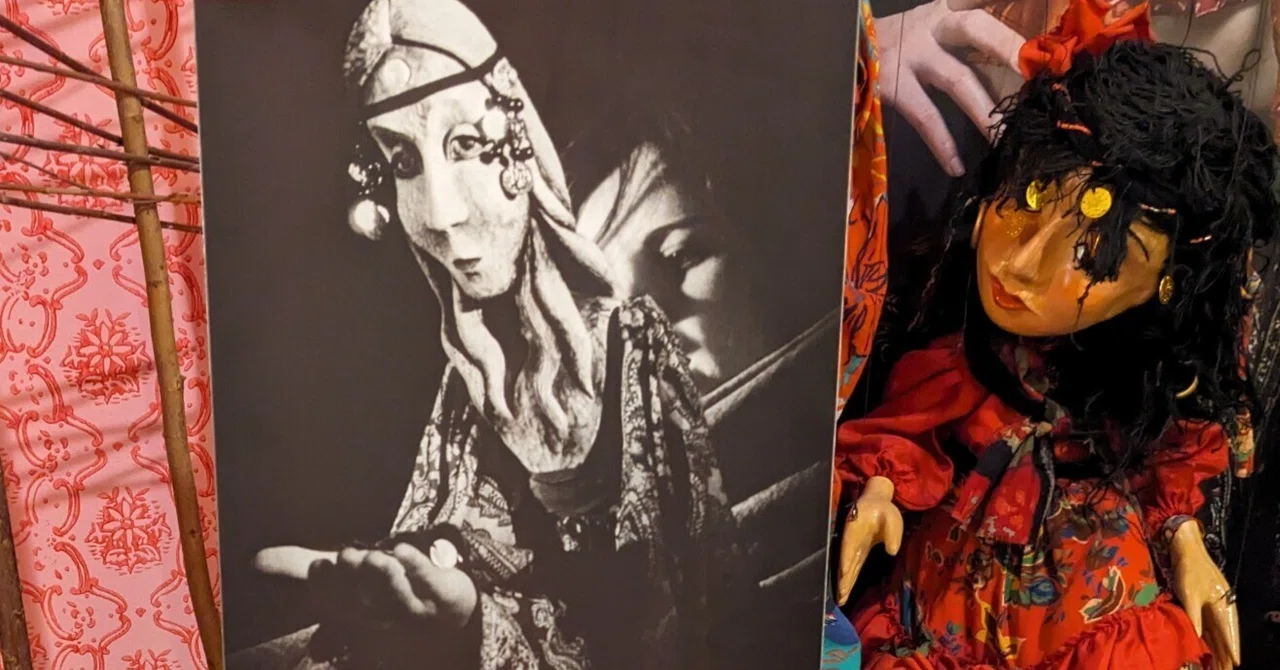
チェコのブルノでロマ文化博物館(Museum of Romani Culture)を訪れた。
Google マップで宿の近くに偶然見つけた、日本のガイドブックに載っていない場所。
知らない文化への好奇心から足を運んだが、想像していたよりはるかに重く、丁寧に構成された展示が待っていた。
訪問できたことにとても感謝した。
ロマのホロコースト
正直なところ、知らない情報が多すぎて頭が混乱した。
展示室に入る時に、係の人に解錠してもらわなければ入れないシステムだということに加え、
入る前の注意事項で「ホロコーストの展示部分だけは写真禁止ね」という言葉で
『ロマのホロコースト?』頭が真っ白になった。
説明はチェコ語だけで、英語のオーディオガイドを貸し出してくれたが、全く理解が追いつかなかった。
隠された歴史
ロマは、法的な、差別・迫害・奴隷化の歴史を経験しており、
特に中欧ではホロコースト(ポライモスPorajmos:ロマが自ら呼ぶホロコーストの名前)で多くの犠牲者が出ている。
近年まで公的な記憶として扱われなかったことも事実。
無知の自覚
私は知らないことが多すぎて恥ずかしくなった。
これは”無知の自覚”と、”ステレオタイプの情報に向き合おうとしなかったことに対する後悔”だと思う。
『物乞いをしている人たち』が目に入っても、
ぼんやりとした「よくわからない事情」があるのだろうと、
その背後にある複雑な背景を調べようとはしていなかった。
Vol.1では博物館に行った時の衝撃を中心に書きましたが、
Vol.2ではそこで学んだ歴史や背景を整理しています。
⬇️訪問時のドタバタも追記しました
⬇️ロマの誇りを描いた『チャップリン』の話
※⾔語の学習もかねて、フランス語→英語の順で、同じ内容をそれぞれの⾔葉で綴っています。
français
J'ai visité le Musée de la culture rom à Brno, en République tchèque.
Il ne figure pas dans les guides japonais, mais je l'ai trouvé par hasard sur Google Maps, près de l'appartement que j'avais réservé.
Je l'ai visité par curiosité pour une culture que je ne connaissais pas, et j'y ai trouvé une exposition bien plus lourde et soigneusement construite que je ne l'avais imaginée. J'ai vraiment été reconnaissante d'avoir pu la visiter.
À dire vrai, j'étais confuse parce qu'il y avait trop d'informations que je ne connaissais pas.
Avant d'entrer dans la salle d'exposition, qui était fermée à clé, le personnel m'a informée qu'il était interdit de prendre des photos uniquement dans la partie consacrée à l'Holocauste.
Cette phrase m'a fait penser : « L'Holocauste des Roms ? », et j'ai eu un blanc.
Les explications étaient écrites en tchèque. On m'a prêté un audioguide en anglais, mais je n'arrivais pas à tout comprendre.
Il existe une histoire de discrimination, de persécution et d’esclavage.
Surtout en Europe centrale, il y a eu de nombreuses victimes pendant cet Holocauste (Porajmos), et c’est une réalité que ce moment de l'histoire n’a pas été traité jusqu’à récemment comme mémoire publique.
J'avais honte parce qu'il y avait tellement de choses que je ne savais pas, me faisant penser que c'était la réalisation de mon ignorance, et aussi un regret de ne pas avoir voulu affronter les informations stéréotypées.
Je n'avais jamais essayé de réfléchir plus profondément à ce qui pourrait se trouver derrière une idée vague comme : « Je ne sais pas trop, ce sont juste des gens qui mendient… »
Dans le volume 1, j’ai surtout écrit sur le choc que j’ai ressenti en visitant le musée.
Dans le volume 2, je présente plus clairement l’histoire et le contexte que j’y ai appris.
English
I visited the Museum of Romani Culture in Brno, Czech Republic.
It’s not a place listed in guidebooks, and I happened to find it near my accommodation on Google Maps. Driven by curiosity about an unfamiliar culture, I decided to go—and I found myself confronted with exhibits that were far heavier and more thoughtfully curated than I had imagined. I am very grateful that I was able to visit.
To be honest, there was so much I didn’t know that my head was spinning.
Before entering the exhibition room, a staff member had to unlock it for me, and they gave a warning: “Photos are prohibited in the Holocaust section only.” At that moment, I thought, “The Romani Holocaust?” and my mind went blank.
The explanations were in Czech, and even with an English audio guide, I found it hard to keep up.
The Romani people have experienced legal discrimination, persecution, and even enslavement, and in Central Europe, many perished during the Holocaust—known among the Roma themselves as the Porajmos.
It is also true that, until recently, their suffering was largely ignored in public memory.
I felt ashamed at how little I knew.
This was both an awareness of my ignorance and a regret for having never tried to confront the stereotypes I held.
I had a vague idea of people who beg, but I had never really tried to think about what’s behind that ‘I don’t really know.’
In Volume 1, I focused on the shock I felt visiting the museum.
In Volume 2, I organize and reflect on the history and context I learned there.
××××××××××××××××××××××××××××××××××××××××××
始まりは この投稿から
ギリシャ語の philo(愛する)+ sophia(知‧智慧)で「哲学(Philosophy)」らしい。
⽇常の ”モヤモヤ” や ”なんでなん?” をタラタラ書きます。
français
Le point de départ, c’est ce post.
On dit que le mot « philosophie » vient du grec philo (aimer) + sophia (savoir, sagesse).
Ici, j’écris sans prétention mes petites réflexions quotidiennes, mes « pourquoi ? » et mes « je me demande… ».
English
It all started with this post.
The word “philosophy” is said to come from the Greek philo (to love) + sophia (wisdom).
Here, I casually write down my everyday musings—the little “why’s” and “what does this mean?” that wander through my mind.
××××××××××××××××××××××××××××××××××××××××××
