Marie François Xavier Bichat, 1771-1802

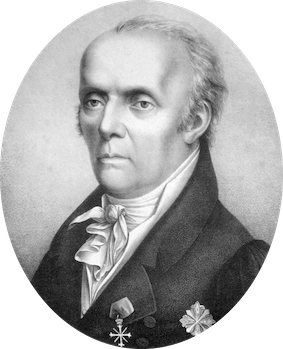
Portrait de Xavier Bichat (1771–1802),
anatomiste français. In the background is a bust of Pierre-Joseph
Desault
グザヴィエ・ビシャ
Marie François Xavier Bichat, 1771-1802
Portrait de Xavier Bichat (1771–1802),
anatomiste français. In the background is a bust of Pierre-Joseph
Desault
池田光穂
☆マリー・フランソワ・グザヴィエ・ビ シャ(Marie François Xavier Bichat, 1771-1802)
マリー・フランソワ・グザヴィエ・ビシャ
[Marie François
Xavier Bichat](/biːˈʃɑː/;[3] フランス語: [biʃa]; 1771年11月14日 –
1802年7月22日)[4]は、フランスの解剖学者・病理学者であり、近代組織学の父として知られる。[5][a]
ビシャは顕微鏡を使わずに研究を行ったが、人体の臓器を構成する21種類の基本組織を区別した。[7]
また、彼は「組織が人体解剖学の中心的な要素であると初めて提唱した人物であり、臓器をそれ自体としての実体ではなく、しばしば異質な組織の集合体として
捉えていた」。[2] 頬脂肪垫(ビシャの脂肪垫とも呼ばれる)は、彼にちなんで名付けられた。
ビシャは早世した当時は「フランスの医学界以外ではほとんど知られていなかった」が、40年後には「彼の組織学および病理解剖学の体系は、フランスとイギ
リスの医学界の両方を席巻していた」。[2]
ビシャの組織説は、経験療法とは対照的に、「病院の医師たちが脚光を浴びるようになる上で大きな役割を果たした」。というのも、「疾患はさまざまな組織に
おける特定の病変によって定義されるようになり、これが分類や診断リストの作成につながった」からである。[8]
| Marie François
Xavier Bichat (/biːˈʃɑː/;[3] French: [biʃa]; 14 November 1771 – 22
July
1802)[4] was a French anatomist and pathologist, known as the father of
modern histology.[5][a] Although he worked without a microscope, Bichat
distinguished 21 types of elementary tissues from which the organs of
the human body are composed.[7] He was also "the first to propose that
tissue is a central element in human anatomy, and he considered organs
as collections of often disparate tissues, rather than as entities in
themselves".[2] The buccal fat pad (also called Bichat’s fat pad) was
named after him. Although Bichat was "hardly known outside the French medical world" at the time of his early death, forty years later "his system of histology and pathological anatomy had taken both the French and English medical worlds by storm."[2] The Bichatian tissue theory was "largely instrumental in the rise to prominence of hospital doctors" as opposed to empiric therapy, as "diseases were now defined in terms of specific lesions in various tissues, and this lent itself to a classification and a list of diagnoses".[8] |
マリー・フランソワ・グザヴィエ・ビシャ[Marie François
Xavier Bichat](/biːˈʃɑː/;[3]
フランス語: [biʃa]; 1771年11月14日 –
1802年7月22日)[4]は、フランスの解剖学者・病理学者であり、近代組織学の父として知られる。[5][a]
ビシャは顕微鏡を使わずに研究を行ったが、人体の臓器を構成する21種類の基本組織を区別した。[7]
また、彼は「組織が人体解剖学の中心的な要素であると初めて提唱した人物であり、臓器をそれ自体としての実体ではなく、しばしば異質な組織の集合体として
捉えていた」。[2] 頬脂肪垫(ビシャの脂肪垫とも呼ばれる)は、彼にちなんで名付けられた。 ビシャは早世した当時は「フランスの医学界以外ではほとんど知られていなかった」が、40年後には「彼の組織学および病理解剖学の体系は、フランスとイギ リスの医学界の両方を席巻していた」。[2] ビシャの組織説は、経験療法とは対照的に、「病院の医師たちが脚光を浴びるようになる上で大きな役割を果たした」。というのも、「疾患はさまざまな組織に おける特定の病変によって定義されるようになり、これが分類や診断リストの作成につながった」からである。[8] |
| Early life and training Bust and plaque Bichat's birthplace in Thoirette Bichat was born in Thoirette, Franche-Comté.[9] His father was Jean-Baptiste Bichat, a physician who had trained in Montpellier and was Bichat's first instructor.[9] His mother was Jeanne-Rose Bichat, his father's wife and cousin.[10] He was the eldest of four children.[11] He entered the college of Nantua, and later studied at Lyon.[9] He made rapid progress in mathematics and the physical sciences, but ultimately devoted himself to the study of anatomy and surgery under the guidance of Marc-Antoine Petit (1766–1811), chief surgeon at the Hôtel-Dieu of Lyon.[9] At the beginning of September 1793, Bichat was designated to serve as a surgeon with the Army of the Alps in the service of the surgeon Buget at the hospital of Bourg.[12][13] He went home in March 1794,[12] then moved to Paris, where he became a pupil of Pierre-Joseph Desault at the Hôtel-Dieu, "who was so strongly impressed with his genius that he took him into his house and treated him as his adopted son."[9] He took active part in Desault's work, at the same time pursuing his own research in anatomy and physiology.[9] Portrait of Pierre-Joseph Desault (left) and title page from Bichat's Surgical Works of Desault, 2nd ed (right) The sudden death of Desault in 1795 was a severe blow to Bichat.[9] His first task was to discharge the obligations he owed his benefactor by contributing to the support of his widow and her son and by completing the fourth volume of Desault's Journal de Chirurgie, which was published the following year.[9][14] In 1796, he and several other colleagues also formally founded the Société Médicale d'Émulation, which provided an intellectual platform for debating problems in medicine.[15] |
生い立ちと修業 胸像と銘板 トゥワレットにあるビシャの生家 ビシャはフランシュ=コンテ地方のトゥワレットで生まれた。[9] 父はジャン=バティスト・ビシャで、モンペリエで医学を修め、ビシャの最初の師となった医師である。[9] 母はジャンヌ=ローズ・ビシャで、父の妻であり、父のいとこでもあった。[10] 彼は4人兄弟の長男であった。[11] ナントゥアの学院に入学し、その後リヨンで学んだ。[9] 数学や物理科学の分野で急速な進歩を遂げたが、最終的にはリヨンのオテル・デュー病院の主任外科医マルク=アントワーヌ・プティ(1766–1811)の 指導の下、解剖学と外科学の研究に専念した。[9] 1793年9月初旬、ビシャはアルプス軍に所属する外科医として、ブール病院の外科医ビュジェの配下で勤務するよう指名された。[12] [13] 彼は1794年3月に実家へ戻り[12]、その後パリへ移り、オテル・デュー病院でピエール=ジョゼフ・デソーの弟子となった。「デソーは彼の才能に深く 感銘を受け、彼を自宅に迎え入れ、養子同然に扱った」[9]。彼はデソーの業務に積極的に参加する一方で、解剖学と生理学における独自の研究も進めた。 [9] ピエール=ジョゼフ・デソーの肖像(左)と、ビシャの著書『デソーの外科論集』第2版(右)のタイトルページ 1795年のデソーの急死は、ビシャにとって大きな打撃となった。[9] 彼の最初の任務は、恩人に対する義務を果たすことであった。すなわち、未亡人とその息子の生活費を援助し、デソーの『Journal de Chirurgie』第4巻を完成させることであり、同書は翌年に出版された。[9][14] 1796年には、彼と数名の同僚が「Société Médicale d'Émulation」を正式に設立した。この団体は、医学上の問題について議論するための知的プラットフォームを提供した。[15] |
| Lecturing and research In 1797, Bichat began a course of anatomical demonstrations, and his success encouraged him to extend the plan of his lectures, and boldly to announce a course of operative surgery.[9] At the same time, he was working to reunite and digest in one body the surgical doctrines which Desault had published in various periodical works;[9] of these he composed Œuvres chirurgicales de Desault, ou tableau de sa doctrine, et de sa pratique dans le traitement des maladies externes (1798–1799), a work in which, although he professes only to set forth the ideas of another, he develops them "with the clearness of one who is a master of the subject."[9]  Title page of Traité des membranes In 1798, he gave in addition a separate course of physiology.[9] A dangerous attack of haemoptysis interrupted his labors for a time; but the danger was no sooner past than he plunged into new engagements with the same ardour as before.[9] Bichat's next book, Traité des membranes (Treatise on Membranes), included his doctrine of tissue pathology with a distinction of 21 different tissues.[16] As worded by A. S. Weber, As soon as it appeared (January and February of 1800), it was regarded as a basic and classic text. It was cited in a host of other works, and almost all thinking men placed it with honor in their libraries.[13] His next publication was the Recherches physiologiques sur la vie et la mort (Physiological Researches upon Life and Death, 1800), and it was quickly followed by his Anatomie générale (1801) in four volumes, the work which contains the fruits of his most profound and original researches.[9] He began another work, under the title Anatomie descriptive[17] (1801–1803), in which the organs were arranged according to his peculiar classification of their functions but lived to publish only the first two volumes.[9] |
講義と研究 1797年、ビシャは解剖学の実演講義を開始した。その成功に勇気づけられ、彼は講義の計画を拡大し、外科手術の講義コースを大胆に発表することとした。 [9] 同時に、彼はデソーが様々な定期刊行物で発表していた外科理論を一つにまとめ、体系化しようとしていた。[9] その一環として、彼は『デソーの外科著作、あるいは外傷性疾患の治療におけるその学説と実践の概説』(1798–1799)を著した。この著作において、 彼は他者の考えを提示するに過ぎないと公言しつつも、それらを「その分野の達人ならではの明快さ」をもって展開している。[9] 『膜論』のタイトルページ 1798年には、さらに生理学の単独講座も開講した。[9] 危険な喀血の発作により、彼の活動は一時中断されたが、危険が去るやいなや、以前と変わらぬ熱意をもって新たな取り組みに没頭した。[9] ビシャの次の著書『Traité des membranes』(『膜論』)には、21種類の異なる組織を区別した彼の組織病理学の学説が盛り込まれていた。[16] A. S. ウェーバーの言葉を借りれば、 出版されるやいなや(1800年1月および2月)、この書は基礎的かつ古典的な教科書として評価された。この書は数多くの他の著作で引用され、思索を重ん じる人々のほぼ全員が、これを誇りを持って自身の書棚に収めた。[13] 彼の次の出版物は『生命と死に関する生理学的研究』(1800年)であり、その直後に4巻からなる『一般解剖学』(1801年)が続いた。この著作には、 彼の最も深遠かつ独創的な研究の成果が収められている。[9] 彼は『Anatomie descriptive』[17](1801–1803)と題する別の著作に着手したが、この著作では臓器が機能に基づく独自の分類に従って配列されてい た。しかし、生前に出版できたのは最初の2巻のみであった。[9] |
Final years and death The Hôtel-Dieu of Paris In 1800, Bichat was appointed physician to the Hôtel-Dieu. "He engaged in a series of examinations, with a view to ascertain the changes induced in the various organs by disease, and in less than six months he had opened above six hundred bodies. He was anxious also to determine with more precision than had been attempted before, the effects of remedial agents, and instituted with this view a series of direct experiments which yielded a vast store of valuable material. Towards the end of his life he was also engaged on a new classification of diseases.[9]" The Death of Xavier Bichat (assisted by Pierre-Jean-Baptiste Esparron and Philibert Joseph Roux) by Louis Hersent (1817 Salon) On 8 July 1802, Bichat fell in a faint while descending a set of stairs at the Hôtel-Dieu.[18] He had been spending considerable time examining some macerated skin, "and from which, of course, putrid emanations were being sent forth",[19] during which he probably contracted typhoid fever;[18] "the next day he complained of a violent headache; that night, leeches were applied behind his ears; on the 10th, he took an emetic; on the 15th, he passed into a coma and became convulsive."[18] Bichat died on 22 July, aged 30.[4] Jean-Nicolas Corvisart wrote to the first consul Napoleon Bonaparte: Bichat vient de mourir sur un champ de bataille qui compte aussi plus d'une victime; personne en si peu de temps n'a fait tant de choses et si bien. Translation: Bichat has fallen on a field of battle which numbers many a victim; no one has done in the same time so much and so well.[20] Ten days after this, the French government caused his name, together with that of Desault, to be inscribed on a memorial plaque at the Hôtel-Dieu.[21] Bichat's grave in the Père Lachaise Cemetery Bichat was first buried at Sainte-Catherine Cemetery. With the closing of the latter, his remains were transferred to Père Lachaise Cemetery on 16 November 1845, followed by "a cortège of upwards of two thousand persons" after a funeral service at Notre-Dame.[22] |
晩年と死 パリのオテル・デュー 1800年、ビシャはオテル・デューの医師に任命された。「彼は、病気によって各臓器に生じる変化を明らかにすることを目的として一連の解剖を行い、6ヶ 月足らずの間に600体以上の遺体を解剖した。また、彼は治療薬の効果を、それまでの試みよりもさらに正確に解明しようと熱心であり、この目的のために一 連の直接実験を行い、そこから膨大な量の貴重な資料を得た。晩年にかけては、病気の新たな分類にも取り組んでいた。[9]」 ルイ・エルサント作『ザビエル・ビシャの死』(ピエール=ジャン=バティスト・エスパロンおよびフィリベール・ジョゼフ・ルーの協力による)(1817年 サロン) 1802年7月8日、ビシャはオテル・デューの階段を降りている最中に気を失った。[18] 彼はそれまで、浸軟した皮膚の検査にかなりの時間を費やしており、「当然のことながら、そこから腐敗臭が放出されていた」[19]が、その最中に恐らく腸 チフスに感染したと思われる。[18] 「翌日、彼は激しい頭痛を訴えた。その夜、耳の後ろにヒルを当てられた。10日には催吐剤を服用し、15日には昏睡状態に陥り、痙攣を起こした。」 [18] ビシャは7月22日、30歳で死去した。[4] ジャン=ニコラ・コルヴィサールは第一執政ナポレオン・ボナパルトに次のように書き送った: ビシャは、多くの犠牲者を出した戦場で亡くなった。これほど短期間に、これほど多くのことを、これほど見事に成し遂げた者はいない。 訳: ビシャは、多くの犠牲者を出した戦場で倒れた。これほど短期間に、これほど多くのことを、これほど見事に成し遂げた者はいない。[20] この10日後、フランス政府は、デソーと共にビシャの名前をオテル・デューの記念銘板に刻ませた。[21] ペール・ラシェーズ墓地にあるビシャの墓 ビシャは当初、サント・カトリーヌ墓地に埋葬されていた。同墓地の閉鎖に伴い、1845年11月16日、ノートルダム大聖堂での葬儀の後、「2,000人 以上からなる葬列」に送られ、遺体はペール・ラシェーズ墓地へ移された。[22] |
| Vitalist theory Bichat is considered to have been a vitalist, though in no way an anti-experimentalist:[23] Bichat moved from the tendency typical of the French vitalistic tradition to progressively free himself from metaphysics in order to combine with hypotheses and theories which accorded to the scientific criteria of physics and chemistry.[24] According to Russell C. Maulitz, "of the Montpellier vitalists, the clearest influence on Bichat was probably Théophile de Bordeu (1722–1776), whose widely disseminated writings on the vitalistic interpretation of life fell early into Bichat's hands."[23] Title page of Recherches physiologiques sur la vie et la mort In his Physiological Researches upon Life and Death (1800), Bichat defined life as "the totality of those set of functions which resist death",[25][26][27] adding: Tel est en effet le mode d'existence des corps vivans, que tout ce qui les entoure tend à les détruire. Translation: Such is the mode of existence of living bodies that everything surrounding them tends to destroy them.[25] Bichat thought that animals exhibited vital properties which could not be explained through physics or chemistry.[16] In his Physiological Researches, he considered life to be separable into two parts: the organic life ("vie organique"; also sometimes called the vegetative system[7]) and the animal life ("vie animale", or animal system[7]).[28] The organic life was "the life of the heart, intestines, and the other inner organs."[29] As worded by Stanley Finger, "Bichat theorized that this life was regulated through the système des ganglions (the ganglionic nervous system), a collection of small independent 'brains' in the chest cavity."[29] In contrast, animal life "involved symmetrical, harmonious organs, such as the eyes, ears, and limbs. It included habit and memory, and was ruled by the wit and the intellect. This was the function of the brain itself, but it could not exist without the heart, the center of the organic life."[29] According to A. S. Weber, Bichat's use of the concept "vie animale" recalls the original Latin root anima or soul, the governor of movement, growth, nutrition and reason in the body in classical thought. Bichat's division is not new, and closely parallels the Platonic and later Christian division of body and soul, and the animism of Paracelsus, van Helmont, Georg Stahl and the Montpellier school of medicine.[30] |
生気論 ビシャは生気論者であったと考えられているが、決して反実験主義者ではなかった[23]: ビシャは、フランスの生気論的伝統に典型的な傾向から脱却し、物理学や化学の科学的基準に合致する仮説や理論と融合させるために、次第に形而上学から自由 になっていった。[24] ラッセル・C・マウリッツによれば、「モンペリエの生気論者たちの中で、ビシャに最も明確な影響を与えたのはおそらくテオフィル・ド・ボルドー (1722–1776)であり、生命の生気論的解釈に関する彼の広く普及した著作は、早い段階でビシャの手に渡っていた」[23]。 『生命と死に関する生理学的研究』のタイトルページ ビシャは『生命と死に関する生理学的研究』(1800年)において、生命を「死に抵抗する一連の機能の総体」と定義し[25][26][27]、次のよう に付け加えた。 Tel est en effet le mode d'existence des corps vivans, que tout ce qui les entoure tend à les détruire. 翻訳: 生き物の存在様式とは、まさに、それを取り巻くあらゆるものがそれを破壊しようとする傾向にあるということだ。[25] ビシャは、動物が物理学や化学では説明できない生命的性質を示していると考えていた。[16] 『生命と死に関する生理学的研究』において、彼は生命を二つの部分、すなわち有機的生命(「vie organique」;時に植物性システムとも呼ばれる[7])と動物的生命(「vie animale」、あるいは動物性システム[7])に分けられるものと考えた。[28] 有機的生命とは、「心臓、腸、その他の内臓の生命」であった。[29] スタンリー・フィンガーの言葉を借りれば、「ビシャは、この生命が、胸腔内に存在する小さな独立した『脳』の集合体である『système des ganglions(神経節系)』を通じて調節されていると理論化した。」[29] 対照的に、動物的生命は「目、耳、四肢といった、対称的で調和のとれた器官に関わるものであった。これには習慣や記憶が含まれ、機知と知性によって支配さ れていた。これは脳そのものの機能であるが、有機的生命の中心である心臓なしには存在し得なかった」[29] A. S. ウェーバーによれば、 ビシャが用いた「vie animale」という概念は、古典思想において身体内の運動、成長、栄養、理性を司るものとして捉えられていたラテン語の語源「anima(アニ マ)」、すなわち「魂」を想起させる。ビシャのこの区分は新しいものではなく、プラトンやその後のキリスト教における身体と魂の区分、ならびにパラケルス ス、ファン・ヘルモント、ゲオルク・シュタール、そしてモンペリエ医学派のアニミズムと密接に並行している。[30] |
| Legacy Title page of Anatomie générale Bichat's main contribution to medicine and physiology was his perception that the diverse body of organs contain particular tissues or membranes, and he described 21 such membranes, including connective, muscle, and nerve tissue.[7] As he explained in Anatomie générale, La chimie a ses corps simples, qui forment, par les combinaisons diverses dont ils sont susceptibles, les corps composés [...]. De même, l'anatomie a ses tissus simples, qui, par leurs combinaisons [...] forment les organes. Translation: Chemistry possesses its simple bodies, which, by various combinations, form compound bodies [...]. Likewise anatomy has its simple tissues, which by combining [..] compose the organs.[15] Bichat did not use a microscope for multiple reasons, but the primary one being that the microscope was not advanced enough for medical use. Instead Bichat used macroscopic observation, palpation, and manipulation of tissues, for his research, highlighting the microscopic aspects of organs, simply without any direct observation.[31] He formed an important bridge between the organ pathology of Giovanni Battista Morgagni and the cell pathology of Rudolf Virchow.[32] Bichat "recognized disease as a localized condition that began in specific tissues."[8] Michel Foucault regarded Bichat as the chief architect in developing the understanding of the human body as the origin of illness, redefining both conceptions of the body and disease.[33] Bichat's figure was of great importance to Arthur Schopenhauer, who wrote of the Recherches physiologiques as "one of the most profoundly conceived works in the whole of French literature."[34] Honours Bichat's statue by David d'Angers at the historic École de Chirurgie in Paris A large bronze statue of Bichat by David d'Angers was erected in 1857 in the cour d'honneur of the École de Chirurgie in Paris, with the support of members of the Medical Congress of France which was held in 1845. Bichat is also represented on the Panthéon's pediment,[11] of which the bas-relief is D'Angers' work as well. The name of Bichat is one of the 72 names inscribed on the Eiffel Tower. His name was given to the Bichat–Claude Bernard Hospital. George Eliot enthusiastically recounted Bichat's career in her 1872 novel Middlemarch. In Madame Bovary (1856), Gustave Flaubert, himself the son of a prominent surgeon, wrote of a physician character who "belonged to the great school of surgery that sprang up around Bichat, to that generation, now extinct, of philosopher-practitioners who, cherishing their art with fanatical passion, exercised it with exaltation and sagacity."[35] |
レガシー 『一般解剖学』のタイトルページ ビシャが医学および生理学にもたらした主な貢献は、多様な臓器群が特定の組織や膜を含んでいるという認識であり、彼は結合組織、筋組織、神経組織など、 21種類の膜を記述した。[7] 彼が『一般解剖学』で説明したように、 化学には単純な物質があり、それらは様々な結合を通じて化合物を形成する[...])。同様に、解剖学にも単純な組織があり、それらは結合を通じて [...]臓器を構成する。 翻訳: 化学にはその単純な物質があり、それらは様々な結合によって複合物質を形成する[...])。同様に、解剖学にもその単純な組織があり、それらは結合する ことによって[...]臓器を構成する。[15] ビシャはいくつかの理由から顕微鏡を使用しなかったが、主な理由は、顕微鏡が医学的に使用できるほど十分に発達していなかったことである。その代わりにビ シャは、研究において肉眼観察、触診、および組織の操作を用い、直接観察を行わずに、単に臓器の微視的な側面を浮き彫りにした[31]。彼は、ジョヴァン ニ・バッティスタ・モルガニの臓器病理学とルドルフ・ヴィルヒョウの細胞病理学との間に重要な架け橋を築いた[32]。ビシャは「病気を、特定の組織から 始まる局所的な状態として認識した」[8]。 ミシェル・フーコーは、ビシャを「人体こそが病気の起源である」という理解を発展させ、身体と病気の両方の概念を再定義した主要な立役者と見なした。 [33] ビシャの人物像はアルトゥール・ショーペンハウアーにとって極めて重要であり、彼は『生理学研究』について「フランス文学全体を通じて最も深遠に構想され た著作の一つ」と記している。[34] 栄誉 パリの歴史ある外科学校(École de Chirurgie)にある、ダヴィッド・ダンジェによるビシャの像 1845年に開催されたフランス医学会議のメンバーの支援を受け、1857年にパリの外科学校(École de Chirurgie)の名誉中庭に、ダヴィッド・ダンジェによるビシャの巨大な銅像が建立された。また、パンテオンのペディメント[11]にもビシャの像 が刻まれており、その浅浮き彫りもダンジェールの作品である。ビシャの名前は、エッフェル塔に刻まれた72の名前のひとつである。彼の名前は、ビシャ=ク ロード・ベルナール病院の名称にもなっている。 ジョージ・エリオットは、1872年の小説『ミドルマーチ』の中で、ビシャの経歴を熱心に描いている。『ボヴァリー夫人』(1856年)において、自身も 著名な外科医の息子であったギュスターヴ・フローベールは、ある医師の登場人物について、「ビシャの周りに生まれた偉大な外科の学派に属し、今や絶えてし まった、その芸術を狂信的な情熱をもって愛し、高揚感と洞察力をもってそれを実践した、哲学者であり臨床医である世代の一人であった」と記している [35]。 |
| Notes a. Marcello Malpighi, the first person to scrutinize the human body with a microscope, is also considered the father of histology.[6] |
注 a. 顕微鏡を用いて人体の観察を行った最初の人物であるマルチェッロ・マルピギは、組織学の父とも見なされている。[6] |
| References 01. Proceedings of the Indian Science Congress. 1940. p. 249. "Xavier Bichat". LindaHall.org. 14 November 2018. "Bichat". Dictionary.com Unabridged (Online). n.d. Nafziger 2002, p. 46 Banks 1993, p. 2 Boyd & Sheldon 1977 Roeckelein 1998, p. 78 Shah 1994, p. 10 Chisholm 1911 Simmons 2002, p. 58 Haigh 1984, p. 3 Science and Medicine in France 1984, p. 52 Weber 2000, p. 6 Cite error: The named reference "Weber 2000 6" was defined multiple times with different content (see the help page). Ersch 1797, p. 374 Simmons 2002, p. 59 Fye 1996, p. 761 Bichat, Xavier (1771–1802) Auteur du texte (1812). Traité d'anatomie descriptive par Xav. Bichat. Tome 1 / ... Nouvelle édition. Haigh 1973, p. 25 Pettigrew 1840, p. 6 Rose 1857, p. 226 Pettigrew 1840, p. 7 The Medical Times 1846, p. 190 Maulitz 2002, p. 15 History and Philosophy of the Life Sciences 2007, p. 238 Florkin & Stotz 1986, p. 104 Strauss 2012, p. 79 Fernández-Medina 2018 Weber 2000, pp. 6–7 Finger 2001, p. 266 Weber 2000, p. 7 Cofone, L; Vaccarezza, M; Galassi, F; Pindinello, I; Artico, M; Papa, V (2025). "Xavier Bichat (1771-1802): Architect of Modern Histology" (PDF). International Journal of Morphology. 43 (5): 1767–1770 – via International Journal of Morphology. Proceedings of the Royal Society of Medicine 1947, p. 459 Miller 1993, pp. 130–131 Crary 1992, p. 78 35. Flaubert 1992, p. 262 |
参考文献 01. 『インド科学会議議事録』。1940年。249頁。 「ザビエル・ビシャ」。LindaHall.org。2018年11月14日。 「ビシャ」。Dictionary.com Unabridged(オンライン)。発行年不詳。 ナフツィガー 2002, p. 46 バンクス 1993, p. 2 ボイド&シェルドン 1977 ロッケライン 1998, p. 78 シャー 1994, p. 10 チザム 1911 Simmons 2002, p. 58 Haigh 1984, p. 3 Science and Medicine in France 1984, p. 52 Weber 2000, p. 6 引用エラー:「Weber 2000 6」という名前の参照が、異なる内容で複数回定義されている(ヘルプページを参照)。 エルシュ 1797, p. 374 シモンズ 2002, p. 59 ファイ 1996, p. 761 ビシャ、ザビエル(1771–1802) 本文の著者(1812)。『Xav. Bichatによる記述解剖学論』第1巻 / ... 新版。 Haigh 1973, p. 25 Pettigrew 1840, p. 6 Rose 1857, p. 226 Pettigrew 1840, p. 7 The Medical Times 1846, p. 190 Maulitz 2002, p. 15 『生命科学の歴史と哲学』2007年、238頁 フロルキン&ストッツ 1986年、104頁 シュトラウス 2012年、79頁 フェルナンデス=メディナ 2018年 ウェーバー 2000年、6–7頁 フィンガー 2001年、266頁 ウェーバー 2000, p. 7 コフォネ, L; ヴァッカレッツァ, M; ガラッシ, F; ピンディネッロ, I; アルティコ, M; パパ, V (2025). 「ザビエル・ビシャ (1771-1802): 現代組織学の創始者」 (PDF). 『International Journal of Morphology』. 43 (5): 1767–1770 – 『International Journal of Morphology』経由。 『Proceedings of the Royal Society of Medicine』1947年、459頁 ミラー 1993年、130–131頁 クラリー 1992年、78頁 35. フローベール 1992年、262頁 |
| Sources Banks, William J. (1993). Applied Veterinary Histology. Mosby-Year Book. ISBN 9780801666100. Boyd, William; Sheldon, Huntington (1 January 1977). An Introduction to the Study of Disease. Lea & Febiger. ISBN 9780812106008. Chisholm, Hugh, ed. (1911). "Bichat, Marie François Xavier" . Encyclopædia Britannica (11th ed.). Cambridge University Press. Florkin, Marcel; Stotz, Elmer Henry (1986). Comprehensive Biochemistry. Vol. 34. Elsevier Publishing Company. ISBN 9780444807762. Crary, Jonathan (1992). Techniques of the Observer: On Vision and Modernity in the Nineteenth Century. MIT Press. Elaut, L. (July 1969). "The theory of membranes of F. X. Bichat and his predecessors". Sudhoffs Archiv. 53 (1): 68–76. ISSN 0039-4564. PMID 4241888. Ersch, J.S. (1797). La France litéraire contenant les auteurs francais de 1771 à 1796 (in French). Vol. 1. Finger, Stanley (2001). Origins of Neuroscience: A History of Explorations Into Brain Function. Oxford University Press. ISBN 978-0-19-514694-3. Retrieved 1 January 2013. Flaubert, Gustave (1992) [1856]. Madame Bovary. Translated by Wall, Geoffrey. Penguin Books. Fernández-Medina, Nicolás (2018). Life Embodied: The Promise of Vital Force in Spanish Modernity. McGill-Queen's University Press. ISBN 9780773554085. Fye, W. Bruce (1 September 1996). "Marie-François-Xavier Bichat". Clinical Cardiology. 19 (9): 760–761. doi:10.1002/clc.4960190918. ISSN 1932-8737. PMID 8875000. Haigh, Elizabeth (1984). Xavier Bichat and the Medical Theory of the Eighteenth Century. London: Wellcome Institute for the History of Medicine. pp. 1–146. ISBN 085484046X. PMC 2557378. PMID 6398850. {{cite book}}: |journal= ignored (help) Haigh, Elizabeth (1973). "Roots of the Vitalism of Xavier Bichat". Bulletin of the History of Medicine. 49 (1): 72–86. PMID 1093586. History and Philosophy of the Life Sciences. Vol. 29. 2007. Maulitz, Russell C. (2002). Morbid Appearances: The Anatomy of Pathology in the Early Nineteenth Century. Cambridge University Press. ISBN 9780521524537. The Medical Times. Vol. 13. London. 1846. Miller, James (1993). The Passion of Michel Foucault. Cambridge, Massachusetts: Harvard University Press. pp. 130–131. ISBN 978-0-674-00157-2. Nafziger, George F. (2002). Historical Dictionary of the Napoleonic Era. Scarecrow Press. ISBN 978-0-8108-4092-8. Retrieved 1 January 2013. Pettigrew, Thomas Joseph (1840). Medical Portrait Gallery. Proceedings of the Royal Society of Medicine. Vol. 40. 1947. Roeckelein, Jon E. (1998). Dictionary of Theories, Laws, and Concepts in Psychology. Greenwood Publishing Group. ISBN 978-0-313-30460-6. Retrieved 1 January 2013. Rose, Hugh James (1857). A New General Biographical Dictionary. Vol. IV. London. Lesch, John E. (1984). Science and Medicine in France. Harvard University Press. ISBN 9780674794009. Shah, Amil (1994). Solving the riddle of cancer: new genetic approaches to treatment. Dundurn. ISBN 9781459725515. Simmons, John G. (2002). Doctors and Discoveries: Lives That Created Today's Medicine. Houghton Mifflin Harcourt. ISBN 978-0-618-15276-6. Retrieved 1 January 2013. Strauss, Jonathan (13 February 2012). Human Remains: Medicine, Death, and Desire in Nineteenth-Century Paris. Fordham Univ Press. ISBN 978-0-8232-3379-3. Retrieved 1 January 2013. Weber, A. S. (2000). Nineteenth-Century Science: An Anthology. Broadview Press. ISBN 9781551111650. |
出典 バンクス、ウィリアム・J. (1993). 『応用獣医組織学』. モスビー・イヤーブック. ISBN 9780801666100. ボイド、ウィリアム;シェルドン、ハンティントン (1977年1月1日). 『疾病研究入門』. リー&フェビガー. ISBN 9780812106008. チザム、ヒュー編(1911)。「ビシャ、マリー・フランソワ・ザビエル」。『ブリタニカ百科事典』(第11版)。ケンブリッジ大学出版局。 フロルキン、マルセル;ストッツ、エルマー・ヘンリー(1986)。『包括生化学』。第34巻。エルゼビア出版。ISBN 9780444807762。 クラリー、ジョナサン(1992)。『観察者の技法:19世紀の視覚と近代性について』。MITプレス。 エラウト, L. (1969年7月). 「F. X. ビシャとその先駆者たちの膜理論」. 『Sudhoffs Archiv』. 53 (1): 68–76. ISSN 0039-4564. PMID 4241888. エルシュ, J.S. (1797). 『文学的フランス:1771年から1796年までのフランス人作家を収録』(フランス語)。第1巻。 フィンガー、スタンリー(2001年)。『神経科学の起源:脳機能探求の歴史』。オックスフォード大学出版局。ISBN 978-0-19-514694-3。2013年1月1日閲覧。 フローベール、ギュスターヴ(1992年)[1856年]。『ボヴァリー夫人』。ウォール、ジェフリー訳。ペンギン・ブックス。 フェルナンデス=メディナ、ニコラス(2018年)。『具現化された生命:スペイン近代における生命力の約束』。マギル・クイーンズ大学出版局。ISBN 9780773554085。 ファイ、W・ブルース(1996年9月1日)。「マリー=フランソワ=グザヴィエ・ビシャ」。『Clinical Cardiology』19 (9): 760–761。doi:10.1002/clc.4960190918。ISSN 1932-8737。PMID 8875000。 ヘイグ、エリザベス(1984年)。『ザビエル・ビシャと18世紀の医学理論』。ロンドン:ウェルカム医学史研究所。pp. 1–146。ISBN 085484046X。PMC 2557378。PMID 6398850。{{cite book}}: |journal= が無視された (ヘルプ) ヘイグ、エリザベス (1973). 「ザビエル・ビシャのバイタリズムの根源」. 『医学史紀要』. 49 (1): 72–86. PMID 1093586. 『生命科学の歴史と哲学』. 第29巻. 2007年. マウリッツ、ラッセル・C. (2002). 『病的な外観:19世紀初頭の病理学の解剖学』. ケンブリッジ大学出版局. ISBN 9780521524537. 『メディカル・タイムズ』. 第13巻. ロンドン. 1846年. ミラー、ジェームズ (1993). 『ミシェル・フーコーの情熱』. マサチューセッツ州ケンブリッジ: ハーバード大学出版局. pp. 130–131. ISBN 978-0-674-00157-2. ナフツィガー、ジョージ・F. (2002). 『ナポレオン時代の歴史辞典』. スケアクロウ・プレス. ISBN 978-0-8108-4092-8. 2013年1月1日閲覧. ペティグルー、トーマス・ジョセフ (1840). 『医学肖像画集』. 『王立医学会紀要』。第40巻。1947年。 ロッケレイン、ジョン・E.(1998)。『心理学の理論・法則・概念辞典』。グリーンウッド出版グループ。ISBN 978-0-313-30460-6。2013年1月1日閲覧。 ローズ、ヒュー・ジェームズ(1857)。『新一般伝記辞典』。第IV巻。ロンドン。 レッシュ、ジョン・E.(1984)。『フランスにおける科学と医学』。ハーバード大学出版局。ISBN 9780674794009。 シャー、アミル(1994)。『がんの謎を解く:治療への新しい遺伝学的アプローチ』。ダンダーン。ISBN 9781459725515。 シモンズ、ジョン・G.(2002)。『医師と発見:現代医学を築いた人々』。ホートン・ミフリン・ハーコート。ISBN 978-0-618-15276-6。2013年1月1日閲覧。 ストラウス、ジョナサン(2012年2月13日)。『人間の遺骸:19世紀パリにおける医学、死、そして欲望』。フォードハム大学出版局。ISBN 978-0-8232-3379-3。2013年1月1日閲覧。 ウェーバー、A. S.(2000年)。『19世紀の科学:アンソロジー』。ブロードビュー・プレス。ISBN 9781551111650。 |
| Further reading Béclard, P. A. (1823). Additions to the General anatomy of Xavier Bichat. Richardson and Lord. Dobo, Nicolas; Role, André (1989). Bichat, la vie fulgurante d'un génie (in French). Paris: Perrin. Foucault, Michel. The Birth of the Clinic. |
追加文献(さらに読む) ベクラール, P. A. (1823). 『ザビエル・ビシャの一般解剖学への補遺』. リチャードソン・アンド・ロード. ドボ, ニコラ; ロール, アンドレ (1989). 『ビシャ、ある天才の輝かしい生涯』(フランス語). パリ: ペラン. フーコー, ミシェル. 『臨床医学の誕生』. |
| https://en.wikipedia.org/wiki/Xavier_Bichat |
☆マリー・フランソワ・グザヴィエ・ビシャ(日本語ウィキ)
| マリー・フランソワ・グザヴィエ・ビシャ
(Marie François Xavier Bichat、1771年11月14日 -
1802年7月22日)は18世紀のフランスの解剖学者、生理学者である。『一般解剖学』を著し、人体の諸器官を構成する組織を21種類に分割[1]、区
別し、疾病は組織にあるという説をたてた[2]。近代組織学の父とされる。 |
|
| 生涯 ジュラのトワレット (Thoirette) に開業医の息子として生まれた。モンペリエで数学を学んだ後、医学に転じた。1791年から1793年まで、リヨンの外科医マルク=アントワーヌ・プティ (Marc-Antoine Petit) のもとで外科学と解剖学を学んだ。1793年、フランス革命の擾乱のなかリヨンからパリに逃れた。その後、パリ・オテルデュ病院 (Hôtel-Dieu de Paris) の筆頭外科医ピエール=ジョゼフ・ドソー (またはドゥソー) (Pierre-Joseph Desault) の元で働き、『外科学雑誌』(Journal de Chirurgie) の編集を行った。1796年に医学競進協会 (Sociéte Médicale d’Émulation de Paris) を設立し、1797年から解剖学、生理学、外科学の教育を始めた。1801年からパリ・オテルデュ病院の医師を務めた。1802年に死亡。死因は死後剖検 によっても不明であったとされる[1]。 |
|
| 業績 ビシャは多数の解剖を行い、その数は1801年から1802年の冬だけで600例に及んだ[1]。彼は顕微鏡を信用していなかったため、その発見に細胞構 造に関するものはないが、それにもかかわらず人体を構築する21種類の組織を識別した。そして、臓器は異なる組織の集合体であり、疾病はある特定の組織の 異常から始まると考え、イタリアの解剖学者ジョヴァンニ=バッティスタ・モルガーニによる臓器病理学と、後にルドルフ・ウィルヒョウが開くことになる細胞 病理学との架け橋となった。 |
|
| 著書 Traité des membranes en général, et de diverses membranes en particulier (『一般的な膜といくつかの特殊な膜についての概論』), 1799. Recherches physiologiques sur la vie et la mort (『生と死の生理学研究』), 1800〔邦訳: マリー・フランソワ・グザヴィエ・ビシャ『生と死の生理学研究』(第1部「生の生理学研究」の翻訳), 小松美彦・金子章予訳, 国書刊行会 (十八世紀叢書第7巻『生と死』所収), 2020 ; マリー・フランソワ・グザヴィエ・ビシャ『生と死に関する生理学的研究』(第1部「生に関する生理学的研究」および第2部「死に関する生理学的研究」の翻 訳), 鮫島夏樹訳, 北海道医療新聞社, 2016 ; ザビエル・ビシャー『死に関する生理学的研究』(『生と死に関する生理学的研究』第2部の翻訳), 鮫島夏樹訳, 北海道医療新聞社, 2010〕 Anatomie générale appliquée à la physiologie et à la médecine (『生理学と医学に応用した一般解剖学』) 全四巻, 1801. Traité d’anatomie descriptive (『記述解剖学概論』) 全五巻, 1801-1803 (第三巻の半ばまでビシャ自身が執筆[1]). |
|
| 参考文献 1. 小松美彦「グザヴィエ・ビシャと『生と死の生理学研究』の歴史的在処」(解説) (『生と死』, 十八世紀叢書第7巻, 国書刊行会, 2020 所収) 2. 『医学の歴史』小川鼎三 中公新書 |
|
| https://x.gd/i5pmF |
☆
医療や医学という言葉は翻訳語です。しか し外来のものが翻訳される以前や以後にも、医薬の取り扱いや治療のための技術に長けた人——すな わち「治療者」——や、その人たちが担う技術体系——すなわち「医術」や「医療」——をさす固有で独特の名前が、多くの社会には準備されています。西洋で 中心的に発達してきた近代医療が、それまで普及していなかった社会に導入されると、それに対する翻訳語がすぐにできあがります。また近代医療は、いろいろ な社会への導入直後には大きな問題を引き起こしたことがあるものの、社会に完全に適応できなかったものはありません。つまり、近代医療は、それが実際に使 えるか否かは別にして、世界の多くの人たちにとって、まさに病気を治療する技術や、あるいは実践体系として認知されています。
私の最初の疑問は、このような近代医療は いつごろ認知されるようになったのか、ということです。我々がそうであると思っているところの「近 代医療」はいったい、いつ頃からあるのだろうか、という問いを立てることにします(→「近代 の意味」)。
ところが、この問いに明確に答られる人は いません。まず、科学の社会史やトマス・クーンの科学革命についての議論に馴染んだ研究者なら、近 代医療がある限られた特定の時点から一斉に成立するという議論に関心がないでしょう。また、そのような問いをおこなうこと自体が有害でナンセンスだと片づ けられるかもしれません。そして、このようなことは、論理上のことだけでなく、具体的な歴史の中でどのような時代にそれが可能であったのかという問いを立 てることで、逆にその正確な答を得ることが不可能なことがわかります。
実例をあげてみましょう。近代医療の出発 点と主張される医学上の発見やその歴史的事象については、多くを指摘することができます。医学理論 に注目すると、古くは血液循環を発見したウィリアム・ハーヴェイ(1578-1657)、臨床現場における観察を重視し今日的な病気観察の類型論を確立し たトマス・シデナム(1624-1689)、30歳で夭折するまでに精力的な病理解剖をおこなった組織解剖学の祖マリ・フランソワ・ビシャ(1771- 1802)、実験にもとづく生理学の基礎づけをおこなったクロード・ベルナール(1813-1878)、実験医学の基礎をつくったルイ・パスツール (1822-1895)、パスツールとならび細菌学の祖とされるロベルト・コッホ(1843-1910)まで、その科学的認識の始祖とされる人たちの活躍 にはおよそ四世紀の広がりがあります。また、近代医療を典型的な近代制度と見立てて、社会統制のシステムであるとみると「医療警察」制度を考案したヨハ ン・ペーター・フランク(1785-1821)、イギリスの衛生改革運動の強力な推進者であり公衆衛生法と行政機関としての保健局の設置に貢献したエド ウィン・チャドウィック(1800-1890)などが、まさに近代医療の確立者であると言えなくはありません。
近代医療を今日のようなシステム化された 科学的知識とその技術的外挿と考えると、そのモデルは新大陸の北アメリカに求められ、定番となる医 学教科書をつくったウィリアム・オスラー(1849-1919)やジョンズ・ホプキンス大学設立の功績者であるウィリアム・ヘンリー・ウェルチ(1850 -1934)、医療の定式化をロックフェラー財団の全面的な援助をバックに制度改革として精力的に推し進め、世界の最高水準にまで高めたサイモン・フレク スナー(1863-1946)の名前を忘れるわけにはまいりません。これ以外にも、いろいろな近代医療の始祖を探し出すことが可能です。
近代医学のルーツをめぐる400年の広が
り
(1)医学理論
ウィリアム・ハーベイ(William Harvey, 1578-1657):血液循環の発見
トーマス・シデナム(Thomas Sydenham, 1624-1689):病気観察の類型論
マリー・フランソア・ビシャー(Marie Francois Xavier Bichar, 1771-1802):組織解剖学
※【18世紀末から19世紀初頭の出来事】ミッシェル・フーコー『臨床医学の誕生:医学的まなざしの考古学』
(Naissance de la clinique: une archéologie du regard médical,
1963)は、医療機関としての診療所、すなわち教育病院の発展を提示し、Le regard
médical(「医学的まなざし」)の概念を特定し、18世紀末の医学知識の生産における医学の研究構造の認識論的再編成を記述している。もともとはポ
スト・モダニズムやポスト構造主義の学問的言説に限定されていたが、医学的まなざしという用語は、大学院医学研究科やソーシャルワークで用いられている
[1](→「フーコー年譜」)。つまり、フーコーによれ
ば、臨床医学の誕生——近代医療におけるシステマティクな眼差しと理解と実践の三幅の完成——は18世紀末から19世紀初頭であると考えられる(小野正嗣
2006:36)
クロード・ベルナール(Claude Bernard, 1813-1878):実験生理学——『実験医学序説』のなかで生体解剖の必要性を説く。
ルイ・パスツール(Louis Pasteur, 1822-1895):実験医学・微生物学
ロ ベルト・コッホ(Robert Koch, 1843-1910):細菌学(→「コッホとパスツールのライバル関係」)

肖像はルイ・パスツール
(2)近代医療制度
ヨハン・ペーター・フランク(Johann Peter Frank, 1745-1821):医療警察制度
エドウィン・チャドウィック(Edwin Chadwick, 1800-1890):英国公衆衛生法
肖像は、ヨハン・ペーター・フランク
(3)近代医学教育
ウィリアム・オスラー(William Osler, 1849-1919):近代医学教科書
ウィリアム・ヘンリー・ウェルチ(William Henry Welch, 1850-1934):ジョンズホプキンス大学
サイモン・フレクスナー(Simon Flexner, 1863-1946):ロックフェラー研究所
このように、ざっと見ても約400年間の 幅があるわけですから、近代医学のある特定の出発時点を定めること、それ自体には大いなる意味がな いことは明らかです。
■クレジット:日本消化器病学会、特別講 演2「医療人類学の観点から」2003 年4月25日(金)15:10-15:50 於:さいたまスーパーアリーナ アリーナーホール
▲
☆
リンク
文献
Copyleft,
CC, Mitzub'ixi Quq Chi'j, 1996-2099
