






























As Thailand prepares for its most famous festival, here are five key facts to understand Songkran, the country’s traditional new year celebration.
1. Songkran marks the traditional Thai new year
The word “Songkran” comes from the Sanskrit term saṅkrānti, meaning “movement” or “passing,” referring to the sun’s transition into a new position in the zodiac. Traditionally, this marks the beginning of a new year based on the solar calendar, usually observed from 13–15 April.
2. It is celebrated nationwide
Songkran is observed across Thailand, from major cities to rural communities. While the dates are officially recognised as a national holiday, celebrations can last longer in some areas. Each region also has its own local traditions, adding unique cultural elements to the festival.
3. Water symbolises cleansing and renewal
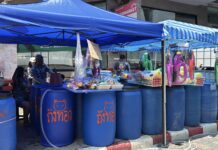
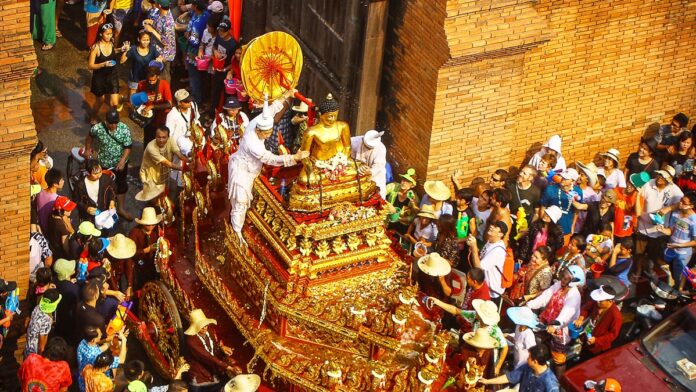
Water plays a central role in Songkran. Traditionally, people gently pour scented water over Buddha images and the hands of elders as a sign of respect and to seek blessings. Over time, this ritual has evolved into large-scale water splashing in public spaces, now a major attraction for both locals and tourists.
4. Family and religious traditions remain important
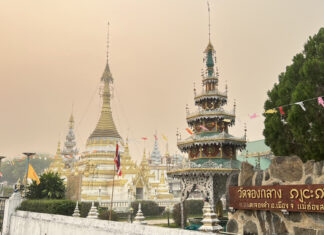
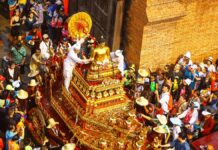
Beyond the water festivities, Songkran is a time for family reunions and spiritual reflection. Many Thais visit temples to make merit, offer food to monks, and take part in rituals such as bathing Buddha statues and building sand pagodas. Paying respect to elders is also a key custom during this period.
5. Recognised by UNESCO
On 6 December 2023, “Songkran in Thailand, traditional Thai New Year festival” was inscribed on the UNESCO Representative List of the Intangible Cultural Heritage of Humanity. The recognition highlights the festival’s cultural significance and its role in promoting community values, tradition, and social cohesion.
Happy Songkran!