
武士道 第1章 武士道の倫理系 目次

#1 Chivalry is a flower no less indigenous to the soil of Japan than its emblem, the cherry blossom; nor is it a dried-up specimen of an antique virtue preserved in the herbarium of our history. 武士道とは、国旗、桜と同様日本に固有の花である(令和7年2月27日)(令和8年8月10日 Ver3)
#2 It is still a living object of power and beauty among us; and if it assumes no tangible shape or form, it not the less scents the moral atmosphere, and makes us aware that we are still under its potent spell. 武士道は今なおその力強き魅力のもとにあることを我々に自覚させる(令和7年3月5日)(令和8年8月10日 Ver3)

#3 The conditions of society which brought it forth and nourished it have long disappeared; but as those far-off stars which once were and are not, still continue to shed their rays upon us, so the light of chivalry, which was a child of feudalism, still illuminates our moral path, surviving its mother institution. 武士道の光はその母で封建制度の死にし後にも生き残って、今なお我々の道徳の道を照らしている(令和7年3月5日) (令和8年8月10日 Ver3)

#4 It is a pleasure to me to reflect upon this subject in the language of Burke, who uttered the well-known touching eulogy over the neglected bier of its European prototype. 騎士道をただ一人擁護したバーク。彼の母国語、英語で武士道を語ることは私にとって愉快なことである(令和7年3月9日) (令和8年8月10日 Ver3)
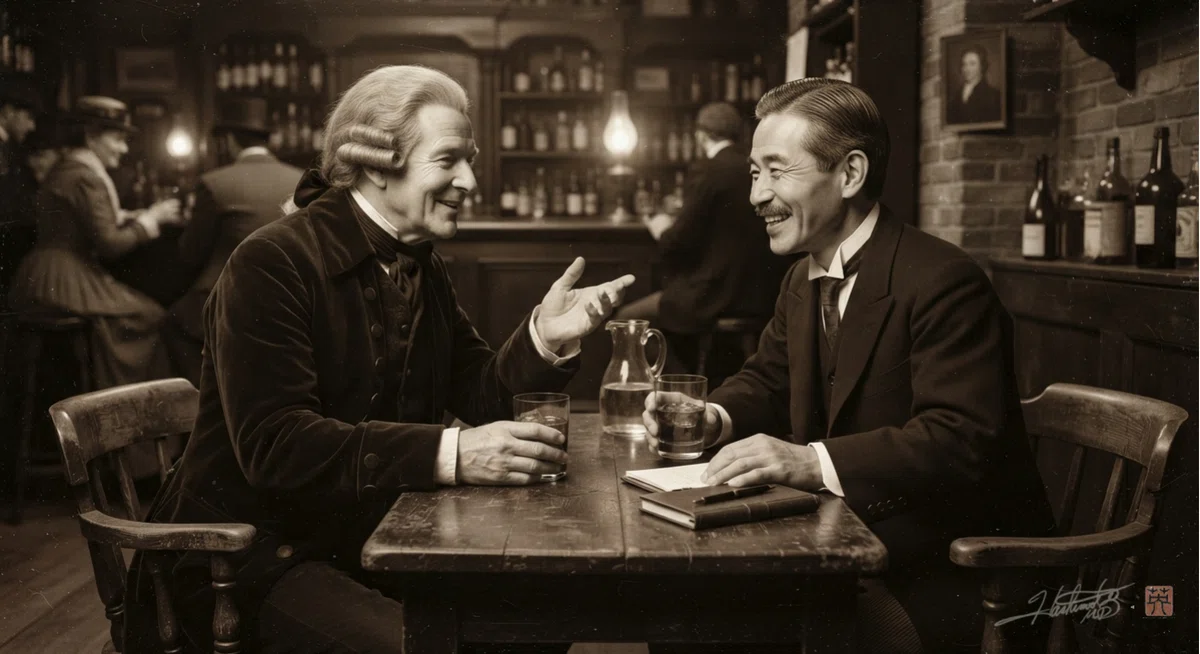
#5 It argues a sad defect of information concerning the Far East, when so erudite a scholar as Dr. George Miller did not hesitate to affirm that, chivalry, or any other similar institution, has never existed either among the nations of antiquity or among the modern Orientals. ジョージ・ミラー博士 騎士道も武士道も存在しなかった、と断言(令和8年8月10日 Ver3)
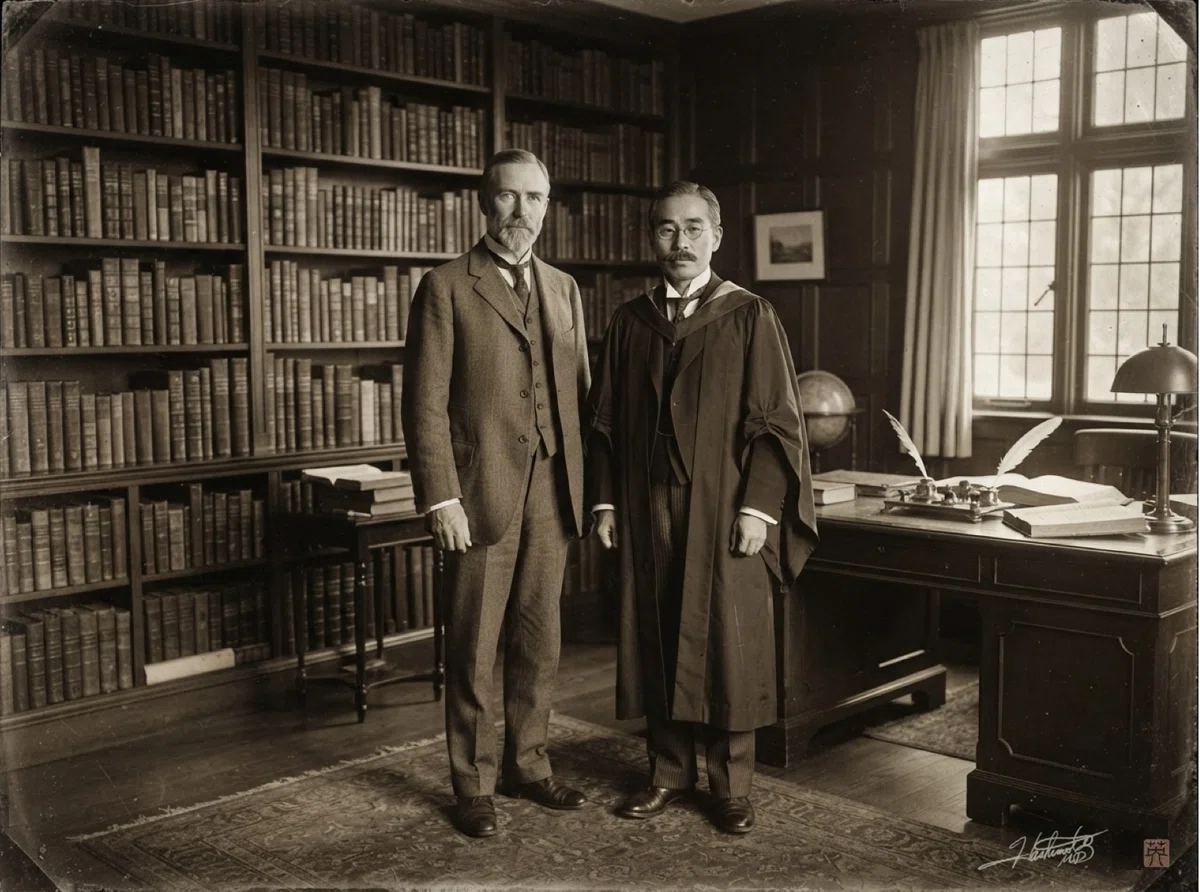
#6 Such ignorance, however, is amply excusable, as the third edition of the good Doctor's, work appeared the same year that Commodore Perry was knocking at the portals of our exclusivism. かかる無知は恕すべき点が大である。博士の著書は、ペリー来航と同じ年に発行されたのだから(令和7年3月13日)(令和8年8月10日 Ver3)
#8 I would likewise point the Western historical and ethical student to the study of chivalry in the Japan of the present. 西洋の歴史および倫理研究者に対し、現代日本における武士道の研究を指摘したいと思う(令和7年3月25日)(令和8年8月10日 Ver3)
#9 Enticing as is an historical disquisition on the comparison between European and Japanese feudalism and chivalry, it is not the purpose of this paper to enter into it at length. 欧州と日本の封建制および騎士道の歴史的なる比較論は興味あることではあるが、詳細には立ち入らない (令和7年4月8日) (令和8年8月10日 Ver3)
#10 My attempt is rather to relate firstly, the origin and sources of our chivalry; secondly, its character and teaching; thirdly, its influence among the masses; and, fourthly, the continuity and permanence of its influence. 私の試みは寧ろ第一に我が武士道の起源および淵源を述ぶるにある(令和7年4月16日) (令和8年8月10日 Ver3)
#11a Of these several points, the first will be only brief and cursory, or else I should have to take my readers into the devious paths of our national history; 武士道の起源および淵源については簡単に触れるに留める (令和7年4月18日) (令和8年8月11日 Ver3)
#11b the second will be dwelt upon at greater length, as being most likely to interest students of International Ethics and Comparative Ethology in our ways of thought and action; and the rest will be dealt with as corollaries. 武士道の特性及び教訓はやや詳細に論じよう(令和7年4月20日) (令和8年8月11日 Ver3)
#12 The Japanese word which I have roughly rendered Chivalry, is, in the original, more expressive than Horsemanship. 大雑把に「武士道」と表現してきた日本語は本来は騎士道より, より意味深長である (令和7年4月22日) (令和8年8月11日 Ver3)
#13 Bu-shi-do means literally Military-Knight-Ways — the ways which fighting nobles should observe in their daily life as well as in their vocation; in a word, the "Precepts of Knighthood," the noblesse oblige of the warrior class. 武士道とは戦う貴族が自分の職業の中において、 と同様に日常の生活で守るべき道である (令和8年8月11日 Ver3)
#14 Having thus given its literal significance, I may be allowed henceforth to use the word in the original. 今後、ここでは武士道を Bushidoと原語で使うものとする (令和8年8月11日 Ver3)
#15a The use of the original term is also advisable for this reason, that a teaching so circumscribed and unique, engendering a cast of mind and character so peculiar, so local, must wear the badge of its singularity on its face; 武士道ほど特殊で地方的な教訓は、その特殊性の徽章を言葉の上に帯びていなければならない (令和7年5月5日) (令和8年8月11日 Ver3)
#15b then, some words have a national timbre so expressive of race characteristics that the best of translators can do them but scant justice, not to say positive injustice and grievance. 「武士」にはBushiの英訳を当てる (令和7年5月12日) (令和8年8月11日 Ver3)
#16 Who can improve by translation what the German "Gemŭth" signifies, or who does not feel the difference between the two words verbally so closely allied as the English gentleman and the French gentilhomme ? ドイツ語のゲミュートGemüth の意味。英語のジェントルマン gentleman とフランス語の gentilhomme の意味の違い(令和7年5月23日) (令和8年8月11日 Ver3)
#17 Bushido, then, is the code of moral principles which the knights were required or instructed to observe. 武士道はつまり道徳的原理の掟(令和7年5月25日) (令和8年8月11日 Ver3)
#18 It is not a written code; at best it consists of a few maxims handed down from mouth to mouth or coming from the pen of some well-known warrior or savant. 武士道は成文法ではない。わずかな口伝、格言があるのみである (令和7年6月1日) (令和8年8月12日 Ver3)
#19. More frequently it is a code unuttered and unwritten, possessing all the more the powerful sanction of veritable deed, and of a law written on the fleshly tablets of the heart. 武士道は語られず書かれざる掟、心の肉碑に録された律法(令和7年7月6日) (令和8年8月12日 Ver3)
#20 It was founded not on the creation of one brain, however able, or on the life of a single personage, however renowned. 武士道は 一人の人の頭脳の創造ではなく、 一人の人物の生涯で建てられるものではない(令和7年7月12日) (令和8年8月12日 Ver3)
#21 It was an organic growth of decades and centuries of military career. 武士道とは数十年数百年にわたる武士の生活の有機的発達である(令和7年7月13日) (令和8年8月12日 Ver3)
#22 It, perhaps, fills the same position in the history of ethics that the English Constitution does in political history; yet it has had nothing to compare with the Magna Charta or the Habeas Corpus Act. 武士道にはマグナカルタ もしくは 人身逮捕令 (ハベアス・コルプス・アクトー) に比較すべきものは何もない(令和7年7月17日) (令和8年8月13日 Ver3)
#23. True, early in the seventeenth century Military Statutes (Buké Hatto) were promulgated; but their thirteen short articles were taken up mostly with marriages, castles, leagues, etc., and didactic regulations were but meagerly touched upon. 武家諸法度には武士道に関して教訓的なことが僅かに触れられているだけである(令和7年7月18日) (令和8年8月13日 Ver3)
#24. We cannot, therefore, point out any definite time and place and say, "Here is its fountainhead . 我々は明確な時と場所とを指して、「ここに武士道の泉の源がある」と言うことが出来ない(令和7年8月1日) (令和8年8月13日 Ver3)
#25 Only as it attains consciousness in the feudal age, its origin, in respect to time, may be identified with feudalism. 武士道の起源は封建制と同一(令和7年8月7日) (令和8年8月13日 Ver3)
#26 But feudalism itself is woven of many threads, and Bushido shares its intricate nature. 封建制そのものが多くの糸によって織り成されているのであり、武士道もその入り組んだ性質を受けている(令和7年8月12日) (令和8年8月13日 Ver3)
#27 As in England the political institutions of feudalism may be said to date from the Norman Conquest, so we may say that in Japan its rise was simultaneous with the ascendancy of Yoritomo, late in the twelfth century. イギリスの封建制はノルマン征服から始まり 日本のそれは源頼朝の鎌倉幕府から武士道は始まった(令和7年8月24日) (令和8年8月13日 Ver3)
#28 As, however, in England, we find the social elements of feudalism far back in the period previous to William the Conqueror, so, too, the germs of feudalism in Japan had been long existent before the period I have mentioned. 日本における封建制の萌芽も遥か前から存在していた(令和7年8月29日) (令和8年8月13日 Ver3)
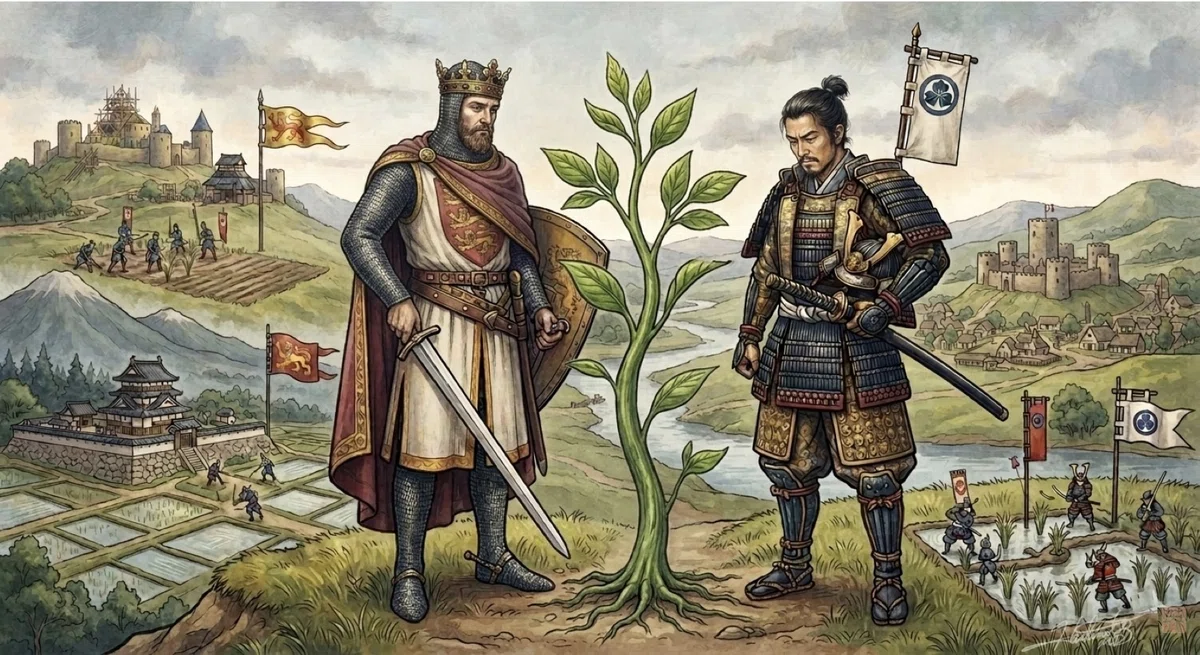
#29 Again, in Japan as in Europe, when feudalism was formally inaugurated, the professional class of warriors naturally came into prominence. 日本でも欧州でも封建制が始まると武士、騎士が力を持ち始めた(令和7年8月28日) (令和8年8月13日 Ver3)
#30 These were known as samurai, meaning literally, like the old English cniht (knecht, knight), guards or attendants — resembling in character the soldurii, whom Cæsar mentioned as existing in Aquitania, or the comitati, who, according to Tacitus, followed Germanic chiefs in his time; or, to take a still later parallel, the milites medii that one reads about in the history of Mediæval Europe. サムライ、に相当するヨーロッパの言葉のいろいろ (令和7年9月13日)(令和8年8月13日 Ver3)
#31 A Sinico-Japanese word Bu-ké or Bu-shi (Fighting Knights) was also adopted in common use. 漢字の武士という語も普通に用いられた (令和7年10月26日)(令和8年8月13日 Ver3)
#32 They were a privileged class, and must originally have been a rough breed who made fighting their vocation. 武士らは特権階級であって、元来は戦闘を職業とする粗野な素性であったに違いない(令和8年8月14日 Ver3)
#33 This class was naturally recruited, in a long period of constant warfare, from the manliest and the most adventurous, and all the while the process of elimination went on, the timid and the feeble being sorted out, and only "a rude race, all masculine, with brutish strength," to borrow Emerson's phrase, surviving to form families and the ranks of the samurai. 絶えざる戦闘の長い期間に武士階級は強い人々から自然に徴募され そしていつも淘汰の過程を続けた (令和8年8月14日 Ver3)
#34a Coming to profess great honour and great privileges, and correspondingly great responsibilities, they soon felt the need of a common standard of behaviour, especially as they were always on a belligerent footing and belonged to different clans. 武士たちが多大な栄誉、それに伴う責任を持つようになると 行動様式についての共通の規範の必要性を感じた (令和8年8月14日 Ver3)
#34b just as physicians limit competition among themselves by professional courtesy, just as lawyers sit in courts of honour in cases of violated etiquette; so must also warriors possess some resort for final judgment on their misdemeanours. 武士も彼らの不行跡について最終的な判定のための何らかの手段を持たなければならなかったのである (令和8年8月14日 Ver3)
#35 Fair play in fight! What fertile germs of morality lie in this primitive sense of savagery and childhood. 戦闘におけるフェア·プレイ。この野蛮で少年っぽい原始的な感覚のうちに、何と豊かな倫理の萌芽があることだろうか。(令和8年8月14日 Ver3)
#36 Is it not the root of all military and civic virtue? 戦闘におけるフェア·プレイ。 これはあらゆる文武の徳の根本ではないか? (令和8年8月14日 Ver3)
#37 We smile (as if we had outgrown it!) at the boyish desire of the small Britisher, Tom Brown, "to leave behind him the name of a fellow who never bullied a little boy or turned his back on a big one." 「小さな英国人」トム・ブラウン 「決して小さな子をいじめたリ、大きな子に背を向けたりしなかった人間であった」と言われたい. (令和8年8月14日 Ver3)
#38 And yet, who does not know that this desire is the corner-stone on which moral structures of mighty dimensions can be reared ? この決意こそ、その上に力強く壮大な武士道の倫理体系をうち建てるための要の石である (令和8年8月14日 Ver3)
#39 May I not go even so far as to say that the gentlest and most peace-loving of religions endorses this aspiration ? 最も紳士的で最も平和を愛する宗教でさえトムの願望を推奨しているのだと言えば、言い過ぎであろうか (令和8年8月14日 Ver3)
#40 The desire of Tom is the basis on which the greatness of England is largely built, and it will not take us long to discover that Bushido does not stand on a lesser pedestal. 英国の偉大さも日本の「武士道」も小さな要石の上に立っているわけではない. (令和8年8月14日 Ver3)
#41 If fighting in itself, be it offensive or defensive, is, as Quakers rightly testify, brutal and wrong, we can still say with Lessing, "We know from what failings our virtue springs." レッシング曰く、 どんなにか誤っているもの(戦闘行為)からも我々の徳は溢れ出るのだ. (令和8年8月14日 Ver3)
#42 ”Sneaks" and "cowards" are epithets of the worst opprobrium to healthy, simple natures. 「卑劣」といい「臆病」と言うのは、健全にして単純な性質の者に対する最悪の侮辱の言葉である (令和8年8月14日 Ver3)
#43 Childhood begins life with these notions, and knighthood also; but, as life grows larger and its relations many-sided, the early faith seeks sanction from higher authority and more rational sources for its own justification, satisfaction, and development. 初期の信念は自分自身の是認、満足、そして発展のために、より高い権威、より理にかなった源からの承認を求めるようになる. (令和8年8月14日 Ver3)
#44 If military systems had operated alone, without higher moral support, how far short of chivalry would the ideal of knighthood have fallen!, もし軍事システムが高い道徳的な支えなしに単独で作動したとしたら、武士道の理想はなかったであろう. (令和8年8月15日 Ver3)
#45 In Europe, Christianity, interpreted with concessions convenient to chivalry, infused it nevertheless with spiritual data. キリスト教は騎士道に都合の良い解釈を与えて許容した。と同時に精神的な素材を注入した (令和8年8月15日 Ver3)
#46 ”Religion, war, and glory were the three souls of a perfect Christian knight," says Lamartine. 「宗教と戦争と名誉とは、完璧なキリスト教騎士の三つの魂であった」とラマルティーヌは言っている. (令和8年8月15日 Ver3)
#47 In Japan there were several sources of Bushido. 日本においても武士道の淵源たるものが幾つかあったのである。 (令和8年8月15日 Ver3)

いいなと思ったら応援しよう!
 このたびはご評価をいただきありがとございます。また、チップまで下さるとは私にとって大変な喜びです。さらに英文訓読の役を進め、アップさせていきたいと思います。