2026-03-07 Sat
¢£ #6158. Powell ¤Ë¤è¤ëʸ»ú¤ÎʬÎà [grammatology][terminology][writing][alphabet][phoneme]

¡¡¾åµ¤Ï¡¤Powell ¤Îʸ»úÏÀ¤ÎËܤÎÈâ¤ËÂ礤¯¿Þ¼¨¤µ¤ì¤Æ¤¤¤ë "THE CATEGORIES OF WRITING" ¤Ç¤¢¤ë¡¥Ê¸»ú¤ÎʬÎà¤Î1¤Ä¤Î¹Í¤¨Êý¤À¡¥¤³¤ÎʬÎà¤Î²òÀâ¤Ï¡¤p. 52 ¤Ë¤Þ¤È¤á¤é¤ì¤Æ¤¤¤ë¡¥
1 Semasiography: Writing in which the signs are not attached to necessary forms of speech. Sematograms, the elements of semasiography, may be arranged in any conventional way.
2 Lexigoraphy: Writing in which the signs are attached to necessary forms of speech. They are (usually) arranged in a linear sequence corresponding to sounds in speech. There are two divisions.
(i) Logography: the signs represent words (but not sounds), significant segments of speech. A logography would be a system in which logograms, the elements of logography, predominate (sometimes logograms do not follow the same order as words in speech).
(ii) Phonography: the signs represent sounds. Such sounds are ordinarily nonsignificant elements of speech. There are two kinds of phonographic systems.
¡¦ Syllabography: the signs represent syllables, the smallest apprehensible elements of speech. A Syllabography would be a system in which syllabograms predominate.
¡¦ Alphabetic writing: the signs represent elements of speech smaller than syllables, although such sounds do not exist in nature as separable elements of speech. In alphabetic writing letters predominate.
¡¡ºÇ¸å¤Î¥¢¥ë¥Õ¥¡¥Ù¥Ã¥È¡Êñ²»Ê¸»ú¡Ë¤Î²òÀâ¤Ë¤ª¤¤¤Æ¡Öñ²»¤Ê¤É¤È¤¤¤¦Ã±°Ì¤Ï¼«Á³¤Ë¤Ï¸ºß¤·¤Ê¤¤¤Î¤À¤¬¡×¤È¤¤¤¦¤¯¤À¤ê¤Ë¥Ï¥Ã¤È¤µ¤»¤é¤ì¤¿¡¥¡Öñ²»Ê¸»ú¡×¤È¤¤¤¦¤è¤ê¤Ï¡Ö²»ÁÇʸ»ú¡×¤Èª¤¨¤¿¤Û¤¦¤¬¤è¤¤¤Î¤À¤í¤¦¡¥²»ÁÇ (phoneme) ¤Ï¿Í´Ö¤Ë¤è¤ëÃê¾Ý²½¤Î»ºÊª¤Ç¤¢¤ê¡¤¤½¤ì¤òʸ»ú¤ËÅö¤Æ¤¿¤È¤¤¤¦¤È¤³¤í¤Ë¡¤¥¢¥ë¥Õ¥¡¥Ù¥Ã¥È¤ÎºÇÂç¤Î¸À¸ì³ØŪ¤Ê°ÕµÁ¤È²ÁÃͤ¬¤¢¤ë¤Î¤À¤È»×¤¦¡¥
¡¡¡¦ Powell, Barry B. Writing: Theory and History of the Technology of Civilization. Malden, MA: Wiley-Blackwell, 2009.
2025-05-18 Sun
¢£ #5865. Ùû²»¡Ö¤ó¡×¤ÎÍýÏÀŪ²òÀâ [japanese][phoneme][phonology][phonetics][consonant][nasal]
¡¡ÀèÆü¤Îµ»ö¡Ö#5863. Ùû²»¡Ö¤ó¡×¤ÎÎò»Ë¡× ([2025-05-16-1]) ¤Ç¡¤¡ÖÙû²»¡×¤ÎÎò»ËŪ¤Êµ½Ò¤ò³Îǧ¤·¤¿¡¥º£²ó¤ÏƱ¤¸¡ØÆüËܸì³Ø¸¦µæ»öŵ¡Ù¤è¤ê¡¤ÆüËܸì¤Ë´Ø¤¹¤ëÍýÏÀ¡¦°ìÈ̸À¸ì³Ø¤Î´ÑÅÀ¤«¤é¤Î¡ÖÙû²»¡×¤Îµ½Ò (p. 103--04) ¤òÆɤó¤Ç¤ß¤¿¤¤¡¥
¡Ú²òÀâ¡Û²¾Ì¾Ê¸»ú¤Î¡Ö¥ó¡×¤Ë³ºÅö¤¹¤ë²»¤Ç¤¢¤ê¡¤¤Ï¤Í¤ë²»¤È¤â¤¤¤¦¡¥Ùû²»¤Ë³ºÅö¤¹¤ë²»À¼¤È½Ð¸½´Ä¶¤Ë¤Ä¤¤¤Æ¤Ï¡¤ÀºÌ©É¸µ¤È´Êάɸµ¤ÎÀßÄê¿å½à¤Ë¤è¤ê½ôÀ⤢¤ë¤¬¡¤³µÎ¬¡¤[ɴ]¤¬¸ìËö¡¤Êì²»¡¦È¾Êì²»µÚ¤ÓË໤²» [s][ʃ]¤ÎľÁ°¡¤[ŋ]¤¬Æð¸ý³¸²»[ŋ][ɡ][k]¤ÎľÁ°¡¤[ɳ]¤¬¹Å¸ý³¸²»[ɳ]¤ÎľÁ°¡¤[n]¤¬»õ·Ô²»[n][d][dz][dʒ][t][ts][tʃ][ɾ]¤ÎľÁ°¡¤[m]¤¬Î¾¿°²»[m][b][p]¤ÎľÁ°¤Ë°ÌÃÖ¤·¡¤ÁêÊäʬÉÛ¤ò¤Ê¤·¤Æ¤¤¤ë¤È¤¤¤¨¤ë¡¥¤½¤·¤Æ¤³¤ì¤é¤Î²»À¼¤Ï¡¤°Ọ̃ŪÂÐΩ¤Ë´ØÍ¿¤»¤º¡¤É¡²»¤È¤¤¤¦ÅÀ¤Ç¶¦Ä̤·¤Æ¤ª¤ê¡¤Ä¾¸å¤Î»Ò²»¤Ë¤è¤ë´Ä¶Æ±²½¤ò¼õ¤±¤Ê¤¤[ɴ]°Ê³°¡¤Á´¤Æ¤¬Ä¾¸å¤Î»Ò²»¤Î´Ä¶Æ±²½¤Ë¤è¤êÄ´²»ÅÀ¤ò°Û¤Ë¤·¤Æ¤¤¤ë¤È²ò¼á¤Ç¤¤ë¤³¤È¤«¤é¡¤Æ±°ì¤Î²»ÁǤ˳ºÅö¤¹¤ë°Û²»¤Ç¤¢¤ë¤È¤ß¤ë¤³¤È¤¬¤Ç¤¤ë¡¥¤³¤ì¤é¤Î²»À¼¤Ï¡¤Ä¾¸å¤ËÊì²»¤òȼ¤¤¶¦¤Ë¥â¡¼¥é¤ò¹½À®¤¹¤ë¾ì¹ç¡¤¸ß¤¤¤ËÂÐΩ¤¹¤ëÊ̲»ÁÇ¡ÊÎ㤨¤Ð¡¤[ŋ[n][m]¤Ï³Æ/ŋ//n//m/¡Ë¤Ë³ºÅö¤¹¤ë¡¥¤½¤Î²»À¼¤¬»Ò²»¤ÎľÁ°¤È¤¤¤¦´Ä¶¤ÇÂÐΩ¤ò¼º¤¦¤³¤È¤«¤é¡¤Ùû²»²»ÁǤϡ¤Ãæϲ»ÁǤǤ¢¤ë¤È¤¤¤¦¤³¤È¤¬¤Ç¤¤ë¡¥Ãæϲ»ÁǤϡ¤´·Îã¤È¤·¤Æ¡¤ÂåɽŪ°Û²»¤Ë¤¢¤¿¤ë²»À¼µ¹æ¤Î¥¢¥ë¥Õ¥¡¥Ù¥Ã¥È¾å¤ÎÂçʸ»ú·Á¤òÂçʸ»ú¡Ì¥Þ¥Þ¡Í¤ÎÂ礤µ¤Çµ¤¹¤³¤È¤Ë¤Ê¤Ã¤Æ¤¤¤ë¤³¤È¤«¤é¡¤Ùû²»¤Î¾ì¹ç¤Ï¡¤´Ä¶Æ±²½¤Î±Æ¶Á¤ò¼õ¤±¤Ê¤¤[ɴ]¤òÂåɽ¤È¤·¤Æ¡¤/N/¤Çɸµ¤¹¤ë¤Î¤¬°ìÈÌŪ¤Ç¤¢¤ë¡¥¤Ê¤ª¡¤¥â¡¼¥é¤È²»Àá¤Î»ëÅÀ¤ß¤ë¤È¡Ì¥Þ¥Þ¡Í¡¤Ùû²»¤Ï¡¤Â¥²»¤ÈƱÍͤˡ¤Ã±ÆȤÇÆÈΩ¤·¤¿¥â¡¼¥é¤ò·ÁÀ®¤·¤Ê¤¬¤é¤â¡¤Ã±ÆȤǤϲ»Àá¤ò¹½À®¤Ç¤¤Ê¤¤²»ÀáÉû²»¤Ç¤¢¤ë¤³¤È¤«¤é¡¤Ã±ÆȤDz»À¼¤ò¹½À®¤Ç¤¤ë¼«Î©¥â¡¼¥é¡Ê¼«Î©Çï¡Ë¤ËÂФ·¤Æ¡¤Æüì¥â¡¼¥é¡ÊÆüìÇï¡Ë¤È¸Æ¤Ð¤ì¡¤³ºÅö¤¹¤ëÙû²»²»ÁÇ/N/¤Ï¡¤Æü첻ÁǤȸƤФì¤ë¡¥
¡¡Ùû²»¤ò¡ÖÃæϲ»ÁǡפȤ·¤Æ²ò¼á¤¹¤ë»ëÅÀ¤Ï°ì¸«¤¹¤ë¤ÈÆñ¤·¤¤¤Î¤À¤¬¡¤¤³¤ì¤ÏÆüËܸìÊì¸ìÏüԤȤ·¤Æǧ¼±¤·¤Æ¤¤¤ë¡Ö¤ó¡×¤Î¤¢¤êÊý¤ò¡¤²»±¤ÏÀŪ¤Ë¸À¤¤¤Ê¤ª¤·¤¿¤â¤Î¤À¤È¹Í¤¨¤ë¤È¡¤²¿¤È¤âÉԻ׵Ĥʵ¤¤¬¤¹¤ë¡¥Ìµ°Õ¼±¤ËÍý²ò¤·¤Æ¤¤¤ë¤³¤È¤òÌÀ¼¨Åª¤ËÀâÌÀ¤·¤è¤¦¤È¤¹¤ë¤È¡¤¤³¤ó¤Ê¤Ë¤âÍýÏÀÉðÁõ¤¬É¬ÍפʤΤ«¡¤¤È»×¤¦¤«¤é¤Ç¤¢¤ë¡¥¸À¸ì³Ø¤¬¥ª¥â¥·¥íÆñ¤·¤¤¤Î¤Ï¡¤¤³¤ÎÊÕ¤ê¤Ë¥Ý¥¤¥ó¥È¤¬¤¢¤ë¤Î¤À¤í¤¦¡¥
¡¡¡¦ ¡ØÆüËܸì³Ø¸¦µæ»öŵ¡Ù¡¡ÈôÅÄ ÎÉʸ¤Û¤« ÊÔ¡¤ÌÀ¼£½ñ±¡¡¤2007ǯ¡¥
2025-05-16 Fri
¢£ #5863. Ùû²»¡Ö¤ó¡×¤ÎÎò»Ë [japanese][phoneme][phonology][phonetics][consonant][nasal][romaji][hiragana]
¡¡ÆüËܸì¤Î¡Ö¤ó¡×¤Çɽµ¤µ¤ì¤ëÙû²»¤Ï¡¤ÆüËܸì»Ë¤Ç¤â¸åȯ¤Î²»¤Ç¤¢¤ë¡¥¡ØÆüËܸì³Ø¸¦µæ»öŵ¡Ù¤Î¡ÖÙû²»¡×¤Î¹àÌÜ (p. 355) ¤è¤ê¡¤²»±¤ÏÀ¤ª¤è¤Ó²»À¼³Ø¤Î´ÑÅÀ¤«¤é¡Ö¤ó¡×¤ÎÆüìÀ¤òÇÁ¤¤¤Æ¤ß¤è¤¦¡¥
¡Ú²òÀâ¡Û¡Ö¤Ï¤Í¤ë²»¡×¤È¤â¤¤¤¦¡¥Ãæ¸Å¤Ë¿·¤¿¤ËȯÀ¸¤·¤¿ÆüËܸ첻±¤¤Î°ì¤Ä¡¥Â¥²»¤È¤È¤â¤Ë»Ò²»Í×ÁǤΤߤǥ⡼¥é¤ò¹»Àµ¤¹¤ë¤È¤¤¤¦¡¤ËÜÍè¤ÎÆüËܸ첻±¤¤Ë¤Ï¤Ê¤«¤Ã¤¿À¼Á¤òÉÕ¤±²Ã¤¨¤¿¡¥¥â¡¼¥éɽµ¤Ë¤Ï /N/ ¤òÍѤ¤¤ë¡¥¥É¥¡Ê¥É¥¡§[doki]¡§/doki/¡Ë¤ËÂФ¹¤ë¥É¥ó¥¡Ê¥É¥ó¥¡§[doŋki]¡§/doNki/¡Ë¤Î¤è¤¦¤Ë¡¤¥â¡¼¥é /N/ ¤¬¤¢¤ë¤«¤Ê¤¤¤«¤Ë¤è¤ê¡¤¸ì¤Î°ÕÌ£¤Î¼±ÊÌ¡ÊÊÛÊÌŪÆÃħ¡Ë¤¬¤Ê¤µ¤ì¤ë¤È¤³¤í¤ÇÀ®¤êΩ¤Ä¡¥²»À¼Ì̤Ǥϡ¤¡Ö´Áʸ [kambuN]¡×¡Ö´Á»ú [kan(d)zi]¡×¡Ö´Á¸ì [kaŋŋo]¡×¤Î¤è¤¦¤Ë¸å³¤Î»Ò²»¤ÎÀ¼Á¤Ë¤è¤ê°Û¤Ê¤ë²»¤È¤Ê¤ë¤¬¡¤¤½¤ì¤é¤ÏÁêÊäʬÉÛ¤ò¤Ê¤·Æ±°ì²»¤È²ò¤µ¤ì¤Æ¡¤¥â¡¼¥é /N/ ¤¬À®¤êΩ¤Ä¡¥¡ÖÙû¤Í¤ë¡×¤È¤Ï¡¤Ùû²»¤«¤é¼õ¤±¤ë´¶¤¸¤Ë¤è¤ë¤È¤â¡¤¥ó¤Î»ú·Á¡ÊÊÒ²¾Ì¾¥Ë¤ÎÊÑ·Á¤È¤È¤ë¡Ë¤Ë´ð¤Å¤¯¤È¤â¸À¤ï¤ì¤ë¡¥Ùû²»¤Ë¤Ï¡¤Ùû²»ÊؤȴÁ»ú²»¤Î»°ÆâÙû²»Èø¤Î¤¦¤Á¤Î [m][n]¡Ê[ŋ] ¤ÏÊì²»¥¦¤ËÃÖ¤´¹¤¨¤é¤ì¤¿¡Ë¤È¤¬¤¢¤ë¡¥´Áʸ·±ÆÉ»ñÎÁ¤ò¸«¤ë¤È¡¤Ùû²»¤Îɽµ¤ÏÍÍ¡¹¤Ç¤¢¤ê¡¤Æä˴Á»ú²»¤ÎÙû²»Èø¤Ë¤ª¤¤¤Æ¸²Ãø¤Ç¤¢¤ë¡¥m ±¤Èø¤Ë¤Ï¡¤ÌµÉ½µ¡Öõ¥¿¡×¡¤¥àɽµ¡Ö´Þ¥«¥à¡×¡¤¥¦É½µ¡ÖÎÓ¸éÍø±§¸Å±§¡×¤Ê¤É¤¬¡¤n ±¤Èø¤Ë¤Ï¡¤ÌµÉ½µ¡ÖÆñ¥Ê¡×¡¤¥Ëɽµ¡Ö𥿥ˡס¤¥¤É½µ¡ÖËË¥Û¥¤¡×¡¤¥¦É½µ¡Ö´§¥«¥¦¡×¡¤Æüìɽµ¡ÖÁ¯¥»¥ì¡×¤Ê¤É¤¬ÍѤ¤¤é¤ì¤Æ¤¤¤ë¡¥¡ØÅÚº´Æüµ¡Ù¤Ë¤â¡¤¡ÖÅ·µ¤¡×¤ò¡Ö¤Æ¤±¡×¡¤¤Þ¤¿¡Ö¤Æ¤¤¤±¡×¤Èµ¤·¤Æ¤¤¤ëÎ㤬¤¢¤ë¡¥°ìÈÌŪ¤Ë¤Ï¡¤m ±¤Èø¤Ï¥à¡¤n ±¤Èø¤Ï̵ɽµ¤È¤Ê¤ë¤³¤È¤¬Â¿¤¤¡¥Ùû²» m ¤È n ¤È¤Îº®Æ±¤Ï°ì°ìÀ¤µª¤ËÆþ¤ë¤È¸½¤ì¡¤Ùû²»¤Î¥óɽµ¤â°ì°ìÀ¤µª¸åȾ¤Ë¤Ï¸«¤é¤ì¤ë¤è¤¦¤Ë¤Ê¤ë¡¥
¡¡¤µ¤é¤Ë¡¤¼¡¤Î¸¦µæ¾å¤Î²ÝÂ꤬¿¨¤ì¤é¤ì¤Æ¤¤¤ë¡¥
¡Ú²ÝÂê¡Û´Áʸ·±ÆÉ»ñÎÁ¤Ë¸«¤ë¤è¤¦¤Ë¡¤Ùû²»¤Îɽµ¤ÏÆä˴Á»ú²»¤Ë¤ª¤¤¤ÆÊ£»¨Èù̯¤Ê»Ñ¤òÄ褷¡¤É½µ¤ÎÇظå¤Ë¤¢¤ë¡¤¤½¤Î¼Â¼Á¤ËÇ÷¤ë¤³¤È¤òº¤Æñ¤Ê¤â¤Î¤È¤·¤Æ¤¤¤ë¡¥Ùû²»¤¬ÆüËܸ첻¤È¤·¤ÆÄêÃ夷¤Æ¤¤¤¯²ÝÄø¤Ë¤Ä¤¤¤Æ¤â¡¤½½Ê¬¤ËÌÀ¤é¤«¤Ë¤Ê¤Ã¤¿¤È¤Ï¸À¤¤¤¬¤¿¤¯¡¤°ìÁؤι͵椬ɬÍפǤ¢¤ë¡¥
¡¡¡Ö¤ó¡×¤òÉî¤ë¤³¤È¤Ê¤«¤ì¡¥¤«¤Ê¤ê±ü¿¼¤¤ÌäÂê¤Ç¤¢¤ë¡¥
¡¡¡¦ ¡ØÆüËܸì³Ø¸¦µæ»öŵ¡Ù¡¡ÈôÅÄ ÎÉʸ¤Û¤« ÊÔ¡¤ÌÀ¼£½ñ±¡¡¤2007ǯ¡¥
2025-05-15 Thu
¢£ #5862. Ùû²»¡Ö¤ó¡×¤äÂ¥²»¡Ö¤Ã¡×¤ÏÊ첻Ū¡© [japanese][phonetics][phonology][phoneme][consonant][vowel][hiragana][romaji][syllable][mora][nasal]
¡¡ÀèÆü¤Îµ»ö¡Ö#5860. ¡Ö¤ó¡×¤Îȯ²»¤Î¼Â¸½·Á¡× ([2025-05-13-1]) ¤Ë³¤¡¤ÆüËܸì¤ÎÙû²»¡Ö¤ó¡×¤Ë¤Þ¤Ä¤ï¤ëÏÃÂê¡¥¹ç¤ï¤»¤ÆÂ¥²»¡Ö¤Ã¡×¤Ë¤Ä¤¤¤Æ¤â¹Í¤¨¤ë¡¥
¡¡¡ØÆüËܸìÉ´²ÊÂç»öŵ¡Ù¤Ë¡ÖÆüËܸ첻Àá¤ÎÆÃÀ¡×¤ÈÂꤹ¤ëÀ᤬¤¢¤ë (pp. 251--52) ¡¥¤½¤³¤Ç¡¤Ùû²»¤ÈÂ¥²»¤Ë´Ø¤¹¤ë¶½Ì£¿¼¤¤¹Í»¡¤¬¤¢¤ë¡¥¤¤¤º¤ì¤â¥í¡¼¥Þ»úɽµ¤Ç¤Ï»Ò²»»úɽµ¤µ¤ì¤ë¤Î¤Ç»Ò²»Åª¤È²ò¤µ¤ì¤ë¤³¤È¤Î¿¤¤²»¤À¤¬¡¤¤à¤·¤íÊ첻Ū¤Ê¤Î¤Ç¤Ï¤Ê¤¤¤«¤È¤¤¤¦Æ¶»¡¤À¡¥252ÊǤè¤ê°úÍѤ¹¤ë¡¥
¡¡¤Ê¤ªÙû²»¤äÂ¥²»¤Ï°ì¸«¡¤»Ò²»¤À¤±¤Î²»Àá¤È¤·¤ÆÉÔ¼«Á³¤Î¤è¤¦¤Ë¤â»×¤ï¤ì¤ë¤¬¡¤¤·¤«¤·¤½¤ì¤é¤Ï¡¤¤¢¤ë°ÕÌ£¤ÇÊì²»¤Î1¼ï¤È¸«¤ë¤³¤È¤â¤Ç¤¤ë¡¥¾¯¤Ê¤¯¤È¤â¸ìËö¤ÎÙû²»¡¦Â¥²»¤Ï¡¤»ý³²»¡ÊÊĺ¿¤ä¶¹ºõ¤Î»ý³¡Ë¤Ç¤¢¤ëÅÀ¡¤m¡¦n¡¦ŋ ¤ä p¡¦t¡¦k ¤ÎÇ¡¤½Ö´Ö²»¡ÊÇËÎö¤¢¤ë¤¤¤Ï¤½¤ì¤Ë½à¤º¤ë¤â¤Î¡Ë¤È°Û¤Ê¤ê¡¤¤à¤·¤íÊì²»¡Ê³«Êü¤Î»ý³¡Ë¤Ë»÷¤Æ¤¤¤ë¡¥¡Ö»°¡Ê¥µ¥ó¡ËÅÙ¡¦°ì¡Ê¥¤¥Ã¡Ëö¡×¤Ê¤É¸ìÃæ²»¤ÎÙû²»¡¦Â¥²»¤Ï¡¤»ý³¤ËÇËÎö¤¬È¼¤¦¤è¤¦¤À¤¬¡¤¤½¤ÎÇËÎö¤ÏÙû²»¤äÂ¥²»¤Î°À¤Ç¤Ê¤¯¡¤¸å³»Ò²»¡Ê¥É¤Î d ¤ä¥¿¤Î t¡Ë¤Î°À¤È¸À¤¨¤ë¡¥
¡¡¤³¤ì¤ËÂФ·¡¤±Ñ¸ì¤Î "bat" ¤Ê¤É¤Î t ¤Ï¡¤Êĺ¿¤ÈÇËÎö¤Îξ¼Ô¤ò´Þ¤à¤æ¤¨¡¤ÆüËܿͤˤϡ֥ХåȡפÎÇ¡¤¯Ê¹¤³¤¨¤ë¡¥¤½¤¦¤¤¤¦°ÕÌ£¤ÇÙû²»¤äÂ¥²»¤Ï¡¤»Ò²»¤Î n¡¦t ¤Ê¤É¤È¶èÊ̤·¡¤¤½¤ì¤¾¤ì N¡¦T¡Ê¤¢¤ë¤¤¤Ï Q¡Ë¤ÎÇ¡¤¯É½µ¤¹¤ë¤Î¤¬ÂÅÅö¤Ç¤¢¤ë¡Ì¡Ä¡Í¡¥
¡¡¤³¤ì¤Ï²»À¼³Ø¤ÎÌäÂê¤Ç¤â¤¢¤ê¡¤²»±¤ÏÀ¤ÎÌäÂê¤Ç¤â¤¢¤ë¡¥±Ñ¸ì¤ò´Þ¤á¤¿Â¿¤¯¤Î¸À¸ì¤Î»ö¾ð¤ÈÈæ¤Ù¤ë¤È¡¤ÆüËܸì¤Î¡ÖÆü첻ÁǡפϳΤ«¤ËÆüì¤Ç¤Ï¤¢¤ë¡¥
¡¡¡¦ ¡ØÆüËܸìÉ´²ÊÂç»öŵ¡Ù¡¡¶âÅÄ°ì ½Õɧ¤Û¤« ÊÔ¡¤Â罤´Û¡¤1988ǯ¡¥
2025-05-13 Tue
¢£ #5860. ¡Ö¤ó¡×¤Îȯ²»¤Î¼Â¸½·Á [japanese][phoneme][phonology][phonetics][consonant][nasal][romaji][hiragana]
¡¡ÆüËܸì¤Ç¡Ö¤ó¡×¤Èɽµ¤µ¤ì¤ë²»¤Î¼Â¸½·Á¤¬Â¿ÍͤǤ¢¤ë¤³¤È¤Ï¡¤¤è¤¯ÃΤé¤ì¤Æ¤¤¤ë¡¥²»´Ä¶¼¡Âè¤Ç¡¤²»À¼³ØŪ¤Ë¤Ïɬ¤º¤·¤â»÷¤Æ¤¤¤Ê¤¤ÍÍ¡¹¤Ê²»¤¬¡¤¡Ö¤ó¡×¤Î¼Â¸½¤Î¤¿¤á¤ËÍѤ¤¤é¤ì¤Æ¤¤¤ë¤Î¤À¡¥Êý¸À¤äÏüԤˤè¤ë¸Ä¿Íº¹¤â¤¢¤ë¤â¤Î¤Î¡¤°ìÈ̤ˤϼ¡¤Î¤è¤¦¤Ë¸À¤ï¤ì¤Æ¤¤¤ë¡¥¡ØÆüËܸìÉ´²ÊÂç»öŵ¡Ù¤Î¡ÖÙû²»¡×¤Î¹àÌÜ (pp. 246--47) ¤è¤ê¡¥
Ùû²»¡Ö¤ó¡×¤Ï¸½¤ì¤ë°ÌÃ֤ˤè¤Ã¤Æ²»²Á¤¬°Û¤Ê¤ê¡¤É¡»Ò²»¤Ë¤Ê¤ë¾ì¹ç¤ÈÉ¡Êì²»¤Ë¤Ê¤ë¾ì¹ç¤È¤¬¤¢¤ë¡Ê°Ê²¼¤Ë¼¨¤¹É½µ¤Ï¤«¤Ê¤ê´Êά¤Ê¤â¤Î¤Ç¤¢¤ë¡Ë¡¥
¡¡i) É¡²»¡¦Êĺ¿²»¡¦Î®²»¤ÎÁ°
¡¡¡¡[m] ¡¡¡¡¡Ö3Ëç¡× [sammai]
¡¡¡¡¡¡¡¡¡¡¡¡¡Ö3ÇÕ¡× [sambai]
¡¡¡¡[n] ¡¡¡¡¡Ö½÷¡× [onna]
¡¡¡¡¡¡¡¡¡¡¡¡¡Ö²¹ÅÙ¡× [ondo]
¡¡¡¡¡¡¡¡¡¡¡¡¡ÖËÜÍè¡× [honrai]
¡¡¡¡[ŋ] ¡¡¡¡¡Ö¶âµû¡× [kiŋŋjo]
¡¡ii) ¥µ¹Ô»Ò²»¡¦Êì²»¡¦È¾Êì²»¤ÎÁ°
¡¡¡¡[i᷈] ¡¡¡¡¡Öñ°Ì¡× [tai᷈i]¡Ê[᷈] ¤Ï [i] ¤è¤ê¾¯¤·¹¤¯É¡²»²½¤·¤¿²»¡Ë
¡¡¡¡¡¡¡¡¡¡¡¡¡ÖÅÅ¼Ö¡× [de᷈ʃa]
¡¡¡¡[ɯ᷈] ¡¡¡¡¡Öº¤ÏÇ¡× [koɯ᷈wakɯ]
¡¡¡¡¡¡¡¡¡¡¡¡¡ÖÏÀÁè¡× [roɯ᷈soː]
¡¡iii) ¸À¤¤ÀÚ¤ê
¡¡¡¡¤¿¤È¤¨¤Ð¡Ö¥Ñ¥ó¡×¤ÈñÆȤÇȯ²»¤·¤¿¾ì¹ç¤Ë¤Ï [paɴ] ¤Èɽµ¤µ¤ì¤ë¡¥[ɴ] ¤Ï¸ý³¸¿â¤ÎÉ¡²»¤Ç¤¢¤ë¤¬¡¤¤³¤ì¤ÏÀѶËŪ¤ÊÉ¡»Ò²»¤Ç¤¢¤ë¤È¤¤¤¦¤è¤ê¤Ï¡¤¸ý³¸ÈÁ¤¬²¼¤¬¤ê¡¤¸ý¤¬¼ã´³ÊĤ¸¤é¤ì¤ë¤³¤È¤Ë¤è¤Ã¤ÆÀ¸¤¸¤ë²»¤Ç¤¢¤ë¡Ê¤Ê¤ªÙû²»¤ò²»±¤É½µ¤Ç¤Ï /ɴ/ ¤Èɽ¤ï¤¹¤¬¡¤¤³¤Î /ɴ/ ¤È²»À¼É½µ¤Î /ɴ/ ¤È¤Ï°ÕÌ£¤¬°Û¤Ê¤ë¡Ë¡¥
¡¡¡Ö¤ó¡×ÌäÂê¤Ï²»±¤ÏÀ¤Î´ÑÅÀ¤«¤é¤âÆüËܸì»Ë¤Î´ÑÅÀ¤«¤é¤â¤ª¤â¤·¤í¤¤¡¥¤Þ¤¿¡¤¡Ö¤ó¡×¤Ï¥í¡¼¥Þ»ú¤Çɽµ¤¹¤ë¤È¤É¤¦¤Ê¤ë¤Î¤«¤È¤¤¤¦ÏÃÂê¤Ë¤«¤³¤Ä¤±¤Æ¡¤±Ñ¸ìÄÖ»ú¤Î¥È¥Ô¥Ã¥¯¤Ë´ØÏ¢¤Å¤±¤Æ¤ß¤ë¤Î¤â¤ª¤â¤·¤í¤¤¡¥´ØÏ¢¤·¤Æ¡¤°Ê²¼¤Îµ»ö·²¤ò»²¾È¡¥
¡¡¡¦ ¡Ö#3852. ¤Ê¤¼¡Ö¿·¶¶¡×¡Ê¤·¤ó¤Ð¤·¡Ë¤Î¥í¡¼¥Þ»úɽµ Shimbashi ¤Ë¤Ï n ¤Ç¤Ï¤Ê¤¯ m ¤¬ÍѤ¤¤é¤ì¤ë¤Î¤Ç¤¹¤«¡© (1)¡× ([2019-11-13-1])
¡¡¡¦ ¡Ö#3853. ¤Ê¤¼¡Ö¿·¶¶¡×¡Ê¤·¤ó¤Ð¤·¡Ë¤Î¥í¡¼¥Þ»úɽµ Shimbashi ¤Ë¤Ï n ¤Ç¤Ï¤Ê¤¯ m ¤¬ÍѤ¤¤é¤ì¤ë¤Î¤Ç¤¹¤«¡© (2)¡× ([2019-11-14-1])
¡¡¡¦ ¡Ö#3854. ¤Ê¤¼¡Ö¿·¶¶¡×¡Ê¤·¤ó¤Ð¤·¡Ë¤Î¥í¡¼¥Þ»úɽµ Shimbashi ¤Ë¤Ï n ¤Ç¤Ï¤Ê¤¯ m ¤¬ÍѤ¤¤é¤ì¤ë¤Î¤Ç¤¹¤«¡© (3)¡× ([2019-11-15-1])
¡¡¡¦ ¡Ö#3855. ¤Ê¤¼¡Ö¿·¾®´ä¡×¡Ê¤·¤ó¤³¤¤¤ï¡Ë¤Î¥í¡¼¥Þ»úɽµ¤Ï *Shingkoiwa ¤È¤Ê¤é¤º Shinkoiwa ¤È¤Ê¤ë¤Î¤Ç¤¹¤«¡©¡× ([2019-11-16-1])
¡¡¡¦ ¡ØÆüËܸìÉ´²ÊÂç»öŵ¡Ù¡¡¶âÅÄ°ì ½Õɧ¤Û¤« ÊÔ¡¤Â罤´Û¡¤1988ǯ¡¥
2024-09-27 Fri
¢£ #5632. ¥Õ¥é¥ó¥¹¸ì¤Ï±Ñ¸ì¤Î²»±¤´¶³Ð¤ò·ãÊѤµ¤»¤¿ --- ·î´©¡Ø¤Õ¤é¤ó¤¹¡Ù¤ÎÏ¢ºÜµ»öÂè7ÃÆ [hakusuisha][french][loan_word][notice][rensai][furansu_rensai][phonology][phoneme][stress][prosody][rhyme][alliteration][me][rsr][gsr]

*
¡¡9·î25Æü¡¤Çò¿å¼Ò¤Î·î´©»ï¡Ø¤Õ¤é¤ó¤¹¡Ù10·î¹æ¤¬´©¹Ô¤µ¤ì¤Þ¤·¤¿¡¥¤³¤Î¡Ø¤Õ¤é¤ó¤¹¡Ù¤Ë¤Æ¡¤º£Ç¯ÅÙ¡¤Ï¢ºÜµ»ö¡Ö±Ñ¸ì»Ë¤Çį¤á¤ë¥Õ¥é¥ó¥¹¸ì¡×¤ò½ñ¤«¤»¤Æ¤¤¤¿¤À¤¤¤Æ¤¤¤Þ¤¹¡¥º£²ó¤ÏÏ¢ºÜ¤ÎÂè7²ó¤Ç¤¹¡¥¡Ö¥Õ¥é¥ó¥¹¸ì¤Ï±Ñ¸ì¤Î²»±¤´¶³Ð¤ò·ãÊѤµ¤»¤¿¡×¤ÈÂꤷ¤Æµ»ö¤ò¼¹É®¤·¤Þ¤·¤¿¡¥°Ê²¼¡¤¾®¸«½Ð¤·¤´¤È¤ËÍ×Ìó¤·¤Þ¤¹¡¥
¡¡1. »Ò²»¤Îȯ²»¤Ø¤Î±Æ¶Á
¡¡¡¡¡¡¥Õ¥é¥ó¥¹¸ì¤«¤é¤Î¼ÚÍѸ줬±Ñ¸ì¤Îȯ²»¤ËÍ¿¤¨¤¿±Æ¶Á¤Ë¤Ä¤¤¤ÆƳÆþ¤·¤Æ¤¤¤Þ¤¹¡¥ÆÃ¤Ë /v/ ¤Î³ÎΩ¤ä¡¤/f/ ¤È /v/ ¤Î²»ÁÇÂÐΩ¤Î·ÁÀ®¤Ë¤Ä¤¤¤Æ²òÀ⤷¤Þ¤¹¡¥
¡¡2. Êì²»¤Îȯ²»¤Ø¤Î±Æ¶Á
¡¡¡¡¡¡¥Õ¥é¥ó¥¹¸ìͳÍè¤ÎÊì²»¤ä2½ÅÊì²»¤¬±Ñ¸ì¤Î²»±¤ÂηϤËÍ¿¤¨¤¿±Æ¶Á¤òÀâÌÀ¤·¤Æ¤¤¤Þ¤¹¡¥/ɔɪ/ ¤ÎƳÆþ¤Ê¤É¡¤¶ñÂÎÎã¤òµó¤²¤Ê¤¬¤é¤Î²òÀâ¤Ç¤¹¡¥
¡¡3. ¥¢¥¯¥»¥ó¥È¤Ø¤Î±Æ¶Á
¡¡¡¡¡¡¥Õ¥é¥ó¥¹¸ì¼ÚÍѸì¤Ë¤è¤Ã¤Æ±Ñ¸ì¤Î¶¯Àª¥Ñ¥¿¡¼¥ó¤¬¤É¤Î¤è¤¦¤ËÊѲ½¤·¤¿¤«¤òÏÀ¤¸¤Æ¤¤¤Þ¤¹¡¥°Û¤Ê¤ë¶¯Àª¥Ñ¥¿¡¼¥ó¤Î¶¦Â¸¤Ê¤É¡¤±Ñ¸ì»Ë¤Î´ÑÅÀ¤«¤é¶½Ì£¿¼¤¤»öÎã¤òÄ󶡤·¤Þ¤¹¡¥
¡¡4. ±Ñ¸ì¤é¤·¤µ¤Î·ÁÀ®
¡¡¡¡¡¡±Ñ¸ì¤Ï¥Õ¥é¥ó¥¹¸ì¤Î±Æ¶Á¤ò¼õ¤±¤Ä¤Ä¤â¡¤Æȼ«¤Î²»±¤ÂηϤòȯ㤵¤»¤Æ¤¤Þ¤·¤¿¡¥¤½¤Î²áÄø¤Ç·ÁÀ®¤µ¤ì¤Æ¤¤¿È¯²»¤Î¡Ö±Ñ¸ì¤é¤·¤µ¡×¤Ë¤Ä¤¤¤ÆÈãȽŪ¤Ë¹Í»¡¤·¤Þ¤¹¡¥
¡¡º£²ó¤Îµ»ö¤Ç¤Ï¡¤¥Õ¥é¥ó¥¹¸ì¤¬±Ñ¸ì¤Î¡Ê¸ì×äǤϤʤ¯¡Ëȯ²»¤ËÍ¿¤¨¤¿±Æ¶Á¤ò¡¤¶ñÂÎÎã¤ò¸ò¤¨¤Ê¤¬¤é²òÀ⤷¤Æ¤¤¤Þ¤¹¡¥¥Õ¥é¥ó¥¹¸ì¤Î¸ì×ÃŪ¤Ê±Æ¶Á¤Ë¤Ä¤¤¤Æ¤ÏÃΤäƤ¤¤ë¤È¤¤¤¦Êý¤â¡¤È¯²»¤Ø¤Î±Æ¶Á¤Ë¤Ä¤¤¤Æ¤Ï°Õ³°¤Èʹ¤¤¤¿¤³¤È¤¬¤Ê¤¤¤Î¤Ç¤Ï¤Ê¤¤¤Ç¤·¤ç¤¦¤«¡¥Ä̾ï¥ì¥Ù¥ë¤è¤ê°ìÊâ¾å¤ò¹Ô¤¯±Ñ¸ì»Ë¤ÎÏÃÂê¤È¤Ê¤Ã¤Æ¤¤¤Þ¤¹¡¥
¡¡¤¼¤Ò¡Ø¤Õ¤é¤ó¤¹¡Ù10·î¹æ¤ò¼ê¤Ë¼è¤Ã¤Æ¤¤¤¿¤À¤±¤ì¤Ð¤È»×¤¤¤Þ¤¹¡¥²áµî6²ó¤ÎÏ¢ºÜµ»ö¤â hellog µ»ö¤Ç¾Ò²ð¤·¤Æ¤¤Þ¤·¤¿¤Î¤Ç¡¤¤É¤¦¤¾¤´»²¾È¤¯¤À¤µ¤¤¡¥
¡¡¡¦ ¡Ö#5449. ·î´©¡Ø¤Õ¤é¤ó¤¹¡Ù¤Ç±Ñ¸ì»ËÏ¢ºÜ¤¬»Ï¤Þ¤ê¤Þ¤·¤¿¡× ([2024-03-28-1])
¡¡¡¦ ¡Ö#5477. ¤Ê¤¼Ê©±Ñ¸ì¤Ë¤Ï»÷¤Æ¤¤¤ëñ¸ì¤¬¤¢¤ë¤Î¡© --- ·î´©¡Ø¤Õ¤é¤ó¤¹¡Ù¤ÎÏ¢ºÜµ»öÂè2ÃÆ¡× ([2024-04-25-1])
¡¡¡¦ ¡Ö#5509. ±Ñ¸ì¤Ë¼ÚÍѤµ¤ì¤¿ºÇ½é´ü¤Îʩñ¸ì --- ·î´©¡Ø¤Õ¤é¤ó¤¹¡Ù¤ÎÏ¢ºÜµ»öÂè3ÃÆ¡× ([2024-05-27-1])
¡¡¡¦ ¡Ö#5538. ¥Õ¥é¥ó¥¹¼ÚÍѸì¤ÎÂçήÆþ --- ·î´©¡Ø¤Õ¤é¤ó¤¹¡Ù¤ÎÏ¢ºÜµ»öÂè4ÃÆ¡× ([2024-06-25-1])
¡¡¡¦ ¡Ö#5566. Ãæ±Ñ¸ì´ü¤Î¥Õ¥é¥ó¥¹¼ÚÍѸ줬±Ñ¸ì¸ì×äËÍ¿¤¨¤¿¾×·â --- ·î´©¡Ø¤Õ¤é¤ó¤¹¡Ù¤ÎÏ¢ºÜµ»öÂè5ÃÆ¡× ([2024-07-23-1])
¡¡¡¦ ¡Ö#5600. ¥Õ¥é¥ó¥¹¸ì´·¤ì¤·¤Æ¤¤¿±Ñ¸ì --- ·î´©¡Ø¤Õ¤é¤ó¤¹¡Ù¤ÎÏ¢ºÜµ»öÂè6ÃÆ¡× ([2024-08-26-1])
¡¡¡¦ ËÙÅÄ Î´°ì¡¡¡Ö±Ñ¸ì»Ë¤Çį¤á¤ë¥Õ¥é¥ó¥¹¸ì¡¡Âè7²ó¡¡¥Õ¥é¥ó¥¹¸ì¤Ï±Ñ¸ì¤Î²»±¤´¶³Ð¤ò·ãÊѤµ¤»¤¿¡×¡Ø¤Õ¤é¤ó¤¹¡Ù2024ǯ10·î¹æ¡¤Çò¿å¼Ò¡¤2024ǯ9·î25Æü¡¥54--55ÊÇ¡¥
2023-02-10 Fri
¢£ #5037. Æð¸ý³¸É¡²»¤Î²»ÁǤȤ·¤Æ¤ÎÆðۤÊÀ¼Á2ÅÀ [consonant][phoneme][allophone][phonology][phonemicisation][syllable][h]
¡¡¸½Âå±Ñ¸ì¤Ë¤ª¤¤¤ÆÍÀ¼Æð¸ý³¸É¡²» [ŋ] ¤Ï /ŋ/ ¤È¤·¤Æ1¤Ä¤Î²»ÁǤÈǧ¤á¤é¤ì¤Æ¤¤¤ë¡¥°ìÊý¡¤[ŋ] ¤ÏÊ̤β»ÁÇ /n/ ¤Î°Û²»¤È¤·¤Æ¤Î´é¤â¤â¤Ä¡¥±Ñ¸ì¤Î²»±¤ÂηϤˤª¤¤¤Æ [ŋ] ¤â /ŋ/ ¤âÃæÅÓȾü¤Ê°ÌÃ֤Ť±¤òÍ¿¤¨¤é¤ì¤Æ¤¤¤ë¡¥¤³¤Î²»¡ÊÁǡˤΰÌÃ֤Ť±¤Ë¤¯¤µ¤Ï¡¤¤½¤ì¤¬±Ñ¸ì¤ÎÎò»Ë¤ÎÈæ³ÓŪ¿·¤·¤¤Ãʳ¬¤Ç³ÎΩ¤·¤¿¤³¤È¤È´Ø·¸¤¹¤ë¡¥²áµî¤Î´ØÏ¢¤¹¤ëµ»ö¤È¤·¤Æ°Ê²¼¤òµó¤²¤Æ¤ª¤¤¿¤¤¡¥
¡¡¡¦ ¡Ö#1508. ±Ñ¸ì¤Ë¤ª¤±¤ëÆð¸ý³¸É¡²»¤Î²»ÁDz½¡× ([2013-06-13-1])
¡¡¡¦ ¡Ö#3482. ¸ìƬ¡¦¸ìËö¤Î»Ò²»Ï¢º¿¤¬Ã±½ã²½¤·¤Æ¤¤¿Îò»Ë¡× ([2018-11-08-1])
¡¡¡¦ ¡Ö#3855. ¤Ê¤¼¡Ö¿·¾®´ä¡×¡Ê¤·¤ó¤³¤¤¤ï¡Ë¤Î¥í¡¼¥Þ»úɽµ¤Ï *Shingkoiwa ¤È¤Ê¤é¤º Shinkoiwa ¤È¤Ê¤ë¤Î¤Ç¤¹¤«¡©¡× ([2019-11-16-1])
¡¡¡¦ ¡Ö#4344. -in' ¤Ï -ing ¤Î¾Êά·Á¤Ç¤Ï¤Ê¤¤¡× ([2021-03-19-1])
¡¡Minkova (138) ¤Ë¤è¤ë¤È¡¤²»ÁÇ /ŋ/ ¤Ë¤Ï2¤Ä¤ÎÆðÛÀ¤¬¤¢¤ë¡¥1¤Ä¤Ï¡¤¤³¤Î²»ÁǤ¬²»Àá¤Î coda ¤Ë¤·¤«¸½¤ï¤ì¤Ê¤¤¤³¤È¡¥2¤Ä¤Ë¤Ï¡¤¤½¤ì¤Ë²Ã¤¨¤Æ domain-final ¤Ë¤·¤«¸½¤ï¤ì¤Ê¤¤¤³¤È¤Ç¤¢¤ë¡¥Á°¼Ô¤Ï²»Àá¥Ù¡¼¥¹¤ÎÀ©Ìó¤Ç¡¤¸å¼Ô¤Ï·ÁÂÖ¡¦¸ì×Ã¥Ù¡¼¥¹¤ÎÀ©Ìó¤È¹Í¤¨¤Æ¤è¤¤¡¥¸å¼Ô¤ÏͤêÂΤˤ¤¤¨¤Ð¡¤Ã±¸ì¤´¤È¤Ë¼Â¸½¤¬ /ŋ/ ¤« /ŋg/ ¤«¤¬°Û¤Ê¤ë¤Î¤ÇÃí°Õ¡¤¤È½Ò¤Ù¤Æ¤¤¤ë¤Î¤ÈƱµÁ¤Ç¤¢¤ë¡¥
The distribution of contrastive /ŋ/ prompts some interesting phonological questions. Like PDF /h-/, which can appear only in onsets, /ŋ/ is a 'defectively distributed' phoneme: it can be distinctive only in coda position. The restriction reflects its historical origin since it is only through the loss of the voiced velar stop in the coda that /ŋ/ became contrastive: kin--king, ban--bang, run--rung. Before /k/, as in plank, sink, hunk, [-ŋ] remains a positional allophone followed by the voiceless stop. Thus, we get a three-way opposition in pin [pɪn]--ping [pɪŋ]--pink [pɪŋk], sin, sing, sink, and so on.
Another peculiarity of contrastive /ŋ/ is that it has to be domain-final, that is, the [-g-] is preserved stem-internally, rendering [-ŋ-] allophonic, as in Bangor, bingo, tango, single, hungry, Hungary, all with [-ŋg-]. Note that the preservation of [-g-] does not depend only on syllabification, because in forms derived with -ing or the agentive suffix -er, the [-g-] of the stem is not realised, and the derived form copies the shape of the base form: singing, singer with just [-ŋ-]. In addition to the most frequent -ing and -er, the majority of the native suffixes such as -y, -dom, -hood, -ness, -ish, -less, -ling, also -let (OFr), preserve the shape of the base: slangy, kingdom, thinghood, youngness, strongish, fangless, kingling, ringlet have [-ŋ-]. The addition of a comparative suffix, -er or -est, as in longer, strongest, youngly, however, results in heterosyllabic [ŋ].[g]. The addition of Latinate suffixes generally preserves the [g], as in fungation, diphthongal, but not always, as in ringette, nothingism. Then there is vacillation with some derivatives: prolong and prolonging are always just [-ŋ], prolongation varies between [-ŋ-] and [-ŋg-], and prolongate is always [-ŋg-]. There are some idiosyncrasies: dinghy, hangar allow both pronunciations, and so do English and England. The behaviour of [-ŋ] in clitic groups and phrases is also variable; the variability of [-ŋ] is of continuous theoretical interest. In our diachronic context, the deletion of the [g] and the possibility of phonemic [ŋ] in narrowly defined contexts in late ME and EModE is most notable as an addition to the inventory of contrastive sounds in English.
¡¡¶áÂå±Ñ¸ì´ü°Ê¹ß [ŋ] ¤Ï²»ÁDz½ (phonemicisation) ¤ò·Ð¤¿¤¬¡¤Îò»Ë¤ÎÀõ¤µ¤ÈʬÉÛ¤ÎÉÔÅ°Ä줵¤æ¤¨¤Ë¡¤ÍýÏÀŪ¤Ê°·¤¤¤Ïº£¤Ë»ê¤ë¤Þ¤Ç¾ï¤ËÆñ¤·¤¤¡¥
¡¡¡¦ Minkova, Donka. A Historical Phonology of English. Edinburgh: Edinburgh UP, 2014.
2022-12-03 Sat
¢£ #4968. put, butcher, full, cuckoo, Beowulf [vowel][pronunciation][spelling][centralisation][phoneme]
¡¡Êì²»»ú <u> ¤ÎÄÖ»ú¤¬Ã»Êì²» /ʊ/ ¤Îȯ²»¤ËÂбþ¤¹¤ë¤Î¤Ï°ì¸«¤¹¤ë¤ÈÁÇľ¤À¤¬¡¤±Ñ¸ì¤Ç¤ÏûÊì²»¤Ë´Ø¤¹¤ë¸Â¤ê <u> ¢á /ʌ/ ¤ÎÂбþ¤Î¤Û¤¦¤¬ÉáÄ̤Ǥ¢¤ë (ex. but, hundred, much, run, sung) ¡¥
¡¡¤Ç¤Ï¡¤¾¯¿ôÇɤǤ¢¤ë <u> ¢á /ʊ/ ¤ò¼¨¤¹Îã¤Ë¤Ï¤É¤Î¤è¤¦¤Êñ¸ì¤¬¤¢¤ë¤Î¤À¤í¤¦¤«¡¥¤¹¤Ç¤ËɸÂê¤Ëµó¤²¤¿¤â¤Î¤â´Þ¤á¤Æ¡¤²»±¤´Ä¶¤´¤È¤ËÎã¤òµó¤²¤Æ¤ß¤è¤¦¡Êñ¸ì¤Ë¤è¤Ã¤Æ¤Ï /ʊ/ °Ê³°¤ÎÊì²»¤Îȯ²»¤â¤¢¤êÆÀ¤ë¡Ë¡¥Carney (145--46) ¤ò»²¾È¤¹¤ë¡¥
¡¡¡¦ /ʃ/ ¤ÎÁ°°ÌÃÖ¡§push, bush, cushion, bushel, ambush, cushy
¡¡¡¦ /tʃ/ ¤ÎÁ°°ÌÃÖ¡§butcher
¡¡¡¦ /s/ ¤ÎÁ°°ÌÃÖ¡§pussy, brusque
¡¡¡¦ /z/ ¤ÎÁ°°ÌÃÖ¡§hussar
¡¡¡¦ /f/ ¤ÎÁ°°ÌÃÖ¡§buffet
¡¡¡¦ /l/ ¤ÎÁ°°ÌÃÖ¡§full (and suffix -ful), pull, bull, bullet, bulletin, bully, pulley, pullet, bullion
¡¡²»±¤´Ä¶¤ÏÊ̤ˤ·¤Æ¡¤¤½¤Î¾ put, cuckoo, pudding ¤Ê¤É¤¬¤¢¤ë¡¥¤Þ¤¿¡¤¸Å¤¤¡¤¤¢¤ë¤¤¤Ï³°Íè¤Î¸ÇÍ̾»ì¤Ç¤Ï Beowulf, Ethelwulf; Bruckner, Budda, Gluck, Grundig, Innsbruck, Irkutsk, Kuwait, Krupp, Lund, Mogul, Muslim, Mustapha, Uppsala ¤Ê¤É¤Ç¤â /ʊ/ ¤ò¼¨¤¹¡Ê¤¢¤ë¤¤¤Ï¼¨¤·ÆÀ¤ë¡Ë¡¥
¡¡¤Á¤Ê¤ß¤Ëº£²óÏÃÂê¤Ë¤Ê¤Ã¤Æ¤¤¤ëûÊì²» /ʊ/ ¤Ï¸½Âåɸ½à±Ñ¸ì¤Ë¤ª¤¤¤ÆºÇ¤âÀ¸µ¯ÉÑÅÙ¤ÎÄ㤤²»ÁǤǤ¢¤ë¤³¤È¤òÉÕ¤±²Ã¤¨¤Æ¤ª¤¯¡Êsee ¡Ö#1022. ±Ñ¸ì¤Î³Æ²»ÁǤÎÀ¸µ¯ÉÑÅÙ¡× ([2012-02-13-1])¡Ë¡¥¤³¤ÎûÊì²»¤Ë´Ø¤¹¤ëÏÃÂê¤È¤·¤Æ¡¤¼¡¤Îµ»ö¤â»²¾È¡¥
¡¡¡¦ ¡Ö#1866. put ¤È but ¤ÎÊì²»¡× ([2014-06-06-1])
¡¡¡¦ ¡Ö#3822. ¡Ø±Ñ¸ì¶µ°é¡Ù¤ÎÏ¢ºÜÂè8²ó¡Ö¤Ê¤¼ bus, bull, busy, bury ¤ÎÊì²»¤Ï¸ß¤¤¤Ë°Û¤Ê¤ë¤Î¤«¡×¡× ([2019-10-14-1])
¡¡¡¦ ¡Ö#4048. much, shut, such, trust ¤ÎÊì²»¤ÈÃæ±Ñ¸ìÊý¸À³Ø¡× ([2020-05-27-1])
¡¡¡¦ Carney, Edward. A Survey of English Spelling. Abingdon: Routledge, 1994.
2022-10-29 Sat
¢£ #4933. wh ¤Îȯ²» [pronunciation][spelling][phonetics][phonology][phoneme][ame_bre][digraph][consonant]
¡¡<wh> ¤È¤¤¤¦2½Å»ú (digraph) ¤Ïµ¿Ìä»ì¤Î¤è¤¦¤Ê¹âÉÑÅÙ¸ì¤Ë¸½¤ï¤ì¤ë¤Î¤ÇÆëÀ÷¤ß¿¼¤¤¡¥¤·¤«¤·¡¤¤³¤Î2½Å»ú¤ËÂбþ¤¹¤ëȯ²»¤Ë¤Ä¤¤¤Æ¤è¤¯Íý²ò¤·¤Æ¤¤¤ë±Ñ¸ì³Ø½¬¼Ô¤Ï¿¤¯¤Ê¤¤¡¥
¡¡what, which ¤ò¡Ö¥Û¥ï¥Ã¥È¡×¡Ö¥Õ¥£¥Ã¥Á¡×¤È¥«¥¿¥«¥Ê½ñ¤¤·¤¿¤êȯ²»¤·¤¿¤ê¤¹¤ë¿Í¤Ï¿¤¤¤«¤â¤·¤ì¤Ê¤¤¤¬¡¤¥¤¥®¥ê¥¹É¸½à±Ñ¸ì¤Ë¤ª¤¤¤Æ¤Ï¡Ö¥ï¥Ã¥È¡×¡Ö¥¦¥£¥Ã¥Á¡×¤Ç¤¢¤ë¡¥¤Ä¤Þ¤ê¡¤Watt, witch ¤È¤Þ¤Ã¤¿¤¯Æ±¤¸È¯²»¤È¤Ê¤ë¡¥²»À¼³ØŪ¤Ë¤¤¤¨¤Ð̵À¼¤Î [ʍ] ¤Ç¤Ï¤Ê¤¯¡¤¤¢¤¯¤Þ¤ÇÍÀ¼¤Î [w] ¤È¤¤¤¦¤³¤È¤À¡¥
¡¡¾åµ¤Ï¥¤¥®¥ê¥¹É¸½à±Ñ¸ì¤ÎÏ䷤Ǥ¢¤ê¡¤¥¢¥á¥ê¥«±Ñ¸ì¤Ï¤½¤Î¸Â¤ê¤Ç¤Ï¤Ê¤¯ what, which ¤Ï³Æ¡¹ [ʍɑt], [ʍɪtʃ] ¤¬µ¬ÈÏŪ¤È¤¤¤ï¤ì¤ë¤³¤È¤â¤¢¤ë¡¥¤·¤«¤·¡¤¼ÂºÝ¾å¤ÏÍÀ¼¤Î [w] ¤Ç¤Îȯ²»¤¬¹¤Þ¤Ã¤Æ¤¤Æ¤¤¤ë¤è¤¦¤À¡¥
¡¡<wh> ¤Îɽ¤ï¤¹»Ò²»¤Î¸½¾õ¤Ë¤Ä¤¤¤Æ Cruttenden ¤ò»²¾È¤·¤Æ¤ß¤è¤¦¡¥
In CGB (= Conspicuous General British) and in GB speech in a more formal style (e.g. in verse-speaking), words such as when are pronounced with the voiceless labial-velar fricative [ʍ]. In such speech, which contains oppositions of the kind wine, whine, . . . /ʍ/ has phonemic status. Among GB speakers the use of /ʍ/ as a phoneme has declined rapidly. Even if /ʍ/ does occur distinctively in any idiolect, it may nevertheless be interpreted phonemically as /h/ + /w/ . . . . (Cruttenden 233)
¡¡¤Á¤Ê¤ß¤Ë¾åµ°úÍÑʸÃæ¤Î "CGB (= Conspicuous General British)" ¤Ï Cruttenden (81) ¤Ë¤è¤ë¤È¡¤"that type of GB which is commonly considered to be 'posh', to be associated with upper-class families, with public schools and with professions which have traditionally recruited from such families, e.g. officers in the navy and in some army regiments" ¤È¤µ¤ì¤ë¡¥¤¤¤ï¤æ¤ë "RP" (= Received Pronunciation) ¤Ë¶á¤¤¤â¤Î¤Èª¤¨¤Æ¤è¤¤¤¬¡¤ÍÍ¡¹¤ÊÍýͳ¤«¤é RP ¤È¸Æ¤Ö¤Ù¤¤Ç¤Ê¤¤¤È¤¤¤¦Î©¾ì¤¬¤¢¤ê¡¤¤³¤Î¤è¤¦¤ÊÍѸ츯¤¤¤ò¤·¤Æ¤¤¤ë¤Î¤Ç¤¢¤ë¡¥
¡¡Â¾ÊѼï¤Ë¤Ä¤¤¤Æ¤Ï¡¤¼¡¤Î°úÍѤ¬»²¹Í¤Ë¤Ê¤ë¤À¤í¤¦¡¥
The only regional variation concerns the more regular use of [ʍ] in words with <wh> in the spelling. This happens in Standard Scottish English, in most varieties of Irish English and is often presented as the norm in the U.S., although the change from [ʍ] to /w/ seems to be more common than is thought by some. (Cruttenden 234)
¡¡¼ê¸µ¤Ë¤¢¤Ã¤¿ Longman Pronunciation Dictionary (3rd ed.) ¤Î "wh Spelling-to-sound" ¤âÇÁ¤¤¤Æ¤ß¤¿¡¥
Where the spelling is the digraph wh, the pronunciation in most cases is w, as in white waɪt. An alternative pronunciation, depending on regional, social and stylistic factors, is hw, thus hwaɪt. This h pronunciation is usual in Scottish and Irish English, and decreasingly so in AmE, but not otherwise. (Among those who pronounce simple w, the pronunciation with hw tends to be considered 'better', and so is used by some people in formal styles only.) Learners of EFL are recommended to use plain w.
¡¡°úÍѤκǸå¤Ë¤¢¤ëÄ̤ꡤ»ä¤¿¤Á±Ñ¸ì³Ø½¬¼Ô¤Ï°ìÈÌ¤Ë <wh> ¢á /w/ ¤ÈÍý²ò¤·¤Æ¤ª¤¤¤Æ¤µ¤·¤Ä¤«¤¨¤Ê¤¤¤À¤í¤¦¡¥
¡¡<wh> ¤È´ØÏ¢¤·¤Æ¡Ö#3870. Ãæ±Ñ¸ì¤ÎËÌÉôÊý¸À¤Ë¤ª¤±¤ë wh- ¤Ê¤é¤Ì q- ¤ÎÄÖ»ú¡× ([2019-12-01-1])¡¤¡Ö#3871. ¥¹¥³¥Ã¥È¥é¥ó¥É±Ñ¸ì¤Ë¤ª¤¤¤Æ wh- ¤Ç¤Ï¤Ê¤¯ quh- ¤ÎÄÖ»ú¤òÍʸ¤¿ Alexander Hume¡× ([2019-12-02-1]) ¤Îµ»ö¤â»²¾È¡¥
¡¡¡¦ Cruttenden, Alan. Gimson's Pronunciation of English. 8th ed. Abingdon: Routledge, 2014.
¡¡¡¦ Wells, J C. ed. Longman Pronunciation Dictionary. 3rd ed. Harlow: Pearson Education, 2008.
2022-10-22 Sat
¢£ #4926. yacht ¤Î <ch> [dutch][loan_word][silent_letter][consonant][spelling_pronunciation][metathesis][phoneme][grapheme][spelling_pronunciation_gap][spelling][consonant][phonology][orthography][digraph][eebo]
¡¡³ØÀ¸¤«¤é <ch> ¤¬ÌÛ»ú (silent_letter) ¤È¤Ê¤ëÄÁ¤·¤¤±Ññ¸ì¤¬4¤Ä¤¢¤ë¤È¤¤¤¦¤³¤È¤ò¶µ¤¨¤Æ¤â¤é¤Ã¤¿¡Êµ®½Å¤Ê¾ðÊó¤ò¤¢¤ê¤¬¤È¤¦¡ª¡Ë¡¥drachm /dræm/, fuchsia /ˈfjuːʃə/, schism /sɪzm/, yacht /jɑt/ ¤Ç¤¢¤ë¡¥Åµµò¤Ï¡Ö#2518. »Ò²»»ú¤ÎÌÛ»ú¡× ([2016-03-19-1]) ¤Ç¼è¤ê¾å¤²¤¿°ëÉô (7) ¤Ç¤¢¤ë¡¥
¡¡º£²ó¤Ï4¸ì¤Î¤¦¤Á yacht ¤ËÃíÌܤ·¤Æ¤ß¤¿¤¤¡¥¤³¤Î¸ì¤Ï16À¤µª¤Î¥ª¥é¥ó¥À¸ì jaght(e) ¤ò¼ÚÍѤ·¤¿¤â¤Î¤Ç¡¤OED ¤Ë¤è¤ë¤È½éÎã¤Ï°Ê²¼¤Îʸ¤Ç¤¢¤ë¡Êcf. ¡Ö#4444. ¥ª¥é¥ó¥À¼ÚÍѸì¤ÎÀäĺ´ü¤Ï15À¤µª¡× ([2021-06-27-1])¡Ë¡¥½éÎã¤Ç t ¤Î»Ò²»»ú¤¬¤ß¤é¤ì¤Ê¤¤¤Î¤¬µ¤¤Ë¤Ê¤ë¤È¤³¤í¤Ç¤Ï¤¢¤ë¡¥
a1584 S. Borough in R. Hakluyt Princ. Navigations (1589) ii. 330 A barke which was of Dronton, and three or foure Norway yeaghes, belonging to Northbarne.
¡¡±Ñ¸ì¤Ç¤Î½é´ü¤ÎÄÖ»ú¡Ê¤ª¤½¤é¤¯È¯²»¤â¡Ë¤Ï¡¤¸¶¸ì¤Î gh ¤Îȯ²»¤ò¤É¤Î¤è¤¦¤Ë¤·¤Æ¼è¤ê¹þ¤à¤«¤ËÍɤ줬¤¢¤Ã¤¿¤é¤·¤¯¡¤ÍÍ¡¹¤À¤Ã¤¿¤è¤¦¤À¡¥OED ¤Î²òÀâ¤Ë¤è¤ë¤È¡¤
Owing to the presence in the Dutch word of the unfamiliar guttural spirant denoted by g(h), the English spellings have been various and erratic; how far they represent varieties of pronunciation it is difficult to say. That a pronunciation /jɔtʃ/ or /jatʃ/, denoted by yatch, once existed seems to be indicated by the plural yatches; it may have been suggested by catch, ketch.
¡¡<t> ¤È <ch> ¤¬È¿Å¾¤·¤¿ yatch ¤È¤½¤ÎÊ£¿ô·Á¤ÎÄÖ»ú¤ò EEBO ¤Ç¸¡º÷¤·¤Æ¤ß¤ë¤È¡¤1670ǯÂ夫¤é1690ǯÂå¤Þ¤Ç¤Ë50Îã¤Û¤É¾å¤¬¤Ã¤Æ¤¤¿¡¥¤Á¤Ê¤ß¤Ë¡¤¤³¤Î¤è¤¦¤ÊÄÖ»ú¤Îȿž¤ÏÃæ±Ñ¸ì¤Ç¤ÏÄÁ¤·¤¯¤Ê¤¯¡¤¤È¤ê¤ï¤± "guttural spirant" ¤¬´Ø¤ï¤ë¾ì¹ç¤Ë¤Ï¤è¤¯¸«¤é¤ì¤¿¤Î¤Ç¡¤¤¢¤ë°ÕÌ£¤Ç¤Ï¤½¤ÎÊʤ¬½é´ü¶áÂå±Ñ¸ì´ü¤Ë¤Þ¤Ç¤Ï¤ß½Ð¤·¤Æ¤¤¿¡¤¤È¤ß¤ë¤³¤È¤â¤Ç¤¤ë¤«¤â¤·¤ì¤Ê¤¤¡¥
¡¡yatch ¤Îȯ²»¤ÈÄÖ»ú¤Ë¤Ä¤¤¤Æ¤Ï¡¤Dobson (371) ¤¬¼¡¤Î¤è¤¦¤Ë¸ÀµÚ¤·¤Æ¤¤¤ë¡¥
Yawt or yatch 'yacht' are two variant pronunciations which are well evidenced by OED; the former is due to the identification of the Dutch spirant [χ] with ME [χ], of which traces still remained when yacht was adopted in the sixteenth century, so that it was accommodated to the model of, for example, fraught and developed with it, while OED suggests that the latter is due to analogy with catch and ketch---it is certainly due to some sort of corrupt spelling-pronunciation, in the attempt to accommodate the word to native models.
¡¡<t> ¤È <ch> ¤ÎÄÖ»ú¾å¤Îȿž¤È¡¤¤½¤ì¤Ë³¤¯ÄÖ»úȯ²» (spelling_pronunciation) ¤Î·ë²ÌÀ¸¤ß½Ð¤µ¤ì¤¿ yacht ¤Î̯¤Ê°Û·Á¤È¤¤¤¦¤³¤È¤Ë¤Ê¤ë¡¥
¡¡¡¦ °ëÉô ·°¡¡¡ÖSilent Consonant Letter ¤ÎʬÀÏ¡½Æä˱Ѹì»Ë¤Î´ÑÅÀ¤«¤é¸«¤¿¾ì¹ç¤òÃæ¿´¤È¤·¤Æ¡½¡×¡ØÊ¡²¬Âç³Ø¿ÍʸÏÀÁÑ¡ÙÂè5´¬Âè1¹æ, 1973ǯ¡¥117--45ÊÇ¡¥
¡¡¡¦ Dobson, E. J. English Pronunciation 1500--1700. 2nd ed. 2 vols. Oxford: OUP, 1968.
2022-09-10 Sat
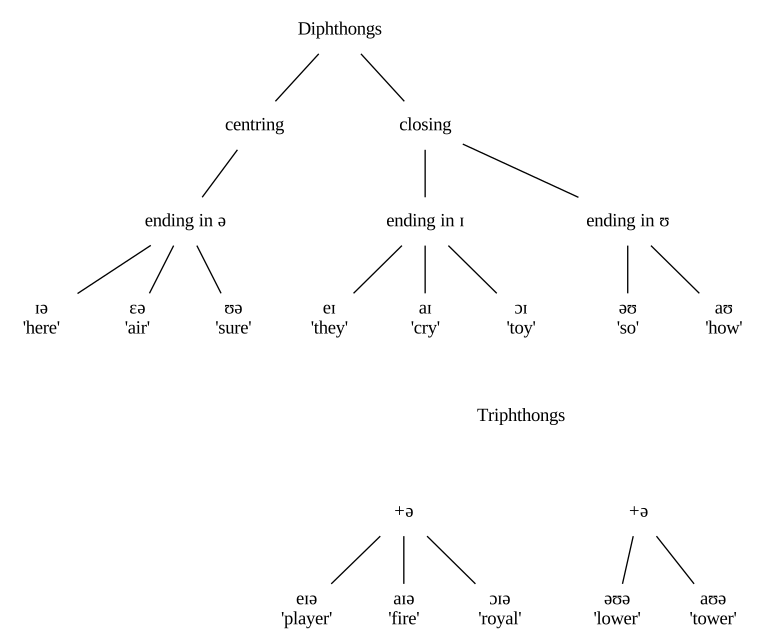
¢£ #4884. ±Ñ¸ì¤Î2½ÅÊì²»¤È3½ÅÊì²» [diphthong][triphthong][vowel][phoneme][phonology][sound_change]
¡¡±Ñ¸ì¤Î2½ÅÊì²» (diphthong) ¤È3½ÅÊì²» (triphthong) ¤Ï¡¤Îò»Ë¤Î¤Ê¤«¤Ç¼ïÎࡦ¿ô¤È¤â¤ËÊѲ½¤·Â³¤±¤Æ¤¤¿¡¥ÍÍ¡¹¤ÊÊѲ½¤ò¿ë¤²¤Æ¤¤¿·ë²Ì¡¤¸½Âå±Ñ¸ì¡Êɸ½àÊѼï¡Ë¤Ç¤Ï·×13¼ï¤¬³Îǧ¤µ¤ì¤Æ¤¤¤ë¡¥²»±¤ÏÀŪ¤Ê´ÑÅÀ¤«¤éÀ°Íý¤¹¤ë¤È¡¤°Ê²¼¤Î¤è¤¦¤ÊÂηÏŪ¤Ê¿Þ¤È¤Ê¤ë¡¥¤³¤Î¿Þ¤Ï Crystal (251) ¤Î¿Þ¤ò²þÊѤ·¤¿¤â¤Î¤Ç¤¢¤ë¡ÊSVGÈǤ⤢¤ê¡Ë¡¥

¡¡2½ÅÊì²»¤Ï¡¤Âè2¥â¡¼¥é¤ÎÊì²»¤¬ (1) Û£ËæÊì²» /ə/ ¤Ç½ª¤ï¤ë¤«¡¤(2) ¹âÊì²» /ɪ/, /ʊ/ ¤Ç½ª¤ï¤ë¤«¡¤¤Î·×3¼ï¤Ë¸Â¤é¤ì¤ë¤È¤¤¤¦ÆÃħ¤¬¤¢¤ë¡¥
¡¡3½ÅÊì²»¤Ï¡¤¾åµ¤Î¹âÊì²»¤Ç½ª¤ï¤ë2½ÅÊì²»¤Î¸å¤Ë¡¤Âè3¥â¡¼¥é¤È¤·¤ÆÛ£ËæÊì²» /ə/ ¤¬ÉÕ¤µ¤ì¤ë5¼ï¤Ë¸Â¤é¤ì¤ë¡¥
¡¡Îò»ËŪ¤Ë¤ß¤ë¤È¡¤2½ÅÊì²»¤ä3½ÅÊì²»¤Î¤ß¤Ê¤é¤ºÃ±Êì²» (monophthong) ¤â¤ª¤ª¤¤¤ËÊѲ½¤·¤Æ¤¤¿¡¥±Ñ¸ì¤ÏÁ´ÂΤȤ·¤ÆÊì²»¤ò·ã¤·¤¯¤«¤²ó¤·¤Æ¤¤¿¤È¤¤¤¦·Ð°Þ¤¬¤¢¤ë¡¥¤É¤Î¤è¤¦¤ËÊѲ½¤·¤Æ¤¤¿¤Î¤«¡¤¤Ê¤¼¤½¤ì¤Û¤ÉÊѲ½¤·¤Æ¤¤¿¤Î¤«¤Ë¤Ä¤¤¤Æ¤Ï¡¤°Ê²¼¤Îµ»ö¤ò»²¾È¡¥
¡¡¡¦ ¡Ö#1402. ±Ñ¸ì¤¬Àéǯ´Ö¡¤Êì²»¤ò¶¯²½¤·»Ò²»¤ò¼å²½¤·¤Æ¤¤¿Íýͳ¡× ([2013-02-27-1])
¡¡¡¦ ¡Ö#2052. ±Ñ¸ì»Ë¤Ë¤ª¤±¤ëÊì²»¤Î¼çÍפʼÁŪ¡¦ÎÌŪÊѲ½¡× ([2014-12-09-1])
¡¡¡¦ ¡Ö#2181. ¸Å±Ñ¸ì¤ÎÊì²»ÂÎ·Ï¡× ([2015-04-17-1])
¡¡¡¦ ¡Ö#3387. ¤Ê¤¼±Ñ¸ì²»±¤»Ë¤Ë¤ÏÊì²»ÊѲ½¤¬Â¿¤¤¤Î¤«¡©¡× ([2018-08-05-1])
¡¡¡¦ ¡Ö#4108. boy, join, loiter --- ³°Íè¤Î2½ÅÊì²»¤Î¼þÊÕŪÀ³Ê¡× ([2020-07-26-1])
¡¡¡¦ ¡Ö#4521. ±Ñ¸ì»Ë¾å¤Î¼çÍפÊÊì²»ÊѲ½¡× ([2021-09-12-1])
¡¡¡¦ Crystal, D. The Cambridge Encyclopedia of the English Language. 3rd ed. CUP, 2018.
2021-09-19 Sun
¢£ #4528. ¥¤¥®¥ê¥¹½ôÅç¤Î¼þÊÕÃÏ°è¤Ë»Ä¤ë3¤Ä¤Îȯ²» [pronunciation][h][r][rhotic][vowel][centralisation][phonology][phonetics][phoneme][substratum_theory][celtic_hypothesis][cockney]
¡¡¥¤¥®¥ê¥¹½ôÅçÁ´ÂΤΤʤ«¤ÇÃ濴Ū¤Ê±Ñ¸ì¤È¤¤¤¨¤Ð¡¤¥Ö¥ê¥Æ¥óÅç¤Î¥¤¥ó¥°¥é¥ó¥É¤Î¥í¥ó¥É¥ó¤òÃæ¿´¤È¤¹¤ë¥¤¥ó¥°¥é¥ó¥ÉÆîÉôɸ½à±Ñ¸ì¤Î¤³¤È¤ò»Ø¤¹¤Î¤¬ÉáÄ̤Ǥ¢¤ë¡¥¤³¤ì°Ê³°¤Î¥¤¥ó¥°¥é¥ó¥É¤ÎÆîÀ¾Éô¡¦ÃæÉô¡¦ËÌÉô¤ä¡¤¥¦¥§¡¼¥ë¥º¡¤¥¹¥³¥Ã¥È¥é¥ó¥É¡¤¥¢¥¤¥ë¥é¥ó¥É¡¤¤½¤Î¾¤ÎÅçÖÙÉô¤Ê¤É¤ò¤Þ¤È¤á¤Æ¼þÊÕÃÏ°è¤È¸Æ¤Ö¤³¤È¤Ë¤¹¤ë¤È¡¤¤³¤Î¼þÊÕÃÏ°è¤Î±Ñ¸ìÊѼï¤Ë¤Ï¤·¤Ð¤·¤Ð¸Å¤¤¸À¸ìÆÃħ (relic features) ¤¬´Ñ»¡¤µ¤ì¤ë¡¥²»±¤ÏÀŪ¤ÊÆÃħ¤È¤·¤Æ¡¤Corrigan (355) ¤è¤ê3¤Ä¤ÎÍ̾¤Ê»öÎã¤òµó¤²¤Æ¤ª¤³¤¦¡¥
(1) "FOOT/STRUT split"
¡¡Îò»ËŪ¤Ê /ʊ/ ¤¬¡¤Ãæ¿´ÃÏ°è¤Ç /ʊ/ ¤È /ʌ/ ¤ËʬÎö¤·¤¿²»±¤ÊѲ½¤ò¤µ¤¹¡¥17À¤µª¤ËÀ¸¤¸¤¿ÃæÀå²½ (centralisation) ¤È¸Æ¤Ð¤ì¤ë²áÄø¤Ç¡¤¤³¤ì¤Ë¤è¤êÊì²»²»ÁǤ¬1¤ÄÁý¤¨¤¿¤³¤È¤Ë¤Ê¤ë¡¥°ìÊý¡¤¼þÊÕÃÏ°è¤Ç¤ÏʬÎö¤Ïµ¯¤³¤Ã¤Æ¤¤¤Ê¤¤¤¿¤á¤Ë foot ¤È strut ¤ÏÁêÊѤï¤é¤º /ʊt/ ¤ÇµÓ±¤¤òƧ¤à¡¥¡Ö#1297. does, done ¤ÎÊì²»¡× ([2012-11-14-1]) ¤ÇÊý¸ÀÃÏ¿Þ¤ò¼¨¤·¤¿¤è¤¦¤Ë¡¤Ê¬Îö¤ÎÍ̵¤ÎÊý¸ÀʬÉÛ¤ÏÌÀ³Î¤Ç¤¢¤ë¡¥
(2) "non-prevocalic /r/"
¡¡¤³¤ÎÏÃÂê¤ÏËÜ¥Ö¥í¥°¤Ç¤â rhotic ¤Î¿¤¯¤Îµ»ö¤ÇÏÃÂê¤Ë¤·¤Æ¤¤¿¡¥¡Ö#452. ¥¤¥ó¥°¥é¥ó¥É±Ñ¸ì¤Î½ôÊý¸À¤Ë¤ª¤±¤ë r¡× ([2010-07-23-1]) ¤ËÊý¸ÀÃÏ¿Þ¤ò·ÇºÜ¤·¤Æ¤¤¤ë¤¬¡¤¼þÊÕÉô¤Ç¤ÏÊì²»Á°°ÌÃÖ¤ËÍè¤Ê¤¤Îò»ËŪ¤Ê r ¤¬¼Â¸½¤µ¤ì³¤±¤Æ¤¤¤ë¤¬¡¤Ãæ¿´Éô¤Ç¤Ï¼Â¸½¤µ¤ì¤Ê¤¤¡¥¥¹¥³¥Ã¥È¥é¥ó¥É¤ä¥¢¥¤¥ë¥é¥ó¥É¤â rhotic ¤Ç¤¢¤ë¡Ê¤¿¤À¤·¥¦¥§¡¼¥ë¥º¤Ç¤Ï°ìÉô¤ò½ü¤ non-rhotic ¤Ç¤¢¤ë¡Ë¡¥
(3) "h-dropping"
¡¡Cockney ȯ²»¤È¤·¤Æ¤è¤¯ÃΤé¤ì¤Æ¤¤¤ë h ¤¬Ã¦Í¤ë¸½¾Ý¡¥¼Â¤Ï Cockney ¤Ë¸Â¤é¤º¡¤½é´ü¶áÂå±Ñ¸ì´ü°Ê¹ß¡¤Ãæ¿´ÃÏ°è¤Ç¹¤¯¹Ô¤Ê¤ï¤ì¤Æ¤¤¿¡¥h-dropping ¤ÏÃÏ°èÊѼï¤È¤·¤Æ¤ÎÆÃħ¤Ç¤Ï¤Ê¤¯¼Ò²ñÊѼï¤È¤·¤Æ¤ÎÆÃħ¤È¤ß¤é¤ì¤ë¤³¤È¤¬Â¿¤¤¤¬¡¤¼þÊÕÃÏ°è¤ÎÊѼï¤Ç¤Ï¤¢¤Þ¤ê¸«¤é¤ì¤Ê¤¤¤È¤¤¤¦»ö¼Â¤â¤¢¤ê¡¤¤³¤È¤Ïñ½ã¤Ç¤Ï¤Ê¤¤¡¥¥±¥ë¥È·Ï¤Î´ðÁؤò¤â¤Ä±Ñ¸ìÊѼï¤Ç¤Ï°ìÈÌŪ¤Ë¸ìƬ¤Î h ¤¬ÊÝ»ý¤µ¤ì¤Æ¤¤¤ë¡¥
¡¡¤³¤Î¤è¤¦¤Ë¼þÊÕÃÏ°è¤Ï¸Å¤¤ÆÃħ¤òÊÝ»ý¤·¤Æ¤¤¤ë¤³¤È¤¬Â¿¤¤¤¬¡¤½ã¿è¤ËÃÏÍýŪ¤Ê´ÑÅÀ¤«¤éʬÉÛ¤òÀâÌÀ¤¹¤ë¤À¤±¤Ç½½Ê¬¤Ê¤Î¤À¤í¤¦¤«¡¥¤³¤ì¤é¤ÎÃÏ°è¤Ï¡¤ÃÏÍýŪ¤Ê°ÕÌ£¤Ç¼þÊդǤ¢¤ë¤À¤±¤Ç¤Ê¤¯¡¤¥±¥ë¥È·Ï¸À¸ì¡¦Êý¸À¤ò´ðÁؤˤâ¤Ä±Ñ¸ìÊѼ郎¹Ô¤Ê¤ï¤ì¤Æ¤¤¤ëÃÏ°è¤È¤·¤Æ̱²Ū¤Ê°ÕÌ£¤Ç¤â¼þÊդǤ¢¤ë¡¥Corrigan ¤Ï¾åµ¤ÎÆÃħ¤¬¥±¥ë¥È¸ì´ðÁز¾Àâ¤Ë¤è¤ë¤â¤Î¤À¤È¶¯¤¯¼çÄ¥¤·¤Æ¤¤¤ë¤ï¤±¤Ç¤Ï¤Ê¤¤¤¬¡¤¤½¤ì¤ò¼¨º¶¤¹¤ë½ñ¤Êý¤Ç¾Ò²ð¤·¤Æ¤¤¤ë¡¥
¡¡¡¦ Corrigan, Karen P. "The Atlantic Archipelago of the British Isles." Chapter 17 of The Oxford Handbook of World Englishes. Ed. by Markku Filppula, Juhani Klemola, and Devyani Sharma. New York: OUP, 2017. 335--70.
2021-09-06 Mon
¢£ #4515. <gn> ¤Îȯ²» [phonetics][consonant][spelling][phoneme][nasal][etymological_respelling][analogy][silent_letter]
¡¡±Ñ¸ì¤ÎÄÖ»ú <gn> ¤Ë¤Ä¤¤¤Æ¡¤¸ìƬ¤Ë¸½¤ï¤ì¤ë¥±¡¼¥¹¤Ë¤Ä¤¤¤Æ¤Ï <kn> ¤È¤Î´Ø·¸¤«¤é¡Ö#3675. kn ¤«¤é k ¤¬Ã¦Í¤ë²»ÊѲ½¤Î²áÄø¡× ([2019-05-20-1]) ¤Îµ»ö¤Ç´Êñ¤Ë¿¨¤ì¤¿¡¥16--17À¤µª¤Ë [gn] > [n] ¤Î²áÄø¤¬À¸¤¸¤¿¤È¤¤¤¦¤³¤È¤À¤Ã¤¿¡¥¤Ç¤Ï¡¤¸ìƬ¤Ç¤Ï¤Ê¤¯¸ìÃæ¤ä¸ìËö¤Ë <gn> ¤ÎÄÖ»ú¤ò¤â¤Ä¡¤¼ç¤Ë¥Õ¥é¥ó¥¹¸ì¡¦¥é¥Æ¥ó¸ìͳÍè¤Î¸ì¤Ë¤Ä¤¤¤Æ¡¤ÄÖ»ú¤Èȯ²»¤Î´Ø·¸¤Ë´Ø¤·¤Æ¤¤¤«¤Ê¤ëÂбþ¤¬¤¢¤ë¤À¤í¤¦¤«¡¥Carney (247, 325) ¤ò»²¾È¤·¤Æ¤ß¤è¤¦¡¥
¡¡¤Þ¤º <gn(e)> ¤¬¸ìËö¤Ë¤¯¤ëÎã¤òµó¤²¤Æ¤ß¤è¤¦¡¥arraign, assign, benign, campaign, champagne, cologne, deign, design, ensign, impugn, malign, reign, resign, sign ¤Ê¤É¤¬µó¤¬¤Ã¤Æ¤¯¤ë¡¥¤³¤ì¤é¤Î¸ì¤Ë¤ª¤¤¤Æ¤Ï <g> ¤ÏÌÛ»ú¤È¤·¤Æµ¡Ç½¤·¤Æ¤ª¤ê¡¤·ë²Ì¤È¤·¤Æ <gn(e)> ¢á /n/ ¤Î´Ø·¸¤È¤Ê¤Ã¤Æ¤¤¤ë¡¥¤Á¤Ê¤ß¤Ë foreign ¤È sovereign ¤ÏÈóÎò»ËŪ¤ÊÄÖ»ú¤Ç¡¤´ª°ã¤¤¤ò´Þ¤ó¤À¸ì¸»ÅªÄÖ»ú (etymological_respelling) ¤¢¤ë¤¤¤ÏÎà¿ä (analogy) ¤Î»ºÊª¤È¤µ¤ì¤ë¡¥
¡¡¤¿¤À¤·¡¤¾åµ¤Îñ¸ì·²¤ÎÇÉÀ¸¸ì¤Ë¤ª¤¤¤Æ¤Ï <g> ¤È <n> ¤Î´Ö¤Ë²»Àᶳ¦¤¬À¸¤¸¡¤È¯²»¾å /g/ ¤È/n/ ¤¬ÊÌ¡¹¤Ëȯ²»¤µ¤ì¤ë¤³¤È¤¬Â¿¤¤¡¥assignation, benignant, designate, malignant, regnant, resignation, signature, significant, signify ¤ÎÄ̤ꡥ
¡¡¾åµ¤Îñ¸ì·²¤Î¥½¡¼¥¹¤È¤Ê¤ë¸À¸ì¤Ï¤¿¤¤¤Æ¤¤¥Õ¥é¥ó¥¹¸ì¤Ç¤¢¤ë¡¥¥Õ¥é¥ó¥¹¸ì¤Ç¤Ï <gn> ¤Ï¹Å¸ý³¸É¡²» [ɲ] ¤ËÂбþ¤¹¤ë¤¬¡¤±Ñ¸ì¤Ç¤Ï [ɲ] ¤ÏÆÈΩ¤·¤¿²»ÁǤǤϤʤ¤¤¿¤á¡¤±Ñ¸ì¤Ë¼è¤ê¹þ¤Þ¤ì¤ëºÝ¤Ë¤Ï¡¤¶á»÷¤¹¤ë»õ·ÔÉ¡²» [n] ¤ÇÂåÍѤµ¤ì¤¿¡¥[ɲ] ¤Ë¶á¤¤²»¤È¤·¤Æ±Ñ¸ì¤Ë¤Ï [nj] ¤â¤¢¤êÆÀ¤ë¤Î¤À¤¬¡¤²»ÁÇÇÛÎóŪ¤Ë¸ìËö¤Ë¤Ï¸½¤ï¤ìÆÀ¤Ê¤¤µ¬Â§¤Ê¤Î¤Ç¡¤·ë²ÌŪ¤Ë [n] ¤Ë½ªÃ夷¤¿¤³¤È¤Ë¤Ê¤ë¡¥¤Ê¤ª¡¤¸ìËö¤Ç¤Ê¤±¤ì¤Ð /nj/ ¤Ç¼è¤ê¹þ¤Þ¤ì¤¿¥±¡¼¥¹¤â¤¢¤ë¡¥Î㤨¤Ð¡¤cognac, lorgnette, mignonette, vignette ¤Ê¤É¤Ç¤¢¤ë¡¥¥¤¥¿¥ê¥¢¸ì¤«¤é¤Î Bologna, Campagna ¤âƱÍÍ¡¥poignant ¤Ë¤Ä¤¤¤Æ¤Ï¡¤/nj/ ¤Î¤Û¤« /n/ ¤Îȯ²»¤â¤¢¤ë¡¥
¡¡ÄÖ»ú¤Ë¤Ä¤¤¤Æ̯¤Ê¤³¤È¤¬µ¯¤³¤Ã¤¿¤Î¤Ï¡¤¥Õ¥é¥ó¥¹¸ì ligne ¤ËͳÍ褹¤ë line ¤Ç¤¢¤ë¡¥ËÜÍè¤Ç¤¢¤ì¤Ð¥Õ¥é¥ó¥¹¸ì signe ¤¬±Ñ¸ì¤Ë¼è¤ê¹þ¤Þ¤ì¤Æ <sign> ¢á /saɪn/ ¤È¤·¤ÆÄêÃ夷¤¿¤è¤¦¤Ë¡¤ligne ¤â±Ñ¸ì¤Ç¤Ï <lign> ¢á /laɪn/ ¤Û¤É¤ÇÄêÃ夷¤Æ¤¤¤¿¤Ï¤º¤ÈÁÛÁü¤µ¤ì¤ë¡¥¤À¤¬¡¤¸å¼Ô¤Ë¤Ä¤¤¤Æ¤Ï±Ñ¸ìŪ¤ÊÄÖ»úµ¬Â§¤Ë§¤Ã¤Æ <line> ¤ÈÄÖ¤êÂؤ¨¤é¤ì¤Æ¸½ºß¤Ë»ê¤ë¡¥¤³¤ì¤ËÀÜƬ¼¤ò¤Ä¤±¤¿Æ°»ì·Á¤Ë¤¢¤Ã¤Æ¤Ï <align> ¤¬ÉáÄ̤ÎÄÖ»ú¡Ê¤¿¤À¤· aline ¤â¤Ê¤¤¤Ç¤Ï¤Ê¤¤¡Ë¤Ç¤¢¤ë¤·¡¤ÊÌ¤Ë sign/assign ¤È¤¤¤¦¥Ú¥¢¤â¸«¤é¤ì¤ë¤À¤±¤Ë¡¤<line> ¤Ï¤Ê¤ó¤È¤â̯¤Ç¤¢¤ë¡¥
¡¡line/align ¤È¤¤¤¦¸ì´´¤ò¶¦Í¤¹¤ë¸ì¤ÎÄÖ»ú¾å¤Î¥Á¥°¥Ï¥°¤Ï¡¤¤Û¤«¤Ë¤â deign/disdain ¤ä feign/feint ¤Ë¸«¤é¤ì¤ë (Upward and Davidson 140) ¡¥
¡¡¡¦ Carney, Edward. A Survey of English Spelling. Abingdon: Routledge, 1994.
¡¡¡¦ Upward, Christopher and George Davidson. The History of English Spelling. Malden, MA: Wiley-Blackwell, 2011.
2021-06-21 Mon
¢£ #4438. ¸Å±Ñ¸ì¤ÎÊì²»ÂÎ·Ï [oe][vowel][monophthong][diphthong][phonetics][phonology][phoneme]
¡¡¸Å±Ñ¸ì¤ÎÊì²»¤ÏÊ£»¨¤ÊÂηϤò¤Ê¤·¤Æ¤¤¤¿¡¥Ã»Êì²»¡¤Ä¹Êì²»¡¤Ã»2½ÅÊì²»¡¤Ä¹2½ÅÊì²»¤Î·ÏÎ󤬤¢¤ê¡¤¸Å±Ñ¸ì¤ÎÁ°¸åȾ¤Î»þ´ü¤Ë¤è¤Ã¤Æ¤âÊý¸À¤Ë¤è¤Ã¤Æ¤âÊì²»¤Î¼ïÎà¤È¿ô¤Ï°Û¤Ê¤Ã¤Æ¤¤¤¿¤¿¤á¡¤¸Å±Ñ¸ì¤ÎÊì²»¡Ê²»ÁÇ¡Ë°ìÍ÷¤òºî¤í¤¦¤È¤¹¤ë¤ÈÌñ²ð¤Ç¤¢¤ë¡¥¤Þ¤¿¡¤Ä¹2½ÅÊì²»¤Î·ÏÎó¤¬ËÜÅö¤Ë¤¢¤Ã¤¿¤«¤É¤¦¤«¤ò½ä¤Ã¤Æ¡Ö#3955. ¸Å±Ñ¸ì¤Î "digraph controversy"¡× ([2020-02-24-1])¡¤¡Ö#3964. ¸Å±Ñ¸ì¤Î "digraph controversy" (2)¡× ([2020-03-04-1]) ¤Ç¤ß¤¿¤è¤¦¤Ê·ã¤·¤¤ÏÀÁè¤â¤¢¤ê¡¤°ì¶ÚÆì¤Ç¤Ï¤¤¤«¤Ê¤¤¡¥
¡¡¤³¤³¤Ç¤Ï Prins (51--52) ¤Ë°Íµò¤·¤Æ¡¤¸Å±Ñ¸ì¤Î¸å´ü¥¦¥§¥¹¥È¥µ¥¯¥½¥óÊý¸À¤ÎÊì²»ÂηϤò¼¨¤¹¤³¤È¤Ë¤¹¤ë¡¥
| Short Vowels | ||||||
| i | ü | u | ||||
| e | ö ( ¢ª e ) | o | ||||
| æ, a | ||||||
| Long Vowels | ||||||
| i: | ü: | u: | ||||
| e: | ö: ( ¢ª e: ) | o: | ||||
| æ: | ||||||
| ɑ: | ||||||
| Short Diphthongs | ||||||
| ie | ( ¢ª i ) | |||||
| eo | ||||||
| ea | ||||||
| Long Diphthongs | ||||||
| i:e | ( ¢ª ü ) | |||||
| e:o | ||||||
| e:a | ||||||
¡¡Ãíµ¤·¤Æ¤ª¤¯¤Ù¤ÅÀ¤Ï¡¤
¡¡(1) ûÊì²» ö ¤ÈĹÊì²» ö ¤Ï¡¤¸å¤ËÈó±ß¿°²½¤·¤¿
¡¡(2) ûÊì²» æ ¤È a ¤ÏƱ°ì²»ÁǤΰÌÃÖ°Û²»¤À¤¬¡¤Ä¹Êì²» æ: ¤È ɑ: ¤Ï°Û¤Ê¤ë²»ÁǤǤ¢¤ë
¡¡(3) û2½ÅÊì²» ie ¤Ï¡¤¸å¤Ë i ¤ØÊѲ½¤·¤¿
¡¡(4) Ĺ2½ÅÊì²» i:e ¤Ï¡¤¸å¤Ë ü: ¤ØÊѲ½¤·¤¿
¤È¤Ê¤ë¡¥
¡¡³Æ¼ï¤ÎÊѲ½¸å¤ÎÊì²»ÂηϤˤª¤¤¤Æ·ÏÎ󤴤Ȥ˲»ÁǤò¿ô¤¨¤ë¤È¡¤Ã»Êì²»·ÏÎó6²»ÁÇ¡¤Ä¹Êì²»·ÏÎó7²»ÁÇ¡¤Ã»2½ÅÊì²»·ÏÎó2²»ÁÇ¡¤Ä¹2½ÅÊì²»·ÏÎó2²»ÁǤȤʤꡤ¾¯¤Ê¤¯¸«ÀѤâ¤Ã¤Æ¤â17¸Ä¤ÎÊì²»²»ÁǤ¬¤¢¤Ã¤¿¤³¤È¤Ë¤Ê¤ë¡¥¸½Âå±Ñ¸ì¤ÎÊì²»²»ÁǤÏ20¸Ä¤Û¤É¤¢¤êÁêÅö¤ËÊ£»¨¤À¤¬¡¤¸Å±Ñ¸ì¤âÉ餱¤Æ¤¤¤Ê¤¤¡Êcf. ¡Ö#1021. ±Ñ¸ì¤ÈÆüËܸì¤Î²»ÁǤμïÎà¤È¿ô¡× ([2012-02-12-1])¡¤¡Ö#1601. ±Ñ¸ì¤ÈÆüËܸì¤ÎÊì²»¤Î°ÌÃÖÈæ³Ó¡× ([2013-09-14-1])¡Ë¡¥¸å¤ÎÃæ±Ñ¸ì¤Ç¤ÏÊ£»¨¤µ¤¬¾¯¤·´ËϤµ¤ì¤¿¤Î¤À¤¬¡¤Á´ÂΤȤ·¤Æ¤ß¤ì¤ÐÎò»Ë¤òÄ̤¸¤Æ±Ñ¸ì¤ÎÊì²»ÂηϤϹþ¤ßÆþ¤Ã¤Æ¤¤¤¿¤È¤¤¤Ã¤Æ¤è¤¤¤À¤í¤¦¡¥
¡¡¡¦ Prins, A. A. A History of English Phonemes. 2nd ed. Leiden: Leiden UP, 1974.
[ ¸ÇÄê¥ê¥ó¥¯ | °õºþÍÑ¥Ú¡¼¥¸ ]
2021-01-30 Sat
¢£ #4296. ²»ÁǤȤϲ¿¤«¡© --- Crystal ¤ÎÍѸì¼Åµ¤è¤ê [sobokunagimon][phoneme][phonetics][phonology][terminology][history_of_linguistics][linguistics]
¡¡²»ÁÇ (phoneme) ¤Ï¡¤¸À¸ì³Ø¤ÎÆþÌç½ñ¤Ç¤âɬ¤º¼è¤ê¾å¤²¤é¤ì¤ë¸À¸ì¤Î´ðËÜŪñ°Ì¤Ç¤¢¤ë¤È¤¤¤ï¤ì¤Ê¤¬¤é¡¤¼Â¤ÏÄêµÁ¤¬ÍÍ¡¹¤Ë¤¢¤ê¡¤¸À¸ì³Ø¾å¤â¤Ã¤È¤âÌäÂê´Þ¤ß¤Î³µÇ°¡¦ÍѸì¤Î1¤Ä¤Ç¤¢¤ë¡¥³Ø»Ë¾å¤âÏÀÁ褬À䤨¤º¡¤·Ú¡¹¤ËΩ¤ÁÆþ¤ë¤³¤È¤Î¤Ç¤¤Ê¤¤¥¿¡¼¥à¤Ç¤¢¤ë¡¥¸À¸ì³Ø¤Ç¤Ï¡¤±ý¡¹¤Ë¤·¤Æ¤³¤Î¤è¤¦¤ÊÌäÂê´Þ¤ß¤ÎµÄÏÀ¤¬¤¢¤ë¡¥Î㤨¤Ð¡¤¸ì (word) ¤È¤¤¤¦´ðËÜŪ¤Êñ°Ì¤¹¤é¡¤¸À¸ì³Ø¤Ç¤Ï¤¤¤Þ¤ÀÈ×ÀФÊÄêµÁ¤¬Í¿¤¨¤é¤ì¤Æ¤¤¤Ê¤¤ (cf. ¡Ö¸ì¤ÎÄêµÁ¤¬¤Ê¤¼Æñ¤·¤¤¤«¡×¤Îµ»ö¥»¥Ã¥È) ¡¥
¡¡²»ÁǤÎÄêµÁ¤È¤¤¤¦¤Î¤Ã¤Ô¤¤Ê¤é¤Ê¤¤ÌäÂê¤Ë¤¤¤¤Ê¤êÇ÷¤ë¤ï¤±¤Ë¤â¤¤¤«¤Ê¤¤¤Î¤Ç¡¤¤Þ¤º¤ÏÍѸì¼Åµ¤Îµ½Ò¤ËÍê¤Ã¤Æ¤ß¤è¤¦¡¥¤¿¤À¡¤¤¤¤¯¤Ä¤«Åö¤¿¤Ã¤Æ¤ß¤¿¤Î¤À¤¬¡¤ÌäÂê¤Î¤ä¤ä¤³¤·¤µ¤òÈ¿±Ç¤·¤Æ¤«¡¤¤É¤ì¤âµ½Ò¤¬¥¹¥È¥ì¡¼¥È¤Ç¤Ê¤¤¡¥¤½¤Î¤Ê¤«¤Ç¤âʬ¤«¤ê¤ä¤¹¤¤Êý¤À¤Ã¤¿¤Î¤¬ Crystal ¤ÎÍѸì¼Åµ¤À¤Ã¤¿¤Î¤Ç¡¤¼è¤Ã³Ý¤«¤ê¤È¤·¤ÆĹ¡¹¤È°úÍѤ·¤¿¤¤¡¥¤¿¤À¤·¡¤¤³¤ì¤È¤ÆÀäÂÐŪ¤Ëʬ¤«¤ê¤ä¤¹¤¤¤«¤È¤¤¤¨¤Ðµ¿Ìä¡¥¤½¤ì¤¯¤é¤¤¡¤½é¿´¼Ô¤Ë¤Ï¡Ê¼Â¤ÏÀìÌç²È¤Ë¤â¡Ë¼è¤Ã¤Ä¤¤Ë¤¯¤¤ÍѸ졦³µÇ°¡¥
phoneme (n.) The minimal unit in the sound SYSTEM of a LANGUAGE, according to traditional PHONOLOGICAL theories. The original motivation for the concept stemmed from the concern to establish patterns of organization within the indefinitely large range of sounds heard in languages. The PHONETIC specifications of the sounds (or PHONES) heard in speech, it was realized, contain far more detail than is needed to identify the way languages make CONTRASTS in MEANINGS. The notion of the phoneme allowed linguists to group together sets of phonetically similar phones as VARIANTS, or 'members', of the same underlying unit. The phones were said to be REALIZATIONS of the phonemes, and the variants were referred to as allophones of the phonemes . . . . Each language can be shown to operate with a relatively small number of phonemes; some languages have as few as fifteen phonemes; othes as many as eighty. An analysis in these terms will display a language's phonemic inventory/structure/system. No two languages have the same phonemic system.
Sounds are considered to be members of the same phoneme if they are phonetically similar, and do not occur in the same ENVIRONMENT (i.e. they are in COMPLEMENTARY DISTRIBUTION) --- or, if they do, the substitution of one sound for the other does not cause a change in meaning (i.e. they are in FREE VARIATION). A sound is considered 'phonemic', on the other hand, if its substitution in a word does cause a change in meaning. In a phonemic transcription, only the phonemes are given symbols (compared with phonetic TRANSCRIPTIONS, where different degrees of allophonic detail are introduced, depending on one's purpose). Phonemic symbols are written between oblique brackets, compared with square brackets used for phonetic transcriptions; e.g. the phoneme /d/ has the allophones [d] (i.e. an ALVEOLAR VOICED variant), [d̥] (i.e. an alveolar devoiced variant), [d̪] (i.e. a DENTAL variant) in various complementary positions in English words. Putting this another way, it is not possible to find a pair of words in English which contrast in meaning solely on account of the difference between these features (though such contrasts may exist in other languages). The emphasis on transcription found in early phonemic studies is summarized in the subtitle of one book on the subject: 'a technique for reducing languages to writing'. The extent to which the relationship between the phonemes and the GRAPHEMES of a language is regular is called the 'phoneme-grapheme correspondence'.
On this general basis, several approaches to phonemic analysis, or phonemics, have developed. The PRAGUE SCHOOL defined the phoneme as a BUNDLE of abstract DISTINCTIVE FEATURES, or OPPOSITIONS between sounds (such as VOICING, NASALITY), and approach which was developed later by Jakobson and Halle . . . , and GENERATIVE phonology. The approach of the British phonetician Daniel Jones (1881--1967) viewed the phoneme as a 'family' of related sounds, and not as oppositions. American linguists in the 1940s also emphasized the phonetic reality of phonemes, in their concern to devise PROCEDURES of analysis, paying particular attention to the DISTRIBUTION of sounds in an UTTERANCE. Apart from the question of definition, if the view is taken that all aspects of the sound system of a language can be analysed in terms of phonemes --- that is, the SUPRASEGMENTAL as well as the SEGMENTAL features --- then phonemics becomes equivalent to phonology (= phonemic phonology). This view was particularly common in later developments of the American STRUCTURALIST tradition of linguistic analysis, where linguists adopting this 'phonemic principle' were called phonemicists. Many phonologists, however (particularly in the British tradition), prefer not to analyse suprasegmental features in terms of phonemes, and have developed approaches which do without the phoneme altogether ('non-phonemic phonology', as in PROSODIC and DISTINCTIVE FEATURE theories).
¡¡ºÇ¸å¤ÎÃÊÍî¤Ë½ôÇɤθ«²ò¤¬Î¬½Ò¤µ¤ì¤Æ¤¤¤ë¤¬¡¤¤¤¤ä¡¤¼Â¤ËÌñ²ð¡¥
¡¡²»À¼ (phone) ¤È²»ÁÇ (phoneme) ¤È¤Î°ã¤¤¤Ë¤Ä¤¤¤Æ¡¤¤³¤ì¤Þ¤Ç¤Ë¼¡¤Î¤è¤¦¤Êµ»ö¤ò½ñ¤¤¤Æ¤¤¿¤Î¤Ç¡¤¤½¤Á¤é¤â»²¾È¡¥
¡¡¡¦ ¡Ö#669. ȯ²»É½µ¤È±Ñ¸ì»Ë¡× ([2011-02-25-1])
¡¡¡¦ ¡Ö#3717. ²»À¼³Ø¤È²»±¤ÏÀ¤Ï¤É¤¦°ã¤¦¤Î¤Ç¤¹¤«¡©¡× ([2019-07-01-1])
¡¡¡¦ ¡Ö#4232. ²»À¼³Ø¤È²»±¤ÏÀ¤Ï¡¤¼Ö¤Î¹½Â¤¤È¥¹¥¿¥¤¥ë¡× ([2020-11-27-1])
¡¡¡¦ Crystal, David, ed. A Dictionary of Linguistics and Phonetics. 6th ed. Malden, MA: Blackwell, 2008. 295--96.
2020-07-27 Mon
¢£ #4109. boil, loin, point --- Ãæ±Ñ¸ì ui ¤«¤éÄÖ»úȯ²»¤Ø [diphthong][vowel][centralisation][phoneme][french][anglo-norman][spelling_pronunciation]
¡¡ºòÆü¤Îµ»ö¡Ö#4108. boy, join, loiter --- ³°Íè¤Î2½ÅÊì²»¤Î¼þÊÕŪÀ³Ê¡× ([2020-07-26-1]) ¤Ç¿¨¤ì¤¿¤è¤¦¤Ë¡¤2½ÅÊì²» /ɔɪ/ ¤ÏÎò»ËŪ¤ËÃíÌܤ¹¤Ù¤Çطʤòͤ·¤Æ¤¤¤ë¡¥¤³¤ÎÏÃÂê¤Ë¤Ä¤¤¤Æ¡¤¤â¤¦¾¯¤··¡¤ê²¼¤²¤Æ¤ß¤¿¤¤¡¥
¡¡¸½Âå±Ñ¸ì¤Î /ɔɪ/ ¤ËÏ¢¤Ê¤ëÃæ±Ñ¸ì¤Ç¤Î¼Â¸½·Á¤Ï¡¤ [oi] ¤¢¤ë¤¤¤Ï [ui] ¤À¤Ã¤¿¡¥¤³¤ì¤é¤¬·ë²ÌŪ¤Ë¸½Âå¤Î /ɔɪ/ ¤Ø°ìËܲ½¤·¤Æ¤¤¤Ã¤¿¤ï¤±¤À¤¬¡¤ÆäËÃæ±Ñ¸ì [ui] ¤Ë¤Ä¤¤¤Æ¤Ï¥¹¥Ú¥ê¥ó¥°¤È¤Î´Ø·¸¤Ç¤â¶½Ì£¿¼¤¤Îò»ËŪÇطʤ¬¤¢¤ë¡¥Minkova (269--70) ¤ò°úÍѤ·¤è¤¦¡¥
The original [ui] has an unusual history in that, like the more recent history of /h-/ . . . , it is one of the rare well-documented instances of a sound change in progress inhibited and partially reversed by the influence of spelling. Many of the words with PDE <oi> --- loin, boil, coy, oil, join, point, choice, poison --- had variant pronunciations with [oi] and [ui], the latter commonly from Anglo-Norman. The 'normal' development of [ui], involving lowering and centralisation of the first element of the diphthong . . . , was towards [əi], which in the seventeenth and into the eighteenth century was also a possible realisation of historical [iː]. That the two etymologically distinct entities were treated as identical is shown by rhymes like loin: line, boil: bile, point: pint as late as the second half of the eighteenth century. In spelling the [ui] > [əi] words alternated between <ui> and <oi>. Eventually the centralised pronunciation [əi] for historical [ui] was abandoned in favour of [ɔi], no doubt supported by the spelling and pronunciation of the majority of the loanwords in that group.
¡¡Ãæ±Ñ¸ì [ui] ¤ÏÄ̾ï¤Î²»ÊѲ½¤Î¥ë¡¼¥È¤Ë¾è¤Ã¤Æ¤¤¤ì¤Ð¡¤¶áÂå¤Ç¤Ï [əi] ¤È¤Ê¤Ã¤Æ¤¤¤¿¤Ï¤º¤Ç¤¢¤ê¡¤¼ÂºÝ¤Ë¤½¤¦¤Ê¤Ã¤Æ¤¤¤¿¤Î¤À¤¬¡¤¸å´ü¶áÂå°Ê¹ß¡¤ÄÖ»ú¤¬ <oi> ¤È¤·¤ÆÊݤ¿¤ì¤Æ¤¤¤¿¤³¤È¡¤¤½¤·¤Æ <oi> ¢á [ɔi] ¤¬Â¿¤¯¤Îñ¸ì¤Ë¤ª¤¤¤Æ³ÎΩ¤·¤Æ¤¤¤¿¤³¤È¤«¤é¡¤¤¢¤ë¼ï¤Î¿Í°ÙŪ¤Ê [əi] > [ɔi] ¤È¤¤¤¦ÊѲ½¤¬À¸¤ß½Ð¤µ¤ì¤¿¤È¤¤¤¦¡¥Íפ¹¤ë¤Ë¡¤ÄÖ»úȯ²» (spelling_pronunciation) ¤ÎÎã¤Ç¤¢¤ë¡¥
2020-07-26 Sun
¢£ #4108. boy, join, loiter --- ³°Íè¤Î2½ÅÊì²»¤Î¼þÊÕŪÀ³Ê [diphthong][vowel][phoneme][phonology][loan_word]
¡¡É¸µ¤Îñ¸ì¤Ë´Þ¤Þ¤ì¤ë2½ÅÊì²» /ɔɪ/ ¤Ï¡¤¸½Âå±Ñ¸ì¤Ç¤Ï¤«¤Ê¤ê¥Þ¥¤¥Ê¡¼¤ÊÊì²»¤Ç¤¢¤ë¡¥¡Ö#1022. ±Ñ¸ì¤Î³Æ²»ÁǤÎÀ¸µ¯ÉÑÅÙ¡× ([2012-02-13-1]) ¤Ç³Îǧ¤¹¤ë¤«¤®¤ê¡¤Êì²»²»ÁǤȤ·¤Æ¤Ï /ʊə/ ¤Ë¤Ä¤°ºÇÄãÉÑÅ٤β»ÁǤǤ¢¤ë¡¥boy, choice, enjoy, join, poison ¤Ê¤É¤ÎÆü¾ï¸ì¤Ë¸½¤ï¤ì¤ë¤¿¤á¡¤¤¢¤Þ¤ê¼Â´¶¤Ï¤Ê¤¤¤«¤â¤·¤ì¤Ê¤¤¤¬¡¤Åý·×¾å¤Ï¥Þ¥¤¥Ê¡¼¤Ç¤¢¤ë¡¥
¡¡¤³¤Î¥Þ¥¤¥Ê¡¼À¤ÎÎò»ËŪÇطʤȤ·¤Æ¤Ï¡¤¤³¤Î²»ÁǤ¬¤½¤â¤½¤â³°Íè¤Î¤â¤Î¤Ç¤¢¤ëÅÀ¤ò»ØŦ¤Ç¤¤ë¡¥choice, employ, loin, moist, turmoil, soil, join, poison ¤Î¤è¤¦¤Ë¥Õ¥é¥ó¥¹¸ì¤ËÁ̤ë¤â¤Î¤¬°µÅÝŪ¿¿ô¤À¤¬¡¤¤Û¤«¤Ë¥ª¥é¥ó¥À¸ì¤«¤é¤Î buoy, foist, loiter ¤Ê¤É¤â¤¢¤ë¡¥¥®¥ê¥·¥¢¸ì hoi polloi¡¤¥Ù¥ó¥¬¥ë¸ì poisha¡¤Ãæ¹ñ¸ì hoisin¡¤¤½¤ì¤«¤éµ¼²»¸ì ahoy, boink, oink ¤â¤¢¤ë¡¥µ¼²»¸ì¤Îµ¯¸»¤Ë¤Þ¤Ä¤ï¤ëÌäÂê¤ÏÊ̤Ȥ·¤Æ¡¤°ìÈÌŪ¤ÊËÜÍè¸ì¤Ë¤Ï¥ë¡¼¥Ä¤ò¤¿¤É¤ë¤³¤È¤Î¤Ç¤¤Ê¤¤²»ÁǤʤΤǤ¢¤ë¡¥
¡¡¶¦»þŪ¤Ë¤ß¤Æ¤â¡¤¤³¤Î²»ÁǤϥޥ¤¥Ê¡¼¤ÊÆ÷¤¤¤òÊü¤Ã¤Æ¤¤¤ë¡¥Minkova (270) ¤Ï¡¤Vachek ¤ä Lass ¤Ë¸ÀµÚ¤·¤Ä¤Ä¡¤¤½¤Î¼þÊÕÀ¤ò¼¡¤Î¤è¤¦¤Ë¾Ò²ð¤·¤Æ¤¤¤ë¡¥
The incorporation of the new diphthong in boy, join, coin into the English phonological system is commonly described as incomplete. Vachek (1976: 162--7, 265--8) argued that lack of parallelism with the other diphthongs ([eɪ-oʊ], [aɪ-aʊ], but not *[ɛɪ-ɔɪ]) and lack of morphophonemic alternations involving [ɔɪ] in the PDE system, makes [ɔɪ] a 'peripheral' phoneme in SSBE. He hypothesised that the survival of [ɔɪ] is associated with its pragmatic function of differentiating synchronically foreign words from native words, especially polysyllabic words. Lass (1992a: 53) also emphasises the 'foreignness' of [ɔɪ] and its structural isolation, and concludes that it . . . 'has just sat there for its whole history as a kind of non-integrated "excrescence" on the English vowel system'.
¡¡°ìÊý¡¤³Î¤«¤Ë¼þÊÕŪ¤ÊÆ÷¤¤¤Ï¤¹¤ë¤â¤Î¤Î¡¤¸½Âå±Ñ¸ì¤ÎÂηϤ˼è¤ê¹þ¤Þ¤ì¤Æ¤¤¤ë¤³¤È¤Ï³Î¤«¤À¤È¤¤¤¦µÄÏÀ¤â¤¢¤ë¡¥(1) ¾¤Î2½ÅÊì²»¤ÈƱÍͤ˲»À¼¼Â¸½¾å¤ÎÊÑ°Û¤ò¼¨¤¹ (ex. [ɔɪ], [oi], [ui])¡¤(2) ÀÜÈø¼ -oid ¤Ï¤³¤Î2À¤µª¤Î´Ö¡¤¹â¤¤À¸»ºÀ¤ò¸Ø¤ë¡¤(3) 20À¤µª¤ËÆþ¤Ã¤Æ¤«¤é¤Î¤¸ì¤È¤·¤Æ oik (1917), oink (1935), boing (1952), boink (1963); droid (1952), roid (1978) ¤Ê¤É¤¬¸½¤ï¤ì¤Æ¤¤Æ¤¤¤ë¡¤¤Ê¤É¤Î»ö¼Â¤À¡¥
¡¡¤¤¤í¤¤¤í¤Ê´ÑÅÀ¤«¤é¶½Ì£¤ò¤½¤½¤ë2½ÅÊì²»²»ÁǤȤ¤¤¨¤ë¤À¤í¤¦¡¥
¡¡¡¦ Minkova, Donka. A Historical Phonology of English. Edinburgh: Edinburgh UP, 2014.
¡¡¡¦ Vachek, Joseph. Selected Writings in English and General Linguistics. Prague: Academia and the Hague: Mouton, 1976.
¡¡¡¦ Lass, Roger. "Phonology and Morphology." The Cambridge History of the English Language. Vol. 2. Cambridge: CUP, 1992. 23--154.
2020-05-09 Sat
¢£ #4030. -ant ¤« -ent ¤« (3) [spelling][suffix][phoneme][statistics]
¡¡2Æü´Ö¤Îµ»ö ([2020-05-07-1], [2020-05-08-1]) ¤ÇɸÂê¤Ë¤Ä¤¤¤Æ¹Í¤¨¤Æ¤¤¿¡¥Î¾ÀÜÈø¼¤ÎʬÉÛ¤òÀâÌÀ¤¹¤ë¤³¤È¤Ï¡¤¶¦»þŪ¤Ë¤âÄÌ»þŪ¤Ë¤â´°Á´¤Ë¤Ï¤Ç¤¤Ê¤¤¤è¤¦¤À¡¥¤·¤«¤·¡¤Upward and Davidson (423) ¤Ï¡¤´ØÍ¿¤¹¤ë754¸ì¤Ë´ð¤Å¤¤¤¿Ä´ºº¤òÄ̤¸¡¤¤¢¤ë¼ï¤Î·¹¸þ¤ò¸«½Ð¤·¤¿¡¥¤É¤Á¤é¤ÎÀÜÈø¼¤ò¼è¤ë¤«¡¤ÀÜÈø¼¤ÎľÁ°¤Î²»ÁǤˤè¤Ã¤Æ¤ª¤è¤½Í½ÁۤǤ¤ë¤È¤¤¤¦¡¥¤¢¤¯¤Þ¤Ç³ÎΨÏÀŪ¤Ê»ØŦ¤À¤¬¡¤¼ÂºÝŪ¤ËÌòΩ¤Á¤½¤¦¤À¡¥
| Phonemes | /p/ | /b/ | /t/ | /d/ | /k/ | /g/ | /ʧ/ | /ʤ/ | /m/ | /n/ | /l/ | /r/ | /f/ | /v/ | /s/ | /z/ | /ʃ/ | /w/ | /eɪ/ | /aɪ/ | /ɔɪ/ | /aʊ/ | /ɪ/ | /ʊ/ |
| Letters | <p | b | t | d | c | g | ch | g(e) | m | n | l | r | f | v | s/c | s | ti | (q)u | a | i | oy | ow | i | u> |
| <-ant/ce> | 4 | 1 | 62 | 26 | 13 | 9 | 2 | 4 | 6 | 40 | 24 | 62 | 4 | 14 | 10 | 13 | - | - | 2 | 11 | 6 | 1 | 16 | 6 |
| <-ent/ce> | 8 | 5 | 33 | 62 | - | - | - | 42 | 1 | 24 | 48 | 27 | - | 4 | 66 | 4 | 15 | 17 | - | - | - | - | 49 | 13 |
¡¡¤³¤Î³ÎΨɽ¤ò¼ÂÍÑŪ¤Ë²ò¼á¤¹¤ì¤Ð¡¤Upward and Davidson (423) ¤¬°Ê²¼¤Ë½Ò¤Ù¤ëÄ̤ê¤È¤Ê¤ë¡¥
Positive cues for <a> spellings are accordingly a stem-final /k, g, ʧ, f/ or any of the diphthongs /eɪ, aɪ, ɔɪ, aʊ/. The only positive cue for <e> spellings is a previous /kw/. Stems ending in <-ul-> tend to have <-ent>: corpulent, flatulent, flocculent, fraudulent, opulent, succulent, truculent, turbulent, virulent. Exceptions are: ambulance, petulant, stimulant.
The spelling is therefore predictable in words such as: significance, elegance, trenchant, infant, abeyance, reliance, annoyance, allowance, eloquent, consequent.
¡¡¡¦ Upward, Christopher and George Davidson. The History of English Spelling. Malden, MA: Wiley-Blackwell, 2011.
2020-02-19 Wed
¢£ #3950. ¥¤¥Ç¥£¥Ã¥·¥å¸ìÏüԤΥ¢¥á¥ê¥«°Ü½»¤¬¸½Âå±Ñ¸ì¤Î²»ÁÇÂηϤ˵ڤܤ·¤¿±Æ¶Á [yiddish][loan_word][phonology][phoneme][phonemicisation][phonotactics][consonant][phonotactics][contact][borrowing][phonaestheme]
¡¡ºòÆü¤Îµ»ö¡Ö#3949. ÄÅÇȤ¬¸½Âå±Ñ¸ì¤Î²»ÁÇÂηϤ˵ڤܤ·¤¿±Æ¶Á¡× ([2020-02-18-1]) ¤Ë°ú¤Â³¤¡¤»÷¤¿¤è¤¦¤ÊÏÃÂê¤ò Minkova (148--149) ¤è¤êÄ󶡤·¤¿¤¤¡¥ºòÆü¤Îµ»ö¤Ç¡¤¸½ÂåŪ¤Ê¸½¾Ý¤È¤·¤Æ¸ìƬ¤Ë [ts-] ¤È¤¤¤¦»Ò²»·²¤¬Î©¤Ä¼ÚÍѸì¤ÎÎã¤ò¾Ò²ð¤·¤¿¤¬¡¤¤µ¤é¤ËºÇ¶á¤ÎÃíÌܤ¹¤Ù¤¸ìƬ¤Î»Ò²»·²¤È¤·¤Æ [ʃm-, ʃl-, ʃt-] ¤òµó¤²¤ë¡¥¤³¤ì¤é¤â¼ÚÍѸì¤Ëµ¯¸»¤ò¤â¤Ä¤È¤¤¤¦ÅÀ¤ÇÈó±Ñ¸ìŪ¤Ê»Ò²»Ï¢º¿¤Ç¤Ï¤¢¤ë¤¬¡¤ÍÍ¡¹¤Ê¸À¸ì¤ò¥½¡¼¥¹¤È¤¹¤ë [ts-] ¤È¤Ï°Û¤Ê¤ê¡¤¥½¡¼¥¹¤¬¤Û¤ÜÆÃÄꤵ¤ì¤ë¡¥À¤³¦Ãæ¤Î¥æ¥À¥ä·Ï¤Î¿Í¡¹¤¬ÍѤ¤¤Æ¤¤¤ë¥¤¥Ç¥£¥Ã¥·¥å¸ì (yiddish) ¤Ç¤¢¤ë¡¥¥¤¥Ç¥£¥Ã¥·¥å¸ì¤Ï¡¤¡Ö#182. ¥²¥ë¥Þ¥ó¸ìÇɤÎÆÃħ¡× ([2009-10-26-1]) ¤Î¥²¥ë¥Þ¥ó¸ìÇɤηÏÅý¿Þ¤Ç¼¨¤·¤¿¤è¤¦¤Ë¡¤Îò¤È¤·¤¿À¾¥²¥ë¥Þ¥ó¸ì·²¤Ë°¤¹¤ë¸À¸ì¤Ç¤¢¤ë¡¥
¡¡Âè2¼¡À¤³¦ÂçÀï¸å¡¤¥¢¥á¥ê¥«¹ç½°¹ñ¤ò¤Ï¤¸¤á¤È¤¹¤ë±Ñ¸ì·÷¤Ë¹¤¯°Ü½»¤·¤¿¥¤¥Ç¥£¥Ã¥·¥å¸ìÏüԤ¬¡¤¼«¸À¸ì¤Î¸ì×äȤȤâ¤Ë¡¤¾åµ¤ÎÆÃħŪ¤Ê»Ò²»Ï¢º¿¤ò±Ñ¸ì¤Ë»ý¤Á¹þ¤ó¤À¡¥¤½¤·¤Æ¡¤¤½¤ÎÏüԽ¸ÃĤÎʸ²½Åª¤Ê±Æ¶ÁÎϤ椨¤Ë¡¤ÌäÂê¤Î»Ò²»Ï¢º¿¤¬±Ñ¸ì¤Î¤Ê¤«¤Ç¡Ö»Ô̱¸¢¡×¤ò³ÍÆÀ¤·¤Æ¤¤¿¤È¤¤¤¦¼¡Âè¤Ç¤¢¤ë¡¥¤·¤«¤·¡¤¤½¤Î¡Ö»Ô̱¸¢¡×¤¿¤ë¤ä¡¤²¿¤«¤µ¤²¤¹¤à¤è¤¦¤Ê¡¤¤ª¤É¤±¤¿¤è¤¦¤ÊÆÈÆäδÞÃߤò¤â¤Á¤Ä¤Ä¡¤À¸»ºÅª¤ÊÌ¥ÎϤòÊü¤Ã¤Æ¤¤¤ë¤Î¤Ç¤¢¤ë¡¥Îã¤È¤·¤Æ schmaltz ¡Ê²áÅ٤䶽ý¼çµÁ¡Ë, schmooze (¤ª¤·¤ã¤Ù¤ê¡Ë, schmuck ¡ÊÃËÀ´ï¡Ë, shtetl ¡Ê¾®¤µ¤Ê¥æ¥À¥ä¿ÍÄ®¡Ë, shtick ¡Ê¤³¤Ã¤±¤¤¤Ê¾ìÌÌ¡Ë, shtum ¡ÊÌۤä¿¡Ë, shtup ¡Ê¥»¥Ã¥¯¥¹¡Ë¤Ê¤É¡¥schm- [ʃm-] ¤Ë»ê¤Ã¤Æ¤Ï¡¤ÆÈÆäβ»´¶³ÐÀ (phonaesthesia) ¤ò¼¨¤¹À¸»ºÅª¤ÊÍ×ÁǤȤʤäƤ¤¤ë¡¥
¡¡Minkova (148--149) ¤Î²òÀâ¤ò°úÍѤ·¤è¤¦¡¥
After World War II, Yiddish is spoken by more people in English-speaking countries --- US, Canada, Australia and Great Britain together --- than in Continental Europe or Israel. Large Yiddish communities in New York, Los Angeles, Melbourne and Montreal have contributed to the recognition and integration of new vocabulary and new consonant clusters: [ʃm-, ʃl-, ʃt-], which have become productive phonaesthemes in PDE. With at least a quarter of a million Yiddish speakers in North America, and a strong presence of Yiddish culture in film, TV and literature, familiarity with these clusters is to be expected and there is no attempt to assimilate them to some native sequence. What is more, the onset <schm-> [ʃm-], treated as a 'combining form' since 1929 by the OED, is clearly productive in playful reduplication, generating mildly disparaging or comic attention-getters: madam-shmadam, able-shmable, holy-shmoly, the Libros Shmibros lending library in Los Angeles.
¡¡ºòÆü¼è¤ê¾å¤²¤¿ [ts-] ¤Ë¤·¤Æ¤â¡¤º£²ó¤Î [ʃm-, ʃl-, ʃt-] ¤Ë¤·¤Æ¤â¡¤±Ñ¸ì¤¬ÍÍ¡¹¤Ê¸À¸ì¤ÈÀÜ¿¨¤·¡¤¸ì×äò¼è¤ê¹þ¤à¤ÈƱ»þ¤Ë¡¤¤½¤³¤ËÉտ魯¤ëÆÈÆäʲ»ÁÇÇÛÎó¤ò¤â¼è¤ê¹þ¤ó¤Ç¤¤¿·Ð°Þ¤¬¤è¤¯Ê¬¤«¤ë¡¥¸À¸ìÀÜ¿¨ (contact) ¤Îµ¡²ñ¤¬Â¿¤±¤ì¤Ð¡¤´ÖÀÜŪ¤Ê·Á¤Ç²»ÁÇÂηϤˤ⤽¤Î±Æ¶Á¤¬µÚ¤Ö¤³¤È¤ò¼¨¤¹¹¥Îã¤È¤¤¤¨¤ë¤À¤í¤¦¡¥
¡¡¡¦ Minkova, Donka. A Historical Phonology of English. Edinburgh: Edinburgh UP, 2014.
2020-02-18 Tue
¢£ #3949. ÄÅÇȤ¬¸½Âå±Ñ¸ì¤Î²»ÁÇÂηϤ˵ڤܤ·¤¿±Æ¶Á [phonology][phoneme][phonemicisation][phonotactics][consonant][japanese][loan_word]
¡¡¸½Âå±Ñ¸ì¤Ç¤Ï [ts] ¤Îȯ²»¤ÏÄÁ¤·¤¯¤â²¿¤È¤â¤Ê¤¤¡¥cats, hits, let's, nights, watts ¤Ê¤É¡¤t ¤Ç½ª¤ï¤ë´ðÂΤËÊ£¿ô¤ä3ñ¸½¤Î -s ¤¬Éղ乤ì¤Ð¡¤¤¹¤°¤Ë¸½¤ï¤ì¤ë²»Ï¢º¿¤À¡¥¤·¤«¤·¡¤¤³¤ÎÇË»¤²»¤Ï2¤Ä¤Î·ÁÂÖÁǤò¤Þ¤¿¤°°ÌÃÖ¤ËÀ¸¤¸¤ë¤¿¤á¡¤²»±¤ÏÀŪ¤Ë¤Ï¤¢¤¯¤Þ¤Ç²»ÁÇ /t/ ¤È²»ÁÇ /s/ ¤¬³Æ¡¹ÆÈΩ¤·¤¿Î©¾ì¤Ç¡¤¤³¤Î½ç¤Ëʤó¤À¤â¤Î¤È²ò¼á¤µ¤ì¤ë¡¥¤Ä¤Þ¤ê¡¤[ts] ¤Î²»ÁÇɽµ¤Ï¤¢¤¯¤Þ¤Ç /ts/ ¤Ç¤¢¤ê¡¤/t͡s/ ¤Ç¤Ï¤Ê¤¤¡¥
¡¡¤·¤«¤·¡¤¼ÚÍѸì¤Þ¤Ç»ëÌî¤ËÆþ¤ì¤ë¤È¡¤·ÁÂÖÁǶ³¦¤ò¤Þ¤¿¤°¤ï¤±¤Ç¤Ï¤Ê¤¤ [ts] ¤â¸½¤Ë¸ºß¤¹¤ë¡¥¥í¥·¥¢¸ì¤«¤é¤Î¼ÚÍѸì tsar/czar ¡Ê¹ÄÄë¡Ë¤Ï [zɑː] ¤È¤âȯ²»¤µ¤ì¤ë¤¬¡¤[tsɑː] ¤È¤âȯ²»¤µ¤ì¤ë¡¥ÆüËܸ줫¤é¤Î¼ÚÍѸì tsunami ¤â [ts] ¤Çȯ²»¤µ¤ì¤ë¡¥¿ô¤Ï¿¤¯¤Ê¤¤¤¬¸ìËö°Ê³°¤Ë [ts] ¤¬¸½¤ï¤ì¤ë¼ÚÍѸì¤Ï¶áÂå°Ê¹ßÁý¤¨¤Æ¤¤Æ¤ª¤ê¡¤/ts/ ¤Ç¤Ï¤Ê¤¯ /t͡s/ ¤Î°Õ¼±¤¬²êÀ¸¤¨¤Æ¤¤Æ¤¤¤ë¤È¤â¤¤¤¨¤ë¤«¤â¤·¤ì¤Ê¤¤¡¥¤â¤·¤½¤¦¤Ç¤¢¤ì¤ÐºÇ¿·¤Î²»ÁDz½ (phonemicisation) ¤Î»öÎã¤È¤Ê¤ê¡¤±Ñ¸ì²»±¤»Ë¾å¤Î°ÕµÁ¤ò¤â¤Ä¡¥¤³¤ÎÅÀ¤Ç Minkova (148) ¤ÎµÄÏÀ¤¬»²¹Í¤Ë¤Ê¤ë¡¥
. . . /ts/ is phonotactically non-native but not universally unattested. The earliest <ts->-initial borrowing in English is from Slavic: tsar (1555); the voiceless alveolar affricate onset [t͡s-] in this word and its many derived forms is most commonly assimilated to a singly articulated [z-], though the affricate [t͡s-] pronunciation is also recorded. Only three more [t͡s-] words were added in the sixteenth to seventeenth century, nine in the eighteenth century, and twenty-three between 1901 and 1975, with sources from languages from all over the world: Burmese, Chinese, German, Greek and Japanese. All of the most recent borrowing preserve the [t͡s-]; apparently the phonotactic constraint which generated the [z-] in tsar is no longer part of the system: no one would say [t͡s-] or [zuːˈnɑmi]. In other words, [t͡s-], although of more recent lineage, is likely to join [ʒ] ... as an addition to the consonantal inventory. The still marginal acceptability of a [t͡s-] onset can be related to its relative complexity and lower frequency of occurrence, though tsunami is hardly a rare item in English after 2011.
¡¡[t͡s-] ¤Ç»Ï¤Þ¤ëñ¸ì¤¬¤Þ¤À¾¯¤Ê¤¯¡¤¤¿¤¤¤Æ¤¤ÉÑÅÙ¤âÄ㤤¤Î¤Ç¡¤/t͡s/ ¤Î²»ÁDz½¤¬µ¯¤³¤Ã¤Æ¤¤¤ë¤È¤Ï¤¤¤¨¡¤¤¢¤¯¤Þ¤Ç´Ë¤ä¤«¤Ê¤â¤Î¤À¤È¤¤¤¦µÄÏÀ¤À¤¬¡¤°úÍѤκǸå¤Ë¤¢¤ë¤è¤¦¤Ë tsunami ¤Ï·è¤·¤Æ¥ì¥¢¤Êñ¸ì¤Ç¤Ï¤Ê¤¤¡¥¼«Á³ºÒ³²¤äµ¤¾Ý¤Ê¤ÉÃϵå´Ä¶¤ÎÊѲ½¤Ë·üÇ°¤òÊú¤¤¤Æ¤¤¤ë¸½ÂåÀ¤³¦¤Î¿¤¯¤Î¿Í¡¹¤¬ÃíÌܤ¹¤ë¥¡¼¥ï¡¼¥É¤Î1¤Ä¤Ç¤¢¤ë¡¥¤³¤Îñ¸ì¤¬¹âÉÑÅÙ²½¤¹¤ë¤È¤¤¤¦¤Î¤Ï»ä¤¿¤Á¤Ë¤È¤Ã¤Æ˾¤Þ¤·¤¯¤Ê¤¤¤³¤È¤À¤¬¡¤±Ñ¸ì¤Î²»ÁÇÂηϤΦ¤«¤é¤ß¤ì¤Ð /t͡s/ ¤ÎÃå¼Â¤Ê²»ÁDz½¤Ë¹×¸¥¤·¤Æ¤¤¤ë¤È¤â¤¤¤¨¤ë¡¥
¡¡²áµî¤ÎºÇ¿·¤Î²»ÁDz½¤È¤¤¤¨¤Ð¡¤°úÍѤˤ⿨¤ì¤é¤ì¤Æ¤¤¤ë¤è¤¦¤Ë /ʒ/ ¤¬µó¤²¤é¤ì¤ë¤·¡¤/ŋ/ ¤â¤¢¤ë¡¥Á°¼Ô¤Ë¤Ä¤¤¤Æ¤Ï¡Ö#1222. ¥Õ¥é¥ó¥¹¸ì¤¬±Ñ¸ì¤Î²»ÁǤËÍ¿¤¨¤¿¾®¤µ¤Ê±Æ¶Á¡× ([2012-08-31-1]) ¤Î (2) ¤ò¡¤¸å¼Ô¤Ë¤Ä¤¤¤Æ¤Ï¡Ö#1508. ±Ñ¸ì¤Ë¤ª¤±¤ëÆð¸ý³¸É¡²»¤Î²»ÁDz½¡× ([2013-06-13-1]) ¤ò»²¾È¡¥
¡¡¡¦ Minkova, Donka. A Historical Phonology of English. Edinburgh: Edinburgh UP, 2014.
Powered by WinChalow1.0rc4 based on chalow